INTERNACIONAL
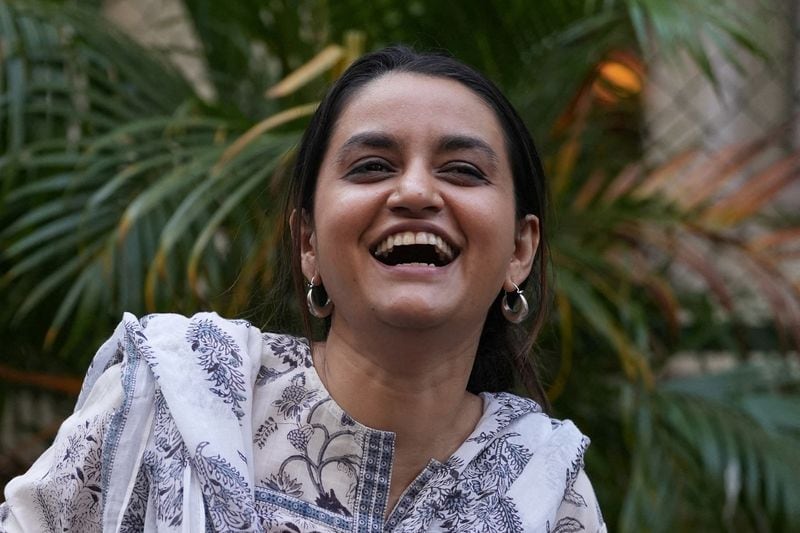
Alia Bhatt protagoniza la primera portada de TIME100 Next India junto a 100 figuras influyentes


Alia Bhatt es una de las figuras de portada de la primera edición de TIME100 Next India, la selección con la que la revista TIME distingue a 100 personas cuyos proyectos y trayectorias apuntan a influir en el futuro del país. La iniciativa reúne referentes de las artes, la ciencia, los negocios, el deporte, la tecnología y la defensa de causas sociales, y sitúa a la actriz de Bollywood como uno de sus nombres más visibles.
Bhatt aparece en la portada tras una carrera que combinó popularidad, reconocimiento crítico y una búsqueda sostenida de personajes protagónicos para mujeres. Hija del director Mahesh Bhatt y de la actriz Soni Razdan, debutó en 2012 con Student of the Year, una producción que inicialmente alimentó el escepticismo hacia su lugar dentro de la estructura tradicional de Bollywood.
Bhatt convirtió las dudas sobre su debut en una carrera de riesgo
El punto de inflexión de Bhatt llegó en 2014 con Highway, de Imtiaz Ali. Allí interpretó a Veera Tripathi, una joven que atraviesa una experiencia de transformación personal después de ser secuestrada. “Quería romper una expectativa preestablecida”, explicó la actriz a TIME, al recordar que entonces predominaba la imagen de una intérprete asociada a su apariencia y a los números musicales, antes que a desafíos dramáticos.

Ese papel abrió una etapa distinta. En Udta Punjab, encarnó a una trabajadora migrante de Bihar atrapada en la red del narcotráfico de Punyab, actuación por la que obtuvo el premio Filmfare a mejor actriz. Luego alternó títulos de alcance masivo, como 2 States y Gully Boy, con personajes de mayor complejidad en Raazi y Dear Zindagi.
La actriz defiende los papeles femeninos pese a los reveses de taquilla
En proyectos recientes, Bhatt sostuvo esa búsqueda. En el suspenso Jigra, estrenado en 2024, interpretó a una joven que intenta rescatar a su hermano de prisión. En Alpha, encabezó la primera película liderada por una mujer dentro del universo de espionaje de Yash Raj Films. Ambos títulos tuvieron un desempeño moderado en las salas, pero la actriz afirmó que ese resultado no debería condicionar la producción de relatos centrados en mujeres.
“Cuando fracasa una película protagonizada por un hombre, nadie dice que no deberían hacerse películas centradas en hombres”, sostuvo en la entrevista. “No voy a dejar de elegir películas encabezadas por mujeres”, agregó. Su próximo estreno será Love and War, dirigida por Sanjay Leela Bhansali y coprotagonizada por Ranbir Kapoor y Vicky Kaushal. La película está prevista para enero de 2027.
La maternidad cambió sus prioridades laborales y su rol como productora
Bhatt, madre desde 2022, señaló que ahora privilegia la calidad de los proyectos frente a la cantidad. Esa revisión alcanzó las condiciones de trabajo en los rodajes. La actriz respaldó a Deepika Padukone en el debate sobre jornadas que, según cuestionó, pueden extenderse entre 15 y 18 horas dentro de Bollywood.

La integrante de la lista reconoció que su posición le permite negociar mejores condiciones, aunque planteó que esas garantías no deberían depender de la influencia individual de una estrella. “Los horarios justos hacen el trabajo más eficiente, y la gente no debería temer perder el empleo por establecer esos límites”, señaló. También destacó una demanda básica: instalaciones sanitarias adecuadas para toda la plantilla de una producción.
Bhatt aseguró además que no trabajará con hombres acusados de abuso sexual, una definición que llega después de que el movimiento #MeToo de 2018 expusiera denuncias en Bollywood sin que muchos de los acusados afrontaran consecuencias profesionales. La presencia de la actriz en portada concentra así discusiones que atraviesan al cine indio: la continuidad de las dinastías familiares, el peso de la exposición digital, la representación de mujeres y las condiciones laborales detrás de las producciones.
TIME dividió su primera lista local en cinco categorías
La primera edición de TIME100 Next India reúne a 100 personas que, según el criterio de TIME, están influyendo en el futuro de la India desde ámbitos diversos. La selección está organizada en cinco grupos: artistas, figuras emergentes, innovadores, líderes y defensores de causas sociales. Cada perfil incluye un texto de presentación firmado por periodistas de la revista o por referentes de cada disciplina.

La propuesta traslada por primera vez a la India el formato internacional TIME100 Next, dedicado a personalidades con proyección pública. Además de la portada de Bhatt, la publicación lanzó otras dos: una compartida por los cineastas Aryan Khan, Payal Kapadia y Theja Rio, y otra protagonizada por Pawan Kumar Chandana, fundador de la empresa aeroespacial Skyroot.
El cine, el deporte, la ciencia y el activismo tienen lugar en la selección
En el terreno audiovisual, la revista distinguió a Payal Kapadia, directora de All We Imagine as Light, película que obtuvo el Gran Premio del Jurado en el Festival de Cannes de 2024. También incluyó a Aryan Khan, realizador y empresario; a Theja Rio, cuyo debut Angh ganó el Premio Platform en el Festival Internacional de Cine de Toronto de 2026; y a intérpretes como Samantha Ruth Prabhu, Vicky Kaushal, Sai Pallavi, Nayanthara y Jitendra Kumar.
El listado no se centra solamente en la lógica cinematográfica. El campeón mundial de ajedrez Gukesh Dommaraju, la medallista olímpica de boxeo Lovlina Borgohain, la levantadora de pesas Mirabai Chanu y la arquera Kumkum Mohod representan al deporte. En ciencia y tecnología figuran la bióloga molecular Anjana Badrinarayanan, el investigador de inteligencia artificial Pratyush Kumar, la oceanógrafa Divya Panicker y Chandana, al frente de una compañía que desarrolla vehículos de lanzamiento espacial.
La nómina suma perfiles vinculados a causas sociales y ambientales. Entre ellos están Grace Banu, activista por los derechos de las personas dalit y trans; Shaheen Malik, sobreviviente de un ataque con ácido y defensora de derechos; Anish Malpani, impulsor de iniciativas de reciclaje de plástico; y Shreya Mishra, empresaria del sector de energía solar.
Arts,Business,Culture,Entertainment,Asia / Pacific,Corporate Events,Arts / Culture / Entertainment











NEWYou can now listen to Fox News articles!
President Donald Trump issued a joint «peace declaration» with Russian President Vladimir Putin and Chinese President Xi Jinping on Thursday following the trio’s trilateral meeting during the 2026 Asia-Pacific Economic Cooperation (APEC) Economic Leaders’ Meeting in Shenzhen, China.
«The three heads of state had an in-depth exchange of views on the current international situation and committed to maintaining strategic stability and international security,» the White House said in a statement, titled «U.S.-Russia-China Heads of State Declaration toward Peace.»
Russia’s Foreign Ministry and China’s Chamber of Commerce to the EU confirmed the pact in near-identical statements, which also highlighted the three countries’ commitment to reducing nuclear proliferation, increasing global petroleum production and upholding international institutions.
TRUMP’S HISTORIC SUMMIT WITH XI, PUTIN MARKS DIPLOMATIC MILESTONE, BUT BREAKTHROUGHS REMAIN ELUSIVE
«The three countries plan to increase the production and supply of refined petroleum products for the benefit of all nations. They reaffirmed the importance of stable energy flows,» each of the U.S., Chinese and Russian statements read.
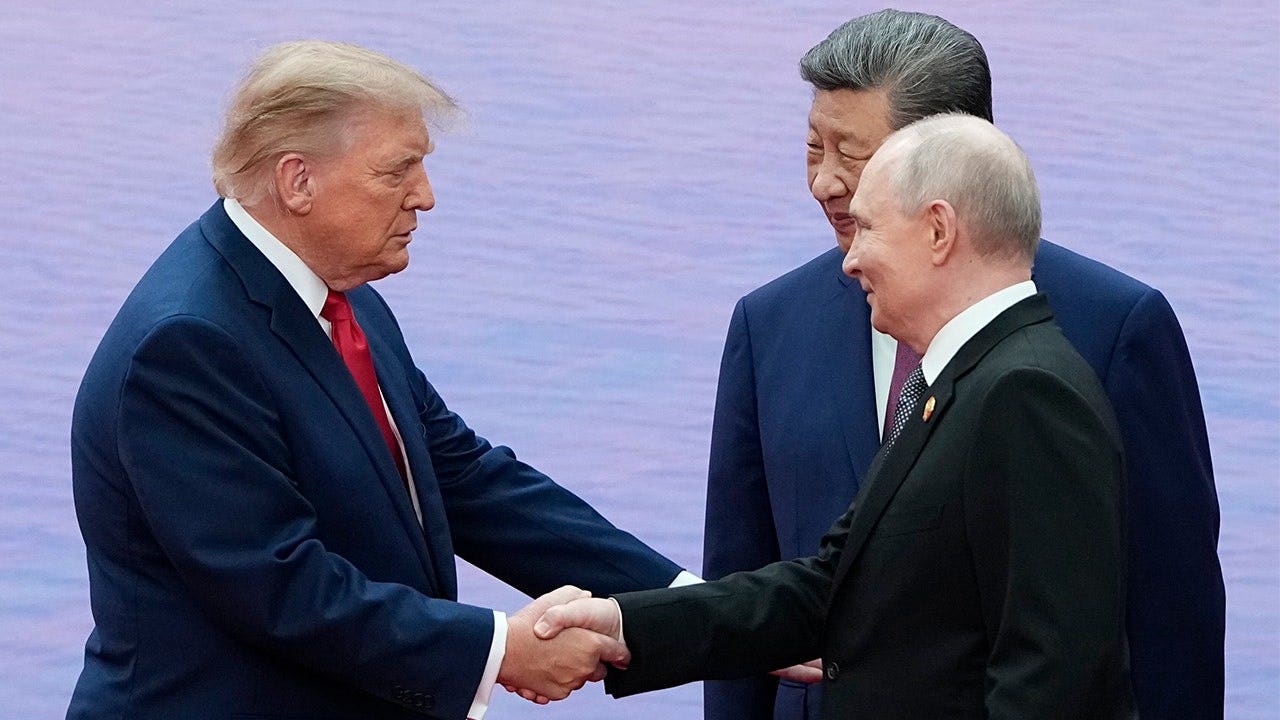
U.S. President Donald Trump, Russian President Vladimir Putin, and China’s President Xi Jinping greet each other before the welcome banquet for the Asia-Pacific Economic Cooperation (APEC) Economic Leaders’ Meeting at the Shenzhen International Communication Center on November 18, 2026, in Shenzhen, China. (Iori Sagisawa-China Pool/Getty Images)
China’s Ministry of Foreign Affairs also released a more expansive statement on the meeting.
TRUMP’S CHINA TRIP: HISTORIC XI-PUTIN TALKS, ‘SUPERINTELLIGENCE’ BOAST AND OTHER TOP MOMENTS
«President Xi noted that it is a groundbreaking move for the top leaders of China, Russia and the United States to hold the first-ever meeting in history. History tells us that peace among major countries brings stability to the world, while their contention would only lead to chaos in the world. Peace has been an enduring pursuit of humanity,» the statement read.
The statement referred to the theme of the historic meeting between the three leaders, the first time in history the three nations’ heads of state met collectively, as «Safeguarding World Peace and Promoting Strategic Stability in Major-Country Relations.»
CHINA’S XI SURPRISES TRUMP AT TARMAC, RECIPROCATING GESTURE SHOWN MONTHS AGO
«More than 80 years ago, China, Russia and the United States, the key anti-fascist forces in the world, fought shoulder to shoulder and achieved great victories, winning peace and tranquility for the world. History is the best textbook; we must remember history, and learn from it to shape the future,» the Chinese statement continued.
TRUMP CANNOT DETER XI AND PUTIN’S NUCLEAR GOALS WITH A STRATEGY DESIGNED FOR JUST ONE
All three countries’ statements affirmed a commitment to nuclear harm reduction, with each including language stating that «a nuclear war cannot be won and must never be fought.»

Chinese President Xi Jinping, U.S. President Donald Trump and Russian President Vladimir Putin take part in a trilateral meeting at Kylin Villa on the sidelines of the Asia-Pacific Economic Cooperation (APEC) Summit in Shenzhen, in China’s southern Guangdong Province, on November 19, 2026. (Mandel NGAN / AFP via Getty Images)
Additionally, China’s readout of the meeting stated that President Trump noted how many eyes around the world would be on the summit.
KIM JONG UN’S NUCLEAR BUILDUP SPARKS ‘SERIOUS CONCERN’ AHEAD OF TRUMP-XI-PUTIN SUMMIT
«President Trump noted that the U.S.-China-Russia summit draws attention from across the world. It is very important and has made history. The three countries are all nuclear-weapon states, and have a special and important responsibility to safeguard world peace and stability,» the Chinese statement read.
An earlier Chinese readout of the meeting revealed topics covered on the agenda, which included Russia’s war in Ukraine, ongoing tension in the Middle East and the Korean Peninsula.
CHINA BLOCKS BLOOMBERG REPORTER FROM TRUMP-PUTIN-XI MEETING OVER QUESTION TO TRUMP

U.S. President Donald Trump is greeted by China’s President Xi Jinping as he arrives at Shenzhen Baoan International Airport to attend the Asia-Pacific Economic Cooperation (APEC) Summit in Shenzhen, in China’s southern Guangdong Province, on November 18, 2026. (Mandel NGAN / POOL / AFP via Getty Images)
China also stressed that the summit was «positive, constructive and very productive.»
«President Xi emphasized that the seeds sown at the summit today among the three presidents will surely take root, sprout, bloom and bear fruit,» the statement concluded.
world, donald trump, vladimir putin, xi jinping, china, russia, foreign policy, national security, nuclear proliferation
INTERNACIONAL
Crece el rechazo a la inteligencia artificial en las universidades de Estados Unidos: los argumentos de estudiantes y profesores
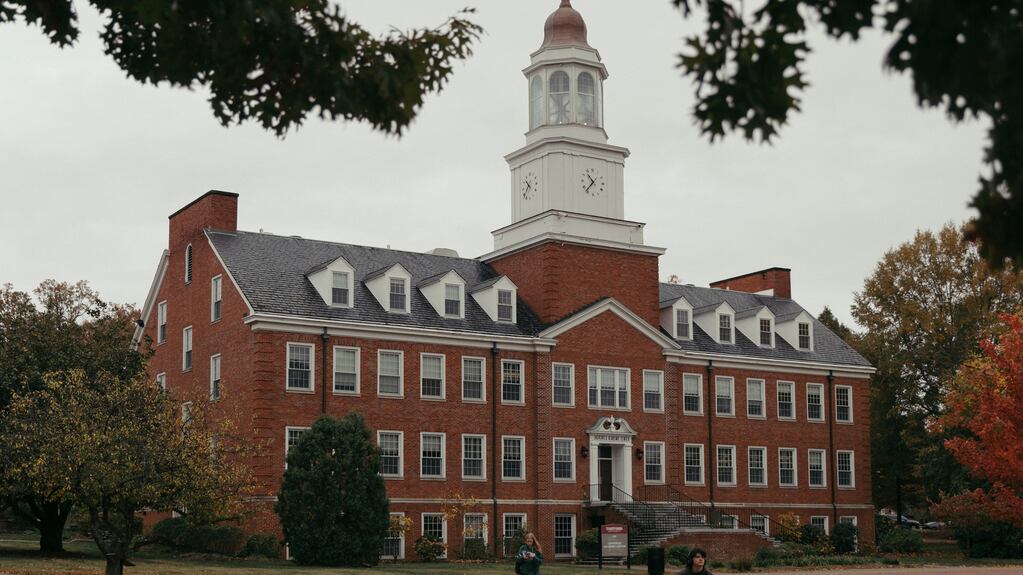
En marzo, estudiantes de la Universidad de Transilvania lanzaron una petición para intentar frenar el avance de la inteligencia artificial en el campus. En ella se pedía a la administración que cancelara las licencias de los chatbots con los gigantes de la IA y que mejor se invirtiera el dinero en una “educación enfocada en el ser humano”.
Aproximadamente un tercio de los estudiantes de la universidad la firmaron.
Transilvania, en Lexington (Kentucky), es una universidad muy pequeña, con menos de 1000 estudiantes. Sin embargo, tanto en Estados Unidos como en el resto del mundo, ha surgido una ola de resistencia universitaria contra la IA, impulsada en parte por un creciente grupo de objetores de conciencia que se niegan por completo a utilizarla.
Las encuestas indican que la gran mayoría de los estudiantes estadounidenses usan chatbots para sus tareas académicas. Por su parte, las autoridades universitarias han recibido con los brazos abiertos la IA, argumentando que es clave para preparar a los estudiantes para el mercado laboral.
No obstante, a medida que crece el uso de la IA, cada vez más estudiantes y profesores encienden las alarmas e intentan frenarla.
Gran parte de la oposición viene de la izquierda política y se centra en cómo la IA podría dañar el medio ambiente, restar poder a los trabajadores o utilizarse con fines bélicos. Algunas de las voces más críticas de la oposición estudian arte –donde la creatividad humana es fundamental– o derecho, ya que las empresas tecnológicas enfrentan demandas por posibles violaciones a los derechos de autor y a la privacidad.
También existe una profunda preocupación de que la IA empobrezca la misma experiencia universitaria al eliminar el esfuerzo constructivo que supone el aprendizaje.
Desde California hasta Sidney y París, los opositores publican cada vez más manifiestos en los que plantean sus exigencias: que las universidades no se asocien con empresas de IA; que no se obligue a los profesores a usar IA generativa en las clases o a la hora de calificar y que se permita a los estudiantes negarse a realizar tareas que requieran el uso de chatbots, sin que esto afecte sus calificaciones.
Times
INTERNACIONAL
Hakeem Jeffries wins overwhelming Speaker-designate vote as progressives’ revolt falls flat
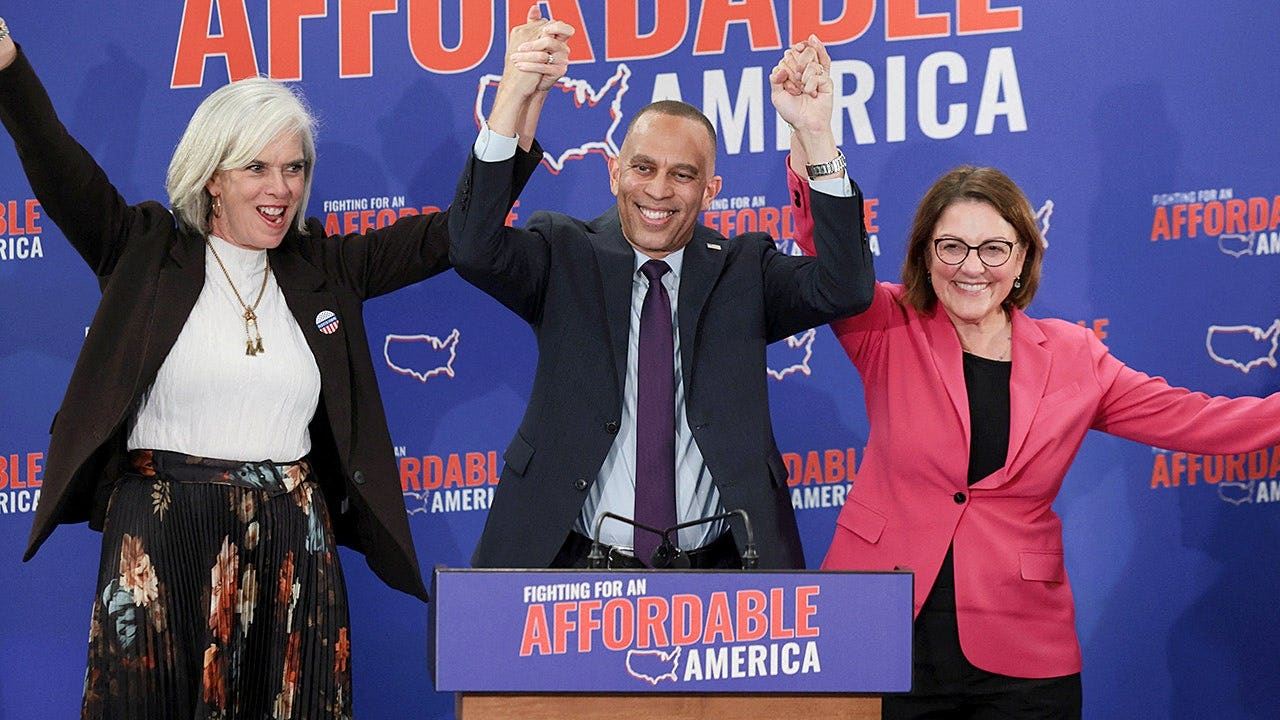
Democrats are fretting that the «Bloc» of progressives will lug House Democrats to the left.
But, there is strength in numbers.
Yours truly wanted to understand just how much sway progressives might have over the House Democratic Caucus. Look no further than Wednesday morning’s vote for speaker.
No one challenged House Minority Leader Hakeem Jeffries (D-N.Y.) to become speaker-designate in the internal caucus vote.
It’s about the math.
Jeffries marshaled 251 of the 262 secret ballots cast. The recorded vote revealed that despite all of their noise and clamor, extreme progressives really don’t have much juice compared to the rest of the Democratic Caucus. In fact, rank-and-file Democrats crushed their progressive colleagues.
Democrats did not vote by name. But numbers say a lot. While the recorded vote could have revealed potential craters of dissent among Democrats and questions about Jeffries, the tally registered the opposite. It showed just how diminutive the hard left is in the Democratic Caucus.
JEFFRIES BRUSHES OFF OPPOSITION FROM FAR-LEFT DEMS WHO VOTED NO: ‘WE’RE GOING TO WORK TOGETHER’
Do they exude an outsized political voice? Yes. But success in Congress is measured in numbers. And at least on Wednesday, the numbers signaled few results for the Bloc and a show of unity among Democrats.
«With the majority as big as it is, it’s going to be very hard for anybody to try and hold our group of hostage,» forecast Rep. Tom Suozzi (D-N.Y.).
«We’re going to work together to find the highest common denominator in order to make life better for the American people,» said Jeffries.
With more than 260 likely members in the Democratic Caucus, the Bloc wasn’t a factor on the first vote which mattered.
In January, Jeffries becomes the 57th person and the first Black speaker to grip the gavel. Members of the Congressional Black Caucus celebrated the ascendency of their colleague.
«I’ve been thinking about (the former Rep.) John Lewis (D-Ga.) a lot this week,» said former House Majority Whip and Rep. Jim Clyburn (D-S.C.), invoking the civil rights figure. «This is a very surreal moment for me.»
Clyburn spoke on behalf of Jeffries’ candidacy in the caucus, declaring that the path for the New York Democrat to the speakership makes him «feel vindicated.»
«As a Black woman from the South, having the next speaker of the House to be a Black man means a lot to me,» said Rep. Nikema Williams (D-Ga.).
Rep. Jonathan Jackson (D-Ill.) is the son of late Rev. Jesse Jackson. I asked what Jackson’s father would think of Jeffries rising to the speakership.
«He’d be more than happy to see America making progress. This is what the world looks like. This is what America looks like,» said Jackson.
WATCH: JEFFRIES FACES UNCERTAINTY FROM INCOMING DEMOCRATS AS HOUSE SPEAKER VOTE APPROACHES
But let’s filet the caucus vote for speaker to understand what unfolded with 11 Democrats who withheld their support from Jeffries.
Representative-elect Don Leonard (D-Ohio) is a populist in a district which President Trump won by 10 points in 2024. Leonard defeated Rep. Mike Carey (R-Ohio). The district Leonard flipped in central Ohio is a long way politically from left-leaning districts in New York City and New Jersey where renegade members of the Bloc refused to cast their ballots for Jeffries.
«What we need is a commitment from the speaker to get a 28th Amendment passed in 2028, to end Citizens United, end the corruption and call a vote on U.S. military aid to Israel,» said Leonard. «If he does those things, he’s got my vote.»
Seven of the progressives published a joint statement, demanding commitments from Jeffries to stop ICE and end «genocide in Gaza.»
The seven declared they saw «meaningful progress» in their talks with Jeffries. But since those negotiations continue, «our vote in caucus today was no» against Jeffries.
Despite repeated efforts, none of the seven spoke to Fox.
But what’s remarkable is that two of the seven withholding their support hail from Jeffries’ hometown, New York City. One is Representative-elect Claire Valdez (D-N.Y.) — who will represent a wide swath of Brooklyn and Queens. The other is Representative-elect Darializa Avila Chevalier (D-N.Y.). That district comprises parts of Upper Manhattan and The Bronx.
Your trusty reporter tried to understand what the dissent meant.
«How are their districts different than yours, being next door?» I asked Jeffries.
He deflected.
«The numbers speak for themselves,» said Jeffries.
I tried again.
«But those districts — are they that different from what you represent? And yet they weren’t willing to vote for you, Mr. speaker-designate?»
No response.
The lack of support for Jeffries from the dissidents annoyed Rep. Marilyn Strickland (D-Wash.).
«This idea that Hakeem Jeffries has not earned this is completely absurd. He has worked hard. He’s done everything he needed to do,» said Strickland.
Rep. Nydia Velázquez (D-N.Y.) is retiring at the end of this Congress. She opposed Valdez as her successor. She was bewildered that Valdez and Avila Chevalier wouldn’t support their hometown, Big Apple Congressman for speaker.
«My advice to them is take the time to know how this institution runs and what it takes to be successful here,» said an agitated Velázquez.
Rep. Joe Morelle (D-N.Y.) served with Jeffries in the state legislature. He argued that Valdez and Avila Chevalier made a mistake.
«They’re going to have to answer to their constituents,» said Morelle. «I think they should have been with Hakeem Jeffries who’s led us to this historic majority.»
And if you aren’t on the team in politics, the team also isn’t on you.
«It is a small group that marginalized themselves,» said Rep. Henry Cuellar (D-Texas) about the holdouts.
However, Representative-elect Dan Koh (D-Mass.) saw it differently.
«They all got elected with very different constituencies. A lot of them have different priorities,» said Koh. «There are things that their constituencies have demanded. And they want to make sure have the audience of the leader.»
Rep. Greg Landsman (D-Ohio) believed there was strategy in the dissent.
«They probably chose to do this because it’s a way of lifting up their issues,» said Landsman.
And keep in mind, this wasn’t the actual vote for speaker. That comes on the floor in January. It’s a win-win for Jeffries and the holdouts if they forge an accord. He promises them certain votes. And they can then tout what they extracted from the next speaker.
This is politics.
But let’s put the 11 defections into context.
Democrats flipped the House in 2018. In the internal caucus election, former House Speaker Nancy Pelosi (D-Calif.) lost 32 votes. In the vote for speaker in January 2019, 12 Democrats voted for someone else. Three members voted present.
«Nancy Pelosi will be remembered,» said Rep. Jared Moskowitz (D-Fla.). «And the 30 people who voted against her will not be remembered.»
Jeffries will go down in the history books as the first Black speaker. The holdouts? They’re freshmen. As Moskowitz suggests, we’ll see if anyone recalls them in a few years.
politics, congress, house of representatives, the squad, democrats elections

Trump, Putin, Xi issue 4-point declaration after historic summit

“Grave fallo de seguridad”: el insólito contratiempo que sufrió Mauricio Pochettino en su primera práctica en el Manchester United

El detrás de escena del encuentro que encabezó Milei con personajes políticos de alto perfil en Puerto Madero

Alia Bhatt protagoniza la primera portada de TIME100 Next India junto a 100 figuras influyentes

Un club de la MLS viene por Alexis Cuello y San Lorenzo está en alerta

La explosiva revelación de Pablo Duggan sobre otro escándalo Nelson Castro y el Papa: «Lo quiso echar a patadas»

Milei dijo que el riesgo país sube por el miedo a "Orcolandia" y afirmó: "Los argentinos no van a votar hacia el pasado"

Encontraron muerto a un trabajador en el Observatorio de La Plata

Se agudiza la suba de tasas y se complica la economía mundial

Javier Milei y sus medidas, en vivo: “Hoy discutimos si crecemos un punto más o menos”, dijo el Presidente

 POLITICA19 horas ago
Javier Milei y sus medidas, en vivo: “Hoy discutimos si crecemos un punto más o menos”, dijo el Presidente
- ECONOMIA3 días ago
De la Patagonia a San Pablo: empieza a tomar forma el proyecto de exportar gas de Vaca Muerta a Brasil
- INTERNACIONAL3 días ago
Fallas en los sistemas de Estados Unidos: cuando las actualizaciones tecnológicas salen mal