INTERNACIONAL
Cambio climático altera la cosecha de café en Costa Rica y eleva los costos de producción

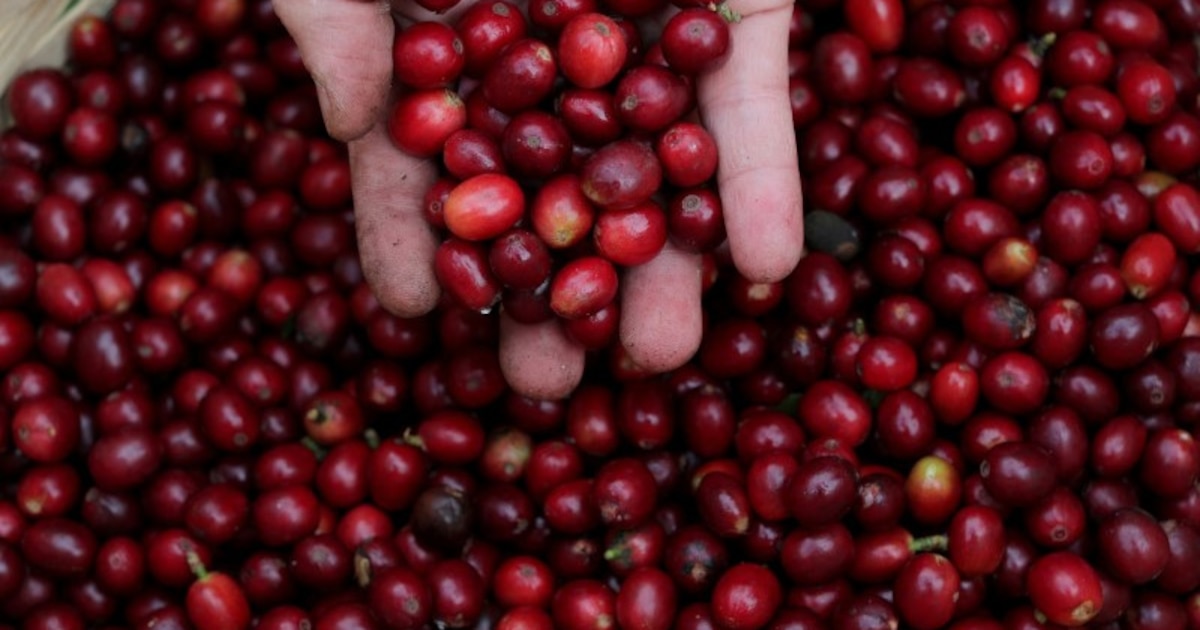
El cambio climático afecta el cultivo de café en Costa Rica por las variaciones en los patrones de lluvia y temperatura que requieren los cafetales. Las plantaciones de menor altitud se encuentran entre las más expuestas, según informó CR Hoy con base en datos del Instituto del Café y estudios del Centro Agronómico Tropical de Investigación y Enseñanza (Catie).
El cafeto necesita una estación seca definida y un período posterior de lluvias para desarrollarse en condiciones adecuadas. Cuando las precipitaciones pierden regularidad y las temperaturas superan los 25 °C, pueden surgir dificultades en la floración, el desarrollo de los granos y el secado del café al sol.
Estas condiciones también pueden modificar los ciclos de cosecha, aumentar los costos de producción y favorecer la presencia de plagas y enfermedades. Las variedades tradicionales Caturra y Catuaí están entre las más susceptibles a problemas como la roya.
Los cafetales bajo los 1,000 metros reciben mayores impactos
Las siete regiones cafetaleras de Costa Rica están expuestas a la variabilidad climática, aunque los cultivos ubicados por debajo de los 1,000 metros sobre el nivel del mar reciben los efectos con mayor intensidad. Las investigaciones del Catie registraron consecuencias negativas en Turrialba, la vertiente Atlántica y Naranjo.
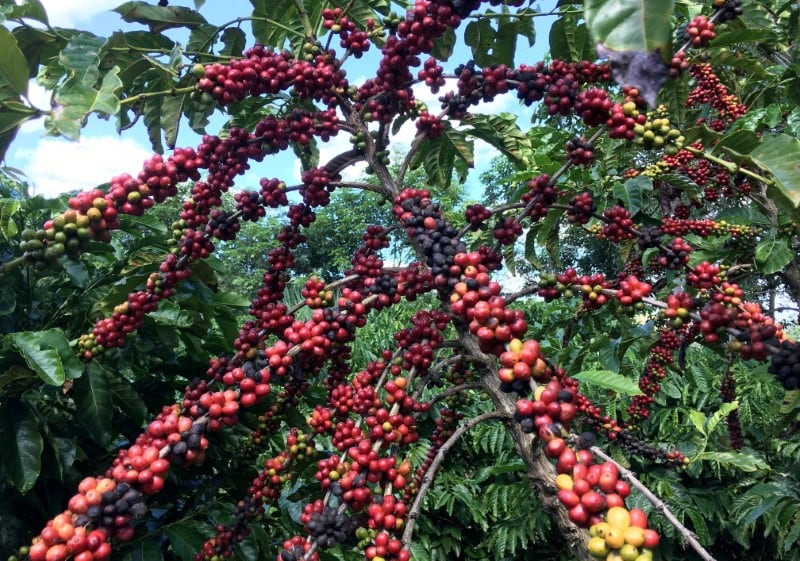
El Instituto del Café también identificó al Valle Central Occidental, situado entre Alajuela y San Ramón, como una de las áreas con mayor vulnerabilidad. La región presenta un clima más seco y las lluvias pueden llegar tarde, incluso durante los años asociados a los fenómenos de El Niño o La Niña.
En Pérez Zeledón y Coto Brus, el cultivo enfrenta un escenario diferente por el exceso de precipitaciones. La región de Los Santos mantiene condiciones de mayor equilibrio climático, aunque también registra cambios en sus patrones habituales, de acuerdo con CR Hoy.
El caficultor Josué Navarro indicó que en Dota las lluvias disminuyeron, aunque se presentan con una intensidad mayor cuando ocurren. Según describió, los períodos de cosecha contaban antes con una delimitación más clara.
Actualmente, las flores y los granos maduros pueden coexistir durante todo el año dentro de una misma plantación. Esta situación dificulta la recolección porque el fruto no alcanza la madurez de manera uniforme.
La irregularidad de las lluvias condiciona la cosecha y el secado
Christian Chinchilla, gerente general de Coopedota, afirmó a CR Hoy que la cooperativa atravesó años con precipitaciones excesivas. Este año, en cambio, la región de Los Santos registró una menor cantidad de lluvia.
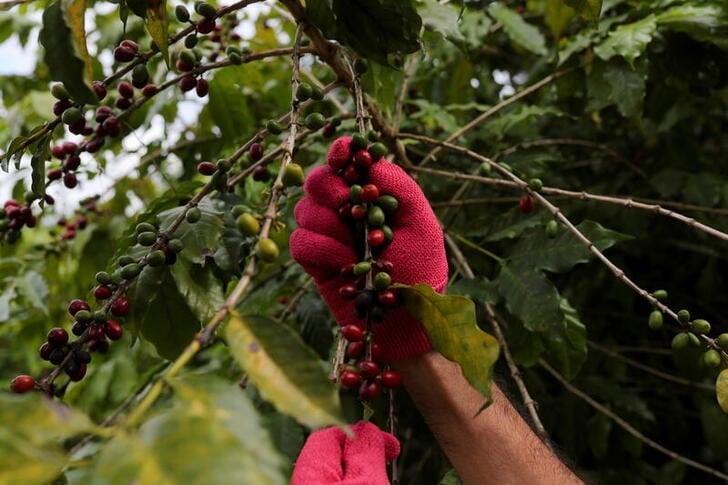
El gerente explicó que antes la recolección coincidía con veranos secos. Esa coincidencia se presenta con menor frecuencia, lo que puede complicar las tareas de cosecha y las etapas posteriores de secado.
Las temperaturas elevadas suman otra condición para los productores. Por encima de 25 °C, el calor puede limitar la floración y afectar la formación de los granos, que pueden reducir su tamaño o no completar su desarrollo.
Las variaciones del clima pueden incidir tanto en el volumen como en la calidad de la producción. La respuesta de cada finca depende de factores como la altitud, la cantidad de lluvia, la temperatura y el estado de los suelos.
Costa Rica 95 integra el programa de renovación de los cafetales
El Instituto del Café empezó a distribuir en 2025 semillas de la variedad Costa Rica 95. El programa prevé alcanzar a 5,000 productores en los próximos tres años, aunque las plantas nuevas pueden tardar hasta dos años en generar una producción significativa.
Las variedades desarrolladas por la institución buscan tolerar temperaturas más altas, tener raíces más profundas y recuperarse con mayor rapidez ante condiciones adversas. El objetivo incluye sostener la productividad y la calidad del grano.
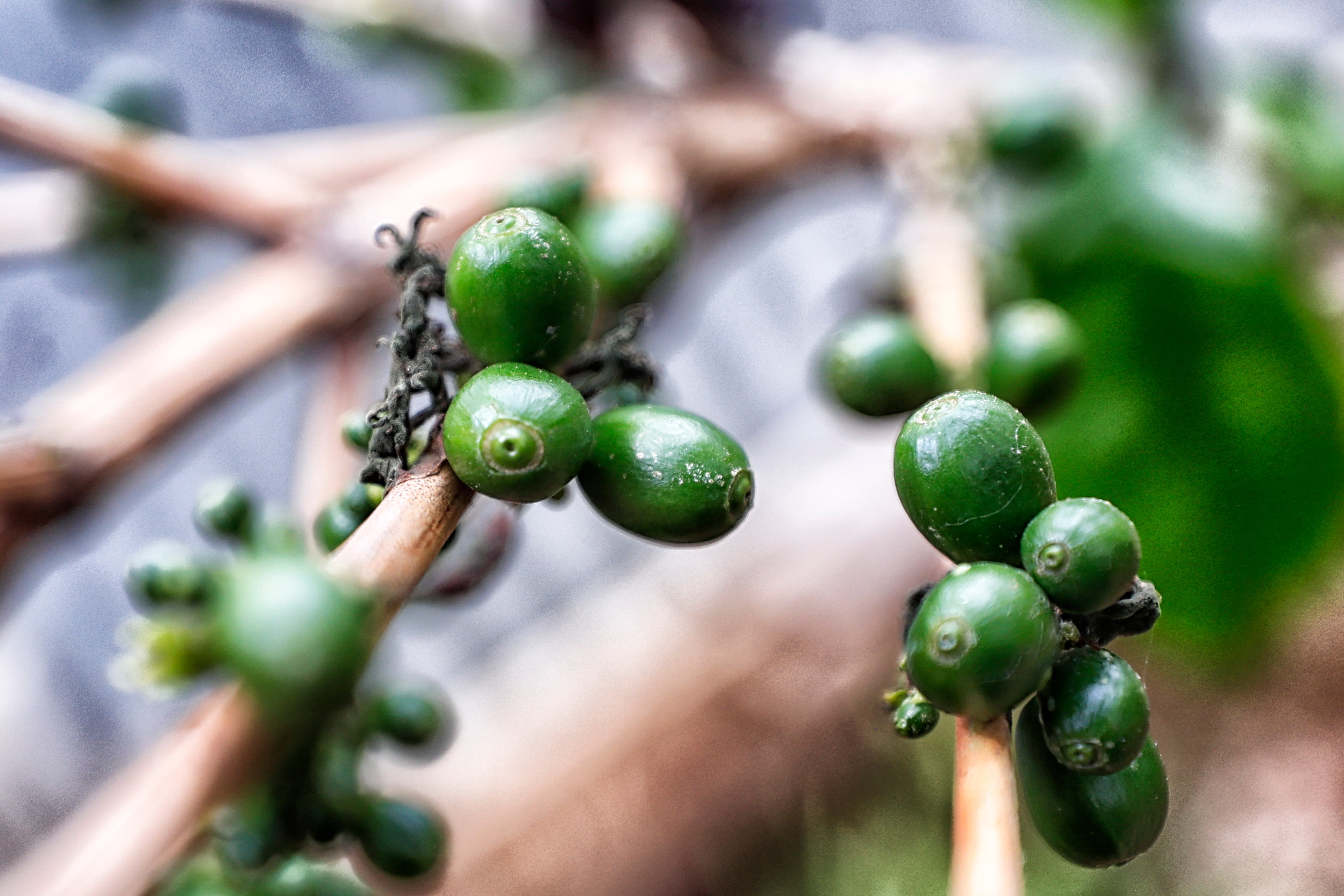
El proceso de mejoramiento genético combina cafetos de mayor resistencia e incorpora materiales provenientes de Etiopía, país de origen del café. Costa Rica conserva esos materiales desde hace décadas.
La renovación de las plantaciones será gradual, ya que cada productor deberá reemplazar los cafetos por etapas. Este proceso requiere tiempo antes de que las plantas alcancen una producción plena.
En Coopedota consideran que todavía es temprano para establecer el desempeño de las variedades recientes. La cooperativa estudia otras opciones, mientras Navarro prueba distintos materiales para determinar cuáles se adaptan mejor a las características de su finca.
El manejo del microclima aparece entre las alternativas de adaptación
Elías de Melo, coordinador de la Maestría en Caficultura Sostenible y Regenerativa del Catie, sostuvo que la reestructuración de la actividad puede influir en la continuidad de las explotaciones. “Los productores que están aislados”, advirtió, “están en riesgo altísimo de desaparecer”.
De Melo recomendó controlar la humedad y la temperatura dentro de los cafetales mediante el manejo del microclima. Entre las alternativas mencionó el uso de árboles de sombra durante el verano y una reducción de esa cobertura en la temporada lluviosa.
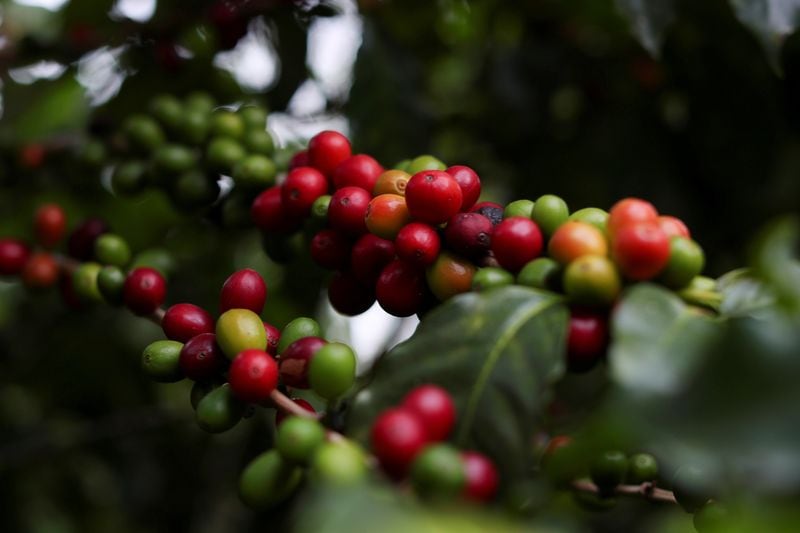
Las medidas incluyen la poda inteligente, el microrriego, la cobertura del suelo y la recuperación de terrenos agotados o afectados por enfermedades. El especialista sugirió aplicar insumos biológicos en lugar de productos químicos para parte de estas tareas.
La transformación de las fincas requiere inversiones y una aplicación gradual. Algunas propiedades de referencia registraron resultados positivos en estudios de largo plazo que contaron con participación de la Universidad de Costa Rica y la Universidad Earth.
Navarro incorporó sensores con inteligencia artificial en su finca para seguir las condiciones del suelo. Con esos registros, ajusta la fertilización según las necesidades detectadas en las distintas áreas del terreno.

INTERNACIONAL
Ilhan Omar’s daughters show up at scene of DC raid as rumors swirl about embattled rep’s whereabouts

Rep. Ilhan Omar, D-Minn. has not been seen in public since a pre-dawn raid of her Washington, D.C. residence last week — but Digital spotted her daughters descending on the home in recent days.
Isra Hirsi pulled black sedan into the driveway of the home under the cover of darkness Saturday night and stepped out of the vehicle carrying a bag with both hands. She walked directly into the front door of the same home that was swarmed by Homeland Security Investigations (HSI) agents a week prior.
«What’s your problem?» Hirsi said to Digital after getting out of her car.
Just two days later, a young teenage girl believed to be Omar’s second daughter also was seen entering the home with a woman that appeared to be her caretaker.
ILHAN OMAR’S EMBATTLED HUSBAND APPEARS AT SCENE OF HSI RAID IN MIDST OF CRIMINAL FRAUD INVESTIGATION
The daughters arrived on the scene roughly a week after the house was raided by federal agents. Omar also has a son who is the only immediate family member of Omar’s that Digital has not seen arrive at their home in D.C., since the federal search where her phone and passport were reportedly seized.
The same night Omar’s eldest daughter was captured entering the home, U.S. Capitol Police (USCP) — whose jurisdiction is typically limited to U.S. Capitol building and grounds, but extends to protecting members of Congress and their families — showed up on the congresswoman’s street.
Omar shares her three children with Ahmed Hirsi, who she ceremonially married in 2002 and legally married in 2018. During the time before her legal marriage to Hirsi, she was legally married to Ahmed Nur Said Elmi, who is allegedly her brother, from 2009 until 2017 — during which time Omar’s youngest daughter was born. She married political consultant Tim Mynett in 2020.
Throughout the week after the raid, Mynett has emerged from the home intermittently, mostly to walk the family’s Golden Labrador Retriever dog, Teddy. He has defended his wife to Digital, saying he has «no concerns» about the investigation.
He also snapped when asked about unsubstantiated rumors that the congresswoman had fled the country. «You guys are annoying the hell out of the neighbors around here, man,» said Mynett.
Omar’s eldest daughter, Isra Hirsi, is controversial in her own right.
The 23-year-old activist and graduate of Barnard College — a Columbia University affiliate — was arrested at Columbia and later suspended from the school in 2024 after participating in the school’s now-infamous anti-Israel tent encampment, which lasted for two weeks until it was dispersed by NYPD.
ILHAN OMAR’S HUSBAND SNAPS OVER RUMORS SHE FLED US AFTER FEDERAL IMMIGRATION FRAUD RAID
She also co-founded the U.S. Climate Strike in 2019, part of a global movement that organized student walkouts of class as they demanded the passage of the far-left Green New Deal and a switch to 100% renewable energy.
Despite its name, the group didn’t stop at advocating for «green» energy policies. It also demanded universal healthcare, student debt relief, stronger union organization and advocated for giving land back to Native Americans.
Hirsi has also railed against capitalism publicly on social media.
Omar’s sister, Sahra Noor, did not show up for a scheduled stop on her book tour in Minnesota last week due to a «family emergency,» according to the book store hosting the event.
Three sources confirmed to Digital that Noor voluntarily spoke with federal investigators last week.
Omar’s home was raided by HSI, the chief investigatory body of the Department of Homeland Security (DHS), at around 6:00 a.m., last Monday.
Sources confirmed to Digital that the agency executed a search warrant in relation to an immigration fraud probe. Specifically, investigators are probing whether the congresswoman and/or her father falsified information when filling out her citizenship paperwork.
Border Czar Tom Homan revealed over the weekend that if the allegations are proven, they could lead to Omar’s denaturalization.
The New York Times reported that about a dozen people, including Omar’s relatives, have been subpoenaed in the case.
Omar has not responded to repeated requests for comment from Digital, but she has reacted publicly to the raid on social media.
REP ILHAN OMAR’S IMMIGRATION HISTORY FACES NEW SCRUTINY AS FEDERAL INVESTIGATORS SUBPOENA RELATIVES
«This raid by Trump’s DHS is an outrageous abuse of power and an unprecedented escalation in the weaponization of federal law enforcement to target political enemies,» she said in a statement posted to X hours after the raid. For a decade, Donald Trump has relentlessly targeted Congresswoman Ilhan Omar with inflammatory rhetoric, repeatedly putting a target on her back. Now, those attacks have escalated to a pointless federal raid. The Congresswoman has done nothing wrong. No president should be able to use the power of the federal government to intimidate his political enemies.»
In an exclusive interview with Digital last Tuesday, Vice President JD Vance said the investigation is not politically motivated.
«We don’t want to be like the Biden administration. We never want to be like that — where they would allow the law to go after their political opponents,» he said.
«We really want to let the law, the facts drive this,» he continued. «And if justice requires something else be done, then, of course, we’ll take a step when we have to.»
ilhan omar, politics, homeland security, tom homan, house of representatives politics
INTERNACIONAL
En un siglo, la mayoría de las especies de abejas silvestres perdió terreno en Europa y preocupa a los expertos
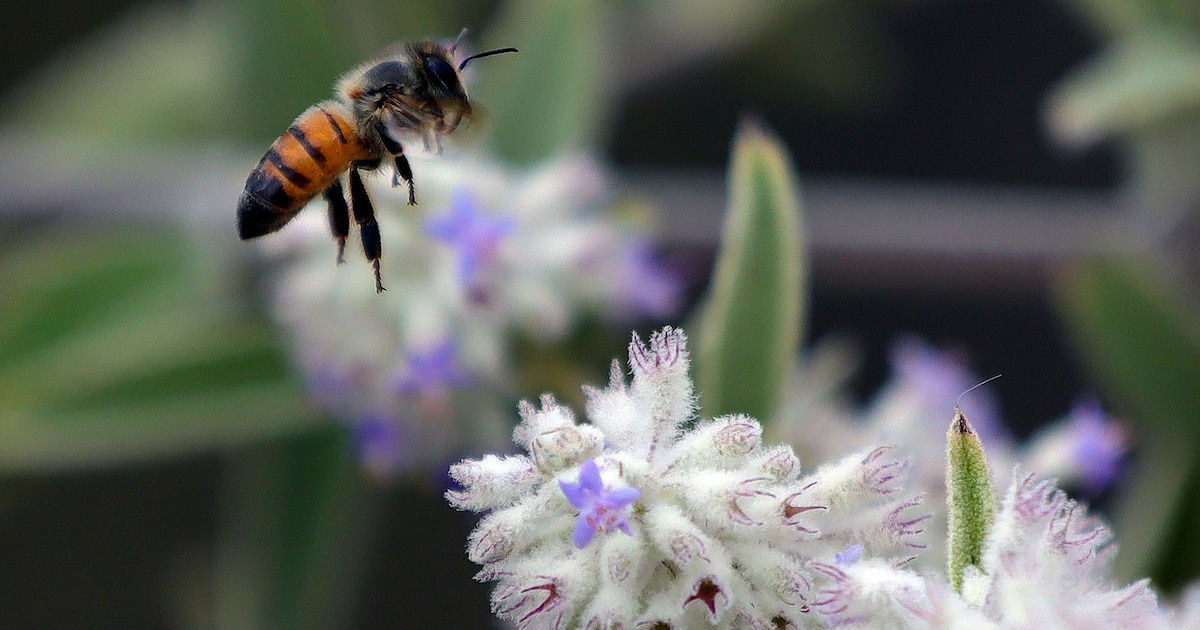
Las abejas silvestres atraviesan un retroceso sostenido en Europa. Un análisis de registros reunidos durante un siglo detectó que la mayoría de las especies perdió presencia en sus áreas de distribución, una tendencia que también alcanza a cerca de la mitad de los sírfidos, insectos conocidos como moscas de las flores. Aunque no se observa una extinción masiva, los investigadores advierten que la reducción de poblaciones anticipa riesgos para la biodiversidad, los ecosistemas y el medio ambiente.
Estos insectos cumplen una función central en la polinización, el proceso por el cual transportan polen entre flores y permiten la reproducción de muchas plantas. Su actividad resulta necesaria para gran parte de la flora silvestre y para numerosos cultivos que integran la alimentación humana, como frutas, hortalizas, semillas y frutos secos.
Además de favorecer la producción agrícola, sostienen redes ecológicas de las que dependen otras especies. La disminución de las abejas, por eso, no implica solo una amenaza para la apicultura o la producción de miel: también afecta la diversidad vegetal, la disponibilidad de alimentos y la capacidad de los ambientes naturales para resistir cambios climáticos y presiones ambientales.

Las abejas silvestre muestran un declive en Europa
La mayoría de las especies de abejas silvestres en Europa redujo su presencia en las últimas décadas, según un estudio publicado el 19 de octubre en la revista Proceedings of the National Academy of Sciences (PNAS). El trabajo reunió más de cuatro millones de registros realizados entre 1921 y 2020 y abarcó al 88% de las 3.051 especies europeas de abejas y sírfidos, dos grupos centrales entre los insectos polinizadores.
La investigación, encabezada por Carlos Martínez-Núñez, de la Estación Biológica de Doñana del Consejo Superior de Investigaciones Científicas (CSIC), detectó que los insectos disminuyeron más de lo que aumentaron en todas las regiones europeas, con la excepción de la zona alpina. Aproximadamente la mitad de las especies de sírfidos también perdió ocupación, es decir, la probabilidad de aparecer en un sitio determinado.

El análisis no plantea una desaparición masiva de especies. El 87% de las abejas y el 89% de los sírfidos registrados durante el siglo pasado volvieron a ser detectados entre 2001 y 2020. Aun así, los datos muestran que muchas especies persisten en el continente, aunque en una proporción menor de sus áreas históricas de distribución.
Las pérdidas no fueron uniformes. La riqueza de especies bajó de manera persistente en las regiones atlántica y continental, mientras que en los Alpes aumentó la cantidad de especies de abejas. Según el estudio de PNAS, las especies adaptadas al frío mostraron una leve tendencia a retrocesos más marcados que las adaptadas a temperaturas cálidas. También aparecieron entre los grupos más afectados especies parásitas y aquellas que dependen de dietas especializadas.
El investigador Martínez-Núñez señaló a EFE que los resultados muestran que “la mayoría de especies siguen presentes en Europa, aunque estén perdiendo terreno”. El científico atribuyó parte de esa reducción a la pérdida y fragmentación de hábitats, la intensificación agrícola, el uso de plaguicidas y otros contaminantes ambientales. El aumento de las temperaturas también redujo el área disponible para insectos vinculados a climas fríos.

La situación de la abeja melífera occidental (Apis mellifera) en libertad presenta un problema específico. Una evaluación de investigadores de la Universidad de Hohenheim y Agroscope, recogida por Phys.org, estimó que las poblaciones silvestres de esta especie dentro de la Unión Europea se reducirían un 56% en 10 años si dejaran de recibir enjambres procedentes de colmenas manejadas por apicultores.
Ese cálculo llevó a la Unión Internacional para la Conservación de la Naturaleza (UICN) a clasificar a las poblaciones silvestres de Apis mellifera como “en peligro” dentro de la Unión Europea. Los investigadores vincularon el deterioro con la desaparición de árboles viejos y cavidades para anidar, la menor disponibilidad de néctar y polen, la exposición a pesticidas, los patógenos y el ácaro Varroa. También señalaron que el movimiento comercial de colonias y la cría intensiva pueden afectar la diversidad genética de las poblaciones que viven fuera de las colmenas.
Cómo impacta la reducción y qué podría suceder
La reducción de las abejas silvestres puede afectar la polinización de plantas silvestres y cultivos. Cerca del 90% de las plantas con flores y más de tres cuartas partes de los principales cultivos alimentarios dependen, al menos en parte, de animales que trasladan polen entre flores. Estos insectos, junto con los sírfidos, intervienen en funciones ecológicas como el control de plagas, según el estudio publicado en Proceedings of the National Academy of Sciences (PNAS).

La pérdida de presencia de determinadas especies modifica la composición de las comunidades de polinizadores. Los investigadores observaron un descenso gradual de especies más sensibles y un aumento de unas pocas con mayor tolerancia a las alteraciones ambientales. El equipo advirtió que este proceso puede derivar en “perturbaciones funcionales más profundas” si continúan las tendencias registradas durante el último siglo.
La reducción tampoco afecta de la misma manera a todas las abejas. Las especies que dependen de un tipo específico de alimento, las que parasitan a otros insectos y las adaptadas al frío figuran entre las que mostraron mayores descensos. De acuerdo con Carlos Martínez-Núñez, que algunas especies aumenten en la actualidad “no significa que vayan a seguir siendo las vencedoras” ante la intensificación del cambio climático y la pérdida de hábitat.
Los autores del estudio de PNAS sostienen que todavía no existe una extinción generalizada de polinizadores en Europa, ya que la mayoría de las especies cuenta con registros recientes. Sin embargo, esperan que la presión sobre las poblaciones se mantenga si persisten la fragmentación de los hábitats, la agricultura intensiva, la contaminación y el aumento de las temperaturas.
biodiversidad
Las autoridades judiciales tramitan cuatro casos distintos: una investigación por maltrato contra una adolescente, una condena por delitos sexuales contra una menor, una pesquisa por homicidio y una causa por violencia doméstica.
Estos casos generaron detenciones provisionales, una pena de prisión de 17 años y diligencias de allanamiento.
De esta manera, la Operación Kraken concluyó con la aprehensión de un hombre investigado por homicidio y con el decomiso de teléfonos celulares y un busito blanco que, de acuerdo con las autoridades, habría sido utilizado en el hecho.
La Sección de Homicidio y Femicidio Metropolitana coordinó el operativo junto con la Policía Nacional, la Dirección de Investigación Judicial (DIJ) y la Dirección de Inteligencia Policial (DIP).
Las diligencias se realizaron en varios sectores de la ciudad capital, entre ellos el corregimiento de Pedregal. Allí fue detenido un hombre por su presunta relación con un delito contra la vida y la integridad personal, en la modalidad de homicidio.

La investigación está relacionada con un hecho ocurrido el 19 de julio de 2026 en el sector de Villas de Andalucía, corregimiento de Don Bosco.
Según la pesquisa, un menor de edad salía de una fiesta cuando varios sujetos que se movilizaban en un vehículo blanco tipo busito lo interceptaron.
Tras un forcejeo, los agresores le dispararon a quemarropa. El ataque causó la muerte de la víctima.
Mientras, la Personería Municipal de Dolega, adscrita a la Fiscalía Regional de la provincia de Chiriquí, logró que un hombre de 32 años quedara bajo detención provisional por una investigación por maltrato al menor en perjuicio de su hija de 13 años.
La Fiscalía presentó ante un Tribunal de Garantías los elementos de convicción reunidos con el apoyo de los estamentos de seguridad.

El tribunal legalizó la aprehensión, admitió la formulación del cargo penal y ordenó la medida cautelar durante el plazo de la investigación.
La decisión tomó en cuenta las implicaciones del caso y el riesgo señalado para la adolescente.
Según las autoridades la causa se refiere a episodios ocurridos entre abril y mayo de 2026, que se agravaron el 12 de octubre en la vivienda que ambos compartían en el corregimiento de Los Algarrobos, distrito de Dolega.
La investigación sostiene que el acusado golpeó a la menor con un objeto contundente y que también incurrió en otros maltratos físicos. Las lesiones provocaron una incapacidad superior a 10 días.
Por su parte, la Procuraduría General de la Nación obtuvo una condena de 17 años de prisión contra un hombre declarado responsable de dos delitos sexuales en perjuicio de una menor de edad.
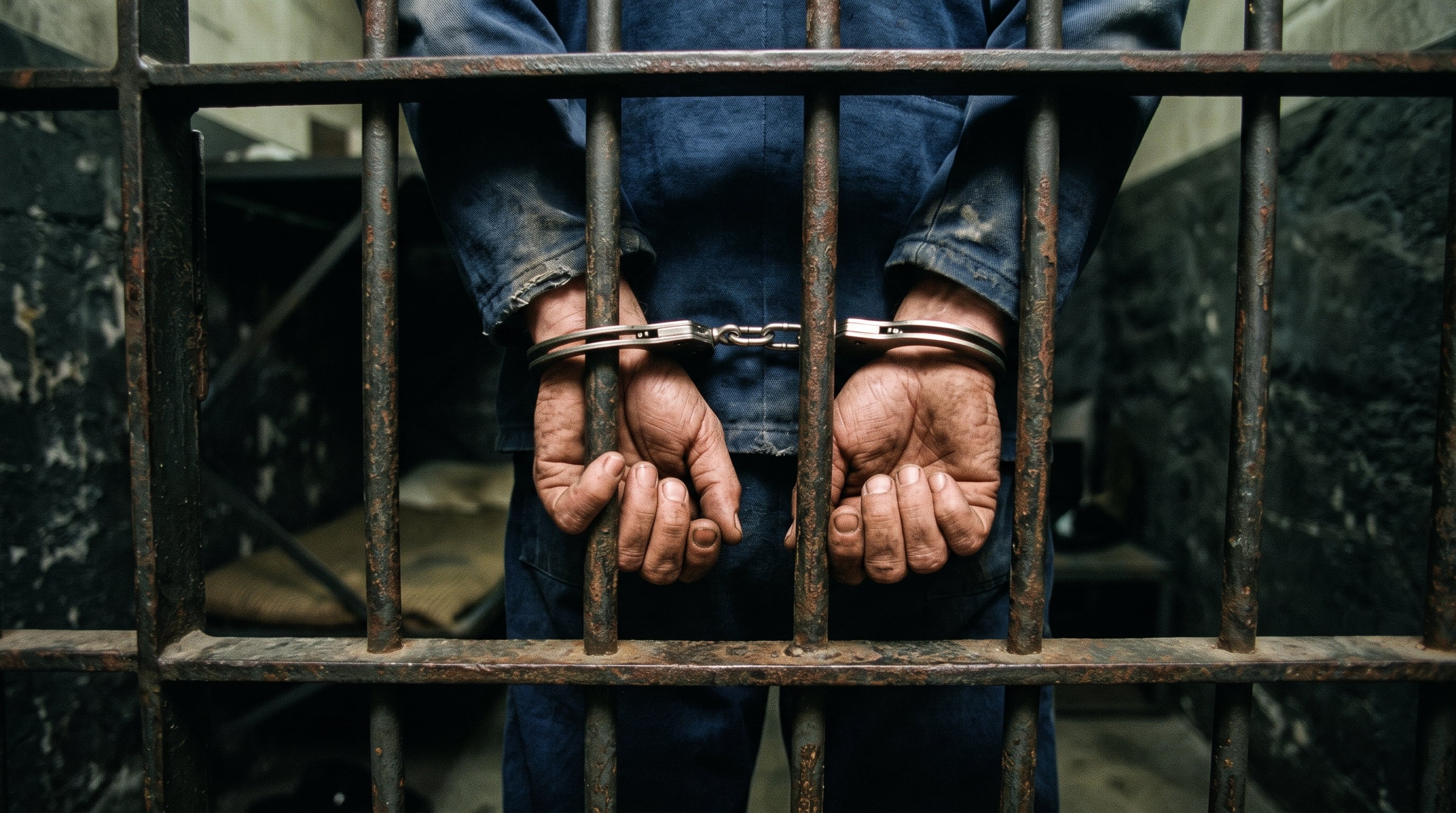
Como sanción adicional, el Tribunal de Juicio impuso dos años de inhabilitación para ejercer funciones en parques, parvularios, centros educativos y otros espacios donde se reúnan menores para actividades de desarrollo.
Durante el juicio oral, la Fiscalía presentó al menos 20 pruebas testimoniales, periciales, documentales y materiales.
El conjunto de elementos permitió acreditar la responsabilidad penal del acusado por violación sexual agravada y actos libidinosos. El tribunal emitió un veredicto unánime contra el hombre.
Otro hombre, esta vez de 37 años también recibió la medida cautelar de detención provisional tras ser imputado por violencia doméstica y quebrantamiento de una medida de protección en perjuicio de su pareja sentimental.
Ante un Tribunal de Garantías la Fiscalía presentó elementos de convicción sobre las conductas investigadas y la presunta vinculación del acusado.

La autoridad judicial legalizó la aprehensión, admitió los cargos y ordenó la detención durante el término de la investigación.
El caso ocurrió durante la madrugada del 11 de octubre de 2026 en el distrito de David, provincia de Chiriquí.
La investigación indica que el presunto agresor utilizó violencia e intimidación contra la mujer y le ocasionó golpes y heridas con un arma blanca. La víctima recibió atención médica para estabilizarla.
pistola,disparo,fogonazo,balística

Expertos en limpieza coinciden: “Para desengrasar los fierros de la parrilla necesitás bicarbonato de sodio y detergente”

Con tres goles en Brasil, Boca Juniors jugará la final de la Copa Sudamericana 2026

Cuándo y dónde Boca Juniors jugará la final de la Copa Sudamericana: la llave que definirá su rival

Reuniones de última hora, diferencias y presión de la Iglesia: el oficialismo espera el aval de la Casa Rosada

Rocío Robles contó por qué canceló su casamiento con Adrián Suar a último momento: “Me arrepentí por…”

A días del balotaje en Brasil, Eduardo Bolsonaro endureció sus críticas contra Lula

Alerta roja en Sudamérica por el Súper Niño: cambio climático, inundaciones extremas y el hallazgo de microplásticos y metales en el granizo

Juan Minujín contó como llegó a trabajar con Angelina Jolie y Salma Hayek: «Al principio dije que no»

El Gobierno pone en marcha un nuevo plan de retiros voluntarios y busca que haya 20.000 empleados menos en el Estado

Trump’s new press secretary out of the job just days after rocky debut

 CLIMA1 día ago
Alerta roja en Sudamérica por el Súper Niño: cambio climático, inundaciones extremas y el hallazgo de microplásticos y metales en el granizo
- POLITICA1 día ago
El Gobierno pone en marcha un nuevo plan de retiros voluntarios y busca que haya 20.000 empleados menos en el Estado
- CHIMENTOS3 días ago
“Feliz día a la mejor mamá del mundo”: el doble gesto del Chato Prada con Lourdes Sánchez y la reacción de ella