INTERNACIONAL
Operativos en Panamá dejan detenciones por homicidio, maltrato y violencia doméstica


Las autoridades judiciales tramitan cuatro casos distintos: una investigación por maltrato contra una adolescente, una condena por delitos sexuales contra una menor, una pesquisa por homicidio y una causa por violencia doméstica.
Estos casos generaron detenciones provisionales, una pena de prisión de 17 años y diligencias de allanamiento.
De esta manera, la Operación Kraken concluyó con la aprehensión de un hombre investigado por homicidio y con el decomiso de teléfonos celulares y un busito blanco que, de acuerdo con las autoridades, habría sido utilizado en el hecho.
La Sección de Homicidio y Femicidio Metropolitana coordinó el operativo junto con la Policía Nacional, la Dirección de Investigación Judicial (DIJ) y la Dirección de Inteligencia Policial (DIP).
Las diligencias se realizaron en varios sectores de la ciudad capital, entre ellos el corregimiento de Pedregal. Allí fue detenido un hombre por su presunta relación con un delito contra la vida y la integridad personal, en la modalidad de homicidio.

La investigación está relacionada con un hecho ocurrido el 19 de julio de 2026 en el sector de Villas de Andalucía, corregimiento de Don Bosco.
Según la pesquisa, un menor de edad salía de una fiesta cuando varios sujetos que se movilizaban en un vehículo blanco tipo busito lo interceptaron.
Tras un forcejeo, los agresores le dispararon a quemarropa. El ataque causó la muerte de la víctima.
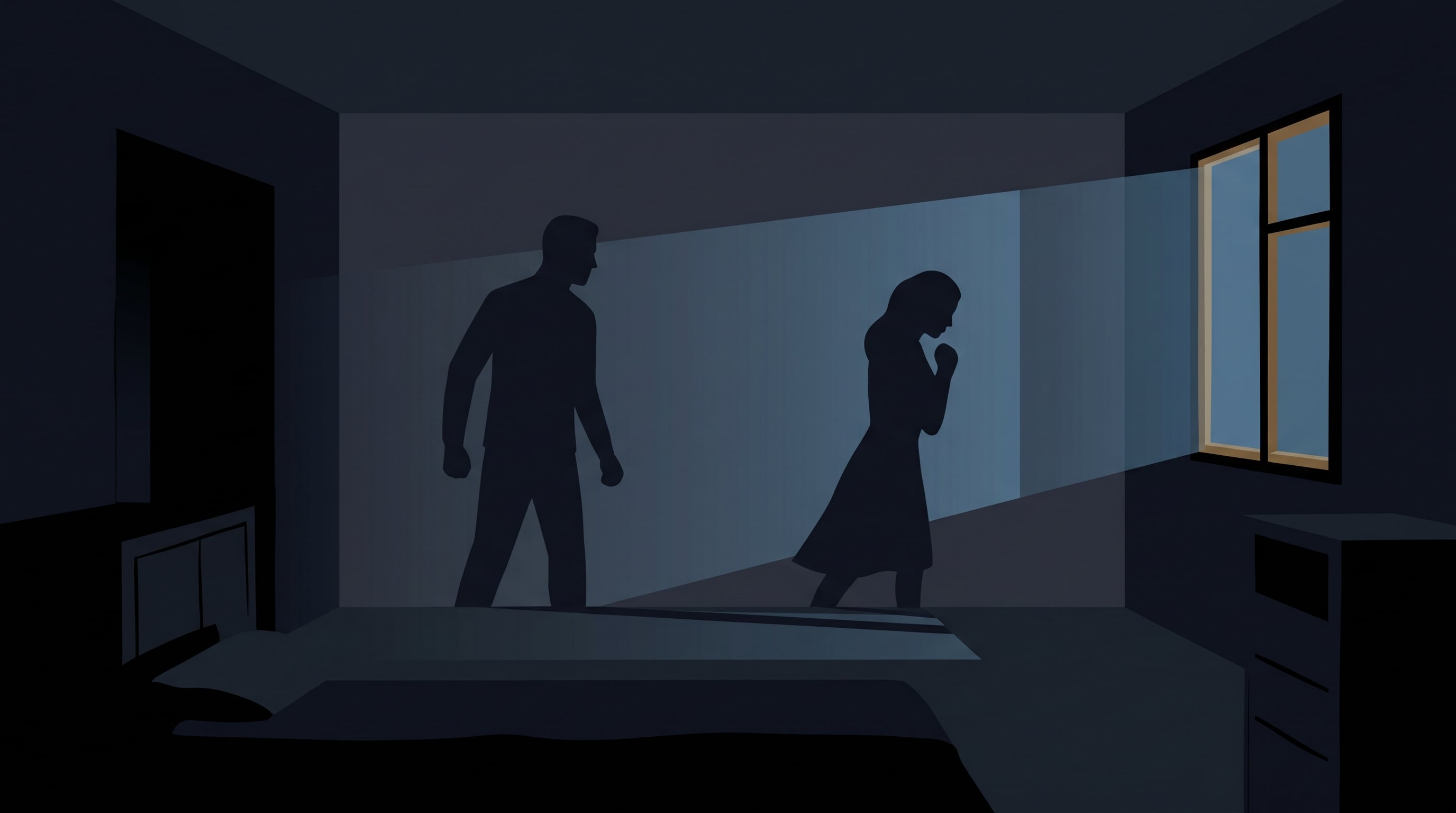
Mientras, la Personería Municipal de Dolega, adscrita a la Fiscalía Regional de la provincia de Chiriquí, logró que un hombre de 32 años quedara bajo detención provisional por una investigación por maltrato al menor en perjuicio de su hija de 13 años.
La Fiscalía presentó ante un Tribunal de Garantías los elementos de convicción reunidos con el apoyo de los estamentos de seguridad.
El tribunal legalizó la aprehensión, admitió la formulación del cargo penal y ordenó la medida cautelar durante el plazo de la investigación.
La decisión tomó en cuenta las implicaciones del caso y el riesgo señalado para la adolescente.
Según las autoridades la causa se refiere a episodios ocurridos entre abril y mayo de 2026, que se agravaron el 12 de octubre en la vivienda que ambos compartían en el corregimiento de Los Algarrobos, distrito de Dolega.
La investigación sostiene que el acusado golpeó a la menor con un objeto contundente y que también incurrió en otros maltratos físicos. Las lesiones provocaron una incapacidad superior a 10 días.
Por su parte, la Procuraduría General de la Nación obtuvo una condena de 17 años de prisión contra un hombre declarado responsable de dos delitos sexuales en perjuicio de una menor de edad.
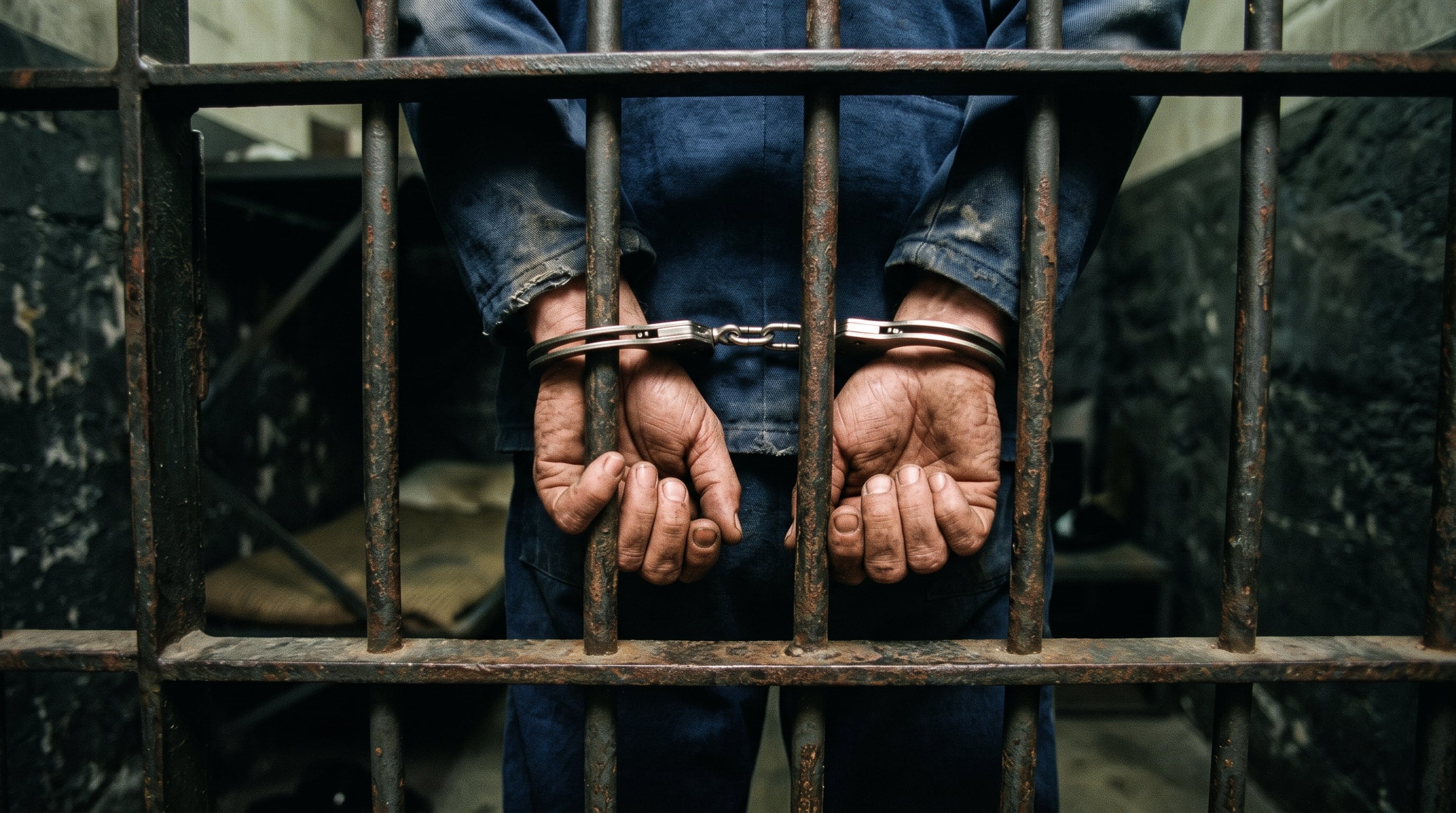
Como sanción adicional, el Tribunal de Juicio impuso dos años de inhabilitación para ejercer funciones en parques, parvularios, centros educativos y otros espacios donde se reúnan menores para actividades de desarrollo.
Durante el juicio oral, la Fiscalía presentó al menos 20 pruebas testimoniales, periciales, documentales y materiales.
El conjunto de elementos permitió acreditar la responsabilidad penal del acusado por violación sexual agravada y actos libidinosos. El tribunal emitió un veredicto unánime contra el hombre.
Otro hombre, esta vez de 37 años también recibió la medida cautelar de detención provisional tras ser imputado por violencia doméstica y quebrantamiento de una medida de protección en perjuicio de su pareja sentimental.
Ante un Tribunal de Garantías la Fiscalía presentó elementos de convicción sobre las conductas investigadas y la presunta vinculación del acusado.

La autoridad judicial legalizó la aprehensión, admitió los cargos y ordenó la detención durante el término de la investigación.
El caso ocurrió durante la madrugada del 11 de octubre de 2026 en el distrito de David, provincia de Chiriquí.
La investigación indica que el presunto agresor utilizó violencia e intimidación contra la mujer y le ocasionó golpes y heridas con un arma blanca. La víctima recibió atención médica para estabilizarla.
pistola,disparo,fogonazo,balística



INTERNACIONAL
Reporter’s Notebook: A Democratic majority could expose the limits of the progressive agenda
«You made me promises. Promises.
Knowing I’d believe.
Promises. Promises.
I knew you’d never keep.»
— Promises, Promises by Naked Eyes
«I am a supporter of Medicare-for-all,» declared Minnesota’s Democratic nominee for Senate, Lt. Gov. Peggy Flanagan, D. «I’m going to get there with my friend Sen. Bernie Sanders, I-Vt. And we are going to power map the s–t out of the U.S. Senate and figure out how to build power for the things that we know that we deserve and the things that we need.»
Hard-left progressive House and Senate candidates like Flanagan are pitching Medicare-for-all. The abolition of ICE. The Green New Deal. An arms embargo for Israel. And a $25 an hour minimum wage.
Flanagan is in a race with Republican Senate nominee Michelle Tafoya to succeed retiring Sen. Tina Smith, D-Minn. The race favors Flanagan. However, it’s not a done deal that she wins. But Democratic Socialist candidates for the House like Donavan McKinney in Michigan, Chris Rabb in Pennsylvania, Melat Kiros in Colorado, along with Claire Valdez and Darializa Avila Chevalier in New York probably will. Come January, they will prospectively represent Democratic strongholds where progressive ideas are popular.
MEET THE FAR-LEFT INSURGENTS WAGING WAR ON THE DEMOCRATIC ESTABLISHMENT IN 2026 MIDTERMS
But if Democrats win either the House or Senate, it won’t be because voters pulled the lever for Kiros in Denver or Avila Chevalier in Harlem. They’ll win because Democrat Cait Conley defeated Rep. Mike Lawler, R-N.Y., in Dutchess County, north of New York City. Maybe because voters cast their ballots for Democrat Brian Poindexter in Wooster, Ohio, rather than Rep. Max Miller, R-Ohio. Democrats could flip the House if Democratic nominee Christina Bohannan appeals more to voters in Davenport, IA than Rep. Mariannette Miller-Meeks, R-Iowa.
This brings us back to the progressive agenda.
Democrats might win the House and or the Senate. But Valdez and Kiros aren’t the «majority makers.» Candidates like Poindexter and Conley are. And if they’re elected to the House, it’s doubtful that moderates from swing districts can support progressive ideas like the Green New Deal or Medicare-for-all. It’s about the math. And it’s more than likely that Democrats will need the voters of those moderate «majority makers» from battleground districts to enact those policies.
That’s to say nothing about needing 60 yeas in the Senate to crack a filibuster – even if Democrats do marshal a slim majority there. And, if something extreme did get through both bodies of a potentially Democratically-controlled Congress, President Trump would like veto it.
THE BLUE WAVE LOOKS REAL UNTIL YOU LOOK A LITTLE CLOSER
It is said that you campaign in poetry but you govern in prose.
The left has pushed a lot of progressive poetry with their agenda items of late. They’ll tout the opportunity to enact some of those policies if Democrats win the majority.
However, the reality of advancing any of that into a legislative reality is slim. The progressive ideas may energize the base. But the Democratic base is sure to feel let down if Democrats can’t make good on some of their campaign promises.
We’ve seen this before. A party promises voters the moon in the midterm elections. Then struggles to make good on those promises.
Republicans won the House in 1994 for the first time in four decades with the 10-point «Contract With America.» The document promised to cut spending and reduce influence in Washington. But in the end, the House and Senate only approved a few of the items. President Clinton vetoed others.
In 2006, House Democrats campaigned on drawing down the war in Iraq. They captured the House. Congress began defunding the war effort. But it took several years, much to the dismay of party activists who demanded an immediate pullout.
In 2010, Republicans won back control of the House, gaining a record 63 seats. The goal was to reduce spending and repeal and replace ObamaCare. It never happened. In fact, some Republicans are still trying to unwind ObamaCare today.
CARVILLE SAYS HE’D RATHER REPUBLICANS KEEP THE HOUSE THAN DEMOCRATS WIN BY FIVE SEATS, HELD ‘HOSTAGE’ BY DSA
This is all about exciting the base. And then figuring out how to govern. What candidates promise on the campaign trail rarely morphs into a legislative reality.
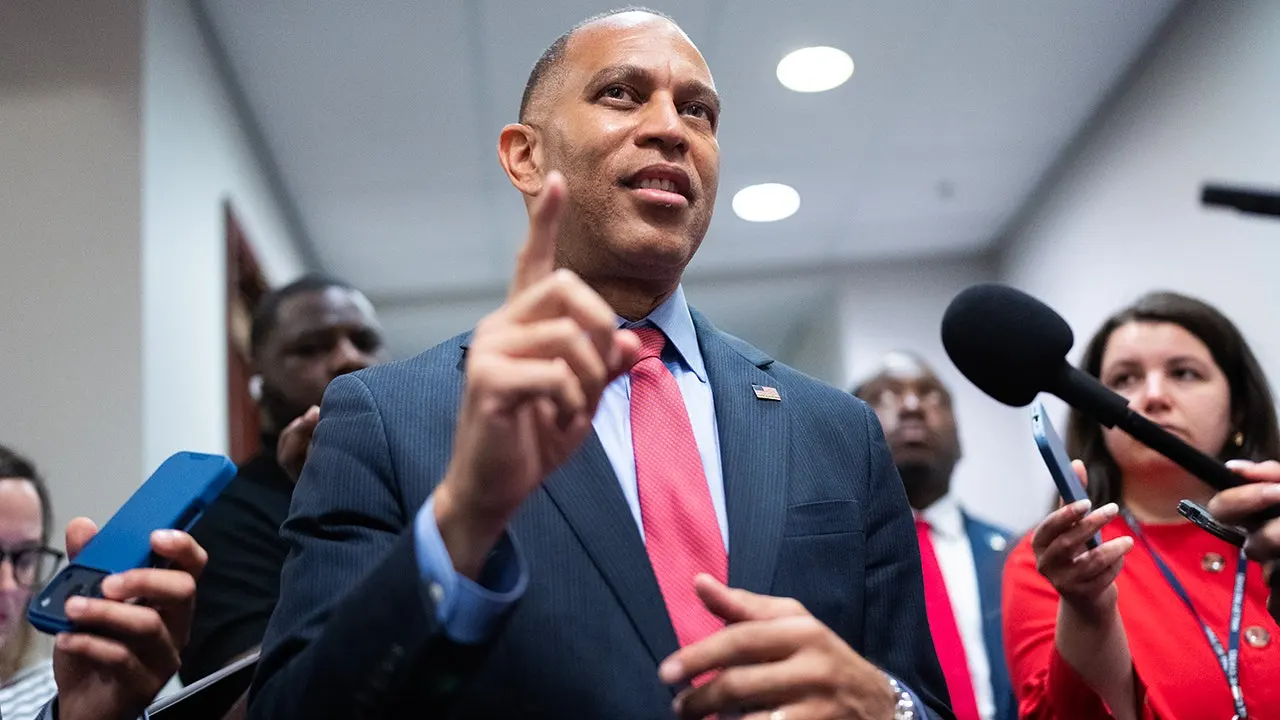
House Minority Leader Hakeem Jeffries, D-N.Y., is reportedly in discussions with DSA-backed candidates to secure legislative commitments before some of their candidates will back him in a potential race for Speaker. That said, political observers would find it hard to believe that Democrats would balk at promoting Jeffries, making him the first Black House Speaker in American history.
There’s a chance Democrats could face infighting if the party fractures between moderates and progressives.
Imagine for a moment that Democrats do have the House and intend to bring a Medicare-for-all bill to the floor. The House must first adopt a rule which governs how the House debates that measure on the floor. Would a moderate Democrat like Rep. Marie Gluesenkamp Perez, D-Wash., oppose the rule (provided she wins reelection)? After all, Gluesenkamp Perez voted for GOP procedural measures earlier this year, igniting an internal Democratic firestorm. However, those votes may have been good matches for her battleground district. But voting aye on a procedural plan for a controversial, progressive political initiative won’t work in Gluesenkamp Perez’s district. That’s why the progressive agenda may already be dead in the water.
If Democrats do win the House and Jeffries clasps the Speaker’s gavel, his role will be different. He needs to manage his entire caucus. So appealing to the hard left doesn’t work. He must also hear out the moderates. And certainly the majority makers.
For instance, Jeffries isn’t pushing the Medicare for all scheme.
HOUSE DEMS PLOT TRUMP INVESTIGATION BLITZ IF THEY SEIZE MAJORITY
«I haven’t co-sponsored the Medicare for all legislation that has been introduced over the last several years. I do think we need to figure out how to fix our broken healthcare system and then build something better once we repair the damage that has been done,» said Jeffries.
That’s a natural stance for a national political leader. Jumping feet first into such a nettlesome issue might not be sound politics. Especially since you must also address the concerns of the moderate majority makers.
But Jeffries may have an out that all Democrats can unify around: investigations of the Trump administration. Since President Trump began his term, Jeffries has promised to hold its officials to account. Jeffries has called out Pentagon chief Pete Hegseth. Ridiculed Attorney General Todd Blanche. Blasted Vice President JD Vance. Spoken about alleged corruption by the Trump family.
Democrats are also campaigning as a foil to the Trump Administration. Their base will demand action via investigations, too. That certainly resonates with the progressive base. And, even moderates who may be the majority makers.
But it isn’t a $25 an hour minimum wage. It’s not the abolition of ICE. It’s not the Green New Deal. Democrats probably won’t get what they want legislatively if they attain the majority. Those are just the political realities. But they may be able to rack some points with investigations. Those would reflect the political realities as well.
politics, midterm elections, democratic party, democrats senate, democrats
INTERNACIONAL
Una peste con 5.500 años de historia todavía amenaza Mongolia: cómo las marmotas mantienen vivo el riesgo de contagio

Los investigadores identificaron el brote de peste humana más antiguo conocido, ocurrido hace unos 5.500 años cerca del lago Baikal, en el sureste de Siberia, y apuntaron a las marmotas locales como posible vía de contagio para grupos de cazadores-recolectores que manipulaban estos animales.
El análisis, publicado en la revista científica Nature y divulgado por National Geographic, halló rastros de la bacteria Yersinia pestis en los restos de 18 personas enterradas en cementerios de la región.
El equipo internacional, dirigido por Ruairidh Macleod, de la Universidad de Oxford, vinculó el episodio con la convivencia y el aprovechamiento de marmotas por parte de las poblaciones de aquel período.
La hipótesis se apoya en hallazgos arqueológicos de tumbas contemporáneas al brote difundidos por Journal of Ethnobiology. Allí aparecieron cientos de incisivos de marmota, dientes largos y curvos que habrían sido usados como adornos y depositados junto a los muertos.
Las pulgas sostienen el ciclo de contagio

“Las marmotas son, sin duda, la única especie vectora de la peste con la que tenemos pruebas arqueológicas claras de que interactuaban estrechamente”, afirmó Macleod. Un vector es un animal que participa en la transmisión de un microorganismo causante de enfermedad.
La infección suele propagarse por pulgas que pican a distintos animales en sucesión. En este caso, los roedores habrían funcionado como reservorios, es decir, como huéspedes capaces de mantener la bacteria en un ambiente natural durante períodos prolongados.
Estos mamíferos, de tamaño similar al de un gato doméstico, viven bajo tierra en colonias densas. Las familias pueden reunir una docena o más de ejemplares que comparten túneles, una condición que facilita el desplazamiento de las pulgas entre la fauna.
Según la investigación divulgada en Emerging Microbes & Infections y citada por el ecólogo de la peste Nils Stenseth, de la Universidad de Oslo, las marmotas tarbagán sobreviven a la peste en proporciones de entre 50% y 80%. Esa capacidad de supervivencia permite que la bacteria persista en sus poblaciones.
La peste persiste en los túneles de las marmotas

El ambiente subterráneo aporta otra condición para la conservación del patógeno. Investigadores rusos encontraron Yersinia pestis viva durante más de 400 días en el material de los nidos de roedores, incluso durante el invierno, cuando las marmotas hibernan.
La bacteria evolucionó durante miles de años a partir de un microorganismo intestinal relacionado. Las cepas halladas cerca del lago Baikal todavía no tenían un gen considerado decisivo para la propagación de la peste mediante pulgas, llamado ymt.
Los análisis de ADN antiguo indican que ese gen surgió entre 1686 y 951 a. C. Su aparición permitió que la bacteria se acumulara en el intestino de los insectos infectados y formara una obstrucción.
Como consecuencia, no lograban alimentarse de forma normal. Ante esa dificultad, las pulgas picaban repetidamente a distintas especies para buscar sangre.

Stenseth señaló que así es como una enfermedad de animales aparece en la gente y añadió que el bloqueo puede ser más intenso cuando escasean los roedores.
Menos roedores, mayor riesgo de contagio
Las condiciones meteorológicas regulan el ciclo entre bacterias, mamíferos y pulgas en la estepa de Asia Central. Años cálidos, sin temperaturas excesivas, y húmedos, aunque sin lluvias desmedidas, favorecen el aumento silencioso de la bacteria entre los roedores.
Luego, una sequía puede reducir drásticamente esas poblaciones. Con menos animales disponibles, los insectos quedan concentrados y buscan nuevas fuentes de alimento, entre ellas ganado, gatos o seres humanos. “Las pulgas se ven superpobladas, por lo que se inquietan”, explicó Stenseth.
La relación entre marmotas y peste continuó mucho después de los primeros casos documentados. Durante expediciones realizadas en Siberia en la década de 1870, surgieron sospechas de que la enfermedad circulaba entre estos animales y afectaba a quienes los manipulaban.

La historiadora y veterinaria Susan Jones, de la Universidad de Minnesota, recordó que en la epidemia registrada entre 1910 y 1911 en la región de Manchuria, que causó cerca de 60.000 muertes, cazadores locales dijeron a los investigadores que creían que las marmotas los enfermaban.
El consumo y la caza mantienen el riesgo en Mongolia
Las marmotas mantienen presencia cultural en la estepa de Asia Central. En Mongolia, el boodog, una preparación en la que el animal se cocina dentro de su propia piel con piedras calientes, es considerado un plato nacional, aunque la caza continúa pese a ser ilegal.
El consumo de carne u órganos crudos se vinculó con casos de peste. En 2020, un matrimonio murió en Mongolia tras ingerir órganos crudos de marmota; más recientemente, un adolescente falleció luego de cazar y comer uno de estos mamíferos.
De acuerdo con la revista científica Proceedings of the National Academy of Sciences of the United States of America (PNAS), los programas soviéticos de erradicación buscaron controlar la enfermedad durante gran parte del siglo XX. Sin embargo, las campañas concluyeron hacia 1990 sin conseguirlo.
marmota tarbagán,Asia Central,fauna alpina,herbívoro

A Biden- appointed judge embroiled in a fierce dispute with the Trump administration over the removal of hundreds of trees at a federally owned D. C. golf course reversed course during Monday’ s nearly seven- hour hearing.
Judge Ana Reyes ended the nearly seven-hour hearing by backing away from her initial demand that Justice Department attorneys arguing the case put their names alongside Associate Attorney General Stanley Woodward Jr.’s Sunday filing. Reyes had invoked Rule 11, which requires attorneys to stand behind the factual basis of court filings and can subject them to sanctions for violations.
«Late breaking news,» Reyes said. «I’m going to withdraw request that DOJ refile yesterday’s brief with identification of who signed it. we’ve all got better things to spend our time on.»
The about-face from Reyes, who hours before the hearing was dubbed a «crazed lunatic» by President Donald Trump on Truth Social, is the latest development in a court battle over Trump’s plans to completely renovate East Potomac Golf Links into a «world-class, U.S. Open-caliber course.» The lawsuit, which was first filed in February, reached a boiling point earlier this month when the National Park Service removed roughly 430 trees at the golf course over a weekend. The Interior Department said the tree removals were part of a years-old plan to restore the course’s historic design and were unrelated to Trump’s proposed overhaul.
BIDEN JUDGE REJECTS OBAMA CIA CHIEF’S LEGAL BID AGAINST TRUMP OVER ONE KEY PROBLEM
Though the action did not violate a court order, it prompted Reyes to impose a temporary restraining order barring further tree removals. She also was described as «screaming» at the administration attorneys during an Oct. 12 hearing.
The hearing prompted Associate Attorney General Stanley Woodward to seek Reyes’ removal from the case, accusing her of bias and «open hostility» toward the Trump administration.
Both Woodward and Trump have called for the release of the court’s audio recordings of the hearings.
«The judge on the case is a crazed lunatic whose courthouse tapes will reveal, may be insane? The tapes have been blocked from usage by the judge,» Trump posted Monday hours before the hearing, saying the Trump administration has a «right» to turn the course into a «great, safe, and prestigious» golf course. «Work is scheduled to begin IMMEDIATELY! The finished product will be World Class, and bring income and great prestige back to D.C.»
Trump made two other tweets Sunday saying that Interior Department Secretary Doug Burgum and architect Tom Fazio had «developed a plan» to revamp the East Potomac Golf Links into a «World Class Championship Golf Course» and that work would begin November 15.
The tweets prompted Reyes to give the Justice Department an 8 p.m. filing deadline, saying Trump’s characterization conflicted with a previous filing that stated there was «no agency action» in Trump’s golf course plan.
The filing was signed only by Woodward, which immediately became a point of contention at the start of Monday’s hearing.
LIBERAL LAW PROFESSOR BREAKS WITH OBAMA JUDGE OVER TRUMP LAWYER CRACKDOWN: ‘I REFUSE TO TEACH’ IT
Reyes demanded that the attorneys «raise your hand» if they would sign the briefing, which Woodward said was «not an appropriate request.»
She then invoked Rule 11 and ordered them to the podium to sign the filing.
But Woodward and the attorneys refused. Reyes initially set a 3 p.m. deadline but later extended it until noon Tuesday and offered to allow the attorneys’ names to appear on the brief rather than requiring their signatures. In the end, she abandoned the demand completely.
«For those wondering, a common reason high level DOJ appointees sometimes signs briefs boils down to good leadership,» Abhishek Kambli, a former federal prosecutor, wrote on X. «If there is something that is likely to be contentious with a judge, a DOJ leader signs their name on the brief so that any issues someone has with the brief is directed at them rather than lower level attorneys. Regardless, it goes without saying that a decision such as this should not be something a judge is inquiring into.»
EXCLUSIVE: TRUMP’S DC JUDICIAL NEMESIS TARGETED IN MISCONDUCT COMPLAINT OVER ALLEGED BIDEN DOJ TIES
«DOJ line attorneys increasingly do not sign briefs because of Dem law fare. Dems have and continue to go after the bar licenses of young DOJ line attorneys who are simply executing on behalf of the department,» Rachel Boulvard, vice president of programs at the Conservative Partnership Institute, wrote on X.
Reyes, appointed by President Joe Biden in 2023, previously faced a Justice Department judicial-misconduct complaint over her handling of litigation challenging Trump’s restrictions on transgender individuals serving in the military.
SIGN UP TO GET THE POLITICS NEWSLETTER
During a February 2025 hearing, Reyes questioned a Trump administration attorney about what Jesus Christ would say about policies excluding transgender people from homeless shelters.
Then-DOJ Chief of Staff Chad Mizelle accused Reyes of «hostile and egregious misconduct» and potential bias in a formal complaint filed with the D.C. Circuit. The complaint was later dismissed, with the circuit’s chief judge concluding that a recusal motion was the proper avenue for challenging Reyes’ conduct.
federal courts, donald trump, justice department, judiciary, attorney general

“Nuestro objetivo es que el Presidente reelija”: la presidenta de LLA en CABA evitó adelantar alianzas electorales

Felipe Fort reveló cómo conoció a su novia y el gesto clave con el que la conquistó: «Al principio no estaba interesada en mí»

Desde el vestuario y una contra letal: los goles de Boca Juniors en un primer tiempo furioso ante Vasco da Gama por la Sudamericana

Qué seguro de viaje conviene elegir entre PAX, Assist Card y Universal Assistance

Jorge Macri respaldó la detención de los metrodelegados en medio de una protesta del subte

La presidenta de LLA en CABA mostró cautela ante un acuerdo electoral con el PRO: “Futurología no hago”

Alerta roja en Sudamérica por el Súper Niño: cambio climático, inundaciones extremas y el hallazgo de microplásticos y metales en el granizo

Juan Minujín contó como llegó a trabajar con Angelina Jolie y Salma Hayek: «Al principio dije que no»

El Gobierno pone en marcha un nuevo plan de retiros voluntarios y busca que haya 20.000 empleados menos en el Estado

Trump’s new press secretary out of the job just days after rocky debut

 CLIMA1 día ago
Alerta roja en Sudamérica por el Súper Niño: cambio climático, inundaciones extremas y el hallazgo de microplásticos y metales en el granizo
- POLITICA1 día ago
El Gobierno pone en marcha un nuevo plan de retiros voluntarios y busca que haya 20.000 empleados menos en el Estado
- CHIMENTOS2 días ago
“Feliz día a la mejor mamá del mundo”: el doble gesto del Chato Prada con Lourdes Sánchez y la reacción de ella