INTERNACIONAL
Científicos elaboraron un mapa de microproteínas que revela nuevas claves del Alzheimer

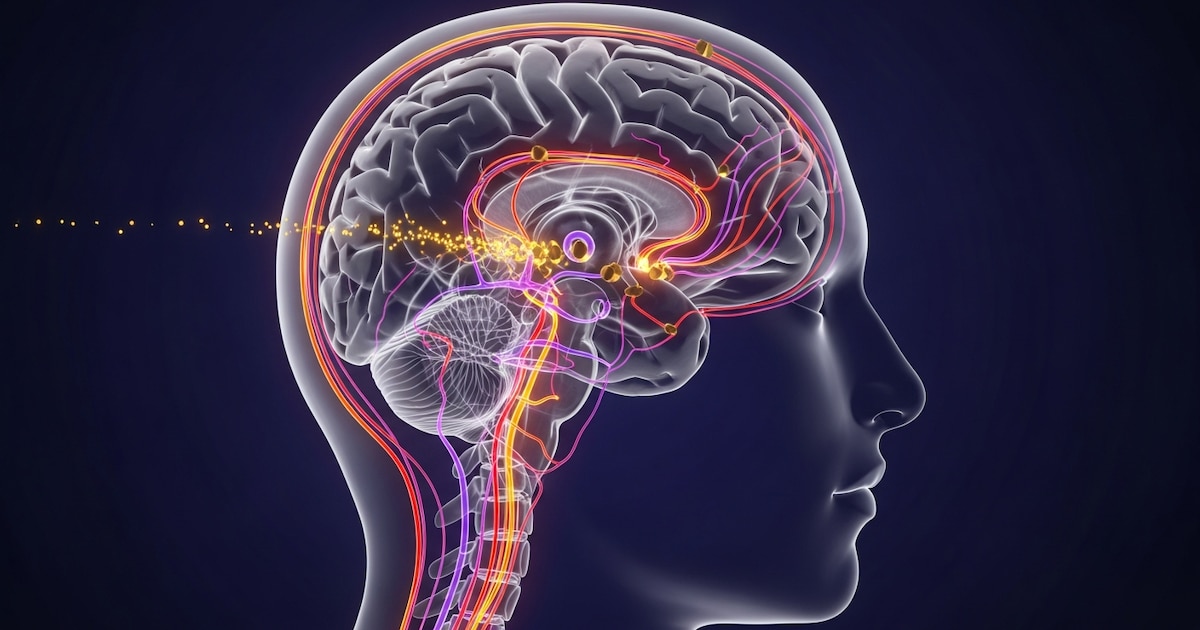
El Salk Institute elaboró el primer atlas de microproteínas de la corteza frontal humana con y sin Alzheimer, una base que identificó más de 1.000 moléculas hasta ahora desconocidas y vinculó una de ellas con alteraciones en las células inmunitarias del cerebro. El estudio, publicado en Nature Aging, busca ampliar las posibilidades de investigación sobre el envejecimiento y las enfermedades neurodegenerativas.
El mapa se construyó a partir de 480 muestras de corteza frontal humana, procedentes de personas con y sin enfermedad de Alzheimer. Los investigadores detectaron 1.067 microproteínas no caracterizadas, muchas de las cuales no habían sido observadas antes.
Las microproteínas son una clase de proteínas de tamaño reducido, más difíciles de localizar y estudiar que otras moléculas celulares. Aunque las células comparten el mismo código genético, cada una activa solo parte de esa información para fabricar proteínas, que determinan su identidad y funcionamiento.
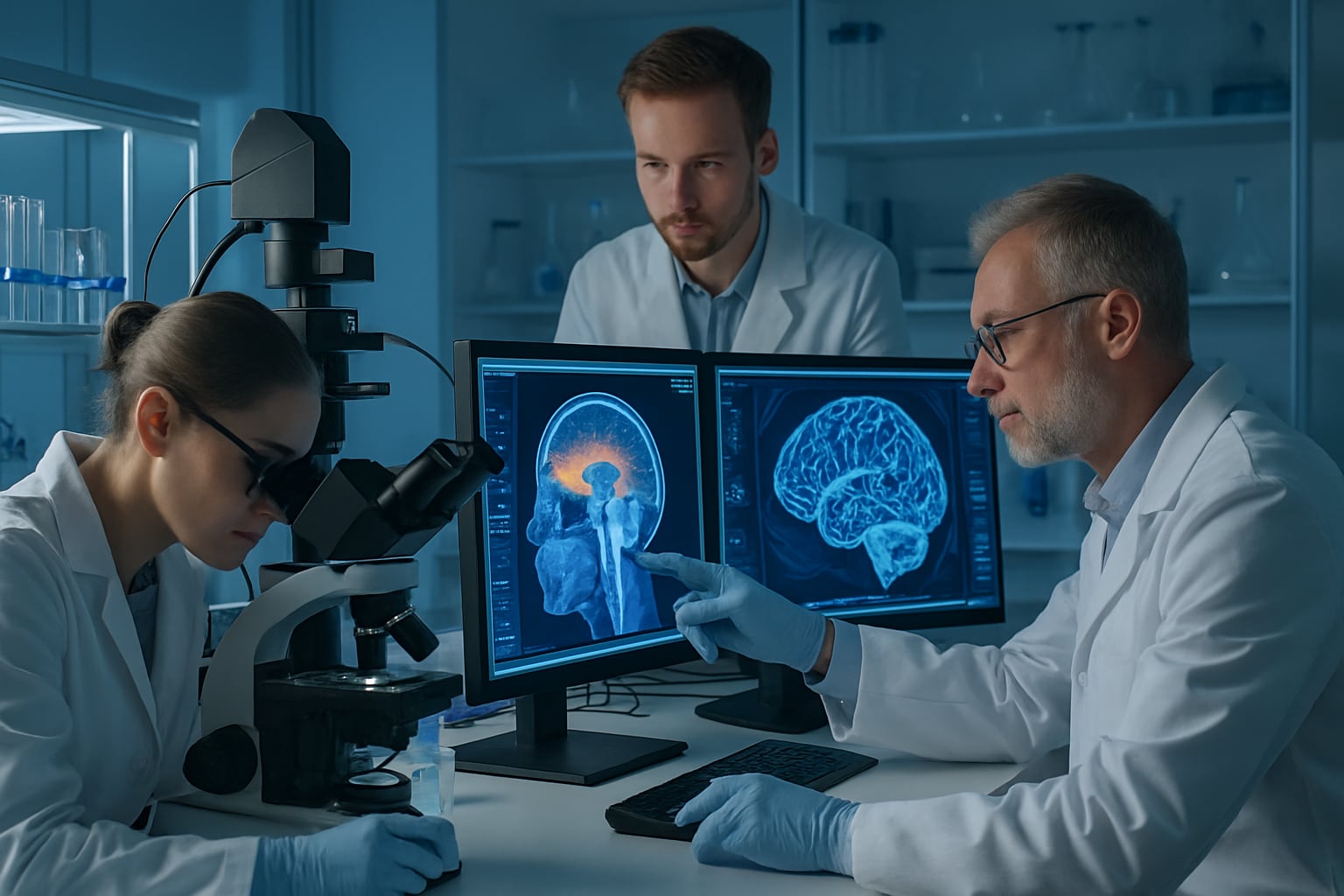
En el cerebro, conocer qué proteínas produce cada tipo celular permite examinar cómo funcionan las neuronas, las células inmunitarias y otros componentes del tejido. También puede aportar indicadores, estrategias preventivas y tratamientos para enfermedades como el Alzheimer.
“La enfermedad de Alzheimer es una proteinopatía en la que la patología se debe en parte a proteínas que se han plegado mal o se han acumulado, provocando una respuesta tóxica”, afirmó Brendan Miller, neurocientífico del Instituto Salk de Estudios Biológicos en San Diego, California, y coautor del estudio. “Debería ser bastante urgente comprender el proteoma completo, incluyendo las microproteínas”, añadió en Nature.
Más de mil moléculas detectadas en la corteza frontal
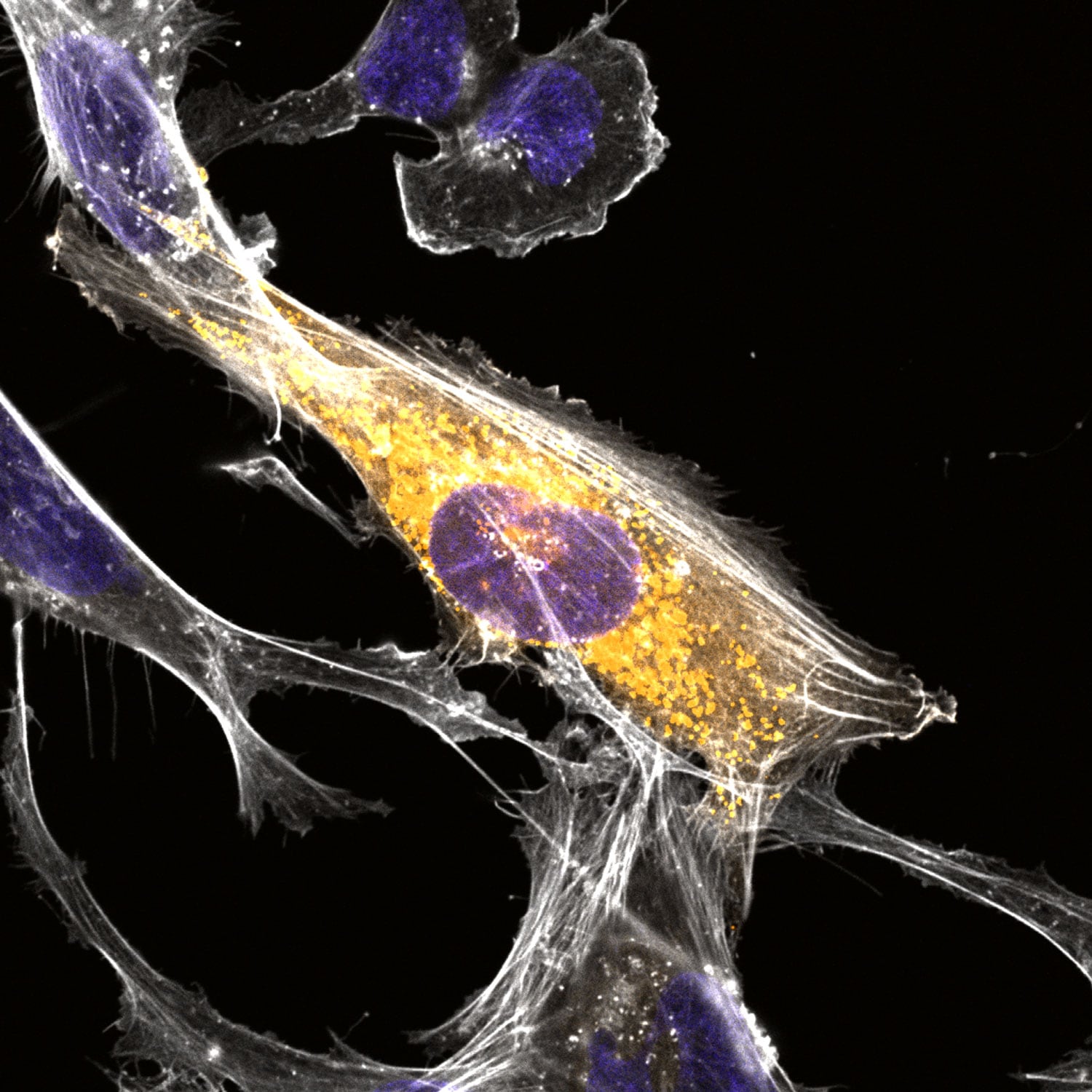
“Todavía no comprendemos por completo los mecanismos moleculares del envejecimiento saludable, y eso es especialmente cierto en el caso de las microproteínas, que han sido pasadas por alto inadvertidamente durante décadas”, afirmó Alan Saghatelian, profesor y titular de la cátedra Dr. Frederik Paulsen del Salk Institute.
“Nuestro atlas permite a los científicos investigar de forma sistemática las microproteínas en el envejecimiento y la neurodegeneración, lo que debería acercarnos a comprender y abordar enfermedades como el Alzheimer o el Parkinson”, añadió.
El equipo combinó datos ya disponibles de transcriptómica, que analiza las moléculas derivadas de la actividad de los genes, y espectrometría de masas, una técnica que identifica componentes físicos de las proteínas. Para procesar ese volumen de información utilizó ShortStop, una herramienta basada en inteligencia artificial desarrollada en el laboratorio de Alan Saghatelian en 2025.
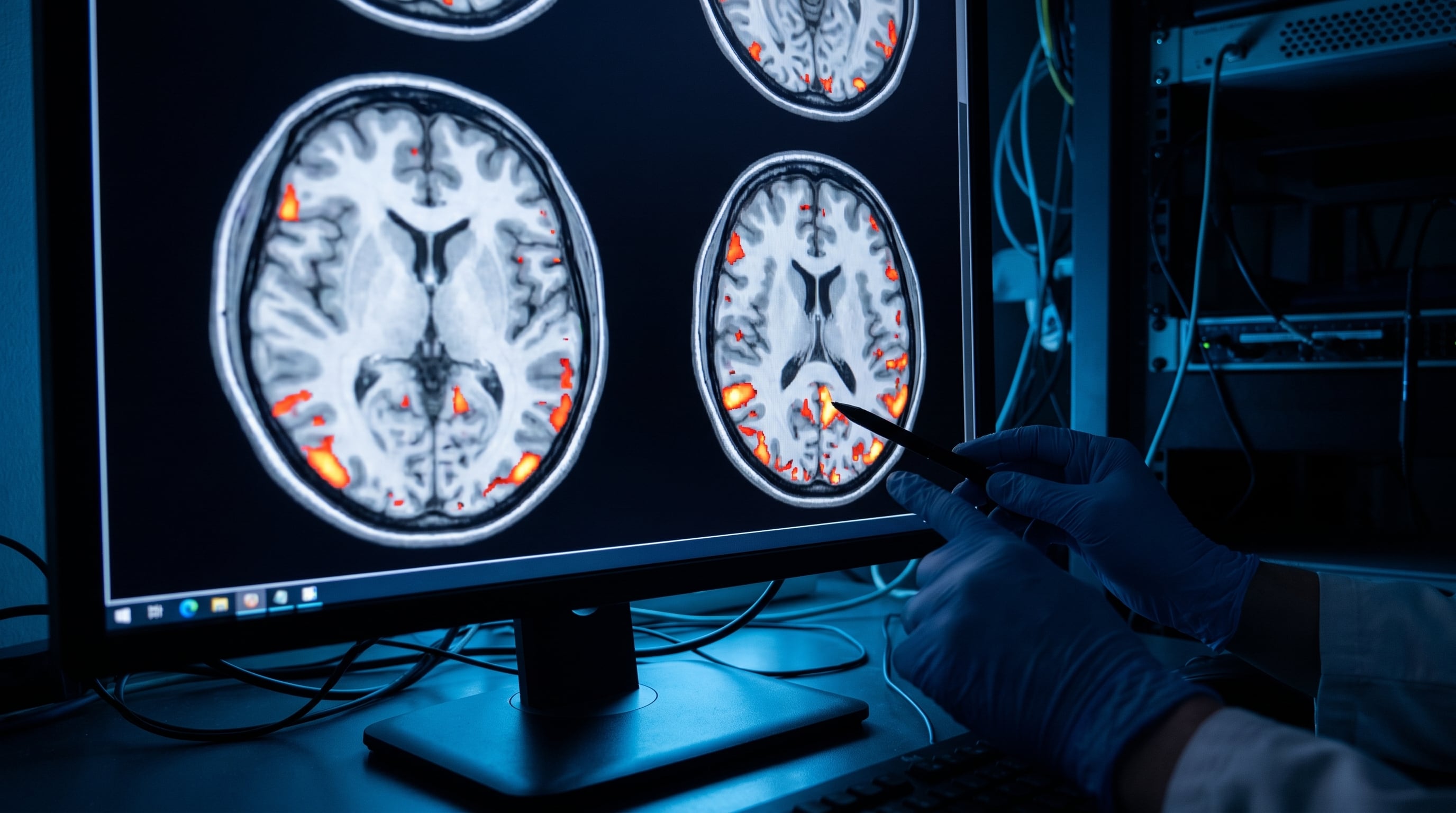
Los resultados computacionales fueron contrastados mediante espectrometría de masas, que detectó péptidos, los bloques constitutivos de las proteínas. La coincidencia entre esas señales físicas y las predicciones permitió confirmar la existencia de las 1.067 microproteínas.
Las células cerebrales afectadas por Alzheimer mostraron diferencias en la cantidad de cientos de microproteínas respecto de las células sanas. Algunas aparecieron en niveles más altos y otras en niveles más bajos, pero las muestras asociadas a la enfermedad tendieron a expresar un mayor número total de estas moléculas.
Brendan Miller, investigador posdoctoral del laboratorio de Saghatelian y primer autor del trabajo, señaló que el método permitió reutilizar herramientas y tecnologías sobre datos de casi 500 cerebros. “Pudimos crear una base de datos completamente nueva que los investigadores pueden descargar y utilizar para interpretar mejor las funciones de los genes”, explicó.
La microglía y el vínculo con la energía celular
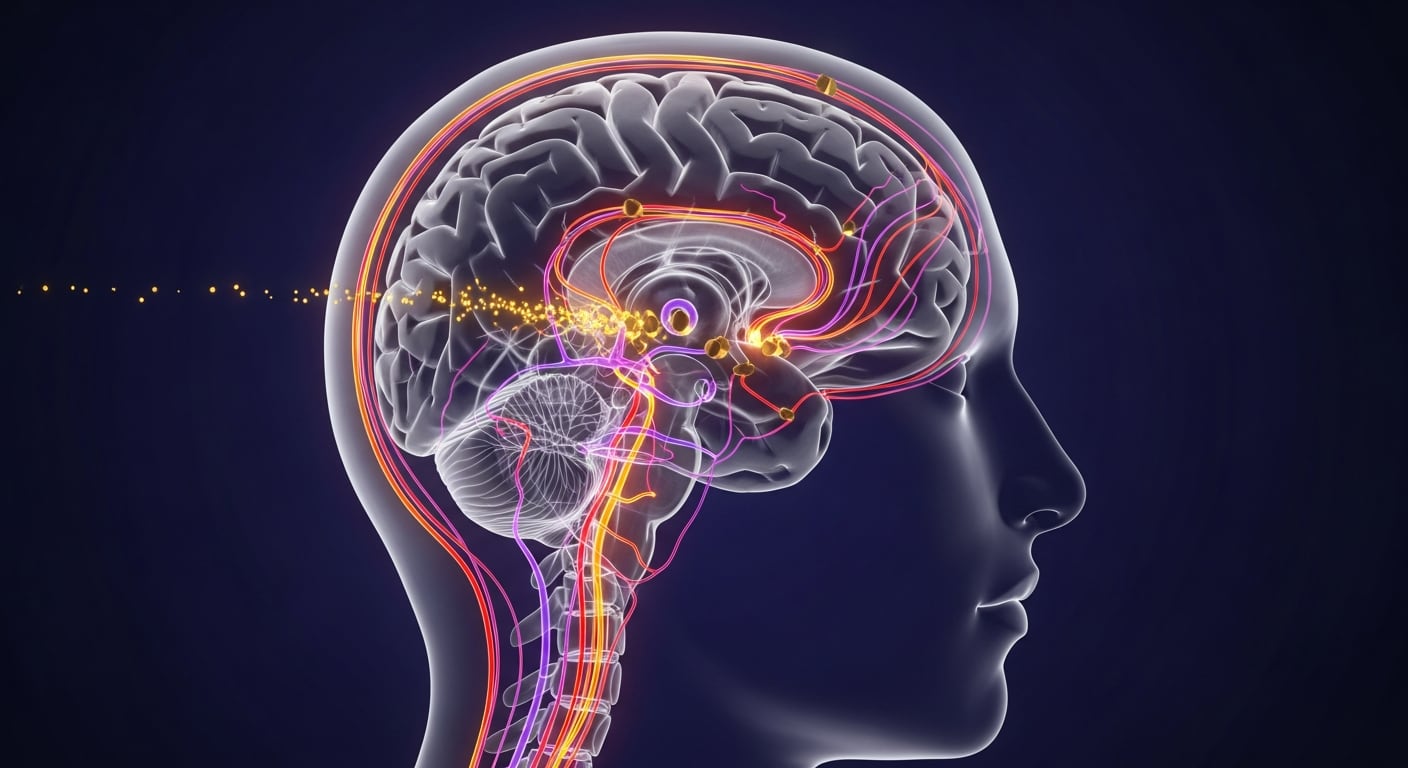
La investigación se concentró después en la microglía, las células inmunitarias residentes del cerebro. Estas células son abundantes en la corteza frontal y pueden perder funciones con el envejecimiento y en enfermedades neurodegenerativas.
El equipo generó datos propios de espectrometría de masas para buscar microproteínas que se expresaran de manera diferente en la microglía. En una misma región del código genético, los científicos comprobaron que podían producirse una proteína convencional y una microproteína; sin embargo, las células analizadas expresaban la segunda y no la primera.
Cuando los investigadores eliminaron en la microglía el gen responsable de producir esa microproteína, las mitocondrias encargadas de generar energía celular presentaron alteraciones. El resultado sugiere una relación entre esa molécula y la disfunción de la microglía en el Alzheimer, con posibles aplicaciones futuras en terapias destinadas a conservar la salud de esas células.
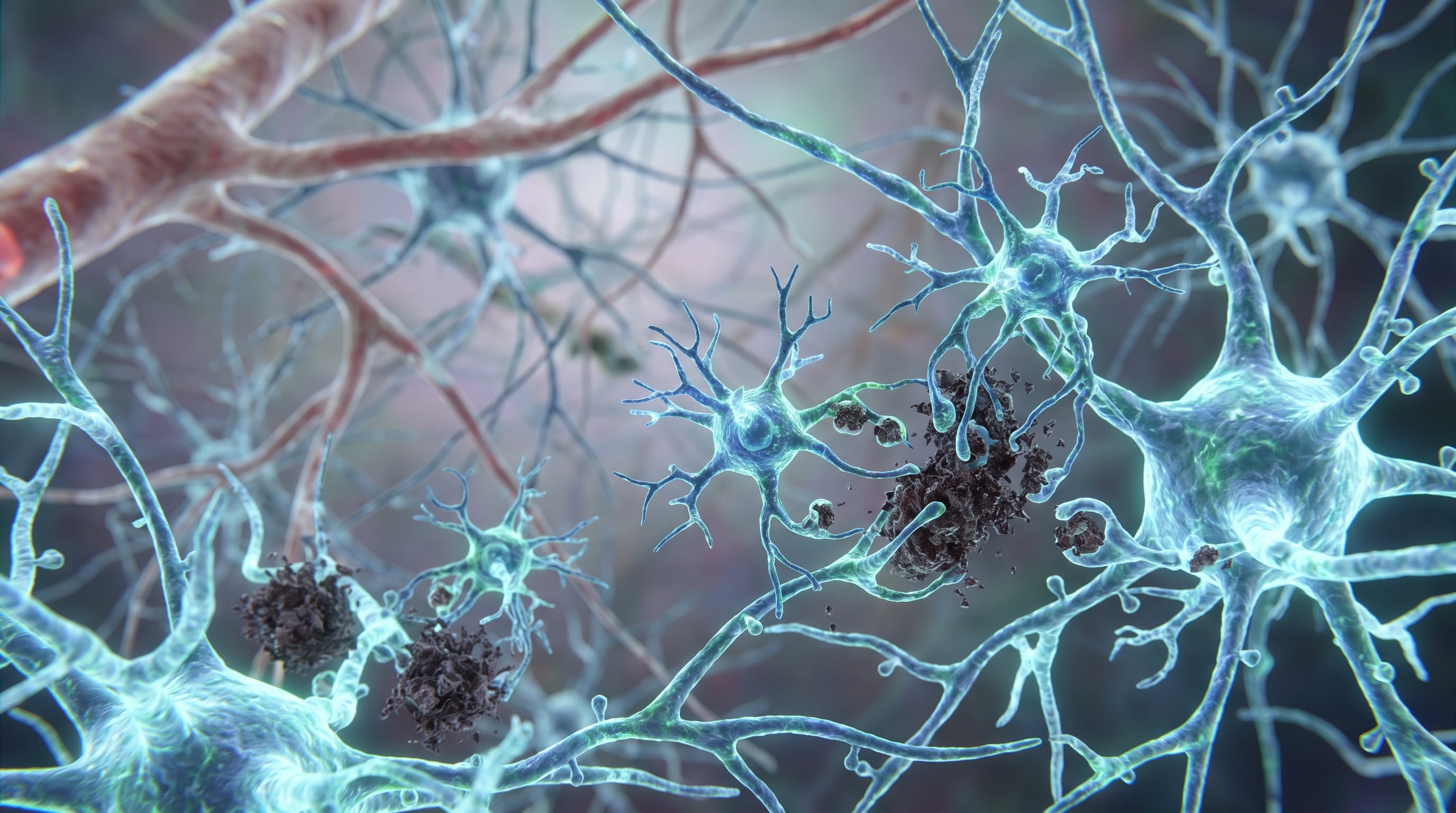
Las muestras humanas procedieron de la cohorte Religious Orders Study/Memory and Aging Project, conocida como ROSMAP, que aportó tanto tejido de corteza frontal como información clínica de los participantes. El Salk Institute indicó que investigaciones similares en otras zonas cerebrales podrían extender el atlas al conjunto del cerebro.
“Cada entrenador tiene un libro de jugadas y quiere tener la mayor cantidad posible para ganar el partido”, dijo Miller. “Para los científicos, el juego consiste en intentar comprender la enfermedad, y las jugadas son las proteínas y microproteínas que pueden o no estar involucradas en esa enfermedad”.
“A veces se da por sentado que lo sabemos todo sobre nuestro genoma y que conocemos todos los genes que nuestras células pueden producir; eso simplemente no es cierto”, afirma Saghatelian. “Nuestro conocimiento se expande constantemente, y este atlas facilita el estudio de las microproteínas en la investigación de las ciencias biológicas”.
El trabajo contó además con la participación de investigadores de Scripps Research Institute y Rush University, y recibió apoyo de los National Institutes of Health y de Clayton Medical Research Foundation.
médicos,resonancia magnética,cerebro,neurología,diagnóstico,investigación,equipo médico,salud,tecnología,análisis cerebral













NEWYou can now listen to Fox News articles!
FIRST ON FOX: President Donald Trump warned Tuesday that France’s escalating riots were being driven by «out of control mass migration,» as U.S. Ambassador to the U.N. Mike Waltz echoed those concerns and blamed unchecked immigration and broader European policy failures for helping fuel the unrest.
Asked by Fox News Digital about Trump’s comments and the scenes emerging from France, Waltz condemned the violence while also linking the unrest to European immigration and economic policies.
«I think we would always condemn lawlessness, condemn the violence that we’re seeing in Paris,» Waltz told Fox News Digital. «But I think we also have to recognize that when you have open borders, when you [have] this pro-migration, unchecked immigration kind of policy, coupled with policies over the years that deny people basic energy, that overspend on all kinds of other government programs, that you see a level of frustration boiling to the surface.»
FRANCE EXPLODES AGAIN AS STUDENTS RIOT OVER EDUCATION
Protesters hold a Palestinian flag during demonstrations in Strasbourg, France, on Tuesday, Oct. 6, 2026. (Kai Pfaffenbach/Reuters)
Trump weighed in as the unrest intensified, arguing that what was unfolding went beyond the students’ complaints about France’s education system. «What’s happening in France is nothing less than out of control mass migration. This isn’t about schools, this is about Islam wanting to take over a once great Country!» Trump wrote on Truth Social Tuesday.
«Unfortunately, I think you’re seeing the results of some of that, and President Trump has brought that to light,» Waltz added.
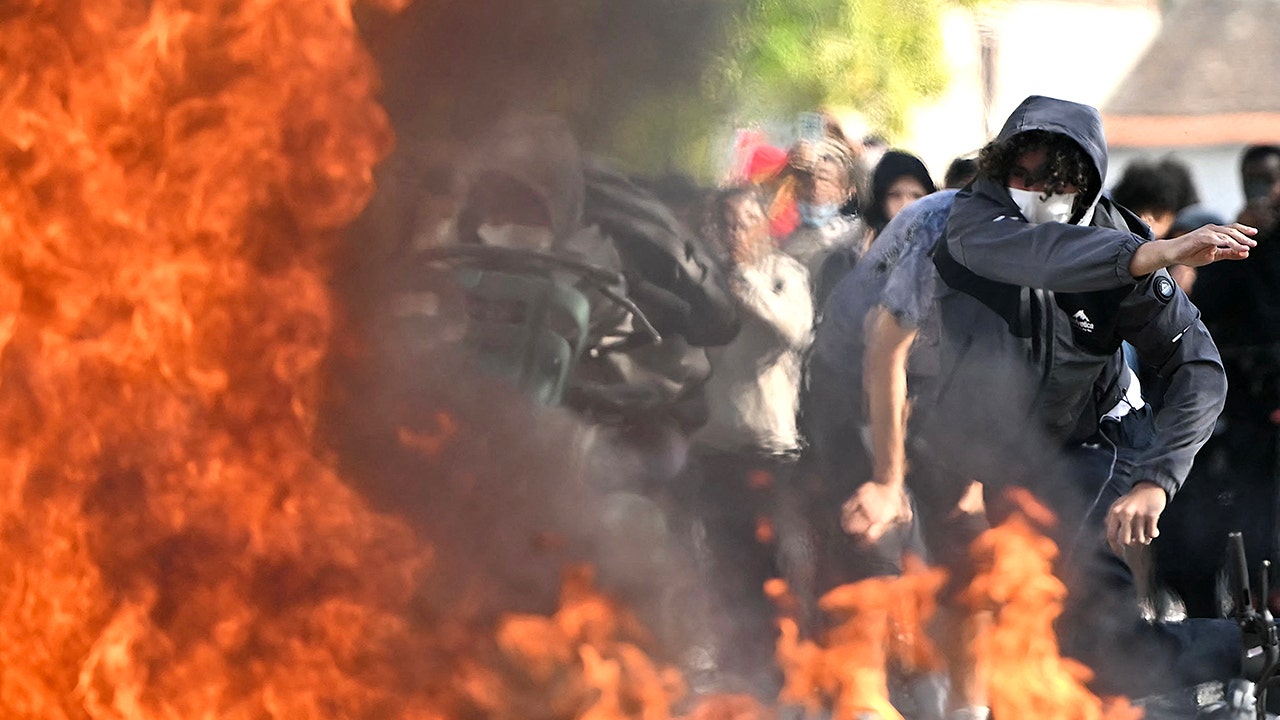
The comments came as France faced its biggest day of school unrest since the protests began in September. On Tuesday, police fired tear gas in Paris and other major cities, protesters lit fires and hurled projectiles, and France’s Interior Ministry said 6,100 people had been arrested, the overwhelming majority of them minors, according to Reuters. Prime Minister Sébastien Lecornu described the clashes as producing the school system’s «heaviest toll in decades».
FRANCE’S VIOLENT STUDENT PROTESTS RAISE WARNING FOR AMERICA: ‘A CAUTIONARY TALE’
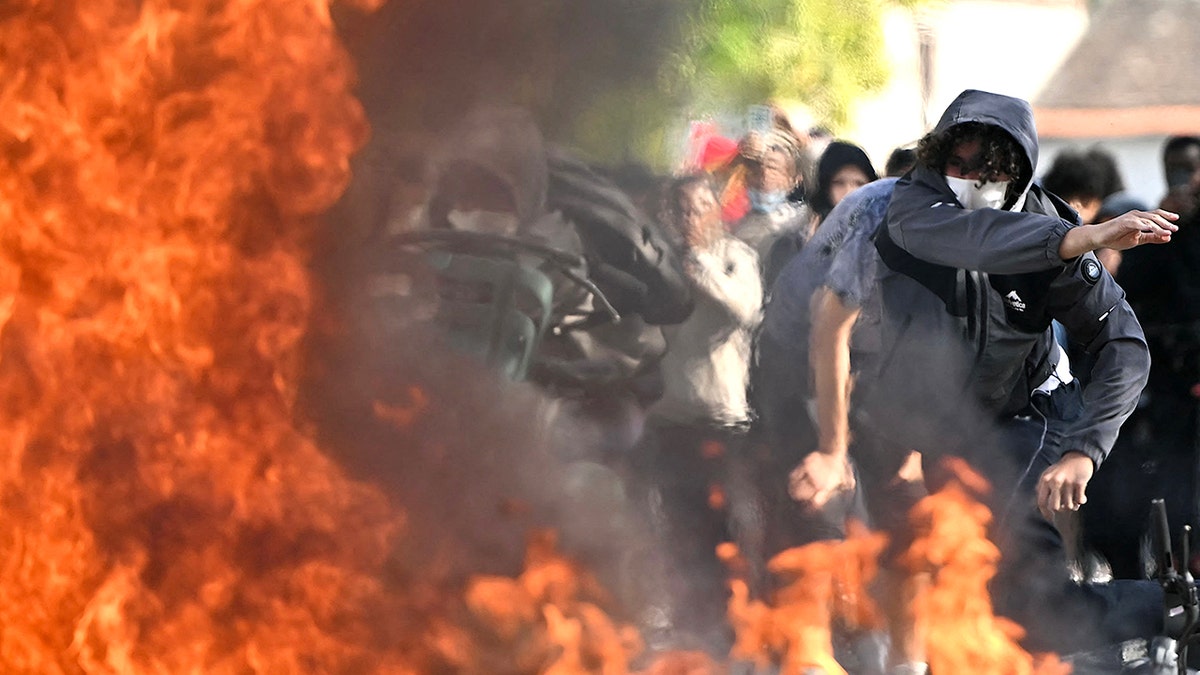
A protester feeds a burnt barrier during a blockading action outside the secondary school Le Corbusier, in Aubervilliers, northern Paris on Oct. 1, 2026. (Lou Benoist/AFP via Getty Images)
France’s Interior Ministry said 6,100 people have been arrested so far, the overwhelming majority of them minors. Lecornu told lawmakers Tuesday that at least 215 teenagers and 85 school staff members have been injured, while his office said more than 700 police officers have also been hurt, according to Reuters.
The latest demonstrations brought clashes in Paris, Lyon, Strasbourg and Rennes, where police fired tear gas as protesters lit fires and hurled projectiles. More than half of France’s roughly 3,700 high schools were blockaded or expected to close Tuesday, according to the High School Students Union. The Paris police said the clashes there had come about when some 300 people attempted to face off against security forces, adding that the protest was generally unfolding well elsewhere.
Theo Wold, a former assistant attorney general and former White House deputy assistant for domestic policy under Trump, also argued that immigration was contributing to the unrest.
FRANCE ROCKED BY STUDENT RIOTS AS HUNDREDS ARRESTED, VIOLENCE SPREADS NATIONWIDE
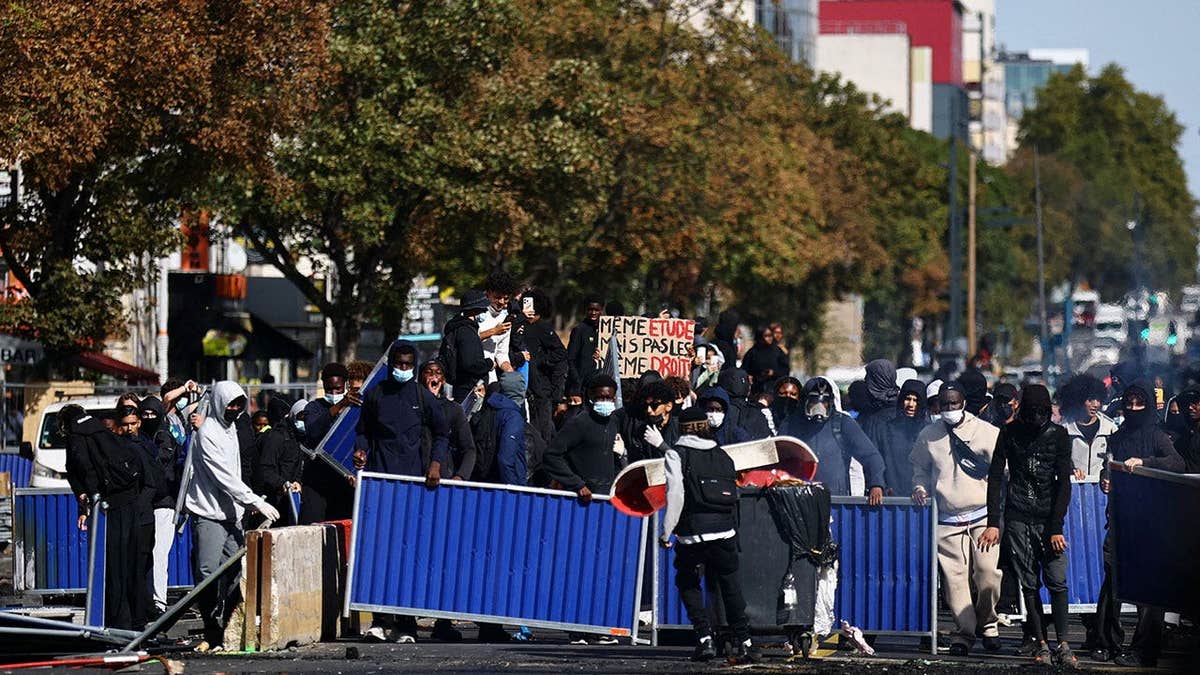
Masked protesters install a barricade amid clashes with police during a protest near the Lycee Berthelot high school in Aubervilliers, near Paris, Oct. 2, 2026. (Sarah Meyssonnier/Reuters)
«The French are notorious for strikes, labor stoppages and street demonstrations. It’s a core part of the Fifth Republic’s civic culture,» Wold told Fox News Digital. «What’s new is the violence, lawlessness and rioting. This is a consequence of mass immigration.»
While Trump, Waltz and Wold linked the violence to immigration, Reuters and AP have reported that the protest movement began over school conditions, including teacher shortages, overcrowded classrooms, deteriorating buildings and education funding. Students have cited overcrowded classrooms, teacher shortages and deteriorating school buildings — including water leaks and rat infestations — among their grievances.
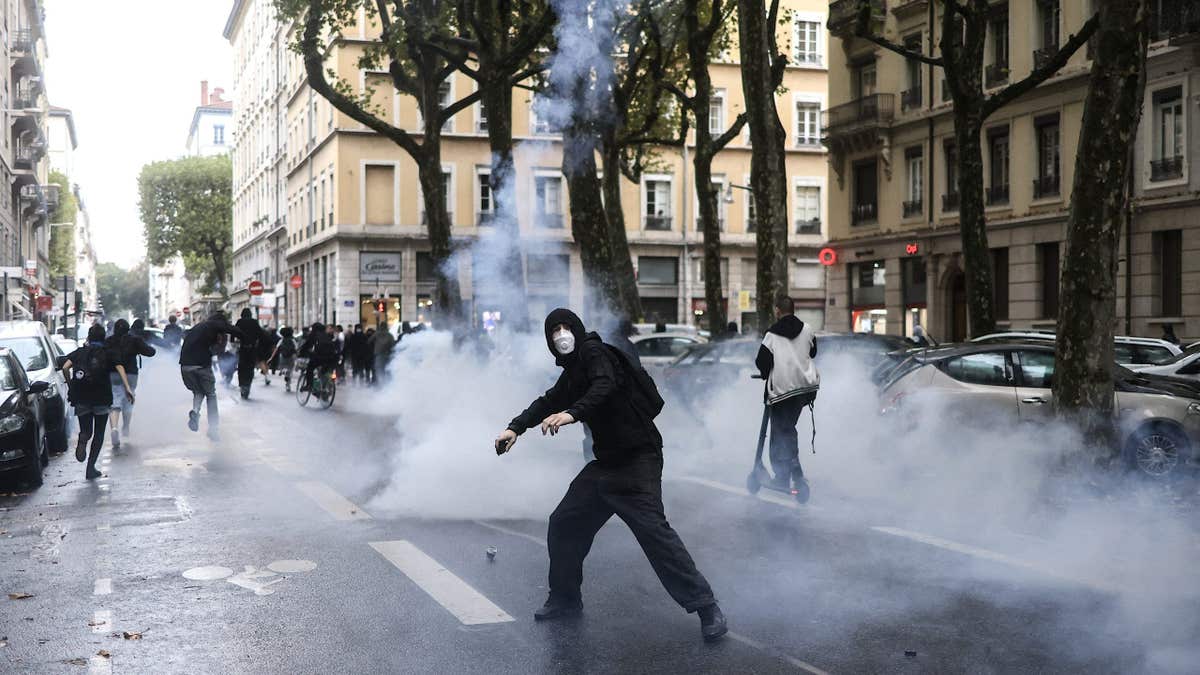
Rioters clash with police in Lyon, central eastern France, on Oct. 1, 2026. (Alex Martin AFP via Getty Images)
The unrest has increasingly become part of a broader political fight ahead of France’s presidential election in April and May 2027. Reuters reported last week that French authorities and political opponents have accused lawmakers and mayors from the hard-left France Unbowed party, or LFI, of stoking the demonstrations. LFI has denied the accusations.
Fox News Digital’s Greg Norman-Diamond and Reuters contributed to this story.
france, world protests, world, donald trump, united nations
INTERNACIONAL
Russian researcher’s mystery death could be ‘far worse’ than the plague, former senior Trump official warns
The unexplained death of a researcher at a Russian anti-plague institute has one former senior U.S. arms official warning it could be ‘far worse’ than the bacteria that caused the Black Death.
Marshall Billingslea, who served as President Donald Trump’s special presidential envoy for arms control, said a top Soviet bioweapons defector told him decades ago about secret work on antibiotic-resistant plague at the same facility where the recent plague-related death occurred.
«This may not be just ‘the plague.’ It may be far worse,» Billingslea wrote on X.
He spent much of the 1990s working on proliferation and arms control issues on the Senate Foreign Relations Committee — and during that time worked with Ken Alibek, the former No. 2 official in the Soviet biological weapons program who defected to the U.S.
BIOWEAPON THREAT EXPOSED AS ANTHROPIC SOUNDS ALARM ON FOREIGN ACTORS PLOTTING VIRUS EXPERIMENTS
«He claimed that they had engineered a strain of plague that was antibiotic-resistant & that they had worked on plague chimeras (fusing 2 or more pathogens),» Billingslea wrote of Alibek.
«He specifically called out Irkutsk for being involved in the BW program,» he added.
Billingslea’s warning comes after a 28-year-old employee of the Irkutsk Anti-Plague Institute of Siberia and the Far East died last week from what Russian authorities have described as pneumonia of undetermined origin.
Russia has not said the woman died of plague and said testing found no microorganisms in her body linked to her work.
The World Health Organization (WHO) said Tuesday that Russian officials told the agency no plague or other high-threat pathogen had been detected among her close contacts, though they are still awaiting confirmation of what caused her fatal pneumonia.
DEFENSE DEPARTMENT SCIENTIST’S ACCIDENTAL DEATH RAISES QUESTIONS AS PROBE INTO MISSING SCIENTISTS GROWS
About 60% of the woman’s identified contacts have been tested so far, according to Russian authorities, with two cases of COVID-19 and two rhinovirus infections detected — but no other infectious disease pathogens.
Still, the unexplained death at a facility that works with dangerous pathogens has drawn scrutiny from biosecurity experts — including questions about why the cause remains unknown.
Kevin Esvelt, an MIT professor who studies biological security and catastrophic pandemic risks, said Russia’s latest explanation suggests the researcher did not die from plague while leaving unanswered what killed her.
«If we take the Russian authorities at their word, it is not plague,» Esvelt wrote Tuesday.
«But untargeted research-grade sequencing reliably identifies pathogens, and people seldom die of pneumonia without pathogens, let alone 28-year-olds,» he added. «It would be surprising if they did not know the cause.»
Esvelt cautioned that more alarming explanations remain hypothetical.
«The concerning possibility is still only a possibility,» he wrote.
The questions surrounding the death come against the backdrop of the Soviet Union’s documented history of secretly developing biological weapons, including weaponized plague, and U.S. assessments that elements of that program continued after the Soviet collapse.
In its 2025 arms control compliance report, the State Department assessed that Russia maintains an offensive biological warfare program in violation of the Biological Weapons Convention and that the Soviet program was «absorbed, not dismantled» after the Soviet collapse.
The department said the program «has continued and evolved» under the Russian Federation and that Moscow continues activities prohibited under the convention. Russia has repeatedly denied maintaining an offensive biological weapons program.
The U.S. assessment does not establish any connection between Russia’s biological weapons program and the researcher’s death in Irkutsk, and no such connection has been confirmed.
NEW YORK DECLARES MEASLES DISASTER EMERGENCY AS CASES SURGE IN PENNSYLVANIA
The Soviet program Billingslea referenced was one of the world’s largest clandestine biological weapons efforts. Alibek, born Kanatjan Alibekov, rose to become the first deputy chief of Biopreparat, the ostensibly civilian network that formed a major part of the Soviet biological weapons apparatus, before defecting to the United States in 1992.
After his defection, Alibek provided U.S. officials with extensive information about the scale and capabilities of the Soviet program. He described Soviet scientists working to weaponize pathogens including plague and developing strains designed to withstand antibiotics.
His claims about some aspects of the Soviet program have faced scrutiny over the years, making independent documentation particularly important. But the existence and enormous scale of the Soviet biological weapons effort — conducted despite Moscow’s 1975 ratification of the Biological Weapons Convention — is well established.
The Irkutsk institute says it was founded in 1934 as a scientific and operational center for combating plague. Its mission later expanded to other highly dangerous diseases, including cholera and anthrax, and it describes itself today as a research and anti-epidemic facility responsible for helping protect the region from infectious disease.
The Trump administration has said it is closely monitoring the situation and pressed Moscow for greater transparency about what happened.
Secretary of State Marco Rubio said Monday that while travel between the U.S. and Russia remains limited, an infectious disease could quickly spread beyond Russia’s borders.
«If something like that gets out, it could quickly spread,» Rubio said.
President Donald Trump said the U.S. would offer assistance to Russia if needed.
«I hate to see them having it,» Trump told reporters Monday. «It’s a rough disease.»
russia, world, health, science, national security, world health organization, politics
INTERNACIONAL
Después de su prohibición, las plataformas de apuestas deportivas y los casinos en línea ya están fuera de servicio en Brasil

Las plataformas de apuestas deportivas y los casinos en línea, así como toda su publicidad, quedaron fuera de servicio este martes en Brasil, en medio de un creciente clima electoral de cara al balotaje del 25 de octubre.
La medida entró en vigencia unos diez días después que el presidente, Lula da Silva, dictó su prohibición.
Desde hoy, los usuarios que intentan entrar a estas plataformas son redireccionados a una web gestionada por el Gobierno que informa sobre el bloqueo de los servicios y la suspensión de todo tipo de anuncios publicitarios relacionados con el sector.
“Acceso bloqueado. La plataforma a la que usted intentó entrar está fuera de servicio por determinación de la Medida Provisoria nª 1.394/26, que prohíbe las apuestas deportivas y los casinos digitales en Brasil desde el 25 de septiembre de 2026″, se exhibe en letras grandes.
Brasil elegirá en el balotaje del 25 de este mes a su nuevo presidente entre Lula y su rival de ultraderecha Flávio Bolsonaro, ganador de la primera vuelta celebrada el domingo pasado.
Retiro voluntario de fondos
La pantalla ofrece enlaces directos para gestionar la devolución del dinero remanente de las cuentas, un canal para denunciar páginas irregulares que continúen activas y accesos al sistema público de salud para atender eventuales problemas derivados del juego.
El plazo para que los apostadores solicitaran el retiro voluntario de sus fondos venció este lunes.
Hasta el lunes, el Gobierno informó que había un saldo remanente de 1330 millones de reales (unos 266 millones de dólares) pendiente de rescate.
Asimismo, detalló que la inmensa mayoría de estas cuentas registran montos pequeños, pues cerca del 92 % tienen menos de 10 reales (2 dólares) y más del 96 % no superan los 25 reales (5 dólares).
Para recuperar estos fondos, el proceso continuará mediante una devolución coordinada entre las empresas, las instituciones financieras y las autoridades estatales.
EFE)
Brasil

Diego Santilli designó a un nuevo interventor en el Enacom, un área antes controlada por Santiago Caputo

Trump, Waltz link France riots to mass immigration as thousands are arrested

Russian researcher’s mystery death could be ‘far worse’ than the plague, former senior Trump official warns

El Gobierno regularizará deudas por obra pública con bonos: qué impacto tendrá en el resultado fiscal

El gobierno de Entre Ríos avanza con una reforma laboral para terminar con la industria del juicio en la provincia

Tras los reparos de Jorge Macri a la reforma electoral de Milei, los libertarios piden eliminar las PASO en la Ciudad

DHS exposes dilemma behind SCOTUS deportation fight: ‘We have two choices’

El Reino Unido anunció que las nuevas licencias de hidrocarburos en las Islas Malvinas requerirán su autorización final

El pedido de Abel Pintos que sorprendió a Guido Kaczka: “Necesito renovarlos”

El guiño de Cristina Kirchner a Uñac, las dudas en el PJ sobre las PASO y el mensaje de Kicillof al interior

 POLITICA1 día ago
¡Precios de Manhattan con sueldos de Argentina! Cómo los créditos hipotecarios inflaron las propiedades y congelaron el sueño de la casa propia
- POLITICA3 días ago
En la antesala de la discusión electoral, el peronismo buscará un gesto de unidad en la Legislatura bonaerense
- POLITICA3 días ago
El Senado se prepara para el último tramo de sesiones ordinarias: cuáles son los desafíos para el oficialismo