INTERNACIONAL
Civil liberty advocates sue blue state over ‘show your papers’ gun law

NEWYou can now listen to Fox News articles!
FIRST ON FOX: The New Civil Liberties Alliance (NCLA) filed a lawsuit against Illinois officials Tuesday over the state’s Firearm Owners Identification Act, also known as the FOID Card Act, a state law that requires Illinois residents to apply for and carry an identification card at all times in order to possess any firearm or ammunition.
The civil complaint, which Fox News Digital obtained exclusively, challenges the law as unconstitutional, arguing it «entirely deprives everyone of the right to keep and bear arms – including the basic right to possess a firearm for self-defense in the home – unless and until they seek and receive the State’s permission.»
NCLA is challenging the law’s constitutionality, contending that FOID violates both the Second Amendment and the Fourteenth Amendment, particularly the latter amendment’s Due Process Clause.
NCLA is suing Illinois State Police Director Brendan F. Kelly, Illinois Attorney General Kwame Raoul and Cook County State’s Attorney Eileen O’Neill Burke, seeking injunctive relief on behalf of three plaintiffs.
VIRGINIA DEMS SEND SWEEPING GUN BAN TO SPANBERGER AS WEST VIRGINIA WEIGHS EXPANDING MACHINE-GUN ACCESS
Illinois State Police Director Brendan Kelly speaks before Gov. J.B. Pritzker signed a bill restricting the sale and possession of unserialized firearms, also known as ghost guns. (Brian Cassella/Chicago Tribune/Tribune News Service via Getty Images)
Two of the plaintiffs, Christopher Laurent and Kim Dalton, would like to obtain firearms for self-defense but haven’t done so because they «refuse to submit to the state’s unconstitutional procedure, and are unwilling to subject themselves to criminal prosecution by violating the law,» the complaint reads.
The other, Justin Tucker, did obtain a FOID card but doesn’t want to have to continue to renew it or to carry it with him at all times, which state law requires if one wants to retain their right to bear arms in Illinois.
«The police can approach you and demand you ‘show your papers’ to prove you’re allowed to exercise this right, otherwise, you are committing a crime,» NCLA Senior Litigation Counsel Jacob Huebert, the lead attorney on the lawsuit, told Fox News Digital in an exclusive interview.
«Some people may have an urgent need to obtain a firearm for self-defense in their home because of a threat they face, yet they absolutely cannot do that. They have to file the application, go through the process, and wait as long as the state wants to take,» Huebert explained.
GUN RIGHTS ON PRIVATE PROPERTY DEBATED AT SUPREME COURT
«At every step of the way, the burden of proof is on the citizen to be allowed to exercise their rights. You go through the first round, and if they deny you, you can do an internal appeal within the Illinois State Police, which has a review board. If you lose at all those stages, you can go to court, but even then, the burden of proof remains on you to show that you’re entitled to exercise your Second Amendment rights,» he continued.

An assortment of semiautomatic rifles are on display for sale at R Guns on April 29, 2023, in Carpentersville, Illinois. (John J. Kim/Chicago Tribune/Tribune News Service via Getty Images)
«In our view, that is the exact opposite of how constitutional rights are supposed to work. A right means that you are presumed allowed to do something unless the government has a sufficiently good reason to stop you. Normally, if the government wants to disarm a particular person, they have to go to court, get a restraining order, and present evidence showing why that person shouldn’t be allowed to have a gun. But in Illinois, everybody is treated as guilty until they prove themselves innocent,» he told Fox News Digital.
DOJ PROMISES ‘A LOT MORE ACTION’ ON GUN RIGHTS WITH NEW SECOND AMENDMENT ENFORCEMENT SECTION
Illinois enacted the FOID law in 1967, and the constitutional legitimacy of the statute has been challenged multiple times in the decades since. In the 2020 decision People v. Vivian Brown, an Illinois state trial court ruled the law unconstitutional. However, state trial court decisions apply only to individual plaintiffs and don’t serve as precedent.

A customer inspects a 9mm handgun at Rink’s Gun and Sport in the Chicago suburb of Lockport, Illinois, on June 26, 2008. (REUTERS/Frank Polich/Files)
By filing its suit in federal district court in Chicago, NCLA is seeking to force the court to set a precedent that would in effect nullify the law, Huebert explained.
«Once the federal courts weigh in, that will be the definitive law,» he told Fox News Digital. «If a federal court orders the Illinois State Police, the Illinois Attorney General, and the Cook County State’s Attorney not to enforce this law anymore, then they can no longer enforce it,» Huebert said.
Illinois ranks as the state with the second-strongest gun laws on the books behind California, according to a 2026 ranking composed by Everytown For Gun Safety. Despite the stringency, however, Illinois ranks 13th in the nation in gun homicides, averaging 8.2 deaths per 100,000 residents on an age-adjusted basis, according to data from the Centers for Disease Control (CDC).
CLICK HERE TO DOWNLOAD THE FOX NEWS APP
Fox News Digital contacted the Illinois State Police, the Illinois Attorney General’s Office and the Cook County State’s Attorney’s Office for comment on the lawsuit.
second amendment, illinois, chicago, constitution









INTERNACIONAL
Dem ‘Epstein class’ attack backfires as top candidates funded by Epstein-tied billionaire
Jesse Watters exposes James Talarico’s rebrand and flip-flops
Jesse Watters highlights Texas Democratic Senate candidate James Talarico’s attempt to walk back his ‘woke past,’ mocking his sudden embrace of meat-eating and a ‘border security Democrat’ label. Watters questions Talarico’s authenticity, pointing out his past support for open borders and transgender children. He suggests the shift is a cynical political maneuver.
NEWYou can now listen to Fox News articles!
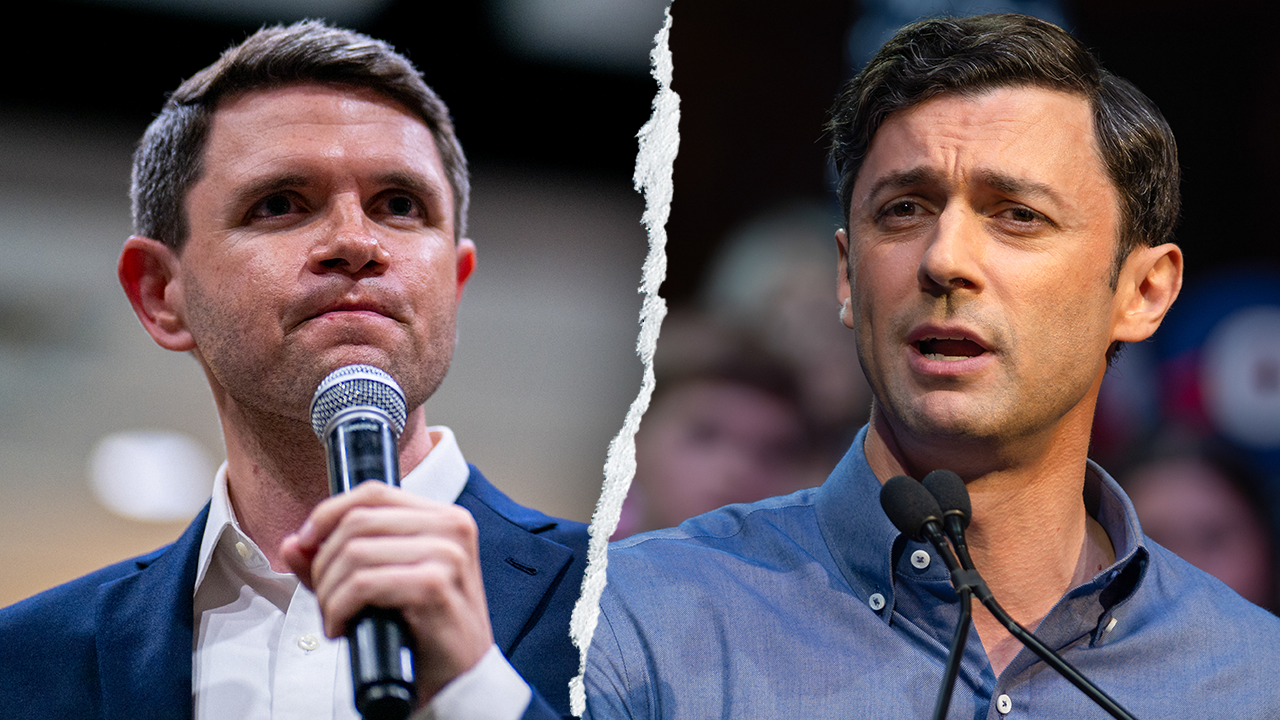
Democratic Senate candidates James Talarico and Jon Ossoff are facing scrutiny over significant donations from Reid Hoffman, a billionaire mega-investor with former associations to Jeffrey Epstein, after both accused Republicans of representing the billionaire «Epstein class» over working Americans.
Both Talarico, running in Texas, and Ossoff, running in Georgia, have repeatedly criticized billionaires’ involvement in politics and charged Republicans with being beholden to the «Epstein class» instead of the American people.
Meanwhile, Hoffman, a co-founder of LinkedIn who has previously admitted to spending a night on Epstein’s Caribbean island, has heavily invested in both campaigns. In the Texas Senate race, Hoffman has donated a whopping $11.5 million to the Talarico-aligned super political action committee (PAC), Lone Star Rising, according to the Texas Tribune. The outlet said the billionaire investor sunk $10 million to the PAC in June alone, accounting for nearly 80% of the group’s second-quarter fundraising. In Georgia, Hoffman donated the maximum legal amount, $7,000, to Ossoff’s campaign for the 2025-2026 cycle.
«Democrats like Jon Ossoff and James Talarico vilify corporate billionaires in one breath and accept their cash in the next,» a GOP operative remarked to Fox News Digital, adding, «They’re fueling the same ‘money in politics’ gravy train they claim to oppose.»
TALARICO TOUTS TEXAS ROOTS AS OUT-OF-STATE CASH POWERS SENATE CAMPAIGN
Democratic Senate candidates James Talarico (left) of Texas and Jon Ossoff (right) of Georgia are facing scrutiny for donations from Reid Hoffman, a billionaire tech investor with former ties to Jeffrey Epstein. (Brandon Bell/Getty Images; Ben Hendren/Bloomberg via Getty Images)
Hoffman has not been charged with any wrongdoing related to his previous association with Epstein.
Their first known meeting was on July 19, 2013, almost five years after he pled guilty in Florida to state charges of soliciting prostitution and procuring a minor for prostitution. According to Massachusetts Institute of Technology records, Hoffman, then a member of the university’s Media Lab Advisory Council, met with Epstein along with other faculty members on campus.
The next year, Hoffman visited Epstein’s private island, Little Saint James, and stayed overnight, the Wall Street Journal reported. Business Insider reported that in a recent podcast appearance Hoffman admitted to staying one night at Epstein’s island as part of an MIT fundraising trip. Regarding his visit, he quipped, «Note to self: Google before going.»
The Wall Street Journal reported that later in 2014, Hoffman sent Epstein ice cream, writing that it was for him or «for the girls.»
‘SHE SAW DOLLAR SIGNS’: FORMER OBAMA COUNSEL PRESSED OVER YEARS-LONG EPSTEIN TIES
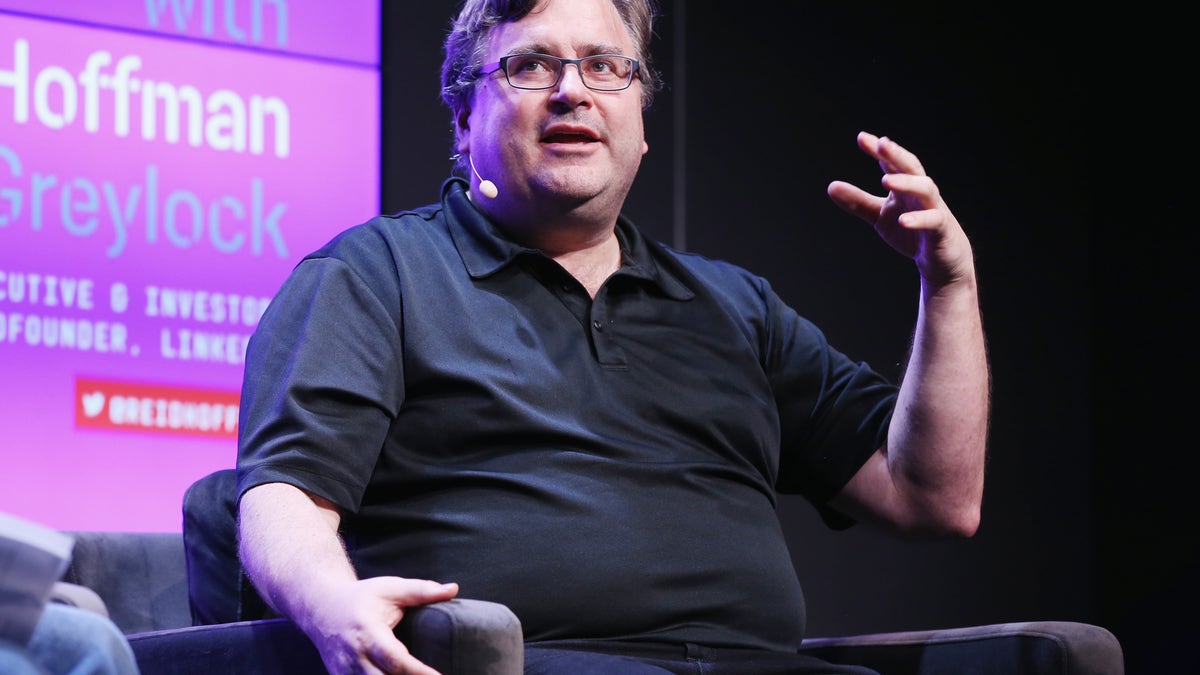
SAN FRANCISCO, CA – OCTOBER 13: Reid Hoffman speaks onstage at WIRED25 Festival: WIRED Celebrates 25th Anniversary Day 1 on October 13, 2018 in San Francisco, California. (Photo by Phillip Faraone/Getty Images for WIRED25 )
The two continued to maintain contact in the years that followed, with Hoffman and Epstein exchanging emails and Skype calls, according to the Wall Street Journal. Axios reported in 2019 that Hoffman hosted a dinner in 2015 at which Epstein was present along with other notable technology leaders, Elon Musk, Mark Zuckerberg and Peter Thiel.
The outlet reported that Hoffman apologized for his association with Epstein, saying that «by agreeing to participate in any fundraising activity where Epstein was present, I helped to repair his reputation and perpetuate injustice. For this, I am deeply regretful.»
Meanwhile, Talarico has repeatedly criticized Republicans using the «Epstein class» line. In one interview, he asserted, «The Epstein Class has no place in Texas.»
On the campaign trail, Forbes reported Talarico charging that «the only minority destroying America is the billionaires.» His campaign website asserts that «billionaire mega-donors aren’t just buying yachts and jets — they’re buying power, and they’re using that power to rig our political system.»
Fox News Digital reached out to Lone Star Rising, which has spent millions on pro-Talarico advertising, for comment on Hoffman’s $11.5 million in donations.
JT Ennis, a spokesperson for Talarico’s campaign, remarked to Fox News Digital that «our campaign has no control over contributions to any super PAC,» adding, «federal law prohibits coordination between political campaigns and outside entities.»
Ennis said that «anyone contributing to this movement is supporting a campaign that will tax billionaires more and limit their outsized political influence.»
Meanwhile, he ripped into Talarico’s Republican opponent, Texas Attorney General Ken Paxton, saying, «The only way to get Big Money out of our politics is to reject politicians like Ken Paxton,» who he accused of «want[ing] corporations and billionaires to decide our elections, not Texans.»
TALARICO SAYS THE DIVIDE IS ‘TOP VS. BOTTOM’ — THEN HEADS TO ONE OF AMERICA’S RICHEST DONOR ENCLAVES
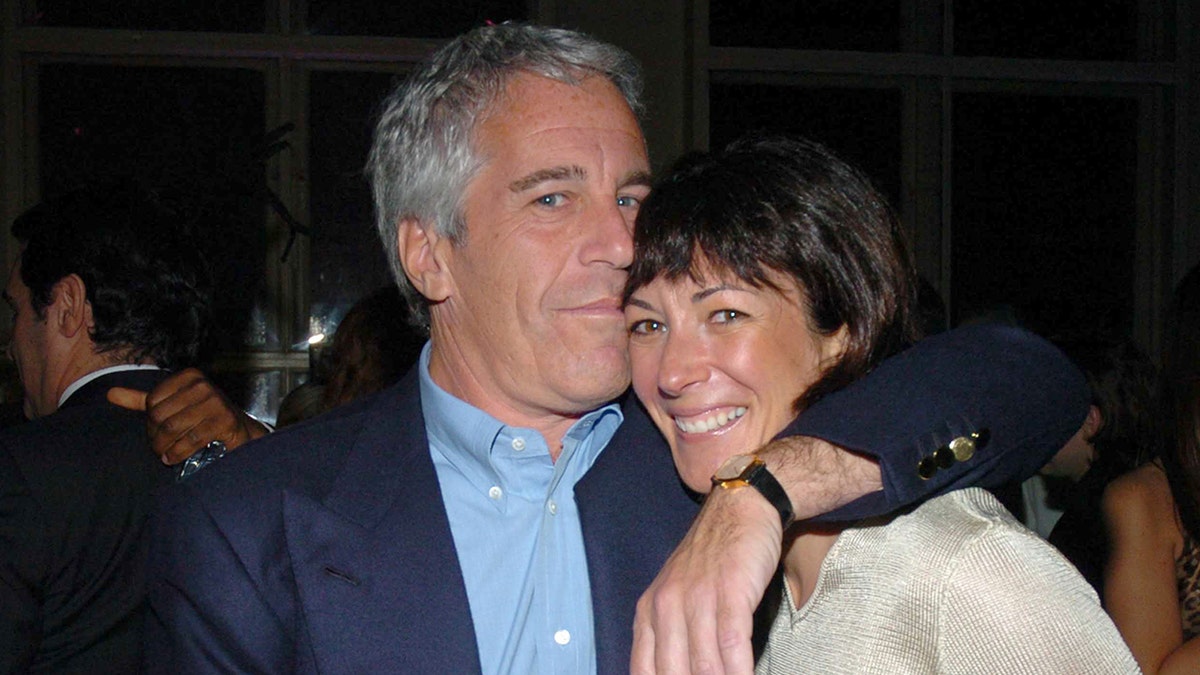
Jeffrey Epstein and Ghislaine Maxwell attend de Grisogono Sponsors The 2005 Wall Street Concert Series Benefitting Wall Street Rising, with a Performance by Rod Stewart at Cipriani Wall Street on March 15, 2005 in New York City. (Joe Schildhorn/Patrick McMullan via Getty Images)
«While Ken Paxton works to enrich himself and his donors, James will remain the only candidate in this race fighting to ban super PACs, ban corporate PACs, ban congressional stock trading, and tax billionaires so we can fix this broken, corrupt political system,» said Ennis.
Fox News Digital reached out to Paxton’s campaign for comment.
Fox News Digital also reached out to the campaign for Ossoff, who criticized the Trump administration in a news statement earlier this year for having the «wealthiest Cabinet ever.»
SIGN UP TO GET THE POLITICS NEWSLETTER
Ossoff remarked in the statement, «We were told that MAGA was for working-class Americans. But this is a government of, by, and for the ultra-rich … this is the Epstein class, ruling our country. They are the elites they pretend to hate.»
On the campaign trail Ossoff has railed against American politics for «running on secret money, corporate money, billionaire money» and accused the Trump administration of taking «American corruption to spectacular new heights.»
CLICK HERE TO DOWNLOAD THE FOX NEWS APP
Besides Talarico and Ossoff, Hoffman is also known to have donated the maximum legal amount, $7,000, to the re-election campaign for Sen. Cory Booker, a prominent national Democrat from New Jersey.
Fox News Digital reached out to Booker for comment.
democratic party, jeffrey epstein, elections, senate, cory booker, texas, georgia
INTERNACIONAL
Cómo la revolución cubana sigue sacudiendo a Estados Unidos desde las entrañas de la izquierda radical
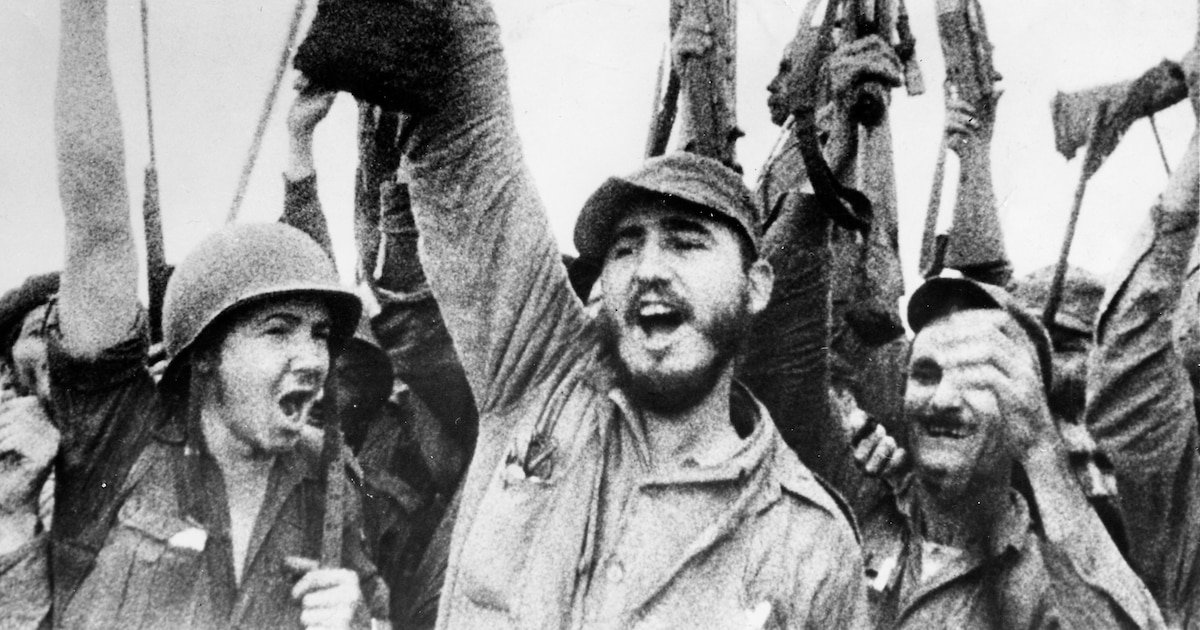
“El deber de todo revolucionario es hacer la revolución”. El eslogan, pronunciado por Fidel Castro hace ya seis décadas, no es solo una consigna ideológica: es, desde 1959, el motor de una maquinaria de exportación revolucionaria que convirtió a Cuba en la capital hemisférica de la subversión antiestadounidense. Hoy, en 2026, el fantasma de La Habana sigue influyendo en la política, el activismo radical, los grupos armados y hasta en los pasillos del poder en Washington.
Un extenso informe del Departamento de Estado de los Estados Unidos, explora la intrincada red tejida por la inteligencia y el aparato ideológico cubano. Una telaraña que, lejos de limitarse al espionaje clásico entre gobiernos enemigos, apostó a una estrategia que integró lo político, lo intelectual, lo social y lo cultural: ganarse la mente y el corazón de la izquierda estadounidense… y luego usarla para debilitar a su mayor adversario histórico.
Nunca estuvo en juego una guerra convencional. Cuba, aun en sus días de gloria militar, jamás aspiró a derrotar a Estados Unidos en el campo de batalla. En cambio, perfeccionó un proyecto de “guerra de desgaste” que combinó operaciones encubiertas, creación de redes, entrenamiento de guerrilleros, penetración de organismos estadounidenses clave y -tal vez el golpe más estratégico- una labor metodológica y persistente para reclutar generaciones de activistas e intelectuales abiertamente hostiles al “imperialismo yanqui”.
El resultado fue espectacular: insurgencias armadas en el continente, refugio a fugitivos buscados por terrorismo en suelo estadounidense, financiamiento de atentados, y el consagrarse como epicentro ideológico de una “nueva izquierda” mucho más identitaria, radicalizada y global que la esclerosis soviética.
El Mayo del ‘68 se gestó antes en las calles de La Habana. A fines de los años 50, la vieja bandera roja del Kremlin palidecía frente a los ojos de los jóvenes rebeldes del mundo libre: represión, burocracia y el pacto de “coexistencia pacífica” con el capitalismo. Nadie lo sentía como una traición más honda que los revolucionarios estadounidenses, arrinconados entre la frustración y el hostigamiento macartista.
En 1959, la revolución cubana operó como un soplo de aire fresco y violento. Su mensaje: la historia no espera, la revolución tampoco. No hacía falta que “las condiciones materiales” maduraran: la voluntad, la acción y la militancia podían convertir a cualquier lugar en un foco de insurrección -Estados Unidos incluido.
En poco tiempo, La Habana desplazó a Moscú como capital de la izquierda mundial, especialmente entre jóvenes, minorías y movimientos identitarios que vieron en Castro, el Che Guevara y sus camaradas ya no solo inspiración, sino método y logística. El marxismo pasaba a ser un relato de “lucha planetaria” de los pueblos colonizados y minorías oprimidas contra un enemigo único: Occidente, con Estados Unidos en el centro.

La genialidad (y el riesgo) de la inteligencia cubana fue entender que no hay barreras éticas ni formales entre la diplomacia, la academia, el activismo y el espionaje. Los casos de Ana Belén Montes –la analista estrella del Pentágono que “vendió” la estrategia norteamericana a la isla durante dos décadas– o el más reciente de Víctor Manuel Rocha –exembajador en Bolivia, hábil doble agente de La Habana durante medio siglo– solo son la punta del iceberg.
El informe revela alianzas profundas en la academia de elite, ONGs conocidas, sindicatos, partidos y hasta figuras ya integrantes del establishment: ex miembros de grupos como Weather Underground, Panteras Negras o militarizadas ramas de la izquierda sesentista reconvertidas en funcionarios, profesores y opinadores mainstream.
El “turismo revolucionario” –delegaciones, programas de intercambio y brigadas militantes como la famosa Venceremos–, cruzó a miles de jóvenes radicales del norte a la isla, en viajes cuidadosamente diseñados por inteligencia cubana, y convirtió a Cuba en una especie de Meca alternativa del progresismo guerrillero.
La lista de graduados es de alto impacto: de Angela Davis (ícono académico hoy celebrada en los rankings de TIME y la UC) a actuales alcaldes de grandes ciudades estadounidenses, fundadoras de Black Lives Matter y hasta un buen puñado de miembros del Congreso. Mientras tanto, decenas de fugitivos de la justicia norteamericana, condenados por terrorismo y asesinatos –entre ellos Assata Shakur y miembros del Ejército de Liberación Negra– vivieron y murieron en Cuba con status de leyenda.
Cuba nunca actuó sola. Durante la Guerra Fría, fue la punta de lanza del bloque soviético en América, proveedor de logística y saberes a grupos guerrilleros de toda la región, de los Montoneros y Tupamaros a los sandinistas y, más tarde, los bolivarianos de Venezuela. Ya entrado el Siglo XXI, convirtió la crisis venezolana en una segunda base de exportación revolucionaria, penetró la seguridad y la economía caribeña, y abrió sus redes a China, Rusia e Irán, que multiplicaron su dotación de agentes e instalaciones de inteligencia en la isla.
Un repaso por las relaciones con Hamas, Hezbollah y otras franquicias militantes de Oriente Medio, sumado al nuevo “eje de la resistencia” articulado con la Venezuela de Maduro, demuestra la actualidad y vitalidad de las rutas cubanas para la guerra asimétrica, el sabotaje y la influencia sobre activistas occidentales.

¿Cuántos grupos “progresistas” en Estados Unidos son hoy, en mayor o menor medida, producto de la siembra cubana de siete décadas? La respuesta es alarmante: “Muchos de los mayores episodios de convulsión social y política –desde los disturbios de George Floyd hasta la explosión del activismo partidario del terrorismo en las universidades– están indirectamente conectados con la influencia cubana”, concluye el informe.
Pobre y reprimida, Cuba nunca ha sido inocua. Su poderío es (y fue) ideológico, subversivo y hasta parasitario, infiltrando las venas mismas de la sociedad civil y política estadounidense. “Atacar a los Estados Unidos no desde fuera, sino desde dentro: convertir estadounidenses en instrumentos de la caída de su propia nación”, sintetiza el análisis.
Mientras la vieja Cuba agoniza económicamente, su modelo revolucionario muestra una longevidad inquietante, ahora amplificado y compartido con actores globales de todo color y agenda. Así, las palabras de Castro en 1958 –“cuando acabe esta guerra comenzará para mí una guerra mucho más grande contra Estados Unidos”– resuenan con más vigencia que nunca.
las fotos de tu vida año 1959
INTERNACIONAL
La economía de República Dominicana creció 4.2% entre enero y mayo de 2026, según Hacienda
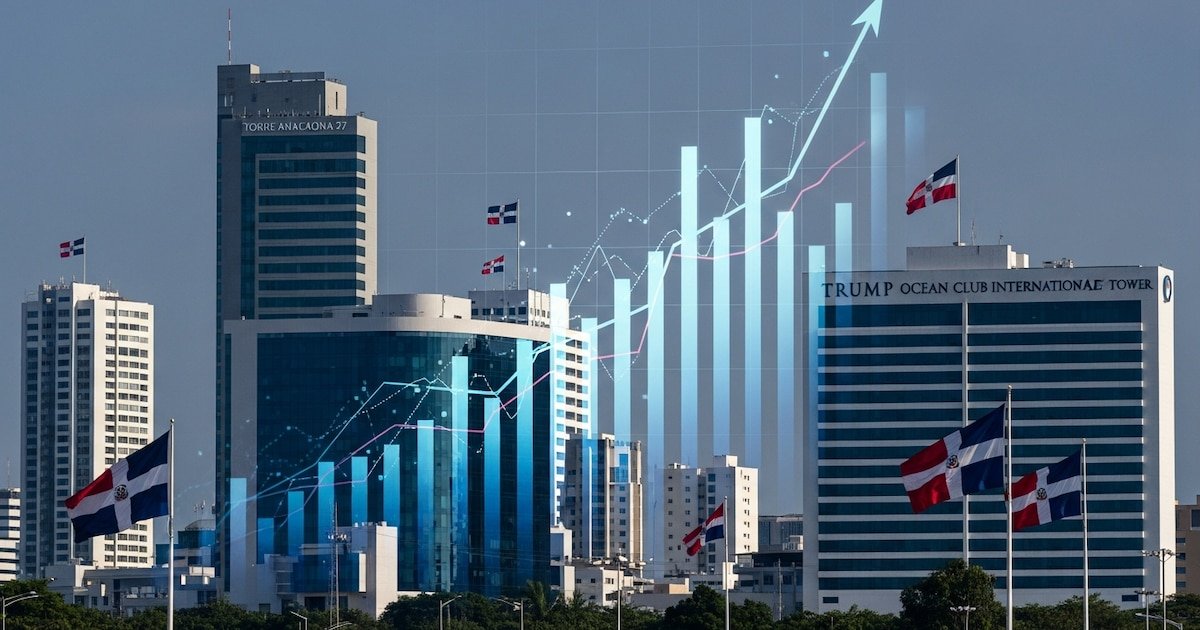
El ministro de Hacienda y Economía, Magín Díaz, afirmó que la economía de República Dominicana creció 4.2% en los primeros cinco meses de 2026, el doble que un año antes, en un contexto de incertidumbre internacional y alza del petróleo.
La Presidencia de República difundió la declaración tras su exposición en un almuerzo de la Cámara Americana de Comercio de República Dominicana.
Entre los datos que presentó, el ministro señaló que el gasto de capital del primer semestre de 2026 aumentó 29.7% frente al mismo período de 2025, por encima del alza del gasto corriente, que fue de 6,9%. Para Díaz, ese comportamiento muestra que la inversión pública encabezó la respuesta oficial.
El funcionario resumió esa lectura con una frase: “La economía está respondiendo”. También describió los datos oficiales como “lo que el termómetro económico dice y la calle no repite”.
Díaz explicó que, ante el alza prolongada de los precios internacionales del petróleo por el conflicto bélico reciente, el Gobierno definió tres objetivos. El primero, dijo, es preservar la estabilidad macroeconómica, fiscal y social.

El segundo consiste en amortiguar de manera razonable el impacto local del encarecimiento internacional, para evitar que el ajuste externo llegue por completo y de forma abrupta al consumidor. El tercero es impedir, en la medida de lo posible, una caída de la inversión pública y sostener una política fiscal que continúe impulsando el crecimiento.
Según los datos expuestos por Díaz, la inflación general se ubica en 5.67%, mientras la inflación subyacente está en 4,96%, dentro del rango meta del Banco Central. Las reservas internacionales alcanzan USD 15,800 millones y el peso dominicano se ha apreciado en el período reciente.
El ministro añadió que la tasa de desempleo se mantiene en 5% y que en el primer trimestre se crearon 118,631 empleos netos. También indicó que la pobreza monetaria bajó a 15.4%, lo que representa una reducción de 2,6 puntos porcentuales respecto de 2025.
En su repaso del sistema financiero, sostuvo que la cartera de crédito bancario creció 9%, con una morosidad de 1.89% y un índice de solvencia de 18.56%, casi el doble del mínimo regulatorio exigido.
La presidenta de la Cámara Americana de Comercio de la República Dominicana (AMCHAMDR), Francesca Rainieri sostuvo que el país cuenta con una economía reconocida por su estabilidad y dinamismo, pero planteó que el reto ya no es solo crecer, sino hacerlo mejor. Según la dirigente empresarial, ese objetivo exige mayor productividad, instituciones más sólidas, capital humano competitivo y una visión de largo plazo.

Rainieri lo resumió así: “Al Estado le corresponde ofrecer estabilidad, transparencia, eficiencia y seguridad jurídica. Al sector privado, seguir invirtiendo, innovando, generando empleos y aportando conocimiento para fortalecer las políticas públicas”.
Añadió que los ocho comités de trabajo de la cámara seguirán poniendo a disposición del país y del Gobierno su experiencia, capacidad técnica y la visión de sus empresas socias para contribuir a políticas que fortalezcan la competitividad y el desarrollo.
El vicepresidente ejecutivo de la Cámara, William Malamud, señaló al abrir el almuerzo que semanas atrás, en el evento Visión de Negocios, la entidad había analizado el riesgo de que los conflictos geopolíticos afectaran de forma significativa los mercados energéticos globales.
En ese marco, dijo: “Hoy, ante una realidad internacional aún más compleja, resulta fundamental comprender cómo estos acontecimientos pueden impactar nuestra economía y qué estrategias se están implementando para preservar la estabilidad y la competitividad del país”.
República Dominicana,pesos dominicanos,billetes,monedas,bandera dominicana

La ninguneada a Cristiano Ronaldo en pleno acto festivo de la selección de España

La marcha de los jubilados contará con la adhesión del sindicalismo y piqueteros

El padre de Rodrigo De Paul elogió la relación del futbolista con Tini Stoessel: “Es una gran compañera”

Nintendo comparte toneladas de claves del desarrollo de Splatoon Raiders y un nuevo tráiler general – Nintenderos

Karina Milei crece en un nuevo rol dentro del Gobierno y planifica nuevas actividades con los gobernadores

Monotributo: cómo son las nuevas escalas y hasta cuándo hay tiempo para recategorizarse

Rubio’s call to combat global funders of far-left terrorism could put Singham in crosshairs

Sismo de 7.4 sacude a Guatemala: Autoridades declaran alerta anaranjada por daños y descartan tsunami

Canales para ver EN VIVO el San Lorenzo vs. Deportivo Riestra por la Copa Argentina

Rogelio Frigerio presentó un seguro multirriesgo con un fondo de USD 1 millón para el maíz en Entre Ríos

 POLITICA1 día ago
Sin la Copa y sin Messi en el avión, vuelve Tapia y deberá enfrentar tres frentes de tormenta tras la pausa del Mundial
- DEPORTE3 días ago
Cómo va el historial entre la Selección Argentina y España, y cuántas veces se enfrentaron en mundiales
- DEPORTE2 días ago
La tabla de títulos de los campeones de la Copa del Mundo y el listado de las selecciones más ganadoras de la historia