INTERNACIONAL
Comienza la Asamblea General de la ONU: los líderes mundiales se reúnen para tratar las guerras, la crisis climática y el avance de la IA

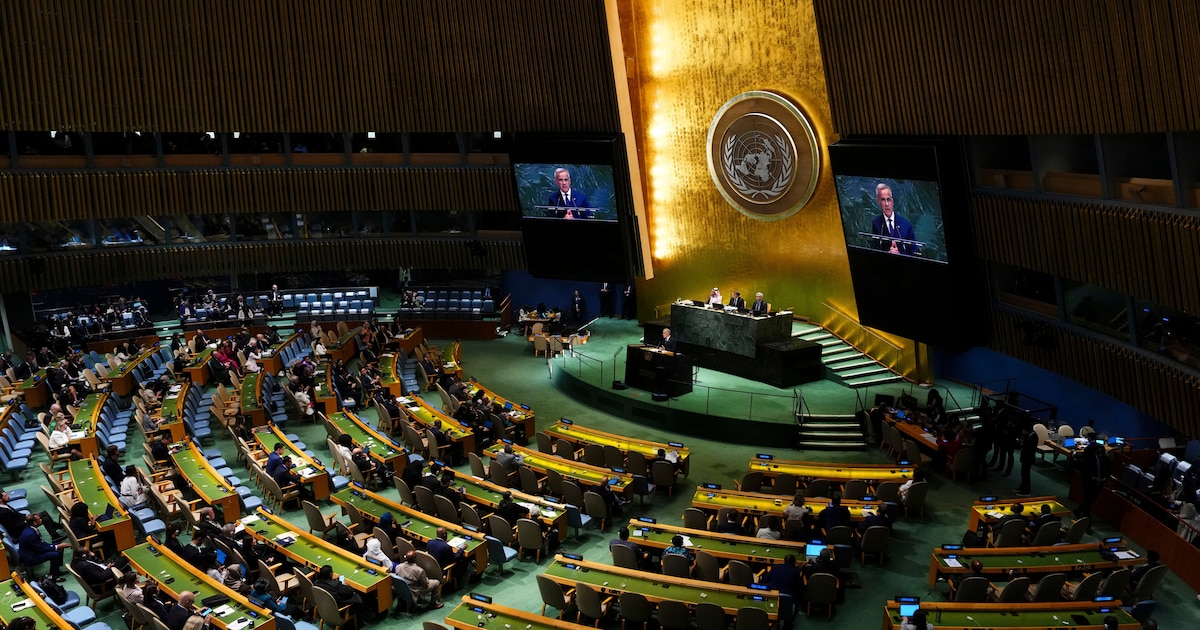
Los líderes mundiales se reúnen esta semana en la ONU bajo la presión de las guerras en Irán, Gaza, Ucrania, Sudán, Congo y Myanmar, mientras el avance de la inteligencia artificial, el cambio climático y el aumento de los precios suman nuevos desafíos a la agenda internacional.
La reunión anual de alto nivel de la Asamblea General de Naciones Unidas comienza este martes con la participación prevista de unos 130 jefes de Estado y de Gobierno, además de decenas de ministros. El encuentro estará marcado por los principales conflictos internacionales y por la cuestión de la capacidad de los gobiernos para contribuir a su resolución.
La guerra en Irán, el conflicto en Gaza y la guerra entre Rusia y Ucrania ocuparán un lugar central en las discusiones, junto con los enfrentamientos en Sudán, Congo y Myanmar. Los líderes también abordarán los efectos del calentamiento global, las desigualdades dentro de los países y entre ellos y las consecuencias económicas de las rutas marítimas bloqueadas y las interrupciones de las cadenas de suministro.
La inteligencia artificial ganó además un lugar destacado entre las preocupaciones internacionales. El rápido desarrollo de esta tecnología incrementó el debate sobre sus beneficios, sus riesgos y la ausencia de controles de alcance global.
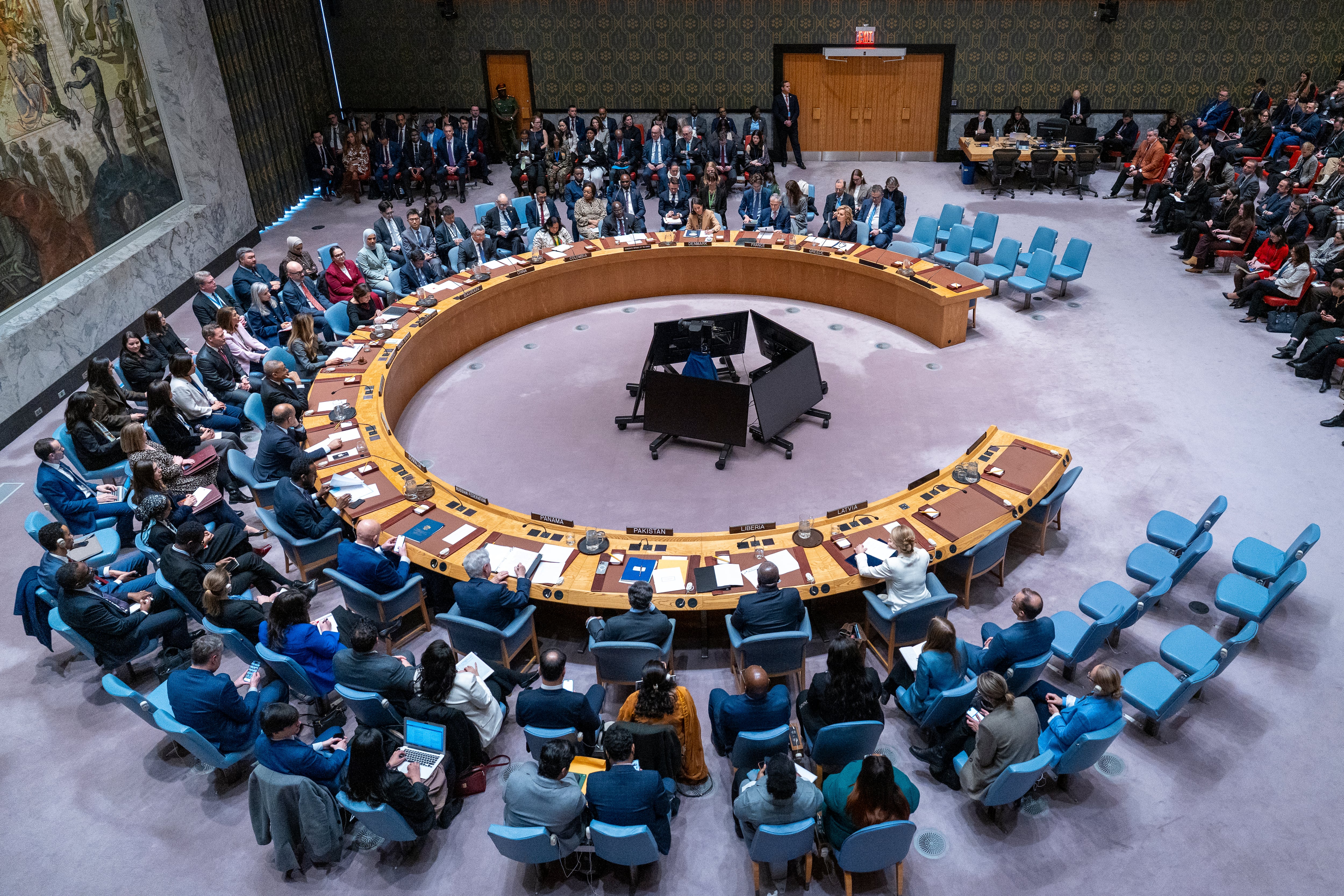
La ONU incorporó una reunión de alto nivel sobre IA a la agenda del Consejo de Seguridad para el miércoles por la tarde. El organismo ya tenía previsto para esa jornada una reunión sobre Ucrania con la participación del presidente ucraniano, Volodimir Zelensky.
Días antes de la reunión internacional, los líderes de tres grandes compañías de inteligencia artificial advirtieron sobre el riesgo de que la tecnología quede fuera del control humano y reclamaron una pausa. El presidente de Estados Unidos, Donald Trump, desestimó esas preocupaciones como “un engaño” y defendió la continuidad de los avances para mantener a Estados Unidos por delante de China.
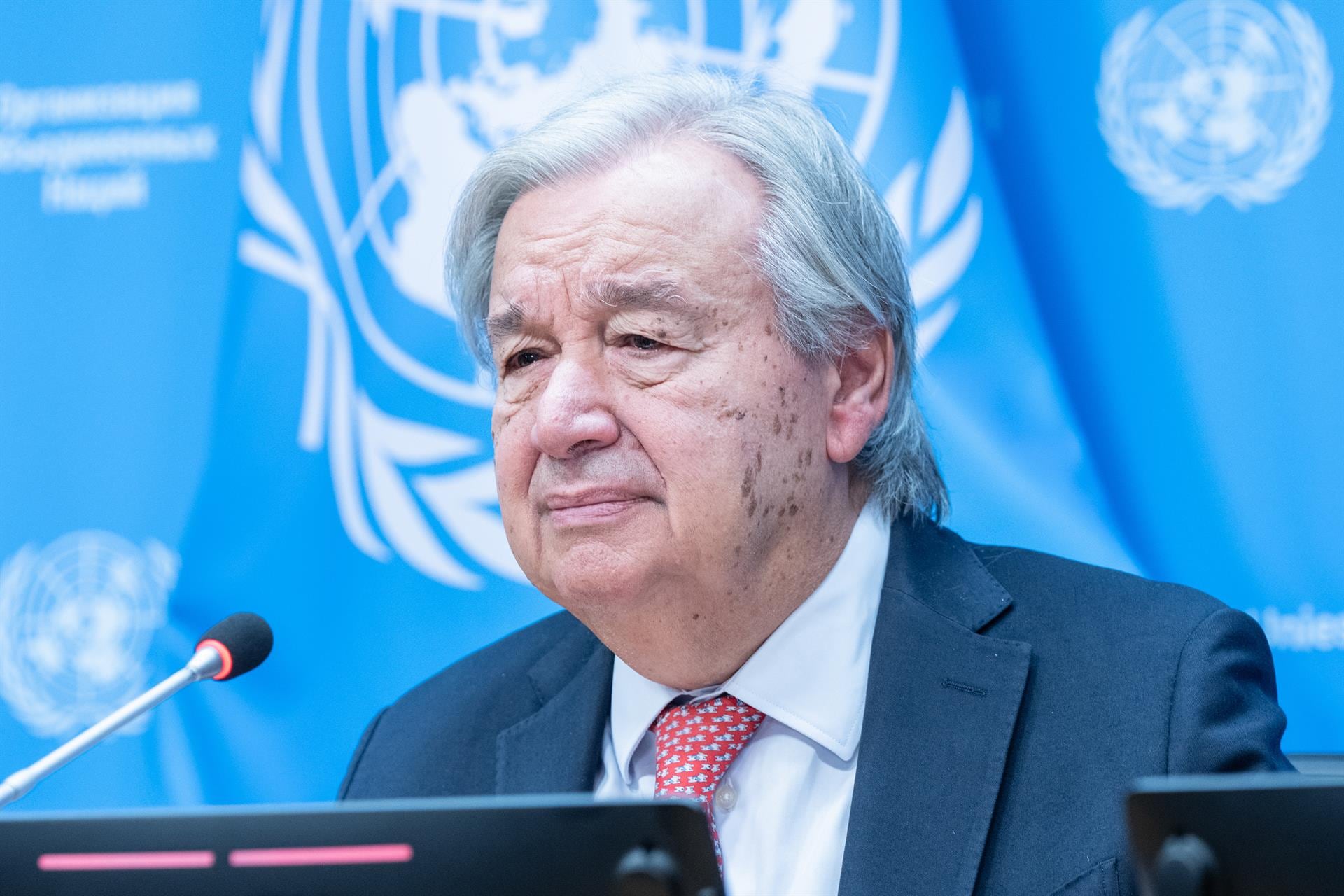
Trump será uno de los principales protagonistas de la Asamblea General y hablará este martes, después del discurso inaugural del secretario general de la ONU, Antonio Guterres. El presidente francés, Emmanuel Macron, también intervendrá durante el día. Zelensky y el presidente iraní, Masud Pezeshkian, hablarán el miércoles.
El primer ministro israelí, Benjamin Netanyahu, tiene previsto dirigirse a la Asamblea General el jueves. Por su parte, el presidente palestino, Mahmoud Abbas, no viajará a Nueva York por segundo año consecutivo debido a la negativa de Estados Unidos a concederle una visa, aunque intervendrá por videoconferencia ese mismo día.
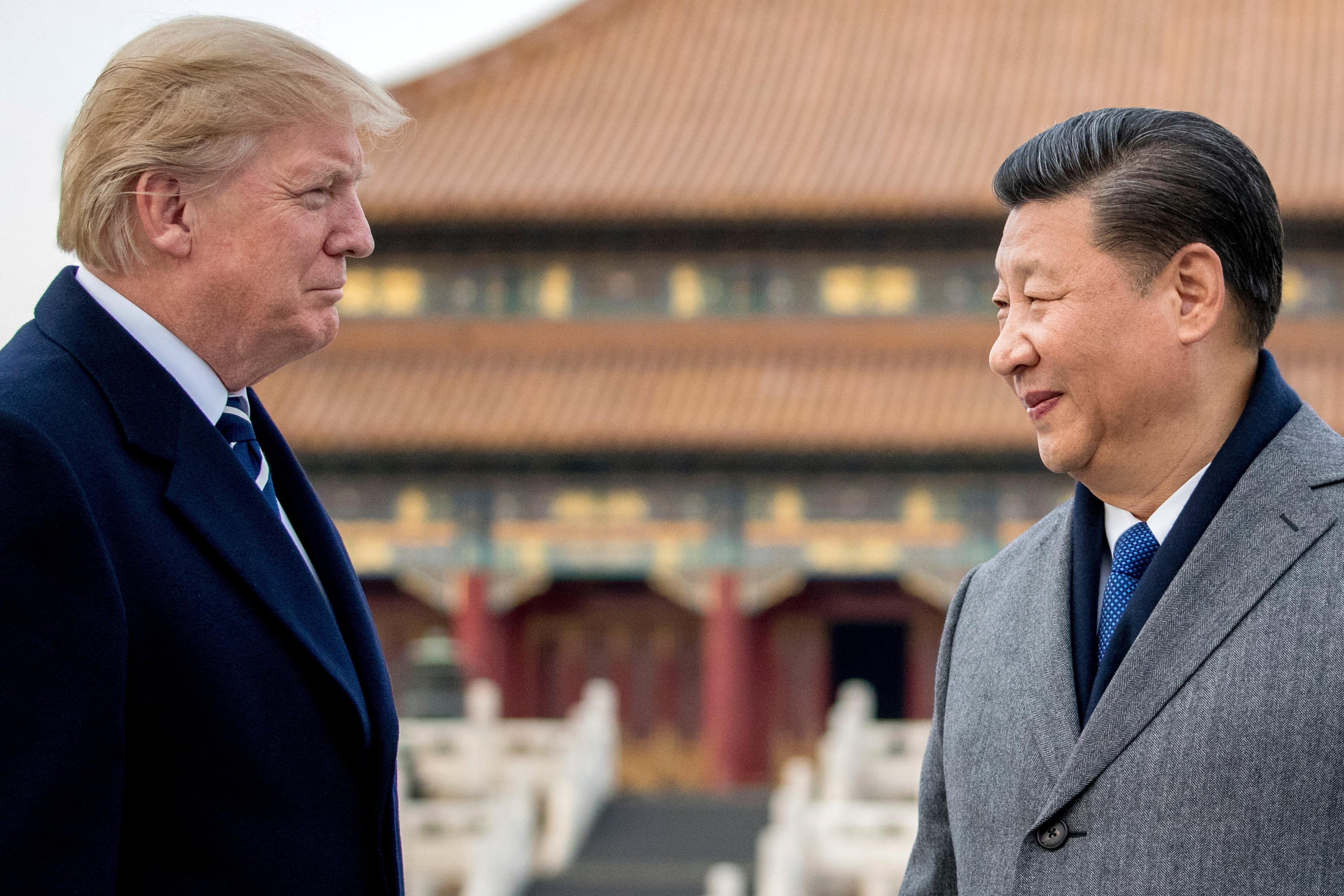
También habrá ausencias relevantes entre los principales líderes internacionales. El líder del régimen chino, Xi Jinping, se reunirá con Trump en Washington el miércoles, pero no asistirá a la Asamblea General y enviará en su lugar al vicepresidente. El presidente ruso, Vladimir Putin, tampoco participará, mientras que el primer ministro indio, Narendra Modi, canceló su asistencia.
El embajador de Francia ante la ONU, Jerome Bonnafont, destacó la importancia de que los líderes respalden a Naciones Unidas como espacio de diálogo en un contexto de creciente polarización. “Creemos en el multilateralismo y creemos que la semana de alto nivel es la ocasión para que los países del mundo reafirmen que prefieren la cooperación y el diálogo a la confrontación”, afirmó.
Una ONU bajo presión
La organización afronta además una situación financiera y política compleja. La ONU perdió protagonismo en cuestiones vinculadas con su responsabilidad central de promover la paz y la seguridad internacionales y de contribuir al fin de los principales conflictos de Medio Oriente y Ucrania. A esto se sumaron dificultades financieras derivadas de los atrasos de Estados Unidos en el pago de sus obligaciones.
Richard Gowan, director del programa de asuntos e instituciones globales del International Crisis Group, sostuvo que 2025 fue un año especialmente difícil para Naciones Unidas. Según explicó, un año antes existía la expectativa de que Trump anunciara la salida de Estados Unidos de la organización durante su discurso ante la Asamblea General, algo que finalmente no ocurrió.
Durante los últimos 12 meses, la ONU enfrentó dificultades financieras que obligaron a reducir operaciones de mantenimiento de la paz y asistencia humanitaria.
En los últimos días, Estados Unidos pagó 725 millones de dólares correspondientes a sus obligaciones con el presupuesto ordinario de Naciones Unidas para este año. El pago permitió que la administración Trump evitara perder su derecho a voto en la Asamblea General y constituyó una señal de que Washington continuará dentro de la organización.
Gowan afirmó que Naciones Unidas ya no está “en caída libre”, aunque consideró que permanece atrapada en una “crisis abierta o permanente”. En una descripción más gráfica, sostuvo: “La ONU puede no estar en cuidados de emergencia como lo estaba el año pasado, pero parece estar atrapada en un centro de traumatología en el futuro previsible”.

El ex subsecretario general de Naciones Unidas Mark Malloch-Brown, miembro del consejo de la United Nations Foundation, señaló: “Aunque el mundo todavía confía en la ONU, el público mundial está ansioso por un cambio”.
La organización también afronta el debate sobre su propia estructura. A sus 81 años, sus principales mecanismos de poder continúan vinculados a las potencias vencedoras de la Segunda Guerra Mundial y no reflejan la distribución del poder entre los principales actores globales del siglo XXI.
Los 193 Estados miembros acordaron un amplio paquete de reformas que incluye la actualización de instituciones clave como el Consejo de Seguridad, donde Estados Unidos, Rusia, China, Reino Unido y Francia cuentan con poder de veto. La aplicación de esas reformas, sin embargo, todavía enfrenta obstáculos.
La sucesión de Guterres también estará presente en las conversaciones diplomáticas. Su segundo mandato de cinco años finalizará el 31 de diciembre y todavía no surgió un sucesor definido.
Para Guterres, esta será la última Asamblea General con líderes mundiales durante su mandato. El secretario general anticipó su discurso la semana pasada al señalar que el poder está cambiando en “una era de profunda incertidumbre”.
“En un momento en que el mundo enfrenta tres amenazas existenciales, la cooperación internacional es más necesaria que nunca”, afirmó.
La agenda también incluirá cuestiones como el aumento del nivel del mar, la financiación de la educación y la igualdad de género. Al margen de las sesiones oficiales, cientos de reuniones se desarrollarán en instalaciones de Naciones Unidas, hoteles, misiones diplomáticas y restaurantes.
(Con información de Associated Press)
assembly,canada,canadian,foreign leader,foreign trip,general,government,international,leader,leadership,meet,meeting,nation,nations,political,politician,politics,represent,representative,un,unga,unga80,united,usa2025,visit,visiting












INTERNACIONAL
Zelenskyy accuses Putin of defying Trump’s ceasefire push, sends pointed message to White House
NEWYou can now listen to Fox News articles!
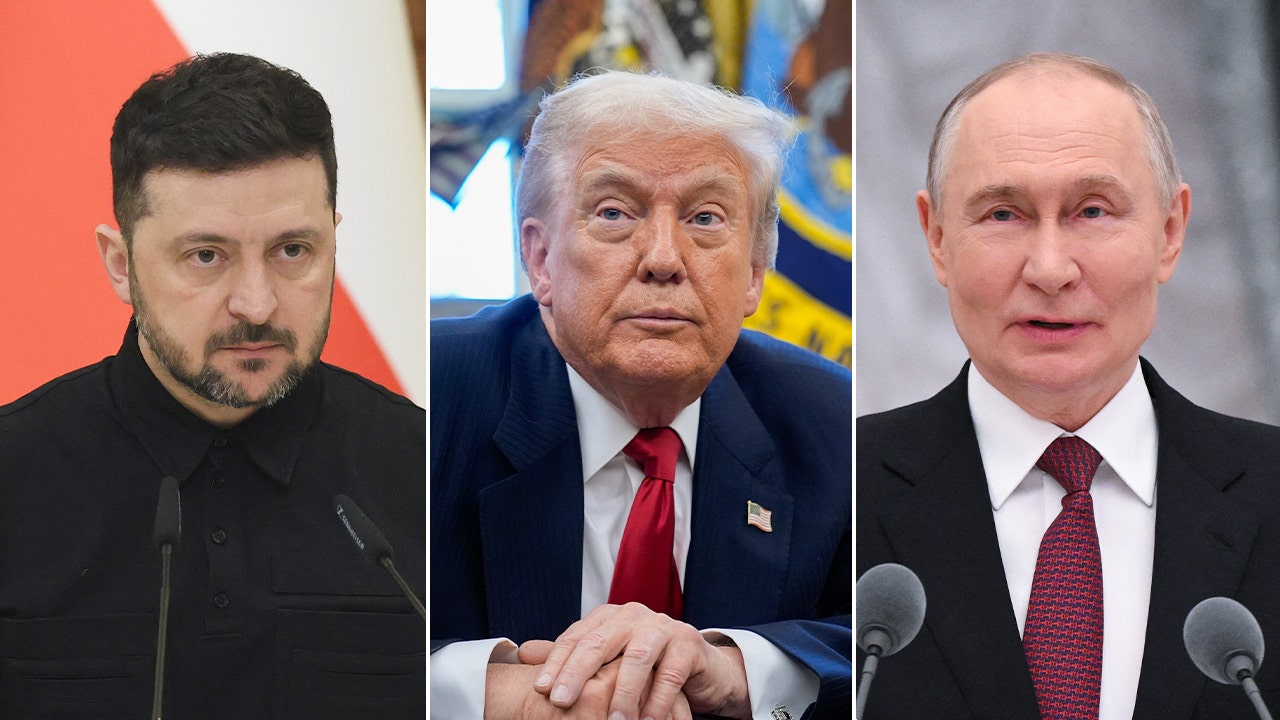
Ukrainian President Volodymyr Zelenskyy told Fox News on Monday that Russia continued attacking Ukraine’s energy infrastructure despite President Donald Trump’s announcement of what he called an immediate energy ceasefire, accusing Vladimir Putin of rejecting Washington’s peace efforts and calling for greater pressure on Moscow.
«We are ready today for energy ceasefire, as President Trump said. But I’m not sure that Putin is ready because even after yesterday’s messages from the president about energy ceasefire, Putin attacked our gas infrastructure,» Zelenskyy told Bill Hemmer in a live interview on «America’s Newsroom.»
Asked whether Ukraine would honor the ceasefire, Zelenskyy answered, «Of course,» insisting that Kyiv had already refrained from striking Russian energy facilities overnight.
TRUMP ANNOUNCES IMMEDIATE ENERGY CEASEFIRE BETWEEN RUSSIA AND UKRAINE
A family walks past an apartment building that was hit by a Russian drone, amid Russia’s attack on Ukraine, in Kharkiv, Ukraine, October 12, 2026. (Thomas Peter/Reuters)
«We didn’t attack any energy objects on the territory of Russia because President Trump said that there will be an energy ceasefire between Ukraine and Russia. And we didn’t attack, but Russia attacked our gas stations, energy infrastructure, infrastructure and other things,» he said.
The Ukrainian leader described the attacks as Putin’s response to Trump’s initiative.
«It was his answer to President Trump. He attacked our energy infrastructure,» Zelenskyy said. «The communication from Russia was very clear that they don’t know anything about energy ceasefire.»
Trump announced Sunday on Truth Social that Russia and Ukraine had agreed to an immediate halt to attacks on energy facilities. But Moscow has not confirmed accepting such an agreement, and the precise scope of Trump’s proposal remains disputed.
According to Axios reporting Sunday, a White House official said the proposal initially focused on halting attacks on oil refineries, with a broader ceasefire covering power plants and electricity grids potentially following. The official acknowledged that Russia had not yet agreed.
UKRAINE STRIKES DEEP INTO RUSSIA’S ARCTIC GAS HEARTLAND AS TRUMP PUSHES PUTIN TOWARD PEACE
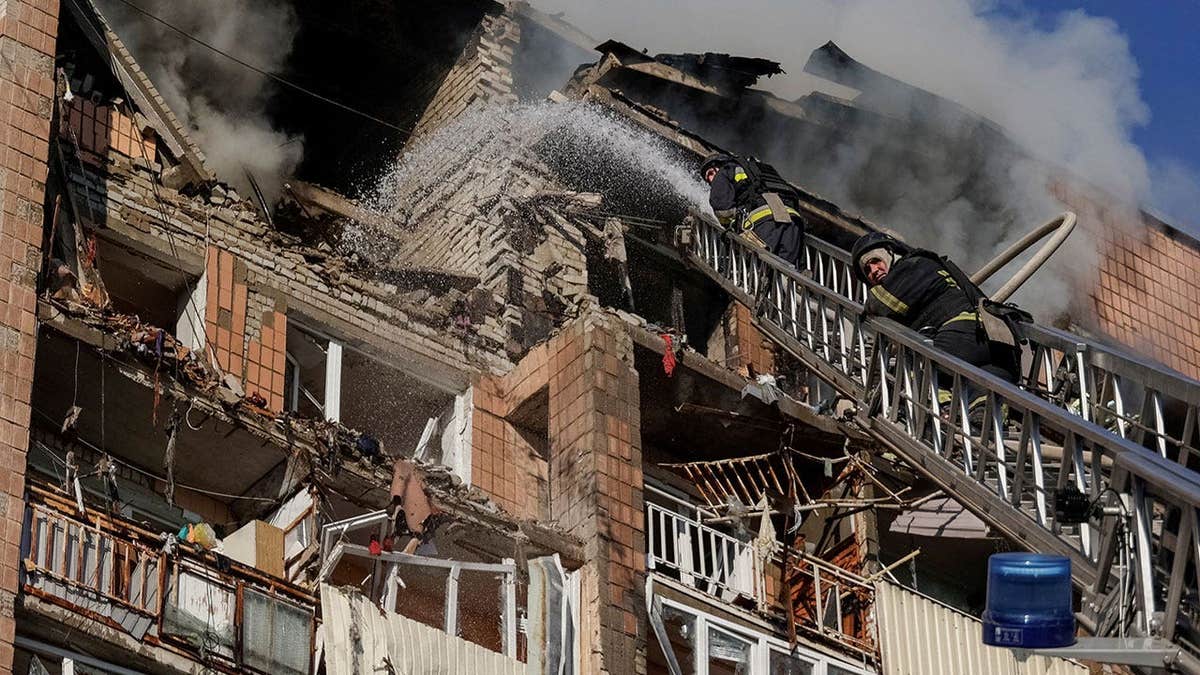
Firefighters work at the site of an apartment building damaged during a Russian drone strike, amid Russia’s attack on Ukraine, in Kharkiv, Ukraine, on October 12, 2026. (Sofiia Gatilova/Reuters)
Zelenskyy pushes back on Trump’s refinery demands
During the interview, Hemmer pressed Zelenskyy on whether Ukraine would halt attacks on Russia’s extensive oil-refining network, which has become a point of contention between Washington and Kyiv amid rising global fuel prices.
Zelenskyy argued that a ceasefire limited to refineries would fail to address Ukraine’s greatest vulnerability: its electricity supply.
«When we speak about energy ceasefire, it means only one thing: that they don’t attack our energy infrastructure, and we don’t respond to their energy infrastructure. This is called energy ceasefire.»
Asked again whether Ukrainian forces would refrain from targeting Russian refineries, Zelenskyy gave a conditional commitment. «If Russia will not attack our energy, we will not attack the energy,» he said.
Trump has repeatedly criticized Ukraine’s attacks on Russian oil refineries, arguing that they contribute to higher fuel prices. On Friday, he announced an agreement with Russia to release diesel supplies to the U.S. and global markets, a decision that drew criticism from lawmakers concerned about providing Moscow with additional revenue.
Zelenskyy challenged Trump’s assessment of what is driving diesel prices, pointing instead to disruptions in the Strait of Hormuz.
«Everybody understands that the price on diesel doesn’t depend on our attacks on diesel in Russia,» Zelenskyy told Hemmer. «Everybody understands that it depends on the blocking of Hormuz Strait.»
NEW RISK FOR US CONSUMERS AS IRAN-BACKED ATTACKS THREATEN A SECOND MAJOR OIL CHOKEPOINT
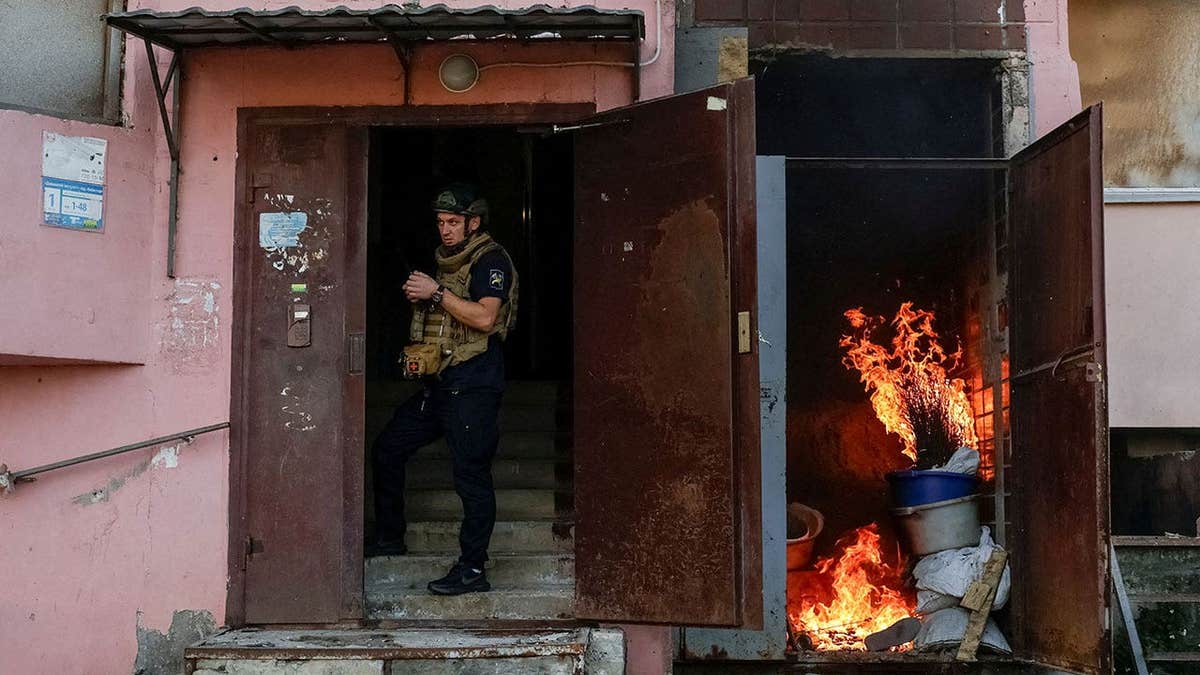
A rescuer takes shelter at the entrance of an apartment building amid the threat of another Russian drone strike, amid Russia’s attack on Ukraine, in Kharkiv, Ukraine, on October 12, 2026. (Sofiia Gatilova/Reuters)
‘Only our people can change’ Ukraine’s president
The interview also exposed tensions over Trump’s calls for Ukraine to hold new presidential elections.
Over the weekend, Trump criticized Zelenskyy and suggested Ukraine needed a new president, arguing that Kyiv had missed opportunities to reach a negotiated settlement with Russia.
«If President Trump wants to change the leader in Ukraine, he has to know that only our people can change,» Zelenskyy responded.
The Ukrainian president said he was willing to organize an election but argued that voting remained impossible without a substantial pause in hostilities.
«I’m ready for elections. Really, we need a minimum 60 days for security of infrastructure to prepare for elections,» he said.
Zelenskyy described continuing Russian drone and missile attacks as an immediate threat to voters. «We are speaking about thousands of drones, ballistic missiles, cruise missiles, how can people vote?» he asked.
«It’s not even about the law. The law is very important. But we speak first of all about security.»
He also said he last spoke directly with Trump in New York during the U.N. General Assembly in late September.
ZELENSKYY TO SEEK OFFRAMP FOR YEARS-LONG RUSSIA WAR IN UN SPEECH AFTER TRUMP REVEALS PEACE DEAL IS CLOSE
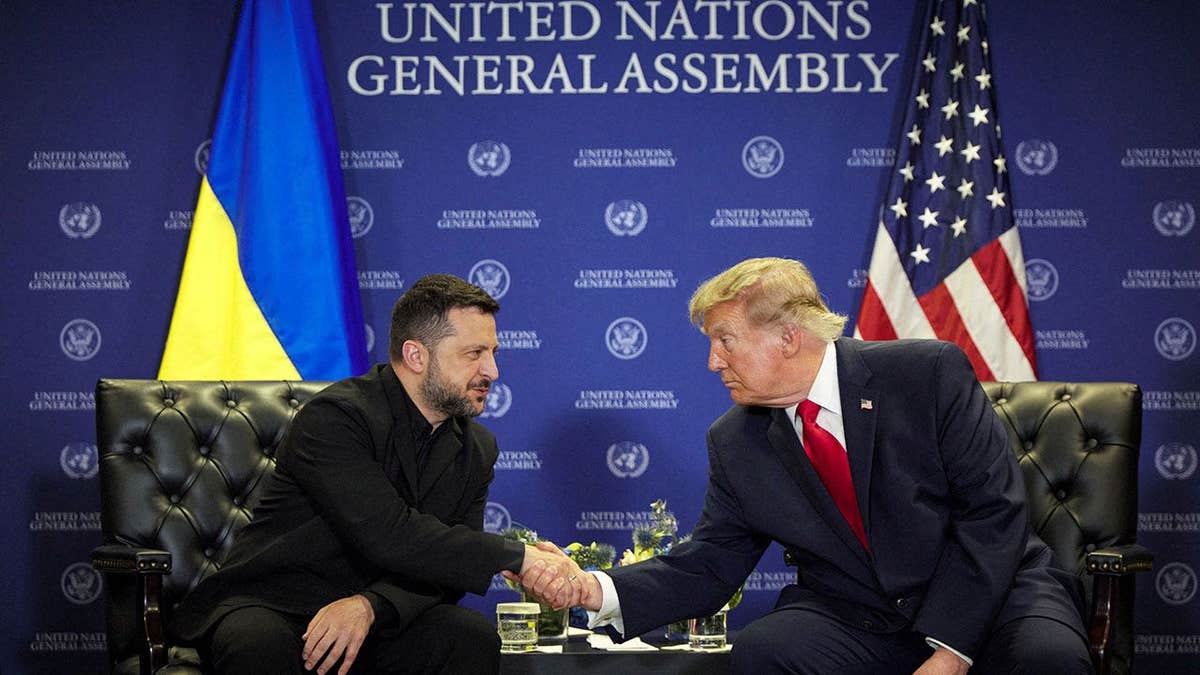
President Donald Trump and Ukraine’s President Volodymyr Zelenskiy shake hands as they meet on the sidelines of the 81st United Nations General Assembly (UNGA) in New York City in this handout released September 22, 2026. (Ukrainian Presidential Press Service/Handout via Reuters)
Russian attacks continue as Moscow resists ceasefire
The interview came after another series of Russian attacks on Ukrainian energy facilities and residential areas.
Ukraine’s charge d’affaires in Washington, Denys Sienik, said Sunday that Russian forces struck a power plant in Kyiv, disrupting electricity and water supplies, before attacking a thermal power plant in Kharkiv following Trump’s announcement.
«In total, over the course of the week, Russia struck electricity generation and transmission facilities more than 200 times,» Sienik wrote on X on Oct. 11, 2026.
East2West News agency reported Monday that three civilians — a 16-year-old boy and two women, ages 19 and 51 — were killed in a strike near a grocery store in the Kharkiv region. The agency also reported that five people were wounded in an attack on a residential high-rise.
In Pisochyn, a woman described witnessing the bombardment of a power plant shortly after Trump’s announcement, according to East2West. «We believed the statement that they wouldn’t strike energy infrastructure,» she said. «Just ten minutes after that promise was made, there were already five strikes.»
The agency also reported a Ukrainian strike on a Russian military base in occupied Khrustalnyi, in the Luhansk region, where three large fires were reportedly visible. The damage and casualty figures could not be independently confirmed.
Reuters separately reported Monday that Russia continued striking Ukrainian energy targets despite Trump’s announcement, while Kyiv maintained that it had refrained from attacking Russian refineries.
Russian Foreign Minister Sergey Lavrov, meanwhile, rejected the prospect of a 60-day ceasefire to facilitate Ukrainian elections, arguing that European countries would use the pause to replenish Ukraine’s weapons supplies.
«I don’t think he deserves a respite,» Lavrov said Monday, according to the BBC.
UKRAINE’S ATTACKS ON RUSSIA ARE PUSHING PUTIN CLOSER TO NEGOTIATING TABLE, TRUMP NATO AMBASSADOR SAYS
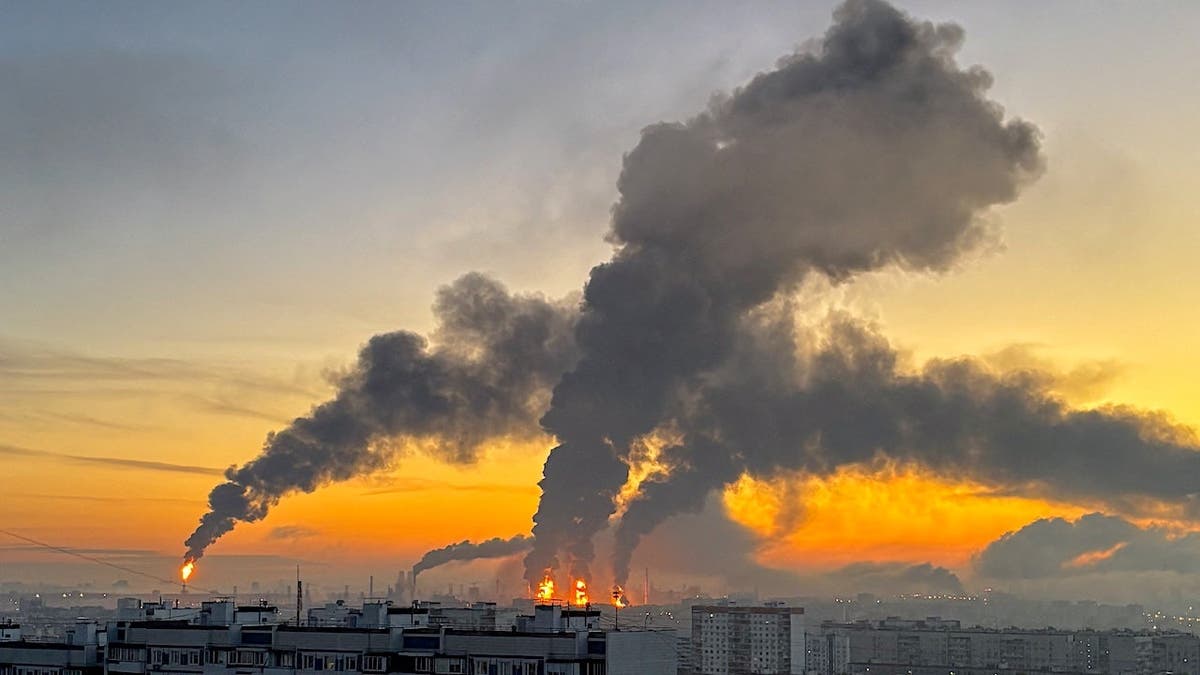
Plumes of smoke rise from fires at an oil refinery following what authorities said was a Ukrainian drone strike during the Russia-Ukraine conflict in Moscow, Russia, on Sept. 20, 2026. (REUTERS/Stringer)
Trump’s Russian diesel deal draws criticism
The latest developments have intensified scrutiny of Trump’s decision to ease restrictions on Russian diesel, which critics argue could provide Moscow with additional revenue while it continues its military campaign.
Carrie Filipetti, executive director of the Vandenberg Coalition and a former deputy assistant secretary of state during Trump’s first administration, questioned whether the arrangement would undermine U.S. leverage over Putin.
«Both Russia and Ukraine seemed surprised by the announcement of an energy ceasefire, and unsurprisingly, Russia has continued to attack Ukrainian energy facilities — reportedly as recently as a few hours ago,» Filipetti told Fox News Digital.
«Putin probably hopes the new diesel deal — which directly undermines recent US legislation calling for an increase in tariffs and sanctions against Russian energy — will discourage President Trump from holding Putin accountable for these continued violations and attacks.»
Filipetti argued that Russian energy revenue remains a critical source of financing for Moscow’s war effort. «If we want a real ceasefire, paying directly for Putin’s war machine through this new diesel deal is not the way to do it,» she said.
«President Trump’s goal of a ceasefire could be a real win — but it’s only going to happen if we stop the diesel deal.»
Morgan Murphy, former head of public diplomacy for the Special Presidential Envoy to Russia and Ukraine, offered a different assessment, defending Trump’s efforts to secure a negotiated settlement. «President Trump has consistently prodded both sides toward the only realistic outcome — negotiation,» Murphy told Fox News Digital.
«Both sides are losing right now: Ukraine doesn’t have the combat power to retake seized land, and Russia is destroying its future demographics with every passing day.»
Murphy argued that prolonging the fighting would only deepen the human toll: «Trump is right to push for a ceasefire. An endless war of attrition benefits only the makers of weapons and coffins.»
In his Fox News interview, Zelenskyy also emphasized the human cost of the war, saying Russian strikes were killing between 20 and 30 civilians a day, a figure Fox News has not independently verified.
«We want to end this war as quickly as possible,» he said.
«Ceasefire is a good first step from both sides. This is very important.»
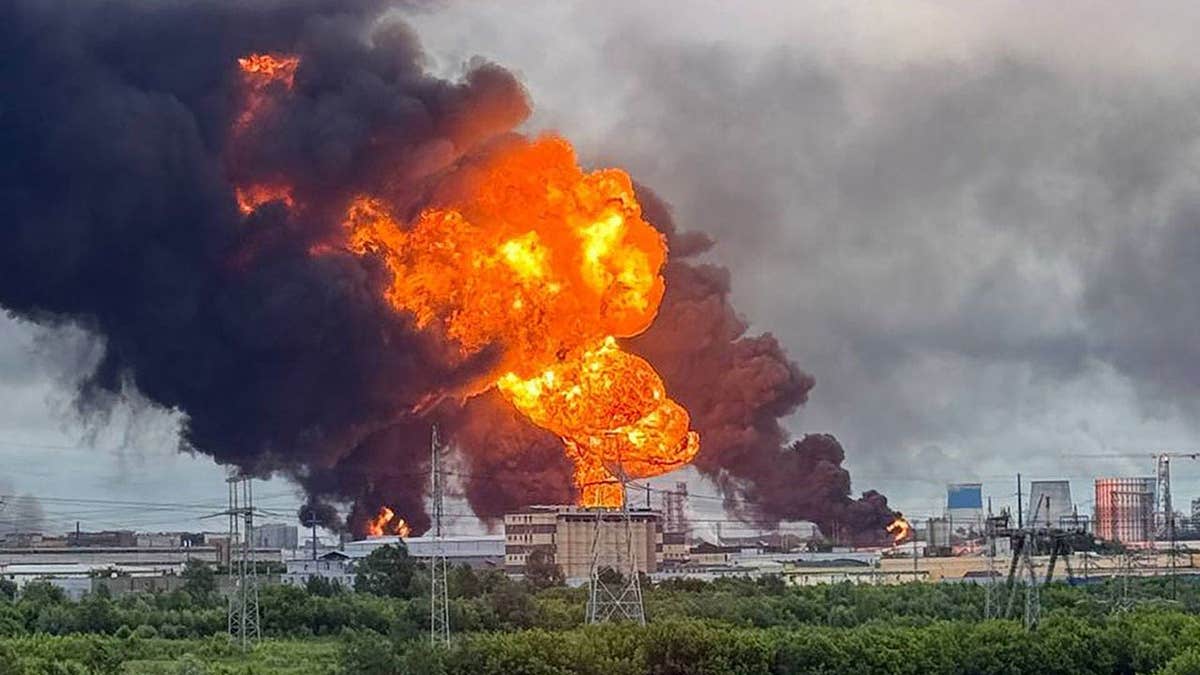
Smoke and flames rise over Moscow on June 18, 2026, following a Ukrainian drone attack that hit the Kapotnya oil refinery and other targets in the Russian capital. (East2West)
Fox News Digital has reached out to the White House for comment but didn’t receive a response in time for publication.
ukraine, russia, volodymyr zelenskyy, vladimir putin, national security
INTERNACIONAL
Democrats see new chances to flip red states — but a $400M GOP spending advantage could derail their plans
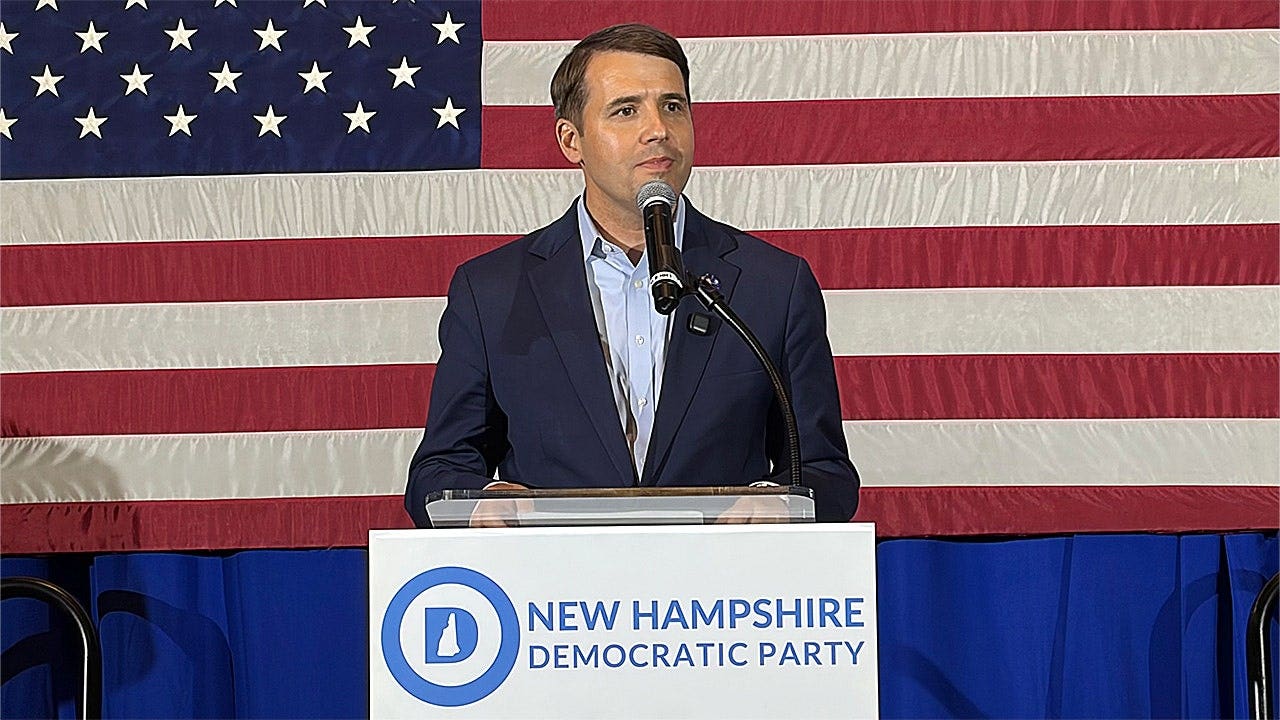
With just over three weeks to go until Election Day, more and more red states and congressional districts appear in reach for the Democrats, as they work to win back House and Senate majorities from the Republicans in the midterms. But a massive Republican spending advantage threatens to complicate those ambitions.
Republican campaigns, committees and aligned groups have outspent their Democratic counterparts by $400 million so far this election cycle, according to AdImpact, a leading political advertising tracking firm.
The disparity is forcing Democrats to make difficult decisions about where to invest and how much to spend as the party tries to expand the electoral map.
«We are being outspent by the Republicans. That’s just a fact,» Lauren French, communications director at the Senate Majority PAC, told Digital. «In many of these states, they have really transactionalized elections, so they have monopoly money to play with, whereas we are working with real resources.»
DEMOCRATS THINK A BLUE WAVE IS FORMER – HERE ARE THREE FACTORS THAT COULD STOP IT
The latest Power Rankings shifted GOP-dominated South Carolina from Solid to Likely Republican. The Senate showdown in reliably Republican Kansas is Lean Republican, while the races in red-leaning Alaska, Iowa, Ohio and Texas are rated toss-ups.
«Senate Majority PAC has resources to compete, and we are very happy that we’re able to be in 9 battleground states,» French said.
The super PAC is the leading outside group supporting Democratic Senate candidates and incumbents and is aligned with longtime Democratic leader Sen. Chuck Schumer.
French highlighted record-setting fundraising over the past three months, but added, «of course, more recess resources would be helpful.»
With the latest polls from and other organizations showing Democrats increasingly competitive across the Senate map, the party is pleading for more money.
«Last month a pro-Trump PAC reserved $10 million in New Hampshire advertising, and we’re being outspent 3-to-1,» reads a fundraising pitch to supporters by Rep. Chris Pappas, the Democratic Senate nominee in swing state New Hampshire.
WHO’S UP AND WHO’S DOWN IN THE LATEST MIDTERM POWER RANKINGS
Senate Majority PAC is rushing some of its record fundraising into the newly competitive battlegrounds. And American Bridge PAC, a Democrat-aligned group, recently pumped over $20 million into South Carolina and Kansas, as well as competitive races in two other red states, Florida and Mississippi.
But the Democratic groups are being outspent by their Republican-aligned counterparts, thanks to major expenditures by Senate Leadership Fund, the President Donald Trump-allied MAGA Inc. and a super PAC bankrolled by Elon Musk.
«The hard reality is there isn’t enough funding to protect the toss-up states and also heavily invest in the red-leaning states where we’re playing offense,» a veteran Democratic Senate operative who requested anonymity to speak candidly told Digital.»
French told Digital «This is the time in the campaign season where everyone really has to make some of those belt-tightening decisions, and that’s why we’re looking at every race really closely to make sure we have enough resources to get to the majority, but we’re also not leaving anyone shortchanged.»
House Democrats are facing a similar predicament.
A memo from the Democratic Congressional Campaign Committee (DCCC) shared with donors warned that Republicans «are now flooding districts across our battlefield with MAGA Inc. and Trump super PAC money that we simply cannot match.»
DEMOCRACY ’26: STAY UP TO DATE WITH THE ELECTION HUB
The memo, which was obtained by Digital, requested an additional $17 million that was needed by Oct. 22 «to close the sale» in what they described as «winnable races.»
The GOP is fighting political history, which has traditionally seen the party in power in Washington lose congressional seats during midterm election years. Add to that a challenging political climate fueled by persistent inflation Americans see at the grocery store, high gas prices tied to what polls show is an unpopular war with Iran and Trump’s negative approval ratings.
SIGN UP TO GET THE POLITICS NEWSLETTER
But the Republicans’ financial advantage has allowed GOP campaigns and allied groups to spend more on political advertising nationally.
«Thanks to the tireless efforts of Leader John Thune, Senate Leadership Fund has amassed a financial advantage that neither party has had before. SLF will continue to invest unprecedented resources across the map to maintain the Republican Senate majority,» Senate Leadership Fund communications director Chris Gustafson told Digital.
Veteran GOP strategist Jesse Hunt told Digital that «Republican outside groups will have played a decisive role in positive Republican performance if they have a good election night despite what is strong headwinds working against them.»
«This is not an advantage Republicans typically have and it’s definitely a contributing factor to a lot of candidates on the ballot right now keeping their races close,» Hunt emphasized.
politics, midterm elections, power rankings, elections, democrats elections, senate, democrats
INTERNACIONAL
Las importaciones de artículos deportivos cayeron 16.9% en agosto, tras dos meses de variaciones negativas

Las importaciones de productos incluidos en la partida arancelaria 9506 registraron varios cambios entre enero de 2025 y agosto de 2026. Esta categoría incluye artículos y materiales para cultura física, gimnasia, atletismo y otros deportes, además de juegos al aire libre y piscinas, incluidas las infantiles.
Según la serie general del Banco Central de Reserva (BCR), el mayor valor mensual del período se registró en enero de 2026, con US$ 1.9 millones.
En enero de 2025, las importaciones sumaron US$ 1.6 millones. El valor disminuyó a US$ 1.4 millones en febrero y a US$ 1.2 millones en marzo. Durante abril y mayo se registró el nivel más bajo de la serie, con US$ 1.0 millones en cada mes.
A partir de junio comenzó una recuperación: las importaciones alcanzaron US$ 1.2 millones en junio, US$ 1.4 millones en julio, US$ 1.3 millones en agosto y US$ 1.7 millones en septiembre. En octubre llegaron a US$ 1.5 millones, en noviembre volvieron a US$ 1.7 millones y diciembre cerró con US$ 1.4 millones.
En enero de 2026, las importaciones subieron a US$ 1.9 millones, el valor más alto de la serie general. Después disminuyeron a US$ 1.6 millones en febrero, US$ 1.5 millones en marzo y US$ 1.3 millones en abril. En mayo se recuperaron hasta US$ 1.5 millones y en junio alcanzaron US$ 1.8 millones. Sin embargo, el valor volvió a bajar en julio, a US$ 1.6 millones, y cerró agosto con US$ 1.4 millones.
Las importaciones cayeron 16.9% en agosto

La tasa de variación de las importaciones registró distintos valores entre enero de 2025 y agosto de 2026. En agosto de 2026, la variación fue de -16.9%, lo que indica una disminución frente al mes anterior. En julio, la variación también había sido negativa, con -8.9%, después del aumento de 23% registrado en junio.
El mayor crecimiento mensual del período se registró en enero de 2026, con una variación de 39.6%. También se observaron aumentos de 28.1% en septiembre de 2025, 20.5% en julio de 2025, 15.3% en junio de 2025, 13.3% en noviembre de 2025, 7.5% en mayo de 2026 y 3% en mayo de 2025.
Las caídas más pronunciadas se registraron en diciembre de 2025, con -20.7%; abril de 2025, con -20.2%; agosto de 2026, con -16.9%; febrero de 2026, con -14.2%; y febrero de 2025, con -13.2%. La serie también registró variaciones negativas de -12.3% en marzo de 2025, -9.8% en abril de 2026 y -7.3% en octubre de 2025.
La República Popular China encabezó los principales socios comerciales
Los principales socios comerciales de agosto de 2026, la República Popular China ocupó el primer lugar, con US$ 9.7 millones. Le siguieron Estados Unidos de América, con US$ 0.9 millones, y Pakistán, con US$ 0.6 millones.

Tailandia, Italia, Vietnam y Taiwán registraron US$ 0.2 millones cada uno. Canadá, Indonesia y México completaron la lista de los diez principales socios comerciales, con US$ 0.1 millones por país. La República Popular China también encabezó la clasificación en agosto de 2025, cuando registró US$ 7.6 millones.
Entre agosto de 2025 y agosto de 2026, las importaciones procedentes de la República Popular China aumentaron de US$ 7.6 millones a US$ 9.7 millones. Las compras provenientes de Pakistán subieron de US$ 0.2 millones a US$ 0.6 millones, mientras que las de Italia pasaron de US$ 0.1 millones a US$ 0.2 millones. En cambio, las importaciones procedentes de Estados Unidos de América disminuyeron de US$ 1.0 millones a US$ 0.9 millones.
Tailandia y Vietnam mantuvieron un valor de US$ 0.2 millones en ambos períodos, mientras que Canadá y México conservaron un valor de US$ 0.1 millones. Alemania y Guatemala, que aparecían entre los diez principales socios de agosto de 2025, no figuran en la lista correspondiente a agosto de 2026. En su lugar aparecen Indonesia y Taiwán.
Los artículos para cultura física, gimnasia o atletismo registraron el mayor valor por subpartida
La información por subpartidas corresponde al último mes de cada período seleccionado. En agosto de 2026, la subpartida 950691, correspondiente a artículos y materiales para cultura física, gimnasia o atletismo, registró el valor más alto, con US$ 6.5 millones.

La subpartida 950662, correspondiente a inflables, ocupó el segundo lugar, con US$ 3.0 millones. La subpartida 950699, identificada como “Los demás”, registró US$ 1.8 millones.
Entre las demás categorías, la subpartida 950629, también identificada como “Los demás”, registró US$ 0.6 millones. La subpartida 950670, correspondiente a patines para hielo y patines de ruedas, incluido el calzado con patines fijos, alcanzó US$ 0.2 millones. La subpartida 950669, identificada como “Los demás”, registró el mismo valor.
La subpartida 950659, identificada como “Los demás”, registró US$ 0.1 millones. La subpartida 950661, correspondiente a pelotas de tenis, alcanzó US$ 0.1 millones. La subpartida 950640, correspondiente a artículos y materiales para tenis de mesa, también registró US$ 0.1 millones. Finalmente, la subpartida 950611, correspondiente a esquís, apareció con un valor de US$ 0.0 millones.
Aumentaron los artículos para cultura física y los inflables
En agosto de 2025, la subpartida 950691, correspondiente a artículos y materiales para cultura física, gimnasia o atletismo, registró US$ 4.1 millones. En agosto de 2026, el valor aumentó a US$ 6.5 millones, lo que representa un incremento de US$ 2.4 millones.

La subpartida 950662, correspondiente a inflables, también registró un aumento. Pasó de US$ 1.8 millones en agosto de 2025 a US$ 3.0 millones en agosto de 2026, con un incremento de US$ 1.2 millones.
En cambio, la subpartida 950699, clasificada como “Los demás”, disminuyó de US$ 2.9 millones a US$ 1.8 millones. La subpartida 950629, también identificada como “Los demás”, subió de US$ 0.5 millones a US$ 0.6 millones, mientras que la subpartida 950670, correspondiente a patines, pasó de US$ 0.1 millones a US$ 0.2 millones.
La subpartida 950669, identificada como “Los demás”, se mantuvo en US$ 0.2 millones. La subpartida 950661, correspondiente a pelotas de tenis, registró US$ 0.1 millones en agosto de 2025, pero no aparece entre las diez principales subpartidas de agosto de 2026. Mientras que las subpartidas 950640, aparecen como de artículos para tenis de mesa, y 950611, de esquís.
ejercicio físico,entrenamiento,atletismo,gimnasio,mancuernas

Así fueron los debuts en ventas de Kingdom Hearts Collection [I~III], Dragon’s Dogma II: Dark Arisen y más en Reino Unido (12/10/26) – Nintenderos

La estremecedora historia de una atleta que sufrió un control antidopaje sorpresa tras la muerte de su madre: “Yacía en la habitación de al lado”

Vacaciones ensambladas, sensualidad al sol y amor familiar: los días de Cinthia Fernández y Roberto Castillo en Miami

“Nos vemos pronto en la Argentina”: el mensaje de León XIV a un obispo argentino antes de su operación

Lanús vs Vélez Sarsfield: formaciones, hora y dónde ver por tv

Vuelve el auto del abuelo: la nueva versión del 2CV será eléctrica, de precio accesible y llegará en 2028

Conciliaciones entre comercios y consumidores resuelven reclamos por más de $12.5 millones en Panamá

Regresos importantes y una duda clave: Arruabarrena definió el equipo de Boca Juniors para visitar a Instituto

El nuevo mapa del mercado automotor: qué marcas ganaron y cuáles perdieron con la apertura de las importaciones

Cómo evitar multas durante el fin de semana largo: cuál es la documentación que hay que llevar sí o sí al salir a la ruta

 INTERNACIONAL3 días ago
Conciliaciones entre comercios y consumidores resuelven reclamos por más de $12.5 millones en Panamá
- DEPORTE3 días ago
Regresos importantes y una duda clave: Arruabarrena definió el equipo de Boca Juniors para visitar a Instituto
- ECONOMIA3 días ago
El nuevo mapa del mercado automotor: qué marcas ganaron y cuáles perdieron con la apertura de las importaciones