INTERNACIONAL
Costa Rica: ¿Cuáles son las inquietudes de los jóvenes ante un mundo con más tensiones?

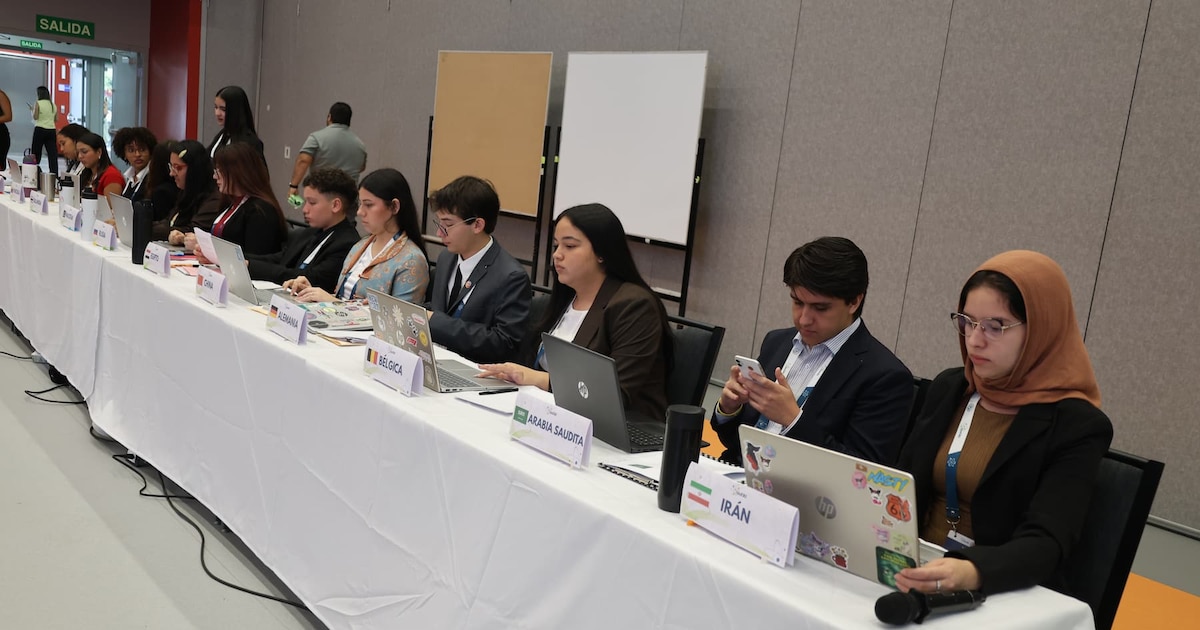
El tráfico de materiales nucleares y el riesgo de que esos recursos sean utilizados con fines bélicos estuvieron entre las principales preocupaciones expuestas por los estudiantes durante la cuarta simulación de una sesión de la Organización Internacional de Energía Atómica (OIEA).
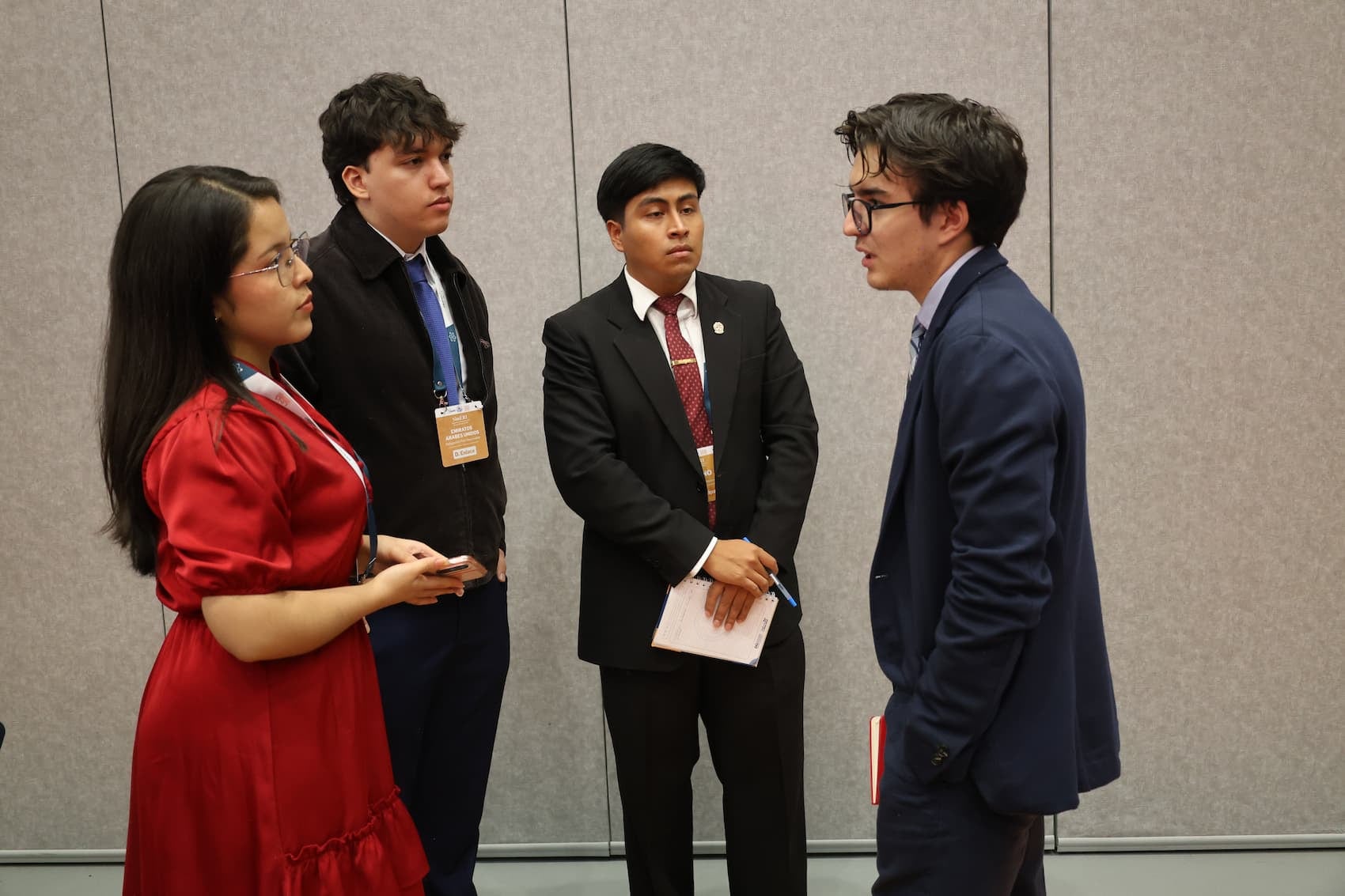
Los participantes propusieron reforzar la cooperación entre aduanas, organismos reguladores y autoridades de seguridad. También plantearon mecanismos de trazabilidad para materiales peligrosos, análisis radiológicos en planes nacionales de emergencia y controles fronterizos con asistencia técnica de la OIEA.
El estudiante de Relaciones Internacionales Aarón Montero consideró que la posible utilización de recursos nucleares con fines militares constituye “un peligro latente para nuestra realidad”.
Kevin Loza, estudiante de tercer año de la misma carrera, se refirió a la existencia de un mercado ilícito de material nuclear. El alumno señaló diferencias entre las declaraciones públicas contra la proliferación y las condiciones de seguridad sobre esos recursos.
“Existe una dicotomía entre la diplomacia pública de estos países en contra de la proliferación de armas nucleares y las fugas de un mercado ilícito”, indicó Loza a UNA Comunica. El estudiante también cuestionó la eficacia de los controles fronterizos en distintas regiones.
La Base de Datos sobre Incidentes y Tráfico Ilícito de la OIEA registró desde 1993 4,600 incidentes anuales de materiales nucleares o radiactivos fuera de los controles reglamentarios, según la información presentada durante la simulación.
Durante 2025 se informaron 236 accidentes, una cifra superior a los registros anuales contabilizados entre 2019 y 2023. Los datos fueron parte de la discusión sobre las medidas que los países podrían aplicar frente al traslado irregular de material sensible.
América Latina y el uso pacífico de la energía nuclear
La estudiante Jennifer Dennis, del Politécnico Calasanz La Romana de República Dominicana, consideró que América Latina y el Caribe pueden promover el uso pacífico de la energía nuclear para favorecer la ciencia y la investigación.
La región cuenta con 33 países firmantes del Tratado de Tlatelolco, que estableció una zona libre de armas nucleares. Dennis señaló que el acuerdo otorga una posición regional dentro de la discusión mundial sobre esta materia.
“Muchos países no quieren abrirse a nuevas negociaciones por miedo a que se utilice la energía nuclear en su contra”, afirmó Dennis ante UNA Comunica.
Los conflictos y la falta de comunicación entre países
Las deliberaciones también abarcaron los conflictos armados y las tensiones internacionales. Montero mencionó los casos de Ucrania, Rusia e Irán, además de situaciones en África y América Latina que, según indicó, deberían recibir respuestas multilaterales.
“Lo que pasa en África o en América Latina, con el tema de los cárteles, es algo que debería ser tratado multilateralmente”, expresó el estudiante.
La estudiante de Relaciones Internacionales María Isabel Araya señaló que la limitada comunicación entre países y regiones puede dificultar la construcción de diálogo.
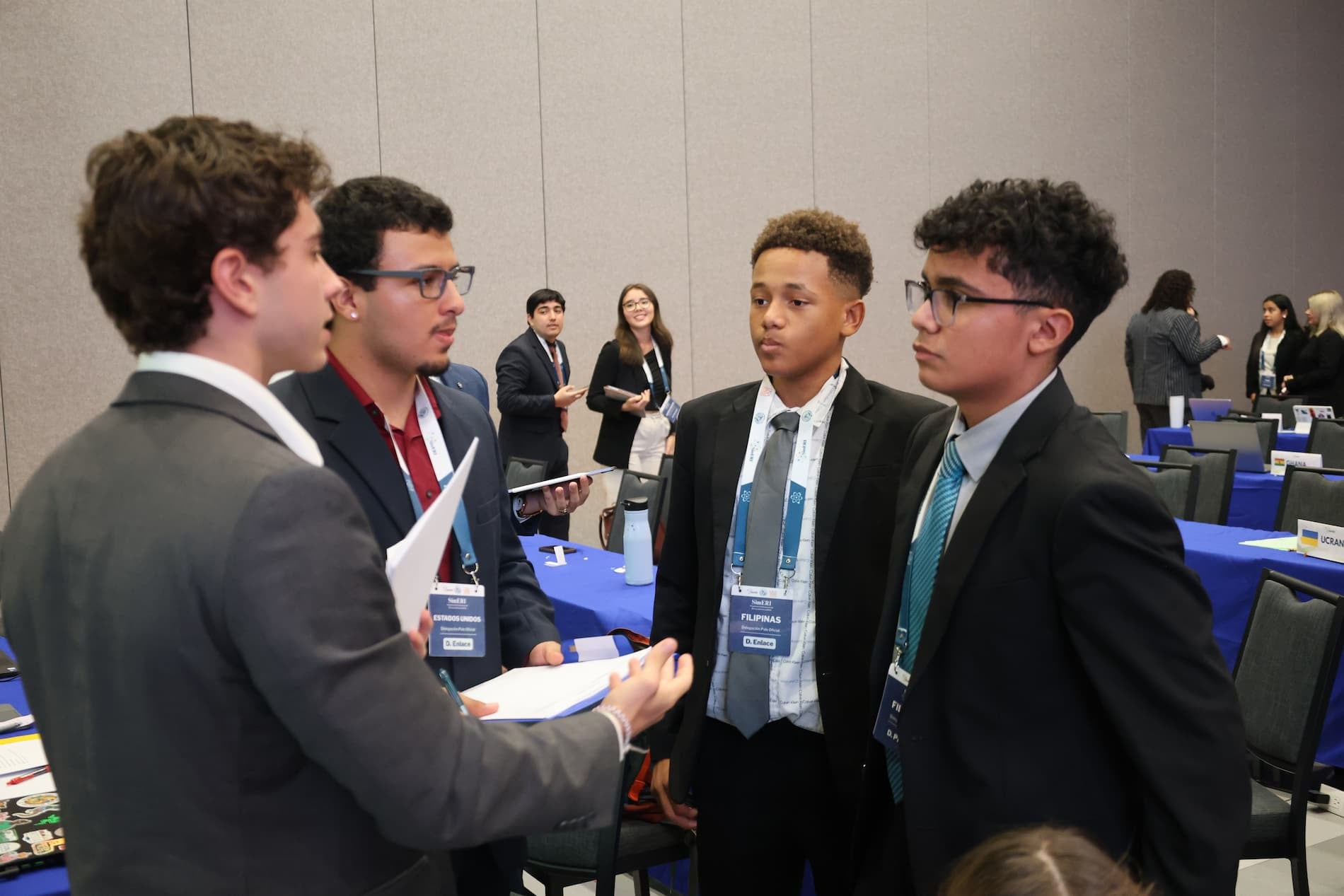
“La violencia ocupa espacios relevantes dentro de la sociedad, y de maneras en las que no se hubiera previsto que ocurriera”, dijo Araya. La alumna vinculó esa preocupación con el ascenso de posiciones de extrema derecha y los efectos que pueden tener sobre los derechos de las mujeres.
Ashley McField sostuvo que las discusiones mundiales sobre seguridad y rearme pueden desplazar inversiones destinadas a educación, ciencia y tecnología. También propuso ampliar la participación de mujeres en organismos multilaterales con capacidad efectiva de negociación.
La simulación convocó a estudiantes de Costa Rica, Guatemala y República Dominicana
La cuarta simulación de una sesión de la OIEA fue organizada por la Escuela de Relaciones Internacionales de la Universidad Nacional. La actividad se desarrolló en el auditorio Cora Ferro Calabrese del Centro Universitario Emilia Prieto Tugores.
Según UNA Comunica, participaron estudiantes de los campus Omar Dengo, Benjamín Núñez y Sarapiquí de la Universidad Nacional, la Universidad de Costa Rica, 10 centros de secundaria públicos y privados, la Universidad de San Carlos de Guatemala y el Politécnico Calasanz La Romana.
La académica Kristy Crawford, responsable de la actividad, señaló que el objetivo de la simulación trasciende las discusiones desarrolladas durante las jornadas.
“El verdadero éxito de nuestra simulación no se medirá solo por lo que ocurra en las salas, sino también por lo que nuestras juventudes decidan hacer con lo aprendido”, afirmó Crawford a UNA Comunica.
Ruth Barrientos, docente del Colegio Vocacional Monseñor Sanabria de Desamparados, valoró la participación de estudiantes de secundaria. La educadora consideró que estos espacios pueden contribuir al desarrollo de habilidades sociales y competencias para la vida universitaria y laboral.


Melania Trump adviser shares INSIDE LOOK at ceasefire agreement
Marc Beckman, a senior advisor to Melania Trump, joins ‘Fox & Friends Weekend’ to discuss first lady Melania Trump’s humanitarian efforts in Ukraine. Beckman details how the first lady successfully brokered a ceasefire in Oleshky, allowing critical aid to reach the town and evacuate elderly residents. The discussion also highlights other initiatives, including her White House ‘Be Best’ campaign.
NEWYou can now listen to Fox News articles!
A ceasefire that first lady Melania Trump helped negotiate in a front-line Ukrainian city that she described as being on the «brink of disaster» went into effect Tuesday.
The pause in fighting in Oleshky started around 3 a.m. local time as «part of a humanitarian mission being carried out with the mediation and coordination of U.S. first lady Melania Trump, in cooperation with Yana Lantratova, Russia’s commissioner for human rights,» according to Dmytro Lubinets, the Ukrainian Parliament commissioner for human rights.
«The situation in Oleshky is dire. Oleshky is a front-line war city on the brink of disaster,» Trump said in a statement last week. «Oleshky’s remaining population is comprised primarily of elderly residents who urgently need medical attention, medicine, food, and clean water.
«The people of Oleshky have limited electricity, live amid mined roads, and endure regular military attacks. It was abundantly clear that without my intervention, the possibility to bring humanitarian aid into the city and to evacuate the elderly would be impossible,» she added.
MELANIA TRUMP’S ADVISOR REVEALS HOW SHE BRIDGED PUTIN, ZELENSKYY TO BROKER FRONTLINE UKRAINE TRUCE
First lady Melania Trump, left, and civilians being evacuated from Oleshky, Ukraine, in October 2022 during the early days of the Russia-Ukraine war. (Umit Bektas/Reuters; Alexander Ermochenko/Reuters)
The White House said both Ukraine and Russia «agreed to temporarily stop all military action in Oleshky to allow for humanitarian aid to enter and to prepare a civilian evacuation through a designated safe passageway.»
«Non-military, civilian leaders from both countries will work together to visit Oleshky residents in their homes and determine the level of assistance they require. Residents who wish to evacuate will receive coordinated support and transportation to their preferred destination. I anticipate some will want to go to Russia, and some to Ukraine,» Trump added.
Speaking on «Fox & Friends Weekend,» senior advisor Marc Beckman said the agreement followed weeks of mediation involving Russian President Vladimir Putin and Ukrainian President Volodymyr Zelenskyy.
RECOVERING FROM LUNG SURGERY, POPE LEO URGES PUTIN TO AGREE TO CEASEFIRE IN RUSSIAN-HELD UKRAINE CITY
On Tuesday, Russia’s Defense Ministry wrote on Telegram, «In relation to the conduct of the humanitarian operation in the area of the settlement of Oleshky, Kherson region, the Armed Forces of the Russian Federation have ceased fire in the Kherson direction.»
Russian troops have held control of Oleshky since the early days of the February 2022 invasion of Ukraine, according to Reuters.
The news agency added that the city had a population of around 24,000 prior to the war, but that has since dwindled to only a few thousand.
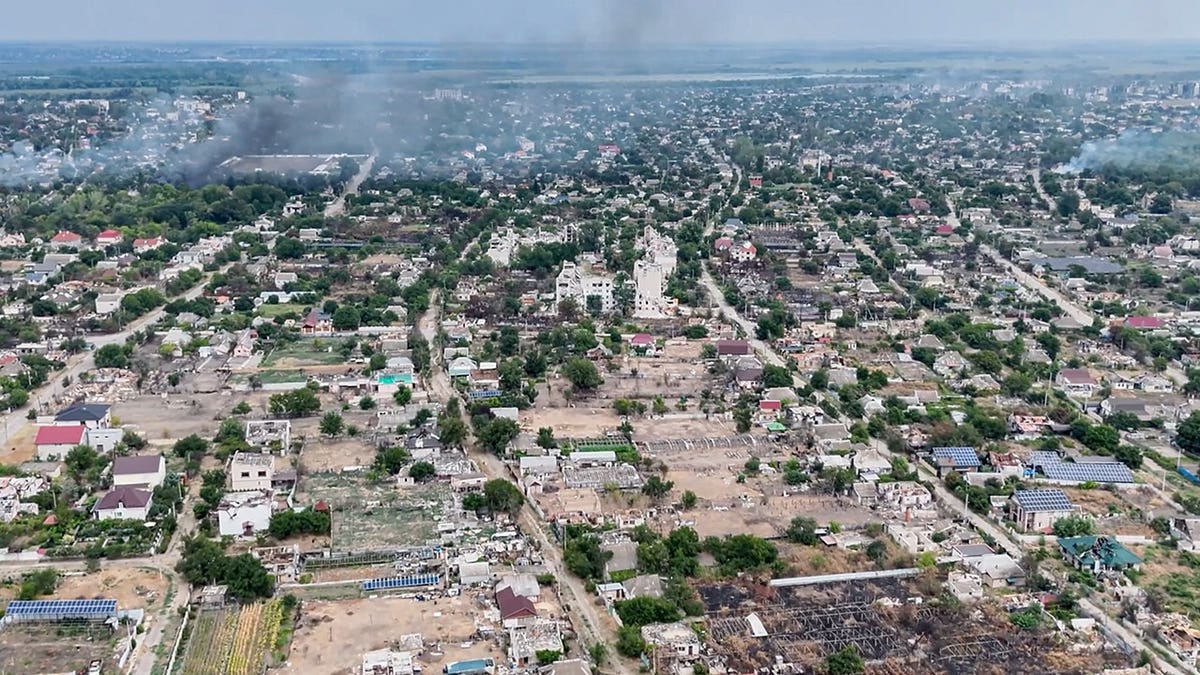
In this undated image from video provided by the Ukrainian 34th Separate Marine Brigade «Borysfen» on Sept. 22, 2026, smoke rises from a residential neighborhood in the Russian-occupied city of Oleshky in the Kherson region of Ukraine. (Ukrainian 34th Separate Marine Brigade «Borysfen» via AP)
Fresh strikes also hit a bridge and subway infrastructure in Ukraine’s capital of Kyiv on Tuesday, Reuters reported.
Fox News Digital’s Madison Colombo contributed to this report.
ukraine, melania trump, white house, foreign affairs, geopolitics, russia, world
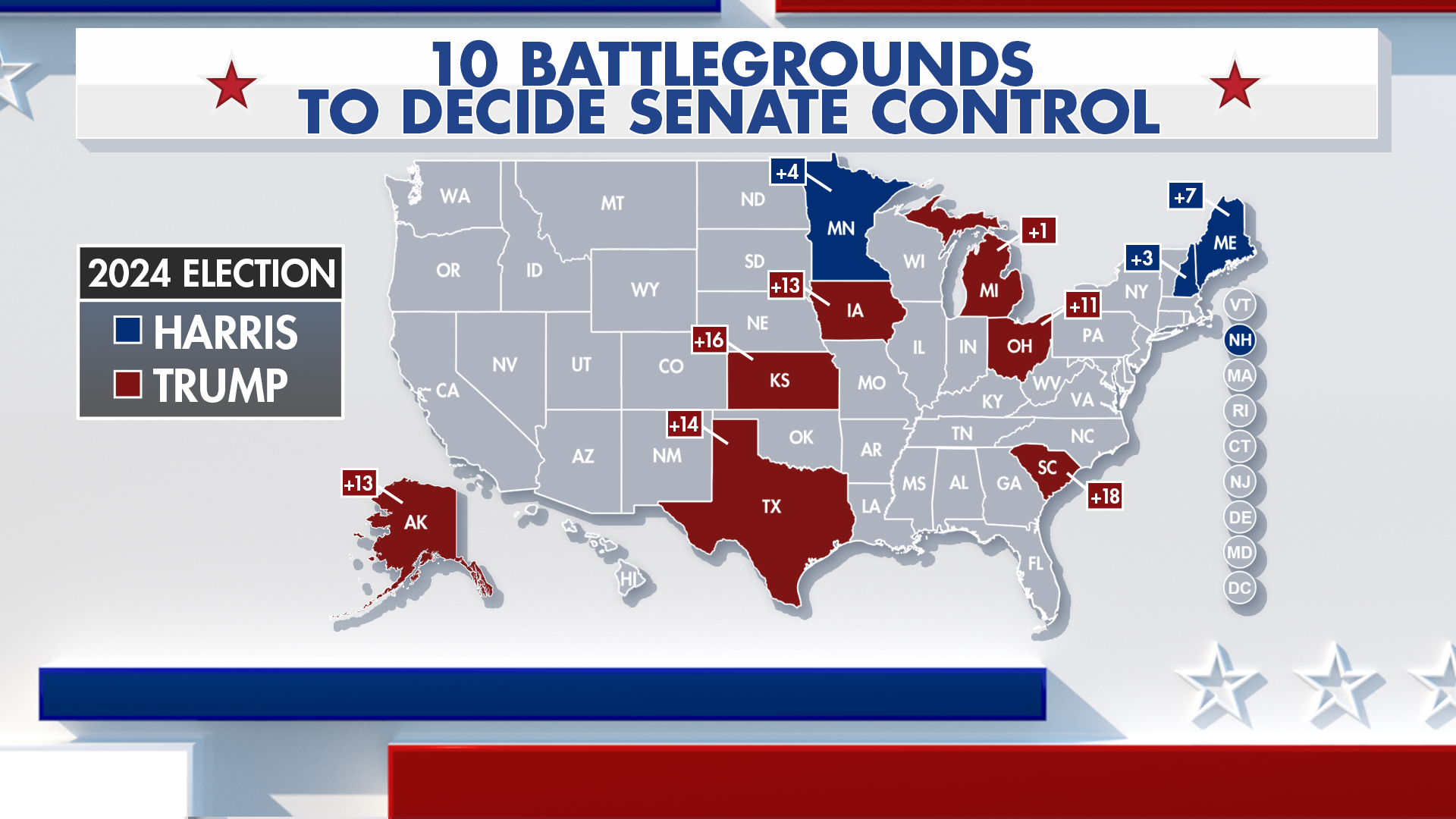
It seems like there are two electorates in these midterms.
The first is frustrated with President Donald Trump and ready to reject Republicans. It includes growing numbers of independent, rural and Hispanic voters who say they’ll vote for a Democrat.
That’s what the latest round of House polling shows, including a survey last week that had Democrats up 11 points on the generic ballot, and Fox’s most recent national poll.
SCHOEN, COOPERMAN: DEMOCRATS COULD BE RIDING A MIDTERM WAVE. THESE NUMBERS SHOULD TERRIFY THE GOP
The second electorate is wavering on Republicans but won’t necessarily hand Democrats the Senate. These are the voters in the Midwest and a few other places. They say they prefer the Democrat or Republican in their states by a point or two at most.
That’s the right conclusion from most of the battleground Senate polling.
How could both things be true? In other words, if Democrats have such a wide lead in the House, won’t the Senate fall too?
Both are true, and a big lead in the House doesn’t necessarily translate to the Senate. These voters are all in the same electorate, and they only seem divorced from each other because the House and Senate maps are so far apart this year.
DEMOCRATS THINK A BLUE WAVE IS BUILDING. HERE ARE 3 FORCES THAT COULD STOP IT
The president’s declining approval rating and Democratic advantages on the issues will likely deliver them the House and possibly by many seats.
Those advantages have also allowed the blue team to play in a lot of Senate races that Republicans thought were unreachable, but only to the point of making them battlegrounds.
The road to a Senate majority goes through several states that Trump won by 11 points or more. Democrats can win any of these races. If Republicans turn out and stay loyal to their party, the climb for the left will be steep.
That’s why the Senate is a toss-up. Voters could give Democrats a majority and maybe with several seats to spare. They could also let the Republicans keep control.
We’ll find out in seven days.
In his 11-year political career, President Trump has triumphed over almost all the threats to his power. The exception was the coronavirus pandemic, which was the top issue for voters in the 2020 election and ushered in the Biden presidency.
It was also one of the few threats that Trump has faced from abroad.
This time, Trump and the Republicans face a new foreign opponent: Iran. The administration’s decision to start joint U.S.-Israeli military strikes against the nation in February has cast a shadow over the GOP.
VOTERS PREPARE TO WEIGH-IN ON TRUMP’S ECONOMY AS COSTS CONTINUE TO SURGE
First, it has impacted Trump’s approval rating, which will decide the fate of many congressional Republicans and has fallen since the war began. It was 44% in the last pre-war survey and sits at 36% now.
NOT EVEN SKY HIGH GAS PRICES OR THE IRAN WAR WILL STOP TRUMP SUPPORTERS VOTING MAGA
The war has also given Democrats advantages on the top issues. In Fox’s October survey, Iran played a role in four issues that more than two-thirds of voters said they were concerned about: inflation (85%), gas prices (83%), government leadership (79%) and the war in Iran itself (75%).
Most voters said they preferred the Democrats to handle those issues: 16 points on inflation, 12 points on gas prices, 11 points on leadership and 9 points on foreign policy.
Still, voters are not convinced that the Senate should change hands.
That comes down to the territory. Trump won seven of these 10 battleground states in 2024 and six of them by double digits. That includes Alaska, Iowa, Kansas, Ohio, South Carolina and Texas.
Democrats don’t need to win all of those states to take the Senate, but it’s hard to see how they get to 51 seats without at least two of them.
While former Democratic Senator Sherrod Brown leads in Ohio, the other states are close. Turnout, a polling error in either direction or both could decide them.
There are also a lot of undecided votes. In Alaska, Iowa and Kansas, three states with recent high-quality polling, an average of 10% of voters say they haven’t decided who they will support or won’t support the major candidates.
Any guess on how those voters will break at the ballot box is only a guess. All we know from prior results is that the overall electorate leans conservative, so the Democrats have the tougher assignment to bring them over to their side (or keep them at home).
There are far fewer undecided voters in Texas, where last week’s Poll showed a tied race at 49%-49%.
If Democrats only win two Trump-won battlegrounds, they’ll need to win three other races where former Vice President Harris delivered single-digit victories in 2024: Maine, Minnesota and New Hampshire.
Democrats are ahead in the latter two. Maine could go either way. While Democrats win its presidential races, it could just as easily be considered a Republican state when Susan Collins is on the ballot.
The final Power Rankings for 2026 feature three shifts in the Senate and 19 in the House. A tight gubernatorial race is also on the move.
Both parties are three seats short of a majority in this forecast. Democrats are favored in 48 seats and Republicans are ahead in 47 (they would control the Senate with 50 seats because the vice president breaks ties).
On a good night for Democrats, the party would win most or all the toss-ups, taking their majority up to 53 seats. In that scenario, other competitive states would also come into focus, including two rated Lean R, and on a great Democratic night, two more rated Likely R.
A good night for the Republicans would see them simply hold on to most of the states they already have, up to a ceiling of 52 seats. The party also has opportunities to flip a couple of states, including Minnesota and New Hampshire.
Three states are moving in this forecast.
In Ohio, Brown has enjoyed a lead in three polls this year, including last week’s survey, which had him five points ahead of Republican incumbent Sen. Jon Husted at 52%-47%.
Ohio voters are very familiar with Brown, having sent him to the Senate three times. That has made it hard for Husted to campaign on socialism and woke politics, themes that Republicans elsewhere see as their strongest cards to play.
Ohio moves from Toss-up to Lean D.
(«Lean D» means the Democrat has an edge but it’s still a highly competitive race. We define every ranking and the process for setting them on FoxNews.com.)
South Carolina’s Senate race is effectively open this year. Senator Darline Graham won her primary, but it was close: 52%-48%, and only after Trump rallied with her.
Graham has never faced a general electorate before, and she is about to do that in a poor issues environment both for her and the GOP.
Republicans view this as an uncomfortably close race.
South Carolina moves from Likely R to Lean R.
Mississippi is a Republican stronghold, but Trump’s decision to rally there over other deep red states is a sign that the party thinks it’s competitive.
GOP Senator Cindy Hyde-Smith faces Democratic District Attorney Scott Colom in a race where protein choice has become a breakout issue.
Mississippi moves from Solid R to Likely R.
Democrats are still likely to flip the House this November, and in this forecast, they’re predicted to take at least 223 seats.
Since a good night for the Democrats would see them take most of the toss-up races, they could end up with as many as 240 seats.
(On a great Democratic night, the party would pick up most of the Lean R districts as well, taking them as high as 252 seats.)
Republicans have 195 seats in their columns. A good night for them would take that total up to around 212. That’s six short of a majority, but enough to make life difficult for the next Democratic House Speaker, who would have to balance the demands of the moderate and far-left wings of the party.
Nineteen more races have shifted in the Democrats’ direction this week, all on the same themes outlined in the last House update: national and district polling, top-of-the-ticket strength and rural voter erosion.
The earliest-closing districts on election night will give some sense of the House’s future. Keep an eye on Kentucky’s 6th district, which covers Lexington and a large central area of the state. Trump won here by 15 points in the last presidential election. Thanks to a combination of left-leaning college voters and farmers grappling with higher costs, it looks close this cycle. The district moves from Lean R to Toss-up.
Finally, Ohio’s gubernatorial race is also on the move. The campaign between Democrat Amy Acton and Republican Vivek Ramaswamy was the top story in politics last week after Ramaswamy ran an ad featuring Acton’s mother, who called her daughter a liar.
Acton has been estranged from her mother since age 12, when she says she and her brother left her family home because her mother’s husband was sexually abusing her. Acton’s brother now appears in a response ad discussing their family history.
This ratings change is less about the response to the ad (Ramaswamy and President Trump are supportive of the commercial; most others including Husted and Governor Mike DeWine are against it) than it is about the fact that the Ramaswamy campaign felt the need to run it.
While Ramaswamy sat only two points behind Acton in last week’s Fox poll, he’s an average of seven points behind in other high-quality polls since September.
The businessman and onetime presidential hopeful has struggled in favorability ratings throughout his political career. This ad is unlikely to help.
The Ohio governor’s race moves from Toss-up to Lean D.
Fox News’ special coverage of the 2026 midterm elections begins at 6pm ET next Tuesday, Nov. 3, anchored by Bret Baier and Martha MacCallum. Tune in for the latest race calls and projections for control of the House and Senate from the Decision Desk.
power rankings, midterm elections, politics, senate, fox news poll
INTERNACIONAL
Piotr Ilich Chaikovski, compositor ruso: “La música es el lenguaje más sutil para expresar los mil diferentes momentos de los estados de ánimo del alma”
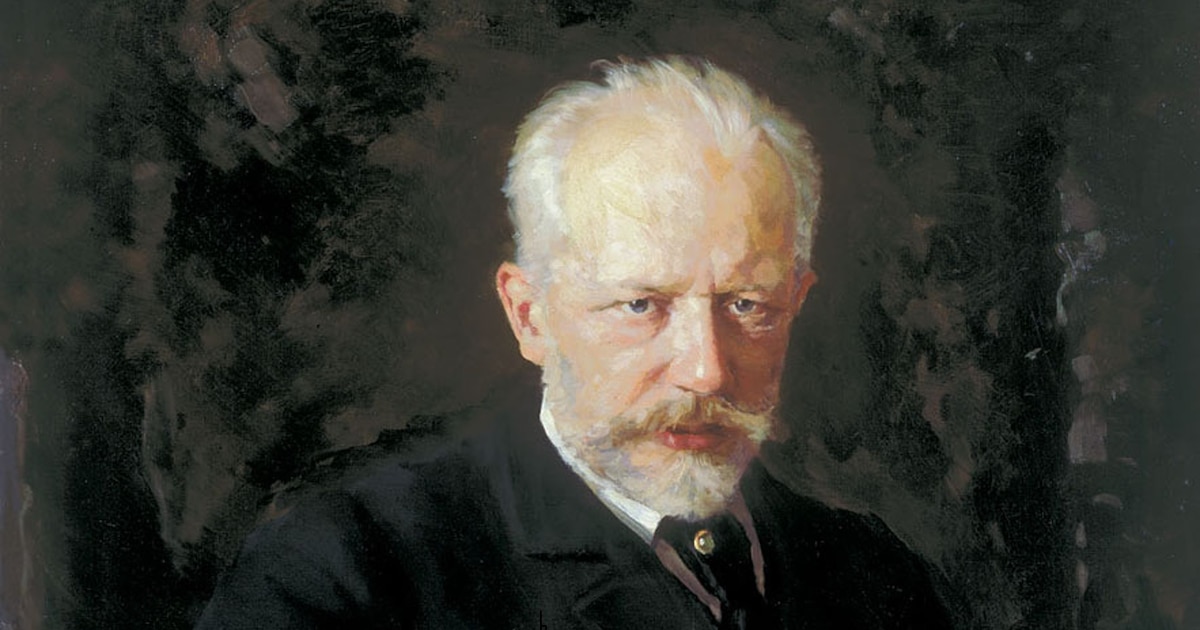
Febrero de 1878 no era un mes fácil para Piotr Ilich Chaikovski. El compositor ruso, que ya había regalado al mundo partituras memorables, venía de escapar de Rusia tras un matrimonio relámpago con Antonia Miliukova, una antigua alumna cuya obsesión lo empujó a un intento de suicidio en las gélidas aguas del río Nevá. Refugiado en Florencia y Clarens bajo una severa depresión y ataques de pánico, encontró un único cable a tierra: su correspondencia con la baronesa Nadezhda von Meck.
Fue en ese contexto de aislamiento y fragilidad donde Chaikovski tomó la pluma para responder una pregunta que su mecenas le había hecho con insistencia: ¿qué significa realmente su nueva obra, la Cuarta Sinfonía? La respuesta del compositor no solo iluminó la partitura, sino que sentó las bases de una revolución estética: “La música posee medios incomparablemente más poderosos y es un lenguaje mucho más sutil para expresar los mil diferentes momentos de los estados de ánimo del alma”.
Esta declaración aparece en la Carta N.º 763 del epistolario entre el músico y la baronesa, un corpus de más de 1.200 cartas que, tras la muerte de ambos, fue recopilado y publicado bajo títulos como Cartas a Nadezhda von Meck. Este monumental archivo epistolar es considerado hoy por los historiadores como el verdadero “libro de vida” de Chaikovski. Su importancia es radical por una regla inquebrantable que rigió esa relación: ambos acordaron jamás conocerse en persona.
Ese pacto de distancia física convirtió a las cartas en un confesionario libre de máscaras sociales. En una Rusia zarista donde la homosexualidad del compositor era un secreto a voces que podía costarle el destierro a Siberia, el papel pautado y las cartas a Von Meck eran los únicos territorios donde el artista no se veía obligado a mentir. Y es en ese intercampo epistolar donde se revela la médula del Romanticismo musical decimonónico. Para Chaikovski la música era un desahogo psicológico inevitable.
Para el creador de El lago de los cisnes, el lenguaje verbal estaba limitado por las convenciones sociales y la hipocresía de la época. Las palabras etiquetan las emociones de forma estática (“tristeza”, “alegría”, “melancolía”), mientras que la música, al ser un arte temporal y abstracto, es capaz de transitar las microtonalidades del sufrimiento, la euforia o la ansiedad en un solo compás. En esa misma carta escribió: “Como bien remarcó Heine: ‘Donde las palabras terminan, empieza la música’”.
Al apoyarse en el poeta Heinrich Heine, Chaikovski deja en claro que la composición instrumental no es un ejercicio formal, sino una traducción directa del inconsciente. Si un sentimiento pudiera explicarse con un poema o un ensayo, la sinfonía carecería de sentido. Toda la producción madura de Chaikovski —desde la desesperación implacable de la Sinfonía n.º 6 “Patética” hasta el lirismo contenido de la ópera Eugenio Oneguín— es un intento de hacer hablar a los instrumentos allí donde él tuvo que callar.
En una era hiperconectada donde parecemos obligados a etiquetar, postear y verbalizar cada fragmento de nuestra intimidad en las redes, la advertencia del genio ruso cobra una vigencia perturbadora. Chaikovski nos recuerda que las capas más profundas de la psiquis humana, aquellas que albergan nuestros indecibles dolores y nuestras bellezas más puras, no caben en un diccionario. Siguen necesitando, hoy como en 1878, de ese refugio sutil y misterioso que solo se activa cuando los instrumentos empiezan a sonar.
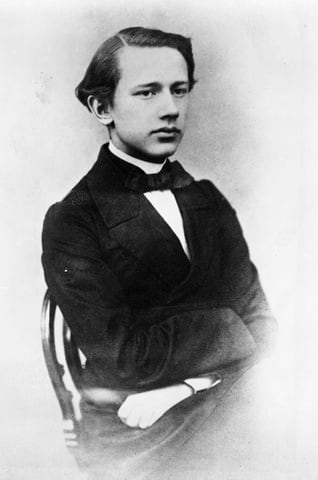
¿Quién es Piotr Ilich Chaikovski?
Piotr Ilich Chaikovski (1840-1893) fue el primer compositor ruso en lograr un reconocimiento verdaderamente internacional, transformando para siempre la historia de la música clásica occidental durante el apogeo del Romanticismo. Nacido en Vótkinsk bajo el seno de una familia de la burguesía funcionaria, se vio obligado a estudiar jurisprudencia por mandato familiar antes de seguir su verdadera vocación e ingresar al Conservatorio de San Petersburgo.
Entre sus obras inmortales están los icónicos ballets El lago de los cisnes, La bella durmiente y El Cascanueces, la ópera Eugenio Oneguín, y su célebre Obertura 1812. Detrás del brillo de sus triunfos artísticos en teatros de la talla de Rusia, Europa y Estados Unidos, su vida privada estuvo marcada por profundas crisis depresivas, una hipersensibilidad patológica y el constante tormento de tener que ocultar su homosexualidad en la represiva sociedad de la Rusia zarista.
Tras el estreno de su obra más oscura, desgarradora y premonitoria, la Sinfonía n.º 6 “Patética”, el compositor falleció de manera repentina en San Petersburgo en noviembre de 1893, a los 53 años. Aunque la causa oficial de su muerte se atribuyó al cólera tras beber agua sin hervir, su deceso sigue rodeado de misterio y controversia histórica, instalando el mito de que pudo tratarse de un suicidio inducido por un tribunal de honor para evitar un escándalo público sobre sus secretos íntimos.
Piotr Ilich Chaikovski,Cultura

Javier Milei viaja a Catamarca y se muestra con un gobernador peronista aliado

Ceasefire negotiated by Melania Trump holds in Russia-occupied Ukrainian city

Milei no se mueve ni un milímetro, pero la derecha empieza a soltar la motosierra

Power Rankings: As Iran looms large, can the GOP keep the faithful?

Cara y cruz de Álex Jiménez en Italia

Costa Rica: ¿Cuáles son las inquietudes de los jóvenes ante un mundo con más tensiones?

Escándalo con Sancor Salud: Cuotas millonarias por un servicio nefasto que abandona a los pacientes en urgencias

CFK, Axel Kicillof, Sergio Massa y otros referentes del PJ celebraron el triunfo electoral de Lula da Silva

El riesgo país volvió a superar los 700 puntos y la volatilidad internacional golpeó a los bonos argentinos

Julián Álvarez le dio el triunfo al Atlético Madrid y terminó con otra extensa racha negativa: el gesto de los fanáticos

 POLITICA2 días ago
CFK, Axel Kicillof, Sergio Massa y otros referentes del PJ celebraron el triunfo electoral de Lula da Silva
- DEPORTE3 días ago
Julián Álvarez le dio el triunfo al Atlético Madrid y terminó con otra extensa racha negativa: el gesto de los fanáticos
- POLITICA3 días ago
Javier Milei ratificó su intención de buscar la reelección en 2027: “No veo a los argentinos votando para atrás”