INTERNACIONAL
Dem civil war hits primary debate stage as El-Sayed and Stevens clash: ‘What are you hiding?’

NEWYou can now listen to Fox News articles!
The high-stakes fight between the left-wing and the center-left establishment for the future of the Democratic Party took center stage Tuesday in battleground Michigan.
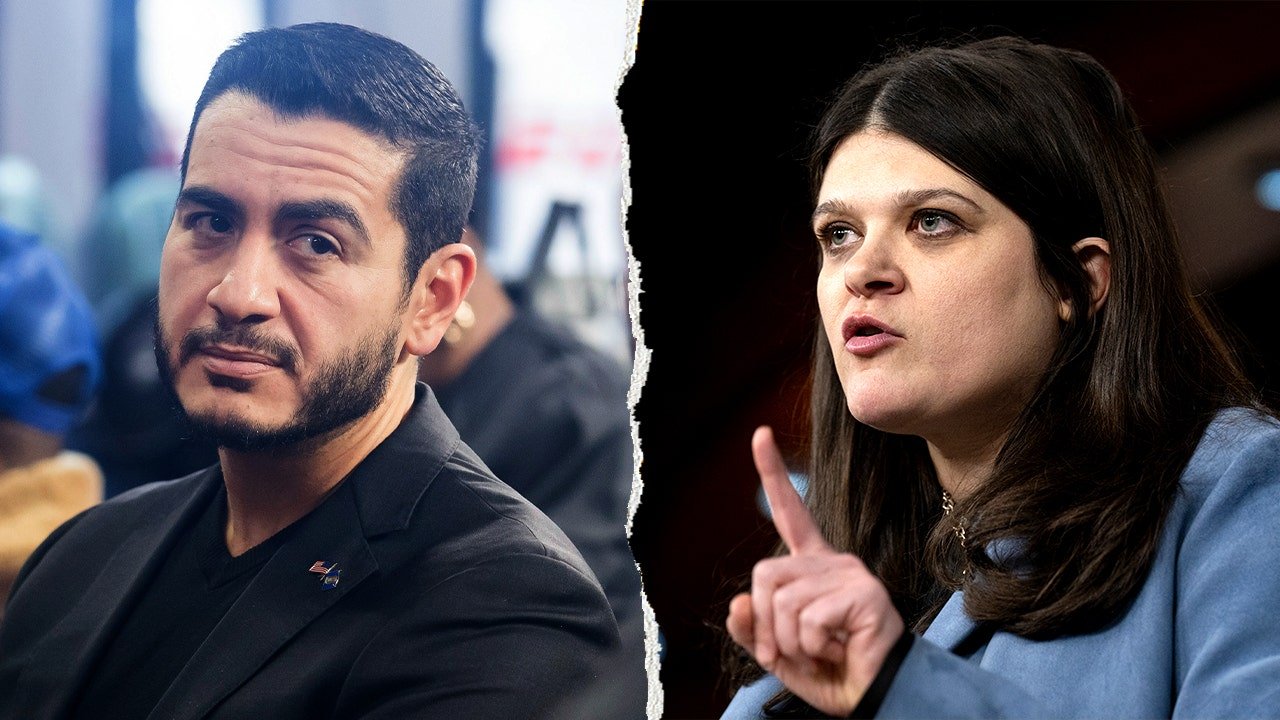
That’s where moderate Rep. Haley Stevens, who is backed by Senate Minority Leader Sen. Chuck Schumer, D-N.Y., and the party establishment, faced off in a fiery Senate nomination debate against former Wayne County Health Department Director Abdul El-Sayed, a far-left candidate endorsed by progressive champions Sen. Bernie Sanders I-Vt., and Rep. Alexandria Ocasio-Cortez, D-N.Y.
The sharpest exchanges centered on campaign money, outside spending and U.S. policy toward Israel, with El-Sayed repeatedly accusing Stevens of benefiting from millions of dollars in outside spending from pro-Israel and corporate-aligned groups.
«If you want your politics dictated by AIPAC or Chuck Schumer, then I’m not your guy,» El-Sayed said, arguing the Democratic Party would not change if it continued to elect leaders who take money from corporations. Stevens countered by accusing El-Sayed of benefiting from Republican efforts to boost him in the primary. «What my opponent needs to answer is, why is the GOP spending thousands of dollars to prop up his campaign, saying that he will make Mike Rogers the next U.S. senator?» Stevens said.
DEMOCRATIC SENATE CANDIDATE CALLED FOR MASS RELEASE OF CRIMINALS DURING PRISON ABOLITION WEBINAR
Rep. Haley Stevens of Michigan, right, and former Wayne County Health Department Director Abdul El-Sayed are facing off in the August 4, 2026 Democratic Senate primary in the Great Lakes battleground state. (Evan Cobb for The Washington Post via Getty Images; Bill Clark/CQ-Roll Call, Inc via Getty Images)
The showdown came four weeks before Michigan’s primary, with the winner taking on former Republican Rep. Mike Rogers, who is on a glide path to the GOP nomination, in the crucial midterm battle to succeed retiring Democratic Sen. Gary Peters.
The rare open Senate seat is a top Republican target and is a must-hold for the Democrats as they aim to win back the Senate majority from the GOP, which currently controls the chamber with a slim 53-47 margin.
The anti-establishment El-Sayed, who has been sharply critical of Israel, blamed AIPAC’s influence in American politics and accused politicians, like Stevens, of being «bought off by AIPAC» on Tuesday night. «So long as our politicians continue to be bought off by AIPAC do not be surprised when we fight wars that are in their best interest,» El-Sayed said.
LEFT-WING ACTIVISTS HECKLE PRO-ISRAEL DEMOCRAT HALEY STEVENS AT MICHIGAN CONVENTION
Stevens, meanwhile, sought to flip El-Sayed’s attacks over outside spending back onto him, pressing the progressive candidate to release his tax returns and accusing him of being less than transparent about who was funding his own campaign and career.
«Well, look, transparency is also important, and this is why I have released my tax returns. My opponent, Abdul, he said that transparency is key, but yet he hasn’t released his tax returns,» Stevens said. «Abdoul, you talk about getting money out of politics and putting money in people’s pockets. But who is putting money in yours? What are you hiding?
Stevens, who agreed with El-Sayed on an immediate end to U.S. involvement in Iran, also drew a contrast between herself and her opponent by emphasizing her support for a two-state solution.
«The difference between my opponent and myself on this issue is that I believe in a two-state solution,» Stevens said. «I can say that Israel has a right to peacefully exist alongside the people of Palestine and in Gaza.»

An Israeli soldier takes up position on the border with the Gaza Strip in southern Israel. (AP/Tsafrir Abayov)
Immigration enforcement also became a flashpoint during the debate, with El-Sayed saying ICE needed to be abolished and accusing Stevens of shifting her tone to be more aggressive towards the agency Tuesday night than she has in the past.
Stevens responded by accusing El-Sayed of using «Republican tactics,» saying a House vote El-Sayed referenced, claiming Stevens «voted to thank ICE and increase their budget,» was a «cynical» move by the GOP to include condemnation for an antisemitic terrorist attack in Boulder, Colorado alongside funding for the federal immigration agency.
FOUR MONTHS TO MIDTERMS: 12 RACES THAT WILL DETERMINE THE SENATE MAJORITY
«There was a bill on the House floor to condemn an antisemitic terrorist attack that in Boulder, Colorado, that killed an individual and injured a Holocaust survivor. Instead of bringing us together, Republicans put in a cynical point about thanking ICE,» Stevens said in response to El-Sayed’s claims she is a supporter of ICE. «I am always going to stand up to violence, and I just wish my opponent wouldn’t pursue the cynical approaches of Republicans when we do need to be united.»
On child care, Stevens pointed to expanding grants and paid family leave, while El-Sayed called for making child care «100% free» and paying for it by taxing billionaire wealth. The debate also featured a lengthy exchange on artificial intelligence and data centers. El-Sayed called for stricter federal guardrails, union labor requirements, community benefit agreements and an «FDA for AI’s,» while Stevens said data centers should be forced to pay utility and water bills, so Michigan families are not stuck with higher costs.
Tuesday night’s debate was held two days after progressive state Sen. Mallory McMorrow, once the third major Democrat in the primary, suspended her campaign.
McMorrow, who has seen her national profile expand in recent years and was running as a progressive in an ideological space between El-Sayed and Stevens, suspended her campaign amid faltering poll numbers and fundraising that weren’t keeping pace with her two main rivals.
McMorrow pledged to fully support whichever Democrat wins the primary and will ultimately face-off with Rogers, who is running for the Senate for a second straight cycle after losing in 2024 to now-Sen. Elissa Slotkin by a razor-thin margin.
DEMOCRACY ’26: STAY UP TO DATE WITH THE FOX NEWS ELECTION HUB
Following McMorrow’s exit from the race, Stevens praised her fellow Democrat by calling her an «important voice» for policies that benefit Michigan families. Stevens, who has been backed by millions in super PAC spending, including big bucks from Israel-aligned groups, argued that she is the strongest Democratic candidate to win the primary and defeat Rogers in November.
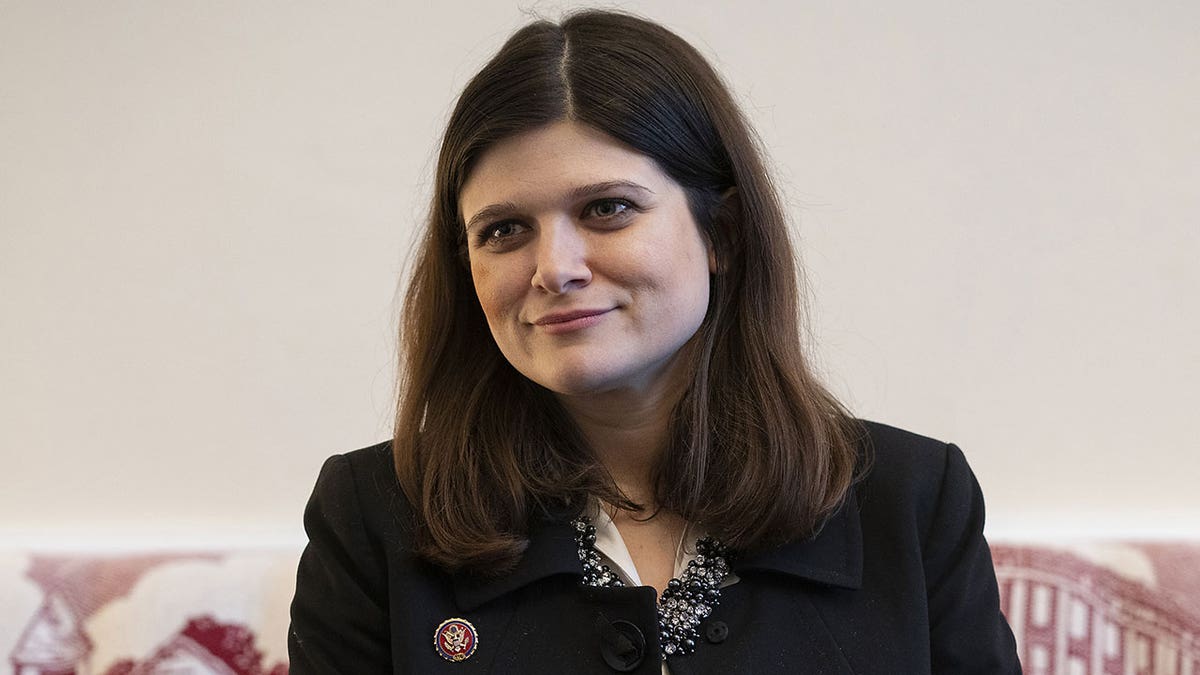
Representative Haley Stevens, a Democrat from Michigan, listens during an interview on Capitol Hill in Washington, D.C., U.S., on Wednesday, Oct. 16, 2019. Stevens represents Michigan’s 11th congressional district. Photographer: Melissa Lyttle/Bloomberg via Getty Images (Melissa Lyttle/Bloomberg via Getty Images)
El-Sayed praised McMorrow for having the «courage» to challenge what he described as a rigged political system, accusing Democratic Party insiders of spending millions to influence the primary. While he did not name specific groups, his remarks appeared to reference corporate PACs and establishment party leaders such as Schumer.
El-Sayed, who, if elected, would make history as the nation’s first Muslim senator, is an epidemiologist who unsuccessfully ran for governor as an insurgent candidate in 2018. He has made support for «Medicare-for-all» a major component of his campaign.
The far-left candidate has also called for abolishing Immigration and Customs Enforcement (ICE), and is a vocal critic of Israel amid its war with Hamas — even characterizing Israel’s actions in Gaza as «genocide» against Palestinians. And El-Sayed, who served as a top surrogate on Sanders’ 2020 presidential campaign, has vowed not to accept PAC donations.
SIGN UP TO GET THE POLITICS NEWSLETTER
Schumer and the party establishment view Stevens as more electable than El-Sayed, who has sparked controversy with his past comments. They worry that El-Sayed as the party’s nominee would jeopardize the Democrat-controlled Senate seat by pushing the party too far to the left in a state that President Donald Trump carried two years ago by just over one percentage point.
A victory by El-Sayed over Stevens in next month’s primary would give the far left a major win on a statewide stage, and likely further boost their momentum in the battle for the Democratic Party’s future.
On Tuesday night, Stevens leaned into her congressional record, tenure in the Obama administration’s U.S. Auto Rescue Task Force, her manufacturing background, and bipartisan efforts in Congress, including work on legislation aimed at blocking Chinese cars from undercutting American automakers.
«We can build affordable cars here in Michigan without having the Chinese come in and eat our lunch. Not on my watch,» Stevens said.
CLICK HERE TO DOWNLOAD THE FOX NEWS APP
El-Sayed leaned on being a political outsider who refuses corporate and Super PAC donations, while he pointed to his UAW endorsement and argued that Democrats need to be more aggressive in confronting Wall Street and corporate influence across many areas.
«There’s a reason that the UAW has endorsed me in this race,» El-Sayed said, arguing that corporations are «a lot more interested in a quarterly bottom line than they are in the long term sustainability of manufacturing.»
bernie sanders, chuck schumer, alexandria ocasio cortez, midterm elections, democrats elections, michigan, senate elections








NEWYou can now listen to Fox News articles!
A shocking new report says 2025 was the deadliest year for antisemitic attacks worldwide since 1994.
The J7 Large Communities’ Task Force Against Antisemitism released its second annual report, which tracks antisemitic hatred in the seven countries outside of Israel where over 90% of Jews live. According to the report, 20 people were killed in antisemitic attacks in 2025. All of the deadly attacks took place in J7 countries.
The Anti-Defamation League (ADL) is one of two organizations representing the Jewish diaspora in the U.S. in the J7, which includes similar organizations from Australia, Canada, Argentina, the U.S., the U.K., Germany and France.
CHRISTIAN LEADERS HOLD EMERGENCY SUMMIT IN JERUSALEM TO CONFRONT GLOBAL RISE IN ANTISEMITISM
Police cordon off an area at Bondi Beach after a terrorist attack at a Hanukkah celebration in Sydney, Australia, on Dec. 14, 2025. (Mark Baker/AP Photo)
The ADL’s Senior Director of Global Research and Diplomatic Affairs, Aykan Erdemir, told Fox News Digital that the report’s findings show «there’s no time to waste» in combating hate.
«This isn’t a warning sign anymore, it’s already happening,» Erdemir said. «If governments let antisemitism take root and perpetrators walk free, the violence won’t stop with Jewish communities. History shows Jews are the canary in the coal mine: when hatred against Jews rises unchecked, it’s an early warning that everyone’s safety and rights are at risk.»
The J7 report finds that there were over 23,000 antisemitic incidents in J7 countries throughout 2025 – this represented a 97% increase in violent incidents and a 136% increase in total antisemitic incidents since 2022.
The Hamas terror attacks of Oct. 7, 2023, sent antisemitic hate skyrocketing worldwide.
GERMAN OFFICIALS WARN ISLAMIST, FAR-LEFT RHETORIC DRIVING SPIKE IN ANTISEMITIC ATTACKS
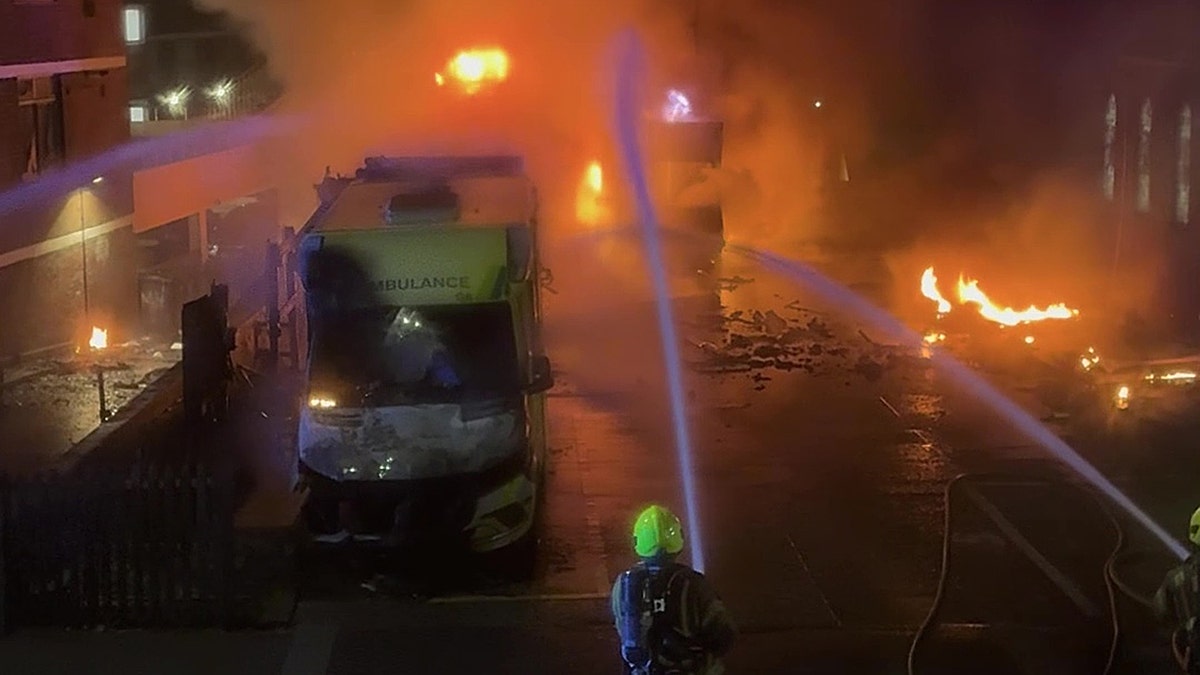
Firefighters are seen tackling a blaze at Highfield Road in the Golders Green neighborhood of London, following an arson attack on four charity ambulances belonging to the Jewish Community volunteer Ambulance Service. (PA/PA Images via Getty Images)
According to the report, each of the countries face an environment where antisemitism is «no longer confined to the fringes.» Countries are witnessing anti-Zionism associated with the conflict in Gaza becoming «a vehicle for antisemitic expression» and educational institutions becoming an «acute flashpoint» for hatred. Combined with growing online extremism, Jewish people «across the globe report hiding their Jewish identity in public» and question «whether they have a future in their home countries.»
Individually, the report shows how countries face their own unique challenges in quashing hatred.
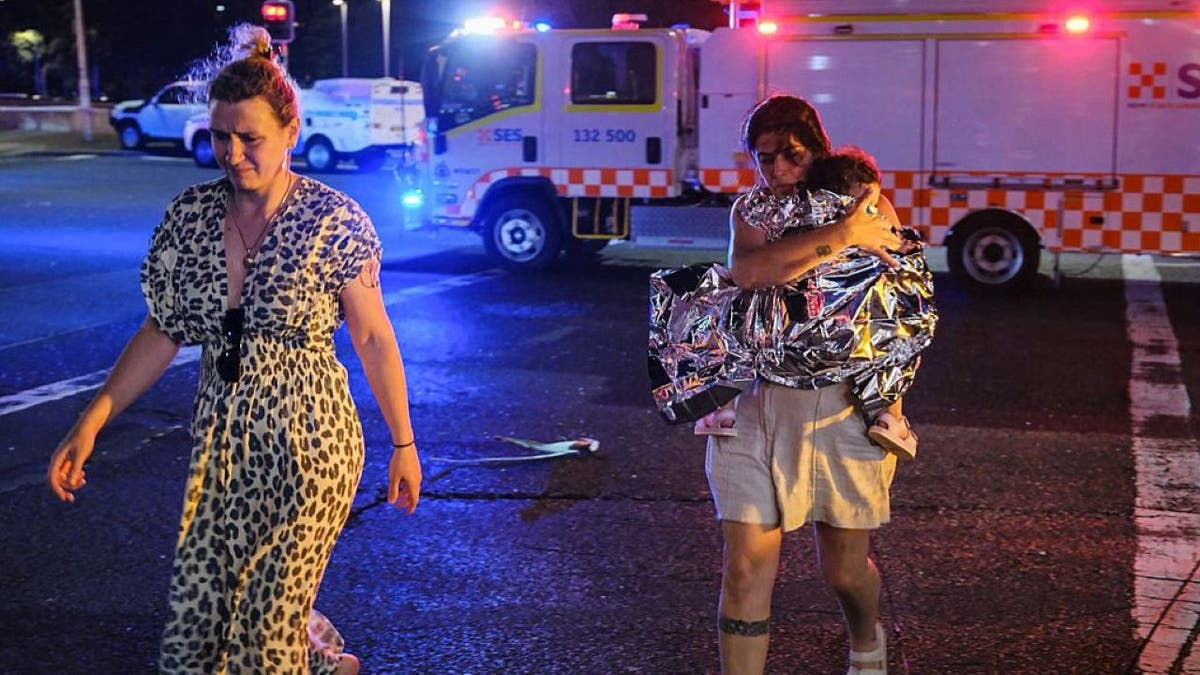
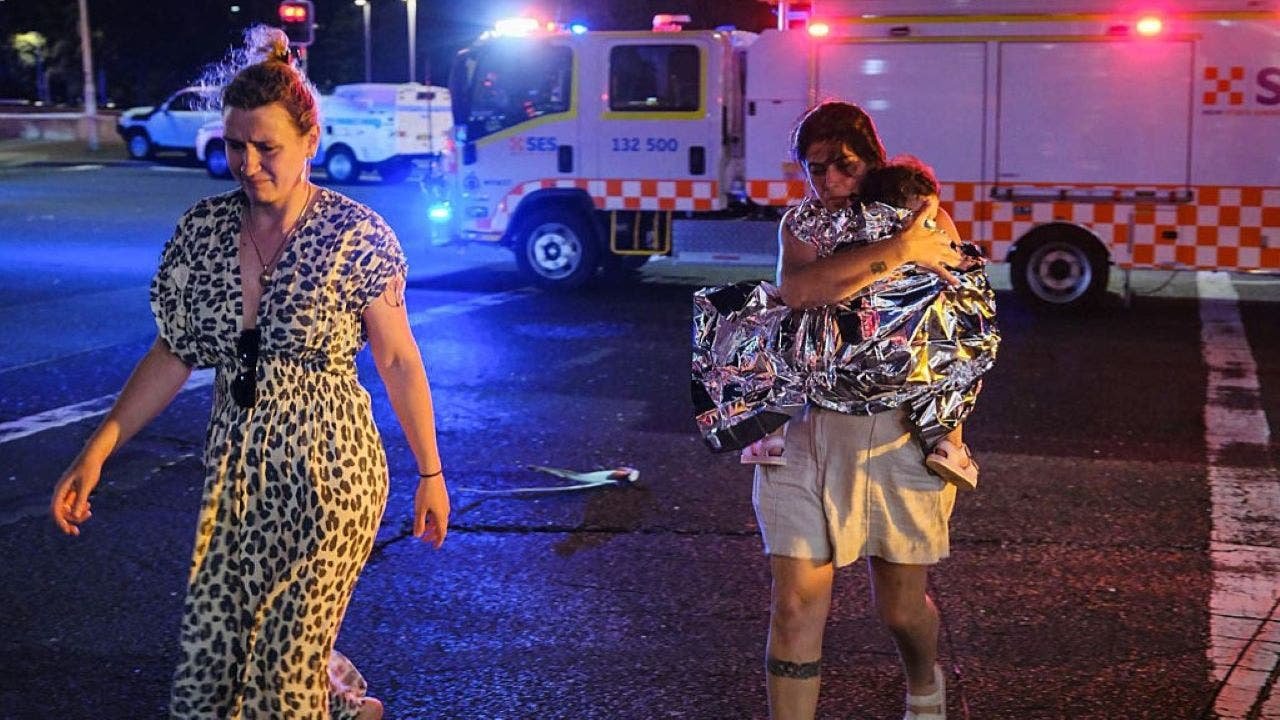
A member of the public leaves the scene with her child, who is covered in an emergency blanket, after a terrorist attack at a Hanukkah celebration at Bondi Beach on December 14, 2025, in Sydney, Australia. Two terrorists dressed in black fired several shots at Sydney’s world-famous Bondi Beach, that led to the deaths of 15 people and many others injured. (Photo by George Chan/Getty Images)
Australia, which has seen a 270% increase in antisemitic incidents since 2021, was home to the Bondi Beach terror attack in December 2025, during which 15 people were killed. The report says that both Islamist and left-wing extremist threats in the country «need to be prioritized, and dealt with effectively.»
In Germany, a 215% increase in antisemitic incidents has been coupled with the highest per capita rate of incidents, with 69.8 incidents per 1,000 Jewish residents in 2025 for a total of 8,725 incidents.

Antisemitic hate on display at an anti-Israel protest in London. Antisemitism in the UK is hitting record levels since the Hamas terror attacks on Oct. 7 (Campaign Against Antisemitism on X)
The report said that normalization of hate «remains the most pressing challenge» in Germany, with the rise in incidents attributed to the «confluence of far-right ethno-nationalism, left-wing anti-Zionism, and Islamist extremism simultaneously.»
In Canada, which has experienced a 60% rise in antisemitic incidents since 2021, there is a concern that «foreign state interference» is at play, in addition to «the exploitation of domestic institutions by extremist networks.»
SIGN UP FOR ANTISEMITISM EXPOSED NEWSLETTER
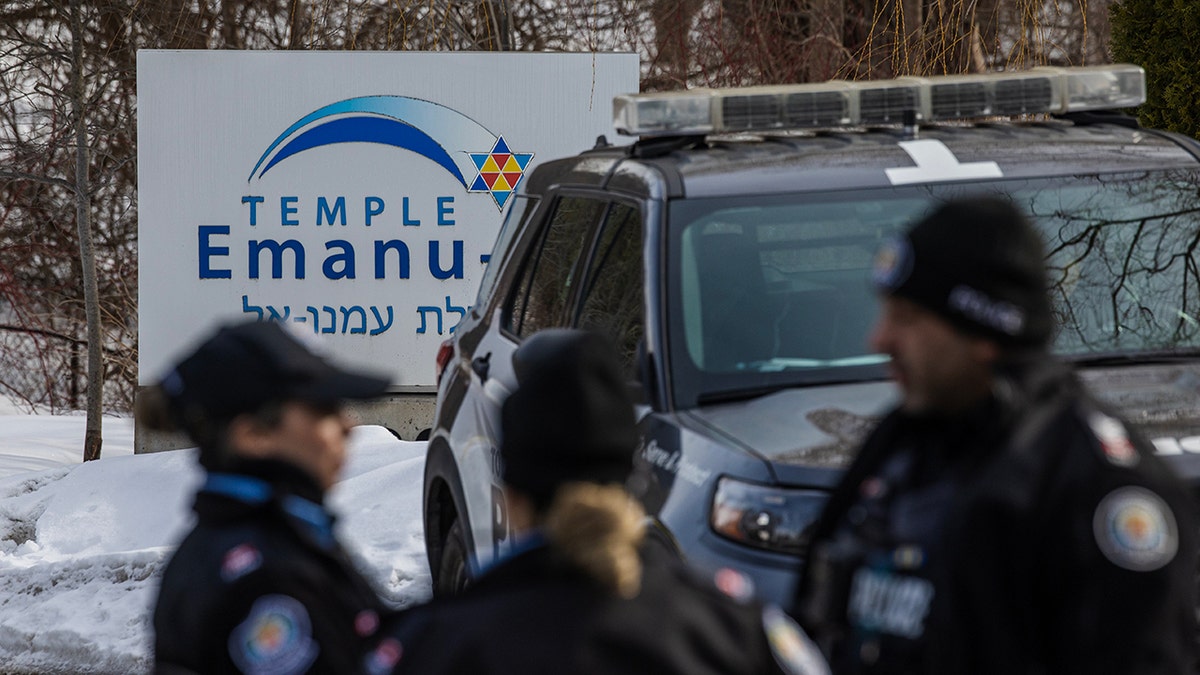
Temple Emanu-El in Toronto, Canada was shot at on March 3, 2026. No injuries were reported. (Nick Lachance/Toronto Star via Getty Images)
The U.S. has had a 131% increase in antisemitic incidents since 2021. Though antisemitic incidents declined significantly from 2024, the 6,274 antisemitic incidents tracked in 2025 included 300 reports of physical assault.
France has witnessed a rise in antisemitic incidents of 124% since 2021. The report notes that there is «a growing climate of discrimination» where Jews in France report being refused service, denied contracts and excluded from events.
In the U.K., which has experienced a 64% increase in antisemitic incidents since 2021, 48% of 3,700 antisemitic incidents were motivated by anti-Zionism, and 53% included references to the conflict involving Gaza.
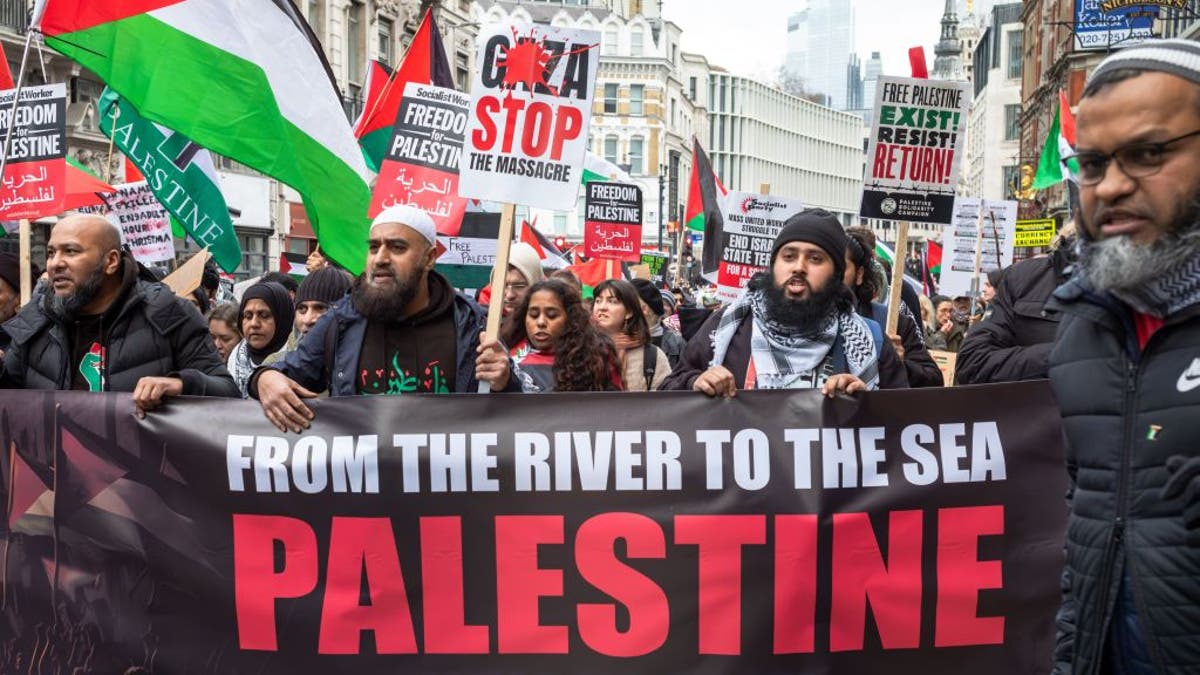
London, UK, Dec 9 2023, anti-Israel protesters hold a banner saying «From the river to the sea..» Andy Soloman/UCG/Universal Images Group via Getty Images (Andy Soloman/UCG/Universal Images Group via Getty Images)
Though the government in Argentina is pro-Israel, the country «has generated conspiratorial antisemitic backlash from the left and from fringe nationalist movements,» the report said. Since 2021, Argentina has seen a 46% increase in antisemitic incidents.
The J7 report also added a special chapter on antisemitism in Ireland, which is not a J7 country. While Ireland has only a 2,200-person Jewish community, it has reported 143 incidents of antisemitism. Despite antisemitism in Ireland taking hold «primarily in everyday settings,» unlike J7 countries, Ireland has no national plan for combating antisemitism and no security funding for the Jewish population.
CLICK HERE TO DOWNLOAD THE FOX NEWS APP
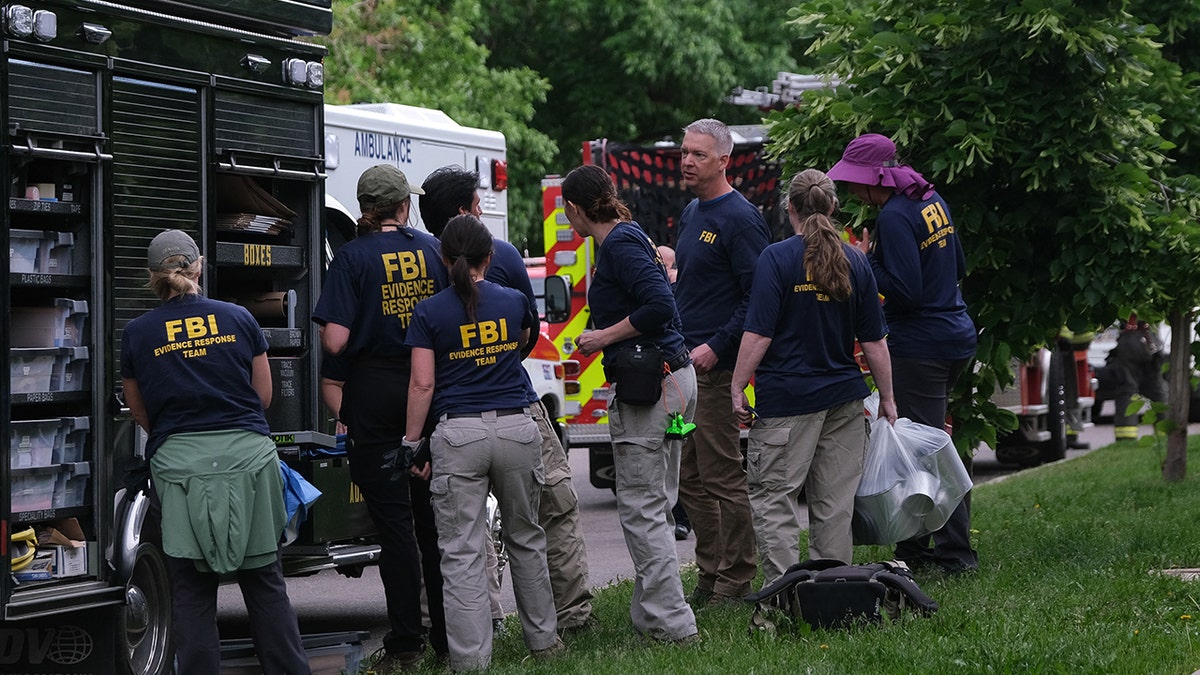
An FBI team is investigating an attack on demonstrators calling for the release of Israeli hostages held in Gaza, at the scene on Pearl Street in Boulder, Colorado, on June 1, 2025. Several people suffered burns and other injuries June 1st in the US state of Colorado in what the FBI called a «targeted terror attack» against demonstrators seeking the release of Israeli hostages held in Gaza. Police in the city of Boulder said a man was taken into custody. They were more cautious in presuming a possible motive for the attack, which multiple sources said was committed against members of the Jewish community during a peaceful gathering. (ELI IMADALI/AFP via Getty Images)
Erdemir said that «the most urgent priority for every government should be protecting Jewish communities and institutions before they’re attacked, not after.» He called on law enforcement to «hold perpetrators fully accountable,» but said that «the real goal has to be stopping attacks before they happen and preventing Jews from being driven out of public spaces, not just responding once the damage is done.»
Erdemir said, «Governments can’t rely on security alone. It takes a whole-of-society effort, government, business, schools, civil society and everyday citizens, to root out the hate targeting Jewish communities worldwide. And because this hate crosses borders, so must the response: governments, international bodies and NGOs around the world need to work together, not in isolation.»
anti semitism, hate crime, terrorism, united kingdom, australia, canada
INTERNACIONAL
Santiago Peña se reunió con Felipe VI para abordar los desafíos globales y la cooperación de cara a la Cumbre Iberoamericana
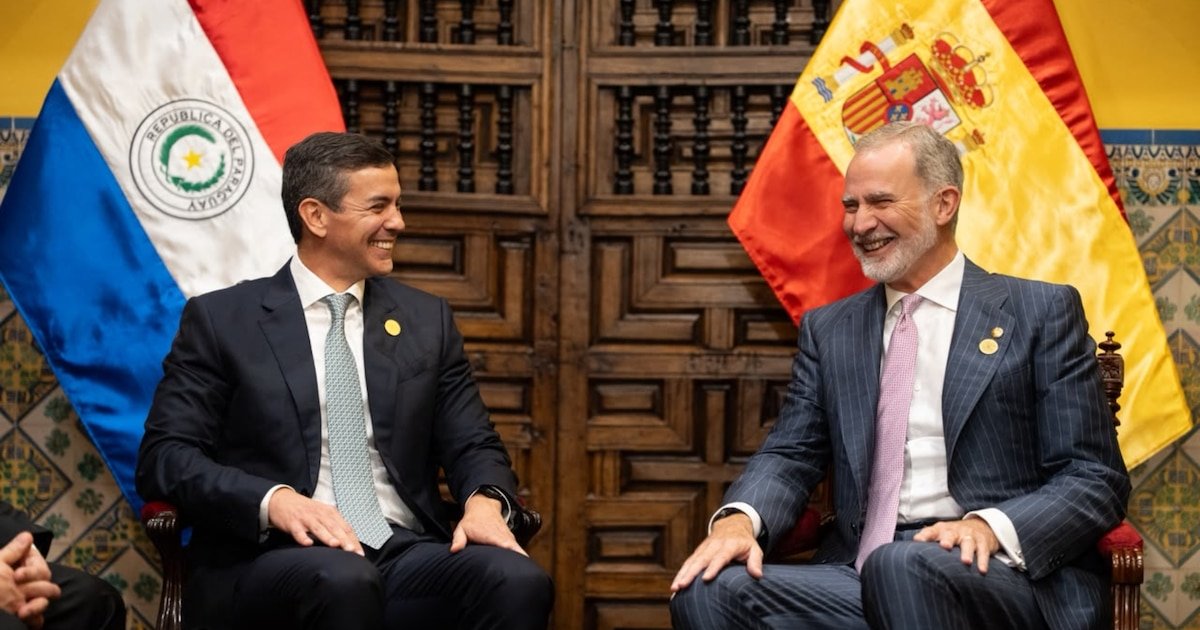
El presidente de Paraguay, Santiago Peña se reunió con el rey de España, Felipe VI, el martes en Lima en el marco de la juramentación de Keiko Fujimori como presidenta de Perú. En el encuentro bilateral, analizaron los grandes desafíos globales, la cooperación entre ambos países y temas sustantivos de cara a la próxima Cumbre Iberoamericana, que se celebrará en noviembre en Madrid, según informaron fuentes oficiales.
Durante su visita a la capital de Perú, Felipe VI y Peña abordaron prioridades comunes en materia internacional. “Durante un excelente encuentro bilateral con el rey Felipe VI de España evaluamos los grandes desafíos globales que enfrentan nuestros continentes”, publicó Peña en la red social X.
El jefe de Estado paraguayo resaltó que en la conversación también se incluyó la cooperación ambiental ante emergencias climáticas actuales, así como la importancia de la transición energética y el papel de las inversiones españolas en proyectos solares en Paraguay. Además, ambos mandatarios trataron la lucha conjunta contra el crimen organizado. “Definimos temas sustantivos para seguir fortaleciendo los lazos de cara a la próxima Cumbre Iberoamericana de noviembre”, agregó el presidente paraguayo.
Por su parte, la Casa Real de España comunicó, a través de la misma red social, que la reunión entre Felipe VI y Peña se realizó en el contexto de los actos de transmisión de mando presidencial en el país latinoamericano.

En junio, el ministro de Relaciones Exteriores de Paraguay, Rubén Ramírez, y su homólogo de Asuntos Exteriores, Unión Europea y Cooperación de España, José Manuel Albares, conversaron telefónicamente sobre el acuerdo comercial entre la Unión Europea (UE) y el Mercosur. Dicho acuerdo entró en vigor parcialmente el 1 de mayo. En ese diálogo también incluyeron temas vinculados a la Cumbre Iberoamericana.
El Ministerio de Relaciones Exteriores de Paraguay informó en un comunicado que Albares agradeció la confirmación de la participación de Paraguay “al más alto nivel” en la XXX Cumbre Iberoamericana, que se desarrollará en Madrid del 3 al 5 de noviembre. La cita, que tendrá como lema “Iberoamérica: juntos construimos nuestra comunidad, juntos la proyectamos hacia el futuro”, fue resaltada por la Cancillería asuncena.
La secretaria de Estado de Comercio del Gobierno de España, Amparo López Senovilla, afirmó el 14 de julio en Asunción que el intercambio comercial entre España y Paraguay posee margen para crecer, en particular tras la entrada en vigor del acuerdo entre la Unión Europea (UE) y el Mercosur. En declaraciones a la agencia EFE, la funcionaria sostuvo: “Las relaciones comerciales con Paraguay son unas relaciones buenas, con unas cifras de comercio bilateral que, sin embargo, creo que tienen que mejorar, porque ambos países tenemos más potencial para aumentar nuestro comercio bilateral”.

Durante su visita oficial a la capital de Paraguay, López Senovilla mantuvo un encuentro con empresarios españoles y con el embajador de España en Asunción, Javier Parrondo. La funcionaria desarrolló su agenda en el país como parte de una gira por los Estados miembros del Mercosur —entre ellos Brasil, Argentina, Uruguay y Paraguay, con Bolivia en proceso de adhesión— orientada a destacar la relevancia del reciente pacto de libre comercio suscrito entre el bloque suramericano y la UE en enero.
En ese contexto, López Senovilla subrayó que el acuerdo brinda “certidumbre y seguridad jurídica” a los empresarios españoles interesados en iniciar o ampliar inversiones en Paraguay. De acuerdo con la secretaria de Estado, España se posiciona como el quinto inversor extranjero en el país, con unos 190 millones de euros combinados.
“La previsibilidad, esa certidumbre y esa seguridad jurídica muchas veces son los factores que buscan los inversores para incrementar esas inversiones en distintos países y, creo que, en ese sentido Paraguay se verá beneficiado de esa estabilidad”, puntualizó López Senovilla a EFE.
La funcionaria destacó además el papel de Paraguay como miembro del Mercosur señalando que el país “tiene mucho que ofrecer” por su ubicación estratégica dentro del bloque y por la proyección de sus industrias manufacturera, agroindustrial y energética.
(Con información de EFE)
Diplomacy / Foreign Policy,South America / Central America,Government / Politics,Royals
NEWYou can now listen to Fox News articles!
City Hall repeatedly touted New York City Mayor Zohran Mamdani’s 19-member judiciary advisory panel as a «truly representative cross-section» of New York City’s legal profession — but four Jewish bar associations say not one Jewish member was appointed.
The groups, backed by the Anti-Defamation League (ADL), are demanding Mamdani correct what they called a profound omission from the influential committee, which screens and recommends candidates for judgeships across the five boroughs and across various different courts, including Criminal Court, Family Court and, on an interim basis, Civil Court.
City Hall touted Mamdani’s 19-member judiciary advisory panel as a «truly representative cross-section» when it was announced July 22. Meanwhile, Mamdani’s own Jan. 2 executive order establishing the committee stated that its membership «shall reflect the cosmopolitan population of the City of New York.»
«The members announced today offer a truly representative cross-section of the legal profession in New York City, bringing a wide range of professional experience from all five boroughs to the Mayor’s Advisory Committee on the Judiciary,» said Ramzi Kassem, Chief Counsel to the Mayor and City Hall, who supervises the activities of the Committee.
BLUE STATE MOCKED AFTER ‘SEX AND THE CITY’ ACTRESS TAPPED TO RECOMMEND TOP JUDGES
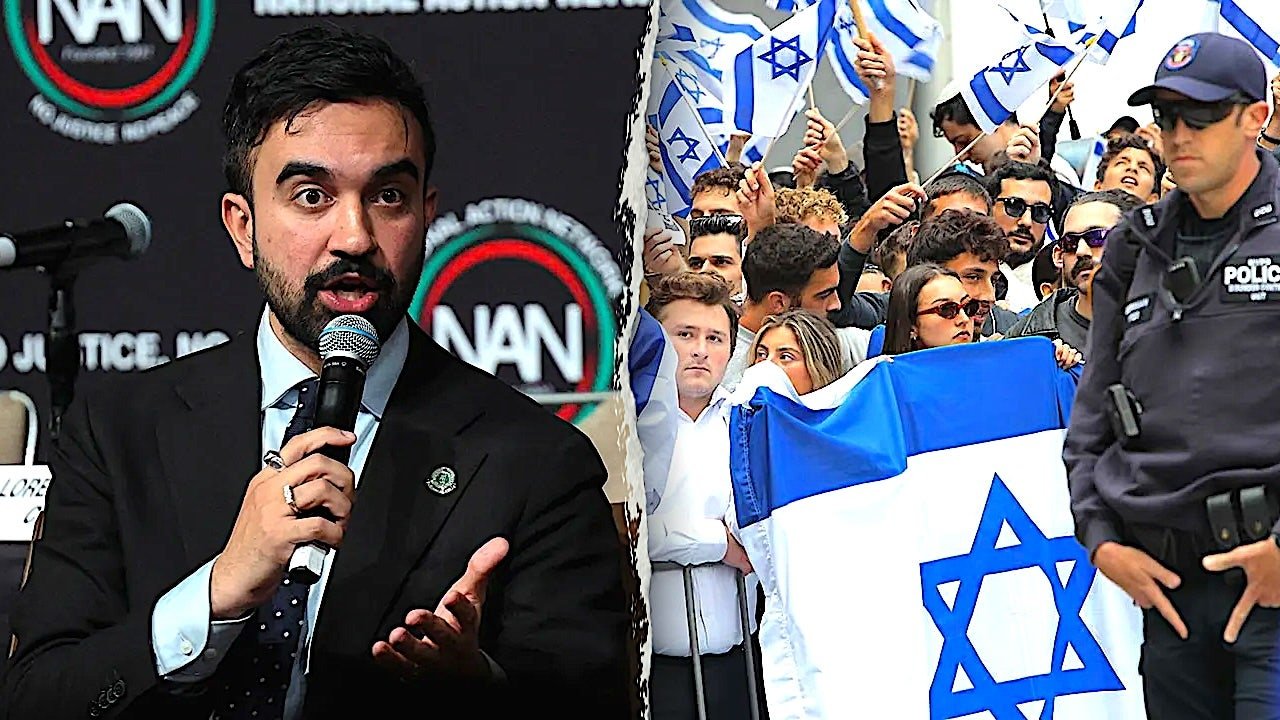
Left: Then New York City mayoral candidate, now mayor, Zohran Mamdani speaks during the National Action Network National Convention in New York City, U.S., April 3, 2025. Right: Demonstrators attend an «emergency rally for Gaza» outside of the Israeli Consulate in New York City, New York on Monday, Oct. 9, 2023. Supporters of both Palestine and Israel clashed at the event as Israel remains at war with Hamas. (Reuters/Jeenah Moon and Jennifer Mitchell for Fox News Digital)
«Under Mayor Mamdani’s leadership, [Mayor’s Advisory Committee on the Judiciary] will reach across the legal community to build a broad and highly qualified pool of judicial applicants,» Kassem continued. «An independent and impartial judiciary composed of jurists who have served their fellow New Yorkers in a range of legal circumstances is essential to a healthy democracy, and these appointments reflect our administration’s commitment to a fair, inclusive and transparent judicial selection process.»
But the Brandeis Association, Jewish Lawyers Guild, Brooklyn Brandeis Society and Queens Brandeis Association — along with other critics — say the absence of even one Jewish member from the 19-person panel exposes a glaring contradiction between City Hall’s rhetoric and its appointments.
«At a time when antisemitism is rising and Jewish communities are increasingly under threat, excluding Jewish voices from this influential body is not only disheartening, it is dangerous,» the groups wrote in a joint letter they sent to Mamdani on Monday. «The absence of Jewish representation on a committee entrusted with shaping the future of our judiciary sends a deeply troubling message to the Jewish community and undermines the committee’s credibility and ability to serve all New Yorkers fairly.»
NY ASSEMBLYMAN CALLS FOR DOJ TO INVESTIGATE MAMDANI, PROTECT JEWISH NEW YORKERS AFTER STABBING ATTACKS
In addition to Mamdani, the four groups sent the letter to New York Gov. Kathy Hochul, New York Attorney General Letitia James and New York Chief Judge Rowan Wilson, along with other state, city and judicial officials.
The letter’s warning, which included calls to «correct this exclusion,» came amid renewed fears over Jewish safety in the city.
On Tuesday, a hammer-carrying intruder entered the grounds of the Jewish Institute of Queens and shoved an 8-year-old boy into a fence during a struggle with security, leaving the child with a head injury, authorities said. Police did not believe the boy was the intended target, and investigators have not established a motive.
The frightening episode followed last week’s alleged hate-crime attack on an Orthodox Jewish man who was stabbed in the chest with a screwdriver shortly after leaving an Upper West Side synagogue. Prosecutors say the suspect shouted «Justice for Islam» and «Allahu Akbar» before committing the attack.
SUSPECT ARRESTED AFTER ALLEGEDLY YELLING ‘ALLAHU AKBAR,’ STABBING 2 MEN IN NYC ATTACK

Two men were stabbed in unprovoked attacks near Central Park by a suspect who allegedly shouted «Allahu Akbar,» police said. Investigators are examining possible hate and mental health motives. (WNYW)
The mayor’s office, the Mayor’s Advisory Committee on the Judiciary and committee Chairman Ali Najmi did not respond to Fox News Digital’s request for comment by publication time. However, Mamdani press secretary Joe Calvello told NBC New York that any suggestion the appointments to the Mayor’s Advisory Committee on the Judiciary were motivated by religion was «false.»
Calvello said Mamdani had appointed «a dozen qualified judges from a range of backgrounds, including Jewish judges,» and said the administration declined to appoint retired Justice John Leventhal, who is Jewish, after learning he had served on Ghislaine Maxwell’s legal team.
«Make no mistake, the leader of the Democrat Party, Mayor Mamdani, is working to bulldoze the rest of New York government to fit his ideology,» Mark Bednar, a principal at Monument Advocacy who previously led communications for former House Speaker Kevin McCarthy and served as communications director for then-Rep. Sean Duffy, told Fox News Digital. «Americans of all backgrounds should take notice of the threat his ideology poses, and to sound the alarm about anyone he appoints to important positions.»
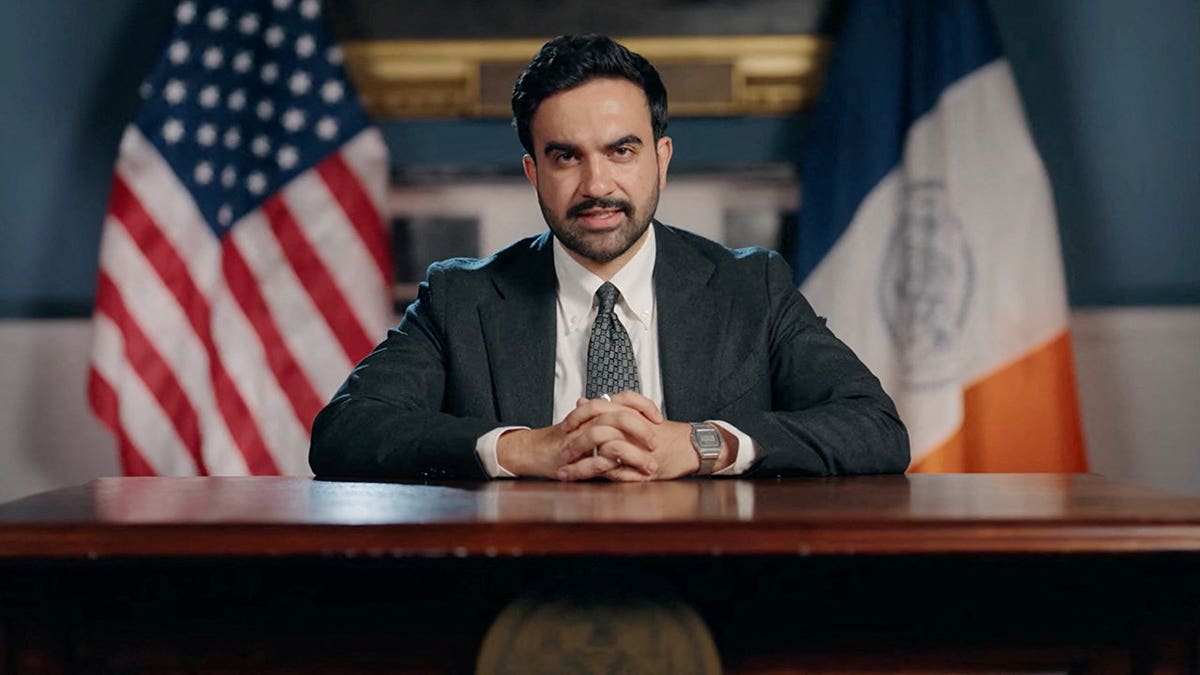
New York City Mayor Zohran Mamdani speaks about Israeli Prime Minister Benjamin Netanyahu in a still image taken from handout video released on July 21, 2026. (Reuters)
CLICK HERE TO DOWNLOAD THE FOX NEWS APP
Jewish civil rights attorney Gerard Filitti argued that the absence of Jewish members was particularly glaring in a city with the largest Jewish population in the country. He also pointed out the committee’s influence over the courts that hear hate-crime cases.
«His own chief counsel called the slate a truly representative cross-section of the city’s legal profession, in the city with the largest Jewish population in America, on the panel that will pick the judges who hear hate-crime cases,» Filitti wrote on X. «City Hall did not deny the exclusion. It changed the subject to judges Mamdani appointed elsewhere. Jewish New Yorkers are owed the same representation as everyone else, and this mayor just seated a panel that gives them none.»
zohran mamdani, new york city, judaism, politics, judiciary

Nazarena Vélez confesó el susto que se llevó cuando su hija Barbie tomó de más y llegó con las venas cortadas

Cuántos pedidos debe hacer un repartidor de delivery para cubrir la canasta básica y no ser pobre

Cristina Kirchner anunció en medios internacionales que llevará su condena por la causa Vialidad a la ONU

Investigan al cuerpo técnico de Crespo por espionaje sobre el rival

Antisemitic violence reaches deadliest level since 1994, new global report finds

Después de la reforma del BCRA, el Gobierno buscará blindar en el Congreso la permanencia de Santiago Bausili

Crisis entre Milei y Lula: la trama política, personal y geopolítica detrás del mayor choque diplomático entre Argentina y Brasil

Cuentapropismo emocional en lo profundo del conurbano

San Isidro: la ballena que quedó varada en un banco de arena murió pese al operativo de rescate

Joaquín Furriel contó cómo fue ver la final del Mundial con su novia española: “Una situación incómoda”

 POLITICA2 días ago
Crisis entre Milei y Lula: la trama política, personal y geopolítica detrás del mayor choque diplomático entre Argentina y Brasil
- SOCIEDAD3 días ago
San Isidro: la ballena que quedó varada en un banco de arena murió pese al operativo de rescate
- POLITICA3 días ago
Milei cruzó al aire a De Mendiguren, exministro de Duhalde: “Vos, sí, ladrón”