INTERNACIONAL
Dem who ripped rival’s donor-fueled ‘good life’ dropped campaign cash on Disney, spouse travel

A House Democrat accused a Republican rival of «living the good life» on donor money after her campaign reported Disney World spending, and she was allegedly seen returning from the theme park around the same time.
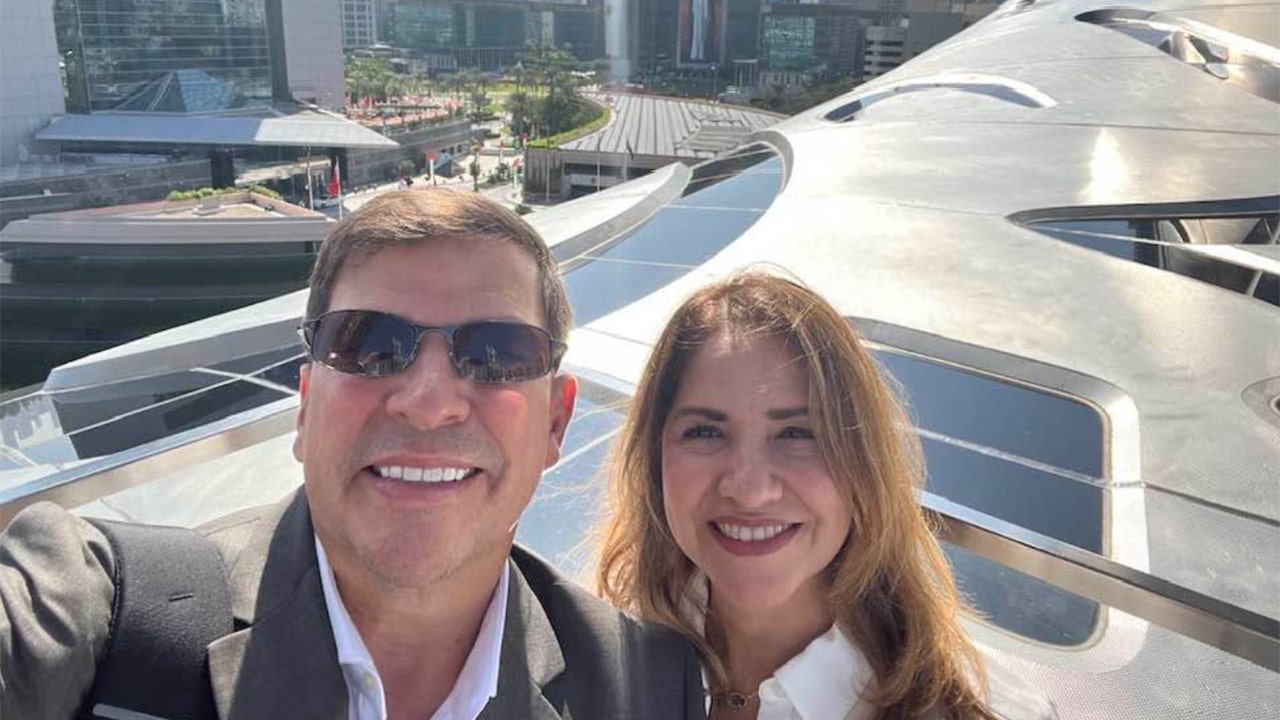
But Democratic Texas Rep. Vicente Gonzalez’s own records show nearly $20,000 in campaign spending around the same time on international and domestic trips with his wife, including his own visit to Disney World, a five-star hotel stay on the beach in the UAE and a Michelin-starred restaurant bill in Zurich.
Gonzalez made the jab at Republican Mayra Flores in October 2025, months after posting photos documenting his own two-day Disney World trip with his wife and several other associates on social media in April. The social media posts coincided with payments Gonzalez’s campaign made to the Florida theme park and resort around the same time, totaling more than $1,100.
PROMINENT DEM’S FATAL ERROR PROMPTS REPUBLICAN TO PREDICT ‘RED TIDAL WAVE’ IN BLUE STRONGHOLD
The Disney payments and photos were just one piece of a broader travel and hospitality spending trail from Gonzalez’s campaign reviewed by Digital. His campaign reported thousands of dollars in expenses at upscale restaurants and hotels from Washington and Texas, to California and Europe, alongside campaign spending on multiple overseas trips during which Gonzalez’s wife accompanied, or appeared to accompany, the congressman, according to posts Gonzalez shared on social media.
During one 2024 trip to the UAE that utilized campaign funds and coincided with social media posts in the same location posted on Gonzalez’s Facebook, more than $13,000 in airfare and hotel expenses were spent. Gonzalez described apparent photos of the trip on social media as an «after campaign break,» and his posts showed the congressman with his wife doing various sightseeing activities and one photo from a bed inside a top-floor luxury hotel room next to the beach.
The fifth-term Democrat representative is fighting to hold his South Texas seat against Republican Eric Flores in November after the GOP candidate defeated Mayra Flores and a crowded Republican field earlier this year. The race has drawn national attention as both parties battle for the district and Gonzalez enters the final stretch with a significant campaign cash advantage.
Gonzalez took aim at rival Mayra Flores in 2025, suggesting she was potentially using campaign funds to travel to Disney World with her kids. In an October 2025 social media post, Gonzalez shared a photo of her at Dallas Love Field Airport with two young family members, a Disney World bag and stuffed animals. Gonzalez captioned the photo «living the good life on donor’s resources again» and cited a report that found payments to Disney World from her campaign around the same time as the photos.
But federal campaign finance records show Gonzalez’s own campaign reported a combined $1,122.76 went to Walt Disney Resorts on March 24, 2025, and May 27, 2025, around the same time he posted photos on social media from a two-day trip to Walt Disney World with his own family on April 26, 2025.
«DC to Disney! What a fantastic 2 days,» Gonzalez posted on Facebook alongside a photo of himself, his wife and several others.
SWALWELL PAL ACCUSED OF USING CAMPAIGN CASH TO BANKROLL ‘LUXURY LIFESTYLE,’ INCLUDING SUPER BOWL TICKETS
Federal campaign finance rules do not prohibit campaigns from paying travel expenses simply because a candidate’s spouse or children accompany them. The FEC allows campaign funds to cover travel for candidates, their spouses and minor children when the trip is directly related to campaign activity or the candidate’s official responsibilities as a federal officeholder.
Campaign funds cannot, however, be used to pay for personal vacations or other family expenses that would have existed regardless of the candidate’s campaign or official duties. When a trip mixes campaign or official business with personal activities, the campaign must be reimbursed for the costs attributable to the personal portion.
«Every dollar this campaign spends is legal and publicly disclosed, and these reports come straight from our own FEC filings,» Gonzalez’s campaign manager, Alex Philley, told Digital in a statement when asked about the campaign spending.
«The spending South Texans are worried about is their own on higher costs driven by Trump’s agenda that Eric Flores would proudly rubber-stamp.»
Gonzalez’s FEC filings identify two $561.38 Disney payments, one from March 2025 and another from May 2025, only as «travel expenses,» leaving unclear from the public disclosures what campaign or official activity the expenditures were connected to.
When asked specifically about this trip, Philley said it was tied to «a very important Financial Services trip» with Rep. French Hill, R-Ark., the Republican chairman of the U.S. House Committee on Financial Services, of which Gonzalez is a member.
Philley said the campaign’s spending on international trips where Gonzalez’s wife was present had been tied to official business as well, including a visit with the Pope, although he did not address each trip separately when asked about them.
SUPREME COURT STRIKES DOWN LIMIT ON PARTY CAMPAIGN SPENDING IN COORDINATION WITH CANDIDATES
For example, Gonzalez traveled with his wife to Morocco in mid-2019 under the Mutual Educational and Cultural Exchange Act, or MECEA, which allows members of Congress to accept travel from foreign governments for approved cultural exchanges.
Campaigns are allowed to pay for their spouses to join them, but only if the spouse is performing bona fide official responsibilities. Diplomatic and ceremonial protocol for certain events or campaign office functions like managing travel logistics are often cited as reasons for why spouses need to attend.
Gonzalez’s campaign reported paying $4,767.53 for his «spouse travel expense» in connection with the 2019 MECEA trip to Morocco, according to FEC records.
In December 2024, the campaign reported $12,810 to Emirates Airlines and $359.27 at a luxury five-star Abu Dhabi hotel called Emirates Towers in «officially connected» CODEL expenses. While the campaign funds for the trip did not explicitly name Gonzalez’s wife, photos from Gonzalez’s social media page showed several images of him and his wife in Abu Dhabi around the same time as his campaign’s payments, including a photo from the top floor of what appeared to be a luxury, beachfront hotel. The pair also appeared in photos exploring the city and sightseeing around the time of the payments.
SQUAD DEM IN THE HOT SEAT AFTER SPENDING SPREE AT LUXURY HOTELS: ‘CHAMPAGNE SOCIALIST’
«Finally, an after campaign break!» Gonzalez captioned the photos, one of which showed him holding an exotic bird. Other photos posted around that time by Gonzalez’s campaign page showed him visiting U.S. troops in the Middle East and meeting with other officials. Other photos showed Gonzalez and his wife at the «4th largest and most modern Mosque in the world» in Abu Dhabi.
The international travel continued in August 2025, when Gonzalez posted a photo with his wife in Zurich, Switzerland. Campaign records subsequently showed a $566.67 expense to Swiss Air and another $395 «Travel Expense» at La Rôtisserie in Zurich, a one-Michelin-star restaurant. The records did not explicitly indicate the expenses were used to pay for Gonzalez’s wife.
Weeks earlier, Gonzalez appeared to engage in international luxury travel paid for by his campaign. FEC records for Gonzalez’s campaign reveal a $442.41 «Travel Expense» at the five-star luxury Parco dei Principi Grand Hotel in Rome the same week he posted a photo of himself on social media meeting with the Pope in 2025.
«This was not a vacation,» Philley said in a statement to Digital about the trip. «You may want to ask the committee why they booked this hotel. This was not the congressman’s choice; he only had to pay for it.»
Between 2024 and 2026, Gonzalez’s campaign also reported thousands of dollars in expenditures at upscale restaurants, hotels and resorts around the country, including around $4,000 at The Capital Grille in Washington, D.C., along with spending at Eddie V’s Prime Seafood in Houston and several other high-end D.C. restaurants.
Recently, Gonzalez’s campaign reported a $1,019 expense at California’s Ojai Valley Inn, a Forbes Travel Guide-recognized luxury resort sprawling across 220 acres with a spa, four pools and a championship-caliber golf course and more than $1,400 at Pennsylvania’s Omni Bedford Springs Resort & Spa, an AAA Four Diamond property featuring a 30,000-square-foot spa, golf course and indoor and outdoor pools.
campaigning, democratic party, texas, democrats, corruption











INTERNACIONAL
Ley de Justicia Energética beneficia a más de 1,800 abonados y permite regularizar deudas sin multas en Honduras
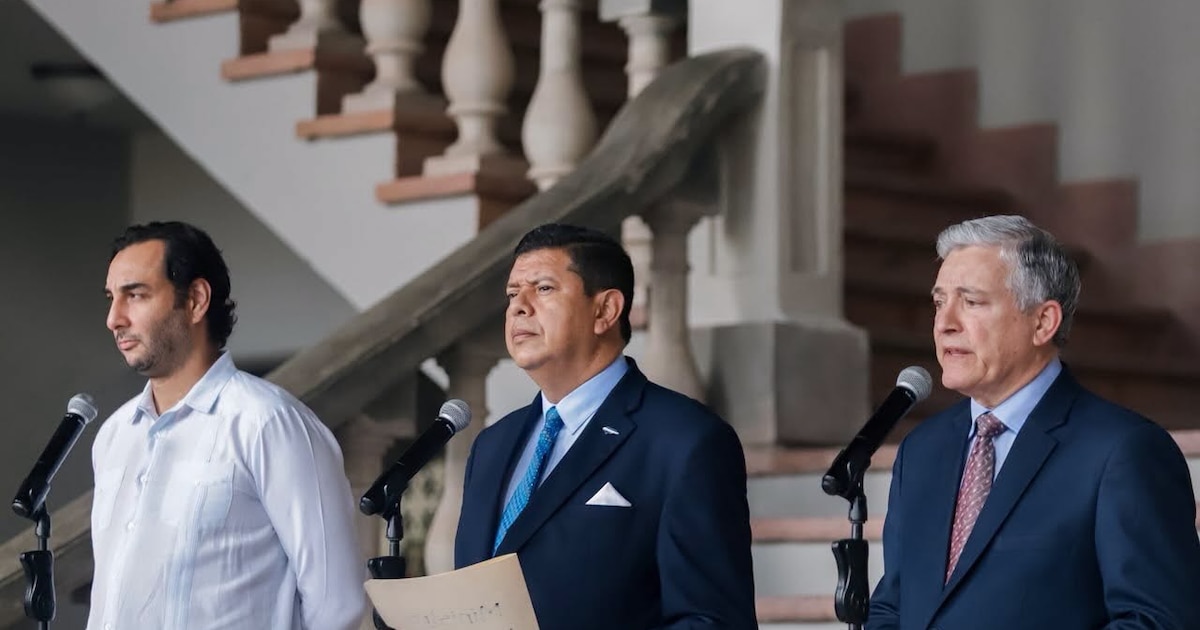
La Ley de Justicia Energética comienza a mostrar sus primeros resultados en Honduras. A 30 días de su entrada en vigencia, más de 1,800 abonados reciben el beneficio de condonación de deudas residenciales y otros 200 clientes se han acercado voluntariamente a la Empresa Nacional de Energía Eléctrica (ENEE) para regularizar sus servicios sin multas ni sanciones.
Los avances fueron presentados por el gerente general de la ENEE, Guillermo Peña Panting, desde Casa Presidencial, donde explicó que la normativa busca ordenar las obligaciones pendientes de los usuarios residenciales, comerciales y municipales, además de impulsar cambios estructurales en el funcionamiento del sector eléctrico.
El funcionario detalló que la regularización voluntaria está disponible para clientes con servicios en viviendas y negocios que deseen ponerse al día con sus cuentas.
Para facilitar el procedimiento, la institución habilitó sus oficinas a nivel nacional y canales de atención mediante redes sociales y WhatsApp.
“Ya tenemos más de 200 clientes que se han acercado a la empresa voluntariamente a regularizarse sin multa y sin ningún castigo”, manifestó Peña Panting.
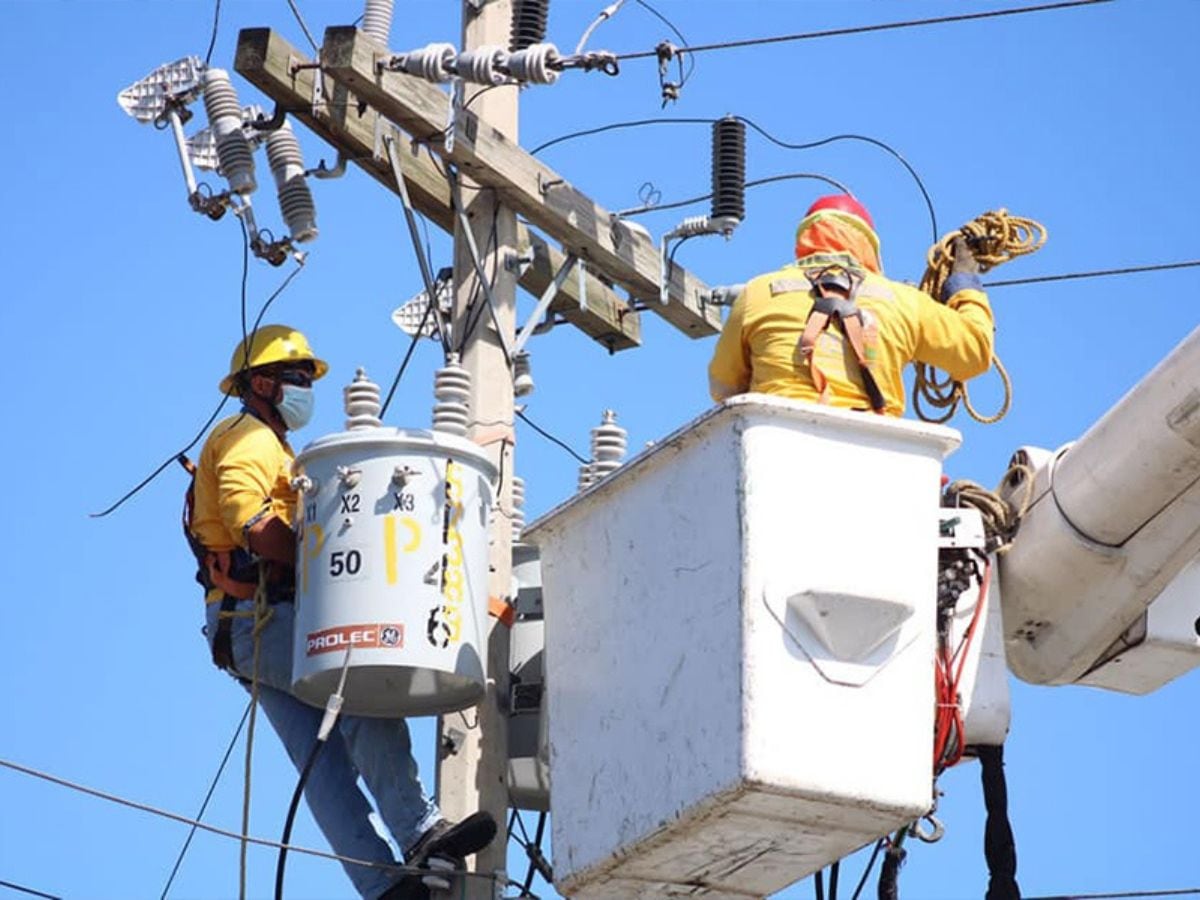
Uno de los principales beneficios de la normativa está dirigido a los usuarios residenciales que mantienen obligaciones pendientes con la ENEE.
Según explicó el gerente de la institución, más de 1,800 abonados ya reciben la condonación de sus deudas, siempre que cumplan con las condiciones establecidas en la ley.
El beneficio contempla a los clientes residenciales que mantienen obligaciones pendientes por más de 120 días y cuyo consumo mensual de energía eléctrica es inferior a 250 kilovatios hora.
Los usuarios que cumplen estos requisitos pueden realizar sus gestiones en más de 30 oficinas de atención de la ENEE distribuidas en el territorio nacional, así como mediante los canales digitales habilitados por la institución.
La medida busca ofrecer una alternativa a los hogares que acumularon compromisos económicos por el servicio eléctrico y facilitar que puedan regularizar su situación.
Además de los abonados residenciales, el proceso contempla a empresas grandes y medianas, así como pequeños comercios. Peña Panting explicó que la intención es ordenar las cuentas pendientes de los distintos sectores y facilitar que los usuarios puedan ponerse al día con sus obligaciones.

Otro de los componentes de la Ley de Justicia Energética está relacionado con las deudas y obligaciones de las municipalidades con la empresa estatal.
El gerente de la ENEE anunció avances en la coordinación con la Secretaría de Gobernación y la Asociación de Municipios de Honduras (AMHON) para intervenir inicialmente las cuentas de 215 alcaldías clasificadas en las categorías C y D.
El proceso contempla la instalación y actualización de medidores, como parte de las acciones para mejorar el control del consumo y ordenar los registros de facturación de las municipalidades.
Una vez completada esta etapa, las autoridades prevén continuar con las alcaldías clasificadas en las categorías A y B.
La iniciativa pretende mejorar la administración de los servicios eléctricos municipales y establecer mecanismos que permitan conocer con mayor precisión el consumo de energía y las obligaciones económicas de cada gobierno local.
Peña Panting también destacó el plan de contingencia contemplado en la Ley de Justicia Energética, cuyo objetivo es reducir el impacto de las presiones inflacionarias provenientes de los mercados internacionales de energía y combustibles.
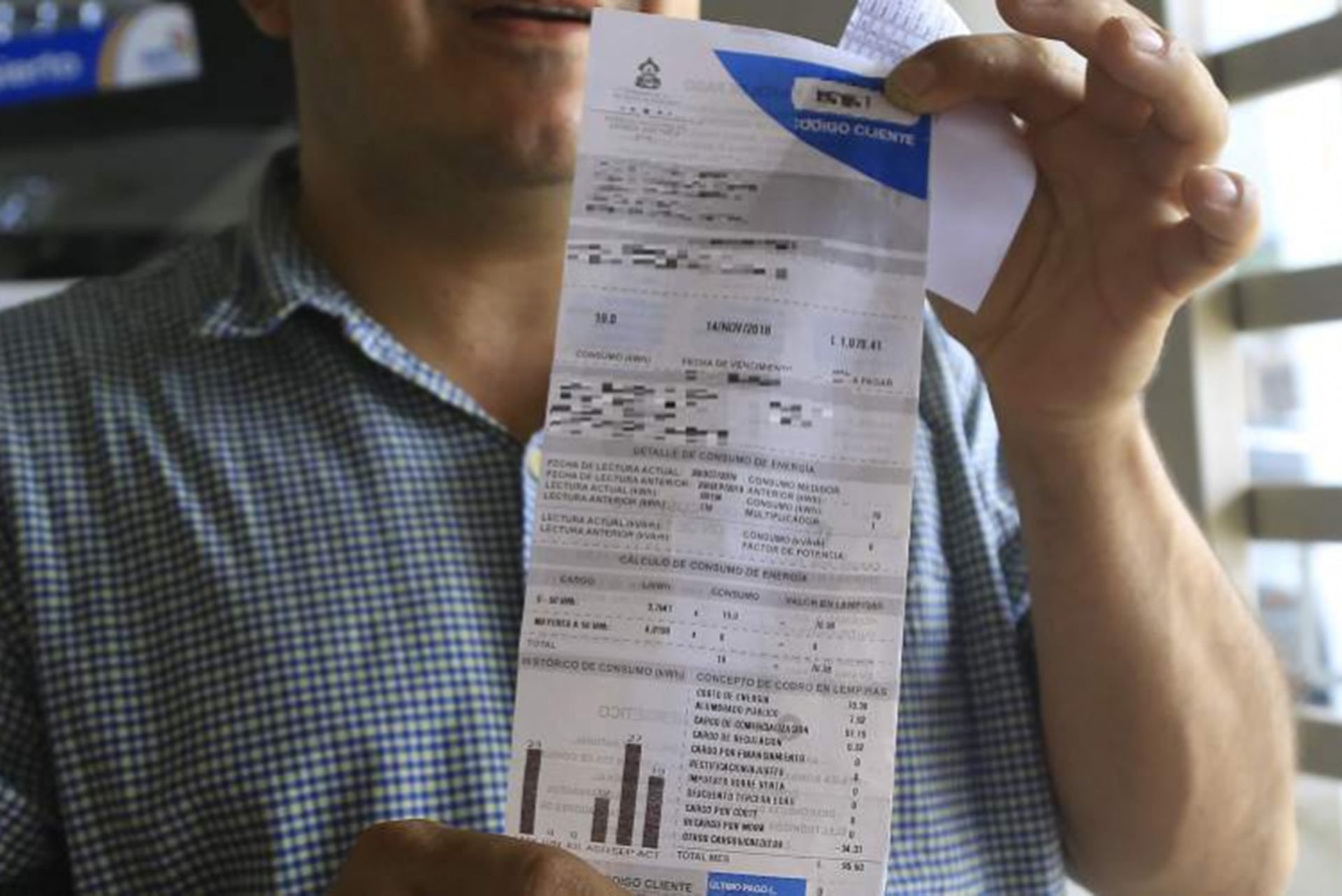
El funcionario explicó que estas medidas buscan evitar que los incrementos de los costos internacionales se trasladen directamente a las tarifas que pagan los usuarios hondureños.
La normativa contempla un período de seis meses durante el cual se pretende preservar la estabilidad tarifaria y financiera, mientras se desarrollan las acciones de reorganización del sector eléctrico.
Este componente adquiere relevancia debido a la exposición de Honduras a las variaciones de los precios internacionales de los combustibles, que pueden repercutir en los costos de generación eléctrica y, posteriormente, en las facturas de los consumidores.
Por su parte, el ministro de Energía, Eduardo Oviedo, calificó la normativa como una transformación de gran alcance para el sector eléctrico hondureño, debido a la dimensión de la infraestructura que administra la ENEE.
El funcionario recordó que la empresa estatal tiene bajo su responsabilidad plantas generadoras distribuidas en diferentes regiones del país, más de 3,000 kilómetros de líneas de transmisión y aproximadamente 11,000 kilómetros de redes de distribución.

“Significa la transformación más importante en cualquier empresa de Honduras en toda su historia”, declaró Oviedo al referirse al alcance de la reforma.
Como parte de su implementación, informó que ya fue instalado el Comité de Conducción de la Reforma del Subsector Eléctrico y conformada la Unidad Técnica de Implementación y Seguimiento de la Ley.
Esta última instancia tendrá la responsabilidad de coordinar la hoja de ruta integral, dar seguimiento a las disposiciones establecidas y acompañar el desarrollo de las diferentes medidas contempladas en la normativa.
El proceso contará con el acompañamiento de expertos internacionales y organismos multilaterales de crédito, con el propósito de fortalecer la implementación de los cambios en el sector energético.
corresponsal:Desde Tegucigalpa, Honduras
They always ask if I felt something. «Across your foot? Your shin?» My shin?
«Yeah. Your ankle. Did you feel it?» Not really. But before I respond, they ask again.
What was it like?» they inquired. «Or did you just fall?» Then they speculated I might be clumsy.
Hmmph. Clumsy. I truly don’t think so.
REPORTER’S NOTEBOOK: CONGRESS BRACES FOR POST-ELECTION GAME OF MUSICAL CHAIRS AS LEADERSHIP BATTLES LOOM
Oh. I fall like everyone else. I work out daily. I’ve taken a couple of tumbles on predawn runs in Alexandria, Virginia. You never know when one of those sidewalk snakes will slither up from the asphalt and nip you on the ankle. I used to snow ski. I studied martial arts for years and hold a second degree black belt.
Clumsy? Nah.
«But, what do you think it was?» they follow up. Well, I have my theories.
I was a little tired that day. I noted the lip on the small staircase near the Memorial Door of the U.S. Capitol where I may have caught the edge of my brown loafers.
I remember my shoes. Rubber soles. Slight scuff on the toes. Perfectly matched with my crisp tan summer suit. Not quite an «Obama» tan suit. But appropriate for summer. And I thought at least reasonably dapper for traipsing around the U.S. Capitol and covering Congress on a sweltering July day.
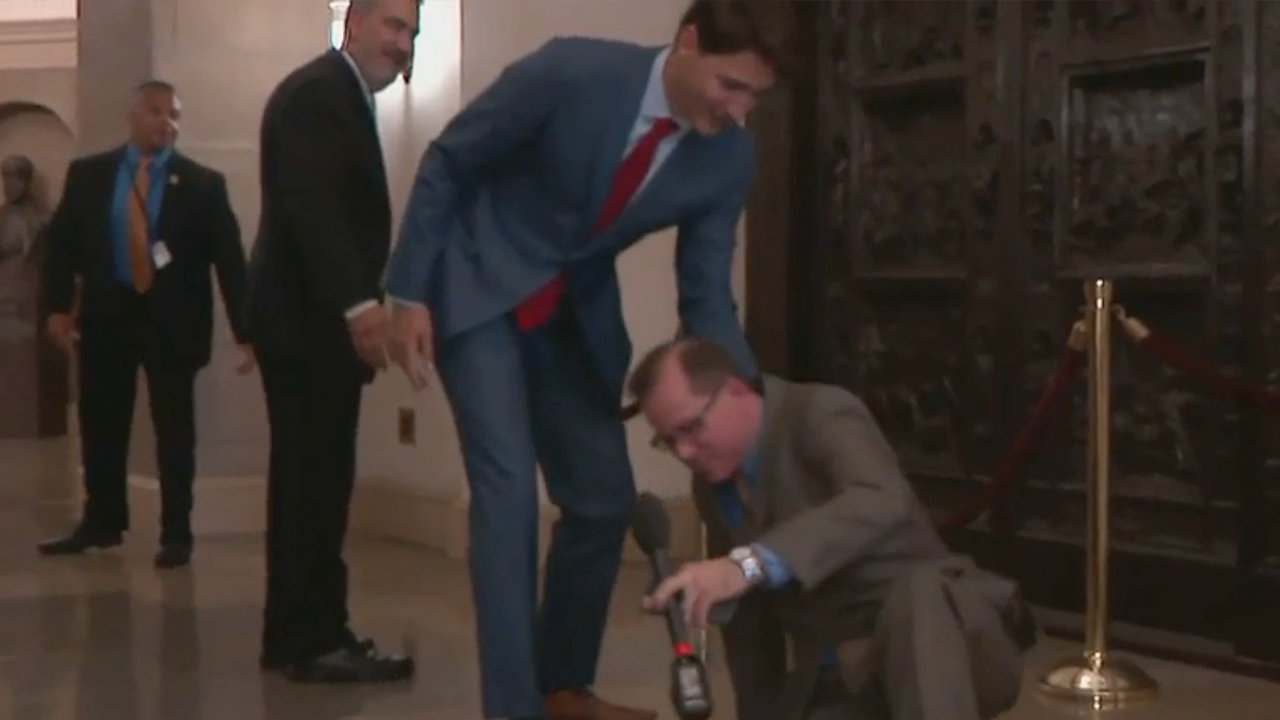
Was it the shoes? My fatigue? Or how about my haste to «get the story.» I spotted then-Canadian Prime Minister Justin Trudeau and his small coterie of aides and a security detail descending a spiral staircase after a meeting with then-House Speaker Nancy Pelosi. D-Calif.
I would try to ask Trudeau a question.
No. This really doesn’t have anything to do with Trudeau. Or the fact that I recalled that there was a picture of him, aged about 14 or 15, at Olympic Stadium in Montreal, rooting for the Expos. He’s there with his father — the most storied of all Canadian prime ministers — the late Pierre Trudeau.
Of course, the Expos no longer play in Montreal. They don’t play at all. They moved to Washington in 2005 and are now the Nationals. And this was before the tariff wars. Montreal has been bereft of Major League Baseball ever since.
What would Youppi! Say?
Look him up, kids.
No, there wasn’t something across my shin or ankle. I didn’t feel anything. I was there, on those steps, in the U.S. Capitol, because I’m a baseball fan. And I found out that Justin Trudeau watched those old Montreal Expos teams in the 1980s. Stocked with Andre Dawson, Warren Cromartie and Steve Rogers. And even though Trudeau was there to discuss affairs of state with Pelosi and others, I was there to ask him about the national pastime.
Ironic, I know, to pose such an interrogative to a Canadian.
However, the reason was that there was a report that the Tampa Bay Rays might consider splitting their season each year between Florida and Montreal. Big league baseball would return to Quebec. It would be international news if Trudeau commented. It would appear on Fox. FS1. ESPN. TSN in Canada. And Montreal — famously robbed of perhaps winning the World Series in 1994 with the best team in the game that year because of the player’s strike — might have a shot again at baseball glory.
But journalism is like baseball. A game of failure. You sometimes swing and miss. You’re doing great if you’re successful three out of ten times.
THE HITCHHIKER’S GUIDE TO WHY REMOVING ILHAN OMAR FROM CONGRESS COULD BE HARDER THAN TRUMP EXPECTS
And sometimes, in journalism, the question is never asked.
That was this day. On those steps. Questions about the Rays and Montreal were muted. All because of whatever got me.
Absolutely got me.
I stepped toward Trudeau, mumbled something about Tampa Bay and bought it.
I fell on those steps. Directly in front of the Canadian Prime Minister. On the hard Capitol marble.
I quickly realized I was about to fall. With a microphone in one hand, I couldn’t catch myself. I was confident I’d break a wrist or a hand if I tried to catch myself.
So, I just went with it and fell.
And because I studied martial arts for all of those years from Master Kim and Master Yang back at the Tae Kwon Do dojang, I knew how to fall without hurting myself.
I rolled onto my right shoulder toward Trudeau.
My feeling flew up absurdly high in the air.
«Oh Chad! Oh Chad! Oh Chad!» hollered my photographer, Robert Fetzer. «Chad!»
Trudeau stopped briefly. But I leaped to my feet after the roll, hoping he might say something about baseball.
I struck out. And Trudeau departed.
«But what tripped you?» they ask. «Were you all right?»
Physically, I was fine. Mentally, kind of garbled. I’ve worked daily at the U.S. Capitol for decades. I had a sneaking suspicion of what got me. Or better yet, who?
In the latter years of the 19th Century, Rep. William Taulbee, D-Ky., did not get along with reporter Charles Kincaid. Taulbee thought Kincaid wasn’t an honest broker, writing screeds about his personal affairs.
Taulbee was tall, towering over the diminutive Kincaid. Taulbee was known to sometimes physically pummel Kincaid.
Taulbee was out of federal office. But Kincaid knew Taulbee would be at the Capitol. Kincaid packed a pistol with him. And on Feb. 28, 1890, the reporter shot the Bluegrass Congressman square in the eye.
Taulbee leaked blood all the way down the House’s «Y» staircase, the plasma blending with marble. Through a miracle of chemistry, the splotches are still visible today.
The Kentucky Democrat succumbed to his injuries 11 days later.
It probably goes without saying that Taulbee does not like the congressional press corps. And, so, his phantasm is known to lurk around the Capitol.
Sometimes low bridging reporters on ornate staircases.
«What tripped you?» they ask.
And before I can answer, my inquisitors jump to a conclusion, albeit an interrogative one.
«Was it a ghost?» they giddily exclaim, like they had just figured out Final Jeopardy.
As I say, I have my theories. I’ll let you come to your own conclusions.
But I don’t want to trip you up.
political, politics, justin trudeau
INTERNACIONAL
¿Quién es el expresidente salvadoreño que defraudó al Estado con más de USD 300 millones y ha recuperado su libertad?

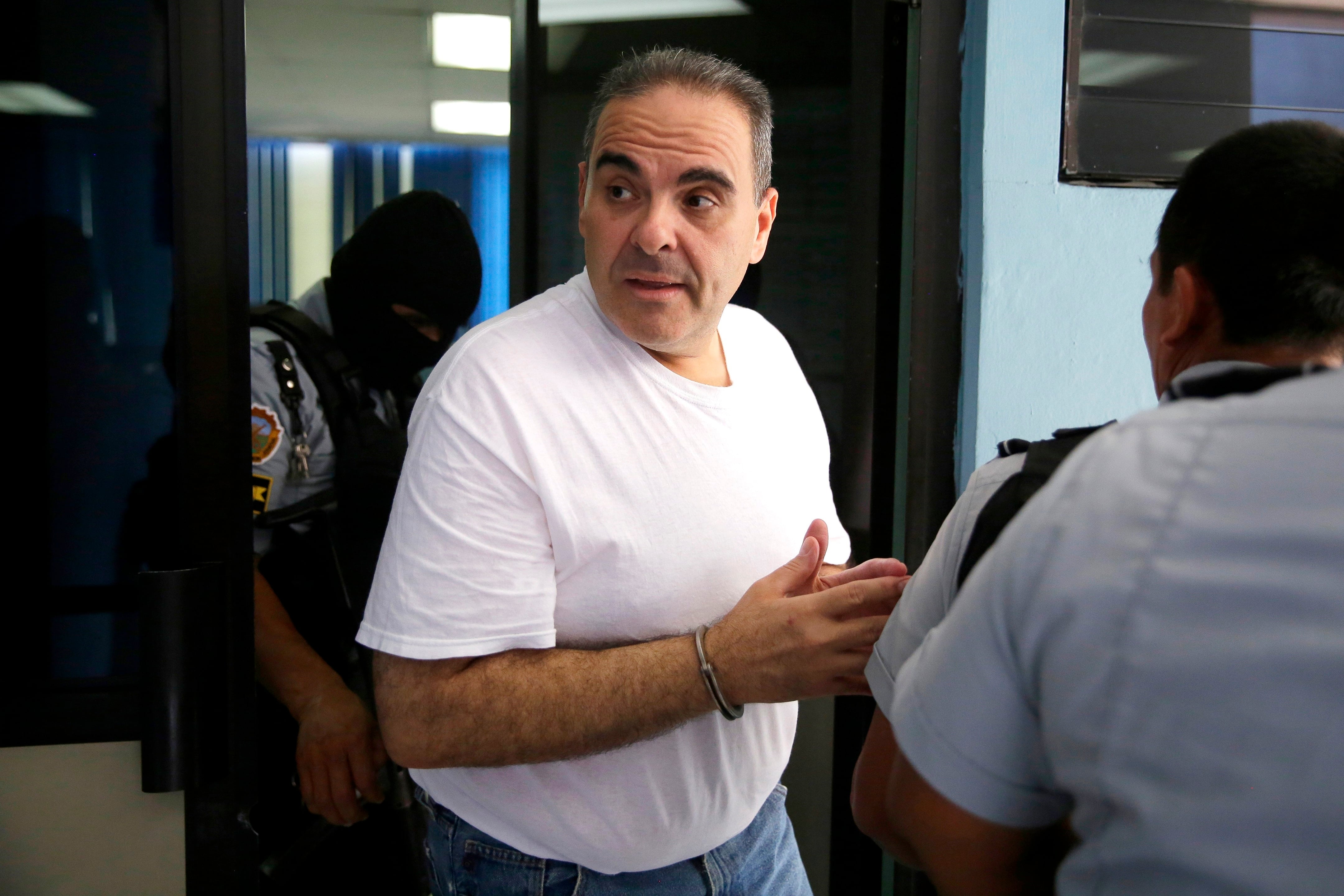
El expresidente de El Salvador Elías Antonio Saca González, conocido como Tony Saca, recuperó la libertad tras cumplir una condena de diez años de prisión por peculado y lavado de dinero. El exmandatario, que gobernó entre 2004 y 2009, fue el primero en el país en haber sido condenado por delitos de corrupción cometidos desde la Presidencia.
La Fiscalía General de la República (FGR) confirmó el 28 de octubre que Saca había completado la pena impuesta en 2018 por el caso que fue denominado como Destape a la Corrupción, una investigación que reveló como el exmandatario había desviado y lavado unos $301 millones de fondos públicos.
La orden de libertad estaba vigente desde el 27 de octubre, según informó la Fiscalía.
Saca, de 61 años, nació el 9 de marzo de 1965 en Usulután, en el oriente salvadoreño, en una familia de ascendencia palestina. Antes de ingresar a la política fue locutor deportivo, narrador de fútbol y empresario de medios. Su popularidad creció desde la radio y la televisión, donde trabajó en transmisiones deportivas y ocupó cargos de dirección.
Su actividad empresarial comenzó en la radiodifusión. En 1987 fundó Radio América junto a Alfonso Rivas y, años después, creó Radio Astral, origen del grupo radial Samix.
Esa expansión le abrió paso en las principales gremiales empresariales: presidió la Asociación Salvadoreña de Radiodifusores (ASDER) y luego la Asociación Nacional de la Empresa Privada (ANEP).
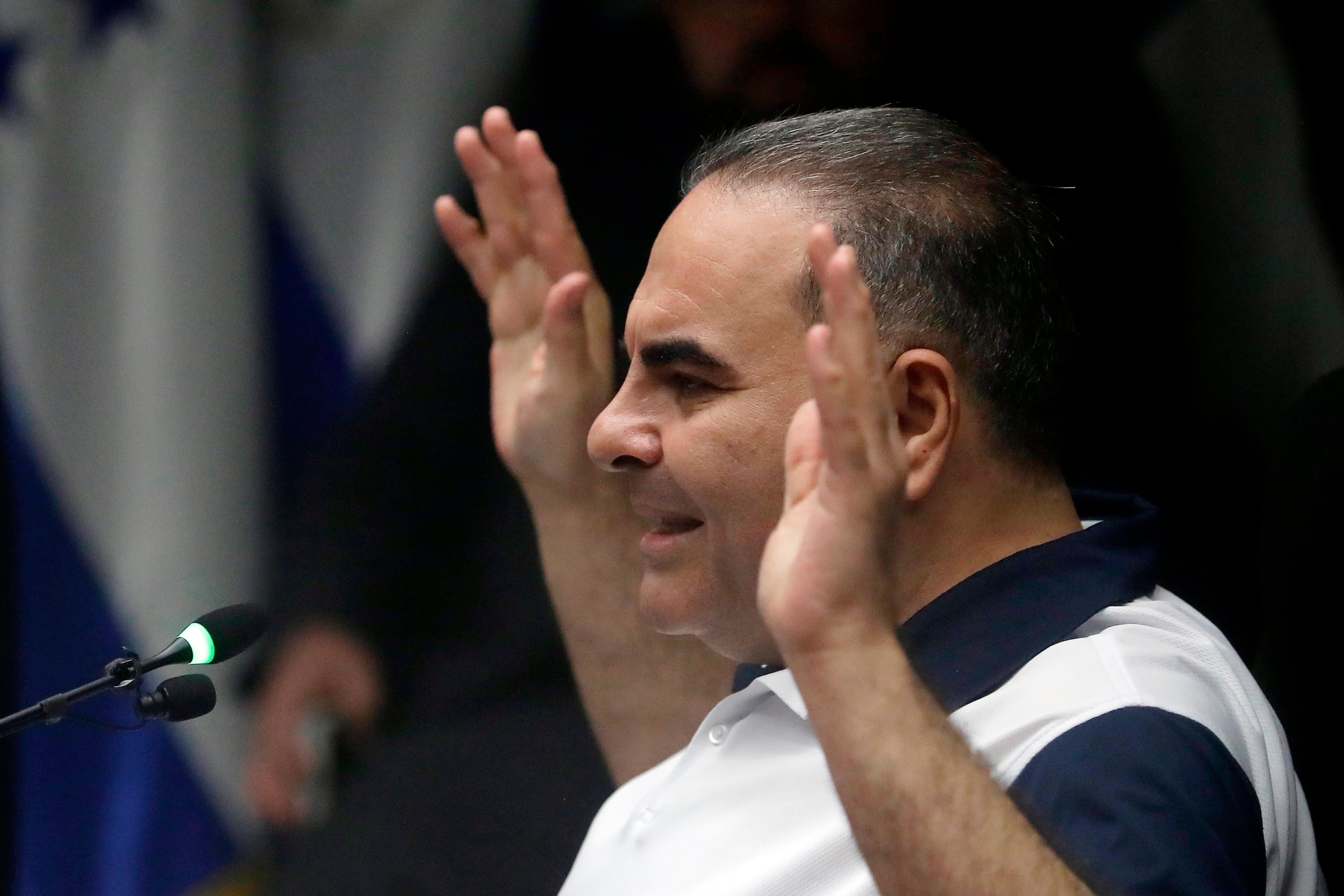
La combinación de reconocimiento público, presencia empresarial y vínculos con la derecha lo convirtió en candidato de la Alianza Republicana Nacionalista (ARENA) para las elecciones de 2004. Ganó los comicios frente a Schafik Hándal, del Frente Farabundo Martí para la Liberación Nacional (FMLN), y asumió el 1 de junio de ese año.
Durante su gobierno mantuvo la orientación económica de las administraciones anteriores de ARENA, con respaldo a la dolarización, apertura comercial y políticas de subsidios focalizados.
En seguridad, profundizó la estrategia de mano dura contra las pandillas con el Plan Supermano Dura, que amplió la participación militar en tareas de patrullaje.
Su administración también mantuvo una relación estrecha con Estados Unidos. El Salvador sostuvo tropas en Irak durante su período presidencial, mientras la política exterior se distanciaba de los gobiernos de Cuba y Venezuela.
La trama que desvió fondos de Casa Presidencial
Saca fue detenido el 30 de octubre de 2016 junto con exfuncionarios de su administración en la Hacienda de los Miranda, donde se celebraba la boda de uno de sus hijos. La investigación fiscal sostuvo que una estructura encabezada desde Casa Presidencial trasladó dinero de cuentas estatales hacia cuentas privadas, empresas y colaboradores cercanos.
En septiembre de 2018, el Tribunal Segundo de Sentencia de San Salvador lo condenó a cinco años de prisión por peculado y otros cinco por lavado de dinero y activos. El expresidente admitió los hechos en un procedimiento abreviado, lo que evitó un juicio ordinario y redujo la pena que podía enfrentar.
La causa involucró, entre otros, a su exsecretario privado, Élmer Charlaix; el exsecretario de Comunicaciones Julio Rank; el exsecretario de la Juventud César Funes; el exgerente financiero de Casa Presidencial Francisco Rodríguez Arteaga, y el extesorero institucional Jorge Herrera.
Parte de los recursos, según la investigación, fue destinada a empresas vinculadas con Saca, gastos personales, inmuebles y financiamiento político. El caso también expuso pagos irregulares a funcionarios y dirigentes partidarios desde la partida secreta de la Presidencia, según documentos divulgados por El Faro.
La libertad no extingue sus deudas con el Estado
Aunque Saca completó su condena penal, sus responsabilidades económicas siguen vigentes. En el caso Destape a la Corrupción, todavía no ha devuelto en su totalidad los $ 260.7 millones fijados como responsabilidad civil por el daño al Estado.
También fue condenado por enriquecimiento ilícito junto con su esposa, Ana Ligia Mixco de Saca. La resolución estableció que el exmandatario debía reintegrar cerca de $3.8 millones. Hasta abril de 2026, había abonado apenas $5,845.75, de acuerdo con datos recogidos por La Prensa Gráfica.
A esas obligaciones se suman los $6 millones que debe devolver por una condena civil relacionada con fondos donados por Taiwán. La sentencia, firme desde 2022, también alcanzó a Juan Tennant Wright y Gerardo Antonio Balzaretti.
La FGR informó que los inmuebles, vehículos, empresas y otros bienes sometidos a medidas judiciales continuarán bajo custodia estatal. La salida de prisión, por lo tanto, cerró su pena de privación de libertad, pero no los procesos patrimoniales derivados de las condenas.

Ley de Justicia Energética beneficia a más de 1,800 abonados y permite regularizar deudas sin multas en Honduras

Nadia Podoroska dio otro paso en Querétaro y habrá duelo de argentinas en Curitiba

La UBA lanzó una plataforma para rastrear los votos, proyectos e intervenciones de cada diputado y senador en el Congreso

La MLS presenta su temporada más insólita

Qué cambiará para los usuarios cuando Mercado Pago se convierta en banco

Con cambios de último momento, el Senado debate la reforma a la ley de salud mental

Medios brasileños afirman que Flávio Bolsonaro escapó del país y está en vuelo a Estados Unidos

El acusado de amenazar a Waldo Wolff reconoció el delito, pidió disculpas en un video y visitará dos museos

Jugó un Mundial con la Selección, el Dibu le regaló sus guantes y apunta a enfrentar a Messi

El video revelador sobre el toque que dejó afuera a Franco Colapinto del GP de los Estados Unidos de Fórmula 1

 INTERNACIONAL2 días ago
Medios brasileños afirman que Flávio Bolsonaro escapó del país y está en vuelo a Estados Unidos
- POLITICA3 días ago
De Bullrich a Lula da Silva: a Milei se le abrieron dos frentes de conflicto con resolución incierta
- SOCIEDAD2 días ago
Avanza la búsqueda de los hermanos desaparecidos que fueron arrastrados por la corriente de un río en Santa Cruz