INTERNACIONAL
Dems sidestep past ‘refuse illegal orders’ demands as they challenge Trump’s Iran war authority

NEWYou can now listen to Fox News articles!
Amid ongoing hostilities with Iran, Democrats brushed off past calls from some figures in their party for U.S. armed forces to «refuse illegal orders,» even as they broadly maintained that President Donald Trump’s use of the military is on shaky footing without lawmaker approval.
«The troops are in no way to blame for this illegal war. Responsibility lies solely and simply with the president,» Sen. Richard Blumenthal, D-Conn., said.
«We support the troops always. They’re following orders,» Rep. Daren Soto, D-Fla., said. «This is about a debate of whether we should be there or not.»
The comments come just months after six members of Congress with military backgrounds urged service members to disregard unconstitutional directives.
GOP BLOCKS BOOKER-LED PUSH TO CURB TRUMP’S MILITARY AUTHORITY IN IRAN
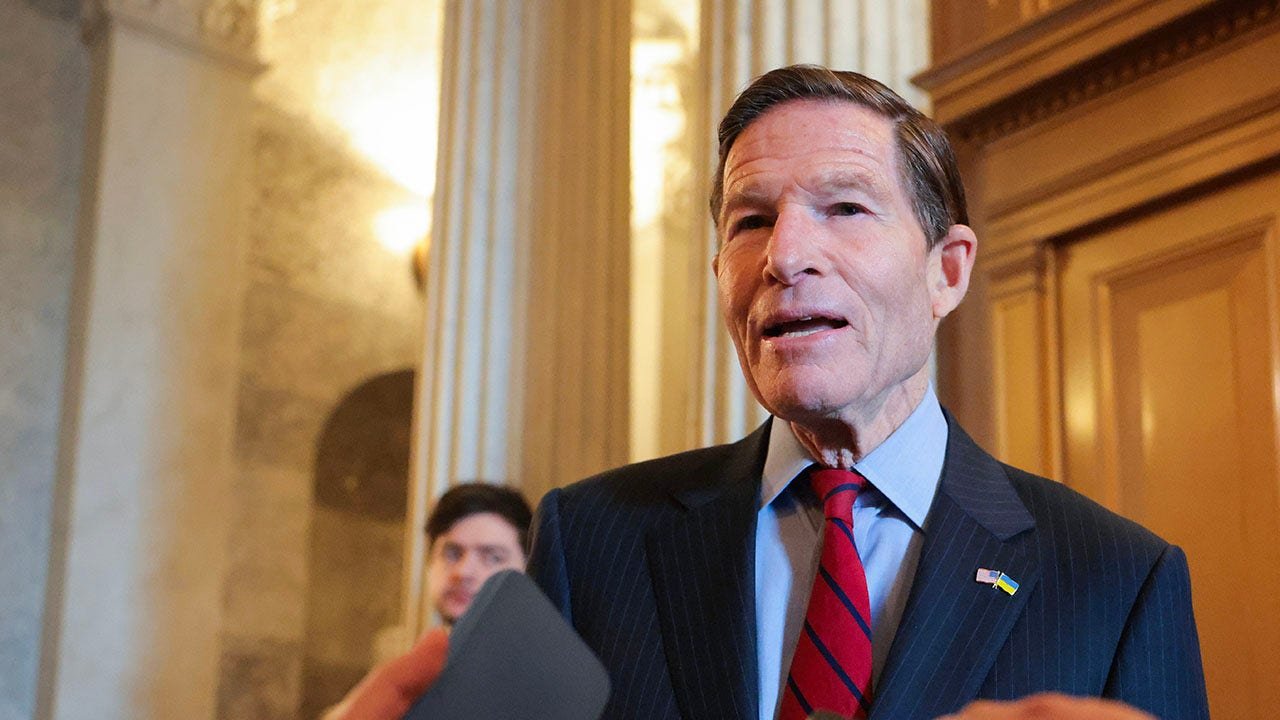
WASHINGTON, DC – FEBRUARY 27: U.S. Sen. Richard Blumenthal (D-CT) speaks to press outside the Senate Chambers after voting in the U.S. Capitol on February 27, 2025 in Washington, DC. The Senate will take up budget negotiations after the House passed the spending bill on Feb. 25, 2025. (Photo by Kayla Bartkowski/Getty Images) (Kayla Bartkowski/Getty Images)
«You must refuse illegal orders,» Sen. Elissa Slotkin, D-Mich., said. «Don’t give up the ship.»
The six lawmakers included: Slotkin, Sen. Mark Kelly, D-Ariz., Rep. Chris Deluzio, D-Pa., Rep. Maggie Goodlander, D-N.H., Rep. Chrissy Houlahan, D-Pa., and Rep. Jason Crow, D-Colo.
The lawmakers did not immediately respond to Fox News Digital’s requests for comment when asked about what those calls meant in the context of the conflict with Iran.
ONE MONTH AT WAR WITH IRAN — CAN WASHINGTON DEFINE VICTORY?
Efforts to pass a war powers resolution that would curb Trump’s military powers in Iran have failed amid a steep partisan divide over whether the president’s actions fall within what the Constitution permits without congressional approval.
A war power resolution that would have forced Trump to remove U.S. forces from Iran failed in the House of Representatives in a 213-214 vote on Thursday.
Democrats, citing the War Powers Act of 1973, note that the law requires a president to secure approval from lawmakers before engaging in a conflict that goes past 60 days.
FETTERMAN BREAKS WITH DEMOCRATS, SAYS TRUMP’S MILITARY STRIKES ON IRAN HAVE ‘MADE THE WORLD SAFER’
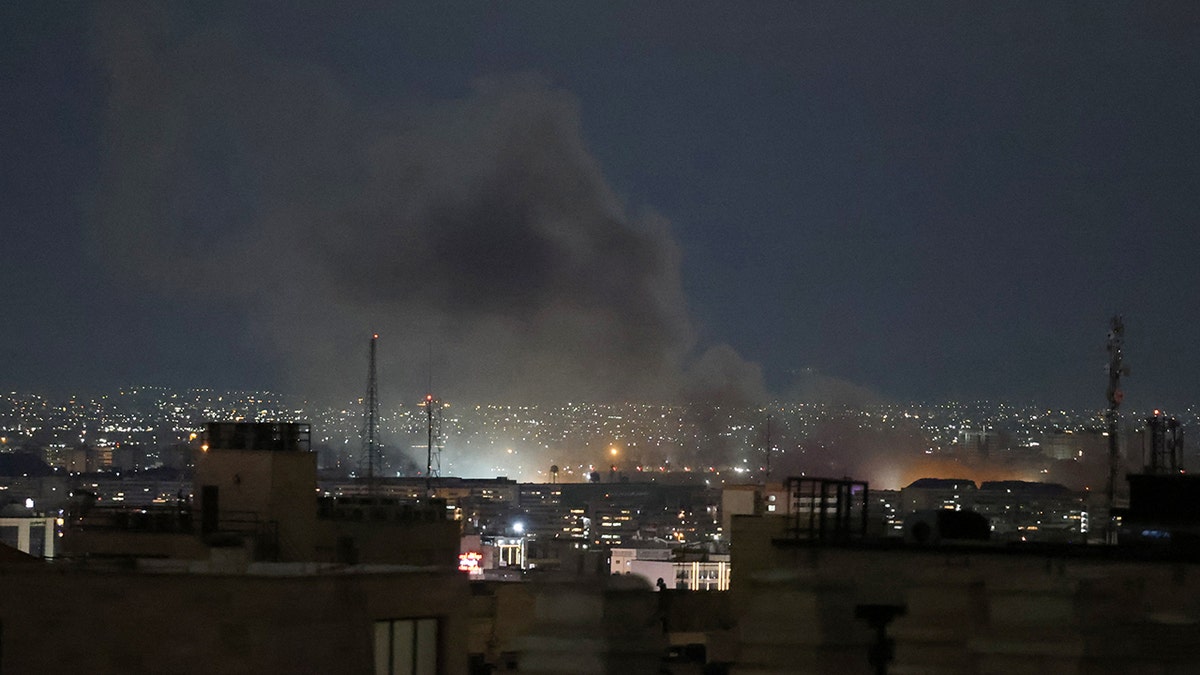
A plume of smoke rises from the site of a strike in Tehran early on March 28, 2026. (Atta Kenare/AFP)
«The president says it’s an ‘excursion’ which it’s not,» Rep. Jonathan Jackson, D-Ill., said. «We have to call it for what it is. It is a war.»
Republicans and other advocates for the conflict have noted the war with Iran hasn’t hit that mark yet.
Sen. John Fetterman, D-Pa., joined Republicans in rebuffing challenges to the president’s authority.
DEMOCRATS THREATEN TO GRIND SENATE TO A HALT TO FORCE PUBLIC IRAN HEARINGS
«I’ve been the only Democrat who has supported Epic Fury,» Fetterman said, referring to the Iran conflict’s operational name.
«And now we’re 48 days into this. None of this has been illegal,» he added.
Even so, Democrats have blasted the president for dragging the country into a conflict that they say is far from a meaningful resolution.
Blumenthal called on the administration to provide lawmakers with more information about a possible timeline for resolution and more details about the conflict’s status.
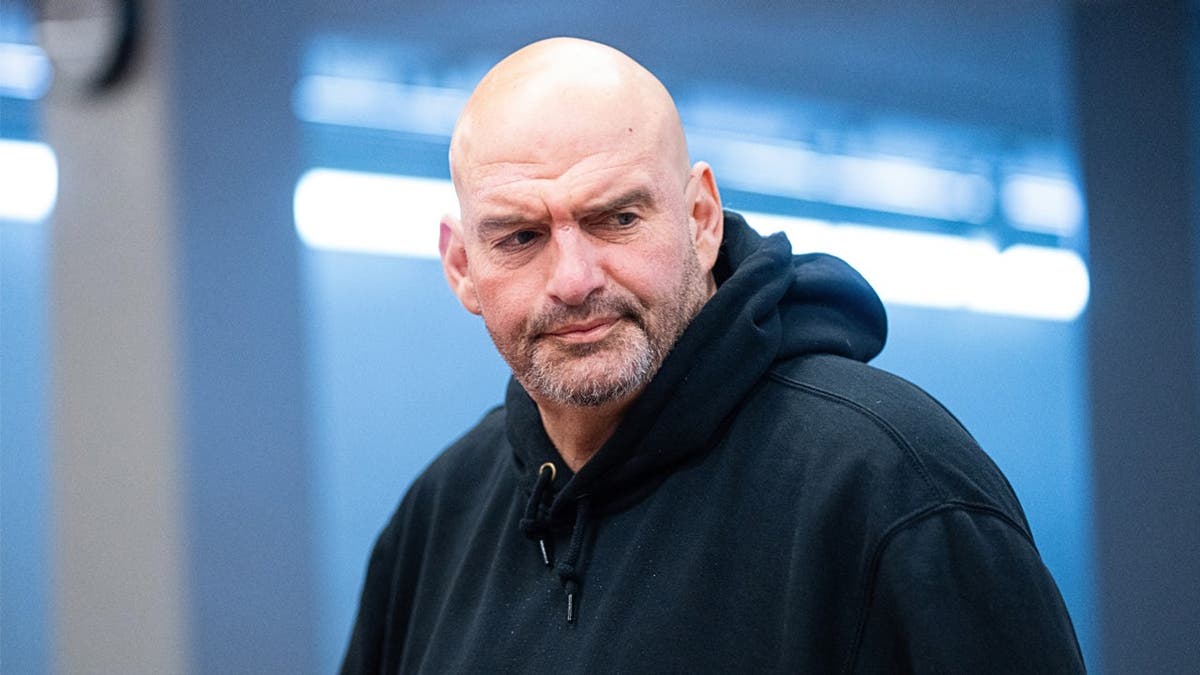
Sen. John Fetterman, D-Pa., speaks to a reporter as he arrives at the U.S. Capitol for a vote on Wednesday, Dec. 3, 2025. (Bill Clark/CQ-Roll Call, Inc)
CLICK HERE TO DOWNLOAD THE FOX NEWS APP
«One of the complaints — and it’s bipartisan — we don’t have any accurate information about how the blockade is going, what the costs of the war are, even in a classified setting,» Blumenthal said.
Although Trump has said U.S. and Iran talks are working towards ending the conflict for good, it remains unclear if ceasefire talks will render a permanent cessation of hostilities.
defense, congress, donald trump, war with iran, democrats senate








INTERNACIONAL
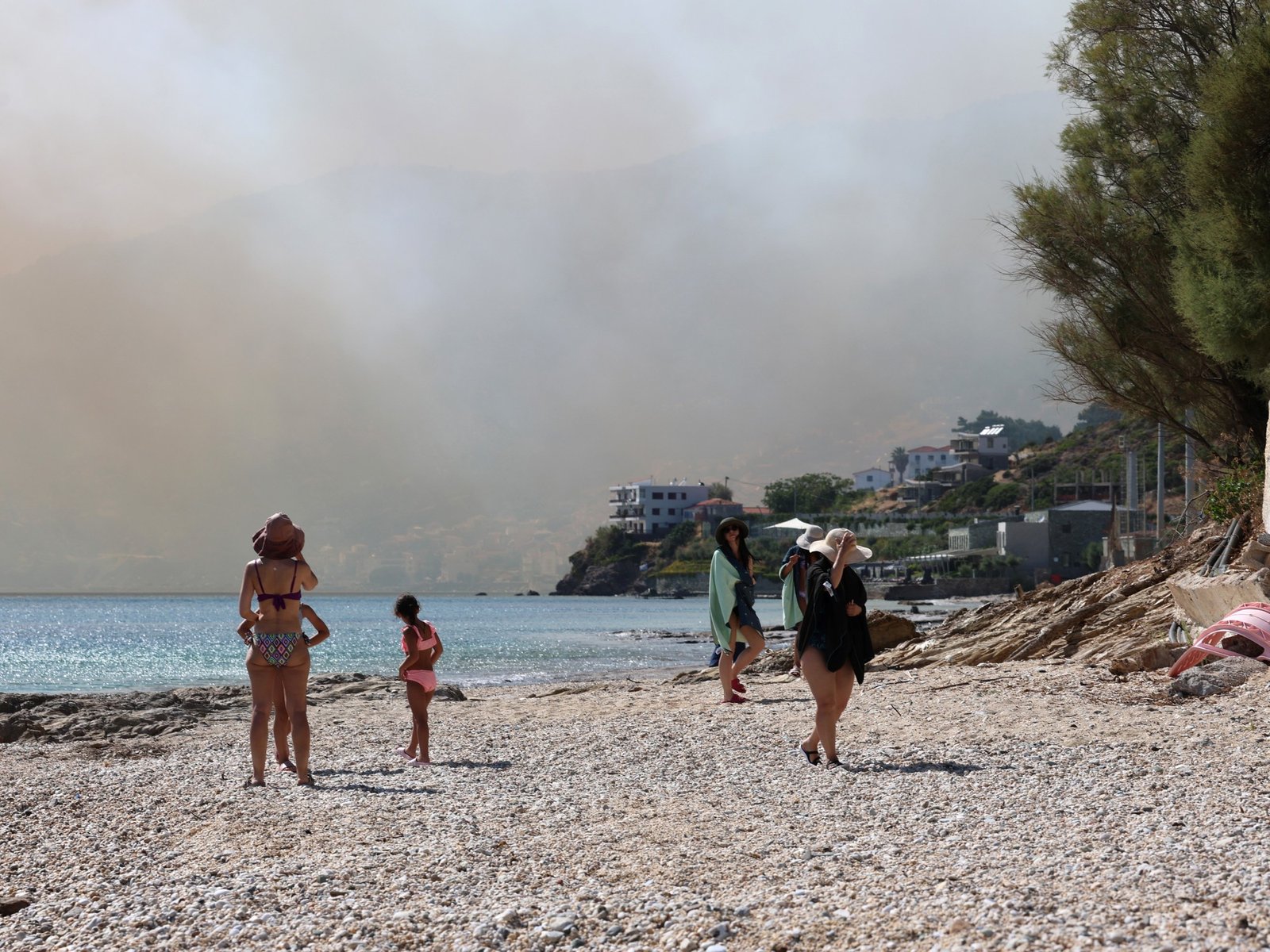
Incendios en Europa: el fuego se extiende a Grecia y Gran Bretaña, y evacúan a los Clooney de su viñedo francés
Incendios provocados en Francia
Incendio controlado en Francia

La advertencia de un alcalde de Gironda

Evacuación de los Clooney

Emergencia en Gran Bretaña

Situación en Grecia
NEWYou can now listen to Fox News articles!
Sen. Jim Banks, R-Ind., took to the Senate floor Wednesday to call out Neville Roy Singham, saying the communist tech tycoon’s vast nonprofit network is helping China wage «political warfare» against the U.S.
Singham, a 72-year-old American who sold his tech company for $785 million in 2017 and now lives in Shanghai, has funneled $278 million into the broad network of nonprofits since 2017, according to a Fox News Digital investigation. These groups regularly organize and participate in anti-ICE, anti-Israel and pro-Iran demonstrations.
«From his Shanghai office, which he shares with a CCP propaganda outlet whose avowed mission is to ‘tell China’s story well,’ Singham began funding a complex network of left-wing NGOs and nonprofits that advance the interests of the Chinese Communist Party,» Banks said.
SEE IT: GOP SENATOR FLIPS SCRIPT ON AGITATORS TIED TO PRO-CCP, SINGHAM NETWORK
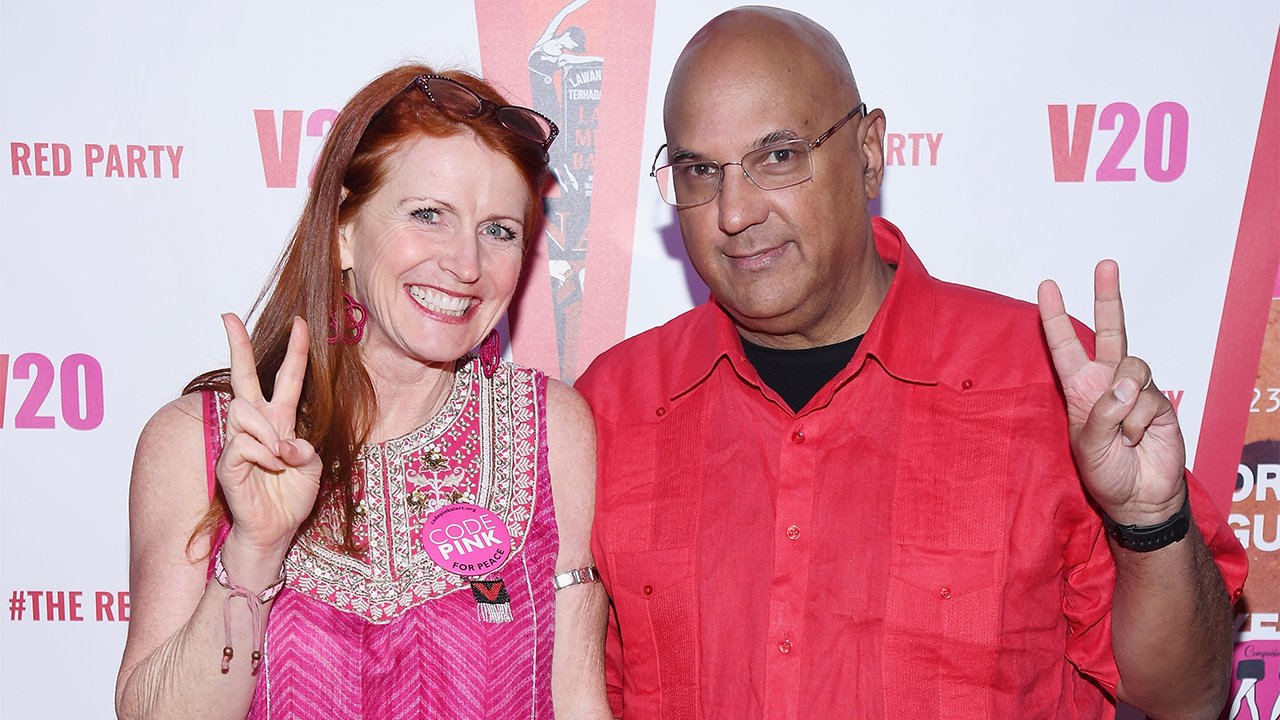
Jodie Evans and Neville Roy Singham are pictured together. (Getty Images)
«Code Pink, that radical organization that chases me and other senators throughout the halls of Congress, used to, on occasion, condemn CCP human rights abuses,» he added. «After Singham started lavishly funding the group—and married its co-founder—Code Pink stopped criticizing the Chinese government and started defending it.»
Code Pink, which was co-founded by Singham’s wife, Jodie Evans, regularly confronts lawmakers on Capitol Hill, and publicly states that «China is Not Our Enemy.» Evans and Singham have not responded to Fox News Digital’s repeated requests for comment.
Fox News Digital obtained footage of Sen. Rick Scott, R-Fla., being targeted by Code Pink on Wednesday over the conflict in Iran. Scott pushed back, questioning whether the group was bothered by the Oct. 7, 2023, Hamas attack on Israel.
TRUMP WELCOMES NETANYAHU TO WHITE HOUSE AS RAGING IRAN WAR THREATENS TO SOUR US-ISRAEL RELATIONSHIP
The Code Pink agitators did not respond to Scott’s question.
Banks’ floor speech also addressed Secretary of State Marco Rubio’s call to combat the far-left political terrorism that has taken root across the globe and in the U.S.
Rubio spoke to more than 60 countries at a summit in Washington, D.C., earlier this month, saying that networks are coordinating across multiple countries, providing training instructions and using encrypted communication to foment unrest. He said that international cooperation is critical to disrupting the financing of dangerous organizations, and that some are working with hostile foreign states.
JIM BANKS, GOP LAWMAKERS RALLY BEHIND DOJ PROBE INTO ALLEGED CCP-LINKED FUNDING NETWORK
«For far too long, however, our counterterrorism doctrine has had a blind spot – a blind spot when it comes to extremist violence from the political left,» Rubio said. «Even today, the very idea that far-left terrorism could be a serious threat is treated as a right-wing fever dream, or worse, as a dangerous fascist conspiracy.»
Singham currently faces a grand jury investigation in the Southern District of New York, a probe which was authorized by acting Attorney General Todd Blanche. The grand jury investigation focuses on Singham’s finances, and seeks to uncover any financial crimes that have taken place as he funds his pro-CCP network of nonprofits. Singham has not been charged to date.
Earlier this year, Treasury Secretary Scott Bessent held a meeting in New York with Goldman Sachs Chairman and CEO David Solomon, where he urged the firm to cooperate with the Justice Department’s investigation into Singham’s financial network, according to sources familiar with the discussion.

Treasury Secretary Scott Bessent. (Mark Schiefelbein/AP)
CLICK HERE TO DOWNLOAD THE FOX NEWS APP
One source familiar with the meeting told Fox News Digital the exchange was amicable rather than adversarial, adding that Solomon signaled Goldman Sachs was prepared to cooperate with the Justice Department’s probe.
«All distributions from Mr. Singham’s donor-advised fund were made to legally recognized nonprofit organizations, as determined by the IRS,» a Goldman Sachs spokesperson told Fox News Digital. «No distributions have been made from the account since August 2023, and it was closed in early 2024.»
scott bessent, politics, fbi, senate, china, capitol protests
INTERNACIONAL
Ecuador: Fiscalía investiga si tres jueces recibieron dinero de una empresa china a cambio de un fallo favorable

Una de las condenas económicas más elevadas impuestas al Estado ecuatoriano por un litigio contractual pasó de los tribunales a una investigación penal. La Fiscalía General del Estado indaga si la sentencia que obligó al país a pagar USD 59,3 millones a la empresa china China Railway No. 9 Engineering Group fue el resultado de un esquema de corrupción que habría alcanzado a tres jueces de la Corte Nacional de Justicia, quienes ahora son investigados por el presunto delito de cohecho.
La pesquisa se hizo pública el 30 de julio, cuando fiscales y agentes de la Policía Nacional allanaron inmuebles vinculados con los magistrados Milton V., Patricio S. e Iván L., integrantes del tribunal de casación que emitió el fallo cuestionado. Durante las diligencias fueron incautados teléfonos celulares, computadoras y documentos que serán sometidos a pericias para determinar si existieron pagos indebidos relacionados con la decisión judicial.
El origen del conflicto se remonta a 2015, cuando el Ministerio de Educación adjudicó a China Railway No. 9 Engineering Group un contrato cercano a los USD 196 millones para levantar 200 unidades educativas prefabricadas en distintas provincias del país. El proyecto formaba parte del plan de modernización de la infraestructura escolar impulsado por el gobierno de Rafael Correa y buscaba reemplazar establecimientos considerados obsoletos mediante un sistema de construcción industrializada.

Sin embargo, la ejecución del contrato comenzó a acumular retrasos, observaciones técnicas y controversias sobre el cumplimiento de los plazos. En 2018, el Ministerio de Educación resolvió terminar unilateralmente el contrato al concluir que la empresa había incumplido sus obligaciones. La decisión abrió un prolongado litigio en el que la constructora reclamó una indemnización por los perjuicios que, según sostuvo, le ocasionó la terminación anticipada del convenio.
El proceso atravesó distintas instancias judiciales hasta llegar a la Corte Nacional de Justicia mediante un recurso de casación. Allí, el tribunal integrado por los tres jueces ahora investigados dejó en firme una sentencia que condenó al Estado ecuatoriano a pagar USD 59.334.103,17 a favor de la compañía china. Ese fallo se convirtió en uno de los más costosos para las finanzas públicas derivados de una controversia contractual.
La decisión judicial permaneció firme hasta que una investigación completamente distinta abrió una nueva línea de sospechas. La Fiscalía informó que la causa por presunto cohecho nació a partir del testimonio anticipado rendido por Michael Ismael H., uno de los sentenciados dentro del caso Plaga, la investigación que desarticuló una presunta red de corrupción integrada por jueces, abogados, funcionarios judiciales, policías y otros operadores que, según el Ministerio Público, obtenían resoluciones favorables mediante pagos ilícitos.

De acuerdo con la versión entregada por ese colaborador, durante un encuentro realizado en Guayaquil conoció información según la cual los tres magistrados habrían gestionado la emisión de la sentencia favorable a China Railway a cambio de dinero. Algunas publicaciones periodísticas señalan que el testimonio menciona un supuesto pago de USD 30.000, aunque ese dato forma parte de la declaración del colaborador y constituye una hipótesis investigativa que aún no ha sido probada en un proceso judicial.
Con base en esos antecedentes, la Fiscalía abrió una investigación previa por cohecho para establecer si la resolución de casación estuvo influenciada por beneficios económicos indebidos. Por ahora no existen personas procesadas ni se han formulado cargos. Las autoridades buscan determinar si los elementos incautados durante los allanamientos permiten corroborar o descartar la versión que dio origen a la investigación.
Hasta el momento, la Fiscalía tampoco ha informado si representantes de China Railway o terceros relacionados con la empresa forman parte de la indagación. La investigación se concentra, por ahora, en establecer si existió una contraprestación económica destinada a influir en la actuación de los magistrados que conocieron el recurso de casación.
El caso amplía el alcance de las investigaciones derivadas del expediente Plaga, que inicialmente se centró en decisiones judiciales vinculadas con personas privadas de libertad y presuntas organizaciones criminales. Ahora, las pesquisas alcanzan una sentencia con importantes consecuencias económicas para el Estado y sitúan bajo escrutinio a magistrados de la máxima instancia de la justicia ordinaria ecuatoriana.
corresponsal:Desde Quito

Villarruel dijo que Milei tiene “persecuciones imaginarias” y afirmó: “Tengo genuina preocupación por su estado”

Incendios en Europa: el fuego se extiende a Grecia y Gran Bretaña, y evacúan a los Clooney de su viñedo francés

Senator targets alleged China-linked Singham network in fiery floor speech

El peronismo anunció su candidata para Río Negro mientras Weretilneck y LLA terminan de definir su estrategia

¡Qué momento! Una actriz anunció su embarazo sobre el escenario tras la función, pero todavía nadie conoce al padre

Escándalo en Brasil: dos expulsados en un minuto por un gesto de «robo» en Vitória vs. Palmeiras

Crisis entre Milei y Lula: la trama política, personal y geopolítica detrás del mayor choque diplomático entre Argentina y Brasil

San Isidro: la ballena que quedó varada en un banco de arena murió pese al operativo de rescate

La pelea con Lula y el verdadero desafío que enfrenta Milei

Cómo manejar en el hielo y la nieve: técnicas y precauciones para usar el auto en la montaña en vacaciones de invierno

 POLITICA2 días ago
La pelea con Lula y el verdadero desafío que enfrenta Milei
- ECONOMIA2 días ago
Cómo manejar en el hielo y la nieve: técnicas y precauciones para usar el auto en la montaña en vacaciones de invierno
- ECONOMIA2 días ago
El BCRA cortó la racha de compra y en el mercado vuelan rumores de maniobras para frenar al dólar