INTERNACIONAL
Pakistan: America’s most complicated ally — and why Trump is betting on it again

NEWYou can now listen to Fox News articles!
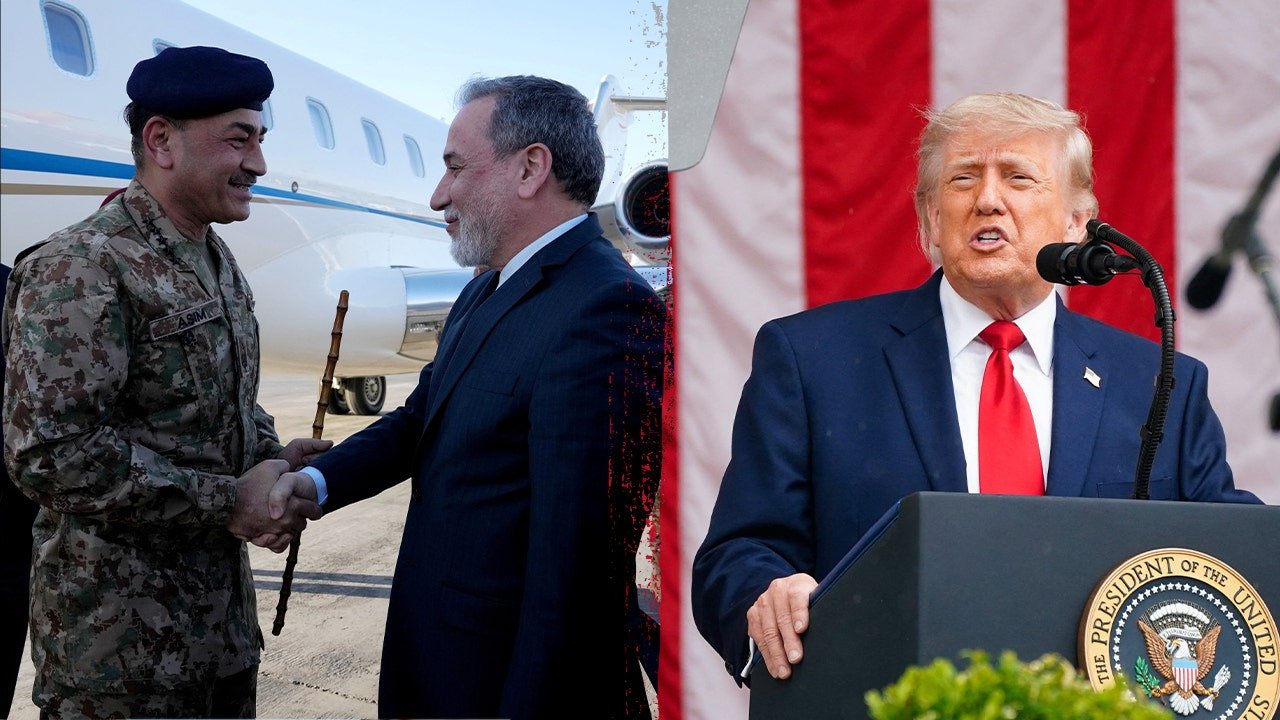
As Pakistan’s army chief, Field Marshal Asim Munir, emerged as a key intermediary in negotiations tied to the escalating Iran crisis, Washington once again found itself relying on a country that American officials have spent decades accusing of playing both sides in the war on terror.
Munir has emerged as a key intermediary in negotiations aimed at preventing renewed conflict with Iran, placing Pakistan — despite decades of accusations involving Taliban safe havens, nuclear proliferation and Osama bin Laden — back at the center of U.S. diplomacy in the Middle East.
The latest negotiations have again exposed one of the biggest contradictions in U.S. foreign policy: Washington keeps turning to Pakistan even after years of tension, distrust and accusations that elements of the country’s security establishment supported militant groups fighting American troops.
ISLAMABAD DENIES SHELTERING IRAN JETS, TRUMP PRAISES PAKISTAN’S MEDIATION AS ‘ABSOLUTELY GREAT’
Pakistan’s renewed diplomatic role has come under heightened scrutiny — and exposed divisions among Republicans — after allegations that Iranian military aircraft may have been moved into Pakistani territory during the recent conflict, claims Islamabad has denied.
«I don’t trust Pakistan as far as I can throw them,» Sen. Lindsey Graham, R-S.C., said May 12. «If they actually have Iranian aircraft parked in Pakistan bases to protect Iranian military assets, that tells me maybe we should be looking for somebody else to mediate.»
Trump, however, publicly praised Pakistan’s leadership the same day.
«They’re great,» Trump told reporters May 12. «I think the Pakistanis have been great. The field marshal and the prime minister of Pakistan have been absolutely great.»
«Prime Minister Shehbaz Sharif and Field Marshal Asim Munir have been helpful mediators, and the United States is grateful for Pakistan’s efforts to bring an end to the conflict. When Iran’s nuclear threat is removed for good, the entire world will be safer and more stable,» White House spokesperson Olivia Wales told Fox News Digital in a statement.
Iranian Parliament Speaker Mohammad Bagher Ghalibaf meets with chief of Defence Forces of Pakistan, Field Marshal Asim Munir, in Tehran, Iran, May 23, 2026. (Iranian Parliament Speaker Office/WANA (West Asia News Agency)/Handout via Reuters)
Where Pakistan burned the US
Pakistan has long occupied an uneasy place in American foreign policy.
The nuclear-armed country borders both Iran and Afghanistan, maintains deep ties across the region’s security landscape and has historically been viewed by U.S. officials as too strategically important to fully isolate.
Even critics who accuse Pakistan of double-dealing acknowledge Washington has struggled to disengage from Islamabad because of the country’s nuclear arsenal, geographic position and influence over regional militant networks.
But distrust between Washington and Islamabad deepened dramatically after U.S. forces killed bin Laden in Abbottabad, Pakistan, in 2011 — a military town located near the country’s premier military academy.
«The fact that we had to do that operation without Pakistani support speaks volumes as to how much we trusted them,» Bill Roggio, senior fellow at the Foundation for Defense of Democracies and editor of the Long War Journal, told Fox News Digital.
Critics and former U.S. officials long questioned whether Pakistani intelligence could have been unaware of bin Laden’s presence in Abbottabad, though Pakistan has repeatedly denied knowingly sheltering him.
Analysts say Pakistan’s military establishment also spent years viewing Afghanistan through the lens of its rivalry with India, seeing a Taliban-friendly government in Kabul as a form of strategic leverage against Indian influence in the region.
«They view Afghanistan as strategic depth,» Roggio said.
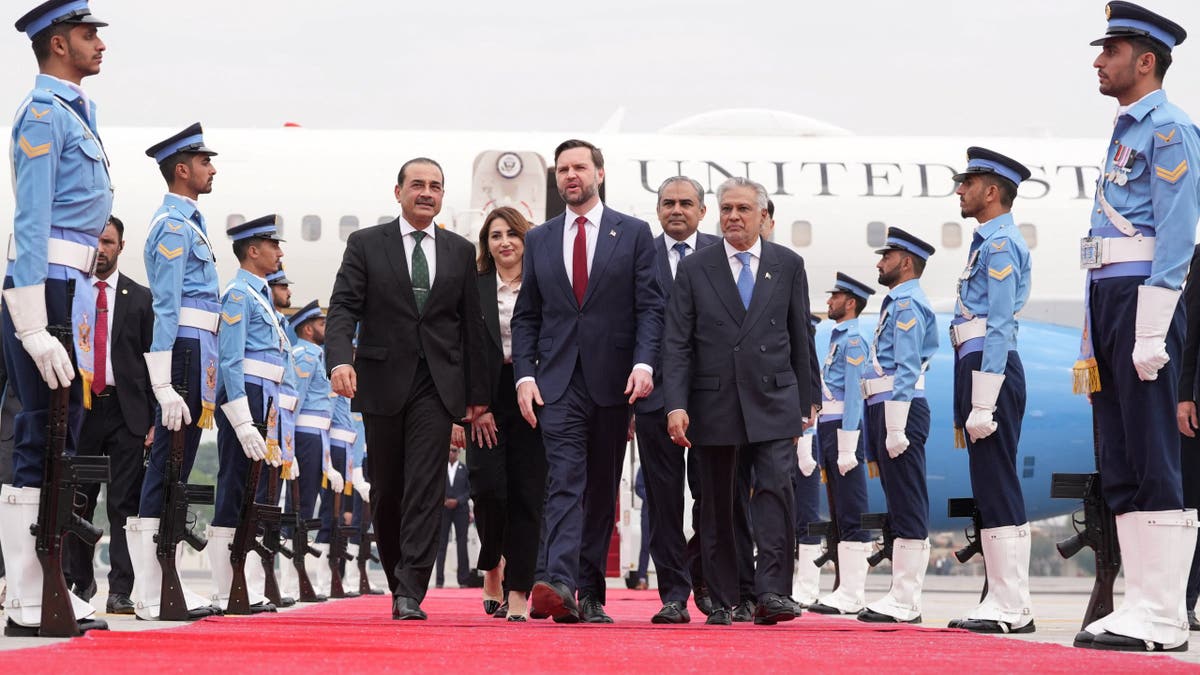
Vice President JD Vance walks with Pakistan’s Chief of Defense Forces Field Marshal Asim Munir, Deputy Prime Minister Mohammad Ishaq Dar, U.S. Embassy Charge d’Affaires Natalie A. Baker, and Interior Minister Mohsin Raza Naqvi after arriving for talks with Iranian officials in Islamabad, Pakistan, on April 11, 2026. (Jacquelyn Martin/Reuters)
Analysts say Pakistan’s security establishment historically differentiated between militant groups targeting Pakistan itself and groups viewed as useful against India or in Afghanistan — a strategy critics argue led Islamabad to tolerate or maintain ties with some Taliban-linked and anti-India groups even while cooperating with U.S. counterterrorism operations after 9/11.
Pakistani officials also have argued the country paid a heavy price for aligning with Washington after 9/11, pointing to years of suicide bombings, insurgent attacks and instability inside Pakistan itself.
Pakistan’s defense minister recently acknowledged the country had done «dirty work» for the U.S. and the West during decades of regional conflict, arguing policies tied to the anti-Soviet war in Afghanistan and the post-9/11 era ultimately destabilized Pakistan itself.
Roggio argued Pakistan’s security establishment spent years publicly cooperating with Washington while simultaneously tolerating or supporting Taliban-linked groups fighting American troops in Afghanistan.
PAKISTAN FLIP FLOPS ON TRUMP NOBEL PEACE PRIZE NOMINATION AFTER LESS THAN 24 HOURS
«Pakistan supported the Taliban knowing that they were killing Americans,» he said.
Pakistan’s latest diplomatic role has also drawn renewed scrutiny after allegations that Iranian military aircraft may have been moved into Pakistani territory during the recent conflict — claims Islamabad has denied.
Pakistan’s nuclear history has fueled concern in Washington for decades as well. Abdul Qadeer Khan, the architect of Pakistan’s nuclear program, later admitted operating a proliferation network that transferred nuclear technology and expertise to countries including Iran, Libya and North Korea.
Counterterrorism analysts and former U.S. officials have long warned that al Qaeda operatives and affiliated groups continued finding sanctuary in parts of Pakistan’s tribal regions even after the 9/11 attacks, though the scale of those networks remains debated.
Pakistani officials have long denied supporting terrorist organizations and argue the country has itself suffered heavily from Islamist violence, including attacks by ISIS-K and the Pakistani Taliban. Islamabad also has denied allegations that Iranian military aircraft were sheltered inside Pakistan during the recent conflict.
Why Trump is betting on Pakistan again
More than a decade after the bin Laden raid shattered trust between Washington and Islamabad, Pakistan’s military leadership has again emerged as a critical diplomatic channel for Washington — this time during the escalating crisis involving Iran.
Trump increasingly has engaged Munir directly in recent weeks, reinforcing longstanding perceptions that Pakistan’s military — rather than its civilian government — remains the country’s dominant power center.
Munir, a former intelligence chief, has leveraged Pakistan’s longstanding relationships across the region to position himself as a channel between Washington and Tehran.
Roggio argued Pakistan is also attempting to rehabilitate its international image by presenting itself as a stabilizing force in the region.
«They’re trying to present an image of being a purveyor of peace in the region,» he said.
Earlier rounds of diplomacy tied to the Iran conflict were also hosted in Islamabad, elevating Pakistan’s role as a regional intermediary.
Pakistan and Qatar appear to have emerged as complementary diplomatic channels rather than competing ones during the latest negotiations involving Iran.
Analysts say Pakistan’s military leadership has increasingly positioned itself as a political and security intermediary between Washington and Tehran, while Qatar has remained central to the more formal diplomatic and financial dimensions of regional negotiations.
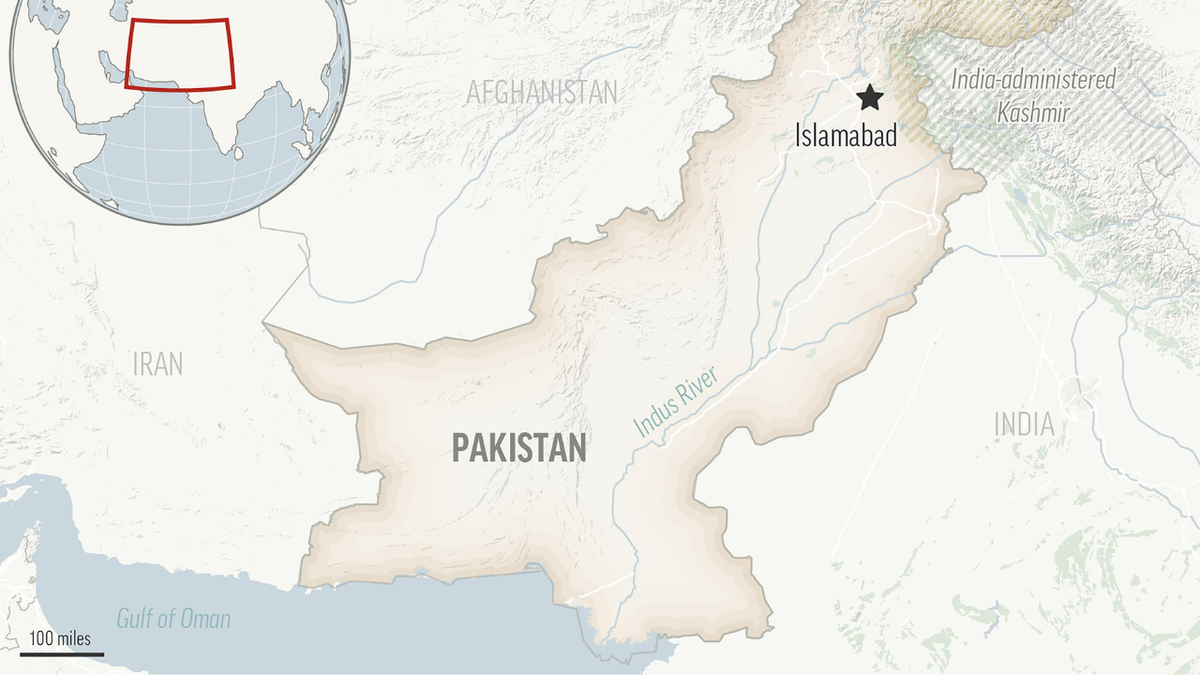
This is a locator map for Pakistan with its capital, Islamabad, and the Kashmir region.
Qatar, which hosted negotiations between the U.S. and the Taliban that led to the 2020 Doha agreement laying out the framework for the eventual U.S. withdrawal from Afghanistan, has again emerged as a central diplomatic channel as talks intensified over the weekend.
Pakistan also played a behind-the-scenes role in those negotiations, reflecting Washington’s longstanding reliance on Islamabad’s ties to the Taliban leadership during the Afghanistan war.
Critics of the Doha agreement argued it sidelined the U.S.-backed Afghan government while strengthening the Taliban ahead of its return to power in 2021.
Pakistan’s relationship with the Taliban also has become increasingly strained since the group returned to power in Afghanistan. Pakistani officials have accused Taliban authorities of failing to stop militants launching attacks into Pakistan from across the border, and Islamabad has threatened military action against some groups operating near Afghan territory.
The divide over Pakistan reflects a broader debate that has shaped U.S. foreign policy for decades: whether Washington’s strategic need for Islamabad outweighs longstanding concerns over the country’s relationships with militant groups and regional adversaries.
CLICK HERE TO DOWNLOAD THE FOX NEWS APP
More than a decade after the bin Laden raid shattered trust between Washington and Islamabad, Pakistan has once again become a diplomatic channel the U.S. appears unable — or unwilling — to avoid during one of the region’s most volatile crises.
afghanistan, middle east foreign policy, pakistan, foreign policy, iran









INTERNACIONAL
Una astronauta de la Estación Espacial Internacional celebró los 60 años de la serie Star Trek
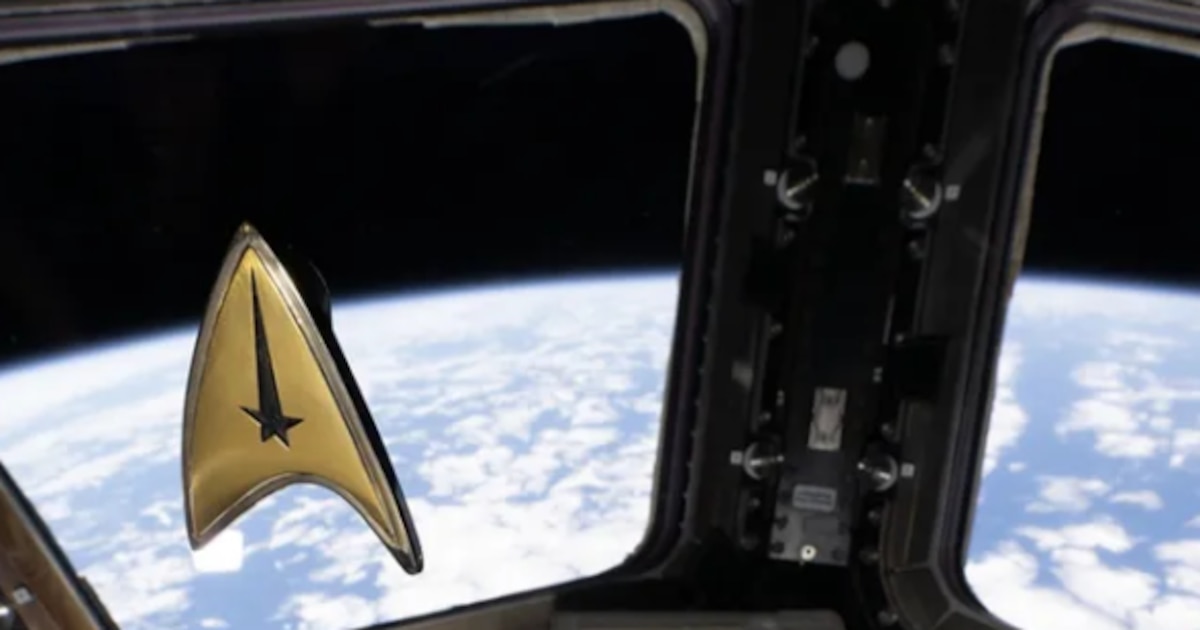
Este 2026 es muy especial para los fanáticos del espacio y de la ciencia ficción. Es el año en que se cumple el 60 aniversario de Star Trek, la serie de TV que luego fue llevada al cine en numerosas películas y cuyas celebraciones llegaron esta semana hasta la última frontera, el espacio exterior.
Además de los suministros necesarios y materiales científicos para trabajar en la Estación Espacial Internacional (EEI) para la misión en órbita, la astronauta de la Agencia Espacial Europea (ESA), Sophie Adenot, llevó algunos objetos personales, entre los que se encontraba un pequeño recuerdo en honor a uno de los fenómenos de la cultura pop más influyentes que ha instado continuamente a la humanidad a dirigir su mirada hacia las estrellas.
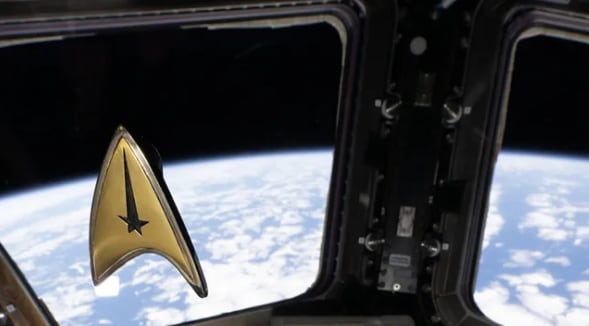
Adenot subió al laboratorio espacial una pequeña insignia de la Flota Estelar de una de las series más recientes de Star Trek, Strange New Worlds, que lució durante un video publicado por la ESA.
“Hola desde la Estación Espacial Internacional. Soy Sophie Adenot, astronauta de la Agencia Espacial Europea. Para mí, la exploración y la ciencia son sinónimo de curiosidad y cooperación: atreverse a ir un poco más allá juntos, aprender de lo que descubrimos y construimos, y transformar ese conocimiento en un futuro mejor para todos”, comenzó a relatar.
Y agregó: “Durante 60 años, Star Trek nos ha ofrecido historias de amistad y exploración. Llevo puesta la insignia del capitán Pike a bordo de la EEI para celebrar la continuidad de la labor científica y de exploración en el mundo real. Feliz 60.º aniversario, Star Trek. Larga vida y prosperidad”.
Adenot viajó a la EEI a bordo de una cápsula Dragon de SpaceX en la misión Crew-12 de la NASA con destino al laboratorio orbital el 13 de febrero último, y actualmente se desempeña como ingeniera de vuelo para la Expedición 75 de la EEI.
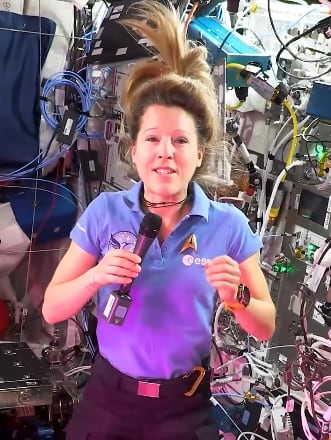
Este es su primer viaje al espacio y está previsto que finalice pronto, a la espera del lanzamiento y la llegada de la próxima nave espacial Dragon de SpaceX que transportará a los astronautas de la misión Crew-13 de la NASA, prevista para dentro de pocas semanas.
En el vídeo de Adenot, se la ve luciendo la insignia de la Flota Estelar en su camiseta de la ESA para la ISS, mientras flota en el módulo de laboratorio Columbus de la ESA.
En tanto, la ESA publicó también la foto de la insignia flotando en la Cúpula, la ventana más grande que tiene la EEI con vista a la Tierra.
“Larga vida y prosperidad”, escribió la ESA en la red social Instagram, junto a una manito con el saludo del planeta Vulcano. “¡Celebra el 60.º aniversario de @startrek el 8 de septiembre con el Día de Star Trek! También lo conmemoramos en órbita con un pin conmemorativo de Star Trek a bordo de la @iss, llevado allí por @soph_astro durante su misión Epsilon”, agregó.
Y enseguida describió el pin llevado: “Es un objeto pequeño, pero conlleva algo más grande: sesenta años de una historia que nos enseñó a soñar con explorar juntos. Durante más de 50 años, eso es exactamente lo que hemos estado haciendo. Hemos enviado personas y máquinas más allá de la Tierra, construido naves espaciales con socios de decenas de países y seguido planteando la misma pregunta que Star Trek nunca dejó de formular: ¿qué hay ahí fuera y qué podemos aprender de ello?”.
Para la ESA, “la ciencia ficción imagina el futuro. Nosotros lo construimos. Desde la tripulación de la USS Enterprise hasta las tripulaciones de la Estación Espacial Internacional, la misión no ha cambiado realmente: explorar, descubrir y hacerlo juntos”.
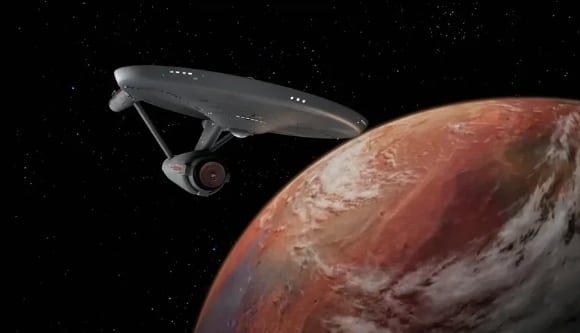
“Así que brindamos por los 60 años de una serie que convirtió el ´¿y si…?´ en un ´¿por qué no?´, y por cada explorador al que inspiró a mirar hacia las estrellas”, concluyó, invitando a la comunidad a que envíe un comentario preguntando ¿cuál es ese momento de Star Trek que despertó tu pasión por el espacio?
Desde su estreno el 8 de septiembre de 1966, la serie de TV y sus 14 películas derivadas, han contado historias que ponen en primer plano los problemas sociales y los conflictos culturales, mostrando así las mejores cualidades de la humanidad.
Según su creador, Gene Roddenberry, representa una versión idílica de la humanidad que, en su opinión, era verdaderamente alcanzable mediante la simple aceptación mutua.
“Todo el programa pretendía transmitir que la humanidad alcanzará la madurez y la sabiduría el día en que empiece no solo a tolerar, sino a deleitarse especialmente con las diferencias de ideas y de formas de vida”, declaró Roddenberry en el álbum de 1976, The Star Trek Philosophy.
Y agregó: “Si no aprendemos a disfrutar de esas pequeñas diferencias —a encontrar un deleite positivo en esas pequeñas diferencias entre los de nuestra propia especie— aquí en este planeta, entonces no merecemos ir al espacio y encontrarnos con la diversidad que casi con toda seguridad existe allí”.
La ESA celebró esa filosofía y el potencial que encierra para la humanidad la comunidad formada entre la ciencia ficción y la exploración espacial pasando la última frontera.
INTERNACIONAL
Republican convention attendees share heartfelt tributes to late Charlie Kirk on assassination anniversary
NEWYou can now listen to Fox News articles!
DALLAS, Texas – A year after the shocking assassination of conservative titan and Turning Point USA founder Charlie Kirk, Republicans gathered at the GOP’s midterm convention shared the profound ways in which the young leader and family man impacted their lives.
«Charlie Kirk is a wonderful man, and he is very much missed,» Marsha Landry of Texas told Fox News Digital during an interview at the American Airlines Center, where the Republican Party is rallying to try to keep control of the House and Senate in November. «He was making a lot of progress in this country, especially among the youth. I know personally some of our children have really started paying attention.»
Jacquez Jones, a young convention attendee, said Kirk’s legacy lives on.
REMEMBERING CHARLIE KIRK: TURNING POINT USA’S ANDREW KOLVET REFLECTS ON CONSERVATIVE GROUP’S CHALLENGING YEAR
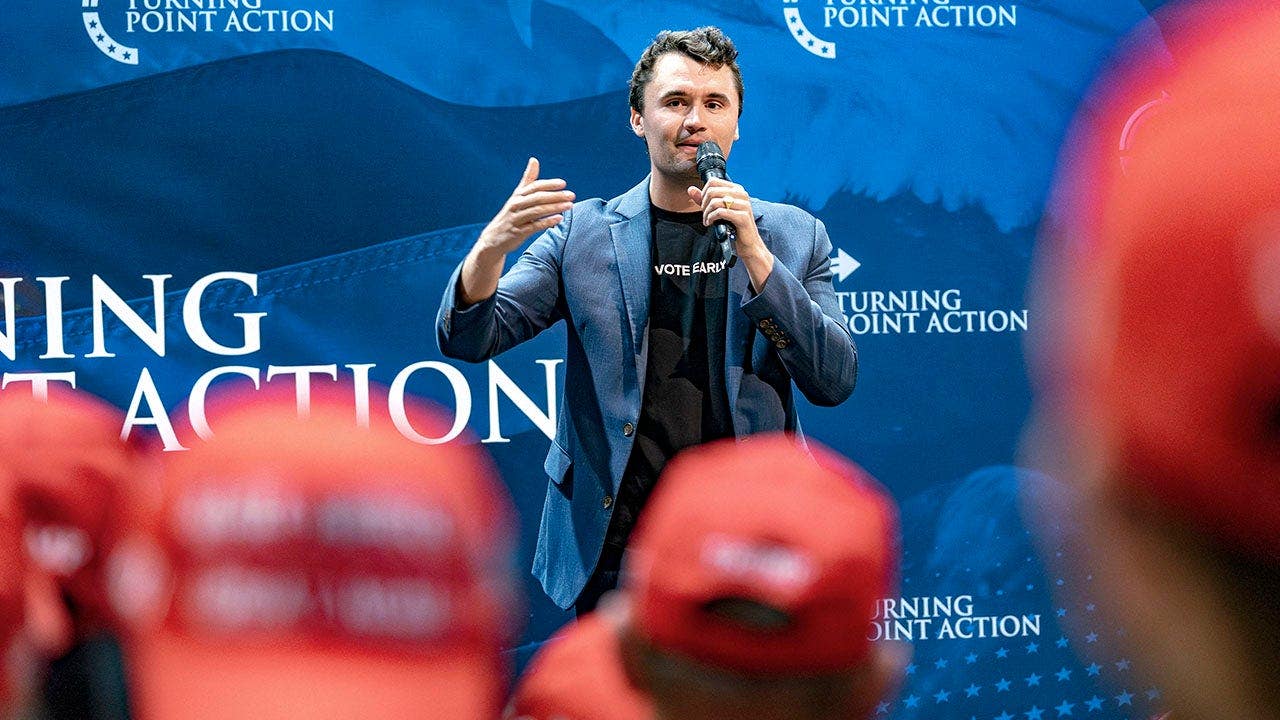
Charlie Kirk throws hats to the crowd after arriving at Utah Valley University in Orem, Utah, on Sept. 10, 2025. Kirk, founder of Turning Point USA, was speaking at his «American Comeback Tour» when he was shot in the neck and killed. (Trent Nelson/The Salt Lake Tribune/Getty Images)
«It’s a daily reminder that we have to have courage to go out there and spread the message, not only of just conservatism, but our faith as well,» he said. «And so on this anniversary, I look back at not only what Charlie Kirk was able to accomplish, but the things that even in his passing he’s still able to do.»
On this day last year, Kirk, 31, was speaking at Turning Point’s «American Comeback Tour» event at the Utah Valley University (UVU) in Orem, Utah, just after noon, when he was shot in the neck. He was pronounced dead at a local hospital shortly thereafter.
The suspect in the killing, then-22-year-old Tyler Robinson, is accused of firing one shot from a rooftop overlooking the quad where Kirk was speaking. A shocked crowd scattered as Kirk was rushed away from the scene.
Kirk, who was a father, left behind his wife Erika and two young children.
ERIKA KIRK REFLECTS ON FIRST YEAR OF GRIEF AFTER CHARLIE KIRK’S ASSASSINATION IN NYT ESSAY
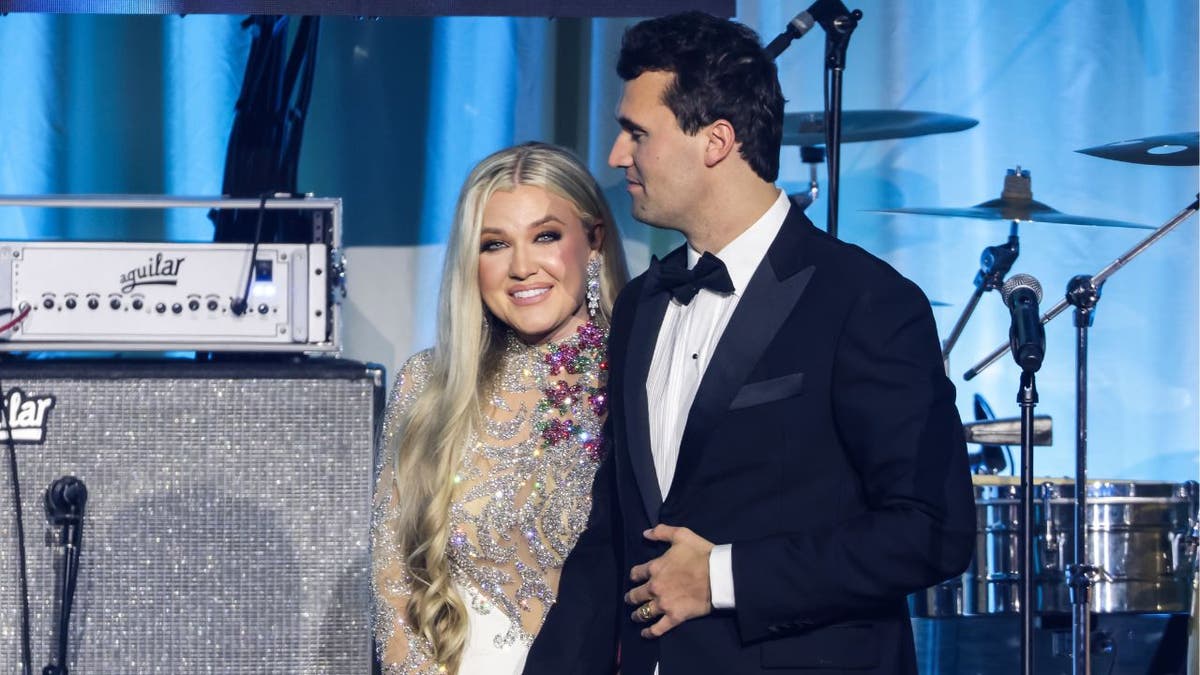
Conservative activist Charlie Kirk is pictured with his wife Erika Kirk on stage at an event earlier this year in Phoenix. (Samuel Corum/Getty Images)
«I think it’s an extremely somber reminder of what we have in this country, that free speech is not free, that somebody died for that right, and Charlie Kirk [was] somebody who was brave enough to go out there on the college campuses and talk about conservatism and prove to the American people and the young generation that the conservative policies still work,» Jones said.
Another Republican convention-goer, Mike Hurst of Mississippi, described what he remembers after first hearing the news that Kirk had been killed.
«It was one of the most gut-wrenching feelings I’ve ever seen, and of course, I went online, I saw the video, and to this day I’m still shocked that that could happen in our country,» Hurst said, adding that we need more people like Kirk who encourage civil dialogue instead of political violence.
ACCUSED CHARLIE KIRK ASSASSIN ALLEGEDLY CONFESSED IN TEXTS, APOLOGIZED AND DESCRIBED MOTIVE, AGENT TESTIFIES
Robinson allegedly fled the rooftop, ditched his rifle in a wooded area across the street from the UVU campus, and fled the scene. A statewide manhunt persisted until the following night at around 10 p.m. when Robinson surrendered to authorities in St. George, Utah, about four hours south of the UVU campus.
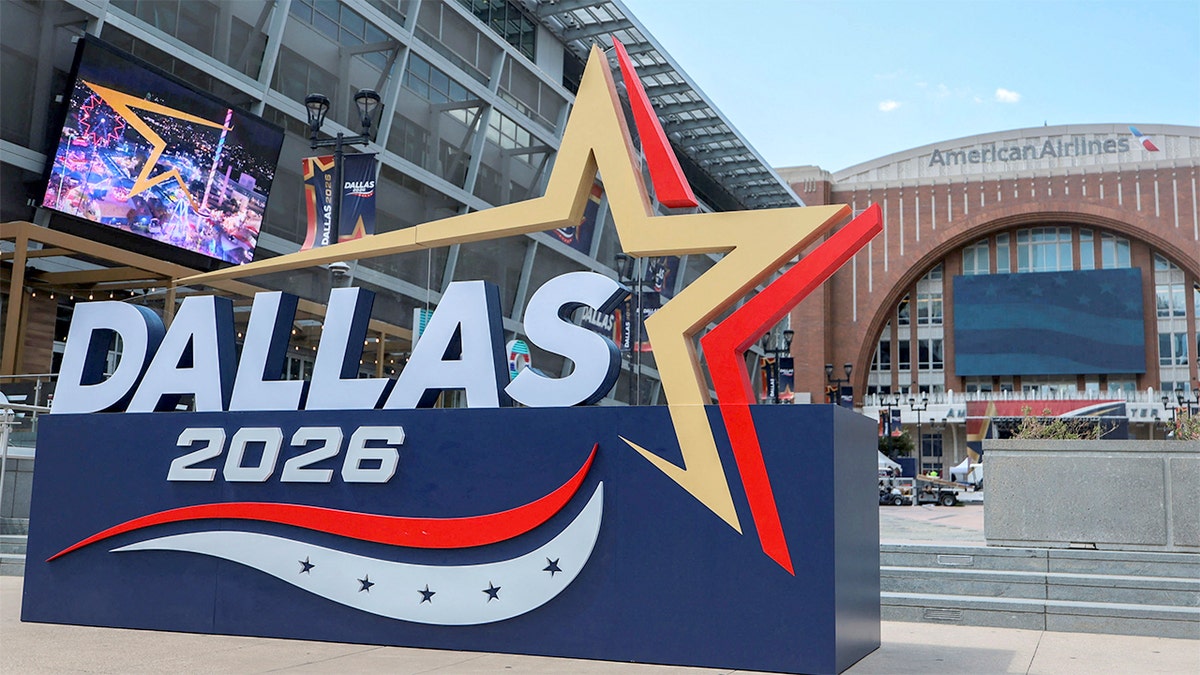
The American Airlines Center, as preparations are underway for the Republican National Midterm Convention in Dallas, Texas, on September 7, 2026. (Jessica Koscielniak, Reuters)
His parents reportedly convinced him to turn himself in.
Pre-trial proceedings in Robinson’s case are ongoing after a protracted battle regarding media access to the courtroom, and motions attempting to remove the death penalty as a possible sentence should Robinson be convicted.
Alex Stone of Missouri said young people are looking for a leader to fill Kirk’s shoes, though his memory remains.
«Since Charlie’s assassination, people have been lost,» he said. «People have been looking for a voice or a leader to lead them in the right direction, and so we need people who are going to stand up and rise up and say, ‘this is what is good, this is what is true, this what is beautiful.’ And ‘this is wrong, and here’s what we should do in the face of it.’»
politics, turning point usa, charlie kirk, republican convention, tyler robinson
INTERNACIONAL
Hallazgo en la Patagonia: científicos desenterraron huevos de dinosaurios gigantes y revelaron el lugar donde los incubaban
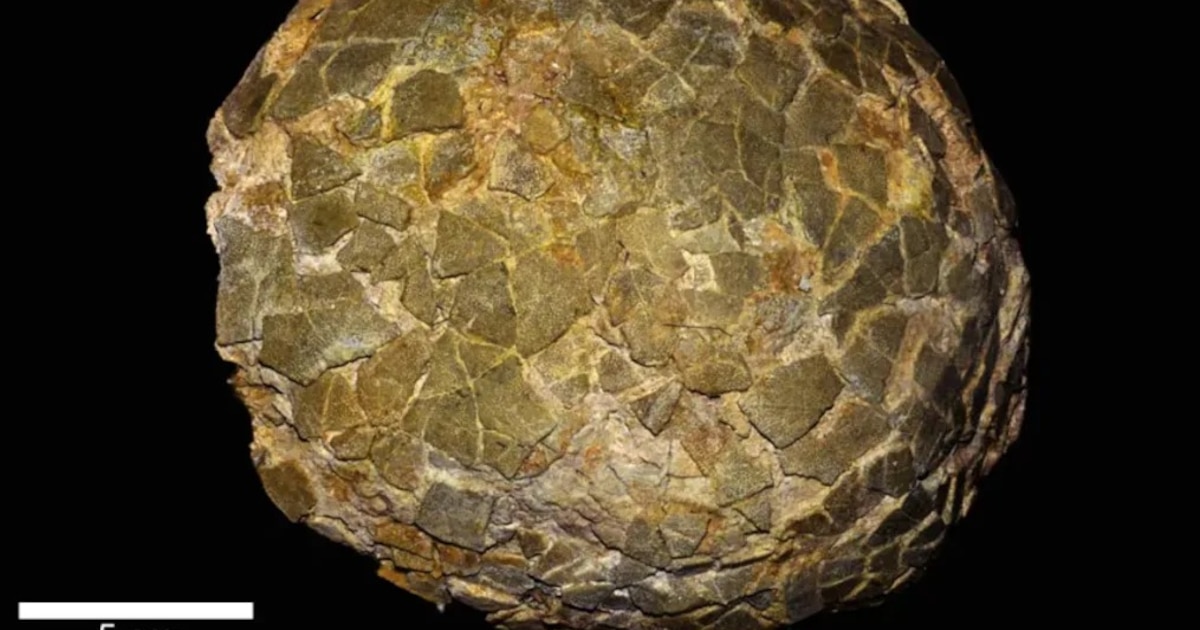
Los titanosaurios, uno de los grupos de dinosaurios más grandes que existieron, enterraban sus huevos en nidos de tierra y vegetación para mantenerlos calientes en el sur de Argentina, según un nuevo estudio publicado en Royal Society Open Science.
El análisis de fragmentos de cáscaras hallados en la Formación Chorrillo indica que estos saurópodos aprovechaban el calor generado por la descomposición de plantas, una estrategia similar a la de los cocodrilos actuales.
La investigación de la Universidad de Calgary, Canadá, realizada en colaboración con científicos de Japón y Argentina, aporta pruebas de que estos gigantes podían reproducirse en latitudes altas, lejos de las zonas cálidas próximas al ecuador donde se habían encontrado la mayoría de las puestas de titanosaurios.
Los restos fueron recuperados en la provincia de Santa Cruz, en un área que hace millones de años tenía condiciones climáticas más frías que las de otros sitios conocidos de anidación de saurópodos.
Los titanosaurios no podían sentarse sobre sus huevos
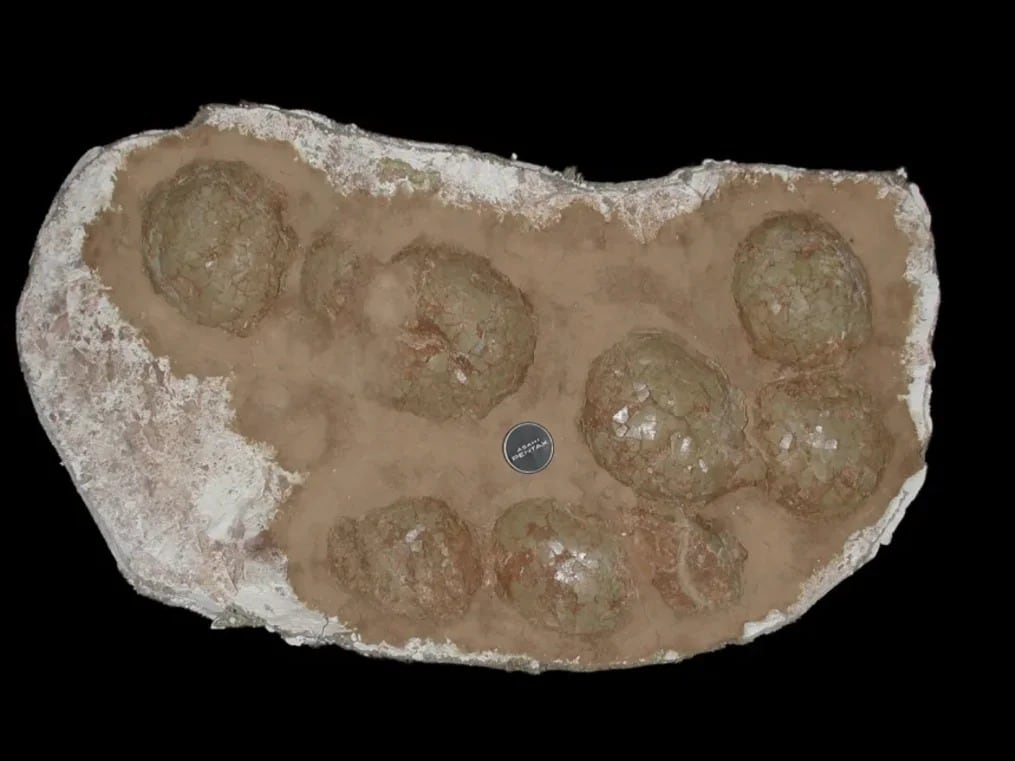
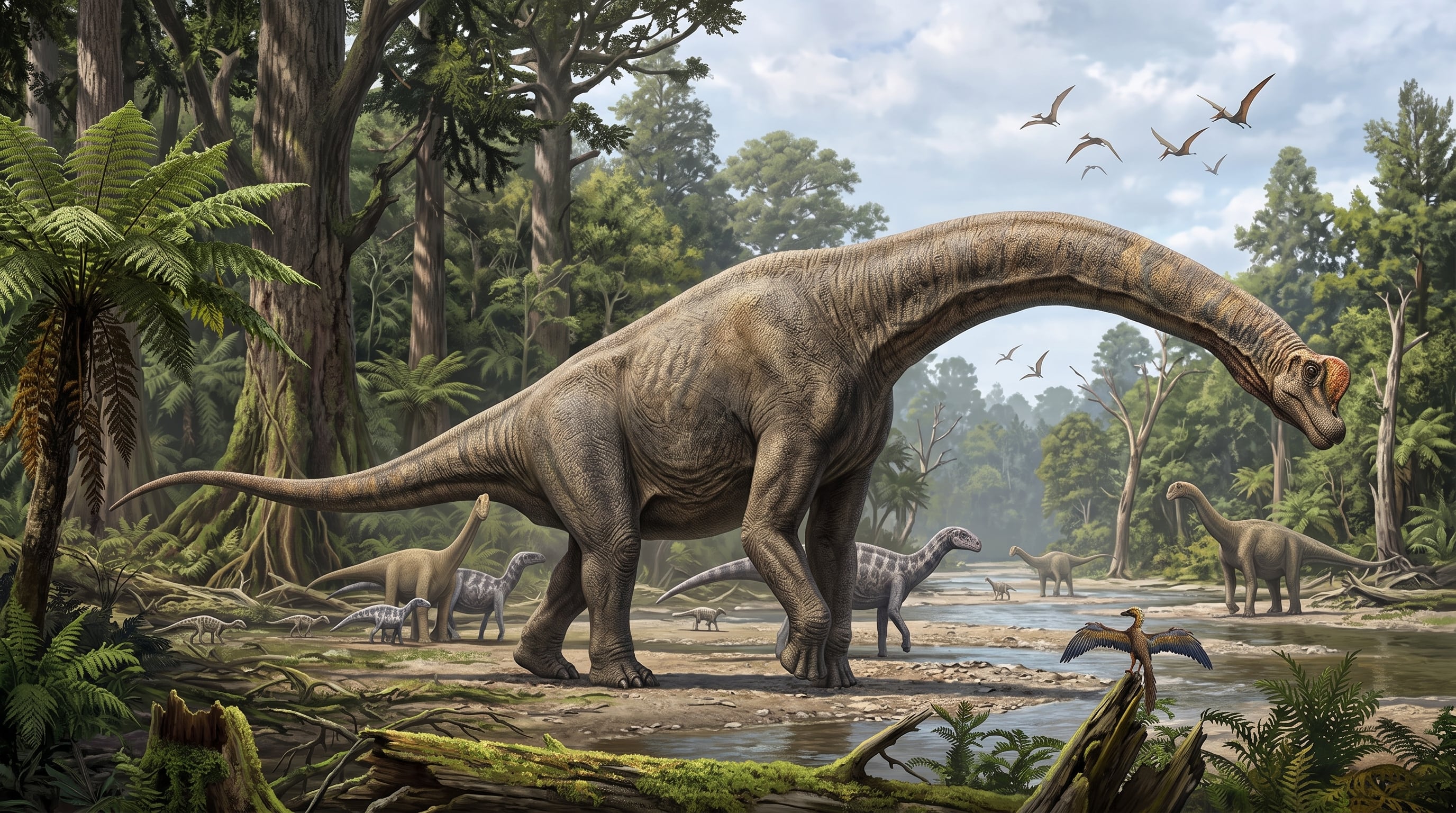
El tamaño de estos dinosaurios impedía que incubaran las puestas como lo hacen muchas aves. Algunos titanosaurios alcanzaban hasta 25 metros de largo y ciertos ejemplares del grupo podían pesar cerca de 75 toneladas. Sus huevos, en contraste, tenían un tamaño similar al de una pelota de vóleibol.
“La nidada sería una tortilla gigante”, dijo la paleontóloga Darla Zelenitsky, de la Universidad de Calgary, al explicar por qué estos animales no podían sentarse sobre los huevos sin romperlos.
Los científicos consideran que los titanosaurios depositaban los huevos y no permanecían junto a ellos durante el período de desarrollo embrionario. Esa ausencia de incubación directa obligaba a encontrar otra fuente de calor, sobre todo en una región situada a gran distancia del ecuador.
La respuesta habría estado en el propio nido. La materia vegetal en descomposición liberaba calor, tal como ocurre hoy en los nidos construidos por cocodrilos y por algunas aves megapodios. Estos animales cubren sus huevos con hojas, ramas, tierra y otros restos orgánicos; los microorganismos degradan ese material y elevan la temperatura interna.
El principal indicio surgió de la estructura microscópica de las cáscaras. Todos los huevos poseen poros que permiten el intercambio de gases necesario para el desarrollo de los embriones. El tamaño y la densidad de esos pequeños canales varían según el lugar donde se encuentre la puesta.
Un huevo expuesto al aire necesita menos poros para no perder demasiada humedad. En cambio, los huevos cubiertos por arena, tierra o plantas requieren una cáscara más porosa, que facilite el paso de oxígeno a través de ese material.
Los investigadores analizaron 255 fragmentos de cáscara de huevos fósiles identificados como Fusioolithus. Encontraron que eran muy porosos, una característica compatible con la incubación bajo tierra o dentro de montículos de vegetación.
En palabras sencillas, los huevos no habrían quedado a la intemperie. Los titanosaurios los habrían dejado protegidos por una cobertura que conservaba la humedad y generaba la temperatura necesaria para que los embriones continuaran su desarrollo.
Zelenitsky explicó que, si esos huevos hubieran permanecido expuestos, “habrían perdido agua y se habrían secado”, con consecuencias fatales para las crías. El enterramiento ofrecía condiciones más estables, incluso en un ambiente con temperaturas moderadas.
El hallazgo en Santa Cruz revela una zona de anidación a gran latitud
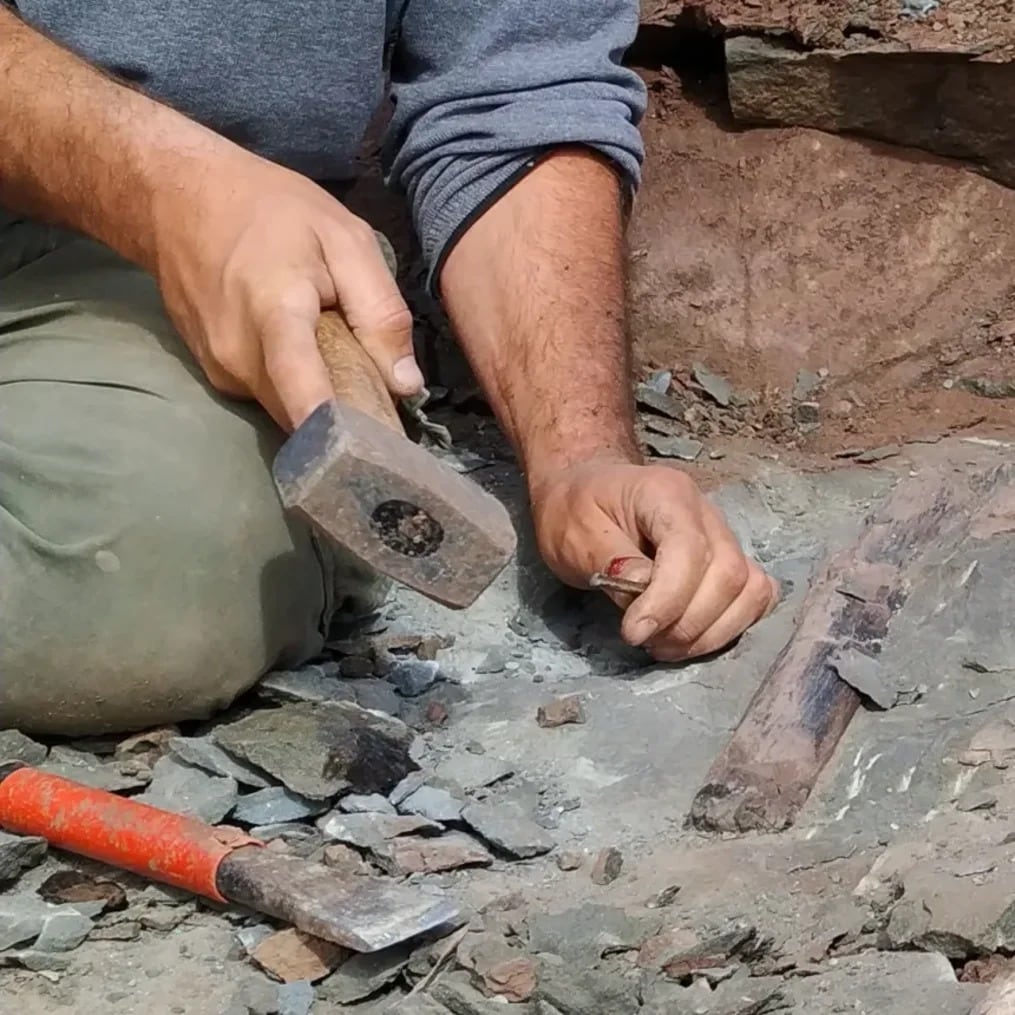
Los fragmentos fueron descubiertos entre 2020 y 2024 en la Formación Chorrillo, en el extremo sur de Argentina, a unos 322 kilómetros al norte del estrecho de Magallanes. Las rocas del sitio datan del Cretácico tardío, el período que abarcó los últimos millones de años antes de la extinción de los dinosaurios no avianos.
Hace unos 68 millones de años, el lugar se ubicaba entre los 55 y 60 grados de latitud sur. Aunque los continentes modificaron su posición desde entonces, los científicos calculan que se encontraba tan lejos del ecuador como la actual ciudad de Red Deer, en Canadá. El clima, de todos modos, habría sido similar al de Nueva York en la actualidad.
La ubicación convierte al yacimiento en la evidencia más austral de huevos de dinosaurio conocida hasta ahora y en uno de los principales registros de anidación de saurópodos en latitudes elevadas.
Hasta este descubrimiento, los paleontólogos sabían que los titanosaurios habían llegado a regiones muy alejadas entre sí. Sus restos aparecieron en lugares tan meridionales como el sur de Argentina y la Antártida, y también en Mongolia y Texas. Faltaba establecer si solo visitaban esas zonas o si podían completar allí su ciclo reproductivo.
“Claramente pasaban tiempo en zonas de latitudes más altas, pero hasta ahora no se sabía si también anidaban allí”, señaló Zelenitsky.
Un ecosistema con grandes saurópodos, reptiles y mamíferos
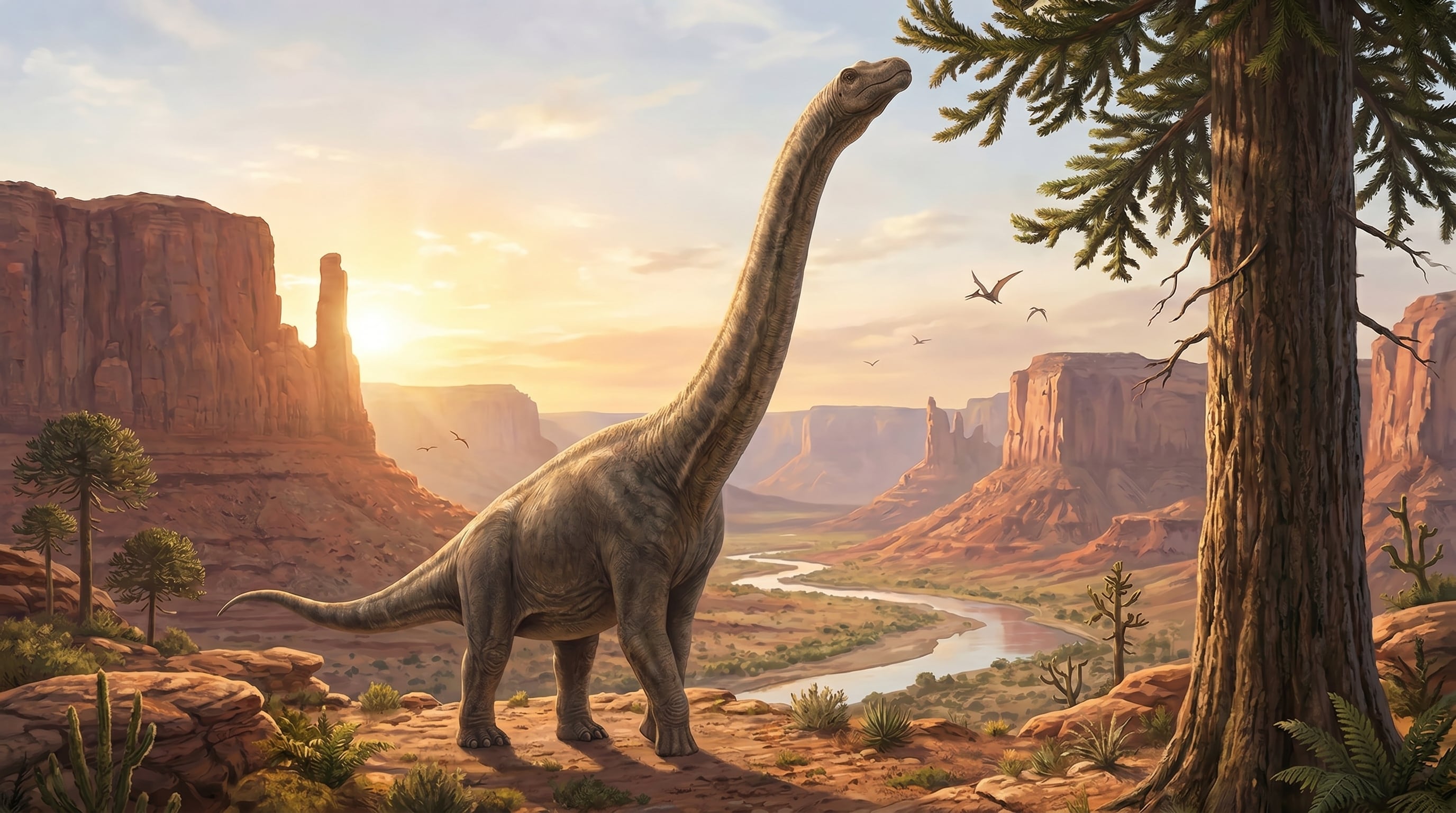
La Formación Chorrillo no solo conserva cáscaras de huevo. El sitio reúne restos de una llanura costera con dinosaurios herbívoros y carnívoros, aves, cocodrilos, tortugas, serpientes, ranas, peces, mamíferos, insectos y caracoles.
Entre los grandes animales de la zona se encontraba el Nullotitan glaciaris, un titanosaurio que podía medir hasta 25 metros de largo. También vivían allí el herbívoro bípedo Isasicursor santacrucensis y megaraptores, depredadores relacionados de forma distante con los tiranosaurios.
No se conoce con certeza qué especie puso los huevos hallados. En el mismo yacimiento aparecieron dientes asociados con colososaurios, un grupo de titanosaurios de grandes dimensiones. Si las cáscaras pertenecían a esos animales, las crías habrían necesitado un ambiente con abundantes plantas y recursos para iniciar un crecimiento que las llevaría, en algunos casos, a superar decenas de toneladas.
A pesar del tamaño de los adultos, los huevos podían contener alrededor de cuatro litros de líquido y las crías nacían con un peso cercano a los cuatro kilogramos. La diferencia entre el tamaño del huevo y el del adulto era extrema, por lo que los primeros meses de vida resultaban decisivos.
Los nidos pudieron ser montículos del tamaño de una mesa
La estrategia de incubación habría requerido estructuras amplias. Zelenitsky propuso que los nidos podrían haber sido montículos de tierra y vegetación del tamaño de una mesa de picnic, con los huevos enterrados en el interior.
Esa posibilidad abre la puerta a que los titanosaurios anidaran en grupos, aunque el estudio no permite determinar cuántos individuos usaban cada área ni si regresaban al mismo lugar de forma periódica. En otros sitios del mundo se encontraron concentraciones de huevos que sugieren comportamientos de anidación colectiva.
El nuevo trabajo también plantea que la estrategia reproductiva de los titanosaurios pudo variar según la geografía y el clima. En España, por ejemplo, se localizaron huevos con cáscaras más delgadas y menos porosas, una característica que apunta a puestas más expuestas.
La comparación indica que los titanosaurios podían adaptar sus nidos a las condiciones de cada ambiente. En el sur de Argentina, donde la luz solar no bastaba para garantizar una incubación eficiente, la descomposición de plantas pudo ofrecer el calor que necesitaban las futuras crías de algunos de los mayores dinosaurios de la historia.
saurópodo,Jurásico,paleontología,fauna prehistórica

Mercados: las acciones argentinas retoman las ganancias a pesar de una nueva baja en Wall Street

Se agrava el conflicto de los municipales con Kicillof y suma tensión a los frentes abiertos del gobernador

Un extenista y diputado de LLA defendió la quita de subsidios a clubes, pero la oposición le recordó que había recibido una beca estatal

Una astronauta de la Estación Espacial Internacional celebró los 60 años de la serie Star Trek

El video del show de Neymar en el palco durante la victoria de Santos: las frases hilarantes que le dedicó a los fanáticos rivales

Nicki Nicole cruzó a una seguidora que la criticó por su manera de hablar: “Soy de Rosario, disculpame”

El gobierno de Kicillof retendrá un 2% en los premios de las apuestas online

Femicidio brutal en Merlo: un jubilado de 64 discutió con su esposa y la asesinó a puñaladas

El rotundo cambio de Julián Álvarez en una foto presentación del Atlético de Madrid tras quedarse en el club

Los alimentos aumentan un 0,8% en septiembre y ya anticipan una inflación de 1,8%

 POLITICA3 días ago
El gobierno de Kicillof retendrá un 2% en los premios de las apuestas online
- SOCIEDAD3 días ago
Femicidio brutal en Merlo: un jubilado de 64 discutió con su esposa y la asesinó a puñaladas
- DEPORTE3 días ago
El rotundo cambio de Julián Álvarez en una foto presentación del Atlético de Madrid tras quedarse en el club