
INTERNACIONAL
“Desilustración”: cómo afecta a las sociedades modernas la acelerada pérdida del hábito de la lectura


La era de la información se enfrenta a un fenómeno paradójico: la pérdida acelerada de la lectura y, con ella, el debilitamiento del conocimiento y la ciencia. En un artículo publicado en The Times, el periodista británico Rod Liddle describe este proceso como “Desilustración”, caracterizado por la desaparición progresiva de hábitos que durante siglos impulsaron el desarrollo intelectual y social en Occidente.
Según el autor, la transición hacia la llamada “era post-alfabeta” ya resulta perceptible en los hábitos cotidianos de la sociedad. Incluso felicita irónicamente a quienes empezaron a leer las primeras líneas de su texto: “Usted posee una habilidad arcaica y rara: el arte de leer”. Para el autor, la lectura de libros está en vías de extinción, y su práctica será tan ajena para las futuras generaciones como lo es hoy el hallazgo casual de fósiles prehistóricos.
Sin embargo, para Liddle la “Desilustración” implica más que la simple decadencia de la lectura. Se trata de un proceso donde el conocimiento, el debate democrático y los principios de la ciencia dejan de ocupar un lugar central. Sostiene, además, que en este nuevo contexto prima la expresión de emociones sobre la adquisición de información, y que “parece que ya no es necesario comprender las cosas”.
El columnista señala que la inmediatez de la tecnología y el predominio de las redes sociales han modificado profundamente la relación con la palabra escrita. Según los datos citados en su artículo, el 47% de los adultos no lee libros por elección, lo que representa a unos 27 millones de personas, y el 61% de los jóvenes de entre 16 y 24 años se consideran “no lectores” o “lectores caídos”. Además, la proporción de niños y adolescentes (de 8 a 18 años) que leen se ha reducido a la mitad en los últimos 20 años.
Liddle atribuye parte de esta tendencia a los cambios en la enseñanza escolar. A su juicio, los sistemas educativos actuales priorizan evitar el aburrimiento de los alumnos, relegando actividades que requieren disciplina y esfuerzo, como la lectura de textos extensos o el aprendizaje por repetición: “Lo complicado es que, una vez que hemos dejado de leer, no volveremos a empezar. Uno no nace sabiendo leer: es una habilidad que requiere tiempo y paciencia para adquirirla. No tenemos tiempo y menos aún paciencia”.

La cultura digital también profundizó este fenómeno. El artículo señala que las nuevas formas de comunicación, como la mensajería instantánea y las plataformas sociales, favorecen el uso de frases cortas y la transmisión de emociones mediante imágenes o emojis, en detrimento de la reflexión y el vocabulario. “El lenguaje se ha convertido en una suerte de gruñido bestial”, describe el periodista, para quien la inmediatez tecnológica ha reducido la paciencia y la capacidad de concentración necesarias para leer un libro.
El análisis advierte, asimismo, que la caída de la lectura conlleva efectos directos sobre el conocimiento colectivo y la vida democrática. El autor argumenta que la ausencia de lectura dificulta la adquisición de información contextual y la exposición a opiniones diversas, elementos fundamentales para el debate público y el desarrollo de una ciudadanía informada. También afirma que, sin estos insumos, las respuestas y opiniones tienden a carecer de contexto y fundamento, transformándose en “experiencias vividas” individuales sin peso en el plano colectivo.
El artículo cita el descenso de los resultados en exámenes de lengua, como el GCSE de inglés en el Reino Unido, y la eventual eliminación de los exámenes de recuperación, como ejemplos de las consecuencias de este retroceso.
Según Liddle, una vez que la lectura se abandona, resulta casi imposible recuperar el hábito. El aprendizaje de la lectura exige tiempo y paciencia, dos recursos escasos en la actualidad. “La lectura ha pasado a ser una de esas pequeñas dificultades de la vida que podemos evitar”.
Ante este panorama, recuerda que la alfabetización fue clave en el surgimiento de la Revolución Industrial y en la expansión global del conocimiento. Para el autor, la lectura estimula la imaginación y permite el contacto con ideas diferentes, contribuyendo a evitar el aislamiento narcisista que se observa en la actualidad. “La lectura inspira, y cuanto mejor es el libro, mayor es la inspiración”.
Para Liddle, la desaparición de este hábito convertirá a las personas en individuos más limitados, aunque duda de que la sociedad preste atención a esta transformación.
En su artículo sostiene que que la “Desilustración” avanza de modo inexorable, con una sociedad que prioriza la inmediatez y la expresión sentimental por encima del conocimiento estructurado. Advierte, por su parte, que este proceso no solo afecta la cultura y la educación, sino que impacta en la capacidad de las sociedades para afrontar retos colectivos y sostener el progreso científico y democrático.
El diagnóstico expuesto por el periodista británico invita a reflexionar sobre el papel de la lectura y el conocimiento en la vida contemporánea. La caída de la alfabetización, según el análisis publicado por The Times, pone en riesgo la continuidad de los valores ilustrados que dieron forma al mundo moderno.
joven,teléfono celular,auriculares,libros,habitación,cama,distracción,tecnología,estudio,ilustración












INTERNACIONAL
Trump urges Jeanine Pirro to revisit dropped Lincoln Memorial Reflecting Pool vandalism case
NEWYou can now listen to Fox News articles!
President Donald Trump on Friday urged U.S. Attorney Jeanine Pirro to take a second look at the recently dropped charges over vandalism at the Lincoln Memorial Reflecting Pool.
«Now that people are able to see it up close, they are reporting pure VANDALISM at The Reflecting Pool,» Trump wrote on Truth Social, sharing photos from a freelance photographer that allegedly showed vandalism.
The president claimed that «People were on their knees with their hands in the water at the exact location of the ‘slashes.’ Additionally, there were witnesses to the VANDALISM, and the flexible areas of the material were cut with a knife.
TRUMP SAYS HE ‘DISAGREES 100%’ WITH U.S. ATTORNEY JEANINE PIRRO OVER REFLECTING POOL CASE
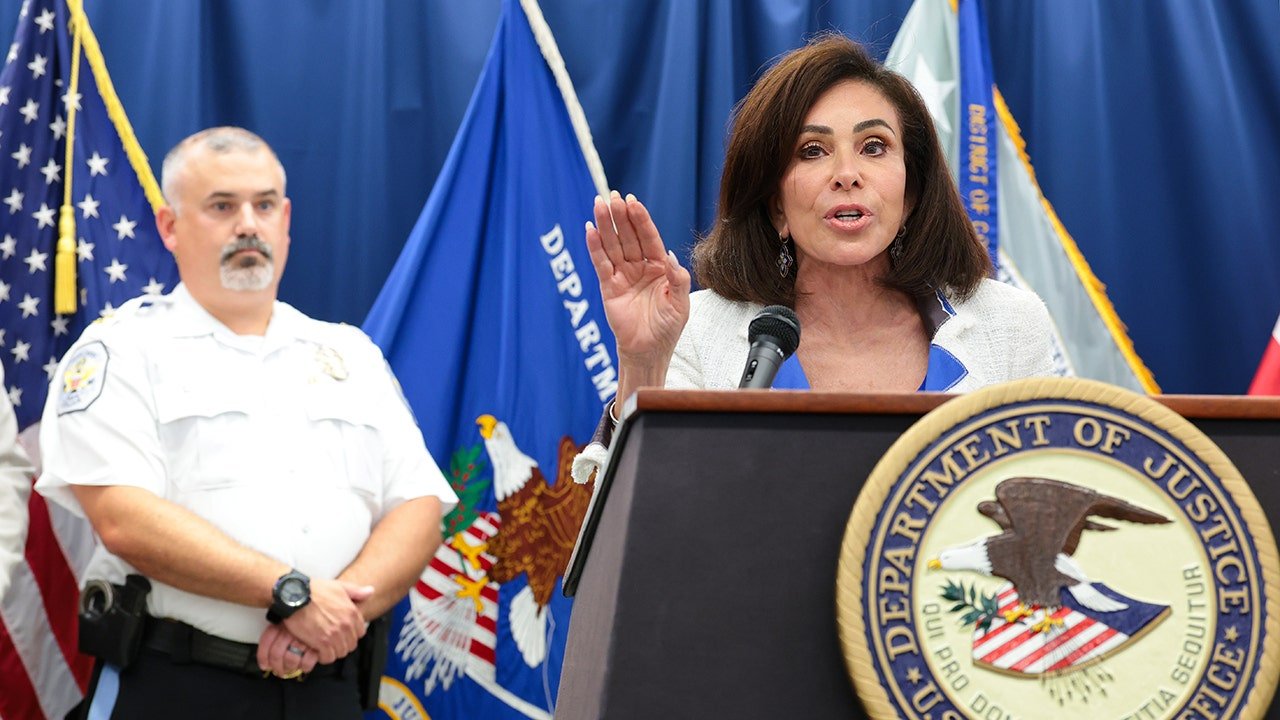
President Donald Trump on Friday urged U.S. Attorney Jeanine Pirro to take a second look at the recently dropped charges over vandalism at the Lincoln Memorial Reflecting Pool. (Getty Images)
«U.S. Attorney Jeanine Pirro should re-visit her hastily made decision, especially since it turned out that the ‘gentleman’ involved is a big player in ActBlue, a disgraceful fundraising SCAM, and is represented by a TRUMP DERANGED SLEAZEBAG, Political Hack Lawyer, Norm Eisen, and CREW, a group that uses ‘charity’ for political purposes which is, to the best of my knowledge, ILLEGAL!»
Trump has been highly critical of Pirro’s decision to drop the felony vandalism case against former Olympian David Hearn last Friday.
Earlier this week, Trump claimed Pirro «choked» under pressure from a judge regarding the case and «folded like an umbrella.»
A day after the case was dropped, Trump wrote on Truth Social «I disagree 100% with Jeanine Pirro, the U.S. Attorney for the District of Columbia, on the Reflecting Pool. I don’t know what she was thinking?»
FORMER US OLYMPIAN DAVID HEARN INDICTED IN ALLEGED REFLECTING POOL VANDALISM
Hearn was indicted on July 2 on one count of felony destruction of property. U.S. Park Police alleged Hearn grabbed and tugged at a loose section of the pool’s coating on June 19, continuing after a National Park Service employee told him to stop. Officials initially claimed he caused more than $1,000 in damage.
However, Pirro’s office said the Department of the Interior initially provided prosecutors with «barebones» reports and failed to disclose records documenting extensive problems with the coating’s installation.
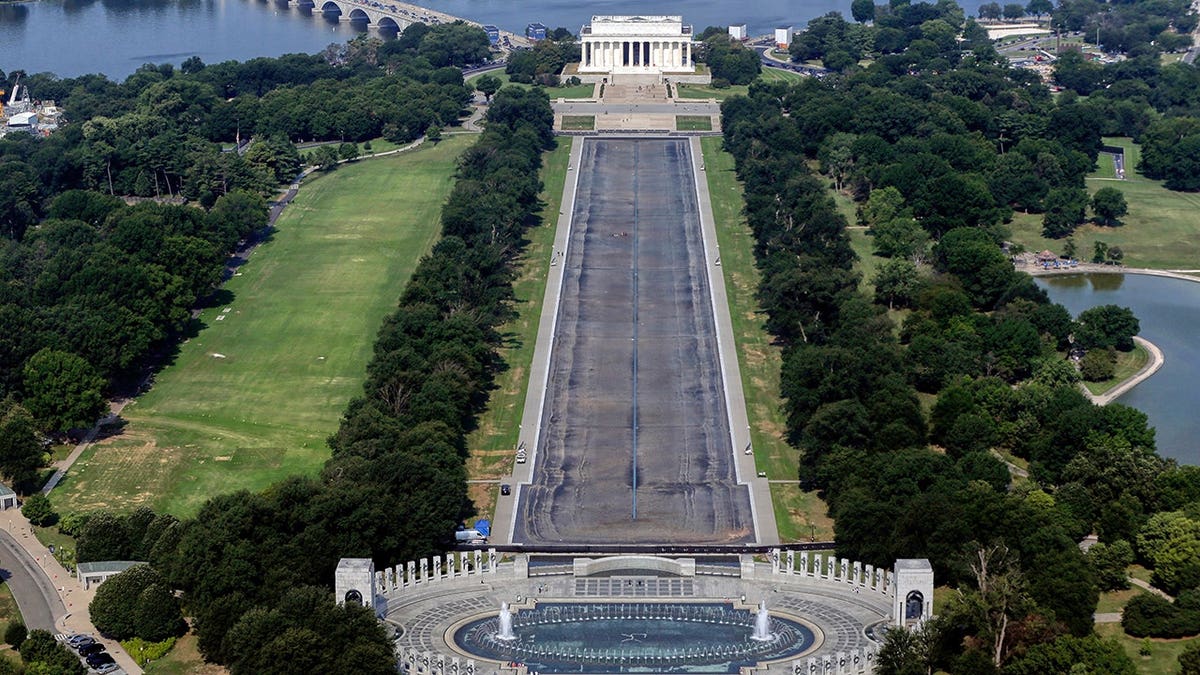
The Lincoln Memorial and the Reflecting Pool are seen from the Washington Monument on Wednesday, July 15, 2026, in Washington. Rahmat Gul/AP (Rahmat Gul/AP)
«Had DOI been forthcoming with the information clearly in its possession, the government would not have sought a grand jury indictment,» prosecutors wrote.
«It was not until after the return of the indictment, that the DOI provided additional documents to the USAO-DC indicating that damage to the Lincoln Memorial Reflecting Pool in June 2026 was the result of flawed installation by the contractor, Atlantic Industrial Coatings (‘AIC’), and the rush to complete the project prior to events associated with the America 250 celebration in the weeks surrounding Independence Day 2026.»
OLYMPIAN CHARGED IN REFLECTING POOL VANDALISM DONATED THROUGH DEM FUNDRAISING GIANT

David Hearn of the United States competes in the men’s C1 whitewater canoeing final of the 2000 Summer Olympics at the Penrith Whitewater Stadium. Penrith, Australia, on Sept. 18, 2000. (David Madison/Getty Images)
The DOJ said the new evidence made it difficult to prove beyond a reasonable doubt that Hearn caused the damage. Prosecutors asked the court to dismiss the indictment without prejudice, which would leave open the possibility of bringing the charge again.
«The Trump administration’s case against Davey Hearn should never have been brought,» Hearn’s attorneys Norm Eisen, Mary Dohrmann and Steve Levin in a statement last Friday, according to the New York Post. «Its dismissal today does not erase the abuse of government power in arresting and charging a patriotic American who did nothing wrong. The government’s approach was ready, fire, aim. The administration owes Mr. Hearn an apology.»
Fox News’ Jackson Thompson and Reuters contributed to this report.
justice department, donald trump, politics

La Contraloría General de la República de Panamá ordenó iniciar auditorías forenses a contratos ejecutados por el Instituto Panameño de Deportes (Pandeportes), luego de recibir denuncias ciudadanas relacionadas con proyectos de infraestructura deportiva.
Las primeras revisiones se concentrarán en nueve instalaciones ubicadas en la provincia de Coclé, aunque el organismo fiscalizador advirtió que el escrutinio alcanzará los contratos vinculados con los señalamientos recibidos.
Las investigaciones buscan establecer si las actuaciones administrativas, contractuales y financieras se desarrollaron conforme a la legislación vigente, así como determinar si existió una correcta administración de los recursos públicos.
La Contraloría explicó que, por la naturaleza y alcance de los hechos denunciados, consideró indispensable realizar una investigación especializada para determinar posibles lesiones administrativas, contractuales y financieras al Estado.
La primera auditoría estará dirigida al contrato para el estudio, diseño y construcción de nueve instalaciones deportivas en los distritos de Olá, Natá y La Pintada, en Coclé.

El proyecto fue ejecutado por el Consorcio Nueve Canchas Coclé, integrado por Grupo Innova, S.A. y Jardines Urbanos, S.A.
Los auditores examinarán la ejecución integral del contrato, las modificaciones aprobadas, adendas, ampliaciones de plazo, pagos realizados y liquidaciones, además de otras actuaciones administrativas relacionadas con el proyecto.
La revisión pretende reconstruir cómo se desarrolló financiera y contractualmente la obra y determinar si cada actuación contó con el debido sustento.
Para ello, los equipos especializados tendrán acceso a expedientes administrativos, documentación financiera, registros contables, informes técnicos, órdenes de cambio y estados de pago.
También podrán revisar cualquier otra evidencia necesaria para establecer técnicamente cómo fueron ejecutados los proyectos y si los procedimientos utilizados se ajustaron al marco legal vigente.

La Contraloría fue enfática al señalar que “ningún contrato quedará fuera del escrutinio” y que cada adenda, pago y liquidación será examinada. No obstante, aclaró que la apertura de las auditorías no constituye un señalamiento anticipado contra ninguna persona natural o jurídica, sino el comienzo de un proceso técnico e independiente.
Si las investigaciones encuentran posibles lesiones patrimoniales al Estado o hechos que puedan tener relevancia penal, los expedientes serán remitidos a las autoridades competentes para establecer responsabilidades.
La Dirección Nacional de Investigación y Auditoría Forense tiene precisamente entre sus funciones detectar e investigar conductas potencialmente lesivas al patrimonio público y suministrar informes técnicos a las autoridades correspondientes.
La revisión de los contratos deportivos no fue la primera actuación de la Contraloría relacionada con Pandeportes durante 2026. Documentos oficiales del organismo fiscalizador muestran que desde marzo se habían realizado trabajos de inspección vinculados con contratos e infraestructura deportiva administrada por la institución.
Uno de esos registros correspondió a una inspección relacionada con el contrato 04-2022 INV y tres campos deportivos, lo que mostró que la Contraloría ya había realizado verificaciones sobre proyectos de Pandeportes antes del anuncio de las nuevas auditorías forenses derivadas de denuncias ciudadanas.

Las nuevas revisiones se sumaron a una agenda de fiscalización que durante el último año alcanzó diferentes áreas del gasto público. Entre ellas estuvieron las auditorías sobre recursos transferidos a municipios y juntas comunales, después de que las autoridades anunciaran revisiones sobre el manejo de fondos de descentralización.
La Contraloría también había informado que culminó la revisión de más de 4.000 expedientes correspondientes a auxilios económicos del Instituto para la Formación y Aprovechamiento de Recursos Humanos (Ifarhu).
De ese universo, identificó 2.860 casos con posibles perjuicios superiores a $52 millones, cuyos resultados serían remitidos al Ministerio Público para las investigaciones correspondientes.
En ese mismo proceso de fiscalización, el organismo anunció la entrega de 18 auditorías relacionadas con juntas comunales que administraron recursos de descentralización durante el gobierno anterior.
Estas revisiones estuvieron entre los principales frentes de control sobre el uso de fondos públicos, debido al volumen de recursos transferidos y a los cuestionamientos surgidos sobre su administración.

En el caso de Pandeportes, la apertura de las auditorías forenses no significó que se hubiera determinado previamente una lesión patrimonial ni responsabilidad penal alguna. Esa conclusión dependerá del análisis de contratos, adendas, pagos, liquidaciones y demás documentación relacionada con los proyectos.
La Contraloría indicó que el procedimiento se desarrollará respetando el debido proceso y el derecho de defensa de las partes involucradas. Si los equipos especializados encuentran posibles afectaciones al patrimonio estatal o hechos con relevancia penal, los expedientes serán remitidos a las autoridades competentes para determinar las responsabilidades correspondientes.
elecciones,actas,votación,transparencia,verificación,proceso electoral,funcionarios,democracia,conteo,resultados
INTERNACIONAL
Trump ally ‘El Tigre’ sworn in as Colombia’s new president amid continent’s rightward shift
NEWYou can now listen to Fox News articles!
Colombia entered a new political chapter as conservative President Abelardo de la Espriella was sworn into office Friday, pledging to reverse much of former President Gustavo Petro’s left-wing agenda and restore a tougher approach to security, economic policy and relations with the United States.
Known by his nickname «El Tigre» (the tiger), his inauguration marks one of the most significant political shifts in Latin America in recent years. After four years of socialist President Gustavo Petro’s «Total Peace» strategy, expanding coca cultivation and increasingly strained relations with Washington, de la Espriella now faces the challenge of translating campaign promises into governing reality.
He was joined at the inauguration by several conservative presidents from across the region, including Argentina’s Javier Milei, Ecuador’s Daniel Noboa and Chile’s José Antonio Kast. Acting U.S. Attorney General Todd Blanche was there as part of the U.S. delegation. Spain’s King Felipe VI and FIFA President Gianni Infantino were also in attendance, The Associated Press reported.
TRUMP SAYS COLOMBIA’S ‘EL TIGRE’ WILL BE A ‘GREAT PRESIDENT’ AS SOCIALIST OPPONENT LAUNCHES LEGAL CHALLENGE
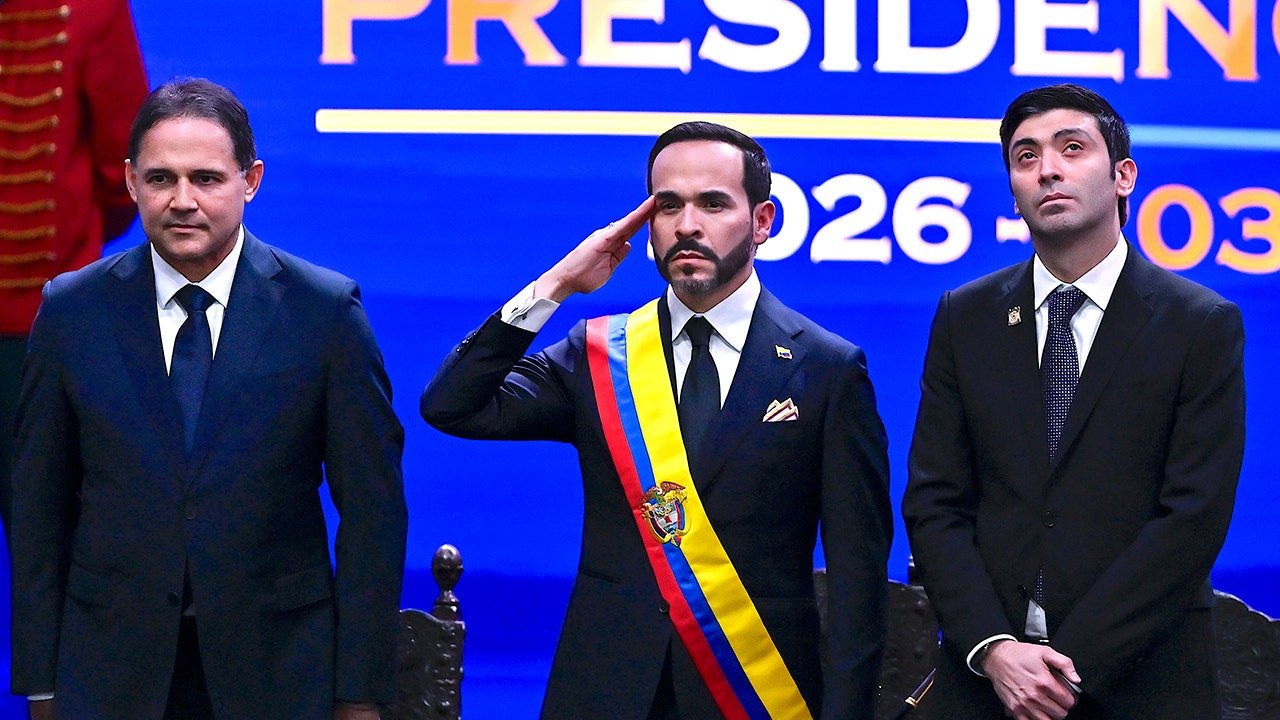
Abelardo de la Espriella is sworn in as president of Colombia during the presidential inauguration at Arena USC Aug. 7, 2026, in Cali, Colombia. (Gabriel Aponte/Getty Images)
«I have come to close a long chapter of national resignation and, together with the people, embark on the most profound transformation of our destiny,» De La Espriella said, according to Reuters while speaking at the Pichincha Battalion military base in Cali.
«I send a firm message to the Colombian people: The time has come to restore order, authority, and freedom.»
Reuters said one of his first acts as president was to join The Shield of the Americas, founded by President Donald Trump.
For the U.S., Colombia remains its closest security partner in South America, a key trading ally and one of the region’s largest recipients of U.S. security assistance. Hundreds of American companies operate in Colombia, while the country’s security conditions directly affect regional migration, organized crime and narcotics trafficking.
On foreign policy, the new president has committed to rebuilding strategic ties with the United States, restoring close cooperation with Israel and adopting a tougher stance toward the authoritarian governments of Venezuela, Cuba and Nicaragua.
Whether those commitments produce measurable improvements, however, will depend on resources that remain in short supply. Camilo Guzmán, executive director of Libertank, told Fox News Digital that the country’s financial situation will define what the administration can realistically accomplish.
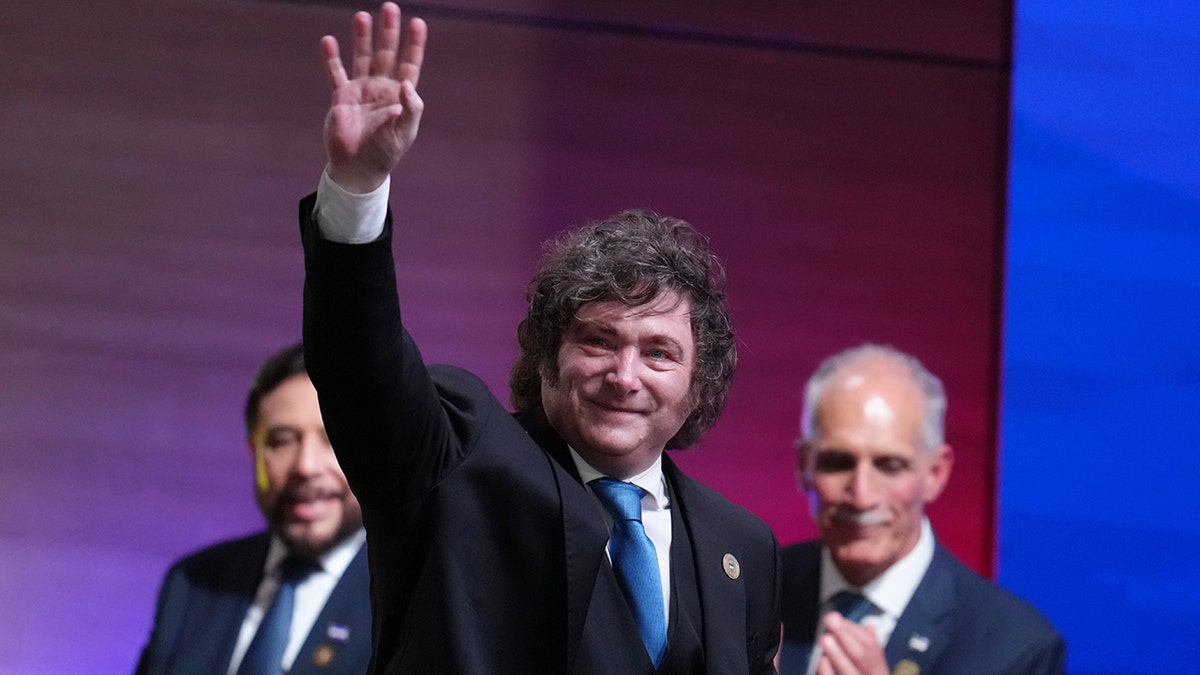
Argentinian President Javier Milei arrives for the inauguration of Colombia’s President Abelardo de la Espriella in Cali, Colombia, Friday, Aug. 7, 2026. (Matias Delacroix/AP Photo)
«President de la Espriella inherits a house with the roof leaking and the safe empty. The order matters because almost everything he promised requires money he does not have.» Guzmán pointed to Colombia’s deteriorating fiscal position as the administration’s most immediate challenge.
«Start with the fiscal picture. It is worse than his own team seems to expect. The 2026 deficit is tracking around 6.5-6.7% of GDP, the financing gap is close to $34 billion and the implicit medium-term adjustment being left on his desk is near five points of GDP. It is also a cash problem, not only an accounting one. Before he governs, he must make payroll.»
WALTZ WARNS OF CHINESE, RUSSIAN-FUELED ‘NATIONAL SECURITY THREAT’ LOOMING CLOSE TO US SHORES
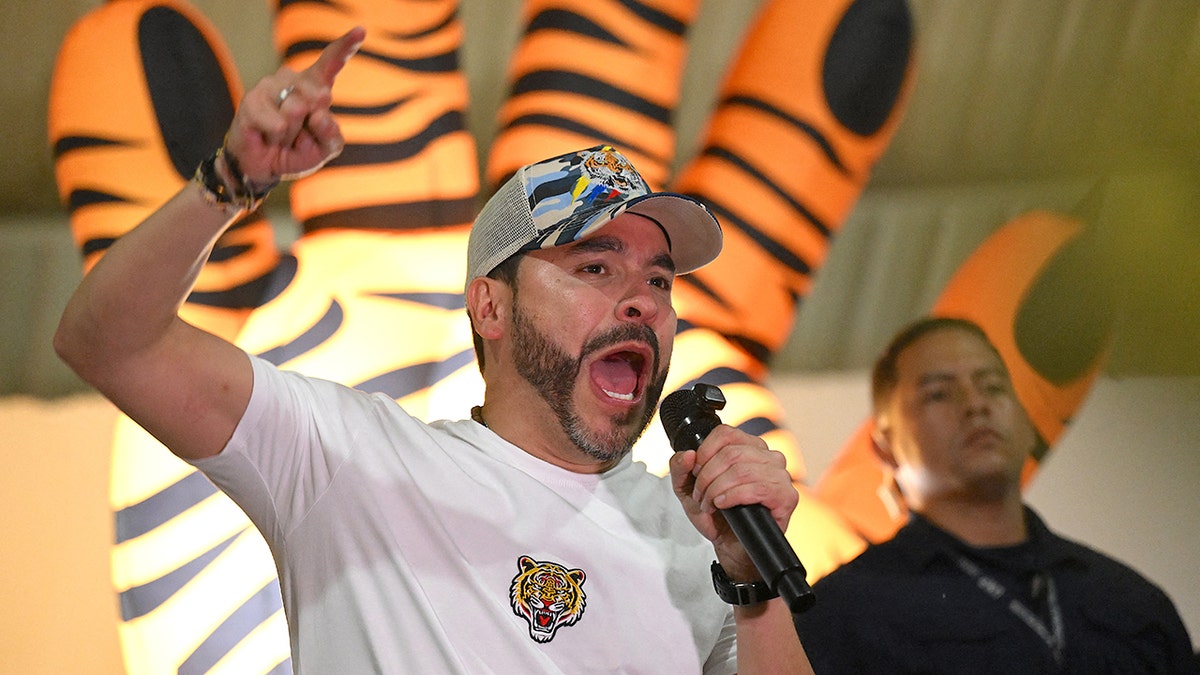
Colombia’s right-wing presidential candidate, Abelardo de la Espriella, from the Defensores de la Patria movement, delivers a speech to supporters during a campaign rally in Palmira, near Cali, Colombia, May 14, 2026. (Joaquin Sarmiento/AFP via Getty Images)
The International Monetary Fund projects Colombia’s economy will grow by only about 2.3% this year while inflation remains elevated, limiting the government’s room to finance new security initiatives or major economic reforms without additional spending cuts or new revenue measures.
Security presents an equally daunting challenge. Violence has intensified across several regions as criminal organizations and guerrilla groups have expanded their territorial influence over the past several years.
Guzmán said, «Security is the second fire. The first half of 2026 closed with the highest homicide count for any first semester in a decade, extortion still rising and armed groups that have grown sharply since 2022. Security is rebuilt in years, not in quarters. Expect operations, captures and hard rhetoric in the first 100 days, visible and real, but not yet structural.»
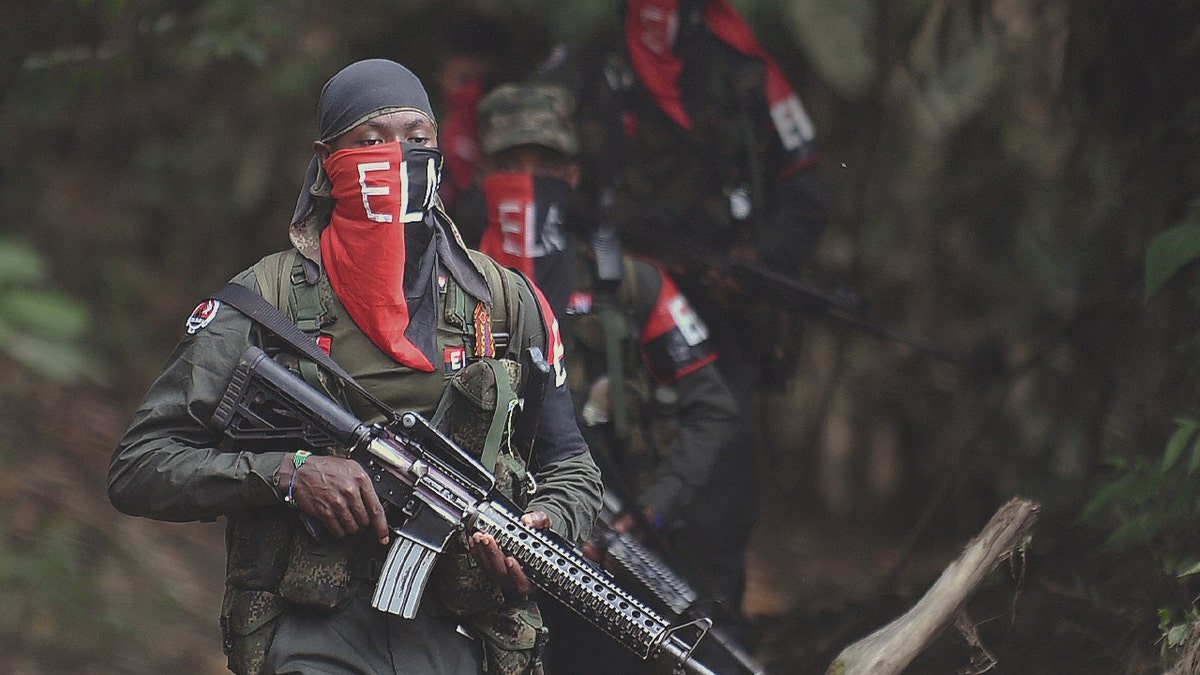
Colombia’s most wanted rebel leader appeals to ELN and other factions to form an insurgent bloc spanning Colombia and Venezuela. (Daniel Munoz/AFP via Getty Images)
Even if the administration moves quickly on executive actions, its legislative agenda will depend on building consensus in a fragmented Congress. Although De la Espriella won the presidency, his party controls only five seats in the Senate, while Petro’s Historic Pact remains the largest individual political bloc. Passing security reforms, fiscal legislation and broader economic initiatives will require negotiations with centrist and traditional parties on virtually every major proposal.
Guzmán believes those political realities may prove just as important as the security challenges. «He won the election; he did not win Congress. The July fight over the Senate presidency was the first warning. He has a coalition that is numerically large and poorly disciplined. His agenda will be negotiated bill by bill.»
REPUBLICAN REP MARÍA ELVIRA SALAZAR DECLARES, ‘AFTER CUBA, NICARAGUA IS NEXT’
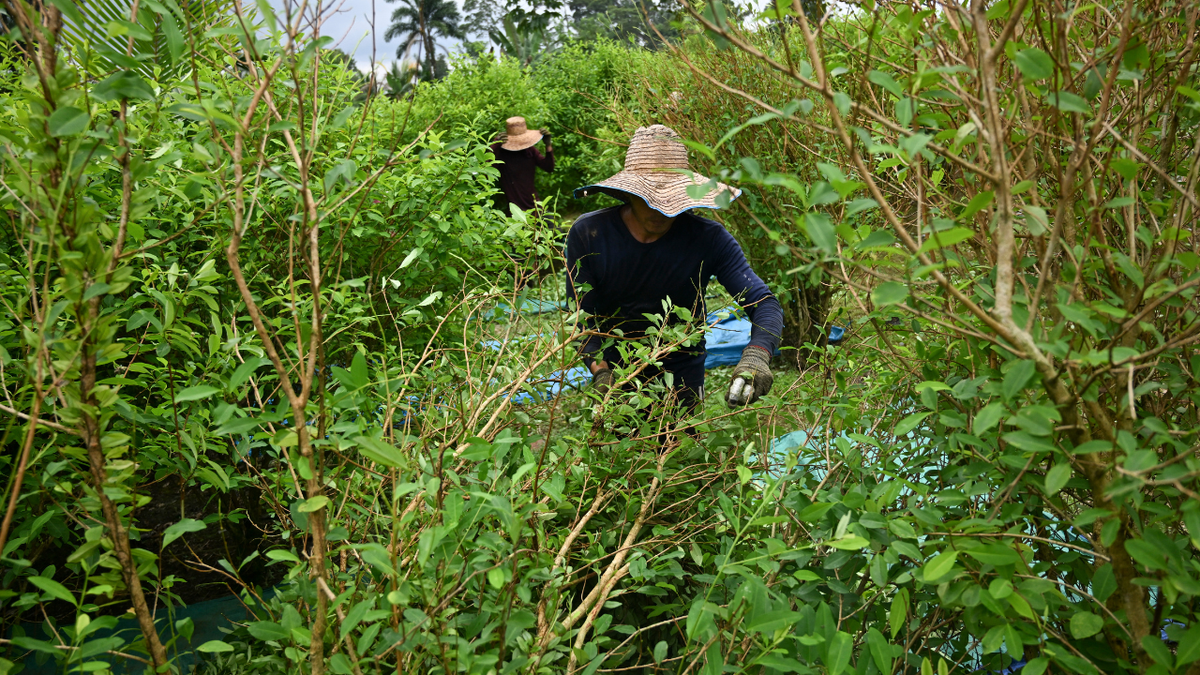
Men work at a coca leaf field in Llorente, rural area of the port city of Tumaco, department of Narino, Colombia, Aug. 31, 2024. (Joaquin Sarmiento/AFP/Getty Images)
For that reason, analysts caution against measuring the administration’s success solely by immediate results. Instead, the first 100 days are likely to be judged by whether the new president establishes credibility, assembles an effective governing team and demonstrates that campaign promises can evolve into a coherent governing strategy.
Guzmán concluded, «The realistic expectation is this: the first 100 days will produce signals, not results. Appointments, decrees, an emergency spending cut, a tax bill, a security package. Meanwhile, expectations are enormous, and the distance between what people were promised and what is physically possible in 100 days is the main political risk he faces. He will spend those 100 days putting the house in order. He should say so out loud, and early. Credibility is the one asset he can build by day 100.»
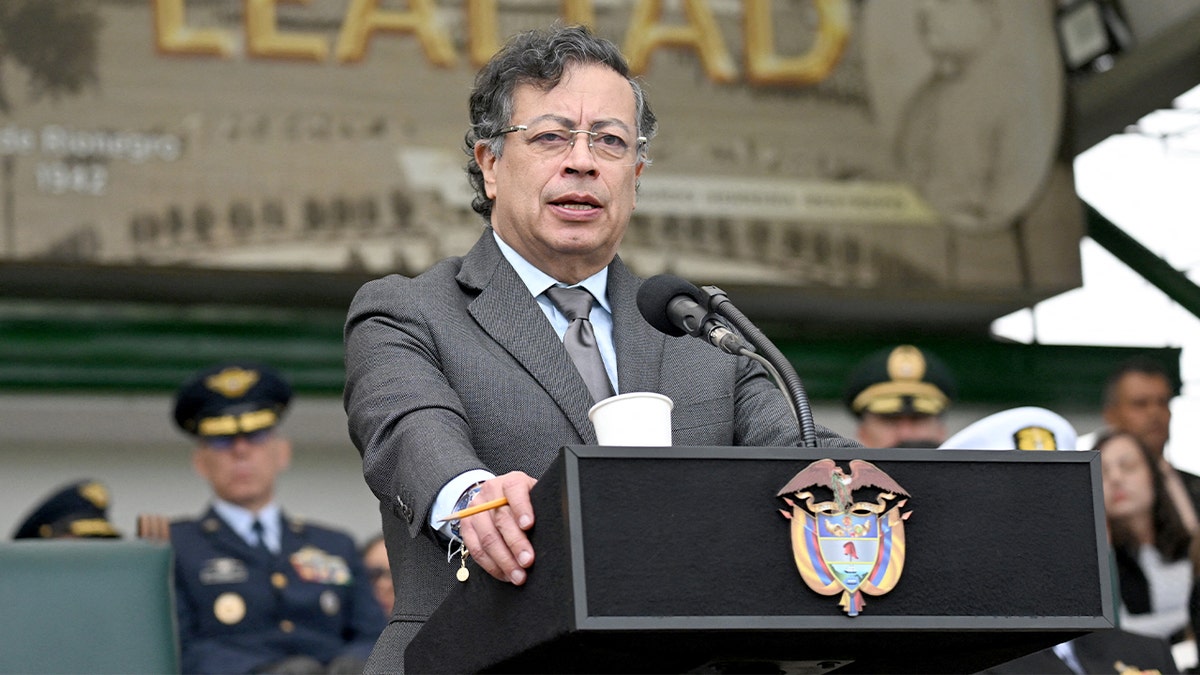
Colombian President Gustavo Petro delivers a speech during a troop recognition ceremony at the Jose Maria Cordova Military Cadet School in Bogota March 11, 2025. (Raul Arboleda/AFP via Getty Images)
The decisions investors and policymakers will watch most closely include whether De la Espriella formally abandons Petro’s negotiations with the ELN, resumes aerial coca fumigation, expands intelligence and security cooperation with Washington, restores full diplomatic engagement with Israel and introduces a credible fiscal adjustment plan.
Those early moves, analysts say, will offer the clearest indication of whether Colombia’s new president can begin delivering on his promise to reverse the Petro era, or whether the country’s fiscal, political and security realities will force him to scale back one of the most ambitious conservative agendas in modern Colombian politics.
Reuters and the Associated Press contributed to this report.
colombia, latin america, socialism, terrorism, national security, global economy

Milei asegura contar con USD 70.000 millones para enfrentar una corrida: cómo se componen y cómo podría usarlos

Thiago Tirante sigue adelante en el Masters 1000 de Montreal: venció a Alexei Popyrin y se metió en octavos de final

Uno por uno, cómo votó cada senador la ley de inviolabilidad de la propiedad privada

La respuesta de Griselda Siciliani y Emiliano Brancciari, de No Te Va Gustar, tras los rumores de romance

Hay alerta amarilla por frío extremo, vientos y Zonda para este sábado 8 de agosto: las provincias afectadas

Nuevo aliado: Milei se reunió con De la Espriella en la previa de su asunción en Colombia y cierra su gira por la región

Dólar hoy en vivo: a cuánto se negocian todas las cotizaciones minuto a minuto este miércoles 5 de agosto

La oposición cuestionó a Benegas Lynch por su empresa para vender campos a extranjeros y el senador libertario se defendió

Brasil retira a su embajador en la Argentina: qué consecuencias tiene la medida diplomática

Las centrales obreras y los movimientos sociales anunciaron dos días de conflicto callejero
-
 ECONOMIA3 días ago
Dólar hoy en vivo: a cuánto se negocian todas las cotizaciones minuto a minuto este miércoles 5 de agosto
-
 POLITICA1 día ago
La oposición cuestionó a Benegas Lynch por su empresa para vender campos a extranjeros y el senador libertario se defendió
-
 POLITICA3 días ago
Brasil retira a su embajador en la Argentina: qué consecuencias tiene la medida diplomática