INTERNACIONAL
“Disputas territoriales del crimen organizado”, surgen las primera hipótesis la jornada sangrienta de este lunes en Guatemala

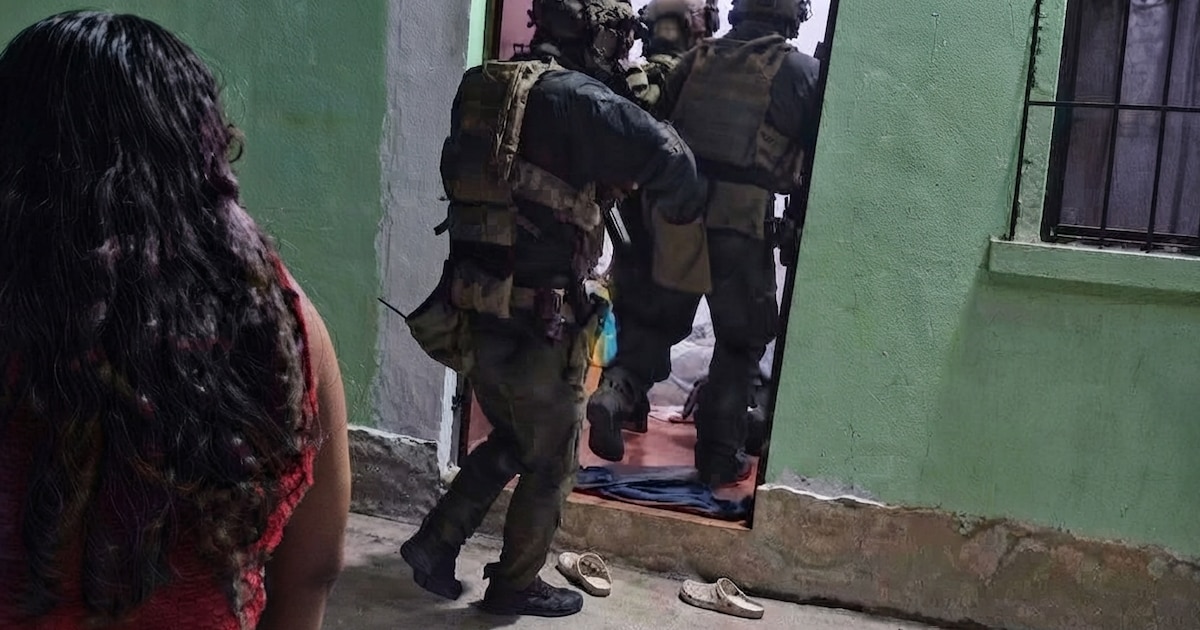
Luego de los enfrentamientos armados ocurridos en el Oriente de Guatemala, han surgido las primeras hipótesis en las que el Ejército de Guatemala aseguró que se trata de “disputas territoriales entre organizaciones del crimen organizado”.
Los incidentes iniciaron la tarde del domingo 27 de septiembre y ocurrieron en el municipio de Huité, departamento de Zacapa en Guatemala.
Al principio se habló de hombres vestidos de militares y supuestos agentes de la Administración para el Control de Drogas (DEA, por sus siglas en inglés), pero las autoridades guatemaltecas han negado la participación del Ejército y de la policía.
No obstante, el Ministerio de la Defensa, a través de su portavoz, Natalia Molinello, confirmó que al tener conocimiento de los hechos, se desplegó a personal militar hacia el municipio, pero al ver la situación en el lugar “se decidió no ingresar en ese momento a la zona de enfrentamiento, con el fin de no escalar el conflicto y salvaguardar la integridad de la población”.
La aclaración se realizó luego de que vecinos del lugar y vídeos difundidos en las redes sociales captaron a hombres con uniformes y equipo similar al utilizado por las fuerzas castrenses.
Aunque también se tuvo conocimiento que, al ver a los soldados, residentes de Huité bloquearon varias calles para impedir el paso de los integrantes del Ejército.
Ante ello, los militares indicaron que “efectuaron las acciones necesarias para restablecer la seguridad en el área”, sin detallar cuáles fueron o si ingresaron en algún momento al lugar.
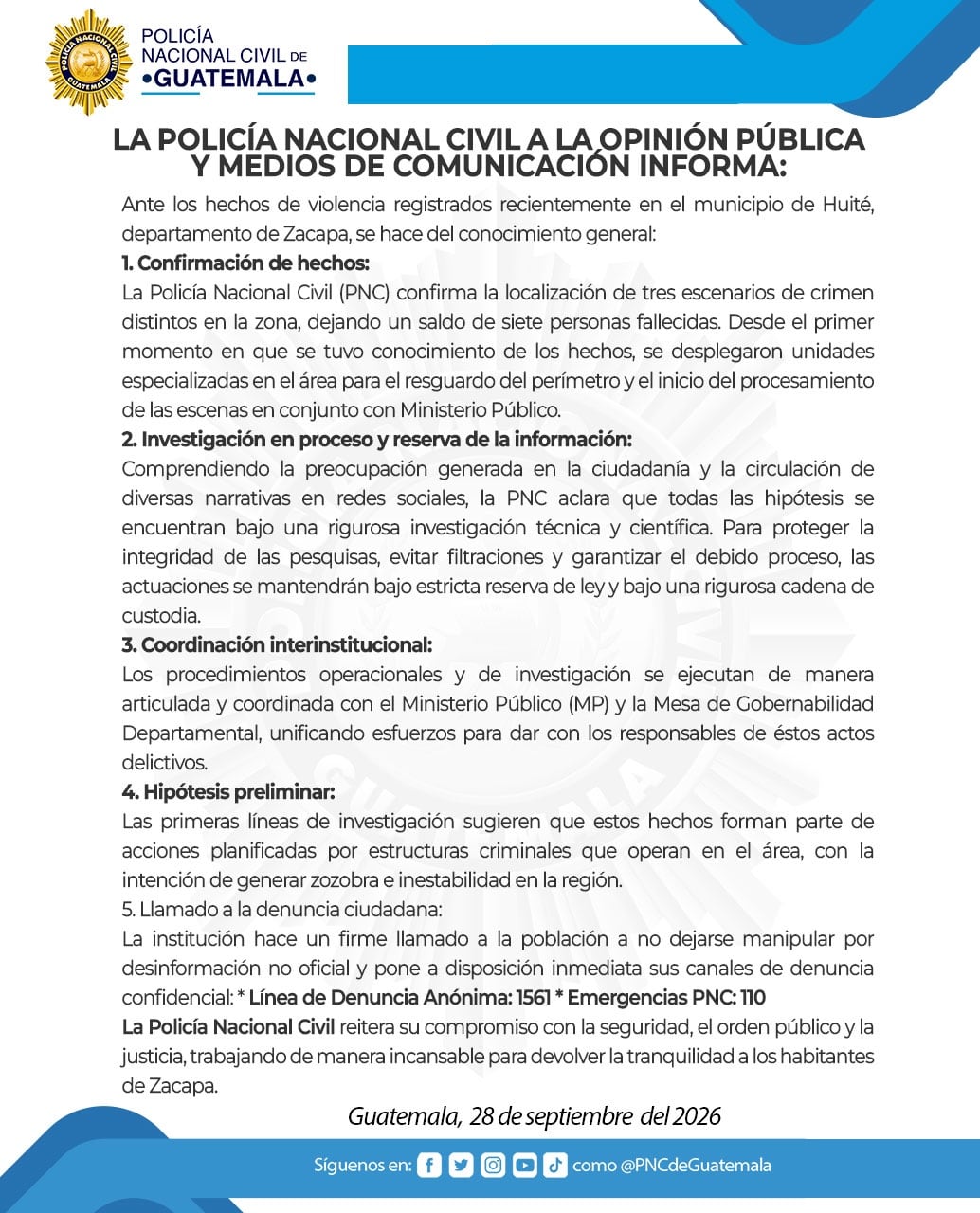
Por su parte, la Policía Nacional Civil (PNC) informó a través de un comunicado que, en conjunto con el Ministerio Público (MP) y la Mesa de Gobernabilidad Departamental, iniciaron las diligencias correspondientes y que no descartarán ninguna de las hipótesis que surjan.
Pero aclararon que “las primeras líneas de investigación sugieren que estos hechos forman parte de acciones planificadas por estructuras criminales que operan en el área, con la intención de generar zozobra e inestabilidad en la región”.
Víctimas indeterminadas
Mientras que medios de Zacapa afirman que los enfrentamientos armados dejaron más de diez personas fallecidas, las autoridades no se han puesto de acuerdo sobre el número de las víctimas.
El ministro de Gobernación, Marco Antonio Villeda, dijo en una entrevista con la radio Emisoras Unidas que habían localizado a cinco muertos, aunque aclaró que aún desconocía detalles sobre el incidente.
Posteriormente, el Ministerio Público (MP) informó que los fiscales atendieron tres escenas en las que contabilizaron seis personas fallecidas, tres de ellas mujeres, donde se localizó una menor de edad.
Finalmente, la Policía Nacional Civil afirmó en un comunicado que los enfrentamientos armados dejaron un saldo de siete víctimas mortales.
Incidencia criminal en Huité, Zacapa
Pese a que el municipio de Huité, del departamento de Zacapa no reporta una gran incidencia criminal, desde las década de 1990 ha estado sitiada por el clan de narcotraficantes conocidos como “Los Lorenzana”, una de las estructuras criminales más importantes de Guatemala.
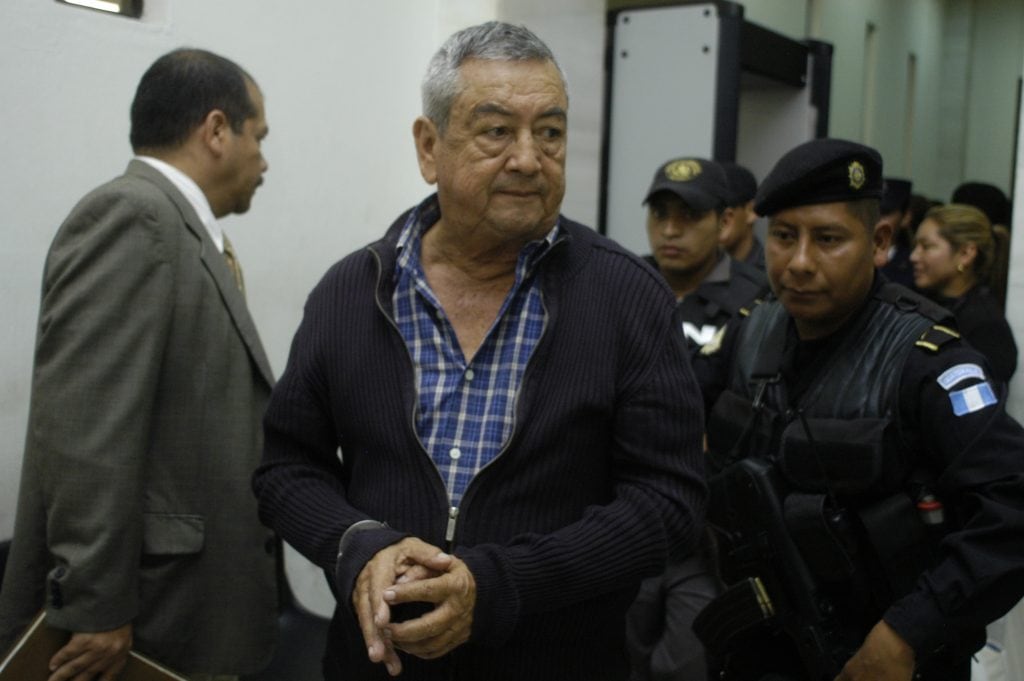
Este grupo fue establecido por Waldemar Lorenzana Lima, alias “El Patriarca”, quien desde sus inicios en Huité estableció una alianza muy cercana con el Cártel de Sinaloa de México; especialmente como Joaquín “El Chapo” Guzmán, funcionando como un puente logístico clave para la recepción de cargamentos de cocaína desde Sudamérica. La incidencia del cártel guatemalteco se extendió también al municipio de Cabañas, Zacapa.
En ambos lugares implementaron estrategias similares a las de Pablo Escobar en Colombia, es así como “El Patriarca” y sus herederos crearon una especie de paternalismo criminal al financiar proyectos locales, otorgar empleos y auxiliar económicamente a comunidades en extrema pobreza, con lo que han logrado un escudo social.
Entre 2011 y 2015, Lorenzana y sus dos hijos: Elio y Waldemar, fueron capturados y extraditados hacia Estados Unidos, donde recibieron condenas por tráfico ilícito de drogas y otros delitos. “El Patriarca” falleció en prisión en el año 2021.
Sin embargo, la estructura no desapareció, por el contrario se ha fortalecido y según reportes entidades antinarcóticas nacionales y de Estados Unidos, la organización se encuentra bajo el mando de Haroldo Waldemar Lorenzana Terraza, alias “Haroldito”, “El Chuqui” o “Ferragamo”.
FOTO CHUQUI
Minería ilegal de Jade
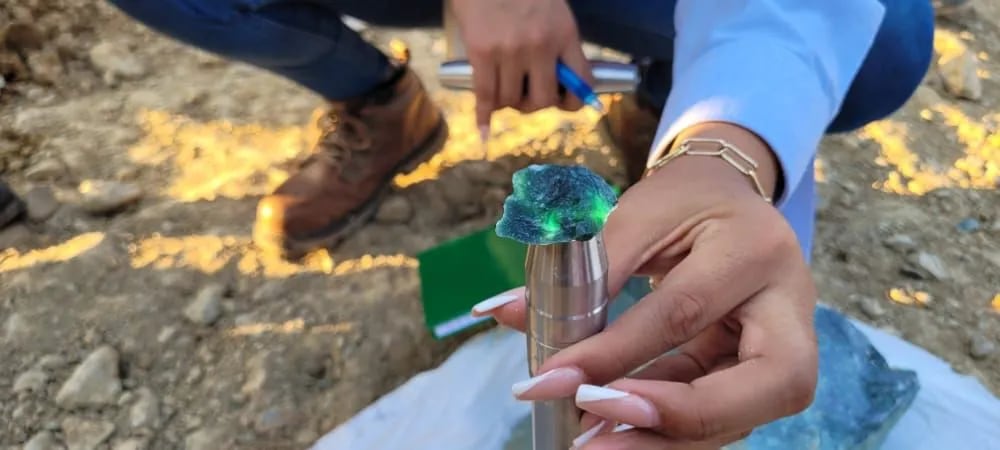
Además del clan de “Los Lorenzana”, el sector de Zacapa es altamente conflictivo debido al establecimiento de una industria de minería ilegal de jade que afecta principalmente a la Sierra de las Minas, abarcando municipios como Teculután, Usumatlán, Cabañas y San Diego, y extendiéndose fuertemente hacia Morales, Izabal.
Hasta ahora no se ha establecido una sola estructura criminal que opere el negocio ilegal de jade, pero las investigaciones de las fuerzas de seguridad han revelado la participación del narcotráfico local, mafias de capital asiático y funcionarios públicos.
No obstante, en sectores muy específicos como la reserva natural conocida como la Montaña Chiclera, se habla de operaciones del Clan Mendoza, la cual es una de las organizaciones criminales más antiguas, poderosas e influyentes de Guatemala quienes, a diferencia de otras estructuras del narcotráfico, iniciaron su negocio con el despojo violento de territorios y el contrabando, principalmente de ganado.
Más tarde se asociaron al cártel mexicano de Los Zetas. De igual forma, uno de los nombres recurrentes en registros de denuncias comunitarias de la Fundación Turcios Lima es el ciudadano taiwanés, señalado de liderar una estructura logística que exporta el mineral hacia Taiwán y China.
Mientras que un estudio de la Revista de Postgrados de Derecho de la Universidad de San Carlos de Guatemala, refiere que del 2020 al 2022, Zacapa enfrentó una serie de desafíos en términos de seguridad, debido a que, por su situación geográfica y socioeconómica, al ser fronterizo con Honduras, forma parte del corredor seco, aspecto relevante en cuanto a la migración ilegal, contrabando aduanero y trata de personas.
Guatemala,Ataque armado,Hueté,Zacapa,Narcotráfico,Los Lorenzana,Los Mendoza,Haroldo Jeremías Lorenzana Cordón,Ejército de Guatemala










INTERNACIONAL
4 Canadian soldiers killed, dozens injured after fast-moving fire erupts at military base
NEWYou can now listen to Fox News articles!
Canadian officials said Sunday that four service members were killed and dozens more injured after a fast-moving fire swept through soldiers conducting live-fire training at a military base in Alberta.
The deadly fire erupted Saturday at Canadian Forces Base Wainwright, where a sudden shift in powerful winds sent flames sweeping toward troops training in the area, according to The Associated Press.
Officials said 39 people were hospitalized, including 19 in critical condition. Eight others were listed as stable, while 12 were being treated for less serious injuries.
Maj. Gen. Wade Rutland, commander of the Edmonton-based 1st Canadian Division, said military officials had been aware of the fire for hours but believed it was contained enough for training to continue, AP reported.
AT LEAST 1 KILLED, 34 FIREFIGHTERS AND EMS WORKERS INJURED IN ‘MAJOR’ STATEN ISLAND SHIPYARD EXPLOSION: FDNY
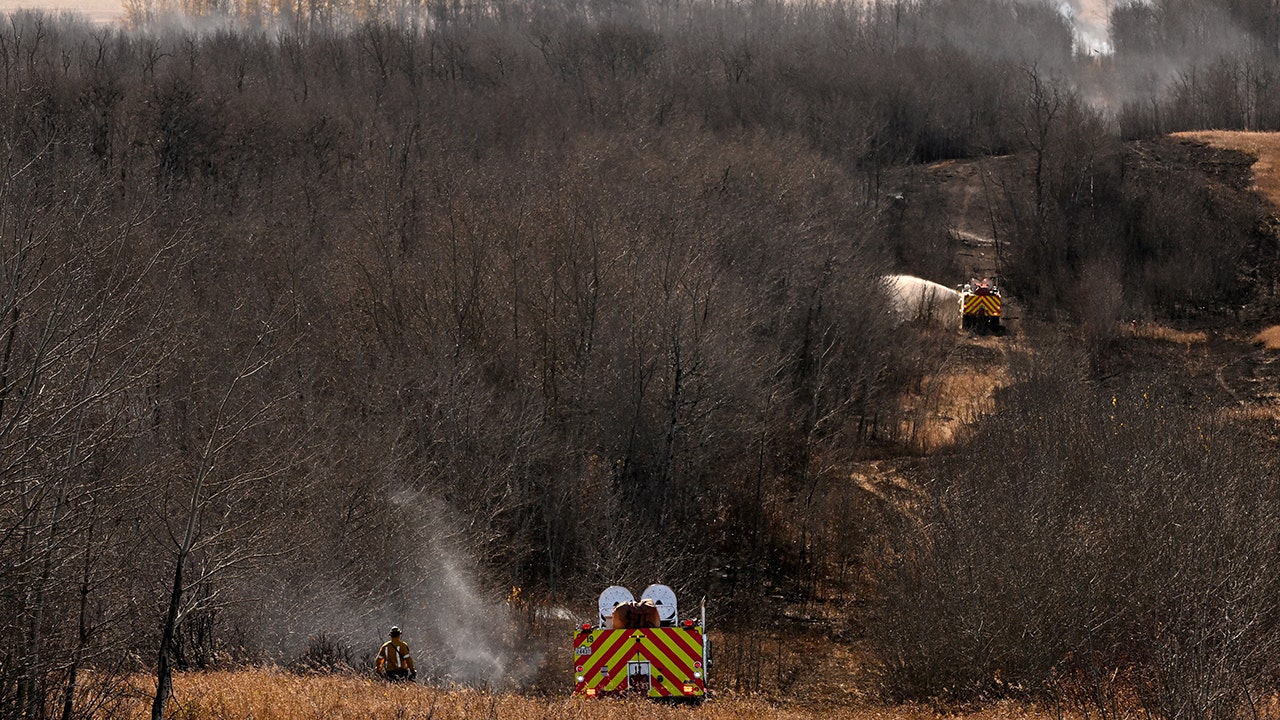
Firefighters work to extinguish hot spots in Wainwright, Alberta, on Oct. 18, 2026. (REUTERS/Jennifer Gauthier)
«The fire was a kilometer away when the wind shifted. That is not normal for a fire to move a kilometer in 36 seconds,» Rutland said.
Investigators have not yet determined what sparked the fire.
Those killed were identified by the military as Sgt. Morgan Wong and Privates Shaun Farrell, Aidan Goulding and Hayden Lykkemark, AP reported.
Wong was a member of the Loyal Edmonton Regiment, while the three others belonged to the 3rd Battalion, Princess Patricia’s Canadian Light Infantry. All four were serving with the Edmonton-based battalion.
Prime Minister Mark Carney called the blaze one of the worst peacetime tragedies to strike Canada’s armed forces on home soil, according to Reuters.
WATCH: VIRGINIA COPS CRAWL THROUGH BURNING HOUSE TO SAVE MAN TRAPPED IN FIRE
«I cannot recall such an incident in my short time for sure as a minister, but I cannot recall an incident like this in recent memory,» Canadian Defense Minister David McGuinty told reporters.
The 39 injured people were being treated at hospitals in Wainwright, Edmonton, Red Deer and Calgary.
Air ambulances from Edmonton and Saskatoon were also sent to the base Saturday to help transport patients.
Several hospitals across Alberta activated a «Code Orange,» an emergency designation used for mass-casualty incidents, as medical personnel prepared to treat the wounded.
Military and civilian firefighters battled the flames through the night as intense winds fueled the fire.
MARINE CORPS OSPREY CATCHES FIRE DURING EXERCISE IN NORTH CAROLINA; 4 INJURED

A sign marks Canadian Forces Base Wainwright in Alberta on Oct. 18, 2026, one day after a deadly fire killed four service members and injured dozens of others. (REUTERS/Jennifer Gauthier)
The fire crossed the base perimeter into the surrounding area, but officials said no evacuation orders were issued. By Sunday, local authorities said the blaze was not expected to spread beyond its existing boundaries.
Carney announced that flags would fly at half-staff on federal buildings nationwide in honor of those killed and injured.
He also praised emergency crews who battled the flames through the night.
Fox News Digital’s Michael Sinkewicz, Reuters and The Associated Press contributed to this report.
canada, fires disasters, world, disasters us, armed forces
INTERNACIONAL
“Tengo 90 años pero me siento como de 30”, dice un cura español que protagonizó un éxito editorial con un cómic
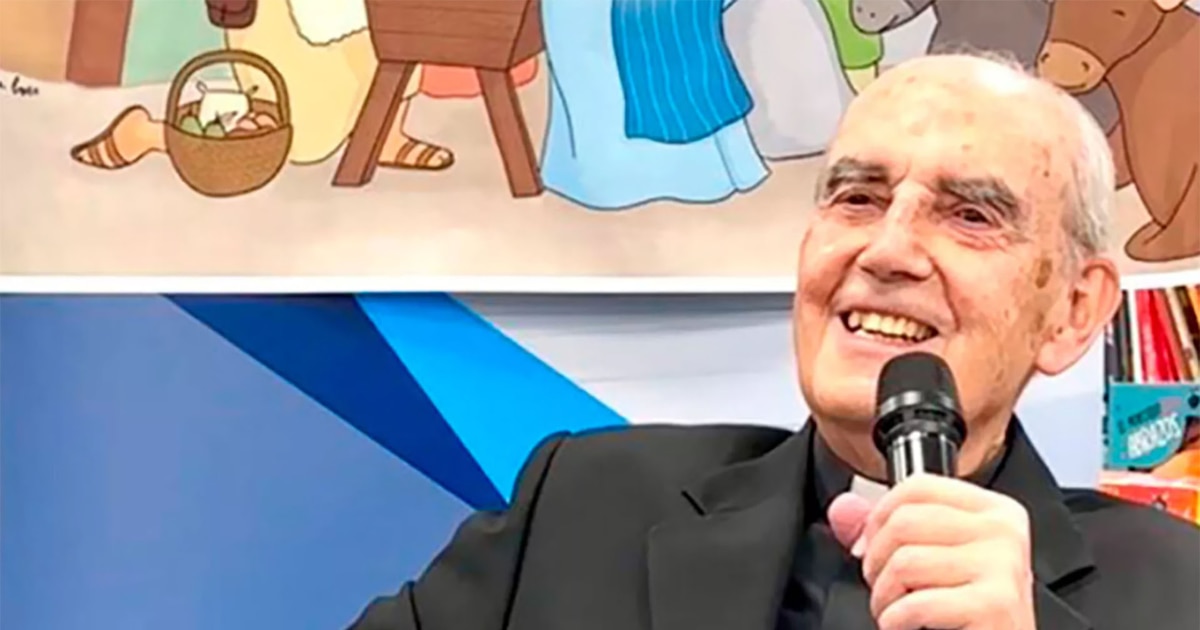
Casi como una premonición, la obra de Pedro de la Herrán se titula San Carlo Acutis y los Milagros Eucarísticos. Y eso es lo que sucedió con la primera edición de su cómic dedicado al santo adolescente conocido como “el Apóstol de internet”. Con 10 mil ejemplares vendidos en 15 días en Francia, se justifica hablar de milagro, en este caso editorial.
“Tengo 90 años, pero la verdad es que me siento como si tuviera 30”, dijo el sacerdote Pedro de la Herrán, guionista de la historieta, ilustrada por Carlos Calderón. En declaraciones telefónicas a El Debate, agregó: “No sé, imagino que el Señor querrá que todavía haga algunas cosas en este mundo”.
De la Herrán es doctor en Filosofía y licenciado en Derecho Civil. Fue el creador del Departamento de Pedagogía Religiosa de la Facultad de Teología de la Universidad de Navarra. Es autor de muchos textos de enseñanza religiosa escolar y de catequesis.

En España, el resultado en ventas del libro de los milagros fue mucho más moderado: 1000 ejemplares vendidos en un mes. Una cifra claramente menor que la alcanzada por la traducción al francés, pero aceptable.
El trabajo del sacerdote fue supervisado por Antonia Salzano, la madre del Santo. El precio es más que moderado: 7 euros. “Queríamos poner un precio muy asequible para que parroquias y colegios puedan comprar ejemplares para sus chicos”, aclara De la Herrán.
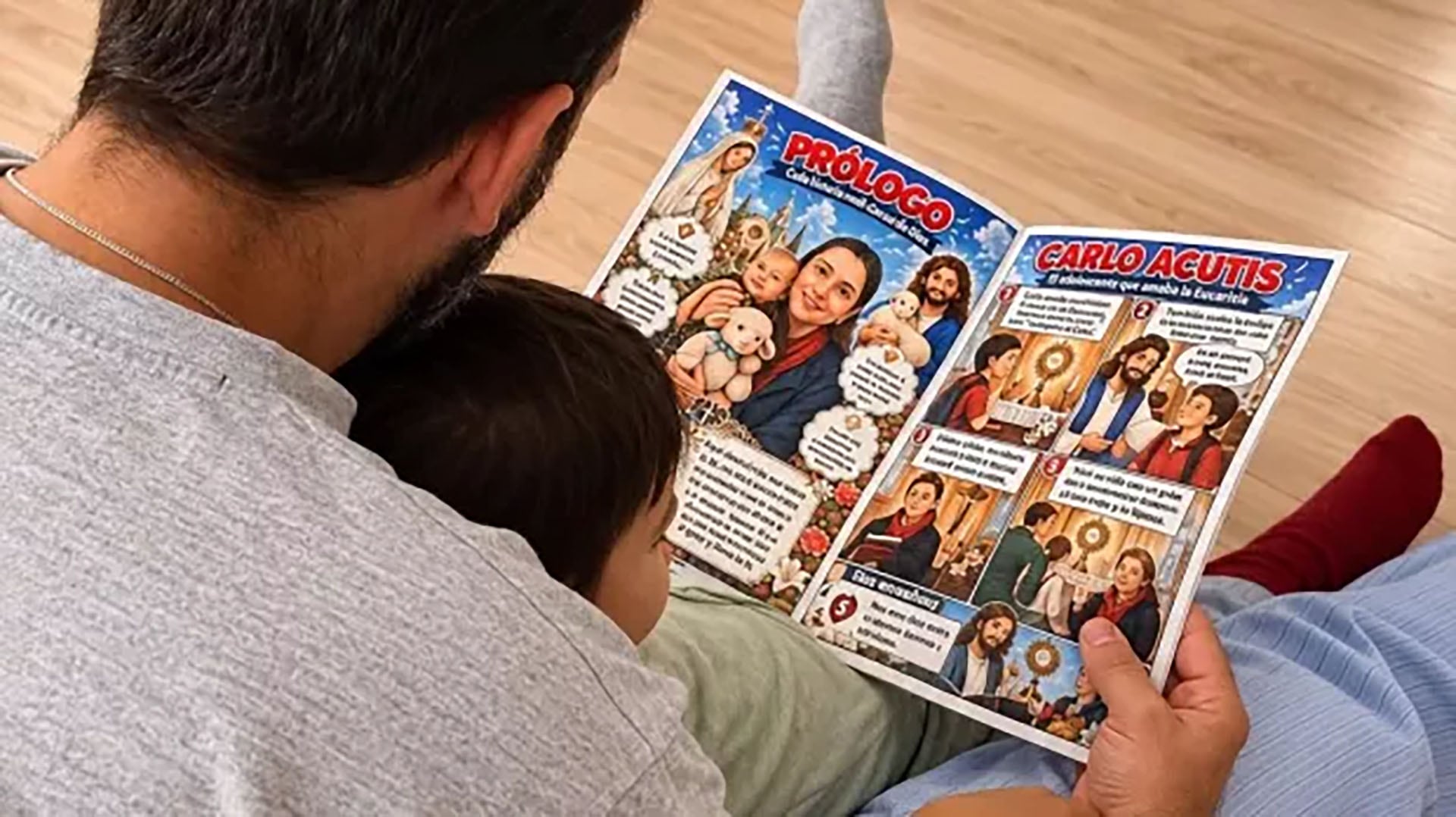
En el álbum, el sacerdote repasa varios milagros eucarísticos —aquellos en los que intervienen la hostia o el vino consagrados—, milagros que interesaban muy especialmente a Carlo Acutis, como por ejemplo los de Legnica y Sokolka, en Polonia, el de Tixtla, en México, o el de Lanciano, en Italia.
Una de las páginas está destinada a los milagros eucarísticos que tuvieron lugar en la Argentina.

En Luján de Cuyo, provincia de Mendoza, se construye una capilla que estará bajo la advocación del joven santo.
Influencer de la Fe
Desde muy joven, Carlo manifestó una profunda devoción por la Eucaristía. “La eucaristía es mi autopista al cielo”, solía repetir el adolescente italiano que fue canonizado por el papa León XIV en septiembre de 2025. La canonización de Acutis iba a tener lugar unos meses antes, pero la enfermedad y posterior fallecimiento de Francisco obligaron a postergar la ceremonia.
Carlo Acutis nació el 3 de mayo de 1991 en Londres en el seno de una familia italiana. Tenía apenas unos meses de vida cuando sus padres se mudaron a Milán, la ciudad donde trasncurriría su breve pero intensa vida.
Era un adolescente común, que jugaba al fútbol y a los videojuegos y tocaba el saxofón, pero desde muy temprano se dedicó a las actividades solidarias. Su interés por los Milagros Eucarísticos era notable, y desde pequeño se dedicó a estudiarlos. También, pese a su juventud, era un experto en informática y programación, en edición de películas y creación de sitios web y periódicos digitales, herramientas que utilizó para difundir su fe católica, lo que le valió el calificativo de “Influencer de la fe”.

Carlo Acutis murió a los 15 años, el 12 de octubre de 2006, por una leucemia diagnosticada pocas semanas antes. Al enterarse de su enfermedad, ofreció sus sufrimientos “al Señor, al Papa y a la Iglesia”. Desde el 6 de abril de 2019, sus restos reposan en el Santuario del Despojo de Asís, según su deseo, debido a su amor por San Francisco. El joven santo yace en una tumba de vidrio, donde puede ser venerado de forma permanente.
El libro de De la Herrán es una herramienta para la catequesis, que busca acercar la fe católica a niños, jóvenes y familias de “una forma visual, sencilla y atractiva”, según la editorial. Expone la relación de Acutis con los milagros eucarísticos que ayudó a difundir, en 40 páginas en color y en formato A4.
De la Herrán se dedica desde hace años a producir libros que ayuden a los padres recuperen su misión “única, directa e intransferible” de educar a los hijos en la fe.
En una entrevista con Religión en Libertad en el año 2023, De la Herrán decía: “Entraron a un colegio católico con fe… y salieron sin ella”. Era el fenómeno que deseaba ayudar a revertir.
“Primera comunión, última comunión”, decía también el sacerdote, que consideraba que esa pérdida temprana de fe tenía por causa el hecho de que los padres habían “renunciado a educar en la fe” a sus hijos.
Consciente de que revertir eso no era fácil, De la Herrán lo consideraba de todos modos posible, según decía en la entrevista citada. Por eso se consagró a publicar textos destinados a las familias. Para los primeros cristianos, decía De la Herrán, “la transmisión de la fe era una misión primordial” y “cada una de aquellas familias bautizadas fue como un oasis de vida cristiana en medio de un mundo completamente pagano”.
Por eso insistía en que la familia tenía un rol esencial en preservar la fe ante “un paganismo que lo invade todo”. A lo largo de “las últimas décadas y generaciones”, señalaba, muchos padres católicos han delegado “en colegios y parroquias esta misión que Dios les ha confiado desde el bautismo de sus hijos”.

De la Herrán no se resigna a esa situación y aunque sabe que no es una misión sencilla, quiere contribuir a devolverles a los padres la responsabilidad y las herramientas necesarias y por eso se muestra incansable a sus 90 años. Aunque no necesita incentivos, porque es un convencido, el reciente boom de ventas que conoció su último trabajo seguramente será sentido por este sacerdote como la ratificación de que “el Señor quiere que siga haciendo cosas en este mundo”.
Pedro de la Herrán,Carlo Acutis,historieta,sacerdote
Las operaciones inmobiliarias en Nicaragua pueden involucrar controles sobre la situación registral, fiscal y legal de cada propiedad. Las denuncias sobre transferencias administrativas, cobros tributarios y dificultades en trámites realizados desde el exterior han planteado interrogantes entre propietarios, herederos e interesados en comprar inmuebles.
La información publicada por Confidencial.digital señala que la situación puede variar según el antecedente de la finca, la condición del titular y la zona donde se ubique el bien. En ese contexto, los documentos de propiedad, las constancias tributarias y los datos del Registro Público adquieren relevancia para conocer el estado de una operación.
Quienes compren, hereden o administren una propiedad pueden solicitar información sobre gravámenes, pagos pendientes y antecedentes de titularidad. La revisión del título, la situación del notario, la solvencia municipal y el resguardo de escrituras y recibos forman parte de los documentos mencionados para estos casos.
La Procuraduría ha intervenido en transferencias de propiedades
La Procuraduría General de Justicia ha participado en procedimientos mediante los cuales inmuebles privados fueron asignados a otras instituciones estatales. Según las denuncias citadas, estas decisiones pueden incluir la cancelación de contratos, la toma del control del bien y su posterior entrega a una entidad pública.
El procedimiento descrito no siempre contempla un juicio previo o una notificación judicial dirigida al propietario. Las transferencias pueden instrumentarse mediante resoluciones administrativas y autorizaciones de la copresidencia de Daniel Ortega y Rosario Murillo.
Uno de los casos publicados por Confidencial.digital involucró a nueve jubilados estadounidenses que tenían viviendas en Tola, Rivas. Sus contratos de arriendo con la Alcaldía fueron cancelados y las llaves de las casas fueron entregadas al Instituto Nicaragüense de Seguridad Social.
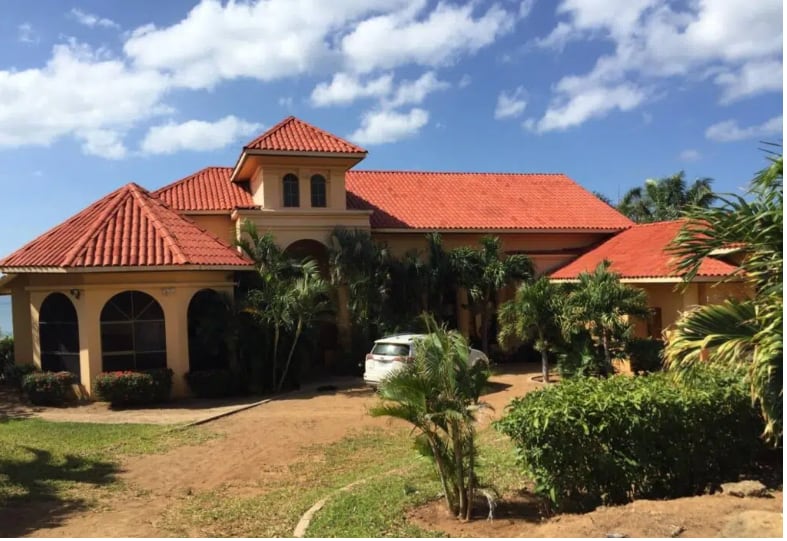
Las viviendas fueron valuadas en USD 15 millones. Cuatro días después de la publicación, comenzó la devolución de las propiedades, una situación presentada como una excepción frente a otros casos.
Entre 2024 y 2026, más de 370 propiedades fueron traspasadas al Instituto Nicaragüense de Seguridad Social bajo ese esquema. En parte de esos registros, se habrían eliminado datos sobre la ubicación y las características de las fincas.
El Registro Público conserva trámites ordinarios, aunque hay casos con obstáculos
La consulta ante el Registro Público permite verificar quién aparece como titular de un inmueble y conocer si existen hipotecas, embargos u otras anotaciones. Este paso resulta habitual antes de una compraventa o una sucesión.
El Sistema Integrado de Información de Catastro y Registro mantiene operaciones para trámites cotidianos. La información disponible indica, no obstante, que los asientos registrales pueden ser modificados, bloqueados o eliminados por decisiones administrativas cuando intervienen intereses gubernamentales.
La revisión de los tomos físicos del Registro Público puede complementar la consulta digital. Esa documentación permite revisar la historia de la finca y conservar constancias sobre su inscripción.
Las propiedades vinculadas con personas desnacionalizadas, sacerdotes, integrantes de organizaciones no gubernamentales canceladas, empresarios señalados o exiliados figuran entre los bienes que pueden estar más expuestos a este tipo de situaciones.
También se mencionan los inmuebles ubicados en Rivas, Tola, San Juan del Sur, Corn Island y el Pacífico Sur. Las áreas rurales de Matagalpa, Jinotega y Chinandega tienen antecedentes de tomas de tierras.
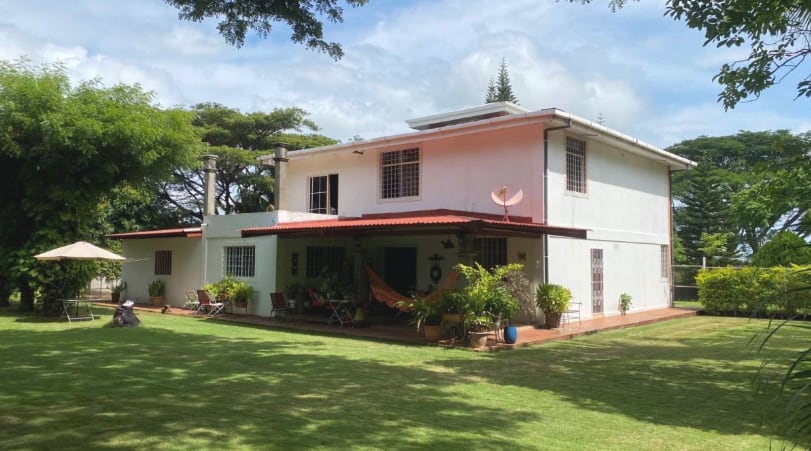
La vigencia del notario incide en la inscripción de las escrituras
La Corte Suprema de Justicia ha retirado o suspendido más de 2,000 licencias de abogados y notarios públicos. Entre los profesionales afectados figuran personas que viven en el exilio o que participaron en causas vinculadas con presos políticos.
Una escritura autorizada por un notario suspendido puede ser declarada nula por el Registro Público. La vigencia del carné y del quinquenio del profesional puede verificarse ante la Dirección de Control de Abogados de la Corte Suprema de Justicia.
Los poderes extendidos desde el extranjero tienen validez formal, aunque pueden enfrentar obstáculos durante su inscripción. Esta situación puede ocurrir incluso si el documento fue otorgado ante un consulado o un notario extranjero y cuenta con apostilla.
La Dirección de Registros, que pasó de la Corte Suprema de Justicia a la Procuraduría, puede pedir que el titular se presente personalmente. También puede aplicar revisiones especiales a documentos firmados por medio de representantes.
El IBI puede originar procesos de cobro y embargo
El Impuesto sobre Bienes Inmuebles es una de las obligaciones que puede afectar a propietarios y compradores. Las alcaldías pueden reclamar deudas tributarias y abrir procedimientos de cobro contra el titular del inmueble.
Se han denunciado incrementos en los avalúos catastrales, cobros retroactivos de hasta cinco años y multas aplicadas a propietarios que residen fuera del país. Algunos avalúos habrían aumentado hasta 300%.
Si la deuda no se cancela, la Alcaldía puede iniciar un juicio ejecutivo, solicitar un embargo y llevar el inmueble a remate. En ese proceso, la finca puede ser adjudicada por un valor inferior al de una venta ordinaria.
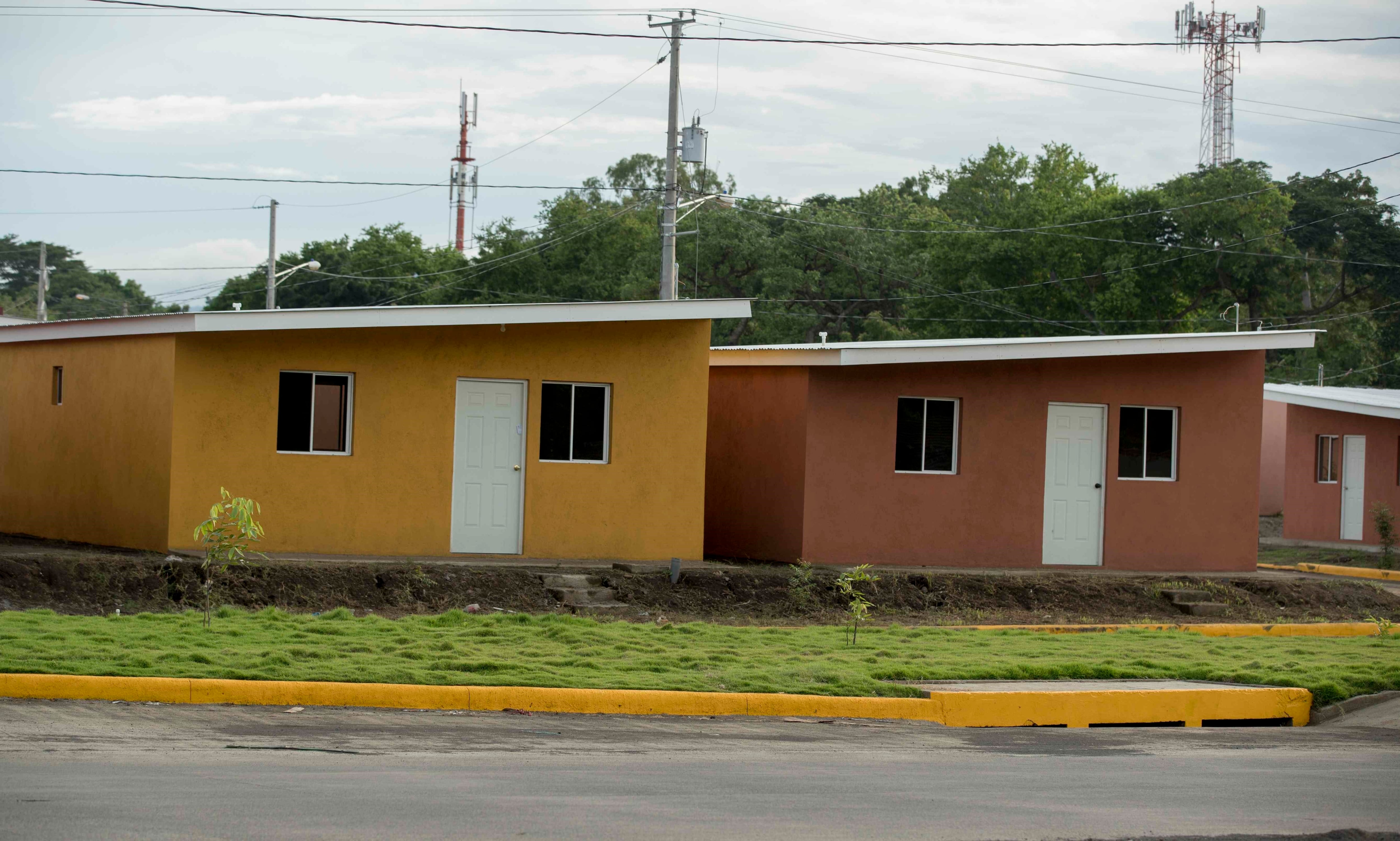
El embargo fiscal se vincula con una obligación tributaria impaga. La confiscación de facto se refiere a la toma de un bien o a la modificación de su condición registral sin una notificación judicial previa.
Los recibos del IBI permiten acreditar los pagos efectuados. Las constancias originales y sus copias digitales pueden mantenerse fuera de la vivienda o de la finca.
Los alquileres y las herencias pueden requerir trámites adicionales
Los propietarios que alquilan un inmueble pueden enfrentar conflictos con inquilinos o cuidadores que dejan de pagar y rechazan entregar la vivienda. En algunos casos, los ocupantes han alegado vínculos o respaldo político.
Los contratos de alquiler pueden establecer condiciones sobre la falta de pago, el vencimiento del plazo, el subarriendo y la cesión del uso a terceros. Para los dueños que residen fuera del país, también puede intervenir un apoderado dentro de Nicaragua.
Los procesos de desalojo pueden extenderse cuando las partes mantienen un conflicto. Algunos abogados han sugerido negociar la entrega voluntaria mediante familiares, representantes o notarios locales.
Las sucesiones pueden quedar paralizadas cuando los herederos o el fallecido fueron declarados traidores a la patria o perdieron la nacionalidad. La Procuraduría puede intervenir en la tramitación de esos bienes.
Las escrituras, los documentos familiares y las certificaciones registrales permiten respaldar los derechos hereditarios. Cada sucesión depende de los antecedentes de los involucrados y de la condición legal que figure en el expediente.

Los archivos conservados fuera del país pueden aportar pruebas
Las copias digitales de una escritura no impiden una ocupación, un embargo o una orden administrativa dentro de Nicaragua. Pueden servir, en cambio, para acreditar la titularidad, los pagos y la cadena de antecedentes de una propiedad.
El archivo patrimonial puede incluir escrituras, testimonios notariales, certificaciones registrales, planos, recibos del IBI y contratos de alquiler. Estos documentos pueden conservarse en la nube y en soportes físicos fuera del país.
Las vías de reposición, apelación municipal y amparo ante la Sala Constitucional han tenido resultados limitados en este tipo de casos. Una denuncia puede dejar constancia de la fecha en la que el propietario cuestionó una medida.
La documentación puede utilizarse en reclamos internacionales, arbitrajes o procesos posteriores de restitución e indemnización. Los ciudadanos estadounidenses también pueden recurrir a tribunales de su país o a mecanismos de protección de inversiones previstos en el CAFTA.
Cuatro documentos permiten conocer el estado de una finca
El certificado de libertad de gravamen debe tener una antigüedad máxima de 15 días. Este documento permite verificar la existencia de hipotecas, embargos u otras cargas inscritas.
El historial de la finca de los últimos 30 años muestra la sucesión de propietarios anteriores. Su consulta permite revisar si existen antecedentes relacionados con confiscaciones de los años 80 o repartos estatales.
El plano catastral aprobado por el Instituto Nicaragüense de Estudios Territoriales debe incluir la certificación de medidas y linderos. Esa información permite contrastar la delimitación de la propiedad con los datos disponibles.
La solvencia municipal del IBI informa si el inmueble tiene deudas, multas o avalúos pendientes. Estos documentos permiten reunir información sobre la situación jurídica y fiscal de una propiedad antes de una operación.
hombre,documentos,vivienda,Nicaragua,barrio

Aliados buscan posponer la definición del manejo de la estratégica comisión de Acuerdos del Senado hasta 2027

Cómo cuatro pymes argentinas convierten residuos, tradición y diseño en oportunidades de negocio

El piloto de los lentes: los problemas en la vista de la nueva estrella de la Formula 1 y qué dice el reglamento

India, la hija de Emanuel Ortega, reveló la vil traición de Julieta Prandi a su papá justo antes de su separación

“¿Ya pediste prestada la motosierra de Milei?”: la chicana de Lula da Silva a Flávio Bolsonaro durante el debate en Brasil

Canales para ver el Belgrano vs. River Plate por el Torneo Clausura

La lesión de Lautaro Martínez que encendió las alarmas de la selección argentina: el comunicado del Inter

El crédito que nadie te cobra

Noche negra y oleada de críticas contra Jofre Torrents