INTERNACIONAL
Durante julio y agosto de este año Panamá no exportó electricidad hacia los países centroamericanos

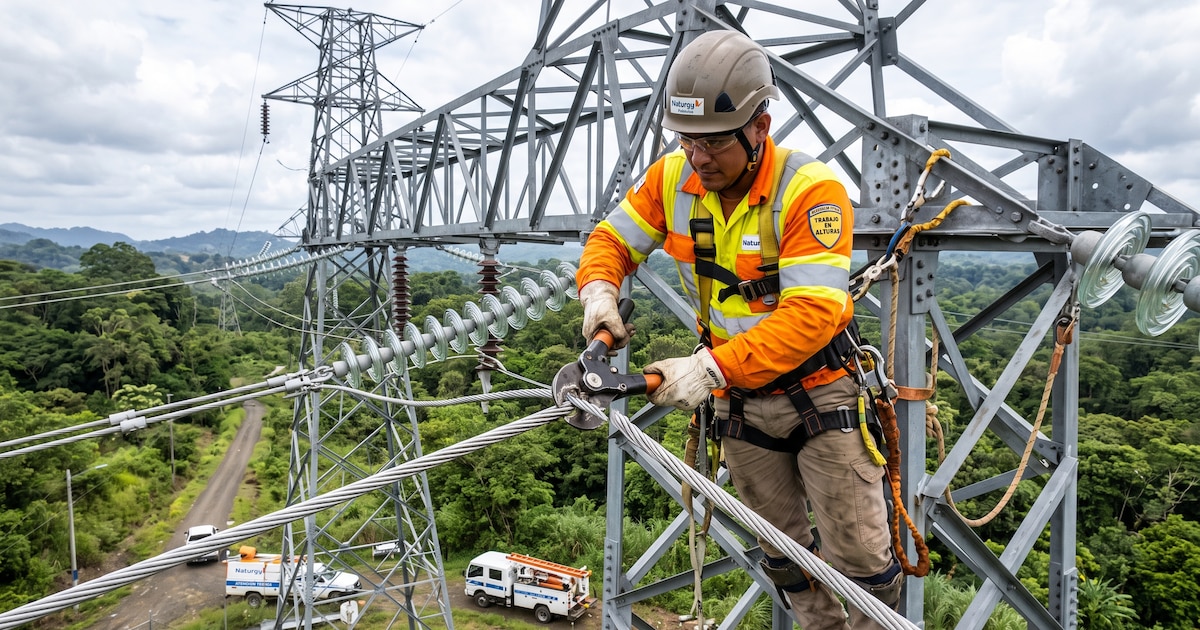
Panamá exportó entre 101 y 143 GWh (gigavatio-hora) mensuales al resto del istmo durante el primer semestre de 2026, participación que desapareció en julio y agosto, cuando el informe del Centro Nacional de Despacho (CND) registró exportaciones hacia Centroamérica equivalentes a 0,00% del consumo.
La suspensión respondió a la necesidad de preservar el suministro local en un período de mayor demanda y menor disponibilidad hídrica.
El sistema panameño, se informó, mantenía costos marginales por debajo de varios mercados vecinos, pero las autoridades optaron por resguardar sus reservas ante el riesgo de tensiones internas.
El CND y la Empresa de Transmisión Eléctrica, S.A. (ETESA) suspendieron hasta 200 MW (megavatio) de exportaciones desde finales de junio.
La medida buscó evitar un escenario de racionamiento o aumentos abruptos en las tarifas nacionales.

La interrupción también modificó el papel de Panamá dentro del Mercado Eléctrico Regional (MER).
El país había aprovechado sus excedentes para vender energía a otras naciones centroamericanas, aunque esa estrategia dependía de la disponibilidad de agua y de la evolución de la demanda doméstica.
El precio regional subió mientras Panamá dejó de vender excedentes
La salida de energía panameña del sistema regional había contribuido a aliviar los precios durante los primeros meses del año.
En agosto, el MER promedió $180,56 por MWh, un aumento de 69,8% frente al mismo mes del año anterior.
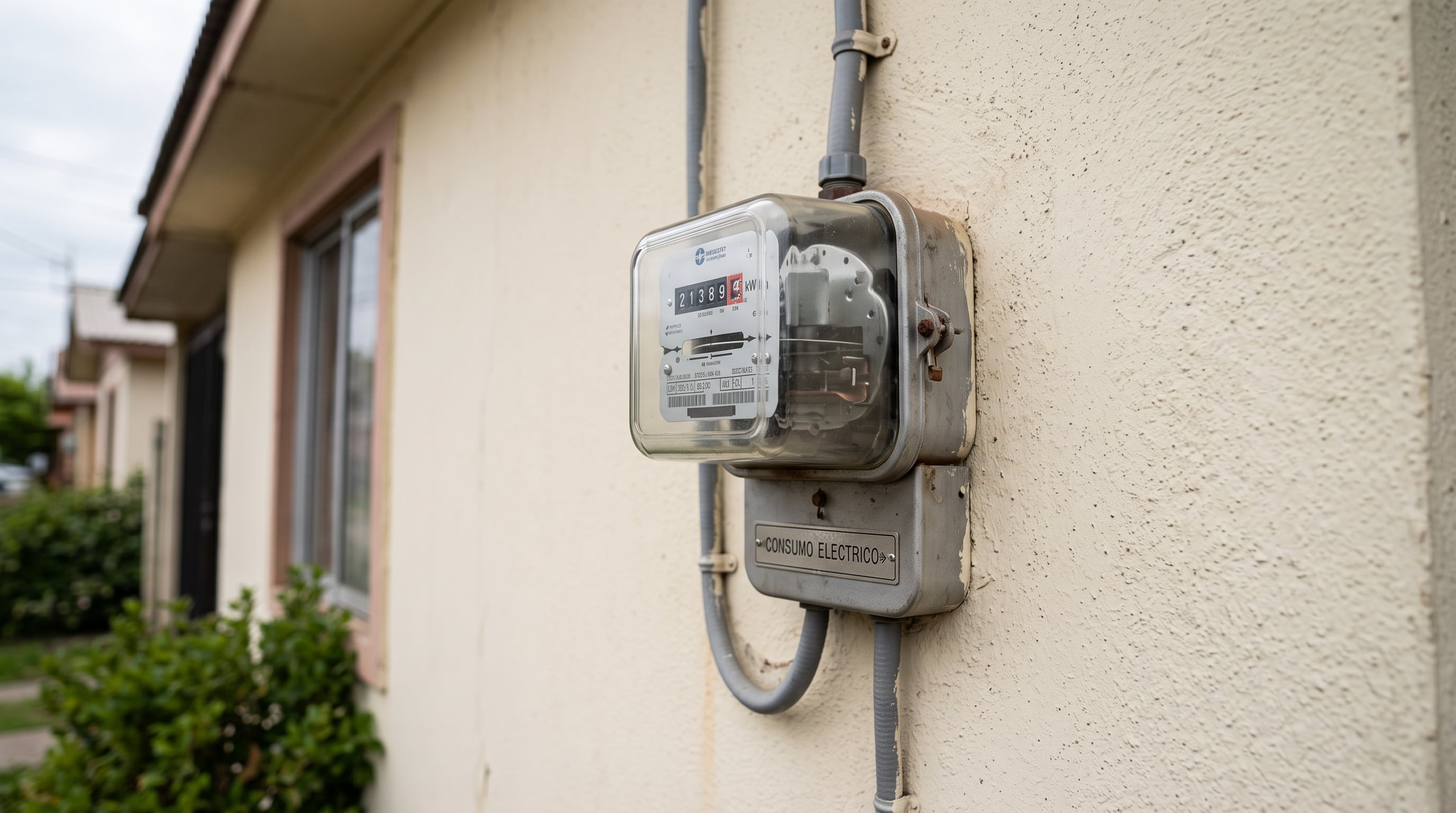
Cada mercado denomina de forma distinta al precio de corto plazo. En Panamá se conoce como costo marginal, en Guatemala como precio spot y en Colombia como precio de bolsa, aunque los tres conceptos se refieren al valor necesario para generar el siguiente MWh.
Las metodologías de cálculo también difieren. La cifra colombiana surge de una conversión elaborada por la publicación especializada Nexo a partir de los 942 pesos por kWh publicados por XM para agosto, mientras que el valor panameño se obtuvo mediante un promedio propio de los datos horarios del CND.
En otras series del organismo panameño, el costo marginal llegó a $65,52. El Administrador del Mercado Mayorista (AMM) registró para México un precio de USD 49,64, por debajo del nivel regional informado para agosto.
La capacidad de Panamá para exportar electricidad se apoyaba en una hidrología favorable y en la disponibilidad de generación térmica. Esa ventaja comenzó a reducirse a medida que descendieron los niveles de los embalses y aumentó la presión sobre el sistema.
La perspectiva de agosto del IMHPA proyectó que el Bayano bajaría hasta 18,93% de su caudal multianual hacia diciembre. El descenso compromete una de las fuentes que permitían al país contar con excedentes para atender las necesidades del mercado regional.
En Honduras, un exgerente de la Empresa Nacional de Energía Eléctrica (ENEE) advirtió que la central hidroeléctrica El Cajón podría operar a la mitad de su capacidad.
El panorama regional mostró que la presión sobre los recursos hídricos no se limitaba al sistema panameño.
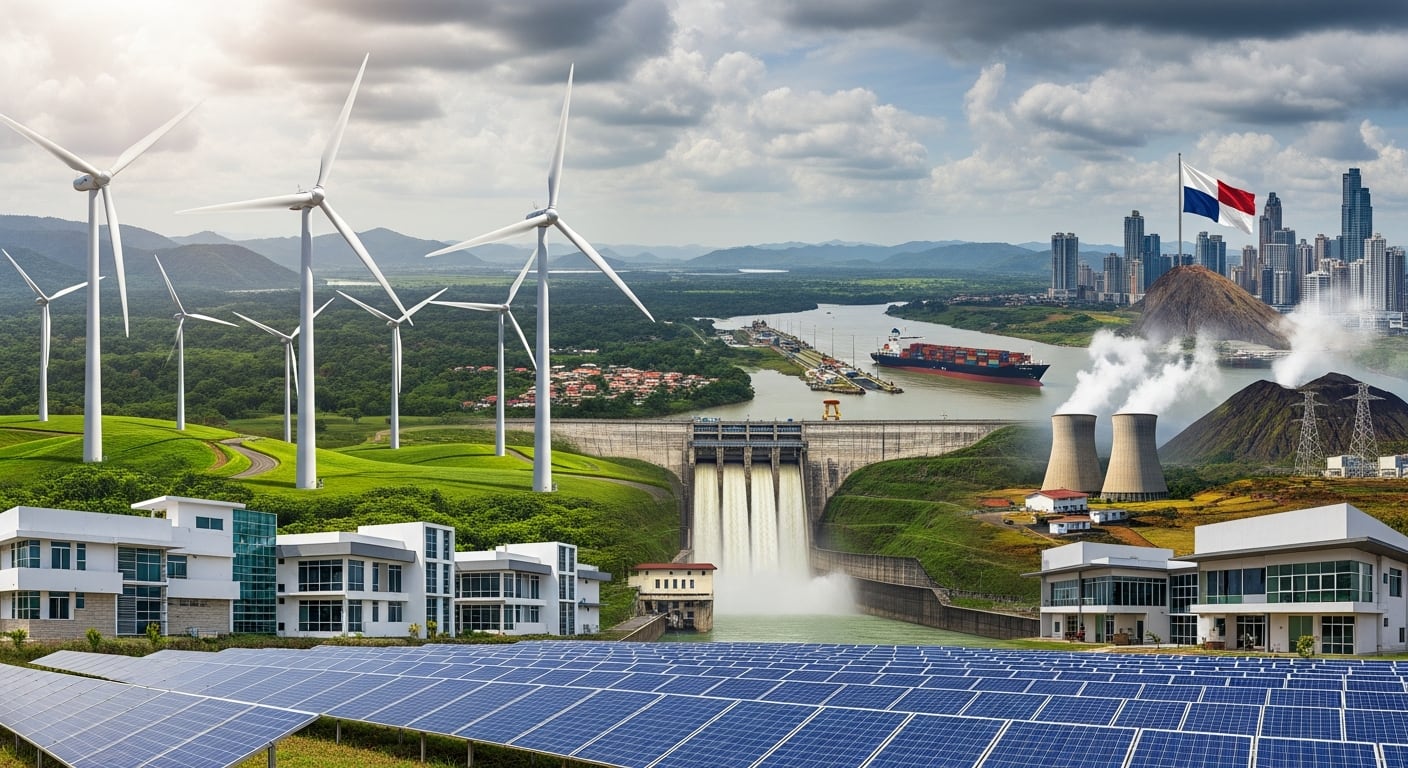
La generación hidroeléctrica, eólica y solar había sostenido buena parte de los excedentes disponibles durante los primeros meses del año. La reducción del aporte de los embalses alteró ese equilibrio y reforzó la necesidad de conservar energía para el consumo local.
La Autoridad Nacional de los Servicios Públicos (ASEP) informó una generación bruta total de 7.390,45 GWh durante el primer semestre de 2026. El registro incorporó la producción del Sistema Interconectado Nacional (SIN), los autogeneradores y los sistemas aislados.
El Ministerio de Economía y Finanzas (MEF) contabilizó una oferta total de 3.386.959,1 miles de kWh durante el primer trimestre.
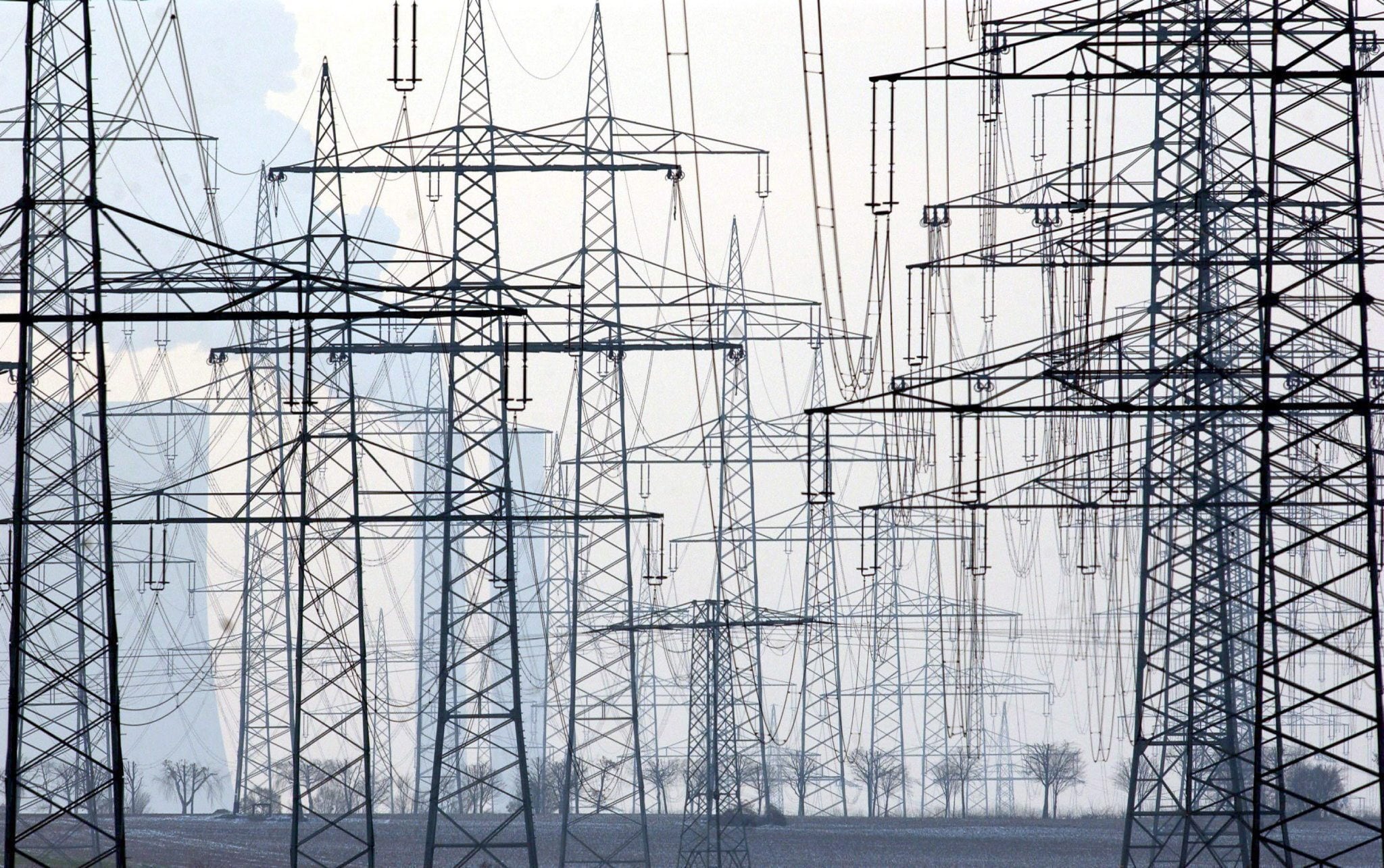
La cifra representó un aumento de 5,2% frente al mismo período de 2025, en un contexto de expansión de la actividad económica y del consumo eléctrico.
La generación renovable alcanzó 2.570.410,9 miles de kWh en ese lapso, con un alza de 9,3% interanual.
La combinación de fuentes hidroeléctricas, eólicas y solares permitió disponer de energía adicional en determinados momentos del día.
Durante el primer trimestre, las exportaciones de electricidad hacia Centroamérica crecieron 79,7% y pasaron de 211.182,4 miles de kWh a 379.409,1 miles de kWh.
Naturgy,Panamá,electricidad,torre de transmisión,mantenimiento eléctrico













A winery co-owned by the husband of Rep. Ilhan Omar, D-Minn., was shuttered amid fraud claims, House Oversight Committee Chairman James Comer, R-Ky., said.
Comer said over the weekend that the winery had been selling empty barrels to investors under the guise of «wine to be aged.»
«I can tell you from our initial investigation of Omar and her financial disclosure form that there are multiple fronts where you could get a search warrant issued,» Comer told Trey Gowdy on Fox News’ «Sunday Night in America.»
«First of all, not only was there a huge discrepancy in the financial disclosure form, there was the winery that was the big base of her $25 million listing on her financial disclosure form. That winery has, according to the press, been shut down because of fraud.»
ILHAN OMAR’S EMBATTLED HUSBAND APPEARS AT SCENE OF HSI RAID IN MIDST OF CRIMINAL FRAUD INVESTIGATION
The winery, co-owned by the congresswoman’s husband, Tim Mynett, shut down in April this year amid congressional scrutiny over Omar’s finances.
His and his business partner’s lawyers told the Minnesota Reformer, «Any suggestion that Will or Tim deliberately defrauded investors or otherwise consciously conspired to rip people off would be false and defamatory.»
OMAR’S DISCLOSURES ERASED MILLIONS, LEAVING HER WITH POTENTIAL NEGATIVE NET WORTH. SHE WON’T EXPLAIN WHY
The revelation is not new, but it’s one of several details that have resurfaced in recent days amid a federal probe into Omar’s citizenship in the U.S.
Federal law enforcement executed a search warrant at her D.C. home earlier this month. The operation was linked to allegations that she and her father misrepresented the congresswoman’s age to more easily obtain American citizenship.
REP ILHAN OMAR’S IMMIGRATION HISTORY FACES NEW SCRUTINY AS FEDERAL INVESTIGATORS SUBPOENA RELATIVES
Omar’s critics, like House Majority Whip Tom Emmer, R-Minn., have called for the progressive Democrat to be deported if the allegations were proved true.
She and her allies have denied wrongdoing and attacked the investigation as a partisan hit job against one of President Donald Trump’s most vocal opponents.
But it’s not the first time Omar has faced accusations of impropriety as a member of Congress.
The House Oversight Committee had earlier probed Omar’s finances after her public disclosures showed a rapid, and at the time unexplained, increase in her net worth. Omar previously chalked up the discrepancy to an accidental accounting error.
Comer zeroed in on the winery in a February letter sent just weeks before the business closed down.
He wrote to Mynett that Omar’s 2023 financial disclosure forms «lists a stake in your winery eStCru worth between $15,001 and $50,000.» The following year, her financial disclosure form listed a stake in eStCru «worth between $1,000,001 and $5,000,000.»
TRUMP RALLY CROWD CHANTS ‘DEPORT’ AS PRESIDENT RIPS ILHAN OMAR AFTER FEDERAL RAID
«There are serious public concerns about how your businesses increased so dramatically in value only a year after reporting very limited assets,» the letter said.
Omar told The Wall Street Journal in mid-April that she and her husband have less than $100,000 combined.
The winery, eStCru, was based in California and was founded in 2020 by Mynett and a business partner. The industry outlet Wine Business named it one of its «Hot Brands of 2022.»
When asked about the probe, a spokesperson for the House Oversight Committee pointed out to Digital that Comer had referred the case of Omar’s finances to the House Ethics Committee for review.
«Regarding the investigation into her spouse, the House Oversight Committee referred the matter months ago to the House Ethics Committee and encouraged it to do its job and review the concerning allegations,» the spokesperson said.
The bipartisan panel is tasked with investigating accusations of impropriety by lawmakers and recommending punishments if those probes turn up wrongdoing. It has not yet taken up Omar’s case.
Digital reached out to Rose Lake Capital, another venture by Mynett and his business partner, for comment on Comer’s remarks.
politics, ilhan omar, house of representatives politics, congress
INTERNACIONAL
Russia releases American teacher imprisoned on Ukraine mercenary charges after Trump pressed Putin

NEWYou can now listen to Fox News articles!
Russia has freed a retired U.S. teacher who was locked up on charges of fighting as a mercenary in Ukraine, according to U.S. envoy Steve Witkoff.
The Michigan man, Stephen Hubbard, had been sentenced in 2024 to almost seven years imprisonment.
Prosecutors said he had signed a contract with the Ukrainian military after Russia sent troops into Ukraine in February 2022, and that he fought alongside them until being captured two months later.
A screen set up at a hall of the Moscow City Court broadcasts the verdict announcement in the trial of US citizen Stephen Hubbard, 72, accused of fighting as a mercenary for Ukraine, in Moscow on October 7, 2024. (NATALIA KOLESNIKOVA/AFP via Getty Images)
«I’ve been talking to President Putin about Mr. Hubbard. I’ve been talking to him at length. I’ve asked him to release him,» President Donald Trump had said on Tuesday. «Let’s see what happens.»
The Associated Press contributed to this report
This is a breaking news story and will be updated
russia, ukraine, world, politics
INTERNACIONAL
Un estudio identificó el "enredo" genómico que explicaría los cerebros complejos de pulpos, calamares y sepias
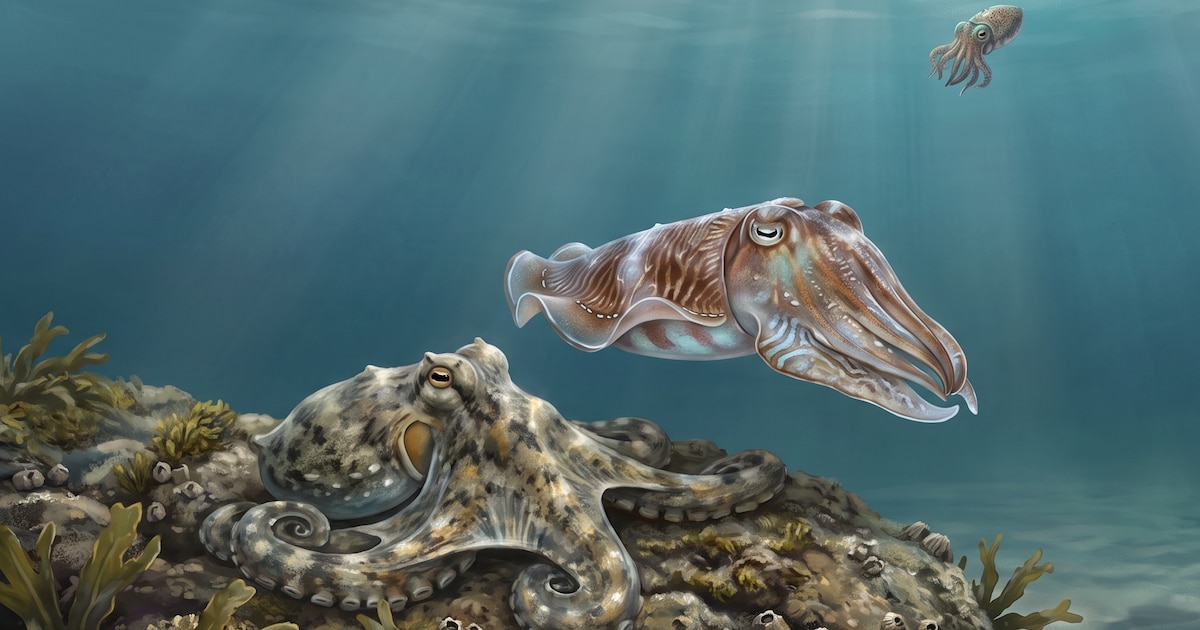
Los pulpos, los calamares y las sepias poseen los cerebros más grandes y complejos entre todos los invertebrados. Son capaces de resolver problemas, cambiar de color en milésimas de segundo y exhibir comportamientos que durante décadas llamaron la atención de la biología evolutiva.
Es por este panorama que la pregunta que sobrevolaba a los investigadores era directa: ¿cómo lograron estos animales desarrollar sistemas nerviosos tan sofisticados y qué papel pudo tener la organización de su genoma en ese proceso? La respuesta, según un equipo de científicos de la Universidad de Viena, podría no estar en los genes en sí mismos, sino en la manera en que el ADN se pliega y se organiza dentro de la célula.
Un análisis comparativo de la arquitectura tridimensional del genoma en tres especies de cefalópodos coleoideos reveló que una reorganización cromosómica masiva, ocurrida hace cientos de millones de años, alteró la forma en que regiones distantes del ADN interactúan entre sí. Ese cambio habría modificado los patrones de regulación genética y facilitado la aparición de rasgos biológicos inéditos, entre ellos sus elaborados sistemas nerviosos.
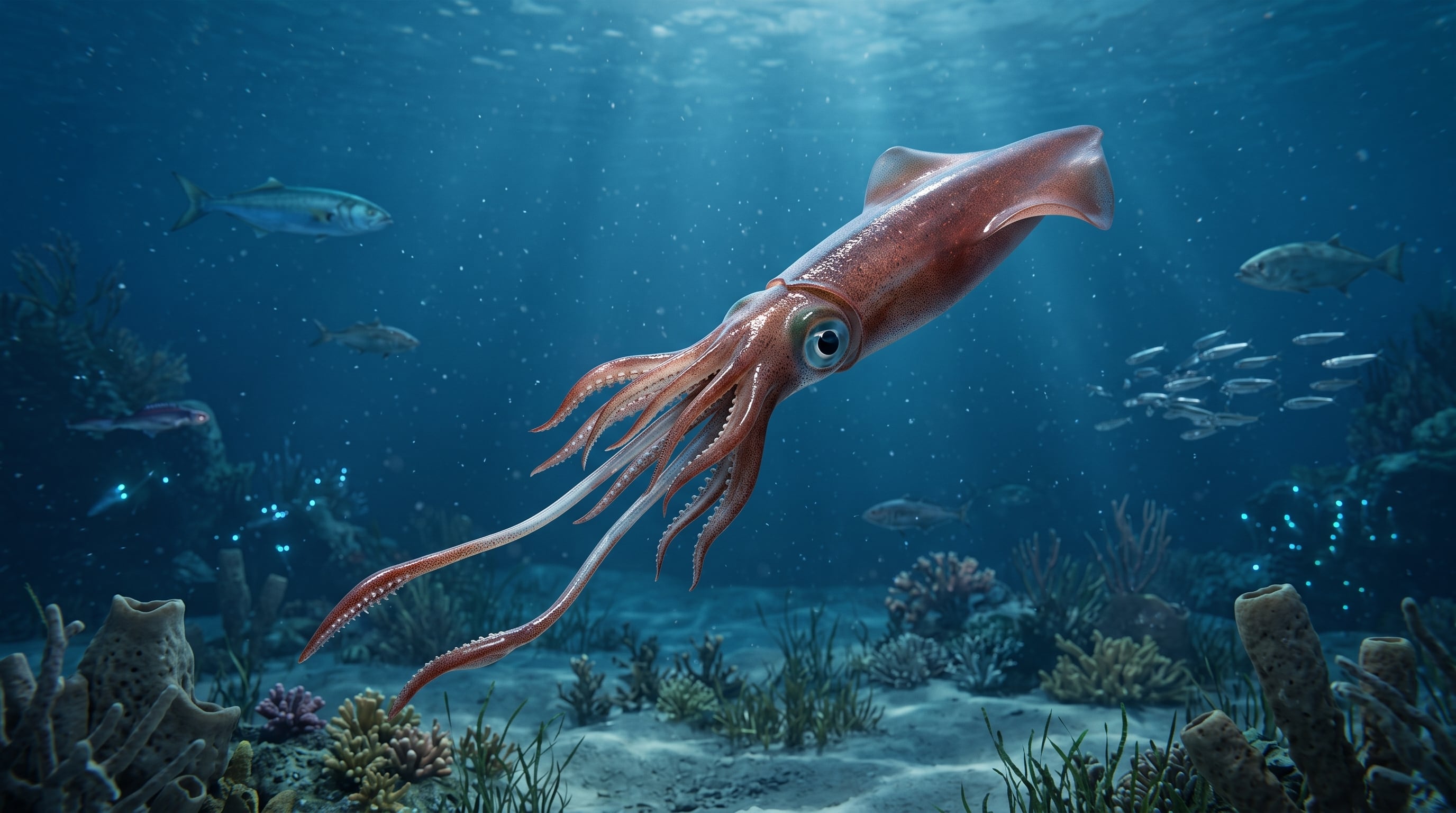
Los hallazgos, publicados en la revista Nature Communications, introducen un concepto que los autores denominan “enredo regulatorio”: la acumulación progresiva de interdependencias entre elementos del genoma que, al quedar próximos tras los reordenamientos cromosómicos, se entrelazan en redes regulatorias cada vez más complejas.
“El genoma no es solo una secuencia de genes. Está plegado en una estructura tridimensional compleja”, señaló la autora principal, la doctora Thea Rogers, investigadora del Departamento de Neurociencia y Biología del Desarrollo, según el comunicado de prensa de la Universidad de Viena. “Comprender cómo evoluciona esa estructura es cada vez más importante para entender cómo surgen nuevas formas de complejidad biológica”, agregó.
La estructura estable y las conexiones flexibles del genoma
El estudio integró datos de estructura de la cromatina, actividad génica y accesibilidad del ADN en tres especies representativas de los principales linajes de cefalópodos coleoideos: el calamar Euprymna scolopes, la sepia Sepia officinalis y el pulpo Octopus bimaculoides.
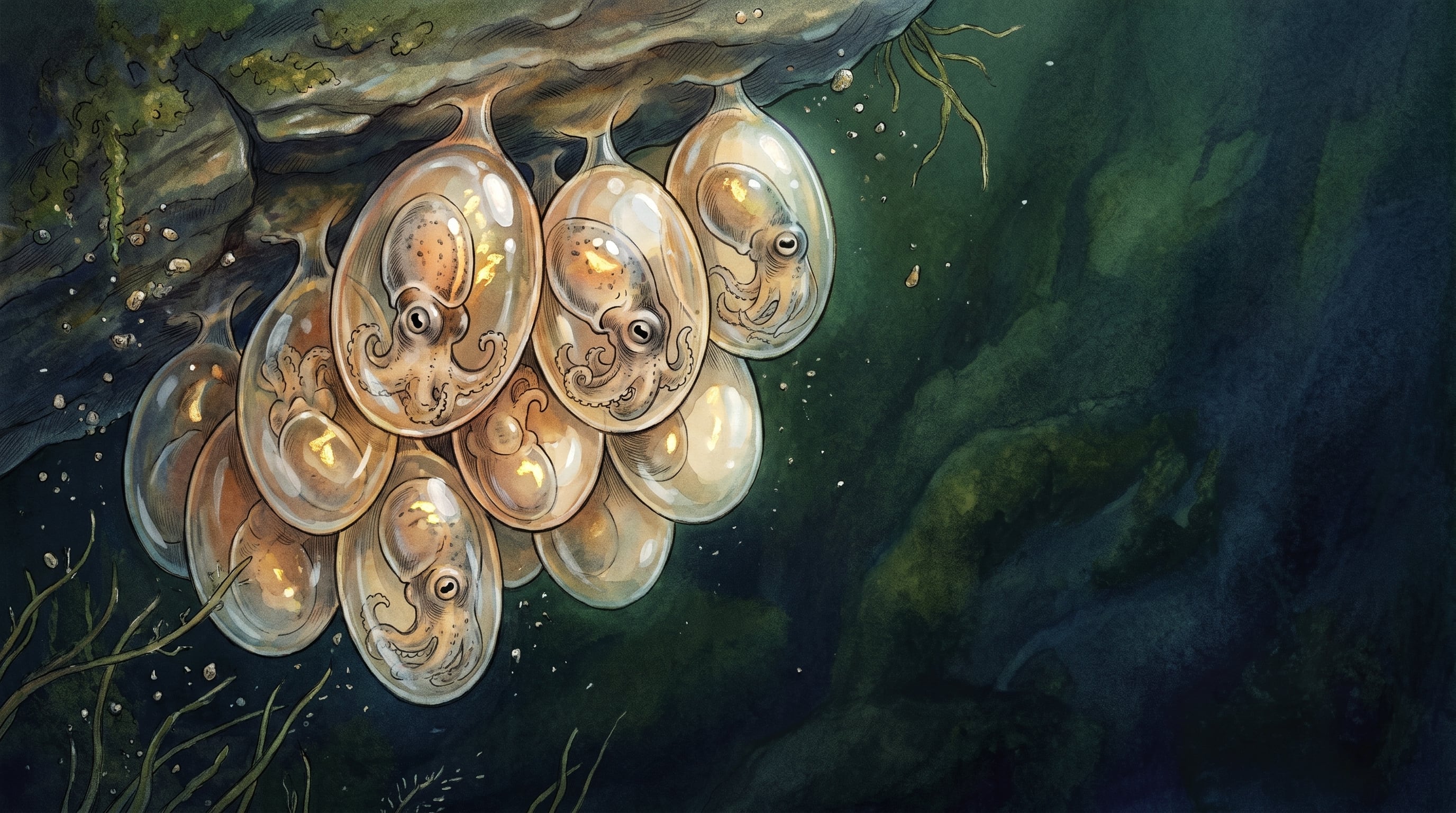
Los investigadores encontraron que las grandes unidades estructurales del genoma, conocidas como dominios de cromatina, es decir, regiones delimitadas por barreras de aislamiento que organizan el material genético a gran escala, se mantuvieron en buena medida conservadas a lo largo de la evolución de estos animales.
Las conexiones más finas, llamadas bucles de cromatina, mostraron un comportamiento opuesto. Estos bucles acercan zonas distantes del ADN para regular la actividad de determinados genes, y resultaron mucho más dinámicos: variaban entre especies, entre tejidos y entre etapas del desarrollo embrionario. Según se detalla en el estudio, apenas tres bucles con genes compartidos se conservaban en las tres especies analizadas, lo que sugiere que se renuevan con rapidez evolutiva mientras la estructura de mayor escala permanece como un andamio estable.
Los bucles hallados cerca de genes vinculados al sistema nervioso resultaron especialmente relevantes. En Octopus bimaculoides, los tejidos neurales presentaron una cantidad de bucles notablemente superior a la de los órganos internos, consistente con las elevadas demandas regulatorias que impone el cerebro de estos animales. Según el comunicado de prensa, estos hallazgos desafían la idea de que la arquitectura del genoma es una consecuencia pasiva de la evolución y proponen, en cambio, que la organización tridimensional del ADN moldea activamente la trayectoria evolutiva.
El experimento que puso a prueba una región regulatoria dentro de un bucle
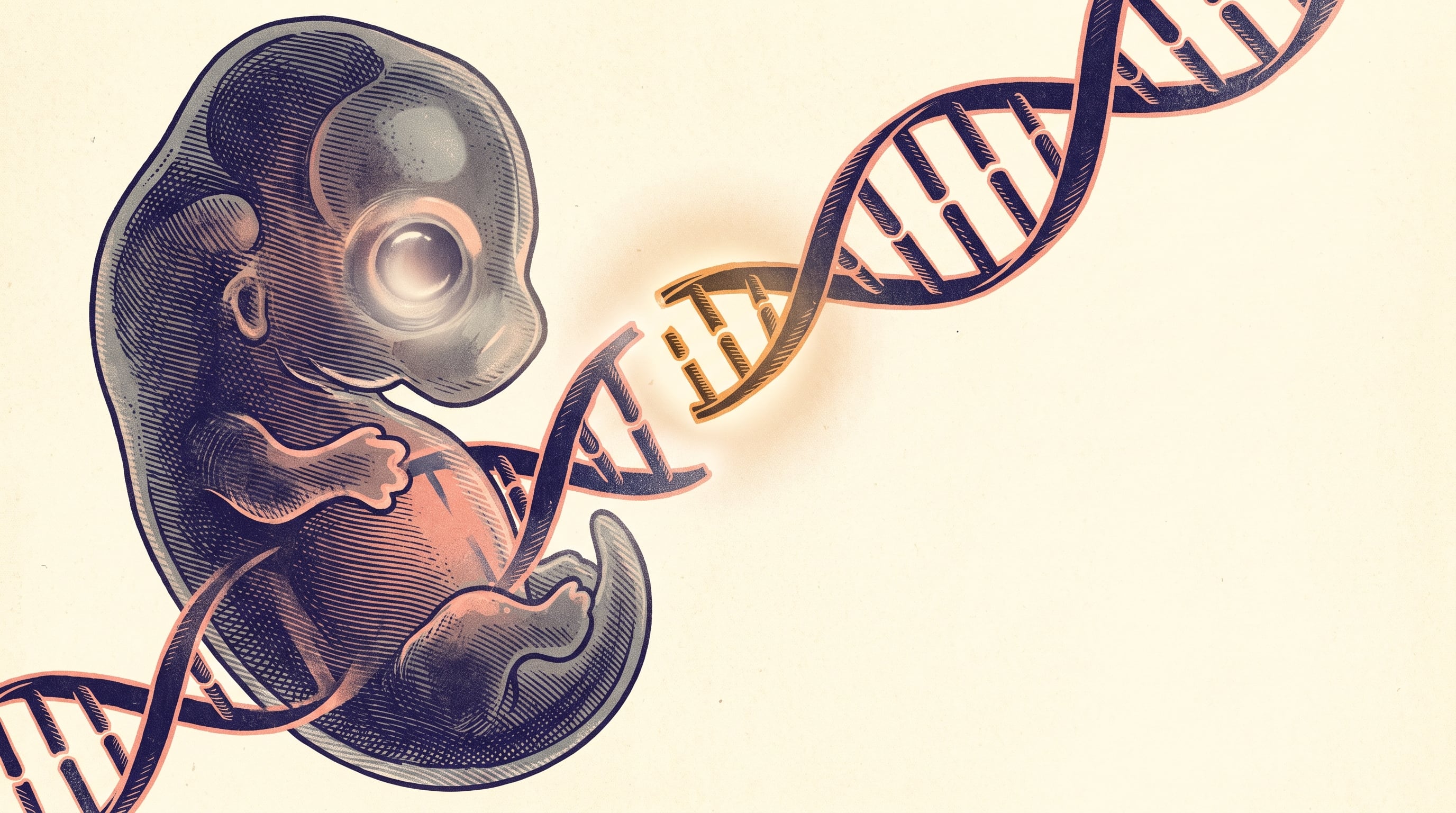
Para verificar que estas estructuras no eran meras curiosidades topológicas, el equipo recurrió a la edición genética mediante CRISPR-Cas9, una herramienta que permite cortar y modificar secuencias específicas del ADN.
Los investigadores eliminaron, en embriones del calamar Euprymna berryi, un fragmento de aproximadamente mil pares de bases, las unidades que componen la cadena genética, situado dentro de un intrón del gen Quaking B. Un intrón es un segmento no codificante ubicado en el interior de un gen, y en este caso el gen está implicado en el desarrollo neural y forma parte de un bucle de cromatina conservado en las tres especies.
Los resultados mostraron alteraciones claras en el desarrollo de los embriones editados. De los 25 ejemplares intervenidos, todos presentaron signos de retraso, y entre un tercio y dos tercios exhibieron defectos morfológicos específicos en el cerebro, como lóbulos ópticos reducidos y brazos más pequeños o ausentes.
El análisis de expresión génica reveló que la eliminación de esa secuencia no solo afectó al gen que la albergaba, sino que alteró genes ubicados a millones de pares de bases de distancia, según se detalla en el estudio. Algunos de esos genes afectados son exclusivos de los cefalópodos. El trabajo concluye que la región eliminada “integra señales regulatorias críticas para la expresión de genes neurales y el desarrollo”.
Por qué Octopus bimaculoides mostró un genoma más “enredado”
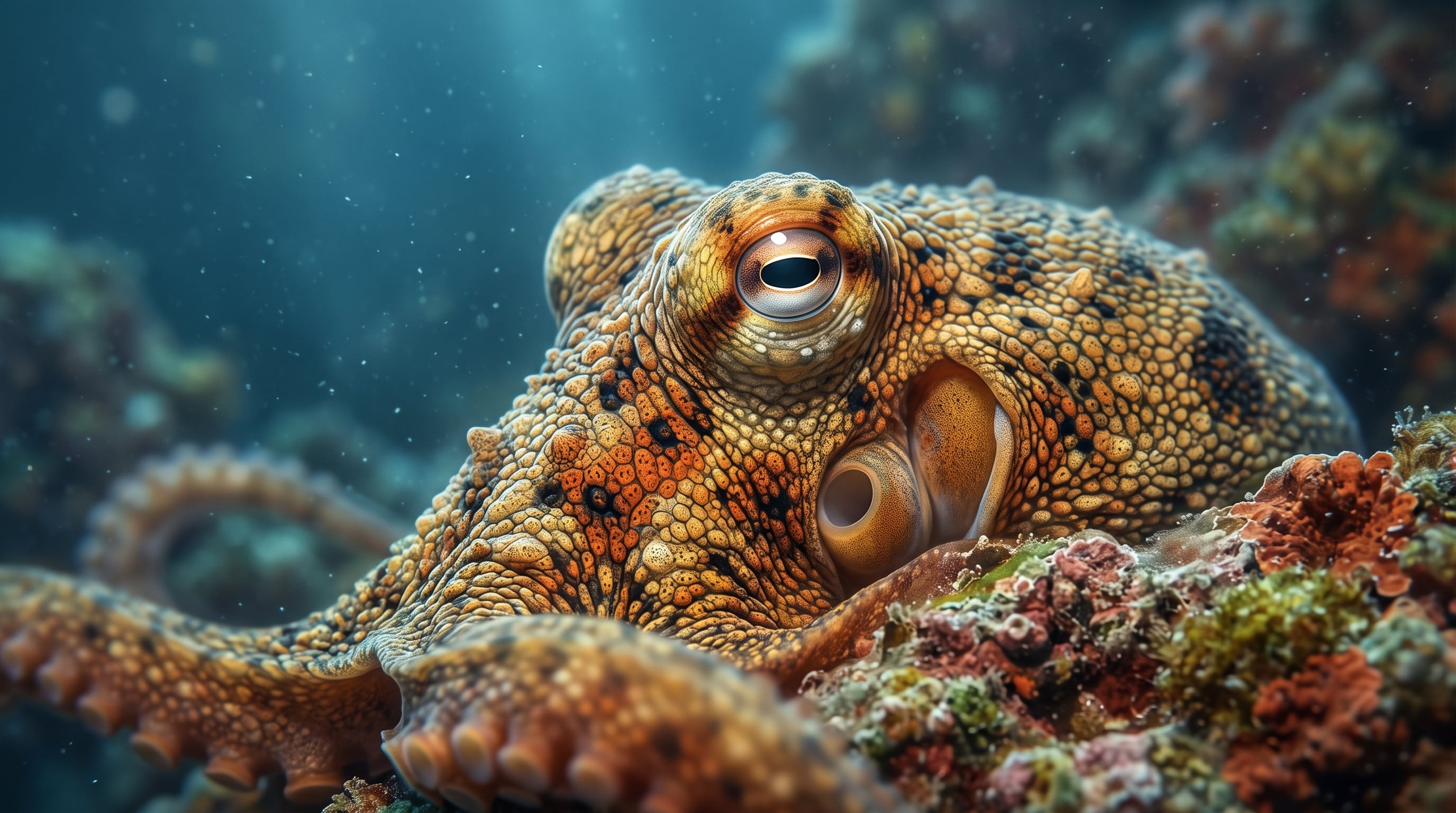
La investigación también reveló diferencias llamativas entre los dos grandes linajes de cefalópodos coleoideos. Octopus bimaculoides, representante de los octopodiformes, el grupo que incluye a los pulpos, exhibió un genoma más “mezclado” que el de las dos especies de decapodiformes analizadas, el calamar y la sepia.
Según el comunicado, esa diferencia obedece a una historia de fusiones cromosómicas más extensas en el linaje de los pulpos, que habría generado estados regulatorios más entrelazados.
En términos concretos, los bucles de cromatina de esta especie resultaron notablemente más grandes: su tamaño mediano alcanzó los 2,9 millones de pares de bases, frente a 1,6 millones en el calamar y 1,3 millones en la sepia. Más de la mitad de esos bucles contenían genes cuyos equivalentes en los calamares se encontraban dispersos en cromosomas diferentes, lo que indica que las fusiones cromosómicas remodelaron profundamente la organización regulatoria del genoma de Octopus bimaculoides.
Los autores proponen que este mayor enredo regulatorio impone restricciones que limitan la expansión futura del genoma en los octopodiformes, a diferencia de la expansión genómica más pronunciada que se observó en los decapodiformes. Según se detalla en el estudio, la organización tridimensional del genoma no solo refleja la historia evolutiva, sino que condiciona las trayectorias posibles, un hallazgo que replantea la comprensión de cómo surgen los rasgos complejos en la naturaleza.
cefalópodos,Octopus bimaculoides,Sepia officinalis,Euprymna scolopes,fauna marina

Como 1907 vs Manchester United: formaciones, hora y dónde ver por tv

El jurado de MasterChef Celebrity fue lapidario con Campi por su plato: “Es una aberración”

Winery owned by Ilhan Omar’s husband shuttered due to fraud, James Comer says

Russia releases American teacher imprisoned on Ukraine mercenary charges after Trump pressed Putin

Nintendo Switch Sports Resort muestra su edición física con una sorpresa cada vez menos habitual: ¡un manual! – Nintenderos

Se complejiza el camino del Gobierno para suspender las PASO: los acuerdos alcanzados y los que faltan

Alerta roja en Sudamérica por el Súper Niño: cambio climático, inundaciones extremas y el hallazgo de microplásticos y metales en el granizo

El Gobierno pone en marcha un nuevo plan de retiros voluntarios y busca que haya 20.000 empleados menos en el Estado

“Feliz día a la mejor mamá del mundo”: el doble gesto del Chato Prada con Lourdes Sánchez y la reacción de ella

De cara al debate por el endeudamiento familiar, el Gobierno sostiene un discurso duro y considera que funciona para la imagen de Milei

 CLIMA2 días ago
Alerta roja en Sudamérica por el Súper Niño: cambio climático, inundaciones extremas y el hallazgo de microplásticos y metales en el granizo
- POLITICA2 días ago
El Gobierno pone en marcha un nuevo plan de retiros voluntarios y busca que haya 20.000 empleados menos en el Estado
- CHIMENTOS3 días ago
“Feliz día a la mejor mamá del mundo”: el doble gesto del Chato Prada con Lourdes Sánchez y la reacción de ella