INTERNACIONAL
En poco más de dos años Panamá cuadriplica su cantidad de guardabosques para vigilar sus 124 áreas protegidas

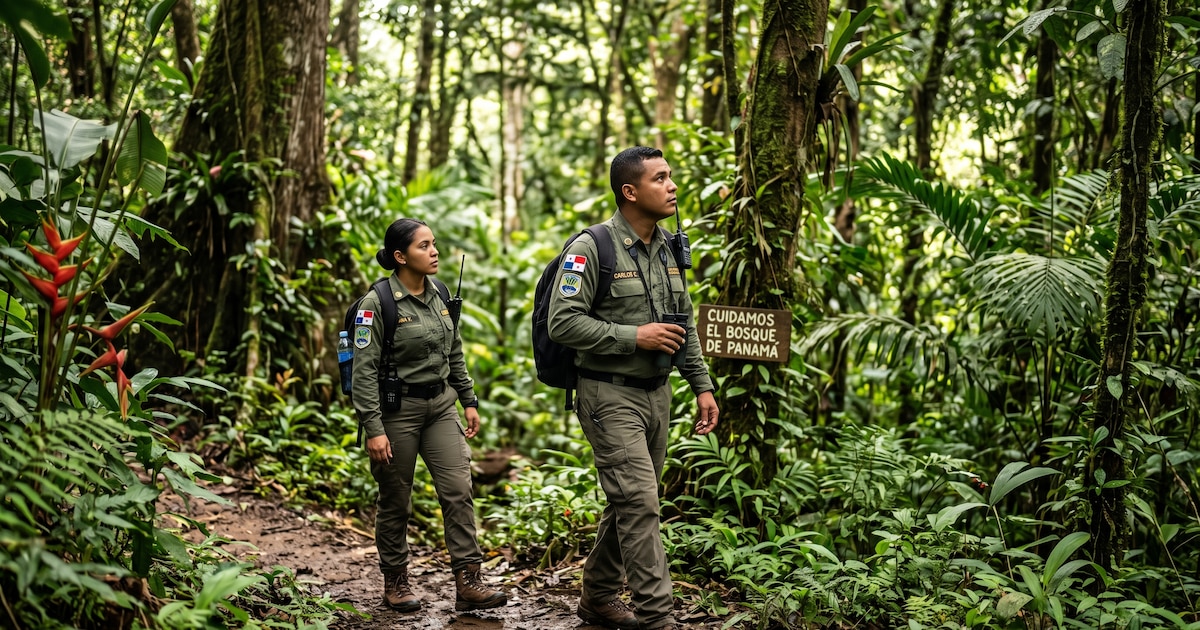
Panamá cuadruplicó su número de guardaparques activos en poco más de dos años.
La cifra pasó de 141 agentes en campo a 631 unidades operativas en 26 meses, un incremento de 490 nuevos custodios ambientales durante la actual administración.
Esta semana, 34 hombres y mujeres se sumaron a esa fuerza tras culminar su proceso de formación.
La meta oficial es alcanzar 724 guardaparques para diciembre de 2026, dentro de una estrategia que busca reforzar la vigilancia del Sistema Nacional de Áreas Protegidas en todo el territorio.
Panamá cuenta en la actualidad con 124 áreas protegidas distribuidas en su territorio. De ese total, 19 son parques nacionales, entre los que se destacan Darién y Coiba, considerados referentes mundiales por su riqueza biológica.
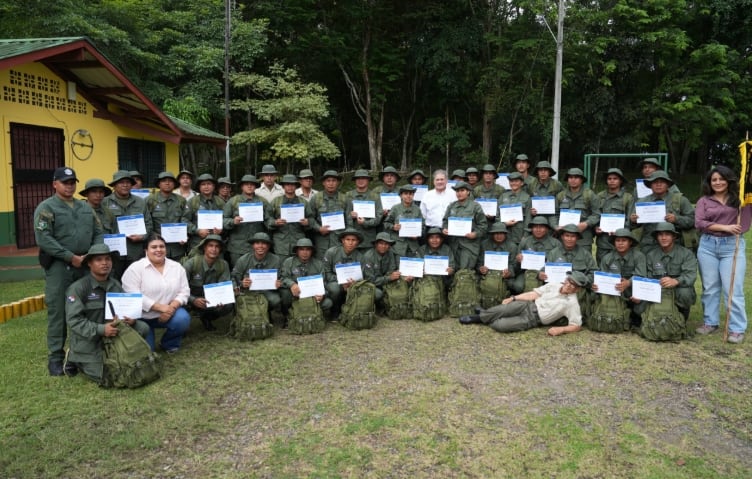
La información señala que las nuevas unidades serán destinadas a distintas áreas protegidas del país para vigilar bosques, ríos, humedales, montañas y ecosistemas marino-costeros.
La graduación forma parte del plan de fortalecimiento que impulsa el Ministerio de Ambiente (MiAmbiente) para robustecer el Sistema Nacional de Áreas Protegidas (SINAP).
El objetivo es garantizar presencia estatal permanente en los territorios de mayor valor ecológico del país.
La entidad también sumó 20 profesionales especializados, entre biólogos e ingenieros forestales, para respaldar la gestión técnica y administrativa de las áreas protegidas.
La formación continua corre a cargo de la Escuela de Guardaparques y de la Oficina de Logística y Capacitación del SINAP.
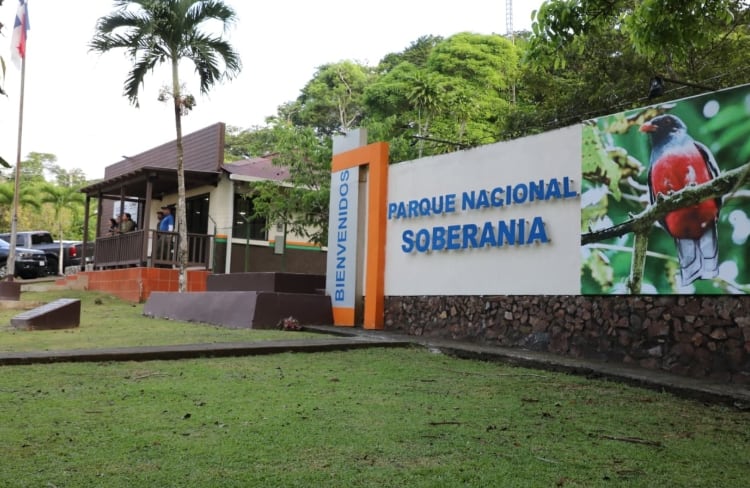
A ese esfuerzo se suma la capacitación de 25 jefes de parques nacionales y áreas protegidas en la Universidad Estatal de Colorado, orientada a liderazgo y manejo de recursos naturales.
En este proceso participaron como aliados el Instituto Nacional de Formación Profesional y Capacitación para el Desarrollo Humano, y el Servicio de Policía Ambiental, Rural y Turística.
“Hoy empieza el reto de sus vidas; hace años parecía imposible pensar en tener guardaparques con posiciones permanentes, con equipos, dignos de primer mundo, con capacitación y entrenamiento”, afirmó el ministro de Ambiente, Juan Carlos Navarro.
“Siempre hagan lo que tengan que hacer para defender el bosque. Siempre defiendan hasta el último árbol. Nunca permitan que tumben un solo árbol dentro de un parque nacional. Jamás permitan la cacería furtiva o ilegal dentro de los parques nacionales. Siempre cuiden la flora y la fauna hasta con su propia vida. Siempre sean estrictos en cumplir la ley”, manifestó
Entre los 34 nuevos guardaparques estaba Doriela Concepción, hija de un hombre que ejerció esa misma función durante varias décadas.
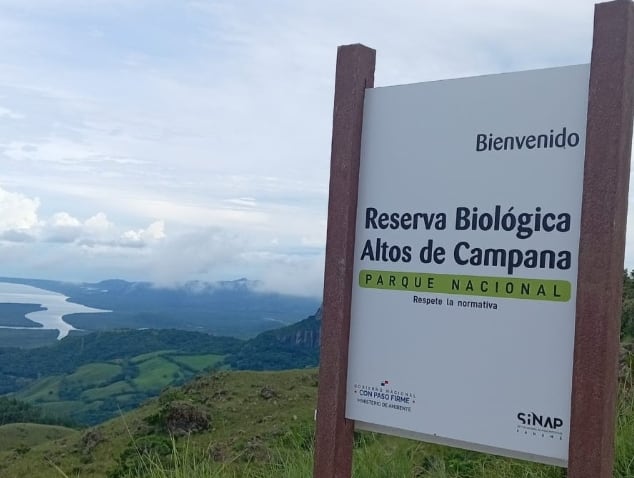
Para ella, la graduación cierra un anhelo que arrastraba desde la infancia. “Desde niña he sido guardiana de los bosques, cuidando la biodiversidad con mi papá. El propósito de ser guardaparques llevaba muchos años; hoy lo he logrado”, expresó la nueva guardaparque.
Reconoció que su mayor desafío será la interacción con personas que no respetan las normas ambientales.
“El mayor reto son las personas; para mí va a ser una nueva experiencia, porque me tocará cuidar de la vida marina y hay muchos problemas con las personas y hay que saber llegarles sin afectarlas”, afirmó Concepción sobre la tarea que la espera en el ámbito marino-costero.
Alfredo Valdespino, otro integrante de la nueva promoción, dijo sentirse orgulloso de la certificación recibida. Destacó especialmente el aprendizaje adquirido durante el curso especializado.
Al igual que su compañera, Valdespino identificó como principal desafío la necesidad de actuar con firmeza frente a quienes desarrollan actividades que dañan la conservación de los ecosistemas.
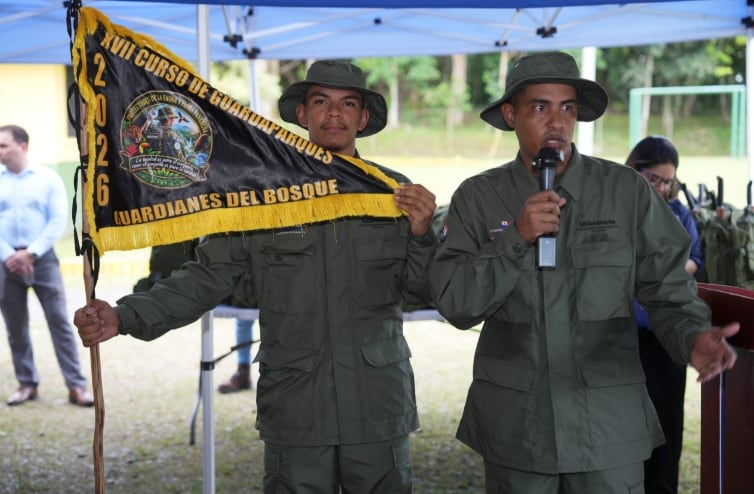
MiAmbiente proyecta además la construcción de la Escuela Nacional de Guardaparques en el Parque Nacional Camino de Cruces. La obra busca consolidar la formación de nuevas generaciones dedicadas a la defensa de los ecosistemas del país.
Con la llegada de los 34 graduados, la fuerza de vigilancia ambiental queda un paso más cerca de la meta de 724 agentes prevista para diciembre de 2026. Desde montañas, bosques, manglares y costas, ese personal quedará a cargo de la protección del patrimonio natural panameño.
guardaparques,Panamá,bosque,patrullaje,conservación ambiental








INTERNACIONAL
$800-a-day penalty threatens to bleed investigative reporter dry as explosive legal fight escalates
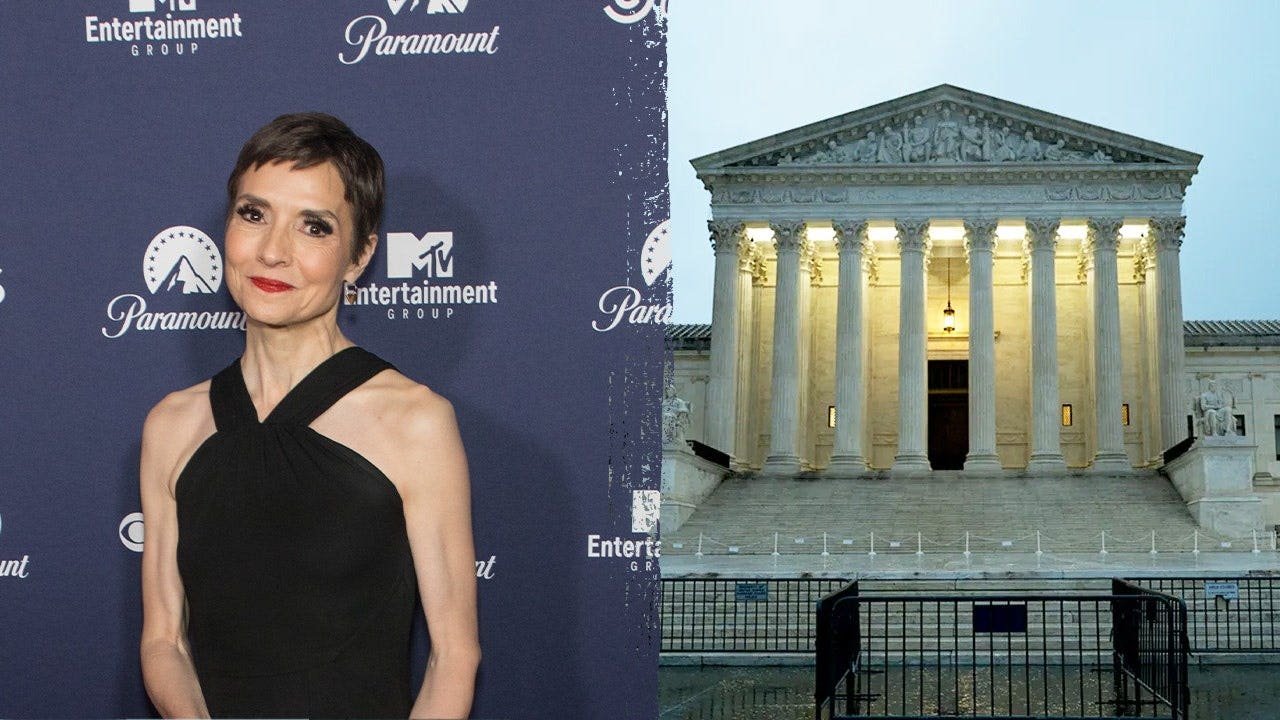
Former investigative reporter Catherine Herridge is asking the Supreme Court to protect her confidential sources after a federal court ordered her to identify who helped expose a woman’s alleged ties to China’s military.
The outcome of the case could dramatically reshape the legal protections afforded to journalists working in the U.S. under the First Amendment.
Herridge was held in contempt and ordered to pay $800 per day for refusing to reveal sources behind her 2017 reporting on Yanping Chen, a Chinese American businesswoman who operated a university attended by U.S. military personnel. Her reporting raised questions about Chen’s alleged past as a colonel for the People’s Liberation Army (PLA) of China and the potential exposure of sensitive information about American service members.
The Department of War subsequently cut off military tuition assistance funding to Chen’s university following a national security review, according to a filing by Herridge’s legal team. The school had been receiving approximately $200,000 a month in taxpayer-funded tuition assistance.
NEW YORK TIMES BLASTS ‘ABUSIVE’ TRUMP SUBPOENAS TARGETING REPORTERS’ SOURCES
Now Chen, who was investigated by federal authorities but never charged with a crime, is pursuing a lawsuit against the federal government, alleging that officials improperly disclosed her private records to Herridge in violation of the Privacy Act. She has sought to compel Herridge to identify her sources as part of that litigation.
The dispute has reached the Supreme Court, where Herridge’s attorneys are asking the justices to reconsider the legal standard used to force journalists to disclose confidential sources in civil cases.
Her legal team argues that the lower courts failed to adequately weigh the broader circumstances of Chen’s lawsuit, including the Pentagon’s national security findings and whether Chen can ultimately prevail in her claims against the government.
The case also exposes a longstanding disagreement among federal appeals courts over the scope of the reporter’s privilege, an issue the Supreme Court has not comprehensively addressed in more than five decades.
Herridge’s original investigation, published while she was working at in 2017, examined Chen’s background and her operation of the University of Management and Technology in Arlington, Virginia, which enrolled U.S. military personnel using Defense Department tuition assistance.
The reporting included photographs appearing to show Chen in a Chinese military uniform and examined allegations that she had concealed her previous military service when applying for U.S. immigration benefits.
It also raised concerns about the university’s collection of information on American service members, including details about their military training and professional backgrounds. A whistleblower interviewed for the investigation alleged that information stored on the school’s computers could be accessed remotely from China.
WASHINGTON POST BOASTS IT STARED DOWN ‘UNWARRANTED’ JUSTICE DEPARTMENT SUBPOENA
Federal authorities had previously investigated Chen over potential immigration violations and counterintelligence concerns, but prosecutors in the Eastern District of Virginia declined to bring charges.
Following Herridge’s reporting, the Pentagon completed a review of Chen’s university and terminated its eligibility for military tuition assistance funding, according to her filing.
Chen subsequently filed suit against the federal government, alleging that confidential information from government records had been improperly disclosed to Herridge. She contends that identifying the officials responsible for the alleged disclosures is necessary to establish her Privacy Act claims.
Herridge refused to identify her sources, arguing that compelling disclosure would undermine the ability of journalists to obtain sensitive information from government officials and whistleblowers.
A federal judge ultimately ordered Herridge to disclose the sources and held her in civil contempt when she refused. The U.S. Court of Appeals for the D.C. Circuit upheld the order, prompting her appeal to the Supreme Court.
Media has continued to support Herridge’s legal fight, including covering her legal fees, despite her departure from the network in 2019.
At the center of Herridge’s petition is a disagreement among federal appeals courts over how judges should evaluate a journalist’s claim of privilege when confidential sources are sought in civil litigation.
The filing argues that the D.C. Circuit applied a narrow test focused primarily on whether Chen needed the information to pursue her lawsuit and whether she had exhausted alternative means of obtaining it.
They contend that courts should also consider the strength of the underlying lawsuit and the consequences of compelling disclosure, particularly when confidential national security sources may be involved.
The distinction could prove significant for journalists reporting on sensitive government matters. Under the standard challenged by Herridge, a plaintiff could obtain a reporter’s confidential sources even if other deficiencies in the lawsuit would ultimately prevent the plaintiff from recovering damages, according to the petition.
supreme court, politics, law, judiciary, federal courts, fox news media, first amendment
INTERNACIONAL
El déficit fiscal, un Congreso adverso y las tensiones con Trump y Milei: los desafíos de Lula en su cuarto mandato
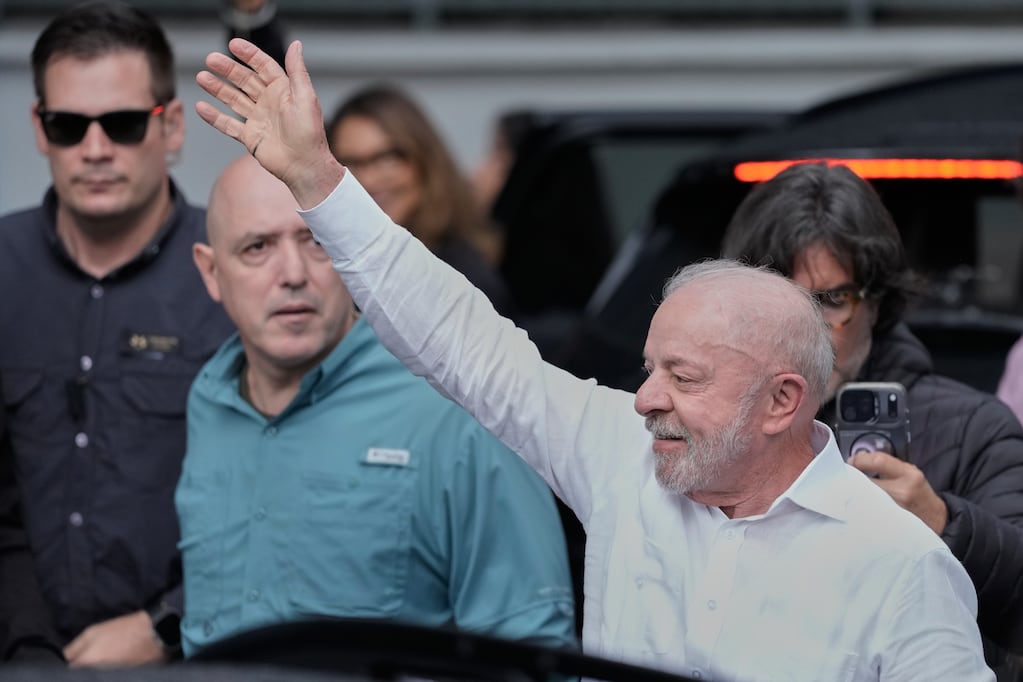
Gobernabilidad, gasto público, seguridad y relaciones con Estados Unidos se asoman como los grandes desafíos que deberá afrontar el reelecto presidente Luiz Lula da Silva en su cuarto mandato tras el triunfo en el balotaje de este domingo en Brasil.
Son temas prioritarios que el mandatario izquierdista, de 81 años, deberá enfrentar a partir del 5 de enero próximo.
“En general, lo más inmediato es la economía. Pero hay una serie de conexiones con otras cuestiones importantes de la agenda política interna”, dijo a TN la analista brasilela Denilde Holzhacker, directora del área de Investigaciones en la Escuela Superior de Publicidad y Marketing de San Pablo.
Cuáles son los temas prioritarios de la agenda
La agenda de prioridades del nuevo gobierno de Lula es extensa, pero los temas más candentes son cuatro.
- Gobernabilidad. Lula asumirá un nuevo período de gobierno con un Congreso adverso y dominado por el “bolsonarismo” y fuerzas de centroderecha. “Lula tiene un gran desafío: lidiar con un Congreso opositor”, resumió Holzhacker. El escenario es complejo. Los legisladores de derecha y de centro controlarán con una mayoría simple el nuevo Parlamento si se unen. La dinámica en el Senado podría ser similar. Lula tendrá que poner en juego toda su capacidad de negociación para refrendar acuerdos con el “Centrao”, la coalición de partidos de centroderecha que suele dar gobernabilidad al presidente de turno, pero que respaldó a Flávio Bolsonaro en el balotaje. La izquierda quedó en absoluta minoría.
- Deuda y déficit fiscal. “La cuestión de la deuda pública es un gran desafío”, dijo Holzhacker. La deuda pública llegó al 82,9% del PBI y el déficit fiscal al 9,48%. Ambos indicadores están en alza y representan una amenaza para las cuentas públicas. Brasil necesitará una férrea disciplina fiscal. Además, las tasas de interés están en 13,75%, muy elevadas según advierten expertos. La inflación está controlada en 4,58 % interanual. Lula necesita rigor fiscal, pero prometió más inversión pública para impulsar el crecimiento, aumentar la recaudación y mantener así los vitales planes sociales de su gobierno. “Si el país no crece se limita el proceso de inversiones”, alertó la analista. Brasil necesita más inversiones petroleras y mineras, además del vital rubro de las tierras raras.
- Estados Unidos. Es un tema de difícil resolución. El presidente estadounidense, Donald Trump, jugó duro a favor de Bolsonaro con fuertes presiones diplomáticas y la aplicación de aranceles que dieron un duro golpe a la economía brasileña. Lo paradójico es que Estados Unidos es su segundo socio comercial detrás de China. “Es el gran desafío externo”, dijo la analista. En juego estará también el difícil vínculo con la Argentina de Javier Milei, que apostó todo a ganador con Bolsonaro y dañó la relación bilateral con sus descalificaciones al presidente reelecto que lo tildó de ladrón. Las relaciones nunca estuvieron en un nivel tan bajo desde el regreso de la democracia.
Silva
INTERNACIONAL
Trump’s fingerprints seen on Latin America’s rightward shift as Brazil becomes next test
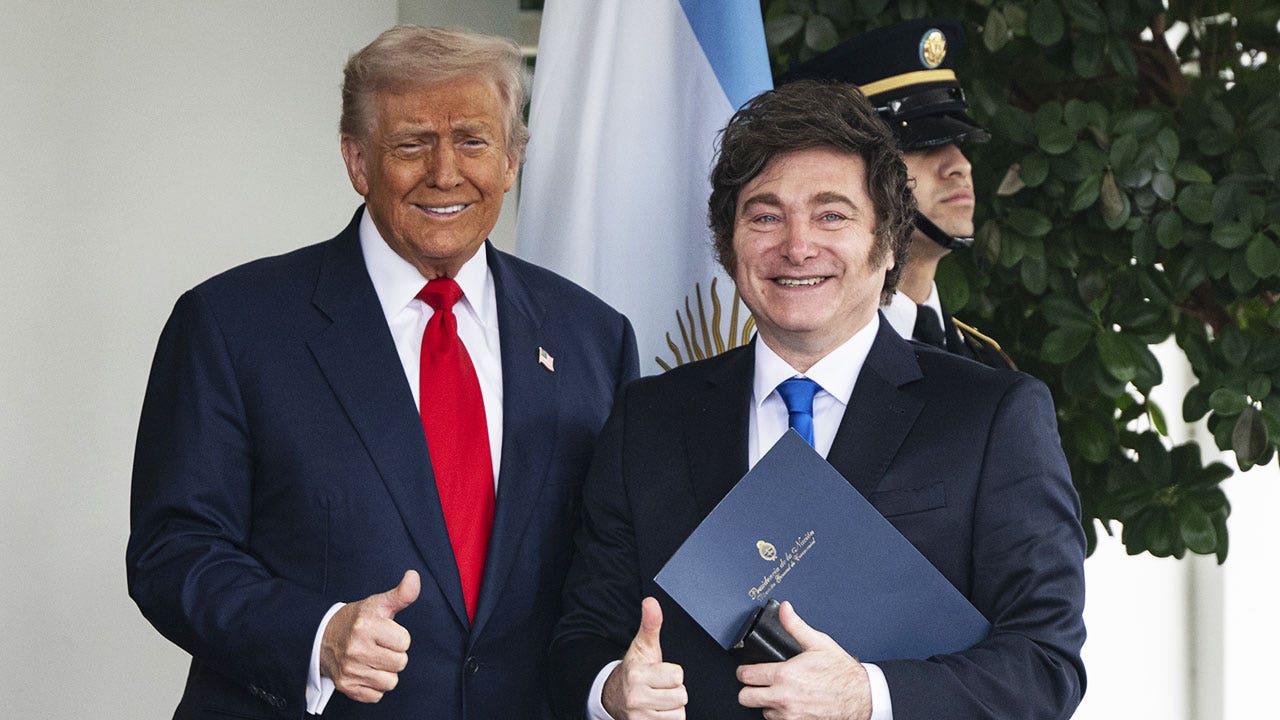
President Donald Trump’s political influence is reaching far beyond America’s borders as several Latin American countries shift toward right-leaning leadership, with Brazil emerging as the next major test of the region’s changing political direction.
For Argentina-born Trump rally attendee Marcelo Sandrin, who has lived in the U.S. for roughly three decades, the shift is unmistakable — and Trump deserves substantial credit.
Speaking to Digital outside the T. Ed Garrison Arena near Clemson, Sandrin pointed to Argentine President Javier Milei and the prospect of another rightward shift in Brazil as signs of what he sees as Trump’s growing influence. The trend comes as the Trump administration has also asserted U.S. power more directly in the region, most dramatically through the capture of Venezuelan socialist leader Nicolás Maduro.
«[Trump deserves] a lot of credit,» Sandrin told Digital, adding Milei is a very forceful libertarian, right-wing/small-government figure, and that during the Trump era, South America has moved «more and more to the right.»
LATIN AMERICA’S CONSERVATIVE SHIFT FACES ITS BIGGEST TEST YET IN BRAZIL ELECTION
In Argentina, Milei has emerged as one of Trump’s most prominent ideological allies in the hemisphere, pursuing sweeping economic reforms and challenging the left-wing political establishment that dominated much of the country’s recent history.
«Brazil is almost going to be [moving] to the right again. It’s only Mexico and Uruguay for now [on the left]. The problem in my country is one side or the other, they have to steal, stop stealing. That’s the number one thing.»
Brazil could provide another test of the region’s political direction, with allies of former President Jair Bolsonaro seeking to return the country to right-wing leadership. The country’s political future remains contested, however, underscoring the limits of describing Latin America’s political trajectory as a uniform rightward turn.
The Trump administration’s impact on the region has also extended beyond electoral politics. Venezuela underwent a dramatic change following the U.S. capture of longtime socialist leader Nicolás Maduro, an operation that Venezuela native and Manhattan Institute researcher Santiago Vidal Calvo argued reinforced Washington’s influence across the hemisphere and weakened the political order Maduro represented.
COAST GUARD FIREFIGHT PUTS US, MEXICO AT ODDS DESPITE COORDINATED BORDER OPERATIONS
«I have no doubt that President Trump has had a good influential policy towards making governments more right-leaning in Latin America,» Calvo said.
«I think that got exacerbated with the capture of Maduro,» he added. «A lot of people saw that the United States was again an influential force in the continent, that China was being kicked out in many fronts.»
Calvo argued that Trump, Milei and Salvadoran President Nayib Bukele have helped inspire right-leaning movements across the region, with implications extending beyond elections to immigration, trade, Chinese influence and national security.
He also pointed to China, arguing that Beijing expanded its influence in Latin America through loan agreements that differ from conventional North American banking transactions and can give it leverage in countries’ domestic affairs.
SIGN UP TO GET THE POLITICS NEWSLETTER
The regional shift is far from uniform. Mexico remains governed by the left-wing Morena movement, making it a political counterpoint to Trump’s network of right-leaning regional allies. Uruguay also remains on the left, another exception to the trend Sandrin described.
Calvo also singled out Secretary of State Marco Rubio for praise, arguing that the administration’s Latin America strategy has been an underappreciated foreign-policy achievement.
«I think one of the highlights of this Trump administration has been a good example of foreign policy in Latin America, especially at the hand of [Marco] Rubio,» Calvo told Digital.
Digital’s Reagan Schroeder contributed to this report.
donald trump, latin america, south america, foreign policy, geopolitics, jair bolsonaro, politics, nicolas maduro, mexico, illegal immigrants, immigration, world

San Martín de Formosa es campeón del Federal A y logró un ascenso histórico

Unos 200 mayoristas ofrecerán descuentos en todo el país durante el Black Week

Benjamín Vicuña rompió el silencio sobre sus hijos, en medio de su fuerte enojo con la China Suárez: «Sabemos que hay una…»

La CGT ya recibió señales positivas sobre la visita del Papa, pero podrían reprogramarse algunas actividades

$800-a-day penalty threatens to bleed investigative reporter dry as explosive legal fight escalates

El video revelador sobre el toque que dejó afuera a Franco Colapinto del GP de los Estados Unidos de Fórmula 1

Javier Milei y sus medidas, en vivo: el mandatario dijo que piensa un proyecto a “100 años” para la Argentina

Escándalo con Sancor Salud: Cuotas millonarias por un servicio nefasto que abandona a los pacientes en urgencias

Estudiantes de La Plata busca su sexta final de Copa Libertadores: la tabla histórica del torneo y la disputa Argentina-Brasil que podría dirimir

José Luis Manzano compró un 21% del holding de medios de Javier Negre y refuerza su alineamiento con la gestión de Milei

 SOCIEDAD3 días ago
Escándalo con Sancor Salud: Cuotas millonarias por un servicio nefasto que abandona a los pacientes en urgencias
- POLITICA12 horas ago
CFK, Axel Kicillof, Sergio Massa y otros referentes del PJ celebraron el triunfo electoral de Lula da Silva
- POLITICA3 días ago
El Senado recibió el proyecto de ley de Discapacidad y el oficialismo define los tiempos del debate