INTERNACIONAL
Falta de consensos mantiene estancada elección de autoridades electorales en Honduras

El presidente del Congreso Nacional, Tomás Zambrano, afirmó que mientras no se impulsen reformas electorales que garanticen mayor blindaje y transparencia en los procesos democráticos, será difícil avanzar en la elección de las nuevas autoridades del Consejo Nacional Electoral (CNE) y del Tribunal de Justicia Electoral (TJE).
El titular del Legislativo sostuvo que la comisión especial encargada del proceso continúa trabajando en la evaluación de aspirantes y recordó que el plazo para presentar la nómina oficial vence el próximo 25 de mayo.
Zambrano indicó que el actual escenario político evidencia la necesidad de introducir cambios al sistema electoral, especialmente tras las controversias y crisis registradas en procesos anteriores.
De acuerdo con sus declaraciones, una de las reformas que podrían discutirse es permitir que las concejales restantes y sus suplentes puedan continuar el proceso electoral si hay bloqueos internos o situaciones que paralicen las funciones del ente electoral.
“El CNE está paralizado y se necesitan reformas que permitan garantizar el funcionamiento institucional y proteger los procesos democráticos”, manifestó el congresista.
Las declaraciones del presidente del Congreso se producen en medio de crecientes dificultades para alcanzar acuerdos políticos dentro del Legislativo sobre la integración de los órganos electorales.
Por su parte, el diputado y miembro de la Comisión Especial Evaluadora, Eder Mejía, reconoció públicamente que todavía no existen consensos entre las distintas fuerzas políticas representadas en el Congreso Nacional para elegir a los nuevos magistrados y consejeros del CNE y el TJE.

El parlamentario admitió que las diferencias entre bancadas continúan retrasando el proceso, aunque ya se avanzó en varias etapas del concurso público impulsado por la comisión multipartidaria.
“Tenemos que reconocer ante el pueblo hondureño que todavía no existen esos consensos entre las diferentes fuerzas políticas que conformamos el Congreso Nacional”, señaló Mejía.
El diputado explicó que más de un centenar de ciudadanos participaron inicialmente en el proceso de postulación; sin embargo, solamente 53 profesionales avanzaron a la etapa de comparecencias presenciales, las cuales contaron con observación social y académica.
Al persistir la falta de acuerdos definitivos, la comisión solicitó formalmente una prórroga para ampliar el tiempo de deliberación y construir una nómina consensuada que permita reunir los 86 votos requeridos en el pleno legislativo.
Mejía advirtió que, de no alcanzarse pactos entre las distintas bancadas políticas, la renovación de las autoridades electorales podría seguir estancada, lo que generaría incertidumbre de cara a futuros procesos democráticos y aumentaría la desconfianza ciudadana sobre la independencia de los organismos electorales.
En medio de este ambiente político marcado por tensiones y negociaciones, la Iglesia Católica también lanzó un mensaje orientado a fortalecer la unidad nacional y combatir los problemas estructurales que afectan al país.

Durante la homilía dominical, el cardenal Óscar Andrés Rodríguez exhortó a los sectores políticos, funcionarios públicos y ciudadanía en general a trabajar por la construcción de una Honduras más humana, justa y solidaria.
El líder religioso abogó por la promoción de valores como la fe, la esperanza, el trabajo y el bienestar colectivo, en un contexto donde persisten preocupaciones por la violencia, la corrupción y el avance del crimen organizado.
Rodríguez precisó que cada acción orientada a mejorar las condiciones de vida de la población representa un aporte relevante para transformar el país y recuperar la confianza social.
“Cada vez que uno de los servidores públicos, los políticos, los gobernantes, los educadores, los empresarios y los ciudadanos luchamos por la promoción humana y cristiana, damos esperanza a las personas”, dijo el cardenal.
El mensaje de la Iglesia surge mientras Honduras atraviesa un complejo escenario político relacionado a la elección de las nuevas autoridades electorales, una falta de consensos que según expertos políticos mantiene en suspenso designar a quienes conformarán de manera definitiva del CNE y el TJE.
aniversario virgen suyapa,religiosos

INTERNACIONAL
SNAP food stamp fraud has nefarious terrorism links, top Agriculture watchdog warns Congress

NEWYou can now listen to Fox News articles!
A top Agriculture Department watchdog warned Congress on Thursday that fraud in the Supplemental Nutrition Assistance Program (SNAP) has allowed individuals linked to terrorist groups, foreign adversaries and transnational criminal organizations to access and abuse food stamps.
The hearing marked the latest push by the Trump administration and House Republicans to crack down on these financial crimes and address the alleged waste, fraud and abuse in the bloated federal SNAP program.
«SNAP fraud is a reprehensible crime that squanders the compassion of American taxpayers who fund the program and robs from those low-income Americans who qualify for SNAP benefits to feed themselves and their families,» USDA Inspector General John Walk told the House Oversight Subcommittee on Delivering on Government Efficiency.
GOP LAWMAKER PRESSES SNAP ADVOCATE OVER TAXPAYER-FUNDED COCA-COLA DURING HEARING
A screen inside a Family Dollar store in Chicago displays that SNAP and EBT food stamp benefits are accepted, on March 3, 2020. (Daniel Acker/Bloomberg/Getty Images)
«Proceeds of SNAP fraud have gone to individuals linked to terrorist groups, foreign adversary nations and transnational criminal organizations,» Walk testified.
Republicans argued that broader access to state eligibility data could uncover billions more in improper payments and organized criminal activity, while Democrats warned the effort could be used to justify cuts to food assistance for eligible Americans.
Walk, during Thursday’s hearing, seemed to further feed into Republicans’ concerns as he described increasingly sophisticated schemes targeting the roughly $100 billion federal food assistance program. He said organized criminals are stealing benefits from vulnerable Americans through electronic benefit transfer (EBT) card skimming, trafficking operations and identity fraud.
The inspector general said the crimes leave many legitimate vulnerable recipients without money to buy food.
He recounted speaking this week with a New York father of five whose SNAP benefits were stolen after criminals skimmed his EBT card.
«I have heard many stories from victims like these working moms and dads,» Walk said. «They’re why SNAP fraud matters.»
CHARTS ILLUSTRATE THE SCALE OF SNAP, A LIFELINE FOR LOW-INCOME HOUSEHOLDS
A SNAP EBT information sign is displayed at a gas station in Riverwoods, Ill., on Nov. 1, 2025. (Nam Y. Huh/AP Photo)
Walk also highlighted a Southern California investigation in which SNAP benefits were allegedly exchanged for cash and crack cocaine.
According to his testimony, gang members then used proceeds from the fraud to purchase firearms.
«I’ll just repeat that,» Walk said. «SNAP dollars, federal tax dollars, used to buy drugs and guns.»
Walk’s testimony underscored the focus of Thursday’s hearing, where House Republicans argued that gaps in oversight and data sharing have allowed billions of taxpayer dollars to be lost to fraud and abuse within the nation’s food stamp program.
The subcommittee’s chairman, Rep. Tim Burchett, R-Tenn., claimed that Department of Agriculture (USDA) officials identified roughly $3 billion in potential fraud and waste using data submitted by participating states. Some examples included benefits allegedly being sent to 186,000 deceased individuals, 442,000 applicants with fraudulent Social Security numbers and hundreds of thousands of duplicate recipients in the system.
He also criticized 21 states for declining to provide requested SNAP data to the USDA, arguing the lack of participation prevents federal officials from identifying additional fraud.
AGRICULTURE SECRETARY DEMANDS MINNESOTA FIX SNAP BENEFITS FOR 4 COUNTIES IMMEDIATELY UNDER PILOT PROGRAM
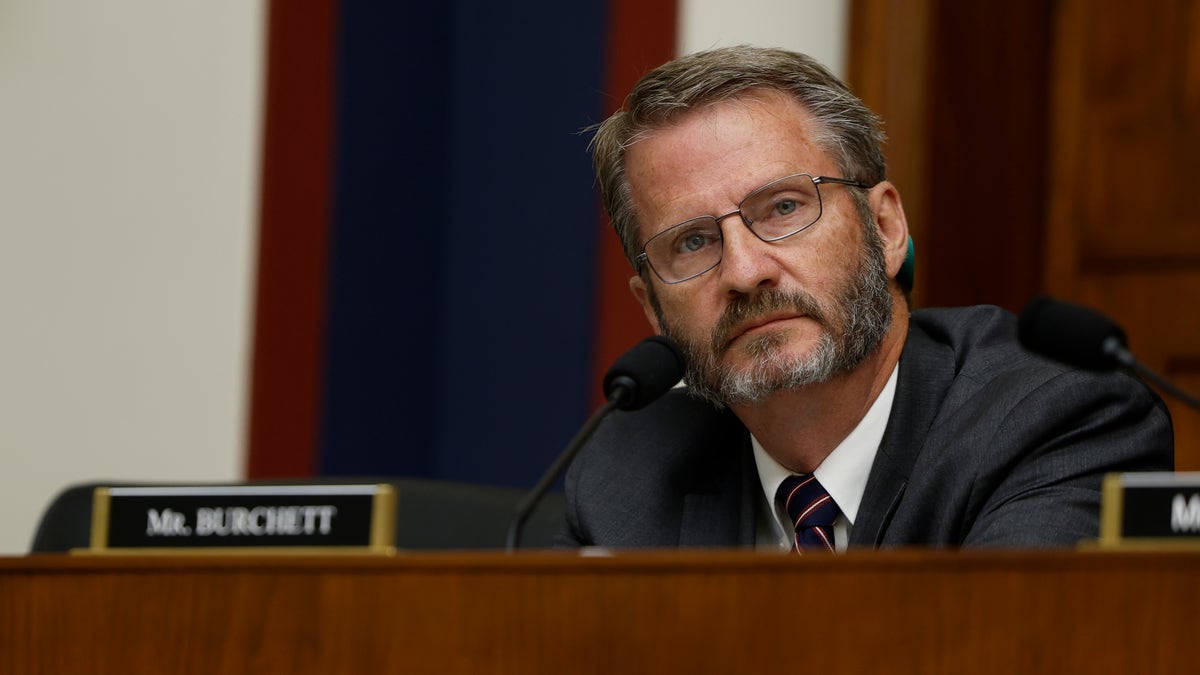
Rep. Tim Burchett, R-Tenn., criticized 21 states for declining to provide requested SNAP data to the Agriculture Department. (Anna Moneymaker/Getty Images)
«If food stamp recipients’ data stays in state-specific databases, individuals may apply for and receive benefits from multiple states,» Burchett said.
Walk said investigators face the same challenge, arguing that limited access to state recipient data makes it difficult to detect fraud before taxpayer dollars are spent.
«We cannot pay and chase our way to stopping SNAP fraud,» he said. «We need to guard the front door.»
The inspector general also warned that criminals can install EBT card skimming devices in as little as seven seconds, allowing thieves to clone benefit cards and drain accounts as soon as monthly benefits are deposited.
While Republicans focused on fraud prevention and tighter oversight, Democrats argued the hearing risked portraying administrative errors as intentional fraud and defended SNAP’s role in feeding vulnerable Americans.
Food Research and Action Center Director of SNAP Policy and Advocacy Gina Plata-Nino said organized theft of EBT benefits poses a serious problem but cautioned lawmakers against confusing payment errors with fraud.
CLICK HERE TO DOWNLOAD THE FOX NEWS APP
«Program integrity and food access are not competing goals,» Plata-Nino testified.
The hearing comes as the Trump administration has prioritized rooting out fraud across federal benefit programs, with Burchett arguing additional state cooperation could uncover even more abuse within SNAP.
hearings, republicans, organized crime, counter terrorism, drug and substance abuse
INTERNACIONAL
Fiscal advierte que el narcotráfico podría converger con el tráfico de fauna en Costa Rica
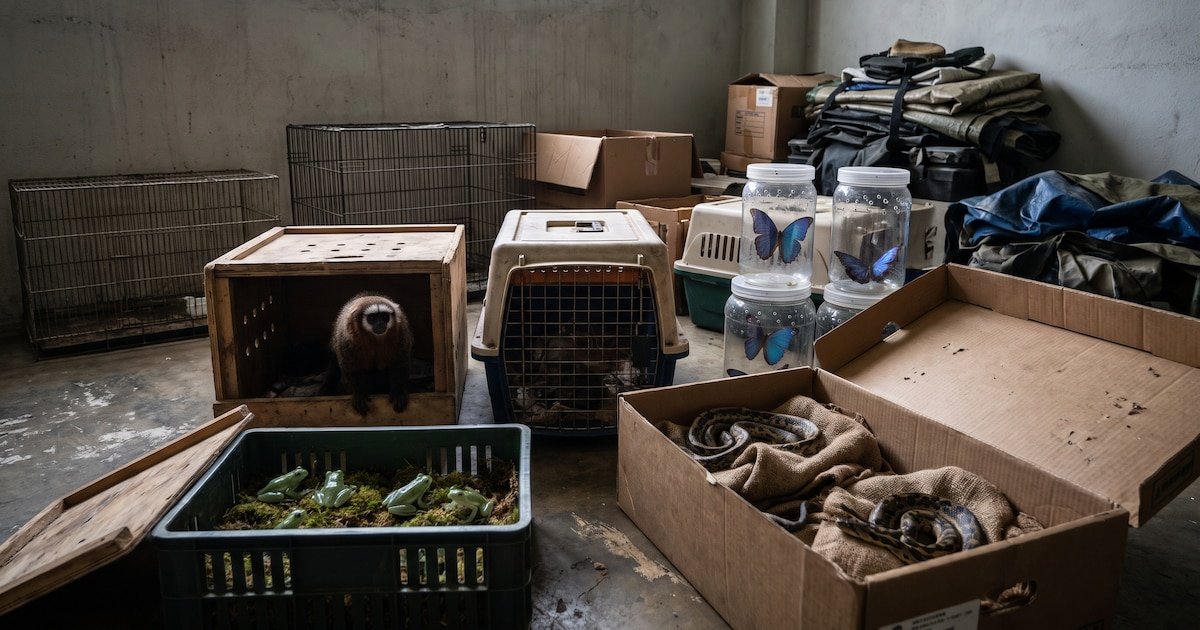
El avance del narcotráfico sobre el tráfico de vida silvestre en Costa Rica representa una preocupación creciente para las autoridades. El fiscal adjunto de la Fiscalía Ambiental, José Pablo González, advirtió que las redes que capturan, trasladan y venden animales en el país ya muestran esquemas similares a los del crimen organizado, lo que podría dar lugar a una convergencia entre ambos delitos si no se fortalecen la legislación y los controles.
Durante un seminario sobre criminalidad organizada en delitos ambientales, González indicó que, aunque actualmente no se puede afirmar que el narcotráfico haya tomado el control de las estructuras de delincuencia ambiental en Costa Rica, esa posibilidad está próxima. Según datos de Interpol, el comercio ilegal de vida silvestre genera cerca de USD 20,000 millones al año. La alerta fue difundida por El Observador.
Las organizaciones dedicadas al tráfico de animales presentan una estructura dividida en funciones: una persona recolecta, otra transporta y una tercera comercializa los ejemplares. González expresó que, en algunos casos, las rutas empleadas para movilizar animales coinciden con las utilizadas para el tráfico de drogas, lo que genera impacto sobre manglares, esteros y canales. Además, existe presunta colaboración con administradores de ciertos alojamientos turísticos, donde se ofrecen animales y rutas de traslado.
Las bandas buscan especialmente monos tití, mariposas morpho, ranas de cristal, serpientes y escarabajos. Andrea Borel, vocera de Humane World for Animals, señaló que se han detectado operaciones que abarcan desde insectos hasta mamíferos. Los monos tití, cuya población se limita a Costa Rica y Panamá, son demandados principalmente por mercados de Norteamérica, Nicaragua y Honduras, según explicó González.

En marzo de este año, la Fiscalía Adjunta Ambiental realizó un operativo en la Zona Norte que permitió rescatar cinco perezosos —tres adultos y dos crías—, seis serpientes, varias ranas de cristal y una danta. Estas acciones incluyeron seis allanamientos en distintos puntos, entre ellos centros turísticos. Los datos refuerzan la preocupación sobre la influencia de un turismo que promueve la interacción con fauna silvestre, sumando presión sobre los hábitats.
La demanda tanto interna como externa sostiene el tráfico de vida silvestre. Borel explicó que existen compradores interesados en conservar animales como trofeos, adornos o piezas de colección. Aunque no hay una cifra exacta sobre el tamaño del mercado en Costa Rica, la extracción de ejemplares afecta los ecosistemas y la supervivencia de especies, según la representante de Humane World for Animals.
La extracción selectiva de individuos clave genera desequilibrios en la biodiversidad, afectando los ecosistemas donde habitan. Borel consideró que aún se requiere mayor investigación para comprender cómo operan estas redes y de qué manera reciben y mantienen los animales. Además, recomendó a la población “mantener los ojos y los oídos abiertos” para detectar este tipo de situaciones.
En Costa Rica, la Ley de Conservación de la Vida Silvestre establece sanciones para el comercio, tráfico y traslado de animales silvestres sin permisos, lo que incluye el decomiso de los ejemplares y sus derivados. González resaltó la importancia de actualizar la legislación y aumentar la conciencia social para evitar que las similitudes operativas entre el tráfico de fauna y el narcotráfico deriven en una sola organización criminal.
En el país, la ausencia de controles más estrictos y de investigaciones orientadas al funcionamiento de las redes de tráfico facilita la existencia de un mercado dedicado a la extracción y comercialización de fauna silvestre. Este contexto ha sido señalado en reiteradas ocasiones por autoridades y organizaciones, según informó El Observador, que han solicitado a la ciudadanía informar sobre actividades vinculadas para contribuir a su detección.
tráfico de animales,fauna silvestre,rescate animal,mono tití,rana de cristal,mariposa morpho
NEWYou can now listen to Fox News articles!
FIRST ON FOX: Young Americans are far less likely than older generations to see China as a major threat to the United States, according to a new poll, revealing one of the sharpest generational divides in U.S. foreign policy.
Some 93% of Americans age 65 and older said they are concerned about China’s ability to spy on the United States, compared with just 62% of those ages 18 to 29, according to the Ronald Reagan Institute Summer Survey.
Younger Americans also were consistently less likely than seniors to express concern about China’s potential use of force against Taiwan (56% versus 86%), technology theft (61% versus 91%), purchases of U.S. land (68% versus 93%) and China’s role in the flow of fentanyl into the United States (68% versus 92%).
Despite the generational divide, concern about China remained high nationally. More than 80% of Americans said they were concerned about China’s role in the flow of fentanyl into the United States, its ability to spy on Americans and its purchases of U.S. land. Sixty-six percent also said Taiwan’s security matters to the United States.
FOX NEWS POLL: VOTERS DOUBT NEW AGREEMENT WILL STOP IRAN FROM DEVELOPING NUKES
The findings come as Washington and Beijing are trying to stabilize one of the world’s most consequential relationships after years of escalating economic and military tensions.
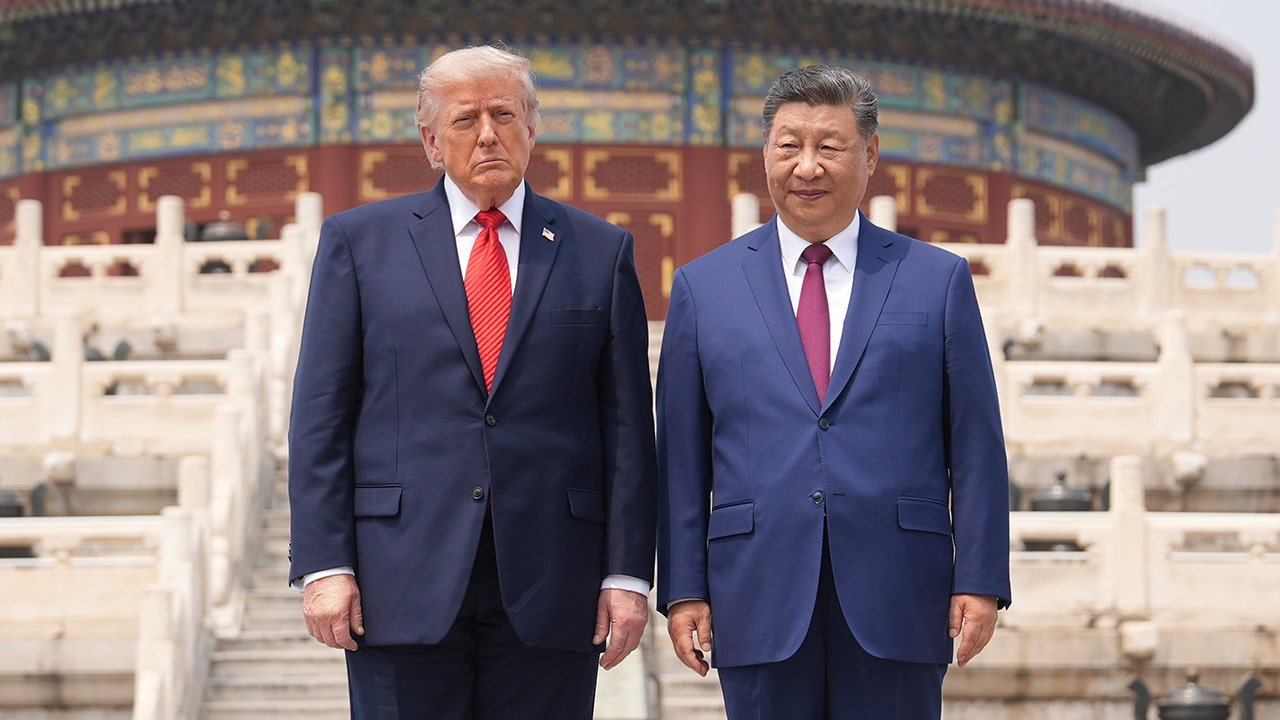
After imposing triple-digit tariffs on China at the start of his administration, President Donald Trump met with Chinese President Xi Jinping in China in May and announced a series of trade and investment agreements and pledged to continue dialogue.
While concern about China remains widespread across the country, the survey suggests younger Americans view the U.S.’s chief geopolitical rival through a markedly different lens than older generations, raising questions about how public attitudes could evolve as younger voters make up a larger share of the electorate.
The findings stand out because they diverge from the prevailing view among many national security experts, who continue to characterize China as America’s principal long-term neer-pear competitor and adversary, even as Washington and Beijing seek to stabilize their relationship through diplomacy.
«There is rightful alarm regarding China’s historic military buildup and the expansion of its military activities in the region and beyond,» War Secretary Pete Hegseth at the Shangri-La Dialogue in Singapore in May.
But, he added, U.S.–China relations are «better than they’ve been in many years.»
Chinese President Xi Jinping and President Donald Trump visited the Temple of Heaven on May 14, 2026, in Beijing, China, during a high-level summit between the two leaders. (Brendan Smialowski – Pool/Getty Images)
After the May summit between Trump and Xi, the U.S. president told reporters: «We settled a lot of different problems that other people wouldn’t have been able to solve.»
He called Xi a «great leader» and China a «great country.»
Other recent research points to broader differences in how Gen Z views U.S. foreign policy.
A 2025 Carnegie Endowment survey found younger Americans were less likely than older generations to prioritize maintaining U.S. technological dominance over China and generally favored a less expansive American leadership role abroad.
The Reagan Institute Summer Survey is the organization’s annual public opinion poll on foreign policy and national security, designed to gauge Americans’ views on issues ranging from global engagement and military strength to China, NATO, the Middle East and democratic values.
The poll also found broad shifts by party on what America’s role in the world should look like: Republicans were more likely than Democrats to say the United States should be more engaged and take the lead in world affairs.
Seventy-one percent of Republicans said the U.S. should take a leading role internationally, compared with 55% of Democrats. Overall, 61% of Americans said the U.S. should be more engaged in global affairs, while 27% preferred a less engaged approach.
MOST TRUMP SUPPORTERS STILL BACK NATO DESPITE YEARS OF TRUMP’S CRITICISM, NEW POLL FINDS
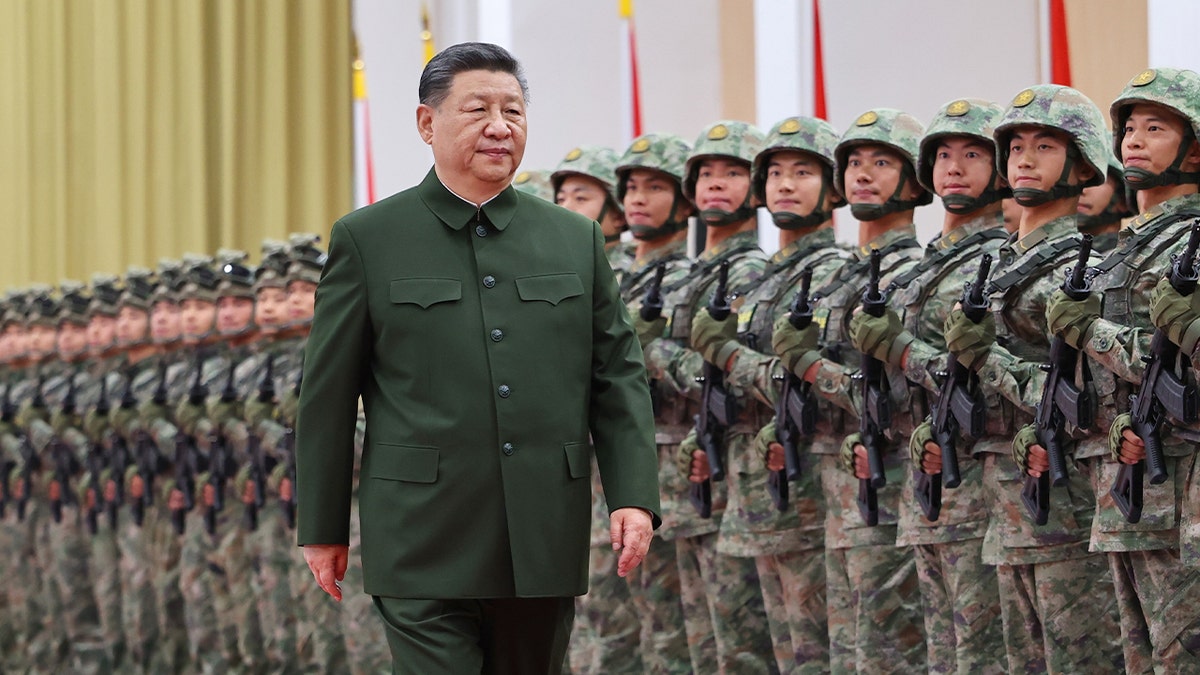
Young Americans are far less likely than older generations to see China as a major threat to the United States, according to a new poll, revealing one of the sharpest generational divides in U.S. foreign policy. (Li Gang/Xinhua via Getty Images)
The findings represent a notable shift from recent years.
Democratic support for greater U.S. engagement fell from 65% to 55% over the past year, while Republican support increased from 69% to 71%, widening the partisan gap from four percentage points to 16. The survey also found 43% of Democrats now say U.S. involvement in the world is harmful, up from 22% a year ago.
The survey was conducted May 26 through June 3 among 1,555 U.S. adults and carries a margin of error of plus or minus 2.5 percentage points. Researchers used a mixed-mode methodology that included live telephone interviews, an online panel and text-to-web responses.

CENTCOM shared footage of strikes against airplanes amid Iran war. (U.S. Central Command on X)
CLICK HERE TO DOWNLOAD THE FOX NEWS APP
To better reflect the U.S. population, the results were weighted using demographic benchmarks from the U.S. Census Bureau’s 2023 American Community Survey, including age, gender, race, region and education. The survey also included an oversample of 338 self-identified MAGA Republicans under age 30, which carries a margin of error of plus or minus 5 percentage points.
The findings also come after a year in which the Trump administration has taken a more assertive posture overseas than some expected.
In addition to ordering strikes on Iran, the administration has expanded military operations against cartel-linked targets in the Western Hemisphere and intervened to capture former President Nicolas Maduro Venezuela, moves that have put questions of American power and global leadership back at the center of public debate.
china, taiwan, foreign policy senate, republicans, demographics

La agroexportación liquidó un porcentaje menor de dólares que en campañas anteriores: por qué podría ser positivo

Renunció Manuel Adorni, el funcionario que Milei defendió incansablemente y tuvo que soltar

SNAP food stamp fraud has nefarious terrorism links, top Agriculture watchdog warns Congress

Argentina, un equipo competitivo con respuestas y la diferencia que mostró con otros candidatos

El funeral de Ernestina Pais: el último adiós de familiares y amigos durante la emotiva ceremonia en el cementerio

Todos los aumentos de servicios esenciales que llegarán en julio

Líderes mundiales ofrecieron ayuda humanitaria y equipos de rescate a Venezuela tras los devastadores terremotos

La bomba de Nico Occhiato tras el escándalo de Florencia Peña con Messi: “Lo más groso que pudimos haber logrado”

El punto de quiebre que sentó la suerte de Manuel Adorni y los preparativos que hace el Gobierno ante su inminente salida

Lo vimos en Gladiator y Sons of Anarchy, ahora llega a Juego de Tronos y yo aprovecho para hablaros de la cara más cruel e ignorada del Norte

 CHIMENTOS19 horas ago
La bomba de Nico Occhiato tras el escándalo de Florencia Peña con Messi: “Lo más groso que pudimos haber logrado”
- POLITICA23 horas ago
El punto de quiebre que sentó la suerte de Manuel Adorni y los preparativos que hace el Gobierno ante su inminente salida
- CHIMENTOS1 día ago
Una escena estremecedora: el dato más doloroso de los minutos posteriores a la muerte de Ernestina Pais