INTERNACIONAL
Fort Hood survivors praise Trump for scrapping Hasan execution livestream: ‘We’re not barbaric’

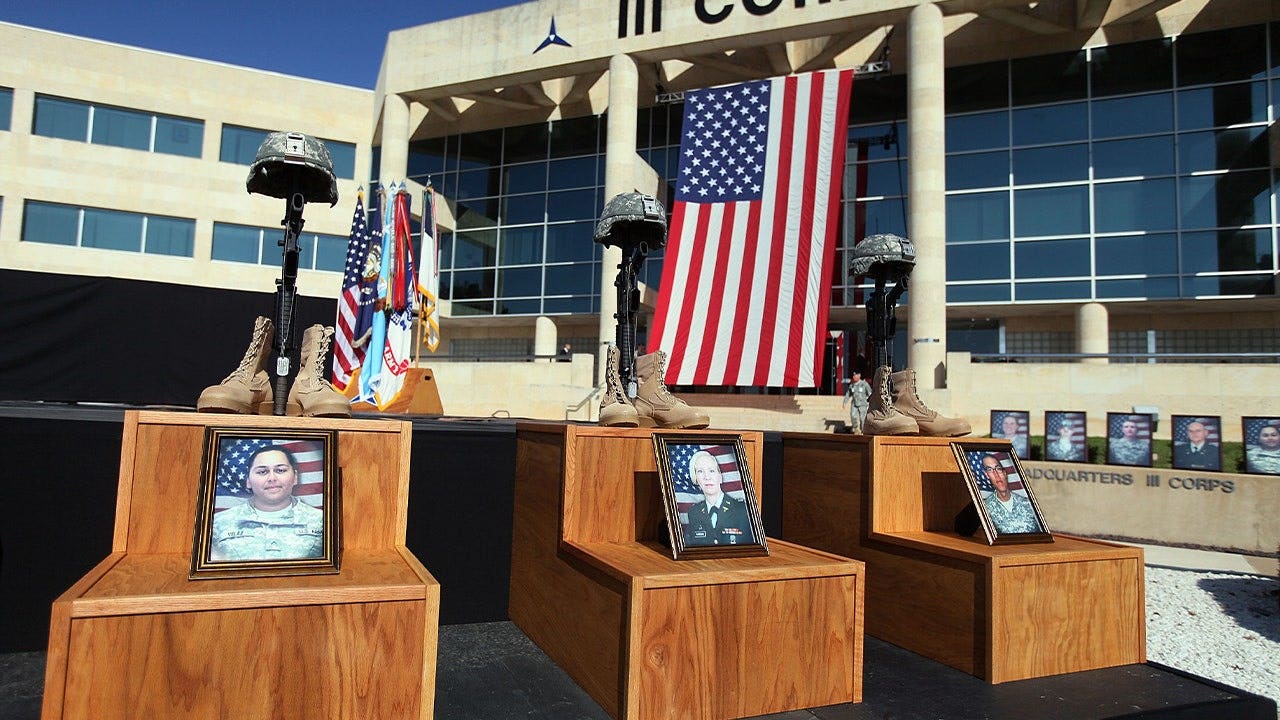
Survivors of the 2009 Fort Hood massacre praised President Donald Trump’s decision not to livestream the execution of Nidal Hasan, after warning that broadcasting his death could turn the execution into a spectacle and hand terrorist groups a propaganda tool.
Hasan is still set to be executed by firing squad on Dec. 3, 2026, and Trump said the immediate families of his victims will be permitted to witness the execution in person. But it will no longer be broadcast to the general public as previously announced by Secretary of War Pete Hegseth.
Alonzo Lunsford, who was shot seven times by Hasan during the attack nearly 17 years ago, told Digital that Trump’s decision is a «positive move.»
«It proves that we are a better people, a better nation, and that we’re not barbaric,» Lunsford said in immediate reaction to the walk-back by Trump on Thursday. «We don’t glorify such actions.»
VETERAN SHOT 7 TIMES IN FORT HOOD MASSACRE HAS A WARNING FOR AMERICANS PLANNING TO WATCH EXECUTION
Lunsford said he supports Hasan’s death sentence and execution by firing squad but drew a line at broadcasting it to the public.
«For it to be made a spectacle for everyone to witness how they’re gonna do a tailgate or, ‘Hey, we’re gonna have a cookout and we’re gonna watch this man be put to death.’ No, it’s not about that,» Lunsford said. «It’s not a spectacle. It’s not a pay-per-view event or a WWE wrestling match or even a boxing match.»
He also warned that footage of Hasan’s execution could be seized upon by terrorist organizations.
«You don’t want that to be used as a tool for ISIS or al-Qaeda to recruit and say, ‘Hey, this is what happens to you if you do this against the infidel,’» Lunsford said.
Julia Wilson was a civilian employee at Fort Hood when Hasan went on his rampage. She was nine months pregnant during the attack, which was carried out on her due date.
FORT HOOD SHOOTER SHOULD BE EXECUTED ’13 TIMES OVER’ — BUT NOT ON LIVE STREAM, SURVIVOR SAYS
She was slammed against a wall amid the chaos of the shooting and has said that it was only by the grace of God that she and her then-unborn son survived.
Wilson was already against the livestreaming of Hasan’s execution because she didn’t want others to be traumatized like she was during the deadly attack.
«I’m ecstatic about that,» she told Digital, reacting to the news that the plan to livestream the event would not proceed.
«I’m worried about other people’s mental health,» she continued. «I don’t think the government… really put a lot of thought into how this was going to go down and how it was going to transpire until today.»
«I don’t think they really thought about how this may affect people,» said Wilson. «Seeing something like that affects your mental health. I don’t care who you are. I don’t care what you’ve seen. Seeing someone murdered in front of you or killed in front of you affects your mental health, whether they deserve it or not.»
Wilson also worried that if the livestream had proceeded, it would exist online forever, and that children might discover it while searching the web. «Once it’s on out there, it’s out there,» she said.
Trump said Wednesday that he believed publicly broadcasting Hasan’s death could have served as a deterrent, but ultimately sided with those who opposed making the execution available for anyone to watch.
«I think streaming the execution for all to see might have been a strong deterrent for the World to witness how America deals with Terrorists and SCUM like Hasan but, many very good and well meaning people would rather not watch him die, through streaming, or through any other visual device,» Trump wrote on Truth Social.
«He will die, as scheduled, by firing squad, but this event will not be streamed,» Trump continued. «That said, the execution may be viewed in person by the immediate families of the victims, if they so choose. They deserve to witness JUSTICE!»
Lunsford pointed to warnings surrounding Hasan before the shooting and criticized the Army’s handling of the future attacker before he was transferred from Walter Reed to Fort Hood.
«We knew this guy had issues,» Lunsford said. «If you are privy to the ticking time bomb report, you will see what he was talking about. This guy had issues and they just passed the buck and moved him from Walter Reed to Fort Hood.»
Lunsford wondered what might have happened had Hasan deployed overseas before carrying out an attack.
«Suppose he would have did the deed once he got in country on a FOB, a forward operating base,» he said. «Imagine how many American lives would have been lost then.»
For Lunsford, allowing victims to witness Hasan’s execution remains important even without a public broadcast.
«It’s gonna be a traumatic thing for, at least for the families of the fallen,» he said. «They’ll be able to close the chapter and hopefully close the book.»
Lunsford said survivors will continue to live with reminders of the attack long after Hasan is gone.
«Every day we get up, we come to the VA hospital or we have to take our meds in the morning or we get ready to do something that we normally would have been doing prior to 5 November ’09 that we’re no longer able to do now, that’s a constant reminder,» he said.
«I am no longer a victim of his,» Lunsford added. «I’m a survivor.»
terror, terrorism, military, politics, donald trump






INTERNACIONAL
Dolly Parton inspira el nombre de una nueva especie hallada en las profundidades de la Antártida

A 1.020 metros de profundidad, en el mar de Amundsen, frente a la Antártida occidental, un gusano de apenas 14 milímetros recibió un nombre que remite a una de las figuras más reconocidas de la música estadounidense. Científicas del Museo de Historia Natural de Londres y de la Universidad de Gotemburgo describieron una nueva especie de gusano marino bautizada Bathyadmetella dollypartonae en homenaje a Dolly Parton.
El animal fue recolectado en 2008 durante una expedición del British Antarctic Survey, pero su descripción formal llegó este año, tras el análisis de ejemplares preservados y de información genética. El estudio, publicado en la revista científica Taxonomy, suma datos sobre la fauna de las profundidades del Océano Austral, una región donde aún existen numerosas especies sin identificar.
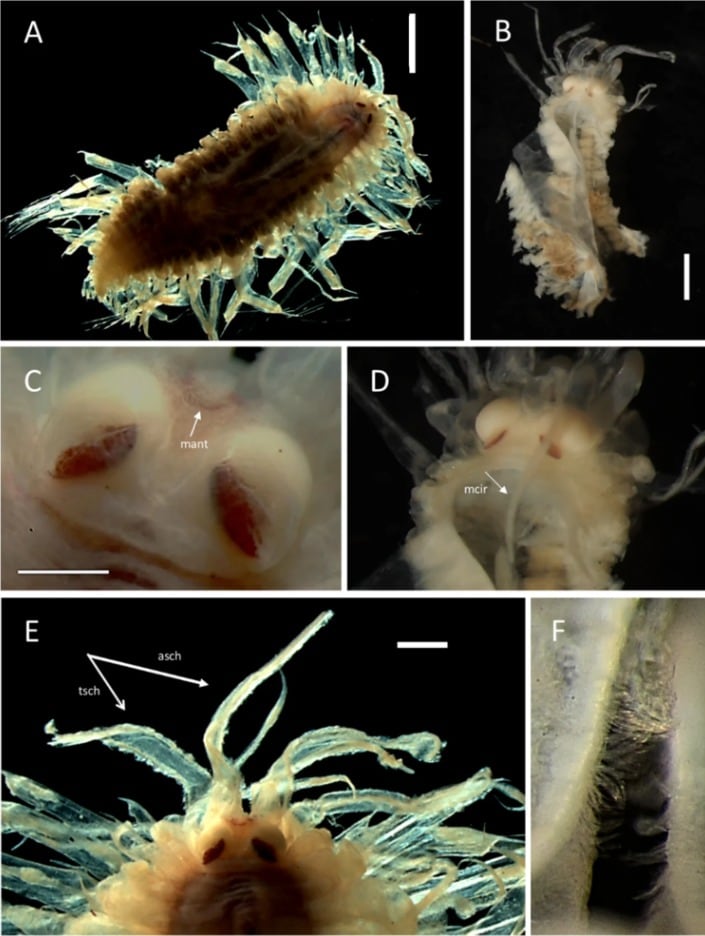
El gusano Dolly Parton apareció en las profundidades de la Antártida
La especie pertenece a la familia Polynoidae, conocida como la de los gusanos escamosos. Se trata de anélidos marinos con cuerpos segmentados y estructuras superpuestas similares a escamas. Son gusanos adaptados a vivir en el fondo del mar y protegidos por placas que cubren parte de su cuerpo.
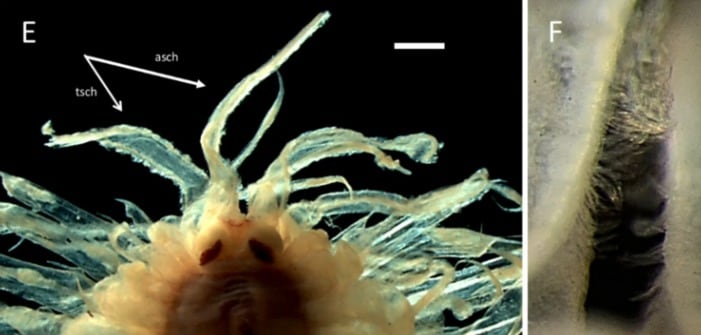
El ejemplar más grande que analizaron las investigadoras mide 14 milímetros de largo y 4,5 milímetros de ancho, sin contar sus prolongaciones. Presenta ojos grandes, oscuros y con forma de media luna, además de apéndices largos que llamaron la atención del equipo encargado de clasificarlo.
La primera recolección ocurrió el 12 de marzo de 2008, a 1.020 metros de profundidad. En 2010, científicos detectaron material genético atribuible a la misma especie cerca de la dorsal de Scotia oriental, a unos 4.000 kilómetros del mar de Amundsen. Esa distancia sugiere que el animal podría tener una distribución amplia en el Océano Austral, aunque los registros disponibles todavía son escasos.
La investigación también permitió revisar la posición evolutiva del género Bathyadmetella. El análisis de ADN confirmó que se trata de un grupo válido y distinto de otros gusanos marinos cercanos. La nueva especie es apenas la segunda descrita dentro de este género desde 1967.
Los apéndices del animal recordaron el cabello de Dolly Parton
El nombre científico fue elegido por Lenka Nealova, autora principal del estudio e investigadora del Museo de Historia Natural de Londres, junto con Helena Wiklund, científica de la Universidad de Gotemburgo.
La explicación formal del estudio indica que la denominación honra a Dolly Parton como “música, autora y figura humanitaria”. Fuera del texto científico, las especialistas admitieron que la apariencia del animal también influyó en la elección.
“La noticia de la muerte de Dolly Parton nos llegó mientras describíamos esta especie y sus largos apéndices nos recordaron su abundante cabello rubio”, explicó Nealova en un comunicado del Museo de Historia Natural. La compositora, reconocida mundialmente como una de las máximas figuras de la música country, falleció el 25 de agosto de 2026 a los 80 años en Nashville, Tennessee, tras una breve batalla contra el cáncer.
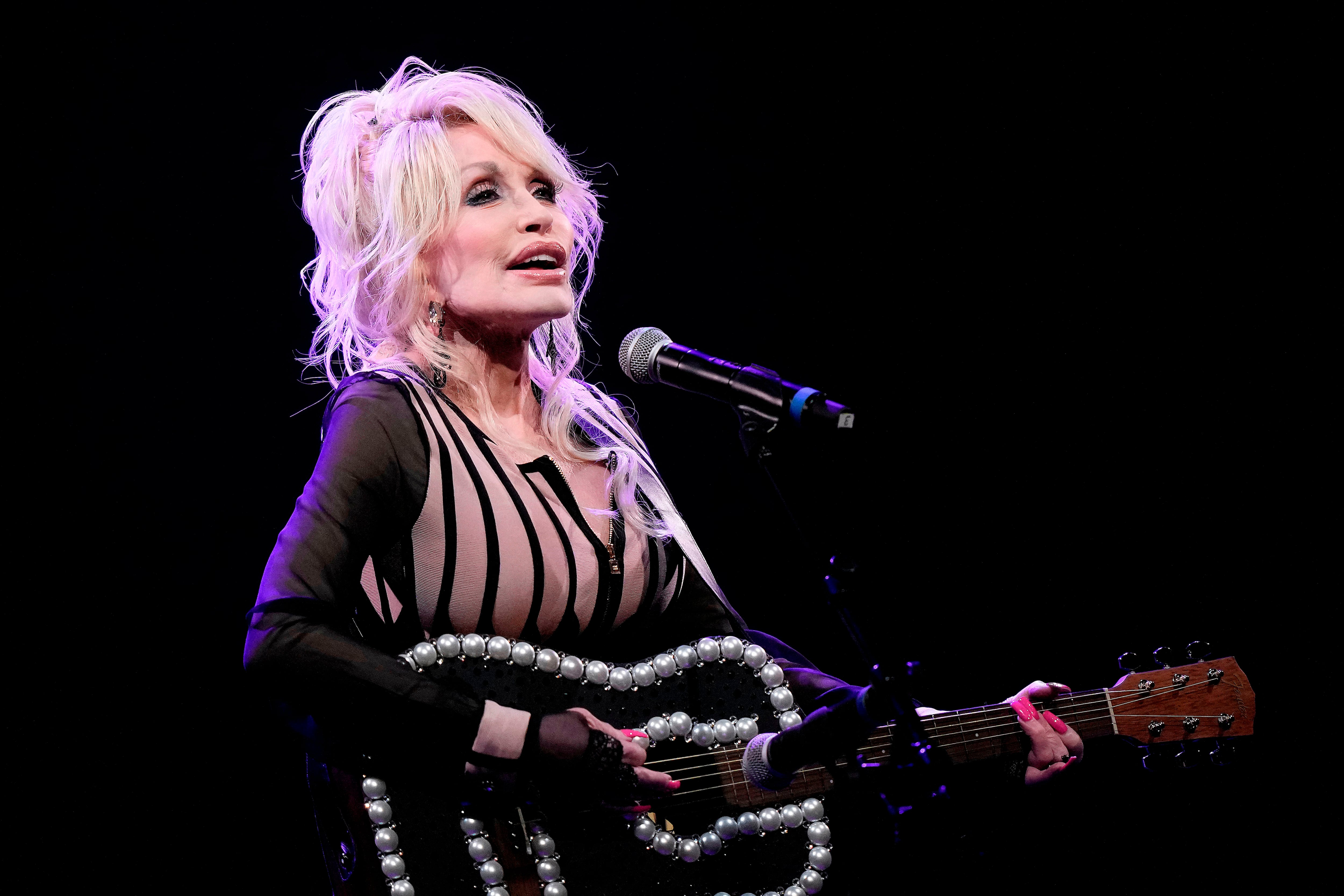
La investigadora añadió que el homenaje buscó reconocer el alcance de la obra de la cantante y su actividad solidaria. “Nos pareció apropiado nombrar esta especie en honor a alguien que hizo tanto bien mediante sus donaciones y su trabajo benéfico”, señaló.
Wiklund relató que la asociación visual surgió de los apéndices largos y visibles del gusano. “Tiene estas prolongaciones muy largas y marcadas. Creo que se parecen un poco al cabello de Dolly Parton, grande y rubio”, afirmó en declaraciones difundidas por la Universidad de Gotemburgo.
El mundo de los invertebrados marinos ya cuenta con otros nombres inspirados en figuras de la música. La familia de Bathyadmetella dollypartonae incluye a Peinaleopolynoe elvisi, conocido como el “gusano Elvis” por sus escamas iridiscentes, comparadas con los atuendos de escenario del cantante estadounidense.
El color púrpura se perdió durante la conservación de los ejemplares
Los especímenes no conservaron el aspecto que tenían al salir del océano. Fueron almacenados en alcohol, un método habitual para proteger organismos destinados a estudios posteriores, pero ese proceso alteró sus colores originales.
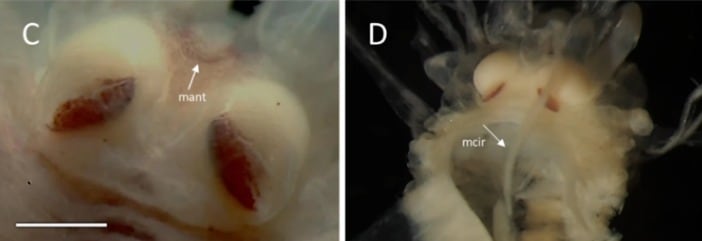
Las notas de la expedición de 2008 indican que el gusano era púrpura cuando fue recolectado. “No tenía un abrigo de muchos colores, pero los registros de la expedición original señalan que Bathyadmetella dollypartonae era púrpura al momento de su captura”, explicó Wiklund.
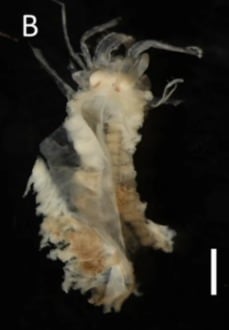
No existen fotografías del animal vivo. Las imágenes disponibles corresponden a ejemplares preservados, con tonos pálidos y estructuras que perdieron parte de su apariencia original. La investigadora tiene previsto participar en otra expedición a la Antártida y espera observar a la especie en su ambiente natural.
“Espero ver por primera vez vivo al gusano Dolly Parton”, afirmó Wiklund. La posibilidad permitiría conocer con mayor precisión su coloración, comportamiento y hábitat en las profundidades.
El hallazgo también se inserta en un contexto de transformaciones ambientales en la zona. La Antártida occidental figura entre las regiones más expuestas al aumento de las temperaturas y a los cambios en sus plataformas de hielo.
El Museo de Historia Natural de Londres señaló que documentar las especies de aguas profundas permite establecer una base para estudiar cómo responden esos ecosistemas a las variaciones del clima. Muchas áreas del Océano Austral siguen poco investigadas, pese a que concentran una biodiversidad adaptada a condiciones extremas.
La plataforma de hielo Thwaites, cercana a la región donde apareció el gusano, es una de las zonas que los científicos observan por su vulnerabilidad. Según el museo, su eventual colapso podría contribuir a un incremento del nivel global del mar de hasta 70 centímetros.
En ese escenario, cada registro taxonómico aporta información sobre organismos que habitan fondos marinos todavía desconocidos. La próxima expedición de Wiklund buscará ampliar esa tarea y, posiblemente, obtener el primer registro vivo de Bathyadmetella dollypartonae.
artrópodos,entomología,microscopía,morfología,anatomía animal
INTERNACIONAL
Del triunfo argentino a las “zonas grises”: qué puede pasar con el proyecto petrolero en Malvinas tras el fallo del Tribunal del Mar

Cuenta regresiva para uno de los momentos más esperados por la Argentina en materia de política exterior en el último tiempo: la decisión del Tribunal Internacional del Derecho del Mar (TIDM) sobre las medidas provisorias solicitadas por el gobierno de Javier Milei para frenar el desarrollo de Sea Lion en las Islas Malvinas.
Después de las históricas audiencias públicas celebradas en Hamburgo, Alemania, el 10 y 11 de noviembre, donde cada parte esgrimió su posición con respecto a la exploración y explotación de recursos naturales, el Tribunal anunció que este sábado a la mañana (hora argentina) leerá su resolución sobre el inicio del proceso.
La expectativa es muy grande tanto en Buenos Aires como en Londres. El Gobierno nacional confía en que los fundamentos del reclamo logren frenar de manera provisoria el proyecto hasta tanto se conforme un tribunal ad hoc y se resuelva la cuestión de fondo.
Según un relevamiento que TN realizó entre expertos en derechos internacional y fuentes oficiales vinculadas al caso, se espera que la decisión del TIDM se encuentre entre alguno de estos tres escenarios: el respaldo al pedido argentino, el apoyo a la posición británica o una “zona gris” donde cada uno podrá adjudicarse un triunfo.
Clave de los fundamentos para entender la resolución
La delegación argentina que estuvo encabezada por María Ibarzábal Murphy, secretaria Legal y Técnica de la Presidencia, y el embajador Mario Oyarzábal, titular de la Consejería Legal de la Cancillería, planteó los siguientes fundamentos:
- Es necesario frenar de manera urgente el proyecto Sea Lion porque se trata de explorar y explotar recursos naturales no renovables y que, por lo tanto, es un riesgo irreversible esperar hasta que el tribunal ad hoc se constituya y falle sobre la cuestión de fondo.
- Que el pedido no se vincula con el reclamo de soberanía que la Argentina sostiene en otros organismos internacionales, pero que el Reino Unido está violando distintas resoluciones de las Naciones Unidas en decidir de forma unilateral sobre territorios que están bajo disputa, como las Malvinas.
Por su parte, la defensa británica, que también incorporó expertos de alto nivel con experiencia en otros litigios internacionales, se puede resumir:
- No existe ninguna urgencia como para emitir una medida provisoria (o cautelar) dado que la primera extracción de petróleo está prevista para marzo de 2028 y por lo tanto es posible esperar a la conformación del tribunal ad hoc. Argentina buscó rebatir este argumento con ejemplos del pasado en donde el tiempo que demanda una resolución de fondo es mayor a la del plazo que existe para el inicio de la explotación.
- Que el pedido argentino en realidad esconde un reclamo por soberanía territorial y que el Tribunal no tiene competencia para emitir una opinión, comentario o fallo al respecto.
- Que el proyecto no constituye un “daño irreparable” para el medioambiente, al tiempo que sí significaría un enorme impacto económico para la población de la Isla.
El escenario más favorable para la Argentina: razón en todo
El mejor resultado para la Argentina sería que el Tribunal del Mar le diera la razón en todo lo planteado y de esa manera, el Reino Unido se viera obligado a frenar el proyecto Sea Lion. En tal caso, Rockhopper y Navitas tendrían que detener sus operaciones.
La decisión que se tome en Hamburgo es vinculante y de cumplimiento obligatorio. Recién una vez que se constituya el tribunal ad hoc es que se pueden revocar las medidas provisorias o emitir nuevas que dejen sin efecto las anteriores. No hay posibilidad de apelar la medida provisoria.
El contexto menos esperado por la Argentina: un rechazo por dos caminos
En el otro extremo, el resultado más negativo para la Argentina podría llegar de dos maneras distintas.
La primera es que el tribunal diga que no tiene competencia para decidir sobre el caso. En esa situación, podría argumentar que primero habría que definir la cuestión de la soberanía sobre las Islas y recién después avanzar sobre el reclamo por la explotación de los recursos.
Puertas adentro el Gobierno nacional espera que éste no sea el caso ya que el análisis de la jurisdicción en esta primera etapa se hace grosso modo, por lo que sería difícil pensar en un rechazo por competencia.
La segunda opción es que el tribunal considere que no existe una situación de urgencia que justifique emitir una orden provisional e inmediata. Allí, Sea Lion podría seguir adelante sin restricciones.
“Zonas grises”, el escenario más probable
Lo que suele ocurrir -y es lo que tanto la Argentina como el Reino Unido esperan- es que en los tribunales internacionales no haya un único ganador en estas instancias, lo que daría lugar a una resolución que se enmarque dentro de una “zona gris” y le permita tener un pretexto victorioso a cada una de las partes. El análisis de los detalles será fundamental en caso de concretarse este escenario.
¿Qué podría decir el Tribunal del Mar? Por ejemplo, que se puede seguir adelante con la exploración de Sea Lion, pero sin explotar ni sacar petróleo hasta que se conforme y se pronuncie de fondo el tribunal ad hoc. Ese tribunal puede constituirse en algunos meses, pero podría demorar años hasta emitir una resolución.
Otra hipotética posibilidad es que el TIDM ordene que se vuelvan a presentar estudios de impacto ambiental y que, hasta que eso ocurra, no se avance con el proyecto. Hay además otras variantes intermedias que podrían quedar plasmadas en la decisión.
Islas Malvinas, Reino Unido
INTERNACIONAL
From turkey shortages to helicopter deliveries: The extraordinary history of Thanksgiving during war
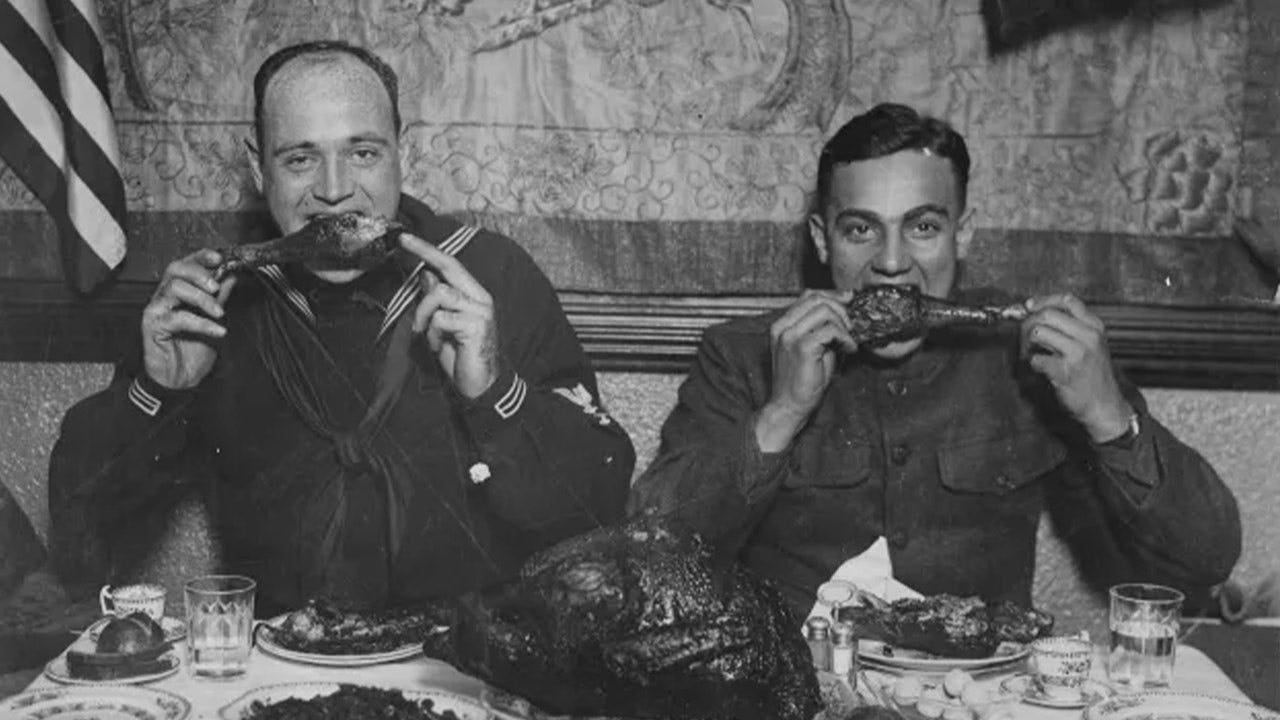
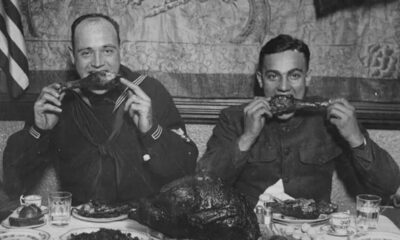
In November 1966, 12 American soldiers stationed at an isolated outpost in a Vietnamese war zone were about as far from a traditional Thanksgiving at home as they could get.
Their only means of resupply was by air. But the U.S. military was determined to get them Thanksgiving dinner anyway.
A mess sergeant at Bien Hoa prepared turkey and all the trimmings, packed the meal into insulated containers and sent it by helicopter into War Zone D, where three officers and nine enlisted men of a 5th Special Forces detachment sat down to Thanksgiving dinner, according to Defense Department records preserved by the National Archives.
The delivery was one piece of a massive logistical effort the U.S. military has undertaken during wars spanning generations to get traditional Thanksgiving meals to troops serving in combat zones.
From civilians sending tens of thousands of turkeys to Union troops during the Civil War to helicopters carrying hot meals to soldiers in Korea, the holiday has been observed through some of the nation’s most consequential conflicts.
Thanksgiving became a national tradition in the midst of war. President Abraham Lincoln issued his 1863 Thanksgiving proclamation as the Civil War entered its third year, calling on Americans to observe the final Thursday of November as a day of «Thanksgiving and Praise.»
By the following year, Americans on the home front were mounting a massive effort to get Thanksgiving dinner to Union troops.
Former War Department official Charles A. Dana later recalled the «great turkey movement» of November 1864. In New York alone, organizers reported having 20,000 turkeys ready to send to the front, according to Dana’s account. A Philadelphia committee sought transportation for another 4,000 destined for troops serving under Gen. Philip Sheridan.
By World War II, the effort to put turkey on troops’ Thanksgiving tables had grown so large that it affected whether Americans at home could find one for their own.
In August 1943, the War Food Administration restricted most civilian turkey sales as the government sought millions of pounds for the armed forces. An initial goal of at least 10 million pounds for troops overseas was expanded to include military installations at home, and the government ultimately obtained roughly 30 million pounds before the order was lifted in October, according to wartime government records.
A year later, delivering Thanksgiving dinner near the front could carry its own risks.
102-YEAR-OLD NAVY VETERAN STILL CRAVES HOT WINGS AFTER 102 COMBAT MISSIONS IN KOREA: ‘I MIGHT MAKE IT TO 115’
In Germany’s Hürtgen Forest, Lt. Paul Boesch of the 121st Infantry Regiment later recalled being told that hot turkey dinners had arrived for his men amid some of the European campaign’s most grueling fighting. Boesch protested that sending soldiers to collect the food would expose them to German artillery, but the order to distribute the meal stood.
His fears proved well-founded. As troops gathered to retrieve the food, German artillery struck the area, killing and wounding several men, according to Boesch’s account.
Six years later, American troops were again eating Thanksgiving dinner near the front, this time in the bitter cold of North Korea.
On Thanksgiving Day 1950, Marines around the Chosin Reservoir were served turkey and cranberry sauce, candied sweet potatoes, fruitcake and mince pie. In the subzero temperatures, the food quickly began to freeze.
US NAVY RELEASES PHOTOS OF ‘FRESH MEALS,’ PUSHES BACK ON REPORTS OF FOOD SHORTAGES ON MIDDLE EAST WARSHIPS
The dinner came as U.S. commanders remained optimistic that the war could soon be over. The following day, Gen. Douglas MacArthur launched an offensive that became known as the «Home-by-Christmas» campaign.
Instead, Chinese forces entered the fighting in massive numbers. Within days of Thanksgiving, Marines around Chosin were surrounded and battling through one of the most brutal engagements of the Korean War.
More than half a century later, another generation of American troops was spending Thanksgiving at war in Iraq and Afghanistan.
In 2003, President George W. Bush secretly flew into Baghdad to surprise roughly 600 troops gathered for Thanksgiving dinner at Baghdad International Airport. Air Force One approached with its cabin shades drawn and lights dimmed amid tight security surrounding the trip.
«I was just looking for a warm meal somewhere,» Bush joked before addressing the troops and helping serve Thanksgiving dinner.
In Afghanistan, getting that dinner to troops stationed far from major bases could require a different kind of operation.
On Thanksgiving 2007, helicopters carried turkeys and traditional fixings from Bagram Airfield to soldiers at remote firebases in the Tagab Valley, according to a contemporaneous U.S. military account.
It was the first hot meal some of the soldiers had eaten in months. Because the positions still had to be defended, troops rotated between Thanksgiving dinner and standing watch.
«The white meat was magnificent,» Pfc. Matt Lorimer of the 82nd Airborne Division said.
At another remote Afghan outpost two years later, troops spent a month fattening five scrawny turkeys purchased locally for Thanksgiving. But five birds were not enough to feed roughly 150 soldiers.
Additional turkey was flown from the United States to Bagram Airfield and then transported to the outpost. Even that was not the end of the journey.
A handful of soldiers were manning an observation post on a mountain spur roughly 6,900 feet above sea level. Their Thanksgiving dinner was packed up and flown by helicopter up the mountain to them.
us army, thanksgiving occasions lifestyle, military, us marines, north korea, afghanistan, politics

Estudiantes va por la gloria eterna ante Palmeiras: procesión histórica a Uruguay y mística a flor de piel

Ordenaron allanar la segunda quinta de Pilar vinculada a los dirigentes de la AFA – Nexofin

Quién es el influencer “CriptoNorber” y por qué se lo acusa de provocar pérdidas por USD 13 millones a sus seguidores

Horror en Miramar: encontraron muerta a una bebé de un mes en una construcción y detuvieron al padrastro de la madre

La llamativa actitud de Luis Ventura previo a su descompensación que preocupó a sus amigos: “Fue algo muy raro en él”

Nueva crisis en la UCR por el voto del bloque de Diputados a favor del ajuste a universidades

Efecto reforma electoral: la suspensión de las PASO divide la estrategia de los “outsiders”

“Estoy preparada para ser presidenta”: fuerte desafío de Patricia Bullrich a Javier Milei

El economista Luis Secco cuestionó el programa económico de Milei: “Estamos estancados desde fines del primer trimestre de 2025″

“Lo real es que estamos estancados”: el análisis de un economista tras la caída de la actividad

 POLITICA18 horas ago
Efecto reforma electoral: la suspensión de las PASO divide la estrategia de los “outsiders”
- POLITICA3 días ago
“Estoy preparada para ser presidenta”: fuerte desafío de Patricia Bullrich a Javier Milei
- ECONOMIA2 días ago
“Lo real es que estamos estancados”: el análisis de un economista tras la caída de la actividad