INTERNACIONAL
Entre luchas literarias y grandes figuras, llega a su clímax la Feria del Libro de Monterrey

La trigésimo cuarta edición de la Feria Internacional del Libro en Monterrey reunirá a miles de visitantes que esperan por la firma de autores, charlas de grandes personalidades del mundo literario y actividades que combinan la cultura mexicana con los libros. Todo en un evento que se llevará a cabo hasta el próximo domingo 18 de octubre, cuando cierre sus puertas hasta el año que viene.
Todo se desarrolla en el Centro Internacional de Negocios (Cintermex) gracias al impulso de El Tecnológico de Monterrey -una universidad privada- y que este año tiene como invitado especial a El Colegio Nacional, una institución que desde hace 80 años reúne a las voces más influyentes del pensamiento mexicano.
La institución tendrá una presencia destacada mediante un programa de más de cien actividades organizadas por las seis escuelas nacionales de la institución, entre las cuales sobresalen las propuestas de la Dirección Nacional de Patrimonio Cultural.
Asimismo, en los pasillos se ven estudiantes de edades diferentes y también adolescentes y padres con sus hijos que buscan opciones literarias para disfrutar durante el día.

En su edición anterior, el encuentro recibió a 360.000 visitantes, lo que reflejó el impacto que tiene esta cita cultural en los últimos años.
Otra de las particularidades que tiene la edición de este año es la presencia de autores provenientes de 14 países distintos, entre los que figuran personalidades como el premio Nobel de Literatura Jean-Marie Gustave Le Clézio, quien no participó de forma física, sino que lo hizo a través de un holograma. Además, hay nombres como Emmanuel Carrère, Janne Teller, Gioconda Belli, Leonardo Padura y Cristina Rivera Garza.

Entre las propuestas que buscan combinar la idiosincrasia local con el universo editorial se encuentran los stands con actividades exclusivamente pensadas para niños y espacios dedicados a la gastronomía. La programación también incluye eventos especiales que buscan mezclar la esencia de la cultura mexicana con la literatura.
Entre las iniciativas dirigidas a los más jóvenes destaca la presencia de libros dedicados a Lionel Messi y Diego Maradona, pensados para atraer a los adolescentes hacia la lectura con dos figuras del deporte más popular del mundo. A esto se suma la participación de stands universitarios, editoriales locales y representantes del sector comercial, que también contribuyen a la difusión del evento.

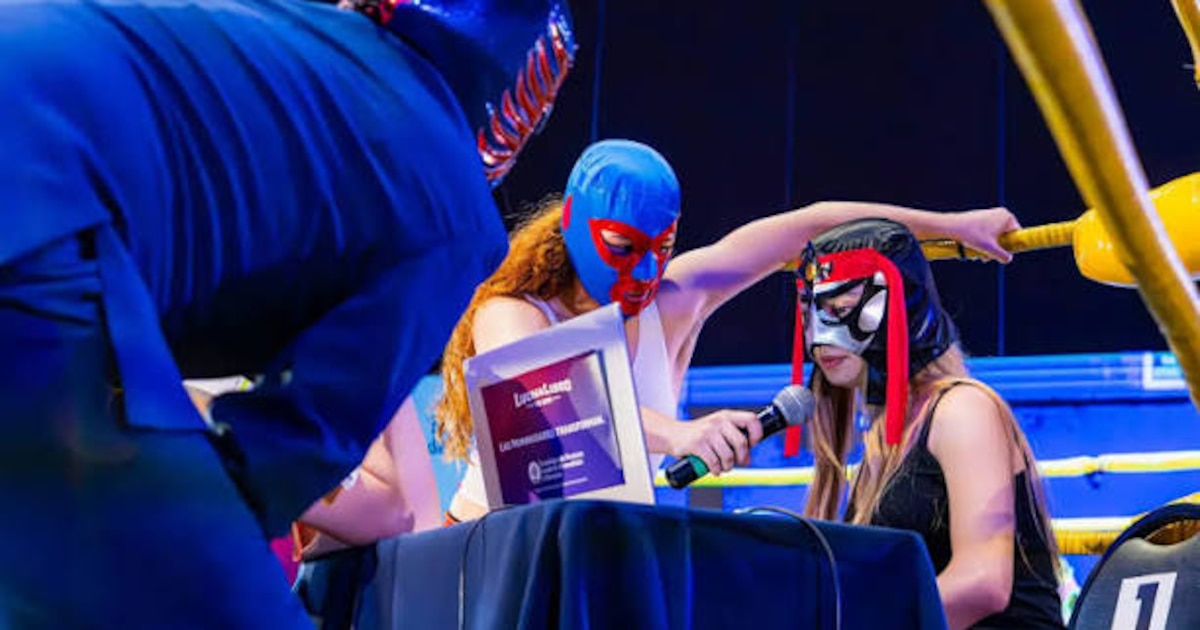
Una de las propuestas que más llama la atención del público es la Lucha Libro Tec, un formato diseñado para fusionar el arte de la escritura con la estética de la lucha libre mexicana. Durante las competencias, cuatro participantes se enfrentan cara a cara en un ring, donde ponen a prueba sus habilidades de escritura de cuentos bajo presión.
La dinámica consiste en tiempo real, en el que los competidores deben superar desafíos creativos en vivo que exigen imaginación y capacidad para idear historias de manera inmediata. El ámbito, ideal para familias, se divide en dos categorías y el show lo aportan los disfraces típicos que puede tener cualquier peleador de lucha libre.
Justamente, la combinación de actuación e improvisación, sumada a la puesta en escena propia de la lucha libre, transforma el ejercicio de la lectura en una experiencia única para los espectadores.
El escritor argentino Alberto Manguel estuvo a cargo del discurso inaugural; en él advirtió sobre la disminución en la comprensión profunda de un texto y de qué forma escapa a la mayoría de la juventud. “¿Cómo podemos comunicar con claridad lo que los escritores quieren decir si se encuentran frente a lectores que parecen incapaces de entender una metáfora, un argumento más o menos complejo?”, cuestionó.
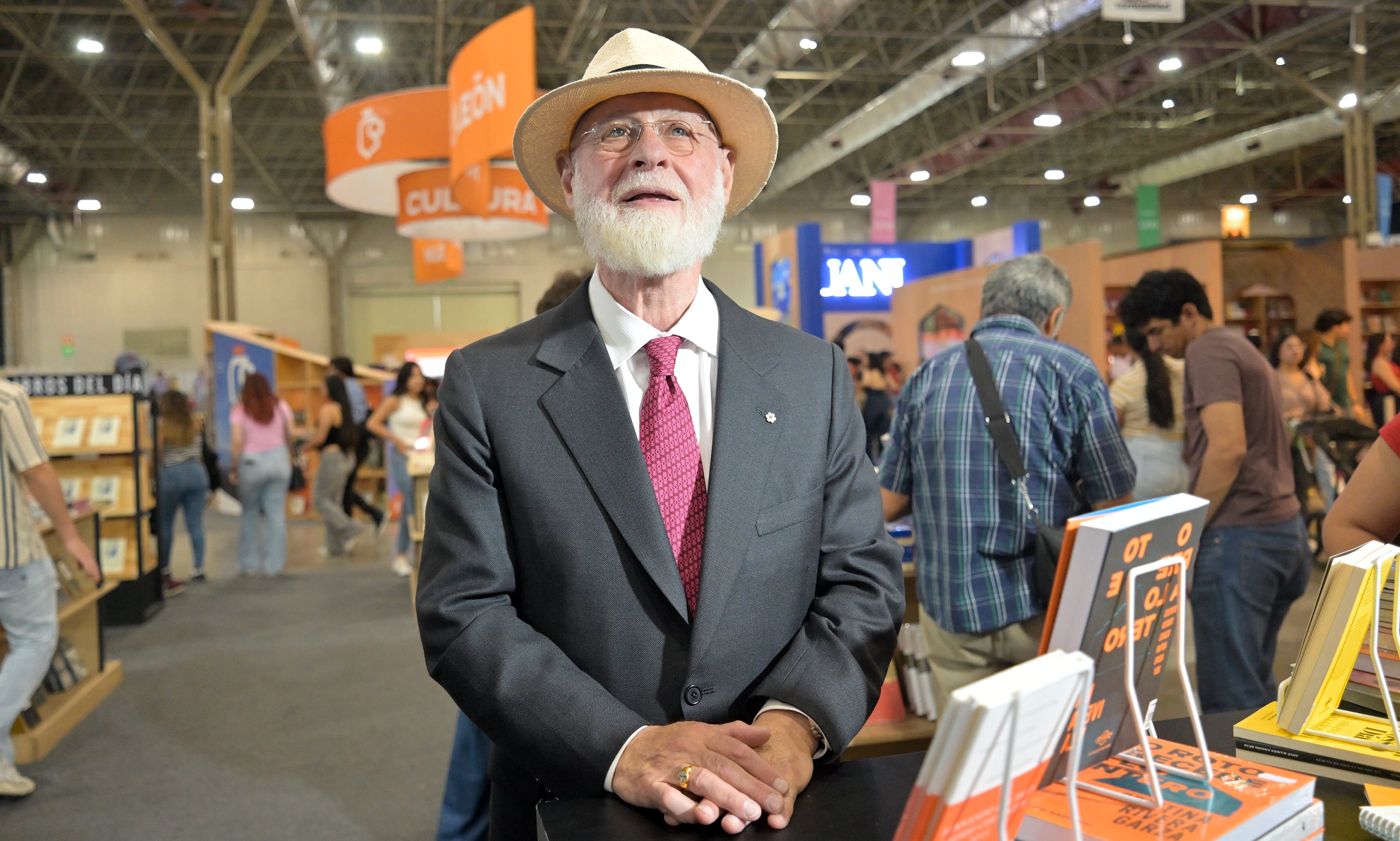
Manguel también planteó interrogantes sobre el vínculo entre la comprensión lectora y la vida cotidiana. “¿De qué manera podemos, como lectores, interpretar correctamente lo que un autor está tratando de comunicar si no podemos entender el significado de un texto?”, agregó.
En tanto, desde la organización del evento, la presidenta Carmen Junco, remarcó que este año la intención es “poner en el centro los contenidos, las ideas y las experiencias significativas: aquello que puede acompañarnos, emocionarnos, hacernos pensar y permanecer con nosotros aun después de que termine la Feria”.

El mensaje también subrayó el significado de realizar el encuentro en Monterrey, una ciudad que “ha construido buena parte de su historia mirando hacia adelante” y que ha sido polo de industria, innovación y emprendimiento, además de un espacio cada vez más orientado hacia la generación de ideas.
“Monterrey progresa no sólo cuando construye empresas o transforma su entorno, sino también cuando piensa, crea, debate y se pregunta por el mundo que quiere habitar”, afirmó Junco, que remarcó que el propósito final del encuentro es “encontrarnos con las personas”.
Cultura,Libros












INTERNACIONAL
Can cooking for terrorists bar asylum? Supreme Court takes up unusual case with broader immigration stakes
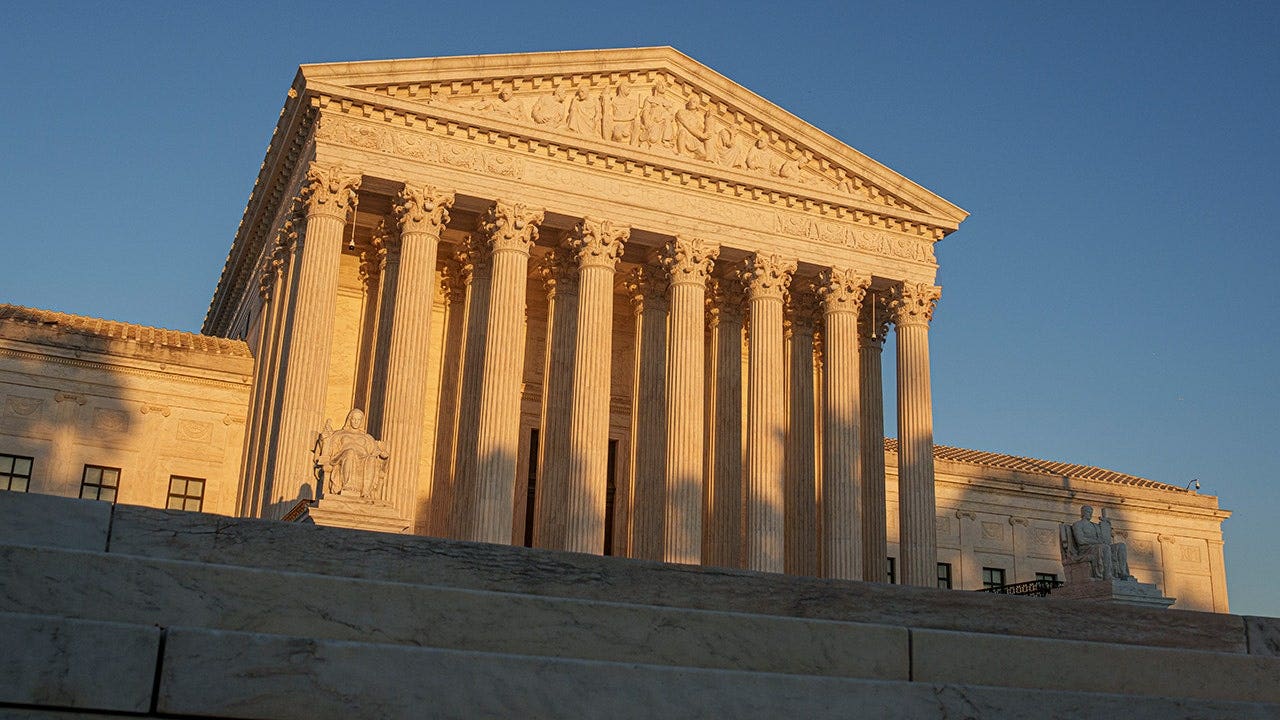
A Nigerian man forced to cook thousands of meals for the Unknown Gunmen, a militant group linked to political violence in Nigeria, is at the center of a Supreme Court showdown that could determine how broadly immigration authorities can apply a terrorism-related bar to asylum and how far the Trump administration can go in deporting immigrants accused of supporting terrorism.
The Supreme Court agreed Tuesday to hear the Trump administration’s challenge to a ruling that overturned Nigerian citizen Izuchukwu Ozurumba’s deportation order, setting up a legal battle over whether ordinary services provided to terrorist organizations, including cooking meals, can disqualify immigrants from receiving asylum even when those services are not directly connected to terrorist attacks.
Ozurumba was deported to Nigeria in April 2025 while his appeal was pending.
THE SUPREME COURT IS BACK; THESE FIVE CASES COULD RESHAPE AMERICAN LIFE
At the center of the case is a provision of the Immigration and Nationality Act that bars certain immigrants who provide «material support» to terrorist organizations from receiving asylum. The law lists examples of prohibited assistance, including transportation, communications, housing, money, weapons and training, but it does not explicitly define what constitutes material support.
«The biggest takeaway is that this is a case about who gets to draw the line on a law that affects national security,» Bryce Poole, a senior legal fellow with Advancing American Freedom, told Digital. «Congress wrote a broad rule, and the court interpreted it narrowly.»
The case also comes two years after the Supreme Court overturned Chevron deference, a legal doctrine that required judges to defer to federal agencies’ reasonable interpretations of ambiguous laws. The 2024 ruling gave judges greater authority to decide what those laws mean.
The 4th Circuit, in a 2-1 ruling, overturned Ozurumba’s deportation order and sent the case back to the Board of Immigration Appeals.
Judge James Wynn Jr., an Obama appointee, wrote the majority opinion, joined by Judge Nicole Berner, a Biden appointee. The judges concluded that, although Ozurumba prepared thousands of meals for the group’s leaders, his cooking did not provide resources that could be directly used or readily redirected toward terrorist operations.
Although Ozurumba said he was forced to cook under threat of violence, the 4th Circuit did not decide whether the law contains an exception for assistance provided under duress, an issue the court previously addressed in a 2012 ruling that relied on Chevron deference. Instead, the majority found that his cooking for the terrorist organization did not qualify as «material support» that would bar him from asylum, leaving the separate duress question unresolved.
The Trump administration argued that the 4th Circuit interpreted the law too narrowly, insisting that even ordinary services such as cooking meals can help sustain a terrorist organization and free its members to carry out attacks.
«Because he’s cooking the meals, one of the armed guards doesn’t have to cook the meals and can be an armed guard,» Poole said.
«That’s one guard who doesn’t have to come in off guard duty to cook meals, or that’s one bomb maker who doesn’t have to stop making bombs to go cook meals, because all this stuff is fungible.»
Ozurumba said he initially agreed to work as a chef at a «rural camp,» preparing three meals a day for 15 to 17 leaders. He later learned the camp belonged to the Unknown Gunmen.
An immigration judge determined that the Unknown Gunmen qualified as a «Tier III» terrorist organization under federal immigration law, even though the State Department had not formally designated the group as one.
Ozurumba said armed guards prevented him from leaving. According to court records, he cooked for the group’s leaders for roughly six months, including three months without pay, before escaping during a trip into town to buy groceries.
STATE’S LARGEST MOSQUE LEADER’S DEPORTATION FIGHT TAKES DRAMATIC TURN AS TRUMP ADMIN SCORES MAJOR WIN
Ozurumba said members of the Unknown Gunmen continued threatening and attacking him after his escape, prompting him to flee Nigeria for Venezuela and eventually the United States. He crossed the southern border without valid entry documents in July 2023 during the Biden administration and surrendered to Border Patrol agents.
An immigration judge denied Ozurumba’s asylum request and ordered his deportation, a decision upheld by the Board of Immigration Appeals after finding that his cooking violated the federal material-support rule. The 4th Circuit later rejected that interpretation and sent the case back to the immigration board.
Judge Julius Richardson disagreed with the majority, arguing in his dissent that cooking thousands of meals for terrorist leaders freed them to focus on their organization’s goals and therefore constituted material support.
«Ozurumba did not run a hot dog stand that the Unknown Gunmen happened to stop by once or twice,» Richardson wrote. «Rather, he acted as a private chef, providing three meals a day for over a dozen leaders of a terrorist organization — for months.»
Hans von Spakovsky, a legal expert with Advancing American Freedom, also argued that the majority misinterpreted the law.
SIGN UP TO GET THE POLITICS NEWSLETTER
«The idea that providing over 8,000 meals for the leaders of a terrorist organization and its members is not ‘material’ defies common sense,» von Spakovsky told Digital. «Richardson correctly cites Napoleon’s famous quote that an ‘army marches on its stomach.’
«Other federal appeals courts have all held that providing food and shelter, even if unconnected to a specific terrorist event, constitutes material support within the statute,» von Spakovsky continued. «And doing so under duress, even if true, is not an excuse under the statute to avoid removal.»
Even if the Supreme Court rules in his favor, a victory would not automatically grant him asylum or guarantee his return to the United States. His case would still need to be reconsidered by immigration authorities.
The 4th Circuit previously declined to order the government to bring him back, instead leaving it up to officials to decide whether his presence in the U.S. would be necessary for further proceedings.
federal courts, supreme court oral arguments, deportation, justice department, national security, immigrant rights, refugees
INTERNACIONAL
Houthis emerge as global threat beyond Iran control amid Saudi strikes, former envoy warns
NEWYou can now listen to Fox News articles!
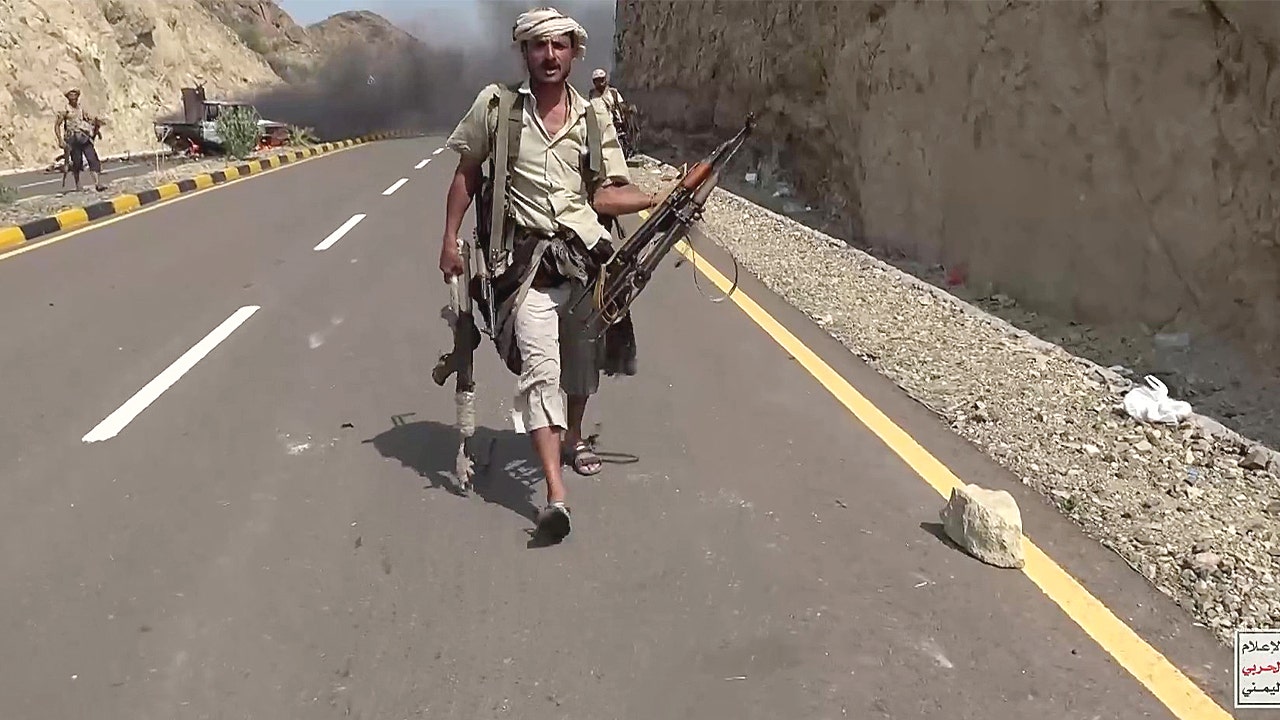
The Houthis are increasingly operating independently of Tehran, posing a «clear and very present danger» on the international stage as the terror group rearms and sharpens its strike capabilities, a former U.S. envoy warned Thursday.
The warning came amid deadly missile and drone attacks on Saudi Arabia in recent days and growing threats to global shipping routes and critical Middle East infrastructure in the run-up.
Turki al-Maliki, spokesperson for the Saudi-led coalition in Yemen, also confirmed Thursday that Houthi attacks on King Khalid International Airport in Riyadh had killed 17 and injured 333 others from Oct. 7-11.
Speaking at a news conference in Riyadh, al-Maliki said the Oct. 10 attack involved 10 drones, missiles and other projectiles.
«King Khalid International Airport has been subjected to 20 attacks since (Oct. 1),» he noted.
Tim Lenderking, who served as U.S. special envoy for Yemen from 2021 to 2025 and was posted to Saudi Arabia from 2013 to 2016, said Saudi officials had warned more than a decade ago that the Houthis would become a major threat, a prediction he says has now materialized.
SAUDI FOREIGN MINISTER WARNS HOUTHI THREAT GOES GLOBAL AS TRUMP HOLDS FIRE
The Houthis are increasingly operating independently of Tehran, posing a «clear and very present danger» on the international stage as the terror group rearms and sharpens its strike capabilities, a former U.S. envoy warned. (Handout from Houthi Media Center via Getty Images)
«The Saudis were very clear to our leaders that they viewed the Houthis as a major threat,» Lenderking said of his time in the kingdom a decade ago.
At the time, he said, the group was «quietly building up their capability, burnishing their narrative of why they sought to lead Yemen as a messianic group, as a group from northern Yemen, with an agenda, with a mission.»
The Houthis had emerged as a religious and political movement in Yemen in the 1990s, but their ties to Iran developed into a military partnership after 2014, when Tehran expanded its assistance and training during Yemen’s civil war.
«The Houthis don’t really need the Iranians anymore,» Lenderking, a former acting assistant secretary for Near Eastern affairs at the U.S. State Department, continued, adding it was still «a very important relationship that «enabled the Houthis to become the powerful force that they are.»
Lenderking, now a distinguished diplomatic fellow at the Middle East Institute (MEI), said, over time, the Houthis had developed their own «homegrown indigenous capability» as they capitalized on any disunity across the Gulf region.
Saturday’s missile and drone attack on King Khalid International Airport in Riyadh raised concerns that President Donald Trump could be drawn into a broader regional conflict as Saudi Arabia seeks U.S. assistance.
Asked whether the U.S. would defend Saudi Arabia against further attacks, Trump said, «You’ll find out soon.»
NEW RISK FOR US CONSUMERS AS IRAN-BACKED ATTACKS THREATEN A SECOND MAJOR OIL CHOKEPOINT
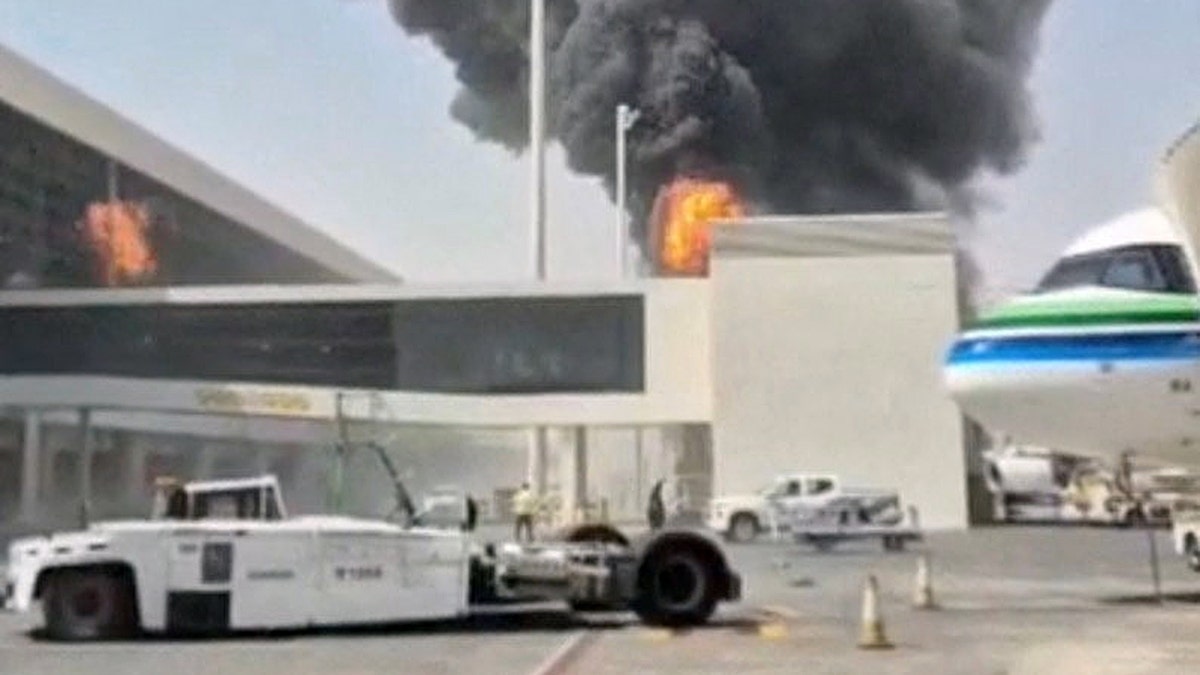
Smoke and flames rise from King Khalid International Airport after Yemen’s Iran-backed Houthis said they attacked the airport in Riyadh, Saudi Arabia, Oct. 8, 2026. (Reuters)
Speaking at an MEI briefing, Lenderking said the Houthis’ sophisticated weapons and targeting capabilities have transformed the group from a regional insurgency into an international security threat.
«They have the capability to hit around the region, including up into the northern reaches of the Red Sea. So, this is a regional problem, and given the fact that the Houthis control the west coast of Yemen,» Lenderking said.
«It’s an international problem now.»
Lenderking cited the precision of the Riyadh airport attack as evidence of the Houthis’ growing capabilities compared with earlier strikes during the Gaza conflict.
«They can hit things better. Now, they are hitting Terminal Four of Riyadh Airport, very specifically. It’s a clear and very present danger,» he said.
The Houthis reportedly launched multiple drones followed by cruise and ballistic missiles that traveled more than 620 miles to Riyadh, prompting an investigation into possible Saudi air defense failures, according to The Associated Press, citing regional officials.
Saudi forces intercepted two more ballistic missiles targeting Riyadh on Monday. On Tuesday, a Houthi strike caused damage to Aramco’s headquarters in Dhahran, sparking a fire that spread across several floors, Reuters reported.
Lenderking said the Houthis have built extensive weapons supply chains, smuggling networks and domestic financing operations that allow them to sustain attacks without relying solely on Tehran.
HOUTHIS ENTER US ‘KILL BOX’ AFTER SEIZING RED SEA ‘CORK,’ FORMER PENTAGON OFFICIAL WARNS

Houthi supporters demonstrate in solidarity with Iran, amid a two-week ceasefire between U.S. and Iran, in Sanaa, Yemen, April 10, 2026. (Khaled Abdullah/Reuters)
«They get a lot of supplies off the open market through the internet, through commercial exchanges. They have a very well entrenched smuggling network, from big boats onto small boats, onto tiny boats, on the pack animals, on people’s backs.
«They are able to move things undetected through government terrain, even through various borders and with a lot of wide open space there. They are constantly moving, building, resupplying, restocking, innovating.»
The group’s self-sufficiency also extends to financing. Lenderking said the Houthis generate revenue through black-market oil sales, taxation and extortion while also forcing families to provide recruits, allowing the group to continue fighting even if Iranian assistance is cut off.
«They have had support from Iran over the years, so they have money in the bank from that,» Lenderking said.
«They relied on sales of black market oil in the past. They extort Yemeni transport companies, businesses. They tax people in areas that they control. They force many families to offer up a son to fight on the front lines.»
The Houthis’ expanding arsenal has raised concerns about potential Chinese involvement in their weapons supply networks.
OIL SQUEEZE TIGHTENS AS IRAN-BACKED ATTACKS CRIPPLE HORMUZ ESCAPE ROUTES
Tim Lenderking, who served as U.S. special envoy for Yemen from 2021 to 2025 and was posted to Saudi Arabia from 2013 to 2016, said Saudi officials had warned more than a decade ago that the Houthis would become a major threat, a prediction he says has now materialized. (Houthi Media Center via Getty Images)
Yemen’s government has accused the rebels of seeking Chinese components for medium-range ballistic missiles, raising concerns about the group’s access to advanced military technology.
«There is a Chinese connection here that’s very detrimental,» Lenderking warned, adding that front companies have helped the group obtain weapons through commercial channels.
Lenderking warned that the Houthis could also target Saudi energy facilities, pipelines and desalination plants, infrastructure critical to the kingdom’s economy and water supply.
«The Houthis have hit pipelines,» he said. «They have diesel plants and other energy infrastructure in their sights.»
Attacks on such facilities could disrupt global energy markets, maritime commerce and regional stability.
The Houthis also control Yemen’s western coastline along the Red Sea, a vital shipping corridor connecting Europe and Asia.
With the rebels now capable of striking targets hundreds of miles away, Lenderking warned that the threat extends far beyond Yemen’s borders.
«One blast at Riyadh Airport is a huge statement,» the expert said.
«That’s why I come back to the fact that this is an international conflict,» he said, adding that «immediate action is required.»
world, foreign policy, national security, middle east foreign policy, middle east, saudi arabia, iran
INTERNACIONAL
Fort Hood survivors praise Trump for scrapping Hasan execution livestream: ‘We’re not barbaric’
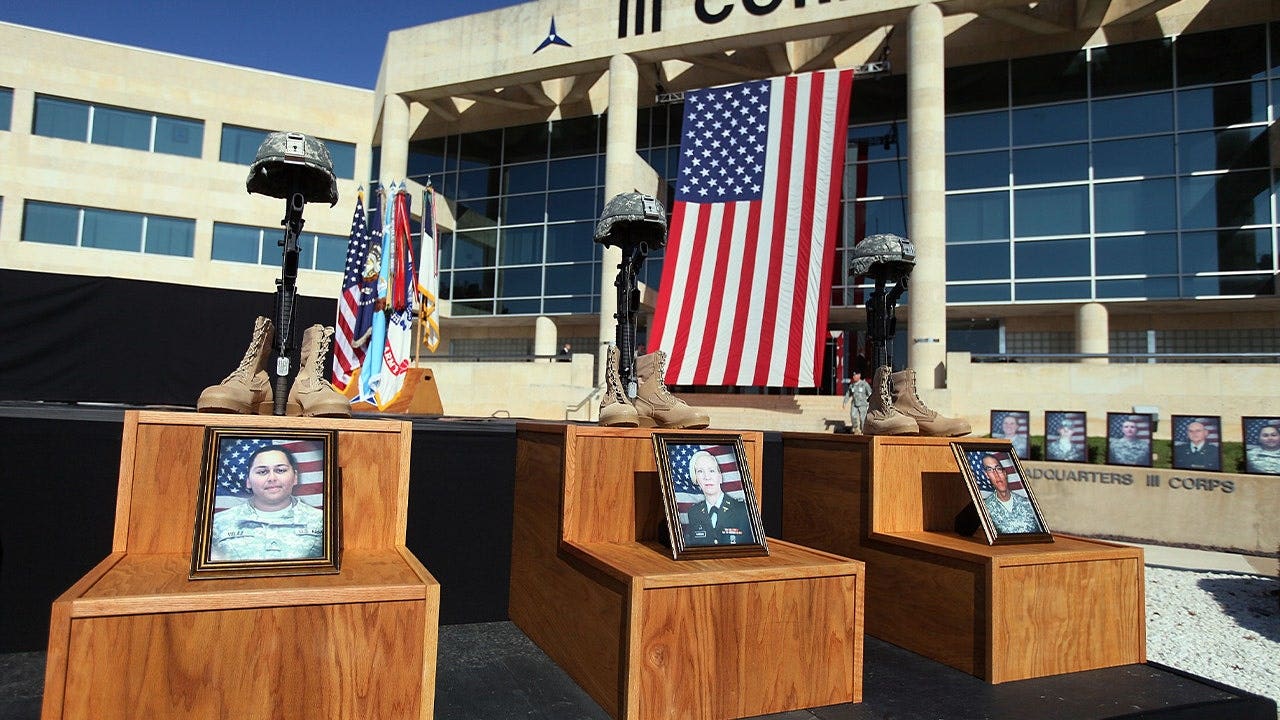
Survivors of the 2009 Fort Hood massacre praised President Donald Trump’s decision not to livestream the execution of Nidal Hasan, after warning that broadcasting his death could turn the execution into a spectacle and hand terrorist groups a propaganda tool.
Hasan is still set to be executed by firing squad on Dec. 3, 2026, and Trump said the immediate families of his victims will be permitted to witness the execution in person. But it will no longer be broadcast to the general public as previously announced by Secretary of War Pete Hegseth.
Alonzo Lunsford, who was shot seven times by Hasan during the attack nearly 17 years ago, told Digital that Trump’s decision is a «positive move.»
«It proves that we are a better people, a better nation, and that we’re not barbaric,» Lunsford said in immediate reaction to the walk-back by Trump on Thursday. «We don’t glorify such actions.»
VETERAN SHOT 7 TIMES IN FORT HOOD MASSACRE HAS A WARNING FOR AMERICANS PLANNING TO WATCH EXECUTION
Lunsford said he supports Hasan’s death sentence and execution by firing squad but drew a line at broadcasting it to the public.
«For it to be made a spectacle for everyone to witness how they’re gonna do a tailgate or, ‘Hey, we’re gonna have a cookout and we’re gonna watch this man be put to death.’ No, it’s not about that,» Lunsford said. «It’s not a spectacle. It’s not a pay-per-view event or a WWE wrestling match or even a boxing match.»
He also warned that footage of Hasan’s execution could be seized upon by terrorist organizations.
«You don’t want that to be used as a tool for ISIS or al-Qaeda to recruit and say, ‘Hey, this is what happens to you if you do this against the infidel,’» Lunsford said.
Julia Wilson was a civilian employee at Fort Hood when Hasan went on his rampage. She was nine months pregnant during the attack, which was carried out on her due date.
FORT HOOD SHOOTER SHOULD BE EXECUTED ’13 TIMES OVER’ — BUT NOT ON LIVE STREAM, SURVIVOR SAYS
She was slammed against a wall amid the chaos of the shooting and has said that it was only by the grace of God that she and her then-unborn son survived.
Wilson was already against the livestreaming of Hasan’s execution because she didn’t want others to be traumatized like she was during the deadly attack.
«I’m ecstatic about that,» she told Digital, reacting to the news that the plan to livestream the event would not proceed.
«I’m worried about other people’s mental health,» she continued. «I don’t think the government… really put a lot of thought into how this was going to go down and how it was going to transpire until today.»
«I don’t think they really thought about how this may affect people,» said Wilson. «Seeing something like that affects your mental health. I don’t care who you are. I don’t care what you’ve seen. Seeing someone murdered in front of you or killed in front of you affects your mental health, whether they deserve it or not.»
Wilson also worried that if the livestream had proceeded, it would exist online forever, and that children might discover it while searching the web. «Once it’s on out there, it’s out there,» she said.
Trump said Wednesday that he believed publicly broadcasting Hasan’s death could have served as a deterrent, but ultimately sided with those who opposed making the execution available for anyone to watch.
«I think streaming the execution for all to see might have been a strong deterrent for the World to witness how America deals with Terrorists and SCUM like Hasan but, many very good and well meaning people would rather not watch him die, through streaming, or through any other visual device,» Trump wrote on Truth Social.
«He will die, as scheduled, by firing squad, but this event will not be streamed,» Trump continued. «That said, the execution may be viewed in person by the immediate families of the victims, if they so choose. They deserve to witness JUSTICE!»
Lunsford pointed to warnings surrounding Hasan before the shooting and criticized the Army’s handling of the future attacker before he was transferred from Walter Reed to Fort Hood.
«We knew this guy had issues,» Lunsford said. «If you are privy to the ticking time bomb report, you will see what he was talking about. This guy had issues and they just passed the buck and moved him from Walter Reed to Fort Hood.»
Lunsford wondered what might have happened had Hasan deployed overseas before carrying out an attack.
«Suppose he would have did the deed once he got in country on a FOB, a forward operating base,» he said. «Imagine how many American lives would have been lost then.»
For Lunsford, allowing victims to witness Hasan’s execution remains important even without a public broadcast.
«It’s gonna be a traumatic thing for, at least for the families of the fallen,» he said. «They’ll be able to close the chapter and hopefully close the book.»
Lunsford said survivors will continue to live with reminders of the attack long after Hasan is gone.
«Every day we get up, we come to the VA hospital or we have to take our meds in the morning or we get ready to do something that we normally would have been doing prior to 5 November ’09 that we’re no longer able to do now, that’s a constant reminder,» he said.
«I am no longer a victim of his,» Lunsford added. «I’m a survivor.»
terror, terrorism, military, politics, donald trump

La canasta alimentaria subió menos que la inflación tras cuatro meses de encarecimiento

En Washington, Milei reforzó su condena al antisemitismo y cosechó otro elogio del gobierno de Trump

Lilia Lemoine fue insultada por manifestantes a la salida del Congreso: cómo fue el cruce

Can cooking for terrorists bar asylum? Supreme Court takes up unusual case with broader immigration stakes

Houthis emerge as global threat beyond Iran control amid Saudi strikes, former envoy warns

Infantino da un paso atrás y pide disculpas

Milei viajará a EE.UU. para reunirse con empresarios y con el hermano de Flávio Bolsonaro antes del balotaje en Brasil

Más de 2.000 islas sin hospitales: así funciona la red de clínicas flotantes de India

La angelita de LAM que reveló la peor infidelidad que sufrió en un matrimonio: «Encontré mensajes con otras mujeres y…»

All Boys vs Godoy Cruz: formaciones, hora y dónde ver por tv

 INTERNACIONAL2 días ago
Más de 2.000 islas sin hospitales: así funciona la red de clínicas flotantes de India
- CHIMENTOS2 días ago
La angelita de LAM que reveló la peor infidelidad que sufrió en un matrimonio: «Encontré mensajes con otras mujeres y…»
- POLITICA1 día ago
Autos chinos en Argentina: el caso de Noruega reaviva las alertas por espionaje y riesgos para la seguridad nacional