INTERNACIONAL
Highest-ranking US official to ever serve jail time, former House Speaker Dennis Hastert dead at 84

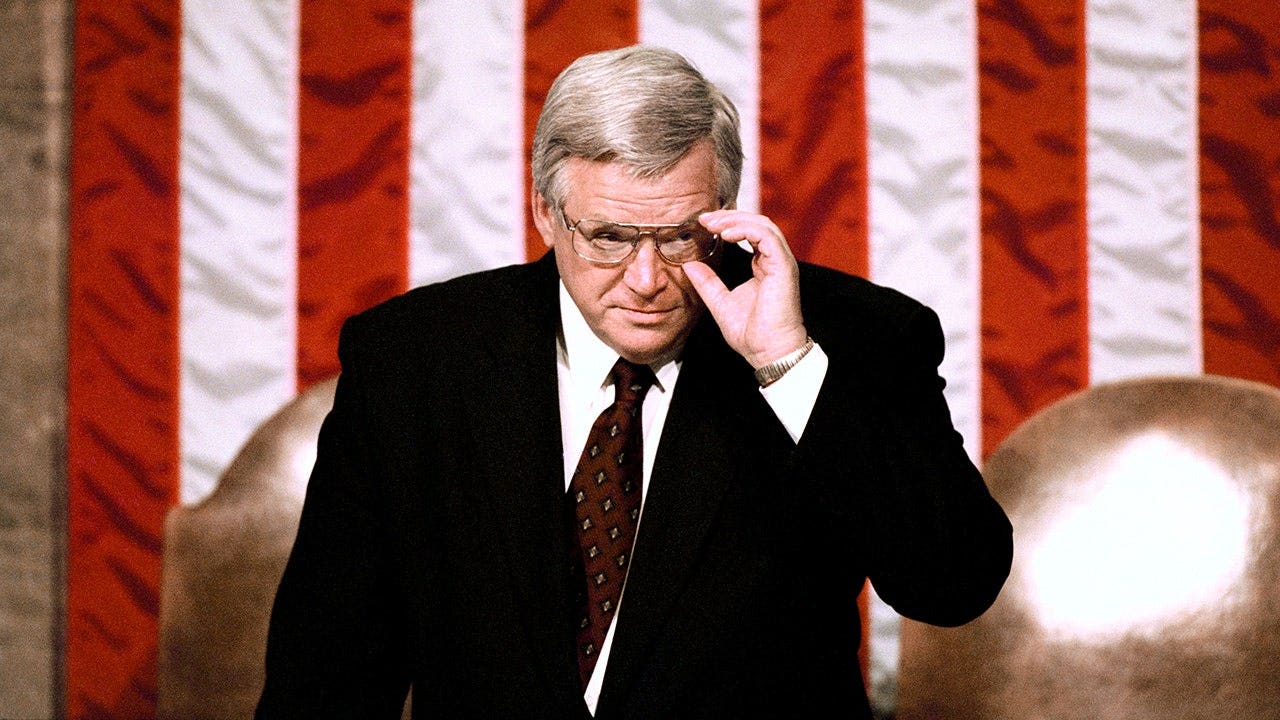
The Purcell County, Illinois, Coroner’s Office says former House Speaker Dennis Hastert, R-Ill., «passed away at his home due to natural causes.»
The brief statement was posted on the coroner’s website early Monday morning.
Hastert was 84 and one of the most ignominious figures to serve in American politics.
He was the longest-serving Republican speaker in history, wielding the gavel from 1999 to 2007. But Hastert’s career featured one of the most disgraceful falls from grace, becoming the highest-ranking U.S. official to ever do jail time.
MONICA LEWINSKY RECALLS ‘VERY DARK MOMENTS’ AFTER SCANDAL, SURVIVING JUDGMENT BY ‘BILLIONS OF STRANGERS’
The scandal involving Hastert emerged years after he left Congress — but dates back to the 1960s and 1970s when he served as high school history teacher and wrestling coach in Illinois. Hastert admitted in 2015 that he sexually abused teenage students and athletes as young as 14 — long before he entered Congress in the mid-1980s.
Hastert was an accidental speaker.
He served as chief deputy whip in the Republican hierarchy in late 1998 when House Speaker Newt Gingrich, R-Ga., decided to step aside. Gingrich was controversial. Some GOP members had knives out for him and believed Gingrich overplayed his hand pushing for impeachment of President Clinton. This, coupled with Republicans nearly losing control of the House in the 1998 midterms, set the table for Gingrich to step aside.
Republicans tapped then-Rep. Bob Livingston, R-La., Chairman of the Appropriations Committee, to become Speaker in 1999.
But in late 1998, as the House voted to impeach Clinton, it came to light that Livingston had an inappropriate relationship with a lobbyist. Hours before the House voted to approve two articles of impeachment for Clinton linked to his relationship with Monica Lewinsky, Livingston stepped aside and said he would not stand for speaker in the new year.
By nightfall, Republicans picked Hastert, a backbencher, to serve as speaker in 1999.
Hastert was criticized in late 2006 for not moving more aggressively to protect teenage House pages after it was discovered that then-Rep. Mark Foley, R-Fla., sent inappropriate text messages to the pages. The scandal led to the end of the House page program, which dates back to the beginning of the republic.
Hastert lost the speakership when Democrats seized control of the House in the 2006 midterms. Hastert did not serve in the GOP leadership in early 2007 and resigned from office later that year.
FMR DEM REP BARNEY FRANK, SHARP-TONGUED LIBERAL TRAILBLAZER AND DODD-FRANK CO-AUTHOR, DIES
Hastert was often quiet and shunned interviews and the press.
Known as «Coach» to fellow lawmakers because of his wrestling background, Hastert often proclaimed that he was more of a «listener» than a «speaker.»
But Hastert’s career took a dark turn in 2015.
US OLYMPIC HERO NANCY HOGSHEAD WINS LEGAL BATTLE AFTER VOLLEYBALL COACH’S $250M DEFAMATION SUIT IS DISMISSED
Federal banking regulators flagged Hastert’s curious withdrawals of staggering amounts of cash at peculiar intervals. Banking regulators suspected the transactions signaled that someone may be blackmailing the former Speaker.
But that’s how it came to light that Hastert was actually paying millions of dollars in hush money to the family of a student he abused in the 1970s.
Hastert admitted to sexually abusing students decades before at his trial for illegal bank transactions, saying he «mistreated athletes» and «took advantage of him.» The judge in the case called the former speaker «a serial child molester.»
Hastert served 13 of 15 months of his federal sentence for banking crimes at a facility in Rochester, Minn. However, Hastert never faced legal ramifications for sexual conduct.
Hastert is also known for the «Hastert Rule.» When Hastert served as speaker, he would not bring a piece of legislation to the floor unless it had the support of a majority of House Republicans. House GOPers continued to use that standard for bills for many years after Hastert left office.
But that terminology fell out of favor after Hastert was convicted and information about his past became public.
politics, congress, house of representatives politics, illinois, house of representatives










INTERNACIONAL
Zelenskyy can leverage Moscow ties from comedy days to make peace deal, says former key aide
NEWYou can now listen to Fox News articles!
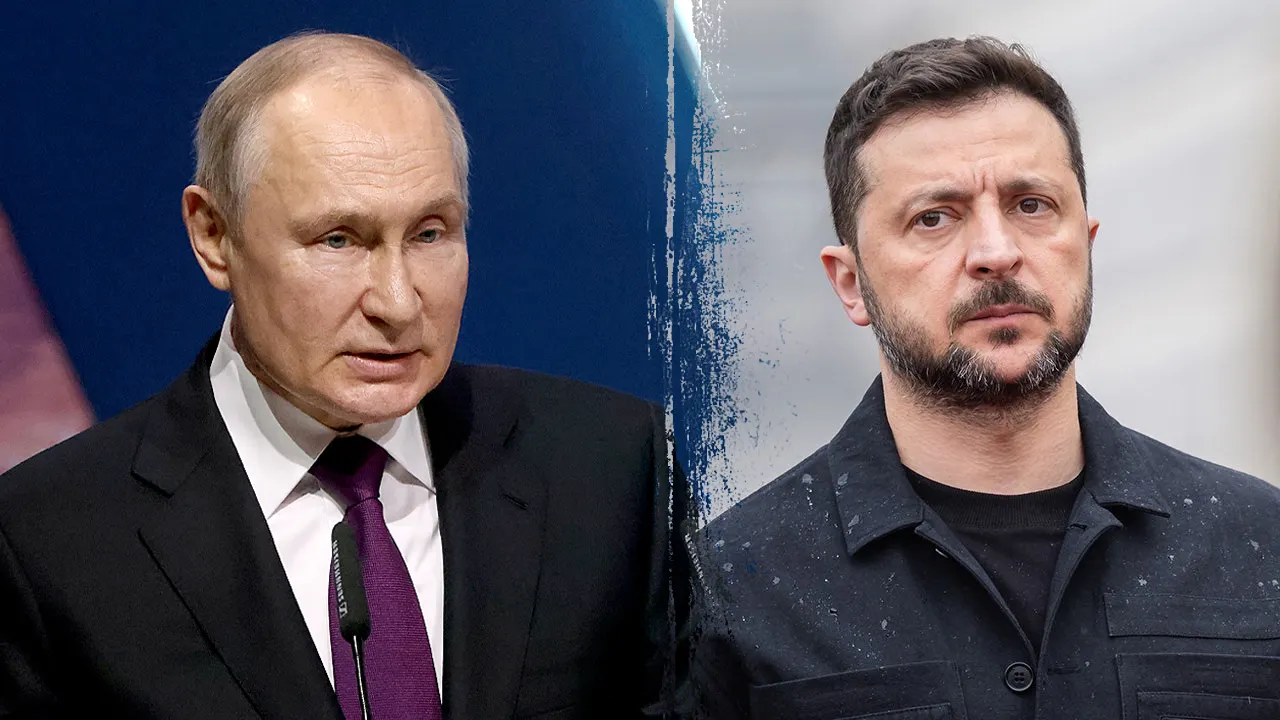
Ukrainian President Volodymyr Zelenskyy’s former spokesperson urged him Sunday to meet Russian President Vladimir Putin face-to-face in Moscow, arguing that his past business and political connections in the Russian capital from years back could help him negotiate a peace deal there.
Iuliia Mendel, who served as Zelenskyy’s spokesperson from 2019 to 2021, told Fox News Digital that the former comedian had also made his first millions in Russia and should perhaps leverage those ties to pursue lasting peace.
«When Zelenskyy was an entertainer, he often performed in Moscow,» Mendel said, adding that the Ukrainian president «knows a lot of people from Putin’s elite.»
«He actually professionally grew in Moscow and earned his first millions in Moscow, and today he pretends that he has nothing in common with them,» Mendel said.
RECOVERING FROM LUNG SURGERY, POPE LEO URGES PUTIN TO AGREE TO CEASEFIRE IN RUSSIAN-HELD UKRAINE CITY
Iuliia Mendel claimed When Zelensky was an entertainer, he often performed in Moscow,» Mendel claimed the Ukrainian president «knows a lot of people from Putin’s elite.» (Brendan Hoffman/Getty Images)
«He needs to go to Moscow and needs to agree on compromises that are acceptable,» she said, before adding that Zelenskyy «doesn’t need to play his maximalist games and to play this noble actor.»
Mendel’s criticism came as Ukraine, Russia and the United States prepared for another round of technical-level peace talks, potentially in Abu Dhabi or Switzerland, in November.
U.S. envoys Steve Witkoff and Jared Kushner have helped lay the groundwork for renewed negotiations that officials hope could finally lead to direct talks between the two leaders.
Before entering politics, Zelenskyy had built a successful entertainment career. Beginning in the late 1990s, he performed with the comedy troupe Kvartal 95, competed on the Russian-language comedy program KVN and later worked as an actor, writer and producer in television and movies.
From the late 1990s, he performed on Russian stages and at private parties and appeared in movies shown across former Soviet republics, Mendel claimed.
She said that after Russia annexed Crimea and launched its war in Donbas in early 2014, Zelenskyy traveled to Russia to work on the comedy film «Eight New Dates» which was released in Russian theaters in 2015.
ZELENSKYY TO SEEK OFFRAMP FOR YEARS-LONG RUSSIA WAR IN UN SPEECH AFTER TRUMP REVEALS PEACE DEAL IS CLOSE

Before entering politics, Zelenskyy had a successful career in Ukraine’s entertainment industry. (Shutterstock)
According to a report by Business Insider, many of Zelenskyy’s movies were also in Russian and were marketed to a Russian audience, David Dodson, an American movie editor who worked with Zelenskyy told the outlet.
«He was a well-loved comic, actor and performer in Russia, but after [the 2013-14] Maidan [Revolution], everything changed,» Dodson said.
«People need to realize that Volodya’s movies were very big in Russia. Most of his market was in Russia. He’s always been a popular comedy star in Russia,» Dobson also clarified to GQ when asked if he directed the former actor in «Eight First Dates» in Russia, released in 2012.
In 2013, the movie received the Russian National Movie Awards as the Best Russian Comedy of the Year.
In 2019, Zelenskyy also promised to relinquish ownership of a Cyprus-registered company operating a film studio in Russia after investigative journalists revealed that he and his business partners still owned three Russian companies, according to the Kyiv Post.
Zelenskyy’s entertainment career made him a household name in Ukraine and other former Soviet republics before he entered politics and won Ukraine’s 2019 presidential election with roughly 73% of the runoff vote on promises to fight corruption and pursue peace in eastern Ukraine.
Mendel argued that Zelenskyy’s promise to bring peace at the time stands in stark contrast to the devastating war that has crippled the country and defined much of his presidency.
TRUMP ANNOUNCES IMMEDIATE ENERGY CEASEFIRE BETWEEN RUSSIA AND UKRAINE
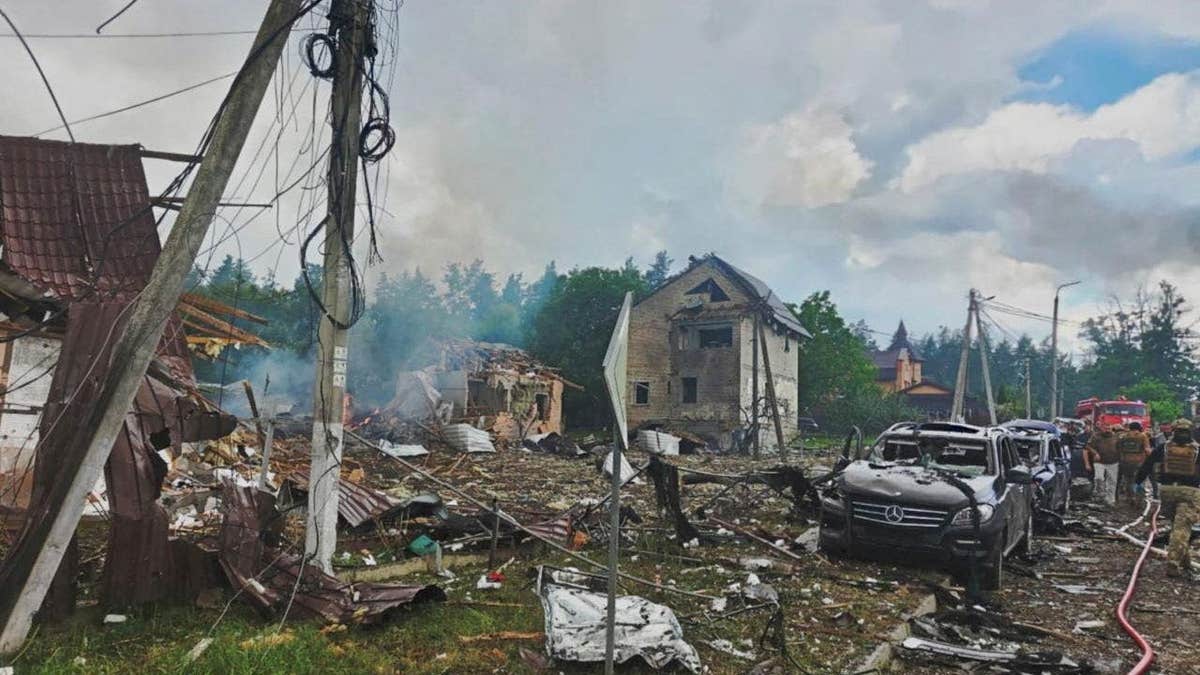
Emergency employees work at the site of a Russian missile strikes, amid Russia’s attack on Ukraine, in Kyiv region, Ukraine July 24, 2026. (Press service of the State Emergency Service of Ukraine/Handout via Reuters)
«Zelenskyy became the president with 73% record support,» Mendel said. «Because he promised to bring peace to Ukraine.»
«And now he has been presiding for almost five years (over) the largest war in Europe since World War II. This shows a lot.»
«When his country is bleeding, he needs to make a peace deal for his people,» she said before adding that the leader «needs to put the interests of his people first, just for Ukraine to exist as an independent state.»
Whether Zelenskyy should travel to Moscow has, in fact, become a flashpoint in efforts to arrange direct peace talks.
In 2025, Putin offered to host Zelenskyy for talks in Moscow, but the Ukrainian president rejected the invitation as Russian forces continued attacking Ukraine.
«He can come to Kyiv,» Zelenskyy told ABC News at the time, saying he could not visit Moscow while Ukraine remained under Russian missile attacks.
In September, on the sidelines of the U.N. General Assembly, Russian journalists pressed Zelenskyy on when he would visit Moscow. He replied, «On a missile.»
ZELENSKYY CONGRATULATES TRUMP ON TURNING 80 IN BIRTHDAY CALL, VOWS MORE UKRAINE PEACE TALKS AT G7 ON TUESDAY
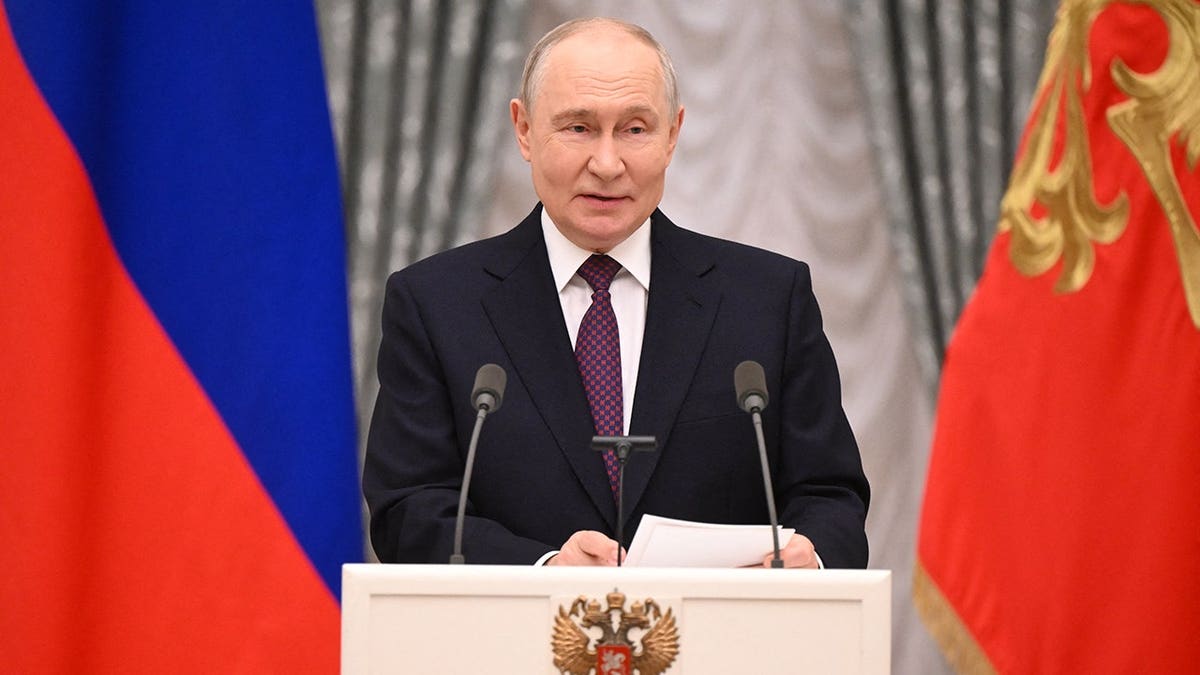
Russia’s President Vladimir Putin seen Monday at a ceremony to present state awards to mentors and teachers of participants in Russia’s war in Ukraine at the Kremlin in Moscow. Putin has tightly suppressed the flow of information to the outside world, observers have said. (POOL/AFP via Getty Images)
Mendel, however, argued that personal animosity between the two leaders has become the main obstacle to diplomacy.
«Today there are diplomatic efforts to try to stop this brutal and bloody war that Russia started,» she said.
«But what we see now is a personal opposition between Zelenskyy and Putin that continues to grow into constant escalation in which people suffer tremendously, Ukraine’s infrastructure, energy grid, and businesses are in ruins, and refugees are fleeing.»
Russia launched its full-scale invasion of Ukraine in February 2022. More than four years later, peace negotiations are deadlocked over territory, security guarantees and the terms of a lasting ceasefire.
Moscow has demanded territorial concessions from Ukraine, including areas Russian forces do not fully control.
Kyiv has rejected ceding sovereign territory and insists that any agreement include enforceable security guarantees against another Russian attack.
RUSSIA RELEASES AMERICAN TEACHER IMPRISONED ON UKRAINE MERCENARY CHARGES AFTER TRUMP PRESSED PUTIN

President Trump and Ukrainian President Volodymyr Zelenskyy said on Dec. 28, 2025, a Ukraine peace deal is nearing completion after Florida talks, though disputes over territory remain. (Volodymyr Zelenskyy X)
Mendel went on to praise President Donald Trump’s efforts to break the diplomatic deadlock, calling him the first Western leader to «challenge the status quo» and consistently push for an end to the war.
«For this reason, many Ukrainians place great hope in his ability to bring peace,» she said.
«A sustainable peace deal cannot be reached solely between Zelensky and Putin; it requires the involvement and initiative of a strong third party to halt the ongoing devastation.»
On Friday, the White House announced that first lady Melania Trump had helped broker a temporary ceasefire in Oleshky, a Russian-occupied town in southern Ukraine’s Kherson region, to allow humanitarian aid deliveries, demining operations and civilian evacuations.
An estimated 1,700 to 2,000 people remain in the devastated front-line town, many of them facing severe shortages of food, medicine and other essentials.
The White House said the ceasefire would begin Oct. 29, although Ukrainian and Russian officials have indicated that operations could begin Oct. 27.
Pope Leo also reportedly spoke with Zelenskyy and Putin about the humanitarian crisis, according to Vatican News.
ZELENSKYY ACCUSES PUTIN OF DEFYING TRUMP’S CEASEFIRE PUSH, SENDS POINTED MESSAGE TO WHITE HOUSE
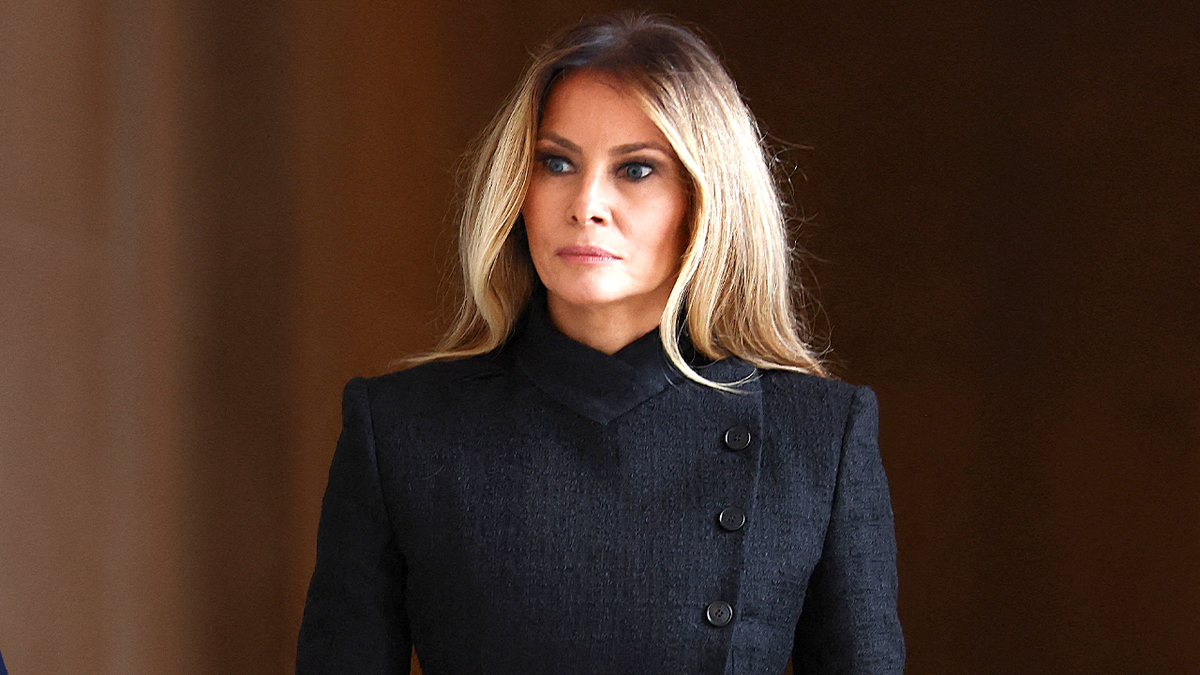
First lady Melania Trump visits the Smithsonian’s National Museum of Asian Art on Sept. 24, 2026, in Washington, D.C. The visit took place during Chinese President Xi Jinping’s state visit to the United States. (Finn Gomez/POOL/AFP via Getty Images)
«Melania Trump has become synonymous with the words of a saver and a hero, since she has brokered the deal for Oleshky,» Mendel said. «This is something that is going to save around 2,000 people and that neither Ukraine nor Russia could have solved for months and months.»
«That is why, you know, what Melania Trump has done is actually a case to show that where two men are fighting, a woman can actually save lives,» she added.
«And this is the new approach that would show that peace really should focus on human lives, not on maps and territories.»
Mendel also criticized the influence of Zelenskyy’s longtime ally Andriy Yermak on his diplomatic approach, arguing that the Ukrainian president has favored confrontation over compromise.
«Mr. Yermak was teaching Zelenskiy to be a strong man in diplomacy. And what today we see is actually diplomacy that doesn’t exist,» she said.
«It’s a diplomacy of humiliation, diplomacy of constant threats, diplomacy of demands,» Mendel added.
world, volodymyr zelenskyy, vladimir putin, ukraine, russia, foreign affairs, melania trump, donald trump
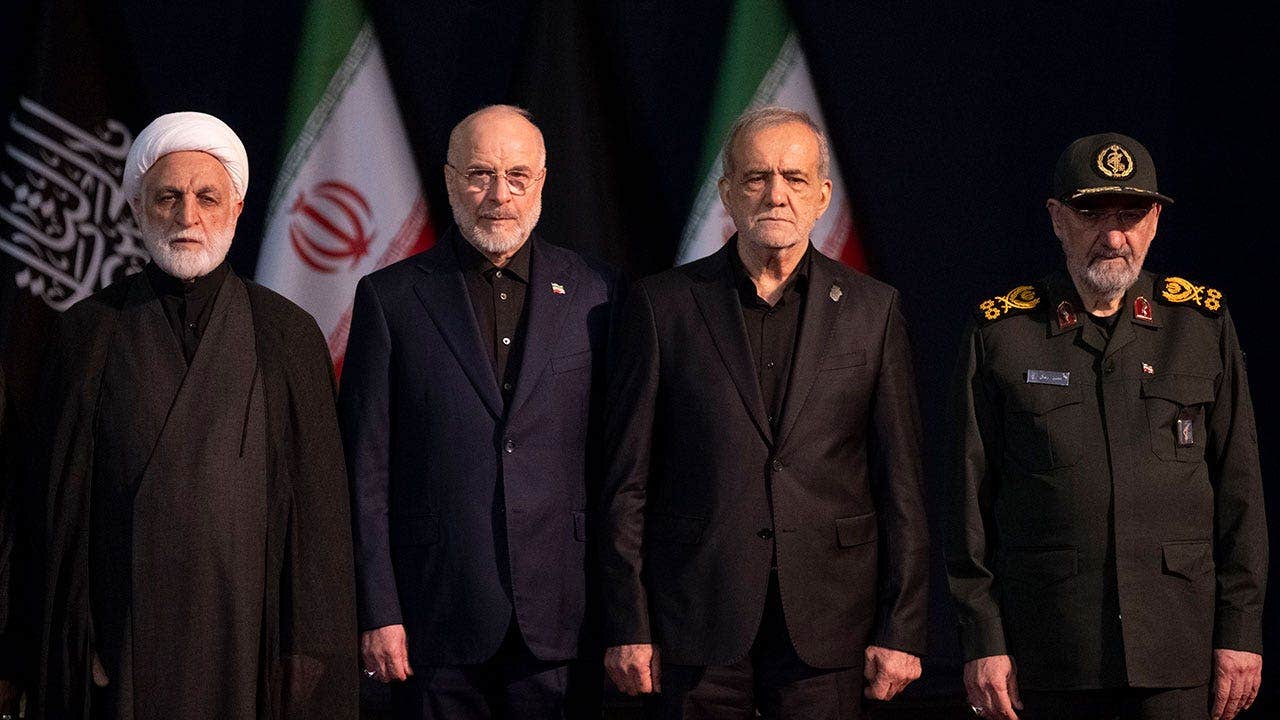
Iran is approaching a financial reckoning as a U.S. naval blockade threatens to wipe out its seaborne crude oil revenues by mid-December — but the economic pain may fall more heavily on ordinary Iranians than on the military Washington is trying to constrain.
Iran’s trackable floating oil inventory outside the U.S. blockade zone has fallen to zero, according to energy intelligence firm Kpler, which projects that Tehran’s crude revenues could dry up by the middle of December as outstanding payments are settled.
But the loss of oil revenue would not necessarily translate into an immediate military funding crisis. Tehran could shield military spending while cutting civilian programs, allowing inflation to erode purchasing power and drawing on alternative revenue sources.
BESSENT SAYS IRAN WILL HAVE ‘NOTHING LEFT TO TRADE’ WITHIN TWO WEEKS AS OIL LIFELINE DRIES UP
That complicates Washington’s pressure campaign: The blockade may deprive Tehran of one of its biggest sources of cash without immediately starving the military and Islamic Revolutionary Guard Corps of the money they need to operate.
Oil directly accounts for roughly 30% of Iran’s government budget, according to Gregory Brew, a senior Iran and energy analyst at Eurasia Group, and Miad Maleki, an Iran sanctions and financial expert at the Foundation for Defense of Democracies.
Iran entered the year expecting to export about 1.7 million barrels per day at roughly $54 per barrel, Brew said. Actual exports have fallen short of that target, though higher oil prices allowed Tehran to build some financial cushion.
Maleki estimated that oil and refined petroleum products account for between 50% and 60% of regime revenue when indirect income is included.
Still, the December deadline is not a date on which Iran suddenly runs out of money.
«The December timeline is more of a cash flow kind of disruption, and not really a collapse state,» Maleki told Digital.
Tehran has so far allowed inflation and the weakening rial to absorb some of the pressure rather than abruptly stopping government salaries or allowing widespread shortages to develop.
«The purchasing power of Iranians incrementally declines,» Maleki said.
Losing a revenue stream that covers roughly 30% of the government budget would nevertheless force increasingly difficult choices. Tehran can cut spending, borrow more or run larger deficits. Deeper cuts could hit subsidies, pensions and other government programs, while deficit spending risks fueling already high inflation.
«There’s already expectations that government spending next year is going to be greatly reduced,» Brew said . «A bigger chunk of the budget is likely going to be met through borrowing and deficit spending, which is of course going to add to inflation.»
IRAN LOSES KEY ECONOMIC LIFELINE IN MIDDLE EAST THAT TRUMP’S SANCTIONS COULDN’T REACH AS DEADLOCK PERSISTS
Military spending, however, could prove more resistant.
«There is a broad expectation that non-military spending is going to be slashed significantly, while military spending is going to be maintained and might even increase because of the overall war footing that the Iranian regime has been put on,» Brew said.
Iran is already spending resources to rebuild missile production facilities and other military infrastructure, expand underground facilities and repair damage to its nuclear program, Brew said.
Iran’s armed forces also have a direct connection to the country’s oil trade.
US TARGETS CHINESE REFINERY IN SWEEPING IRAN OIL CRACKDOWN, SANCTIONS ‘SHADOW FLEET’ TANKERS
The Treasury Department said last year that Tehran was allocating roughly 200,000 barrels of crude per day to its armed forces, with the value of planned allocations expected to exceed $10 billion annually. Military organizations can sell allocated oil abroad and use the proceeds themselves.
Maleki said those sales have helped finance equipment, chemicals and weapons components and support Iran-backed groups including Hezbollah and Hamas.
The IRGC also draws revenue from smuggling, black-market commerce and sanctions-evasion networks outside the formal state budget. Brew said its economic influence has expanded as sanctions have squeezed Iran’s private economy.
«If the IRGC is the single most important institution in the country, and if it largely benefits from sanctions and blockades and various forms of U.S. economic pressure, then there’s a world in which it benefits from this new environment rather than being squeezed like the overall government budget,» Brew said.
Iran’s oil squeeze has been months in the making.
Tehran held roughly 135 million barrels of crude in floating storage before the war began in February, providing a stockpile it could continue selling after U.S. forces restricted new exports. That offshore inventory has now been exhausted.
U.S. Central Command estimates the blockade has already denied Tehran at least $25 billion in oil revenue.
Buyers of Iranian crude typically settle payments one to two months after delivery, creating the lag between the disappearance of Iran’s floating inventory and Kpler’s projected revenue cutoff in December.
Even if that projection broadly holds, however, Iran is unlikely to stop earning money from hydrocarbons altogether.
Smaller quantities of oil can still move overland by truck and rail and across the Caspian Sea, while refined petroleum and petrochemical products can travel through routes outside the seaborne crude trade targeted by the blockade.
«While the amount of Iranian oil that can be tracked has fallen to zero, it’s unlikely Iran’s oil exports completely fall to nothing,» Brew said. «The amount will likely be fairly small, but it won’t be completely zeroed.»
Both experts said an agreement with Washington allowing Iranian tankers to resume leaving the Persian Gulf could reverse the trajectory . Without a deal or relaxation of the blockade, the financial pressure is expected to build into next year.
The bigger test may arrive in March, when Iran begins its new fiscal year and must reconcile its spending plans with dramatically lower oil income.
«There’s going to be a fiscal squeeze, and there’s going to be pressure around the release of the new budget,» Brew said. «There’s going to be economic unrest, potentially even economic turmoil as the government rolls out spending cuts.»
By then, Tehran could have gone months without its traditional seaborne crude income, forcing the regime to decide how much of the financial squeeze it is willing to pass on to its population while preserving spending elsewhere.
middle east, iran, sanctions, economy, inflation
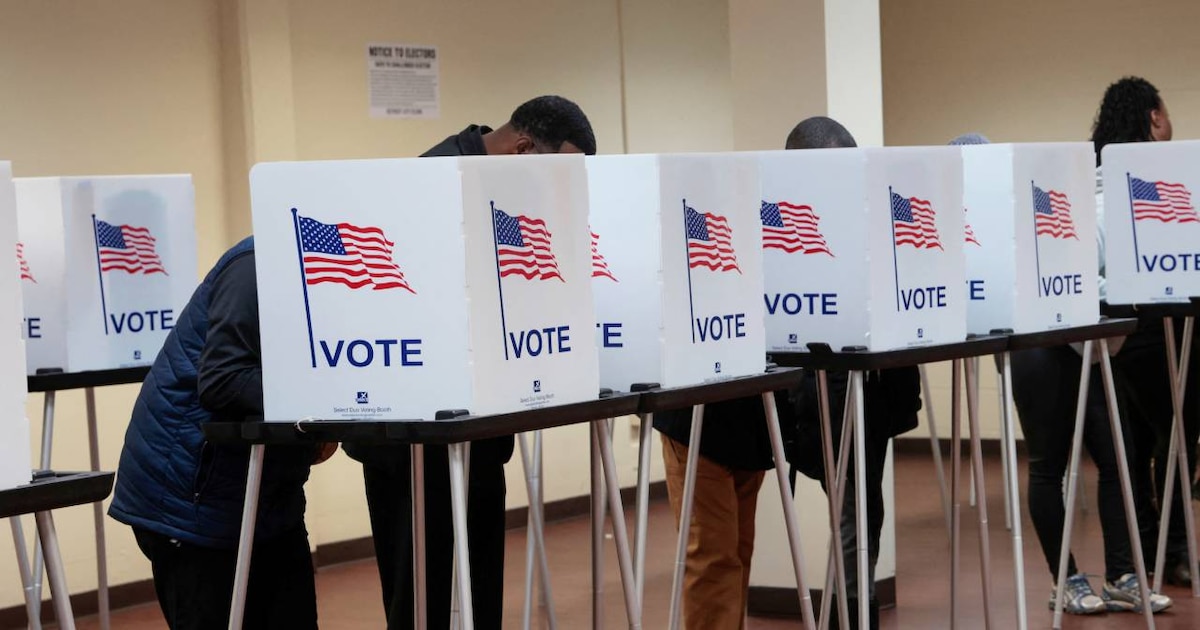
En la década de los noventa, los políticos se disputaban el apoyo de las “soccer moms”. En la década de los 2010, competían por los votos de los votantes blancos de clase trabajadora. Ahora está claro: los latinos son el grupo de votantes indecisos más importante de la década de 2020.
Los demócratas han ganado terreno entre los latinos en los últimos dos años, recuperando la confianza de un grupo crucial de votantes que contribuyó al regreso del presidente Trump a la Casa Blanca en 2024. Los votantes latinos prefieren ahora a los demócratas frente a los republicanos por 30 puntos porcentuales, según la última encuesta del New York Times y Siena.
Este cambio supone un giro sorprendente después de que Trump lograra avances significativos entre los latinos, sentando las bases de una coalición multirracial que muchos creían que podría marcar el inicio de un reajuste político a largo plazo.
Pero ese cambio de tendencia parece ahora limitado y, posiblemente, efímero.
Aunque los demócratas aún no han alcanzado el nivel de apoyo entre los votantes hispanos que tenían hace una década, han logrado avances importantes que podrían ayudarles a hacerse con el control del Congreso.
Los votantes hispanos representan al menos el 20 % de los votantes registrados en casi dos docenas de circunscripciones muy reñidas para la Cámara de Representantes en Arizona, California, Colorado, Florida, Pensilvania y Texas, así como en otros estados. Los votantes latinos también podrían resultar decisivos en varias contiendas por el Senado, entre ellas la de Texas, donde los republicanos obtuvieron avances históricos en las dos últimas elecciones. En Iowa y Kansas, estados tradicionalmente republicanos en los que los demócratas ven ahora la oportunidad de dar la vuelta a los escaños del Senado, los votantes hispanos también podrían desempeñar un papel fundamental.
Los votantes latinos han demostrado repetidamente en las encuestas que ninguno de los dos partidos se ha ganado su lealtad inquebrantable.
En la encuesta del Times/Siena, el 42 % afirmó estar insatisfecho con ambos partidos, y el 45 % dijo que no veía una gran diferencia entre ellos.
Camilo Cruz, de 19 años, independiente, afirmó que no confiaba en que ninguno de los dos partidos mejorara la situación en todo el país. “Está claro que en realidad no están intentando ayudar”, dijo. “Están haciendo todo lo contrario”.
Cruz, estudiante en Fort Myers (Florida), tiene dos trabajos para llegar a fin de mes. “Realmente no parece que ninguno de los dos partidos tenga en mente el interés de la gente”, afirmó.
Durante las últimas dos décadas, los demócratas han tenido ventaja entre el electorado hispano. Y muchos en el partido habían dado por sentado que el crecimiento del electorado latino perjudicaría inevitablemente a los republicanos. Pero en los últimos años, la ventaja de los demócratas entre este colectivo se ha reducido considerablemente.
En 2024, Trump contó con el apoyo del 44 % de los votantes hispanos, según el informe “Times Voter Trends”, lo que supone un notable aumento respecto a 2016, cuando le apoyaba el 28 %.
En la última encuesta, ese apoyo volvió a reducirse hasta el 31 %.
Los republicanos manipularon los límites de varios distritos electorales en Texas y Florida partiendo de la premisa de que mantendrían su ventaja entre los votantes hispanos. Pero las encuestas recientes sugieren que el cambio de tendencia en el apoyo latino podría provocar pérdidas para los republicanos en distritos electorales en los que Trump ganó por un margen de dos dígitos.
El 61 % de los votantes hispanos afirma ahora que apoyará a los demócratas en las elecciones de mitad de legislatura, lo que supone una mejora, aunque no alcanza el 68 % que los demócratas obtuvieron en 2016.
La encuesta sugiere que los demócratas están captando una pequeña pero significativa parte de los partidarios de Trump de 2024, ya que el 11 % de los votantes hispanos que apoyaron a Trump afirman que ahora tienen previsto apoyar a los demócratas.
Según muchos indicadores, Trump impulsó tanto el auge como la caída del apoyo de los votantes hispanos a los republicanos. Una encuesta de Equis Research, especializada en votantes hispanos, reveló que el índice de aprobación de Trump había alcanzado un nuevo mínimo entre ese electorado.
“Me gustaba Trump porque iba a mejorar la economía”, afirmó Janet Fuentes, de 34 años, una independiente que vive en Chicago y que dijo haber votado a Trump en 2024. “Pero los precios no dejan de subir”.
Gran parte de los avances de los demócratas entre los latinos se han concentrado entre los votantes más jóvenes y las personas sin título universitario —dos grupos que se decantaron claramente a favor de Trump hace tan solo dos años—.
En todos los temas objeto de la encuesta, los demócratas cuentan ahora con una amplia ventaja entre los votantes hispanos, lo que ilustra cómo han recuperado su confianza.
El coste de la vida es la principal preocupación de los votantes latinos, y es el tema en el que los demócratas cuentan con su mayor ventaja. Por un margen de casi 30 puntos, son más los votantes hispanos que afirman confiar en los demócratas para gestionar la economía —un cambio radical respecto a hace dos años, cuando Trump tenía una ligera ventaja en este tema—.
Y hay señales claras del impacto político de la agresiva política de control de la inmigración del presidente Trump: casi el 20 % de los votantes hispanos afirma ahora que la inmigración es una de sus principales preocupaciones, frente al 6 % del mes pasado.
Mientras que en 2024 los votantes hispanos estaban divididos sobre en qué partido confiar en materia de inmigración, ahora otorgan a los demócratas una ventaja de 27 puntos en este tema.
“La forma tan inhumana en que nuestra actual Administración aborda la aplicación de la ley de inmigración es terrible”, afirmó Víctor Torres, de 42 años, un ingeniero que vive en Houston. “Se trata a las personas como si fueran delincuentes reincidentes, cuando en realidad no han hecho nada malo mientras están aquí”.
Torres, demócrata, afirmó que la inmigración fue el tema principal que determinó su voto este año, y que confiaba más en los demócratas para abordarlo.
Algo más de una cuarta parte de los votantes latinos afirmó conocer a alguien que hubiera sido deportado o detenido por el Servicio de Inmigración y Control de Aduanas de EEUU (ICE) en los últimos dos años, según una encuesta de NBC News/Telemundo. La encuesta sugiere que esto podría tener repercusiones en la participación electoral. Alrededor del 17 % de los votantes hispanos afirmó que ellos mismos o alguien cercano a ellos estaban considerando no votar en persona este año debido a la preocupación por el ICE.
Aun así, los latinos se muestran más entusiasmados que los votantes blancos, negros o asiático-estadounidenses de cara a las elecciones de mitad de mandato, según la encuesta del Times/Siena. Alrededor del 30 % de los votantes latinos describieron sus sentimientos como de emoción, alegría o esperanza.
“Mucha más gente de mi edad —la Generación Z— está alzando la voz y, de hecho, votando”, afirmó Paola Paredes, de 21 años, estudiante y miembro de la Guardia Nacional que vive en San Antonio y está inscrita como independiente. Tiene previsto votar por James Talarico, el candidato demócrata al Senado por Texas. “Muchos de mis amigos se apresuraron a inscribirse para votar”, añadió.
En medio de estas noticias alentadoras para los demócratas, hay indicios de que no pueden contar necesariamente con un apoyo inquebrantable por parte de los votantes hispanos. Aunque el partido ha logrado avances desde 2024, ese apoyo no ha vuelto a los niveles de 2016, cuando los demócratas tenían una ventaja de casi 40 puntos.
Además, durante la última década, las opiniones negativas sobre el Partido Demócrata han ido en aumento entre los votantes latinos, según la encuesta de NBC/Telemundo, aunque se han estabilizado en los últimos años. Al mismo tiempo, las opiniones negativas sobre el Partido Republicano aumentaron considerablemente a partir de 2024.
© The New York Times 2026.
elecciones,voto,Estados Unidos,votantes,democracia,sufragio,urnas,cabinas,bandera,ciudadanía

La Justicia de San Nicolás excarceló a otro dirigente de Camioneros que estaba detenido por el bloqueo a una pyme

Modric guía al Milan

Reacciones de las elecciones en Brasil 2026: mensajes, tuits y declaraciones

La tierna foto de Tini Stoessel con su perrita rescatada Fifi y el mensaje de María Becerra

Dudas en una de las locomotoras de la economía: la incertidumbre electoral es el principal freno a las inversiones del campo

Jesús Serrano, maquillador: “A partir de los 50 años, las sombras con brillo en los ojos hacen que parezcas más mayor”

Javier Milei y sus medidas, en vivo: el mandatario dijo que piensa un proyecto a “100 años” para la Argentina

Escándalo con Sancor Salud: Cuotas millonarias por un servicio nefasto que abandona a los pacientes en urgencias

Cuánto debería crecer la economía argentina en septiembre para no caer en recesión técnica

Estudiantes de La Plata busca su sexta final de Copa Libertadores: la tabla histórica del torneo y la disputa Argentina-Brasil que podría dirimir

 POLITICA3 días ago
Javier Milei y sus medidas, en vivo: el mandatario dijo que piensa un proyecto a “100 años” para la Argentina
- SOCIEDAD2 días ago
Escándalo con Sancor Salud: Cuotas millonarias por un servicio nefasto que abandona a los pacientes en urgencias
- INTERNACIONAL3 días ago
“Cualquier negociación sólo puede ocurrir después de liberar a los presos políticos”: la petición de 140 expresos cubanos al régimen