INTERNACIONAL
Medicaid provider allegedly billed $165K for dead patient’s rides among fraud exposed in explosive report

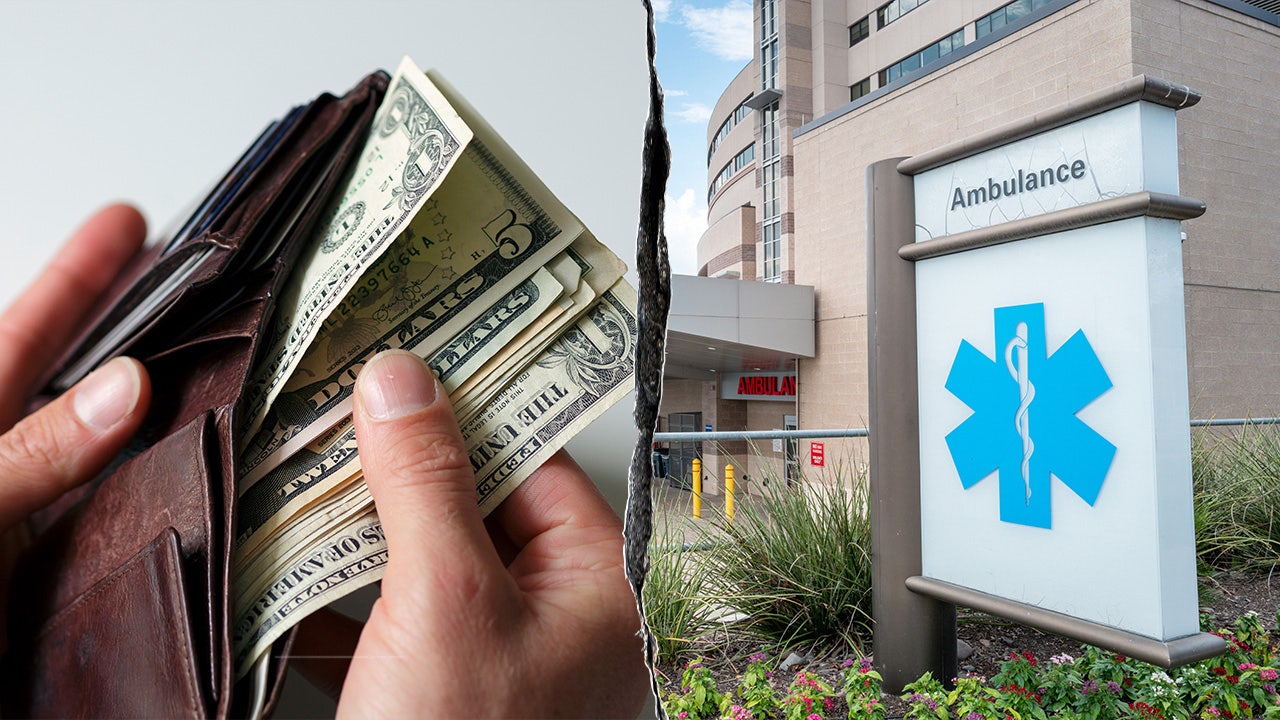
A Colorado resident was charged with trying to steal hundreds of thousands of taxpayer dollars by billing the state’s Medicaid program for transporting a patient to doctor’s appointments — rides that would have taken place after that person had already died.
A new report by the House Energy and Commerce Committee revealed that taxpayer-funded healthcare programs, specifically Medicare and Medicaid, are rife with vulnerabilities that allow them to be exploited on the local, state and federal levels.
«Medicare and Medicaid fraud occurs nationwide and costs American taxpayers billions of dollars a year. Fraud is prevalent in all sectors of health care and is especially egregious in taxpayer-funded health care programs that are intended to serve vulnerable populations, including the elderly, disabled, children, and pregnant women,» the report said. «Patients are suffering from identity theft, long waiting lists, substandard health care, and, in some cases, a lack of health care services due to fraudulent claims to Medicare and Medicaid.»
Digital highlighted some of the most egregious examples below.
BOMBSHELL REPORT EXPOSES HEALTHCARE FRAUD SCHEMES AS TAXPAYERS LOSE UP TO $521 BILLION ANNUALLY
Wesam Yassin was one of two providers of non-emergency medical transportation, a Medicaid benefit for helping patients get to doctor’s appointments, charged by state and local prosecutors for fraudulent billing in Colorado in February 2026.
Yassin is accused of charging Colorado Medicaid a total of $3.3 million in questionable bills under a company called Sama Limo, according to the report. Yassin is accused of charging $283,000 for 64 rides for one person, coming out to over $4,000 per ride.
Roughly $165,000 of those charges came after the patient in question had already died, the report said.
«Proceeds from this scheme were allegedly used for personal gain, including the purchase of a home, furnishings, luxury vehicles, jewelry, and cosmetic surgery,» a federal release announcing the charges said.
It also pointed to charges against Ashley Marie Stevens, who is accused of trying to bilk the state for over $1 million in taxpayer dollars. She is accused of billing the state some $400,000 for non-medical rides for herself and her family in addition to «ghost rides,» which never even took place.
VANCE-LED TASK FORCE CUTS OFF $1.4B FROM HOME HEALTH, HOSPICE PROVIDERS SUSPECTED OF FRAUD
The report also accused the hospice industry in California of raising suspicions of fraud.
«Investigators observed nearly 500 hospices operating in a three-mile radius in L.A. County, 137 hospices operating on Van Nuys Boulevard alone, and 89 companies registered to a single address in Van Nuys,» the report said.
TRUMP ADMIN’S FRAUD CRACKDOWN TARGETS FOREIGNERS ACCUSED OF INFILTRATING US FEDERAL PROGRAMS
The document also noted that House lawmakers raised concerns with the Department of Health and Human Services (HHS) that an increase in home health and hospice providers raised red flags about possible healthcare fraud tied to foreign criminal groups earlier this year.
«The Committees were concerned about data from a March 2022 California State Auditor’s Report and HHS hospice ownership data, showing that L.A. County had more than 31 percent of the hospice agencies in the U.S. in 2022,» the report said.
DOJ CHARGES 10 SOUTHERN CALIFORNIA DEFENDANTS IN LARGEST FEDERAL HEALTHCARE FRAUD CRACKDOWN IN US HISTORY
The California Department of Public Health had placed a freeze on new hospice licenses in January 2022. Despite that, however, the report found that 15 new hospices — located in a single Los Angeles County building — still got Medicare certification in 2023.
House Republicans are worried that potential hospice fraud is not the only area being targeted by international criminal groups.
The report highlighted allegations from 2024 in which «years-long, large-scale» schemes targeted as much as $3 billion in American taxpayer dollars via fake bills for urinary catheters.
Members of Russian organized crime groups bought 30 small medical supply companies already receiving federal dollars, and billed the Medicare system nearly $11 billion for urinary catheters, the report said. More than 99% of those funds never went out the door, however.
Similar medical equipment fraud schemes ensnared bad actors in Estonia, Pakistan, Georgia and Hong Kong.
Allegations of fraud in Minnesota’s social programs have been well documented and the subject of numerous state and federal probes.
One particular incident highlighted in the report involves a man named Abdinajib Hassan Yussuf, who pleaded guilty to trying to defraud $6 million from a Minnesota autism therapy program paid for by state Medicaid dollars.
He and his co-defendants are accused of hiring unqualified people as behavior counselors and getting children to enroll by bribing their parents, the report said.
Yussuf admitted during his plea hearing that he did not actually know anyone with autism, the report said.
House Energy and Commerce Committee Chairman Brett Guthrie told Digital that «combating fraud is a coast-to-coast battle.»
«Every instance of fraud we uncover represents money stolen from taxpayers and care taken away from the patients who depend on it most,» Guthrie said.
politics, investigations, health care healthy living, health care, health care executive, house of representatives politics






INTERNACIONAL
La Unión Europea sanciona a cuatro bandas haitianas por asesinatos, violencia sexual y ataques contra infraestructuras críticas
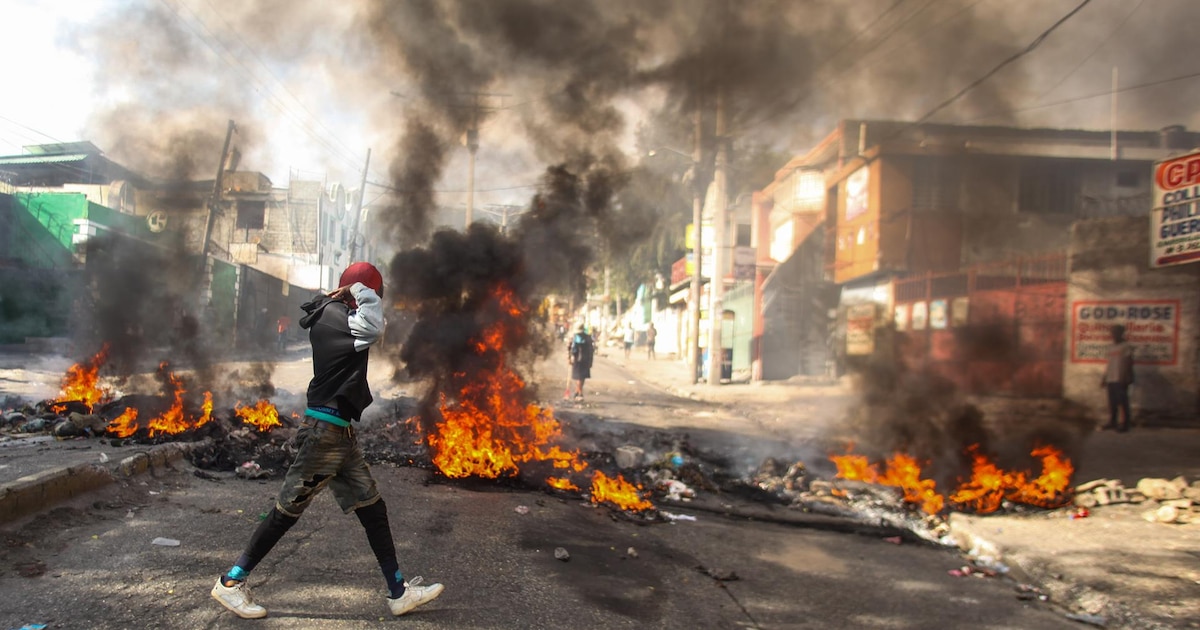
La Unión Europea amplió este lunes su régimen de sanciones sobre Haití. El Consejo de la UE incluyó a cuatro grupos armados haitianos por asesinatos, violencia sexual y ataques contra infraestructuras críticas, según informó la agencia EFE.
Entre los señalados figura el grupo 400 Mawozo, la misma banda contra la que opera en estos días el contingente militar enviado por El Salvador a Puerto Príncipe.
La medida llega en un momento de máxima tensión en la capital haitiana, donde conviven cinco fuerzas de seguridad distintas en la ofensiva contra las pandillas.
Entidades sancionadas por la Unión Europea
El Consejo de la UE sancionó al grupo armado 5 Segond, señalado por asesinatos, violaciones y otras formas de violencia sexual contra menores. La organización también es responsable de ataques contra infraestructuras sanitarias y servicios humanitarios, de acuerdo con el comunicado del organismo europeo.
También quedó incluido Gran Ravine, grupo criminal responsable de secuestros y delitos graves que derivaron en muertes de civiles y desplazamientos forzosos.
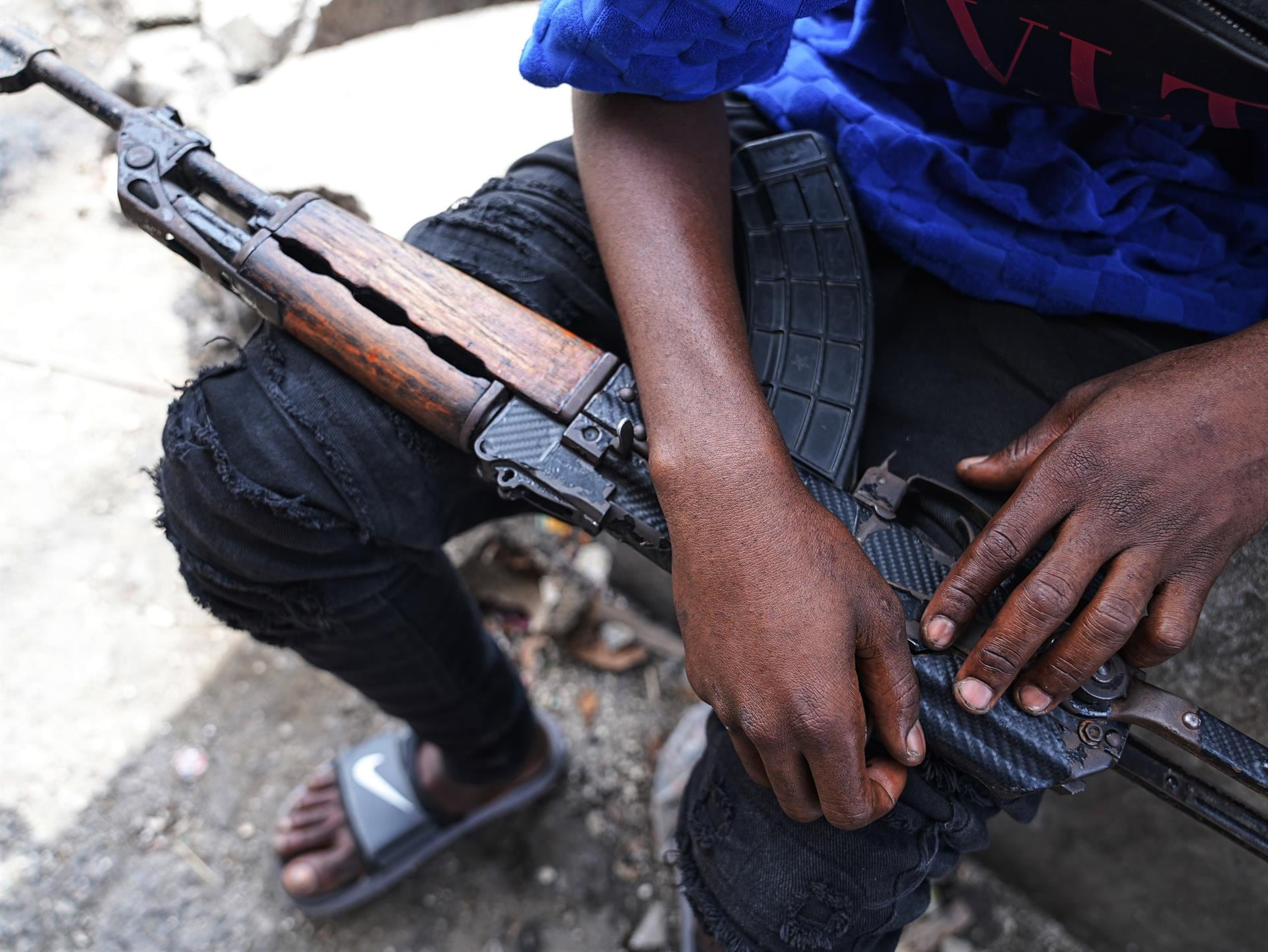
La lista se completa con 400 Mawozo y Krazé Baryè, sancionados por el reclutamiento de menores y su exposición a la violencia armada. El Consejo congeló los activos de los cuatro grupos, les prohibió el ingreso a territorio comunitario y vetó cualquier financiamiento desde la UE hacia esas organizaciones.
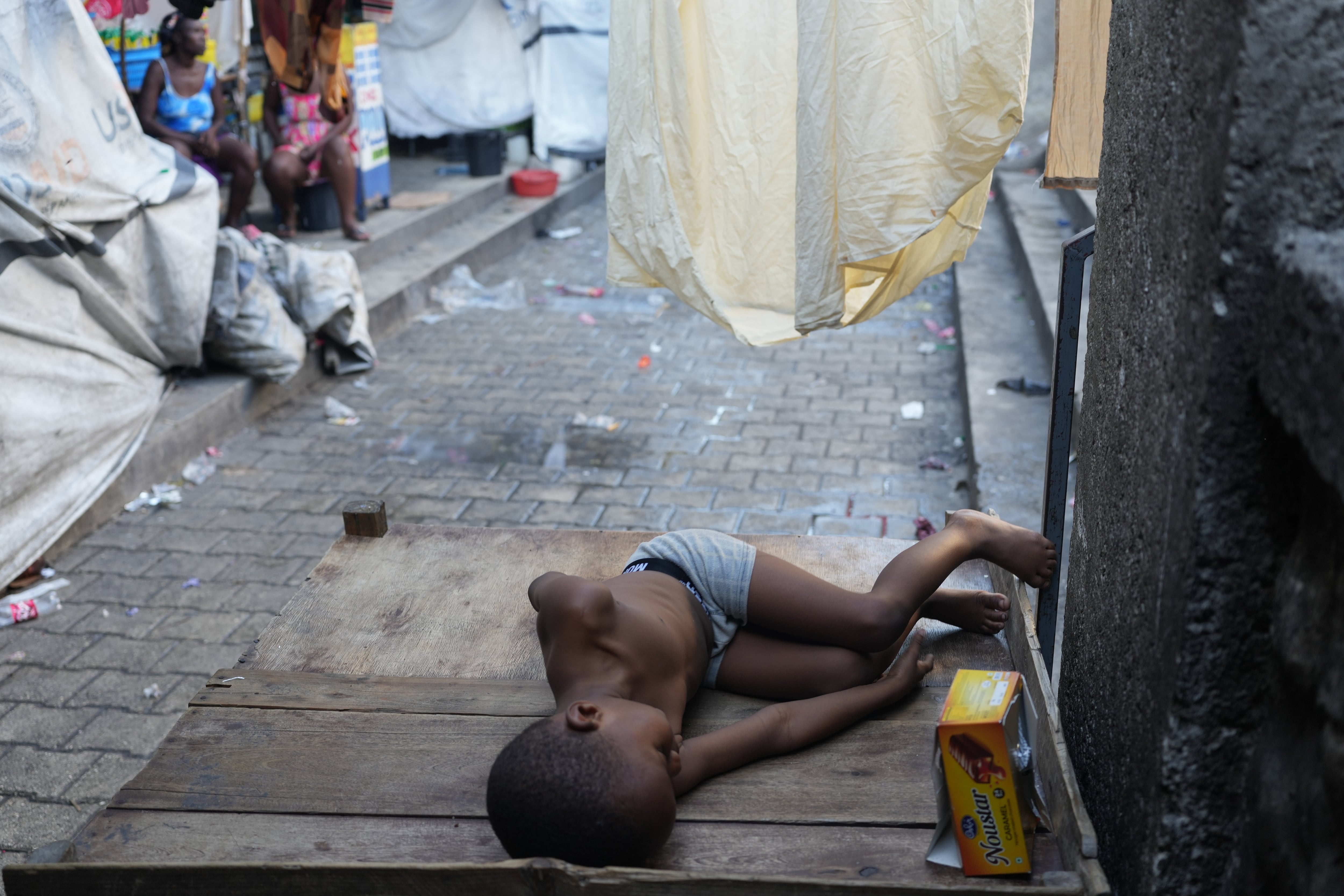
Con estas cuatro entidades, las medidas restrictivas vinculadas a violaciones de derechos humanos alcanzan ya a 152 personas físicas y 49 entidades.
El foco en los crímenes contra la infancia
El organismo europeo remarcó que las sanciones apuntan en particular a combatir las seis violaciones graves contra menores en conflictos armados.
Entre ellas incluyó el asesinato, el reclutamiento como soldados, la violencia sexual, el secuestro, los ataques contra escuelas u hospitales y la denegación de acceso humanitario.
“Este nuevo paquete de sanciones reafirma el compromiso inquebrantable de la UE con la protección de la infancia y el respeto del derecho internacional”, señaló el Consejo en el comunicado.
El texto agregó que la Unión Europea es un socio político y de desarrollo de larga data de Haití y que seguirá colaborando con otros socios regionales para atender la crisis humanitaria del país.
El régimen de sanciones aplicado data de diciembre de 2020, cuando el Consejo estableció el mecanismo global de la UE en materia de derechos humanos. Ese marco cubre actos como el genocidio, los crímenes de lesa humanidad y otras violaciones graves.
El despliegue salvadoreño contra 400 Mawozo se intensifica
Mientras la UE aplicaba las sanciones, las tropas de El Salvador mantenían su ofensiva precisamente contra 400 Mawozo, una de las bandas señaladas por Bruselas.
El 8 de noviembre, unidades especiales de la Policía haitiana, con apoyo de militares salvadoreños, destruyeron una vivienda utilizada por Wilson Joseph, alias Lanmò San Jou, líder de esa organización.

Según una investigación de The Miami Herald, diario estadounidense, el operativo incluyó drones explosivos y cuatro helicópteros, dos de ellos operados por efectivos salvadoreños.
El contingente enviado por el presidente Nayib Bukele llegó a Haití tras la emboscada del 18 de octubre que dejó desaparecidos a cuatro técnicos de aviación salvadoreños adscritos a la Fuerza de Supresión de Pandillas (GSF), respaldada por Naciones Unidas.
El despliegue alcanza cerca de 2.500 soldados y se convirtió en la mayor presencia militar extranjera en el país caribeño.
El 12 de noviembre, la Policía Nacional de Haití recuperó el estadio Sylvio Cator, en Puerto Príncipe, que permanecía bajo control de grupos armados desde 2024.
Tras la operación, las autoridades entregaron la vigilancia del predio a las fuerzas salvadoreñas, que lo convertirán en base para avanzar sobre otras zonas dominadas por las pandillas, según anunció Bukele.

El primer ministro haitiano, Alix Didier Fils-Aimé, reconoció la colaboración salvadoreña y estará en El Salvador este 16 y 17 de noviembre para discutir, junto al vicepresidente Félix Ulloa, el futuro del contingente, cuya fecha de retorno aún no está definida.
La convivencia de cinco fuerzas distintas en el terreno —la Policía Nacional, las Fuerzas Armadas haitianas, la GSF, el contingente salvadoreño y la Task Force vinculada a la empresa Vectus Global— generó cuestionamientos internacionales.
Amnistía Internacional reclamó a ambos gobiernos que hagan pública la cadena de mando y las reglas de actuación del despliegue, mientras el G7 respaldó el mandato de la GSF y pidió garantías para la protección de la población civil.
corresponsal:Desde San Salvador, El Salvador
INTERNACIONAL
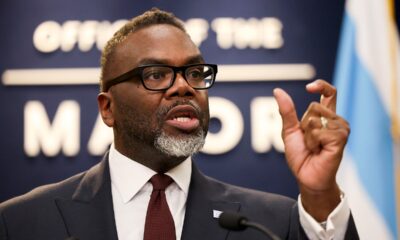
Chicago Mayor Brandon Johnson faces audit calls after CFO quits over ‘financial integrity’ concerns
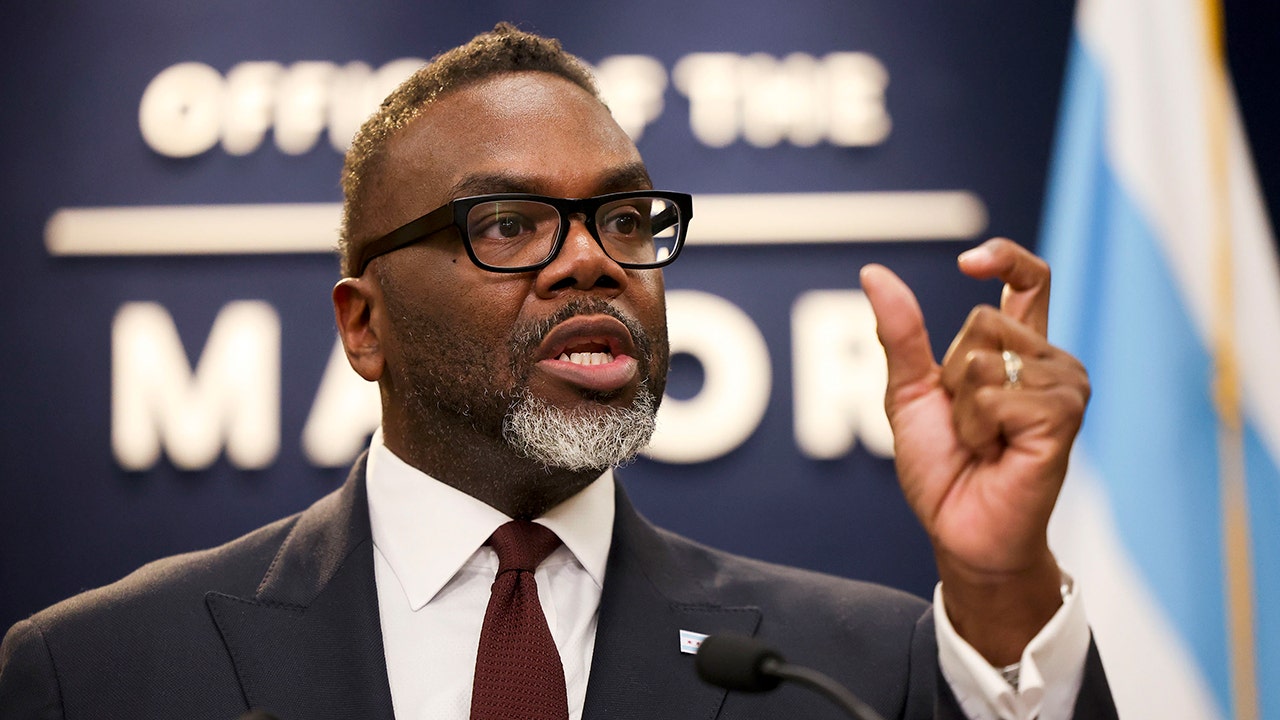
Chicago’s chief financial officer, who formerly worked for a top credit ratings bureau, resigned Friday citing financial integrity concerns, casting a shadow over the fiscal management of progressive Mayor Brandon Johnson amid a fight over the FY-2027 budget.
Chicago CFO Ashlee Gabrysch served only three months before the onetime Fitch Ratings executive stepped down, saying she could no longer meet her professional obligations under the conditions of her employment, according to a resignation letter obtained by the Chicago Tribune.
«The chief financial officer’s statements about the city’s finances are relied upon by investors, rating agencies, City Council, and taxpayers, and they must be complete and accurate,» Gabrysch wrote, according to the Tribune.
«I am not able to fulfill those obligations under the conditions in which I have been asked to serve.»
Johnson did not immediately respond to Digital’s request for comment, but his press secretary accused Gabrysch of being «largely absent» during key parts of the next budget’s creation process.
CHICAGO MAYOR CALLS ICE RAIDS ‘TERRORISM,’ SAYS TRUMP’S AMERICA APPEARS AS ‘IF THE CONFEDERACY WON’
The mayor’s office also accused Gabrysch of improperly directing a $75 million payment to city pension funds before the required legal procedures had been completed, saying it would refer the matter to Chicago’s Office of Inspector General for review.
The Tribune recounted recent events in the budget process involving Gabrysch, including that she disagreed with Johnson over assertions about the size of the city’s deficit.
In September, Johnson announced that the Windy City faces a projected $882 million budget shortfall in 2027, which local media described as smaller than a typical election year and lighter than the $1.15 billion deficit projected in 2025. The city holds its elections in odd years.
«We have difficult and consequential decisions ahead of us as we work to address the structural financial challenges that have confronted Chicago for decades,» Johnson said at the time, according to Chicago’s PBS affiliate.
However, according to the Tribune, Johnson claimed the true figure is now $662 million, «adjusted» in concert with planned borrowing to help fund settlement amounts involving police officers.
CHICAGO MAYOR CALLS DOGE AN ‘ACT OF WAR’
Gabrysch challenged that accounting during budget hearings, arguing that the settlement expenses should remain part of the deficit and that borrowing to pay them amounted to a temporary fix rather than a lasting solution.
While the administration maintained that 76% of its budget measures addressed underlying financial problems, Gabrysch calculated the figure at just 56%, according to the Tribune.
Alderman Marty Quinn, D-Midway, questioned Johnson’s handling at the time, according to the paper, saying he was «not surprised that the mayor may be a little disingenuous here, that seems to be his normal course.»
Gabrysch also stopped short of calling Johnson’s proposed $17.6 billion budget balanced during an October City Council hearing, arguing that the city needed to demonstrate progress toward reducing future deficits, according to Crain’s Chicago Business.
City Comptroller Michael Belsky maintained that proposed revenues matched expenditures, while acting Budget Director Jonathan Ernst defended the administration’s calculations and its plan to borrow roughly $480 million to cover legal settlements.
Gabrysch warned that the city anticipated issuing $350 million in settlement-related bonds in 2027, with an estimated $190 million in interest costs over seven years, according to Crain’s.
CLICK HERE TO GET THE APP
SIGN UP TO GET THE POLITICS NEWSLETTER
Her resignation prompted Council Finance Committee chairman Pat Dowell, D-South Loop, to call for an independent audit.
The departure adds to a wave of turnover in Johnson’s financial leadership, including two previous CFO departures this year and the resignation of the city’s budget director in August. The upheaval comes as Chicago grapples with mounting financial obligations and credit-rating downgrades.
politics, chicago, chicagos crime wave, finance economy, business regulation, illinois, democrats elections
INTERNACIONAL
Fiscales de Estados Unidos acusan a Marset de pagar coimas en Uruguay, Bolivia y Paraguay: “Plata o plomo”

Los fiscales de Estados Unidos pretenden sumar nuevas pruebas en el juicio contra el narcotraficante Sebastián Marset, que comenzará en enero. El uruguayo –detenido el 13 de marzo en Santa Cruz de la Sierra– es acusado de conspirar para traficar cocaína, de lavado de activos y de narcoterrorismo, pero el gobierno norteamericano también buscará probar que Marset sobornaba a autoridades.
El semanario uruguayo Búsqueda informó días atrás que el fiscal Anthony T. Aminoff pidió autorización para presentar pruebas de “otros delitos” cometidos por Marset. En un escrito presentado ante el juez Rossie Alston Jr., del Tribunal de Distrito Este de Virginia, señaló que Marset dirigía una “enorme operación internacional de narcotráfico” de manera “despiadada” y que mataba a quienes se le oponían o colaboraban con las autoridades.
“Tampoco toleraba que los gobiernos interfirieran en sus actividades delictivas; para ello, empleaba el clásico modelo de ‘plata o plomo’ –dinero o balas– con el fin de coaccionar a los gobiernos para que se plegaran a su voluntad”, dice el escrito.

Aminoff adelantó que el gobierno presentará “pruebas relacionadas con sobornos en Uruguay, Paraguay, Bolivia y Venezuela”, según el escrito consignado por el medio uruguayo.
“El acusado pagó a funcionarios gubernamentales para obtener información y protección frente a las fuerzas del orden. Estos sobornos le permitieron continuar con sus actividades de narcotráfico, lavado de dinero y terrorismo sin interferencia de las autoridades”, agrega.
Marset fue capturado el 13 de marzo en un operativo conjunto entre la Fuerza Especial de Lucha contra el Narcotráfico de Bolivia, la Secretaría Nacional Antidrogas de Paraguay y la Administración de Control de Drogas (DEA) de Estados Unidos, que lo requería desde 2024 y adonde fue enviado de inmediato.

El fiscal pretende presentar testimonios que prueben el “pago de sobornos periódicos entre el acusado y un alto funcionario en Bolivia”.
“Dicho funcionario repartía el dinero entre otros miembros del gobierno boliviano. Estos pagos permitían que la organización del acusado traficara con drogas sin interferencia gubernamental; además, si se incautaba algún cargamento de cocaína, los funcionarios corruptos se lo devolvían al acusado a cambio de una suma adicional”, agrega el escrito presentado por el fiscal.
Con estos sobornos, Marset también podía acceder a expedientes sobre narcotráfico, eludir operaciones de captura y recibir información sobre reuniones de la DEA con funcionarios de Bolivia.

Según Aminoff, la relación de Marset con los gobiernos y las fuerzas del orden es un “elemento central” de su esquema delictivo. En la región, los funcionarios y agentes tenían dos opciones: “O bien aceptaban su dinero, o bien sufrían las consecuencias de su ira”.
La fiscal “incorruptible” de Uruguay
El atentado contra la casa de la fiscal de Corte, Mónica Ferrero, generó una fuerte conmoción política en Uruguay.
Ocurrió el 28 de septiembre de 2025, cuando los delincuentes llegaron a su casa vestidos de negro, con capuchas y guantes, a las 04:30. Un tablón los ayudó a subir a la azotea de una casa de la cuadra y, por arriba de los techos, llegaron al patio de la casa de Ferrero. Allí dispararon tres veces contra las ventanas y tiraron una granada que detonó en el patio.
El nombre de Marset apareció de inmediato como uno de los señalados por el atentado.

No era el primer atentado del narcotraficante. Antes, había hecho estallar una granada en la Dirección General de Represión al Tráfico Ilícito de Drogas.
En sus declaraciones a los agentes de la DEA, después de su detención y de la lectura de sus derechos, Marset dijo que esta fiscal “resultó ser incorruptible”, lo que motivó que hiciera estallar su oficina y la amenazara.
Tras la publicación periodística de Búsqueda, Ferrero reaccionó.
“Desde 2004 a 2026 tengo una trayectoria impresionante en drogas, que me ha valido un ataque personal en mi casa, con granada y disparos incluidos. Hoy abro la prensa, leo y –ojalá sea cierto– que el narcotraficante detenido admite que me mandó a matar porque yo era incorruptible. Gran orgullo para mi país, más allá de lo personal”, declaró, al participar de un evento público.
Sebastián Marset,detención policial,custodia

Metalúrgicos: cuánto cobra cada categoría en noviembre y qué aumentos vienen

El Banco Central identificó otros US$15 millones en la ruta que investiga el dólar blue

El elogio top de Gustavo Alfaro para Japón: «Está entre las diez mejores selecciones del mundo» :: Olé

Bots y presunto hostigamiento: Wanda Nara acusó a Mauro Icardi de “violencia digital” con una fuerte denuncia

La Unión Europea sanciona a cuatro bandas haitianas por asesinatos, violencia sexual y ataques contra infraestructuras críticas

El jefe de los árbitros Federico Beligoy recibió más de $420 millones de la AFA por “asesoramiento” y “seminarios”

Banco Santander anunció aumento de precio en sus paquetes y esto valdrá desde enero

Así está el mano a mano entre Estudiantes de La Plata e Independiente Rivadavia

Karina Milei y Diego Santilli aprovecharon la visita a Corrientes para tratar la eliminación de las PASO con el gobernador

U2 vuelve con 12 nuevas canciones y una pregunta incómoda sobre si el rock todavía puede decir algo nuevo

 INTERNACIONAL2 días ago
U2 vuelve con 12 nuevas canciones y una pregunta incómoda sobre si el rock todavía puede decir algo nuevo
- ECONOMIA21 horas ago
La inflación de octubre: el dato que sorprendió a casi todos y la distancia que persiste con los parámetros internacionales
- INTERNACIONAL2 días ago
Democrats seize on midterm wins to push massive minimum wage hikes, but economists see trouble ahead