INTERNACIONAL
Mystery death at Russian plague lab triggers sweeping precautions as US watches closely

Rubio says US monitoring Russian plague scare
Secretary of State Marco Rubio, who is traveling to Iceland, Greece and Portugal this week, said the U.S. is closely monitoring reports of a lab worker infected with plague in Russia.
NEWYou can now listen to Fox News articles!
Russian authorities have quarantined a hospital and placed scores of people under medical observation after a 28-year-old employee at a Siberian plague research institute died from a mysterious case of pneumonia, fueling fears — still unconfirmed — that she may have contracted pneumonic plague.
Darya Shipilova worked at the Irkutsk Anti-Plague Research Institute of Siberia and the Far East. Russian health authorities say extensive testing found no evidence that her illness was caused by pathogens linked to her work, but officials have yet to publicly identify what killed her.
The extraordinary precautions surrounding the case have fueled speculation inside and outside Russia. Reuters reported Oct. 5 that all known contacts had been traced and placed under medical supervision and that authorities said no new cases had been identified among employees of the institute.
Secretary of State Marco Rubio said Monday that the U.S. was «watching and monitoring it closely,» adding, «I don’t think it’s cause for alarm, but it is cause for focus and a cause just to keep an eye on it.»
US MONITORING SUSPECTED FATAL PNEUMONIC PLAGUE CASE IN RUSSIA, STATE DEPARTMENT OFFICIAL SAYS
A view of the Medical Assistance and Rescue Centre, an infectious diseases’ hospital, in the town of Shelekhov in the Irkutsk region, Russia, October 5, 2026. (Reuters)
Rubio said information released by Russia appeared to show «there was a worker at the lab that was infected» and concern that the illness could have spread internally. He noted that travel between Russia and the U.S. is limited but warned that «something like that gets out, it just quickly spreads.»
The comments follow a State Department statement to Fox News on Oct. 4 that Washington was monitoring the case alongside the Centers for Disease Control and Prevention and other federal agencies. The official stressed that many details remained unconfirmed and urged Moscow to provide accurate information quickly.
Additional reporting provided Monday by East2West news agency said more than 60 employees remained confined inside the Irkutsk institute and nearly 200 people who had contact with Shipilova had been placed under observation. Those precise figures have not been officially confirmed. The agency also reported that neighboring countries, including Kyrgyzstan, Uzbekistan and Kazakhstan, had increased border health precautions following the case.
The hospital in Shelekhov, just outside Irkutsk, where Shipilova was treated, has been placed under quarantine and temporarily stopped admitting or discharging patients, according to The Associated Press. Irkutsk Gov. Igor Kobzev described the case as a suspected «particularly dangerous infection.»
SCIENTISTS CRACK THE CODE ON NEW VACCINE FOR DEADLY PLAGUE BACTERIA

Darya Shipilova, 28, an employee of the Irkutsk Anti-Plague Research Institute of Siberia and the Far East, died after developing pneumonia of an unknown cause, prompting quarantines and heightened health precautions in the region. Russian authorities say testing has found no evidence her illness was linked to pathogens she worked with. (East2West news)
Adding to the unusual response, Anna Popova, the head of Russia’s public health watchdog Rospotrebnadzor, flew to Irkutsk for an emergency meeting after Shipilova’s death, Reuters reported. A nearby aluminum plant also ordered employees to wear masks as a precaution.
Kremlin spokesman Dmitry Peskov urged the public to rely on official information rather than «rumors or speculation.»
Rospotrebnadzor said Sunday that Shipilova was diagnosed with «pneumonia of unknown etiology» and that testing detected «no microorganisms associated with the patient’s professional activities.» The agency also said an investigation found no laboratory incident involving pathogenic microorganisms.
Pneumonic plague is a severe form of plague caused by Yersinia pestis that can spread from person to person through respiratory droplets during close contact. It can be successfully treated with antibiotics when treatment begins early.
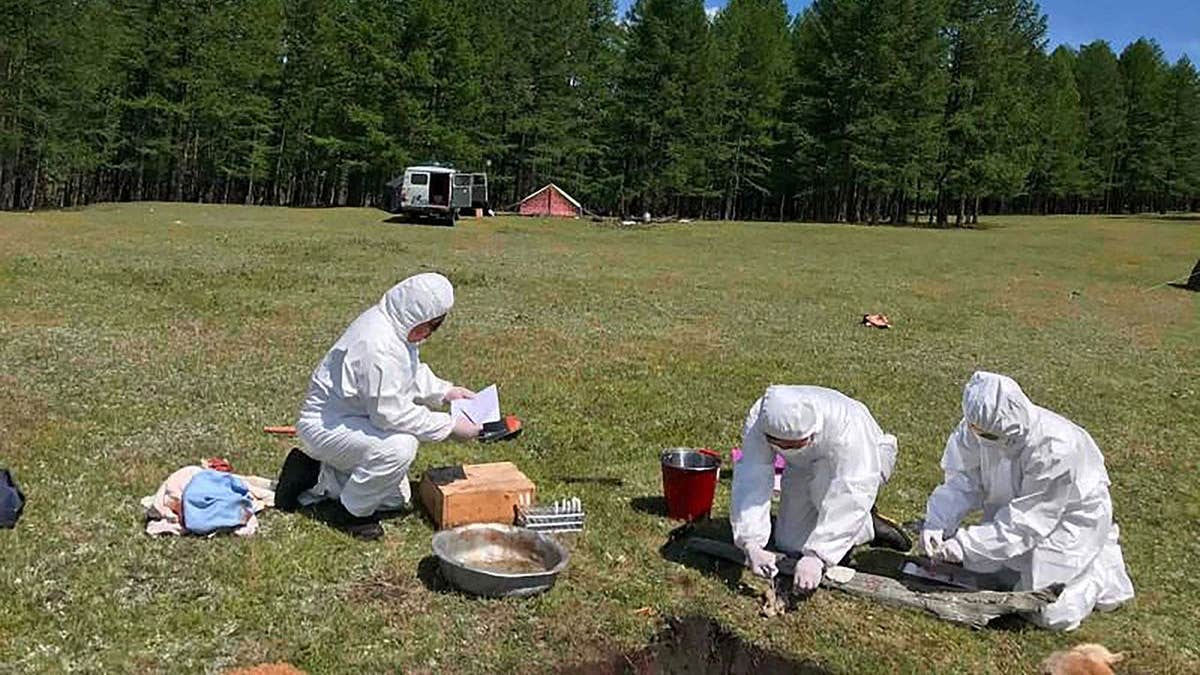
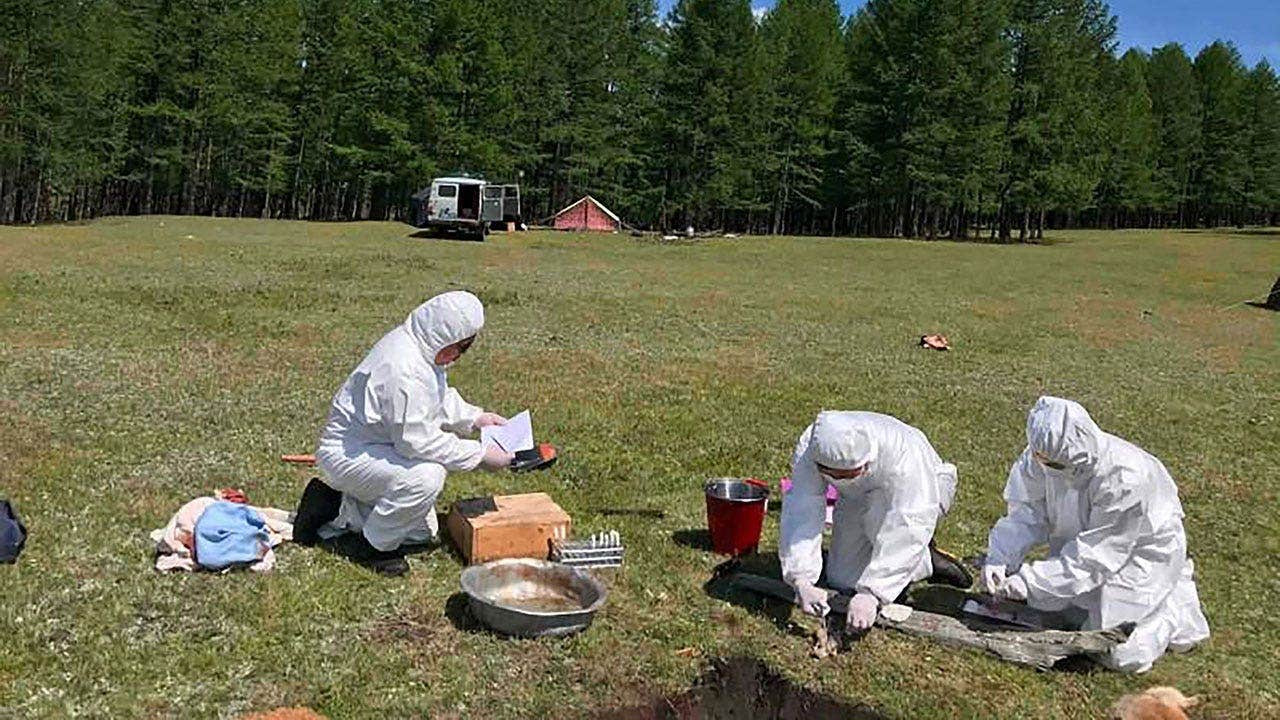
Workers in protective uniforms conduct testing in Russia amid heightened precautions following the death of an employee at a Siberian anti-plague research institute. (Khuvsguliinungu.mn/e2w)
Russian officials continue to insist there is no evidence of a plague outbreak and say the epidemiological situation remains stable. For now, however, the central question remains unanswered: what caused Shipilova’s fatal pneumonia — and why authorities imposed such extensive containment measures if no dangerous pathogen has been detected.
russia, infectious disease, health, world














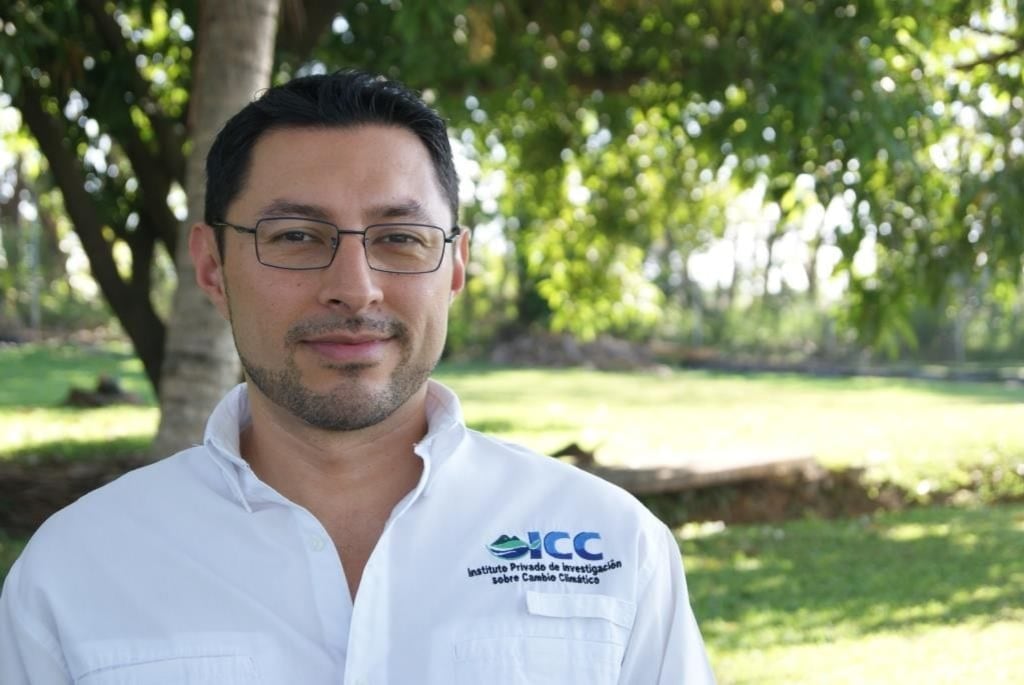
Aunque reconoce que faltan más estudios, las primeras hipótesis reflejan que el Fenómeno de El Niño es cada vez más frecuentes y más intenso, manifestó en una entrevista con Infobae el director general del Instituto Privado de Investigación sobre Cambio Climático (ICC), Alex Guerra Noriega.
Según comentó, Guatemala atraviesa una sequía con reducciones de lluvia de hasta 85% en algunas zonas, un escenario que vinculó con el fortalecimiento de El Niño. Al tiempo que afirmó que en los próximos meses el fenómeno se fortalecerá y se alargará hasta 2027.
Guerra explicó que El Niño altera los patrones climáticos en distintas regiones. Mientras provoca lluvias e inundaciones en áreas como el sur de Brasil y Argentina, en parte de México, Centroamérica, el Caribe, Colombia y Venezuela reduce las precipitaciones.
“En muchos lugares del mundo El Niño lleva una reducción en las lluvias y entonces normalmente se dan sequías. Ese es el caso en nuestra región”, señaló el especialista.
Las lluvias cayeron desde mayo y la canícula se extendió ocho semanas
Aunque los indicadores en el Pacífico tropical superaron en junio el umbral que confirma la presencia de El Niño, las estaciones meteorológicas del ICC en Guatemala detectaron una disminución de las lluvias desde mayo.
Ese mes registró aproximadamente la mitad de las precipitaciones habituales. En junio hubo un repunte, aunque los valores permanecieron por debajo de lo normal. La mayor caída ocurrió en julio, cuando coincidieron la canícula y los efectos del fenómeno climático.
Según Guerra, en la capital se registró 85% menos lluvia, mientras que en otras zonas del país la reducción llegó a 70%. Las estaciones ubicadas entre Chimaltenango, Escuintla y otros puntos de la vertiente del Pacífico reportaron descensos de entre 40% y 73% respecto de los niveles habituales.

La canícula, el período seco que suele presentarse dentro de la temporada lluviosa, ya acumulaba ocho semanas. El director del ICC advirtió que esta extensión anticipa consecuencias sobre los caudales, las lagunas, los lagos y los niveles de agua subterránea.
“Yo decía que en 2027 íbamos a ver niveles de lagunas, de lagos y de ríos más bajos, o que los niveles de los pozos estuvieran más bajos. La sorpresa ya se está dando”, afirmó.
El calor aumentó y elevó el riesgo de incendios
El déficit de precipitaciones estuvo acompañado por temperaturas elevadas. Guerra indicó que, en algunos casos, el calor de julio superó al de abril, que suele ser el mes más cálido en Guatemala.
La combinación de menos humedad y altas temperaturas favorece la aparición de incendios, incluso en bosques que habitualmente conservan condiciones húmedas.
El experto recordó episodios ocurridos durante El Niño de 2015 y 2016, cuando hubo focos de fuego cerca del volcán de Agua, el Biotopo del Quetzal y la Sierra de las Minas.
Las ciudades enfrentan un factor adicional: la isla de calor urbana. La expansión de superficies de concreto y asfalto, junto con la pérdida de árboles, aumenta la absorción de temperatura.

Guerra sostuvo que la vegetación ofrece sombra y aporta humedad al ambiente mediante la liberación de agua por las hojas.
El ICC observa eventos más cercanos e intensos, aunque pide más datos
El director del ICC sostuvo que El Niño ocurre, en promedio, al menos una vez cada cinco años, aunque la variable determinante es su intensidad. Los eventos se clasifican como débiles, moderados, fuertes o muy fuertes de acuerdo con el calentamiento del océano Pacífico.
Guerra mencionó como precedentes los episodios de 1997 y 1998, 2015 y 2016 y 2023 y 2024. A su juicio, la cercanía entre los eventos recientes y su mayor fuerza sugieren una tendencia asociada al calentamiento global.

De todos modos, aclaró que todavía se requieren series largas de información para establecer una conclusión científica con alto grado de certeza. “Para sacar una conclusión estadísticamente confiable, se necesitaría como cien años de datos”, explicó.
El Boletín de Septiembre del mismo Instituto, refiere que El Niño continuó fortaleciéndose durante septiembre.
Mientras que el Centro de Predicción Climática de la Administración Nacional Oceánica y Atmosférica de Estados Unidos (NOAA) prevé que sus condiciones persistan y se intensifiquen durante el resto del año y hasta comienzos de 2027, con probabilidades superiores al 90% para el trimestre de febrero a abril.
maíz andino,sequía,canal de riego
INTERNACIONAL
Medicaid provider allegedly billed $165K for dead patient’s rides among fraud exposed in explosive report
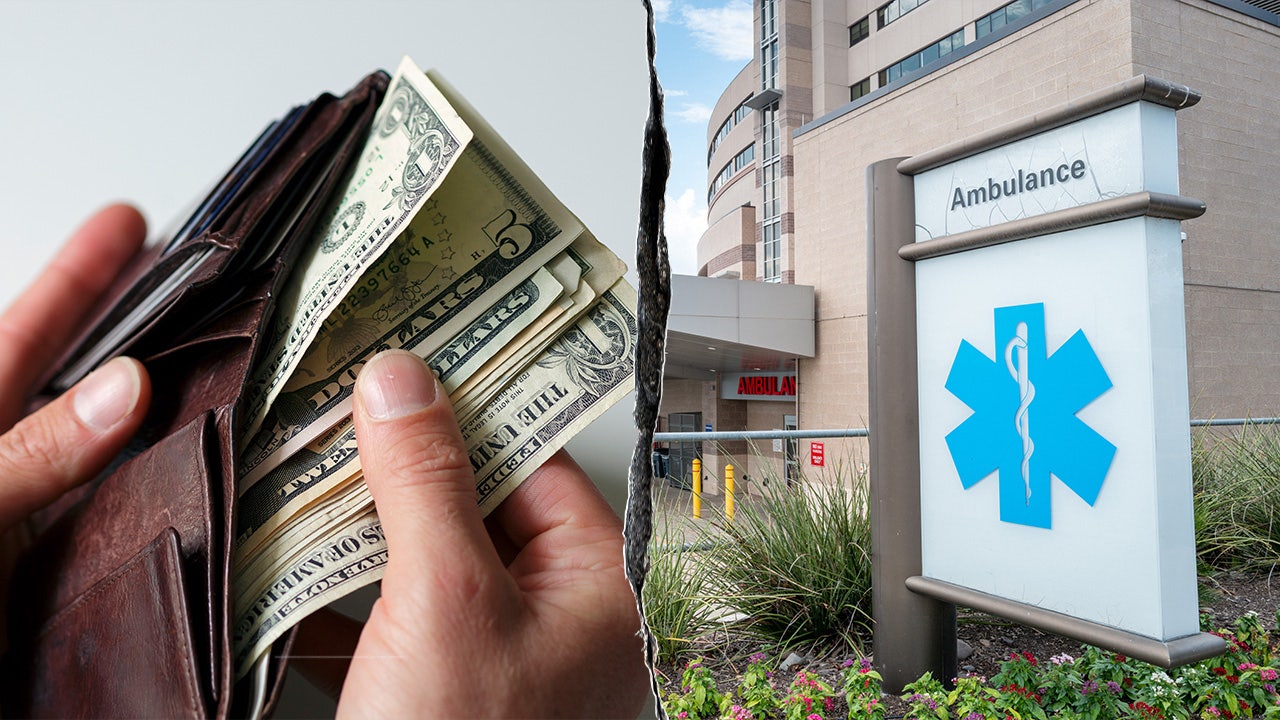
A Colorado resident was charged with trying to steal hundreds of thousands of taxpayer dollars by billing the state’s Medicaid program for transporting a patient to doctor’s appointments — rides that would have taken place after that person had already died.
A new report by the House Energy and Commerce Committee revealed that taxpayer-funded healthcare programs, specifically Medicare and Medicaid, are rife with vulnerabilities that allow them to be exploited on the local, state and federal levels.
«Medicare and Medicaid fraud occurs nationwide and costs American taxpayers billions of dollars a year. Fraud is prevalent in all sectors of health care and is especially egregious in taxpayer-funded health care programs that are intended to serve vulnerable populations, including the elderly, disabled, children, and pregnant women,» the report said. «Patients are suffering from identity theft, long waiting lists, substandard health care, and, in some cases, a lack of health care services due to fraudulent claims to Medicare and Medicaid.»
Digital highlighted some of the most egregious examples below.
BOMBSHELL REPORT EXPOSES HEALTHCARE FRAUD SCHEMES AS TAXPAYERS LOSE UP TO $521 BILLION ANNUALLY
Wesam Yassin was one of two providers of non-emergency medical transportation, a Medicaid benefit for helping patients get to doctor’s appointments, charged by state and local prosecutors for fraudulent billing in Colorado in February 2026.
Yassin is accused of charging Colorado Medicaid a total of $3.3 million in questionable bills under a company called Sama Limo, according to the report. Yassin is accused of charging $283,000 for 64 rides for one person, coming out to over $4,000 per ride.
Roughly $165,000 of those charges came after the patient in question had already died, the report said.
«Proceeds from this scheme were allegedly used for personal gain, including the purchase of a home, furnishings, luxury vehicles, jewelry, and cosmetic surgery,» a federal release announcing the charges said.
It also pointed to charges against Ashley Marie Stevens, who is accused of trying to bilk the state for over $1 million in taxpayer dollars. She is accused of billing the state some $400,000 for non-medical rides for herself and her family in addition to «ghost rides,» which never even took place.
VANCE-LED TASK FORCE CUTS OFF $1.4B FROM HOME HEALTH, HOSPICE PROVIDERS SUSPECTED OF FRAUD
The report also accused the hospice industry in California of raising suspicions of fraud.
«Investigators observed nearly 500 hospices operating in a three-mile radius in L.A. County, 137 hospices operating on Van Nuys Boulevard alone, and 89 companies registered to a single address in Van Nuys,» the report said.
TRUMP ADMIN’S FRAUD CRACKDOWN TARGETS FOREIGNERS ACCUSED OF INFILTRATING US FEDERAL PROGRAMS
The document also noted that House lawmakers raised concerns with the Department of Health and Human Services (HHS) that an increase in home health and hospice providers raised red flags about possible healthcare fraud tied to foreign criminal groups earlier this year.
«The Committees were concerned about data from a March 2022 California State Auditor’s Report and HHS hospice ownership data, showing that L.A. County had more than 31 percent of the hospice agencies in the U.S. in 2022,» the report said.
DOJ CHARGES 10 SOUTHERN CALIFORNIA DEFENDANTS IN LARGEST FEDERAL HEALTHCARE FRAUD CRACKDOWN IN US HISTORY
The California Department of Public Health had placed a freeze on new hospice licenses in January 2022. Despite that, however, the report found that 15 new hospices — located in a single Los Angeles County building — still got Medicare certification in 2023.
House Republicans are worried that potential hospice fraud is not the only area being targeted by international criminal groups.
The report highlighted allegations from 2024 in which «years-long, large-scale» schemes targeted as much as $3 billion in American taxpayer dollars via fake bills for urinary catheters.
Members of Russian organized crime groups bought 30 small medical supply companies already receiving federal dollars, and billed the Medicare system nearly $11 billion for urinary catheters, the report said. More than 99% of those funds never went out the door, however.
Similar medical equipment fraud schemes ensnared bad actors in Estonia, Pakistan, Georgia and Hong Kong.
Allegations of fraud in Minnesota’s social programs have been well documented and the subject of numerous state and federal probes.
One particular incident highlighted in the report involves a man named Abdinajib Hassan Yussuf, who pleaded guilty to trying to defraud $6 million from a Minnesota autism therapy program paid for by state Medicaid dollars.
He and his co-defendants are accused of hiring unqualified people as behavior counselors and getting children to enroll by bribing their parents, the report said.
Yussuf admitted during his plea hearing that he did not actually know anyone with autism, the report said.
House Energy and Commerce Committee Chairman Brett Guthrie told Digital that «combating fraud is a coast-to-coast battle.»
«Every instance of fraud we uncover represents money stolen from taxpayers and care taken away from the patients who depend on it most,» Guthrie said.
politics, investigations, health care healthy living, health care, health care executive, house of representatives politics
INTERNACIONAL
Highest-ranking US official to ever serve jail time, former House Speaker Dennis Hastert dead at 84

The Purcell County, Illinois, Coroner’s Office says former House Speaker Dennis Hastert, R-Ill., «passed away at his home due to natural causes.»
The brief statement was posted on the coroner’s website early Monday morning.
Hastert was 84 and one of the most ignominious figures to serve in American politics.
He was the longest-serving Republican speaker in history, wielding the gavel from 1999 to 2007. But Hastert’s career featured one of the most disgraceful falls from grace, becoming the highest-ranking U.S. official to ever do jail time.
MONICA LEWINSKY RECALLS ‘VERY DARK MOMENTS’ AFTER SCANDAL, SURVIVING JUDGMENT BY ‘BILLIONS OF STRANGERS’
The scandal involving Hastert emerged years after he left Congress — but dates back to the 1960s and 1970s when he served as high school history teacher and wrestling coach in Illinois. Hastert admitted in 2015 that he sexually abused teenage students and athletes as young as 14 — long before he entered Congress in the mid-1980s.
Hastert was an accidental speaker.
He served as chief deputy whip in the Republican hierarchy in late 1998 when House Speaker Newt Gingrich, R-Ga., decided to step aside. Gingrich was controversial. Some GOP members had knives out for him and believed Gingrich overplayed his hand pushing for impeachment of President Clinton. This, coupled with Republicans nearly losing control of the House in the 1998 midterms, set the table for Gingrich to step aside.
Republicans tapped then-Rep. Bob Livingston, R-La., Chairman of the Appropriations Committee, to become Speaker in 1999.
But in late 1998, as the House voted to impeach Clinton, it came to light that Livingston had an inappropriate relationship with a lobbyist. Hours before the House voted to approve two articles of impeachment for Clinton linked to his relationship with Monica Lewinsky, Livingston stepped aside and said he would not stand for speaker in the new year.
By nightfall, Republicans picked Hastert, a backbencher, to serve as speaker in 1999.
Hastert was criticized in late 2006 for not moving more aggressively to protect teenage House pages after it was discovered that then-Rep. Mark Foley, R-Fla., sent inappropriate text messages to the pages. The scandal led to the end of the House page program, which dates back to the beginning of the republic.
Hastert lost the speakership when Democrats seized control of the House in the 2006 midterms. Hastert did not serve in the GOP leadership in early 2007 and resigned from office later that year.
FMR DEM REP BARNEY FRANK, SHARP-TONGUED LIBERAL TRAILBLAZER AND DODD-FRANK CO-AUTHOR, DIES
Hastert was often quiet and shunned interviews and the press.
Known as «Coach» to fellow lawmakers because of his wrestling background, Hastert often proclaimed that he was more of a «listener» than a «speaker.»
But Hastert’s career took a dark turn in 2015.
US OLYMPIC HERO NANCY HOGSHEAD WINS LEGAL BATTLE AFTER VOLLEYBALL COACH’S $250M DEFAMATION SUIT IS DISMISSED
Federal banking regulators flagged Hastert’s curious withdrawals of staggering amounts of cash at peculiar intervals. Banking regulators suspected the transactions signaled that someone may be blackmailing the former Speaker.
But that’s how it came to light that Hastert was actually paying millions of dollars in hush money to the family of a student he abused in the 1970s.
Hastert admitted to sexually abusing students decades before at his trial for illegal bank transactions, saying he «mistreated athletes» and «took advantage of him.» The judge in the case called the former speaker «a serial child molester.»
Hastert served 13 of 15 months of his federal sentence for banking crimes at a facility in Rochester, Minn. However, Hastert never faced legal ramifications for sexual conduct.
Hastert is also known for the «Hastert Rule.» When Hastert served as speaker, he would not bring a piece of legislation to the floor unless it had the support of a majority of House Republicans. House GOPers continued to use that standard for bills for many years after Hastert left office.
But that terminology fell out of favor after Hastert was convicted and information about his past became public.
politics, congress, house of representatives politics, illinois, house of representatives

Camioneros presionó en la calle por las indemnizaciones de USD 200 millones, pero no se incluirán en los nuevos pliegos

El riesgo país cae 5% y rebotan las acciones en la Bolsa porteña, empujados por el optimismo en Brasil

Quiénes son los acusados del crimen narco en Palermo

Diputados: la oposición está todavía lejos del número para activar la sesión en rechazo del DNU 70/23

Dólar hoy: a cuánto operan todas las cotizaciones minuto a minuto este lunes 5 de octubre

En una década, Scioli pasó de elogiar a Lula por trabajar por “la patria grande” a felicitar a Flavio Bolsonaro

Milei volvió a dar un discurso en la Argentina Week de París y se emocionó en el cierre

Caso Mariaca: un ministro paraguayo acusó a funcionarios bolivianos de proteger al narco Sebastián Marset

Poll: Turek, Hinson in close Iowa Senate race

Desde San Juan y en modo campaña, Máximo Kirchner dijo que los jueces de la Corte “desconocen la soberanía”

 INTERNACIONAL2 días ago
DHS exposes dilemma behind SCOTUS deportation fight: ‘We have two choices’
- POLITICA5 horas ago
¡Precios de Manhattan con sueldos de Argentina! Cómo los créditos hipotecarios inflaron las propiedades y congelaron el sueño de la casa propia
- POLITICA2 días ago
El Reino Unido anunció que las nuevas licencias de hidrocarburos en las Islas Malvinas requerirán su autorización final