INTERNACIONAL
Homelander y compañía dicen adiós: la temporada final de ‘The Boys’ promete sátira política al máximo nivel

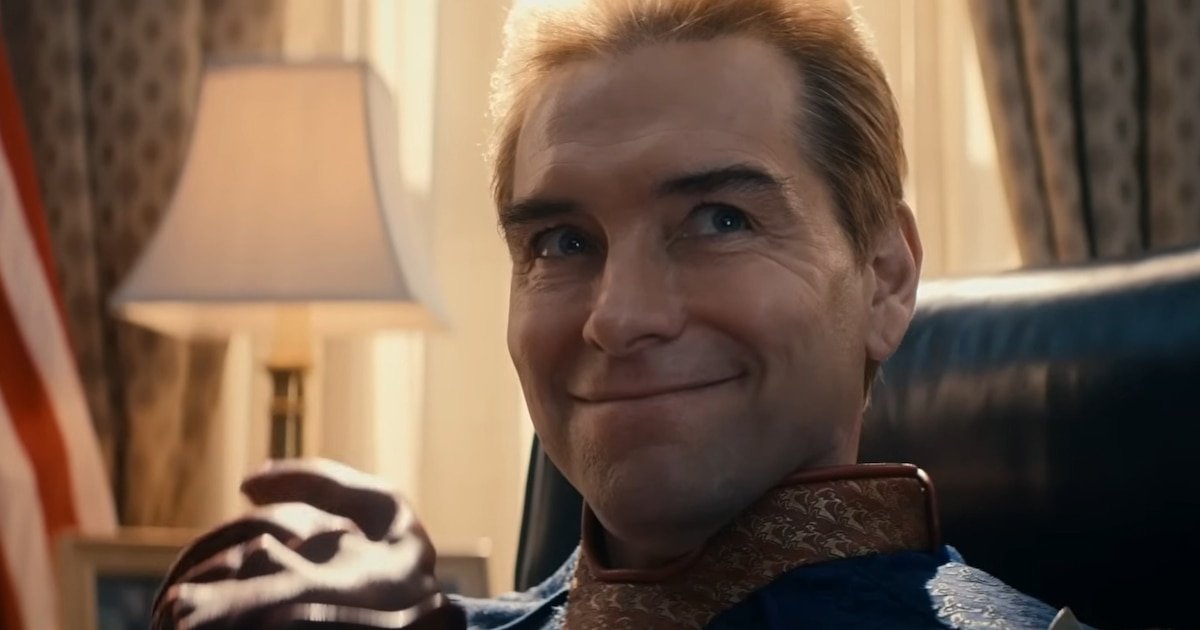
Con su enfoque distintivo del género de superhéroes — para empezar, la mayoría de los personajes con superpoderes no son héroes — la serie satírica The Boys, que regresó a Prime Video esta semana para su quinta y última temporada, ofrece una visión fantástica de temas y eventos que muchas veces se sienten inquietantemente reales.
Su principal antagonista, Homelander (interpretado por Antony Starr), que lleva una capa de estrellas y rayas, es todopoderoso pero ansía la adoración, convirtiéndose en un líder autoritario que se rodea de aduladores. Un héroe con temática policial, Blue Hawk, mata a un hombre negro desarmado. Una villana llamada Stormfront es una nazi que hace crecer su base apelando a extremistas en línea.
Adaptada por Eric Kripke de la serie de cómics de Garth Ennis y Darick Robertson, The Boys ganó rápidamente seguidores de todo el espectro con su enfoque sin disculpas, empapado de blasfemias, sexo y sangre. También fue oportuna. La serie se estrenó en 2019, justo cuando la cultura empezaba a mostrar señales de “fatiga de superhéroes”. Y abordó temas candentes de su época, como el movimiento #MeToo —y poco después, los eventos divisivos de 2020, incluyendo el asesinato de George Floyd a manos de un policía, la pandemia de Covid-19 y una elección presidencial.
The Boys utilizó todo eso como material. Además, pareció beneficiarse de una percepción inicial entre algunos fans de que los guionistas estaban abrazando, en lugar de criticar, algunos de los peores comportamientos de sus personajes. Sobre este punto, Kripke ha sido directo: Homelander “siempre ha sido un análogo de Donald Trump para mí”, dijo a Rolling Stone en 2022, en el marco del estreno de la tercera temporada. “Admito que esta vez he sido un poco más directo que en años anteriores”.
A medida que la sátira hacia el presidente Trump se volvió más evidente, algunos fans se desilusionaron y saturaron sitios como Rotten Tomatoes con malas reseñas. Aun así, la popularidad de la serie creció en la cuarta temporada, de acuerdo con Amazon, llegando a cerca de 55 millones de espectadores al final de la temporada. Ya ha generado una serie derivada, Gen V. Otra, la precuela Vought Rising, está en camino.
Parecía un gran momento para terminar The Boys, dijo Kripke en una videollamada reciente — mejor que esperar hasta que la serie estuviera “con soporte vital”. Además, en una extensa conversación, el creador de la serie habló sobre la decisión de terminar la serie, la expansión de su universo y la relevancia política de la temporada final.
—¿Por qué terminar The Boys ahora?
—Realmente solo quería irme estando en la cima. Creo que cinco temporadas es el tiempo que podemos aguantar sin mostrar su batalla final antes de que la audiencia empiece a sentir que, sabes, esto está siendo un poco manipulado artificialmente. Así que también creo que es el momento adecuado creativamente. No estoy seguro de que la serie resistiría mucho más tiempo.
—¿Cree que alguien se arrepentirá?
—Amazon sí. No estoy seguro de que realmente me creyeran cuando dije que solo quería hacer cinco temporadas, hasta que llegamos a la quinta y dijeron: “¿Es en serio?” Hay muchas cosas que extrañaré. Realmente echaré de menos cómo, cuando leía alguna locura en las noticias, tenía un lugar donde ponerlo y procesarlo. Ahora, cuando lea titulares horribles, solo tendré que interiorizarlos como todos los demás. Y era mucho más saludable cuando tenía un lugar donde ponerlo.
—¿Cree que terminar The Boys afectará cómo reaccionen los espectadores a los derivados?
—Nuestra sensación es que es un universo realmente grande y creo que lo que realmente lo hace especial es su tono. Esta especie de mezcla irreverente, impactante, satírica, política y emocional que tenemos es algo que los espectadores realmente no pueden encontrar en ningún otro lugar en este momento. Hay otros rincones de este universo que vale la pena explorar y que creemos pueden funcionar por sí solos como programas de televisión independientes. Si podemos mantener la calidad, creo que eso es lo mejor que podemos hacer.

—¿Teme una sobresaturación, como con Marvel?
—Nunca tendremos ese nivel de volumen. Creo que lo más que habrá es un programa por año. Mi mayor preocupación es que nuestro tono es muy anticorporativo, anti-Marvel, anti-derivados, y aquí estamos haciendo derivados. Para mí, el mayor desafío es superar eso y hacerle saber a la audiencia que también podemos burlarnos de nosotros mismos. Somos conscientes de lo absurdo que es.
—¿Cómo comenzaron siquiera a satirizar la avalancha de acontecimientos actuales con la serie?
—La gran preocupación de hoy son cosas como la intersección entre la celebridad y el autoritarismo, donde se puede tener una apariencia deslumbrante por fuera pero un dictador por dentro, y lo que se supone que debe creer la audiencia. Estas cosas están en el ADN [del programa]. De alguna manera, por accidente, dimos con la metáfora perfecta para hoy y el momento que hemos estado viviendo en los últimos seis o siete años. Una vez que nos dimos cuenta, pensamos: Vaya, de una manera extraña, vamos a poder hacer uno de los programas más actuales de la televisión, así que tratamos de ir en esa dirección tanto y tan rápido como fuera posible.
—Casi parecían capaces de anticiparse a los acontecimientos antes de que ocurrieran.
—La memoria de la gente es corta, pero los problemas que teníamos hace dos años, cinco años, diez años, veinte años son muchos de los mismos problemas que tenemos hoy. Así que tendemos simplemente a escribir lo que nos frustra o nos asusta de los titulares. Todos éramos adictos a las noticias en la sala de guionistas. Entrábamos muy exaltados por algo que ocurría en las noticias y luego buscábamos la manera de procesarlo, como: “Bueno, ¿y si los superhéroes estuvieran involucrados?”

—¿Le preocupaba la interferencia de la administración Trump, considerando lo que pasó con Jimmy Kimmel?
—No puedo imaginarme que alguien en una posición real de poder esté siquiera vagamente al tanto de nuestra serie. Si acaso, eso me dan más ganas de ir aún más en esa dirección. Vivimos en Estados Unidos; estamos protegidos por la Primera Enmienda. Tenemos el derecho y la capacidad de satirizar a figuras públicas, especialmente a las poderosas. El humor es una excelente manera de lidiar con problemas que parecen insuperables.
—Una batalla tras otra y algunos otros ganadores del Oscar este año realmente enfrentaron la situación actual. ¿Cree que la industria apostará aún más por trabajos que reflejen la política?
—Eso espero. Mi rincón del mundo es satírico, cómico y extremo, así que conozco ese mundo mejor y puedo hablar de ello. Me gustaría que hubiera más personas burlándose de los poderes establecidos y lanzando “bolas de papel” desde el fondo de la clase.
—¿Qué espera que la gente saque de la serie y por qué la recuerde?
—Mi verdadera esperanza es que, dentro de 10 años, alguien vea The Boys y diga: “No me identifico para nada con esto. El mundo funciona perfectamente. Esto parece un planeta alienígena.” Tengo la sospecha de que la serie resonará dentro de 10 años igual que hoy.
Espero que algunas personas se hayan sentido un poco menos locas. Hay mucho valor en ver algo que te dice: “No, no, te entiendo. El mundo está loco. No eres tú.” Creo que eso ayuda a la gente a sentirse un poco menos sola. Y si la serie consiguió hacer eso por unas pocas personas, considérame feliz.
Fuente: The New York Times
[Foto: Prime Video]
Eric Kripke,The Boys,producción,set,serie,showrunner,televisión,ficción,Amazon Prime Video,equipo











INTERNACIONAL
World-famous Catholic shrine torched, ‘Devil in a skirt’ scrawled on Virgin Mary statue
NEWYou can now listen to Fox News articles!
A man has been arrested after one of the world’s most famous Catholic pilgrimage sites was vandalized and partially set on fire, with a statue of the Virgin Mary defaced and the words «Devil in a skirt» scrawled across its pedestal in black, according to reports.
Bosnian police arrested a suspect Tuesday in connection with the overnight vandalism and arson at the Shrine of Our Lady in Medjugorje, according to Vatican News.
Authorities have not released the man’s identity as investigators work to determine a motive and whether he was responsible for other incidents reported at the shrine that same night, the outlet said.
NIGERIAN PASTOR HIGHLIGHTED BY TRUMP SAYS HE’S NEXT AFTER MILITIA KILLS HIS RELATIVES
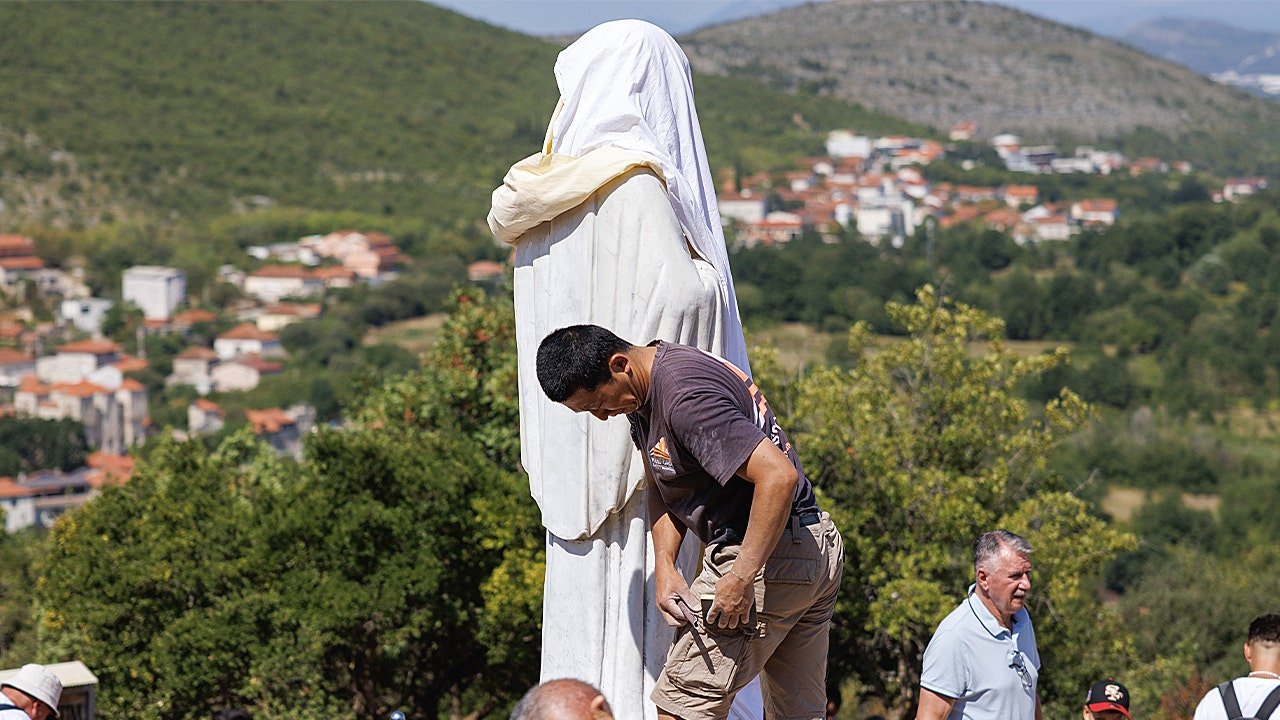
Police were first called around 4:30 a.m. on July 27 after the face and hands of the statue of the Virgin Mary on Apparition Hill, also known as Podbrdo, were found covered in black paint. (Associated Press)
Police were called around 4:30 a.m. on July 27 after the face and hands of the statue of the Virgin Mary on Apparition Hill, also known as Podbrdo, were found covered in black paint.
The pedestal at the foot of the statue was spray-painted with the English phrase «Devil in a skirt,» while other graffiti and the statue’s hands were painted black.
An outdoor altar nearby was also set on fire near St. James Church, the outlet said.
Surveillance footage reportedly at that location showed a man pouring what investigators believe was gasoline onto the altar before setting it ablaze. The fire was extinguished.
REPORT DETAILS RISING PRESSURE ON UNDERGROUND CATHOLICS AS CHINA DENIES CRACKDOWN
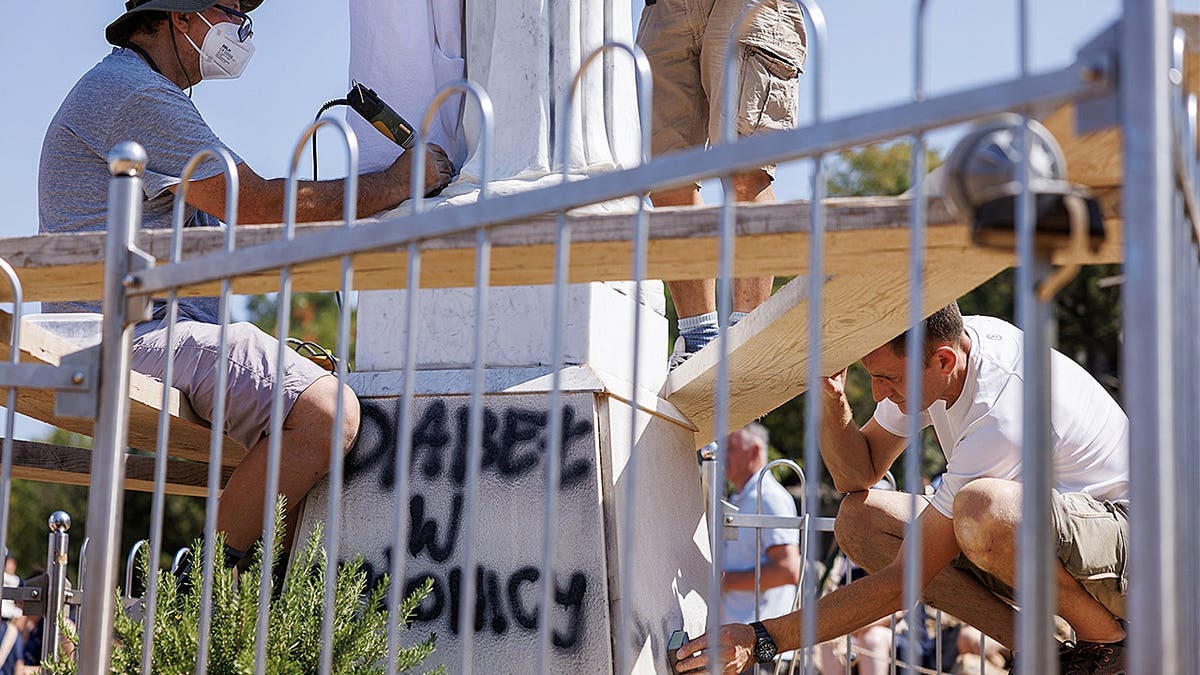
Police were first called around 4:30 a.m. on July 27 after the face and hands of the statue of the Virgin Mary on Apparition Hill, also known as Podbrdo, were found covered in black paint. (Associated Press)
The two attacks came just days before Medjugorje’s annual youth prayer festival, which is expected to draw more than 50,000 pilgrims from around the world.
In a statement Tuesday, the Medjugorje Parish Office condemned the vandalism and urged Catholics to respond with «prayer, fasting, and forgiveness» rather than anger.
«It is with great sadness that we received the news of the act of vandalism,» the parish said.
Church officials also said cleanup and repairs began immediately so the damaged prayer sites could once again welcome pilgrims.
«The affected areas are being cleaned and restored as quickly as possible,» the parish said, thanking volunteers for helping preserve the shrine as «a place of encounter with God, a place of peace.»
CATHOLIC NUNS SUE NEW YORK, SAY ASSISTED SUICIDE LAW FORCES THEM TO VIOLATE THEIR FAITH
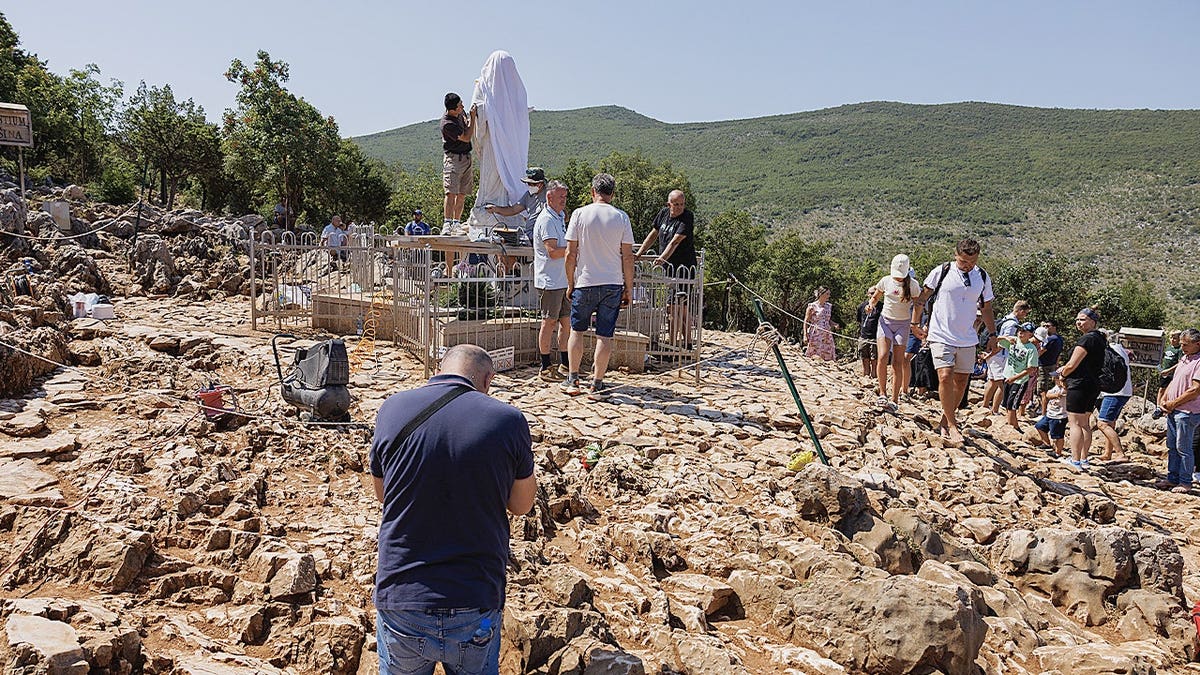
Church officials also said cleanup and repairs began immediately so the damaged prayer sites could once again welcome pilgrims. (Associated Press)
Rather than calling for retribution, the parish urged the faithful to pray for those responsible.
«We pray for the conversion of the hearts of those who committed this act,» the statement said, asking that God «touch them with His grace and lead them on the path of goodness.»
The parish also appealed for peace, encouraging Catholics «not to return evil for evil,» but instead to bear witness through «love, forgiveness and hope.»
Despite the attack, officials said the shrine remains open, and its regular schedule of Mass and prayer services will continue as planned.
CLICK HERE TO DOWNLOAD THE FOX NEWS APP
Located about 85 miles southwest of Sarajevo, Medjugorje became one of the world’s best-known Catholic pilgrimage destinations after six children and teenagers reported seeing apparitions of the Virgin Mary there in 1981.
The Vatican gave the green light for Catholics to continue flocking to Medjugorje offering its approval for devotion at one of the most contested sites of Roman Catholic practice in recent years, The Associated Press reported Tuesday.
roman catholic, religion, vandalism
INTERNACIONAL
Honduras: ENEE advierte que se agota el tiempo para rescatar la estatal mientras Congreso aplaza reforma eléctrica
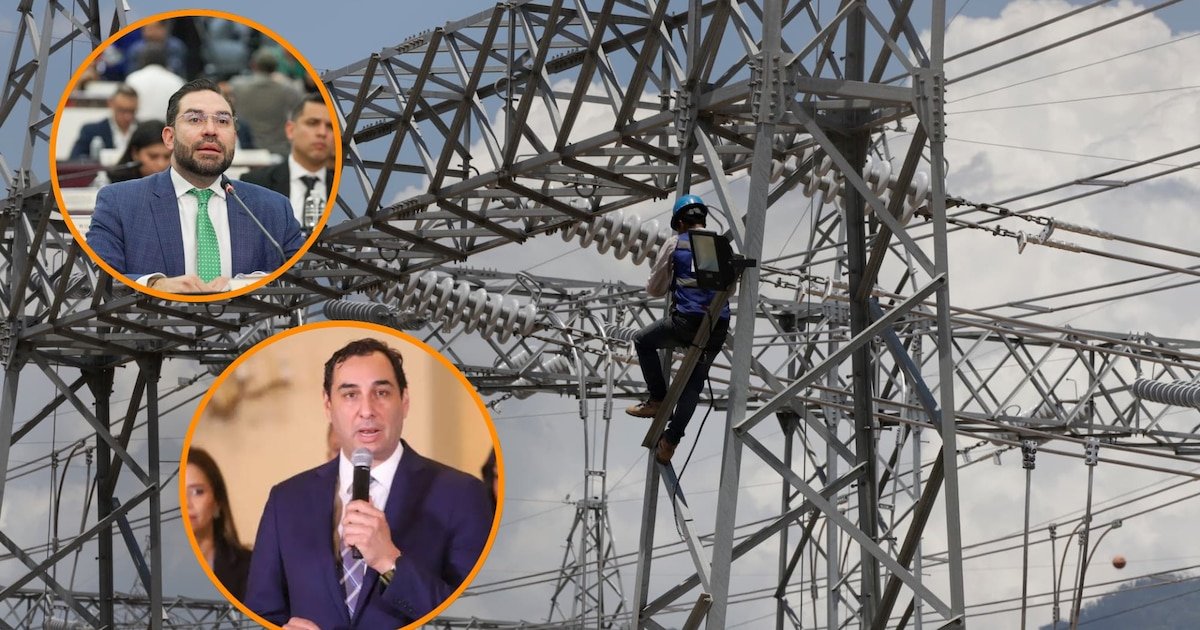
El gerente de la Empresa Nacional de Energía Eléctrica (ENEE), Guillermo Peña Panting, alertó este martes que el tiempo para rescatar financieramente a la estatal se reduce mientras la reforma al sector eléctrico continúa en discusión en el Congreso Nacional, escenario que, según afirmó, prolonga las pérdidas económicas y retrasa inversiones consideradas indispensables para modernizar el sistema energético del país.
El funcionario sostuvo que, aunque las conversaciones entre las diferentes fuerzas políticas han permitido avanzar en el análisis de la iniciativa, la empresa necesita que las decisiones se adopten con prontitud para poner en marcha cambios estructurales que permitan reducir pérdidas, fortalecer la infraestructura y atraer nuevas inversiones al sector.
«Esperamos que siga la conversación y que se presente el momento para la aprobación. Vemos que hay un espacio para seguir mejorando y tenemos que esperar; ese es el camino, el diálogo abierto y la confianza fortalecida“, manifestó.

De acuerdo con Peña Panting, la estatal enfrenta importantes desafíos financieros que requieren una reorganización del sector eléctrico para habilitar nuevos mecanismos de inversión, especialmente en las áreas de transmisión, distribucióny generación de energía.
El gerente explicó que la separación de las unidades operativas permitiría que cada una pueda gestionar proyectos con mayor agilidad, además de concentrar esfuerzos en la reducción de pérdidas técnicas y no técnicas que afectan las finanzas de la empresa.
Asimismo, sostuvo que contar con un sistema energético más eficiente contribuiría a mejorar la competitividad del país y facilitaría la llegada de nuevas inversiones nacionales y extranjeras.
«Al no haber una oferta energética competitiva en el país se limita la posibilidad de inversión“, afirmó.

El titular de la ENEE recordó que la empresa registra pérdidas cercanas a 40 millones de lempiras diarios, por lo que actualmente se ejecutan medidas para disminuir gastos, reorganizar las finanzas y reducir el endeudamiento.
No obstante, advirtió que esas acciones administrativas no serán suficientes si no se aprueba una reforma integral que permita transformar el funcionamiento del sector eléctrico.
«Si no tomamos las decisiones difíciles vamos a seguir en este problema, y lo que seguirá creciendo no es solo la deuda, sino también la presión para las finanzas públicas del Estado“, expresó.
Mientras el proyecto continúa en discusión legislativa, la estatal asegura que mantiene trabajos de mantenimiento de líneas, reestructuración de circuitos y otras acciones operativas orientadas a mejorar la calidad del servicio y disminuir las pérdidas.
Por su parte, el jefe de bancada del Partido Liberal, Jorge Cálix, reconoció que la reforma energética es necesaria para Honduras, pero afirmó que su bancada no respaldará el proyecto sin antes analizarlo a profundidad y presentar una contrapropuesta.
El congresista sostuvo que los liberales apoyarán únicamente aquellas disposiciones que consideren beneficiosas para la población y propondrán modificaciones en los aspectos que, a su juicio, puedan mejorarse.
«No vamos a salir corriendo, sabemos que es un tema urgente, pero justamente por eso lo vamos a hacer despacio y con buena letra“, declaró.

Cálix explicó que la bancada consultó a especialistas internacionales de Guatemala, Panamá, Costa Rica y El Salvadorpara conocer experiencias sobre reformas energéticas antes de definir una postura definitiva.
Aunque ambas partes coinciden en la necesidad de transformar el sector eléctrico, mantienen diferencias sobre la velocidad con la que debe aprobarse la iniciativa.
Mientras la ENEE sostiene que cada día de retraso incrementa las pérdidas económicas y dificulta el rescate financiero de la empresa, el Partido Liberal insiste en que una o dos semanas adicionales de análisis permitirán construir una propuesta más sólida y evitar decisiones apresuradas que puedan afectar a los consumidores y al sistema energético nacional.
Corresponsal:Desde Tegucigalpa, Honduras
NEWYou can now listen to Fox News articles!
South Dakota Gov. Larry Rhoden fended off a primary challenge from businessman and Bitcoin evangelist Toby Doeden on Tuesday, winning the first gubernatorial primary runoff in state history and advancing to the November general election.
The Associated Press called the race for Rhoden within minutes of final polls closing. He had received 70.5% of the vote compared with Doeden’s 29.5% at the time it was called, with approximately 25% of the expected vote counted.
The election marked the first time South Dakota voters were asked to settle a gubernatorial nomination through a primary runoff. State law requires a runoff between the two leading candidates when no contender for governor, U.S. Senate or U.S. House receives at least 35% of the primary vote.
TRUMP-BACKED FIREBRAND WINS ARIZONA GOP GOVERNOR PRIMARY, SETTING UP HIGH-STAKES SHOWDOWN
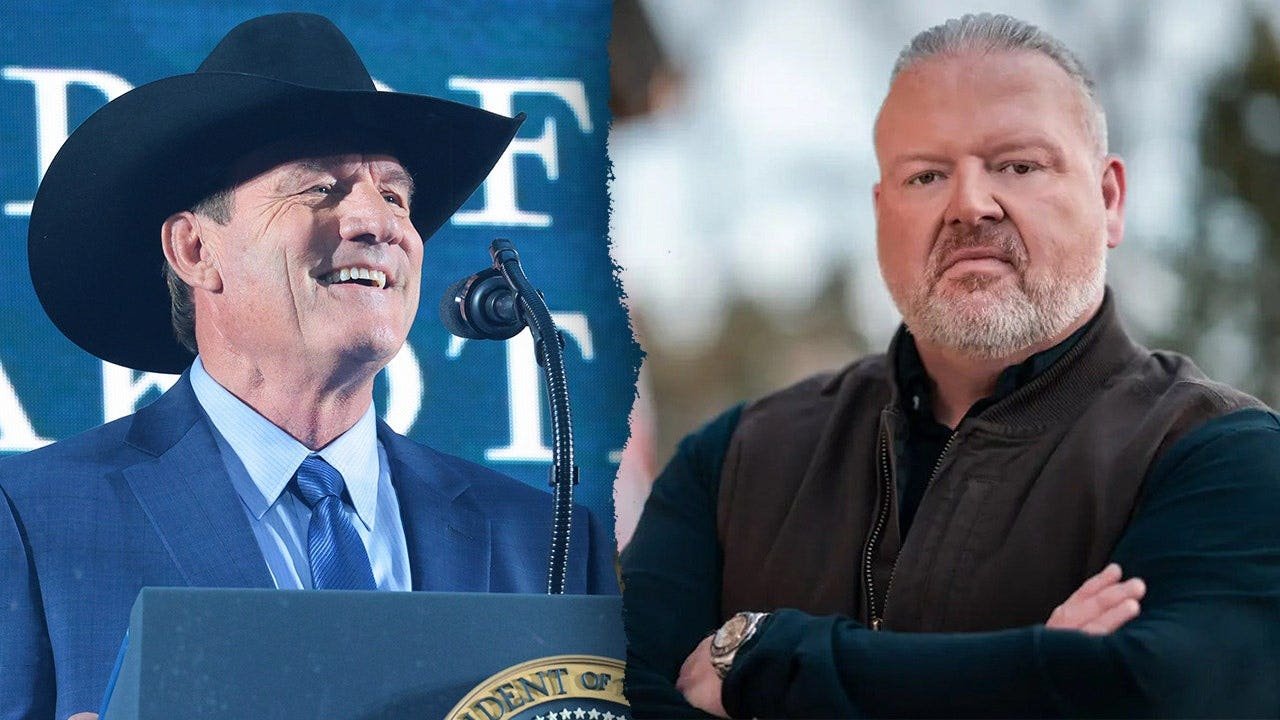
South Dakota Governor Larry Rhoden (left) and primary challenger Republican candidate for governor Toby Doeden (right) (Toby Doeden for South Dakota/Getty Images)
The head-to-head contest followed a four-way June primary in which Doeden finished first with 30.6% of the vote and Rhoden placed second with 25.2%, leaving both short of the 35% needed to secure the nomination outright. Rhoden became governor in early 2025 after Kristi Noem left to join the Trump administration, while Doeden entered the race as a businessman and political newcomer.
Doeden also built a public profile as a Bitcoin evangelist. He said he began investing «very, very heavily» in the cryptocurrency around 2020 after devoting roughly 500 hours to researching it, eventually converting nearly all the cash reserves from his companies that he did not expect to need into Bitcoin.
«I will buy bitcoin forever, every single day,» Doeden previously said on his podcast, according to the South Dakota Searchlight. «We mine bitcoin, we buy bitcoin.»
Doeden also supported legislation that would have allowed the South Dakota Investment Council, which manages public employee pension funds and other state investments, to invest in Bitcoin. He went further by calling for South Dakota to establish a state Bitcoin reserve – a move state investment and budget officials opposed.
TRUMP FLEXES GOP MUSCLE IN ARIZONA PRIMARIES AS DEMS DODGE FAR-LEFT UPSET
Tuesday’s winner advances to face former Democratic state Sen. Dan Ahlers in November. South Dakota has not had a Democratic governor since Harvey Wollman left office in 1979, and no Democrat has been elected to the office there since Richard Kneip won re-election in 1974. Wollman became governor automatically as lieutenant governor when Kneip resigned.
In the run-up to Tuesday’s primary runoff, property taxes were among the defining issues of the campaign. Doeden campaigned on eliminating property taxes, while Rhoden’s campaign portrayed Doeden’s proposal as fiscally reckless, arguing it could leave local governments and schools with a major funding shortfall.
Meanwhile, Rhoden’s campaign highlighted other tax relief measures that the governor signed back in March, which Rhoden’s campaign website describes as the «largest» property tax cut in the state’s history.
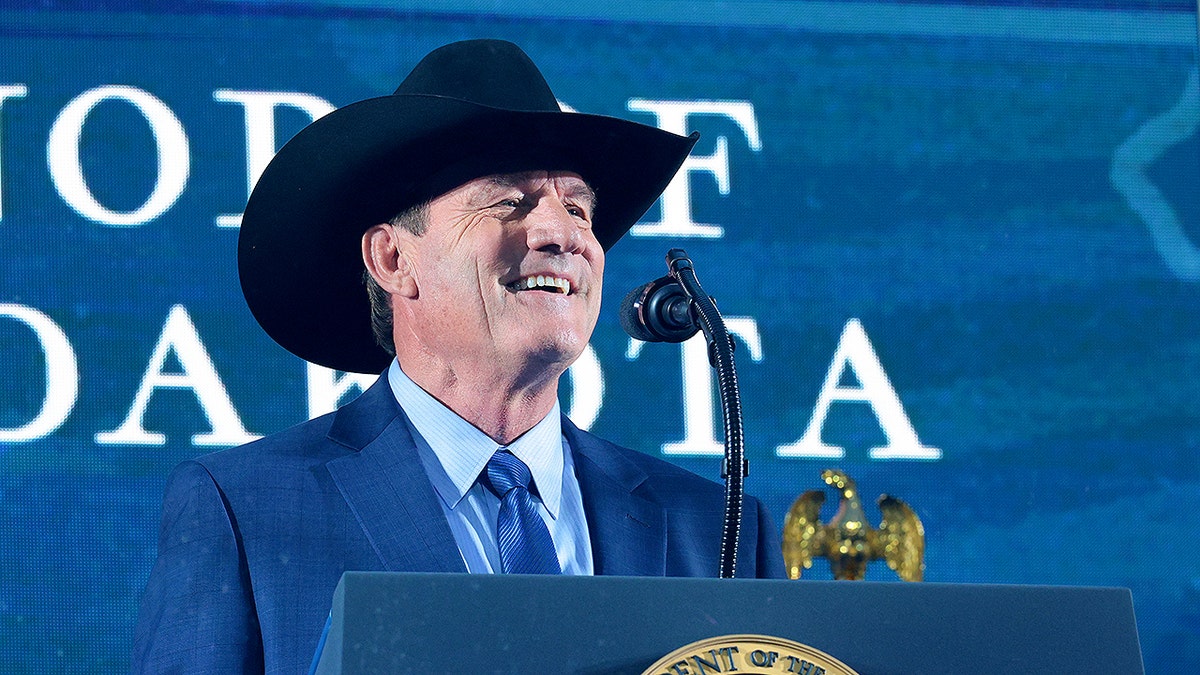
South Dakota Governor Larry Rhoden speaks during a rally at Mount Rushmore National Memorial on July 03, 2026 in Keystone, South Dakota. (Chip Somodevilla/Getty Images)
During the race, Doeden portrayed Rhoden as part of South Dakota’s entrenched political class, declaring after the June primary that «the career politicians told me» an outsider could not break through against three longtime officeholders.
CLICK HERE TO DOWNLOAD THE FOX NEWS APP
Rhoden pushed back on the attack, saying Doeden was trying to «make hay» out of calling him a career politician and describing that characterization as «such a warped viewpoint,» during an interview with the South Dakota Public Broadcasting network. Rhoden argued that his years in the Legislature gave him practical experience writing laws and then returning home to live under them.
President Donald Trump did not publicly weigh in with an endorsement in the runoff, according to a review by Fox News Digital. Trump thanked Rhoden by name during his July 3 remarks at Mount Rushmore but did not mention the governor’s race. Doeden, meanwhile, campaigned as a «fierce Trump supporter» who said he would help implement the president’s «America First agenda.»
south dakota, gubernatorial, state and local primaries, elections, politics

El horóscopo de hoy: miércoles 29 de julio

World-famous Catholic shrine torched, ‘Devil in a skirt’ scrawled on Virgin Mary statue

En medio de la pelea por la Ciudad, La Libertad Avanza cuestionó al PRO y le pidió que “sea consecuente y acompañe en el Congreso”

Honduras: ENEE advierte que se agota el tiempo para rescatar la estatal mientras Congreso aplaza reforma eléctrica

Cómo sigue la causa por el homicidio de la mujer asesinada por su hijo en Catamarca: ordenaron pericias claves y buscan al padre

Cienciano vs Lanús: formaciones, hora y dónde ver por tv

Crisis entre Milei y Lula: la trama política, personal y geopolítica detrás del mayor choque diplomático entre Argentina y Brasil

Cuentapropismo emocional en lo profundo del conurbano

San Isidro: la ballena que quedó varada en un banco de arena murió pese al operativo de rescate

Joaquín Furriel contó cómo fue ver la final del Mundial con su novia española: “Una situación incómoda”

 POLITICA2 días ago
Crisis entre Milei y Lula: la trama política, personal y geopolítica detrás del mayor choque diplomático entre Argentina y Brasil
- SOCIEDAD2 días ago
San Isidro: la ballena que quedó varada en un banco de arena murió pese al operativo de rescate
- POLITICA2 días ago
Milei cruzó al aire a De Mendiguren, exministro de Duhalde: “Vos, sí, ladrón”