INTERNACIONAL
Iran’s oil lifeline is drying up. The biggest pain may fall on ordinary citizens

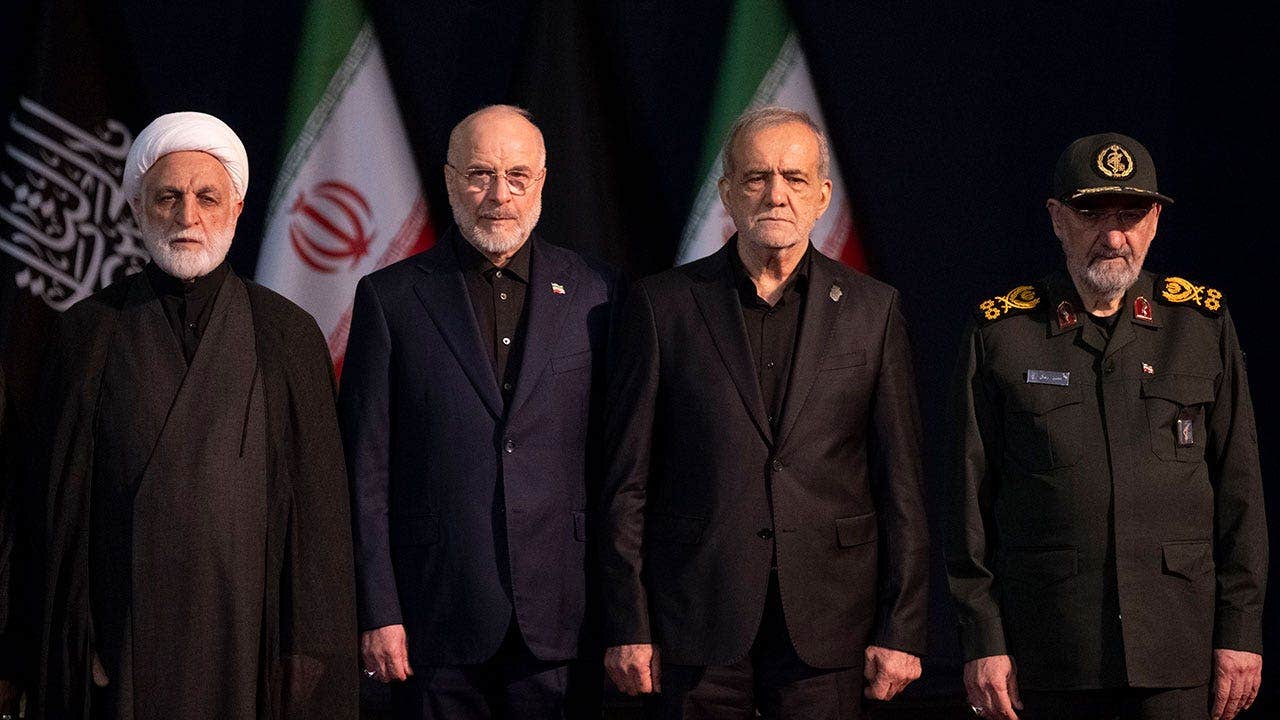
Iran is approaching a financial reckoning as a U.S. naval blockade threatens to wipe out its seaborne crude oil revenues by mid-December — but the economic pain may fall more heavily on ordinary Iranians than on the military Washington is trying to constrain.
Iran’s trackable floating oil inventory outside the U.S. blockade zone has fallen to zero, according to energy intelligence firm Kpler, which projects that Tehran’s crude revenues could dry up by the middle of December as outstanding payments are settled.
But the loss of oil revenue would not necessarily translate into an immediate military funding crisis. Tehran could shield military spending while cutting civilian programs, allowing inflation to erode purchasing power and drawing on alternative revenue sources.
BESSENT SAYS IRAN WILL HAVE ‘NOTHING LEFT TO TRADE’ WITHIN TWO WEEKS AS OIL LIFELINE DRIES UP
That complicates Washington’s pressure campaign: The blockade may deprive Tehran of one of its biggest sources of cash without immediately starving the military and Islamic Revolutionary Guard Corps of the money they need to operate.
Oil directly accounts for roughly 30% of Iran’s government budget, according to Gregory Brew, a senior Iran and energy analyst at Eurasia Group, and Miad Maleki, an Iran sanctions and financial expert at the Foundation for Defense of Democracies.
Iran entered the year expecting to export about 1.7 million barrels per day at roughly $54 per barrel, Brew said. Actual exports have fallen short of that target, though higher oil prices allowed Tehran to build some financial cushion.
Maleki estimated that oil and refined petroleum products account for between 50% and 60% of regime revenue when indirect income is included.
Still, the December deadline is not a date on which Iran suddenly runs out of money.
«The December timeline is more of a cash flow kind of disruption, and not really a collapse state,» Maleki told Digital.
Tehran has so far allowed inflation and the weakening rial to absorb some of the pressure rather than abruptly stopping government salaries or allowing widespread shortages to develop.
«The purchasing power of Iranians incrementally declines,» Maleki said.
Losing a revenue stream that covers roughly 30% of the government budget would nevertheless force increasingly difficult choices. Tehran can cut spending, borrow more or run larger deficits. Deeper cuts could hit subsidies, pensions and other government programs, while deficit spending risks fueling already high inflation.
«There’s already expectations that government spending next year is going to be greatly reduced,» Brew said . «A bigger chunk of the budget is likely going to be met through borrowing and deficit spending, which is of course going to add to inflation.»
IRAN LOSES KEY ECONOMIC LIFELINE IN MIDDLE EAST THAT TRUMP’S SANCTIONS COULDN’T REACH AS DEADLOCK PERSISTS
Military spending, however, could prove more resistant.
«There is a broad expectation that non-military spending is going to be slashed significantly, while military spending is going to be maintained and might even increase because of the overall war footing that the Iranian regime has been put on,» Brew said.
Iran is already spending resources to rebuild missile production facilities and other military infrastructure, expand underground facilities and repair damage to its nuclear program, Brew said.
Iran’s armed forces also have a direct connection to the country’s oil trade.
US TARGETS CHINESE REFINERY IN SWEEPING IRAN OIL CRACKDOWN, SANCTIONS ‘SHADOW FLEET’ TANKERS
The Treasury Department said last year that Tehran was allocating roughly 200,000 barrels of crude per day to its armed forces, with the value of planned allocations expected to exceed $10 billion annually. Military organizations can sell allocated oil abroad and use the proceeds themselves.
Maleki said those sales have helped finance equipment, chemicals and weapons components and support Iran-backed groups including Hezbollah and Hamas.
The IRGC also draws revenue from smuggling, black-market commerce and sanctions-evasion networks outside the formal state budget. Brew said its economic influence has expanded as sanctions have squeezed Iran’s private economy.
«If the IRGC is the single most important institution in the country, and if it largely benefits from sanctions and blockades and various forms of U.S. economic pressure, then there’s a world in which it benefits from this new environment rather than being squeezed like the overall government budget,» Brew said.
Iran’s oil squeeze has been months in the making.
Tehran held roughly 135 million barrels of crude in floating storage before the war began in February, providing a stockpile it could continue selling after U.S. forces restricted new exports. That offshore inventory has now been exhausted.
U.S. Central Command estimates the blockade has already denied Tehran at least $25 billion in oil revenue.
Buyers of Iranian crude typically settle payments one to two months after delivery, creating the lag between the disappearance of Iran’s floating inventory and Kpler’s projected revenue cutoff in December.
Even if that projection broadly holds, however, Iran is unlikely to stop earning money from hydrocarbons altogether.
Smaller quantities of oil can still move overland by truck and rail and across the Caspian Sea, while refined petroleum and petrochemical products can travel through routes outside the seaborne crude trade targeted by the blockade.
«While the amount of Iranian oil that can be tracked has fallen to zero, it’s unlikely Iran’s oil exports completely fall to nothing,» Brew said. «The amount will likely be fairly small, but it won’t be completely zeroed.»
Both experts said an agreement with Washington allowing Iranian tankers to resume leaving the Persian Gulf could reverse the trajectory . Without a deal or relaxation of the blockade, the financial pressure is expected to build into next year.
The bigger test may arrive in March, when Iran begins its new fiscal year and must reconcile its spending plans with dramatically lower oil income.
«There’s going to be a fiscal squeeze, and there’s going to be pressure around the release of the new budget,» Brew said. «There’s going to be economic unrest, potentially even economic turmoil as the government rolls out spending cuts.»
By then, Tehran could have gone months without its traditional seaborne crude income, forcing the regime to decide how much of the financial squeeze it is willing to pass on to its population while preserving spending elsewhere.
middle east, iran, sanctions, economy, inflation








INTERNACIONAL
El Ministerio de Agricultura de Guatemala mantiene bajo vigilancia a 90 municipios por el frío nocturno y la baja humedad del suelo
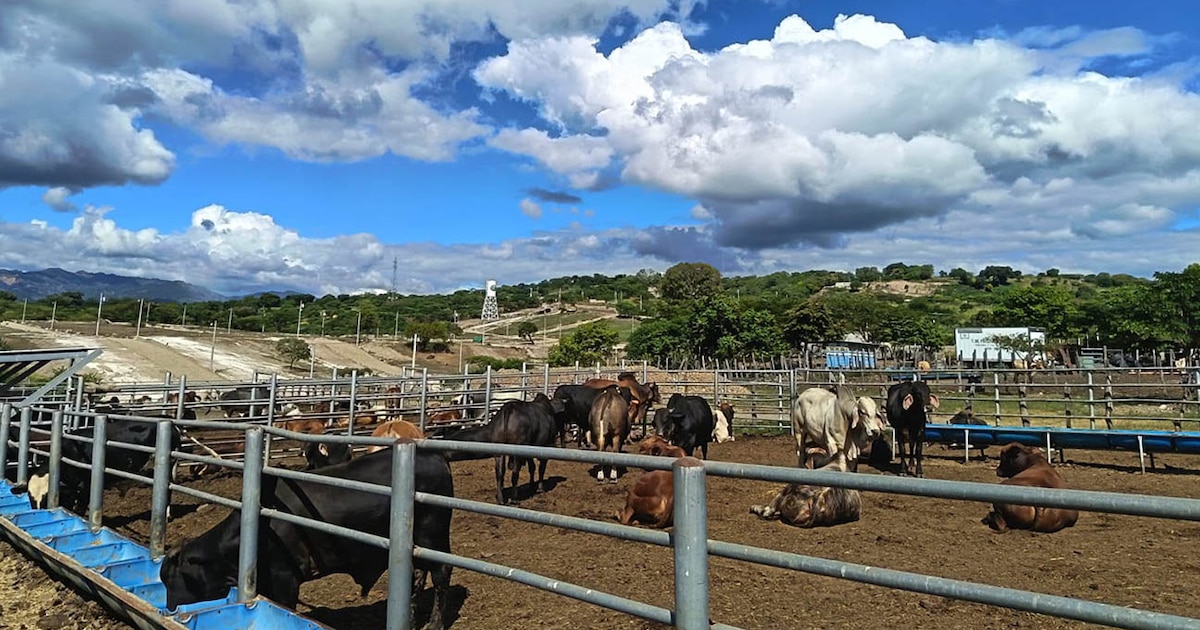
El MAGA mantiene bajo observación 90 municipios de Guatemala ante el frío nocturno y la menor humedad del suelo, una combinación que puede afectar los cultivos de maíz, frijol, hortalizas, café y cardamomo, especialmente en las primeras etapas de crecimiento. El riesgo se concentra durante la noche y la madrugada, cuando los descensos de temperatura, la niebla y la humedad acumulada pueden deteriorar semilleros, siembras recientes y plantaciones ya establecidas.
Las proyecciones contemplan temperaturas de entre 3 y 6 °C en los altiplanos Central y Occidental, donde también podrían registrarse valores inferiores a 5 °C. El boletín agroclimático del Ministerio de Agricultura, Ganadería y Alimentación, elaborado con previsiones del Instituto Nacional de Sismología, Vulcanología, Meteorología e Hidrología, advierte que el frío coincidirá con períodos de mayor nubosidad, lluvias o lloviznas dispersas en las regiones norte y central.
El riesgo alcanza a 90 municipios de nueve departamentos, aunque el monitoreo detallado de cultivos se concentra en Huehuetenango, San Marcos, Quetzaltenango, Totonicapán, Quiché, Sololá y Chimaltenango. San Marcos, Huehuetenango, Quiché y Sololá fueron identificados como los territorios con mayor vulnerabilidad para los semilleros y las siembras jóvenes.
Las bajas temperaturas pueden perjudicar maíz, frijol, hortalizas, pastos, fresas, café y cardamomo. Las plantas recién establecidas enfrentan una exposición mayor, pero las condiciones también pueden afectar parcelas con cultivos que ya avanzaron en su desarrollo.
Semilleros y plantaciones bajo mayor exposición
La humedad disponible en el suelo es otro de los factores observados por las autoridades agrícolas, sobre todo en los terrenos de siembra reciente. Las plantas en sus primeras fases requieren condiciones adecuadas de humedad para sostener su crecimiento frente a las variaciones térmicas.
La presencia de niebla o neblina durante el amanecer y las horas nocturnas añade humedad al ambiente y eleva la posibilidad de daños en las parcelas. El agua acumulada sobre las hojas y en el terreno también puede favorecer la aparición de enfermedades en los cultivos.
El Ministerio de Agricultura recomendó realizar revisiones periódicas de las plantaciones para detectar daños en hojas, tallos y semilleros después de las madrugadas más frías o de períodos de neblina. Esa inspección debe alcanzar tanto las siembras recientes como las parcelas establecidas, debido a que la exposición varía según el estado de desarrollo de cada cultivo.
Las hortalizas pueden protegerse con coberturas temporales de plástico, tela agrícola o paja, que reducen el contacto directo con el frío. Los árboles frutales jóvenes también deben permanecer cubiertos durante los momentos de menor temperatura.
Las medidas incluyen conservar la humedad del suelo en las áreas de siembra reciente para evitar que las plantas enfrenten al mismo tiempo frío y falta de agua. El MAGA también pidió evitar podas y otras labores que dejen a los cultivos más expuestos, además de incorporar abonos orgánicos para mejorar las condiciones del suelo y favorecer el crecimiento de las raíces.
Una evaluación anterior del ministerio ubicó a 52 municipios en situación de vulnerabilidad, principalmente por encontrarse a más de 1.700 metros sobre el nivel del mar. En esas zonas, las heladas pueden comprometer la producción agrícola y los medios de vida de las familias que dependen de la agricultura y la ganadería.
El pronóstico también incluye lluvias dispersas y actividad eléctrica en el territorio nacional. Tras esos días, se espera un aumento gradual del viento del norte y nordeste, un factor que puede intensificar la sensación de frío en las comunidades rurales.
Refugios secos y alimentación para el ganado
Las recomendaciones preventivas alcanzan a la producción pecuaria, con especial atención a los animales recién nacidos, jóvenes o enfermos. El Viceministerio de Sanidad Agropecuaria y Regulaciones pidió protegerlos del frío, el viento y la humedad, ya que presentan una mayor exposición a las condiciones adversas.
Los productores deben evitar que los animales pasen la noche a la intemperie o en espacios expuestos a corrientes de aire frío. Los corrales y áreas de descanso deben conservarse secos, mientras que los refugios necesitan ventilación sin convertirse en ambientes cerrados.
El MAGA recomendó garantizar agua a temperatura ambiente y una alimentación adecuada para el ganado y los animales de granja. También solicitó contar con reservas de forraje, complementar la dieta cuando sea necesario y mantener al día las vacunas y desparasitaciones.
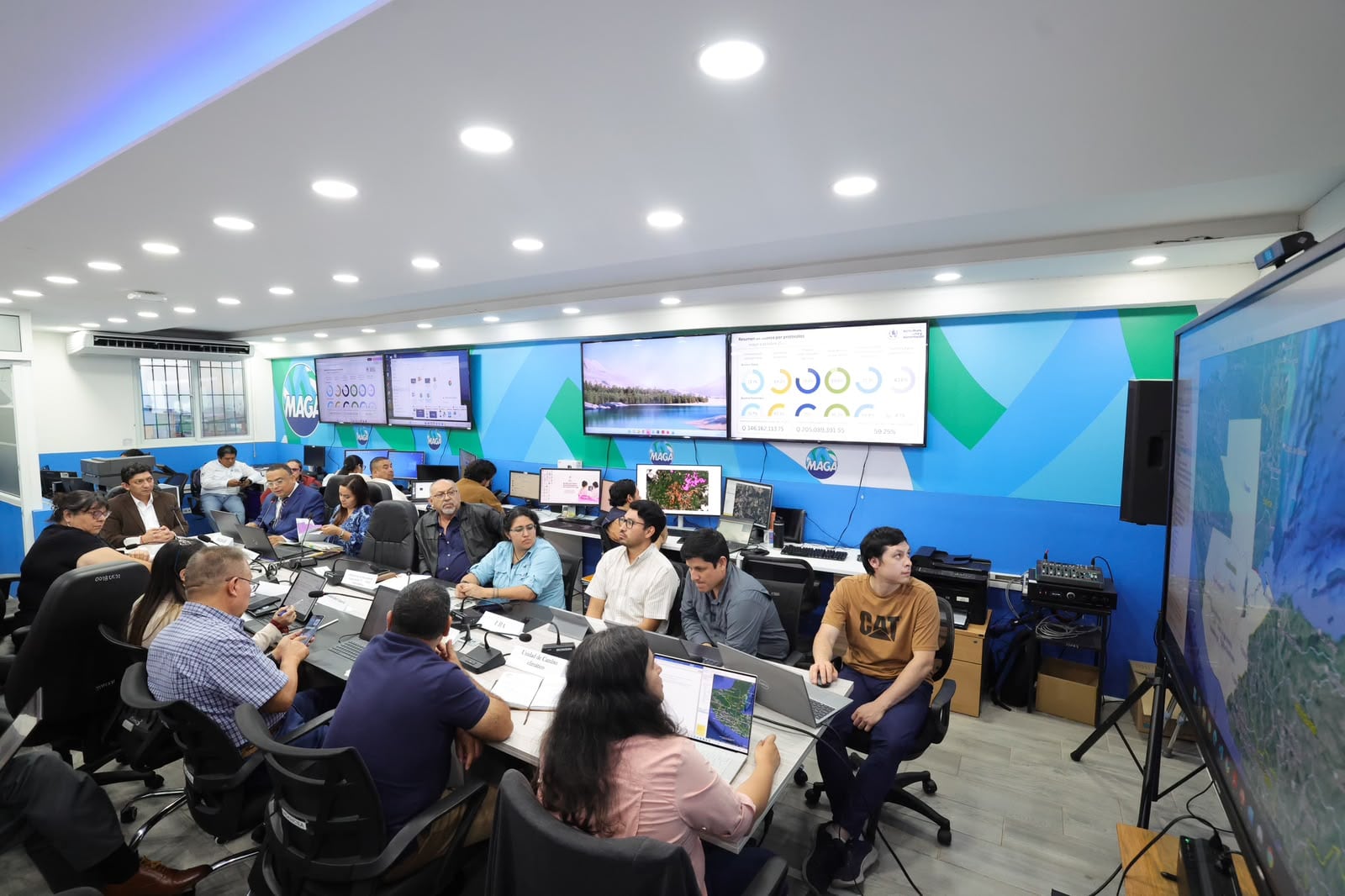
Las medidas fueron tratadas durante el primer Comité de Emergencia encabezado por el ministro de Agricultura, Ganadería y Alimentación, José Antonio López Leonardo. En la reunión participaron la viceministra de Sanidad Agropecuaria y Regulaciones, Mayra Motta; la viceministra de Seguridad Alimentaria y Nutricional, Dinorah Herrera, de manera virtual; el director de Información Geográfica, Estratégica y Gestión de Riesgos, Rafael López, y el director de Coordinación Regional y Extensión Rural, Nery Pérez.
Las autoridades analizaron las condiciones agroclimáticas y coordinaron la recolección de información mediante los reportes de extensionistas que trabajan en distintas regiones del país. Esos datos permitirán identificar las áreas con mayor riesgo, emitir alertas agropecuarias y orientar a las familias productoras sobre la protección de sus cultivos y animales.
El Ministerio de Agricultura mantendrá el monitoreo meteorológico en el país y prevé emitir nuevas indicaciones si las bajas temperaturas se intensifican en los próximos días.
conferencia,reunión de trabajo,seminario,computadoras portátiles,oficina
INTERNACIONAL
Inside Senate GOP’s tense post-election reckoning as Thune clashes with Republican critics
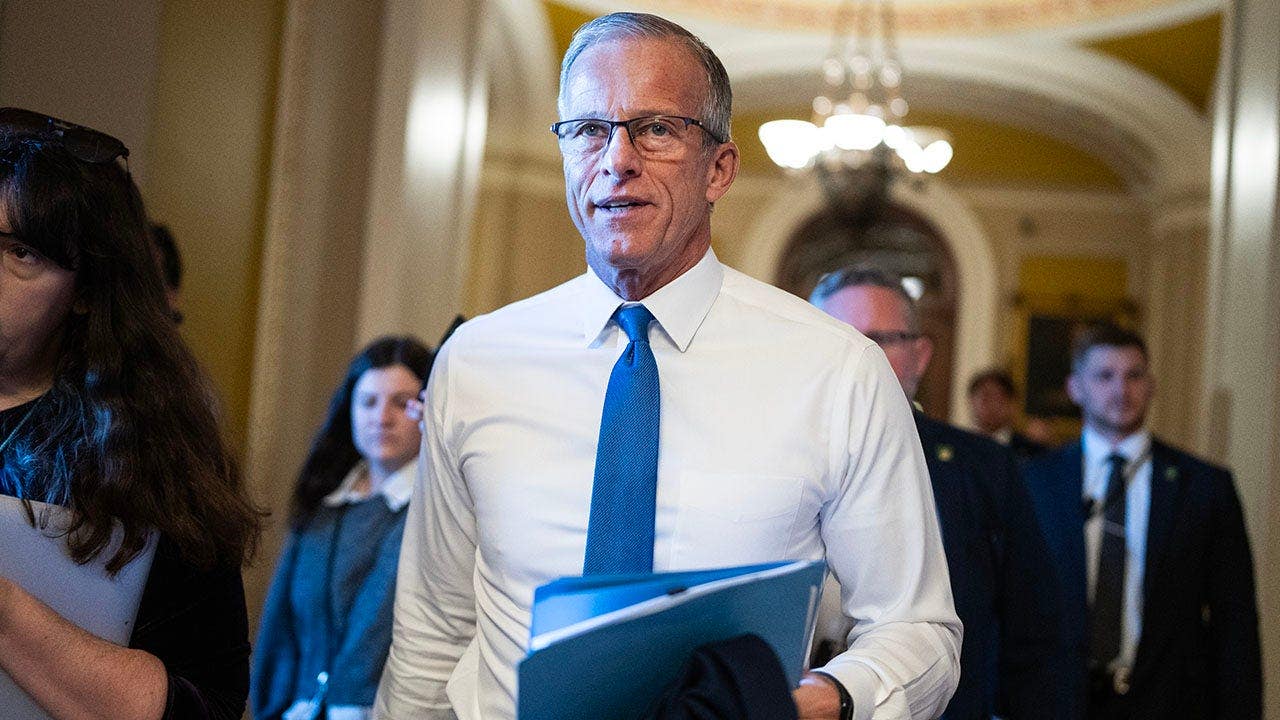
Senate Republicans huddled for hours on end to define their remaining time in power and determine if the leadership they had backed so far was the right choice moving forward into a new era in Washington, D.C.
Some closed-door meetings over the last nearly two years Republicans have controlled the Senate have been animated, with policy pitches devolving into shouting matches — President Donald Trump and Sen. Bill Cassidy, R-La., infamously sparred over the Iran war earlier this year.
This confab, their first since Senate Minority Leader Chuck Schumer, D-N.Y., and Democrats roared back into the majority, was different. In part, it was meant to develop a plan that would carry them through the final weeks of this year — that was agreed upon during the meeting, but not without its own drama after the fact on who could lay claim to the GOP’s 54-day blitz.
SENATE GOP REBELLION FIZZLES AS THUNE KEEPS POWER DESPITE HISTORIC MIDTERM MASSACRE
It was also a test to see if Republicans wanted to keep Senate Majority Leader John Thune, R-S.D., as their leader, or delay until a challenger appeared.
But Republicans pushing for a delay acknowledged part of the problem: Who would want the job?
«I got the job because nobody else wants it,» Thune told Digital after the dust settled in the Old Senate Chamber.
And he did, along with much of the same leadership team that Senate Republicans elected when they won the majority two years ago, by acclamation, meaning no lawmaker objected to their leadership slate.
Some told Digital it was like «Festivus,» the holiday etched into Gen-Xers’ brains from «Seinfeld» known for its airing of grievances. Others described it as a frank, needed debrief as the GOP picks through the debris of Election Night.
GOP SENATOR WITHHOLDS SUPPORT FOR THUNE AS LEADERSHIP SHOWDOWN LOOMS
«It really was, to be honest with you, as profound as the loss was last week. I would have expected more emotions, which I consider to be a good sign,» Sen. Thom Tillis, R-N.C., told Digital. «But I think it’s almost — It’s self-governing because nobody can dispute that it’s a problem.»
«Now it’s not like you’re looking for the silver lining,» he continued. «It doesn’t exist. It is what it is, and you’ve got to react.»
But there were some «testy» moments, particularly between Thune and Sen. Ron Johnson, R-Wis., the driving force behind the push to delay leadership elections.
For Thune, the main question was what anyone else in the Senate GOP would have done differently in his shoes.
«I just think that you come through an election like this and everybody’s looking for scapegoats and there’s a lot of blame casting that goes on, and I just wanted to get up and basically defend what we had done and accomplished,» Thune said.
«And I think the operative question is, tell me what you would do differently? Both on the political side and the legislative side. So we had a good, we had a robust conversation, and it does. It always gets a little bit testy in the back and forth, but I thought that, by and large, the discussion was very candid, and certainly gave everybody an opportunity to be heard.»
CONGRESS RETURNS TO BRUTAL LAME-DUCK STRETCH WITH SHUTDOWN DEADLINE, LEADERSHIP RACES: ‘CLOSET IS FULL OF S—’
Johnson acknowledged that he was «prone to interrupting, I’m rude that way,» and told Digital that he was sure Thune was «not happy that I did that,» but assured that there was no «animus» between the two.
«In politics, everything has to be so black and white, and, unfortunately, for our base, the way to really rev them up is inter-conference fighting, which is not helpful,» Johnson said.
«So, again, I didn’t really like doing this, but it had to be done,» he continued. «I mean, we had to, and in the end, I think, resulted in a very, very good conversation and pretty well revealed we’re just lucky to have anybody who wants those jobs.»
Sen. Steve Daines, R-Mont., told Digital that Thune showed «moments of exceptional leadership» in the heat of the meeting.
He noted that the top Republican’s rebuttal reminded lawmakers of the «ebb and flow of the politics in our country,» dating back to 1986, when former President Ronald Reagan, then entering his final midterm election similar to Trump, lost eight seats in the upper chamber.
«Obama lost nine Senate seats in 2014, it looks like we’re going to lose eight, depending on what happens in Alaska,» Daines said. «So it’s within the kind of the historic norms of going back and forth.»
«And the leader forcefully laid that out and then talked about what he needed to do going forward to unify and eventually reclaim the majority,» he continued.
politics, senate, john thune, republicans elections, congress
INTERNACIONAL
El Camino del Tiempo: una nueva forma de hacer turismo en Guatemala que conectará tres municipios de Quiché con 14 kilómetros de senderos culturales
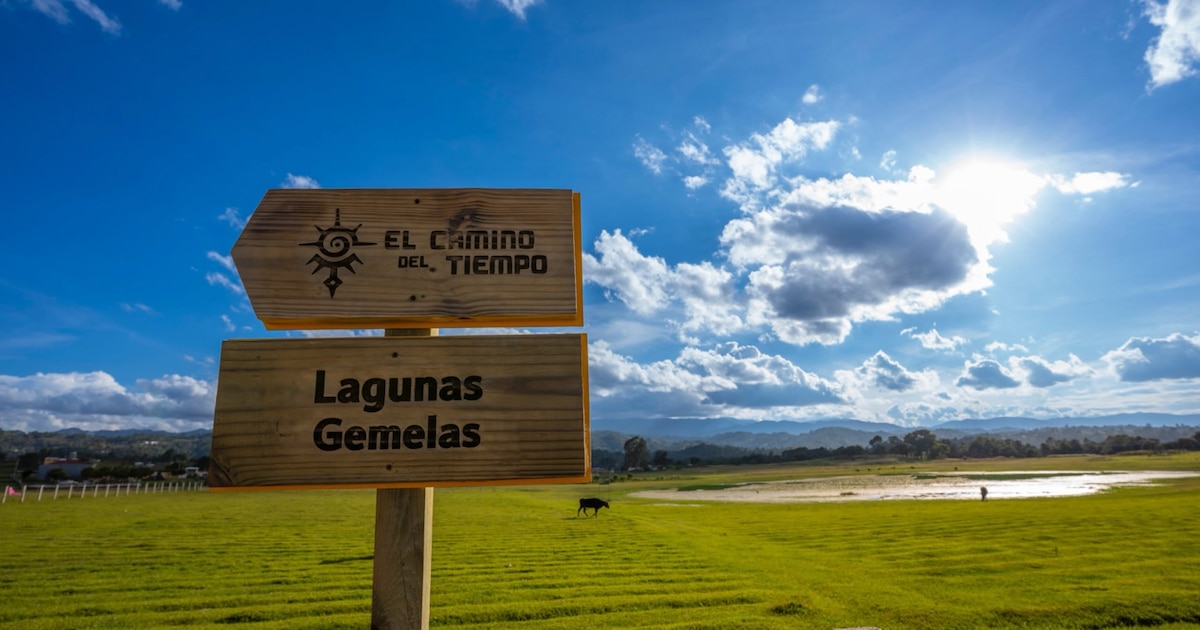
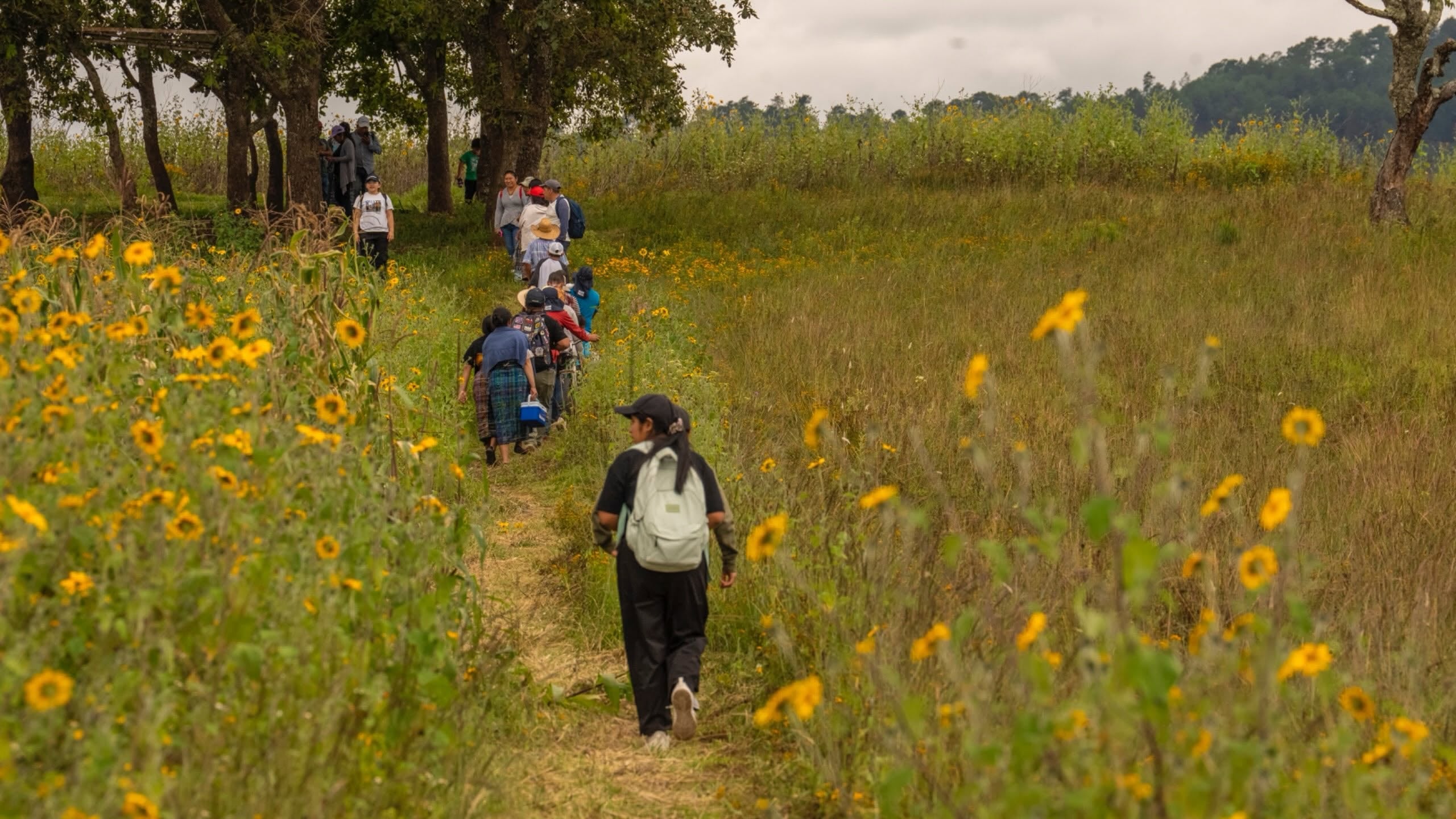
El Camino del Tiempo, una iniciativa comunitaria en las montañas de Quiché, articula a Chichicastenango, Santa Cruz del Quiché y Patzité mediante recorridos culturales y naturales que buscan generar empleo local, preservar el patrimonio maya k’iche’ y convertir a los habitantes en anfitriones de sus propios relatos. El proyecto avanza con el acompañamiento del Instituto Guatemalteco de Turismo (INGUAT) y, en su primera fase, prevé cerca de 14 kilómetros de senderos.
Los tres municipios reúnen cerca de 225.990 habitantes y forman parte de una propuesta que conecta sitios históricos, mercados, talleres artesanales, actividades rurales y espacios ceremoniales. El recorrido se encuentra en construcción y dependerá de acuerdos comunitarios, condiciones técnicas y servicios necesarios para habilitarlo.
Quiché recibió 47.338 visitantes internacionales en 2025 y para 2026 se proyecta la llegada de 49.889. El 93 % de los turistas no residentes pasa al menos una noche en el departamento, con una estadía promedio de 4,48 noches.
Senderos, artesanías y espacios sagrados del pueblo k’iche’
Las caminatas permitirán conocer la cultura viva del pueblo maya k’iche’ a través de senderos naturales, talleres de tejido, morerías donde se confeccionan máscaras y vestuarios para danzas tradicionales, mercados, producción artesanal y experiencias gastronómicas. El ingreso a centros ceremoniales y lugares sagrados deberá realizarse según las disposiciones de las autoridades y comunidades.
Chichicastenango integra su mercado tradicional, las iglesias de Santo Tomás y El Calvario, el Museo Regional, galerías de arte y talleres artesanales. También incorpora espacios de espiritualidad maya como el cerro Pascual Abaj, además de propuestas vinculadas con la gastronomía tradicional y el temascal, un baño de vapor de profundo significado cultural.
En Santa Cruz del Quiché, el trayecto reúne el sitio arqueológico Tinamit Q’u’ma’rkaj K’iche’, antigua capital del reino k’iche’, la laguna de Lemoa y el patrimonio arquitectónico local. Las comunidades ofrecen saberes sobre tejido tradicional, artesanías de palma, elaboración artesanal de chocolate, gastronomía y vida rural.
Los talleres familiares de tejido en jaspe y telares, el uso de plantas medicinales y las actividades agrícolas y ganaderas forman parte de las experiencias previstas. Entre los atractivos figuran la iglesia de la Virgen de Candelaria y un Centro Interpretativo Turístico en desarrollo, dedicado a la historia, la indumentaria, la vida cotidiana y la cosmovisión maya k’iche’, con contenidos relacionados con el Popol Wuj.
La participación local como condición del desarrollo turístico
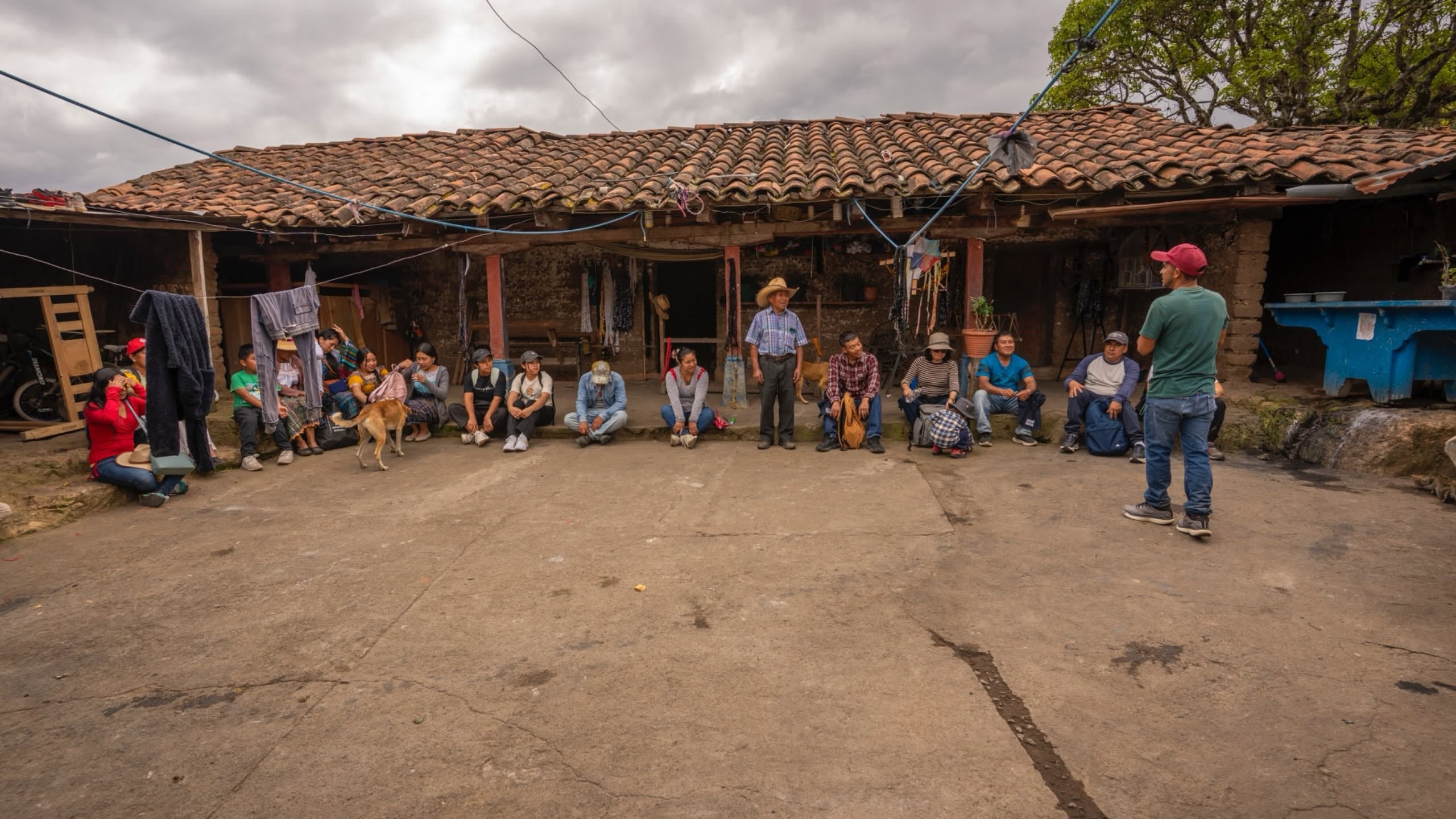
El proyecto busca que los ingresos del turismo lleguen directamente a las comunidades mediante empleos, emprendimientos y nuevas fuentes de recursos para las familias. Mujeres que transmiten conocimientos de tejido, agricultores que comercializan productos, familias dedicadas a la gastronomía tradicional y jóvenes que se forman como anfitriones podrían participar en actividades de alimentación, hospedaje, guiado, artesanías y comercio local.
La conexión entre los municipios apunta también a fortalecer los vínculos comerciales entre productores y prestadores de servicios, ampliar las oportunidades para mujeres y jóvenes y distribuir de manera más equilibrada los recursos generados por la actividad turística.
Las autoridades indígenas y ancestrales, las municipalidades y las comunidades coordinan la identificación de senderos, el reconocimiento de espacios históricos y naturales, el diseño de experiencias y las condiciones para el funcionamiento futuro. De acuerdo con el Instituto Guatemalteco de Turismo, ya se realizaron capacitaciones para jóvenes y mujeres sobre atención al visitante, cultura turística, turismo comunitario y manejo de alimentos.
También se instaló señalización turística e interpretativa y áreas de descanso a lo largo del trayecto. El Museo Regional de Chichicastenango fue remozado, mientras continúa la creación del centro interpretativo de Patzité y la elaboración de un catálogo de experiencias con participación de anfitriones locales.
La protección de sitios sagrados, prácticas espirituales, conocimientos ancestrales y entorno natural ocupa un lugar central en el proyecto. La incorporación de estas expresiones dependerá del respeto, el consentimiento y las decisiones de las autoridades y comunidades maya k’iche’.
El plan contempla herramientas tecnológicas para compartir relatos históricos y contenidos en español, k’iche’ e inglés. Con El Camino del Tiempo se busca aumentar la llegada de turistas nacionales e internacionales, extender su permanencia y diversificar las actividades para ampliar la derrama económica entre comunidades, emprendimientos y prestadores locales.
El Camino del Tiempo,Lagunas Gemelas,señalización turística,senderismo,turismo rural

Independiente se ilusiona con la Copa Sudamericana 2027: qué necesita por el Fair Play

El Ministerio de Agricultura de Guatemala mantiene bajo vigilancia a 90 municipios por el frío nocturno y la baja humedad del suelo

Círculo rojo: Milei después del Papa, una interna sin tregua y el futuro en disputa

Controversia en el tenis por un insulto de Aryna Sabalenka durante el partido con Elina Svitolina: “Disculpas a quien ofendí”

Nati Jota reveló cómo hizo para comprarse dos departamentos antes de los 32 años: “Me da vergüenza decirlo”

El milagro de Vojvoda: regresó a Fortaleza, ganó un partido clave y va por el ascenso

Fútbol sudamericano: por qué es importante seguir el calendario de partidos

La dolorosa despedida al aire de Horacio Pagani a su amigo Carlos Babington: “Fue una noticia fulminante que la recibí en el auto”

La plataforma Doctor SV triplicó su red médica y acumuló 5.4 millones de consultas en su primer año en El Salvador

Villa La Angostura: la Justicia ordenó completar el desalojo de una comunidad mapuche, pero el operativo sigue sin fecha

 ECONOMIA3 días ago
Banco Santander anunció aumento de precio en sus paquetes y esto valdrá desde enero
- DEPORTE3 días ago
Así está el mano a mano entre Estudiantes de La Plata e Independiente Rivadavia
- POLITICA3 días ago
Karina Milei y Diego Santilli aprovecharon la visita a Corrientes para tratar la eliminación de las PASO con el gobernador