INTERNACIONAL
Iran’s regime came for teenage twins. Their fate offers a glimpse of Tehran’s widening death campaign


NEWYou can now listen to Fox News articles!
Taraneh and Romina Rahimi were 19, still in high school and living with their mother when masked men came for them in the middle of the night.
According to their U.S.-based cousin, the twin sisters were dragged from their beds with bags placed over their heads about a month after they joined anti-regime protests in Isfahan. Their family was given no explanation and spent months searching courts, hospitals and government offices trying to determine where they had been taken.
Four months later, their mother, Marzieh Nourmohammadi, was finally allowed to see them at Dowlatabad Prison. She barely recognized her daughters.
ONE GLARING ISSUE GOES UNADDRESSED IN UN CHIEF’S HIGH-STAKES TALKS WITH IRAN’S PRESIDENT
Iranian twins Taraneh and Romina Rahimi were arrested after joining anti-regime protests in Isfahan, Iran. Taraneh has been sentenced to death, while Romina faces decades in prison. (HANA)
Their cousin, Masoud Nourmohammadi, told The Guardian that the twins had badly swollen and bruised faces, injuries to their elbows, hands and feet, and significant hair loss that he said resulted from guards pulling them by their hair as they were moved between cells. He said their mother also learned that the sisters had been held in solitary confinement.
Now 20, Taraneh Rahimi faces execution over her alleged role in the January protests, while her twin sister could spend decades in prison, in a case unfolding amid a sharp rise in Iran’s use of the death penalty.
Human Rights Activists News Agency (HRANA) reported that Taraneh was sentenced to death and an additional 11 years in prison, while Romina received a 36-year sentence. The sentences were issued by Branch 1 of the Isfahan Revolutionary Court and remain initial-stage verdicts.
The twins are among 16 defendants prosecuted in what has become known as the «Isfahan Shohada Square» case. HRANA said 10 defendants received death sentences and the 16 defendants collectively received 256 years in prison.
The sisters’ family says the abuse was intended to force confessions.
IRAN JAILS PSYCHOLOGIST OVER TRUMP PLEA AS REGIME DEMANDS HE MAKE AMERICANS ‘LOOK STUPID’: FAMILY

Taraneh Rahimi, 20, has been sentenced to death over her alleged role in anti-regime protests in Isfahan, Iran. Her family says she was tortured in custody and forced to confess. (HANA)
Nourmohammadi told The Guardian that Taraneh was threatened that prison guards would rape Romina in front of her unless she signed a confession. The outlet reported that Taraneh later told the court that admissions attributed to her had been obtained through torture. Her mother was not permitted to attend the trial, according to the family.
Radio Farda separately reported, citing Nourmohammadi, that the sisters suffered physical and psychological abuse and were forced to confess to accusations they deny. The Hana Human Rights Organization told Fox News Digital they have verified the torture allegations.
Concerns about torture extend beyond the sisters. HRANA reported that another defendant in the same case, Ahmadreza Saeidi, told judges during the hearing that the investigating judge personally used an electric stun gun on his neck and genitals. Defense lawyers also reportedly complained that they had not been given access to substantial portions of the case file or adequate time to examine evidence before trial.
The sentences come as rights organizations document a sharp rise in executions across Iran.
COULD NARGES MOHAMMADI UNITE IRAN’S OPPOSITION? HUSBAND SAYS IMPRISONED NOBEL LAUREATE STILL FIGHTING
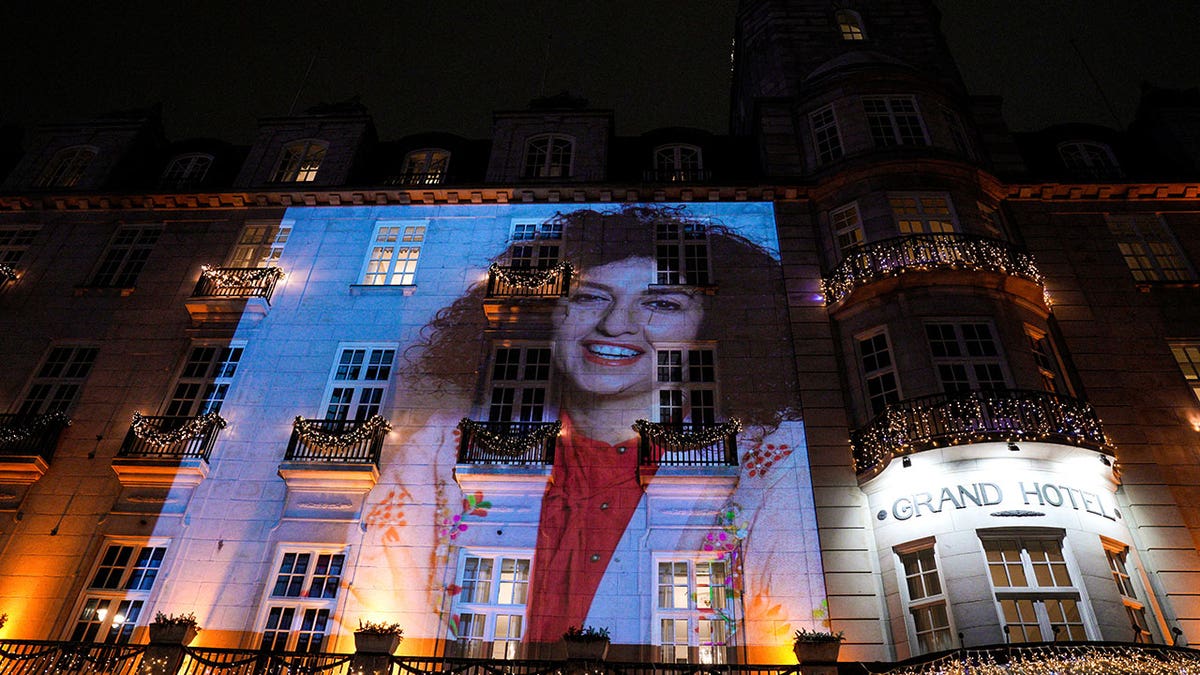
A picture of Nobel Peace Prize winner Narges Mohammadi on the wall of the Grand Hotel in central Oslo before the Nobel banquet, in connection with the awarding of the Nobel Peace Prize 2023, in Oslo, Norway, Dec. 10, 2023. (NTB/Javad Parsa via Reuters)
The Washington-based Abdorrahman Boroumand Center for Human Rights in Iran documented 901 executions during the first seven months of 2026, including 56 people executed on political or national-security charges.
Behnam Ben Taleblu, Iran program senior director at the Foundation for Defense of Democracies, told Fox News Digital that the executions should be viewed as part of a broader campaign by Tehran to suppress dissent at home.
«Despite the war in the region, despite the drone war, the missile war, the war over the Strait of Hormuz, the real war is the one that’s happening on a day-to-day basis inside the Islamic Republic,» Ben Taleblu said. «The Islamic Republic is quite literally cracking skulls, cracking down on civil society, on dissidents, on protesters.»
Among those imprisoned in Iran’s broader crackdown is Seyed Ahmad Seyedabdollahi, a 32-year-old psychologist whose case Fox News Digital reported in August.
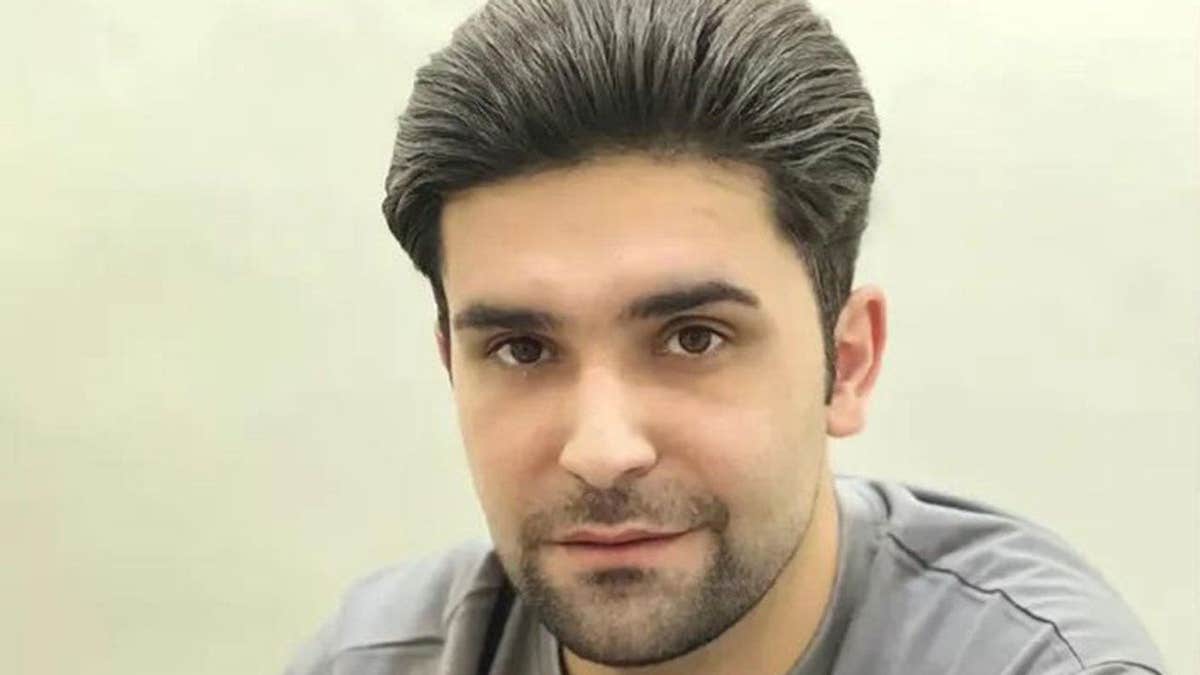
Seyed Ahmad Seyedabdollahi, a 32-year-old Iranian psychologist, who addressed President Donald Trump in an English-language video posted on Jan. 4, 2026, urging him to follow through on his pledge to support Iranian protesters. Seyedabdollahi was arrested 10 days later and was subsequently sentenced to seven months in prison. (Fox News)
Seyedabdollahi posted an English-language video on Jan. 4 appealing directly to President Donald Trump to support Iranian protesters, according to his relatives and Fox News Digital’s previous reporting. He was arrested 10 days later and ultimately sentenced to seven months in prison and barred from government and public services for five years.
His relatives told Fox News Digital that Iranian authorities later pressured him to record another video insulting Trump and Americans and alleged that he was subjected to solitary confinement and torture.
The Hana Human Rights Organization reported Aug. 9 that Seyedabdollahi had been held in Borujen Prison since July 7 and that authorities opened a second case against him on a charge of «propaganda against the system of the Islamic Republic.» Hana also confirmed that he was serving a seven-month sentence and had received a five-year disqualification from public and governmental services.
His relatives confirmed to Fox News Digital that authorities have continued pressuring him to say he was a «foreign agent» paid by the U.S. government. They also said authorities revoked his professional license, adding financial pressure on his family.
Ben Taleblu said Tehran has followed a similar pattern after previous periods of external conflict, turning its attention inward against perceived opponents.
INSIDE TEHRAN: IRANIANS DESCRIBE IRGC’S BRUTAL RULE, POVERTY — ASK TRUMP TO ‘STAY THE COURSE’
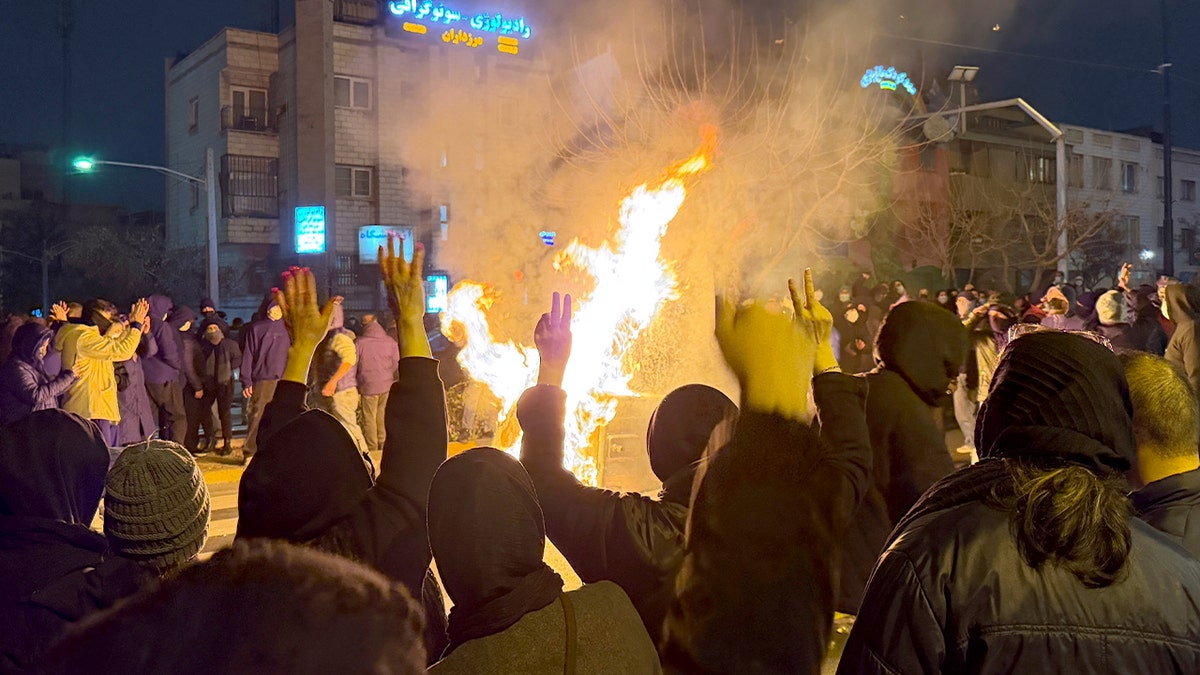
Iranians attend an anti-government protest in Tehran, Iran, Jan. 9, 2026. (UGC via AP)
«We saw this trend in the aftermath of the 12-day war as well,» Ben Taleblu said. «Lose a war abroad, come home and pretend like you’re the victor.»
«Simply here, the Islamic Republic is continuing the longest war it’s ever fought, which is the 47-year war against the Iranian people,» he added.
Wednesday marks four years since the Sept. 16, 2022, death of Mahsa Amini, a 22-year-old Kurdish Iranian woman who was detained three days earlier by Iran’s morality police over what authorities described as «improper hijab.» Her death sparked nationwide protests that became known internationally as the «Woman, Life, Freedom» movement. The U.N. said reports that Amini had been beaten in custody warranted an independent investigation, while Iranian authorities maintained that she died of «natural causes.»
‘KILLING OFF THE COUNTRY’: IRAN EXECUTES DOZENS, ARRESTS 4,000-PLUS IN WAR CRACKDOWN
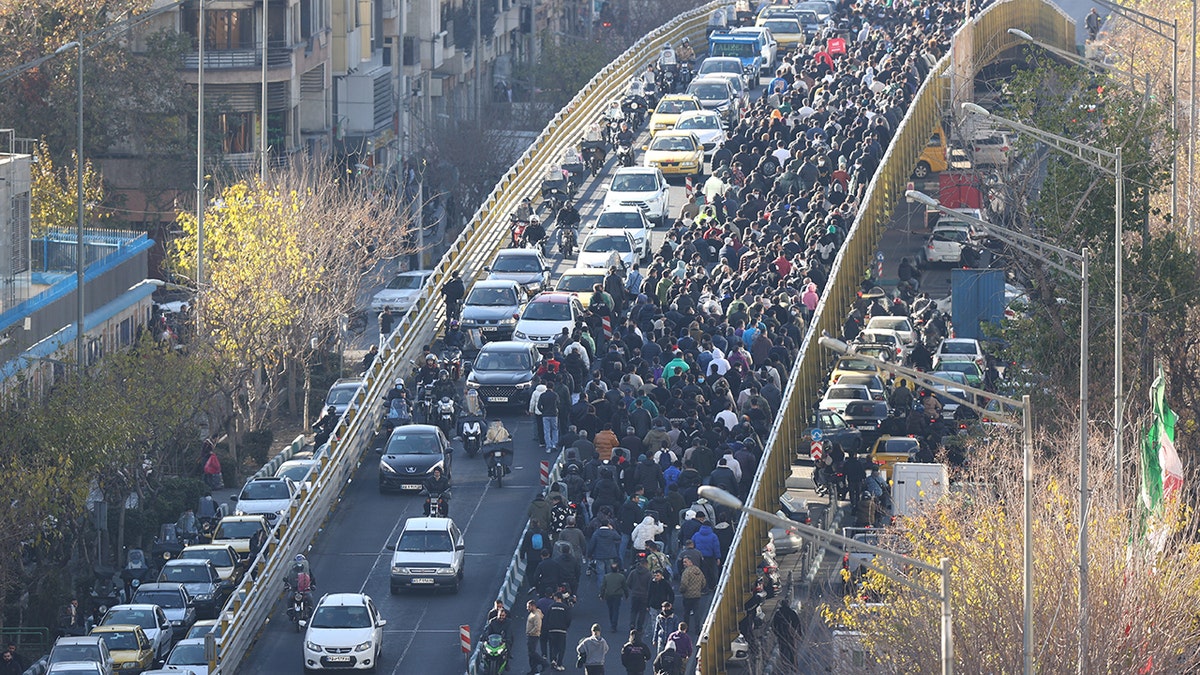
Protesters march in downtown Tehran, Iran, Monday, Dec. 29, 2025. (Fars News Agency via AP)
The 2022 uprising was itself part of a longer cycle of unrest. Nationwide demonstrations beginning in December 2017 rapidly spread across Iran and represented the largest challenge to the government since the 2009 Green Movement. The 2017-18 protests were followed by another major nationwide wave in 2019 and then the 2022 Woman, Life, Freedom uprising.
Ben Taleblu argued that whenever another major protest movement emerges, Western governments should be prepared to help Iranians communicate with one another and the outside world, particularly when authorities shut down internet access.
«We know every single time another major protest is happening, the way the regime cracks down is to first turn off the internet,» he said. «That means the regime fears what comes of coordination between Iranians and fears what comes of when the Iranians are able to send their message outside to the international community.»
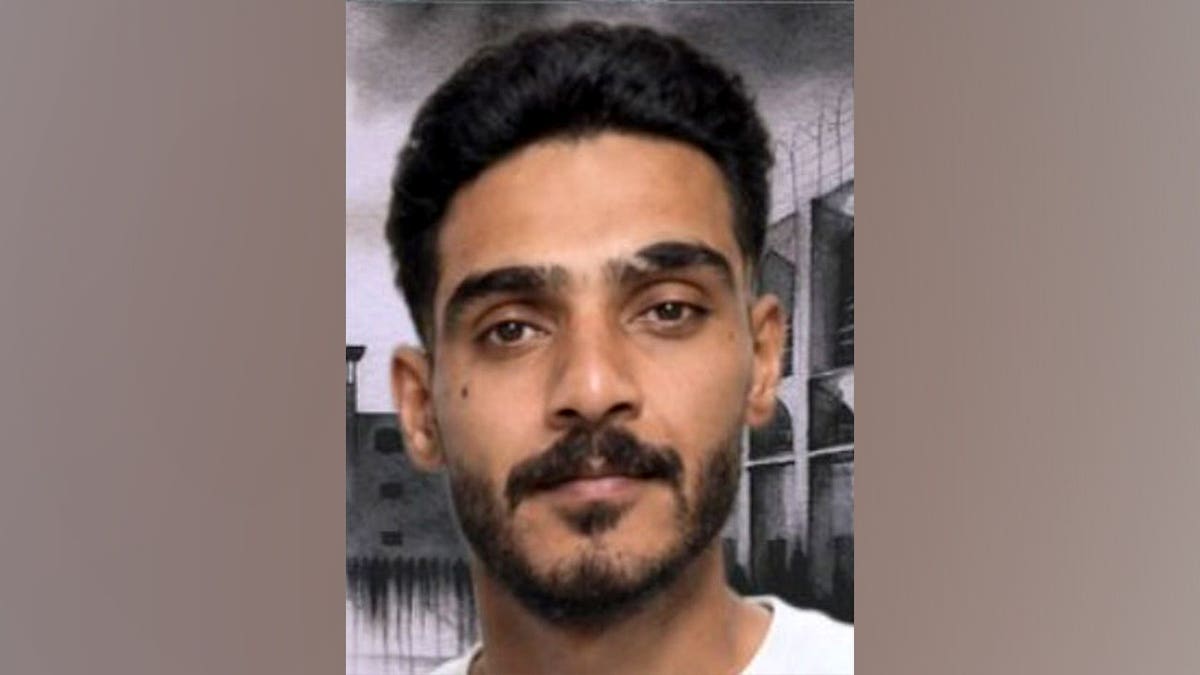
Amirhossein Safari Hosseinabadi was hanged Tuesday in Isfahan’s Shahid Alikhani Square — the same location where he had joined anti-government demonstrations months earlier. (HRANA)
«The partners of the Iranian people, America, Israel, the West, these are largely all cyber superpowers,» Ben Taleblu said. «We should not let the Iranian people continue to die in the darkness.»
war with iran, human rights, human rights united nations, persecutions, iran











INTERNACIONAL
Del gabinete de curiosidades a la experiencia inmersiva, así se repiensan los museos para captar nuevos públicos

Desde los gabinetes de curiosidades y las colgadas al estilo salón hasta los museos modernos como protectores del patrimonio, los espacios de exhibición han ido adaptándose según las necesidades de su tiempo, desde lo simbólico a lo espacial, atravesando conflictos y desafíos y una pregunta que, en lo contemporáneo, atraviesa a todos por igual: ¿cómo atraer nuevos públicos en la era de las imágenes portátiles?, ¿cómo acercar los acervos rompiendo las distancias?
Por supuesto, no existe una única respuesta, ni mucho menos recetas mágicas o fórmulas que puedan ser aplicadas con efectividad, sino búsquedas. Sólo eso. Los programas públicos son, por ejemplo, una de las maneras a través de las cuales se intenta construir ese camino, y los recorridos guiados, otra.
Pero ¿qué sucede cuando el museo arranca de cero o se puede rediseñar? ¿Cómo se plantea un espacio con las nuevas tecnologías, de qué manera se construyen los relatos que, desde el vamos, saben que compiten por la saliencia, por el interés, la atención? Con esas dudas como disparadoras, Infobae Cultura dialogó con Nicolás López Fagúndez y Lucas Spósito, director y gerente de Contenidos de Mude, respectivamente, una organización privada que surgió para crear nuevos espacios expositivos relacionados al deporte, y que ya tiene en su haber la creación de los museos de los clubes más importantes del fútbol argentino, River y Boca, también respectivamente, y que con el tiempo comenzó a expandirse, y el Museo Lola Mora, en Jujuy, es el más reciente.
Y es que un museo que nace, para empezar, lo hace tanto de un deseo como de una necesidad, pero buscando respetar y trascender un legado, por lo que cada uno tiene sus propias características. Aquí tampoco hay recetas mágicas.
En ese sentido, la fortaleza de Mude es crear experiencias participativas, con un modelo que desplaza el recorrido pasivo ante objetos para integrar emociones, estímulos sensoriales y nuevas lecturas sobre el deporte, la historia, el arte y las identidades locales, que busca crear “experiencias variadas para la educación, el disfrute, la reflexión y el intercambio de conocimientos”, según la actualización que el Consejo Internacional de Museos (ICOM) realizó sobre la definición de museo en 2022.
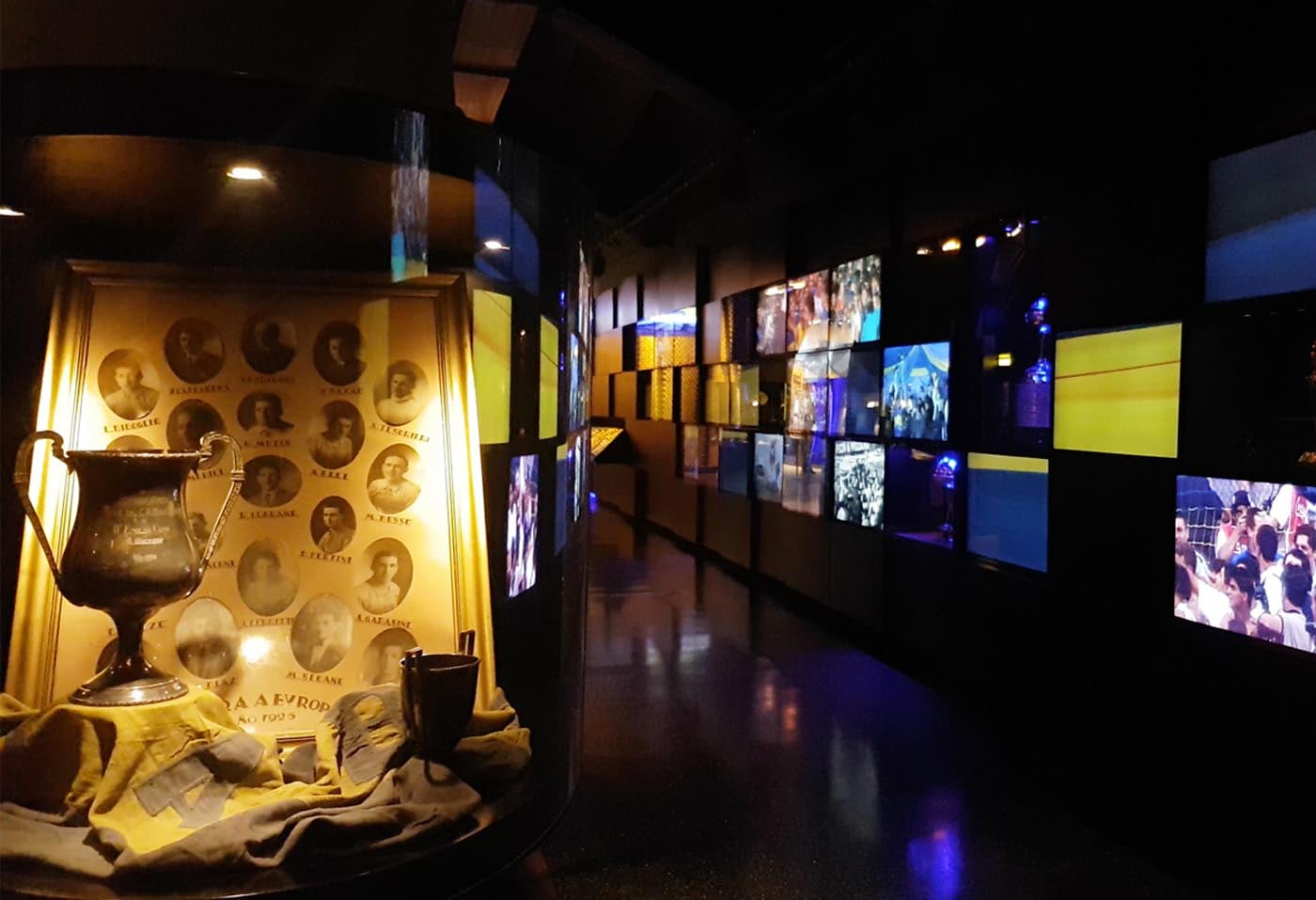
Su bautismo fue con el Museo de la Pasión Boquense, inaugurado en 2001, el primero de su tipo en la región, que tuvo financiamiento privado, patrocinios y el aporte de unos 3.000 hinchas, cuyos nombres quedaron registrados en el panel “Los fundadores de la pasión”.
La firma también desarrolló el Museo del Fútbol Sudamericano de la Confederación Sudamericana de Fútbol (CONMEBOL), el Museo del Deporte en Rosario, reconocido por el Comité Olímpico Internacional, el Museu Benfica de Lisboa, el Museu Flamengo de Río de Janeiro y el sector “Juve Oggi” del Juventus Museum de Turín. Además, realizó una exposición sobre la Champions y opera el museo de River.
Los proyectos también abarcaron la historia provincial de San Luis, las expresiones culturales de Salta, las esculturas de Lola Mora en Jujuy y el Regimiento de Granaderos a Caballo en CABA. En cada caso, las condiciones disponibles —presupuesto, archivos y plazos— determinan las herramientas narrativas.
“En cada proyecto hay un curador y un equipo de museólogos que velan por el patrimonio. Trabajamos con el equipo del cliente o de la institución para construir un relato y pensar cómo ponerlo en escena. La búsqueda es crear una experiencia que lleve a la emoción o a una reflexión, incluso cuando se trata de temas áridos”, dijo López Fagúndez.
Por su parte, Spósito sumó: “Al principio hay mucho que entender: presupuesto, archivo y tiempo. A partir de ahí buscamos el soporte que se adecue a esa necesidad. Si hay que contar el cruce de los Andes y no existe la posibilidad de filmarlo, hay que encontrar otro camino que sea representativo. Tratamos de definir desde dónde nos vamos a parar para generar una experiencia enriquecedora para públicos distintos. Hoy todo está a un clic de distancia para profundizar, el desafío es provocar inquietudes y hacer guiños para que la visita continúe después”.
¿Idea mata tecnología?
Contrario a lo que a priori se podría pensar, los nuevos museos no se erigen sobre grandes inversiones tecnológicas, sino sobre nuevas maneras de contar lo que se sabe o no, donde la tecnología, claro, tiene un lugar más como herramienta de abordaje que como centro.
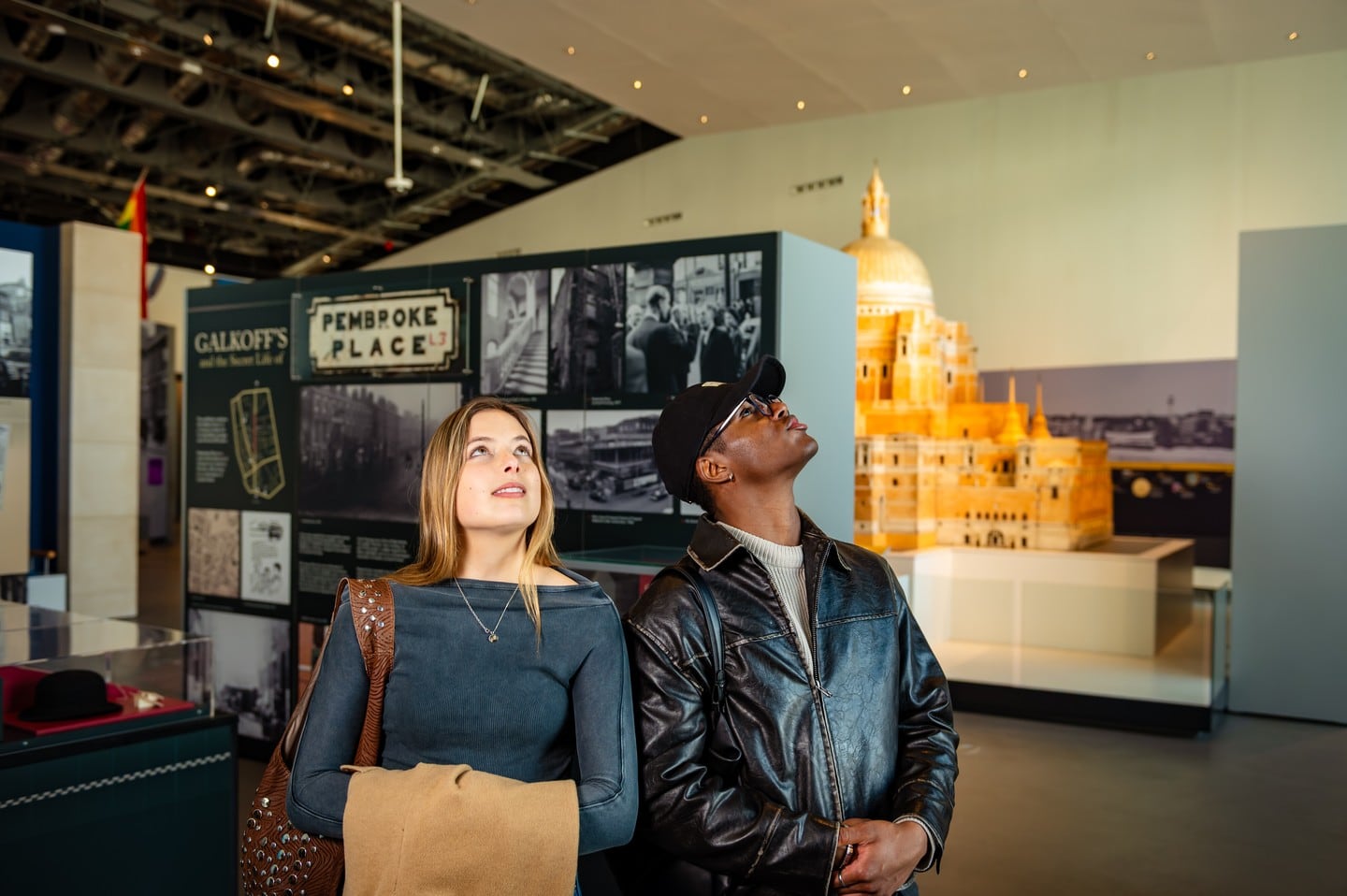
López Fagúndez citó una visita al Museo de Liverpool, donde en la primera experiencia se hablaba de la esclavitud vinculada al puerto y de la pobreza de antiguas colonias británicas. “Era un discurso crítico sobre la propia historia británica que no esperábamos encontrar. También contaba la historia de April Ashley, una figura icónica de Liverpool (NdR: una modelo de los 60 que fue descubierta como mujer transgénero por un periódico) y mostraba otras cuestiones como la vida en los inquilinatos o una cama de Yoko Ono. Esa mezcla de temáticas provoca, sorprende y sensibiliza sobre asuntos que el visitante no esperaba”, relató.
“La búsqueda está en encontrar una ‘píldora emocional’. Quizás no se recuerde cuándo se fundó Liverpool, pero sí la historia de Ashley. Ahí hay una experiencia que lo descolocó y lo hizo pensar”, agregó Spósito.
Por otro lado, sostienen, la innovación es “muy costosa y envejece rápido”: “Los museos tienen que ser sustentables. El desafío es regenerar la propuesta para atraer público y evitar el cierre. Algunos espacios aprovechan su ubicación para sumar salas de reunión, alquileres para eventos y otros usos, pero también necesitan mostrar sus contenidos de maneras diferentes. Hay cada vez propuestas más ambiciosas para construir experiencias culturales. La cuestión es sostener el interés y generar recursos para que los proyectos se autosustenten”.
Por otro lado, existen otras maneras (más económicas) de construir públicos con tecnología, como la realizada por el Museo del Prado a través de la realidad virtual. “Hoy se pueden conocer museos sin haberlos visitado físicamente. Todos los días se inauguran proyectos nuevos y las grandes ciudades buscan propuestas culturales que las distingan”, dijo Spósito.
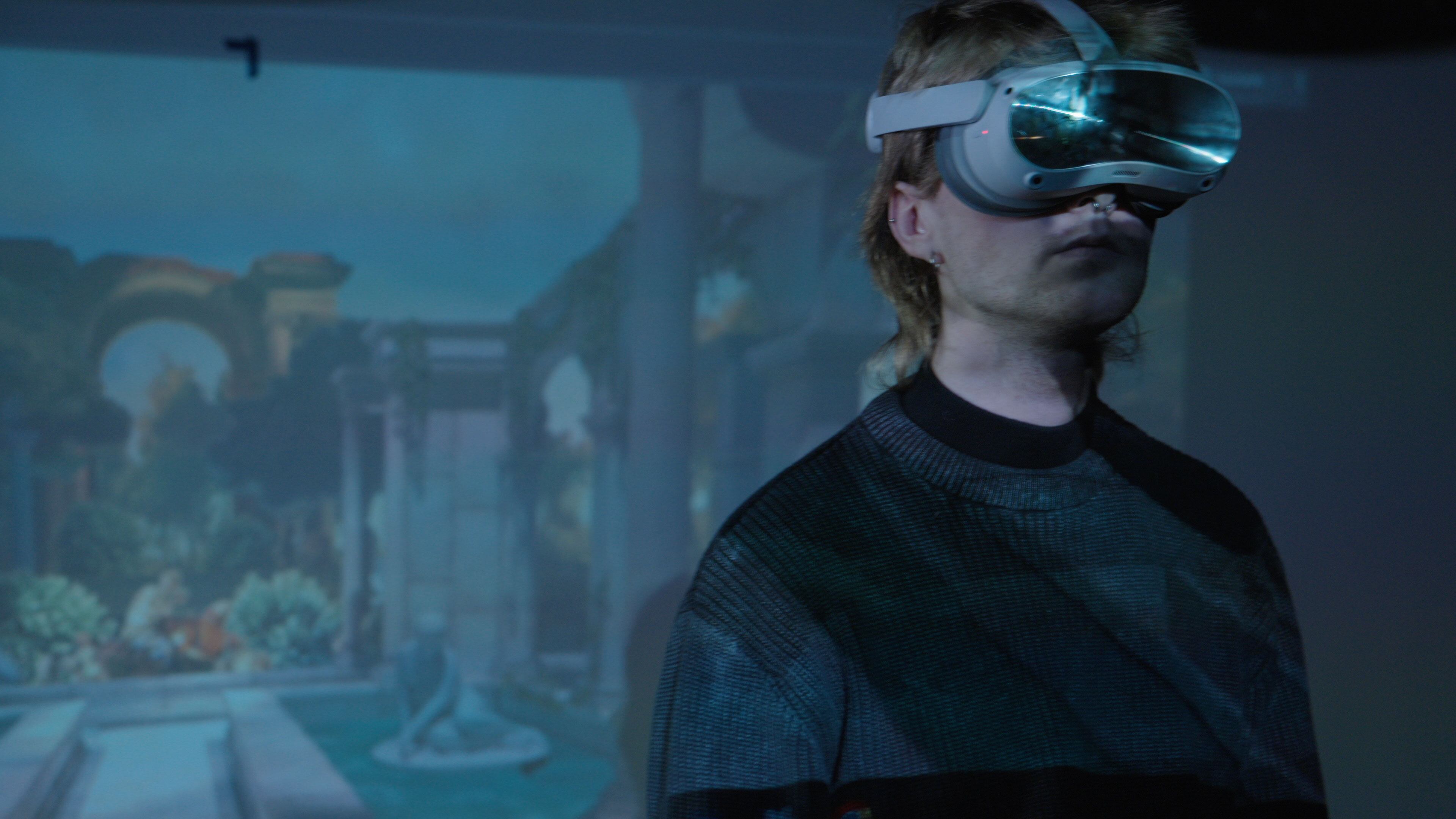
Y López Fagúndez agregó: “Los museos clásicos también incorporan experiencias nuevas. El Prado llevó a Buenos Aires una propuesta que permitía entrar en las obras con visores de realidad virtual. En el Museo de Ciencias Naturales de Nueva York, los chicos se sienten atraídos por un insectario con hormigas y proyecciones”.
Sin decirlo, plantean un tema que abre un debate (del que tampoco se encontrarán aquí respuestas): ¿hay una ruptura con la manera en que se cuenta una historia?, ¿está en crisis el sistema de museografía cronológica?, ¿qué potencialidad tiene, por ejemplo, un espacio que repite fechas sacadas de un manual escolar?
En los museos nacionales hubo ejemplos de este tipo, rarezas, con los presupuestos de este país que desfinancia la cultura, claro. Sin dudas, el trabajo que se llevó adelante en el Histórico Nacional durante la dirección de Gabriel Di Meglio, desplazado en 2025, iba en esa dirección: las permanentes Tiempo de Revolución, Tiempo de Provincias y especialmente Tiempo de multitudes fueron pensadas para ingresar en la historia desde objetos anecdóticos, plantear temas amplios desde lo particular, un acercamiento desde lo curioso.
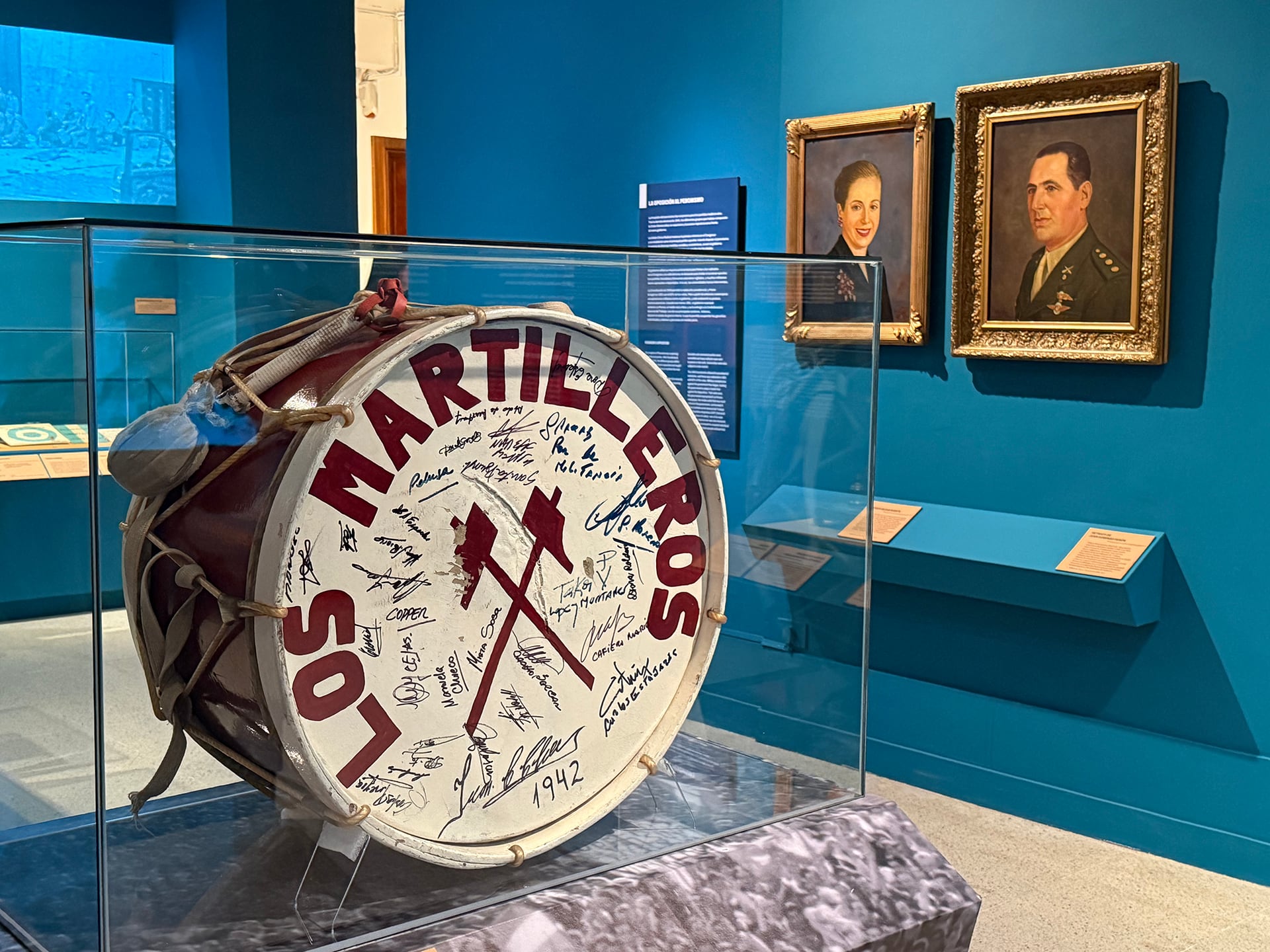
Este modelo, comentaron, es el que plantearon para el Complejo Museológico Explora Salta cuando desde el gobierno provincial se les planteó “un museo que abordara temas que no habían aparecido en otras instituciones” locales.
“Tenían propuestas sobre Güemes, el vino y el Museo de Alta Montaña, pero querían ir hacia otros relatos”. Entonces, se cuenta la historia de la Virgen del Milagro, pero también la del Rancho de Goma, uno de los prostíbulos más conocidos de Salta, y la de las primeras travestis que tuvieron que salir a ganarse la vida. “Al entrar a Explora hay una proyección con 50 personajes de distintos departamentos que cuentan qué significa para ellos ser salteños. Hay un bombero, un migrante árabe, un mantero, una enfermera. La idea es mostrar que Salta es mucho más que el poncho rojo de Güemes o la chacarera. Sorprende a quienes lo visitan porque muestra historias personales y evita una mirada lineal”.
Por supuesto, las pantallas forman parte del consumo cultural. Ya nadie puede negar su ascendiente en lo cotidiano y, por ende, la integración es necesaria, aunque eso no significa que poner pantallas sea una solución.
“Los museos y espacios temáticos nuevos tienen mucho audiovisual en distintos formatos: dispositivos, pantallas y proyecciones. Hoy se combinan estímulos diversos, con la idea de construir experiencias inmersivas o participativas. Antes se hablaba de lo interactivo, sobre todo con el auge de las pantallas táctiles. Lo lúdico funciona para involucrar a la gente, pero nuestra experiencia consiste en pensar qué dinámicas pueden volver atractivo y revisitable a un espacio. La tecnología permite generar empatía con situaciones que no son tan próximas. Trabajamos durante años en un proyecto de la industria del petróleo y el desafío era sensibilizar a alguien con la historia de un trépano. Hay que encontrar una forma de acercar esos temas”, dijo el director.
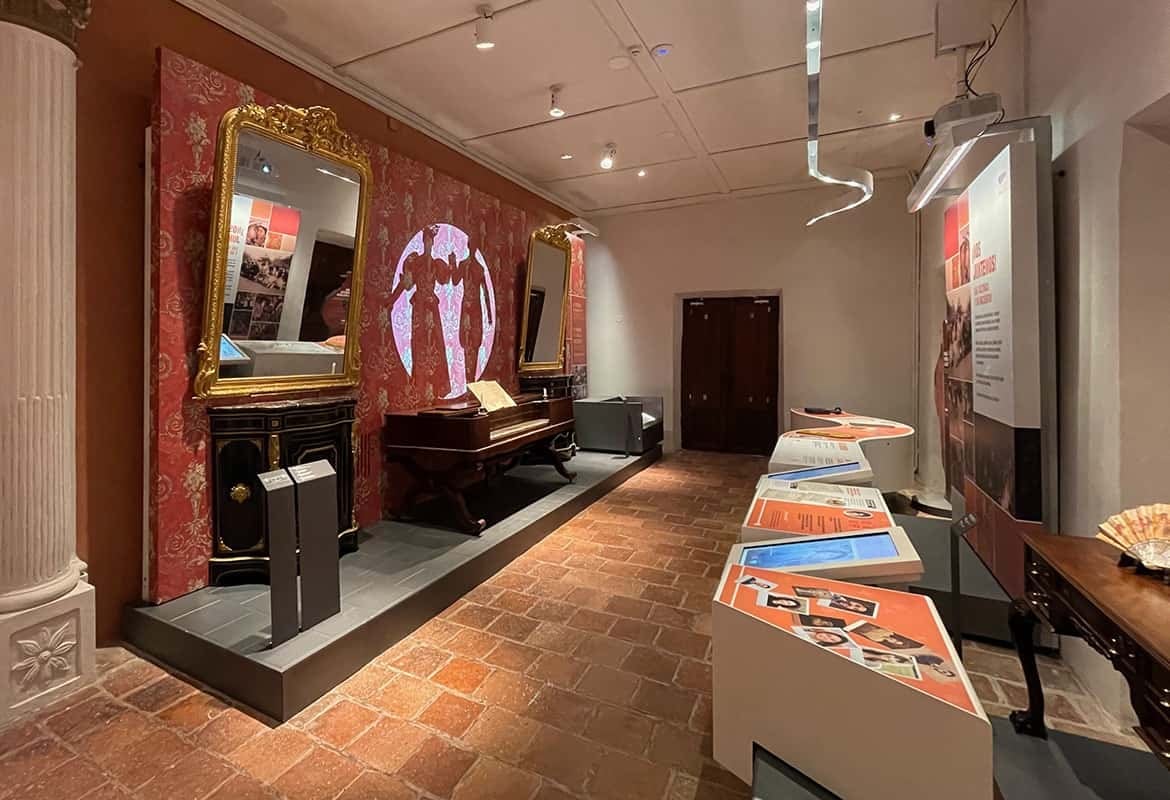
“Siempre buscamos una respuesta para el porqué de cada decisión y evitamos construir museos enciclopédicos. El museo necesita un flujo de visita y una duración que no agobie. En general pensamos en recorridos de una hora y media o dos horas. Pero la tecnología no debe sustituir el relato ni el espectáculo desplazar al patrimonio”, dijo Spósito.
La recuperación de Lola Mora
Disputada por Salta, Jujuy y Tucumán, la figura de Lola Mora despierta admiración con su obra principal, la fuente La Nereidas en CABA. En julio de 2026, se inauguró el Centro Cultural Lola Mora, un edificio diseñado por el estudio del arquitecto César Pelli que reúne por primera vez en un mismo recinto el conjunto escultórico completo que la artista destinó a la provincia, incluyendo piezas que permanecieron durante décadas expuestas a la intemperie en espacios públicos.
El Centro “incorporó una museografía pensada para proteger las esculturas de la artista, luego de la degradación y el vandalismo que habían sufrido. Las obras necesitaban un espacio para preservarlas”.
El edificio de Pelli organiza sus galerías para que el público descubra las piezas mediante encuadres, con una museografía que “debía integrarse al recorrido sin asumir un lugar central frente a las esculturas, la arquitectura y el entorno”.
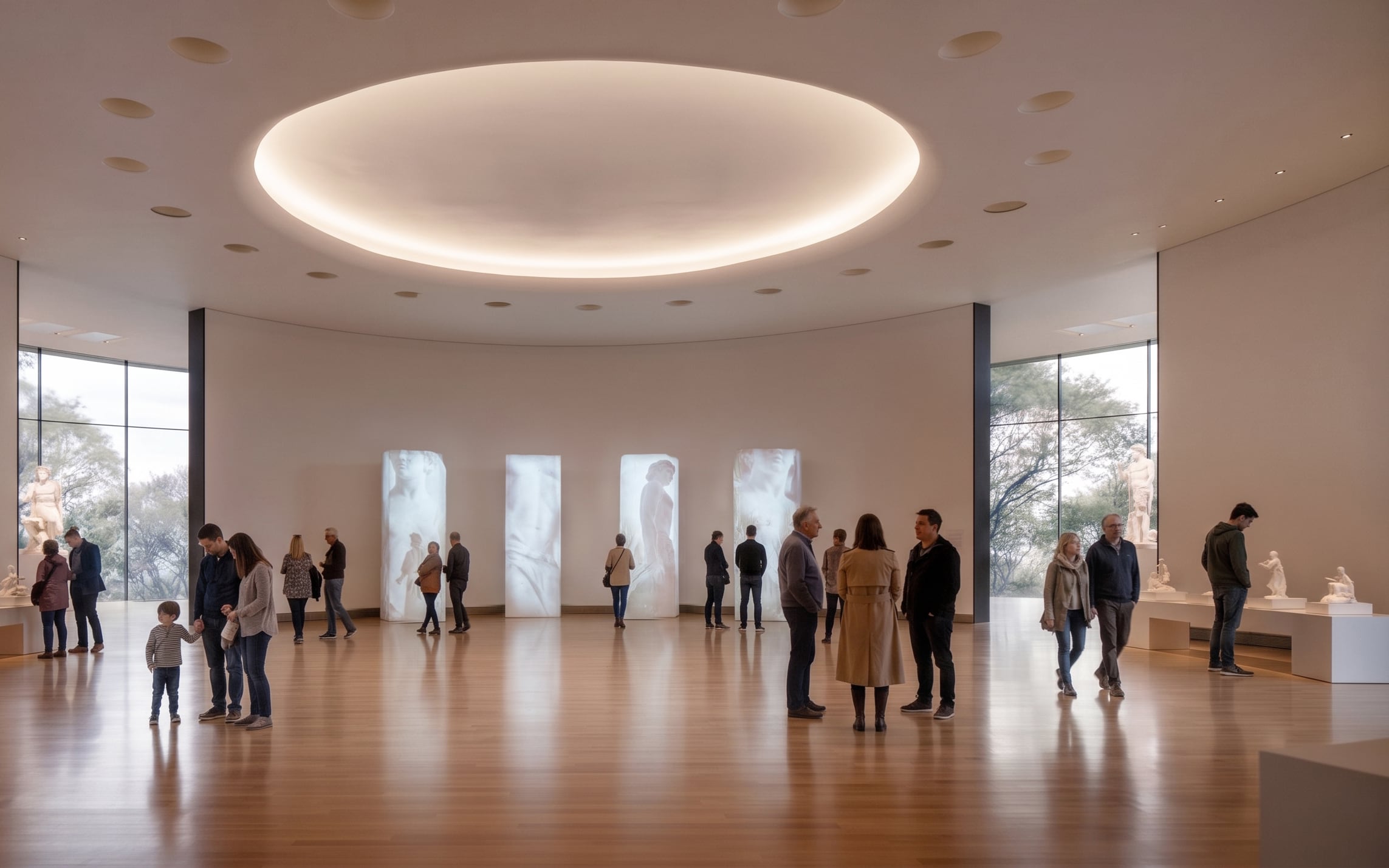
La propuesta incluyó cuatro bloques con apariencia de mármol, sobre los que se proyectaron claroscuros e imágenes de las obras que “invitan a pensar qué le pasa a un escultor cuando se enfrenta a un bloque y cómo imagina lo que hay dentro”, creando así un recurso que buscó sugerir “el aura de Lola Mora y el desafío de la artista”.
Otra forma de narrar a San Martín
El Museo Histórico del Regimiento Granaderos a Caballo General San Martín ocupó más las noticias por ser la nueva casa “del sable corvo” del Libertador por un decreto presidencial (contra los deseos de los herederos que lo donaron al MHN) que por su nueva museología.
Este proyecto, explicaron, pone a los granaderos en el centro del relato para apartarse de la biografía escolar del militar: “La historia más lógica habría sido contar a San Martín, una historia que todos conocen desde la escuela. La idea fue situarlo en el contexto de su época y en el de los hombres a los que convenció para llevar adelante esa empresa”.
La elaboración contó con equipos de curaduría y asesores para cada propuesta, como Miguel Ángel De Marco y Ricardo de Titto, vinculados con la Academia Nacional y el Instituto Sanmartiniano. “El desafío era retratar a San Martín sin hacerlo hablar ni reducirlo a una interpretación de un actor”, así que se planteó un recorrido con “experiencias inmersivas del combate de San Lorenzo” para “ponerse en medio de la situación y escuchar los gritos, el miedo, el dolor y los caballos”. El objetivo, añadieron, es pensar qué vivió un hombre convencido de que esa causa “valía la vida”.
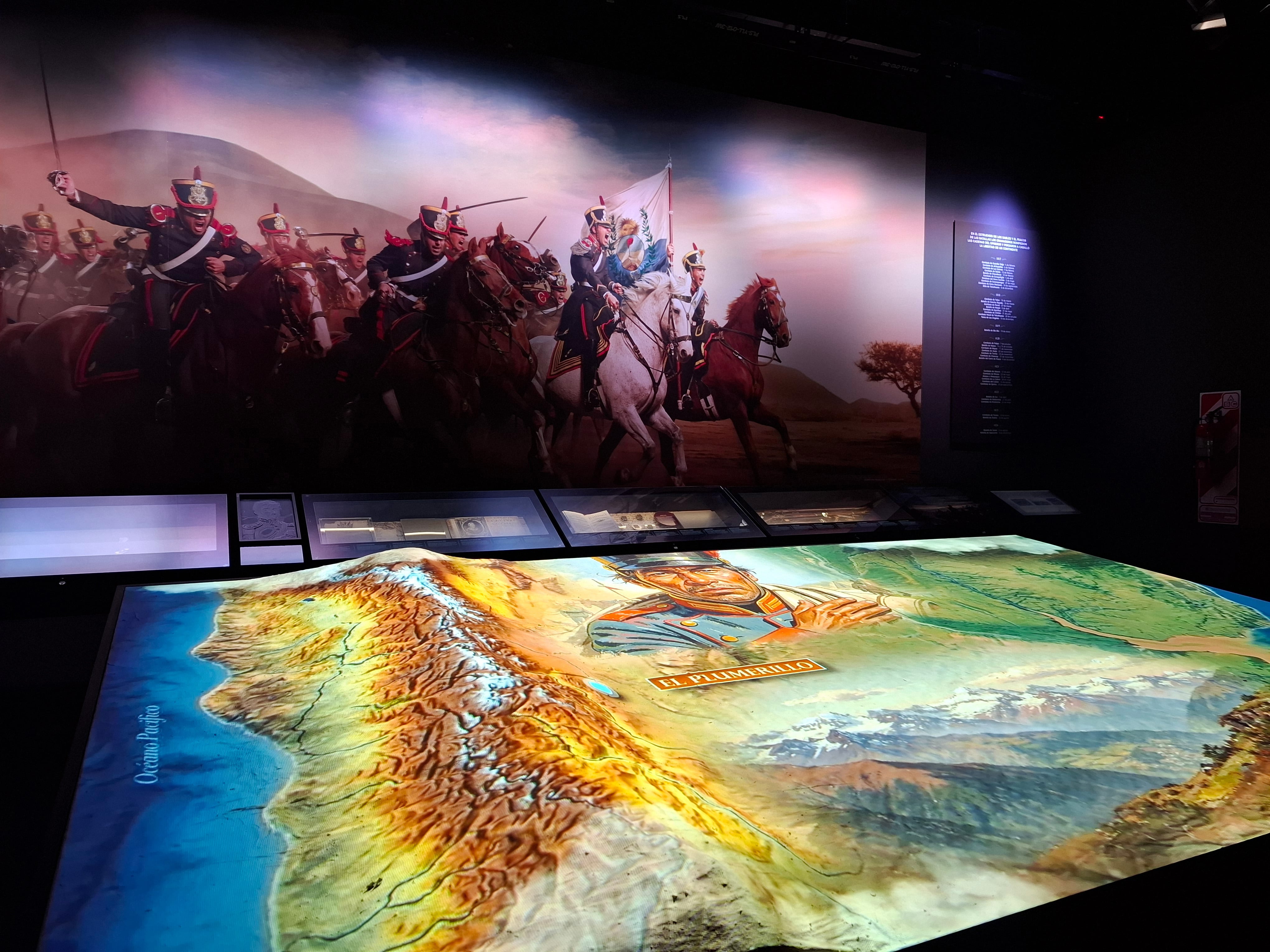
Para esto “se filmaron granaderos reales en Campo de Mayo y hubo mucho trabajo de posproducción e inteligencia artificial para situarlos en contexto: sumar españoles, caballos y escenas de batalla”.
La elección del regimiento buscó que el público del museo pudiera identificarse con quienes participaron de la historia, como ejemplo, se citó el caso de Félix Bogado, un pescador paraguayo que estaba en la ribera del Paraná durante el combate de San Lorenzo, que se incorporó al regimiento y fue el último coronel que regresó a Buenos Aires para entregar las armas.
El más grande sigue siendo River Plate
Los museos deportivos de River, Boca, Benfica, Juventus y Flamengo buscan atraer a turistas que no necesariamente comparten la pasión de sus hinchas, con relatos que conectan al club con la historia social y cultural de cada ciudad. “Más del 50 % de los visitantes de estos museos no son hinchas del club”, afirmó López Fagúndez.
Por eso, el desafío no consiste en exhibir trofeos o recrear jugadas, sino en hallar una identidad propia detrás de códigos que se repiten en las instituciones deportivas. “En los museos deportivos hay un lenguaje bastante universal. Lo difícil es diferenciar a cada club y encontrar qué historia personal hay en el fondo”, señaló.

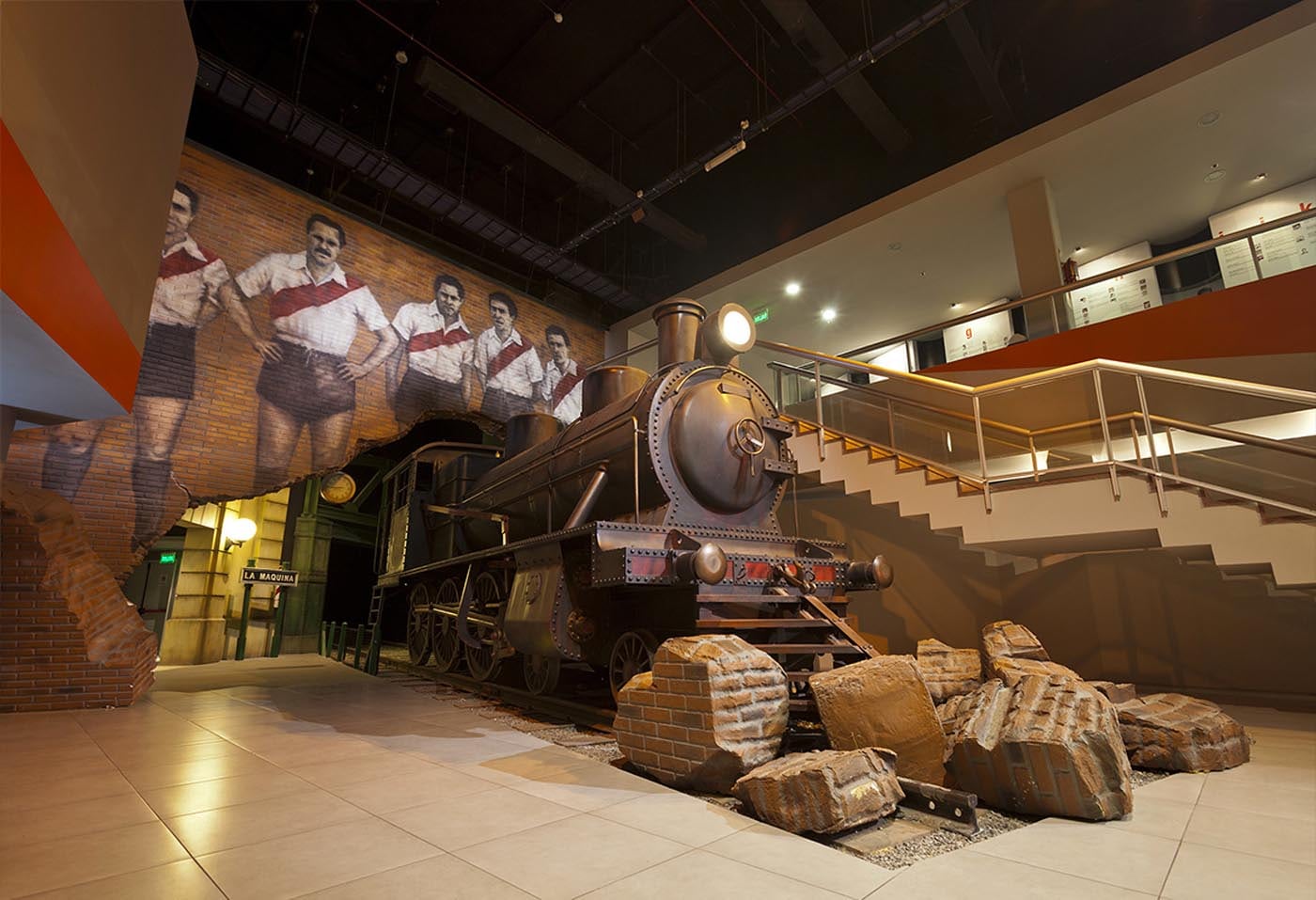
Spósito planteó que los grandes equipos y sus figuras tampoco pueden presentarse aislados de las condiciones que atravesaba el fútbol argentino: “La Máquina compartió una decena de partidos solamente. Cuando se la ubica en el marco de la crisis económica del fútbol argentino, la huelga y el Dorado en Colombia, se entienden mejor los procesos. Nada tiene que quedar como una isla”.
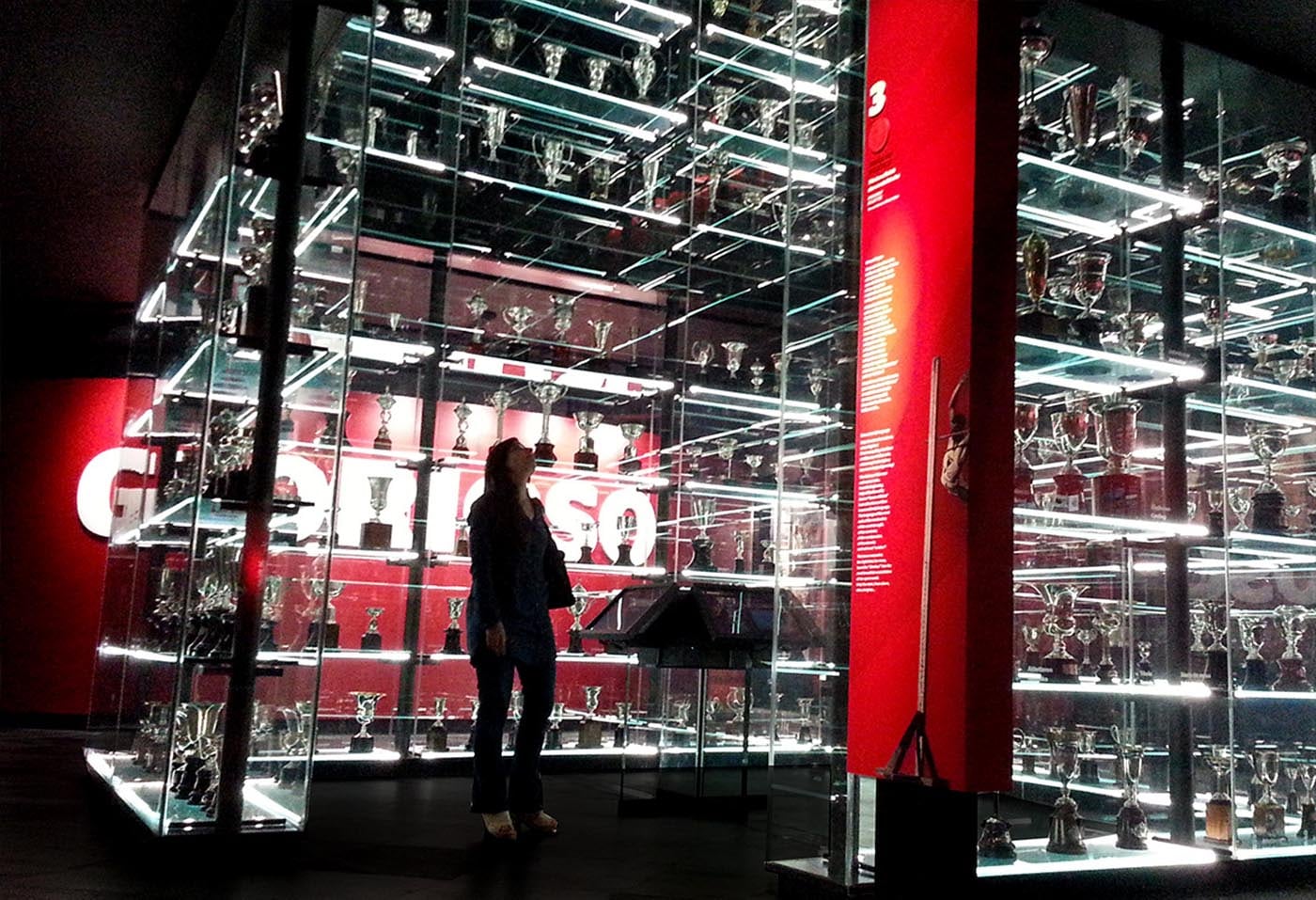
El recorrido del museo de River incorpora un túnel del tiempo con una ventana para cada década. Allí aparecen el camarín de Carlos Gardel en Medellín para representar los años 30, el balcón de Juan Domingo Perón visto desde la Casa Rosada para los 40 y una réplica del auto de Juan Manuel Fangio para los 50.
El período de 18 años sin campeonatos se resolvió con un espacio oscuro dentro del túnel del tiempo. La década del 60 no aparece de forma explícita: el visitante atraviesa una zona con estrellas antes de retomar el recorrido. “A ese sector le decimos la noche de River. Hay casi 20 metros de una noche estrellada y no una explicación literal. La idea es que el visitante entienda que pasó algo y quiera preguntar. No hay que explicar todo porque se pierde la gracia”.
Los años 70 exigieron una solución distinta dentro del recorrido. Una instalación recrea un kiosco de diarios posterior al Mundial ’78, mientras una película trata la dictadura, el proceso militar y la ESMA. “Había que encontrar una manera sutil de tratar el contexto sin perder de vista los distintos públicos”, explicó sobre la dificultad de incluir el entorno político y social sin romper la lógica de una exposición destinada a visitantes con intereses diversos.
¿Y los museos de arte?
Consultados sobre qué herramientas podrían adoptar los museos de arte contemporáneo para atraer nuevos públicos, el equipo de Mude propuso usar realidad virtual como acceso a las obras: “Los visores pueden servir como puerta de entrada. Si alguien quiere probarlos. El Prado aprovechó esa curiosidad para contar qué ocurre al caminar entre Las meninas de Velázquez. El recurso atrae; el contenido tiene que estar detrás”.
También llamaron a dialogar con los nuevos formatos de difusión: “Hoy el lenguaje es audiovisual y tiene una lógica más cercana a TikTok que a un documental largo. Si una pieza supera los 30 o 40 segundos, la atención se pierde”.
Por otro lado, propusieron “alterar la experiencia” de quienes llegan a las salas con una expectativa definida. “Si uno espera ver cuadros en paredes, el desafío es cómo interrumpir por un momento esa expectativa para descolocarlo y después volver a ingresarlo en esa lógica”.
INTERNACIONAL
Netanyahu declares corruption trial has ‘fallen apart’ after judges question key charges
NEWYou can now listen to Fox News articles!
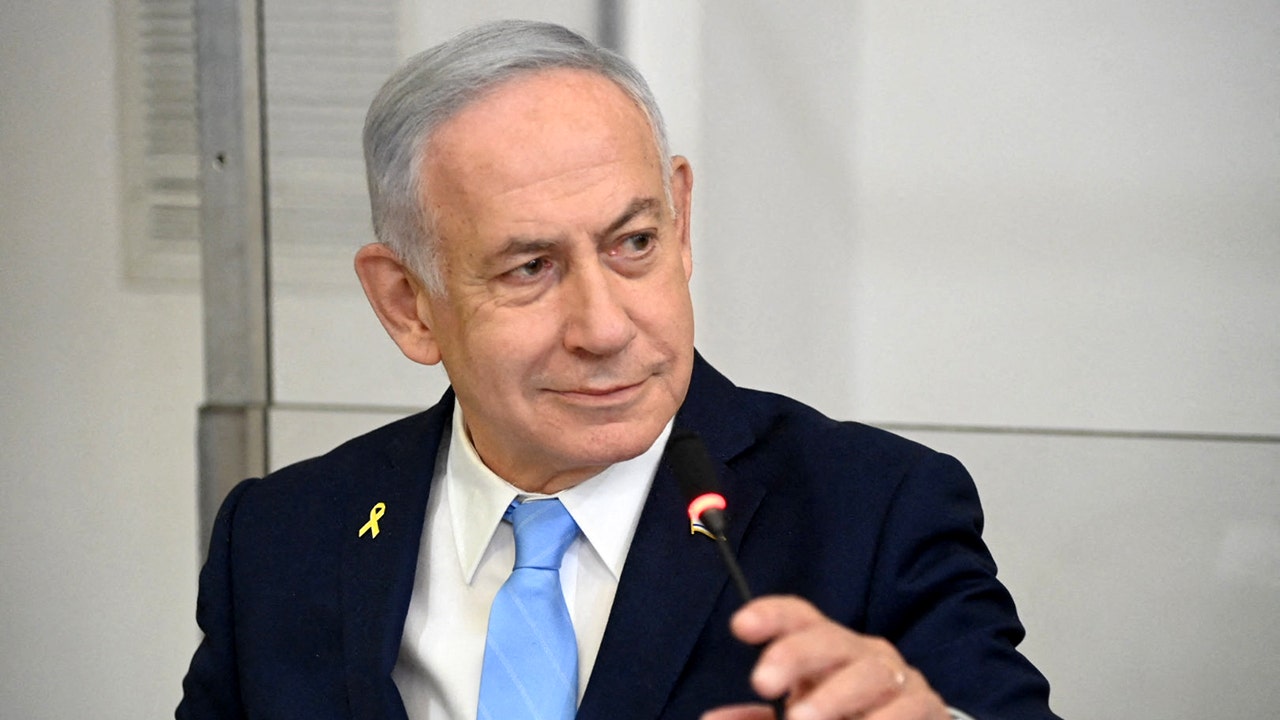
The decade-long legal battle against Israeli Prime Minister Benjamin Netanyahu suffered a major blow Wednesday after judges cast doubt on key corruption charges, prompting the Israeli leader to declare that his trial had «fallen apart» and demand an immediate end to the proceedings.
A three-judge panel at the Jerusalem District Court suggested that Attorney General Gali Baharav-Miara consider dropping the most serious case against Netanyahu, questioned whether a criminal offense occurred in a second case and recommended resolving a third through a plea deal.
«Today, the trial fell apart,» Netanyahu said in an evening address following the proceedings, according to The Times of Israel.
FROM INTELLIGENCE SHARING TO MISSILE DEFENSE, HOW ISRAEL’S PARTNERSHIP PROTECTS AMERICAN SECURITY
Israeli Prime Minister Benjamin Netanyahu attends his trial on corruption charges at the district court in Tel Aviv March 12, 2025. (Yair Sagi/Pool/AFP via Getty Images)
«Ten years ago, I said, ‘There will be nothing because there was nothing.’ But it took 10 years for this truth to be revealed to everyone,» he said.
«Citizens of Israel, this trial must end immediately. And what also needs to end immediately is what came out of it — the hatred, the incitement, the division.»
The court’s intervention dealt a major setback to prosecutors more than six years after Netanyahu’s trial began and roughly a decade after authorities launched the initial probe into him.
Judges had summoned Baharav-Miara to court Wednesday amid concerns over the strength of the prosecution’s evidence and whether continuing the cases served the public interest.
«We’re now at a crossroad and need to rechart a new path,» Judge Rivka Friedman-Feldman told the attorney general, according to The New York Sun.
«Public interest dictates a need to rethink.»
NETANYAHU REVEALS HE WANTS AMERICAN FINANCIAL SUPPORT FOR ISRAEL TO ‘DRAW DOWN TO ZERO’

Israeli Prime Minister Benjamin Netanyahu, center, waves from the stage next to his wife Sara during a Jewish New Year greetings event attended by Likud party members in Tel Aviv Sept. 17, 2026. (Jack Guez/AFPvia Getty Images)
She and her colleagues, Judges Moshe Bar-Am and Oded Shaham, stressed that their comments were preliminary, did not constitute a verdict and applied only to Netanyahu because they still had to hear the other defendants’ testimony, The Jerusalem Post reported.
Baharav-Miara signaled that prosecutors would review the judges’ recommendations and weigh their options.
Netanyahu faces charges of bribery, fraud and breach of trust stemming from three corruption investigations.
Prosecutors announced the charges in November 2019 and formally filed the indictment in January 2020, and Netanyahu consistently denied wrongdoing.
The most serious charge, Case 4000, centers on allegations that Netanyahu granted regulatory favors to Israeli telecommunications giant Bezeq in exchange for favorable coverage on the Walla news website, which was then controlled by businessman Shaul Elovitch.
Judges questioned whether prosecutors presented sufficient evidence to secure a conviction. In Case 2000, prosecutors also allege Netanyahu negotiated for favorable coverage from Yedioth Ahronoth newspaper publisher Arnon Mozes in exchange for legislation to weaken rival newspaper Israel Hayom.
TRUMP WANTS LARGEST-EVER ISRAELI HEAVY BOMB TRANSFER — BUT PROPOSAL HAS CONGRESS PREPARING FOR $2.8B FIGHT

Israeli Prime Minister Benjamin Netanyahu delivers remarks during a toast by heads of Israel’s political factions on the day of the inauguration of Israel’s 26th parliament at the Knesset in Jerusalem Nov. 10, 2026. (Ronen Zvulun/Reuters)
The proposed deal never materialized, and judges questioned whether a criminal offense had happened.
Case 1000 centers on allegations that Netanyahu and his wife, Sara, received almost $300,000 in gifts from Hollywood producer Arnon Milchan and Australian billionaire James Packer.
Judges suggested resolving that case through an agreement. Zion Amir, an attorney who previously represented Netanyahu in the proceedings, rejected the prospect of a settlement.
In his address Wednesday, Netanyahu also accused investigators of pressuring his political associates to testify against him and described the toll the investigations had taken on his family.
«Ten years of terrible suffering for me, my wife and my sons,» he said.
«Of delusional interrogations. Of character assassination. Of grave incitement that wounds the soul. Who will give us back those 10 years?»
Netanyahu, who requested a presidential pardon in November 2025 without admitting guilt, also called on his political opponents to set aside their differences and form a unity government.
«The boycotts must end, and now,» Netanyahu said.
«I know what enormous and immediate dangers the State of Israel faces. There is only one way to deal with them. To unite in order to deal with them. We must unite to secure the future of Israel — no less than that, and immediately.»
world, benjamin netanyahu, trials, in court, judiciary, middle east, attorney general
INTERNACIONAL
EXCLUSIVE: White House accuses South Korea of breaking promise to Trump as US tech giant faces $688M in fines

FIRST ON — The White House accused South Korea of breaking a promise to President Donald Trump to treat U.S. tech companies fairly, telling Digital that Seoul has since hit Coupang with hundreds of millions of dollars in fines.
South Korean regulators have hit Coupang with roughly $688 million in fines, including a provisional $224 million penalty against its food delivery service, which was announced this month.
A White House official said the administration opposes South Korean President Lee Jae Myung’s alleged discrimination against U.S. companies and that the White House expects South Korea to keep its commitment to fair treatment for U.S. technology companies, including Coupang.
EXPLOSIVE HOUSE REPORT REVEALS SECRET OPERATION INSIDE CHINA AT CENTER OF SOUTH KOREA’S FIGHT WITH US COMPANY
A South Korean embassy official punched back at the White House’s allegation that there was a direct targeting of Coupang, stating that the nation abides by the agreement with the Trump administration and is committed to a fair and nondiscriminatory business environment.
«All investigations and decisions undertaken by the Korean government, including the recent fine imposed on food delivery service providers for anticompetitive conduct by the Korean Fair Trade Commission have been conducted lawfully and in accordance with applicable laws and regulations,» a spokesperson for the Embassy of the Republic of Korea told Digital. «Furthermore, the right to seek legal remedies under the Korean law is fully guaranteed.»
The spokesperson explained that South Korea considers its strategic partnership with the U.S. its most important relationship, describing an alliance built on democracy, the rule of law and open markets, adding that Seoul will keep working closely with American policymakers to correct the record and deepen economic ties between the two countries.
FORMER US AMBASSADOR SAYS SOUTH KOREA PROSECUTED HIM OVER SPEECH MADE ON AMERICAN SOIL
Coupang, dubbed the «Amazon of South Korea» despite having no affiliation with Amazon, is the country’s largest e-commerce company, known for its «Rocket Delivery» network that gets most orders to customers’ doors the next day or even the same day.
Although nearly all its business is in South Korea, Coupang is an American company. It is incorporated in Delaware, headquartered in Seattle and listed on the New York Stock Exchange.
The company was founded in 2010 by Korean American entrepreneur Bom Kim, who dropped out of Harvard Business School.
FOOD DELIVERY FAVORITE FORCED TO FORK OVER MILLIONS AFTER DOJ ALLEGED DISCRIMINATION AGAINST AMERICAN WORKERS
A State Department official told Digital the Korea Fair Trade Commission’s continued «assault» on American companies is threatening the broader potential of the U.S.-South Korea alliance.
The State Department said it is actively evaluating a range of policy options to respond to what it calls discriminatory treatment.
Yoon Suk Yeol, of the People Power Party, was elected president in 2022 but was impeached in December 2024, largely for his attempt to declare martial law.
Lee Jae Myung, of the Democratic Party, lost to Yoon in the 2022 presidential election but was elected president in 2025. The Democratic Party holds a strong majority in South Korea’s National Assembly, giving the party control of both the presidency and the legislature for the first time since 2022.
FORMER SOUTH KOREAN PRESIDENT YOON SUK YEOL SENTENCED TO 30 YEARS OVER NORTH KOREA DRONE FLIGHTS
The Democratic Party is South Korea’s main liberal party and favors progressive domestic policies. The country’s conservatives have historically favored less engagement with North Korea and stronger ties with the U.S.
Coupang said it has been the largest source of U.S. foreign direct investment in South Korea over the past decade, a claim House Republicans repeated in an April letter to South Korea’s ambassador. The company said it drove more than $5 billion in overseas sales of American goods and services in 2025.
WHITE HOUSE EXPOSES ‘TRANSSHIPMENT SCAM’ COSTING US UP TO $26B, POINTS FINGER AT CHINA
«As we have throughout the past year, Coupang continues to seek a constructive resolution that will strengthen the U.S.-Korea alliance, accelerating trade and investment that benefits both countries,» Robert Porter, Coupang Inc.’s chief global affairs officer, told Digital in a statement.
Rep. Darrell Issa, R-Calif., who has been outspoken about South Korea’s alleged discrimination against American companies, identified Biung-Ghi Ju, chair of the Korea Fair Trade Commission, as a key figure in the alleged practices.
TRUMP ORDERS MAJOR CUT TO US-SOUTH KOREA DRILLS AS NORTH KOREA RAMPS UP MISSILE TESTS
«For eight decades, America and Korea have benefited from an alliance purchased by sacrifice on the battlefield, joined by economic opportunity, and bolstered by mutual values,» Issa told Digital. «The Lee government has the opportunity to repair or damage our relationship, and I hope he chooses the path of friendship, rather than continued confrontation.»
«But that is being put at risk by the anticompetitive policies of KFTC Chairman Ju that have unfairly targeted America’s tech industry and even individual American citizens,» he added.
SOUTH KOREAN PRESIDENT JUMPS TO INVEST IN MILITARY AFTER TRUMP CUTS JOINT EXERCISES
In July, the House Judiciary Committee outlined a timeline of the South Korean government’s scrutiny of Coupang, from a secret laptop recovery mission in China directed by South Korea’s National Intelligence Service to the agency’s request that the National Assembly pursue perjury charges against Harold Rogers, interim CEO of Coupang Corp., the company’s South Korean subsidiary.
A National Assembly committee filed the complaint, but Seoul police cleared Rogers in September and declined to refer the case to prosecutors. Rogers did not respond to Digital’s request for comment.
At the time it was published, South Korea disputed the report, saying that it was based on «unilateral assertions» made by Coupang.
«The Government of the Republic of Korea regrets that the interim staff report published by the U.S. House Judiciary Committee appears to be largely based on the unilateral assertions of Coupang and respectfully disagrees with several characterizations in the report,» the embassy said.
politics, white house, donald trump, south korea, protectionism, companies, big tech backlash, organization

Sesión en la Cámara de Diputados y de Senadores, hoy, EN VIVO: Presupuesto 2027, reforma electoral y ley de ludopatía

Un grupo de niños con cáncer ha creado su propio videojuego, y lo ha hecho por una buena causa. Así nace Monstruoterapia

El llamativo cruce de Jimena Barón con Guido Kaczka por el uso del calzado dentro de la casa: “Sos un cochino”

Diego Santilli reconoció que el PAMI le debe $28.000 millones a hospitales públicos y $25.000 millones a clínicas – Nexofin

Cuánto costará salir a la ruta con el auto en vacaciones: cuál es el precio del service, la VTV y otros gastos clave

Video: la vuelta olímpica de Boca en la Bombonera luego de conquistar la Sudamericana

“Estoy preparada para ser presidenta”: fuerte desafío de Patricia Bullrich a Javier Milei

Financial Times duda de la economía argentina: riesgo país, financiamiento e imagen Milei

El economista Luis Secco cuestionó el programa económico de Milei: “Estamos estancados desde fines del primer trimestre de 2025″

Agustín “Rada” Aristarán se despide de Chanta: “Con esta obra dejé de ser un impostor”

 POLITICA15 horas ago
“Estoy preparada para ser presidenta”: fuerte desafío de Patricia Bullrich a Javier Milei
- ECONOMIA1 día ago
El economista Luis Secco cuestionó el programa económico de Milei: “Estamos estancados desde fines del primer trimestre de 2025″
- ECONOMIA5 horas ago
“Lo real es que estamos estancados”: el análisis de un economista tras la caída de la actividad