INTERNACIONAL
Italy’s school veil ban exposes Europe’s assimilation fight as expert warns US could be next

NEWYou can now listen to Fox News articles!
In what it called a «Schools Decree,» the Italian government announced last month that no student may cover their face in class, no classroom may exceed 30% foreign-born pupils and parents who skip mandatory Italian lessons could face fines of up to $1,120.
The decree, which takes effect next summer, is framed as a push for «integration,» but it raises the question of whether a Western democracy can force assimilation, or is it already too late?
Nile Gardiner, director of The Heritage Foundation’s Margaret Thatcher Center for Freedom said that it is «The single biggest issue of our time in Europe: Mass migration and Islamification.» And had an ominous warning, «What you’re seeing in London and other European cities can easily happen in the U.S… These cultural shifts will all come to America, unless American leaders are willing to fight back.»
Italian Prime Minister Georgia Meloni defended the decree on X, calling the new rules «Tools of common sense that do not divide, but truly help to integrate, avoiding ghetto classes and giving all students the same opportunities. This is the direction we want to continue to follow: a school that integrates without giving up on rules, that supports those who have more difficulties and that puts everyone in a position to start from the same point.»
PORTUGAL ENACTS ‘BURQA LAW’ LARGELY PROHIBITING FACE COVERINGS IN PUBLIC
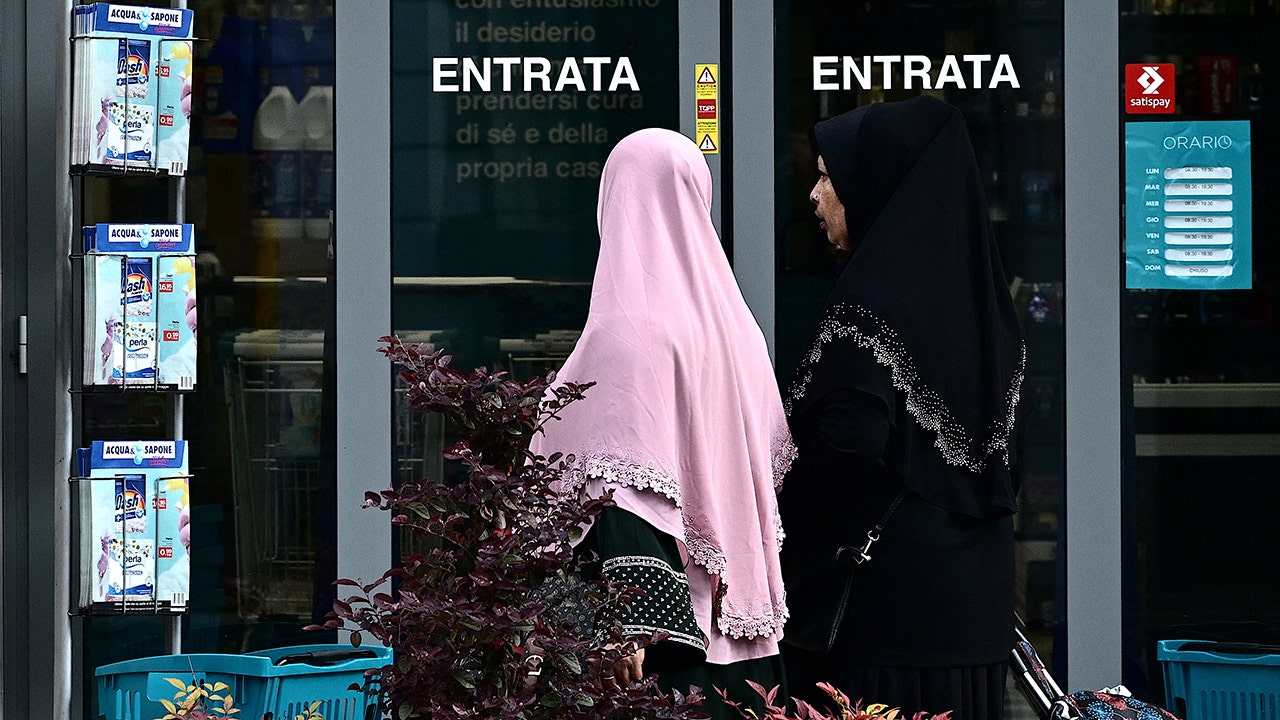
Women and children sit inside a sectioned off area as members of the Muslim community in the multi-ethnic district of Torpignattara celebrate the first Friday of Ramadan with a public prayer in the square in Largo Preneste on May 10, 2019 in Rome, Italy. (Simona Granati – Corbis/Getty Images)
Experts say the decree’s principles are not extreme. «Learning the national language and participating in your child’s education are reasonable expectations,» said Simone Rodan‑Benzaquen, Senior Envoy to Europe at the Foundation for Defense of Democracies.
«Requiring students to keep their faces visible in an environment built around communication and interpersonal contact is also entirely reasonable.» The question, she told Fox News Digital, is whether such measures actually improve integration or simply target the most visible symptoms while ignoring the deeper forces that discourage participation in wider society.
Italy is not alone. Governments across Europe of every political stripe are tightening integration rules. They range from the «ghetto laws» of Denmark’s center-left government, to France restricting religious symbols in schools, to Germany requiring language and civic courses, to the Netherlands testing newcomers before they even arrive.
Swedish Political scientist Daniel Schatz says, «The real divide is increasingly not between left and right, but between those who believe a state may set firm conditions for membership in a national community, and those who fear those conditions can become discriminatory or exclusionary. It is about whether integration is a voluntary offer or a civic obligation. That question cuts across traditional party lines.»
MASS MIGRATION ERODING WESTERN SOVEREIGNTY, IMMIGRATION EXPERT WARNS
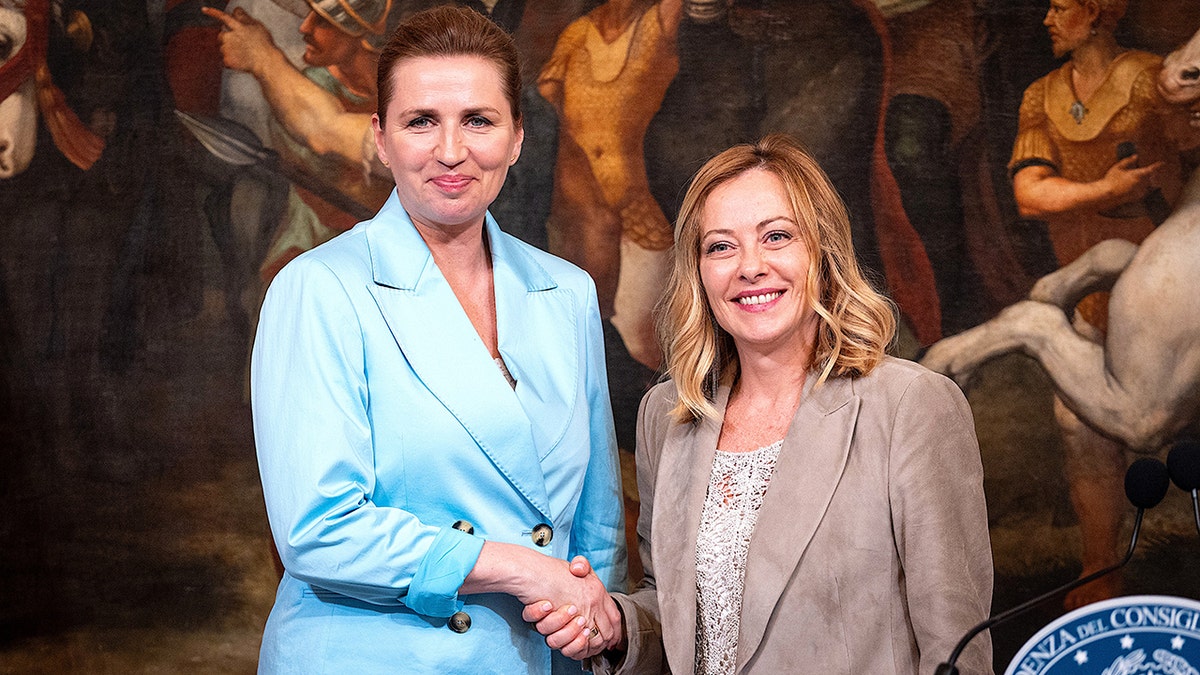
Italian Prime Minister Giorgia Meloni and the Prime Minister of the Kingdom of Denmark, Mette Frederiksen addresses the media during a joint press conference after a meeting at Palazzo Chigi. (Stefano Costantino/SOPA Images/LightRocket via Getty Images)
University of California Irvine political science professor Sara Wallace Goodman calls Denmark «an interesting case where you’ve seen broad consensus on the immigration issue.» She says that due to Denmark’s «very generous welfare state» that «applies to their citizens,» the government has been forced to make it «very difficult for outsiders to establish themselves and really to gain access to those similar entitlements.»
Goodman, who also works with the European University Institute’s Global Citizenship Observatory, says Denmark’s center-left government «can get traction by looking tough on immigration,» which can «really defang the competitors that will come at you from the right.»
Underneath these policies lies a shared fear: the emergence of «parallel societies» – neighborhoods, schools and social environments where newcomers live largely separate lives. Governments worry that linguistic isolation, concentrated poverty and strong communal pressures can create self‑contained worlds that operate alongside, rather than within, the national civic space.
Goodman points to a U.K. report in the mid-2000s from Trevor Phillips, then the head of the Commission for Racial Equality under Prime Minister Tony Blair, in which he wrote about «parallel societies» that «were living separate lives.» Phillips said the «avowedly multicultural» Britain was «sleepwalking into segregation.» Goodman says integration policies try to «break up these non-integrated communities by fiat, but the flip side is that such a blunt instrument… can be restrictive and oppressive and destabilizing.»
FRENCH SCHOOL RIOTS DEEPEN AS EXPERTS POINT TO FAR-LEFT ALLIANCE FUELING ‘BROADER CONFRONTATION’
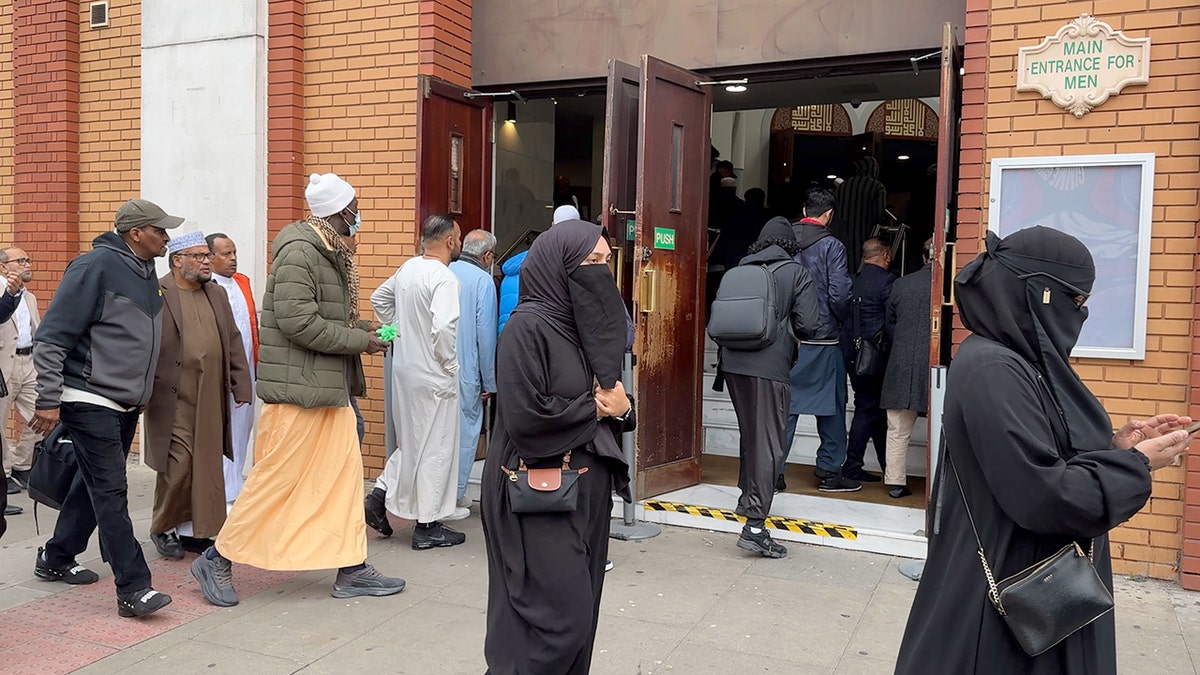
Groups of Muslim men entering the East London Mosque during prayer time as two women walk by. London, England. (Fox News Digital)
The parallel society Phillips warned about may already be taking hold. A video distributed on TikTok shows shoppers at an Asian market in London waiting in a line mostly separated by gender. Nile Gardiner called the video disturbing. «I think it’s an illustration of the advancing Islamification of the United Kingdom, which has been accelerated in the last decade, and I think it poses a threat to the future of the U.K.
«What we’re seeing is the imposition of the Islamic culture in Britain, which is the heart of Western civilization,» Gardiner told Fox News Digital. He points directly at the «red-green alliance,» noting that «France is in a state of anarchy and a lot of the violence is driven by Islamists in conjunction with the far-left. We are seeing a growing alignment between the greens, the socialists and the Islamists. They’re increasingly working together. This is the case in multiple European cities, from Berlin to London to Vienna to The Hague.»
Schatz said that the politics of migration are driven less by numbers than by visibility. «A country can have falling asylum numbers and still experience an intensifying migration debate if voters believe integration has failed,» he said. «Essentially, the issue is not whether Europe should have immigration. It is whether Europe still has the confidence to expect newcomers to join the society they entered.»
EUROPE’S LEFT COURTS MUSLIM VOTERS AS ANTI-ISRAEL POLITICS RESHAPE CONTINENT
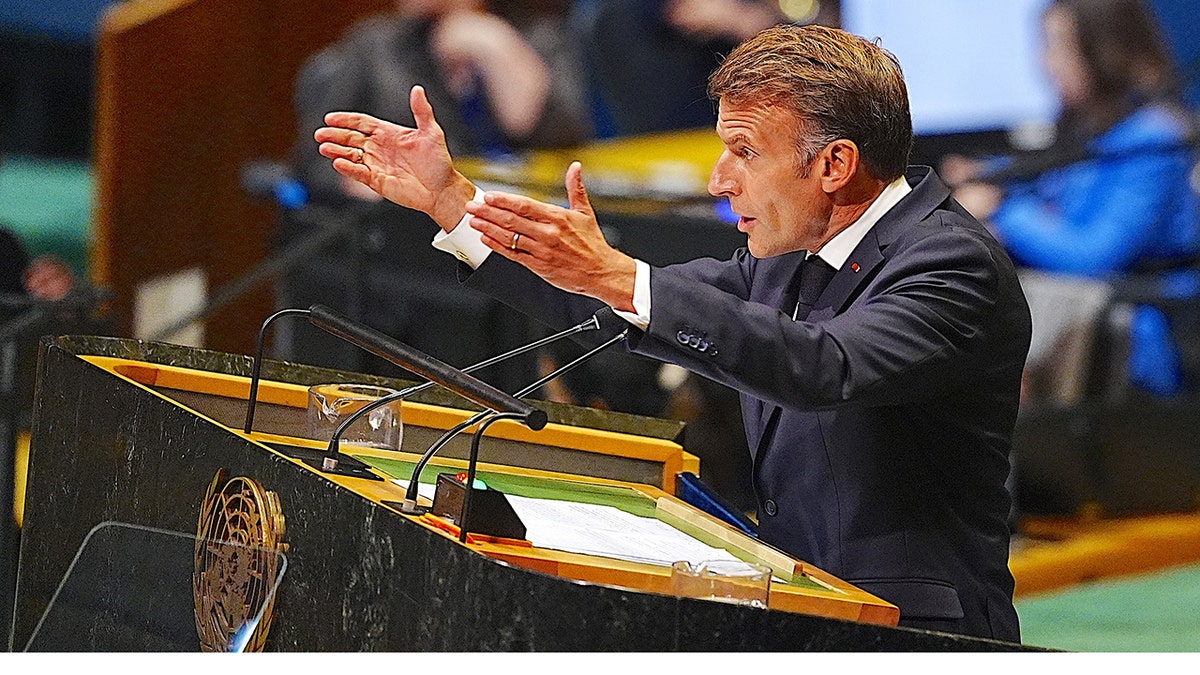
French President Emmanuel Macron addresses the 81st session of the United Nations General Assembly (UNGA) at United Nations Headquarters in New York City, United States, on Sept. 22, 2026, as world leaders gather for high-level meetings covering global issues including artificial intelligence and the ongoing conflicts in Gaza, Ukraine and Iran. ( )
But Rodan‑Benzaquen warned that coercive measures only reach the surface of the problem. She said governments «cannot demand attachment to common institutions while those institutions fail children or block advancement, or Islamist propaganda that encourages people to reject those institutions. Nor can public authorities negotiate away basic principles whenever an organized group challenges them.»
She added, «Governments often concentrate on the most visible manifestations of a problem while paying insufficient attention to what produces it… Where there are organized efforts to discourage participation in wider society, we need to examine the people, institutions and financing behind those efforts. Regulating clothing will not, by itself, address them.»
Since 2004, France has restricted conspicuous religious symbols in public schools, including Muslim headscarves, Jewish skullcaps and conspicuous Christian crosses. Rodan-Benzaquen says «the principle is that children should be able to develop their own judgment and freedom of conscience in a shared educational space,» and it is part of France’s assimilation model.
SPAIN’S MIGRANT SURGE REIGNITES DEBATE OVER EUROPE’S ISLAMIST TERROR THREAT

A brass band performs during a big banquet organized by the ‘Canon Francais’ in Montelimar, south-eastern France, on May 8, 2026. The banquets of the ‘Canon Francais’, which draw thousands of guests around roast pork and red wine to «promote local traditions and heritage,» are accused by their critics of spreading racist ideas behind their patriotic, typically French image. (Alex Martin/ AFP via Getty Images)
She said the «central promise» of the French model «remains worth defending… you can become fully French whatever your origins. Although,» she adds, «sustaining it is becoming more difficult.»
Rodan-Benzaquen continued, «There has to be something clearly understood to integrate into,» adding, «a language, a political community, a history and freedoms and responsibilities that people are expected to share. A society embarrassed to transmit these will struggle to ask newcomers to embrace them.»
Goodman said, «Europe is in a really unique situation where it has accepted immigration, but it hasn’t accepted the long-term consequences of immigration. Societies over time adapt and start to see themselves as immigrant receiving countries and as multicultural, and a lot of societies in Europe have resisted this transformation.» She said that the «society that birthed the Enlightenment and the ideas of liberalism and pluralism» must evaluate itself «and say there’s a boundary on this.»
Schatz said that any successful integration model in Europe «will not be one that is simply ‘tough’ or simply ‘welcoming.’… A state that cannot enforce its borders or its basic civic rules eventually loses the public confidence needed for a generous and sustainable integration policy.»
italy, europe, united kingdom, france, immigration, islam












INTERNACIONAL
¿El heredero de Chocolatito González? Jordan “La Cobra” Orozco busca devolver a Nicaragua a la cima del boxeo
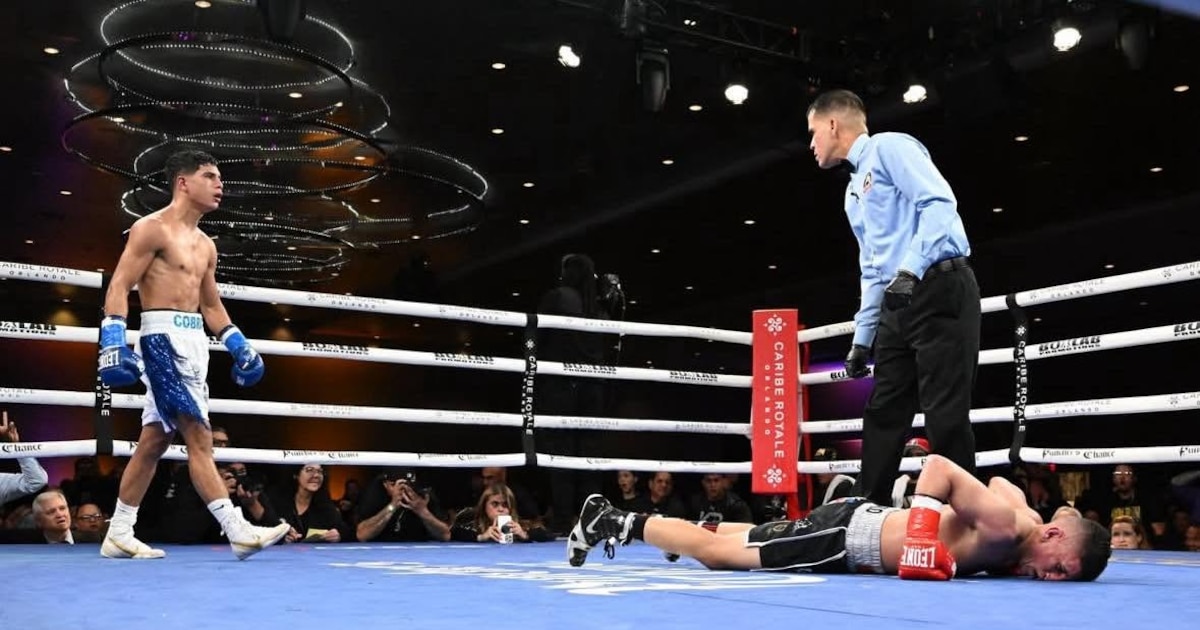
La exigencia sobre Jordan Orozco y su invicto profesional creció después de que el boxeador nicaragüense resolviera por nocaut su combate ante el cubano Yusniel Abrahante en Orlando. El triunfo mantuvo intacta una racha que lo ubica entre las promesas de Nicaragua, aunque también dejó expuestas áreas que deberá corregir.
El peleador de Managua cumplió 22 años el 2 de octubre de 2026, sobre el cuadrilátero del Caribe Royale de Orlando, Florida. Allí obtuvo su 18.ª victoria profesional, todas antes del límite, y superó la seguidilla de 16 nocauts con la que Román “Chocolatito” González inició su carrera.
Jordan Orozco revirtió una pelea adversa ante Yusniel Abrahante
El nicaragüense enfrentó a Abrahante en una cartelera de las Series de Matchroom Boxing, transmitida por DAZN. Durante los primeros cinco asaltos, el cubano impuso velocidad, precisión y una mayor movilidad.
La esquina de Orozco consideró que estaba abajo en las tarjetas al término del quinto round. El equipo le pidió elevar la presión y buscar una pelea más física.
La respuesta llegó en el sexto episodio. El nicaragüense conectó un golpe al cuerpo que obligó a su rival a doblarse y buscar refugio en las cuerdas.
Orozco mantuvo el ataque hasta que el árbitro detuvo la pelea. El desenlace confirmó la potencia de golpeo que lo ha distinguido desde su debut, aunque la actuación previa abrió interrogantes sobre su capacidad para adaptarse a rivales más rápidos.

El comentario posterior de Román González siguió esa línea. El excampeón reconoció el valor de la victoria, pero advirtió que Orozco debe desarrollar más recursos técnicos.
González también señaló que los peleadores zurdos pueden representar un problema para el joven púgil. La observación se vinculó con las dificultades que tuvo durante buena parte del combate en Florida.
Un cronista deportivo nicaragüense cuestionó que Orozco no encontrara variantes mientras Abrahante manejaba la distancia. Según ese análisis, la pegada resolvió una pelea que había sido desfavorable durante cinco capítulos.
El comentarista de ESPN Germán García también ubicó el poder de golpeo como la principal fortaleza del nicaragüense. A la vez, planteó que su verdadera dimensión dependerá de su respuesta frente a oponentes de mayor jerarquía.
La Cobra se formó desde niño en los gimnasios de Managua
Jordan Jasmir Orozco Hernández nació deportivamente en el barrio María Auxiliadora, en Managua. Su abuelo, Medardo Orozco, lo llevó por primera vez a un gimnasio cuando tenía ocho años.
El boxeo se convirtió pronto en una actividad central para el niño. A los 10 años ya había ganado un Campeonato Nacional Infantil y acumulaba más de una decena de triunfos después de la primera derrota de su etapa amateur.
En septiembre de 2015, Diario La Prensa lo entrevistó en el gimnasio Nicaragüense. El entonces alumno de quinto grado del centro escolar Israel contó que trabajaba movimientos laterales, el jab y el contragolpe.
El joven mencionaba como referencias a Alexis Argüello y a Román González. En esa misma nota, su entrenador Norberto López lo definió como un alumno atento a las indicaciones y comprometido con el entrenamiento.
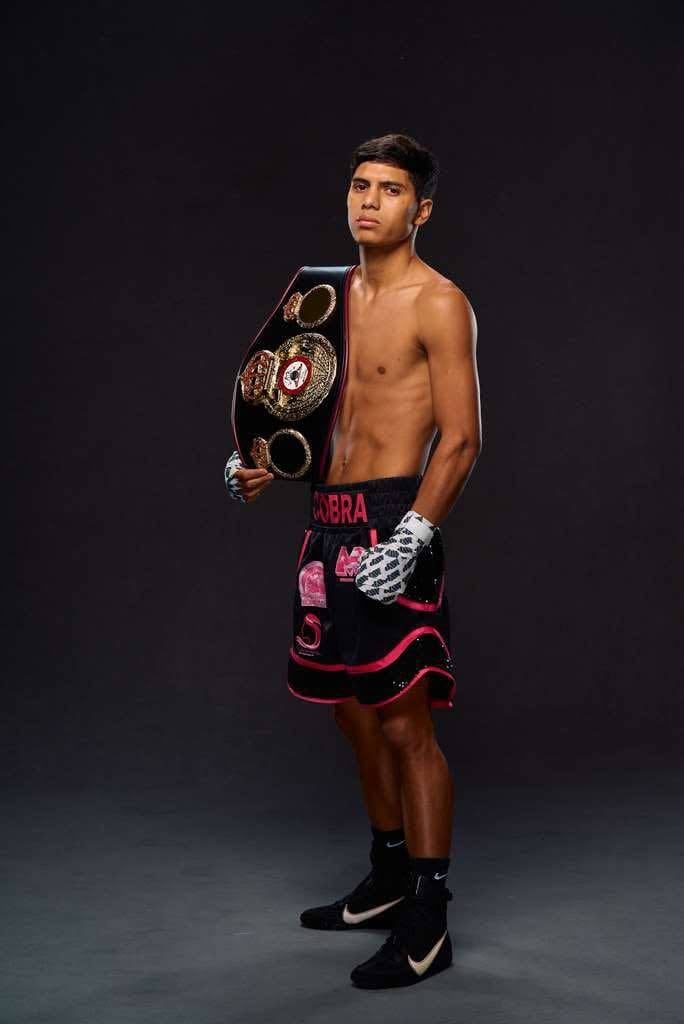
Diario La Prensa también recogió una faceta alejada del ring: Orozco quería ser arquitecto porque le gustaba dibujar. Con el tiempo, su carrera deportiva se impuso como prioridad, impulsada por el consejo de mantener la disciplina y seguir aprendiendo.
En Nicaragua comenzó a ser identificado como “La Cobrita”, debido a una forma de pelear basada en observar, esperar y atacar. Más adelante, el apodo “La Cobra” ganó presencia entre los aficionados y el entorno del boxeo.
El recorrido amateur incluyó 81 victorias y cuatro títulos nacionales
Antes de dar el salto al profesionalismo, Orozco disputó 86 peleas amateur y ganó 81. El registro de la Federación Nacional de Boxeo de Nicaragua le atribuye además cuatro campeonatos nacionales.
Durante esa etapa recibió el acompañamiento de René y Félix Alvarado. Rosendo “Bufalo” Álvarez le entregó un trofeo cuando tenía 13 años y Ricardo “El Matador” Mayorga le enseñó a lanzar la mano derecha desde arriba, con el peso del cuerpo.
Wilmer Hernández, quien entrenó a González durante la primera pelea ante Srisaket Sor Rungvisai, también le dio recomendaciones. El instructor insistió en reforzar la defensa y la condición física.
La Federación Nacional de Boxeo de Nicaragua consignó ese recorrido como parte de la formación previa de Orozco. El paso por torneos nacionales le permitió construir una base antes de exponerse a las exigencias del boxeo rentado.
El debut profesional llegó el 4 de febrero de 2023 en Managua. Orozco noqueó a William Cerrato en el segundo asalto y desde entonces ninguna de sus peleas requirió la decisión de los jueces.

El boxeador es derecho, pelea en guardia ortodoxa y mide 170 centímetros. Una crónica especializada lo describió como un púgil con capacidad para resistir castigo y responder con golpes de poder.
La proyección internacional comenzó con sus peleas en Estados Unidos
La primera salida de Orozco fuera de Nicaragua ocurrió en agosto de 2024, cuando venció a Samuel Gutiérrez Hernández en Miami. Después derrotó a Karlo Rodríguez en la velada Night of Champions XII, disputada en Orlando.
Esa victoria le permitió conquistar el título continental gallo de la Asociación Mundial de Boxeo (AMB). También ingresó por primera vez en la clasificación mundial del organismo, en el puesto 12.
En marzo de 2026, Boxlab Promotions anunció su contratación. La empresa trabaja en la organización de carteleras junto con Matchroom Boxing y cuenta entre sus integrantes con Osmin Fernández y el empresario cubanoamericano William Ramírez.
Orozco sostuvo que había trabajado durante años para alcanzar una oportunidad de alcance internacional. La promotora destacó su pegada, su conducta en el ring y su disposición para incorporar instrucciones.
El objetivo de su equipo es acercarlo a una pelea por el título mundial de peso gallo. Esa categoría, fijada en 53,5 kilogramos (118 libras), reúne a figuras como Jesse “Bam” Rodríguez, Seiya Tsutsumi, Takuma Inoue, Christian Medina y Tenshin Nasukawa.
El nicaragüense aún no se enfrentó con rivales de ese nivel. Ese será el examen que permitirá medir si su racha de nocauts puede sostenerse frente a boxeadores con mayor experiencia y recursos.
El boxeo nicaragüense espera un nuevo campeón mundial masculino
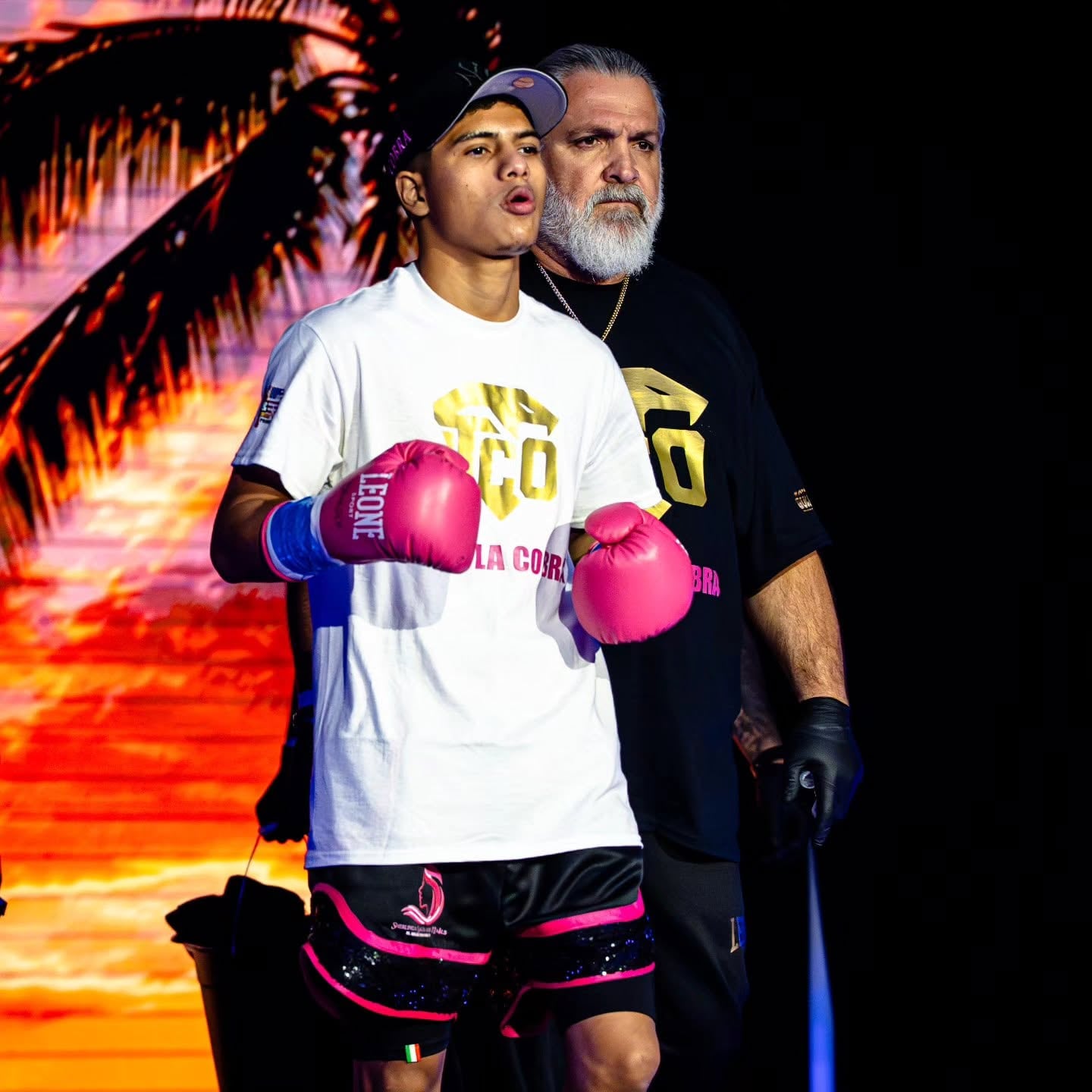
Nicaragua no tiene un campeón mundial masculino desde hace varios años. Cristofer Rosales perdió el cinturón mosca del Consejo Mundial de Boxeo en diciembre de 2018.
René Alvarado conquistó un título en 2019, aunque lo perdió en su primera defensa en 2021. Félix Alvarado dejó después su corona minimosca de la Federación Internacional de Boxeo al subir de división.
Ese antecedente alimenta la expectativa alrededor de Orozco. Su registro perfecto, su poder de nocaut y el respaldo de una promotora con conexiones internacionales lo colocan entre las apuestas jóvenes del país.
González, que prevé retirarse en 2027 tras recuperarse de una cirugía, lo ve como un posible heredero. El excampeón también remarcó que deberá fortalecer la defensa, mejorar la resistencia y aprender a ganar combates sin depender solo de su pegada.
Fuera del ring, quienes lo conocen lo describen como un joven reservado y educado. Creció en una familia cristiana, asistió con frecuencia a la iglesia Visión Ahora y lleva bordado un versículo de Filipenses en su indumentaria de combate.
El boxeador terminó la secundaria, quiere estudiar inglés y colaboró en el negocio familiar de repuestos y lubricantes. Yader Valle, comunicador deportivo que siguió su trayectoria, destacó que desde niño acompañaba a su madre al mercado y participaba en las tareas del hogar.
La carrera de Orozco no nació con grandes promotores a su alrededor. Se construyó en los gimnasios de Managua, con el respaldo de familiares, entrenadores y excampeones.
La meta que repite desde la infancia permanece intacta: convertirse en campeón mundial, como Argüello y González. Antes deberá responder a las dudas que dejó su última pelea y confirmar que su poder alcanza para competir en la élite.
INTERNACIONAL
Rescue expert warns FlyDubai hijacking attempt shows US, allies are ‘playing checkers’ against terror threat
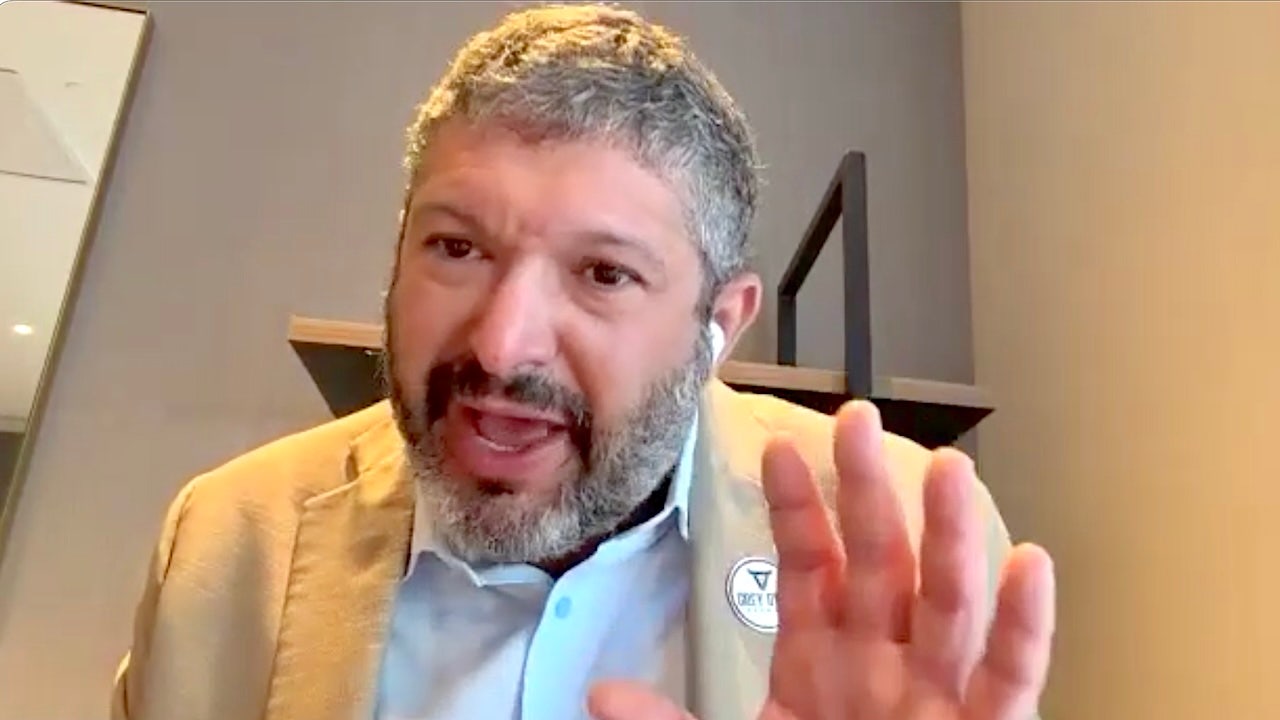
The FlyDubai attempted hijacking shows the U.S. and its allies are still using outdated counterterrorism assumptions against increasingly sophisticated enemies, a U.S. rescue expert and 9/11 first responder warns.
«They’re good at chess,» Bryan Stern, chairman and CEO of Grey Bull Rescue, told Digital on Monday, saying the radical ideology behind the FlyDubai attack is a ringing «bell» for global aviation security and Western counterterrorism strategy.
«And we’re, if we’re lucky, playing checkers – if we’re lucky – and I would argue we’re not even playing checkers that well.»
TERROR CELLS INSIDE FOREIGN AIRLINES ‘CERTAINLY A POSSIBILITY,’ RETIRED PILOT WARNS
Stern, whose global nonprofit conducts evacuations from war zones and hostage situations, said the thwarted FlyDubai attack by «an angry, radicalized, Sunni bad guy» is showing just how far behind our enemies we are in this post-9/11 world.
«They understand us significantly more than we understand them,» Stern, who has been «hunting the bad guys» for 30 years, said. Stern said the U.S. has to understand the «asymmetric warfare» as well as the increasingly sophisticated enemy does.
«The reason why a football coach watches game tapes is not to watch his own team play, it’s to watch the bad guys play,» he said. «We gotta start watching some game tapes.»
AMERICA BUILT A FORTRESS AFTER 9/11. THEN THE THREAT STARTED HIDING IN PLAIN SIGHT
Stern is intimately in tune with the playbook on the ground in war zones, including the Middle East and Iran.
«We conduct these operations in these places still to this very day,» he said. «We’re actually on the ground, meaning I know people in Hezbollah, I know people in the Taliban. I know people in ISIS. I know people in ISIS-K. I’ve met with radical jihadi weirdos and whack jobs personally.»
United Arab Emirates investigators have described the incident aboard FlyDubai flight FZ1073 as an attempted terror attack after the co-pilot allegedly stabbed the captain and tried to hijack the plane, which was carrying more than 170 passengers and crew, most of them Israelis. Australian authorities have also said a counterterrorism unit is investigating the co-pilot’s links to Australia.
INTEL CHIEF WARNS OF ‘EVOLVING’ THREATS AS TERROR GROUPS NOW ‘RECRUIT THEIR AGENTS ONLINE’
«The bad guys are completely not afraid. They’re completely emboldened. They have got the whole world to hate Israel, the whole world to hate us,» he said. «It’s a tough problem.»
Since the incident, there has been renewed vigilance in aviation and foreign airline security. Israeli Prime Minister Benjamin Netanyahu instructed his national security council to review security procedures for foreign civil aviation to Israel, while Vice President JD Vance said Monday that flight security procedures are also under review in the U.S.
IRAN COULD MOVE SHADOW WAR IN A DANGEROUS DIRECTION, EXPERTS WARN ON BACK OF TWO POSSIBLE TERROR ATTACKS
«I was asked years ago when I was still with the government,» Stern said. «A team was put together and the question before the court was, if you were al-Qaeda, what would you do?»
«What I came up with was … I would get 19 hijackers, and I would hijack four airplanes, and I would fly them into buildings in America, and then issue a communique that said: 20 years of war, you are no safer today than you were before – that for TSA, and Homeland Security, and Iraq, and Afghanistan and all the different things, you are actually no safer, America, today than you were before,» he said.
«We’re seeing, sadly,» he lamented, «that academic hypothetical situation has now become a reality, or certainly a possibility.»
Despite President Donald Trump and the War Department’s best efforts to rid the world of terrorist groups – and Iran of nuclear weapons aspirations – «you can’t bomb your way into peace,» Stern claimed.
‘CRAZY’ FLYDUBAI LANDING EXPLAINED BY ISRAELI PILOT, WHO OFFERS STEPS TO PREVENT FUTURE CRISES
«They have been in holy war against us,» he added. «We have now engaged in a holy war against them.»
«On Ramadan, the holiest month of the year in Islam, on the first day, which is the holiest day, we detonated the leader of the Shia faith, the Ayatollah,» he said, likening it to «if somebody assassinated the pope on Easter Sunday while he’s giving mass at the Vatican.»
Stern explained that rooting out ideological terror in the U.S. is more complex than ever, because even if the border is not open any longer under Trump, the terrorist networks might be infiltrating America with U.S. passport holders – making them tough to investigate, if not impossible to spot before an attack.
NETANYAHU PRAISES HEROIC BYSTANDER IN BLOODY COCKPIT ATTACK FOR PREVENTING ‘ANOTHER 9/11’
Stern likened it to the release of the suspects in the RAF Fairford investigation – potential terrorist passport holders walking free.
«Until I actually squeeze the triggers, I haven’t committed a crime yet,» he said. «Now give me an airplane.»
«That’s the problem.»
Stern noted that the nature of America’s adversaries in the current conflict is unlike what the U.S. faced in places like Afghanistan.
«We need to remember we are very used to shooting people like the Taliban who don’t know what plumbing is – who literally for years lived in caves until we showed up and gave them stuff,» he continued. «The bad guys that we’re talking about today are extremely sophisticated. They are extremely resourced, extremely resourceful. They’re very intelligent, they’re very smart, and they’re very good at what they do.»
IRAN UNDER SCRUTINY AFTER PLOT FOILED NEAR UK BASE USED BY US MILITARY
«The Persian Empire is the only empire of empires who have been all the way on top and all the way defeated at the bottom – six times,» he said. «They’re looking at us going, you’re 250 years old. How adorable. You’re cute, America.»
Stern predicted that some day even 9/11 — which he survived as a first responder — is ultimately going to be dwarfed.
«What will happen, probably is we’ll get attacked – just like 9/11, we’ll get attacked,» he said. «We’ll say, ‘Oh my God, how did this happen?’ People will wake up.»
«I promise you there will come a time, it will be, you know, June 26 or whatever, where we’re gonna read about 9/11, and we’re gonna say, ‘Wow, that wasn’t so bad, only 3,000 died,’» he warned.
«Why? Because we have created a holy war. We have now gotten into the crazy. And you cannot unring that bell.»
counter terrorism
INTERNACIONAL
Del barrio a TikTok: así reclutan las bandas criminales a niños y adolescentes en Ecuador
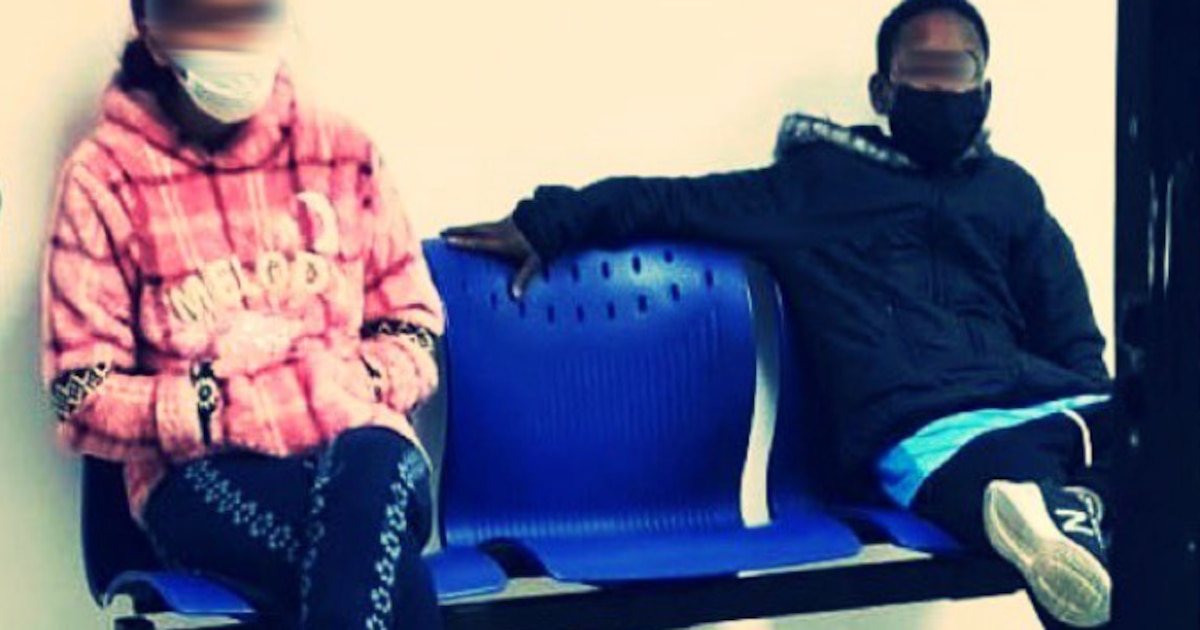
En un barrio de Durán, una de las ciudades más violentas de Ecuador, un niño de nueve años recorría las calles en bicicleta para vigilar los movimientos de las patrullas policiales. Por cada información que entregaba a las organizaciones criminales recibía entre 10 y 20 dólares. Su trabajo consistía en observar y avisar. Sin embargo, aquella actividad aparentemente sencilla podía convertirse en el primer escalón de una trayectoria criminal que comienza cada vez a edades más tempranas.
El caso fue documentado por una investigación de Indómita Media, publicada en septiembre de 2026, que revela cómo las bandas ecuatorianas han extendido sus mecanismos de reclutamiento desde los barrios y las escuelas hasta TikTok, WhatsApp y otras plataformas digitales. La captación ya no depende exclusivamente del contacto presencial: también puede comenzar con un video, una canción o una interacción en redes sociales.
La investigación, realizada por Thalíe Ponce y Paúl Mena Mena como parte del proyecto regional El algoritmo reclutador, coordinado por el Centro Latinoamericano de Periodismo de Investigación (CLIP), describe un sistema de captación que combina promesas económicas, códigos culturales, intimidación y estrategias digitales.
El fenómeno encuentra respaldo en un estudio de UNICEF titulado Aproximación al reclutamiento de niños, niñas y adolescentes en Ecuador, que identifica factores económicos, familiares, comunitarios e institucionales asociados con la incorporación de menores a organizaciones criminales.
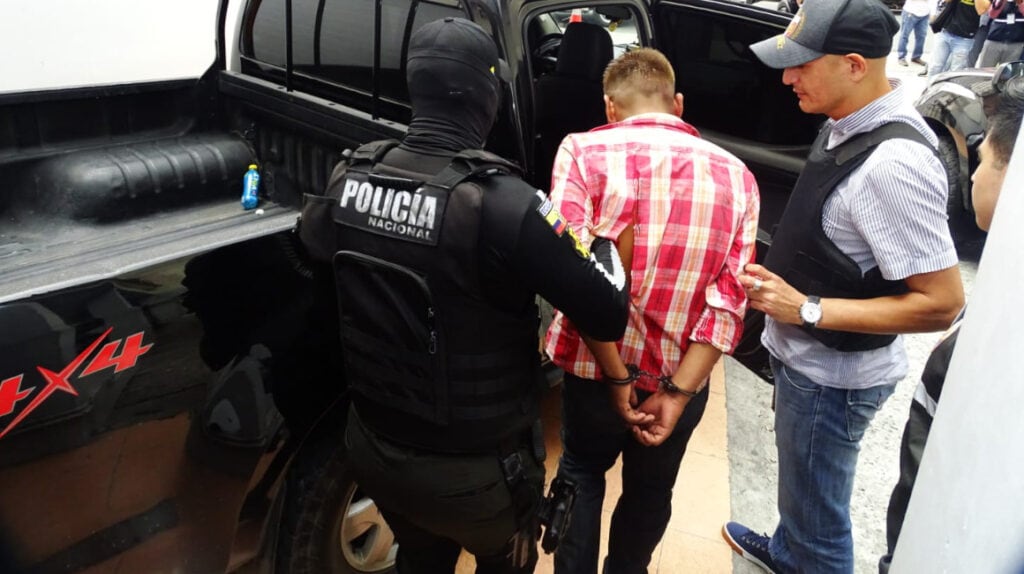
Según el organismo internacional, los adolescentes varones de entre 13 y 15 años aparecen como las principales víctimas de reclutamiento, aunque también existen casos de niños más pequeños y adolescentes mujeres, quienes enfrentan modalidades específicas de explotación y violencia.
El estudio establece que el 58,6% de los docentes y trabajadores sociales encuestados identificó a los amigos del barrio como una vía de reclutamiento, mientras que el 24,2% mencionó a compañeros de escuela. Las redes sociales fueron señaladas por el 5,73% de los participantes. Estos porcentajes corresponden a las respuestas de los encuestados y no representan una medición nacional de víctimas.
La diferencia entre los mecanismos tradicionales y digitales resulta significativa. Mientras el reclutamiento territorial aprovecha relaciones personales y proximidad física, las plataformas permiten difundir contenidos criminales entre audiencias mucho más amplias.

El antropólogo digital ecuatoriano Gabriel Brito, citado por Indómita Media, advierte que TikTok puede funcionar como un mecanismo de aproximación progresiva. Según su investigación, los contenidos relacionados con violencia pueden alcanzar una amplificación hasta un 76% superior a la de publicaciones ordinarias.
Los algoritmos de recomendación identifican las interacciones de los usuarios y pueden ofrecerles contenidos similares. De esta manera, un adolescente que consume publicaciones relacionadas con determinadas organizaciones puede quedar expuesto reiteradamente a imágenes, símbolos y mensajes asociados con ellas.
Sin embargo, la exposición a estos contenidos no demuestra por sí sola que exista reclutamiento. La investigación distingue entre la difusión de una identidad criminal, la interacción digital y los contactos que pueden conducir a la incorporación efectiva de menores a las bandas.
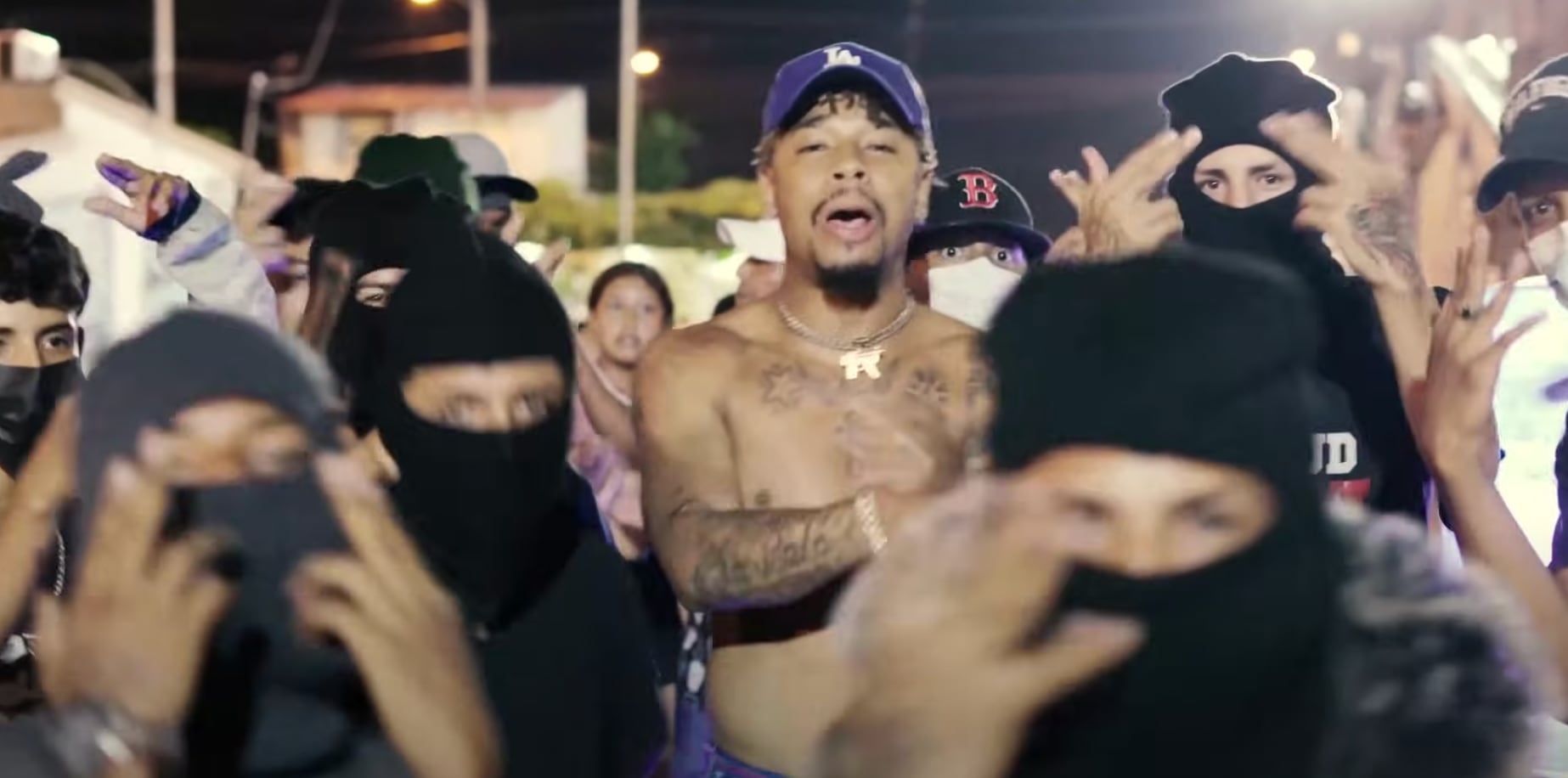
La música constituye otro componente de este proceso. En octubre de 2023, Infobae ya advirtió cómo organizaciones como Los Choneros y Los Tiguerones utilizaban canciones de rap, trap, reguetón y narcocorridos para difundir mensajes sobre dinero, violencia, lealtad y poder.
Los videoclips incorporaban armas, vehículos, joyas y referencias a sus cabecillas. Algunas producciones presentaban la actividad criminal como una forma de ascenso económico y reconocimiento social, mientras otras contenían amenazas contra organizaciones rivales.
La exdirectora nacional de Rehabilitación Social Alexandra Zumárraga explicó entonces a Infobae que estas expresiones contribuyen a construir una cultura delincuencial y un sentimiento de pertenencia. La influencia no se limita a las canciones: incluye celebraciones comunitarias, regalos y otras actividades mediante las cuales las organizaciones buscan legitimidad en los territorios que controlan.
En marzo de 2023, otra investigación de Infobae había advertido sobre la relación entre abandono estatal, violencia y reclutamiento infantil. Los registros policiales consultados entonces mostraban que las detenciones de menores de edad pasaron de 1.975 en 2021 a 2.129 en 2022. Estas cifras correspondían a detenciones por presuntos delitos, no exclusivamente a víctimas de reclutamiento.
Tres años después, la expansión de los mecanismos digitales añade una dimensión al problema sin reemplazar sus causas estructurales.
La investigación de Indómita Media también evidencia las dificultades para dimensionar el fenómeno. Según información proporcionada por el Ministerio de Educación, entre 2024 y agosto de 2026 solamente se registraron cuatro casos oficiales de reclutamiento en el sistema educativo nacional.

La cifra contrasta con los testimonios recogidos en comunidades afectadas por la violencia. En Durán, los registros educativos analizados por el medio muestran que la matrícula disminuyó de 69.070 estudiantes en 2022 a 61.568 en 2025, una reducción cercana al 11%. No obstante, esa caída no puede atribuirse exclusivamente al reclutamiento criminal.
Las niñas y adolescentes enfrentan riesgos particulares. UNICEF identifica mecanismos de captación mediante relaciones afectivas con integrantes de organizaciones delictivas, que pueden derivar en explotación sexual, trata de personas y otras formas de violencia.
El organismo también advierte que las amenazas, la dependencia económica y los vínculos familiares pueden dificultar la desvinculación de quienes ya fueron incorporados.
Frente a este escenario, UNICEF plantea fortalecer la permanencia escolar, los sistemas comunitarios de protección, el acompañamiento psicológico y las estrategias preventivas en entornos digitales.
corresponsal:Desde Quito

El Gobierno se encamina a reinstalar los límites a la venta de tierras a través de la ley de Propiedad Privada

Nintendo confirma que no abandonará los juegos físicos: “No tenemos planes de hacerlo” – Nintenderos

Rusherking y Stef Jegier, juntos en una feria de Recoleta: caminata, charla y gestos de cariño

Defienden el título de Marruecos: ‘Si abandonas el campo, se acabó’

San Lorenzo recibe a Deportivo Riestra por la fecha 12 del Torneo Clausura: la agenda completa del domingo

¿El heredero de Chocolatito González? Jordan “La Cobra” Orozco busca devolver a Nicaragua a la cima del boxeo

Escándalo total en la AFA: reventa millonaria, un homenaje paupérrimo a Messi y el pedido urgente de renuncia a Chiqui Tapia

El presidente de Burkina Faso, duro tras el amistoso con la Selección: «Nuestro fútbol está enfermo» :: Olé

100-shot Somali gang gun battle rocks Minnesota as sheriff warns ‘we’re in trouble’

Tobey Maguire se quedaba ciego con el traje de Spider-Man y casi se desmaya durante una prueba: fabricar su disfraz fue una pesadilla

 DEPORTE2 días ago
Regresos importantes y una duda clave: Arruabarrena definió el equipo de Boca Juniors para visitar a Instituto
- INTERNACIONAL2 días ago
Conciliaciones entre comercios y consumidores resuelven reclamos por más de $12.5 millones en Panamá
- ECONOMIA2 días ago
El nuevo mapa del mercado automotor: qué marcas ganaron y cuáles perdieron con la apertura de las importaciones