INTERNACIONAL
Rescue expert warns FlyDubai hijacking attempt shows US, allies are ‘playing checkers’ against terror threat

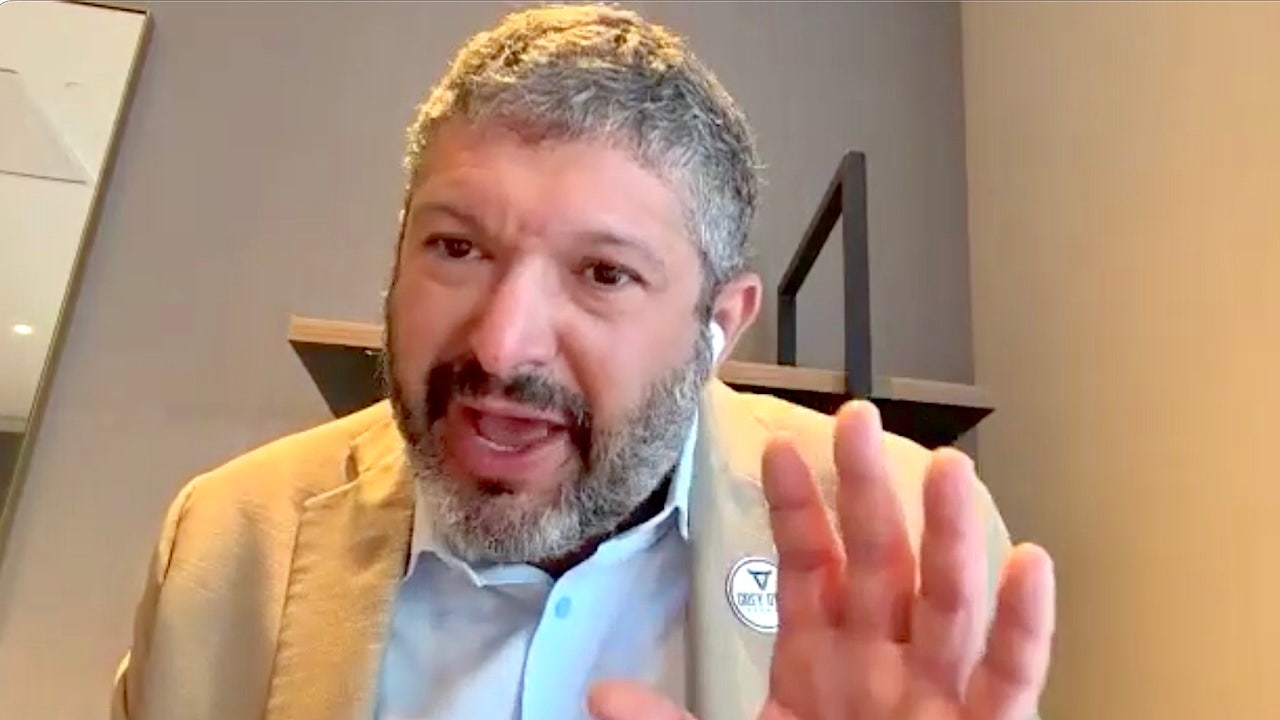
The FlyDubai attempted hijacking shows the U.S. and its allies are still using outdated counterterrorism assumptions against increasingly sophisticated enemies, a U.S. rescue expert and 9/11 first responder warns.
«They’re good at chess,» Bryan Stern, chairman and CEO of Grey Bull Rescue, told Digital on Monday, saying the radical ideology behind the FlyDubai attack is a ringing «bell» for global aviation security and Western counterterrorism strategy.
«And we’re, if we’re lucky, playing checkers – if we’re lucky – and I would argue we’re not even playing checkers that well.»
TERROR CELLS INSIDE FOREIGN AIRLINES ‘CERTAINLY A POSSIBILITY,’ RETIRED PILOT WARNS
Stern, whose global nonprofit conducts evacuations from war zones and hostage situations, said the thwarted FlyDubai attack by «an angry, radicalized, Sunni bad guy» is showing just how far behind our enemies we are in this post-9/11 world.
«They understand us significantly more than we understand them,» Stern, who has been «hunting the bad guys» for 30 years, said. Stern said the U.S. has to understand the «asymmetric warfare» as well as the increasingly sophisticated enemy does.
«The reason why a football coach watches game tapes is not to watch his own team play, it’s to watch the bad guys play,» he said. «We gotta start watching some game tapes.»
AMERICA BUILT A FORTRESS AFTER 9/11. THEN THE THREAT STARTED HIDING IN PLAIN SIGHT
Stern is intimately in tune with the playbook on the ground in war zones, including the Middle East and Iran.
«We conduct these operations in these places still to this very day,» he said. «We’re actually on the ground, meaning I know people in Hezbollah, I know people in the Taliban. I know people in ISIS. I know people in ISIS-K. I’ve met with radical jihadi weirdos and whack jobs personally.»
United Arab Emirates investigators have described the incident aboard FlyDubai flight FZ1073 as an attempted terror attack after the co-pilot allegedly stabbed the captain and tried to hijack the plane, which was carrying more than 170 passengers and crew, most of them Israelis. Australian authorities have also said a counterterrorism unit is investigating the co-pilot’s links to Australia.
INTEL CHIEF WARNS OF ‘EVOLVING’ THREATS AS TERROR GROUPS NOW ‘RECRUIT THEIR AGENTS ONLINE’
«The bad guys are completely not afraid. They’re completely emboldened. They have got the whole world to hate Israel, the whole world to hate us,» he said. «It’s a tough problem.»
Since the incident, there has been renewed vigilance in aviation and foreign airline security. Israeli Prime Minister Benjamin Netanyahu instructed his national security council to review security procedures for foreign civil aviation to Israel, while Vice President JD Vance said Monday that flight security procedures are also under review in the U.S.
IRAN COULD MOVE SHADOW WAR IN A DANGEROUS DIRECTION, EXPERTS WARN ON BACK OF TWO POSSIBLE TERROR ATTACKS
«I was asked years ago when I was still with the government,» Stern said. «A team was put together and the question before the court was, if you were al-Qaeda, what would you do?»
«What I came up with was … I would get 19 hijackers, and I would hijack four airplanes, and I would fly them into buildings in America, and then issue a communique that said: 20 years of war, you are no safer today than you were before – that for TSA, and Homeland Security, and Iraq, and Afghanistan and all the different things, you are actually no safer, America, today than you were before,» he said.
«We’re seeing, sadly,» he lamented, «that academic hypothetical situation has now become a reality, or certainly a possibility.»
Despite President Donald Trump and the War Department’s best efforts to rid the world of terrorist groups – and Iran of nuclear weapons aspirations – «you can’t bomb your way into peace,» Stern claimed.
‘CRAZY’ FLYDUBAI LANDING EXPLAINED BY ISRAELI PILOT, WHO OFFERS STEPS TO PREVENT FUTURE CRISES
«They have been in holy war against us,» he added. «We have now engaged in a holy war against them.»
«On Ramadan, the holiest month of the year in Islam, on the first day, which is the holiest day, we detonated the leader of the Shia faith, the Ayatollah,» he said, likening it to «if somebody assassinated the pope on Easter Sunday while he’s giving mass at the Vatican.»
Stern explained that rooting out ideological terror in the U.S. is more complex than ever, because even if the border is not open any longer under Trump, the terrorist networks might be infiltrating America with U.S. passport holders – making them tough to investigate, if not impossible to spot before an attack.
NETANYAHU PRAISES HEROIC BYSTANDER IN BLOODY COCKPIT ATTACK FOR PREVENTING ‘ANOTHER 9/11’
Stern likened it to the release of the suspects in the RAF Fairford investigation – potential terrorist passport holders walking free.
«Until I actually squeeze the triggers, I haven’t committed a crime yet,» he said. «Now give me an airplane.»
«That’s the problem.»
Stern noted that the nature of America’s adversaries in the current conflict is unlike what the U.S. faced in places like Afghanistan.
«We need to remember we are very used to shooting people like the Taliban who don’t know what plumbing is – who literally for years lived in caves until we showed up and gave them stuff,» he continued. «The bad guys that we’re talking about today are extremely sophisticated. They are extremely resourced, extremely resourceful. They’re very intelligent, they’re very smart, and they’re very good at what they do.»
IRAN UNDER SCRUTINY AFTER PLOT FOILED NEAR UK BASE USED BY US MILITARY
«The Persian Empire is the only empire of empires who have been all the way on top and all the way defeated at the bottom – six times,» he said. «They’re looking at us going, you’re 250 years old. How adorable. You’re cute, America.»
Stern predicted that some day even 9/11 — which he survived as a first responder — is ultimately going to be dwarfed.
«What will happen, probably is we’ll get attacked – just like 9/11, we’ll get attacked,» he said. «We’ll say, ‘Oh my God, how did this happen?’ People will wake up.»
«I promise you there will come a time, it will be, you know, June 26 or whatever, where we’re gonna read about 9/11, and we’re gonna say, ‘Wow, that wasn’t so bad, only 3,000 died,’» he warned.
«Why? Because we have created a holy war. We have now gotten into the crazy. And you cannot unring that bell.»
counter terrorism











INTERNACIONAL
El precio de la libertad: armas de hasta 180 mil pesos para obtener “beneficios” penitenciarios sin garantía

Las armas de fuego que, según denuncias recogidas por Cubalex, se usan para negociar beneficios penitenciarios pueden costar entre 130 mil y 180 mil pesos cubanos en el mercado ilegal. El informe sostiene que ese valor deja el mecanismo fuera del alcance de muchas familias de reclusos.
La organización compara esos precios con un salario medio cercano a 6,500 pesos. Según la investigación, la diferencia económica obliga a algunos allegados a vender bienes o asumir riesgos legales para procurar una reducción de condena, un traslado o un cambio de régimen para la persona encarcelada.
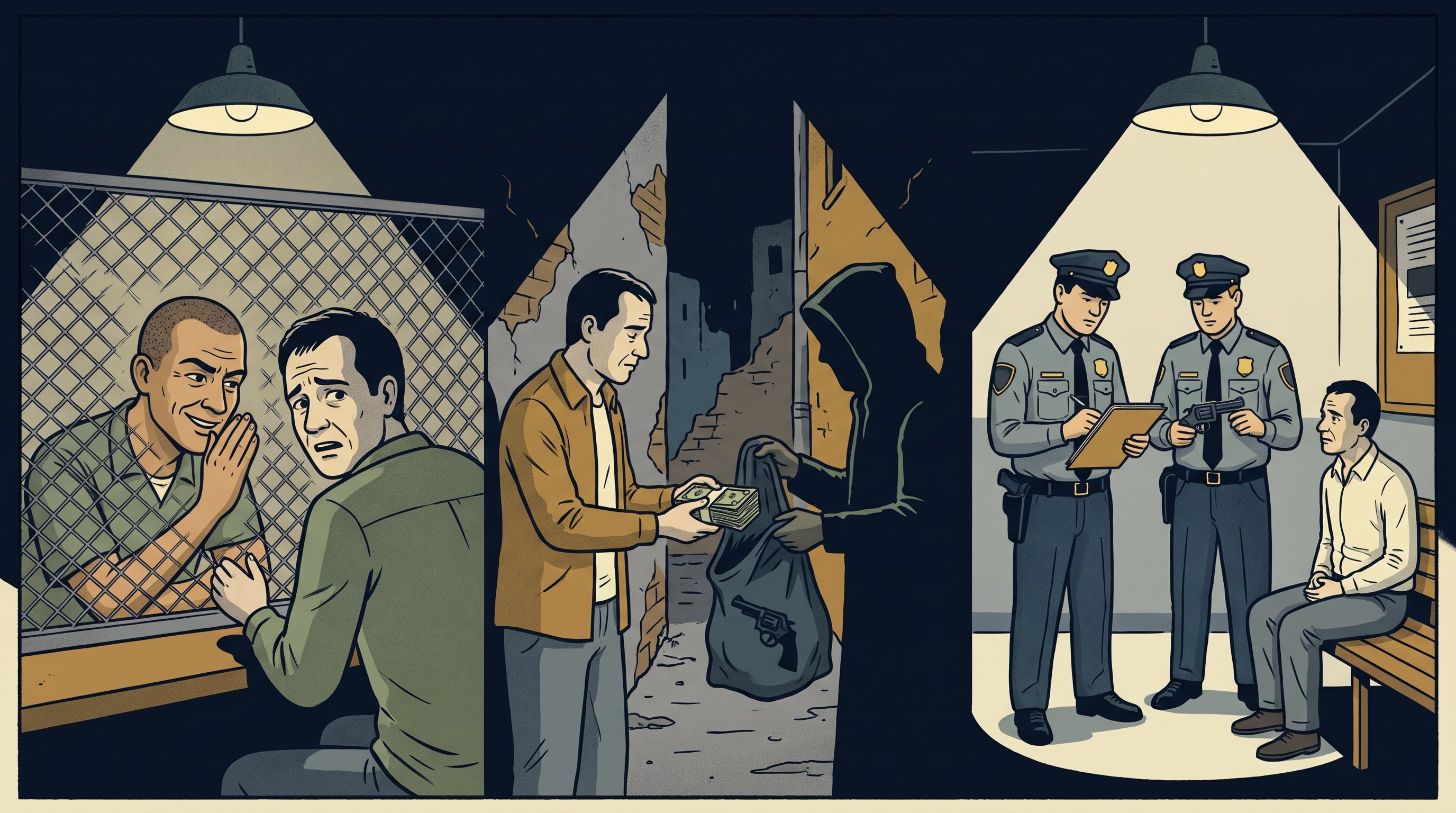
El informe de Cubalex describe un presunto esquema en el que familiares de presos compran armas en el mercado clandestino y las entregan a funcionarios a cambio de beneficios penitenciarios. La organización advierte que esas operaciones pueden exponerlos a detenciones, procesos penales y pérdidas económicas, sin garantías de que las autoridades cumplan los acuerdos.
El precio de un arma puede superar varios salarios mensuales
La investigación señala que, entre 2015 y 2020, el valor de una pistola oscilaba entre USD 300 y USD 800. Tras el ordenamiento monetario, las cifras reportadas cambiaron y pasaron a expresarse en pesos cubanos.
Cubalex indica que el dólar fluctúa, al momento de la publicación, entre 300 y 400 pesos cubanos. Bajo ese cálculo, la compra de un arma supone para muchas familias una suma equivalente a numerosos meses de ingresos.
Eliober Sosa, ex reeducador penitenciario entrevistado para el reporte, dijo que existen familiares que “han vendido la casa, un carro” para buscar una salida anticipada de prisión para un hijo, un padre u otro allegado.
El informe recoge también el testimonio de Laritza Diversent, directora de Cubalex, sobre una madre que buscó asesoramiento porque valoraba comprar un arma para lograr la liberación de su hijo. La mujer ya había vendido el refrigerador y otros artículos de su vivienda.
Según la organización, los presos con mayores recursos o con vínculos previos dentro de entornos criminales tienen más posibilidades de participar en estos acuerdos. Esa desigualdad convertiría un beneficio sujeto a requisitos legales en una opción condicionada por la capacidad económica.

Los familiares enfrentarían riesgos al buscar armas en el mercado ilegal
La investigación sostiene que algunos reclusos que colaboran con las autoridades proporcionarían contactos de vendedores de armas a las familias interesadas. Esa situación llevaría a los allegados a relacionarse con personas vinculadas al comercio clandestino.
Un familiar consultado bajo anonimato afirmó que los acuerdos pueden involucrar a presos que actúan como intermediarios. El informe indica que la búsqueda de armas expone a las familias a riesgos financieros, personales y judiciales.
Julio Ferrer Tamayo, jurista y ex preso político, advirtió que las autoridades podrían usar la operación para detener a quienes consiguieron el arma. Según explicó a Cubalex, algunos familiares eran procesados por receptación después de que los agentes recuperaban la pieza.
Ferrer relató que, en esos casos, el perjuicio también alcanzaba al recluso. El familiar podía ser detenido y la promesa de un beneficio penitenciario quedaba sin efecto.
El informe menciona denuncias previas sobre la venta de armas en zonas periféricas de La Habana. Los testimonios recogidos por Cubalex indican que esos puntos de comercialización se mantendrían activos.

Los acuerdos podrían incluir libertad anticipada y traslados
La entrega de un arma puede derivar, de acuerdo con los testimonios, en el paso a un régimen de menor severidad, una reducción de la sanción, la libertad condicional, la licencia extrapenal o la libertad anticipada.
Algunos declarantes mencionaron también traslados a cárceles cercanas al lugar de residencia de la familia. Otros hablaron de cambios de establecimiento para alejar a un recluso de conflictos dentro del penal.
Juan Luis Bravo Rodríguez relató a Cubalex que algunos presos trasladados desde La Habana a Guantánamo lograban posteriormente nuevos beneficios luego de entregar armas. Según su versión, algunos recuperaban la libertad y permanecían en una provincia donde no eran conocidos.
Una presa política, cuya identidad fue preservada, habló de una reclusa condenada por delitos de drogas que negoció la entrega de un arma. El supuesto acuerdo buscaba que su pareja, también encarcelada, accediera a un régimen de mínima severidad.
El informe enfatiza que los beneficios no siempre se concretan. La falta de documentos, registros públicos o mecanismos de reclamación dejaría a los reclusos y sus familiares sin herramientas para exigir el cumplimiento de las promesas.
Cubalex cuestionó la legalidad del presunto mecanismo
La organización afirma que no encontró normas cubanas de acceso público que permitan canjear armas por beneficios penitenciarios. El informe señala que los derechos de los reclusos deben definirse según el tiempo de cumplimiento de la condena, la conducta y las condiciones previstas por la legislación.
Cubalex sostiene que el mecanismo descrito podría vulnerar disposiciones del Código Penal sobre la adquisición, tenencia, tráfico y facilitación ilícita de armas. También plantea posibles responsabilidades por corrupción, abuso de funciones, tráfico de influencias y encubrimiento.
La investigación menciona que el Decreto-Ley 74/2023 contempla rebajas de hasta 60 días por año, con otros 60 adicionales en circunstancias excepcionales. Los requisitos, según el documento, no incluyen la entrega de armas de fuego.
El reporte también cita criterios de la Ley de Ejecución Penal para acceder a la libertad condicional. Cubalex cuestiona que esas exigencias puedan ser reemplazadas por una negociación clandestina con funcionarios.
Para la organización, la práctica tiene consecuencias sobre las víctimas de delitos graves si personas condenadas por asesinato, violación o narcotráfico obtienen beneficios fuera de los procedimientos previstos. El informe advierte que esa situación puede afectar la seguridad ciudadana y las garantías de reparación.
La investigación plantea un posible circuito de corrupción
Cubalex recoge dos interpretaciones sobre la finalidad de la recogida de armas. Una apunta a la pretensión de retirar armamento de las calles y reducir la delincuencia.
La otra hipótesis, expuesta por entrevistados y por la directora de la organización, plantea la posible existencia de un negocio circular. Bajo esa lectura, las armas recuperadas sin controles transparentes podrían volver a circuitos ilegales mediante personas vinculadas con las autoridades.
Diversent cuestionó que se ofrezcan beneficios penitenciarios si los funcionarios conocen dónde operan vendedores de armas. “Sencillamente irían a esos lugares y las recuperarían”, afirmó al referirse a la capacidad de la policía para realizar registros.

El informe menciona una sentencia emitida en octubre de 2024 por el Tribunal Militar Región Habana contra un primer suboficial acusado de sustraer seis pistolas Makarov de su unidad. Otros cuatro ciudadanos recibieron condenas por participar en la compra y reventa de esas armas.
Hasta la fecha del informe, las autoridades cubanas no habían emitido una declaración pública para reconocer o desmentir la práctica denunciada. Cubalex presentó su investigación como una aproximación inicial que requiere una documentación más amplia sobre sus alcances y consecuencias.
ilustración,prisión,uniforme militar,arma de fuego,dinero
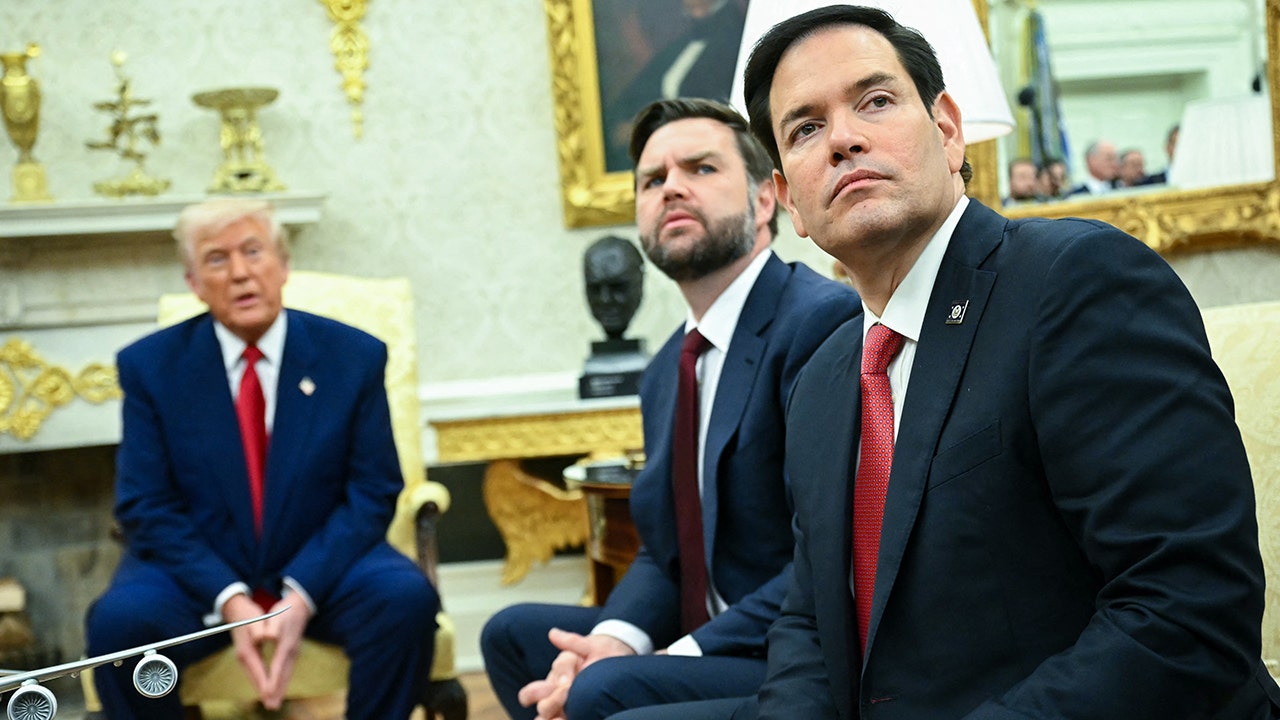
Secretary of State Marco Rubio defended the Trump administration’s war against Iran on Sunday, days after Vice President JD Vance blamed the conflict for Republicans’ devastating midterm losses, as the White House confronts an unresolved standoff with Tehran.
«I think the president took on something that other presidents have failed to do. Sometimes, when you do the right thing, you don’t know whether it’s popular or not, but it’s still the right thing to do. Presidents are elected to take on the hard things, sometimes difficult things, but necessary things,» Rubio said Sunday.
Vance made his argument in a post on X last week.
«The reason we lost is the war. The president himself said so last night,» Vance wrote last week.
«But everyone knows why we lost. And any honest conversation about where we go from here must start there,» he added.
VANCE REFUSES TO PUT A CLOCK ON IRAN CONFLICT AS KEY QUESTION KEEPS US FORCES ENGAGED
Vance cited an unnamed pollster in the X post who said voters who had abandoned the GOP wanted the administration to end the conflict, address inflation and the cost of living, put America first and change its relationship with Israel.
The vice president’s argument that the war was the primary driver of Republicans’ losses, however, is complicated by polling. The Voter Poll found that 89% of voters considered the cost of living a crucial or major factor in their congressional vote, compared with 74% who said the same about the war in Iran. The findings suggest broader economic frustrations were also a major concern among voters, although the two issues may overlap and the polling does not establish which ultimately drove Republican defections.
Digital contacted Vance’s office five times seeking clarification on whether ending the conflict would mean lifting the blockade, withdrawing American forces or securing new concessions from Tehran, but received no response.
The contrasting assessments come as Republicans begin looking ahead to 2028, with Trump naming Rubio as a possible presidential contender during an interview with CBS.
Some longtime Trump donors are reportedly expressing doubts about backing Vance in 2028, fearing his ties to the Trump administration and the GOP’s devastating midterm losses could hurt his presidential prospects, with some floating Florida Gov. Ron DeSantis and other Republicans as alternatives, according to The Wall Street Journal.
Meanwhile, Trump and Vance are pursuing another diplomatic opening with Iran, with Qatar mediating talks over a possible agreement that could ease the U.S. blockade and reopen the Strait of Hormuz. Trump met with Qatari Prime Minister and Foreign Minister Sheikh Mohammed bin Abdulrahman Al Thani Monday to discuss mediation efforts and potential terms for ending the conflict with Iran.
Rubio expressed skepticism Sunday that negotiations were nearing a breakthrough, arguing that Iran’s demands remained unrealistic. Vance has been personally involved in indirect talks with Iranian representatives through regional mediators in recent weeks, according to Axios.
«I’m not in a political office,» Rubio told reporters Sunday when asked about the midterm results. «As you know, I just don’t comment on domestic politics.»
TRUMP SAYS HE DOESN’T DISAGREE WITH VANCE THAT IRAN WAR FUELED GOP LOSSES
Trump initially projected that Operation Epic Fury, launched against Iran in February, would involve four to five weeks of combat operations. More than eight months later, the broader confrontation continues despite the end of major U.S. combat operations in April.
After a June Memorandum of Understanding with Iran failed to produce a lasting resolution, the Trump administration returned to economic and military pressure, with renewed limited strikes, continued maritime tensions and an unresolved standoff over Iranian missile capabilities and the flow of oil and natural gas through the Strait of Hormuz.
Vance played a role in the administration’s negotiations with Iran, helping lead diplomatic efforts that produced the June agreement before it unraveled.
Trump even joked in June that Vance would take the blame if the Iran deal failed.
«If it works out, I’m going to take the credit. If it doesn’t work out, I’m blaming JD,» Trump said at the time.
The vice president has previously defended the administration’s military campaign, crediting U.S. forces with significantly weakening Iran’s conventional military and its ability to threaten commercial shipping.
«The VP has let it be known for a few months now that he is not in full agreement with the President on Iran. But [the] social media post is striking, if not shocking,» Ludovic Hood, a senior fellow at the Hudson Institute’s Center for Peace and Security in the Middle East, told Digital.
Hood also questioned Vance’s emphasis on the war as the primary cause of Republicans’ losses, arguing that broader economic concerns played a significant role in voters’ frustration.
AFTER 47 YEARS OF CONFRONTING IRAN, DOES AMERICA HAVE A STRATEGY FOR ENDING THIS WAR?
Trump dismissed suggestions that Vance’s comments about Iran had strained their relationship on Sunday, defending Vance’s remarks while suggesting he should have gone a step further in expressing support for the administration’s actions.
«No, not at all,» Trump said when asked whether Vance’s comments had affected their relationship. «But a lot of people didn’t like his comments, but not me. He was right.»
Trump added that Vance «should have made one other statement,» arguing that the administration’s actions against Iran were worth repeating.
TRUMP’S IRAN GAMBLE DIVIDES GOP HAWKS AND ‘AMERICA FIRST’ CONSERVATIVES OVER WHAT VICTORY LOOKS LIKE
Secretary of War Pete Hegseth also publicly defended the Iran campaign, calling it a «courageous and historic» effort even as Vance questions its political costs. Hegseth also faces questions about his future in the administration, although the president publicly insisted he intends to keep his Pentagon chief.
Beyond the political fallout, assessments differ over whether the administration has achieved its military objectives and what risks remain for the United States.
GOP CRACKS WIDEN OVER IRAN WAR AS VULNERABLE CANDIDATES BREAK WITH TRUMP, DEMAND ITS END
Retired Army Lt. Col. Daniel L. Davis, a veteran of four combat deployments and host of the «Daniel Davis Deep Dive» show on YouTube, offered a sharply critical assessment of the campaign’s results, arguing that the administration has failed to accomplish the objectives Trump outlined when the operation began.
On Feb. 28, Trump pledged to destroy Iran’s missile capabilities and production facilities, eliminate its navy and prevent Tehran’s regional proxies from destabilizing the Middle East.
«Eight months and 9 days later, none of those objectives have been met,» Davis told Digital.
The White House has offered a starkly different assessment. In April, the administration declared that U.S. forces had achieved the military objectives of Operation Epic Fury, pointing to the destruction of Iranian military infrastructure and significant degradation of Tehran’s missile and naval capabilities.
Davis said that although American strikes inflicted significant damage on Iran’s conventional military, Tehran retains the ability to threaten U.S. forces and regional allies through missiles, drones and naval assets protected in underground facilities. He warned that renewed major combat operations could expose American forces and Gulf allies to further retaliation without eliminating those capabilities.
VANCE’S SCATHING IRAN WAR POSTMORTEM PUTS POTENTIAL 2028 GOP SHOWDOWN IN FOCUS: ‘EVERYONE KNOWS WHY’
«First, it should be clear: shooting the same targets, with the same missiles, is not going to produce a different outcome,» Davis said.
«Can’t put lipstick on this pig: it would be ugly and seen as an admission of defeat,» Davis said. «But that is still profoundly better for our interests than going back to combat ops that will only deepen, significantly, the cost of our failure.»
Hood, however, rejected the suggestion that the United States should abandon pressure on Tehran, arguing that Iran continues to pose a serious threat to regional stability and American interests.
«Trump seems to get that Iran, as currently governed, is a singularly dangerous threat to the region’s stability and ability to prosper; is, has long been, a source of international terrorism; and would be even more dangerous with nuclear weapons,» Hood said.
Hood said the administration needs to more clearly explain its strategic objectives, including whether Washington is seeking significant concessions on Iran’s nuclear program or a political shift in Tehran.
«The administration’s messaging to the America people and to international partners needs improvement. What are our strategic objectives?» Hood said.
Digital reached out to the State Department for comment.
jd vance, war with iran, defense, foreign policy, national security, foreign affairs, iran
INTERNACIONAL
Nueva Ley de Ciencia y Tecnología en Cuba, una apertura privada bajo restricciones del régimen

El régimen de Cuba publicó este lunes su primera Ley de Ciencia, Tecnología e Innovación, una norma que reorganiza el sistema científico del país e incorpora un marco legal para las alianzas entre entidades estatales y privadas. La legislación, que entra en vigor dentro de 60 días, según la Gaceta Oficial, se lanza en un contexto de crisis económica y humanitaria.
La Ley 182/2025 reconoce de manera formal a las formas de gestión no estatal dentro del Sistema Nacional de Ciencia, Tecnología e Innovación. Entre los actores contemplados figuran empresas privadas, cooperativas agropecuarias y no agropecuarias, proyectos de desarrollo local y trabajadores autónomos.
La norma busca ampliar la participación en iniciativas científicas y tecnológicas en medio de la crisis económica de la isla y de un proceso de reformas que habilitan una mayor presencia privada en sectores que hasta hace poco permanecían bajo control estatal.
El viceministro de Ciencia, Tecnología y Medio Ambiente, Daimar Cánovas, afirmó a EFE, agencia de noticias española, que uno de los propósitos de la legislación es aumentar la participación de actores públicos y privados en los proyectos vinculados con la ciencia.
“Uno de los objetivos de la ley es justamente que la participación sea creciente tanto en el ámbito de lo estatal como no estatal, de lo público como de lo privado”, sostuvo Cánovas durante una conferencia de prensa en La Habana.

La norma habilita financiamiento de riesgo y capital semilla
La legislación establece incentivos económicos para la creación y expansión de empresas de base tecnológica. Entre las herramientas previstas figuran mecanismos de financiamiento de riesgo y capital semilla, destinados a respaldar proyectos vinculados con la innovación.
La ley también permite la constitución de compañías basadas en patentes y marcas. Ese esquema apunta a canalizar inversión externa o privada hacia actividades científicas y tecnológicas, de acuerdo con el texto publicado en el diario oficial del Estado cubano.
Otro de los puntos incluidos en la norma es la posibilidad de firmar contratos entre entidades estatales y privadas que contemplen regalías y pagos por la comercialización de paquetes tecnológicos. Con esa disposición, el régimen busca dar respaldo jurídico a operaciones que involucren resultados de investigación, productos patentados y transferencia de conocimientos.
Cánovas señaló que más innovación entre los distintos actores económicos podría acelerar el desarrollo de soluciones propias en el país. “En la medida en que haya más innovación en todos los actores económicos, podremos avanzar con más velocidad como país”, afirmó el funcionario a EFE.
La inclusión de cooperativas, trabajadores autónomos y empresas privadas implica que esos sectores podrán acceder a los instrumentos de capacitación y financiamiento previstos por la ley. Hasta ahora, universidades y centros de investigación estatales concentraban buena parte de las capacidades científicas y de desarrollo tecnológico de la isla.

Más de 16,000 empresas privadas operan en la isla
La apertura hacia las inversiones y la capacitación de negocios privados se extendió durante los últimos meses a varios ámbitos de la economía cubana, en medio de la peor crisis que vive la isla. El proceso forma parte de un paquete de 176 reformas con las que el régimen busca liberalizar algunas actividades productivas y de servicios.
Esas medidas alcanzaron áreas como la educación y la administración de farmacias, dos sectores considerados básicos dentro de la estructura estatal. La nueva Ley de Ciencia, Tecnología e Innovación suma el sistema de investigación y desarrollo a esa tendencia.
Según datos oficiales citados por EFE, en Cuba funcionan más de 16,000 empresas privadas. Expertos independientes consultados por la agencia señalaron que estos negocios se consolidaron como un eslabón necesario dentro de la economía nacional ante la crisis que atraviesa el país.
La norma plantea que las formas de gestión no estatal tendrán acceso, en condiciones equiparables a las instituciones públicas, a programas de formación y vías de financiación vinculadas con la actividad científica. El alcance efectivo de esos mecanismos dependerá de la reglamentación y de los recursos que se asignen para su ejecución.
La publicación de la nueva ley ocurre en medio de una crisis energética y de servicios públicos que afecta a millones de cubanos y que dificulta el desarrollo de actividades básicas de las empresas, instituciones y de la población en general.

El Ministerio de Ciencia se integrará a Educación Superior
La entrada en vigor de la ley coincide con la aplicación de otra disposición que reduce la estructura del régimen para adaptarla a la crisis económica. Como parte de ese proceso, el Ministerio de Ciencia, Tecnología y Medio Ambiente se integrará al Ministerio de Educación Superior.
Las autoridades del sector sostuvieron que la reorganización institucional no afectará la puesta en marcha de la nueva legislación. Cánovas afirmó que la reducción de la estructura ministerial “no es un obstáculo para la implementación de la nueva ley”.
La disolución gradual del organismo se realizará en un plazo de entre seis meses y un año. Durante ese período, el régimen deberá definir cómo quedarán distribuidas las funciones vinculadas con la investigación, el desarrollo tecnológico y la aplicación de los nuevos mecanismos de financiamiento para las empresas de base tecnológica.
mujer,Latina,tecnología,programación,software,oficina,desarrollo,datos,innovación,informática

El fútbol argentino contará con varios convocados a sus respectivas selecciones en esta fecha FIFA

El valioso mensaje de Khea, a corazón abierto, sobre la salud mental: “No sos tu depresión”

Gran expectativa en Córdoba por la visita del Papa: cuando faltaban 20 horas para la misa, ya había cinco kilómetros de fila

El Gobierno niega que los mensajes del papa León XIV sean críticas a Milei y destaca puntos de coincidencia

“¡Hasta siempre, Celeste!”: Sindy Ramírez se despidió tras 19 años como referente de la selección uruguaya

El precio de la libertad: armas de hasta 180 mil pesos para obtener “beneficios” penitenciarios sin garantía

Así fue el saludo entre Javier Milei y el papa León XIV en Aeroparque tras la llegada a la Argentina

Artemis IV: los detalles de cómo será la misión de la NASA que busca llevar astronautas a la superficie lunar en 2028

Casi un cuarto de millón de dólares costarían nueve altares navideños en Nicaragua

Pedro Sánchez le respondió a Milei: “El insulto no forma parte de mi forma de entender la política. Ahí lo dejo”

 POLITICA1 día ago
Así fue el saludo entre Javier Milei y el papa León XIV en Aeroparque tras la llegada a la Argentina
- DEPORTE2 días ago
Gimnasia de Mendoza vs Independiente Rivadavia: formaciones, hora y dónde ver por tv
- DEPORTE2 días ago
Franco Colapinto le hizo probar mate a Lewis Hamilton en un evento durante el GP de Brasil: la reacción del piloto de Ferrari