INTERNACIONAL
José Calafell, CEO del grupo Planeta en América: “Argentina vive una era dorado de la ficción literaria”


“Frente al aislamiento de la red social, de la pantalla todo el tiempo, el libro va a ser un mecanismo como ningún otro para la convivencia social y para recordarnos que sentimos, que pensamos, y que no somos un algoritmo.” La frase de José Calafell, CEO de Grupo Planeta en América Latina, condensa su visión sobre el futuro de la industria editorial. Como jefe de la división continental del conglomerado multinacional español desde 2012, supervisa operaciones en 20 países y está al frente de editoriales en ocho de ellos. Su trayectoria en el mundo del libro arrancó en 1994, cuando se incorporó al Grupo Planeta en Barcelona y luego en México. Pasó luego por Santillana Ediciones Generales en Madrid y en 2009 fue nombrado presidente corporativo de Grupo Planeta México.
Buenos Aires lo recibió con lluvia, aunque eso no alteró su ánimo. “Siempre bien, no hay excepción”, comentó sobre sus sensaciones en la capital argentina. Vino a la Feria del Libro, que este año cumple 50 ediciones y que, salvo por la suspensión forzada durante la pandemia, no interrumpió su calendario en medio siglo de vaivenes políticos y económicos. “Cincuenta años se dicen rápido. Es toda una generación o algo más”, afirmó con admiración.
Para Calafell, el dato más llamativo no es la longevidad de la feria sino su vitalidad. “La feria va a más”, afirmó, y extendió esa certeza a todo el circuito: Bogotá, Medellín, Guadalajara, el Sant Jordi de Barcelona. En un mundo que él describe como “sobretecnificado”, las ferias del libro se vuelven puntos de encuentro donde el libro oficia de pretexto para algo más profundo. “Yo no te conozco de nada y tú eres ingeniero y yo soy pintor, pero a los dos nos encanta la misma novela y estamos aquí y tenemos esto en común”, graficó. “Hay una hermandad ahí.”
En este diálogo con Infobae, uno de los personajes más relevantes de la industria editorial de habla hispana, habló de la realidad del mercado, el estado de la creación literaria en América latina y los desafíos y perspectivas para este presente continuo que bien puede llamarse, también, futuro.

—¿Cuál es el mayor desafío del mundo editorial hoy?
—Entender el mercado. Entender qué busca el lector, cómo ofrecerle algo que no está buscando. Se habla mucho del mercado editorial como un mercado de demanda. Y a veces se infravalora que también es un mercado de oferta. Hay un ejército de gente que a lo mejor le gusta leer y no lo sabe. Saber medir eso, saber ponderarlo, saber decir cuántos libros hemos de hacer de este segmento, de este otro, es el principal reto.
—Y en este contexto ¿Qué busca hoy el lector argentino?
—Argentina es un mercado bastante maduro pero también hay lugar para una narrativa nueva, nuevos temas y segmentos juveniles que quieren que les hables en su idioma, en sus claves de comunicación. Antes, iniciar lectores se hacía con los clásicos. Así crecimos todos. Hoy identificar a un chico con un viaje de 20.000 leguas submarinas o un Sandokan matando tigres en Malasia cuesta de creer. Hay que llegar a los chicos con el lenguaje de hoy. Los jóvenes leen experiencias de otros jóvenes. Emociones, drama, tragedia, esperanza, alegría de otros jóvenes, en otras realidades. No solo geográficas, sino también temporales. Hoy leen mucho sobre dragones. No es que lean dragones: leen la historia de jóvenes como ellos en un contexto medieval donde hay dragones.
—¿Por qué el mercado juvenil es tan relevante para la industria?
—El mercado juvenil es el motor de crecimiento del mercado del libro en todo el mundo. No obedece solamente a un tema demográfico. Obedece a que ahí se están encontrando espacios que antes no teníamos la capacidad de llegar. Antes, cuando yo arranqué en los años 90, te hubiera dicho que lo más importante era tener contentos a mis autores. Ahora ya no somos editores pasivos. Tenemos la obligación de salir a buscar, encargar, pedir, y para eso necesitamos información.
—¿Cómo compite el libro con la inmediatez del video corto y las redes sociales?
—Es imposible leer dos realidades a la vez. Pero esa inmediatez también está vendiendo libros. Hay booktubers, hay recomendadores de libros en TikTok que te invitan a leer, no solo del mercado juvenil, también del adulto. Un líder de opinión que en un momento dado te recomienda una novela o un libro específico. Hay una competencia de tiempo, pero también hay una invitación a la lectura en esta inmediatez de las redes sociales.
—¿Y el streaming?
—Eso sí compite. Desde luego que nos está robando tiempo de lectura. Aunque también es verdad que hay series que potencian los libros de una forma fundamental. En Argentina tenemos el ejemplo por antonomasia, que es la serie de El Eternauta en Netflix. El fenómeno que ha implicado para revivir el clásico es fundamental. Ya lo había visto en muchos otros casos, pero aquí como en ningún otro lado.
—¿Cómo se diferencian los mercados del libro en el mundo hispanohablante?
—En español hay una diferencia entre América Latina y España: en América Latina pesa más la no ficción que la ficción. En España es al revés, pesa más la ficción. Pero si luego ya vas a América Latina, te encuentras que en el Cono Sur (Argentina, Uruguay y Chile), y en particular en Argentina, pesa más la ficción que en el resto de América Latina, y en particular en México, donde interesa mucho la no ficción. Es un fenómeno sostenido a lo largo del tiempo, no es un tema del año pasado.
—¿A qué atribuís esa diferencia?
—Tengo hipótesis, no datos certificados. Creo que tiene que ver mucho con el canal de venta de libros. La ficción, y en particular la ficción literaria, florece cuando hay un ecosistema de librerías independientes, de barrio, y cadenas de librerías profesionales. La ficción literaria se beneficia mucho de la recomendación librera.
—¿Cómo describirías el momento actual de la literatura argentina?
—Hay una época dorada de la ficción literaria en Argentina. Y comparado con el resto de América Latina, que conozco bien, te diría que es sensacional. No hay esa oferta literaria de calidad en ningún país en América Latina, como la que hay en Argentina. ¿Quiere esto decir que no hay autores buenos en otros países? Desde luego que no, pero algo está pasando en el canal de distribución, en las editoriales, que Argentina está en un momento dorado.
—¿Cuál es el peso de Argentina dentro del mercado latinoamericano?
—En condiciones económicas estables, cosa que nunca pasa, el mercado argentino y el mexicano eran de tamaños muy similares en los primeros años de los 90. Lo cual habla bien del mercado argentino y mal del mexicano, porque México tiene dos y medio, casi tres veces la población de Argentina. Hoy el mercado mexicano es más grande que el argentino. Entre México y Argentina, los dos juntos, podemos estar hablando más o menos de la mitad del mercado latinoamericano. Pero cuando esto tendría que ser un 25 y un 25, a lo mejor ahora estás en un 30 y un 20.
—¿Cómo se construye un autor desde la editorial?
—Se construye desde muchos puntos de vista. Uno fundamental: la relación editor-autor. Es un trabajo en equipo donde las dos partes aportan. Lo primero es el autor, pero hay un trabajo en equipo con su editor y esa tiene que ser una relación de confianza mantenida a lo largo del tiempo. De otra manera, aquello no se sostiene. El segundo ingrediente es tener mucha paciencia y mucho trabajo con el punto de venta.

—¿Qué rol cumple el editor más allá de lo técnico?
—A mí me gusta decir que después del psicoanalista, el editor es casi central. Es una contención no solo en lo técnico, en lo literario propiamente dicho, sino una contención emocional, humana, al autor que puede entrar en crisis o tiene dudas. Y además un componente técnico, porque en el texto se requiere una segunda mirada: “Aquí hay una trama inconclusa, aquí hay un personaje incoherente, esto es inverosímil” y el autor no lo ve a primera vista. O “hay una trama que no explotaste del todo. Aquí te faltan 20 páginas o te sobran 20 páginas”.
—¿Cuál es la filosofía editorial del Grupo Planeta en ese sentido?
—El fundador de Planeta siempre decía una frase que nosotros tenemos como mantra: “como editores, tenemos que estar preocupados por la estantería o por la biblioteca del lector, y no por la biblioteca personal”. Mi biblioteca puede ser lo que sea, pero yo tengo que poner en la calle los libros que interesan al lector. A mí puede no gustarme, pero si le interesa al lector, ahí tiene que estar.
—¿Qué factores más allá del texto determinan el éxito de un libro?
—El libro es un objeto de consumo sujeto a las leyes del mercado, a los vaivenes económicos y a las situaciones generales de la economía. Influye el precio, el acabado industrial, el material, la distribución. Una serie de factores que a veces se superponen y son la primera trinchera antes de llegar al texto. Un texto maravilloso puede venir muy mal presentado.
—¿Y al revés: un buena presentación puede salvar un mal texto?
—No, porque no engañas a nadie. Quizás a los primeros mil compradores y ahí se muere el invento. Yo siempre pongo muy en tela de juicio cuando dicen que algo es un invento de marketing. Los inventos de marketing venden mil ejemplares. Cuando ya son decenas de miles o cientos de miles, no es marketing. Ahí hay otra cosa.
—¿Existen los libros malos?
—Más que libros malos, quizá haya libros que les faltó trabajo. Hay libros que salen demasiado rápido, hay libros que salen fuera de tiempo, hay libros que son buenos pero son muy caros. Hay libros que están mal traducidos. Hay libros cuya tapa no reflejó lo que tenía que haber reflejado. Fallamos, nos equivocamos mucho los editores. Borges decía que no hay libros malos, y yo creo que lo de Borges es mucho más profundo que esto. Los intereses humanos son infinitos y la capacidad de creación también es infinita. Emparejar esos dos infinitos es nuestra labor.
—¿Qué representa la inteligencia artificial para la industria editorial?
—Estamos en medio de una situación muy compleja, compleja de conceptualizar. Es un momento de decisiones importantes. Las empresas editoriales tenemos que adoptar posturas definitivas. Está penetrando muy fuerte en todas las industrias, para bien en algunos casos, para mal en otras. Si somos inteligentes y lo enfocamos bien, puede ser para bien, porque se eficientizan muchos procesos, se vuelve todo mucho más productivo. Pero a la vez hay que marcar las líneas rojas ya, desde ahora.
—¿Qué postura tomó Grupo Planeta al respecto?
—Fue una decisión que se tomó en el consejo del grupo: en todos los contratos de nuestras casas editoriales, en todos los países, está esa cláusula. En la creación literaria, para Planeta no vale la inteligencia artificial. En ninguna instancia. Con lo cual no tenemos lo que sería una segunda etapa del problema, que es engañar al público. No se puede engañar al público.
Me encantaría que todas las editoriales tuvieran la misma cláusula. Porque entonces sería un consenso general y al público ni siquiera habría que explicarle nada. Y ese riesgo que implica una tecnología que puede ser muy destructiva, debe ser un argumento para lograr más cohesión y unión entre las empresas del sector editorial. Tenemos que tomar definiciones conjuntas sobre los marcos legales, y la transparencia con respecto al consumidor.
—¿Puede una máquina escribir literatura?
—A mí me decían: “La inteligencia artificial es capaz de escribir novelas”. Les digo: “Bueno, no lo dudo”. Pero ¿tú me creerías a mí, que soy un mexicano que vive en España, si te escribo una novela sobre los maoríes de Nueva Zelanda? Me puedo documentar a fondo, pero si no he pisado Nueva Zelanda, ¿Qué credibilidad puedo tener? ¿Cómo le vas a creer a una máquina que no tiene conciencia, que no tiene pasado, que no tiene presente ni futuro? ¿Qué drama te va a explicar? ¿Qué relaciones personales? ¿Qué tragedia? ¿Qué sentimientos? Puede estar perfectamente bien escrito, pero cuando el abuelo lleva al nieto a tocar el hielo por primera vez y lo lees y te conmueves porque te remite a cuando tu abuelo te enseñó algo… Por eso empatizas con la literatura. ¿Por qué vas a empatizar si te lo cuenta una máquina?

INTERNACIONAL
Polo Carrera, el delantero ecuatoriano que jugó 24 años con un solo ojo, se consagró en tres países y atravesó un cáncer de huesos
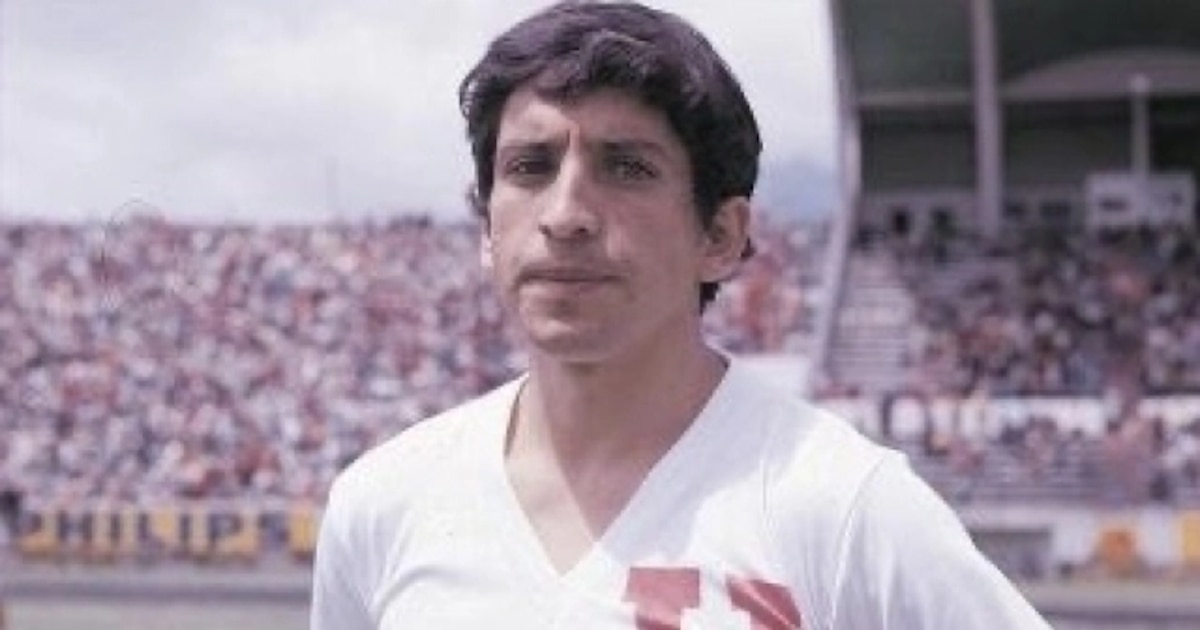
Paúl Fernando Carrera Velasteguí, más conocido como Polo Carrera, nació en Quito el 11 de enero de 1945 y tiene 81 años. Casi nadie en la historia de Liga Deportiva Universitaria de Quito vio tanto fútbol desde tan cerca como él, y sin embargo lo vio, durante toda su carrera, con un solo ojo. Tenía ocho años y estudiaba en la escuela Vicente Rocafuerte de Quito cuando un dardo, lanzado en un juego escolar, le impactó en el ojo derecho. La lesión le dejó una ceguera permanente que ningún especialista logró revertir. Él mismo ha contado que en ese momento pensó que tal vez no volvería a jugar fútbol. No fue así: aprendió a vivir y a jugar con la visión reducida a su ojo izquierdo, y llegó a modificar su ubicación en la cancha para compensar la pérdida de campo visual por el lado derecho.
Durante buena parte de su carrera, ni siquiera sus entrenadores conocían la magnitud de esa limitación. Carrera ha relatado que fue en Uruguay, al tramitar su licencia de conducir, cuando los responsables se sorprendieron al comprobar que veía únicamente con un ojo. Con esa condición debutó como profesional en Liga en 1960: algunas fuentes, incluido el propio Carrera en entrevistas, sitúan ese debut a los 15 años, y se retiró en febrero de 1984, tras enfrentar al Grasshopper de Suiza. Entre un punto y otro pasaron 24 años, aunque no fueron 24 temporadas continuas: hubo salidas, regresos y pasos por media docena de clubes.
Esa itinerancia lo llevó a tres países. En Ecuador vistió las camisetas de Liga de Quito, Deportivo Quito, Barcelona, El Nacional, Universidad Católica y América de Quito. En 1966, con apenas 21 años, se convirtió en uno de los primeros ecuatorianos en jugar en Brasil, cuando el Fluminense de Río de Janeiro lo fichó para una etapa de unos nueve meses. Era, según sus propios recuerdos, prácticamente el único ecuatoriano en su entorno, y tuvo que adaptarse al idioma y a una cultura futbolística que le resultaba ajena. Con Fluminense disputó el Campeonato Guanabara y enfrentó al Santos de Pelé, a quien volvería a cruzarse años más tarde vistiendo otra camiseta. Su paso brasileño, sin embargo, no terminó en título: es una etapa central para entender el alcance internacional de su carrera, pero no un campeonato ganado allí.
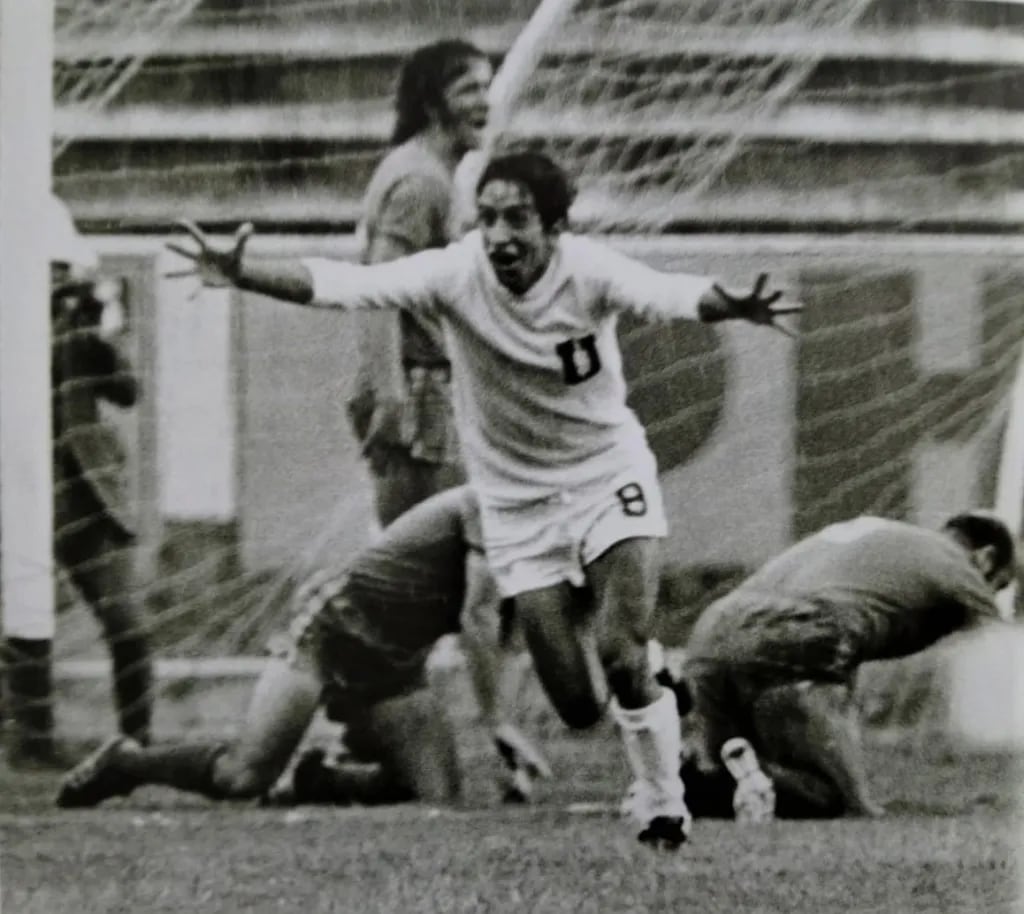
El título fuera de Ecuador llegó en Uruguay. En 1968 Peñarol lo incorporó a un plantel que Carrera describiría después como extraordinario: Alberto Spencer en el ataque, Elías Figueroa en la defensa, Ladislao Mazurkiewicz bajo los tres palos. Ese equipo conquistó el Campeonato Uruguayo ese año, con un gol decisivo de Spencer de cabeza en la victoria sobre Nacional que definió el título. La relación entre los dos ecuatorianos trascendió la cancha: Carrera recordó a Spencer no solo como un gran futbolista, sino como una persona excepcional, y con el tiempo la amistad los llevó incluso a compartir negocios.
De vuelta en Ecuador, la lista de títulos siguió creciendo. Con El Nacional fue campeón del torneo correspondiente a 1973, definido en febrero de 1974. Luego regresó a Liga, justo cuando el club iniciaba una de las etapas más importantes de su historia: en 1975 se coronó campeón nacional con Carrera como una de sus figuras, y esa misma generación llevó a Liga a semifinales de la Copa Libertadores en 1975 y 1976, algo inédito para un equipo ecuatoriano en esa época.
Fue en esa competición donde Carrera dejó la marca que lo definiría por casi veinte años: 12 goles en la Copa Libertadores con la camiseta de Liga, un récord histórico del club que solo caería cuando Patricio Urrutia lo superó, ya en la generación que en 2008 conquistaría el título continental que a Carrera se le había escapado. Ese registro conviene no confundirlo con otro, igual de notable: los 92 goles que anotó con Liga en todas las competiciones a lo largo de sus distintos ciclos en el club, una cifra que lo mantiene como máximo artillero histórico de la institución y que Hernán Barcos, con 91, no logró alcanzar.
Con la selección ecuatoriana, Carrera jugó las eliminatorias rumbo al Mundial de Inglaterra 1966, sin clasificación para Ecuador, y las copas sudamericanas de 1967, 1975 y 1983. Las estadísticas disponibles le atribuyen 20 partidos internacionales y tres goles, aunque las bases modernas varían según los criterios que aplican para considerar un encuentro oficial.
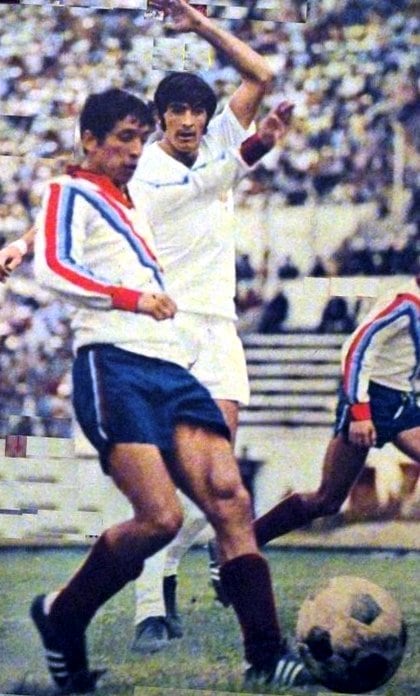
Su historia con los títulos no se cerró cuando colgó los botines. En 1990 asumió como entrenador de Liga, entonces al borde del descenso, y lo condujo al campeonato ecuatoriano, el primero del club en quince años. Carrera pasó así a ser campeón nacional con Liga tanto de jugador, en 1975, como de técnico, en 1990. Después dirigió a Espoli, El Nacional, Aucas, Deportivo Quito y a la selección, y en 1993 logró con Espoli el ascenso a la Serie A.
La historia, además, no terminó en el terreno deportivo. En diciembre de 2025 la Federación Ecuatoriana de Fútbol lo recibió en la Casa de la Selección para su rehabilitación tras una cirugía de rodilla, y en marzo de 2026 relató, en una entrevista concedida en su casa, que desde 2023 había enfrentado un cáncer de huesos en remisión, un infarto y complicaciones posteriores en las rodillas. A los 81 años, el hombre que aprendió a jugar sin visión en un ojo describió esa recuperación como una nueva batalla personal, distinta a las que libró en las canchas de Quito, Montevideo y Río de Janeiro, pero librada con la misma insistencia.
corresponsal:Desde Quito
INTERNACIONAL
Indonesian passenger ship carrying 240 people loses contact in Java Sea, search underway

NEWYou can now listen to Fox News articles!
A passenger ship carrying 240 people vanished from contact in the Java Sea on Sunday local time, triggering an urgent search as Indonesian crews raced to locate the vessel.
The Virgo Transport 8 was traveling from Surabaya, East Java, to Banjarmasin on the island of Borneo when communications with the ship were lost, the Associated Press reported, citing Indonesia’s Banjarmasin Search and Rescue Office.
Authorities said the vessel was last tracked roughly 92 miles from a pier in Banjarmasin, the capital of South Kalimantan province.
MOM LOSES GRIP ON DAUGHTER AS PASSENGER FERRY CAPSIZES WITH 20 PEOPLE STILL MISSING
Authorities are searching for the Virgo Transport 8 after the passenger ship lost contact while traveling from East Java to South Kalimantan. (EyesWideOpen/Getty Images)
Search-and-rescue teams launched an operation after receiving a report that the ship had suffered a communications failure during the voyage, according to the AP.
Officials had not reported any deaths or injuries as of Sunday, and it was not immediately clear what caused the vessel to lose contact or whether weather conditions were affecting the search.
MULTIPLE RESCUED FROM PONTOON BOAT NEAR ALCATRAZ AS SEARCH CONTINUES FOR MISSING PERSONS

The Virgo Transport 8 lost contact while traveling from Surabaya to Banjarmasin, according to officials. (EyesWideOpen/Getty Images)
The Virgo Transport 8 departed Surabaya, Indonesia’s second-largest city, before losing contact while crossing the Java Sea toward South Kalimantan.
The search remains underway.
The Associated Press contributed to this report.
world, asia world regions, missing persons
INTERNACIONAL
‘Trump-level’ smackdown earns Vance roaring praise as 2028 buzz builds at GOP convention
NEWYou can now listen to Fox News articles!
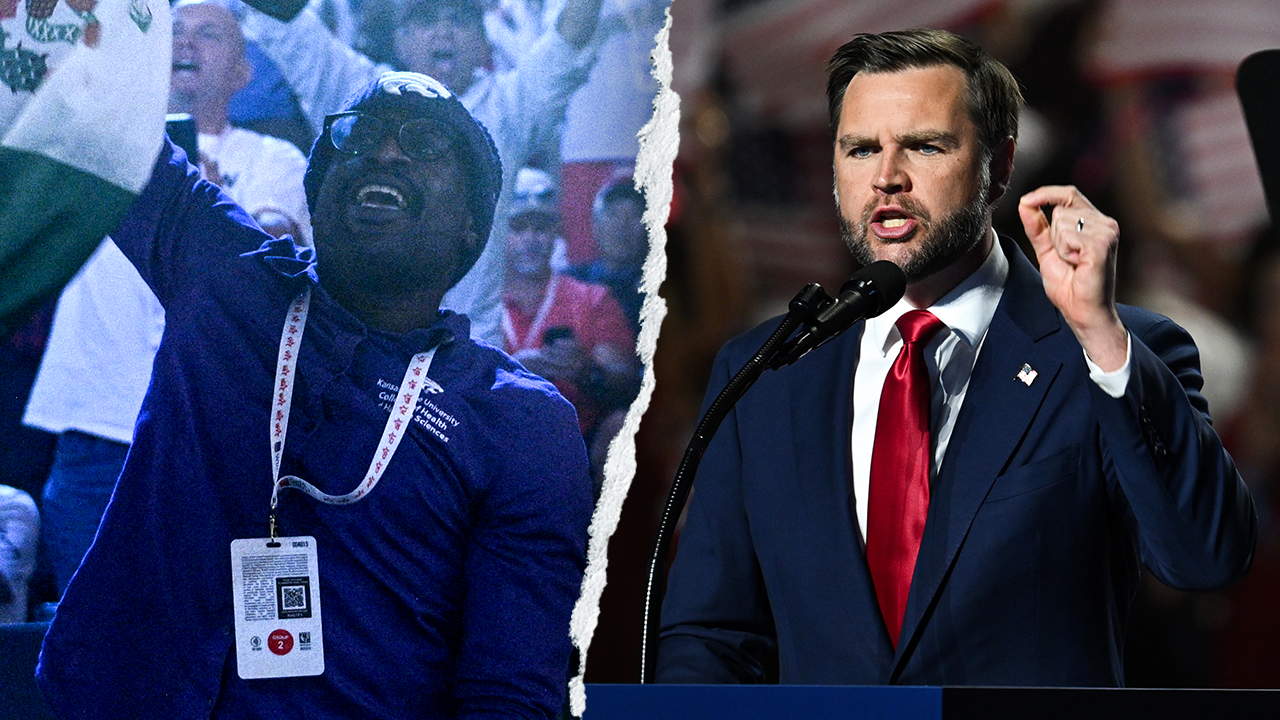
Republicans reached a consensus that Vice President JD Vance solidified his position as the presumptive 2028 presidential candidate with his «Trump-level» smackdown of a foreign flag-waving protester who disrupted his speech at the Republican National Convention.
Vance did not hesitate after a protester interrupted his primetime speech in Dallas on Thursday by waving the flags of the Palestinian Authority and Mexico. He recalled to those watching his speech on TV: «What the people at home missed is that we just had a protester interrupting us and waving the Mexican flag.»
«Well, my friend, if you love Mexico so much, get your a– over there. I’ll buy you the plane ticket,» the VP said, to which the crowd erupted into applause.
«JD Vance just MIC DROPPED a leftist heckler who interrupted him waving a Mexican flag…this place is DEAFENING,» conservative commentator Eric Daugherty wrote on X, adding, «TOTAL PANDEMONIUM.»
CROWD ERUPTS AS VANCE SMACKS DOWN PROTESTER WAVING MEXICAN FLAG: ‘GET YOUR A– OVER THERE’
A protestor throws a Mexican flag as Vice President JD Vance speaks during the second day of the Republican National Committee midterm convention at the American Airlines Center in Dallas, Texas on September 10, 2026. (Brendan SMIALOWSKI / AFP via Getty Images)
Popular conservative pundit Benny Johnson called Vance’s quick wit an «epic response.» President Donald Trump supporter and activist Scott Pressler similarly praised Vance for reacting «without missing a beat,» and called it «an iconic moment.»
«This was masterful. A Trump-level move from JD Vance,» wrote Overton, a conservative commentary and news account. «Vice President Vance perfectly handled a protestor waving a Mexican flag at the RNC in Dallas. Then he fired back with a savage one-liner that sent the American Airlines Center into absolute bedlam.»
The moment was capped off with a «USA!» chant from those in the crowd at the GOP Midterm Convention.
Students for Trump co-founder Ryan Fournier wrote, «JD Vance just absolute [sic] WIPED THE FLOOR with a leftist heckler who interrupted his rally waving a Mexican flag.»
«The crowd went completely WILD. Unbelievable energy,» wrote Fournier.
VANCE DECLARES DEMOCRATS ‘PARTY OF HATRED,’ SAYS PARTY HAS MOVED BEYOND BIG GOVERNMENT, CENSORSHIP

Vice President JD Vance introduces U.S. President Donald Trump to speak on stage on the second day of the 2026 Republican National Convention at the American Airlines Center on September 10, 2026, in Dallas, Texas. (Justin Sullivan/Getty Images)
«JD Vance just notched the most iconic moment of the RNC when he told a protester waving a Mexican flag exactly what all red blooded Americans were thinking,» wrote Turning Point USA spokesman Andrew Kolvet.
Commentator Brilyn Hollyhand put it simply, posting on X, «Yea JD for President after this.»
Vance recovered from the interruption quickly, telling the crowd, «Ladies and gentlemen, I had a whole speech written. But I think I’ve got to change it because we just discovered the symbol of the far left — an idiot waving … a Mexican flag at a protest when he should be waving the flag of the United States of America.»
«Now, we all know, of course, that as much as that person might wave around a foreign flag, he’d much rather live in Dallas, or in Cincinnati, or in any one of our great cities than Mexico,» President Donald Trump’s No. 2 continued. «But while we wave the American flag and fight for the American dream, we have to remind ourselves tonight that the good life that is the foundation of this country’s promise is not guaranteed.»
CHARLIE KIRK HONORED AT GOP CONVENTION WITH CALL TO REJECT ‘COMFORTABLE LOSING’

People hold signs on the first day of the 2026 Republican National Convention at the American Airlines Center on September 9, 2026, in Dallas, Texas. (Photo by Tasos Katopodis/Getty Images)
«Every generation of Americans has had to fight for these things when it’s our turn,» he went on.
«And this fall, the Democrats are running candidates who will tell your children what they’re allowed to say, how they’re allowed to live, and importantly, who they ought to hate, because that’s what the Democrat Party is about in 2026,» Vance continued. «It’s not about you, it’s about foreign fraudsters, and it’s about who they hate. And we got to send their a–es back in November.»
Speculation has swirled over who will be the heir to Trump’s MAGA throne in 2028. The consensus so far among Republicans appears to be split between Vance and Secretary of State Marco Rubio — but a lot could change before the next presidential election.
jd vance, republican convention, politics, dallas fort worth, texas, donald trump, us protests

Polo Carrera, el delantero ecuatoriano que jugó 24 años con un solo ojo, se consagró en tres países y atravesó un cáncer de huesos

Salario mínimo garantizado: una mala idea

Uno por uno, quiénes son los gobernadores que ingresaron a la casa Rosada en lo que va de este año y los que nunca fueron

Facundo Díaz Acosta avanzó a su séptima final del año en el Challenger de Sevilla

Tormenta en el Banco Nación: un crédito de $52.600 millones, una empresa bajo sospecha y el traslado del gerente que se negó a firmar la financiación

Guillermo Andino: “Mi vocación nació a partir del momento más triste de mi vida”

El día que Owen Wilson se emocionó por el abrazo que le dio Lionel Messi tras un partido

Berni se diferenció de Kicillof en la aplicación de la baja de la edad de imputabilidad

Cuánto cuesta comprar una pick up en la Argentina y cuáles son los modelos más baratos en septiembre

La desafiante aventura de Carolina Baldini en moto por Europa: desde Edinburgo a Liverpool en dos ruedas

 ECONOMIA3 días ago
Así es la primera pickup compacta nacional: diseño, cuándo empezará a venderse y el novedoso sistema híbrido que tendrá
- DEPORTE3 días ago
Alarmante frase de Pierre Gasly antes del estreno del circuito de Fórmula 1 en Madrid
- POLITICA2 días ago
“¿Dónde está Kicillof?”: Patricia Bullrich cruzó al gobernador por la inseguridad en la Provincia