INTERNACIONAL
Key American industry seeing blue-collar jobs boom as Trump’s re-shoring policies pay off


FIRST ON FOX: Critical blue collar manufacturing jobs in the U.S. are making inroads after years of Biden-era offshoring hollowed out the workforce, according to a new economic report.
A Council of Economic Advisors (CEA) report says 72,000 manufacturing jobs have been added in 2026 alone, many of them due to a rise in the manufacturing of durable goods like metal and transportation equipment. The advisors say this is a reverse of a Biden-era trend that saw 200,000 manufacturing jobs disappear in the last two years of the former president’s administration.
Not only is the current administration’s focus on re-shoring jobs contributing to the uptick, but so are his tariff policies, according to the CEA, a White House agency responsible for providing President Donald Trump with economic analysis.
AMERICA’S NEW BLUE-COLLAR JOB BOOM IS ONE NOBODY SAW COMING — AND IT’S JUST GETTING STARTED
In particular, Trump’s landmark One Big Beautiful Bill Act (OBBB) has laid the groundwork for American companies to expand in the United States, instead of shipping jobs overseas, according to the report. The bill’s provisions include allowing manufacturers an immediate 100% tax deduction on expenses related to new factory building, and purchasing machinery and equipment.
The report highlights success stories from corporations that are reinvesting in Americans and expanding their businesses.
LARGEST-EVER US STEEL PLANT IS COMING TO A KEY RED STATE AS TRUMP UNVEILS $15B INVESTMENT
For example, the 100% expensing provision in the OBBB has helped Jergens, a manufacturing company based in Ohio, expand to Illinois.
«Since the passage of the bill [OBBB], our employees are voluntarily working additional hours,» the company’s CEO, Jack Schron, said. «They are keeping more of what they earn, putting more money back into the American economy and Jergens has a ready workforce. It is a win-win-win: a win for the employee, for Jergens and for the United States economy.»
BESSENT CREDITS TRUMP IMMIGRATION POLICIES WITH HELPING RETURN JOBS TO AMERICANS AS WAGE GAINS RESUME
Schron added that 83% of his workers are picking up overtime after the OBBB provision established no taxes for overtime work.
In another example touted in the CEA report, a company in North Carolina, Ketchie Inc., has expanded its workforce by 25% after taking advantage of the 100% expensing provision to purchase new machinery. The report says the company waited to buy the equipment until the OBBB passed.
As for wages, manufacturing workers are seeing benefits, too, with their pay increasing by 7.9% since January 2025.
«Adjusted for inflation, this means that blue-collar manufacturing workers are earning nearly $2,500 more per year, on average, since President Trump took office,» the report says.
It also touts figures from the construction industry, including 100,000 construction jobs added since Trump took office.
Semiconductor chip manufacturing, an industry in which the United States typically competes with China, is on the rise in the United States too.
Micron is building memory chip plants in Idaho, Virginia and New York, which the report says is a $250 billion investment in the United States. Apple is investing $600 billion in American semiconductor production, too.
The report also says that major pharmaceutical companies like GSK and Gilead are investing billions of dollars in the United States, along with automakers like Stellantis.
PESSIMISTS SAY THE ECONOMY IS WEAK. THE GOOD NEWS IS, THEY ARE WRONG
All told, the reshoring and tariff policies have resulted in $11 trillion in investments in the United States during Trump’s second term in office, according to the report.
Meanwhile, the economy is on everyone’s mind with only a few weeks left until the midterm elections. Inflation, particularly high gas and grocery prices, continue to impact Americans before they head to the polls.
According to a Poll, the cost of everyday items is a hardship for voters: 61% say gas prices are a major problem, up from 48% two years ago, while 52% say the same for healthcare costs, up from 44%. Majorities also view housing costs (54%, down from 60%) and grocery prices (62%, down from 66%) as major problems.
Nearly two-thirds of Americans say the economy is worse under the Trump administration than before.
politics, donald trump, economic policy, economy











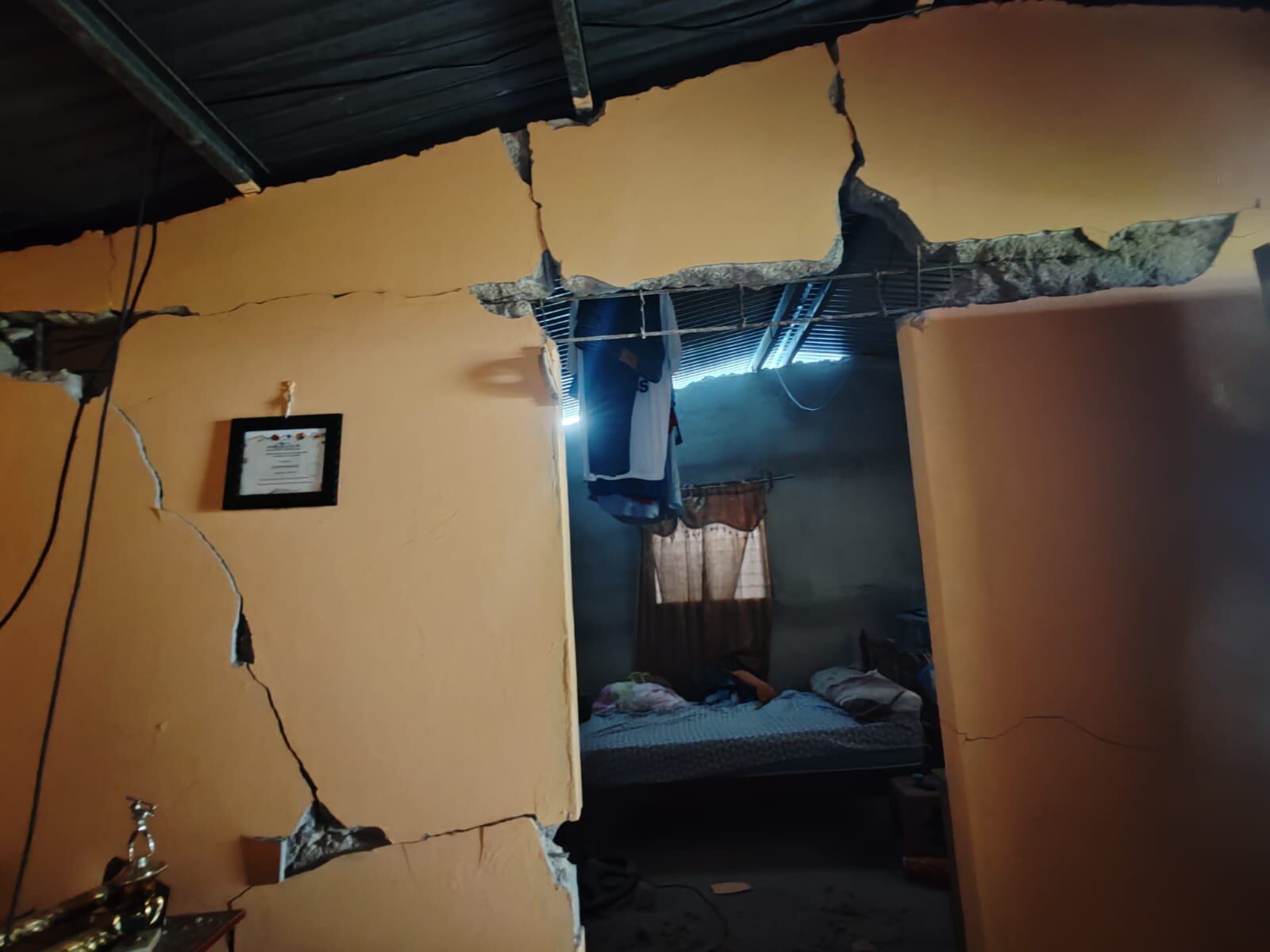
Un total de 4,633 viviendas presentan daños totales en Panamá como consecuencia del terremoto de magnitud 7.5 registrado el pasado 9 de octubre. El Sistema Nacional de Protección Civil (Sinaproc) informó que 19,865 residencias han sido evaluadas, mientras las inspecciones abarcan a 63,767 personas en diez provincias y la comarca Ngäbe-Buglé.
El balance del Centro de Operaciones de Emergencias (COE), actualizado al 2 de noviembre, revela que 11,107 viviendas registran afectaciones moderadas y parciales, mientras otras 4,125 presentan daños leves o menores.
Las cifras reflejan la magnitud de las pérdidas materiales ocasionadas por el movimiento telúrico, cuando han transcurrido 24 días desde la emergencia.
Las evaluaciones se desarrollan mediante el sistema de Evaluación de Daños y Análisis de Necesidades (EDAN), que permite identificar las condiciones de las estructuras y las necesidades de sus ocupantes. El informe también registra 198 mujeres embarazadas y 2,758 personas con discapacidad, grupos que requieren seguimiento prioritario durante la recuperación.
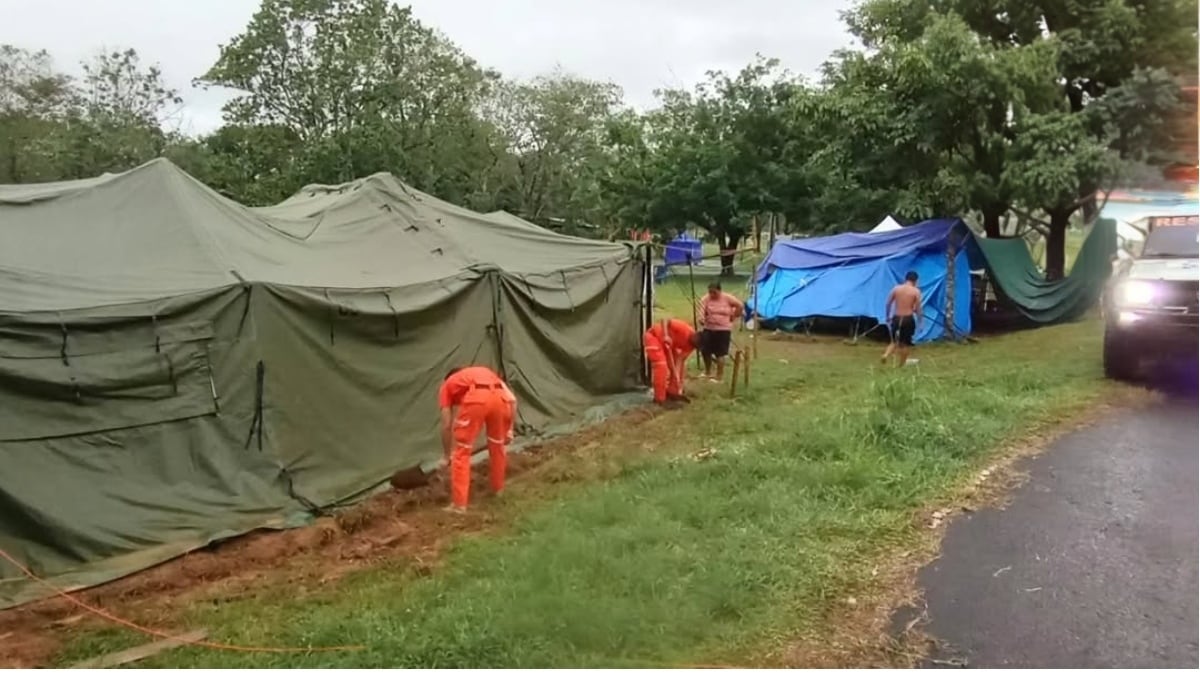
La emergencia mantiene 113 albergues activos en diferentes regiones del país, donde permanecen 3,356 personas pertenecientes a 886 familias. Veraguas concentra la mayor cantidad de damnificados, con 1,635, seguida de Los Santos, que contabiliza 1,153 personas bajo atención de los organismos de respuesta.
En Herrera permanecen 359 personas alojadas en instalaciones temporales, mientras la comarca Ngäbe-Buglé registra 129. Coclé mantiene 66 damnificados y Chiriquí otros 14.
Estas cifras muestran la persistencia de necesidades de alojamiento, especialmente entre las familias cuyas residencias sufrieron afectaciones estructurales importantes.
El Sinaproc mantiene desplegados equipos de evaluación y trabajadores sociales para identificar las necesidades de las comunidades afectadas, orientar a las familias y facilitar la atención institucional.
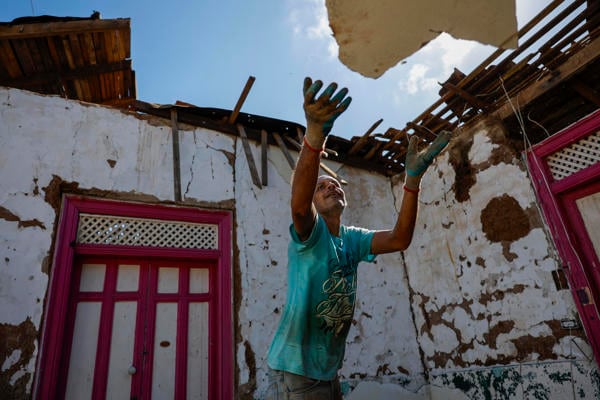
Las labores incluyen acompañamiento a personas vulnerables y distribución de asistencia humanitaria, mientras continúa la verificación de los daños reportados.
En materia alimentaria, el Instituto de Mercadeo Agropecuario (IMA) informó sobre la distribución de 81,229 bolsas de alimentos en 1,548 comunidades. Esta operación forma parte de las acciones de abastecimiento dirigidas a los hogares impactados, particularmente en sectores donde las afectaciones dificultan el acceso a productos básicos.
La respuesta logística también ha requerido movilizar más de 208,317 libras de carga por vía aérea, mediante 343 horas de vuelo y 39 evacuaciones. Paralelamente, las instituciones han transportado 385.50 toneladas de suministros por vía terrestre, utilizando diferentes mecanismos para llegar a las poblaciones necesitadas.
En infraestructura pública, las autoridades reportan más de 853 centros educativos inspeccionados y 120 instalaciones de salud evaluadas. Un balance anterior identificó afectaciones en 619 escuelas, mientras las revisiones estructurales buscan determinar las condiciones de seguridad y facilitar el restablecimiento de los servicios esenciales.
}El terremoto ocurrió el viernes 9 de octubre, a las 12:56 p. m., con epicentro localizado a 39 kilómetros al noroeste de Tonosí, provincia de Los Santos, y una profundidad de cuatro kilómetros. El movimiento provocó daños en viviendas, carreteras, puentes y edificios públicos, principalmente en las provincias centrales.
La evolución de la emergencia refleja un incremento considerable en las evaluaciones realizadas. El 26 de octubre se contabilizaban 13,681 viviendas inspeccionadas y 44,885 personas registradas, frente a las cifras actuales. Aquel balance también reportaba dos personas fallecidas y 27 lesionadas, como parte de las consecuencias del desastre.
El seguimiento internacional ha incluido la participación de organismos de Naciones Unidas, que colaboran en áreas de salud, alojamiento, agua, saneamiento y protección. La Organización Panamericana de la Salud también documentó más de 600 réplicas posteriores al terremoto, un factor que ha complicado la recuperación de algunas comunidades.
Durante las festividades patrias, los equipos de emergencia continúan trabajando en territorio, sin suspender las inspecciones ni la entrega de suministros. Las autoridades también mantienen vigilancia ante las lluvias propias de la temporada, que podrían agravar las condiciones de terrenos inestables y zonas afectadas por deslizamientos.

El Sinaproc reiteró la necesidad de evitar cruzar ríos y quebradas crecidos, atender los avisos meteorológicos y extremar las precauciones con niños y adultos mayores. Mientras avanzan las evaluaciones, la atención a las familias desplazadas y la recuperación de infraestructura siguen entre las principales prioridades de las instituciones.
corresponsal:Desde Panamá
INTERNACIONAL
Elecciones en Estados Unidos: quiénes son los candidatos que hicieron historia con sus triunfos

Las elecciones de mitad de mandato de Estados Unidos, celebradas este martes, dejaron una serie de resultados históricos que cambiaron el mapa de la representación política del país. Por primera vez, una mujer negra y una mujer indígena fueron elegidas gobernadoras, mientras que el Senado sumará a una representante de un pueblo originario y al primer hombre abiertamente gay elegido para integrar esa cámara.
Los resultados reflejaron una mayor diversidad racial, étnica y de género entre los dirigentes electos, tanto del Partido Demócrata como del Republicano. Además, algunas de las principales contiendas marcaron precedentes en estados que nunca habían tenido gobernadores negros o latinos.
“Estos hitos demuestran cómo está cambiando nuestro país”, afirmó Alexis Anderson-Reed, presidenta y directora general de State Voices, una organización que promueve la participación cívica y la equidad democrática.
“Durante años, las personas no blancas y las comunidades LGBTQ+ se han organizado, han llamado a puertas, han hablado con los votantes, han sostenido conversaciones y han realizado la ardua labor de salvar nuestra democracia”, sostuvo. Y agregó: “Estos triunfos son gracias a ellos”.
Las primeras gobernadoras negra e indígena de Estados Unidos
Uno de los resultados más significativos se produjo en Georgia, donde Keisha Lance Bottoms se convirtió en la primera mujer negra elegida gobernadora en los 250 años de historia de Estados Unidos.
La dirigente demócrata, exalcaldesa de Atlanta, derrotó al empresario republicano Rick Jackson y terminó con una larga sucesión de hombres blancos al frente del estado.
“Esta noche debería recordarnos a todos que, sin importar de qué comunidad vengamos, Georgia no está definida por un solo momento en el tiempo ni por una sola persona”, expresó Bottoms durante la celebración de su victoria.
En Nuevo México, Deb Haaland hizo historia al convertirse en la primera mujer indígena estadounidense elegida gobernadora. La dirigente demócrata, integrante de la comunidad Pueblo de Laguna, se impuso al republicano Gregg Hull.
Haaland ya había marcado otros precedentes: en 2018 fue una de las primeras mujeres indígenas elegidas para el Congreso y posteriormente se convirtió en la primera persona indígena estadounidense en dirigir el Departamento del Interior, durante la presidencia de Joe Biden.
“Esta noche, en el año 250 de nuestra nación, estoy ante ustedes como la primera mujer indígena estadounidense elegida gobernadora en la historia de Estados Unidos”, celebró.
La elección también dejó otros resultados inéditos en distintos estados.
En Florida, el republicano Byron Donalds se convirtió en el primer gobernador negro elegido por voto popular en la historia estatal, mientras que el demócrata David Crowley alcanzó el mismo hito en Wisconsin.
En Texas, la demócrata Gina Hinojosa derrotó al gobernador republicano Greg Abbott y se convirtió en la primera mujer latina elegida para dirigir ese estado.
California también registró un resultado histórico: Xavier Becerra ganó la gobernación y será el primer dirigente latino en ocupar el cargo desde Romualdo Pacheco, en 1875.
En Tennessee, la republicana Marsha Blackburn derrotó a la demócrata Jerri Green y se convirtió en la primera mujer elegida gobernadora del estado.
Los triunfos históricos en el Senado y los resultados que todavía estaban abiertos
La renovación del Senado también dejó hitos inéditos.
Peggy Flanagan, vicegobernadora de Minnesota y miembro de la Banda de la Tierra Blanca del pueblo ojibwe, se convirtió en la primera mujer indígena estadounidense elegida senadora.
La candidata demócrata derrotó a Michele Tafoya, exreportera de la liga profesional de fútbol americano, y contribuyó al avance de su partido en la Cámara Alta.
En Nueva Hampshire, el congresista demócrata Chris Pappas derrotó al republicano John E. Sununu y se convirtió en el primer hombre abiertamente gay elegido senador de Estados Unidos.
Durante la campaña, Pappas había evitado colocar su orientación sexual en el centro de la discusión electoral. “No contiendo para hacer historia”, sostuvo.
Mientras tanto, en Michigan continuaba una de las disputas más observadas. El demócrata Abdul El-Sayed buscaba convertirse en el primer musulmán elegido para integrar el Senado estadounidense, pero todavía debía superar al republicano Mike Rogers en una elección reñida.
El-Sayed, epidemiólogo nacido en Michigan, recibió ataques durante la campaña por parte de dirigentes republicanos, incluido Donald Trump. El presidente lo calificó de “peligrosamente radical” y “demasiado extremista”.
Otra contienda pendiente era la de Alaska, donde la demócrata Mary Peltola, de origen yup’ik, buscaba derrotar al senador republicano Dan Sullivan. Peltola ya había hecho historia en 2022 al convertirse en la primera indígena de Alaska elegida para la Cámara de Representantes.
En Illinois, la demócrata Juliana Stratton derrotó al republicano Don Tracy y ocupará el escaño que deja Dick Durbin. Su victoria permitirá que Illinois sea el primer estado representado en el Senado por dos mujeres pertenecientes a minorías raciales, junto con Tammy Duckworth.
candidatos
As House Democratic leaders prepare to take the reins of power in Congress, they are also poised to reckon with far-left rebels who could make their lives difficult over the next two years.
Democrats are projected to win back the House majority after Tuesday night’s midterm elections.
It comes after a far-left insurgency roiled Democrats’ primary elections, and some of those socialist candidates are now expected to be heading to Capitol Hill next year.
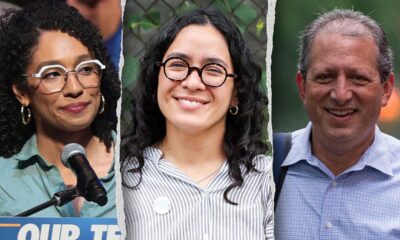
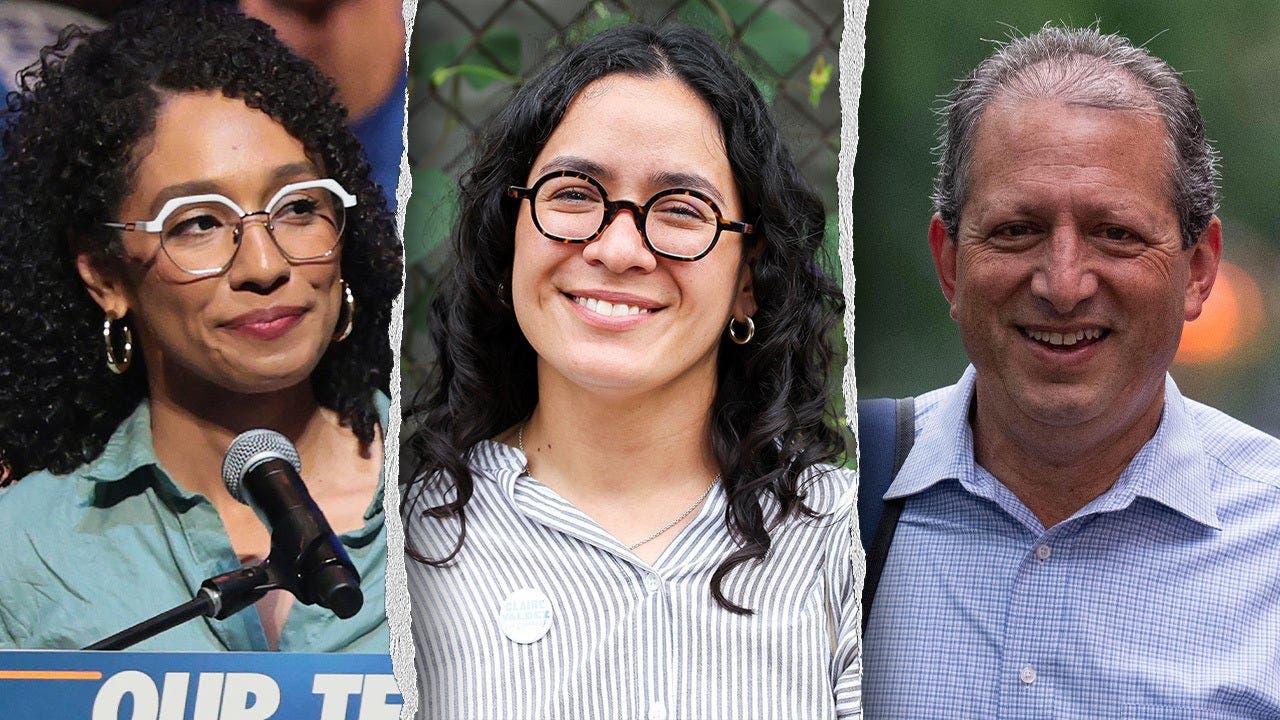
RISING SOCIALIST STARS ON TRACK TO CONGRESS: WHO ARE DARIALIZA AVILA CHEVALIER, BRAD LANDER AND CLAIRE VALDEZ?
Darializa Avila Chevalier is projected to be the next House representative from New York’s 13th congressional district, which covers Upper Manhattan and parts of the Bronx.
Chevalier’s victory comes after she scored an upset victory over Congressional Hispanic Caucus Chairman Rep. Adriano Espaillat, D-N.Y., amid an anti-incumbent wave that swept Empire State elections.
Born in Florida to immigrant parents from the Dominican Republic, she moved to New York City to attend Columbia University for her undergraduate degree.
Chevalier has already earned criticism from her future Republican colleagues for past comments, including a now-deleted post on X, then Twitter, where she purportedly wrote, «I forgot to get napkins so I just wiped my hand on the American flag behind me.»
She’s notably withheld support from Democratic Leader Hakeem Jeffries, D-N.Y., to be the next speaker of the House, telling Vanity Fair she would need certain «commitments» on progressive issues like Medicare for All.
JEFFRIES WELCOMES DEMOCRATIC SOCIALISTS INTO THE FOLD AS CRITICS WARN PARTY IS REVEALING ‘EXACTLY WHO IT IS’
Claire Valdez is another member of the Democratic Socialists of America (DSA) who scored an upset victory during New York’s primaries, defeating a Democrat backed by retiring Rep. Nydia Velázquez, D-N.Y., for the party’s nomination.
MAMDANI-BACKED SOCIALIST WINS IN NEW YORK EXPOSE GROWING RIFT BETWEEN DEMOCRATIC ESTABLISHMENT, INSURGENT LEFT
Valdez is now projected to take over Velázquez’s seat in New York’s 7th congressional district, which includes parts of Brooklyn and Queens.
Valdez is currently a member of the New York State Assembly. On her campaign website, she touts herself as a «dual citizen of the Ysleta del Sur Pueblo Nation and the United States.»
She also has not confirmed whether she will support Jeffries for speaker, telling New York Magazine she would not «negotiate in public» but that she would «see how the midterms shake out.»
CARVILLE WARNS DEMOCRATS MAY NEED TO BLOCK FAR-LEFT CANDIDATES FROM JOINING CAUCUS, MODERATE GROUP DISAGREES
Donavan McKinney in Michigan’s 13th congressional district is another beneficiary of the anti-incumbency backlash during the 2026 election cycle. He’s now projected to come to Congress after earlier defeating Rep. Shri Thanedar, D-Mich., in the primaries.
McKinney is a DSA member and was backed by other prominent socialists like Rep. Rashida Tlaib, D-Mich.
The district he is poised to represent includes part of Detroit and its suburbs.
He recently told Jacobin Magazine that his biggest policy goals include Medicare for All, universal childcare and getting corporate money out of elections.
Also in the interview, he accused his primary opponent of having taken campaign cash from Immigration and Customs Enforcement contractors, the pro-Israel lobby and other corporate interests.
Israel had been the defining issue in his primary campaign. Thanedar was a former DSA member who left the organization over members’ celebrations of the Oct. 7 terror attack by Hamas.
DSA-BACKED CANDIDATES ARE WINNING PRIMARIES AND THEIR VISION FOR AMERICA IS VERY DIFFERENT
Melat Kiros is a DSA member and former attorney whose upset victory in Colorado’s 1st congressional district is forcing an end to longtime Rep. Diana DeGette’s political career.
DeGette, D-Colo., a progressive who has been in Congress since 1997, lost her Denver-area seat in a shocking primary loss to Kiros, a 29-year-old political newcomer.
Kiros was born in Ethiopia «just weeks before her father was selected by the United States’ Diversity Visa Lottery,» according to her campaign website.
She’s drawn controversy for her fierce anti-Israel stance, which includes calling the Oct. 7 terror attack by Hamas an «inevitable» result of the Jewish country’s own actions, according to multiple reports. She has also opposed its existence as a Jewish state.
Kiros is also among those who will not commit to supporting Jeffries for speaker.
GOP LAWMAKER URGES JOHNSON TO SCRUTINIZE NEW SOCIALIST LAWMAKERS’ ‘ACCESS TO INTELLIGENCE’
Pennsylvania state lawmaker Chris Rabb is poised to enter the House of Representatives to represent the state’s 3rd congressional district next year.
The Democratic socialist has called for the U.S. to «immediately dismantle the military industrial complex, cease all imperialist foreign policy, and end all U.S.-led efforts for regime-change,» according to his campaign website.
Rabb has also called for a universal basic income for Americans as well as guaranteed housing, high-speed internet, free transit and «national grocery stores.»
He previously took aim at establishment Democrats in an interview with CBS’ «Face the Nation» in August, saying, «I think listening to folks who have been institutionalists and corporate Dems is probably the wrong thing to do when what your own poll shows is that there is an exhaustion.»
Former New York City comptroller Brad Lander is no longer a DSA member, having left the organization over its response to the Oct. 7 attack on Israel by Hamas.
But his campaign was backed by some of the DSA’s biggest stars, including New York City Mayor Zohran Mamdani.
Lander’s campaign for New York’s 10th congressional district, which includes downtown Manhattan and parts of Brooklyn, served as a proxy battle between the Empire State’s establishment left and socialist factions.
While Lander was backed by Mamdani, his primary opponent, Rep. Dan Goldman, D-N.Y., was backed by Jeffries. Lander also campaigned alongside Chevalier and Valdez.
While he left the DSA over Israel, Lander has still been a fierce critic of the Jewish state. He was recently detained by Israeli law enforcement during a trip to the occupied West Bank to join Palestinian olive farmers harvesting their crop. Israeli authorities released him upon learning his identity.
Unlike his far-left New York cohorts, however, Lander has said he is inclined to support Jeffries for speaker.
politics, midterm elections, socialism, house of representatives politics, zohran mamdani

La mamá de Tomás Holder blanqueó la verdad de su romance con Jáminton Campaz en la PPZ Fest: “Él es muy…”

4,633 viviendas con daños totales: las huellas del terremoto que azotó Panamá

Batacazo del argentino Tomás Etcheverry en el Masters 1000 de París: venció al 9° del mundo y terminó con una racha negativa en su carrera

Se lanza por sorpresa una versión de Nintendo Switch de Godzilla: Destroy All Monsters Melee Remastered – Nintenderos

Santiago Peña anunció cambios en el Banco Central y una ley de emergencia para devolver los ahorros del Ueno Bank

La Cámara de Casación revisará la exclusión de los querellantes del caso $LIBRA: podría reabrirse la causa contra Milei

Qué pasó con el Refugio de Eli y por qué hizo enfurecer a Santi Maratea: «Fue un desastre, él nunca más le contestó y le prohibió…»

El “efecto Lula” sigue pegando en Argentina: los bonos sintieron el impacto, pero el tipo de cambio aguantó

Milei parte nuevamente a España y en el gobierno dicen que no bajará el tono de sus críticas a Pedro Sánchez

Agustín Caulo: “El Gobierno sigue trabajando para que no se politice la visita de León XIV a la Argentina”

 CHIMENTOS2 días ago
Qué pasó con el Refugio de Eli y por qué hizo enfurecer a Santi Maratea: «Fue un desastre, él nunca más le contestó y le prohibió…»
- POLITICA20 horas ago
Milei parte nuevamente a España y en el gobierno dicen que no bajará el tono de sus críticas a Pedro Sánchez
- SOCIEDAD3 días ago
“Cuesta recordar algo parecido a esto”: la revelación del forense a cargo de las pericias por el femicidio de Nancy Godoy