INTERNACIONAL
La Asamblea General de la ONU en su “semana mayor”

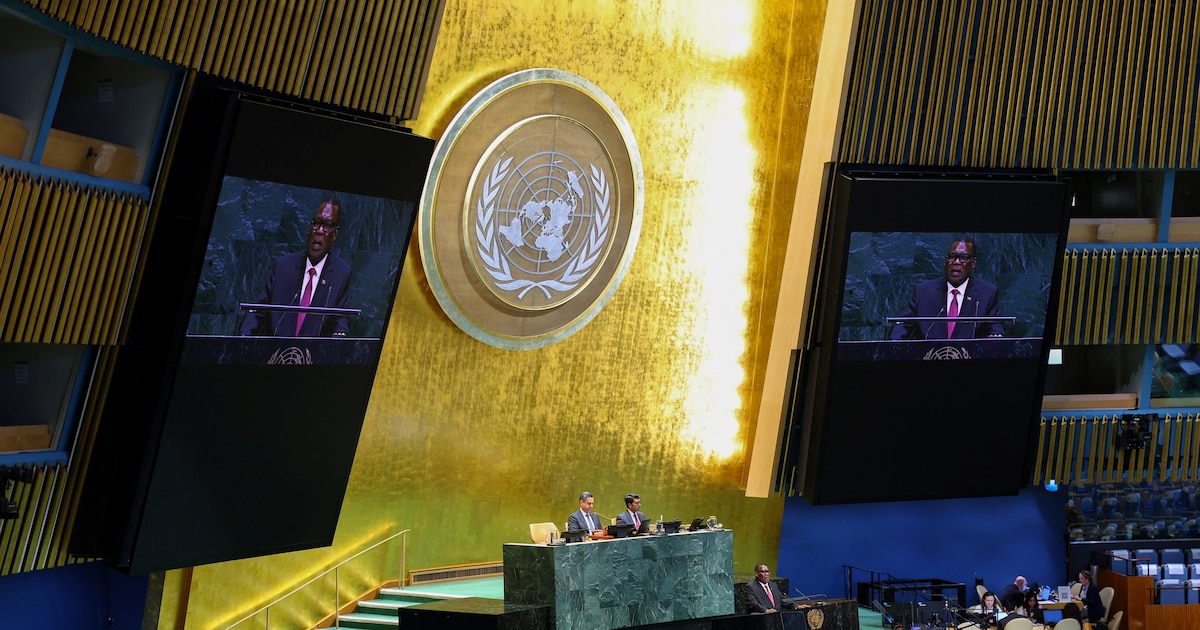
Entre el 20 y el 24 de septiembre pasado se llevó a cabo la 81.ª Asamblea General de las Naciones Unidas, una semana intensa de reuniones, discursos y manifiestos que, como cada año, convirtió a Nueva York en el epicentro de la diplomacia mundial. Es la llamada semana de la UNGA, y deja una pregunta que merece ser formulada: ¿subirse al podio hoy es suficiente?
¿Un discurso de quince minutos puede resolver, o siquiera transformar, los problemas de fondo de los países miembros? Escuchamos intervenciones interesantes, elaboradas y cuidadosamente estructuradas, pronunciadas en ocasiones ante un hemiciclo prácticamente vacío, mientras en distintas regiones del planeta continúan conflictos, guerras y crisis que siguen esperando soluciones concretas.
Entre los participantes estuvo Luiz Inácio Lula da Silva, quien sostuvo que Brasil “no cabe en el patio trasero de nadie”, una frase que resume su crítica a determinadas formas de la diplomacia tradicional y a la manera en que las grandes potencias han entendido históricamente sus relaciones con América Latina.
Luego llegó el turno del presidente de Estados Unidos, Donald Trump, cuyo discurso giró alrededor de la idea de que “América está de vuelta” y de la reafirmación del liderazgo estadounidense en la lucha contra el crimen organizado transnacional, a través del denominado “Shields of America” o Escudo de las Américas.
Sin embargo, me atrevería a decir que una de las reuniones de mayor impacto para nuestra región ocurrió precisamente en paralelo a la UNGA. No fue simplemente otro discurso bien elaborado frente al conocido podio de fondo verde. Fueron 14 países, junto con Estados Unidos como anfitrión, los que ampliaron el denominado Escudo de las Américas, incorporando nuevos actores con una visión alineada y un compromiso que da continuidad a lo discutido en marzo pasado.
Allí se pusieron sobre la mesa compromisos relacionados con seguridad económica, cooperación contra el crimen organizado y coordinación integral entre las naciones. Este tipo de alianzas bilaterales o multilaterales específicas —ese “one-to-one” que permite pasar rápidamente de las palabras a la acción— puede terminar teniendo mayor incidencia práctica que las tradicionales alocuciones en las que se expone un diagnóstico, se formulan buenas intenciones y se presentan resultados parciales, sin que necesariamente exista un mecanismo inmediato para convertirlos en resultados tangibles.
Javier Milei tampoco sorprendió demasiado. Mantuvo su conocido discurso crítico de la izquierda y defendió las correcciones y transformaciones implementadas durante su gobierno, presentándolas como parte de un nuevo enfoque para Argentina y para la región.
Por su parte, Keiko Fujimori, en su primera Asamblea en calidad de presidenta del Perú, aprovechó el escenario para proyectar a su país como un destino amigable para la inversión y transmitir un mensaje dirigido especialmente a quienes buscan oportunidades económicas en América Latina.
Capítulo aparte merece Delcy Rodríguez, presidenta encargada de Venezuela. Su presencia permitió observar una transformación particularmente llamativa en el discurso político venezolano. Rodríguez ya había ocupado ese mismo escenario en 2019, desde una posición ideológica muy diferente. Siete años después, su intervención reflejó el nuevo escenario político venezolano y, además, tuvo un elemento adicional de alto simbolismo: su encuentro presencial con el presidente Trump, una imagen inédita que recorrió rápidamente los medios y las redes sociales, acompañada incluso por un gesto de victoria.
El caso de Xi Jinping, presidente de China, merece una lectura diferente. Su ausencia de Nueva York coincidió con una agenda diplomática desarrollada en Washington, evitando así el congestionado escenario neoyorquino y priorizando el contacto directo con su homólogo estadounidense.
Y así transcurrieron los cinco días de la 81.ª UNGA. Una edición que, en muchos aspectos, guardó sorprendentes similitudes con las ochenta anteriores, a pesar de que el mundo actual es sustancialmente diferente: más globalizado, más interdependiente y, al mismo tiempo, más fragmentado en términos geopolíticos.
Pero esta Asamblea tuvo un ingrediente adicional que se respiró especialmente en los pasillos: la próxima elección del secretario general de las Naciones Unidas. Algunos aspirantes han desistido ante la falta de apoyos; otros continúan buscando respaldos, mientras algunos posibles candidatos podrían intentar aparecer como outsiders en el último momento.
Para las Américas, quizá el verdadero desafío de esta edición no consistía en determinar quién lograba convocar más asistentes o quién pronunciaba el discurso más elaborado frente al famoso podio verde. La pregunta fundamental era otra: ¿quién se sentaría en la mesa del Escudo de las Américas y quién quedaría afuera?
Porque la diplomacia del siglo XXI parece exigir algo más que discursos. Exige acuerdos, coordinación, compromisos verificables y resultados.
Ahora habrá que esperar hasta la UNGA número 82 para comprobar cuánto de lo anunciado durante esta semana se convirtió en realidad. Será entonces cuando podamos determinar si las grandes declaraciones produjeron resultados tangibles, o si volveremos a escuchar los mismos diagnósticos, quizá con otras palabras y, probablemente, con otros protagonistas.
“Al final, la historia no suele recordar cuánto duró un discurso. Recuerda lo que ocurrió después de que terminó”.
* El autor es empresario y comentarista político ecuatoriano. Fue presidente de BanEcuador.
International,Relations,Diplomacy / Foreign Policy,North America










INTERNACIONAL
Trump takes border crackdown to deep-red state as shock Senate battle threatens GOP stronghold
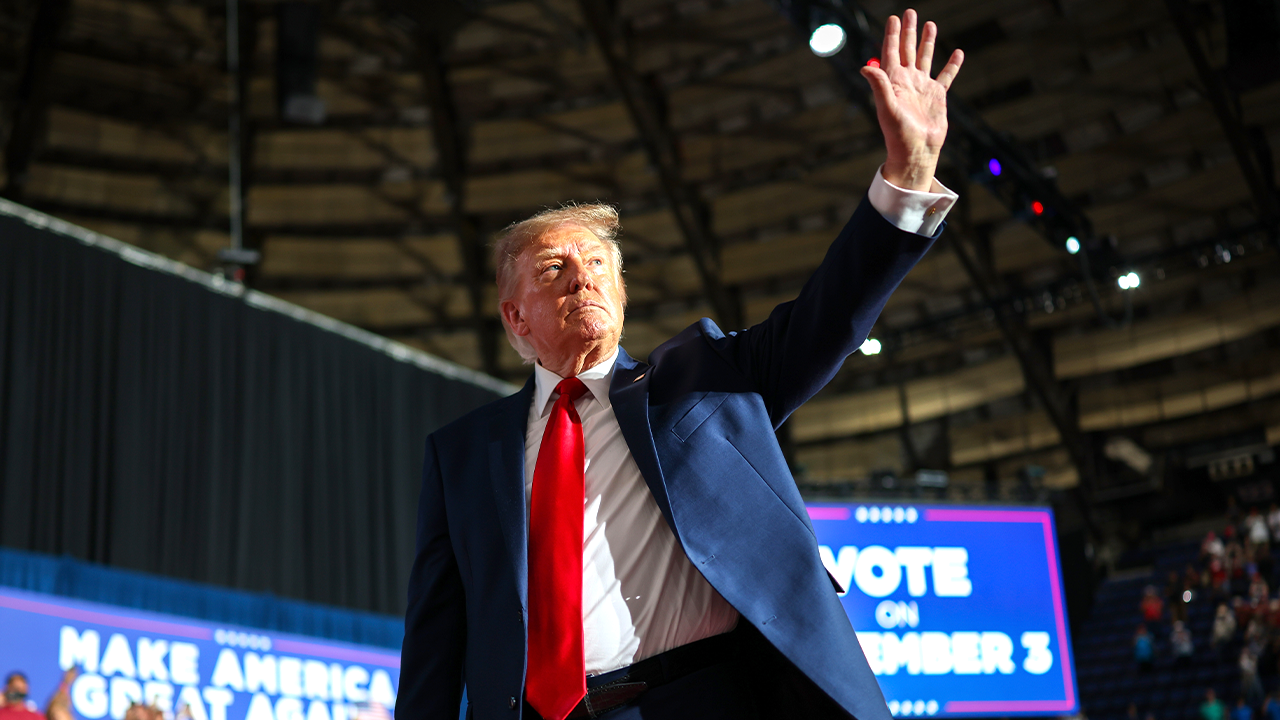
EXCLUSIVE: WICHITA, KANSAS — President Donald Trump is expected to tout his immigration agenda in ruby-red Kansas on Monday, weeks after federal immigration agents made dozens of arrests in the southwestern portion of the state.
Trump is headed to the Sunflower State for a rally just outside of Wichita as a tighter-than-expected Senate race that could determine the balance of power in the upper chamber unfolds.
Digital has learned that Trump will lean into the policy positions that helped propel him and Republicans to power two years ago.
TRUMP DHS HITS 16 STRAIGHT MONTHS WITH 0 RELEASES AT THE BORDER
«President Trump stopped the invasion of our country and delivered Americans the most secure border in American history,» White House spokeswoman Lauren Bis told Digital. «Under the President’s leadership, 3 million illegals have left the United States and zero illegals have been released at the border in seventeen months.»
«Meanwhile, radical Democrats want to go back to their extreme open border policies, abolish ICE, and grant amnesty to the illegal aliens they released into our communities,» she continued.
The Trump-led Department of Homeland Security (DHS) and Immigration and Customs Enforcement (ICE) have touted a string of arrests and deportations of illegal immigrants in the state over the last several months.
GEORGIA ICE SWEEP NABS OVER 700 CRIMINAL ILLEGAL ALIENS, INCLUDING SEX OFFENDERS, CHILD ABUSERS
According to the White House, among some of the «worst of the worst» who were arrested in the state by federal immigration officers include Omar Israel Hernandez of Mexico, convicted of first-degree murder, Jose Luis Rauda-Diaz of El Salvador, convicted of aggravated robbery and two counts of possession of a weapon, Oscar Sanchez-Corona of Mexico, who had previously been deported for drug offenses, damaging property, and driving under the influence, Greg Chukwuka Orji of Nigeria, convicted of dangerous drugs and possession with intent to distribute fentanyl, and Alberto Estrada of Mexico, convicted of aggravated indecent liberties with a child and rape.
Trump’s rally comes as the race between Sen. Roger Marshall, R-Kan., and megachurch pastor Adam Hamilton has cranked up in a state the president has won by double-digits in the last three presidential cycles and has given Republicans cause for concern in a state where voters haven’t elected a Democratic senator in nearly a century.
The Cook Political Report, a nonpartisan race ranker, downgraded the contest to a toss-up earlier this month and money from GOP and Democratic groups is flowing into the state.
KANSAS DEMOCRAT BEGS KAMALA HARRIS NOT TO CAMPAIGN WITH HIM, ‘PLEASE DO NOT COME TO MY STATE’
Marshall, who is vying for a second term, has run close to Trump, rarely breaking from him on key issues throughout this cycle. Hamilton, however, has run away from the Democratic establishment in Washington, D.C., and warned that if elected, he wouldn’t support Senate Minority Leader Chuck Schumer, D-N.Y., for another term leading the caucus.
Trump’s appearance in the state also follows ICE’s three-day sweep in Southwest Kansas last month, dubbed «Operation Safe Community — Kansas,» where agents made over 100 arrests.
Marshall pushed back on the operation, demanding that «when ICE operates in Kansas, it needs to coordinate with our local law enforcement.»
«Our sheriffs and police know these communities better than anyone, and working together keeps officers and residents safe,» Marshall said on X.
Meanwhile, Republicans have targeted Hamilton for his immigration stance, accusing him through ads run by outside groups, like the Senate Leadership Fund, of supporting mass amnesty.
Hamilton, however, pushed back on the Biden administration’s immigration policies and told the Johnson County Post that the previous administration’s open border policies «caused a different kind of chaos.»
«Record crossings overwhelmed communities, and the immigration courts fell years behind,» Hamilton said. «I’m not for open borders, and dangerous criminals don’t belong here.»
politics, donald trump, immigration, kansas, migrant crime
NEWYou can now listen to Fox News articles!
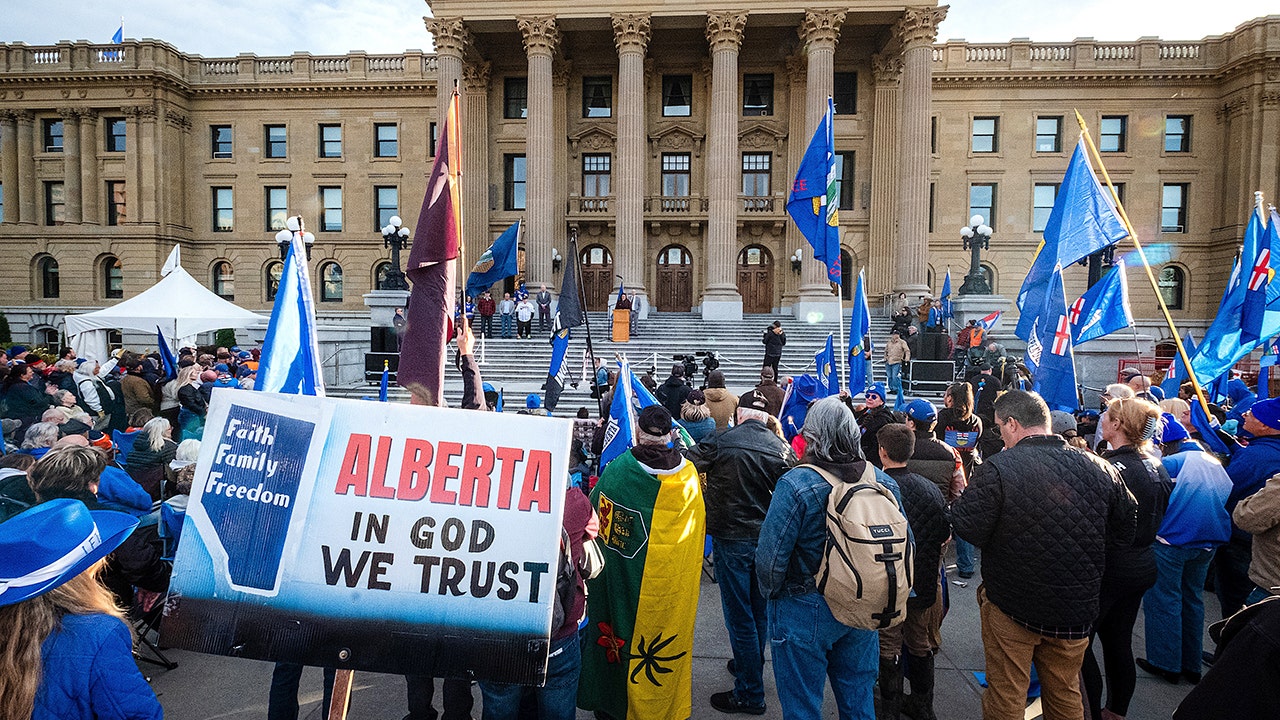
OTTAWA: Residents of Alberta began voting Monday in a non-binding referendum that will determine whether the western-Canadian province should pursue separation from Canada.
The vote comes at a time when the province is mourning the deaths of four soldiers, while dozens of others were injured from a fast-moving fire that burned through a military base in Alberta.
While the results of a poll involving 1,021 respondents released by Abacus Data on Saturday showed that 74% of decided voters favor Alberta remaining within the Canadian Confederation, the independence issue won’t disappear for the nearly 30% who want Alberta’s government to begin the process to hold a binding provincial referendum on whether Alberta should separate from Canada, according to veteran separatist organizer Cory Morgan, who leads a group called Pathway to Independence.
«It will say that about one in three Albertans have had it,» Morgan told Fox News Digital. «There is a big rift within Alberta and if things don’t change, it will be a growing faction in this province — so this vote is an important one.»
EXCLUSIVE: ‘BROKEN COUNTRY’ FILMMAKER WARNS CANADA’S SLOW DECLINE OFFERS CAUTIONARY TALE FOR AMERICANS
Pro-separatist supporters during an Alberta Independence rally in Edmonton, Alberta, Canada, on Saturday, Oct. 17, 2026. (John Diep/Bloomberg via Getty Images)
About 3 million Albertans are eligible to vote in the referendum.
Another recent Abacus poll found that 61% of the 1,021 eligible voters surveyed expect Albertans will vote again on separation, even if most choose to remain in Canada.
On Friday, the Angus Reid Institute released the results of its poll that found 62% of 1,010 Albertans surveyed believe «there will never be an end to the separatist movement» in the province.
Morgan, who led the short-lived Alberta Independence Party from 2000 to 2001, said that while «a vocal minority» within the separatist movement favor Alberta becoming the 51st state, most pro-independence Albertans «don’t want to become a small fish in an even bigger pond.» He added that «Albertans in general are not too thrilled with President Trump right now and that makes them less inclined to leave the federation.»
At a «Forever Canadian» rally on Friday in Edmonton, where he was raised, Prime Minister Mark Carney told a crowd of over 5,000 people that «this referendum comes at the worst possible time.» He said that «the world is becoming more dangerous and divided [and] some outside our borders are working to break us so they can own us,» making an indirect reference to Trump’s trade war against and annexation talk about Canada.
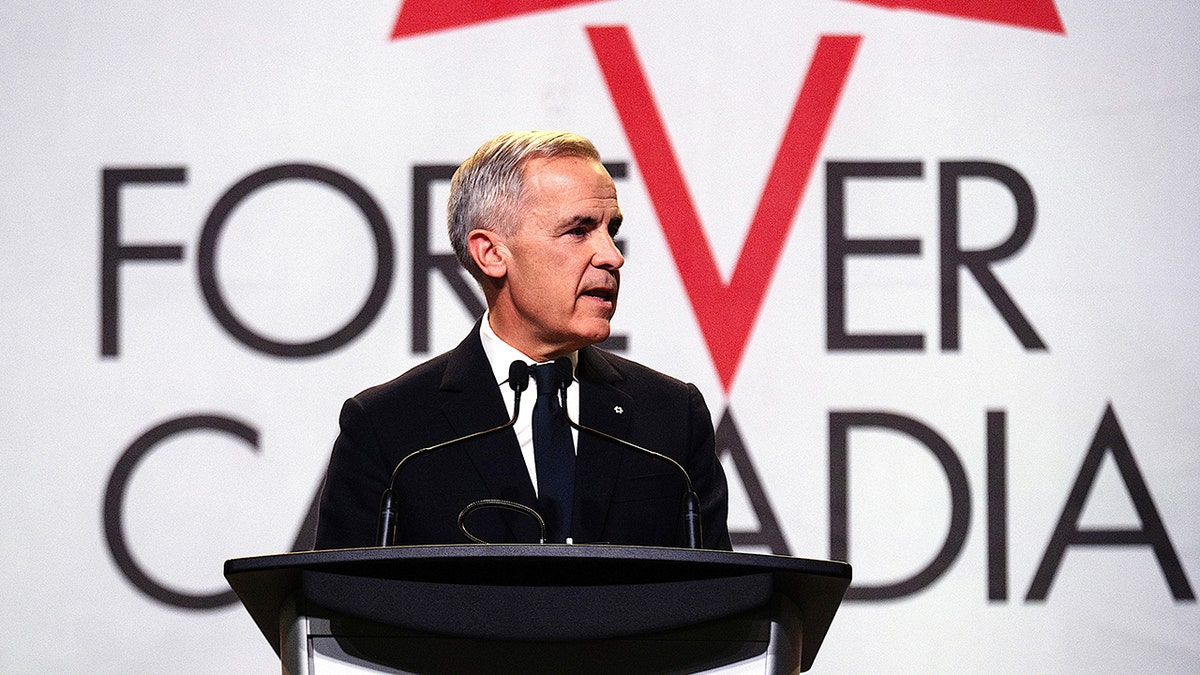
Mark Carney, Canada’s prime minister, during a Forever Canadian rally in Calgary, Alberta, Canada, on Thursday, Oct. 15, 2026. In Monday’s referendum, voters will be asked if they wish to remain in Canada or begin the legal process to hold a binding provincial referendum on whether Alberta should separate. (Allison Seto/Bloomberg via Getty Images)
Alberta-born and raised, 55-year-old Morgan said that his home province is «politically and culturally different» than eastern Canada. «There’s a lot more focus on individual freedoms and property rights,» he noted, acknowledging that those values are traditionally viewed as American.
«Most Albertans are going to feel much more comfortable sitting down for a beer with people from Great Falls, Montana, than they would in Ottawa,» said Morgan. He explained that when Alberta became a Canadian province in 1905, its population grew largely from a migration of Montanans, and when oil was discovered in the 1940s, U.S. companies Chevron and Mobil helped develop what became Alberta’s biggest industry.
Also, earlier this year during an appearance on Real America’s Voice at Davos, Treasury Secretary Scott Bessent described Alberta as «a natural partner for the U.S.» and described Albertans as «very independent people.»
In response, Carney said that he «expect[ed] the U.S. administration to respect Canadian sovereignty.»
Earlier this month, The Globe and Mail reported that Alberta separatist leaders met with Republican strategists in Calgary in January to look at software designed to identify and mobilize supporters. Separatist leaders also reportedly suggested exchanging water and oil for U.S. support when they met with State Department officials in Washington last year.
CANADIAN PM TELLS TRUMP TO ‘STOP TRYING TO BE TOUGH’ IN TRADE FIGHT
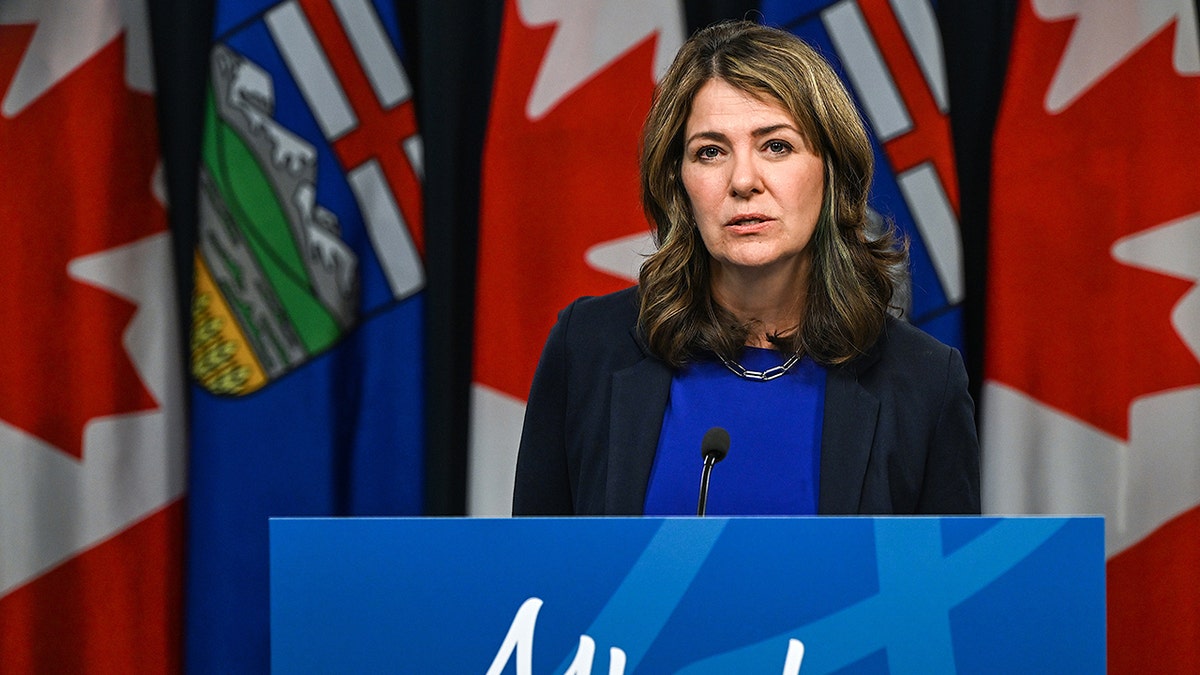
Danielle Smith, premier of Alberta and leader of the United Conservative Party (UCP), speaks during a press conference at the Alberta Legislature on May 6, 2025, in Edmonton, Alberta, Canada. Premier Smith acknowledged that separation sentiment has long existed in Alberta and, while she doesn’t support it, said Albertans have a democratic right to express concerns and debate the province’s place in Canada. (Artur Widak/NurPhoto via Getty Images)
Alberta Premier Danielle Smith told CBC News that if most Albertans support staying in Canada, she would not hold another referendum on the matter as long as she heads the provincial government.
However, on Oct. 18, 2027, residents of the province will vote again in a general election, and Smith could be out of her job by then, warned Morgan, a founding member of the former conservative Wildrose Party, for which Smith served as leader.
That party merged with the then-Progressive Conservative Party of Alberta in 2020 to form the United Conservative Party (UCP) that Smith heads. But Morgan explained that more than half of the UCP’s nearly 55,000 members support Alberta’s independence. The premier has said that she will vote to keep the province in Canada.
Angus Reid, founder and chairman of the Angus Reid Institute, told Fox News Digital that in his firm’s recent polling, 67% of the 293 UCP voters who support a future binding referendum on separation said that they would either «definitely support» or «consider» supporting the creation of a separatist provincial political party – not unlike the Parti Québécois, which won the recent election in Quebec.
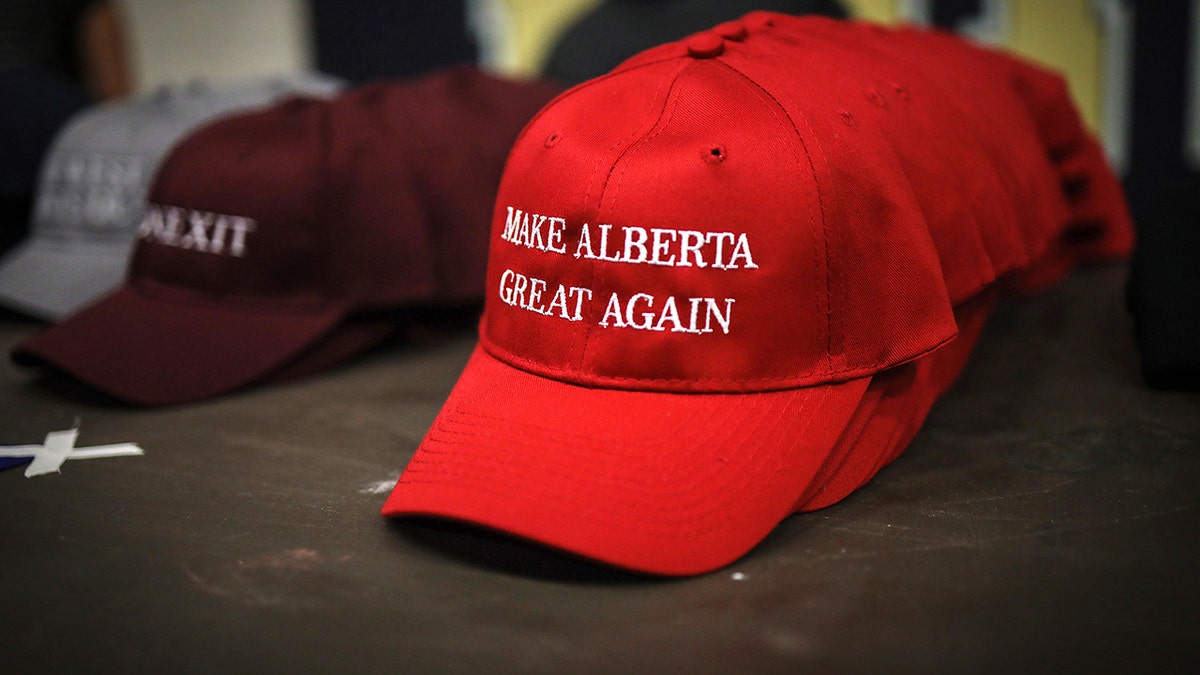
«Make Alberta Great Again» hats sit on display for sale in Calgary, Alberta, Canada, on Saturday, Nov. 16, 2019. (Leah Hennel/Bloomberg via Getty Images)
The emergence of an independence party in Alberta «would probably spell the death of the UCP since it is so badly divided between separatists and non-separatists, and it would likely end the career of Danielle Smith because of the amount of breakage in her party,» said Reid, whose firm’s survey found that 60% of the respondents who support a future binding referendum are «more likely sending a message to Ottawa» about the Canadian government’s often fractious relationship with Alberta.
«Separatist types are looking at how much leverage Quebec has been able to achieve in Canada as a result of its threats of exiting, and saying ‘Hold it, we can play that game too,’» explained Reid.
As of Saturday, more than 1.2 million Albertans had cast a ballot on the referendum, which, in addition to the question on separation, has nine others, five focusing on immigration, such as one asking voters whether their province should take more control «for the purposes of decreasing immigration to more sustainable levels, prioritizing economic migration and giving Albertans first priority on new employment opportunities.»
canada, mark carney, elections
INTERNACIONAL
“Una consulta oportuna y rápida puede cambiar la historia de la enfermedad”, oncóloga guatemalteca recomienda ampliamente la prevención

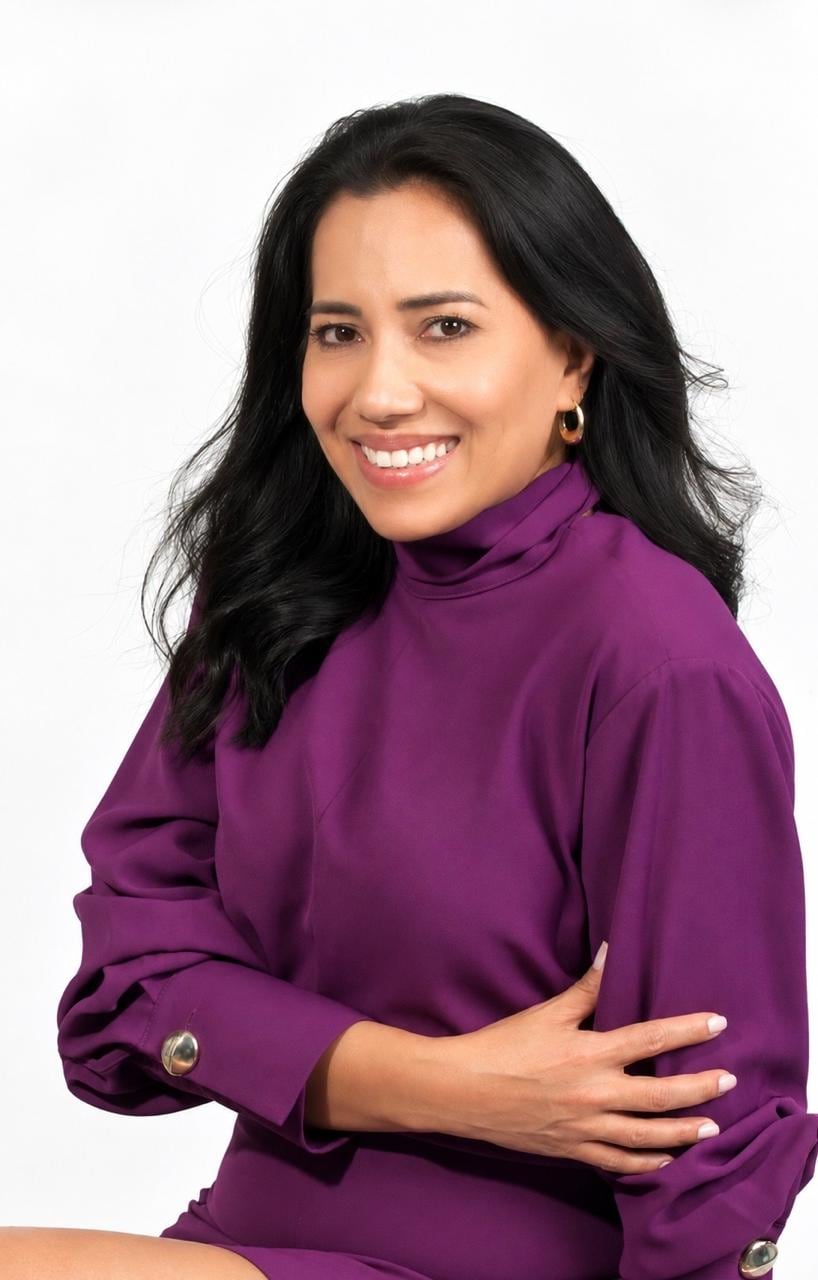
La médico oncóloga Agatha Reyes recomendó conocer los factores de riesgo, realizar controles preventivos y consultar ante cambios en las mamas. También pidió no postergar la atención por miedo o inseguridad: “Una consulta oportuna y rápida puede cambiar la historia de la enfermedad”.
Factores de riesgo y medidas de prevención
Reyes señaló que la prevención comienza por conocer los factores de riesgo modificables y los que no pueden cambiarse.
Entre las medidas que las pacientes sí pueden adoptar, recomendó una alimentación adecuada, actividad física, evitar el alcohol y el tabaco, y no prolongar el uso de terapias hormonales.
La oncóloga explicó que los antecedentes genéticos no se pueden modificar. También incluyó en este grupo haber tenido la primera menstruación a los nueve o diez años y una menopausia tardía.
“Lo primero que diría es tratar de manejar o conocer los factores de riesgo de estas enfermedades”, sostuvo Reyes.
Controles, autoexamen y señales de alerta
—¿Cuándo deben iniciarse los controles preventivos?
—A partir de los cuarenta años debemos empezar a llevar un control preventivo de la enfermedad, con mamografía y ultrasonido.
—¿Por qué se recomiendan ambos estudios?
—Van de la mano porque hay lesiones que se llaman microcalcificaciones, que reflejan una enfermedad premaligna y se pueden identificar en una mamografía, pero no en un ultrasonido. En un ultrasonido podemos definir lesiones que en la mamografía no, entonces al final son complementarias.
—¿Qué ocurre si existen antecedentes familiares?
—Si tengo una familiar con antecedente de cáncer de mama. Mamá, hermana o abuela, tengo que identificar las edades en que ellas presentaron la enfermedad y, dependiendo de eso, empezar controles de manera más temprana.
—¿Cuándo conviene hacer la palpación mamaria?
—Después de siete días del ciclo menstrual. Es muy importante conocer nuestras mamas, ver en el espejo si no hay cambios en la piel, si no hay hundimientos y palparnos conforme a la orientación de las agujas del reloj.
—¿Cuáles son las señales de alerta?
—Engrosamiento en la piel, eritema, hundimiento en la mama, secreción del pezón y palpar una lesión. Todos esos son signos de alerta.
—¿El dolor es una señal suficiente?
—Muchas veces se puede ver una lesión sin necesidad de dolor. Ya cuando hay dolor, puede venir asociado a otras causas, a veces también causas infecciosas.
Recomendaciones tras el diagnóstico y durante el tratamiento
—¿Qué debe hacer una paciente cuando recibe un diagnóstico?
—Lo primero que les digo es que busquen un especialista en el área. Es muy importante que se sientan con confianza y tranquilas con el especialista que las vaya a tratar.
—¿Por qué es necesario seguir la orientación del especialista?
—Muchas veces están con el especialista, pero oyen a la amiga, a la prima y otras historias. Al final, cada historia y cada paciente es diferente.
—¿Qué recomendaciones da durante el tratamiento?
—Todo lo que coman debe ser cocido, hecho en casa y sin cáscara, porque las defensas bajan y puede haber infecciones.
—¿Qué lugar tiene la alimentación?
—En general, recomiendo una alimentación balanceada. Si tienen un tratamiento oncológico, es fundamental tener una nutricionista de la mano.
Cirugía, tratamientos y acompañamiento emocional
—¿Cuándo puede indicarse una cirugía?
—Lo ideal es identificar muy temprano una lesión muy pequeña y empezar con una cirugía. Esto también va a depender del subtipo y de qué tipo de enfermedad es: hormonal, luminal o triple negativo.
—¿La cirugía es necesaria en todos los casos?
—La cirugía es fundamental en el tratamiento. No se puede obviar.
—¿La quimioterapia y la radioterapia siempre son necesarias?
—La radioterapia depende del tipo de cirugía y de la etapa clínica en la que estamos. La quimioterapia también podría no ser necesaria, dependiendo de la etapa en que se diagnosticó.
—¿Qué apoyo se recomienda para una paciente que duda de continuar el tratamiento?
—Trabajo mucho al lado de especialistas de la salud mental, psicólogos y psiquiatras, con los cuales podemos dar apoyo emocional a los pacientes para que entiendan la importancia de los tratamientos.
—¿Qué necesita saber la paciente sobre su atención?
—Lo más importante es hablar el mismo idioma con el paciente para que tenga claro qué estamos haciendo y hacia dónde vamos.

Seguimiento médico y diagnóstico oportuno en Guatemala
Después del tratamiento, Reyes indicó que las pacientes deben mantener una vigilancia estricta durante diez años.
Durante los primeros dos años, recomendó controles cada tres meses. A partir del tercer año, las consultas pueden realizarse cada cuatro meses.
Luego del cuarto año, el seguimiento puede ser cada seis meses. Después de cinco años, puede pasar a ser anual.
La oncóloga aclaró que no existe un momento específico en el que pueda reaparecer la enfermedad. El riesgo cambia según el tipo de cáncer de mama, su agresividad y los riesgos de recurrencia.
Reyes explicó que existen cánceres de mama hormonales, HER2 y triple negativos. “Son diferentes enfermedades con un mismo nombre, que se llama cáncer de mama, pero se tratan diferente”.
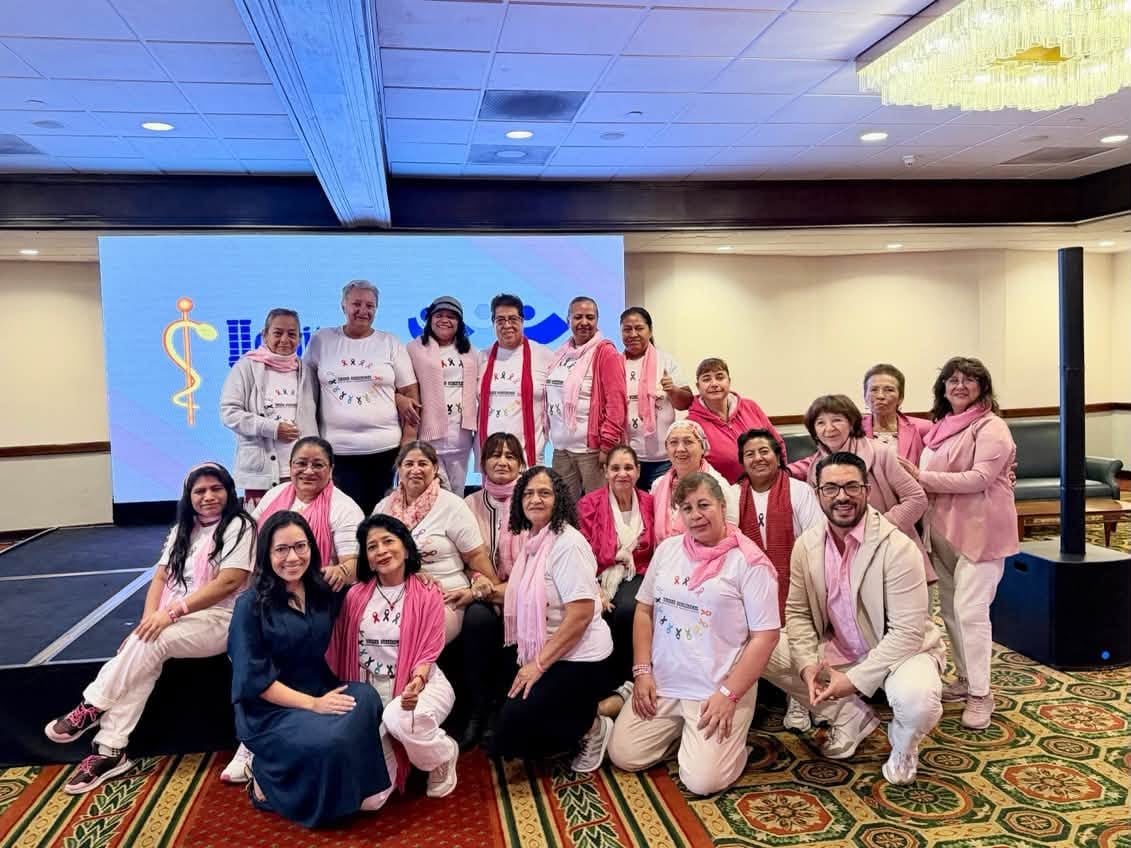
En el Hospital Roosevelt, el cáncer de mama ocupa el primer lugar de incidencia entre los tipos de cáncer, según la especialista. También afirmó que los diagnósticos aparecen a edades cada vez más tempranas.
“La mayoría de los casos son localmente avanzados”, señaló. Añadió que disminuyeron los casos que se presentan inicialmente con enfermedad metastásica en otras partes del cuerpo y que empiezan a observarse diagnósticos más tempranos.
Para Reyes, una consulta rápida ante un cambio en las mamas puede modificar el curso de la enfermedad. “Estas enfermedades diagnosticadas a tiempo se curan”.
cáncer de mama,oncología,consulta médica,Guatemala,mujeres indígenas

Alerta roja en Sudamérica por el Súper Niño: cambio climático, inundaciones extremas y el hallazgo de microplásticos y metales en el granizo

Llega a la Corte el caso de los exfuncionarios kirchneristas sobreseídos por el derrame en la mina de Barrick

Cristina Kirchner recibió a Massa: la estrategia para definir candidaturas y la expectativa por una decisión de la ONU

Boca y su cábala para la vuelta con Vasco: la particular camiseta que usará

Las siete producciones detrás de la denuncia contra Hernán Casciari: de películas que no podían fallar a retornos de centavos

Las acciones argentinas operan en baja mientras Wall Street rebota gracias a las tecnológicas

La lesión de Lautaro Martínez que encendió las alarmas de la selección argentina: el comunicado del Inter

Noche negra y oleada de críticas contra Jofre Torrents

El futuro será inteligente, pero inconsciente

La ANMAT prohibió un dispositivo de depilación definitiva por irregularidades sanitarias

 CHIMENTOS3 días ago
Juan Minujín contó como llegó a trabajar con Angelina Jolie y Salma Hayek: «Al principio dije que no»
- INTERNACIONAL2 días ago
Trump’s new press secretary out of the job just days after rocky debut
- POLITICA3 días ago
Los intendentes del PJ que afrontarán un recambio inédito si es que la ley de reelecciones no se revierte