INTERNACIONAL
La medicina avanzada y los precios competitivos consolidan a Guatemala como destino regional de salud

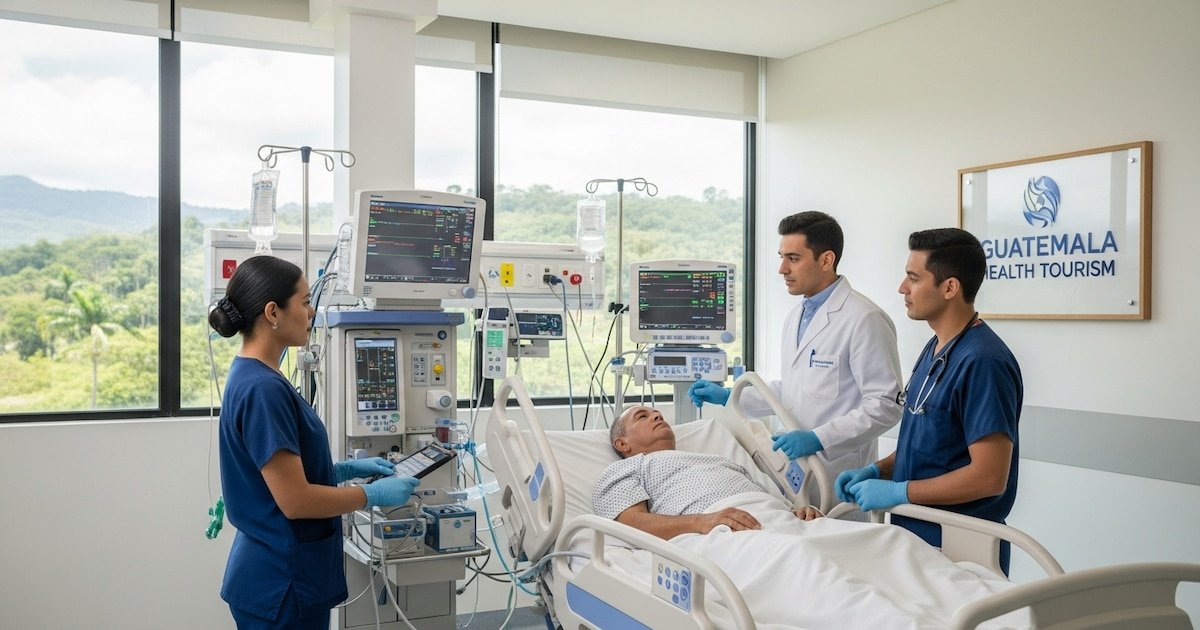
La incorporación del sistema ECMO en Guatemala fortalece su oferta de turismo de salud de alta complejidad y evita que pacientes con insuficiencia cardíaca o pulmonar grave deban ser trasladados al extranjero en estado crítico, según una publicación de Agexport Hoy.
La disponibilidad local de esta terapia, de acuerdo con ese medio, acerca al país a destinos médicos regionales como Costa Rica, Colombia y México.
El dato se suma a otra variable clave para ese mercado: Guatemala ofrece procedimientos con precios hasta 50 % más bajos que en Estados Unidos, según el texto fuente.
Esa combinación entre medicina especializada, costos competitivos e infraestructura es la base sobre la que el país busca captar pacientes que antes viajaban directamente a Houston, Miami o Bogotá.
El ECMO, sigla de oxigenación por membrana extracorpórea, funciona como un pulmón o corazón artificial extracorpóreo. Extrae la sangre, la oxigena, elimina el dióxido de carbono y la devuelve al organismo para que los órganos afectados puedan descansar y recuperarse, según Agexport Hoy.

Hasta ahora, los pacientes guatemaltecos y centroamericanos que necesitaban esa terapia debían salir del país, con riesgos clínicos, costos adicionales y el impacto familiar que supone un traslado en condiciones críticas, según Agexport Hoy. La disponibilidad del sistema modifica ese escenario para los casos más complejos de medicina crítica.
El Hospital Herrera Llerandi activó un sistema que requiere 26 especialistas y protocolos en menos de una hora
El avance no se limita a la compra de un equipo médico. Según Agexport Hoy, el despliegue del ECMO exigió la formación de un ecosistema clínico con más de 26 especialistas y subespecialistas certificados internacionalmente, personal de enfermería entrenado de forma específica y protocolos de activación capaces de poner en marcha el sistema en menos de una hora.
Ese proceso tomó tres años, de acuerdo con Agexport Hoy. El punto central, según esa publicación, es que la tecnología solo se convierte en capacidad real cuando existe un equipo humano preparado para operarla en condiciones de alta exigencia.
El Hospital Herrera Llerandi integró el ECMO a su nueva Unidad de Cuidados Intensivos, diseñada bajo estándares internacionales con tecnología antibacterial, filtros HEPA y sistemas de aislamiento inteligente, según Agexport Hoy. La institución ya era identificada por ese medio como pionera en los primeros trasplantes de médula ósea y hepáticos realizados en el país.

La validación inicial llegó con un primer caso exitoso: un paciente de 25 años se recuperó tras cuatro días de soporte extracorpóreo, según Agexport Hoy. Para el hospital, ese resultado respalda tanto la inversión tecnológica como la preparación del equipo que opera el sistema.
La respuesta directa a la pregunta sobre qué cambia con este avance es concreta: Guatemala ya puede sostener en su propio territorio terapias de soporte vital para pacientes con insuficiencia cardíaca o pulmonar severa, sin depender de una derivación internacional. Ese es el tipo de capacidad que, según el texto fuente, define a un destino maduro de turismo médico.
El texto fuente ubica la mayor parte de la infraestructura médica en dos polos. Ciudad de Guatemala reúne los hospitales privados más modernos y la tecnología de punta, en especial en las zonas 10 y 14, mientras Quetzaltenango aparece como otro centro de atracción con clínicas altamente especializadas y un entorno orientado al descanso.
Esa red incluye hospitales, clínicas dentales y oftalmológicas, centros especializados en cirugía plástica y estética, traumatología, fisioterapia y rehabilitación, oncología, diabetes, medicina reproductiva y servicios de bienestar, muchos de ellos con certificaciones internacionales, según el texto fuente. También señala que el país atrae pacientes interesados en odontología, cirugía plástica, cirugía bariátrica, oftalmología y ortopedia.
Publicaciones anteriores del CACIF, sostienen que Guatemala ofrece una de las ciudades más modernas de la región y estándares altos en servicios de medicina especializada con tecnología avanzada. Esa oferta se complementa con médicos formados en el extranjero, precios competitivos y una experiencia turística asociada al período de recuperación.
El componente turístico aparece como parte del paquete que se ofrece al paciente internacional. Después del tratamiento, según el texto fuente, los visitantes pueden desplazarse a destinos como Tikal, Antigua Guatemala, el lago de Atitlán, Semuc Champey y la sierra de Los Cuchumatanes.
La propuesta también incorpora turismo de bienestar, con servicios orientados a la salud mental, física y emocional, además de estancias de recuperación para quienes viajan por tratamientos dentales, cirugías plásticas u otros procedimientos, según el texto fuente. En ese marco, la llegada del ECMO amplía la oferta desde las intervenciones electivas hacia la medicina crítica y de alta especialidad.
Profesionales,salud,médicos,academia,equipo,colaboración,institución,grupo,ciencia,medicina







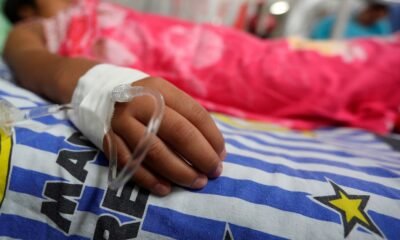

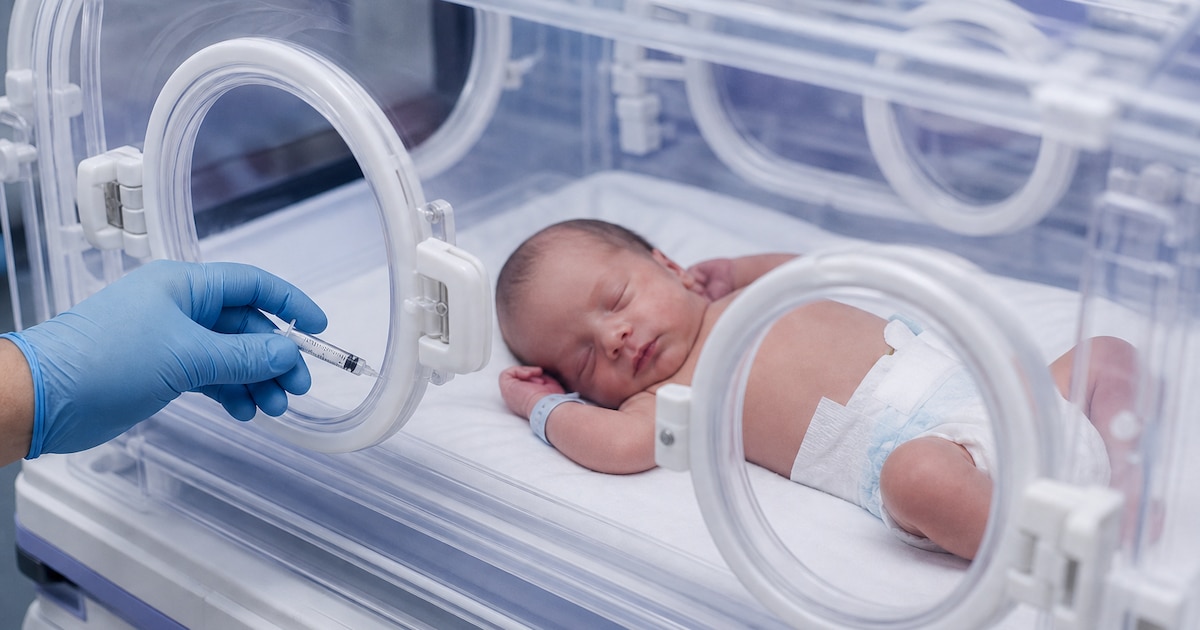
El virus respiratorio sincitial afecta con fuerza a la provincia atlántica de Bocas del Toro, donde se contabilizan al menos 238 casos y dos últimas muertes de menores de un año.
El incremento también se refleja en la demanda de atención pediátrica y en la aplicación de una nueva estrategia preventiva para recién nacidos, según el Ministerio de Salud.
El director regional de Salud, Daryl Padmore, confirmó a una televisora local que las víctimas eran bebés de tres y seis meses de edad.
La situación en esa provincia forma parte de un registro más amplio de muertes asociadas al virus en el país durante la semana epidemiológica 31.
Las autoridades sanitarias comunicaron que el Virus Respiratorio Sincitial (VSR) causó 18 defunciones en Panamá hasta ese período epidemiológico.
La mayor parte de las muertes correspondió a menores de cinco años. El resto afectó a personas mayores de 65 años.
Del total de fallecidos durante el periodo descrito, 12 eran hombres y seis eran mujeres.
La comarca Ngäbe Buglé concentró seis decesos. Bocas del Toro y Chiriquí registraron tres casos cada una.
Panamá Oeste acumuló dos muertes. Las otras defunciones se distribuyeron en distintas regiones del país.
El reporte sanitario sitúa a Bocas del Toro entre las áreas con mayor número de fallecimientos vinculados a esta enfermedad respiratoria.
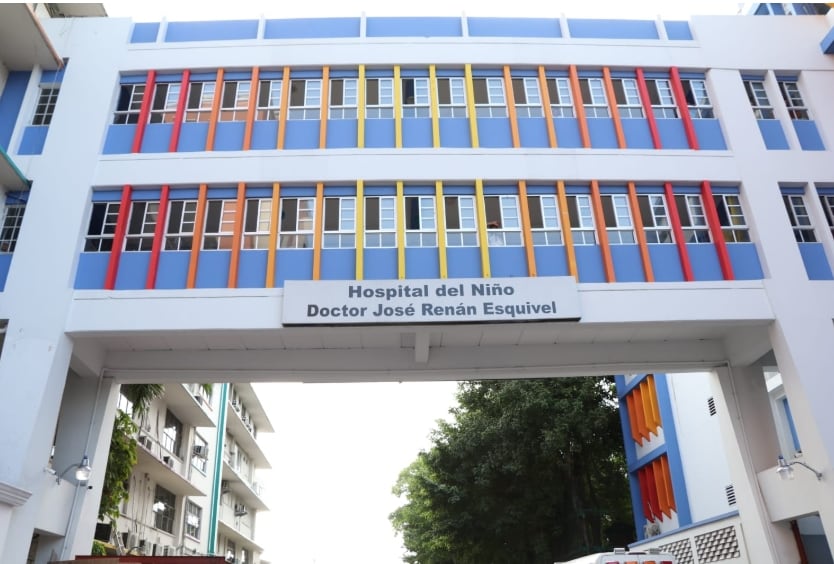
A finales de agosto el Hospital del Niño mantenía a 61 pacientes internados por VRS.
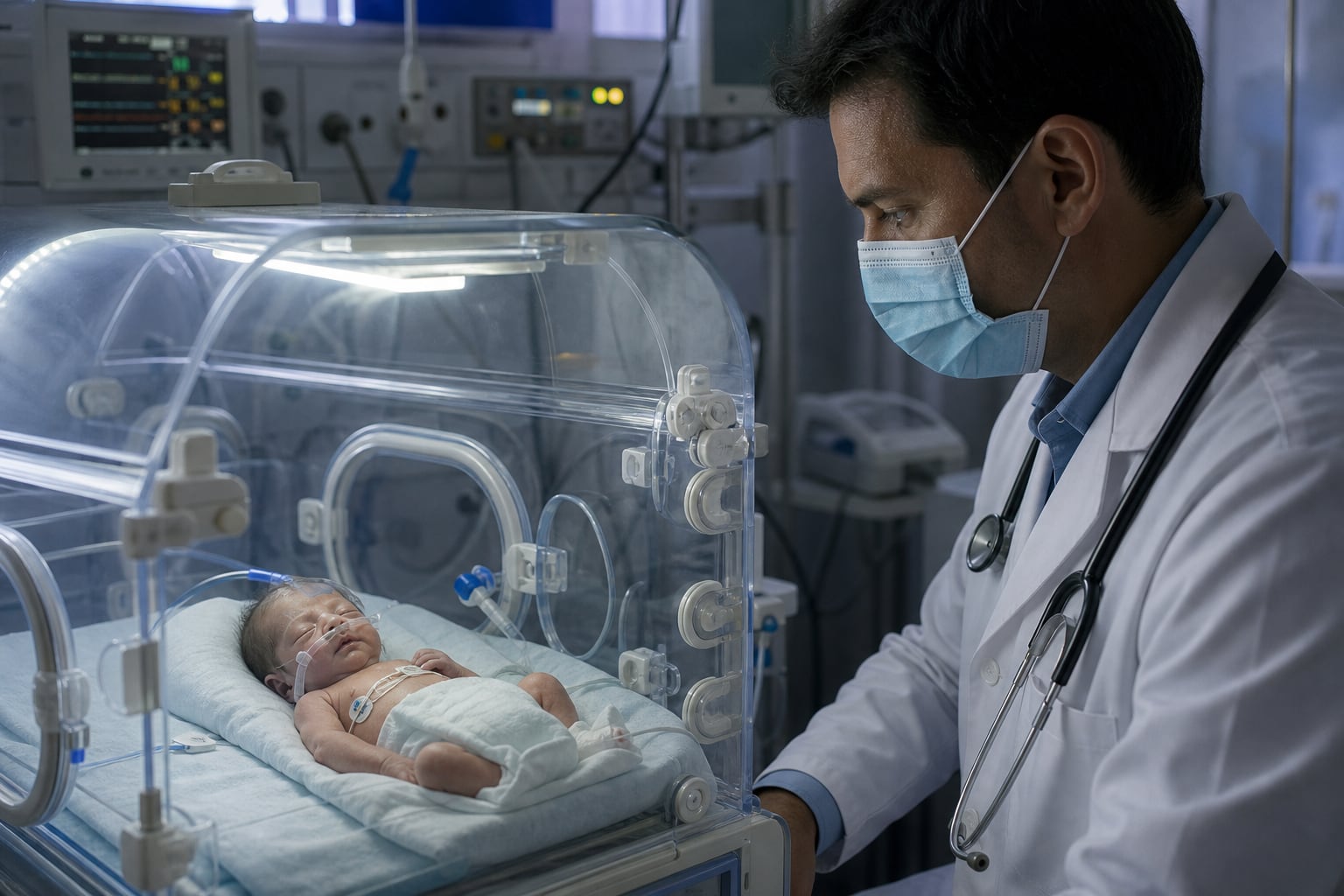
De ese grupo, 23 recibían atención en cuidados intensivos, según la información disponible.
La ocupación de camas obligó en ese momento al centro pediátrico a postergar de manera temporal las intervenciones electivas complejas que requieren que los pacientes permanezcan hospitalizados.
La medida no se presentó como una suspensión general de las cirugías, sino como una decisión vinculada a los procedimientos que necesitan disponibilidad de camas para el período posterior a la operación.
El aumento de las hospitalizaciones ocurrió mientras las autoridades informaban sobre los casos y fallecimientos registrados en distintas zonas del país.
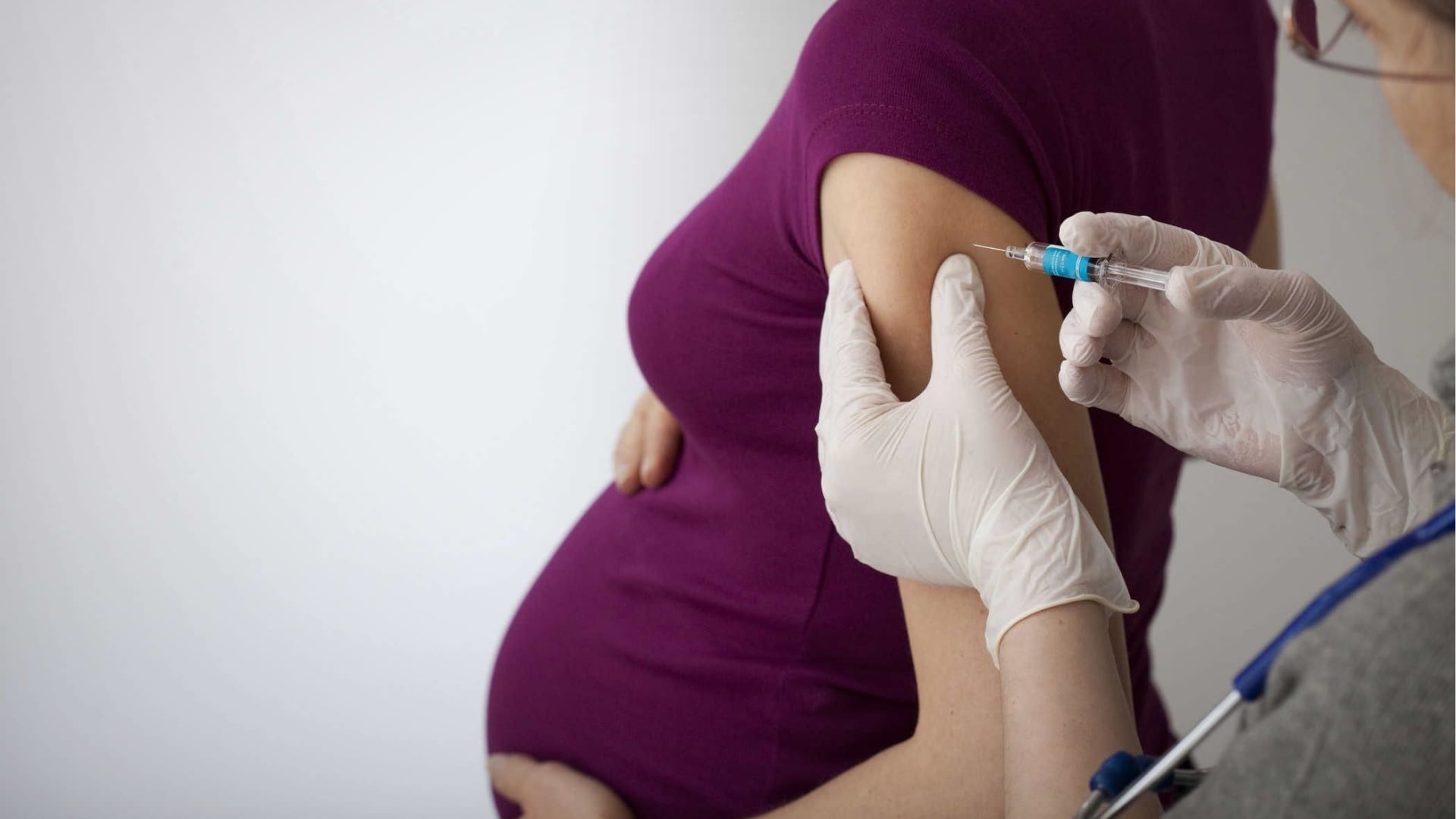
El 31 de agosto el Ministerio de Salud inició la aplicación de anticuerpos monoclonales de acción prolongada para reducir el riesgo de formas graves de VRS en recién nacidos y lactantes que cumplan los criterios establecidos.
Los primeros dos beneficiarios recibieron nirsevimab en la Maternidad del Hospital Santo Tomás, en la ciudad capital.
Ambos bebés habían nacido ese día, y la aplicación marcó el comienzo de la estrategia sanitaria dirigida a la protección de la población infantil elegible frente al virus.
El nirsevimab fue incorporado por las autoridades como una herramienta preventiva ante una enfermedad que ha provocado internaciones pediátricas y muertes en los grupos de edad más vulnerables.
La implementación comenzó en un momento en que el sistema sanitario enfrentaba una alta demanda de atención por infecciones respiratorias, con especial impacto en los menores de edad.
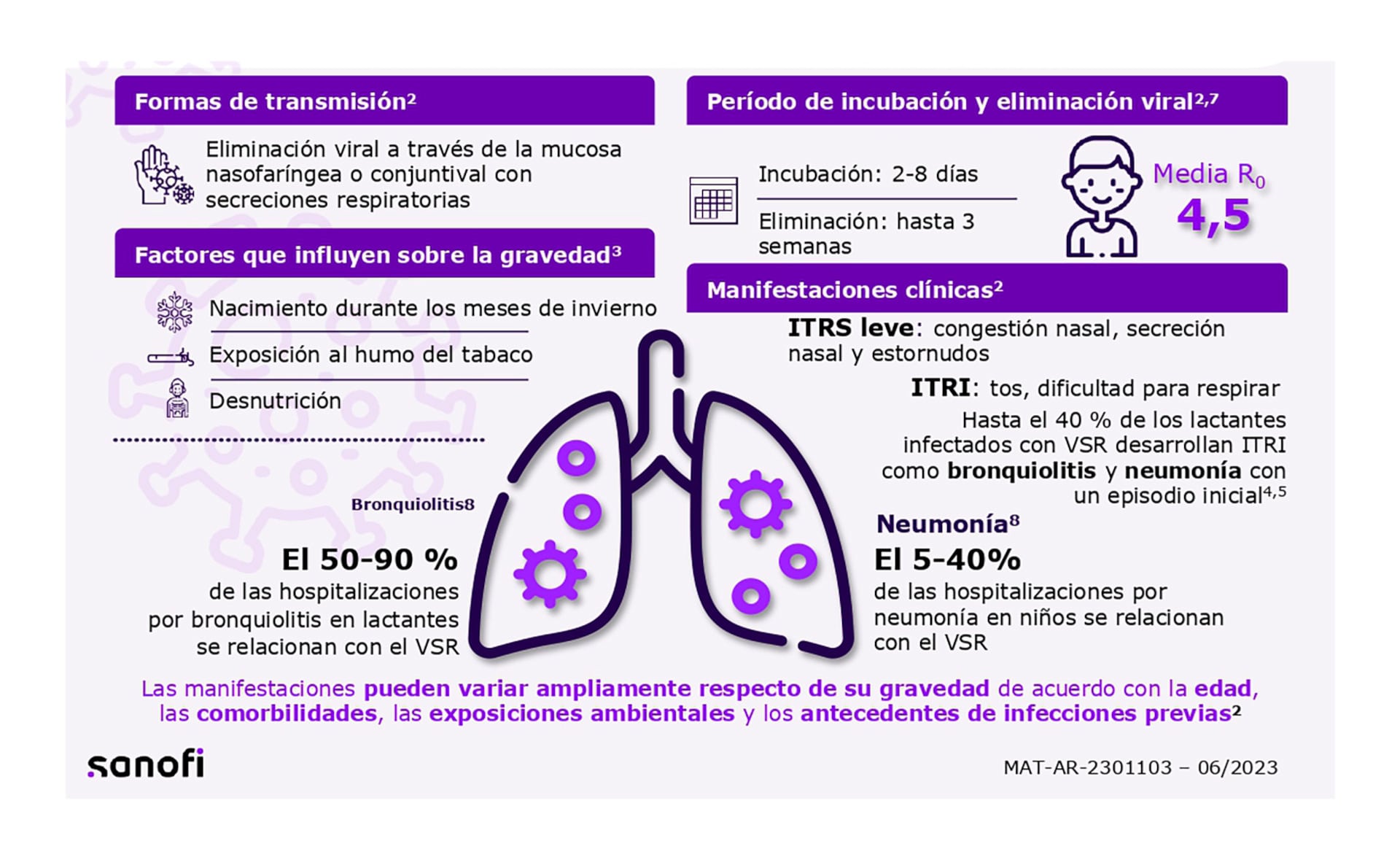
La presión hospitalaria por VRS llevó al Hospital del Niño a suspender de forma temporal las cirugías electivas complejas que necesitan hospitalización. La decisión respondió a la falta de camas ante el aumento de pacientes atendidos por esta infección respiratoria.
El VSR es uno de los patógenos respiratorios más importantes a nivel mundial, especialmente en lactantes, niños pequeños y personas mayores, y en la última década se ha consolidado como un problema prioritario de salud pública tanto por su carga de enfermedad como por los esfuerzos recientes para prevenirlo mediante nuevas vacunas y anticuerpos monoclonales.
En la población general suele causar cuadros similares a un resfriado común, pero en grupos vulnerables puede provocar bronquiolitis y neumonía, con necesidad de hospitalización e incluso riesgo de muerte.
Panamá, por su parte, se ha convertido en un caso particularmente relevante en la región: registra circulación del VSR durante todo el año, ha documentado aumentos significativos de incidencia y defunciones en niños pequeños, y desde 2023–2025 desarrolló una respuesta innovadora que incluye vigilancia epidemiológica intensificada y el uso de anticuerpos monoclonales.
incubadora,recién nacido,jeringa,neonatología,pediatría
Rabbi sounds alarm as students face antisemitic threats
Yeshiva University President Rabbi Ari Berman joins ‘America’s Newsroom’ to discuss the rise of antisemitism in New York City following a hate crime attack at a Manhattan synagogue. Berman outlines campus security preparations prior to the start of classes as data shows 860 incidents in the city and nearly 1,200 statewide.
NEWYou can now listen to Fox News articles!
At sundown on Friday, Sept. 11, as America marks 25 years since the terrorist attacks that killed nearly 3,000 people, Jewish families across the country will welcome in Rosh Hashanah, the Jewish new year marking 5787.
They will enter synagogues at the moment of peak annual attendance, walking past armed guards, security cameras, secured doors and bag checks.
The convergence brings into focus how the Sept. 11 attacks transformed security in American synagogues and helped create the national infrastructure that now protects Jewish life.
FOX NEWS MEDIA ANNOUNCES EXTENSIVE 9/11 ANNIVERSARY COVERAGE FROM GROUND ZERO, PENTAGON AND SHANKSVILLE
An NYPD Mobile Command Unit stands outside of Temple Emanu-El on 65th Street near Central Park in New York City, May 22, 2025. This is part of an increase in security at Jewish organizations nationwide after an Israeli couple was killed in Washington, D.C. (Kevin C. Downs for Fox News Digital)
When Rosh Hashanah began six days after the attacks in 2001, a security guard stationed outside a synagogue was still unusual. Twenty-five years later, security is no longer an occasional precaution. It has become a permanent precondition of Jewish communal life.
«The confluence of events, the 25th anniversary of 9/11 and Rosh Hashanah, is really very meaningful to us,» Eric Fingerhut, president and CEO of Jewish Federations of North America, told Fox News Digital. «If you trace the evolution of the security situation for the Jewish community in North America, you see that 9/11 really was a major turning point.»
Before the attacks, Fingerhut said, synagogues may have relied on police to direct traffic during the High Holidays or installed basic alarm systems, but there was no widespread belief that Jewish communities needed protection from threats to their physical safety.
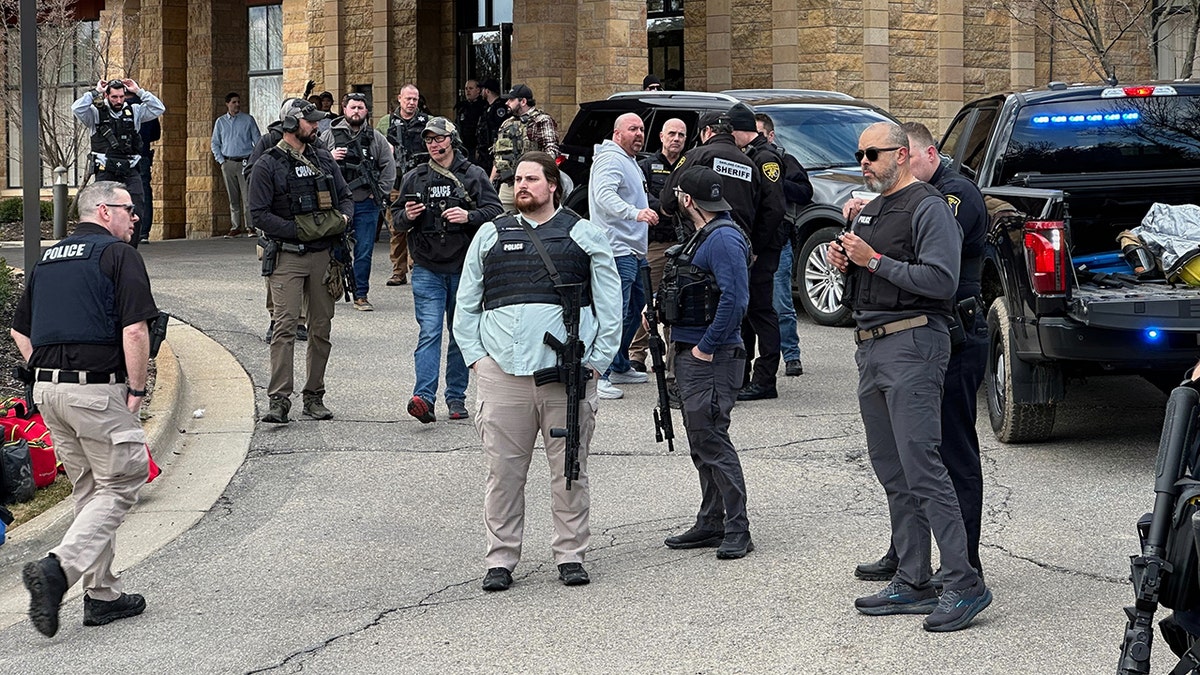
Law enforcement respond to a call at Temple Israel synagogue, Thursday, March 12, 2026 in West Bloomfield Township, Mich. (Corey Williams/AP Photo)
«That changed on 9/11,» he said. «The Jewish community understood quite clearly that the people who attacked the World Trade Center and the Pentagon were attacking America that day, but they had a special animus for the Jewish community and the Jewish people.»
Fingerhut said that shift led Jewish Federations of North America to help create the Secure Community Network after 9/11, giving communities a model for protecting Jewish institutions and a unified channel to federal law enforcement.
For generations, Rosh Hashanah preparation meant apples and honey, prayer books and the shofar. Now the checklist also includes secured entrances, emergency plans and congregants standing watch while their neighbors pray.
The price of that new reality is staggering.
MARYLAND SYNAGOGUE SUES COUNTY OVER LAW RESTRICTING CONCEALED CARRY NEAR HOUSES OF WORSHIP
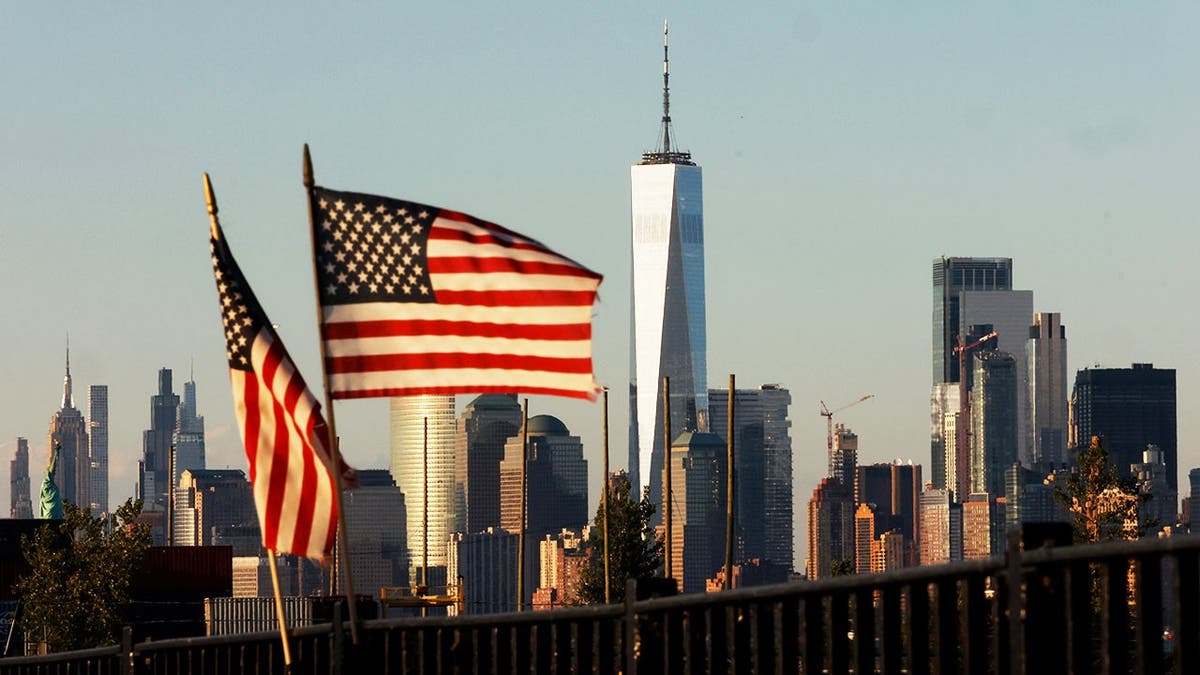
Two flags flutter on a fence in front of lower Manhattan and One World Trade Center at the Tear Drop 9/11 Memorial at sunset on June 13, 2026, in Bayonne, New Jersey. (Gary Hershorn/Getty Images)
A national study by Jewish Federations of North America found that Jewish communal institutions spend an estimated $1 billion annually on security. Based on an examination of more than 4,500 institutions, that amounts to nearly $2.8 million every day simply to keep Jewish life open and accessible.
The organization leads the national initiative placing professional security directors across all 141 Federation communities.
Rabbi Chaim Steinmetz, senior rabbi of Congregation Kehilath Jeshurun on Manhattan’s Upper East Side, described the contrast on his own block.
«If you walk past the churches on our block, the doors are wide open, inviting people in,» Steinmetz told Fox News Digital. «But at our synagogue, there are security cameras, a double door system and a line of guards outside, at the cost of untold thousands of dollars.»
That security is no longer reserved for major institutions or large cities. From New York and Florida to Michigan and Los Angeles, ordinary worshipers are training in situational awareness, access control, surveillance detection, emergency response and coordination with law enforcement.

A close-up image of a Jewish man wearing a traditional tallit (prayer shawl) and tefillin during morning prayers. The tallit features blue decorative embroidery with Hebrew script, while the tefillin is wrapped around the arm, signifying a deep moment of spiritual connection. This powerful image captures the essence of Jewish worship, devotion, and tradition—ideal for themes of religion, faith, and cultural rituals. in a quiet moment of devotion, a Jewish worshipper wraps himself in tradition—tallit draped over the shoulders, tefillin bound tightly around the arm. This image reflects the sacred rhythm of daily prayer, echoing centuries of spiritual practice and connection with the divine. (iStock)
The Community Security Service, or CSS, said more than 20,000 people completed its training in 2025. Of those, 6,100 volunteers protected 440 synagogues and nearly 100 Jewish events, logging more than 300,000 guard hours across 24 states.
The Secure Community Network, or SCN, provides national intelligence and coordination. In 2025, it recorded 4,400 incident reports, trained 40,000 people and made 851 referrals to law enforcement.
«While the threat environment accelerates, our community has never been more prepared, informed or engaged,» Michael Masters, SCN’s national director and CEO, told Fox News Digital. «This year our Duty Desk logged nearly 3,200 threat incidents, pacing ahead of last year.»
Steinmetz said threats to the Jewish community «exploded after Oct. 7th,» adding that «the hatred of Israel encourages antisemites to come out of the woodwork.»
The FBI recorded 1,528 hate crime incidents targeting Jews in 2025, representing 63% of the nation’s 2,408 religiously motivated incidents. Jews comprise roughly 2% of the U.S. population, yet incidents targeting Jews represented 14% of all hate crimes reported nationwide.
ANTISEMITIC VIOLENCE ESCALATES AS DEADLY WEAPON ATTACKS SURGE IN 2025: REPORT
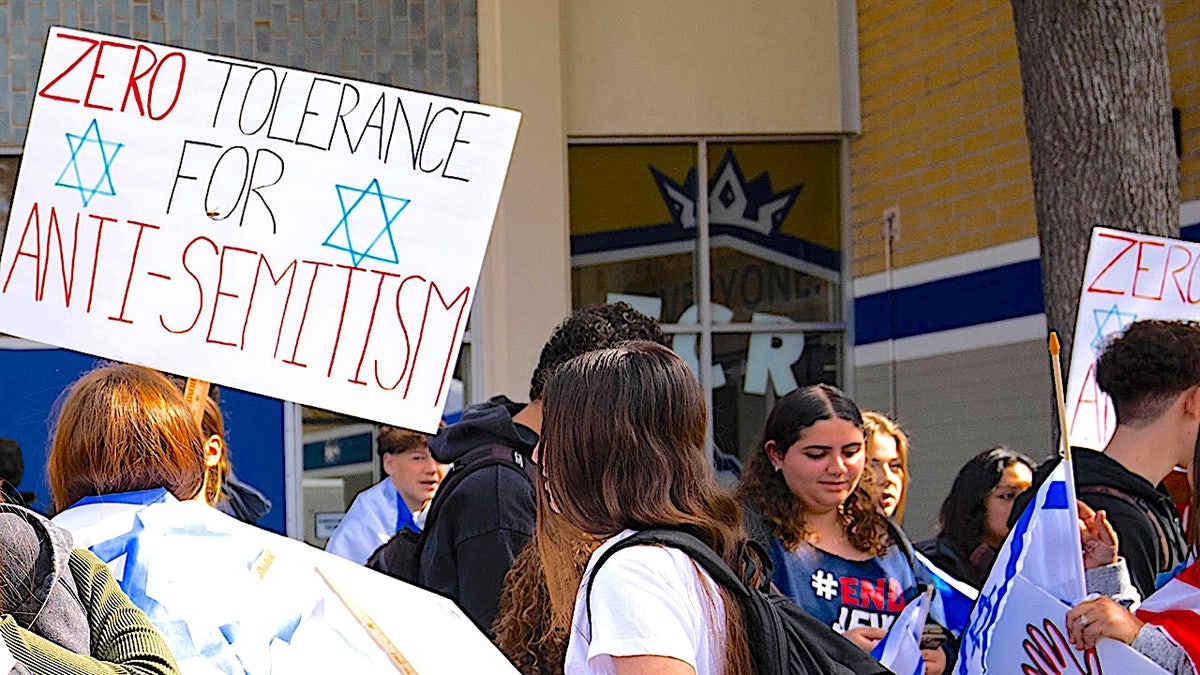
Jewish students at El Camino Real Charter High School during a walkout protesting antisemitic incidents at the Woodland Hills school on Tuesday, Feb. 2024. (Sarah Reingewirtz/MediaNews Group/Los Angeles Daily News via Getty Images)
During the first eight months of 2026, major crime fell 6.2% across New York City while confirmed hate crimes targeting Jews rose 8%, from 212 to 229, according to new NYPD figures. That averages nearly one such crime every 25 hours.
Fox News Digital contacted NYPD Commissioner Jessica Tisch about the department’s High Holiday preparations. The NYPD said it will hold a briefing ahead of the holidays and provide additional security details at that time.
In neighboring New Jersey, the state Office of Homeland Security and Preparedness said it is coordinating with the state Attorney General’s Office, New Jersey State Police, the FBI’s Newark field office, local law enforcement and community partners.
«Together, we are protecting houses of worship, helping ensure every New Jerseyan can practice their faith without fear, and keeping New Jersey safe and secure,» NJOHSP said.
The coordination follows recent attacks on Jewish institutions.
On Aug. 14, a man was charged with allegedly disrupting a Friday night service attended by approximately 375 people at Manhattan’s Central Synagogue, damaging ceremonial candlesticks and assaulting a congregant and security guard. The charges against include federal hate crimes and damaging religious property resulting in bodily injury.
Five months earlier, an attacker inspired by Hezbollah rammed a pickup truck carrying gasoline and fireworks through the doors of Temple Israel in West Bloomfield, Michigan, according to the FBI. Armed with a rifle and hundreds of rounds, he struck one security guard and exchanged gunfire with others.
Inside were 140 children at the synagogue’s early childhood center. Every child and staff member escaped without physical injury and the guard survived.
For Steven Ingber, CEO of the Jewish Federation of Detroit, the assault remains a powerful reminder of the need for vigilance as families prepare to gather.

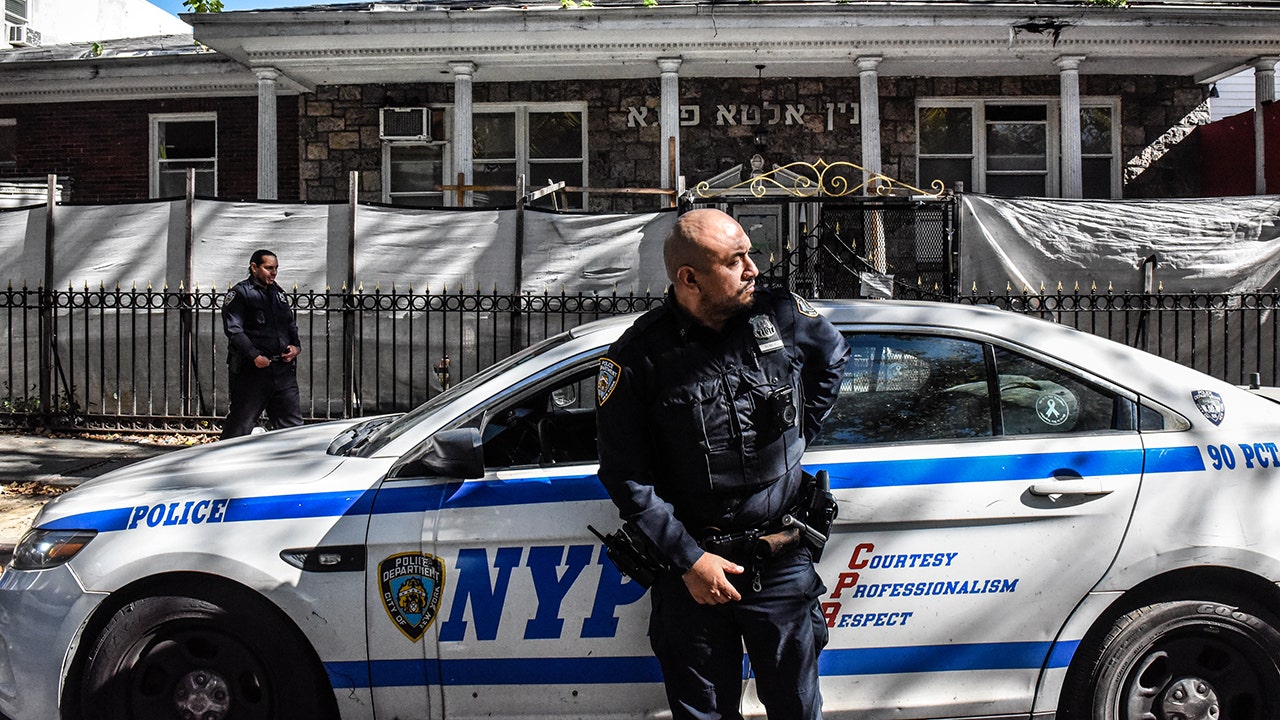
Members of the New York Police Department patrol in front of a synagogue on Oc. 13, 2023 in the Williamsburg neighborhood in the borough of Brooklyn in New York City. Security has increased in New York City in the wake of the Hamas attack on Israel and after a former leader of Hamas called for Friday the 13th to be a global Jihad day. (Stephanie Keith/Getty Images)
«We take the security of our community with the utmost seriousness, and, of course, the assault on Temple Israel remains fresh in our minds,» Ingber said. «We will enter the High Holidays vigilant and prepared. But we will also enter them with confidence and pride.»
Rabbi Aaron Starr of Congregation Shaarey Zedek in suburban Detroit, who also serves as president of the Michigan Board of Rabbis, said Jewish Michiganders are entering the new year «with a feeling of heaviness.»
«From marking the 25th year since the terrorist attacks on 9/11 to marking six months since the terrorist attack on our community and especially our children, anxieties are heightened,» Starr told Fox News Digital exclusively. «We enter with heaviness, but we are also filled with hope for a better tomorrow.»
LOX & LOADED: JEWISH GUN GROUP PARTNERS WITH NRA AMID RISING ANTISEMITISM
«No family should have to weigh their safety against their faith,» Fingerhut said.
Employing one full-time security guard costs an estimated $90,000 annually, according to Jewish Federations of North America. The organization is advocating for greater federal support through the bipartisan Jewish American Security Act, which would strengthen security assistance for at-risk nonprofit institutions.
For Jewish communities, the question is no longer whether security is necessary, but who will bear the growing cost of making worship possible.
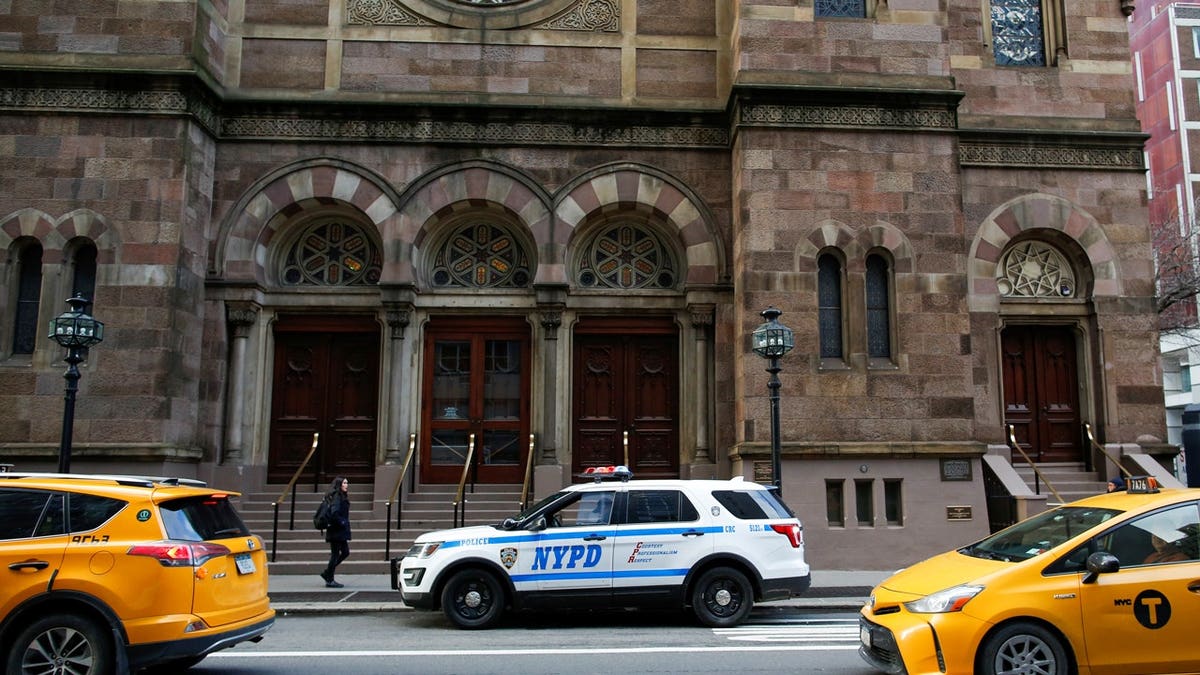
A Bronx man was charged with multiple hate crimes after allegedly disrupting Shabbat services and attacking a congregant and security member at Central Synagogue in Manhattan, police said. (REUTERS/Eduardo Munoz)
SIGN UP FOR ANTISEMITISM EXPOSED NEWSLETTER
Steinmetz called that cost «a vicious tax on the Jewish community,» one «levied by the antisemites.»
For Fingerhut, the purpose of security is not simply to prevent an attack. It is to ensure fear never determines whether a Jewish family participates in Jewish life.
«We do not want anyone to make the choice not to participate in Jewish life because they are afraid for their safety,» Fingerhut said. «What we have learned is that the visible presence of security, and the real impact of that security, is what enables and encourages people to come out and participate in Jewish life.»
Fingerhut’s message to Jewish communities in America and around the world was clear: do not retreat, but continue to «lean into Jewish life.»
He said, «We will make sure that there is safety and security in place so that we can all feel confident in our involvement in Jewish life.»
That is the purpose, according to the experts, of every guard, camera and volunteer: not to turn a synagogue into a fortress, but to ensure that Jewish life continues inside.
anti semitism, september 11, counter terrorism, new york city, security
INTERNACIONAL
America’s reddest state chases billion-dollar boom as others sour on massive emerging industry

NEWYou can now listen to Fox News articles!
As Americans weigh the costs and benefits of massive data centers emerging in their towns to fuel the artificial intelligence (AI) boom, the country’s reddest state could be poised to capitalize on billions of dollars in investment that other states are increasingly reluctant to welcome.
With wide-open spaces, abundant energy and a business-friendly environment, Wyoming has many of the ingredients tech companies are looking for as they race to expand their AI infrastructure in the U.S.
The opportunity comes as the rapid buildout of data centers has sparked political fights across the country over their enormous electricity demands, water use and tax treatment.
As some states and communities consider new taxes, restrictions or even moratoriums on data center construction, Wyoming has a chance to position itself as an alternative. Supporters argue the projects could bring billions of dollars onto local tax rolls and potentially ease the burden on homeowners.
THIS TINY FARMING TOWN YOU’VE NEVER HEARD OF IS HELPING MICROSOFT SELL AMERICA ON DATA CENTERS
Virginia has long been the nation’s data center hub, while Wyoming is emerging as a potential destination for the next wave of AI infrastructure investment. (Lexi Critchett/Bloomberg via Getty Images)
And Wyoming already checks many of the boxes data center developers are looking for.
«Data centers need a few things. They need land, they need affordable energy, they need to avoid natural disasters, and, of course, they need regulatory approval,» Jared Walczak, vice president of state projects at the Tax Foundation, told Fox News Digital.
The Cowboy State also already has high-capacity fiber running along major interstate corridors, Walczak said, giving developers another key piece of infrastructure.
«If more states start imposing discriminatory taxes just on data centers, then places like Wyoming, at least as long as they don’t do likewise, can become even more attractive,» he said.
ONE OF THE WORLD’S HOTTEST INDUSTRIES IS SPARKING A BLUE-COLLAR JOBS BOOM
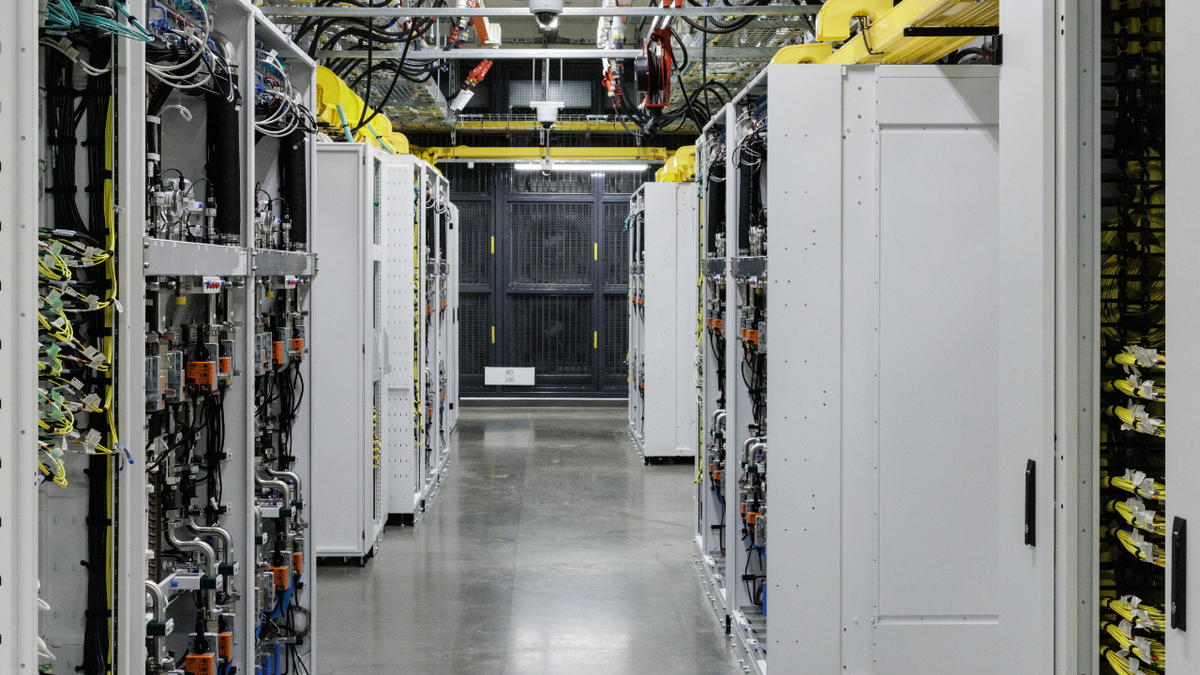
As states weigh the costs and benefits of data center development, Wyoming could stand to attract billions in AI investment with its abundant land, energy and favorable business environment. (Yasuyoshi Chiba/Contributor/AFP/Getty Images)
Wyoming is wrestling with some of the same questions confronting communities elsewhere.
Cheyenne officials rejected a proposed one-year moratorium on new data centers in May following public debate over electricity rates, water use and other concerns. Wyoming lawmakers have also considered reclassifying data centers as industrial property, a move that would subject them to a higher property tax assessment rate.
ELECTION WHISTLEBLOWER WARNS FOREIGN ACTORS ARE SPENDING BILLIONS TO TURN AMERICANS AGAINST AI
But Walczak argues that attracting the facilities could deliver a significant payoff for Wyoming homeowners.
«You have potentially billions of dollars worth of taxable property coming into a couple hundred acres,» he said. «And that’s the sort of increase in the tax base that can allow significant property tax relief for every other payer in the jurisdiction.»

Wyoming is emerging as a potential hub for AI data centers as tech companies search for locations with ample land and access to affordable energy. (George Rose/Getty Images)
«Wyoming’s been having a lot of conversations about lowering property taxes,» Walczak added. «This is a great way to do that.»
He pointed to Loudoun County, Virginia, the country’s largest data center market, as an example of how that tax base can benefit residents.
«Data centers provide about 45% of all local tax revenue to Loudoun County,» Walczak said, adding that the average homeowner would pay an estimated $5,800 more annually in property taxes without the industry.

Wyoming’s abundant land and energy could make the Cowboy State an increasingly attractive destination for billions of dollars in AI data center investment. (Patrick T. Fallon/AFP/Getty Images)
The economic upside comes with a broader debate over who pays for the infrastructure needed to serve the power-hungry facilities.
Walczak said data centers can avoid pushing those costs onto residents if operators pay for the additional generation and transmission capacity they require.
For Wyoming, that leaves policymakers facing the same question confronting states nationwide as they look to capture a piece of the AI investment boom without leaving residents to shoulder the costs.
economy, taxes, politics, wyoming, artificial intelligence, growth, state and local

Hidrovía: comenzó a operar Vía Navegable Argentina, la empresa que ganó la licitación por los próximos 25 años

Referentes de la CGT y de movimientos sociales tendrán audiencia con León XIV antes de su visita a la Argentina

La inesperada reacción de Mario Pergolini cuando Marina Calabró habló de su amor por Rolando Barbano

Javier Milei y sus medidas, EN VIVO: en medio de sus negociaciones con gobernadores, Santilli hablará hoy ante empresarios del campo

Pese a la tensión por Malvinas, la Casa Rosada no descarta que Milei viaje a Londres a fines de octubre

Las promociones de bancos y billeteras para ahorrar en supermercados en septiembre

Femicidio brutal en Merlo: un jubilado de 64 discutió con su esposa y la asesinó a puñaladas

El gobierno de Kicillof retendrá un 2% en los premios de las apuestas online

El rotundo cambio de Julián Álvarez en una foto presentación del Atlético de Madrid tras quedarse en el club

Los alimentos aumentan un 0,8% en septiembre y ya anticipan una inflación de 1,8%

 SOCIEDAD3 días ago
Femicidio brutal en Merlo: un jubilado de 64 discutió con su esposa y la asesinó a puñaladas
- POLITICA3 días ago
El gobierno de Kicillof retendrá un 2% en los premios de las apuestas online
- DEPORTE3 días ago
El rotundo cambio de Julián Álvarez en una foto presentación del Atlético de Madrid tras quedarse en el club