INTERNACIONAL
La muerte de ‘El Mencho’ y el efecto dominó en Guatemala: 252 bloqueos, una bomba y rutas del narcotráfico que cambiaron el mapa

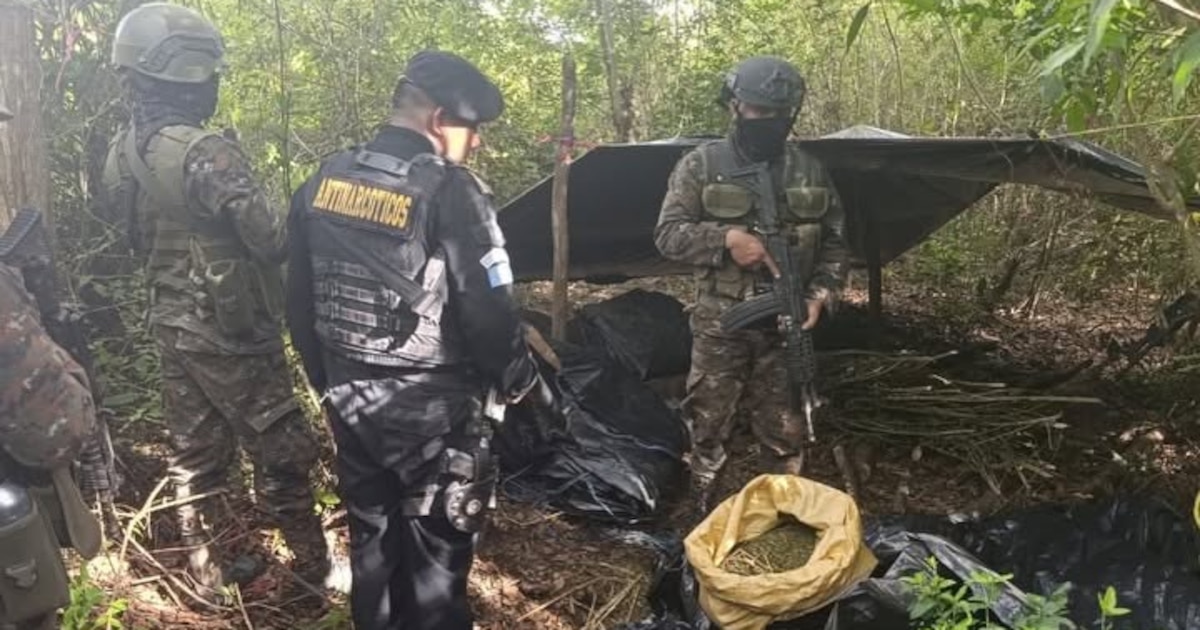
La muerte de “El Mencho”, líder del Cártel Jalisco Nueva Generación (CJNG), en una operación militar en Tapalpa, Jalisco, el 22 de febrero de 2026, desató una ola de violencia en México que reveló hasta qué punto Guatemala se convirtió en pieza clave del tablero regional del narcotráfico.
Horas después del operativo, la organización respondió con 252 bloqueos de carreteras en veinte estados mexicanos, la quema de vehículos y un coche bomba en San Juan de los Lagos que mató a un capitán de la Guardia Nacional, según un análisis de CES Intelligence, firma de inteligencia geopolítica.
La disputa por la sucesión del cártel repercute directamente en territorio guatemalteco, donde el CJNG controla o disputa el extremo norte de una de las principales rutas del narcotráfico regional, de acuerdo a un análisis de Diálogo Américas.
Las incautaciones de drogas sintéticas se multiplicaron en 2025
Según la Subdirección General de Análisis e Información Antinarcótica (SGAIA), de la Policía Nacional Civil de Guatemala, citada por Diálogo Américas, las incautaciones de metanfetamina pasaron de 3.4 a 6.13 kilogramos durante 2025.
Las autoridades decomisaron además 500 dosis de fentanilo, mientras continuaban las operaciones contra redes de tráfico de precursores químicos.
“Guatemala es utilizado como país de tránsito para el contrabando de sustancias químicas y precursores destinados a México, donde son empleados para producir fentanilo”, explicó a Diálogo Américas la periodista guatemalteca Julie López, especialista en narcotráfico.
López detalló que en zonas remotas de la frontera con México y en la costa sur se han descubierto laboratorios clandestinos dedicados sobre todo a la producción de metanfetaminas.
Guatemala se volvió estratégica para el tráfico de drogas sintéticas porque su ubicación conecta a los productores asiáticos de precursores químicos con los laboratorios clandestinos mexicanos y el mercado de consumo norteamericano, sobre corredores logísticos que antes servían para el contrabando de medicamentos falsificados procedentes de China.
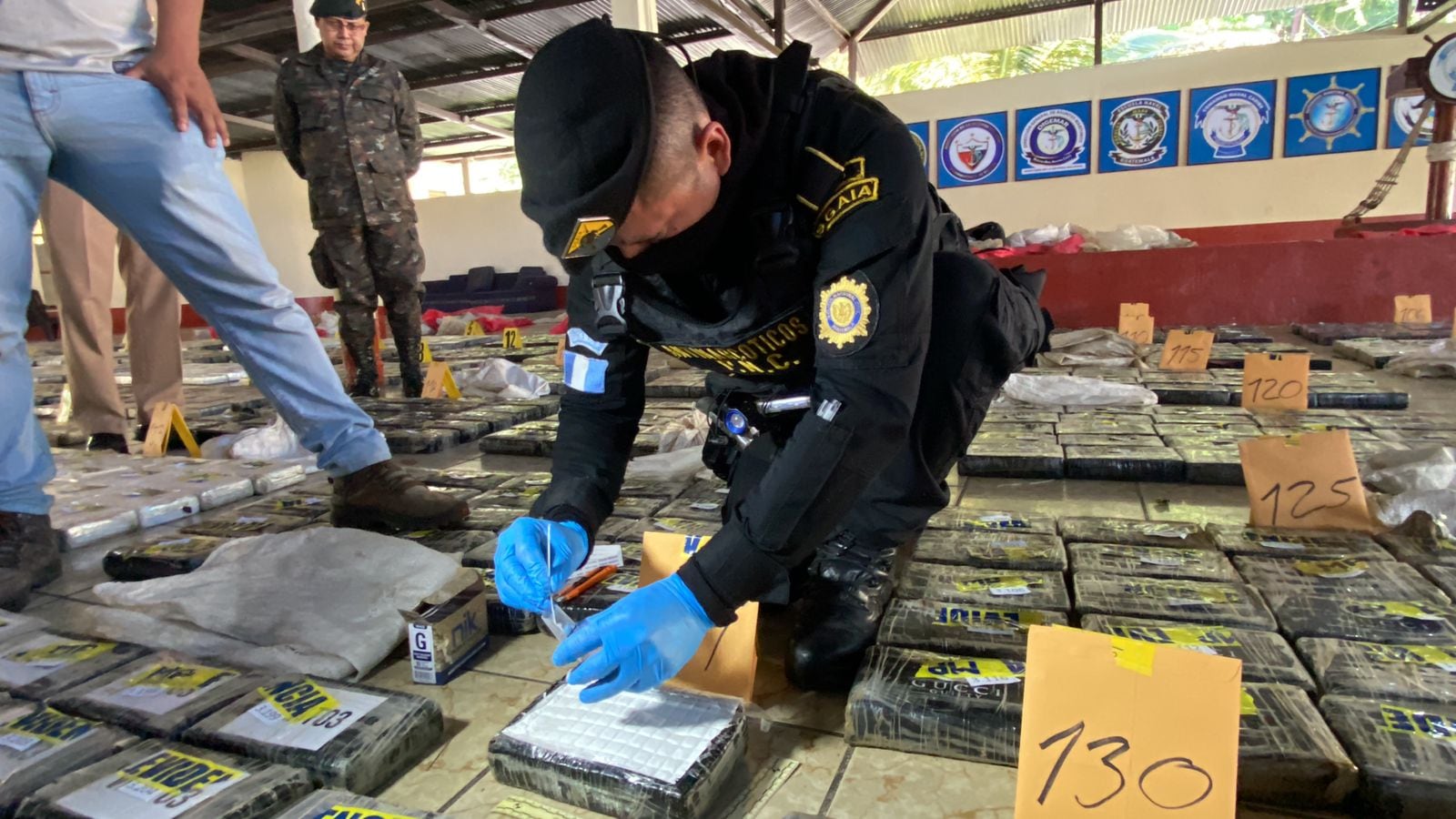
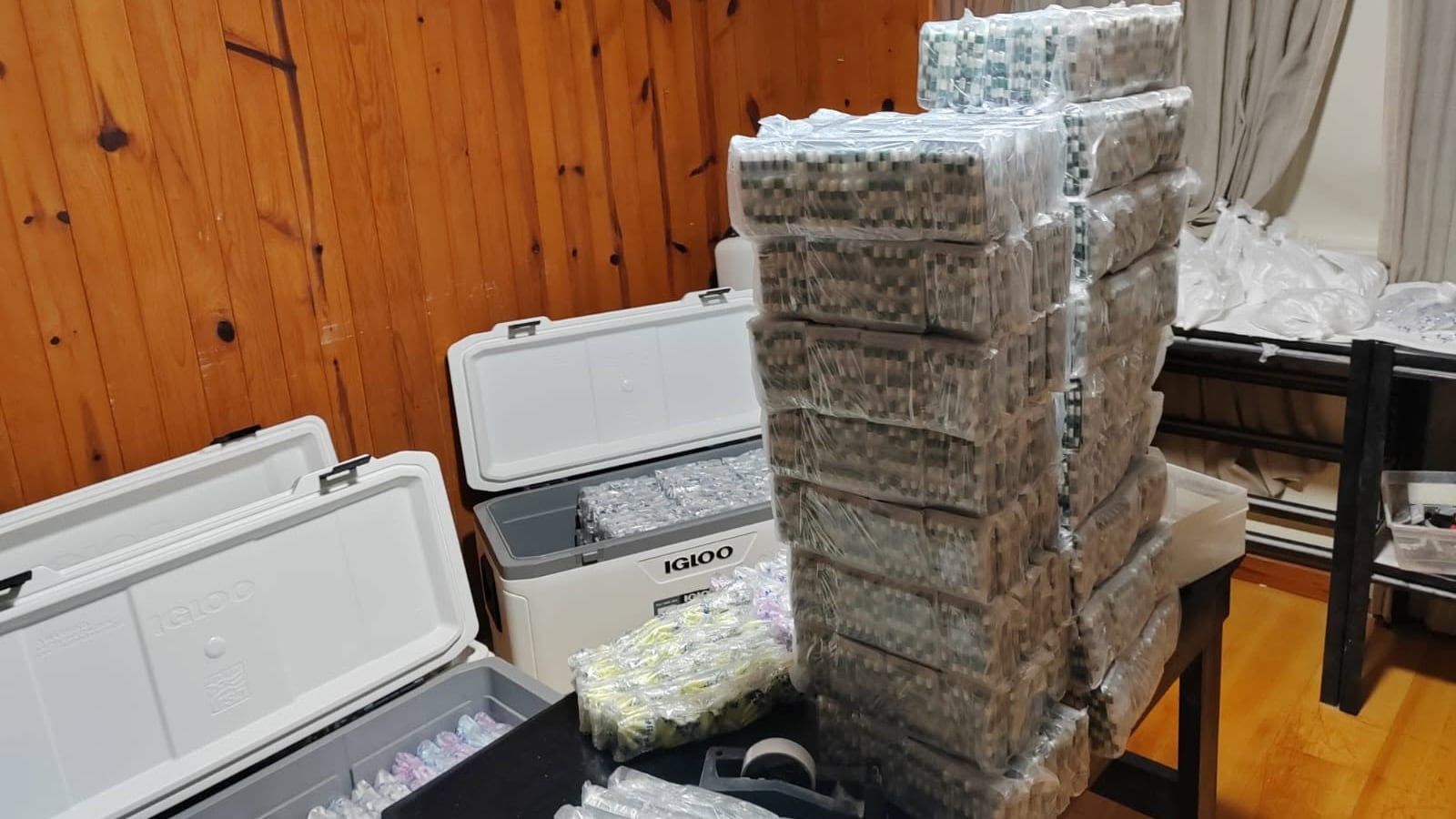
En mayo de 2025, las autoridades desmantelaron en San José Pinula, en las afueras de Ciudad de Guatemala, el mayor laboratorio clandestino de drogas sintéticas descubierto hasta entonces en el país.
Adentro incautaron 132 recipientes con sustancias químicas, entre ellas ketamina, junto con materiales para elaborar metanfetamina y tusi, la llamada “droga rosa”.
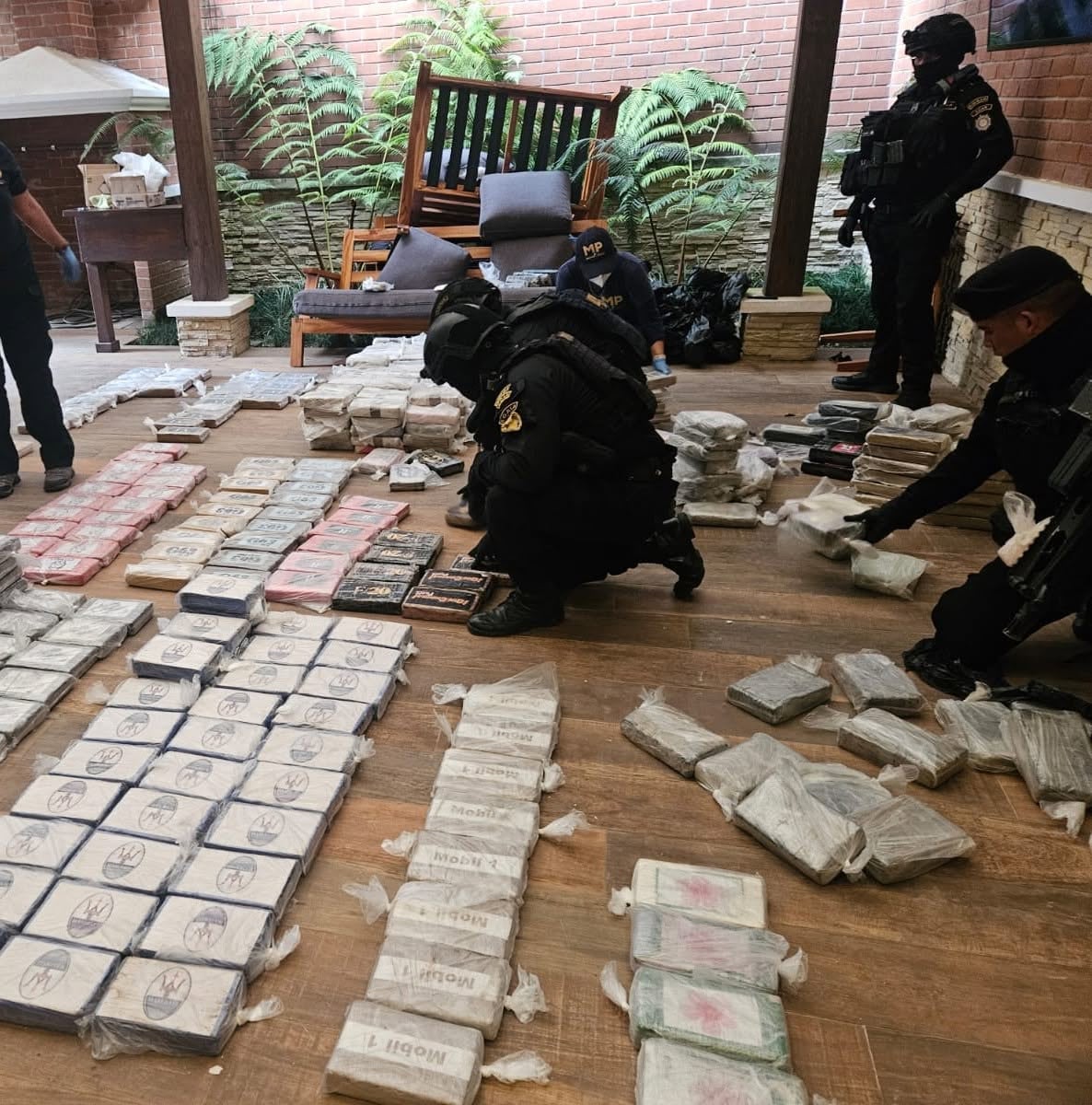
El 21 de septiembre pasado, el Ministerio Público y la Policía Nacional Civil desmantelaron un presunto narcolaboratorio durante siete diligencias de allanamiento, inspección, registro y secuestro de pruebas en el departamento de Guatemala.
El operativo se concentró en inmuebles de San José Pinula y Santa Catarina Pinula, donde las autoridades localizaron paquetes rectangulares con presunta cocaína, cápsulas, piedras de crack, armas de fuego de grueso calibre, municiones, vehículos y dinero en efectivo, según reportó Infobae.
El corredor del Pacífico, ruta central de la cocaína
La presión sobre las pistas clandestinas de tráfico aéreo empujó a los cárteles hacia el mar. Desde principios de 2026, el corredor Ecuador-Guatemala-México se consolidó como una de las rutas marítimas principales para enviar cocaína hacia Norteamérica, según El País, diario español.
El Cártel de Sinaloa y el CJNG utilizan buques de carga, embarcaciones pesqueras, lanchas rápidas y transbordos en alta mar para reducir el riesgo de perder cargamentos completos ante una interdicción. “La principal ventaja del tráfico marítimo es que la droga puede ocultarse en cualquier tipo de mercancía o contenedor”, explicó López al diario.
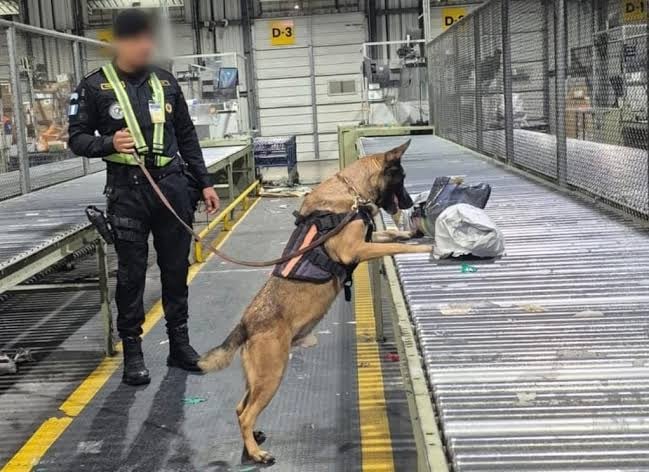
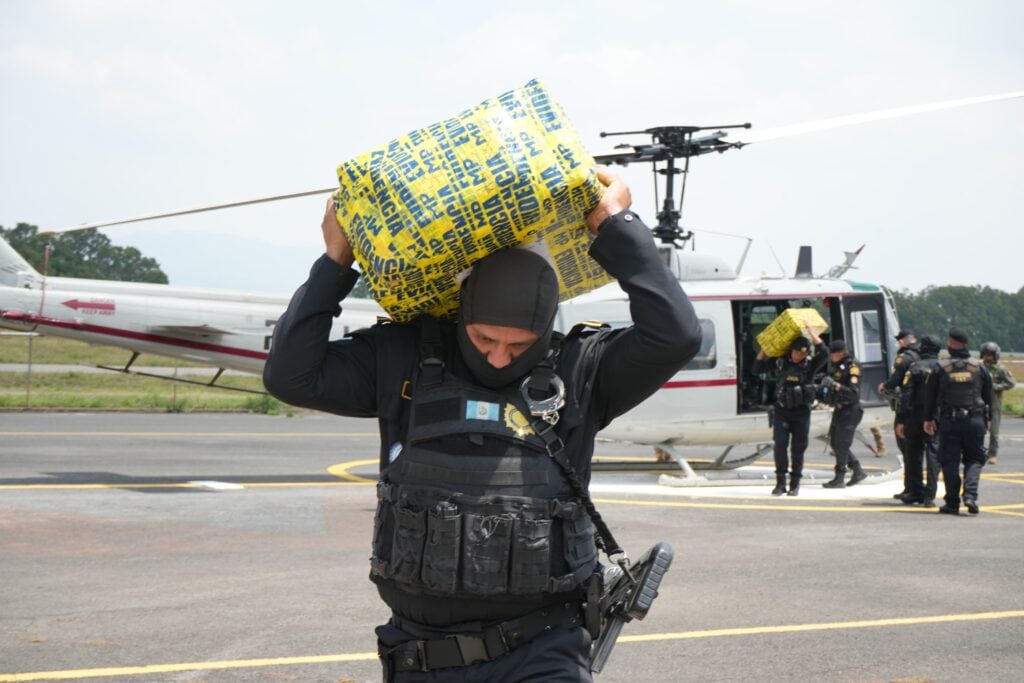
El 25 de enero de 2026, la policía antinarcóticos incautó en Puerto Quetzal casi cinco toneladas de cocaína ocultas en siete contenedores de harina procedentes de Sudamérica y con destino a México. Fue el mayor decomiso en el país en 12 años, con un valor estimado de USD 85 millones, según CES Intelligence.
En los meses siguientes, las armadas de Guatemala y México interceptaron varias embarcaciones entre Puerto San José y Puerto Chiapas. Una de esas operaciones se registró a 600 millas náuticas (1.112 kilómetros) de la costa el 17 de mayo, de acuerdo con El País.
Los cárteles mexicanos y sus aliados locales
El Cártel de Sinaloa, establecido desde hace años en Guatemala, opera con una estructura descentralizada apoyada en grupos locales. La llegada del CJNG fue más reciente.
“El CJNG, que llegó a Guatemala alrededor de 2021, siguió la ruta y la zona de influencia que anteriormente pertenecían a Los Zetas”, afirmó López a Diálogo Américas. El cártel se asoció con Los Huistas, un grupo de Huehuetenango tradicionalmente aliado del Cártel de Sinaloa.
Una de las rutas del CJNG parte de Honduras, cruza la Franja Transversal del Norte hasta Huehuetenango y continúa hacia Chiapas. El Global Organized Crime Index 2025 identificó también la presencia de organizaciones criminales turcas involucradas en el tráfico de cocaína hacia Europa y en el comercio de fentanilo junto al Cártel de Sinaloa.
En abril, el Departamento del Tesoro de Estados Unidos sancionó al empresario guatemalteco Jaime Augusto Barrientos Camaz por facilitar el abastecimiento de precursores químicos al Cártel de Sinaloa. El caso de Wenshen Xu, detenido en Guatemala en 2025 y extraditado a Estados Unidos, mostró además cómo organizaciones chinas coordinan con los cárteles mexicanos operaciones logísticas y financieras: admitió haber transportado cocaína desde Colombia para el CJNG y lavado millones de dólares.
La captura de “Don Flaco” y la red de precursores desde China
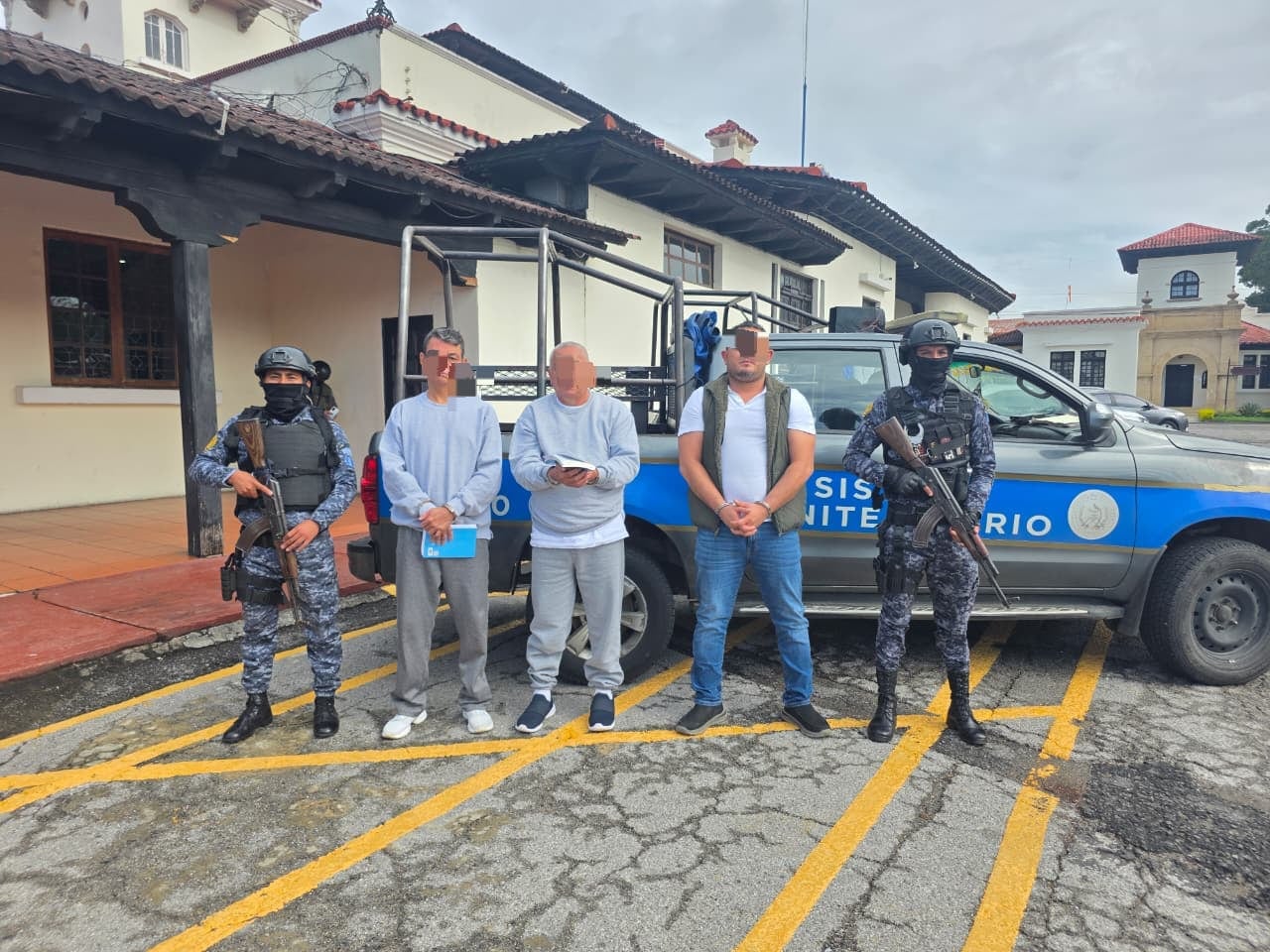
El 22 de septiembre, autoridades mexicanas detuvieron en la alcaldía Cuauhtémoc de Ciudad de México a José Ángel Rivera Zazueta, alias “Don Flaco”, con fines de extradición a Estados Unidos, según el diario Zócalo.
Rivera Zazueta está señalado como coordinador y financiador de una red que trasladaba precursores químicos desde China hacia México y Estados Unidos.
Los insumos importados se destinaban a la fabricación de fentanilo, MDMA, metanfetaminas, 2C-B y ketamina.
La Oficina de Control de Activos Extranjeros del Tesoro estadounidense (OFAC) también sancionó por el mismo esquema al ciudadano guatemalteco Jason Antonio Yang López, socio de Rivera Zazueta en la obtención e importación de precursores, según Zócalo.
El caso confirma el papel de intermediarios guatemaltecos entre proveedores asiáticos y organizaciones mexicanas, un patrón que ya había registrado la desarticulación, en mayo, de una red local que coordinaba importaciones de precursores desde la India hacia laboratorios mexicanos mediante empresas de mensajería, transporte y remesas.
El desafío de seguridad más allá del narcotráfico
Desde el 19 de febrero de 2025, el Departamento de Estado de Estados Unidos designó al Cártel de Sinaloa y al CJNG como organizaciones terroristas extranjeras, según CNN en Español. La medida se suma a la designación de decenas de grupos criminales de México, Venezuela, Guatemala y Ecuador.
La disputa territorial entre ambos cárteles a lo largo de la frontera con México provocó el desplazamiento de civiles en algunas zonas fronterizas.
En paralelo, el presidente Bernardo Arévalo declaró en enero un estado de excepción de treinta días tras motines carcelarios protagonizados por las pandillas Barrio 18 y MS-13, de acuerdo con el Programa de Datos sobre Conflictos de Uppsala (UCDP).
“La gran evolución del narcotráfico en Guatemala tiene que ver con el cultivo de hoja de coca. En los últimos años se han identificado cultivos principalmente en la zona centro-norte del país y en el departamento de Petén”, advirtió López a la publicación.
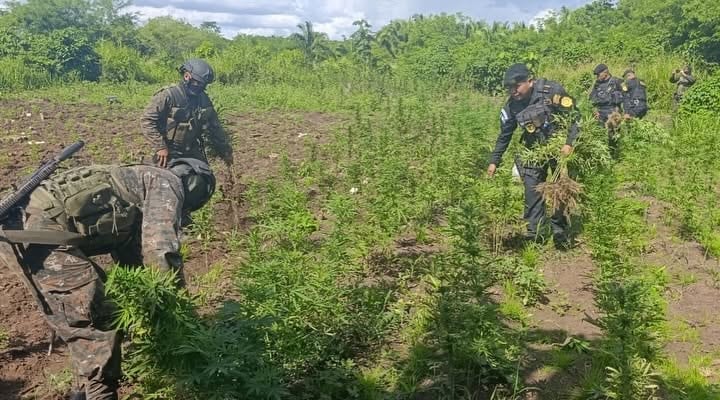
Aunque esos cultivos todavía no son comparables con la producción de los países andinos, su aparición sugiere el interés de las organizaciones criminales por incorporar nuevas etapas de la cadena productiva dentro de Centroamérica.
La cooperación entre Guatemala, Estados Unidos y otros socios regionales fortaleció la capacidad para interceptar grandes cargamentos durante 2026, pero el desafío persiste: integrar inteligencia, vigilancia marítima y seguimiento financiero para desmantelar redes cada vez más flexibles.
Guatemala,Marihuana,Narcotráfico,Cultivos ilícitos,Petén,Frontera con México










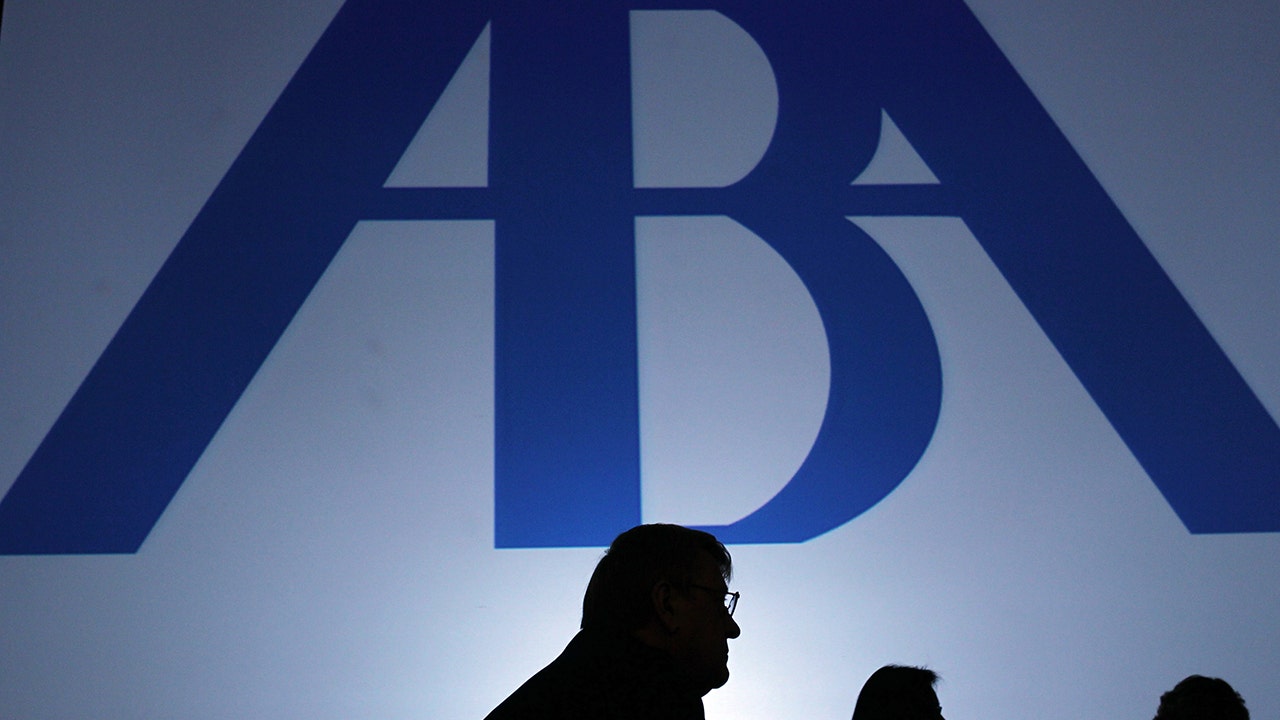
The Trump administration is expected to decide by late December whether to strip the American Bar Association’s (ABA) law school accrediting arm of federal recognition, a move that would not automatically end the ABA’s accreditation of law schools or change state bar-admission rules but could accelerate states’ efforts to approve alternative paths to becoming a lawyer.
Two legal education experts told Digital that while most law students would be unlikely to lose access to federal loans if the ABA’s accrediting arm loses recognition, the decision could accelerate a broader shift away from the organization’s longstanding dominance over legal education, with states increasingly exploring alternative accreditation pathways that could change how law schools operate and who qualifies to practice law.
«I think the biggest thing is, everyone should know that the federal recognition of the ABA is just the first step,» Adam Biggs, general counsel of the University of Austin, told Digital. «If they get knocked off their perch, that’s going to supercharge the conversations of these state supreme courts to create alternative pathways that are not just the ABA.»
The looming decision follows a September vote by the National Advisory Committee on Institutional Quality and Integrity (NACIQI), the federal panel that advises the Education Department on accreditation matters, which remained deadlocked over whether to recommend renewing the ABA’s federal accreditation recognition. Education Department staff have already recommended denying renewal, and now the decision rests in the hands of Under Secretary of Education Nicholas Kent to rule on whether the ABA’s accrediting arm can retain its federally recognized status, which it has held since 1952.
AI BACKLASH REACHES MAJOR UNIVERSITY WITH BOLD BAN ON LAPTOPS AND PHONES FOR LAW STUDENTS
The ABA has long served as the primary gatekeeper for legal education in the United States, with most states requiring graduates to have attended an ABA-accredited law school to qualify for the bar exam. Although losing federal recognition would not automatically end that arrangement, critics argue it could accelerate efforts already underway in some states to recognize alternative law school approval systems, potentially allowing institutions to experiment with cheaper, shorter programs outside the ABA’s traditional accreditation model.
One such alternative is taking shape in Texas, where Biggs is helping develop a new law school at the University of Austin (UATX) that would operate without ABA accreditation. The university is considering a two-year law program or a model that combines undergraduate and legal studies. It plans to make tuition free and avoid federal funding altogether. The proposed school could also depart from traditional law school staffing models by relying more heavily on practicing attorneys and federal judges as adjunct instructors, rather than maintaining the extensive full-time faculty structure that Biggs says ABA accreditation standards require and that can pose a high bar for institutions.
Biggs argued that the ABA’s longstanding influence over legal education has discouraged such experimentation by imposing what he described as a «one size fits all elitist model of education,» which he said drives up costs and limits schools’ ability to offer alternative approaches to training future lawyers.
DUKE LAW’S ALLEGED RACE-BASED ADMISSIONS ACCUSED OF DEFYING SUPREME COURT RULING: DOJ
«Right now, the model they force makes it impossible to cut overhead, and it’s going to be an expensive product,» Biggs said, criticizing the ABA’s accreditation requirements. «That makes the decision for you. Because you need to live in a big city to go work at a firm to pay off your massive amount of debt.»
Biggs added that reducing the cost of legal education could help address attorney shortages in rural and underserved communities, where graduates carrying substantial student debt may struggle to pursue lower-paying legal work. Allowing law schools to operate with less overhead, he said, could give new attorneys greater flexibility to serve those communities and potentially make legal services more affordable.
The ABA faculty requirements criticized by Biggs are also facing scrutiny from the Justice Department, which has threatened an antitrust investigation over restrictions on adjunct professors teaching core law school courses. In an Oct. 7 letter, Associate Attorney General Stanley Woodward gave the ABA 15 days to revise or justify its rules, arguing that the requirements restrict competition and contribute to higher tuition costs, The Wall Street Journal reported.
The emergence of alternative accreditation pathways could offer aspiring lawyers new opportunities, but also introduce complications for graduates hoping to practice in states other than where they attended law school.
While the federal government determines which accrediting agencies it recognizes for federal purposes, state supreme courts generally set their own bar-admission requirements. Many states currently require graduation from an ABA-accredited law school, a requirement that would not automatically disappear if the ABA loses its federal recognition.
TRUMP ADMINISTRATION ACCUSES PRESTIGIOUS LAW SCHOOL OF FAVORING BLACK APPLICANTS OVER WHITE, ASIAN PEERS
That means graduates of schools approved through alternative state-level processes, such as the one UATX hopes to pursue in Texas, could qualify for the bar in their home state but face additional hurdles elsewhere. Biggs predicted that as more states adopt alternative pathways, others could face pressure to reconsider their requirements.
«Eventually there’s gonna be a very large group of states that are not ABA or nothing,» Biggs said, predicting that states such as New York and Illinois would eventually have to confront the issue. «They’re gonna have to come to the table and try to figure out how portability is gonna work.»
Several states have already begun loosening the ABA’s longstanding hold over legal education. In January, Texas became the first state to end its exclusive reliance on ABA accreditation for bar eligibility, with the state Supreme Court assuming authority to approve qualifying law schools. Florida followed nine days later, adopting its own approach to recognizing law schools outside the traditional ABA system.
The movement has since extended to other states. Ohio’s Supreme Court proposed changes in May to establish a state-run law school approval process, while courts in Tennessee, Alabama and Washington have also taken steps toward reducing their reliance on the ABA, as Digital previously reported.
ILLEGAL IMMIGRANT TUITION PERKS PUT 4 STATES IN TRUMP DOJ CROSSHAIRS
The potential consequences for federal student loans, meanwhile, may be far more limited. Biggs explained that most law schools are affiliated with larger universities that maintain their own institutional accreditation, allowing students to access federal aid without relying exclusively on the ABA’s recognition.
«So unless you are a freestanding law school that only relies on the ABA, your students are gonna be fine,» Biggs said.
Sarah Parshall Perry, attorney and vice president of nonprofit Defending Education, similarly told Digital that the more immediate federal-aid concerns would fall on standalone law schools that rely on the ABA’s federal recognition rather than a parent university’s institutional accreditation. Perry estimated that roughly 15 standalone law schools could potentially face federal funding complications if the ABA loses its recognition.
Beyond the immediate financial implications, Perry argued that loosening the ABA’s grip on legal education could bring more fundamental changes to what law schools teach and how they prepare students for the profession.
TRUMP’S JUSTICE DEPARTMENT SUES NEW YORK, OTHER BLUE STATES OVER TUITION FOR ILLEGAL IMMIGRANTS
«These law students are actually going to get a better education,» Perry argued. «Because we get the ABA meddling away from curricular inclusions, and we get them away from race mandates in admissions and in hiring and promotions, we get back to ground zero on making excellent lawyers.»
«I don’t care what color my attorney is if I get in a car crash. I am very concerned that he recognizes principles of contract law and insurance liability. That’s what matters most,» she added.
The ABA’s accrediting council has already moved to roll back some of its DEI requirements amid concern the federal government could strip its accrediting status. In September, the council voted 10-6 to repeal Standard 206, which had required law schools to demonstrate a commitment to diversity and inclusion among students, faculty and staff.
SIGN UP TO GET THE POLITICS NEWSLETTER
Education Department officials previously told Digital that staff had recommended denying the organization’s renewed recognition after finding it out of compliance with more than 26 federal recognition criteria, including concerns about the accrediting council’s independence from the broader ABA membership and advocacy activities.
The ABA has disputed the Department’s findings and defended the independence of its accrediting council. Even if the administration ultimately revokes federal recognition, the organization could continue accrediting law schools, leaving states to decide whether to maintain their longstanding reliance on ABA approval or embrace alternative pathways as some have already started doing.
education, law, politics, justice department, regulation, reform

NEWYou can now listen to Fox News articles!
A priest preparing Communion was fatally struck by a falling crucifix during a livestreamed Mass in Ecuador, turning a moment of worship into a frantic rush to save him.
Father Patricio Alfredo Sánchez Molinari was standing at the altar of Nuestra Señora del Perpetuo Socorro Church in Guayaquil on Saturday when the large wooden crucifix behind him suddenly fell forward and struck him.
Video of the service captures screams erupting inside the church as worshippers ran to his side and called for help.
HISTORIC NYC CHURCH ENGULFED IN 5-ALARM BLAZE; 6 FIREFIGHTERS INJURED BATTLING STUBBORN FLAMES
Portrait of Father Patricio Alfredo Sánchez Molinari, the Catholic priest killed when a crucifix fell during Mass in Guayaquil, Ecuador. (Patricio Sanchez Facebook)
The Archdiocese of Guayaquil confirmed his death in a Facebook statement, identifying him as the parish priest of Perpetuo Socorro Church in its Central Vicariate.
«Our dear Fr. Patricio Alfredo Sánchez Molinari … has departed to the Father’s House to enjoy His presence and His glory,» the archdiocese wrote in Spanish.
«Eternal rest grant unto him, O Lord. And let perpetual light shine upon him. May he rest in peace. Amen,» the statement concluded in Latin.
The tragedy unfolded just one day after the archdiocese congratulated Sánchez Molinari on the anniversary of his ordination, Ecuadorian news outlet Primicias reported.
MASKED MAN CAUGHT ON CAMERA SMASHING VIRGIN MARY STATUE WITH A HAMMER OUTSIDE NYC CHURCH
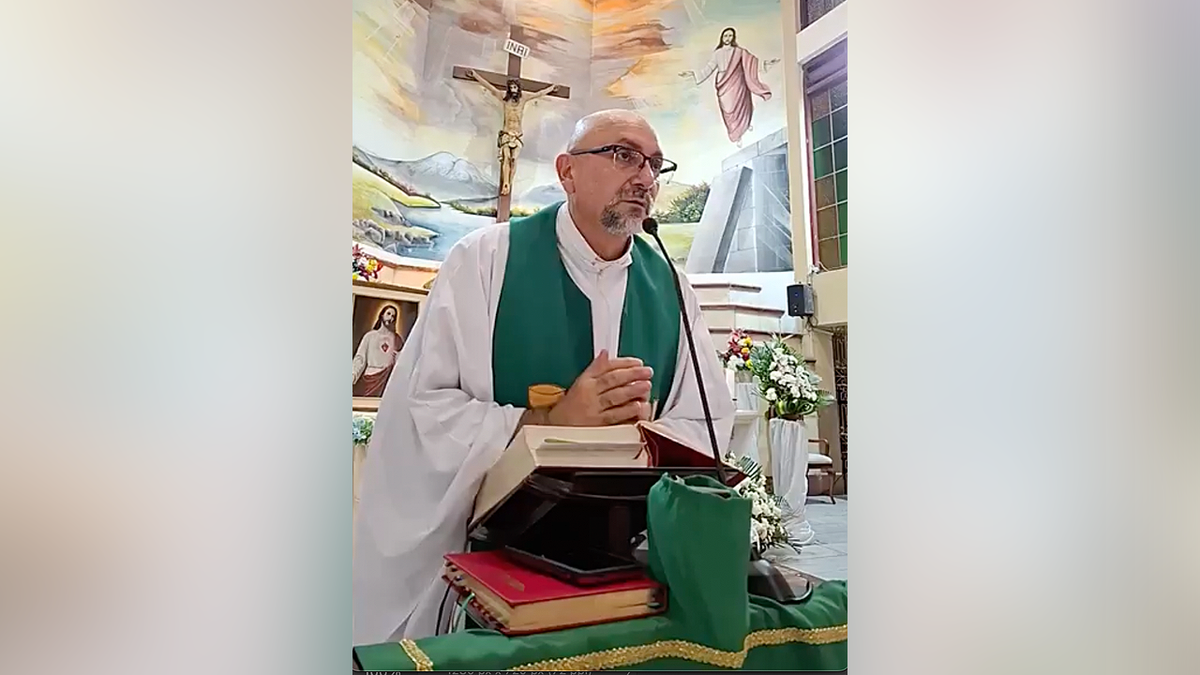
Father Patricio Alfredo Sánchez Molinari celebrates Mass at Nuestra Señora del Perpetuo Socorro Church in Guayaquil, Ecuador. (Patricio Sanchez Facebook)
The Mass was being livestreamed on social media when the crucifix fell, recording both the fatal incident and the desperate response from those inside the church.
«Father, Father … call an ambulance,» a woman can be heard shouting in the video.
Sánchez Molinari belonged to the Congregation of the Most Holy Redeemer, commonly known as the Redemptorists. Before serving in Guayaquil, he spent several years as parish priest at San Lorenzo in Vinces, in Ecuador’s Los Ríos province, according to Primicias.
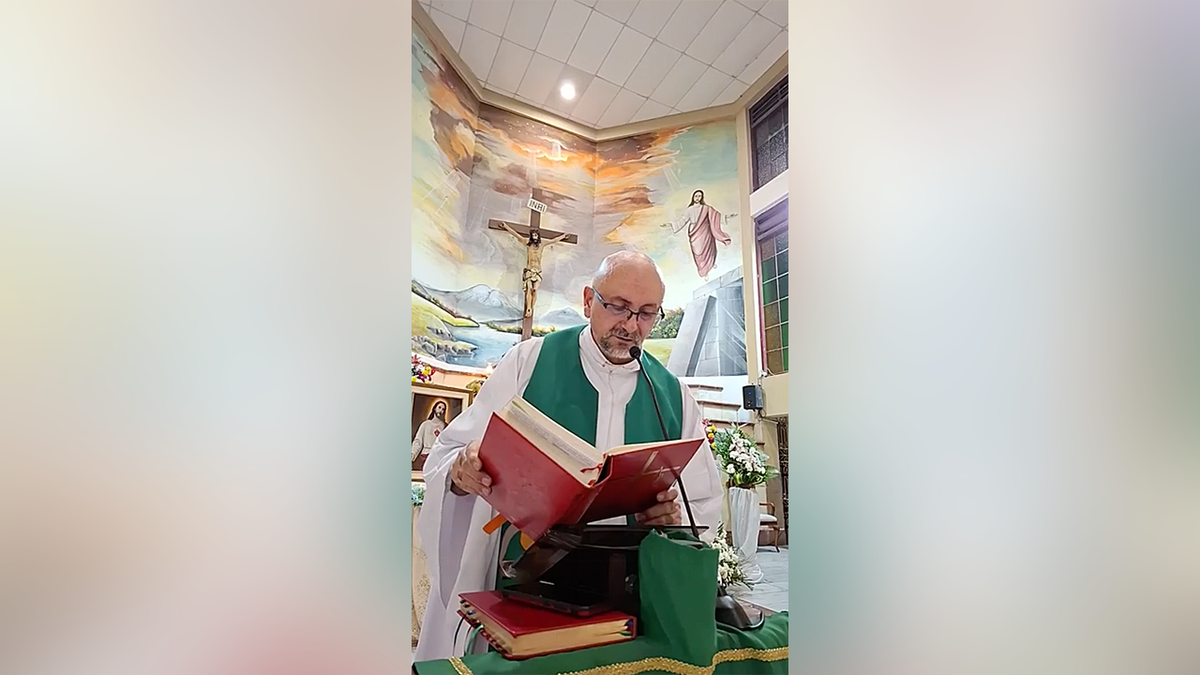
Father Patricio Alfredo Sánchez Molinari, a Catholic priest, was killed when a crucifix fell during Communion. (Patricio Sanchez Facebook)
His former parish mourned his death in a social media tribute, remembering the dedication and pastoral love he brought to its community, El Universo reported.
What caused the crucifix to fall remained unclear Sunday. Church officials had not publicly provided an explanation for the collapse.
world, religion, faith, roman catholic, christianity religion
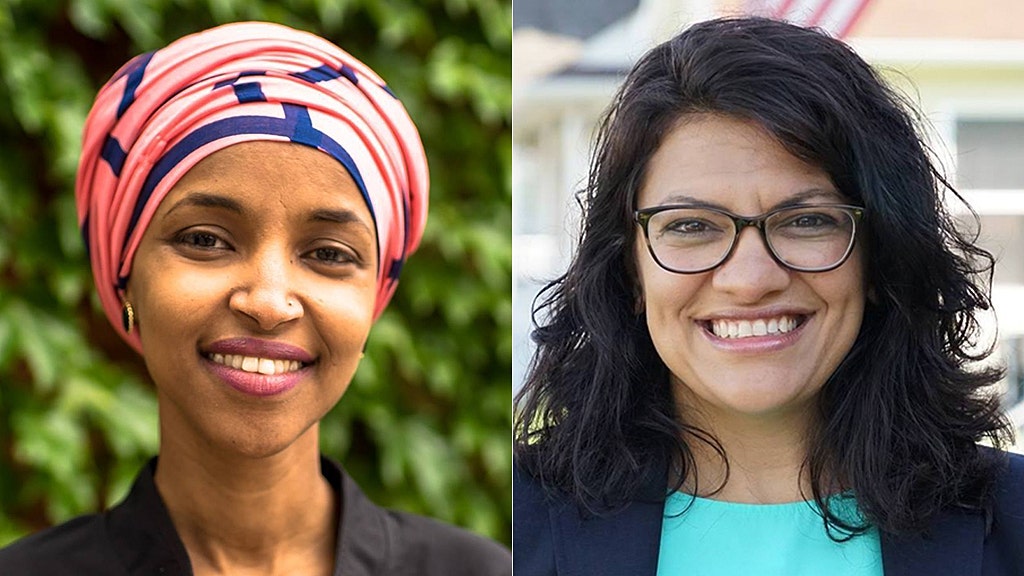
When Michigan Democratic Senate nominee Abdul El-Sayed could not say Iran is a bigger threat to the U.S. than Israel, it was a warning of elections in a post-Oct. 7 world, Zionist Organization of America (ZOA) president Morton Klein says.
American and even Israeli leaders are failing to show strength against hate as anti-Zionist voices gain power, Klein told Digital in a Monday interview.
«Ilhan Omar is one of the most vicious Jew haters in America,» Klein said, speaking on behalf of himself and not as the leader of the ZOA. «And it is very painful to me that the leaders of the Democratic Party have not continuously and vigorously condemned her» and other antisemitic political leaders, including Rep. Rashida Tlaib, D-Mich., El-Sayed and New York City Mayor Zohran Mamdani.
They are not merely «pro-Palestinian» voices, Klein says: «They’re anti-Israel voices. They don’t really give a damn about the Palestinians either. They just hate Jews in the Jewish state. That’s my opinion.»
RESCUE EXPERT WARNS FLYDUBAI HIJACKING ATTEMPT SHOWS US, ALLIES ARE ‘PLAYING CHECKERS’ AGAINST TERROR THREAT
The ZOA is a 501(c)(3) that is unpermitted by law to talk candidacies as opposed to their positions, Klein stressed, before unloading on the voices that take aim at Israel and ostensibly handing political power to the antisemites and terrorists – which even includes Israeli elections just two weeks from now.
«Viciously antisemitic members of Congress have not been condemned in any significant way by the Democratic Party,» he continued. «So it’s disappointing to me as an American that we don’t condemn people who are filled with hate and not filled with what’s best for America.»
Anti-Israel rhetoric has moved from the political fringe into elected office, he said, warning that Democrats have not forcefully condemned members of their own party who he says traffic in antisemitism.
TERROR CELLS INSIDE FOREIGN AIRLINES ‘CERTAINLY A POSSIBILITY,’ RETIRED PILOT WARNS
It has even forced Israeli leaders to move toward a dangerous level of «appeasement,» according to Klein.
«I blame the Jewish leaders and the Israeli leaders themselves: You might find that surprising,» he said. «The Israeli government over the years has not made it clear that the Hamas Charter has two clauses that say, murder every Jew on earth, destroy Israel. And, most recently, El-Sayed not only refused to clearly name Iran, the world’s leading state sponsor of terror, as a greater threat than Israel during a Michigan Senate debate, «he said worse,» Klein lamented.
«He said both of them are dangerous to America, and he said Israel is as evil as Hamas,» he continued.
«The Democratic Party has not condemned him. Worse, [Senate Minority Leader] Chuck Schumer endorsed him, has given him tens of millions of dollars to run,» Klein said. «Elissa Slotkin, the senator from Michigan, Jewish senator, has endorsed him. And [Dana] Nessel, the attorney general, Jewish attorney general has endorsed them. This is disgraceful.»
ILHAN OMAR ON TRACK FOR FIFTH TERM AS MINNESOTA VOTERS MAINTAIN FAR-LEFT STREAK
«If this guy was unequivocally anti-Black, they would have all condemned him. Why don’t they condemn people who hate Jews for no reason whatsoever? It’s very, very frightening,» he said.
During his push to hold the Michigan Senate seat for Democrats, Abdul El-Sayed described Judaism as «a light unto the world,» expressing deep gratitude for the Jewish community’s contributions.
«My commitment to Jewish safety is equivalent to the commitment to the safety of my own daughters,» he said.
Klein also weighed in on Mamdani for declining to condemn the phrase «globalize the intifada,» a call to violence against Jews around the world, he warned.
«Mamdani was asked to condemn the phrase, globalize the intifada … he refused to condemn this phrase,» Klein said. «This guy is a monster. He is a jihadist Jew-hater supporter of terrorism.»
Despite the criticism, Mamdani has pledged to «protect our Jewish neighbors» and stated his commitment to «mourning with them, and committing to fight against evil and antisemitism.»
As Mamdani has done explicitly, Israel is often portrayed as the aggressor and perpetrator of a so-called «genocide» in Gaza, Klein observed, stating that the reality is those atrocities were committed by Hamas terrorists Oct. 7, when terrorists invaded Israel specifically to kill «Jews,» not merely «people,» Klein said.
MICHIGAN STUDENT CONFRONTS EL-SAYED OVER IRAN STANCE IN TENSE EXCHANGE: ‘DO YOU STAND WITH US?’
«They went in house to house, door to door, murdering every single family,» Klein said. «Can you imagine? They go in and there’s a mother and a father and children sitting, they’re scared out of their minds, and they shoot them to death. And oftentimes they raped the mother first and then they murdered them. Then they put babies into ovens and killed them that way. It’s just a nightmare what they did.»
«Yes, their goal is to murder every single Jew. In fact, the leaders of Hamas have said repeatedly: ‘We will have many, many more Oct. 7s; you wait, many, more Oct. 7s,» he added.
Klein said any future Israeli government after the Oct. 27 elections must be «as tough as nails, responding with overwhelming force for any terrorism,» and do as the «the people demanded: destroy Hamas.»
Klein warned, however, that Israeli Prime Minister Benjamin Netanyahu could be weakened politically if he is forced to form an alliance with left-of-center parties after Israel’s elections.
«The polls show that it’s likely that Netanyahu will win again, but he may have to have a broader coalition to bring in people from the left of center,» Klein warned. «I think the odds are high Bibi will continue to be the prime minister. But his hands will be somewhat tied if he’s forced, and I think he will be forced, to bring people from left of the center to have coalition.»
JEWISH DEMOCRATS ABANDON EL-SAYED FOR GOP RIVAL IN ALL-IMPORTANT BATTLEGROUND STATE
Asked whether the process of forming a coalition could weaken Israel’s response, Klein answered, «Yes.»
«Yes, because some of the left-of-center people are appeasement-oriented,» Klein said. «They still believe just give the Arabs more, it’ll be all right.»
«And people have to understand, and these people don’t quite understand, this is not a war about land or about a Palestinian state. This is a war about destroying Israel and killing Jews.»
He argued that Israel should reject further concessions and project strength until its enemies accept that the Jewish state cannot be destroyed and the decades of calls for a Palestinian state are a proven failure.
«They had it; they controlled it,» Klein said. «They could have just said a new country of Palestine has now emerged. No, because the goal is not that. The goal is Israel’s destruction.»
«Only when they understand that, that it’s hopeless for them to destroy the Jewish state of Israel, only then might they finally lay down their arms and say, we give up.»
anti semitism, politics, ilhan omar, abdul el sayed, benjamin netanyahu, hamas, chuck schumer, rashida tlaib

Preocupación en la selección argentina: las lesiones que sufrieron Cuti Romero y Lisandro Martínez

El Gobierno busca enviar en los próximos días el acuerdo comercial con Estados Unidos al Congreso y apura la agenda de propiedad intelectual

Video: Kannemann acusó que robaban y lo echaron

La desgarradora carta de la hija de Fernando Confessore a días de la muerte de su papá: «Nada puede llenar el vacío que dejaste»

Becoming a lawyer could get cheaper and faster under looming Trump admin shakeup

Priest killed by falling crucifix during livestreamed Mass as worshippers rush to help

La lesión de Lautaro Martínez que encendió las alarmas de la selección argentina: el comunicado del Inter

Milei tildó a Lula de comunista, ratificó su alineamiento con Trump y pidió “defender el legado de occidente”

El crédito que nadie te cobra

Noche negra y oleada de críticas contra Jofre Torrents

 ECONOMIA3 días ago
El futuro será inteligente, pero inconsciente
- SOCIEDAD3 días ago
La ANMAT prohibió un dispositivo de depilación definitiva por irregularidades sanitarias
- DEPORTE3 días ago
Nacho Fernández rompió en llanto al hablar de la cinta de capitán con la imagen de Maradona: “Me acompaña todos los partidos”