INTERNACIONAL
La serie de Mercedes Morán y Mariana Enríquez: los muertos de la injusticia piden consuelo


Hay algo entrañable en lo rotundamente porteño de las imágenes de Mis muertos tristes, la miniserie que Netflix estrena este jueves 24 y que se acaba de presentar en el Festival de Cine de San Sebastián. Apenas arranca, cualquier crecido en Buenos Aires reconocerá los pasillos del Hospital de Clínicas. A diferencia de otras series, donde la plataforma apunta a mostrar bellezas del país, Mis muertos tristes se zambulle en un espacio que difícilmente pisen los turistas: el barrio Piedrabuena, en Villa Lugano. Ese será el mundo por donde transitarán los personajes que creó la escritora Mariana Enríquez y que filma el chileno Pablo Larraín. “Terror cotidiano”, ha explicado él. “Injusticia”, ha dicho Enríquez. Hay que pensar en las dos cosas juntas.
Mis muertos tristes es el título de un cuento de Enríquez, que está en su libro Un lugar soleado para gente sombría. Pero la serie no recrea ese relato sino que toma cuatro historias —Mis muertos tristes, Cuando hablábamos con los muertos, Julie y Un lugar soleado para gente sombría— y arma una nueva con sus personajes, sus lugares, sus ideas. A veces está muy cerca, muy pegada a los cuentos, a veces se corre un poco. “Los relatos de Mis muertos tristes —ha explicado Enríquez— plantean a los fantasmas como la memoria, aquello que vuelve todo el tiempo y que en muchos casos no se puede calmar porque tienen que ver con la injusticia. Más allá de una trama general, es una pregunta abierta, sin respuesta: ¿Qué hacemos con esos fantasmas?”.
Aquí la protagonista, la que lleva el hilo, es Emma, el personaje que encarna Mercedes Morán y que habla con los muertos. Sí, algunas veces todos, o casi todos, les hablamos a los muertos, pero Emma no les habla A los muertos sino que charla CON los muertos, que no es lo mismo. Hasta les calma las angustias.
Emma es una médica que ha sido directora de un hospital (ese que vimos al principio), que acaba de ser jubilada de prepo y que es la narradora del cuento Mis muertos tristes, el relato que da algunos argumentos, algunos personajes y ubicación -el barrio Piedrabuena- a la serie. El barrio es central porque marca injusticias que se ven claritas en la degradación, la violencia, la paranoia de un lugar que se ha vuelto marginal y donde hoy conviven vecinos dispuestos a tomar en sus manos la seguridad, bandas y adictos de esos que están tirados en los zaguanes. “El barrio ha cambiado desde mi infancia. Solía ser viviendas para obreros construidas en los años treinta en calles angostas; casas de piedra, hermosos jardines pequeños y ventanas altas con persianas de hierro”, escribe Enríquez en el libro. En una de esas casas vivía la mamá de Emma, que acaba de morir de cáncer gritando de dolor porque es alérgica a la morfina.
Pero, ya avisó la autora, el barrio es otro: “Al sur tenemos los monoblocs que se fueron volviendo más y más peligrosos, con los chicos que venden paco en las escaleras y a veces se tirotean si hubo alguna escaramuza o si simplemente están de malhumor porque perdieron un partido de fútbol”. Y, además, ahí nomás creció una villa. Iban a construir un centro deportivo pero, bueno, ya se sabe, no lo hicieron y en el predio se puso una casilla, otra, otra… Ese es el escenario de esta serie.

Emma es dura, dice lo que otros piensan y callan, es áspera y carga un peso: en la pandemia, cuando estaba en el hospital, tomó la decisión de sacarles los respiradores a los ancianos y dárselos a quienes tenían más posibilidades de sobrevivir. Un pragmatismo que duele: la llaman “asesina”. Uno de los personajes que recibirá la aspereza de Emma, y la devolverá con precisión, es su hija, que en la serie tiene la cara de Dolores Fonzi.
Ahora que partió la mamá de Emma, llega al país la hermana, que vive en Estados Unidos. Emma podía haberla mandado a su departamento en Recoleta pero la relación entre ellas no es, digamos, amorosa, y además Emma tiene algunas facturas pendientes por años de cuidar sola a la madre de las dos. Así que acá llegan, a Piedrabuena, la señora que habla medio en inglés, su marido argentino que trabaja -¿de qué?- en Boeing y su hija Julie, uno de los personajes más hermosos de la serie.

Enríquez y Larraín aprovechan esta visita para burlarse y compadecerse de aquellos que emigraron para ser más y terminaron lavando cabezas y limpiando oficinas afuera (como si uno no tuviera derecho a tener sueños y a que esos sueños se deformen). Pero si los padres son algo tilingos, Julie, “mi prima gringa”, define la narradora del cuento, es descarnada, directa, simple. También es obesa, muy obesa: la hace Carolina Álvarez.
A Julie la declararon loca, ha pasado por todo tipo de tratamientos y, a la noche, tiene sexo con “amigos” que no están ahí. ¿Dónde están? Bueno, como su tía, Julie habla con los muertos. Y parece que llega incluso más allá.

En lo cotidiano, sin embargo, no es fácil la vida de una adolescente tan gorda y tan deseante. Termina estudiando en su casa, por ejemplo, porque el bullying no le deja respiro. El tema es que esta visita a la Argentina es algo más que una despedida a la madre: los padres de Julie ya no pueden pagar la atención médica que ella precisa en Estados Unidos. Y en la Argentina, ya se sabe, hay salud pública. ¿Es que ellos van a volver al país? Mmm…
El terror cotidiano
Claro que esto es Mariana Enríquez, así que por más que haya espíritus por todos lados, el terror es el terror que supimos conseguir y el daño, el que nos hacemos entre nosotros. Durante los cuatro capítulos vamos a caminar por pasillos mugrientos, en los que hay colchones en el piso, los zombies van a ser adictos de movimientos espasmódicos o tirados en esos colchones y el muerto que grita va a ser ese chico que se escapaba de una patota y pedía amparo pero al que, por miedo, nadie le abrió la puerta y terminó destrozado. ¿Cómo no te va a volver esa imagen? ¿Cómo no te va a volver la cara del ladrón que se cayó en el patio y al que dejaste desangrarse sin llamar a la ambulancia porque, en el fondo, pensás que “uno menos” es mejor? O, para decirlo con todas las letras, ¿cómo podemos dormir con todo eso -la miseria, el pozo de la droga, la violencia- pasando ahí nomás?
En estos días, Stephen King -uno de los héroes literarios de Enríquez- elogió la serie. En un tuit escribió: “¡Qué idea tan genial! ¿Qué pasaría si alguien que puede oír (y a veces ver) a los muertos cayera en el suministro de agua de una ciudad y su cuerpo se descompusiera? ¿Y si, después de beber el agua, TODOS pudieran hacerlo?” Porque eso pasa en algún momento. ¿Y entonces, qué? Que se escuchan tantos gritos, tantos llantos, tantos tantos tantos muertos que se quejan y se lamentan y señalan a sus asesinos, a quienes los hostigaron, a quienes les hicieron la vida imposible, a quienes miraron para otro lado… Se escucha tanto dolor que es insoportable. Esos quejidos serían la banda sonora de la vida, si no tuviéramos la percepción convenientemente limitada.

La serie no se priva de mostrar algunos cuerpos malheridos o en descomposición que, en mi humilde opinión, podrían obviarse. Pero la obra nueva que hacen quienes la adaptaron -la propia Mariana Enríquez, Guillermo Calderón, Anastasia Ayazi y Pablo Larraín- a partir de los cuentos de Enríquez funciona, porque mantiene el terror bien entendido, la mirada y el espíritu que hicieron de Enríquez una figura de la escena literaria internacional del siglo XXI.

INTERNACIONAL
Neandertales en Barcelona: lanzas, mazas y paravientos de madera documentados en 20.000 años de ocupación

Un equipo arqueológico reveló la colección de madera neandertal más diversa de la prehistoria, hallada en el abrigo rocoso de Abric Romaní, en Capellades, Barcelona: lanzas de hasta 2,45 metros, una maza tallada de una sola pieza y bandejas de corteza que apuntan a una vida doméstica mucho más organizada de lo que se suponía.
El estudio, liderado por Palmira Saladié, investigadora del Institut Català de Paleoecologia Humana i Evolució Social (IPHES-CERCA) y la Universitat Rovira i Virgili, analizó 597 especímenes de madera recuperados en 16 niveles arqueológicos fechados entre aproximadamente 62.000 y 40.000 años atrás. De ese total, 13 piezas presentan evidencias claras de modificación intencional. Los resultados fueron publicados en la revista Science Advances.

Los moldes de carbonato de calcio conservaron formas imposibles de otro modo
Lo que hace singular a Abric Romaní en el panorama arqueológico mundial es su geología. El agua rica en carbonato de calcio que goteaba constantemente por el abrigo rocoso cubría los objetos abandonados por los neandertales antes de que se descompusieran, formando moldes minerales que reprodujeron sus contornos con una precisión inusual. En algunos casos, la resolución llega al nivel celular, lo que permitió confirmar que se trata de trazas de madera y no de otro material orgánico. Esta preservación contrasta con los yacimientos de Alemania, Italia y Grecia, donde la madera sobrevivió gracias al barro, y donde los hallazgos se limitaban mayormente a lanzas y palos cavadores.
El análisis mostró que el pino silvestre representó más del 90% del carbón identificado en los hogares, lo que lo convierte en el combustible predominante. Pero los neandertales también lo usaron para fabricar herramientas resistentes. Para los recipientes domésticos, en cambio, optaron por la corteza de enebro, más flexible y fibrosa: una elección que implica conocimiento específico de las propiedades de distintas especies vegetales.

Lanzas, una maza y una estructura de palos sobre el fuego
Entre los 13 objetos modificados identificados, dos lanzas procedentes del nivel R destacan por su estado de conservación. Una mide 2,45 metros y la otra preserva 1,99 metros en tres fragmentos; ambas presentan los ramales laterales eliminados y marcas de preparación deliberada. La segunda apareció asociada directamente a restos de ciervo, herramientas de piedra y estructuras de combustión, lo que el equipo interpreta como una instantánea congelada de una jornada de caza y procesamiento de carne.
El objeto que más interés generó entre los investigadores es una maza tallada de una sola pieza de madera, hallada en el nivel P. Tiene un mango de 16 centímetros y una cabeza asimétrica en forma de media luna con un extremo ensanchado y apuntado, cuya superficie muestra surcos de raspado paralelos y controlados. Saladié señaló que las hipótesis sobre su función van desde instrumento para rematar presas o herramienta tipo martillo hasta objeto con valor simbólico, posiblemente indicador de estatus dentro del grupo. “Son posibilidades, no usos que podamos demostrar”, aclaró la investigadora en declaraciones recogidas por IFLScience.

También se documentó un poste de 5,10 metros de largo, completamente despojado de ramas y trabajado, que habría servido como soporte principal de estructuras tipo trípode, así como paravientos para protegerse de las corrientes de aire. Sobre uno de los hogares, se identificó una estructura de palos cruzados que pudo funcionar como parrilla o plataforma elevada para ahumar y conservar carne.
Las bandejas de corteza y los espacios para dormir completan el cuadro doméstico
Cuatro piezas de corteza carbonizada y aplanada, ubicadas en torno a los hogares, habrían cumplido la función de bandejas o recipientes. Según Saladié, estos contenedores pudieron usarse para aislar alimentos del suelo, recolectar vegetales o miel e, incluso, para transportar bebés. El registro también incluye pequeñas herramientas como punzones de madera diseñados para perforar materiales blandos como cuero o pieles animales.

El conjunto apunta además a una organización deliberada del espacio habitado: había zonas reservadas exclusivamente para dormir, equipadas con pequeños hogares que funcionaban como braseros individuales para mantener el calor corporal durante la noche.
“Abric Romaní nos da razones para pensar que la tecnología de la madera era importante, diversa y flexible, adaptada a las necesidades que tenían… desde la caza hasta la preparación de alimentos”, sintetizó Saladié. “Esa versatilidad práctica y adaptabilidad son cualidades que podemos reconocer fácilmente en nosotros mismos.”
El estudio reconoce sus límites: los moldes de travertino complican la reconstrucción de las etapas de fabricación, y la evidencia vinculante entre herramientas de piedra específicas y trabajos de carpintería es parcial. Aun así, la secuencia de 20.000 años de ocupaciones documentadas en Capellades convierte a Abric Romaní en el registro continuo más largo de uso doméstico de madera por parte de neandertales conocido hasta la fecha.
neandertal,Pleistoceno,caza,herramientas de piedra
INTERNACIONAL
Zelenskyy accuses Putin of defying Trump’s ceasefire push, sends pointed message to White House

NEWYou can now listen to Fox News articles!
Ukrainian President Volodymyr Zelenskyy told Fox News on Monday that Russia continued attacking Ukraine’s energy infrastructure despite President Donald Trump’s announcement of what he called an immediate energy ceasefire, accusing Vladimir Putin of rejecting Washington’s peace efforts and calling for greater pressure on Moscow.
«We are ready today for energy ceasefire, as President Trump said. But I’m not sure that Putin is ready because even after yesterday’s messages from the president about energy ceasefire, Putin attacked our gas infrastructure,» Zelenskyy told Bill Hemmer in a live interview on «America’s Newsroom.»
Asked whether Ukraine would honor the ceasefire, Zelenskyy answered, «Of course,» insisting that Kyiv had already refrained from striking Russian energy facilities overnight.
TRUMP ANNOUNCES IMMEDIATE ENERGY CEASEFIRE BETWEEN RUSSIA AND UKRAINE
A family walks past an apartment building that was hit by a Russian drone, amid Russia’s attack on Ukraine, in Kharkiv, Ukraine, October 12, 2026. (Thomas Peter/Reuters)
«We didn’t attack any energy objects on the territory of Russia because President Trump said that there will be an energy ceasefire between Ukraine and Russia. And we didn’t attack, but Russia attacked our gas stations, energy infrastructure, infrastructure and other things,» he said.
The Ukrainian leader described the attacks as Putin’s response to Trump’s initiative.
«It was his answer to President Trump. He attacked our energy infrastructure,» Zelenskyy said. «The communication from Russia was very clear that they don’t know anything about energy ceasefire.»
Trump announced Sunday on Truth Social that Russia and Ukraine had agreed to an immediate halt to attacks on energy facilities. But Moscow has not confirmed accepting such an agreement, and the precise scope of Trump’s proposal remains disputed.
According to Axios reporting Sunday, a White House official said the proposal initially focused on halting attacks on oil refineries, with a broader ceasefire covering power plants and electricity grids potentially following. The official acknowledged that Russia had not yet agreed.
UKRAINE STRIKES DEEP INTO RUSSIA’S ARCTIC GAS HEARTLAND AS TRUMP PUSHES PUTIN TOWARD PEACE
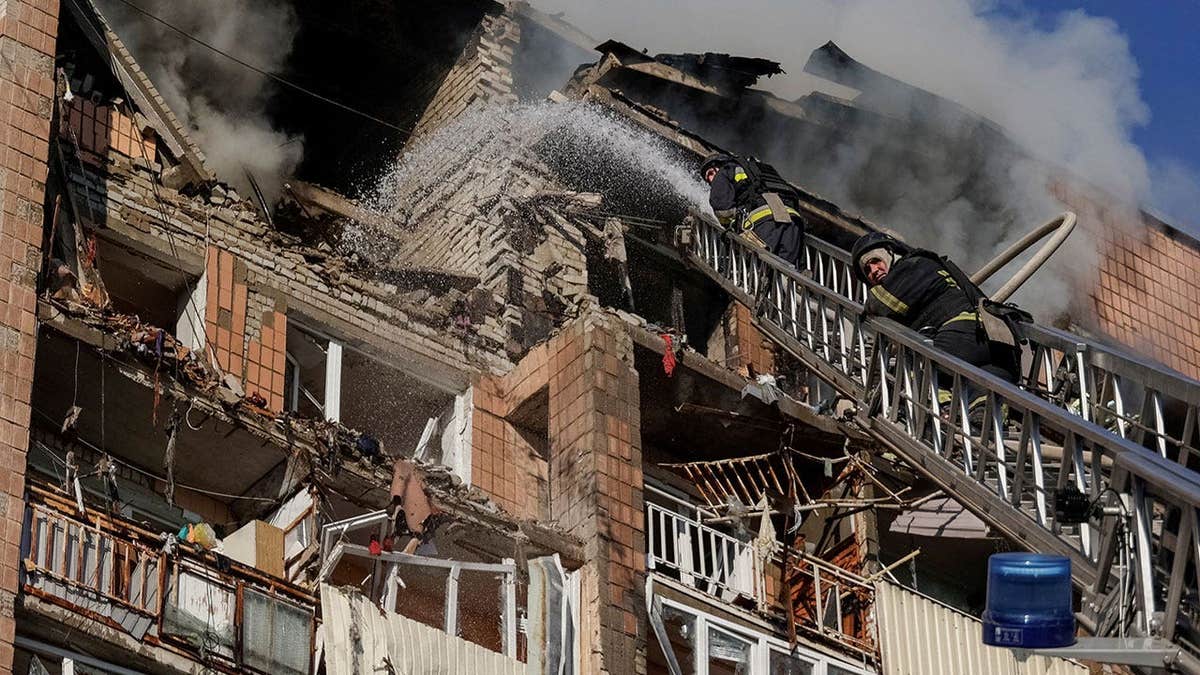
Firefighters work at the site of an apartment building damaged during a Russian drone strike, amid Russia’s attack on Ukraine, in Kharkiv, Ukraine, on October 12, 2026. (Sofiia Gatilova/Reuters)
Zelenskyy pushes back on Trump’s refinery demands
During the interview, Hemmer pressed Zelenskyy on whether Ukraine would halt attacks on Russia’s extensive oil-refining network, which has become a point of contention between Washington and Kyiv amid rising global fuel prices.
Zelenskyy argued that a ceasefire limited to refineries would fail to address Ukraine’s greatest vulnerability: its electricity supply.
«When we speak about energy ceasefire, it means only one thing: that they don’t attack our energy infrastructure, and we don’t respond to their energy infrastructure. This is called energy ceasefire.»
Asked again whether Ukrainian forces would refrain from targeting Russian refineries, Zelenskyy gave a conditional commitment. «If Russia will not attack our energy, we will not attack the energy,» he said.
Trump has repeatedly criticized Ukraine’s attacks on Russian oil refineries, arguing that they contribute to higher fuel prices. On Friday, he announced an agreement with Russia to release diesel supplies to the U.S. and global markets, a decision that drew criticism from lawmakers concerned about providing Moscow with additional revenue.
Zelenskyy challenged Trump’s assessment of what is driving diesel prices, pointing instead to disruptions in the Strait of Hormuz.
«Everybody understands that the price on diesel doesn’t depend on our attacks on diesel in Russia,» Zelenskyy told Hemmer. «Everybody understands that it depends on the blocking of Hormuz Strait.»
NEW RISK FOR US CONSUMERS AS IRAN-BACKED ATTACKS THREATEN A SECOND MAJOR OIL CHOKEPOINT
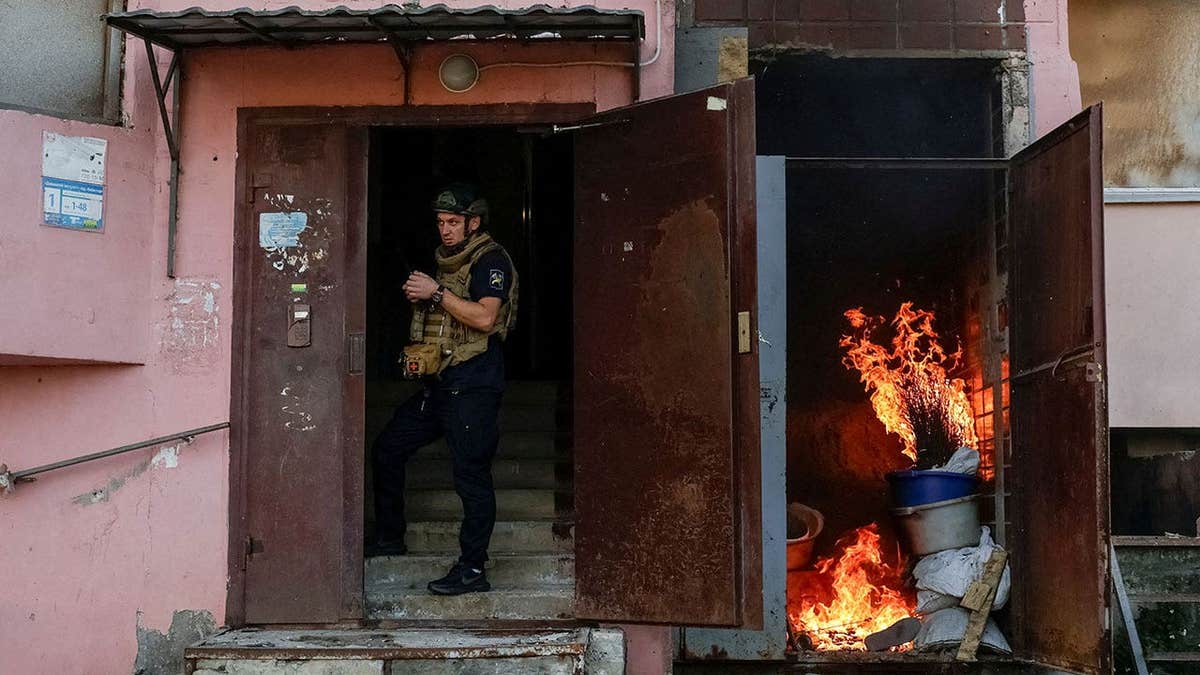
A rescuer takes shelter at the entrance of an apartment building amid the threat of another Russian drone strike, amid Russia’s attack on Ukraine, in Kharkiv, Ukraine, on October 12, 2026. (Sofiia Gatilova/Reuters)
‘Only our people can change’ Ukraine’s president
The interview also exposed tensions over Trump’s calls for Ukraine to hold new presidential elections.
Over the weekend, Trump criticized Zelenskyy and suggested Ukraine needed a new president, arguing that Kyiv had missed opportunities to reach a negotiated settlement with Russia.
«If President Trump wants to change the leader in Ukraine, he has to know that only our people can change,» Zelenskyy responded.
The Ukrainian president said he was willing to organize an election but argued that voting remained impossible without a substantial pause in hostilities.
«I’m ready for elections. Really, we need a minimum 60 days for security of infrastructure to prepare for elections,» he said.
Zelenskyy described continuing Russian drone and missile attacks as an immediate threat to voters. «We are speaking about thousands of drones, ballistic missiles, cruise missiles, how can people vote?» he asked.
«It’s not even about the law. The law is very important. But we speak first of all about security.»
He also said he last spoke directly with Trump in New York during the U.N. General Assembly in late September.
ZELENSKYY TO SEEK OFFRAMP FOR YEARS-LONG RUSSIA WAR IN UN SPEECH AFTER TRUMP REVEALS PEACE DEAL IS CLOSE

President Donald Trump and Ukraine’s President Volodymyr Zelenskiy shake hands as they meet on the sidelines of the 81st United Nations General Assembly (UNGA) in New York City in this handout released September 22, 2026. (Ukrainian Presidential Press Service/Handout via Reuters)
Russian attacks continue as Moscow resists ceasefire
The interview came after another series of Russian attacks on Ukrainian energy facilities and residential areas.
Ukraine’s charge d’affaires in Washington, Denys Sienik, said Sunday that Russian forces struck a power plant in Kyiv, disrupting electricity and water supplies, before attacking a thermal power plant in Kharkiv following Trump’s announcement.
«In total, over the course of the week, Russia struck electricity generation and transmission facilities more than 200 times,» Sienik wrote on X on Oct. 11, 2026.
East2West News agency reported Monday that three civilians — a 16-year-old boy and two women, ages 19 and 51 — were killed in a strike near a grocery store in the Kharkiv region. The agency also reported that five people were wounded in an attack on a residential high-rise.
In Pisochyn, a woman described witnessing the bombardment of a power plant shortly after Trump’s announcement, according to East2West. «We believed the statement that they wouldn’t strike energy infrastructure,» she said. «Just ten minutes after that promise was made, there were already five strikes.»
The agency also reported a Ukrainian strike on a Russian military base in occupied Khrustalnyi, in the Luhansk region, where three large fires were reportedly visible. The damage and casualty figures could not be independently confirmed.
Reuters separately reported Monday that Russia continued striking Ukrainian energy targets despite Trump’s announcement, while Kyiv maintained that it had refrained from attacking Russian refineries.
Russian Foreign Minister Sergey Lavrov, meanwhile, rejected the prospect of a 60-day ceasefire to facilitate Ukrainian elections, arguing that European countries would use the pause to replenish Ukraine’s weapons supplies.
«I don’t think he deserves a respite,» Lavrov said Monday, according to the BBC.
UKRAINE’S ATTACKS ON RUSSIA ARE PUSHING PUTIN CLOSER TO NEGOTIATING TABLE, TRUMP NATO AMBASSADOR SAYS

Plumes of smoke rise from fires at an oil refinery following what authorities said was a Ukrainian drone strike during the Russia-Ukraine conflict in Moscow, Russia, on Sept. 20, 2026. (REUTERS/Stringer)
Trump’s Russian diesel deal draws criticism
The latest developments have intensified scrutiny of Trump’s decision to ease restrictions on Russian diesel, which critics argue could provide Moscow with additional revenue while it continues its military campaign.
Carrie Filipetti, executive director of the Vandenberg Coalition and a former deputy assistant secretary of state during Trump’s first administration, questioned whether the arrangement would undermine U.S. leverage over Putin.
«Both Russia and Ukraine seemed surprised by the announcement of an energy ceasefire, and unsurprisingly, Russia has continued to attack Ukrainian energy facilities — reportedly as recently as a few hours ago,» Filipetti told Fox News Digital.
«Putin probably hopes the new diesel deal — which directly undermines recent US legislation calling for an increase in tariffs and sanctions against Russian energy — will discourage President Trump from holding Putin accountable for these continued violations and attacks.»
Filipetti argued that Russian energy revenue remains a critical source of financing for Moscow’s war effort. «If we want a real ceasefire, paying directly for Putin’s war machine through this new diesel deal is not the way to do it,» she said.
«President Trump’s goal of a ceasefire could be a real win — but it’s only going to happen if we stop the diesel deal.»
Morgan Murphy, former head of public diplomacy for the Special Presidential Envoy to Russia and Ukraine, offered a different assessment, defending Trump’s efforts to secure a negotiated settlement. «President Trump has consistently prodded both sides toward the only realistic outcome — negotiation,» Murphy told Fox News Digital.
«Both sides are losing right now: Ukraine doesn’t have the combat power to retake seized land, and Russia is destroying its future demographics with every passing day.»
Murphy argued that prolonging the fighting would only deepen the human toll: «Trump is right to push for a ceasefire. An endless war of attrition benefits only the makers of weapons and coffins.»
In his Fox News interview, Zelenskyy also emphasized the human cost of the war, saying Russian strikes were killing between 20 and 30 civilians a day, a figure Fox News has not independently verified.
«We want to end this war as quickly as possible,» he said.
«Ceasefire is a good first step from both sides. This is very important.»

Smoke and flames rise over Moscow on June 18, 2026, following a Ukrainian drone attack that hit the Kapotnya oil refinery and other targets in the Russian capital. (East2West)
Fox News Digital has reached out to the White House for comment but didn’t receive a response in time for publication.
ukraine, russia, volodymyr zelenskyy, vladimir putin, national security
INTERNACIONAL
Democrats see new chances to flip red states — but a $400M GOP spending advantage could derail their plans
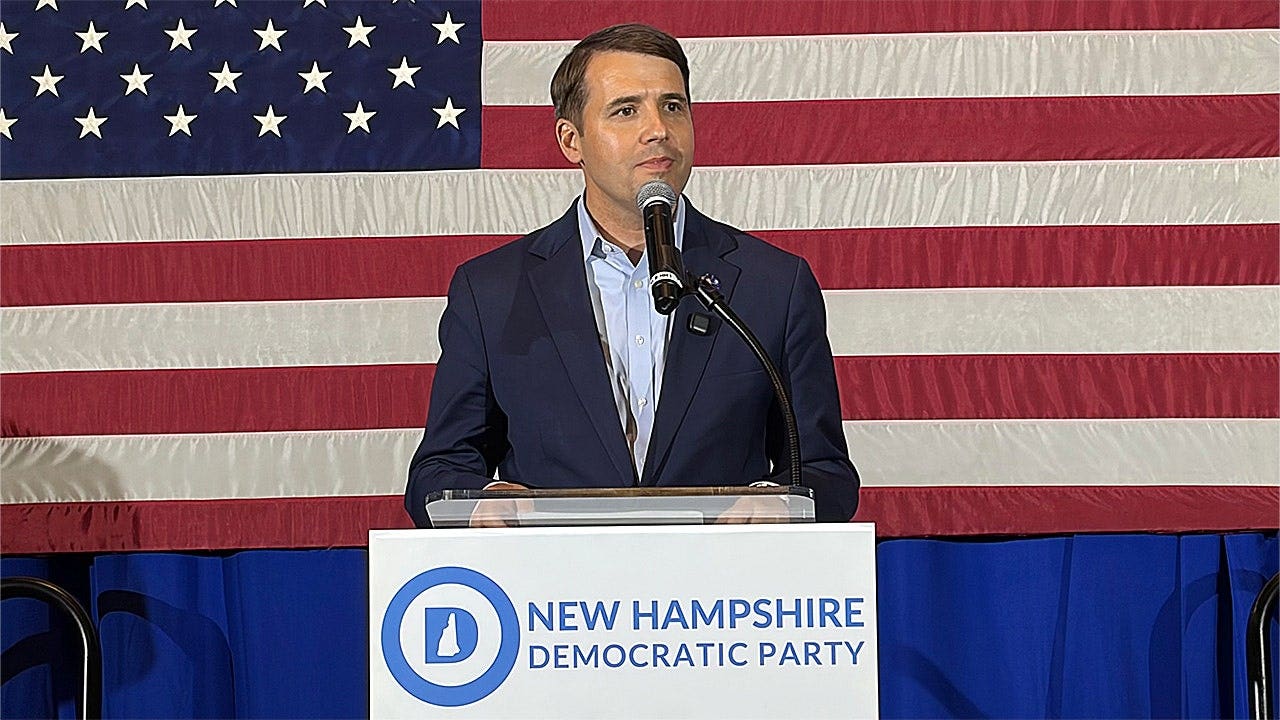
With just over three weeks to go until Election Day, more and more red states and congressional districts appear in reach for the Democrats, as they work to win back House and Senate majorities from the Republicans in the midterms. But a massive Republican spending advantage threatens to complicate those ambitions.
Republican campaigns, committees and aligned groups have outspent their Democratic counterparts by $400 million so far this election cycle, according to AdImpact, a leading political advertising tracking firm.
The disparity is forcing Democrats to make difficult decisions about where to invest and how much to spend as the party tries to expand the electoral map.
«We are being outspent by the Republicans. That’s just a fact,» Lauren French, communications director at the Senate Majority PAC, told Digital. «In many of these states, they have really transactionalized elections, so they have monopoly money to play with, whereas we are working with real resources.»
DEMOCRATS THINK A BLUE WAVE IS FORMER – HERE ARE THREE FACTORS THAT COULD STOP IT
The latest Power Rankings shifted GOP-dominated South Carolina from Solid to Likely Republican. The Senate showdown in reliably Republican Kansas is Lean Republican, while the races in red-leaning Alaska, Iowa, Ohio and Texas are rated toss-ups.
«Senate Majority PAC has resources to compete, and we are very happy that we’re able to be in 9 battleground states,» French said.
The super PAC is the leading outside group supporting Democratic Senate candidates and incumbents and is aligned with longtime Democratic leader Sen. Chuck Schumer.
French highlighted record-setting fundraising over the past three months, but added, «of course, more recess resources would be helpful.»
With the latest polls from and other organizations showing Democrats increasingly competitive across the Senate map, the party is pleading for more money.
«Last month a pro-Trump PAC reserved $10 million in New Hampshire advertising, and we’re being outspent 3-to-1,» reads a fundraising pitch to supporters by Rep. Chris Pappas, the Democratic Senate nominee in swing state New Hampshire.
WHO’S UP AND WHO’S DOWN IN THE LATEST MIDTERM POWER RANKINGS
Senate Majority PAC is rushing some of its record fundraising into the newly competitive battlegrounds. And American Bridge PAC, a Democrat-aligned group, recently pumped over $20 million into South Carolina and Kansas, as well as competitive races in two other red states, Florida and Mississippi.
But the Democratic groups are being outspent by their Republican-aligned counterparts, thanks to major expenditures by Senate Leadership Fund, the President Donald Trump-allied MAGA Inc. and a super PAC bankrolled by Elon Musk.
«The hard reality is there isn’t enough funding to protect the toss-up states and also heavily invest in the red-leaning states where we’re playing offense,» a veteran Democratic Senate operative who requested anonymity to speak candidly told Digital.»
French told Digital «This is the time in the campaign season where everyone really has to make some of those belt-tightening decisions, and that’s why we’re looking at every race really closely to make sure we have enough resources to get to the majority, but we’re also not leaving anyone shortchanged.»
House Democrats are facing a similar predicament.
A memo from the Democratic Congressional Campaign Committee (DCCC) shared with donors warned that Republicans «are now flooding districts across our battlefield with MAGA Inc. and Trump super PAC money that we simply cannot match.»
DEMOCRACY ’26: STAY UP TO DATE WITH THE ELECTION HUB
The memo, which was obtained by Digital, requested an additional $17 million that was needed by Oct. 22 «to close the sale» in what they described as «winnable races.»
The GOP is fighting political history, which has traditionally seen the party in power in Washington lose congressional seats during midterm election years. Add to that a challenging political climate fueled by persistent inflation Americans see at the grocery store, high gas prices tied to what polls show is an unpopular war with Iran and Trump’s negative approval ratings.
SIGN UP TO GET THE POLITICS NEWSLETTER
But the Republicans’ financial advantage has allowed GOP campaigns and allied groups to spend more on political advertising nationally.
«Thanks to the tireless efforts of Leader John Thune, Senate Leadership Fund has amassed a financial advantage that neither party has had before. SLF will continue to invest unprecedented resources across the map to maintain the Republican Senate majority,» Senate Leadership Fund communications director Chris Gustafson told Digital.
Veteran GOP strategist Jesse Hunt told Digital that «Republican outside groups will have played a decisive role in positive Republican performance if they have a good election night despite what is strong headwinds working against them.»
«This is not an advantage Republicans typically have and it’s definitely a contributing factor to a lot of candidates on the ballot right now keeping their races close,» Hunt emphasized.
politics, midterm elections, power rankings, elections, democrats elections, senate, democrats

Javier Milei habló de la reelección, de la visita del papa León XIV y sobre el Nobel de Economía: “No me lo merezco, al menos no hoy”

Fran Yankelevich relató el momento más crítico que con su papá, Darío Giordano, con apenas 10 años: «Me cagó a trompadas, me desmayó a golpes»

El oro del BCRA: el abogado Gregorio Dalbón pidió la detención de Luis Caputo y Santiago Bausili por administración fraudulenta

Intereses cruzados dificultan el acuerdo LLA-Pro en la Capital: la tensión entre los Macri, el rol de Angelici y la presión libertaria

Acusan a un exjugador de vender cursos falsos a Thiago Silva, Roberto Carlos y Paulinho

Expulsaron a un brasileño que insultó a Milei en redes sociales y le prohibieron ingresar a la Argentina durante 5 años

Conciliaciones entre comercios y consumidores resuelven reclamos por más de $12.5 millones en Panamá

Regresos importantes y una duda clave: Arruabarrena definió el equipo de Boca Juniors para visitar a Instituto

El nuevo mapa del mercado automotor: qué marcas ganaron y cuáles perdieron con la apertura de las importaciones

Cómo evitar multas durante el fin de semana largo: cuál es la documentación que hay que llevar sí o sí al salir a la ruta

 INTERNACIONAL3 días ago
Conciliaciones entre comercios y consumidores resuelven reclamos por más de $12.5 millones en Panamá
- DEPORTE3 días ago
Regresos importantes y una duda clave: Arruabarrena definió el equipo de Boca Juniors para visitar a Instituto
- ECONOMIA3 días ago
El nuevo mapa del mercado automotor: qué marcas ganaron y cuáles perdieron con la apertura de las importaciones