INTERNACIONAL
Zelenskyy accuses Putin of defying Trump’s ceasefire push, sends pointed message to White House


NEWYou can now listen to Fox News articles!
Ukrainian President Volodymyr Zelenskyy told Fox News on Monday that Russia continued attacking Ukraine’s energy infrastructure despite President Donald Trump’s announcement of what he called an immediate energy ceasefire, accusing Vladimir Putin of rejecting Washington’s peace efforts and calling for greater pressure on Moscow.
«We are ready today for energy ceasefire, as President Trump said. But I’m not sure that Putin is ready because even after yesterday’s messages from the president about energy ceasefire, Putin attacked our gas infrastructure,» Zelenskyy told Bill Hemmer in a live interview on «America’s Newsroom.»
Asked whether Ukraine would honor the ceasefire, Zelenskyy answered, «Of course,» insisting that Kyiv had already refrained from striking Russian energy facilities overnight.
TRUMP ANNOUNCES IMMEDIATE ENERGY CEASEFIRE BETWEEN RUSSIA AND UKRAINE
A family walks past an apartment building that was hit by a Russian drone, amid Russia’s attack on Ukraine, in Kharkiv, Ukraine, October 12, 2026. (Thomas Peter/Reuters)
«We didn’t attack any energy objects on the territory of Russia because President Trump said that there will be an energy ceasefire between Ukraine and Russia. And we didn’t attack, but Russia attacked our gas stations, energy infrastructure, infrastructure and other things,» he said.
The Ukrainian leader described the attacks as Putin’s response to Trump’s initiative.
«It was his answer to President Trump. He attacked our energy infrastructure,» Zelenskyy said. «The communication from Russia was very clear that they don’t know anything about energy ceasefire.»
Trump announced Sunday on Truth Social that Russia and Ukraine had agreed to an immediate halt to attacks on energy facilities. But Moscow has not confirmed accepting such an agreement, and the precise scope of Trump’s proposal remains disputed.
According to Axios reporting Sunday, a White House official said the proposal initially focused on halting attacks on oil refineries, with a broader ceasefire covering power plants and electricity grids potentially following. The official acknowledged that Russia had not yet agreed.
UKRAINE STRIKES DEEP INTO RUSSIA’S ARCTIC GAS HEARTLAND AS TRUMP PUSHES PUTIN TOWARD PEACE
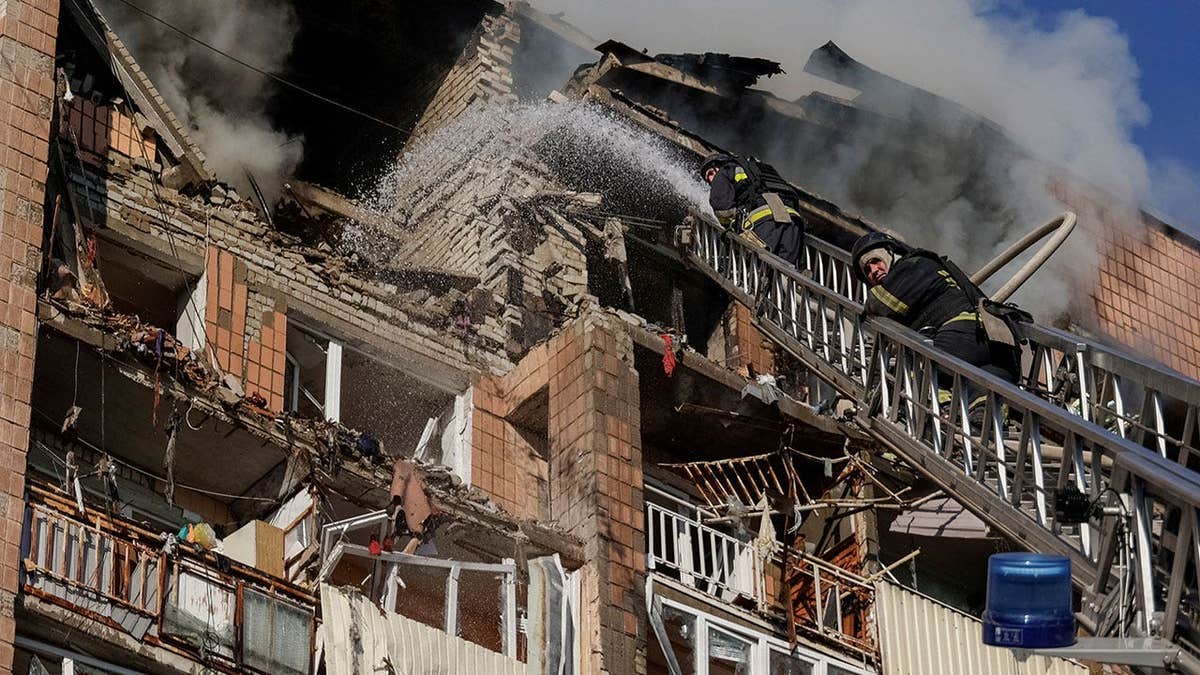
Firefighters work at the site of an apartment building damaged during a Russian drone strike, amid Russia’s attack on Ukraine, in Kharkiv, Ukraine, on October 12, 2026. (Sofiia Gatilova/Reuters)
Zelenskyy pushes back on Trump’s refinery demands
During the interview, Hemmer pressed Zelenskyy on whether Ukraine would halt attacks on Russia’s extensive oil-refining network, which has become a point of contention between Washington and Kyiv amid rising global fuel prices.
Zelenskyy argued that a ceasefire limited to refineries would fail to address Ukraine’s greatest vulnerability: its electricity supply.
«When we speak about energy ceasefire, it means only one thing: that they don’t attack our energy infrastructure, and we don’t respond to their energy infrastructure. This is called energy ceasefire.»
Asked again whether Ukrainian forces would refrain from targeting Russian refineries, Zelenskyy gave a conditional commitment. «If Russia will not attack our energy, we will not attack the energy,» he said.
Trump has repeatedly criticized Ukraine’s attacks on Russian oil refineries, arguing that they contribute to higher fuel prices. On Friday, he announced an agreement with Russia to release diesel supplies to the U.S. and global markets, a decision that drew criticism from lawmakers concerned about providing Moscow with additional revenue.
Zelenskyy challenged Trump’s assessment of what is driving diesel prices, pointing instead to disruptions in the Strait of Hormuz.
«Everybody understands that the price on diesel doesn’t depend on our attacks on diesel in Russia,» Zelenskyy told Hemmer. «Everybody understands that it depends on the blocking of Hormuz Strait.»
NEW RISK FOR US CONSUMERS AS IRAN-BACKED ATTACKS THREATEN A SECOND MAJOR OIL CHOKEPOINT

A rescuer takes shelter at the entrance of an apartment building amid the threat of another Russian drone strike, amid Russia’s attack on Ukraine, in Kharkiv, Ukraine, on October 12, 2026. (Sofiia Gatilova/Reuters)
‘Only our people can change’ Ukraine’s president
The interview also exposed tensions over Trump’s calls for Ukraine to hold new presidential elections.
Over the weekend, Trump criticized Zelenskyy and suggested Ukraine needed a new president, arguing that Kyiv had missed opportunities to reach a negotiated settlement with Russia.
«If President Trump wants to change the leader in Ukraine, he has to know that only our people can change,» Zelenskyy responded.
The Ukrainian president said he was willing to organize an election but argued that voting remained impossible without a substantial pause in hostilities.
«I’m ready for elections. Really, we need a minimum 60 days for security of infrastructure to prepare for elections,» he said.
Zelenskyy described continuing Russian drone and missile attacks as an immediate threat to voters. «We are speaking about thousands of drones, ballistic missiles, cruise missiles, how can people vote?» he asked.
«It’s not even about the law. The law is very important. But we speak first of all about security.»
He also said he last spoke directly with Trump in New York during the U.N. General Assembly in late September.
ZELENSKYY TO SEEK OFFRAMP FOR YEARS-LONG RUSSIA WAR IN UN SPEECH AFTER TRUMP REVEALS PEACE DEAL IS CLOSE
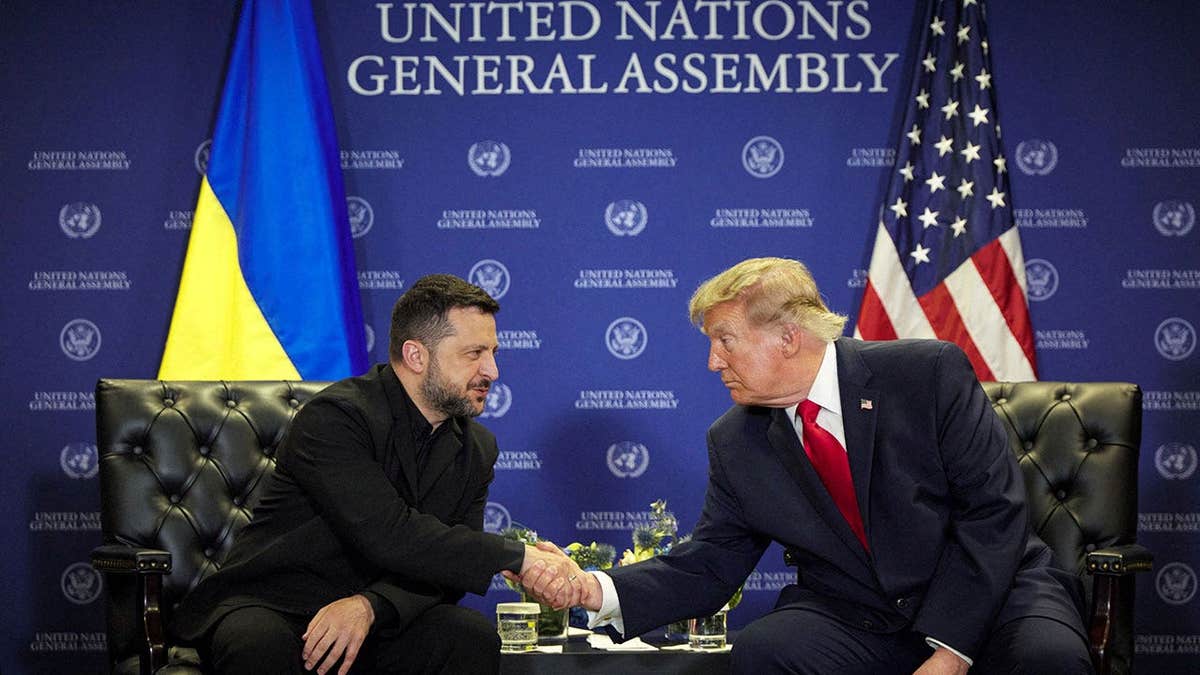
President Donald Trump and Ukraine’s President Volodymyr Zelenskiy shake hands as they meet on the sidelines of the 81st United Nations General Assembly (UNGA) in New York City in this handout released September 22, 2026. (Ukrainian Presidential Press Service/Handout via Reuters)
Russian attacks continue as Moscow resists ceasefire
The interview came after another series of Russian attacks on Ukrainian energy facilities and residential areas.
Ukraine’s charge d’affaires in Washington, Denys Sienik, said Sunday that Russian forces struck a power plant in Kyiv, disrupting electricity and water supplies, before attacking a thermal power plant in Kharkiv following Trump’s announcement.
«In total, over the course of the week, Russia struck electricity generation and transmission facilities more than 200 times,» Sienik wrote on X on Oct. 11, 2026.
East2West News agency reported Monday that three civilians — a 16-year-old boy and two women, ages 19 and 51 — were killed in a strike near a grocery store in the Kharkiv region. The agency also reported that five people were wounded in an attack on a residential high-rise.
In Pisochyn, a woman described witnessing the bombardment of a power plant shortly after Trump’s announcement, according to East2West. «We believed the statement that they wouldn’t strike energy infrastructure,» she said. «Just ten minutes after that promise was made, there were already five strikes.»
The agency also reported a Ukrainian strike on a Russian military base in occupied Khrustalnyi, in the Luhansk region, where three large fires were reportedly visible. The damage and casualty figures could not be independently confirmed.
Reuters separately reported Monday that Russia continued striking Ukrainian energy targets despite Trump’s announcement, while Kyiv maintained that it had refrained from attacking Russian refineries.
Russian Foreign Minister Sergey Lavrov, meanwhile, rejected the prospect of a 60-day ceasefire to facilitate Ukrainian elections, arguing that European countries would use the pause to replenish Ukraine’s weapons supplies.
«I don’t think he deserves a respite,» Lavrov said Monday, according to the BBC.
UKRAINE’S ATTACKS ON RUSSIA ARE PUSHING PUTIN CLOSER TO NEGOTIATING TABLE, TRUMP NATO AMBASSADOR SAYS

Plumes of smoke rise from fires at an oil refinery following what authorities said was a Ukrainian drone strike during the Russia-Ukraine conflict in Moscow, Russia, on Sept. 20, 2026. (REUTERS/Stringer)
Trump’s Russian diesel deal draws criticism
The latest developments have intensified scrutiny of Trump’s decision to ease restrictions on Russian diesel, which critics argue could provide Moscow with additional revenue while it continues its military campaign.
Carrie Filipetti, executive director of the Vandenberg Coalition and a former deputy assistant secretary of state during Trump’s first administration, questioned whether the arrangement would undermine U.S. leverage over Putin.
«Both Russia and Ukraine seemed surprised by the announcement of an energy ceasefire, and unsurprisingly, Russia has continued to attack Ukrainian energy facilities — reportedly as recently as a few hours ago,» Filipetti told Fox News Digital.
«Putin probably hopes the new diesel deal — which directly undermines recent US legislation calling for an increase in tariffs and sanctions against Russian energy — will discourage President Trump from holding Putin accountable for these continued violations and attacks.»
Filipetti argued that Russian energy revenue remains a critical source of financing for Moscow’s war effort. «If we want a real ceasefire, paying directly for Putin’s war machine through this new diesel deal is not the way to do it,» she said.
«President Trump’s goal of a ceasefire could be a real win — but it’s only going to happen if we stop the diesel deal.»
Morgan Murphy, former head of public diplomacy for the Special Presidential Envoy to Russia and Ukraine, offered a different assessment, defending Trump’s efforts to secure a negotiated settlement. «President Trump has consistently prodded both sides toward the only realistic outcome — negotiation,» Murphy told Fox News Digital.
«Both sides are losing right now: Ukraine doesn’t have the combat power to retake seized land, and Russia is destroying its future demographics with every passing day.»
Murphy argued that prolonging the fighting would only deepen the human toll: «Trump is right to push for a ceasefire. An endless war of attrition benefits only the makers of weapons and coffins.»
In his Fox News interview, Zelenskyy also emphasized the human cost of the war, saying Russian strikes were killing between 20 and 30 civilians a day, a figure Fox News has not independently verified.
«We want to end this war as quickly as possible,» he said.
«Ceasefire is a good first step from both sides. This is very important.»
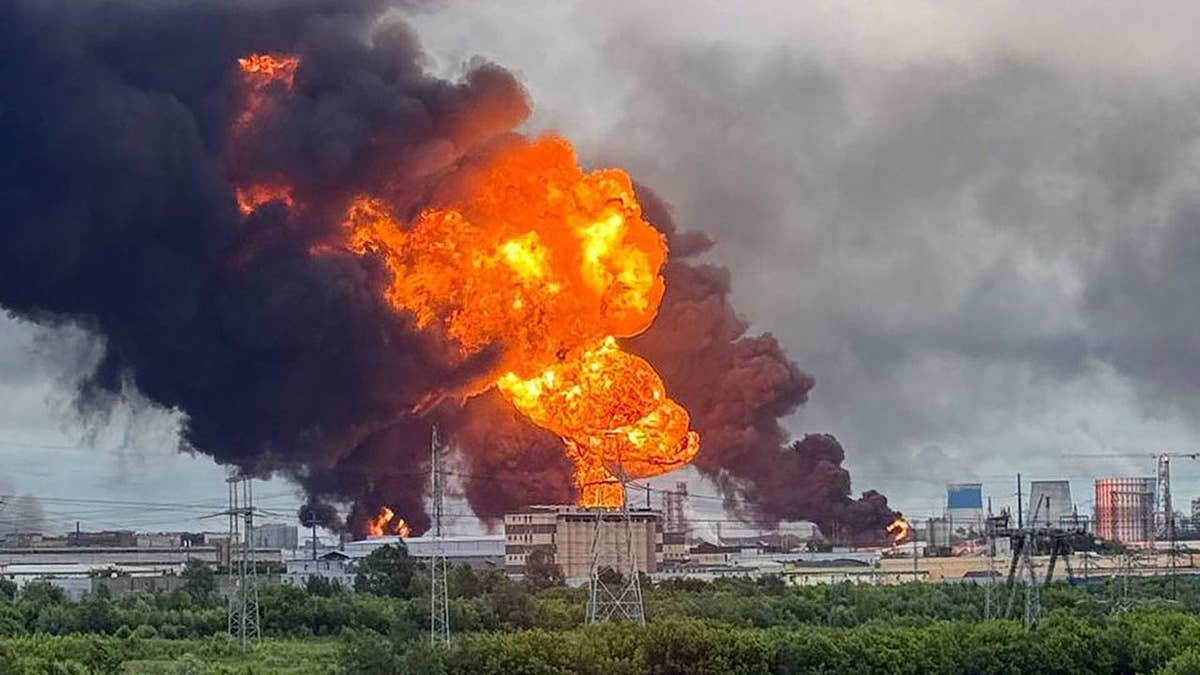
Smoke and flames rise over Moscow on June 18, 2026, following a Ukrainian drone attack that hit the Kapotnya oil refinery and other targets in the Russian capital. (East2West)
Fox News Digital has reached out to the White House for comment but didn’t receive a response in time for publication.
ukraine, russia, volodymyr zelenskyy, vladimir putin, national security










INTERNACIONAL
Rescataron a Falcon, una ballena jorobada enredada en 30 metros de cuerda: el tercer intento la liberó antes del anochecer
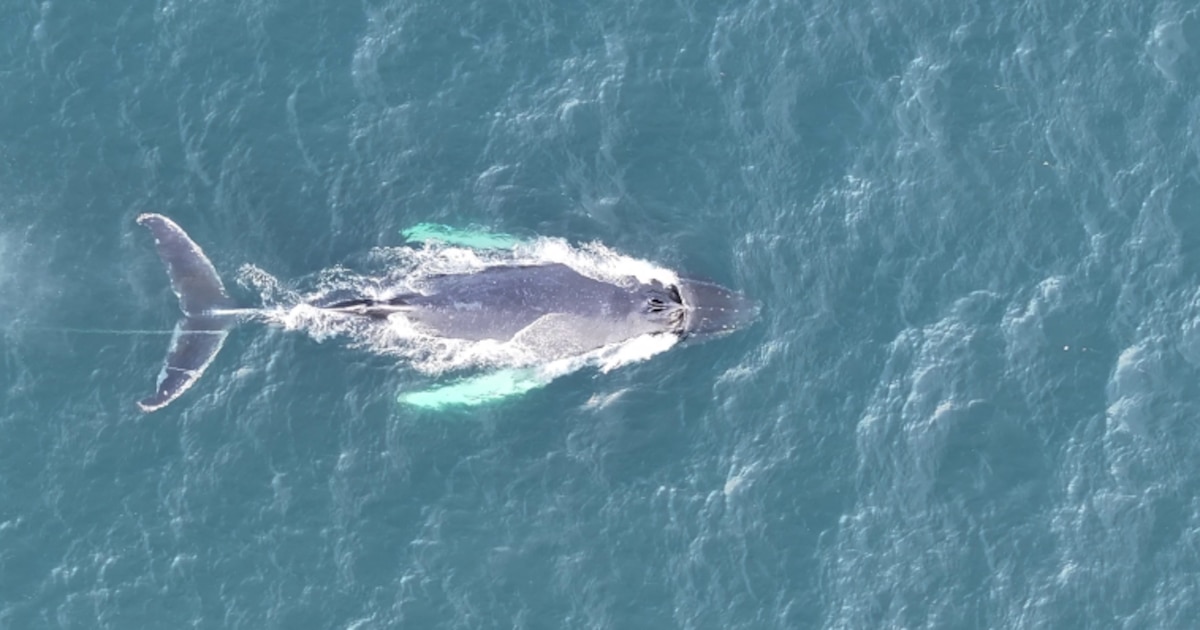
Cuando el sol ya dejaba poca luz sobre el agua, Falcon volvió a salir a la superficie. Estaba a unos 90 metros de la embarcación de rescate y arrastraba una cuerda de pesca que llevaba enredada en la cola. Habían fallado dos intentos. Quedaban cerca de 20 minutos antes de que anocheciera. El tercero alcanzó la línea sumergida y, tras unos segundos de tensión e incertidumbre, la ballena jorobada quedó libre de los casi 30 metros de cuerda de pesca que limitaban sus movimientos.
Falcon, identificada por los investigadores como CRC-13514, pudo continuar su nado luego de una operación realizada el 11 de noviembre. El rescate reunió a naturalistas, científicos, tripulaciones de avistamiento y equipos autorizados para intervenir ante el enmallamiento de grandes cetáceos.
Durante semanas, la ballena había sido una presencia conocida en esas aguas. Quienes salían a observar cetáceos la habían visto cerca de Tacoma, Gig Harbor y Carr Inlet. Su silueta, el soplido al emerger y el movimiento de su cola formaban parte de las jornadas de varias embarcaciones. Hasta que una tripulación advirtió algo distinto: una cuerda rodeaba su aleta caudal.
El aviso que activó el rescate de la ballena jorobada
La tarde de ese miércoles, la tripulación de Puget Sound Express, integrante de la Pacific Whale Watch Association, encontró a Falcon al norte de Seattle. Tomaron fotografías, documentaron el enredo y alertaron de inmediato a la línea de emergencia de la Administración Nacional Oceánica y Atmosférica de Estados Unidos (NOAA).
La señal de alarma movilizó al Cascadia Research Collective (CRC) y a SeaLife Response, Rehabilitation, and Research (SR3), dos organizaciones con personal entrenado y autorizado para responder ante este tipo de situaciones.
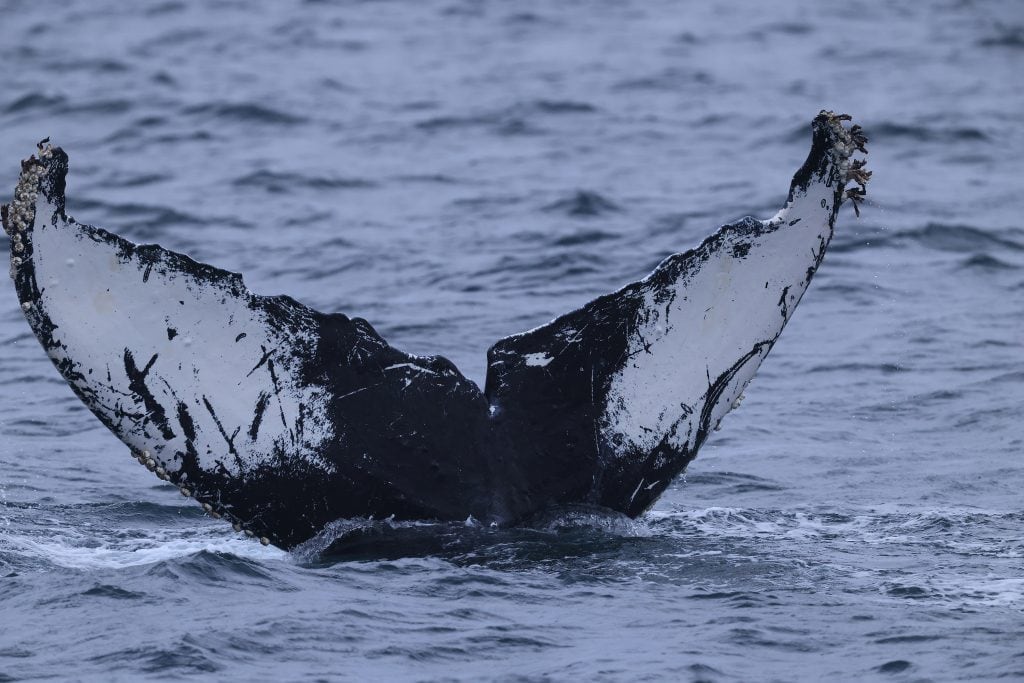
El tiempo era el principal obstáculo. Los equipos de rescate se encontraban a más de una hora de navegación. La luz comenzaba a caer y la cuerda que seguía a la ballena estaba bajo el agua, fuera de la vista de quienes navegaban hacia ella.
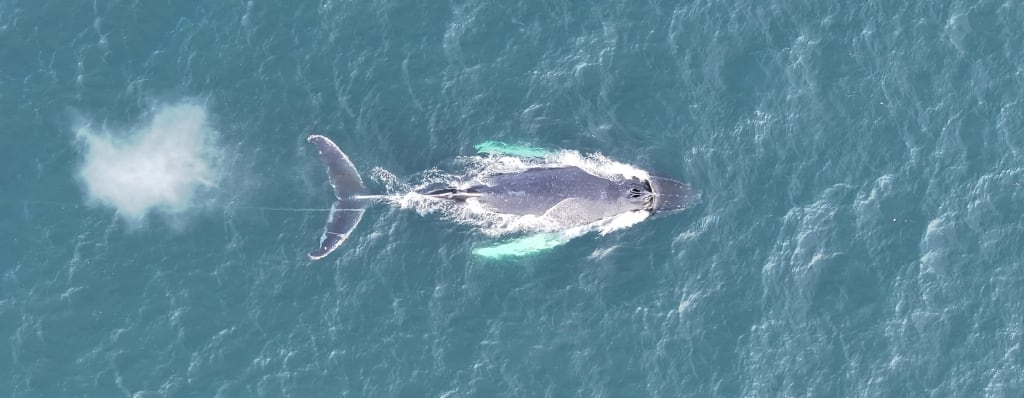
Mientras tanto, científicos del Center for Whale Research (CWR) y del Orca Behavior Institute (OBI) realizaban estudios sobre orcas en el área. Dejaron de lado esa tarea y se sumaron al operativo. Lograron ubicar nuevamente a Falcon, tomaron imágenes con un dron y siguieron sus desplazamientos para guiar a quienes iban en camino.
Las imágenes confirmaron el problema: una cuerda estaba enrollada en el lado derecho de la cola y se extendía unos 30 metros detrás del animal. La aleta caudal es la parte del cuerpo que permite a las ballenas avanzar y ganar velocidad en el agua. Una línea adherida allí puede rozar la piel, provocar cortes, dificultar el desplazamiento y apretarse cada vez más.
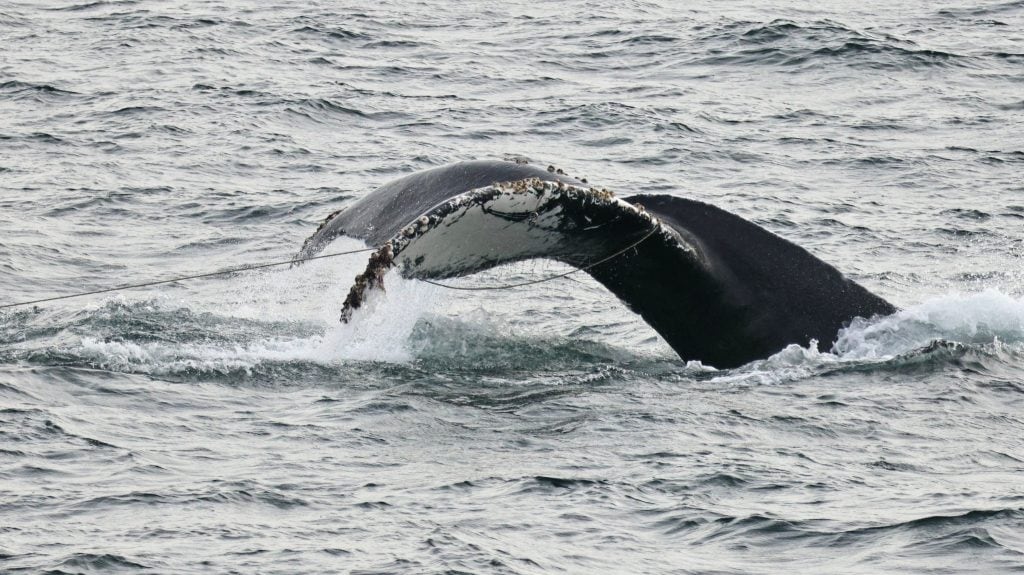
Falcon avanzaba mientras el día se apagaba
La ballena se desplazaba hacia el sur. Ese movimiento, que podía haber alejado al animal de los rescatistas, terminó por acercarlo a las embarcaciones que iban en su búsqueda. Personal de SR3 llegó primero y asumió la vigilancia. Poco después arribó el barco del CRC, con dos rescatistas de SR3 a bordo.
La primera meta no era retirar de inmediato todo el aparejo. El plan consistía en enganchar la cuerda que Falcon arrastraba y sujetarle una boya de telemetría. Esa boya sirve para rastrear al animal si la intervención debe detenerse y continuar al día siguiente con luz natural.
Doug Sandilands, rescatista principal del CRC, explicó que el trabajo comienza mucho antes del contacto con una ballena. “Un desenmalle exitoso suele comenzar mucho antes de que los rescatistas lleguen a la ballena”, afirmó.
El especialista señaló que mantener contacto visual con el animal, registrar el tipo de aparejo y comunicar sus movimientos puede definir el resultado de un operativo. “En el caso de Falcon, la disposición del CWR y del OBI para detener sus propias actividades de investigación y ayudar cambió todo, sobre todo porque se terminaba la luz”, agregó.
La primera maniobra falló. El gancho no logró tomar la cuerda que permanecía debajo de la superficie. El equipo volvió a acercarse. Por un instante, surgió la posibilidad de que el aparejo se hubiera desprendido solo.
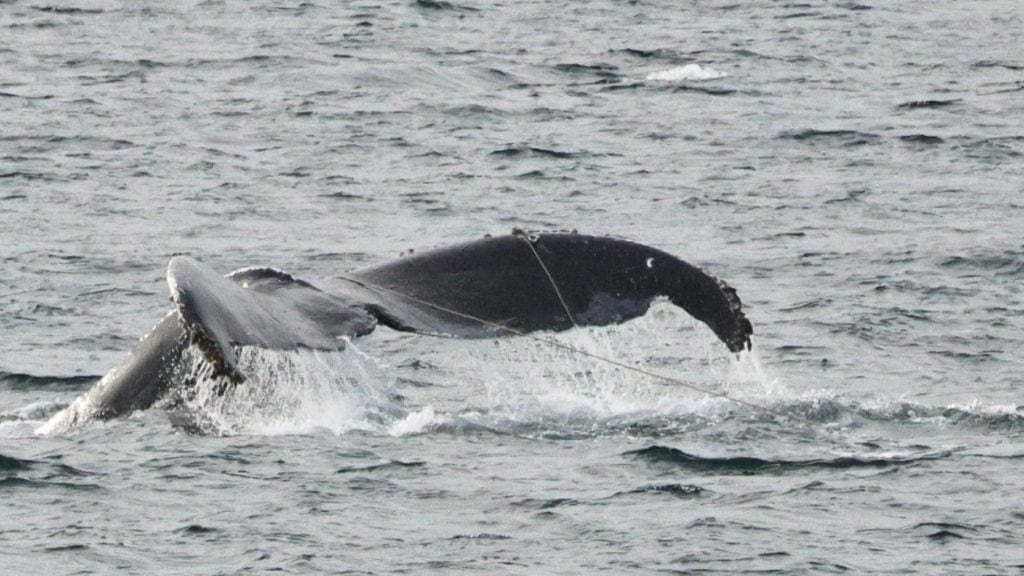
Pero Falcon levantó la cola por encima del agua. La cuerda seguía allí, ajustada en la aleta caudal derecha.
El segundo intento tampoco funcionó. La noche estaba cada vez más cerca y los rescatistas debían decidir si suspendían el operativo hasta el día siguiente. Hicieron un último intento.
El tercer lanzamiento liberó los 30 metros de cuerda de pesca
Falcon emergió de nuevo, a unos 90 metros del barco. Desde la embarcación lanzaron el gancho por tercera vez. Esta vez, el dispositivo tomó la línea sumergida.
La ballena reaccionó al peso adicional y aceleró. Arrastró la cuerda de control y la boya de telemetría. Durante unos segundos, los rescatistas no supieron si el gancho había retirado el aparejo completo o si había cortado la línea y dejado un tramo alrededor de su cola.
Recuperaron la boya, revisaron las cuerdas y encontraron la respuesta: habían extraído todo el material que mantenía atrapada a Falcon.
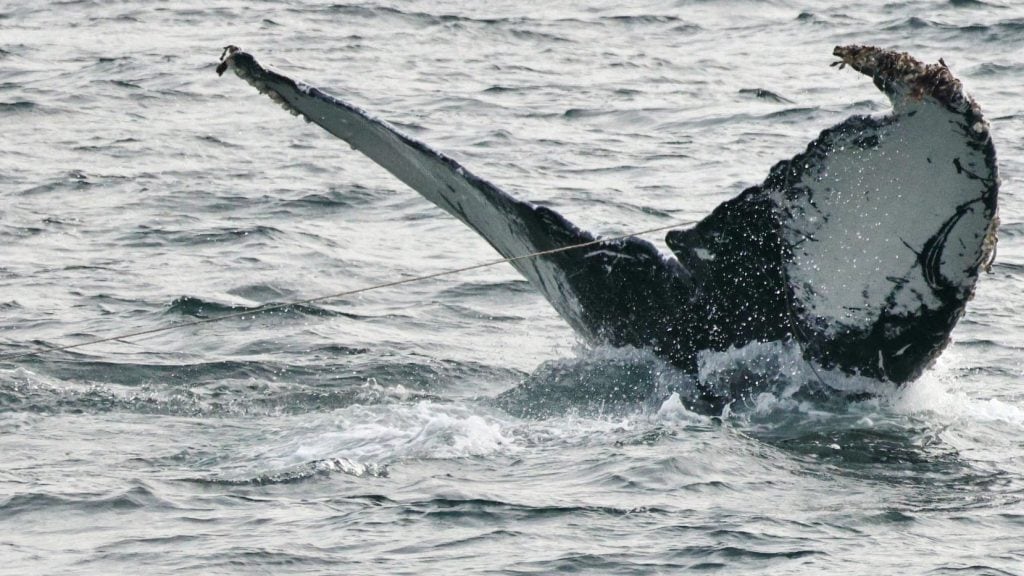
Poco después, la ballena salió a respirar y volvió a elevar la cola. Ya no había una cuerda alrededor de la aleta. La confirmación llegó antes de que el día terminara.
KC Scofield, rescatista de SR3, destacó que la coordinación permitió una intervención rápida. “Lo llamativo fue la colaboración y la comunicación de todos los grupos para reunir los recursos necesarios y conseguir un desenmalle tan rápido”, afirmó.
El equipo permaneció cerca del cetáceo durante varios momentos de respiración para comprobar que no quedaran restos de aparejos. Falcon seguía su recorrido sin la línea que, horas antes, se extendía detrás de su cuerpo.
La nueva observación que confirmó que Falcon estaba libre
Dos días más tarde, la tripulación de Puget Sound Express localizó otra vez a Falcon frente a Edmonds. Esta vez pudieron observarla con luz de día. Según el CRC, no tenía cuerdas adheridas ni presentaba heridas de gravedad.
La ballena jorobada quedó en condiciones de continuar el recorrido que la lleva desde las aguas del estado de Washington hacia Hawái, donde estos animales se desplazan durante la temporada de reproducción.
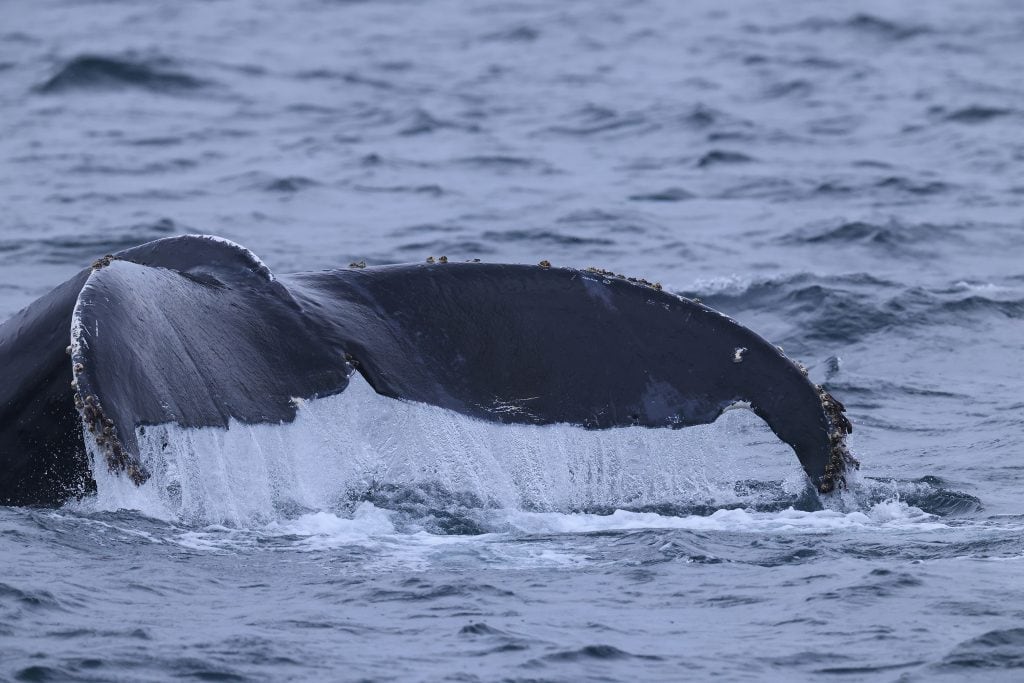
El operativo integró la Red de Respuesta ante Enmallamientos de la Costa Oeste, que reúne a organizaciones y autoridades dedicadas a asistir a grandes ballenas atrapadas en artes de pesca, documentar los incidentes y buscar medidas de prevención.
La intervención se realizó bajo el permiso número 24359 de NOAA. Los protocolos impiden que personas sin entrenamiento intenten liberar por su cuenta a una ballena enredada. Las cuerdas tensionadas, el tamaño de los animales y sus reacciones imprevisibles convierten esas maniobras en un riesgo para todos.
Por eso, ante el avistamiento de un cetáceo atrapado, la recomendación es mantener distancia, tomar fotografías o videos si es posible y dar aviso a los equipos especializados. En el caso de Falcon, una llamada a tiempo, la vigilancia de quienes estaban en el agua y un último lanzamiento antes del anochecer fueron suficientes para que la ballena volviera a nadar libre.
INTERNACIONAL
Russian warship sinks off Libya as suspected Ukrainian strikes take war beyond Black Sea
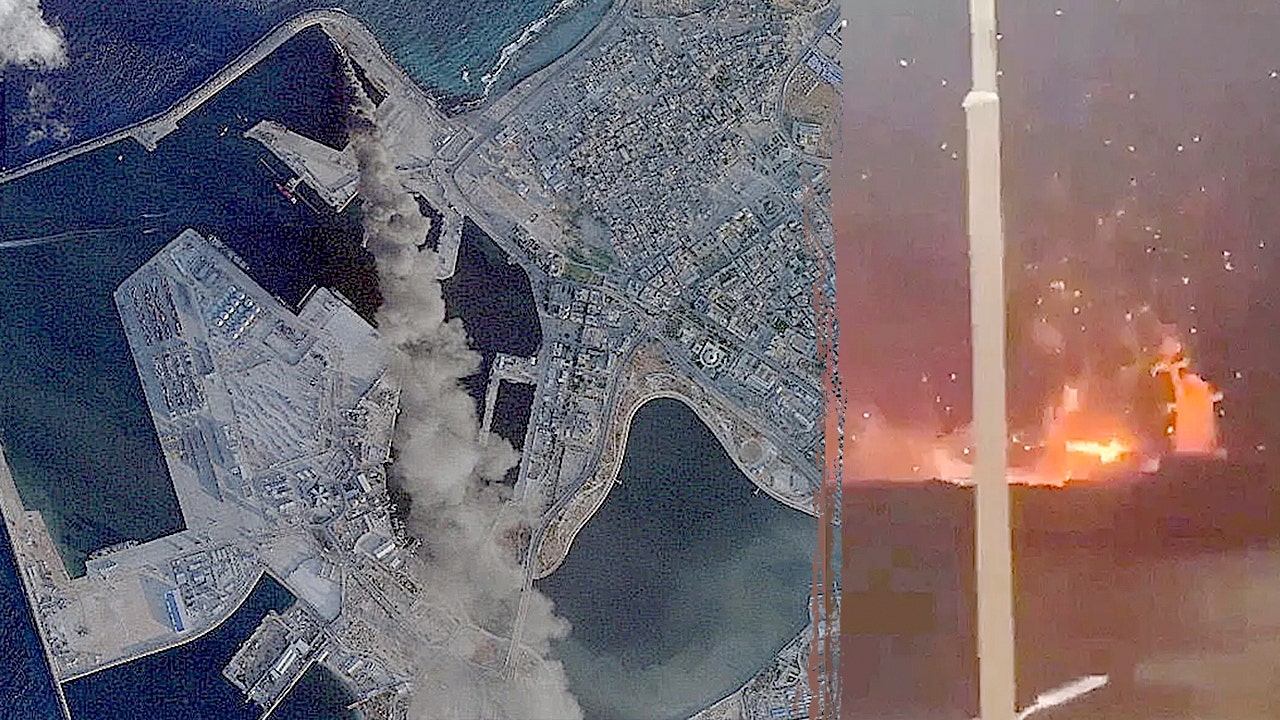
Ukraine launches record drone attack on Russia, hits Crimea Bridge
Russia faces a record Ukraine drone attack as more than 1,400 drones strike overnight, damaging the prized Crimean Bridge. Host Harris Faulkner covers the escalating war before analyzing the arrival of the USS Theodore Roosevelt in the Middle East. Retired Blackhawk helicopter pilot Lt. Col. Darin Gaub joins ‘The Focus’ to discuss these rising global conflicts and U.S. military positioning.
NEWYou can now listen to Fox News articles!
A Russian warship capsized and sank Sunday after suspected Ukrainian sea drones struck a naval base in eastern Libya, triggering an explosion and fire, according to Libyan officials.
Hours later, a second drone attack also hit a commercial ship off the coast of Benghazi, Reuters reported.
The first ship, the Russian navy corvette Merkury, was docked at Benghazi Naval Base when two explosive-laden sea drones struck the vessel, according to Libyan military officials who spoke to The Associated Press.
UKRAINE POUNDS BLACK SEA FLEET’S ‘LAST MAJOR STRONGHOLD’ WHILE PUTIN FLEXES NAVAL POWER IN PACIFIC
Fire burns after an explosion aboard a Russian ship docked at Benghazi port in Libya. (Reuters)
At least four other drones were intercepted and destroyed, the officials said.
Satellite images showed most of the warship capsized and submerged, with only its bow remaining above water. Smoke could be seen rising from the ship’s superstructure, and debris was scattered along the pier.
Ten people, including Russian and Libyan nationals, suffered minor injuries in the attack and were receiving treatment in Benghazi, medical sources told Reuters.
The warship had stopped at the port to refuel and resupply while returning to Russia under a maritime cooperation agreement with Libya’s eastern-based government, officials said in a statement.
Libyan military officials said an initial investigation indicated that Ukrainian sea drones had been launched from a base in western Libya, according to The AP.
UKRAINE STRIKES DEEP INTO RUSSIA’S ARCTIC GAS HEARTLAND AS TRUMP PUSHES PUTIN TOWARD PEACE

The port of Benghazi after an explosion aboard a Russian ship docked at the Benghazi naval base. (Vantor/Handout via REUTERS)
Hours after the warship was struck, a Maltese-flagged commercial ship was also hit by a sea drone off Benghazi, two Libyan military sources told Reuters.
Libyan naval forces rescued the commercial ship’s crew, while health officials reported that some crew members sustained minor injuries and were in stable condition.
Libyan naval and air forces also intercepted more than 20 drone boats off Benghazi on Sunday evening, the military sources told Reuters.
The attacks prompted Libya’s eastern-based government to seek an international investigation.
Prime Minister Osama Hamad said his government had submitted a formal request to the United Nations General Assembly and Security Council to investigate the attacks, including suspicions that the drones were launched from western Libya.
RUSSIA DEPLOYS NORTH KOREAN MISSILE UNIT TO UKRAINE; MOSCOW-PYONGYANG AXIS DEEPENS: REPORT

A Russian corvette before and after the explosion in Benghazi, with Libya’s eastern-based government saying the explosion was caused by a suspected drone attack. (VANTOR/ Reuters)
Hamad also called for an investigation into the possible presence of Ukrainian military experts in Libya and requested an explanation from Kyiv about their activities.
The eastern government insisted that Libya was not a party to the war between Russia and Ukraine and condemned attempts to use its territory to settle foreign conflicts.
«The Libyan government will not allow Libyan ports, territory or territorial waters to be turned into an arena for settling scores or exporting international conflicts,» the government said.
Benghazi is controlled by forces loyal to Gen. Khalifa Haftar, whose self-styled Libyan National Army dominates eastern and southern Libya and maintains close ties with Russia.
Libya has been divided since the 2011 NATO-backed uprising that toppled longtime dictator Moammar Gadhafi.
UKRAINE UNLEASHES MORE THAN 400 DRONES NEAR MOSCOW IN ONE OF WAR’S BIGGEST ATTACKS

Putin is testing the boundaries of NATO with aircraft incursions, allied states say. (Ramil Sitdikov/Pool/Reuters)
A U. N. recognized government operates from Tripoli, while a rival administration controls much of the east.
The suspected attacks also come as Ukraine has expanded its campaign against Russian naval assets beyond the Black Sea. In December 2025, Ukraine said it struck a Russian-linked oil tanker with aerial drones in the Mediterranean Sea.
In March 2026, Russia accused Ukraine of attacking a Russian liquefied natural gas tanker with naval drones launched from the Libyan coast.
Libyan officials previously told the AP that Ukrainian drone specialists had been operating from military facilities in western Libya, including an air base in Misrata and sites in Tripoli and Zawiya.
Since Russia launched its full-scale invasion of Ukraine in 2022, Ukrainian forces have used explosive-laden sea drones and missiles to strike Russian warships and naval installations, primarily in the Black Sea.
world, navy, military, geopolitics, foreign affairs, russia, ukraine, foreign
INTERNACIONAL
Guatemala lanza nuevo proyecto de conservación forestal en la región Trifinio con financiamiento internacional

El Ministerio de Ambiente y Recursos Naturales de Guatemala encabezó el lanzamiento de un proyecto para conservar bosques y restaurar ecosistemas en la Reserva de Biosfera Trifinio Fraternidad, compartida con El Salvador y Honduras, durante los próximos cinco años. La iniciativa busca vincular la protección ambiental con el bienestar de las comunidades locales e indígenas que dependen de los recursos del territorio.
El programa regional prevé mejorar la gestión de más de 5 millones de hectáreas de áreas protegidas, restaurar 61 mil hectáreas prioritarias para conectar bosques primarios y beneficiar de forma directa a 176.500 personas. De ese total, 79.500 son mujeres.
La propuesta se denomina “Biomas forestales críticos de Guatemala: Garantizar beneficios para el bienestar de las comunidades locales y los ecosistemas de la Selva Maya y el Trifinio”. Integra el Programa de Biomas Forestales Críticos de Mesoamérica, financiado por el Fondo para el Medio Ambiente Mundial, conocido como GEF, e implementado por la Unión Internacional para la Conservación de la Naturaleza.
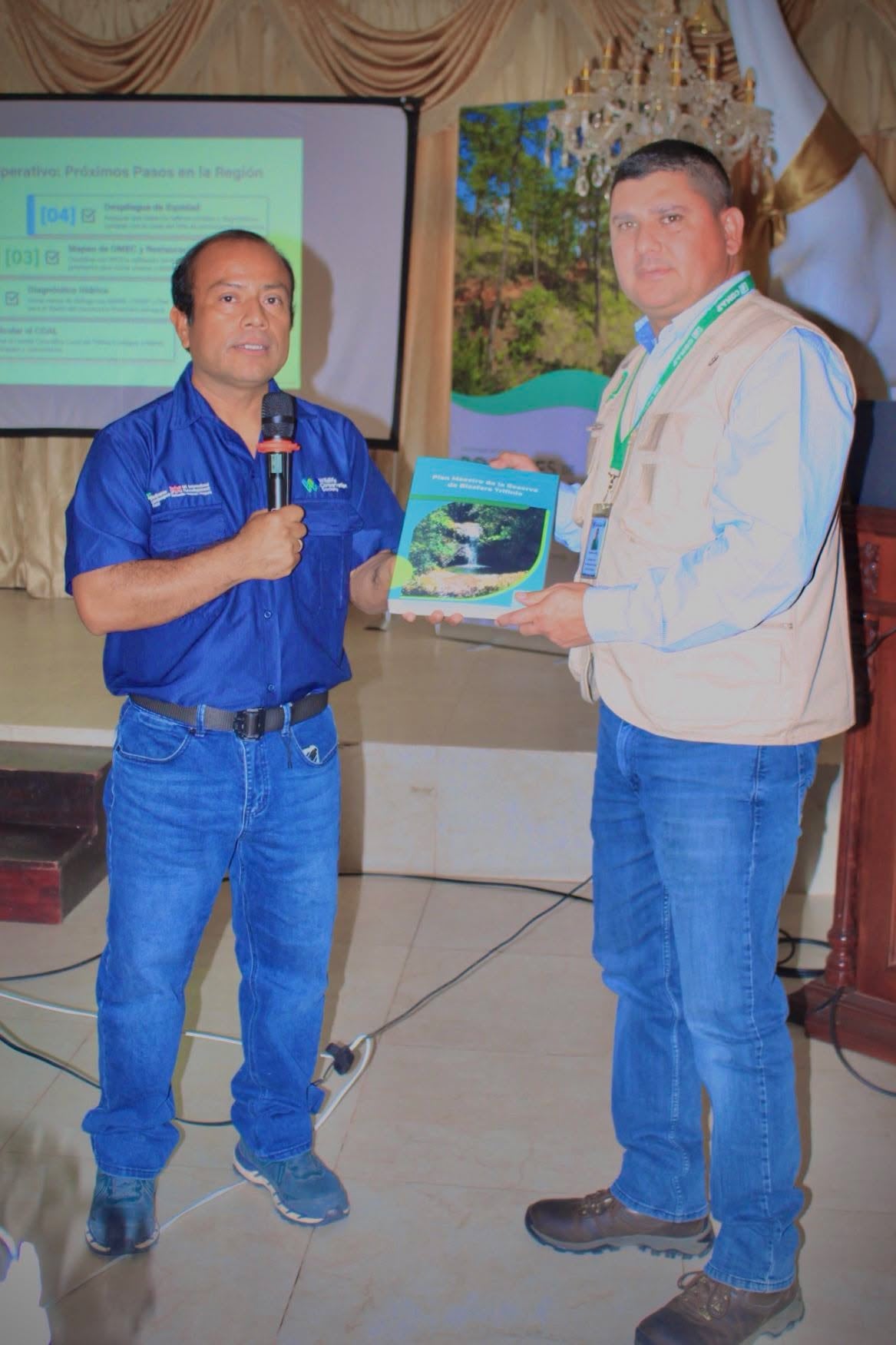
Dos territorios guatemaltecos dentro de una estrategia regional
Guatemala desarrollará el programa en la Selva Maya, ubicada en Petén, y en el territorio de Trifinio Guatemala. The Nature Conservancy estará a cargo de la ejecución en la Selva Maya, mientras que Wildlife Conservation Society asumirá el componente en Trifinio.
El área de intervención en Trifinio incluye el Parque Nacional Montecristo y zonas de influencia de los municipios de Esquipulas y Concepción Las Minas. Ambos se encuentran dentro de la Reserva de Biosfera Trifinio Fraternidad, la primera reserva transfronteriza de Centroamérica.
El taller de arranque reunió a representantes del Consejo Nacional de Áreas Protegidas, la Municipalidad de Esquipulas, organizaciones locales y delegados del Ministerio de Ambiente y Recursos Naturales, que funciona como punto focal nacional. Un Comité Directivo presidido por esa cartera coordinará la ejecución en el país.
La reserva concentra fuentes hídricas, bosques nublados y hábitats de especies como el quetzal y la guacamaya. El proyecto contempla la protección y restauración de esos ecosistemas, además del fortalecimiento de la gobernanza local y de la gestión de áreas protegidas.
El Consejo Nacional de Áreas Protegidas recibirá capacitaciones técnicas para su personal y sus guardarrecursos. La formación integra las medidas previstas para elevar la efectividad de manejo y ampliar las capacidades institucionales en el territorio.

USD 65 millones para la conservación mesoamericana
El programa regional cuenta con una donación de más de USD 65 millones del GEF y con USD 270 millones de cofinanciamiento. Participan los ministerios de Ambiente de Belice, El Salvador, Guatemala, Honduras y Panamá, junto con la Comisión Centroamericana de Ambiente y Desarrollo, el Consejo Agropecuario Centroamericano y la Comisión Trinacional del Plan Trifinio.
La estrategia está compuesta por seis proyectos nacionales y una iniciativa regional de gestión de conocimiento. También apunta a mejorar el manejo paisajístico de 1,3 millones de hectáreas y a movilizar instrumentos financieros para actividades compatibles con la conservación forestal.
Las comunidades y los pueblos indígenas tendrán participación en la implementación, incluido el pueblo Chortí. El plan prevé consolidar mecanismos locales de conservación y la posible expansión de corredores bioculturales hacia otros municipios de la región.
La conservación de los bosques estará acompañada por acciones destinadas a promover inversiones y medios de vida vinculados con el uso sostenible de los recursos. Los delegados del Plan Trifinio plantearon la necesidad de que la protección de los ecosistemas se articule con el desarrollo social y económico de las poblaciones locales.
El lanzamiento sucede después de un proyecto de conectividad ecológica impulsado por la Organización de las Naciones Unidas para la Educación, la Ciencia y la Cultura entre 2025 y 2026 en la misma reserva. Esa iniciativa contó con financiamiento del Fondo de Biodiversidad de Kunming y de la Agencia Española de Parques Nacionales.
Los talleres realizados en Esquipulas, Ocotepeque y Metapán incluyeron la participación del pueblo Chortí. El trabajo permitió elaborar un mapa de uso del suelo de alta resolución y modelos de conectividad que identificaron corredores prioritarios en una reserva integrada por 32 municipios de los tres países y habitada por más de 500 mil personas.
conferencia,oratoria,Reserva de Biosfera Trifinio Fraternidad,Bosques de Mesoamérica,gestión ambiental

Jorge Fernández Díaz analizó el rol del Gobierno de cara a las próximas elecciones: “La magia de Milei está desgastada”

El Gobierno encara una semana legislativa clave con una doble sesión por el Presupuesto y la reforma electoral

Rescataron a Falcon, una ballena jorobada enredada en 30 metros de cuerda: el tercer intento la liberó antes del anochecer

Olimpia campeón con Vitamina Sánchez

Hellraiser: Revival supera a Resident Evil Requiem y se convierte en el Juego del Año de los Horror Game Awards 2026 – Nintenderos

Russian warship sinks off Libya as suspected Ukrainian strikes take war beyond Black Sea

Javier Milei y sus medidas, en vivo: “Hoy discutimos si crecemos un punto más o menos”, dijo el Presidente

Javier Milei destacó el desembarco de Tesla en el país y aseguró: “Esto también es devolverle la libertad a los argentinos”

El brote de ébola está fuera de control en la República Democrática del Congo y crece el temor a una epidemia continental

El burbujeante ping pong de Colapinto con un actor argentino: de la puja entre Senna y Riquelme a la comida que le falta a la Fórmula 1

 POLITICA2 días ago
Javier Milei destacó el desembarco de Tesla en el país y aseguró: “Esto también es devolverle la libertad a los argentinos”
- CHIMENTOS15 horas ago
Agustín “Rada” Aristarán se despide de Chanta: “Con esta obra dejé de ser un impostor”
- INTERNACIONAL15 horas ago
NYC college put on notice after Jewish campus group shunned by student government: ‘rude awakening’