INTERNACIONAL
Lo ataques con explosivos agitan Colombia, a poco más de un mes de la elección presidencial

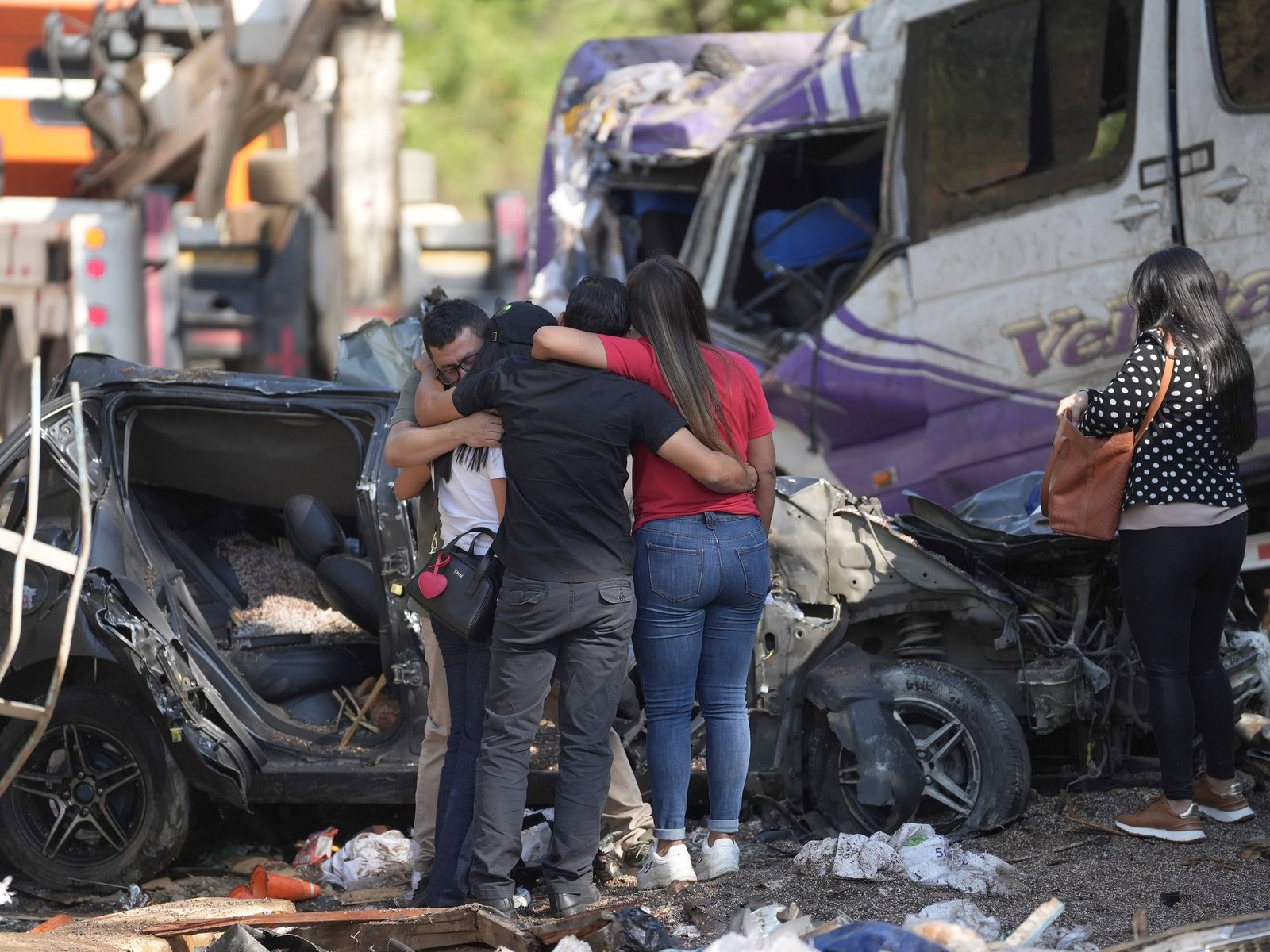
Varios ataques con explosivos ocurridos el fin de semana en Colombia han avivado la preocupación por la escalada de la violencia mientras el país se alista para celebrar elecciones presidenciales.
El más letal se registró el sábado cuando detonó una bomba en una carretera en el departamento de Cauca, al suroeste del país. Al menos 21 civiles murieron y más de 50 resultaron heridos, según el último balance del Ministerio de Defensa, en el atentado presuntamente perpetrado por la disidencia Estado Mayor Central de la extinta guerrilla Fuerzas Armadas Revolucionarias de Colombia (FARC) que no se acogió al acuerdo de paz firmado en 2016.
La violencia en esa región del país no es nueva, los grupos ilegales han tratado de controlar la zona por décadas por considerarla estratégica para ilícitos como la minería ilegal y el narcotráfico, que incluye los sembradíos de hoja de coca, la materia prima de la cocaína.
El gobierno de Gustavo Petro, el primer presidente de centroizquierda en el país, ha intentado controlar la región con operativos militares y disminuir la violencia con su política de “paz total”, incluido un diálogo con el Estado Mayor Central que fue abandonado por la mayoría de sus integrantes en 2024.
“Es una ola de ataques que viene desde hace unos dos años, en un aumento de presión por parte del Estado Mayor Central por medio de ataques de tipo terrorista hacia la fuerza pública… una estrategia sistemática”, dijo a The Associated Press Elizabeth Dickinson, analista senior del International Crisis Group.
Las autoridades de seguridad colombianas cifraron en 26 los atentados en esa zona durante los últimos días.
Los ataques suelen ser contra las fuerzas de seguridad en zonas urbanas y rurales, pero a veces terminan por afectar a civiles como el del sábado, generando un especial rechazo por parte de la sociedad y de organismos internacionales.
En ese ataque un artefacto explosivo detonó al paso de un autobús que circulaba sobre la vía Panamericana en el sector El Túnel, en Cajibío, departamento del Cauca. Entre los heridos hay varios niños.
“Quiero la máxima persecución mundial contra este grupo narcoterrorista”, escribió el sábado Petro en X. Añadió que se dispondrá de “los mejores soldados para enfrentarlos” y pidió a la unidad de análisis financiero actuar sobre sus finanzas. Dickinson aseguró que las fuerzas militares han intentado recuperar el control territorial en el suroeste “centímetro a centímetro”, pero no han logrado consolidarlo, especialmente por el “alto nivel de control social que manejan los grupos en esta zona del Cauca” al utilizar a los civiles como “escudos humanos”.
Los ataques han sacudido tanto al gobierno como a los candidatos presidenciales, que se han pronunciado sobre la estrategia de seguridad.
“Creo que los ataques contribuyen a agravar el malestar generalizado con la situación de seguridad en Colombia. Sin embargo, tanto el gobierno como la oposición los utilizarán para convencer a los votantes de que sus propuestas políticas son favorables”, dijo a AP Sergio Guzmán, analista de riesgo político basado en Bogotá.
El candidato oficialista Iván Cepeda, uno de los que encabeza las encuestas de intención de voto, lamentó los ataques y cuestionó que tuvieran lugar donde “existe un amplio respaldo ciudadano” al gobierno, por lo que podrían haber buscado “generar un clima de miedo que favorezca intereses de sectores de extrema derecha”.
En tanto, candidatos conservadores como Paloma Valencia y Abelardo de la Espriella cuestionaron la política de “paz total” del gobierno, al considerar que fracasaron las negociaciones con múltiples grupos armados ilegales y bandas criminales.
Javier Garay, doctor en Ciencia Política y docente de la Universidad Externado de Colombia, aseguró a AP que en medio de la campaña electoral se ha hecho un “uso político” de los ataques.
Para Guzmán, la disidencia de las FARC puede pretender “establecer una posición ventajosa de cara al futuro” mostrando que tiene la capacidad de realizar ataques letales y, en caso de luego declarar un alto el fuego, “mostrar disciplina” para que de le permita volver a negociar la paz.

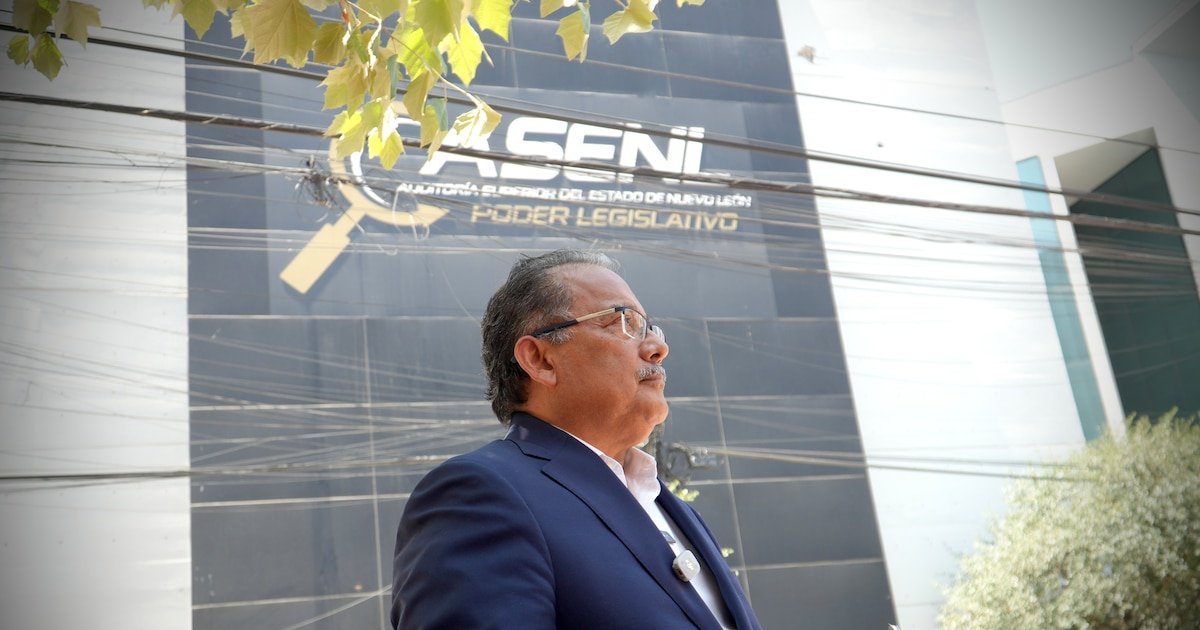
Hay momentos en los que una democracia no se define por las elecciones que celebra, sino por la manera como quienes ejercen el poder reaccionan cuando ese poder es sometido al escrutinio y la crítica. Cuando se les exige a los gobernantes rendir cuentas o cuando se les cuestiona, con datos y argumentos, sobre el ejercicio de su poder le estamos haciendo un check-up a la salud de nuestra pluralidad.
En ese marco, las auditorías en Nuevo León al gasto público, a las obras y al manejo de los recursos no son un castigo. Son una garantía para la sociedad y una obligación republicana. En una democracia, el poder no debería sentirse agraviado por ser revisado. Al contrario: debería entender que la rendición de cuentas forma parte del mandato que recibió de los ciudadanos.
Por eso el pasado viernes 17 de julio decidí acudir personalmente a solicitar que se audite mi gestión y, al mismo tiempo, pedir que las instituciones revisen las principales obras y fondos públicos del Gobierno del Estado. Lo hice porque ninguna actuación honesta debería temer ser comprobada. El que nada debe, nada teme.
Mi preocupación, sin embargo, va mucho más allá de una auditoría. También va mucho más allá de los arrebatos del Gobernador Samuel García que pretende juzgar y condenar desde el tribunal de las redes sociales y el stand-up a quienes pensamos distinto o señalamos ineficiencias de su administración. Que un gobernador llame “malagradecido” a un alcalde por exigir cuentas revela una visión equivocada del poder. Lo que hace un Gobernador en obra pública y en su trabajo entero no son favores personales ni concesiones de un monarca que debemos “agradecer”. Son obligaciones constitucionales financiadas con el dinero de los ciudadanos y no de su monedero individual.
El ciudadano nunca puede ser ingrato con el poder, porque el ciudadano es el verdadero soberano. Quien sí puede ser ingrato es el gobernante que olvida que su autoridad es temporal y que sólo existe para servir.
Durante buena parte del sexenio, el gobierno de Samuel García ha convertido la política en espectáculo. La comunicación ha sustituido a la gestión y las redes sociales se han comido a las políticas públicas. Mientras tanto, las familias siguen atrapadas en el tráfico, esperando obras inconclusas, enfrentando la contaminación y viviendo con incertidumbre sobre el agua. Eso sí es una verdadera ingratitud con Nuevo León.
A esa etapa el propio gobernador se encargó de bautizarla como el “modo party”. Hoy el problema parece haber evolucionado al “modo amparo”.

No cuestiono, que quede claro, el derecho de cualquier persona a utilizar los instrumentos legales que la Constitución reconoce protegerse. Todos pueden ampararse. Lo que sí cuestiono es la consecuencia política de un gobierno cuyo centro de gravedad dejó de ser resolver los problemas de Nuevo León para concentrarse en administrar sus propios conflictos y buscar blindaje jurídico a cualquier precio.
Cuando un gobernador pierde el foco, el estado entero pierde rumbo. La prueba más clara es que Nuevo León acumula tres años sin presupuesto. Eso no es normal en una democracia. Es un síntoma de ingobernabilidad. El presupuesto es el principal instrumento para ordenar prioridades, controlar el gasto y exigir resultados. Cuando durante tres años se gobierna sin él, la discrecionalidad sustituye a las reglas.
Iniciar una obra sin contar con suficiencia presupuestaria para concluirla o sin un proyecto ejecutivo sólido no sólo compromete su viabilidad; también constituye una irregularidad en la administración del patrimonio público. Significa condenar a la sociedad a sobrecostos, modificaciones interminables, retrasos e incertidumbre. Cuando desaparecen las reglas presupuestarias y la planeación técnica deja de ser una prioridad, florecen la discrecionalidad, la opacidad y la corrupción. Ahí nace la tranza y el terreno fértil de la extorsión institucional.
Karl Popper decía que la pregunta central de la democracia no es quién debe gobernar, sino cómo impedir que quien gobierna abuse del poder. Por eso me preocupa que en Nuevo León se quiera presentar la fiscalización como un ataque político. No lo es. Es una obligación republicana. Y ser claudista, como yo orgullosamente lo soy, significa entender exactamente eso: la Presidenta, la Dra. Claudia Sheinbaum Pardo, ha hecho de la honestidad, la austeridad y la rendición de cuentas una forma de gobernar, porque no puede haber instituciones confiables cuando el poder se resiste al escrutinio.
Nuevo León, nunca me cansaré de decirlo, tiene empresarios extraordinarios, universidades de excelencia y una sociedad trabajadora. Lo que hoy necesita es un gobierno de tiempo completo. Por eso, es momento de regresar al único modo que merece Nuevo León: el modo gobierno, el modo trabajo.
Y hay una regla democrática que ningún servidor público debería olvidar en el modo trabajo: quien le tenga miedo a una auditoría, nunca debió aceptar la responsabilidad de gobernar. Punto.
*El autor es Alcalde, con licencia, del Municipio de General Escobedo, Nuevo León, México.
Periodistas,Entrevista,Micrófonos,Cámaras,Medios,Comunicación
INTERNACIONAL
Guerra en Medio Oriente EN VIVO: El régimen de Irán lanzó nuevos ataques contra bases estadounidenses en Jordania, Bahréin y Kuwait
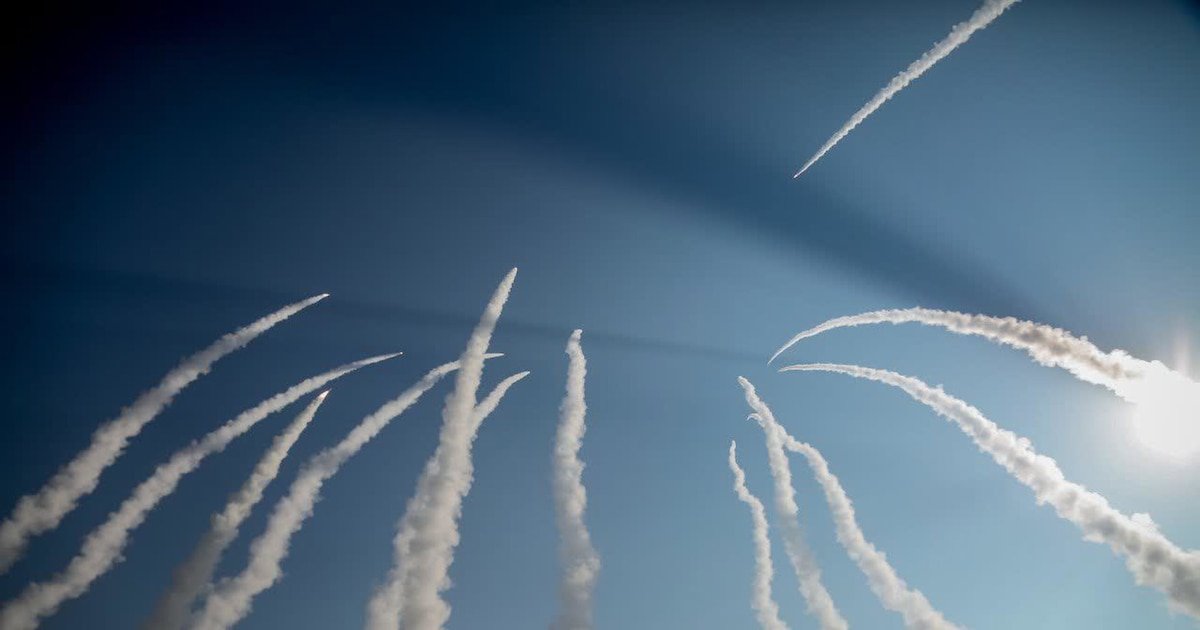
El Cuerpo de la Guardia Revolucionaria Islámica afirmó que bombardeó con misiles balísticos diversas instalaciones militares de Estados Unidos en la región, en respuesta a la última oleada de ataques de Washington
El presidente de Estados Unidos, Donald Trump, afirmó que Irán recibió un golpe “muy duro” después de que las fuerzas estadounidenses completaran su novena noche de ataques y se reportaran explosiones en distintos puntos del país durante la madrugada del lunes. La intensificación de las operaciones militares y el aumento de las bajas en los últimos días elevaron la preocupación por una posible expansión del conflicto en Medio Oriente.
El ejército estadounidense informó la muerte de otro soldado en el norte de Irak durante una detonación controlada de un dron iraní que las fuerzas de seguridad habían derribado. Además, el Comando Central de Estados Unidos (CENTCOM) localizó restos humanos sin identificar en Jordania, donde un ataque iraní distinto provocó la muerte de dos militares estadounidenses y dejó a otro desaparecido en combate.
La tensión también se trasladó al estrecho de Ormuz. La autoridad marítima británica reportó un buque en llamas frente a la costa de Omán durante la noche del domingo, mientras el secretario de Estado, Marco Rubio, acusó a Irán de atacar embarcaciones y obstaculizar el tránsito por esa ruta estratégica para el comercio mundial. A su vez, aliados de Estados Unidos de la región informaron una nueva oleada de ataques registrada durante la madrugada del lunes.
A continuación, la cobertura minuto a minuto:
EEUU acusó a Irán de usar Ormuz como herramienta de presión y pidió mayor apoyo internacional para proteger el transporte marítimo mundial
“Washington hará y seguirá haciendo lo que sea necesario para proteger el transporte marítimo mundial, pero otros países deben empezar a dar un paso al frente y contribuir, ya sea con recursos materiales o financieros, para ayudar a asumir esa carga”, afirmó el secretario de Estado, Marco Rubio


El secretario de Estado de Estados Unidos, Marco Rubio, acusó el domingo por la noche a Irán de utilizar el estrecho de Ormuz como una herramienta de presión en el conflicto en Medio Oriente y reclamó una mayor participación de otros países para proteger el transporte marítimo mundial. Además, sostuvo que Washington mantiene abierta la vía diplomática si Teherán acepta un acuerdo y lo cumple.
Suenan las sirenas antiaéreas en Bahréin
El Ministerio del Interior de Bahréin ha comunicado que se han activado las sirenas de alerta y ha instado a los ciudadanos y residentes a mantener la calma, dirigirse al lugar seguro más cercano y seguir las actualizaciones a través de los canales oficiales.
El régimen de Irán afirmó que “instalaciones militares estadounidenses” fueron atacadas en una base aérea de Kuwait
El Cuerpo de la Guardia Revolucionaria Islámica de Irán (CGRI) afirma haber atacado “instalaciones militares estadounidenses” en la base aérea de Ali Al Salem en Kuwait, en la última oleada de sus operaciones.
Según un comunicado difundido por la emisora IRIB, la Guardia Revolucionaria Islámica afirmó que un ataque con drones atacó un sistema de radar de alerta temprana y que otros ataques separados alcanzaron un almacén de equipos de aviación y un hangar que albergaba drones MQ-9 estadounidenses.
El petróleo superó los 90 dólares mientras el conflicto en el Golfo sacude los mercados

Los mercados asiáticos cayeron el lunes, ya que la escalada del conflicto en el Golfo elevó el precio del crudo Brent por encima de los 90 dólares por barril por primera vez en más de un mes y reavivó la preocupación por la inflación.
Esta medida se produjo cuando Estados Unidos lanzó su noveno día consecutivo de ataques contra Irán, que respondió con ataques en toda la región.
El tráfico marítimo a través del estrecho de Ormuz continuó gravemente interrumpido, con solo un puñado de barcos transitando por la vía fluvial el domingo y un buque que se incendió.
La Guardia Revolucionaria Islámica afirmó que atacó aviones estadounidenses en el aeropuerto de Aqaba, en Jordania
El Cuerpo de la Guardia Revolucionaria Islámica de Irán afirma haber lanzado misiles balísticos contra aviones de transporte estadounidenses C-17 y aeronaves P-8 en el aeropuerto de Aqaba, en Jordania, y asegura que varios de ellos resultaron gravemente dañados.
En un comunicado difundido por la Radiotelevisión de la República Islámica de Irán, la Guardia Revolucionaria también afirmó que 20 hangares que albergaban fuerzas estadounidenses en la base aérea de Muwaffaq Salti/Al-Azraq fueron destruidos.
Irán afirmó que dos petroleros explotaron en el estrecho de Ormuz
Según la agencia de noticias semioficial Tasnim, el Cuerpo de la Guardia Revolucionaria Islámica de Irán (CGRI) informó que dos petroleros explotaron y quedaron detenidos en el estrecho de Ormuz, al sur del país, a última hora de la noche de ayer.
La Guardia Revolucionaria Islámica declaró que los buques intentaban transitar por la vía marítima estratégica bajo lo que describió como coacción estadounidense.
“Este paso no es seguro para el transporte de fertilizantes químicos ni siquiera para una sola gota de petróleo o gas”, advirtió el grupo, añadiendo que el corredor seguirá siendo inseguro mientras continúen las operaciones militares estadounidenses en la región.
Trump confirmó que Estados Unidos atacó posiciones de Irán tras la muerte de tres militares: “Los golpeamos muy duro”
El presidente estadounidense afirmó que la ofensiva dejó a Teherán con una capacidad militar muy reducida y sostuvo que Washington mantiene el control del estrecho de Ormuz

El presidente de Estados Unidos, Donald Trump, aseguró el domingo que las fuerzas estadounidenses llevaron a cabo una nueva ofensiva contra Irán y afirmó que las capacidades militares de Teherán han quedado severamente debilitadas.
estados-unidos/2026/07/19/estados-unidos-ataco-objetivos-del-regimen-irani-por-novena-noche-consecutiva-para-reducir-sus-capacidades-militares/
Europe
INTERNACIONAL
Andy Burnham asume como primer ministro del Reino Unido con una economía debilitada y el avance de Reform UK como principal desafío
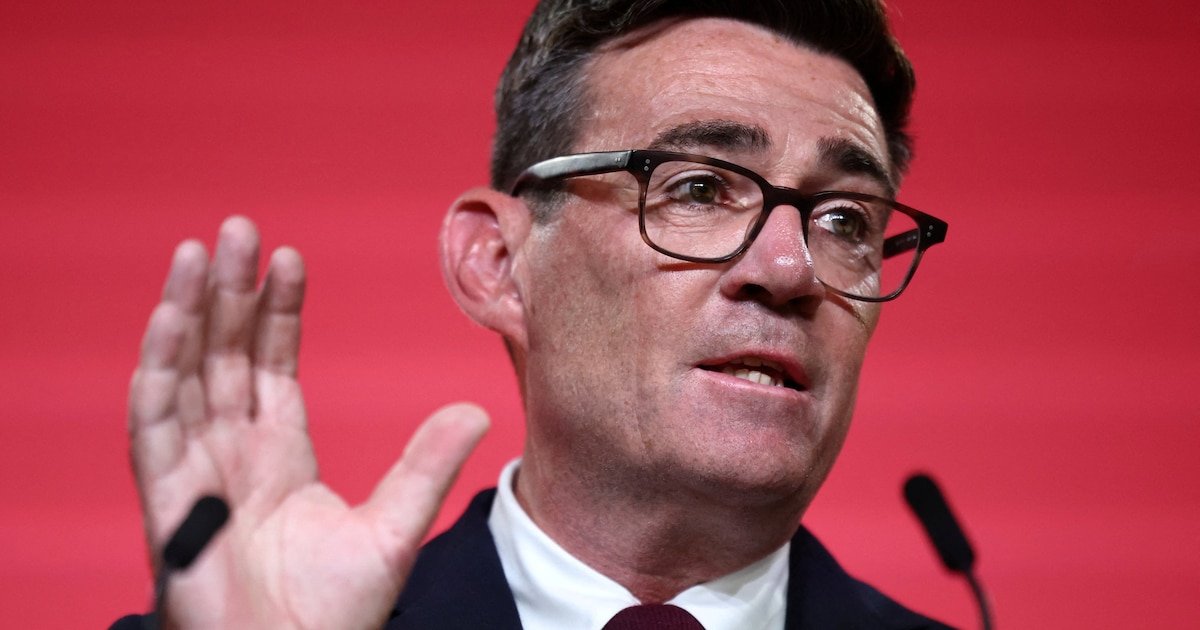
Andy Burnham asumirá este lunes como nuevo primer ministro del Reino Unido, tras recibir el encargo del rey Carlos III para formar Gobierno, en reemplazo de Keir Starmer, quien deja el cargo apenas dos años después de la amplia victoria electoral que devolvió al Partido Laborista al poder tras 14 años de gobiernos conservadores. El dirigente laborista llegará a Downing Street con una agenda marcada por el bajo crecimiento económico, el aumento del costo de vida, la inmigración irregular y el avance electoral del partido Reform UK, liderado por Nigel Farage.
La transición de poder comenzará con la visita de Starmer al Palacio de Buckingham, donde presentará formalmente su renuncia al monarca. Después de esa audiencia, ofrecerá un breve mensaje de despedida frente al número 10 de Downing Street. Más tarde, Burnham acudirá al palacio para recibir el mandato de formar Gobierno y pronunciará su primer discurso como primer ministro.
Su equipo anticipó que el nuevo jefe de Gobierno presentará las “prioridades para restaurar la confianza en el Gobierno y dar a Gran Bretaña un mayor margen de maniobra”, con especial atención sobre la crisis del costo de vida. También se espera que exponga iniciativas destinadas a impulsar el crecimiento económico y ampliar la descentralización del poder hacia las comunidades regionales.
Durante la jornada también se conocerán los principales nombramientos de su gabinete. Uno de los anuncios más esperados será la designación del nuevo ministro de Finanzas, en reemplazo de Rachel Reeves.
Burnham, de 56 años y exalcalde del Gran Manchester, recibió el respaldo del Partido Laborista después de la renuncia de Starmer el mes pasado. Los legisladores consideraron que era la figura con mayores posibilidades de contener el crecimiento de Reform UK, fuerza que ganó respaldo con un discurso centrado en la inmigración.

La vicepresidenta del Partido Laborista, Lucy Powell, sostuvo que la experiencia de Burnham fuera del centro político de Londres le permitió comprender la necesidad de aplicar medidas de mayor alcance para cumplir las promesas electorales del partido.
Según Powell, el nuevo líder pretende reformar de manera profunda el funcionamiento del Estado y modificar un sistema político que considera excesivamente centralizado. Además, afirmó que el objetivo consiste en ofrecer “seguridad para la gente común en el trabajo, seguridad en su hogar, una vivienda que puedan pagar y vivir en una comunidad de la que puedan sentirse orgullosos, con la certeza de que sus hijos tendrán oportunidades para el futuro”.
Entre los principales desafíos del nuevo Gobierno figuran una economía con escaso crecimiento, el elevado costo del endeudamiento público, el incremento del gasto en asistencia social y la llegada de migrantes irregulares en pequeñas embarcaciones a través del Canal de la Mancha, un fenómeno que impulsó el apoyo a Reform UK.
A ese escenario se suman factores internacionales, como la volatilidad de los precios de la energía por la guerra entre Estados Unidos e Irán, además de la incertidumbre derivada de la política exterior del presidente estadounidense, Donald Trump.
Burnham también afrontará restricciones fiscales que limitarán su margen de acción. El Reino Unido mantiene elevados niveles de deuda pública y reglas presupuestarias que obligan al Gobierno a equilibrar el gasto con la recaudación tributaria.

Antes de llegar a Downing Street, Burnham volvió al Parlamento hace apenas cuatro semanas. Entre 2001 y 2017 fue diputado y ocupó distintos cargos ministeriales durante los gobiernos laboristas de Tony Blair y Gordon Brown. Posteriormente construyó su perfil político como alcalde del Gran Manchester, donde adquirió notoriedad nacional.
El nuevo primer ministro dispondrá de un período relativamente corto para intentar revertir la situación del partido antes de las próximas elecciones generales, previstas para 2029. Las encuestas ubican actualmente a Reform UK como una fuerza con posibilidades de imponerse en esos comicios.
Durante un acto con simpatizantes el viernes pasado, Burnham calificó el cambio de liderazgo como la “última oportunidad” para que el Partido Laborista corrija su rumbo. También aseguró que cuenta con “un plan” para afrontar los problemas del país.
Su primera decisión política llegó incluso antes de asumir formalmente el cargo. El sábado anunció la cancelación del sistema nacional de identificación digital impulsado por Starmer, un programa cuyo costo estaba estimado en 1.800 millones de libras durante tres años.
Un portavoz del nuevo equipo de Gobierno explicó que esos recursos se destinarán “a donde más se necesitan, como ayudar con el costo de vida”, una de las prioridades que Burnham buscará instalar desde el inicio de su gestión.
(Con información de AFP)
Domestic,Politics,Europe,Government / Politics

Mario Pergolini se despachó en la final de Argentina contra España en el Mundial: “Ojalá lo prohíban de por vida”

Tres de cada cuatro adultos mayores prefiere usar medios de pago digitales en lugar de efectivo

Llora Messi y lloramos todos

El modo amparo

Pasado el Mundial, el Gobierno habilita los festejos y retoma la agenda legislativa mientras acelera la carrera electoral

Juan Carlos Altavista: la inspiración en su padre para crear a Minguito Tinguitella y su exilio por “deformar” el lenguaje

El fuerte cruce público entre Victoria Villarruel y Patricia Bullrich tras los chats filtrados antes de la sesión del Senado

Adrián Ravier, vocero de Milei: “No coincidimos en el Gobierno con esto de que la gente no llega a fin de mes”

Rubio’s call to combat global funders of far-left terrorism could put Singham in crosshairs

Sismo de 7.4 sacude a Guatemala: Autoridades declaran alerta anaranjada por daños y descartan tsunami

 INTERNACIONAL3 días ago
Rubio’s call to combat global funders of far-left terrorism could put Singham in crosshairs
- INTERNACIONAL3 días ago
Sismo de 7.4 sacude a Guatemala: Autoridades declaran alerta anaranjada por daños y descartan tsunami
- DEPORTE3 días ago
Canales para ver EN VIVO el San Lorenzo vs. Deportivo Riestra por la Copa Argentina