INTERNACIONAL
MAGA triumph: Trump ally Ken Paxton defeats John Cornyn in bitter Texas GOP primary war

NEWYou can now listen to Fox News articles!
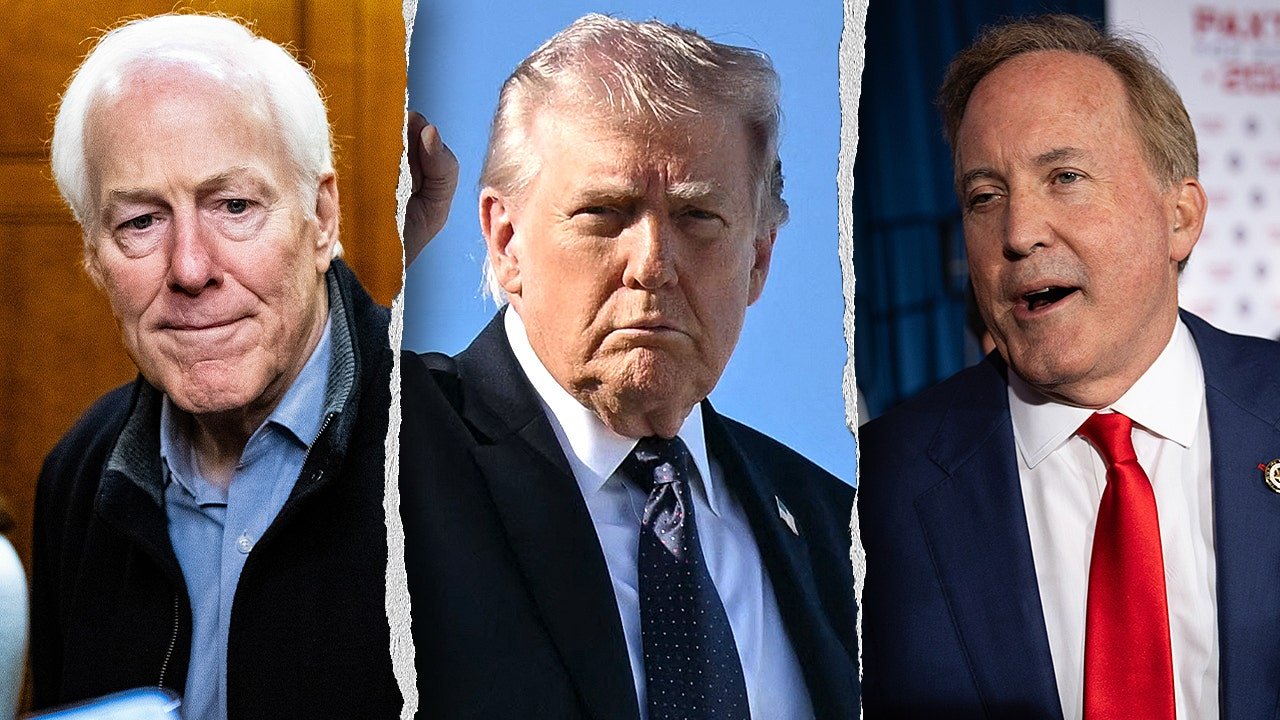
PLANO, TX – President Donald Trump and Texas Attorney General Ken Paxton are the winners in the Lone Star State’s bitter Republican Senate primary battle, which has spanned for more than a year and became the most expensive Senate primary in history.
Paxton, who was endorsed by Trump just one week ago, defeated longtime GOP Sen. John Cornyn in Tuesday’s runoff election for the Republican nomination, the Associated Press reports.
Paxton now faces off against state Rep. James Talarico — a rising star in the Democratic Party — in the general election in a race that is among a handful that may decide if the Republicans hold their slim 53-47 majority in the Senate. Talarico, who topped progressive star Rep. Jasmine Crockett, a vocal Trump critic, in the March primary is trying to become the first Democrat in nearly four decades to win a Senate election in Texas.
Trump targeted Cornyn as «VERY disloyal» as he backed Paxton, a major Trump ally and MAGA firebrand, in the final days of the runoff campaign. The ballot-box showdown in right-leaning Texas served as the latest test of Trump’s immense grip over the Republican Party and the strength of his endorsements in GOP nomination races.
TRUMP FLEXES MAGA MUSCLE IN HIGH-STAKES SENATE SHOWDOWN IN TEXAS
The runoff election was held three weeks after Trump’s purging of five state senators in Indiana’s primary who had opposed his push for congressional redistricting, a week and a half after the president helped to oust Sen. Bill Cassidy of Louisiana — who, five and a half years ago, voted to convict Trump in his second impeachment trial — and one week after Trump was instrumental in sending vocal GOP critic Rep. Tom Massie of Kentucky down to defeat in his re-election bid.
After sitting on the sidelines for months, Trump last Tuesday backed Paxton.
«Ken is a true MAGA Warrior who has ALWAYS delivered for Texas, and will continue to do so in the United States Senate,» Trump wrote in a social media post last Tuesday.
The two heated rivals topped a crowded field of contenders in the early March primary, with Cornyn edging Paxton. But since neither cleared the 50% threshold, the nomination race headed into overtime.
Trump, in backing Paxton, said that «John Cornyn is a good man, and I worked well with him, but he was not supportive of me when times were tough.»
DEMOCRACY ’26: STAY UP TO DATE WITH THE FOX NEWS ELECTION HUB
Republican Sen. John Cornyn of Texas, center, campaigns at a meet and greet in Corpus Christi, Texas, on May 22, 2026, days ahead of the runoff election for the GOP Senate nomination. (Luke Travisan/Fox News)
Pointing to the senator’s past criticism of him, Trump added, «John was very late in backing me in what turned out to be a Historic Run for the Republican Nomination, and then, the Presidency.»
Cornyn, in a Fox News Digital interview on the eve of the runoff, emphasized his support for the president and his agenda.
«President Trump has called me a friend and a good man, and we’ve worked with him closely for both terms of office,» the senator said.
Paxton, who grabbed significant national attention the past dozen years by filing lawsuits against the Obama and Biden administrations, disagreed.
«John Cornyn fought Trump on the border. And you can go back over about a decade and see that he was not for the border wall,» Paxton charged in an interview on Fox News’ «The Big Weekend Show.»
CONTENTIOUS REPUBLICAN SENATE PRIMARY IN TEXAS HEADED INTO OVERTIME
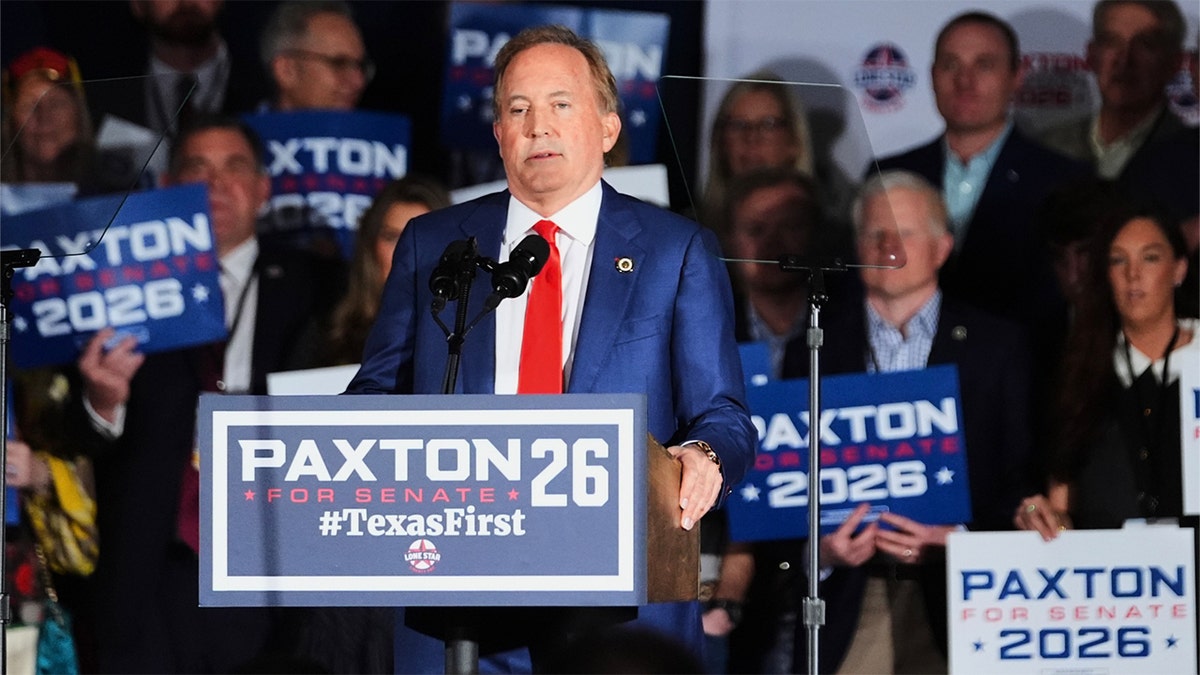
Texas Attorney General Ken Paxton landed President Donald Trump’s endorsement one week ahead of his runoff election against Republican Sen. John Cornyn for the GOP Senate nomination. (Julio Cortez/AP Photo)
Paxton also argued that the senator «fought the president’s re-election. He fought him in 2024, said his time had passed, and he fought him in 2016. So this is not a pro-Trump guy. I don’t know if we could be more different on the Republican issues than John Cornyn and me. So there is a vast difference between the two of us.»
Cornyn pushed back.
«I don’t know how much more with him I could be than 99.3% of the time,» the senator told Fox News Digital.
«I want him to be successful. I want America to be successful, and I want Republicans to be successful. But you know, in the end, as I said, Texans are the only ones going to be able to make a choice, and I think Texans can be pretty independent,» Cornyn added.
Paxton has faced a slew of scandals and legal problems that have battered him over the past decade. In 2023, the Texas House of Representatives voted to impeach Paxton, but he was eventually acquitted of all charges by the state Senate.
And Paxton is dealing with a very messy divorce, with his wife citing «biblical grounds» based on «recent discoveries» in filing last year to end their marriage.
Cornyn, who was supported by Senate Majority Leader John Thune and the National Republican Senatorial Committee, repeatedly argued that if Paxton was the GOP’s nominee, the party will be forced to spend millions of dollars to keep the seat from flipping and that Republicans down-ballot will suffer.
«He’s gotten more and more emboldened as he’s gotten away with all the scandal and mischief that now is very well known, but were he to be the nominee and be exposed to general election voters, especially independents, I think it’s going to be a very rocky time,» the senator predicted.
TRUMP OWNS THE GOP – BUT WILL REPUBLICANS PAY A PRICE IN THE MIDTERMS?
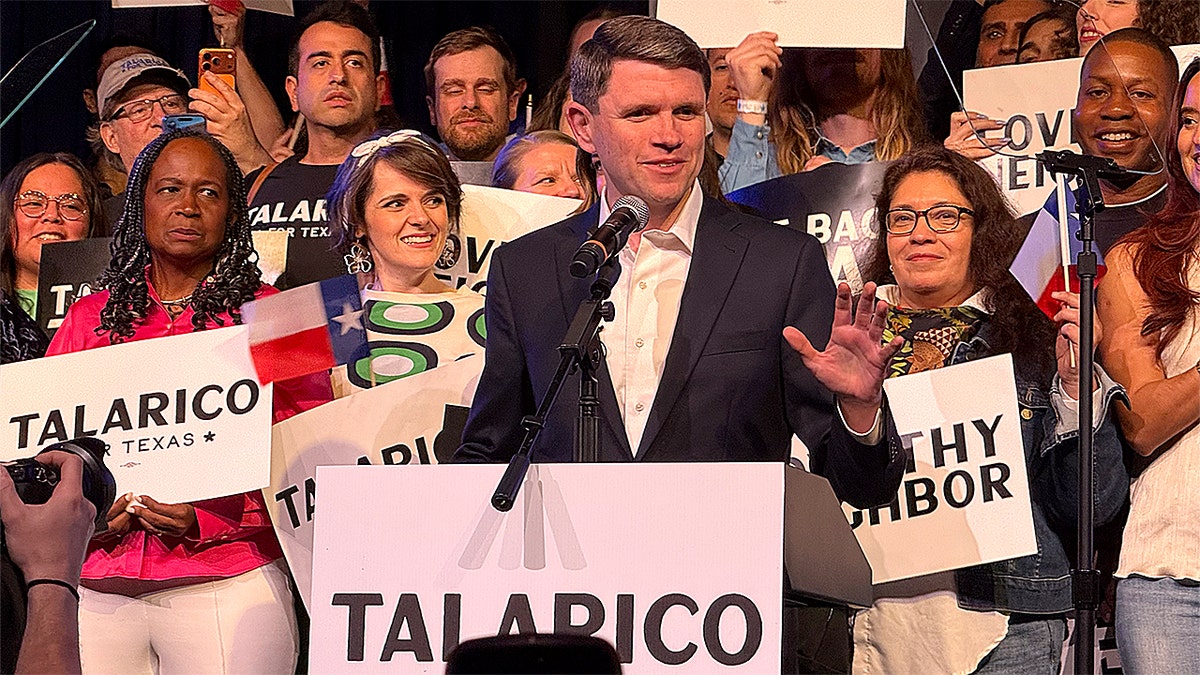
Democratic Senate candidate Rep. James Talarico speaks to supporters on primary night in Austin, Texas, on March 3, 2026. (Paul Steinhauser/Fox News)
And pointing to Talarico, who hauled in an eye-popping $27 million in fundraising during the first three months of this year, Cornyn said, «There will be an incredible tsunami of Democratic funds coming in against Paxton, were he the nominee. Conversely… if I am the nominee… we’ll be able to shoulder the burden pretty much on our own. I won my last general election by 10 points. I think I can do similarly against somebody who’s as far left and radical as James Talarico.»
While Paxton shifted his ads to target Talarico in the wake of the Trump endorsement, Cornyn and allied groups continued to blast Paxton.
CLICK HERE TO DOWNLOAD THE FOX NEWS APP
«I don’t think anybody could honestly argue that we haven’t fought hard to make the case here,» Cornyn said of his campaign.
And he emphatically said he had «worked too long and too hard to help build the Republican Party in Texas, and in the United States Senate, and to keep Texas the envy of the nation when it comes to opportunities and pursuing the American dream, to let that go, to squander it, and let it go without a fight.»
donald trump, republicans elections, senate, texas, midterm elections, elections, democrats elections







INTERNACIONAL
El gobierno de Estados Unidos exigirá fianzas de hasta 20,000 dólares a nicaragüenses que pidan visas de turismo y negocios
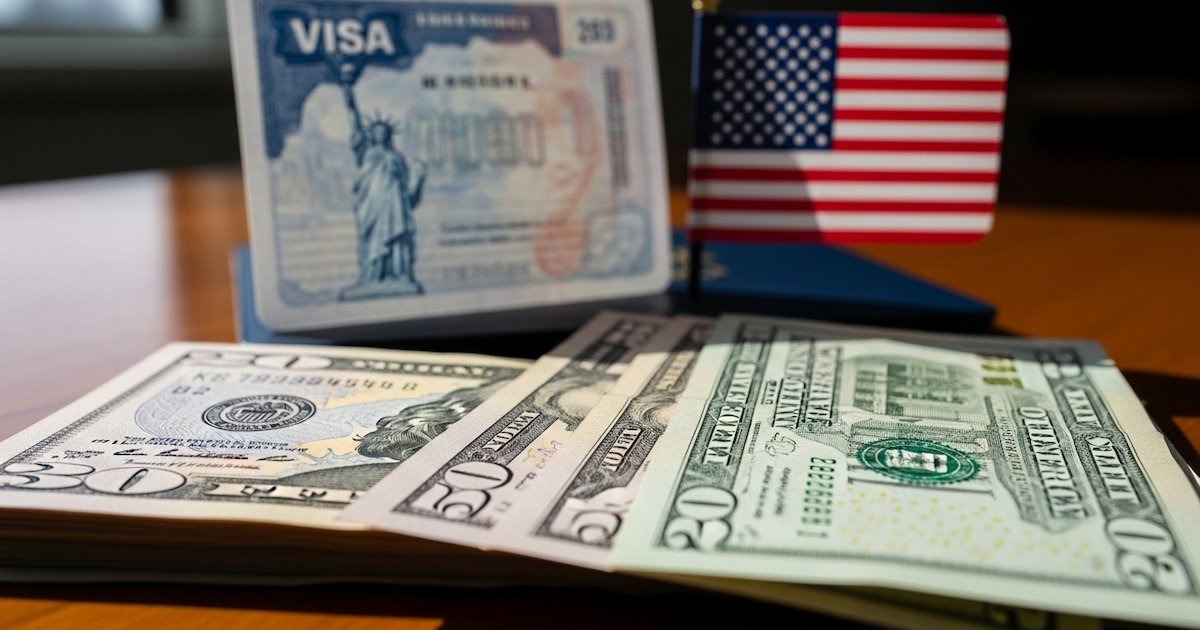
El Gobierno de Estados Unidos implementará fianzas de hasta 20,000 dólares para nicaragüenses que soliciten visas de turismo y negocios, una medida que busca disminuir la permanencia irregular de ciudadanos extranjeros en el país. Según informó Despacho 505, la nueva disposición, publicada por el Departamento de Estado, forma parte de un programa piloto que también afecta a solicitantes de otros 50 países, incluidos Cuba, Granada y Venezuela en el continente americano.
De acuerdo con el reporte de Despacho 505, la norma establece que los solicitantes de visas B-1/B-2 deberán depositar una fianza de 10,000, 15,000 o 20,000 dólares, determinada según la discreción de los funcionarios consulares. El dinero será administrado por el Departamento del Tesoro y el Departamento de Estado y podrá ser recuperado una vez que el viajero cumpla con las condiciones de su visado y regrese a su país de origen. Según el Gobierno estadounidense, la iniciativa responde a los altos índices de permanencia irregular de ciudadanos de los países incluidos en la lista.
Despacho 505 detalló que, durante el primer año de implementación del programa piloto, se identificaron 20,000 solicitudes sujetas al pago de la fianza y aproximadamente la mitad de los solicitantes desistieron del proceso. Además, el medio subraya que la medida provocó una reducción del 83% en la emisión de visas de turismo y negocios para los países alcanzados por la disposición.
La situación de Nicaragua en el contexto internacional ha captado la atención de distintos gobiernos a raíz de las crecientes restricciones políticas y sociales. La medida adoptada por Estados Unidos coincide con un escenario interno marcado por la represión estatal, el cierre de espacios democráticos y el incremento del control gubernamental sobre la sociedad civil. En los últimos años, el gobierno de Daniel Ortega ha aumentado de manera significativa el presupuesto de las fuerzas de seguridad, consolidando un aparato represivo que limita la libertad de expresión y de asociación.

Organizaciones defensoras de los derechos humanos han denunciado la cancelación masiva y arbitraria de títulos profesionales en el gremio de abogados, lo que ha debilitado el acceso a la defensa legal y ha generado preocupación entre los organismos internacionales. Además, se ha reportado la falta de debido proceso en numerosos casos judiciales y el bloqueo digital de los registros, lo que obstaculiza la transparencia y el acceso a la información pública.
Otro factor relevante es el reciente anuncio sobre la cancelación de las elecciones en Nicaragua, una decisión que ha sido interpretada por diversos sectores como una manifestación del cierre total de los espacios de participación política. La cancelación electoral representa una profundización de la crisis institucional y refuerza la imagen de un sistema político sin garantías democráticas.
En este contexto, la implementación de fianzas elevadas para el otorgamiento de visas a ciudadanos nicaragüenses aparece vinculada a las preocupaciones de Estados Unidos respecto a los flujos migratorios y las condiciones internas de los países de origen. Según el Departamento de Estado, la decisión se sustenta en indicadores que reflejan altas tasas de permanencia irregular y busca incentivar el cumplimiento de los plazos de estadía autorizados.
La medida ha generado críticas entre organizaciones de derechos de los migrantes, quienes advierten que las fianzas representan una barrera económica significativa para los solicitantes de países con bajos ingresos y afectan especialmente a ciudadanos de naciones con contextos de crisis. Voceros de estas organizaciones, citados por Despacho 505, consideran que la medida limita el acceso a vías legales de ingreso y genera un impacto desproporcionado sobre poblaciones vulnerables.

El programa piloto contempla la devolución de las fianzas a quienes respeten las condiciones de su visa, pero la exigencia de un depósito tan elevado restringe el alcance de la política. De acuerdo con datos oficiales recogidos por Despacho 505, la reducción en el número de visas otorgadas evidencia el efecto disuasorio de la medida, mientras que la exclusión de países como Nicaragua se produce en un contexto de creciente presión internacional sobre su gobierno.
La decisión de Estados Unidos se produce en un momento en que el éxodo de nicaragüenses ha aumentado por la falta de garantías, el deterioro de la economía y la represión política. En este escenario, las nuevas restricciones consulares suponen un desafío adicional para quienes buscan alternativas legales de movilidad internacional.
dólares,visa,inmigración,Estados Unidos,economía,finanzas,costos,billetes,documentos,viaje
INTERNACIONAL
Exclusive: Israeli President Herzog blasts Mamdani, praises Trump, sounds alarm on Iran
NEWYou can now listen to Fox News articles!
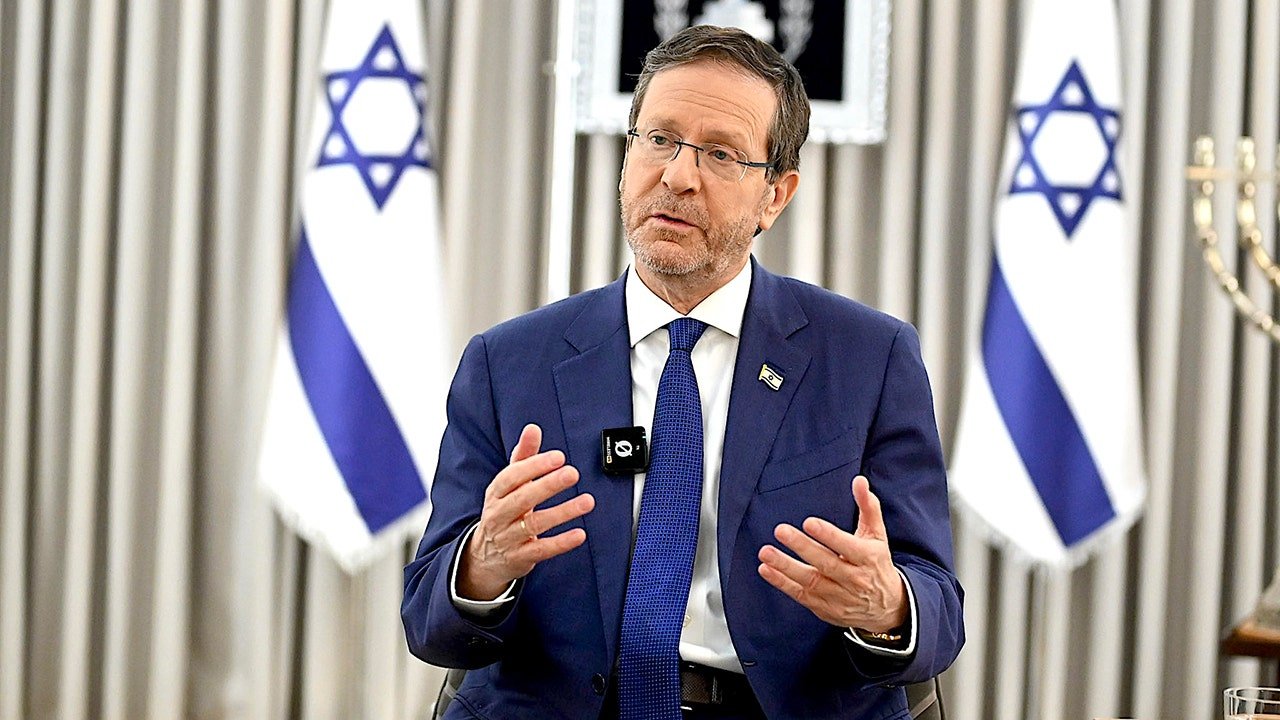
JERUSALEM, Israel: New York City Mayor Zohran Mamdani is spreading hateful and antisemitic rhetoric and endangering the lives of New Yorkers, Israeli President Isaac Herzog told Fox News Digital in an exclusive interview at his Jerusalem residence.
«Mamdani does not respect my nation’s right for self-determination… the Jewish people’s inherent right to have a nation of their own. And he’s basically spreading blasphemy, hate, antisemitic rhetoric. He should understand that he’s risking his own citizens, he’s risking their safety, well-being and life,» Herzog said.
In an incident that drew global attention, Mamdani posted a video on social media on July 21 in which he called Israeli Prime Minister Benjamin Netanyahu «a war criminal» and «the architect of a horrific genocide against the Palestinian people.»
HUCKABEE WARNS OF ‘BIBLICAL IGNORANCE’ AS HE DEFENDS CONSERVATIVE SUPPORT FOR ISRAEL
President Isaac Herzog of Israel Mayor Mamdani, Israel’s relationship with the U.S. in an interview with Fox News Digital in Jerusalem, Israel. (Yoav Dudkevitch/TPS-IL for Fox News Digital)
«This cannot be accepted in New York, which is a city which is dear to our heart, dear to the Israelis, and dear to me personally,» Herzog said.
«I think New York will continue way after Mamdani. And I hope he won’t create an irreversible damage,» he added.
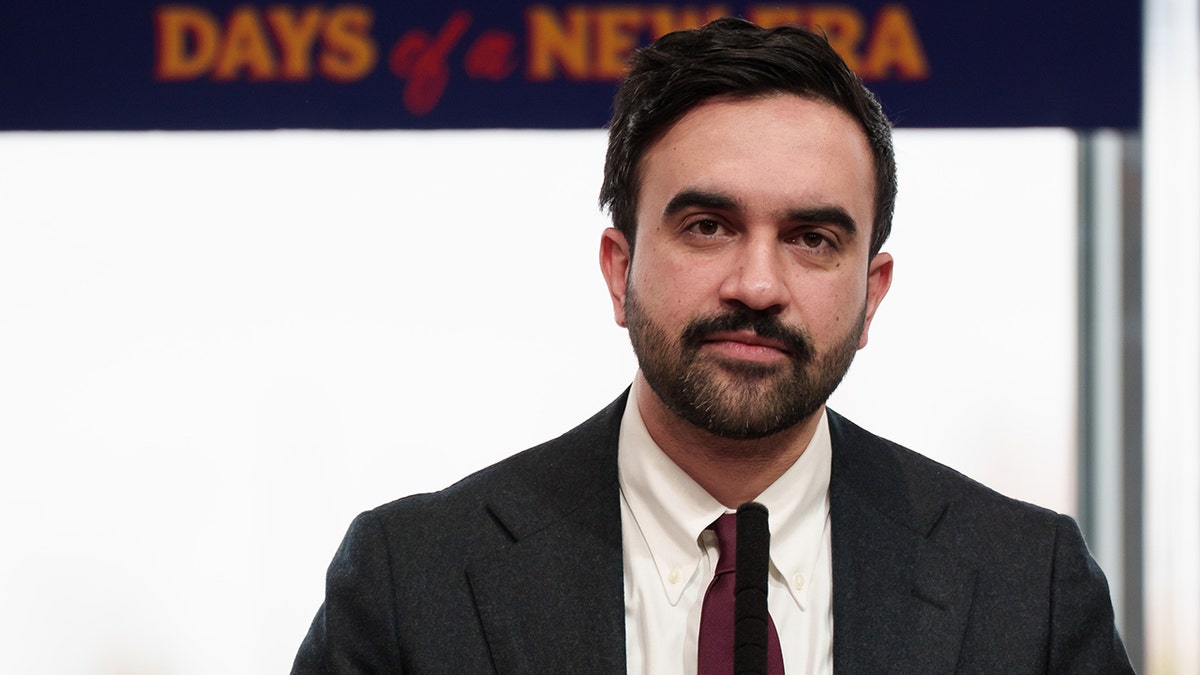
New York City Mayor Zohran Mamdani. (Adam Gray/Bloomberg via Getty Images)
On Iran, Herzog said the regime has for decades posed a strategic threat to global stability, and not only to Israel and the Middle East.
«They take their people’s food and money and spend it on terror all over the world. It’s a given fact,» he said. «You ask yourself why a nation of this nature wants to have so much terror activity around the world, and that is because of ideology… The ideology does not accommodate any other religion or moderate Islam, for that matter. That is why it is so dangerous,» he added.
The United States and Israel launched a joint military campaign against the Islamic Republic on Feb. 28, dubbed Operation Epic Fury by the Trump administration and codenamed Operation Roaring Lion by Israel, before Trump announced a ceasefire on April 7.
Herzog said Tehran’s missile program, activities around the Strait of Hormuz, nuclear ambitions, domestic repression and support for regional terror proxies as evidence of the regime’s major threat to U.S. national security interests. He added that many Americans had been killed by the Islamic Republic.

A billboard depicting Iran’s supreme leaders since 1979: (L to R) Ayatollahs Ruhollah Khomeini (until 1989), Ali Khamenei (until 2026), and Mojtaba Khamenei (incumbent) is displayed above a highway in Tehran on March 10, 2026. Iran marked the appointment of Ayatollah Mojtaba Khamenei to replace his father as its supreme leader on March 9, 2026. (AFP/Via Getty Images)
As some leading political voices in the U.S. have questioned the relationship with the Jewish state, the president stressed the important ties that have made the relationship so important.
«We both drink from this set of values which was commanded to all of us by these historic spiritual books given to us by the Almighty,» he said.
The Israeli president highlighted what he described as Trump’s deep support for the Jewish state, demonstrated through both words and actions.
He pointed to Trump’s 2018 decision, during his first term, to relocate the U.S. embassy to Jerusalem, as well as his subsequent recognition of Israeli sovereignty over the Golan Heights.
ISAAC HERZOG ELECTED ISRAEL’S PRESIDENT, FOLLOWING IN FATHER’S FOOTSTEPS
Herzog praised Trump’s «endless» backing of Israeli positions «in so many issues» and his «immense support and friendship with Israel,» adding that the two countries still more often than not see «eye to eye.»
Herzog credited Trump with helping secure the return of 255 hostages held by Hamas following the Oct. 7, 2023, massacre. While acknowledging the efforts of many officials involved, he said Trump «put his foot down» and «pushed and negotiated brilliantly» to bring them home, adding that he had «huge respect» for the American leader.
That admiration among Israelis has not been diminished by any perceived political disagreements, Herzog said, adding that he believes the U.S.-Israel relationship transcends shifting attitudes and growing criticism of the Jewish state.
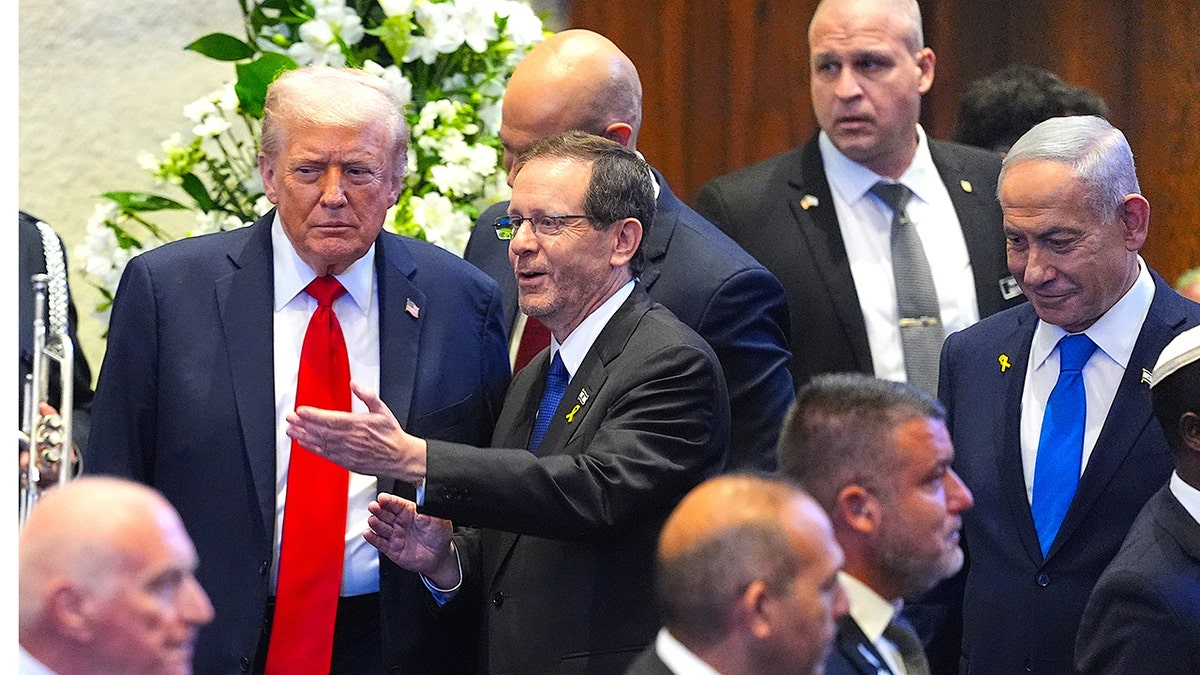
U.S. President Donald Trump enters the Knesset, Israel’s parliament, with Israel’s President Isaac Herzog and Israel’s Prime Minister Benjamin Netanyahu (R) before he speaks on Oct. 13, 2025 in Jerusalem. (Evan Vucci – Pool/Getty Images)
«I believe that there is something biblical and prophetic in the way our nations work together. And I truly believe that Israel should be a bipartisan issue of friendship and support,» he added.
Herzog linked the reported decline in American support for Israel, particularly among younger people, to campaigns of well-funded disinformation on social media.
«It’s very easy to smear Israel on TikTok, but that doesn’t say the real truth. And I invite every young American to set foot in this country,» he told Fox News Digital.
Herzog described Israel as a place where innovators flourish and great ideas are shared with the world, contributing enormously across fields including health, energy, science, agriculture and food security.
A NEW CHAPTER FOR AMERICA’S 250TH: ‘J250’ INITIATIVE PUTS JEWISH CONTRIBUTIONS IN THE SPOTLIGHT
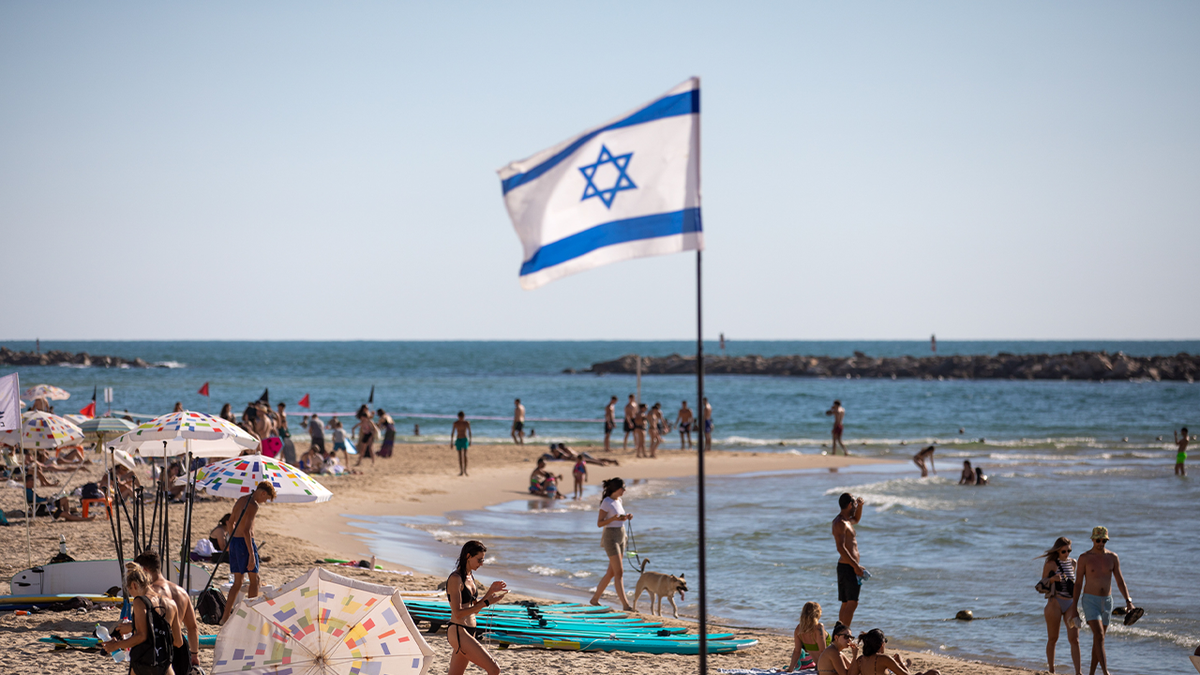
Beachgoers on a beach in Tel Aviv, Israel, on Sunday, Aug. 6, 2023. (Getty Images)
«There’s a reason why Americans who visit our country, young Americans, fall in love with this country. And my aim in this interview is to … take off the terrible mask which was placed on our face by terrible forces, some of them, of course, forces which work on it all the time to tell a distorted story.»
«We’re a nation seeking peace, we’re a nation seeking innovation, we are a nation bringing ideas which will save humanity, and we are [a] nation trying to do good,» he continued. «And I hope and pray that we will have peace with our neighbors in the entire region, with our Palestinian neighbors as well. But that requires that Israel will be accepted and people will understand that we have security needs.»
Herzog addressed the House’s recent passage of a $1.15 trillion annual defense policy bill, which largely split along party lines, with the fiscal year 2027 National Defense Authorization Act receiving only six Democratic votes.
He described the development as a «red light,» but said it does not signal the end of relations between the American and Israeli public or of bipartisan dialogue and support.
THE BEDROCK OF AMERICAN LIBERTY WAS LAID IN JERUSALEM
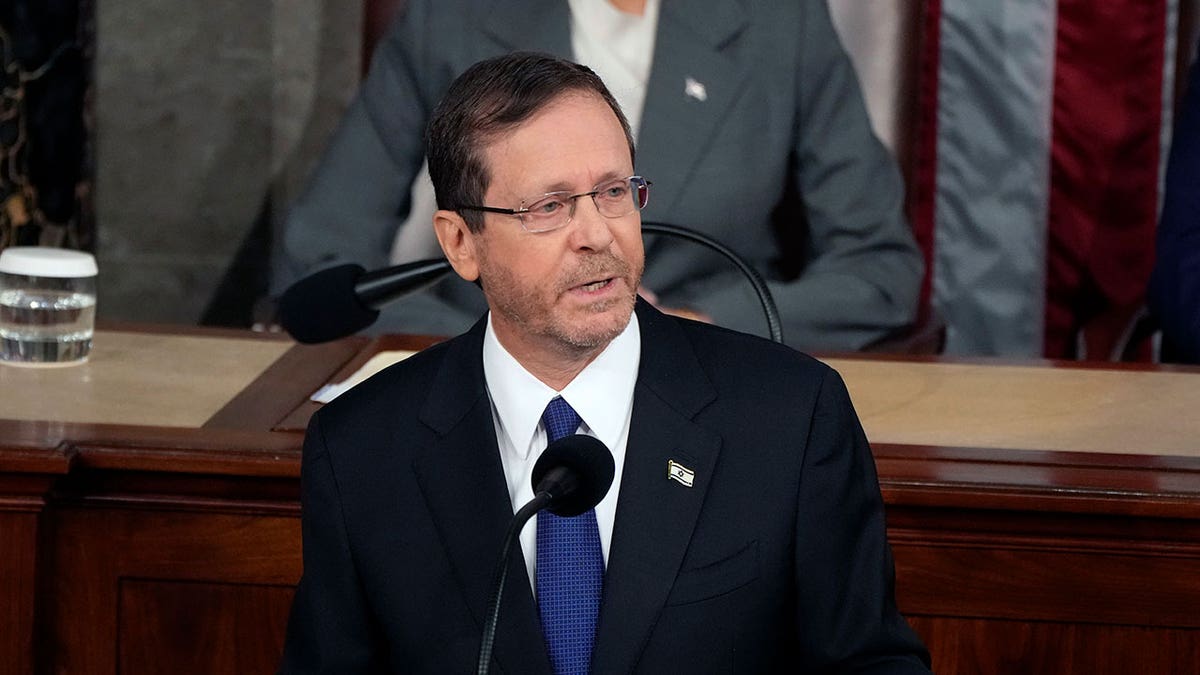
Israeli President Isaac Herzog speaks to a joint session of Congress, Wednesday, July 19, 2023, at the Capitol in Washington. (AP Photo/Jacquelyn Martin)
«Exactly three years ago, I spoke in the American Congress in front of a joint session of the House, marking 75 years of Israel’s independence, and I had almost 30 standing ovations,» he said.
«I’m aware … of the criticism, and aware of a huge campaign on campuses, and of huge money which was funneled to attack Israel, and also aware of our mistakes,» he added.
Herzog said Israeli society is undergoing an evolution following Oct. 7, making it legitimate to ask difficult questions about the country’s future security after such a «horrendous, aggressive, cruel» attack.
At the same time, he said Americans are right to examine the bilateral relationship and Israel’s role in advancing U.S. national security interests.
Earlier this week, Prime Minister Netanyahu traveled to Washington, D.C., to meet with Trump and attend the memorial service for the late Republican Sen. Lindsey Graham of South Carolina.
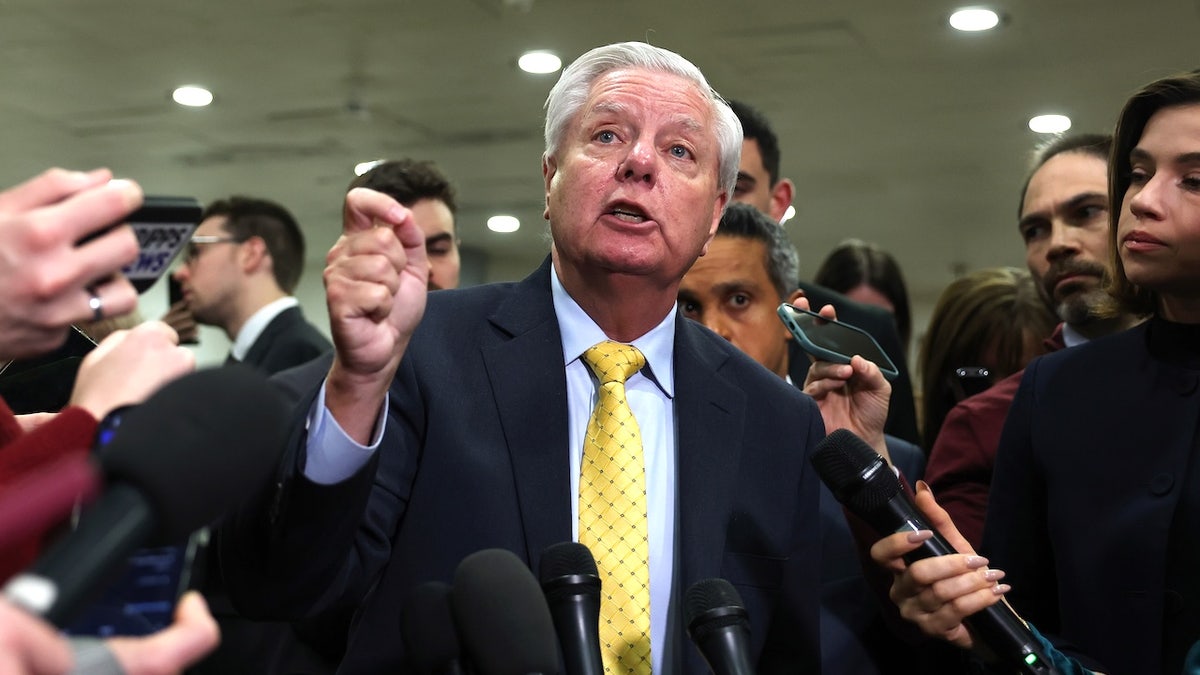
U.S. Sen. Lindsey Graham, R-S.C., speaks to members of the media as the Trump Cabinet briefs members of Congress on Iran at the U.S. Capitol on March 3, 2026. in Washington, D.C., Trump administration Cabinet officials will be briefing all lawmakers in the House and Senate on U.S. and Israeli attacks on Iran. (Anna Moneymaker/Getty Images)
«Lindsey was ever active, always coming with new ideas, brilliant, understood world affairs like no one else, and understood Israel’s role in protecting Western values and values of the free world,» Herzog told Fox News Digital.
He said Graham also knew how to voice criticism, which is legitimate between friends, and enjoyed support across the Israeli political spectrum.
«[Graham] knew how to fight empires and nations of evil, and to stand up to them without fear. I will always remember him, Israel will always remember him. The Jewish people will always cherish his memory,» Herzog added.
EXCLUSIVE: MEET THE MAN ISRAEL CHOSE TO BE ITS FIRST-EVER AMBASSADOR TO THE CHRISTIAN WORLD
Herzog also raised the importance of how Israel values Christian communities in the Holy Land and is committed to strengthening interfaith dialogue. He added that these communities are a top priority.
According to Israel’s Central Bureau of Statistics, as of December 2025, Israel’s Christian population stood at approximately 184,200, representing 1.9% of the country’s total population. The community grew by 0.7% over the previous year.
«I myself met the Pope and spoke to him several times and went to the Holy See. I speak to all the heads of churches. I recently had the Greek Orthodox Patriarch and this morning the Cardinal of Jerusalem,» Herzog said.

A delegation of 1,000 evangelical Christian pastors and influencers ever brought to Israel meets with former Hamas captives at the site of the Supernova music festival on Wednesday as part of the Friends of Zion Ambassador Program. (Shlomi Amsalem)
He continued, «I believe in real dialogue with our brothers and sisters from the Evangelical world in the United States and elsewhere. So, the Christian communities are a top priority in Israel and we are doing our best that they will flourish and grow.»
Herzog spoke of a zero tolerance of anti-Christian behavior. «I know of cases where there was tension and we’re dealing with it aggressively and there’s a major reduction in moments of friction. Now we have to work hard throughout the region. Christian communities will be strong and will flourish because there is a movement to shun out Christian communities, especially in some of the Muslim world, in Palestinian communities and elsewhere. And we are dealing with it as well. And I’m here for any Christian community that needs support of any kind. People know it. And I speak to their leaders all the time.»
EXCLUSIVE: SERBIAN PRESIDENT VUČIĆ SAYS SUPPORT FOR US ‘SURGED’ UNDER TRUMP, INVITES HIM TO VISIT BELGRADE
Herzog weighed in on the controversy surrounding the dismissal of the International Criminal Court’s Chief Prosecutor Karim Khan, who issued the arrest warrants against Netanyahu, after member states voted to remove him over sexual misconduct allegations.
Herzog said Khan «absolutely» pushed forward with the arrest warrants to try to distract attention from the sexual assault allegations against him. He added that Khan had wanted to come to Israel to meet with various experts and leaders, including the Israeli president himself.
«Everybody got ready to talk to him and present the real story and the real truth,» Herzog told Fox News Digital. «His staff were on their way to the airport and all of a sudden he issued these orders and writs against Prime Minister Netanyahu, [then] Defense Minister [Yoav] Gallant and others. And only in hindsight now we know clearly that it was in order to divert attention from the sexual allegations.
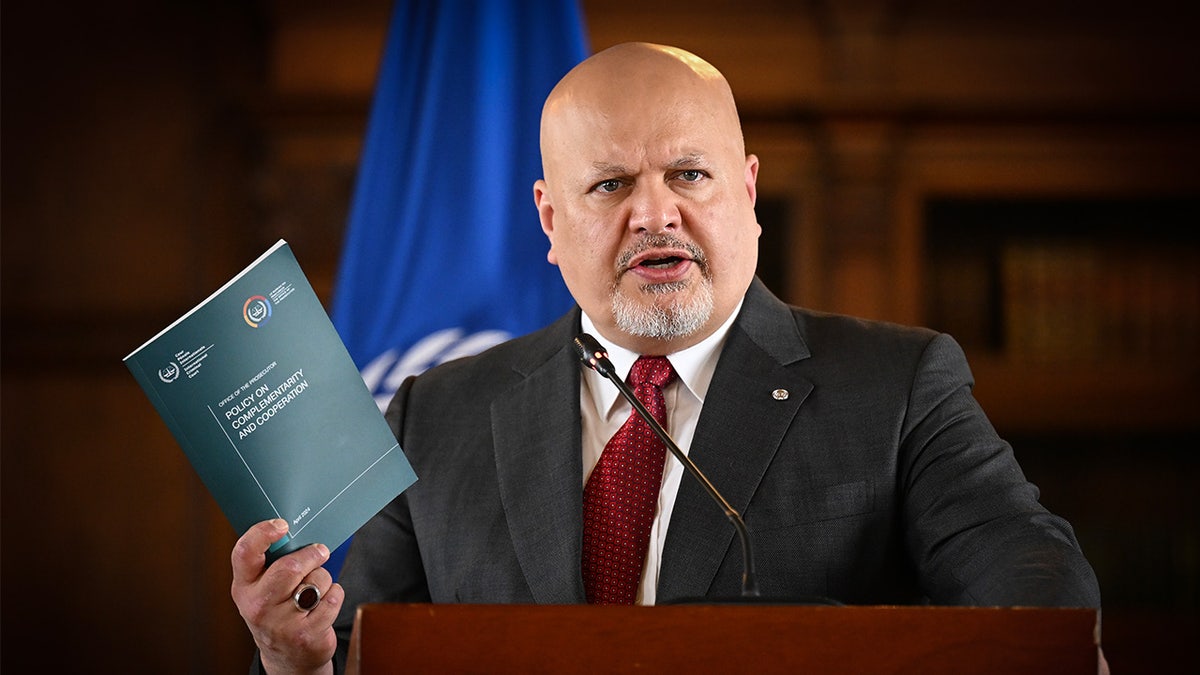
Karim Khan is the ICC’s chief prosecutor. (Getty Images)
«The case has to be dropped and the ICC should … not fall into the trap of hate and lies that Karim Khan presented simply to cover for himself,» said Herzog.
Lawyers for Karim Khan have said they «will challenge the lawfulness and fairness of the decision through all available legal mechanisms.»
Just hours before President Trump’s announcement that Hamas had agreed to a roadmap that includes disarmament on Thursday, Herzog praised the «enormous efforts» by the U.S. administration to advance the next phase of the Gaza ceasefire.
«This is something that can be a major breakthrough if it happens. Let’s remember, the 20-point plan of President Trump was approved by the [United Nations] Security Council, and the next phase is disarming of Hamas,» Herzog told Fox News Digital.
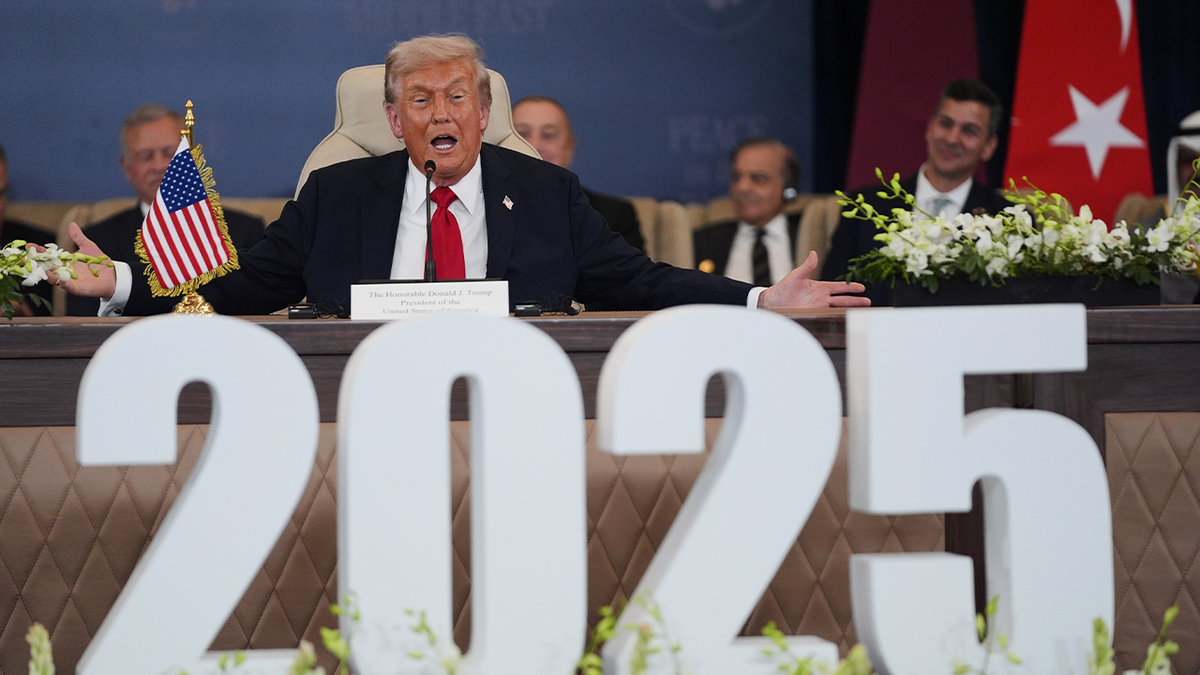
President Donald Trump speaks during a summit to support ending the more than two-year Israel-Hamas war in Gaza after a breakthrough ceasefire deal, Monday, Oct. 13, 2025, in Sharm El Sheikh, Egypt. (AP Photo/Evan Vucci) (AP)
«The people of Gaza deserve a better life. And there is a real viable plan, including budget and efforts, how to change the course of the future,» he added.
But one thing has to be made clear, he concluded: «Hamas cannot control Gaza and cannot turn it into a launching pad for terror and hate anymore.»
israel, zohran mamdani, anti semitism, war with iran, christianity religion, lindsey graham
Gov Ron DeSantis: Dr. Fauci should be held in contempt
Florida Gov. Ron DeSantis discusses Dr. Anthony Fauci’s Senate hearing, reacting to the key moments from the testimony and sharing his perspective on Fauci’s handling of the COVID-19 pandemic on ‘Jesse Watters Primetime.’
NEWYou can now listen to Fox News articles!
Former National Institute of Allergy and Infectious Diseases Director Dr. Anthony Fauci may be spending more time in the Deep South than he envisioned after officials in Alabama and Florida announced plans to investigate whether he can be held accountable under state law for maladministration of the COVID-19 response.
Fauci invoked his Fifth Amendment right against self-incrimination 111 times during a Senate hearing Wednesday.
Sen. Josh Hawley, R-Mo., argued that former President Joe Biden’s blanket pardon eliminated Fauci’s federal criminal exposure for covered conduct and undercut his basis for refusing to answer.
Sen. Tommy Tuberville, R-Ala., alluded to that detail and told Fox News Digital that same pardon cannot prevent prosecution at the state level under the Constitution — which says presidential pardons cover «offences (sic) against the United States.»
CAN FAUCI HIDE BEHIND THE FIFTH? GAME-CHANGING BIDEN PARDON MAY NOT PROVIDE COMPLETE COVER, EXPERTS SAY
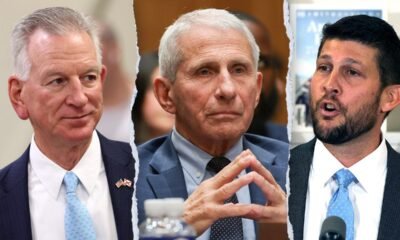
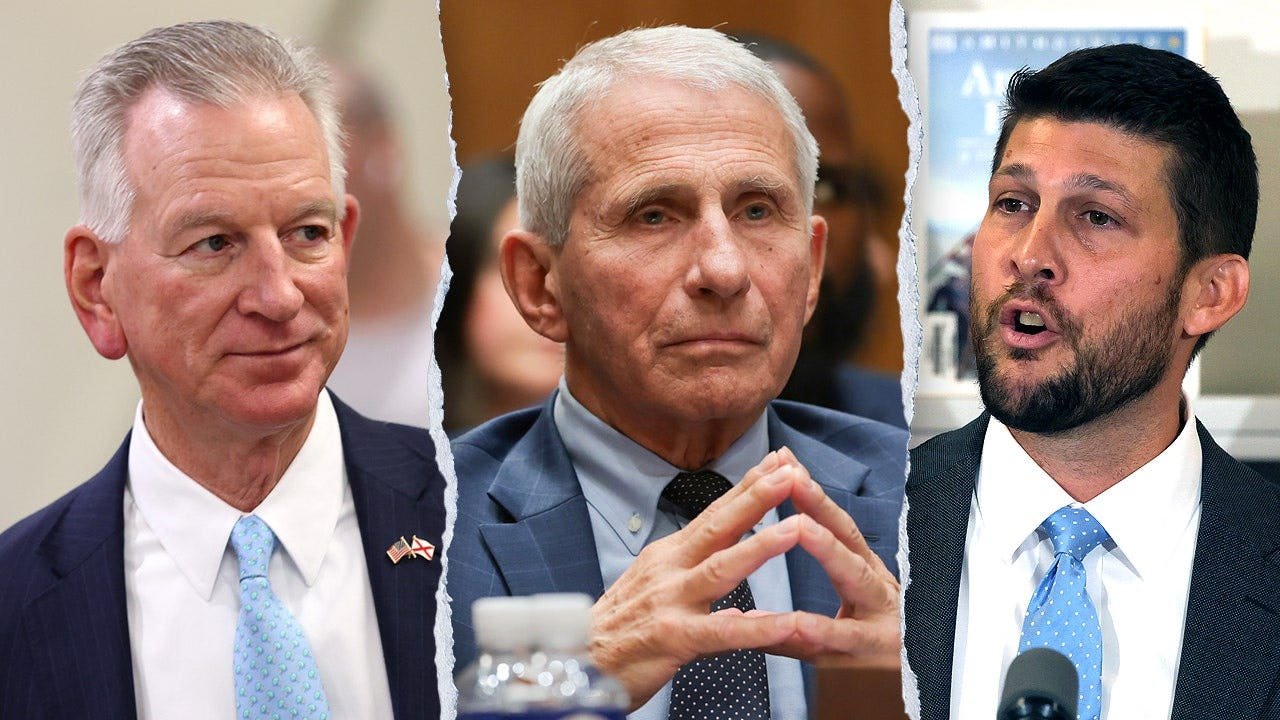
Sen. Tommy Tuberville, R-Ala., left; Anthony Fauci, center; Florida AG James Uthmeier, right. (Kevin Dietsch/Getty Images; Anna Moneymaker/Getty Images; Joe Burbank/Getty Images)
«Anthony Fauci is responsible for the deaths of millions of Americans and tens of thousands of Alabamians,» Tuberville told Fox News Digital. «The ‘pardon’ signed by Joe Biden’s autopen doesn’t apply to state-level crimes.»
«When I’m governor of Alabama, I will look into ways we can hold Fauci accountable for all of the Alabamians who died under his watch,» the former Auburn football icon said.
TOP 5 MOMENTS FROM FAUCI’S HEARING: PAUL BOOTS LAWYER, MORENO ERUPTS AS CONTEMPT VOTE LOOMS
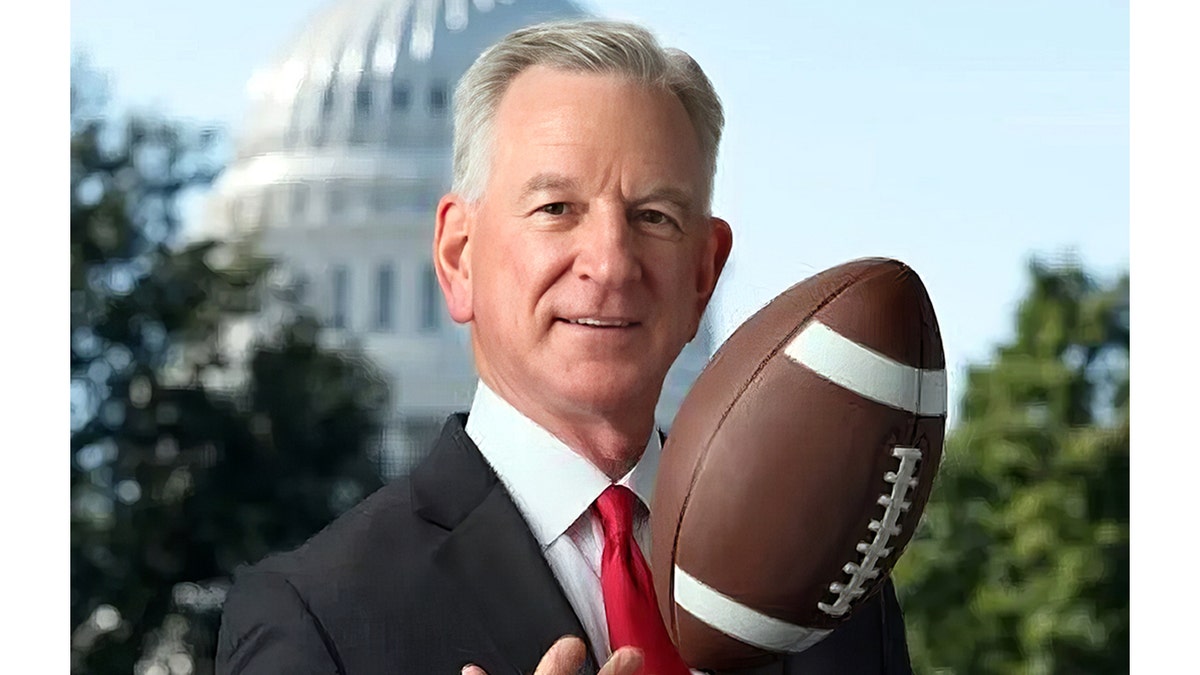
Republican Alabama Senator and former college football coach Tommy Tuberville. (Office of Senator Tommy Tuberville)
Tuberville — who is favored to succeed term-limited Republican Gov. Kay Ivey in November — indicated he would order Fauci to Montgomery, Alabama, as many times as he could to face state charges, and encouraged Alabamians to bring their own civil claims against the 85-year-old immunologist.
Speaking to Newsmax from the Capitol, Tuberville separately fumed that Fauci «should be locked up before he leaves this building today.»
FAUCI PRIVATELY TOOK CREDIT FOR COVID-19 LOCKDOWNS DESPITE PUBLIC DENIAL, NEWLY EXPOSED DIARY ENTRIES REVEAL
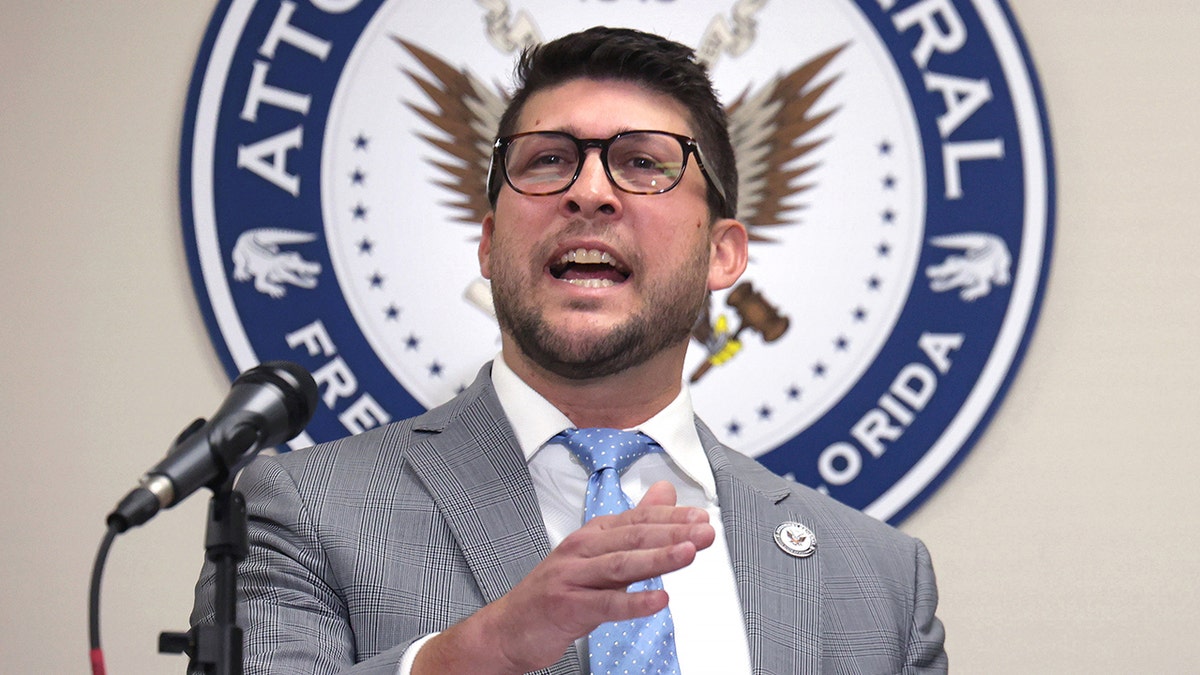
Florida Attorney General James Uthmeier announces during a press conference that his office is offering to send a team of additional prosecutors to the Ninth Circuit to assist Orange/Osceola State Attorney Monique Worrell with a backlog of cases, Monday, April 14, 2025. (Joe Burbank/Orlando Sentinel/Tribune News Service via Getty Images)
«We lost 20-30,000 (people) in Alabama alone and I hope every damn one of them sues Fauci.»
Tuberville said that if state prosecutors can’t imprison Fauci, he would support voluminous litigation to «put him in court for the rest of his life where he can listen to the death he caused.
He told Fox Business that when he regularly heard from Fauci during COVID on the HELP Committee, and now believes he «lied … and knew he was lying» due in part to revelations in the doctor’s diary.
«He’s going to court every day of his life for the rest of his life. And he’s going (to) have to look these people in the face, these families, because the pardon does not cover state government.»
Fox News Digital reached out to Ivey for comment on whether she would pursue similar action in the final months of her administration.
Florida is also investigating Fauci’s COVID-era tenure. Attorney General James Uthmeier confirmed to Fox News Digital that «any and all potential violations of Florida law» are on the table.
«Our inquiry will focus on what Fauci knew, when he knew it, and how he misled the American people. We will examine the physical and monetary harms to Floridians that may have resulted from his deceptions and determine whether his conduct exposes him to liability under state law,» said Uthmeier press secretary Jae Williams.
Lt. Gov. Jay Collins — who is running for governor to succeed boss Gov. Ron DeSantis — fully backed Uthmeier’s probe in an interview Thursday with Fox News Digital.
«There has to be accountability … between families getting threatened and our kids not being able to potentially go to school because of the risks coming from Fauci,» he said.
Collins noted he is a 100%-disabled retired amputee veteran, and said he couldn’t get care from Veterans Affairs unless he had a COVID-19 shot.
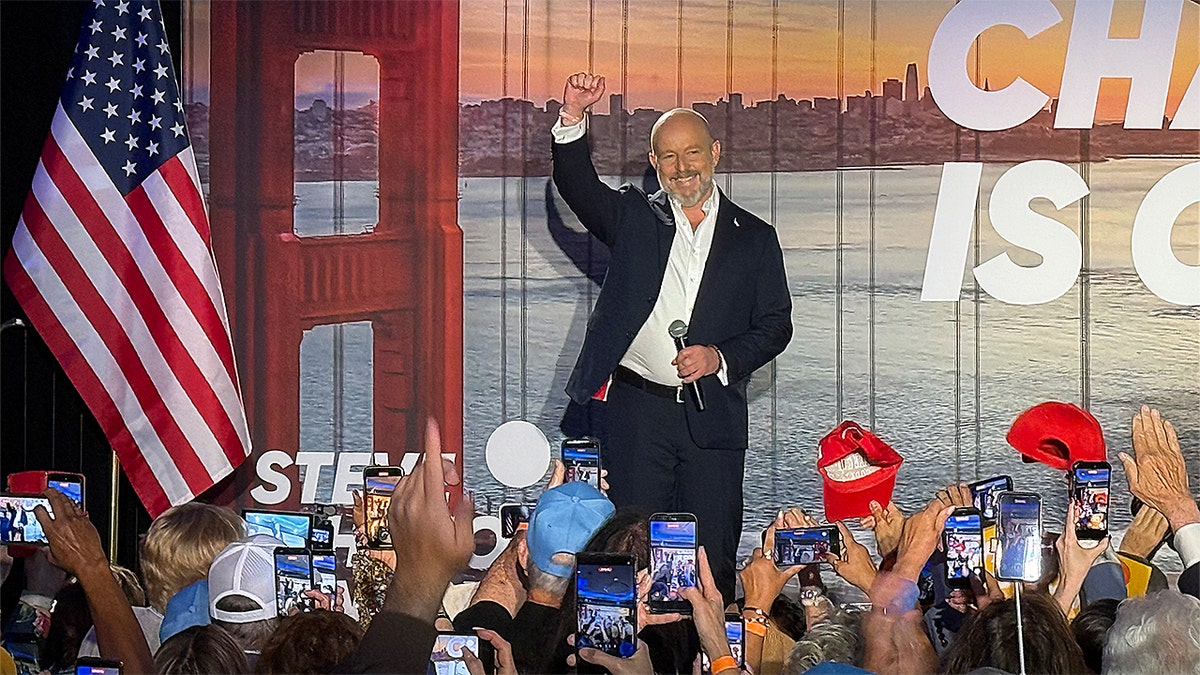
Republican gubernatorial candidate Steve Hilton speaks to supporters at his primary night watch party, in Huntington Beach, California on June 2, 2026 (Paul Steinhauser/Fox News)
«I had to make a choice of getting my prosthetic care and having a leg to walk on versus taking an immunization that I didn’t want or believe in,» he said, blaming Fauci’s prescriptions for «generational loss» of businesses nationwide.
Asked about Fauci criticizing DeSantis in his diary, Collins said it was a badge of honor to be the state on the receiving end of «pejoratives.»
DeSantis «became America’s governor. Greatest governor in our state’s history, largely because of what he did in COVID. When our president, our federal government, other world leaders were attacking him, he stood there and took it over and over and over.»
«We protected America,» he said of Tallahassee’s government. «We pushed back on the Fauci-Ouchie and all the nonsense that came from it … I’m glad (Fauci) was offended.»
DeSantis similarly called Fauci the «most destructive bureaucrat in the history of the United States of America,» when asked on Fox News to respond to the diary entries that called him a «jerk» and more.
While California’s current leadership complied with and welcomed Fauci’s prescriptions, the state’s Republican gubernatorial nominee said after watching Fauci plead the Fifth, he drafted a plan similar to his Deep South compatriots to bring the bureaucrat to justice.
SIGN UP TO GET THE POLITICS NEWSLETTER
«What an absolute disgrace — when will there be any accountability for this guy,» Hilton said in a statement.
«I tell you, when I’m governor of California we will have a COVID Accountability Commission,» he said on Facebook, Hilton said the panel would examine Fauci and California officials over policies «who caused so much pain and suffering and cruelty in this absolute disaster of public policy.»
Fox News Digital reached out to Fauci via counsel for comment. DeSantis’ office directed Fox News Digital to his quoted comments.
anthony fauci, ron desantis, alabama, gubernatorial, state, florida, republicans, republicans elections, california, gavin newsom, hearings, auburn tigers

El gobierno de Estados Unidos exigirá fianzas de hasta 20,000 dólares a nicaragüenses que pidan visas de turismo y negocios

Flavio Briatore se refirió al futuro de Franco Colapinto en Alpine y dijo que Pierre Gasly es uno de los seis mejores pilotos de la Fórmula 1

Internaron de urgencia a la ex Gran Hermano Denisse González: cuál es el problema de salud que tiene

Exclusive: Israeli President Herzog blasts Mamdani, praises Trump, sounds alarm on Iran

Sorpresa en el mercado argentino: qué tipo de auto empujó las ventas de los 0 km a una baja mayor en julio

Fauci’s Fifth fuels vow to haul him into court ‘every day’ despite Biden pardon

El BCRA cortó la racha de compra y en el mercado vuelan rumores de maniobras para frenar al dólar

World-famous Catholic shrine torched, ‘Devil in a skirt’ scrawled on Virgin Mary statue

La aprobación del Gobierno cayó en julio según distintas encuestas, en sintonía con el índice de la universidad Di Tella

SUTEP cerró paritaria y ya se sabe cuánto ganará un empleado de parque de diversiones durante 2026

 INTERNACIONAL2 días ago
Trump admin invokes 30-year dormant terror court as it seeks to deport Afghan woman tied to Election Day plot
- CHIMENTOS3 días ago
El romántico mensaje de Nico Vázquez a Dai Fernández: “Me encanta compartir con vos arriba y abajo del escenario”
- ECONOMIA3 días ago
Le pedimos a ChatGPT, Gemini y Claude que dijeran en qué acciones argentinas invertir y así nos fue