INTERNACIONAL
Más de 37 mil familias afectadas por la sequía reciben ayuda en Honduras

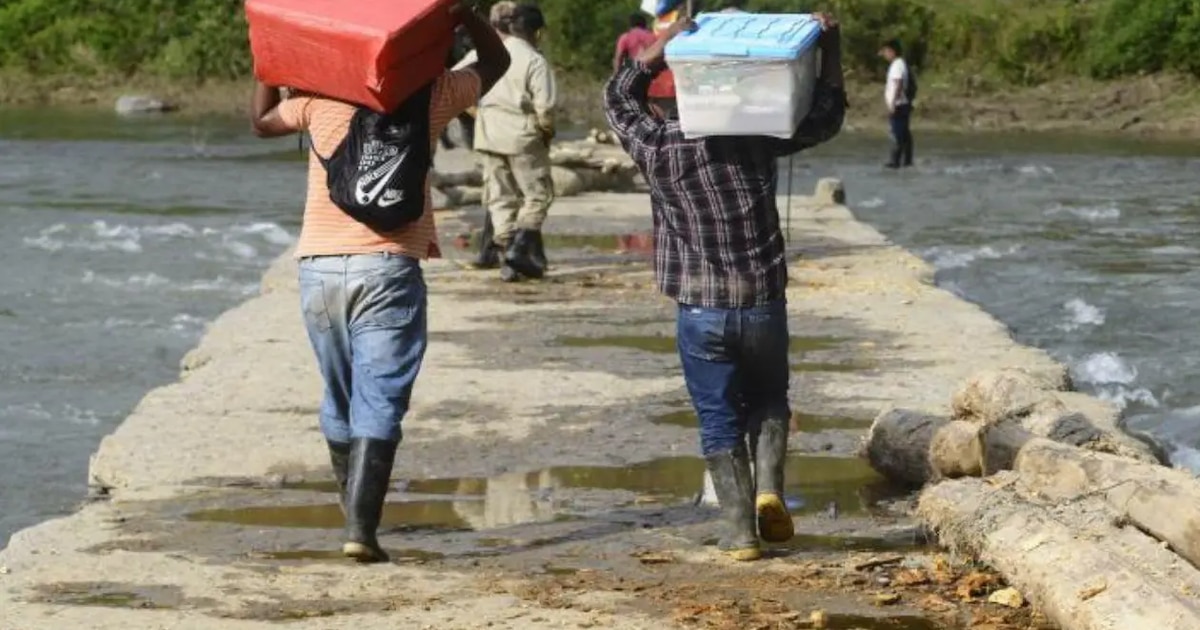
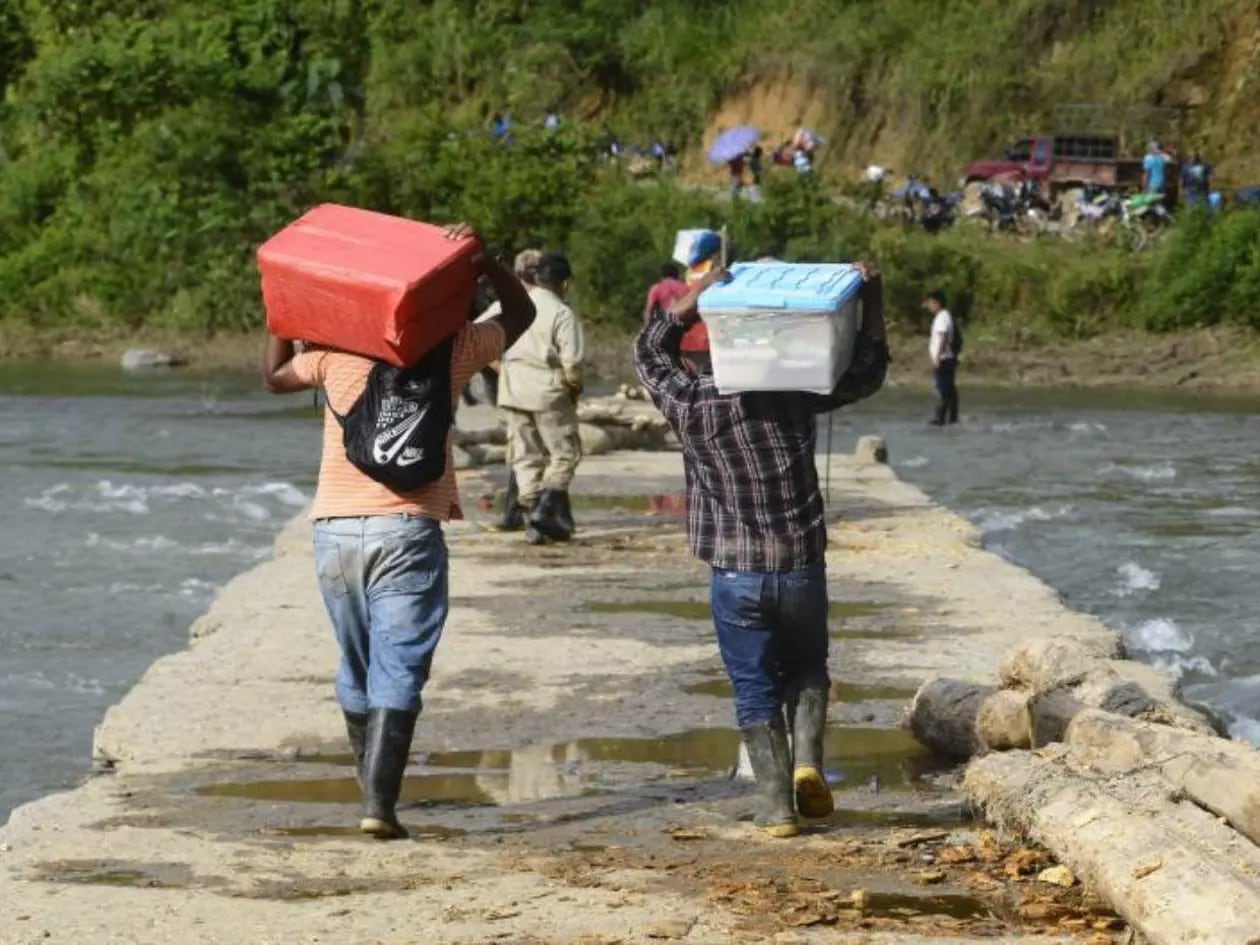
Más de 37.000 familias hondureñas afectadas por la sequía han recibido asistencia humanitaria durante los últimos meses, mientras el Gobierno de Nasry Asfura prepara nuevas medidas para enfrentar el déficit de lluvias, entre ellas la denominada siembra o “bombardeo” de nubes, con la que las autoridades pretenden apoyar zonas agrícolas afectadas.
La emergencia climática ha obligado al Estado a combinar la entrega de alimentos, acceso al agua y apoyo a productores con nuevas alternativas para intentar reducir los efectos de la falta de precipitaciones en distintas regiones del país.
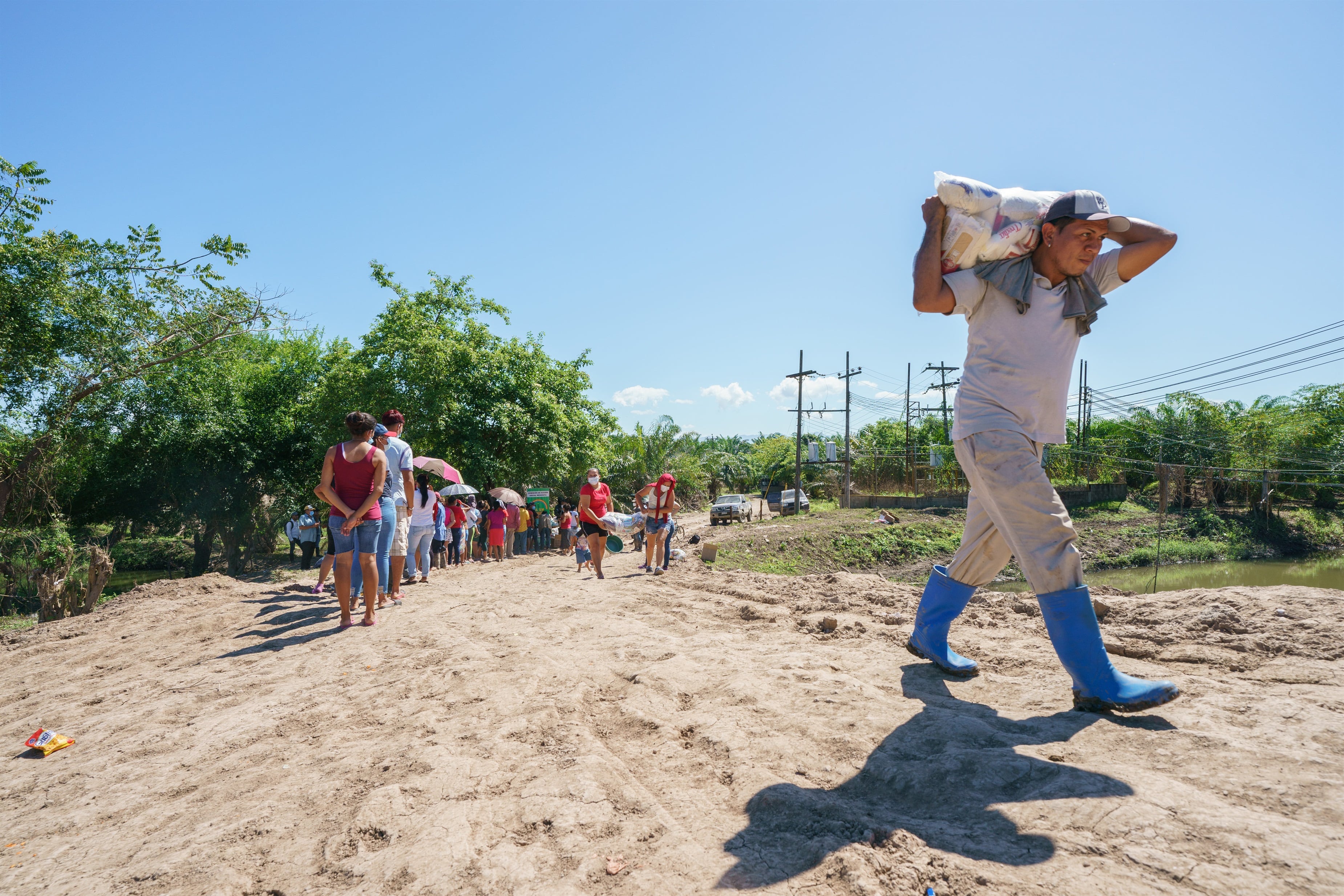
El ministro de la Secretaría de Gestión de Riesgos y Contingencias Nacionales (Copeco), Reinaldo Sánchez, informó que más de 37.000 familias de municipios afectados han recibido ayuda humanitaria mediante una operación coordinada entre el Gobierno hondureño y organismos internacionales.
De acuerdo con el funcionario, las entregas se han desarrollado durante los últimos meses con el respaldo de agencias de Naciones Unidas, el Fondo Humanitario de Estados Unidos, la Secretaría de Desarrollo Social (Sedesol) y Copeco.
Sánchez explicó que la asistencia ya alcanzó a 37 municipios y que las autoridades mantienen vigilancia sobre las comunidades que continúan enfrentando los efectos del déficit de lluvias. Según el funcionario, los recursos disponibles permitirán ampliar la cobertura hacia sectores que todavía no han recibido ayuda.
El ministro de Copeco advirtió que algunas de las comunidades que ya fueron atendidas podrían volver a recibir asistencia, dependiendo de cómo evolucione el período de lluvias y, especialmente, de los resultados de la producción de postrera.
La preocupación está relacionada con el impacto que una temporada irregular de lluvias puede tener sobre los cultivos y, posteriormente, sobre la seguridad alimentaria de las familias que dependen de la agricultura y la ganadería.
“Va a depender de cómo se desarrolla la postrera”, explicó Sánchez, al señalar que, si la producción no alcanza los niveles esperados, el Gobierno tendría que brindar nuevamente una respuesta humanitaria a las comunidades afectadas.
La estrategia contempla además acciones relacionadas con la perforación de pozos, vigilancia de la producción agrícola y atención sanitaria, especialmente en zonas donde las condiciones climáticas puedan favorecer la aparición de enfermedades como el dengue y la chikungunya.
El funcionario también mencionó acciones de apoyo a pequeños productores y ganaderos, entre ellas la entrega de alimento para ganado y el bono de incentivo agrícola para quienes todavía cuentan con condiciones para producir.
La distribución de asistencia humanitaria también ha generado cuestionamientos sobre la posibilidad de que los recursos sean utilizados con fines políticos. Ante estas críticas, Sánchez aseguró que existen mecanismos de veeduría y supervisión para controlar las entregas.
El titular de Copeco sostuvo que las instituciones buscan trabajar de la mano con los alcaldes y autoridades locales, con el objetivo de garantizar que la asistencia llegue a las comunidades que realmente la necesitan.
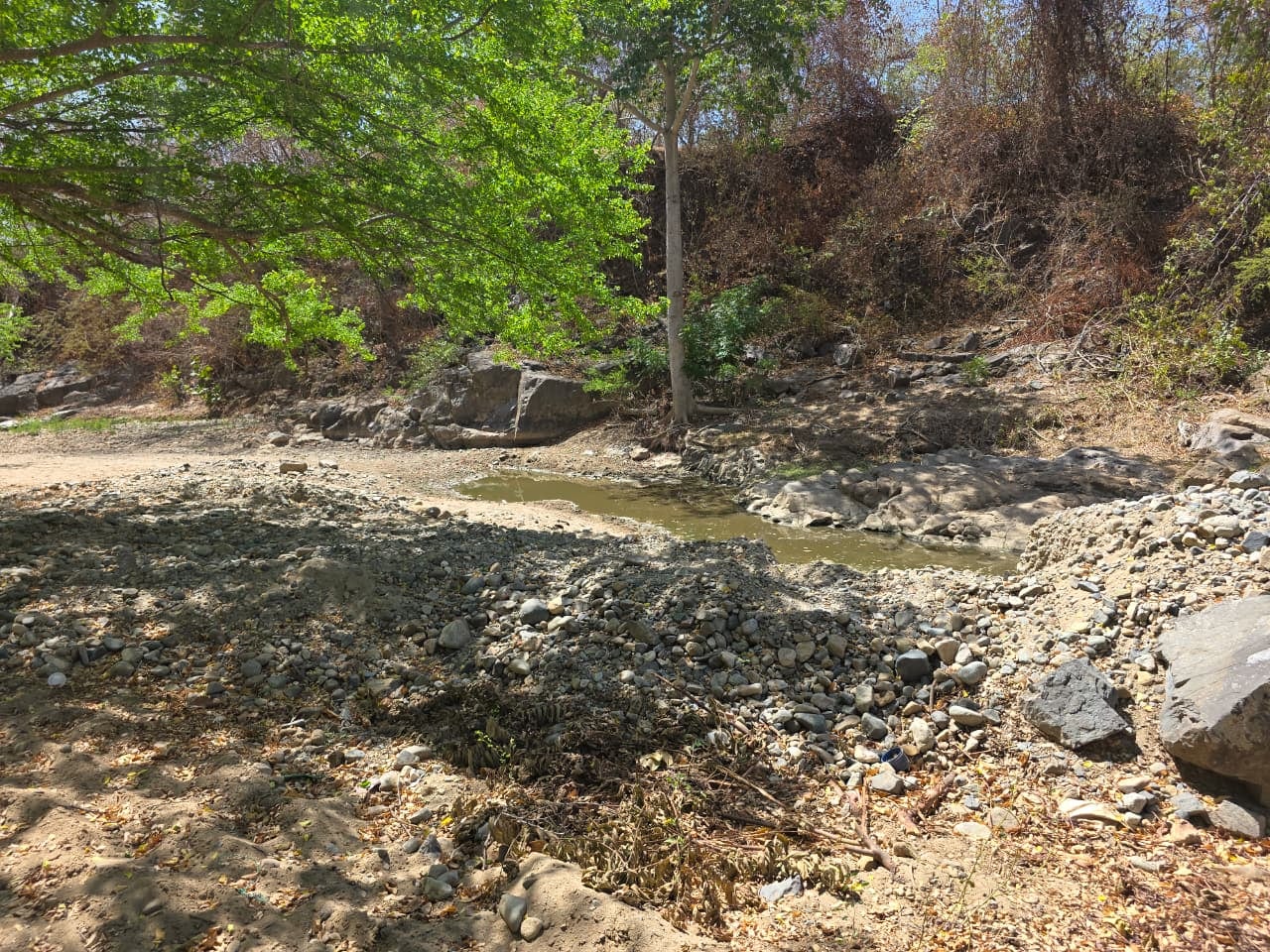
Según Sánchez, la respuesta no se limita a la entrega de alimentos, sino que incluye diferentes componentes destinados a atender las consecuencias de la sequía, como agua, salud y apoyo productivo.
El funcionario aseguró que los recursos ya están disponibles para continuar ampliando la cobertura y mantener vigilancia en los municipios que permanecen bajo los efectos del déficit de lluvias.
Mientras continúa la entrega de ayuda, el Gobierno de Nasry Asfura prepara una alternativa adicional para enfrentar la sequía: la siembra de nubes, conocida popularmente como “bombardeo de nubes”.
El secretario de Agricultura y Ganadería, Moisés Abraham Molina Guillén, informó que la intervención pretende apoyar un área estimada de entre 1,8 y 2 millones de hectáreas afectadas por la falta de lluvias.
“Son alrededor de 1.8 millones de hectáreas o dos millones de hectáreas las que se van a intentar apoyar, con esto, en la zona más perjudicada por la sequía”, precisó el funcionario.

La SAG informó que Honduras ya cuenta con la aeronave y el personal que participarán en la operación. Durante la próxima semana se espera la llegada de los equipos, insumos y componentes que deberán ser adaptados al avión antes de iniciar los vuelos.
“Estamos listos. Ya está el avión aquí, ya están las personas. El equipo viene la próxima semana, probablemente el lunes, los insumos y lo que hay que adaptarle al avión”, afirmó Molina.
Sin embargo, el procedimiento no significa que las autoridades puedan generar lluvia de manera independiente de las condiciones meteorológicas.
Técnicamente, la siembra de nubes requiere la existencia de nubes con características adecuadas para que las partículas utilizadas puedan favorecer procesos dentro de ellas que incrementen el tamaño de las gotas o cristales y eventualmente produzcan precipitación.
Por ello, los vuelos estarán condicionados a la aparición de nubes apropiadas para realizar la intervención.

INTERNACIONAL
Aluvión en Santiago de Chile: cómo se originó la corriente de barro que arrastró autos en Las Condes
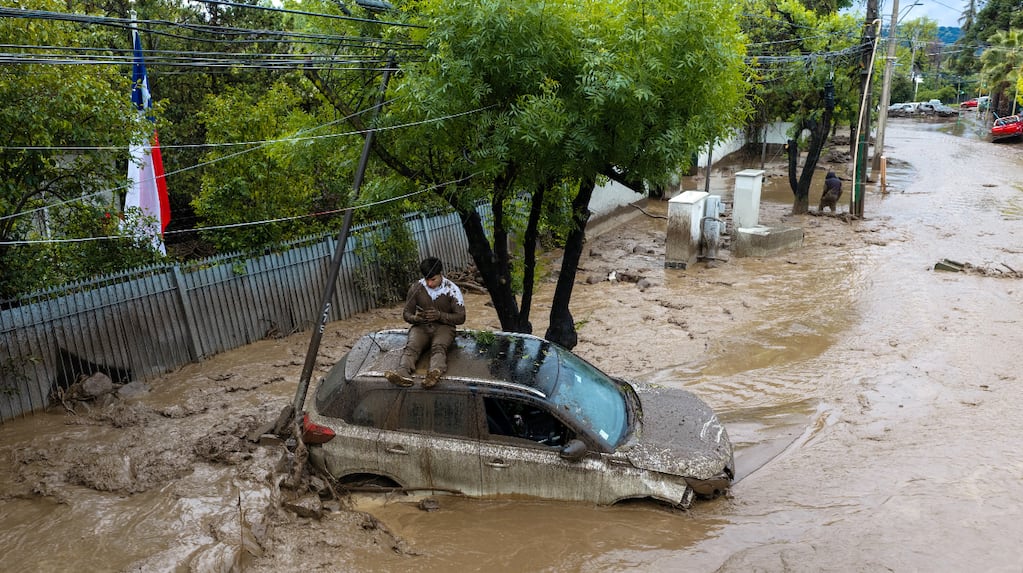
Un violento aluvión arrastró autos, colectivos y escombros por las calles de Santiago de Chile, después de varios días de lluvias intensas en la precordillera. El fenómeno golpeó especialmente a la comuna de Las Condes, donde cayeron 144 milímetros de agua.
La combinación de suelos saturados, conductos de desagüe obstruidos y la pérdida de vegetación por incendios forestales provocó una correntada de barro que desbordó la Quebrada Honda y avanzó sobre las zonas urbanas.
La fuerza del agua sorprendió a los vecinos, destruyó locales comerciales, inundó establecimientos públicos y arrastró vehículos que circulaban por las principales avenidas. En uno de los episodios más impactantes, los pasajeros de un colectivo tuvieron que subirse al techo para escapar del barro.
El presidente de Chile, José Antonio Kast, declaró a Las Condes como zona de catástrofe, mientras los equipos de emergencia comenzaron a retirar los sedimentos acumulados y despejar los sistemas de drenaje.
Por qué se produjo el aluvión en Santiago de Chile y qué ocurrió con los desagües
Las precipitaciones fueron uno de los principales factores que desencadenaron el desastre. Entre el lunes y el martes, algunos sectores de la Región Metropolitana registraron más de 140 milímetros de lluvia, mientras que en otras zonas las mediciones rondaron los 60 milímetros.
La tierra ya estaba saturada y perdió capacidad para absorber nuevas precipitaciones, lo que aceleró el escurrimiento del agua hacia las zonas más bajas.
“El suelo está absolutamente mojado, no da, está totalmente saturado”, explicó Catalina San Martín, alcaldesa de Las Condes.
A las lluvias se sumó otro fenómeno meteorológico. Según explicó Pablo Allard, decano de la Facultad de Arquitectura y Arte de la Universidad del Desarrollo, a ADN Radio, la isoterma cero se ubicó a una altura anormalmente elevada.
Esto provocó que parte de las precipitaciones que habitualmente caen en forma de nieve en la montaña llegaran como agua líquida. Como consecuencia, aumentó rápidamente el volumen que descendió por las quebradas.
Sin embargo, uno de los factores decisivos fue la obstrucción de dos ductos paralelos que debían canalizar el agua fuera del área urbana.
El delegado presidencial de la Región Metropolitana, Germán Codina, explicó que los conductos habrían quedado bloqueados por basura y escombros. Al no poder continuar su recorrido, el agua desbordó la Quebrada Honda y avanzó hacia las calles.
Las precipitaciones también provocaron crecidas de los ríos Mapocho y Maipo. En Talagante, el desborde del Maipo generó inundaciones que afectaron a sectores con viviendas precarias.
El efecto de los incendios forestales y las obras de prevención que no llegaron a instalarse
La magnitud del aluvión también estuvo relacionada con los incendios forestales que afectaron la precordillera de Santiago durante el verano.
El fuego destruyó parte de la vegetación que contribuía a mantener estable el suelo. Sin esa cobertura, las lluvias encontraron grandes cantidades de tierra y sedimentos sueltos que fueron arrastrados pendiente abajo.
Este factor agravó la fuerza destructiva de la corriente y aumentó el volumen de barro que terminó acumulándose en las calles.
El riesgo ya había sido identificado por las autoridades chilenas. El Ministerio de Obras Públicas y el Servicio Nacional de Prevención y Respuesta ante Desastres (SENAPRED) tenían previsto instalar mallas de contención para reducir el arrastre de materiales desde las quebradas.
Sin embargo, esa infraestructura preventiva todavía no estaba operativa cuando ocurrió el aluvión.
La situación abrió interrogantes sobre las medidas de prevención y la capacidad de respuesta ante lluvias extremas, especialmente en sectores urbanos próximos a las laderas de la cordillera.
La alcaldesa San Martín defendió las tareas realizadas antes del temporal. “El trabajo preventivo se hizo, esta lluvia era absolutamente inesperada, es la naturaleza”, sostuvo.
desastre
Dual UK-Iranian citizen arrested in air base probe
Retired Vice Adm. Robert Harward discusses the arrest in the U.K. air base alleged terrorism plot, the latest developments in the investigation, the broader security implications for U.S. and allied military installations and the Iran conflict on ‘America Reports.’
NEWYou can now listen to Fox News articles!
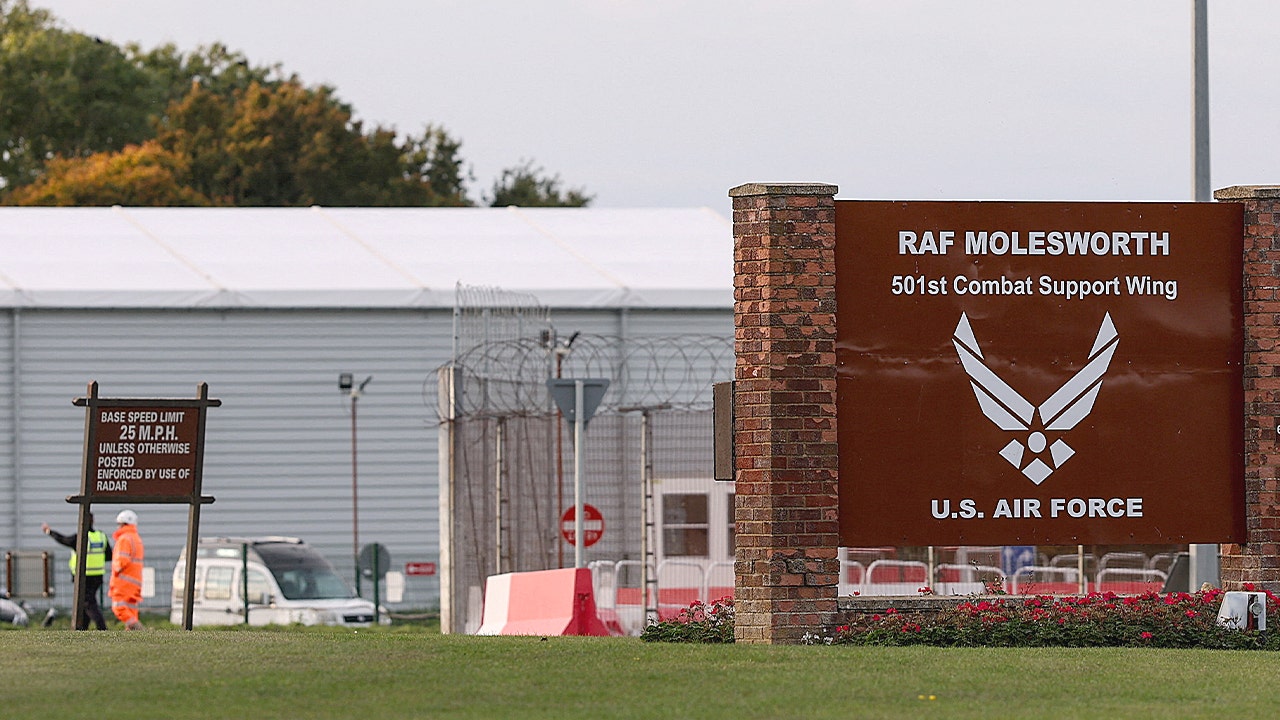
Two Latvian nationals legally living in the United Kingdom were arrested under Section 4 of Britain’s National Security Act of 2023 Thursday after allegedly breaching a perimeter fence at RAF Molesworth, a sensitive British military base housing critical U.S. and NATO intelligence operations, Reuters reported.
The arrests triggered a major counterterrorism investigation into the security breach at the strategic installation, which serves as a central intelligence hub supporting American military commanders across Europe and Africa.
The base is also undergoing a $556.5 million expansion centered on the Joint Intelligence Analysis Complex (JIAC), a location designed to consolidate 20 intelligence facilities and accommodate more than 1,000 personnel, according to reports.
IRAN UNDER SCRUTINY AFTER PLOT FOILED NEAR UK BASE USED BY US MILITARY
The suspects, ages 32 and 36, were discovered inside the base around 2 a.m. Thursday after an extensive security sweep.
Ministry of Defense Police officers conducting routine patrols first raised the alarm around 10 p.m. Wednesday after finding an abandoned vehicle near the perimeter.
A police vehicle leaves RAF Molesworth after two Latvian nationals were arrested on suspicion of entering a prohibited place for a purpose prejudicial to the U.K., police said in a statement. (Reuters/Chris Radburn)
Bomb disposal specialists cleared the vehicle before armed officers discovered a fence breach and located the men inside.
Initially detained on suspicion of trespass and criminal damage, both men were arrested again under the National Security Act for allegedly entering a prohibited place for a purpose prejudicial to the United Kingdom. They remain in custody as counterterrorism detectives execute search warrants at two residential properties in nearby Peterborough.
Managed by the U.S. Air Force’s 423rd Air Base Group, RAF Molesworth is a nonflying installation dedicated to joint intelligence and command operations.
It houses intelligence elements for U.S. European Command, U.S. Africa Command and the NATO Intelligence Fusion Centre.
During World War II, the airfield was used by the U.S. 15th Bombardment Squadron. In 1973, the airfield was officially deactivated before transitioning into its current role as an intelligence center.
Construction on the JIAC broke ground April 12, 2024, with onsite work beginning that spring. The facility is scheduled for completion in summer 2028.
FOILED TERROR PLOT AT BOMBER BASE SIGNALS WIDER THREAT TO US MILITARY INSTALLATIONS: EXPERT
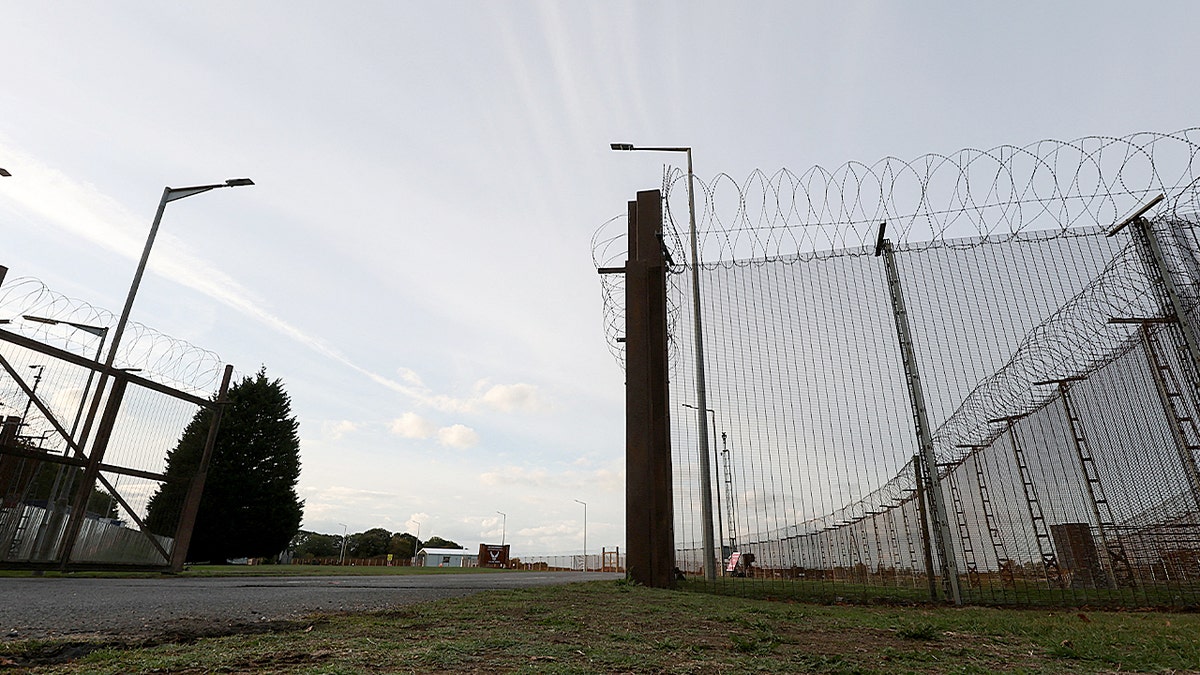
RAF Molesworth is a nonflying installation dedicated to joint intelligence and command operations. (Reuters/Chris Radburn)
A 2024 Defense Department release described the base development as part of the department’s overall European Infrastructure Consolidation efforts.
«It will combine 20 facilities and over 1,000 DIA personnel into one location. Among others, it will host members of the NATO Intelligence Fusion Centre, Battlefield Information Collection and Exploitation System, U.S. Africa Command, U.S. European Command and U.S. Air Force elements in a cross-agency, multi-mission collaboration.»
At the time, Defense Intelligence Agency Deputy Director Suzanne White said the facility would enable «the U.S. and allies’ shared mission of ‘outpacing our strategic competitors and addressing threats together wherever they may arise.’»
The Defense Department designed the project with a two-stage procurement strategy, allowing stakeholder agencies to provide feedback and streamline scheduling requirements.
Following the intrusion, U.S. European Command praised the swift British response.
US PULLS ALL BOMBERS FROM KEY UK BASE AFTER SUSPECTED IRAN-LINKED TERROR PLOT

Two Latvian nationals legally living in the United Kingdom were arrested under Section 4 of Britain’s National Security Act of 2023 Thursday after allegedly breaching a perimeter fence at RAF Molesworth, a sensitive British military base housing critical U.S. and NATO intelligence operations. (Reuters/Chris Radburn)
«While we assess the global security posture, U.S. forces remain at the highest state of readiness,» the command said in a statement.
«We would also express our gratitude to the UK for the close partnership with U.S. forces on matters of security.»
British counterterrorism officials cautioned against drawing premature conclusions about possible espionage or terrorist motives.
«We’re very aware of the recent heightened interest and concern around military sites,» Counterterrorism Policing London commander Helen Flanagan said.
Flanagan added that investigators have not established a connection between the Molesworth breach and recent security concerns at RAF Fairford, another British base used by U.S. strategic bombers.
«We are keeping an open mind at this stage and inquiries are very much ongoing,» she said.
Fox News Digital has reached out to the Pentagon and the CIA for comment.
world, national security, united kingdom, nato, armed forces, homeland security, military
INTERNACIONAL
Michigan Senate debate erupts into personal attacks as Rogers, El-Sayed clash over Israel, Iran and more

Republican Mike Rogers and Democrat Abdul El-Sayed traded personal attacks and accusations during a heated Michigan U.S. Senate debate Thursday night, clashing over everything from affordability, the war in Iran and U.S. support for Israel to their respective financial dealings and personal backgrounds.
The contentious showdown in Grand Rapids marked the first time the two candidates faced off onstage ahead of November’s closely watched election after Rogers declined to participate in a debate last month hosted by 2 Detroit, citing concerns about the moderator’s impartiality.
At the top of Thursday’s debate, what began as a discussion about affordability quickly devolved into personal attacks, with Rogers repeatedly questioning El-Sayed’s medical credentials and accusing him of misleading voters. El-Sayed accused the former congressman of enriching himself through corporate connections.
«He’s lying. So, he lied about being a physician. He lied now about being an Egyptian citizen or not being an Egyptian citizen,» Rogers charged during one particularly heated exchange. «That’s a con man.»
EL-SAYED’S SCATHING OBAMA CRITIQUE RESURFACES AHEAD OF JOINT CAMPAIGN RALLY
El-Sayed, who holds a medical degree from Columbia University, rejected the attacks and accused Rogers of attempting to distract voters from issues affecting their everyday lives.
«He wanted to make this about him or me. But the question is about you,» El-Sayed responded. «Can you afford your gas? Can you afford your groceries under this guy who’s going to rubber stamp everything Donald Trump tells him to rubber stamp?»
The candidates also sparred over their personal finances, with El-Sayed repeatedly accusing Rogers of profiting from corporate relationships after leaving Congress and referencing his Florida property and alleged yacht ownership.
Rogers, who denied owning any yachts, countered by questioning El-Sayed’s investments and alleged overseas property holdings in the UAE, while also slamming him for accepting money from billionaires despite simultaneously stumping on not taking money from corporate PACs and getting money out of politics.
EL-SAYED GRILLED ON PIKER, ISRAEL AND SOCIALIST TIES AFTER MIKE ROGERS SKIPS SENATE DEBATE
The exchanges became so heated that moderator Rick Albin repeatedly intervened.
«Look, here’s the situation. We’ve got dozens of questions we want to get to. You can’t litigate all of these with 14 different rebuttals,» Albin told the candidates.
After a commercial break, Albin remarked that, in 30 years of moderating debates, he had never witnessed candidates continue arguing throughout a commercial break.
The personal accusations remained constant throughout much of Thursday night’s debate, but one of the evening’s sharpest policy disagreements emerged over Israel and Iran.
Asked whether he would support providing defensive weapons to Israel if the country were attacked by Iran or another state actor, El-Sayed indicated he would not and reiterated his opposition to using American taxpayer dollars to fund foreign militaries.
«I don’t want our tax dollars buying weapons for other countries. I don’t know what’s so hard about that,» El-Sayed said.
MICHIGAN STUDENT CONFRONTS EL-SAYED OVER IRAN STANCE IN TENSE EXCHANGE: ‘DO YOU STAND WITH US?’
«I think both of them have proven dangerous in their own way. One at risk of attacking us, one getting us into wars we have no business fighting,» he added, referring to Israel and Iran.
El-Sayed also declined to say whether Israel or Iran posed the greater threat to the United States despite repeated questioning from the moderator.
«I think both of them have proven dangerous in their own way,» El-Sayed said. «One at risk of attacking us, one getting us into wars. We have no business fighting.»
Rogers, by contrast, indicated he would support providing defensive weapons to Israel and reiterated his support for the Jewish state.
He repeatedly accused El-Sayed of having connections to individuals and organizations supportive of terrorist groups as well, allegations El-Sayed disputed.
ABDUL EL-SAYED HITS BACK AT ISRAEL QUESTIONS, SUGGESTS HIS NAME AND FAITH ARE BEHIND PRESS SCRUTINY
The pair also differed on whether the war could come to an end if Iran still maintains the ability to produce a nuclear weapon and continues to exert control over the Strait of Hormuz.
El-Sayed blamed the conflict for rising gas prices and accused Rogers of supporting an unnecessary war, arguing that diplomacy could resolve the conflict even if Iran retained the ability to produce nuclear weapons.
Rogers argued that Iran’s nuclear capabilities had been significantly diminished and said the war should end, while maintaining that Iran could not be allowed to obtain a nuclear weapon.
On domestic policy, El-Sayed expressed openness to federal price controls on domestically produced oil, arguing that high gasoline prices constituted an emergency.
«Look, I definitely think that’s something we should consider,» El-Sayed said.
DEMOCRATS FACE ‘DO-OR-DIE’ SPLIT WITH KEY VOTING BLOC IN RAZOR-CLOSE SENATE RACE
Rogers rejected price controls, instead advocating temporary gas tax relief, diesel rebates and a pause on diesel exports.
Healthcare also became a major flash point.
El-Sayed defended his Medicare-for-all proposal, insisting that Americans who wanted to retain private insurance could do so. Rogers argued that the proposal would eliminate existing private coverage and impose significant new taxes on families.
The debate unfolded against the backdrop of an exceptionally competitive Senate contest.
A late-September poll showed El-Sayed leading Rogers 50% to 49% among likely voters, a statistical dead heat.
The candidates are competing for the seat being vacated by retiring Democratic Sen. Gary Peters, with Republicans hoping to flip the seat and Democrats seeking to maintain their hold on it.
midterm elections, michigan, senate, elections, abdul el sayed, controversies state and local, republicans elections

Copa América 2028: Estados Unidos se encamina a ser sede y ya aparecen posibles ciudades

El accidente de Rocío Robles en MasterChef que terminó en un abrazo de Damián Betular: “Una lloradita y a seguir”

El Gobierno denunció a Itaí Hagman, diputado de Grabois, y a otras cuatro personas por la toma del Palacio Pizzurno

Iniciativas populares: lanzan una plataforma digital que permite verificar la autenticidad de las firmas

Con una llamativa ausencia en el top 10, quiénes son los futbolistas más caros del mundo

Aluvión en Santiago de Chile: cómo se originó la corriente de barro que arrastró autos en Las Condes

¡Precios de Manhattan con sueldos de Argentina! Cómo los créditos hipotecarios inflaron las propiedades y congelaron el sueño de la casa propia

Escándalo total en la AFA: reventa millonaria, un homenaje paupérrimo a Messi y el pedido urgente de renuncia a Chiqui Tapia

El gobernador de la provincia que más ATN recibió de la Casa Rosada no integró la comitiva de Milei en París

Israeli medical workers who treated Oct 7 wounded relive day terror hit home

 DEPORTE1 día ago
Escándalo total en la AFA: reventa millonaria, un homenaje paupérrimo a Messi y el pedido urgente de renuncia a Chiqui Tapia
- INTERNACIONAL2 días ago
Después de su prohibición, las plataformas de apuestas deportivas y los casinos en línea ya están fuera de servicio en Brasil
- POLITICA2 días ago
Marcha contra la Corte: sectores del PJ, la izquierda, gremios y piqueteros protestan por el fallo que libera la venta de tierras para extranjeros