INTERNACIONAL
Las abejas melíferas silvestres entran por primera vez en la Lista Roja de la Unión Europea


La Unión Internacional para la Conservación de la Naturaleza (UICN) incorporó por primera vez a las abejas melíferas silvestres de la Unión Europea en su Lista Roja como poblaciones “en peligro de extinción”, a partir de un estudio desarrollado por la Universidad de Hohenheim, en Stuttgart y Agroscope, en Zúrich.
La investigación publicada en Conservation Science and Practice estima que, bajo esas condiciones, las poblaciones que viven en libertad de Apis mellifera en la Unión Europea se reducirían un 56% en 10 años.
La clasificación se refiere a las colonias que viven fuera del manejo humano, aunque pertenezcan a la misma especie que los ejemplares utilizados para producir miel y polinizar.
Según Phys.org, estas colonias construyen sus nidos en cavidades de árboles, grietas de rocas y paredes huecas. Representan cerca de 1/6 del total de abejas melíferas de Europa, pero todavía existen vacíos de información sobre su distribución, su tamaño y su evolución.
Las colonias silvestres dependen de la llegada de enjambres manejados
El equipo científico documentó más de 1.600 sitios de anidación en 15 países europeos. Para calcular la tendencia de los grupos, examinó datos de supervivencia obtenidos en lugares donde se monitorean nidos conocidos y proyectó qué ocurriría si las colonias no recibieran nuevos individuos procedentes de la apicultura.
El resultado indica una situación desigual según la región: hay poblaciones bajo una amenaza importante en Europa central, mientras que en Inglaterra se han registrado colectivos estables. Aun así, el diagnóstico general es que muchas agrupaciones no se sostendrían por cuenta propia.
“Europa tiene la menor densidad de colonias de abejas silvestres del mundo”, afirmó el doctor Benjamin Rutschmann, de Agroscope, el centro de investigación agrícola de la Confederación Suiza. El investigador añadió que numerosos conjuntos dependen de la incorporación de ejemplares procedentes de colmenas gestionadas, es decir, los individuos criados y mantenidos por apicultores.
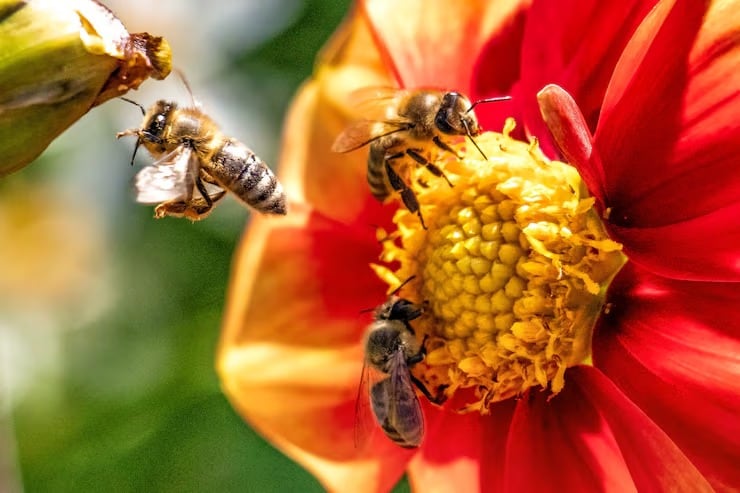
La conexión entre ambos grupos se produce de distintas formas: las reinas jóvenes criadas en apiarios pueden aparearse durante sus vuelos nupciales con zánganos de colonias que viven en libertad. Además, cuando un enjambre abandona una colmena y se instala en un hueco natural del bosque, pasa a integrar la población silvestre.
El doctor Patrick Kohl, del Departamento de Genómica de Poblaciones Ganaderas de la Universidad de Hohenheim, explicó que la relación entre las 2 poblaciones impide una división biológica tajante. “No se puede mantener una clara separación biológica entre las abejas melíferas silvestres y las abejas melíferas criadas en cautividad”, señaló.
La diversidad genética puede aportar resistencia a enfermedades
El estudio destaca el valor genético de los organismos que subsisten sin intervención humana. Algunas comunidades silvestres de América han desarrollado la capacidad de enfrentar al ácaro Varroa, un parásito originario de Asia que se alimenta de las abejas y puede destruir colonias enteras.

La ausencia de tratamientos químicos en esos grupos favoreció, según los investigadores, la selección natural de grupos resistentes. Esa capacidad de adaptación resulta relevante frente a enfermedades y cambios en las condiciones ambientales.
En Europa, las agrupaciones que persisten en libertad conservan subespecies que se volvieron poco frecuentes. En Gran Bretaña, algunas colonias de abejas que viven en libertad conservan características genéticas similares a las de la abeja melífera europea, sin embargo, esta variedad recibió poca atención de la apicultura durante mucho tiempo.
Kohl sostuvo que “las abejas silvestres gozan de una enorme diversidad genética”. De acuerdo con el estudio, esa variación podría beneficiar a la actividad apícola, ya que las poblaciones manejadas pueden aprovechar características desarrolladas en libertad frente a enfermedades o condiciones del entorno.
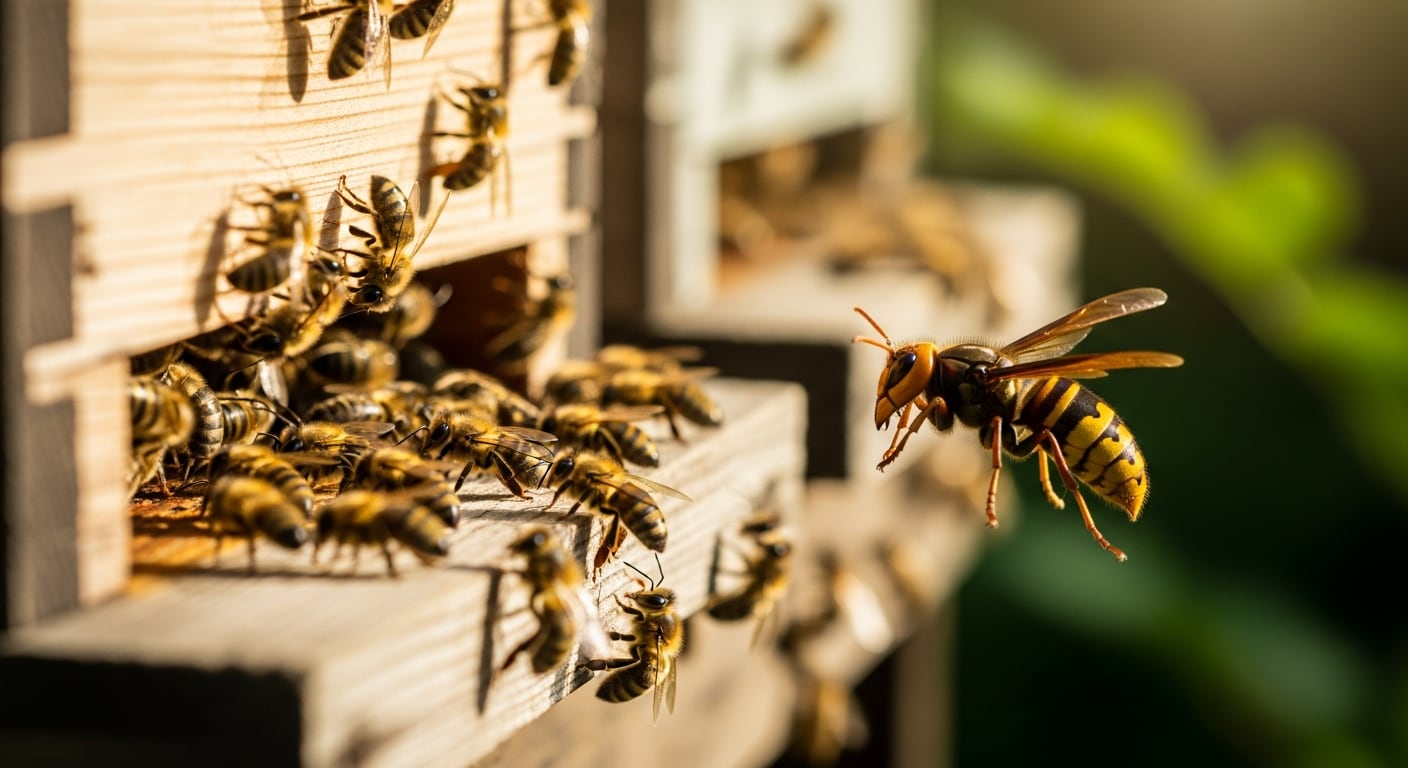
La UICN considera silvestre a una población de una especie con ejemplares tanto cautivos como libres cuando puede evitar la extinción durante 10 años sin intervención humana. Con ese criterio, las comunidades de abejas melíferas que viven fuera de los apiarios fueron evaluadas de manera independiente en la Unión Europea.
La pérdida de hábitat agrava el retroceso de las abejas
Los investigadores atribuyen el descenso a varios factores, entre ellos figura la pérdida continua de hábitats por el uso intensivo del suelo y la expansión urbana. La desaparición de árboles viejos, que ofrecen huecos naturales para los nidos, también limita las posibilidades de asentamiento.
La reducción de paisajes naturales disminuye, además, la disponibilidad de polen y néctar. Esa escasez dificulta la supervivencia de las colonias durante el invierno. Las abejas alojadas en apiarios cuentan con colmenas artificiales y pueden recibir alimento cuando escasean los recursos.
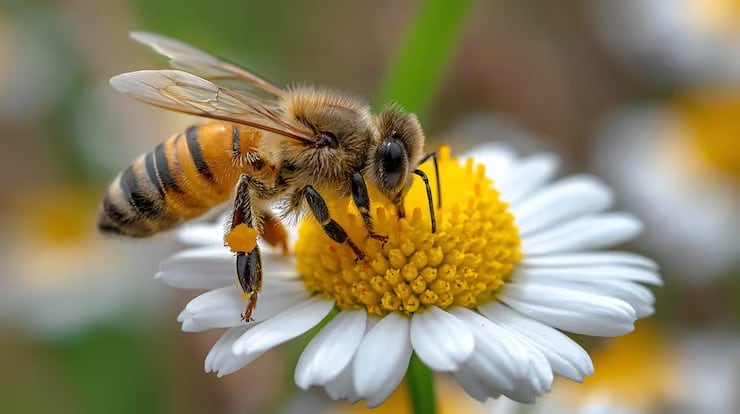
Los patógenos, las especies invasoras y la exposición a pesticidas también afectan la capacidad de supervivencia. El estudio señala que las prácticas vinculadas al comercio y a la cría mundial pueden reducir la adaptación genética de las poblaciones que viven en libertad.
Aunque la situación en la Unión Europea fue clasificada como crítica, no existen datos suficientes para evaluar el conjunto del continente. Por ese motivo, la especie figura por ahora con la categoría de “datos insuficientes” en toda Europa.
Los especialistas consideran, sin embargo, que en diversas regiones las agrupaciones se han reducido o desaparecieron de forma local. “Estas colonias necesitan árboles viejos con huecos adecuados, una fuente de alimento diversa y estructuras naturales”, afirmó Rutschmann.
El equipo propone un monitoreo sistemático y medidas específicas de protección, ya que las abejas silvestres polinizan plantas forestales y se relacionan con especies que dependen de sus nidos, como el piojo de la abeja y varias mariposas pequeñas.
abeja melífera,colmena,apicultura

Dual UK-Iranian citizen arrested in air base probe
Retired Vice Adm. Robert Harward discusses the arrest in the U.K. air base alleged terrorism plot, the latest developments in the investigation, the broader security implications for U.S. and allied military installations and the Iran conflict on ‘America Reports.’
NEWYou can now listen to Fox News articles!
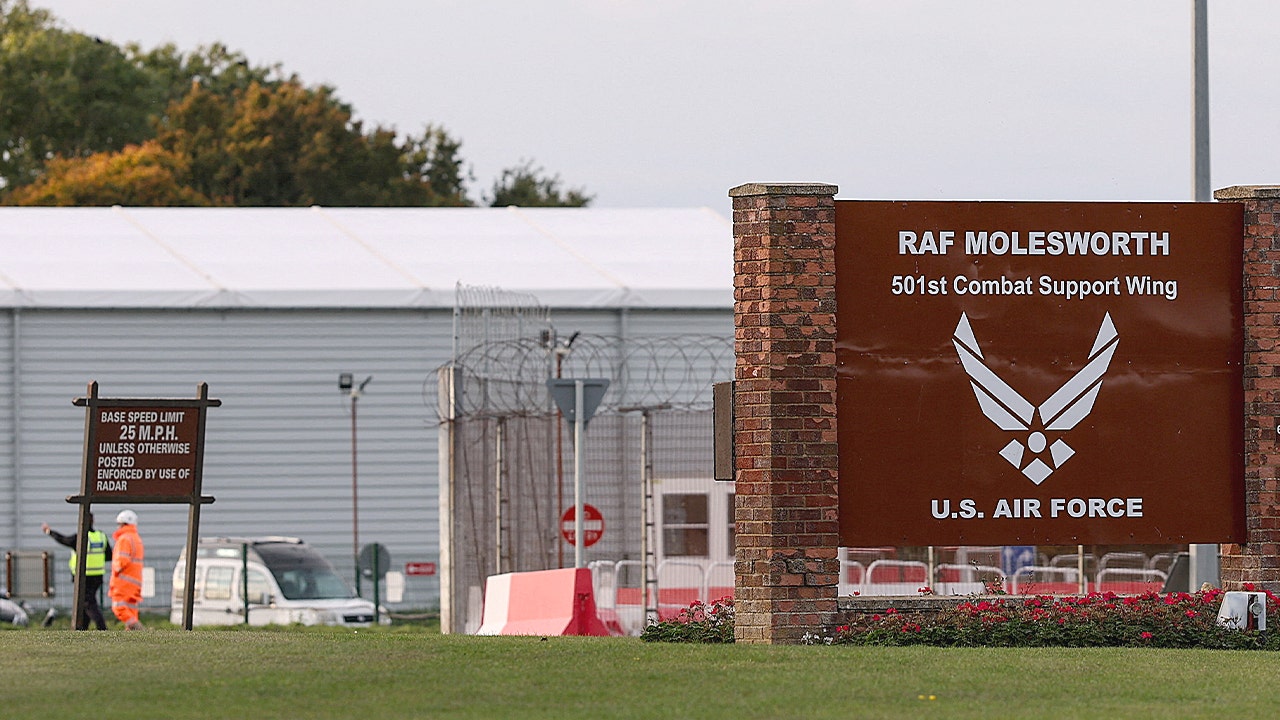
Two Latvian nationals legally living in the United Kingdom were arrested under Section 4 of Britain’s National Security Act of 2023 Thursday after allegedly breaching a perimeter fence at RAF Molesworth, a sensitive British military base housing critical U.S. and NATO intelligence operations, Reuters reported.
The arrests triggered a major counterterrorism investigation into the security breach at the strategic installation, which serves as a central intelligence hub supporting American military commanders across Europe and Africa.
The base is also undergoing a $556.5 million expansion centered on the Joint Intelligence Analysis Complex (JIAC), a location designed to consolidate 20 intelligence facilities and accommodate more than 1,000 personnel, according to reports.
IRAN UNDER SCRUTINY AFTER PLOT FOILED NEAR UK BASE USED BY US MILITARY
The suspects, ages 32 and 36, were discovered inside the base around 2 a.m. Thursday after an extensive security sweep.
Ministry of Defense Police officers conducting routine patrols first raised the alarm around 10 p.m. Wednesday after finding an abandoned vehicle near the perimeter.
A police vehicle leaves RAF Molesworth after two Latvian nationals were arrested on suspicion of entering a prohibited place for a purpose prejudicial to the U.K., police said in a statement. (Reuters/Chris Radburn)
Bomb disposal specialists cleared the vehicle before armed officers discovered a fence breach and located the men inside.
Initially detained on suspicion of trespass and criminal damage, both men were arrested again under the National Security Act for allegedly entering a prohibited place for a purpose prejudicial to the United Kingdom. They remain in custody as counterterrorism detectives execute search warrants at two residential properties in nearby Peterborough.
Managed by the U.S. Air Force’s 423rd Air Base Group, RAF Molesworth is a nonflying installation dedicated to joint intelligence and command operations.
It houses intelligence elements for U.S. European Command, U.S. Africa Command and the NATO Intelligence Fusion Centre.
During World War II, the airfield was used by the U.S. 15th Bombardment Squadron. In 1973, the airfield was officially deactivated before transitioning into its current role as an intelligence center.
Construction on the JIAC broke ground April 12, 2024, with onsite work beginning that spring. The facility is scheduled for completion in summer 2028.
FOILED TERROR PLOT AT BOMBER BASE SIGNALS WIDER THREAT TO US MILITARY INSTALLATIONS: EXPERT
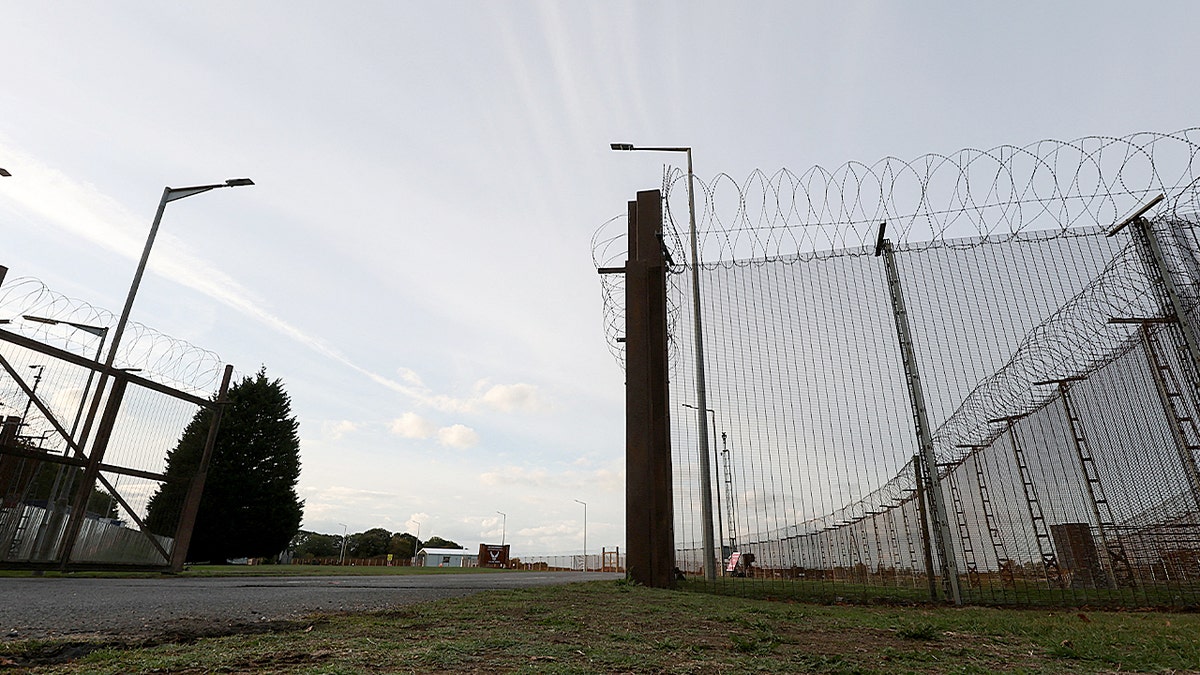
RAF Molesworth is a nonflying installation dedicated to joint intelligence and command operations. (Reuters/Chris Radburn)
A 2024 Defense Department release described the base development as part of the department’s overall European Infrastructure Consolidation efforts.
«It will combine 20 facilities and over 1,000 DIA personnel into one location. Among others, it will host members of the NATO Intelligence Fusion Centre, Battlefield Information Collection and Exploitation System, U.S. Africa Command, U.S. European Command and U.S. Air Force elements in a cross-agency, multi-mission collaboration.»
At the time, Defense Intelligence Agency Deputy Director Suzanne White said the facility would enable «the U.S. and allies’ shared mission of ‘outpacing our strategic competitors and addressing threats together wherever they may arise.’»
The Defense Department designed the project with a two-stage procurement strategy, allowing stakeholder agencies to provide feedback and streamline scheduling requirements.
Following the intrusion, U.S. European Command praised the swift British response.
US PULLS ALL BOMBERS FROM KEY UK BASE AFTER SUSPECTED IRAN-LINKED TERROR PLOT

Two Latvian nationals legally living in the United Kingdom were arrested under Section 4 of Britain’s National Security Act of 2023 Thursday after allegedly breaching a perimeter fence at RAF Molesworth, a sensitive British military base housing critical U.S. and NATO intelligence operations. (Reuters/Chris Radburn)
«While we assess the global security posture, U.S. forces remain at the highest state of readiness,» the command said in a statement.
«We would also express our gratitude to the UK for the close partnership with U.S. forces on matters of security.»
British counterterrorism officials cautioned against drawing premature conclusions about possible espionage or terrorist motives.
«We’re very aware of the recent heightened interest and concern around military sites,» Counterterrorism Policing London commander Helen Flanagan said.
Flanagan added that investigators have not established a connection between the Molesworth breach and recent security concerns at RAF Fairford, another British base used by U.S. strategic bombers.
«We are keeping an open mind at this stage and inquiries are very much ongoing,» she said.
Fox News Digital has reached out to the Pentagon and the CIA for comment.
world, national security, united kingdom, nato, armed forces, homeland security, military
INTERNACIONAL
Michigan Senate debate erupts into personal attacks as Rogers, El-Sayed clash over Israel, Iran and more

Republican Mike Rogers and Democrat Abdul El-Sayed traded personal attacks and accusations during a heated Michigan U.S. Senate debate Thursday night, clashing over everything from affordability, the war in Iran and U.S. support for Israel to their respective financial dealings and personal backgrounds.
The contentious showdown in Grand Rapids marked the first time the two candidates faced off onstage ahead of November’s closely watched election after Rogers declined to participate in a debate last month hosted by 2 Detroit, citing concerns about the moderator’s impartiality.
At the top of Thursday’s debate, what began as a discussion about affordability quickly devolved into personal attacks, with Rogers repeatedly questioning El-Sayed’s medical credentials and accusing him of misleading voters. El-Sayed accused the former congressman of enriching himself through corporate connections.
«He’s lying. So, he lied about being a physician. He lied now about being an Egyptian citizen or not being an Egyptian citizen,» Rogers charged during one particularly heated exchange. «That’s a con man.»
EL-SAYED’S SCATHING OBAMA CRITIQUE RESURFACES AHEAD OF JOINT CAMPAIGN RALLY
El-Sayed, who holds a medical degree from Columbia University, rejected the attacks and accused Rogers of attempting to distract voters from issues affecting their everyday lives.
«He wanted to make this about him or me. But the question is about you,» El-Sayed responded. «Can you afford your gas? Can you afford your groceries under this guy who’s going to rubber stamp everything Donald Trump tells him to rubber stamp?»
The candidates also sparred over their personal finances, with El-Sayed repeatedly accusing Rogers of profiting from corporate relationships after leaving Congress and referencing his Florida property and alleged yacht ownership.
Rogers, who denied owning any yachts, countered by questioning El-Sayed’s investments and alleged overseas property holdings in the UAE, while also slamming him for accepting money from billionaires despite simultaneously stumping on not taking money from corporate PACs and getting money out of politics.
EL-SAYED GRILLED ON PIKER, ISRAEL AND SOCIALIST TIES AFTER MIKE ROGERS SKIPS SENATE DEBATE
The exchanges became so heated that moderator Rick Albin repeatedly intervened.
«Look, here’s the situation. We’ve got dozens of questions we want to get to. You can’t litigate all of these with 14 different rebuttals,» Albin told the candidates.
After a commercial break, Albin remarked that, in 30 years of moderating debates, he had never witnessed candidates continue arguing throughout a commercial break.
The personal accusations remained constant throughout much of Thursday night’s debate, but one of the evening’s sharpest policy disagreements emerged over Israel and Iran.
Asked whether he would support providing defensive weapons to Israel if the country were attacked by Iran or another state actor, El-Sayed indicated he would not and reiterated his opposition to using American taxpayer dollars to fund foreign militaries.
«I don’t want our tax dollars buying weapons for other countries. I don’t know what’s so hard about that,» El-Sayed said.
MICHIGAN STUDENT CONFRONTS EL-SAYED OVER IRAN STANCE IN TENSE EXCHANGE: ‘DO YOU STAND WITH US?’
«I think both of them have proven dangerous in their own way. One at risk of attacking us, one getting us into wars we have no business fighting,» he added, referring to Israel and Iran.
El-Sayed also declined to say whether Israel or Iran posed the greater threat to the United States despite repeated questioning from the moderator.
«I think both of them have proven dangerous in their own way,» El-Sayed said. «One at risk of attacking us, one getting us into wars. We have no business fighting.»
Rogers, by contrast, indicated he would support providing defensive weapons to Israel and reiterated his support for the Jewish state.
He repeatedly accused El-Sayed of having connections to individuals and organizations supportive of terrorist groups as well, allegations El-Sayed disputed.
ABDUL EL-SAYED HITS BACK AT ISRAEL QUESTIONS, SUGGESTS HIS NAME AND FAITH ARE BEHIND PRESS SCRUTINY
The pair also differed on whether the war could come to an end if Iran still maintains the ability to produce a nuclear weapon and continues to exert control over the Strait of Hormuz.
El-Sayed blamed the conflict for rising gas prices and accused Rogers of supporting an unnecessary war, arguing that diplomacy could resolve the conflict even if Iran retained the ability to produce nuclear weapons.
Rogers argued that Iran’s nuclear capabilities had been significantly diminished and said the war should end, while maintaining that Iran could not be allowed to obtain a nuclear weapon.
On domestic policy, El-Sayed expressed openness to federal price controls on domestically produced oil, arguing that high gasoline prices constituted an emergency.
«Look, I definitely think that’s something we should consider,» El-Sayed said.
DEMOCRATS FACE ‘DO-OR-DIE’ SPLIT WITH KEY VOTING BLOC IN RAZOR-CLOSE SENATE RACE
Rogers rejected price controls, instead advocating temporary gas tax relief, diesel rebates and a pause on diesel exports.
Healthcare also became a major flash point.
El-Sayed defended his Medicare-for-all proposal, insisting that Americans who wanted to retain private insurance could do so. Rogers argued that the proposal would eliminate existing private coverage and impose significant new taxes on families.
The debate unfolded against the backdrop of an exceptionally competitive Senate contest.
A late-September poll showed El-Sayed leading Rogers 50% to 49% among likely voters, a statistical dead heat.
The candidates are competing for the seat being vacated by retiring Democratic Sen. Gary Peters, with Republicans hoping to flip the seat and Democrats seeking to maintain their hold on it.
midterm elections, michigan, senate, elections, abdul el sayed, controversies state and local, republicans elections


Panamá reportó nueve casos confirmados de COVID-19 durante la semana epidemiológica 38 de 2026.
El registro elevó a 1.023 el acumulado de contagios notificados en el país desde el inicio del año.
Pablo González, jefe nacional de Epidemiología del Ministerio de Salud (Minsa), informó que la positividad bajó al 1,7%, un resultado inferior al de la semana previa. La reducción coincidió con un escenario de circulación viral limitada.
La situación actual del COVID-19 en Panamá muestra una transmisión baja, con nueve nuevos diagnósticos en la semana epidemiológica 38 y ocho pacientes hospitalizados.
Seis personas permanecen en sala y dos reciben atención en unidades de cuidados intensivos, mientras el Minsa sostiene que el aislamiento de casos positivos y la vacunación ayudaron a reducir los contagios.
El sistema de salud mantiene bajo vigilancia a ocho personas internadas por la enfermedad. De ese total, seis están en salas regulares y dos se encuentran en unidades de cuidados intensivos (UCI).
González atribuyó el descenso de la circulación del virus a las estrategias aplicadas desde el inicio de la emergencia sanitaria. Entre ellas mencionó el aislamiento de las personas con diagnóstico positivo y la vacunación.
El epidemiólogo sostuvo que las prácticas de prevención adoptadas durante la pandemia también pueden limitar la propagación de otras infecciones respiratorias y gastrointestinales.
La recomendación del Minsa incluye el lavado frecuente de manos con agua y jabón. La entidad también aconseja usar mascarilla ante síntomas respiratorios o cuando las condiciones lo requieran, evitar las aglomeraciones y acudir a un centro de salud frente a signos de alarma.
El funcionario señaló que Panamá suscribió hace dos años el Tratado de Prevención, Preparación y Respuesta ante Futuras Pandemias que se encuentra en evaluación para atender las carencias que quedaron expuestas durante la crisis sanitaria.
El especialista explicó que la revisión busca reducir las brechas vinculadas al acceso a medicamentos, vacunas e insumos.
Según el jefe nacional de Epidemiología, esas dificultades afectaron en mayor medida a los países con menores posibilidades para responder ante una pandemia. El análisis también incluye las herramientas de bioseguridad que ayudaron a disminuir la transmisión de varias enfermedades.
Las medidas preventivas adquirieron relevancia durante los períodos de mayor incidencia. La experiencia dejó protocolos de vigilancia, diagnóstico y contención que continúan como parte de la respuesta sanitaria.
La trayectoria oficial del COVID-19 en Panamá comenzó el 9 de marzo de 2020, cuando las autoridades confirmaron el primer caso en una mujer panameña de 40 años que había llegado desde España.
El país atravesó varias olas entre 2020 y 2021, período durante el cual aumentaron tanto los contagios como las muertes asociadas a la enfermedad.

Los registros oficiales del Minsa y del Instituto Nacional de Estadística y Censo (INEC) muestran que el impacto sobre la mortalidad se concentró en esos dos años. El total de defunciones por todas las causas creció de manera marcada frente a 2019.
Solo en 2021 se atribuyeron directamente al COVID-19 al menos 3.510 fallecimientos, cifra que reflejó la presión que la enfermedad ejerció sobre el sistema sanitario en la etapa inicial de la pandemia.
El Estado aplicó desde el primer diagnóstico medidas para contener la transmisión. El aislamiento de los casos positivos y la vacunación formaron parte de esas acciones, junto con otras disposiciones de prevención.
Para 2022 y los primeros meses de 2023, el acumulado de casos confirmados superó el millón. Las defunciones reconocidas oficialmente se ubicaron entonces cerca de 8.600.
La evolución posterior mostró una disminución de la carga de la enfermedad. Los informes epidemiológicos recientes describieron varios miles de diagnósticos anuales y menos de un centenar de muertes por COVID-19 durante 2025.
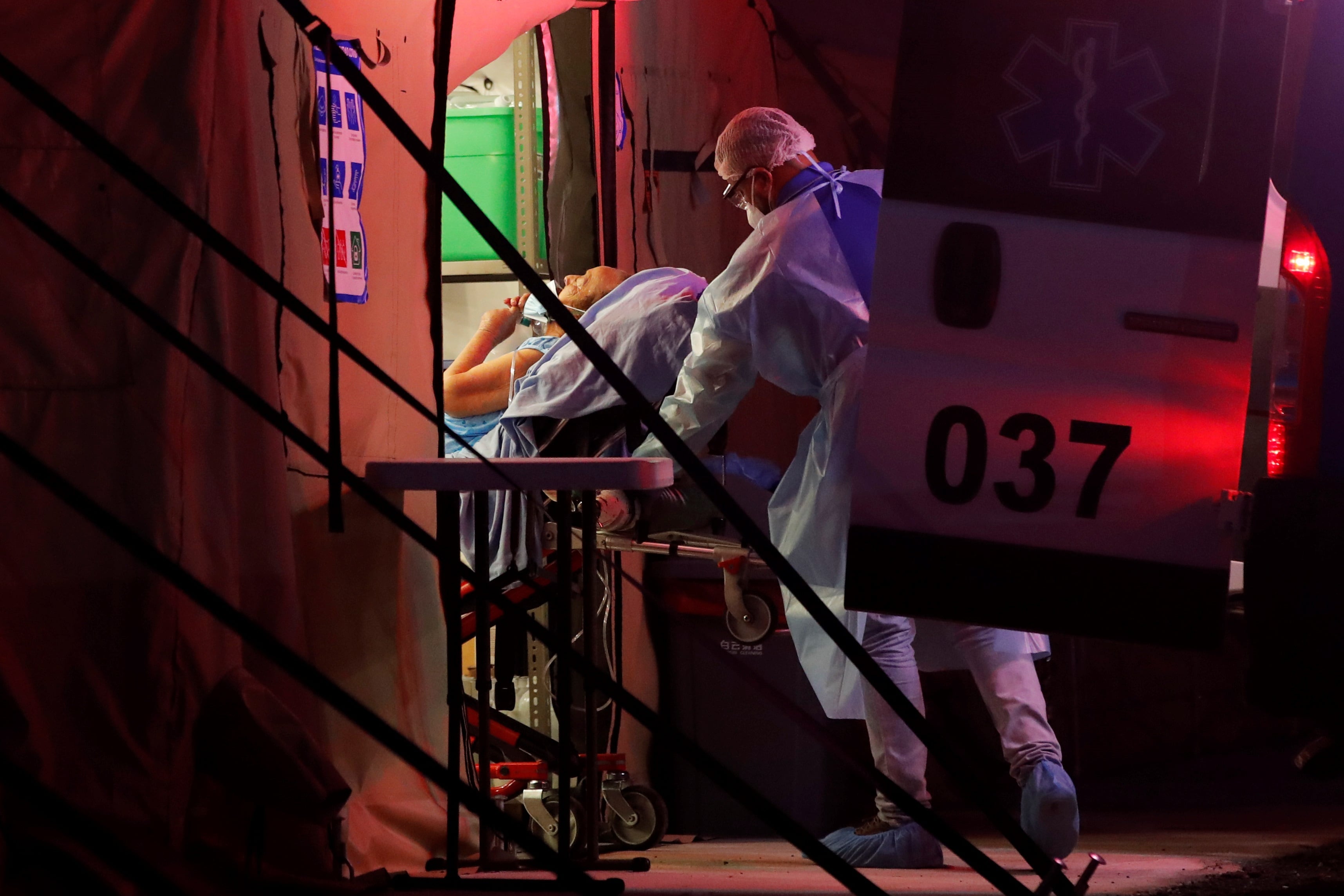
Hasta el momento, Panamá no registra defunciones por esta causa. El comportamiento actual contrasta con las olas de los primeros años de la emergencia.
La Organización Panamericana de la Salud (OPS) y la Organización Mundial de la Salud (OMS) acompañaron la respuesta panameña desde el inicio. Los organismos brindaron lineamientos técnicos y apoyo para los protocolos de vigilancia, diagnóstico y contención.
cartel personal sanitario,centros de vacunación contra covid 19,colas,coronavirus,gente,panamá 2021

El Gobierno analiza demandar a Irán ante la Corte Internacional de Justicia por el atentado a la AMIA

El horóscopo de hoy: viernes 9 de octubre

Poner cáscaras de banana en la maceta de la lengua de suegra: para qué sirve y por que lo recomiendan los jardineros

La empresa dueña de Fiat y Peugeot no descarta cerrar sus dos plantas industriales en la Argentina

Un condecorado veterano de Malvinas sería el candidato a asumir como director de la Escuela Nacional de Inteligencia

Neymar volvió tras su lesión y marcó los dos goles del Santos ante Flamengo: la marca histórica que logró y la patada de Paquetá

¡Precios de Manhattan con sueldos de Argentina! Cómo los créditos hipotecarios inflaron las propiedades y congelaron el sueño de la casa propia

Escándalo total en la AFA: reventa millonaria, un homenaje paupérrimo a Messi y el pedido urgente de renuncia a Chiqui Tapia

El gobernador de la provincia que más ATN recibió de la Casa Rosada no integró la comitiva de Milei en París

Israeli medical workers who treated Oct 7 wounded relive day terror hit home

 DEPORTE1 día ago
Escándalo total en la AFA: reventa millonaria, un homenaje paupérrimo a Messi y el pedido urgente de renuncia a Chiqui Tapia
- INTERNACIONAL2 días ago
Después de su prohibición, las plataformas de apuestas deportivas y los casinos en línea ya están fuera de servicio en Brasil
- POLITICA2 días ago
Marcha contra la Corte: sectores del PJ, la izquierda, gremios y piqueteros protestan por el fallo que libera la venta de tierras para extranjeros