INTERNACIONAL
Migrant sought in American mom’s killing was denied asylum but remained in Ireland

NEWYou can now listen to Fox News articles!
A migrant wanted in connection with the brutal murder of an American mother in Ireland was in the country despite having his asylum application rejected, according to Irish media.
The man, described by Irish police as a «person of interest,» was in the process of appealing the asylum decision and was allowed to remain in the country when Jamey Carney, 43, was beaten and suffocated in her home in Killarney, County Kerry, the Irish Mirror reported.
Despite his status, the outlet said he was still in the possession of his passport and left Ireland on a flight to Istanbul, Turkey, before Carney’s body was discovered Tuesday, triggering an international manhunt and a murder investigation.
It is unclear when his asylum application was refused or why it was denied. Irish police have refused to name the man.
AMERICAN MOTHER MURDERED IN IRISH TOURIST TOWN AS INTERNATIONAL MANHUNT TARGETS ALLEGED ASYLUM SEEKER
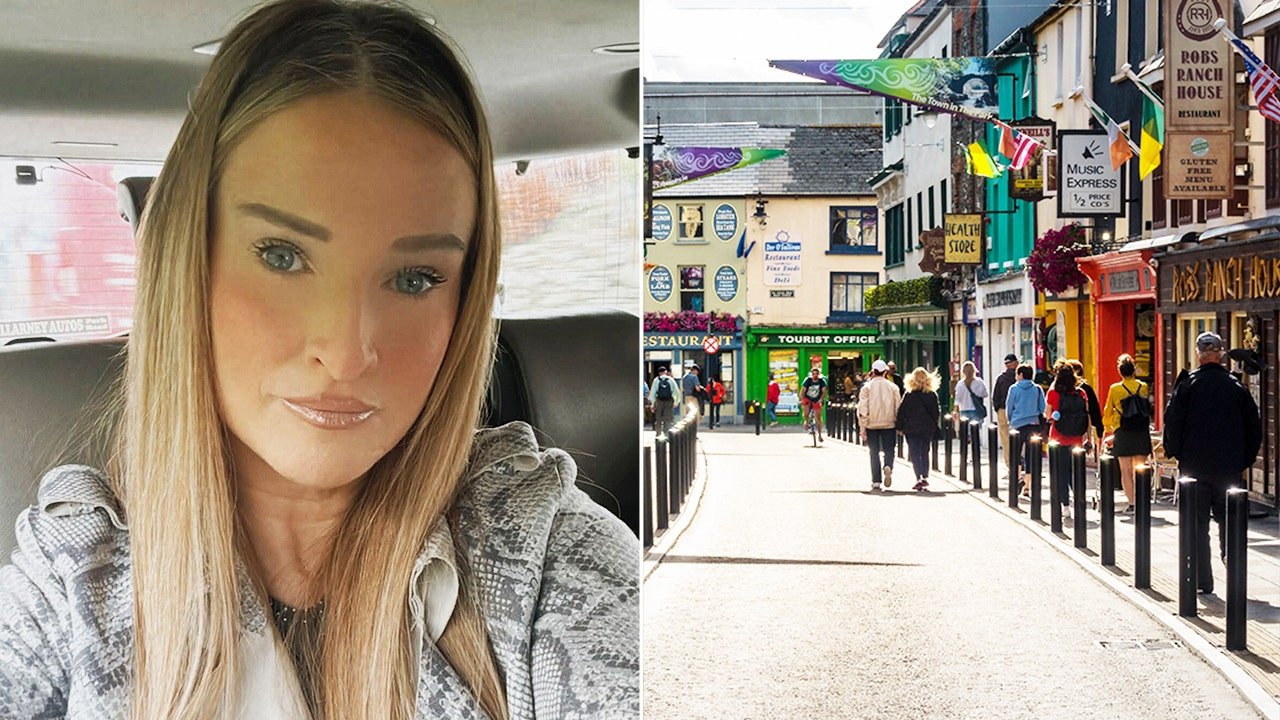
American citizen Jamey Carney, left, and Inch Beach in County Kerry, Ireland, a popular tourist destination on the country’s scenic southwest coast near Killarney. (Jamey Carney/Facebook; Athanasios Gioumpasis/Getty Images)
The reports are likely to intensify scrutiny of Ireland’s asylum system and why the man remained in the country after reportedly being denied asylum.
The Irish Mirror reported the Jordanian national had arrived in Ireland in 2024 and been living in a state-run migrant shelter in the idyllic town before spending increasing amounts of time at Carney’s home after they became romantically involved.
He first arrived in the United Kingdom before traveling through Northern Ireland and eventually settling in County Kerry, according to the Irish Mirror.
His social media accounts contain posts from the United Kingdom and Turkey in recent years.
Carney’s social media profiles described her as a «New Yorker in Ireland» and showed her with a man she identified as her partner and writing that they were a «mixed couple.» Multiple Irish media outlets have identified the man as the person police are seeking, though Irish police have not publicly confirmed his identity or reported immigration status.
Fox News Digital asked Irish police and the Department of Justice to confirm reports that he had been refused asylum and was appealing that decision. Neither agency confirmed the reports.
HERE’S WHY IRELAND IS AT BOILING POINT OVER MASS IMMIGRATION
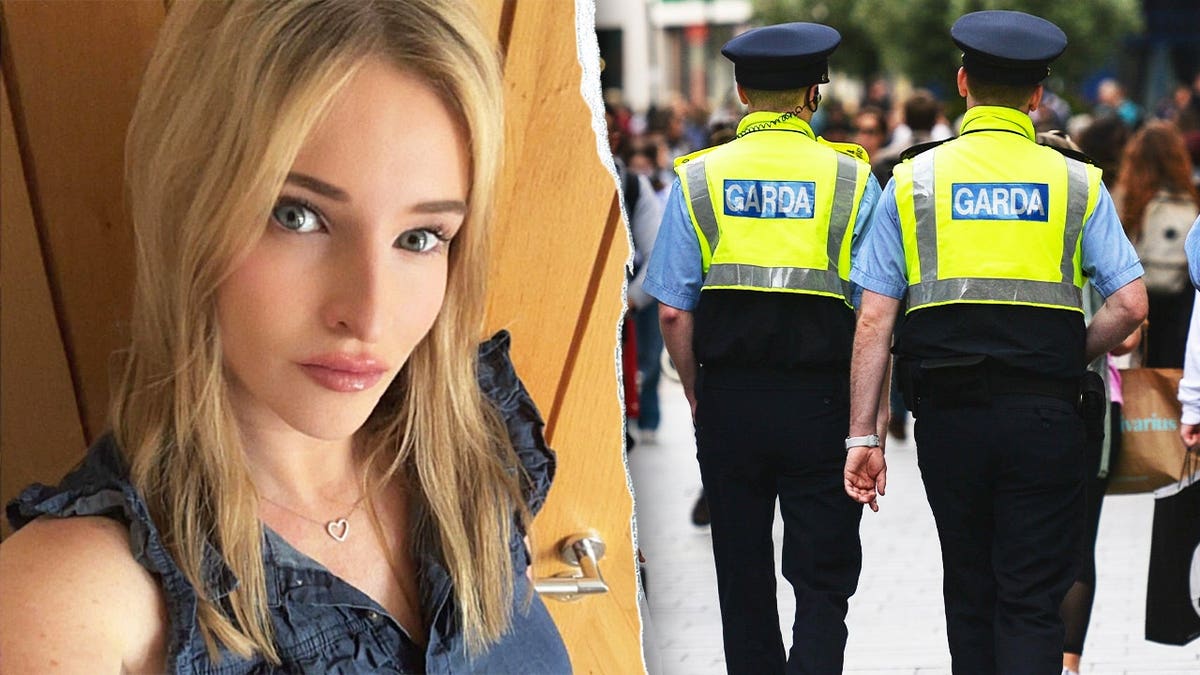
American citizen Jamey Carney, left, and members of Ireland’s national police force, An Garda Síochána, patrol Grafton Street in Dublin in a file photo. Irish police have faced criticism for not publicly identifying the person of interest in Carney’s murder. (Jamey Carney/Facebook; Artur Widak/NurPhoto via Getty Images)
Detectives believe Carney died around 11 p.m. Monday, roughly 14 hours before her body was discovered, according to The Irish Independent.
Her body was found on Tuesday at around 1:30 p.m. local time by her 13-year-old daughter.
By that time, the man had boarded a flight to Istanbul having traveled 200 miles by bus to Dublin Airport.
Despite the manhunt entering its sixth day, police have yet to name or provide any details about the person on the run, drawing criticism on both sides of the Atlantic. Irish police said that investigators are working with international law enforcement partners as the murder investigation continues.
Detectives issued alerts to airports, ports, train stations and bus stations within just over an hour of Carney’s body being discovered, The Irish Independent reported. However, by then, the man had already left Ireland.
According to the Irish Mirror, investigators now fear he may already have traveled onward to his home country of Jordan, which does not have an extradition treaty with Ireland.
A law enforcement source told Fox News Digital the search is expected to be difficult because the man had a significant head start before investigators were alerted to Carney’s death.
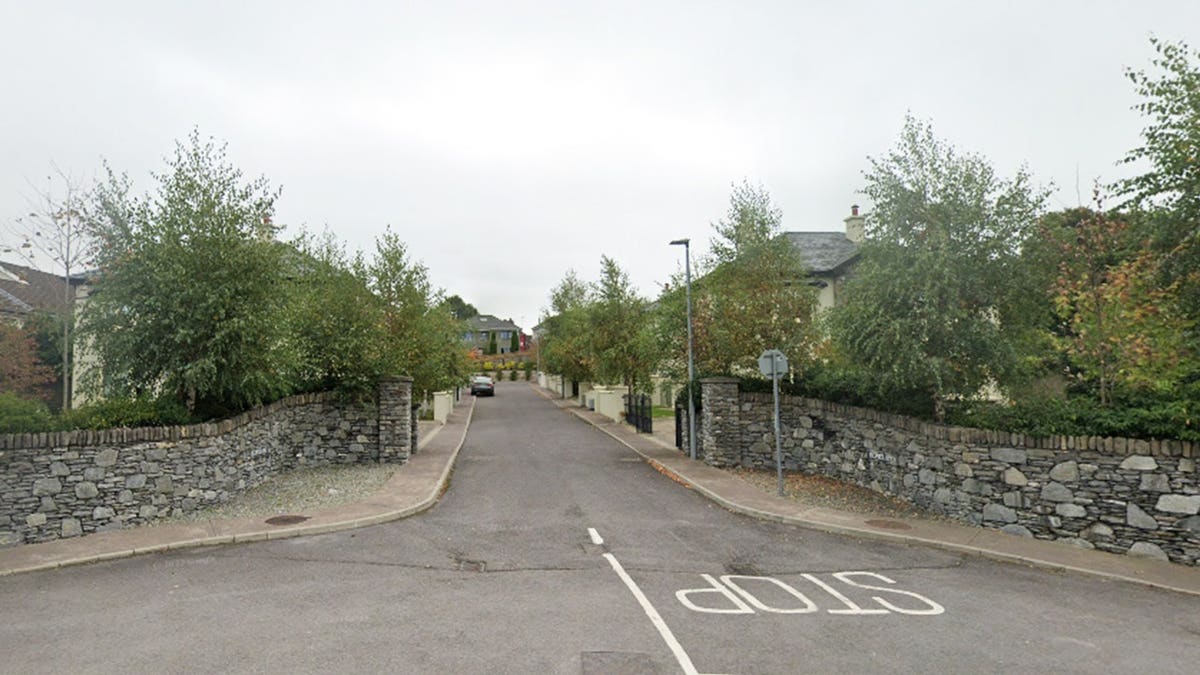
The entrance to the Homeland housing estate off Muckross Road in Killarney, County Kerry, where American citizen Jamey Carney was found dead at her home. Irish police have launched a murder investigation. (Google Maps)
CLICK HERE TO DOWNLOAD THE FOX NEWS APP
Carney, a New York native, moved to Ireland in 2021 and has family living in the Killarney area.
The State Department told Fox News Digital it was providing consular assistance to the victim’s family.
crime, ireland, homicide, immigration, illegal immigrants, us, world







INTERNACIONAL
El Niño amenaza con encarecer alimentos, energía y logística en Centroamérica y República Dominicana durante 2027

El fenómeno de El Niño podría trasladar sus efectos a la economía de Centroamérica y República Dominicana, a través de un aumento en los precios de los alimentos y la electricidad, restricciones para el transporte marítimo y presiones sobre la actividad productiva.
El reporte “Perspectivas económicas de Centroamérica, Panamá y República Dominicana”, elaborado por Deloitte, advierte que el impacto más marcado puede concentrarse en 2027.
El fenómeno de El Niño comenzó oficialmente el 11 de junio de 2026. En julio, el Centro de Predicción Climática de la Administración Nacional Oceánica y Atmosférica de Estados Unidos estimó en 81% la probabilidad de que alcance una intensidad “muy fuerte” entre octubre y diciembre. Si se confirma, estaría entre los eventos más intensos registrados desde 1950.

La principal consecuencia climática prevista para la región es la sequía. La fase cálida del fenómeno ENOS, sigla de El Niño-Oscilación del Sur, suele asociarse con menores lluvias, temperaturas más altas y estrés hídrico, sobre todo en la vertiente del Pacífico y el Corredor Seco.
La menor disponibilidad de agua puede afectar tanto a la agricultura como a la generación de energía y la operación logística de Panamá.
Menor oferta de granos básicos
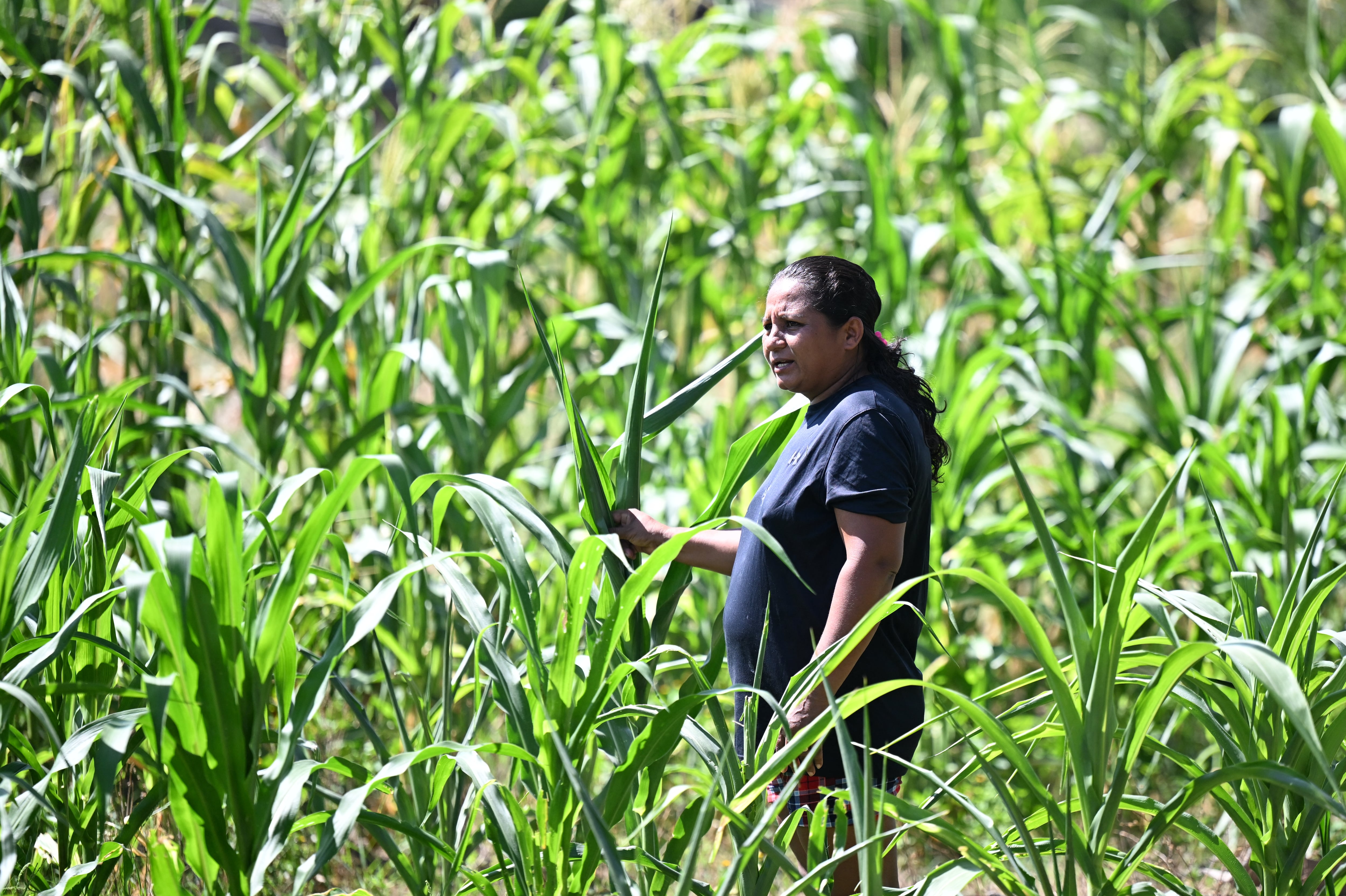
El reporte identifica a la producción agropecuaria como una de las primeras vías de consecuencias del fenómeno hacia los hogares.
La sequía puede reducir la oferta de granos básicos en el Corredor Seco, mientras que el encarecimiento de fertilizantes y diésel puede elevar los costos de producción y trasladarse a los precios finales de los alimentos.
El impacto sobre la canasta alimentaria podría extenderse hasta 2027, de acuerdo con las proyecciones incluidas en el estudio. El café también aparece entre las actividades expuestas a los efectos del menor régimen de lluvias y las temperaturas más elevadas.
El informe incluye entre los temas a seguir la persistencia de aumentos en alimentos y energéticos, junto con la evolución del conflicto en Medio Oriente y su incidencia sobre los precios internacionales del petróleo.
La sequía amenaza la energía hidroeléctrica y la operación del Canal de Panamá
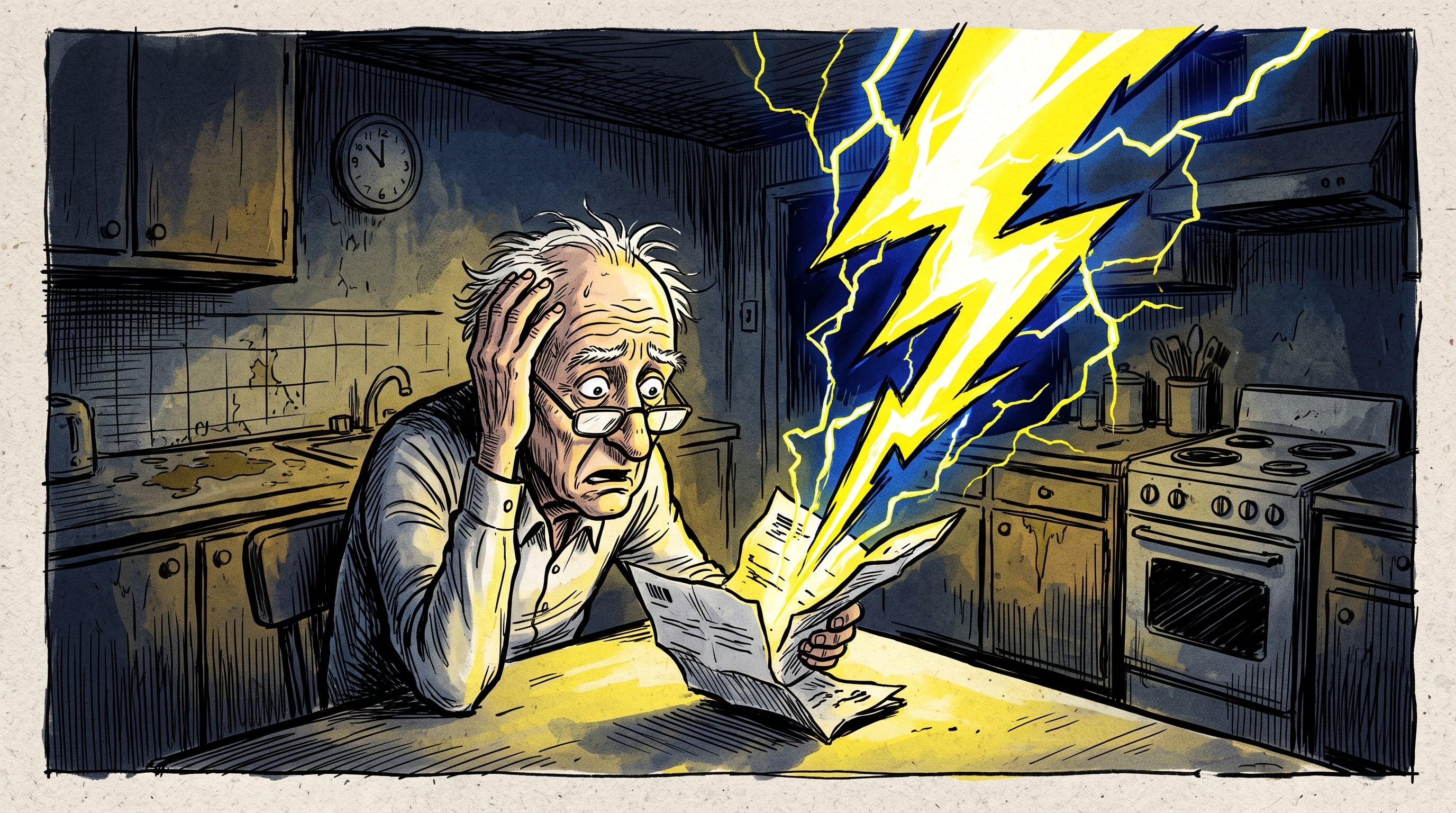
La sequía también amenaza la generación hidroeléctrica. Si caen los niveles de agua disponibles para las plantas, los países deberán compensar parte de esa producción con fuentes térmicas, que implican mayores costos por el uso de combustibles.
El documento señala que una menor generación hidroeléctrica puede presionar las tarifas eléctricas al alza. El aumento de ese costo tendría efectos sobre los presupuestos familiares y sobre empresas que dependen de electricidad para sus procesos productivos.
A la vez, los gobiernos podrían enfrentar una mayor carga fiscal si aplican subsidios energéticos o programas de apoyo para contener el impacto de las tarifas. El reporte considera esos desembolsos como uno de los factores que podrían modificar el escenario económico de la región durante 2026 y 2027.
En Panamá, las condiciones de sequía pueden afectar los niveles de agua necesarios para la operación del Canal. El análisis contempla posibles restricciones de calado y dificultades logísticas como una de las cuatro vías principales por las cuales El Niño puede repercutir en la economía regional.
Las limitaciones sobre el calado de los buques podrían incidir en la actividad del Canal de Panamá y en las cadenas de suministro. El reporte sitúa a la logística y al transporte entre los sectores que deben monitorearse ante una eventual profundización del fenómeno.
La advertencia adquiere relevancia para una economía en la que el comercio y el transporte figuran entre las actividades que lideran el crecimiento.

El reporte diferencia dos etapas. Durante 2026 prevé la consolidación del fenómeno, alertas para el sector agrícola, ajustes tarifarios y las primeras posibles restricciones al tránsito marítimo. Para 2027, en cambio, anticipa que los efectos más fuertes pueden manifestarse sobre los embalses, las cosechas y el Canal de Panamá.
En todos los casos, el documento plantea que los efectos del clima se combinarán con otros factores económicos, como la evolución de las remesas, los precios de los combustibles, el desempeño de Estados Unidos y la trayectoria de la inflación.
sequía,Canal de Panamá,agricultura,energía hidroeléctrica,transporte marítimo
INTERNACIONAL
White House unloads on violent ‘criminal alien’ nabbed after investigators uncover election offense

DETAILS: Non-citizen BUSTED over voter registration
Federal prosecutors charge a Honduran national with voter fraud in California after he allegedly registered to vote under an alias and cast ballots in multiple elections. Fox News’ Matt Finn reports on the federal indictment details, revealing the suspect received a voter registration card using a gym membership. The case highlights ongoing debates surrounding voter identification laws.
NEWYou can now listen to Fox News articles!
A Bahamian national who arrived in the U.S. during President Gerald Ford’s administration and was living with a green card while racking up a violent rap sheet before investigators found he voted illegally in the 2020 election, sparking the deportation process, officials say.
The case of Anthony Tyrone Higgs is only the latest in a slew of arrests connected to illegal votes cast in recent elections, as the Trump administration engages in a broader crackdown on election integrity-related crimes.
«This alien was a guest in our country who forfeited his right to be in the U.S. when he committed these violent crimes and voted in the 2020 election,» White House spokeswoman Lauren Bis exclusively told Fox News Digital on Friday.
ICE ARRESTS PERUVIAN NATIONAL ACCUSED OF ILLEGALLY VOTING IN 2024 ELECTION AS DHS CITES SIMILAR CASES
ICE agents assemble in Minnesota, left; Anthony Tyrone Higgs, inset right. (Charly Triballeau/Getty Images; DHS)
«Any non-citizens who vote illegally in our elections will be arrested and removed. American elections are only for Americans.»
Homeland Security Investigations (HSI), a division of DHS, confirmed in a statement that Higgs had illegally voted in the 2020 election.
FORMER KANSAS MAYOR WHO PLEADED GUILTY TO ILLEGAL VOTING TURNS HIMSELF IN TO ICE
HSI’s Atlanta office arrested Higgs in Decatur, Georgia on September 3, and he is currently in the custody of ERO, the ICE subdivision that handles migrant removal operations.
Higgs was admitted into the U.S. in October 1976 as a Lawful Permanent Resident – commonly dubbed a Green Card holder. The Trump DHS has since placed him in proceedings to revoke his immigration status due to his lengthy rap sheet.
TRUMP DOJ UNLEASHES LARGEST DENATURALIZATION EFFORT IN DEPARTMENT HISTORY — AND SAYS IT’S ‘ONLY THE BEGINNING’
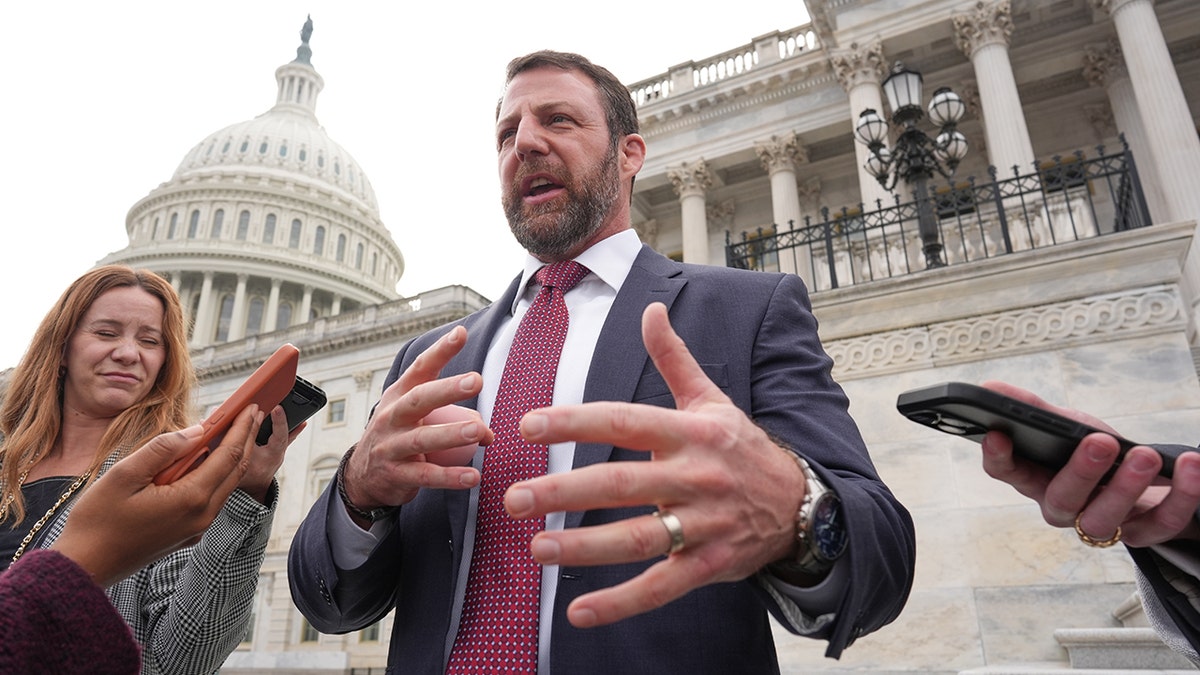
Sen. Markwayne Mullin, R-Okla., speaks to reporters at the Capitol in Washington, Thursday, March 5, 2026. (J. Scott Applewhite/AP Photo)
«This criminal alien from the Bahamas has a rap sheet for multiple violent crimes, including armed robbery, domestic violence, and assault on a police officer,» DHS Secretary Markwayne Mullin said.
«On top of all of that, he illegally voted in the 2020 election,» he added.
MORE THAN A QUARTER-MILLION NONCITIZENS MAY BE REGISTERED TO VOTE IN 4 KEY STATES, DHS ALLEGES
A Homeland Security Investigations logo is displayed ahead of Super Bowl LIX security operations in New Orleans on Feb. 5, 2025. An HSI special agent has since been indicted on multiple felony charges in Alabama. (Aaron M. Sprecher/Getty Images)
Higgs’ record also includes resisting arrest, two counts of grand larceny and two counts of possession of a weapon during a violent crime.
Of the voting-related charge, Mullin said that just one noncitizen casting a ballot is enough to cancel out an American citizen’s vote.
«Thanks to the hard work of the men and women of ICE, this criminal will be removed from our country and can never interfere in our elections again,» he continued.
DHS also provided several other recent cases of illegal immigrants or ineligible voters committing or being charged with election-related crimes.
In August, Colombian illegal immigrant Carlos Jaramillo-Grajales was sentenced to three years in prison following an ICE investigation that led to a guilty plea in a case where he was found to have committed identity theft to illegally vote in elections for more than 20 years, according to the agency.
«Federal immigration laws serve to safeguard our nation’s borders and protect the integrity of our government,» said Gregory Kehoe, U.S. Attorney for the Middle District of Florida.
«Those who seek to circumvent, exploit, or break these laws will be prosecuted fully,» he said in an August statement.
In New Jersey, a Slovakian national was found to have illegally voted in the 2022 midterms, according to HSI – which also cited the case of an Australian national accused of illegally casting ballots in both 2022 and 2024 in Louisiana.
Mauritanian national Mahady Sacko was busted by an ICE and FBI partnership in Democrat-run Philadelphia, and charged with voter fraud.
SIGN UP TO GET THE POLITICS NEWSLETTER
Sacko allegedly voted illegally multiple times going back to 2008. He was already under an order of removal, DHS said in a statement, stating that he «exhausted all appeals» and an immigration board upheld his removal order as of 2002 but he remained in the country.
Returning to the case of Higgs, Mullin added in a statement: «Thanks to the hard work of the men and women of ICE, this criminal will be removed from our country and can never interfere in our elections again.»
voter fraud concerns, deportation, illegal immigrants, migrant crime, politics, voting, immigration, donald trump, white house

NEWYou can now listen to Fox News articles!
Mayor Zohran Mamdani’s presence at Friday’s 9/11 remembrance at Ground Zero drew criticism from some in the city, including one former police officer who said the mayor «probably should have skipped it» and another mourner who called his appearance «disrespectful» and «very offensive.»
Mamdani has faced criticism over his associations with controversial political and online figures, as well as his decision to appoint Ramzi Kassem as his administration’s chief counsel. Kassem previously represented a Guantánamo detainee linked to an al Qaeda terrorist plot.
Former New York Republican Gov. George Pataki, 9/11-era FDNY Commissioner Thomas von Essen and others called on Mamdani to skip the ceremony.
«He showed up anyway. It does bother us,» Walter Matuza, whose father Walter was killed that day, told Fox News Digital.
MAMDANI HEADS TO 9/11 MEMORIAL DESPITE 110,000-SIGNATURE PUSH FROM VICTIMS’ FAMILIES TO STAY AWAY
New York first gentleman William Hochul Jr., New York Mayor Zohran Mamdani and Gov. Mikie Sherrill (Hiroko Masuike/Getty Images)
Matuza said he was part of the group of victims’ families that initiated the petition to keep Mamdani away.
He cited Mamdani’s association with streamer Hasan Piker, who once said America «deserved 9/11,» as well as Mamdani’s appointment of Kassem.
MAMDANI UNDER FIRE AFTER SYMBOLIC 9/11 PEN GOES TO FORMER AL QAEDA DEFENSE LAWYER
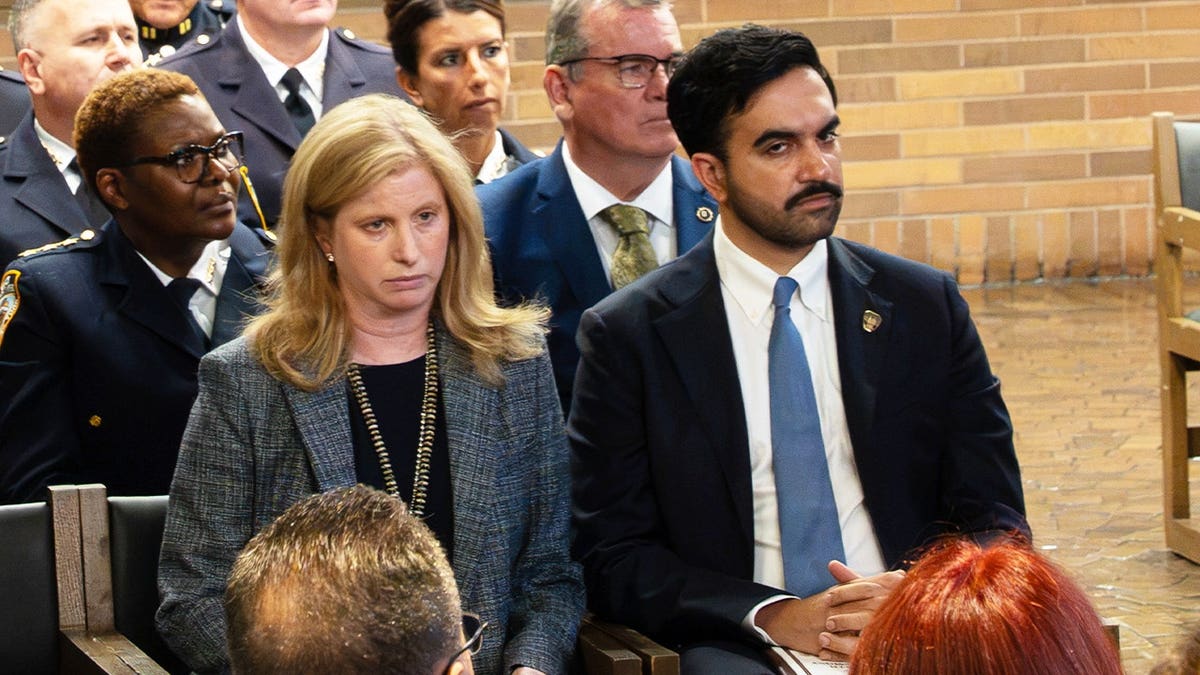
New York City Mayor Zohran Mamdani and Police Commissioner Jessica Tisch announce a new memorial honoring victims of 9/11 inside 1 Police Plaza in New York, N.Y., Sept. 9, 2026. (Cristina Matuozzi/Sipa USA via Reuters Connect)
Matuza, of Staten Island, said his father was one of dozens at Carr Futures brokerage who died after American Airlines Flight 11 struck the north tower just above their 92nd floor offices.
Mike, a former New Jersey police officer, told Fox News Digital he recalled watching the terror unfold on television from across the Hudson – and later came to Manhattan to help relieve exhausted NYPD officers stuck at their posts.
«Based on the rhetoric that he’s used in the past. Yeah, he probably should have skipped it,» Mike said of Mamdani.
He added that Mamdani’s appointment of Kassem also troubled him, saying the mayor could’ve handled the situation in a «whole different way.»
FAMILIES OF 9/11 VICTIMS’ MESSAGE TO MAMDANI: ‘PLEASE DO NOT COME’ TO MEMORIAL CEREMONY
«But, he did it and unfortunately people aren’t going to forget it.»
Another mourner called Mamdani a «communist» when asked about his appearance on Friday, adding that the memorial was «not supposed to be a political event.»
Steven, who traveled all the way to New York from Hobe Sound, Florida, to attend the remembrance, lambasted Mamdani’s presence as «disrespectful» and «offensive.»
ZOHRAN MAMDANI URGED TO SKIP NEW YORK CITY’S 9/11 MEMORIAL: ‘VILE ANTISEMITE’
«I’ve been following that over the past couple weeks and I saw that I think they had upwards of 700,000 New Yorkers requesting him not to be here. I mean, as the mayor, I would assume he has the right to be here…. But who he represents and the people he’s affiliated with… I feel that he should stay away. I don’t feel that his presence here is wanted, and I think he should honor that as a human being.»
The petition had garnered more than 110,000 signatures at the time, according to the petition’s tally.
Steven called Kassem’s appointment «hideous» and added that the youngest generation who does not remember or did not live through 9/11 are suffering from «incorrect information» and do not understand the reality of the terror attack.
He said he will educate his children on 9/11 so that they do not go down the same ideological road.
Attendee John told Fox News Digital that Mamdani does have a right to attend.
John said he lost friends including at now-Commerce Secretary Howard Lutnick’s Cantor-Fitzgerald firm – which lost more than 650 people; the most of any company in the Twin Towers that day – and that as long as Mamdani is respectful to the fallen Americans being remembered, he is «fine» with the Democrat attending.
Fox News Digital reached out to Mamdani for comment.
In a prior statement, the mayor said he is proud of New York and «love[s] this city [and] country.»
«[W]hat I want this week to be a focus on is on the families whose loved ones were stolen from them 25 years ago in the horrific act of terror of September 11, and a focus also on the first responders who gave everything they could to this city and to the people who came together to try and help their fellow New Yorkers.»
During the ceremony, footage captured Mamdani approaching and greeting his 9/11-era predecessor, Republican Rudolph Giuliani.
SIGN UP TO GET THE POLITICS NEWSLETTER
The two could be seen appearing to exchange brief pleasantries before Giuliani turned and sat down and an aide began speaking to the incumbent mayor.
All living former presidents reportedly attended the ceremony, as President Donald Trump instead visited the Pentagon’s remembrance before departing for County Clare, Ireland from nearby Andrews Air Force Base.
zohran mamdani, september 11, new york city, politics, new york, republicans elections, democrats senate

El espinoso camino del PJ hacia la unidad: los focos de conflicto en el interior que complican el armado nacional

Mitos, señales y secretos de La dama regresa, la película con la que Isabel Sarli volvió al cine tras 15 años de duelo

El Niño amenaza con encarecer alimentos, energía y logística en Centroamérica y República Dominicana durante 2027

Así fue el accidente de Lewis Hamilton que obligó a detener el reloj en la FP3 del Gran Premio de España

En medio de la tensión por Malvinas, Milei suspendió su visita al Reino Unido

Proverbio turco del día: “Escuchá 100 veces, pensá 1000 veces y hablá 1 sola vez”

El día que Owen Wilson se emocionó por el abrazo que le dio Lionel Messi tras un partido

La desafiante aventura de Carolina Baldini en moto por Europa: desde Edinburgo a Liverpool en dos ruedas

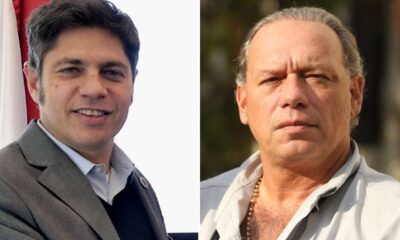
Berni se diferenció de Kicillof en la aplicación de la baja de la edad de imputabilidad

Cuánto cuesta comprar una pick up en la Argentina y cuáles son los modelos más baratos en septiembre

 DEPORTE3 días ago
El día que Owen Wilson se emocionó por el abrazo que le dio Lionel Messi tras un partido
- CHIMENTOS3 días ago
La desafiante aventura de Carolina Baldini en moto por Europa: desde Edinburgo a Liverpool en dos ruedas
- POLITICA3 días ago
Berni se diferenció de Kicillof en la aplicación de la baja de la edad de imputabilidad