INTERNACIONAL
New Air Force One takes flight as Trump unveils revamped presidential aircraft

NEWYou can now listen to Fox News articles!
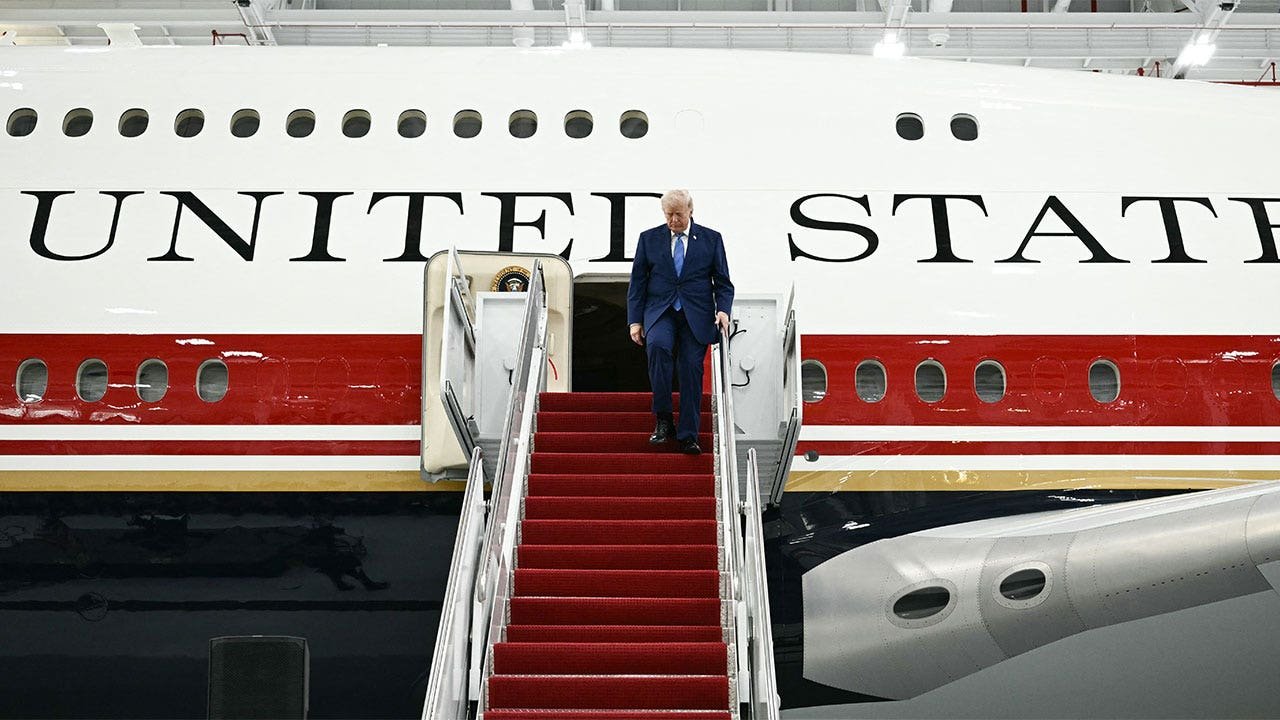
President Donald Trump on Friday unveiled a newly refurbished presidential aircraft at Joint Base Andrews, touting its size, luxury and updated red, white and blue paint scheme as the Air Force prepares the jet for service.
The Boeing 747-8i, donated by the government of Qatar and modified for presidential use, is expected to serve as an interim Air Force One while Boeing continues work on two delayed VC-25B replacement aircraft.
Standing alongside Air Force leaders and service members, Trump said the aircraft’s most noticeable feature is its size.
«The biggest difference is the difference in size. It’s like virtually double the size,» Trump said.
AIR FORCE ONE SCRAPS ICONIC KENNEDY-ERA PAINT SCHEME FOR TRUMP-APPROVED RED, WHITE, BLUE DESIGN
Reporters were later given a brief tour of the aircraft, which featured wood-paneled interiors, gold-toned fixtures and tan-and-gold seating throughout. Spacious cabins, large television screens and polished metallic finishes gave the jet an upscale feel.
Near the front of the aircraft, reporters viewed a private suite with lounge-style seating before passing a conference room featuring a large table, a painting of the Washington Monument overlooking the Reflecting Pool and a decorative bookcase surrounding a television screen.
The aircraft’s press cabin spans the width of the rear section of the jet and includes 24 seats arranged across three sections. Each seat is equipped with its own entertainment screen, and the cabin appeared significantly larger than the press area aboard the current Air Force One fleet.
The Air Force said the aircraft will soon begin commissioning flights, a final phase of testing before entering operational service.
WHATEVER HAPPENED TO: THE QATAR AIR FORCE ONE JET
US President Donald Trump steps out of the new Air Force One, gifted to him by Qatar, in a hangar at Joint Base Andrews in Maryland on June 19, 2026. (Brendan SMIALOWSKI / AFP)
«The safety and security of the commander in chief is our highest priority,» Air Force Secretary Troy Meink said. «From the beginning, we meticulously evaluated every requirement to accelerate delivery while maintaining the high standards expected of the presidential mission.»
Trump said he sought the aircraft after becoming frustrated with delays to Boeing’s Air Force One replacement program and growing comparisons between the aging U.S. presidential fleet and newer aircraft operated by foreign governments.
«I asked the Emir if we could use the brand new 747,» Trump said, noting the aircraft had relatively few flight hours and describing the current presidential fleet as aging.
«Our country has to be represented properly,» he added.
AIR FORCE ONE GLITCH REVIVES REPLACEMENT PUSH AS WHITE HOUSE SAYS IT ‘PROVES TRUMP WAS RIGHT AGAIN’
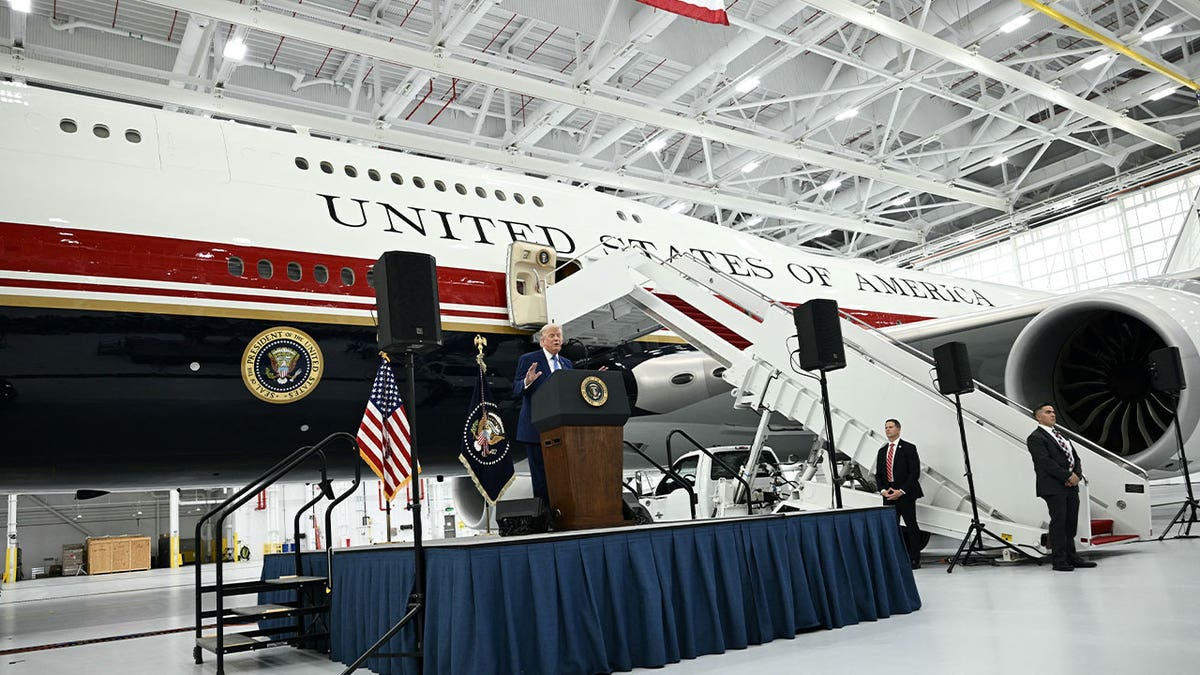
Donald Trump speaks in front of the new Air Force One, gifted to him by by Qatar, in a hangar at Joint Base Andrews in Maryland on June 19, 2026. White House officials bade farewell on June 18, 2026, to one of the two jets that have been used to transport US presidents for more than 30 years. (Brendan SMIALOWSKI / AFP)
The aircraft features Trump’s preferred red, white and dark blue color scheme, replacing the light blue-and-white design that has defined presidential aircraft since the Kennedy administration. Earlier this year, the Air Force confirmed the updated paint scheme would become the standard across the presidential and executive airlift fleet, including the VC-25B aircraft currently under development.
Trump also praised the aircraft’s interior craftsmanship and described it as «considered the world’s most luxurious plane.»
Trump said the aircraft could also play a prominent role in next year’s America 250 celebration, predicting it would lead a July 4 flyover over Washington featuring fighter jets and other military aircraft. The president called it «a flyover like no flyover» and said the display could include F-22s, F-35s and other aircraft from across the U.S. military.
The Pentagon accepted the Qatari aircraft last year and has spent recent months preparing it for presidential service. Officials have said the timeline moved more quickly than the broader Air Force One replacement effort because the aircraft’s interior required fewer modifications than the VC-25B program.
CLICK HERE TO DOWNLOAD THE FOX NEWS APP
Trump also praised the more than 250 personnel who worked around the clock to prepare the aircraft for service, saying the jet was transformed into what he called a «flying White House» in roughly 10 months.
The jet is expected to bridge the gap until Boeing delivers two next-generation Air Force One aircraft, which are not expected to be completed for roughly two more years.
Fox News Digital’s Andre Tinoco contributed to this report.
donald trump, travel, air force













INTERNACIONAL
9/11 hero’s memory preserved through massive effort to ‘do good’ for vets, first responders: ‘His legacy’
NEWYou can now listen to Fox News articles!
On one of the darkest days in America’s history, New York City firefighter Stephen Siller strapped on his gear and ran through the Brooklyn Battery Tunnel to the collapsing Twin Towers, ultimately giving his life to save those caught in the Sept. 11, 2001, attacks. Two and a half decades later, Tunnel to Towers, founded by Siller’s family, has continued his legacy through its commitment to «do good» for veterans and first responders and their families across the country.
Since its founding, inspired by Siller and his favorite quote, «While we have time, let us do good,» Tunnel to Towers has provided more than 1,700 mortgage-free homes to the families of fallen service members and first responders, as well as to disabled veterans and first responders. The organization has also delivered housing assistance and support services to more than 20,000 homeless veterans and holds hundreds of events nationwide to honor America’s heroes and preserve the memory of those who lost their lives for future generations.
Tunnel to Towers CEO Frank Siller, the brother of the 34-year-old firefighter who gave his life on Sept. 11, previously warned in 2020 that America was «very close to forgetting the impact 9/11 had on our nation.» Now, with anti-American sentiment on the rise and some online commentators belittling the Sept. 11 attacks or even justifying them, many worry the legacy of those who lost their lives, including the 343 members of the New York City Fire Department who made the ultimate sacrifice, will be forgotten.
Siller, however, has vowed that «Tunnel to Towers will never let that happen.»
9/11 IS BECOMING HISTORY. MY GENERATION MUST MAKE SURE AMERICA NEVER FORGETS
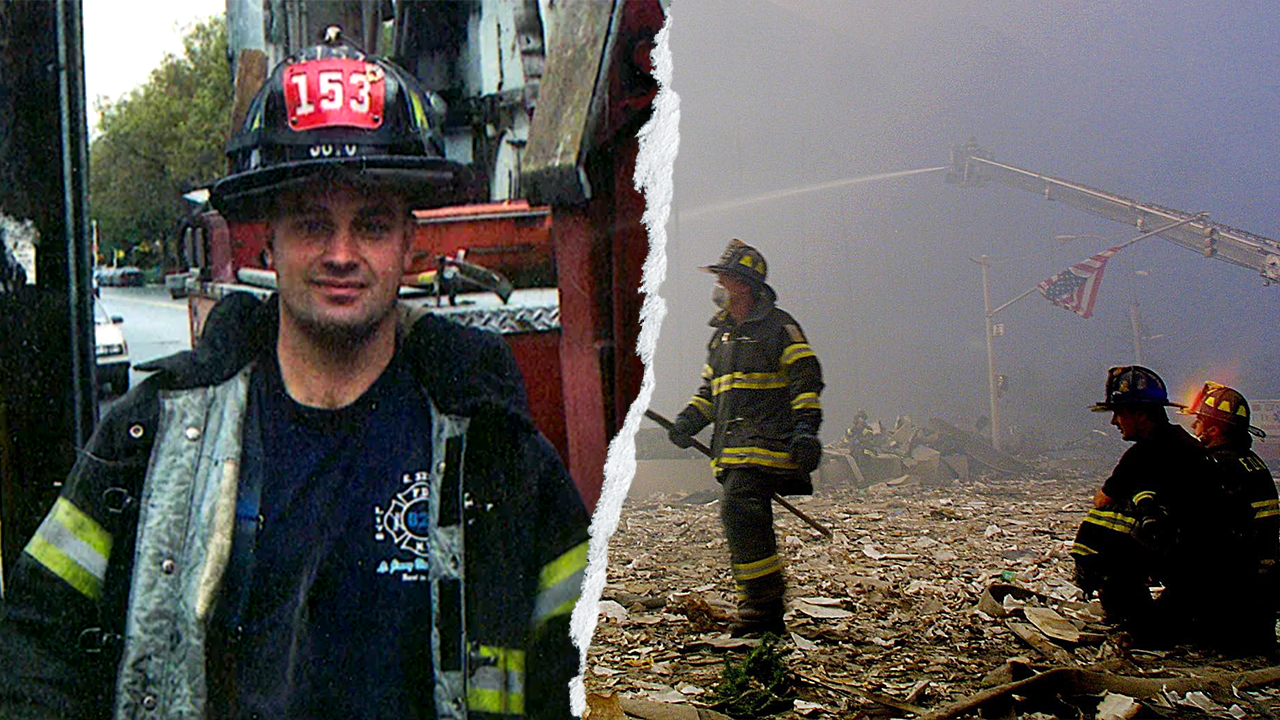
The Tunnel to Towers Foundation was started in honor of FDNY firefighter Stephen Siller, who died responding to the attacks. (Tunnel to Towers Foundation)
The Tunnel to Towers 9/11 Institute has helped to educate students from kindergarten through 12th grade on the «extraordinary heroism and goodness of everyday people» on Sept. 11, «while demonstrating the strength and resilience of America’s spirit.» Its mobile 9/11 exhibit has traveled to nearly all 50 states as well as Canada.
This year, Tunnel to Towers launched its «Steel Across America» display, in which a 16,000-pound steel beam pulled from the wreckage of the World Trade Center traveled more than 10,500 miles to 35 stops across 21 states and the District of Columbia, culminating in New York City.
NEW 9/11 MUSEUM EXHIBIT AIMS TO CONNECT YOUNGER AMERICANS TO THE ATTACKS THROUGH POWERFUL ARTIFACTS
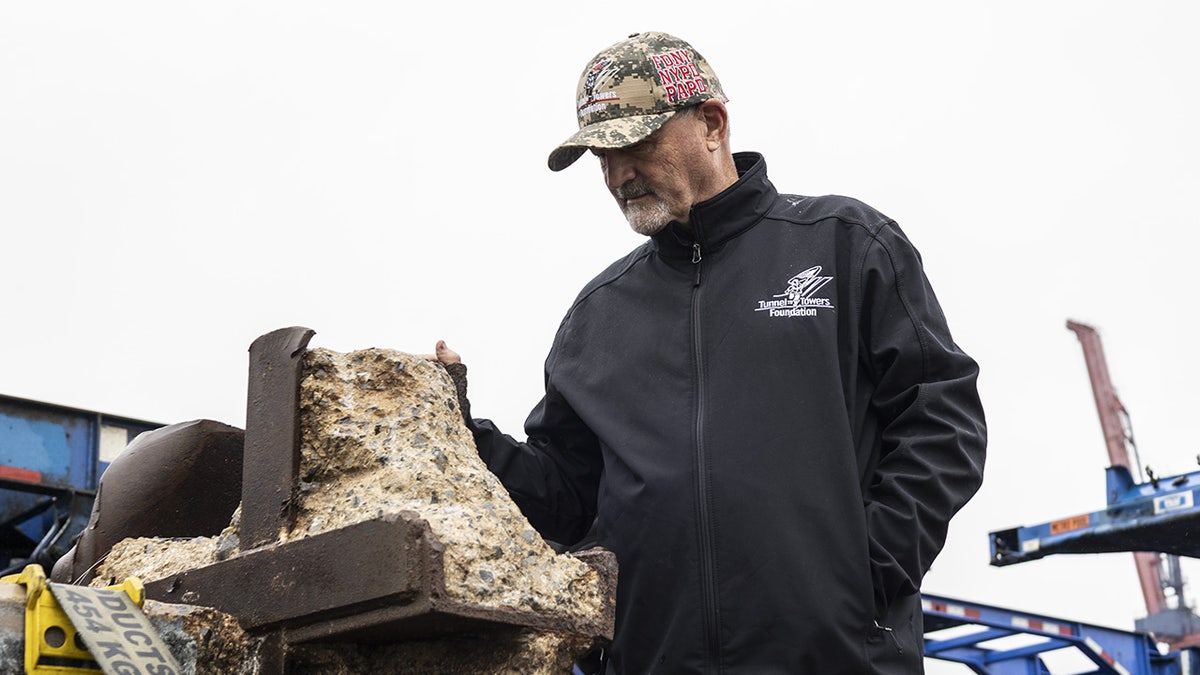
Frank Siller, CEO of the Tunnel to Towers Foundation, stands near a piece of World Trade Center steel that will be featured during the foundation’s effort to honor and remember the victims of the 9/11 attacks as the 25th anniversary approaches. (Courtesy: Tunnel to Towers Foundation)
To mark the 25th anniversary, Tunnel to Towers also launched its 343 Homes Initiative this year to honor the 343 New York firefighters who died on Sept. 11. According to the group, this initiative will deliver 343 mortgage-free homes to the families of fallen service members and fallen first responders as well as to catastrophically injured service members across the country.
This initiative builds on Tunnel to Towers’ «In the Line of Duty Programs,» which have provided more than 1,700 mortgage-free homes to the families of fallen service members and first responders, as well as to catastrophically injured veterans and first responders. More than 220 of those homes have been custom «Smart Homes,» modified to be fully accessible to catastrophically injured veterans and first responders.
SIGN UP TO GET THE POLITICS NEWSLETTER
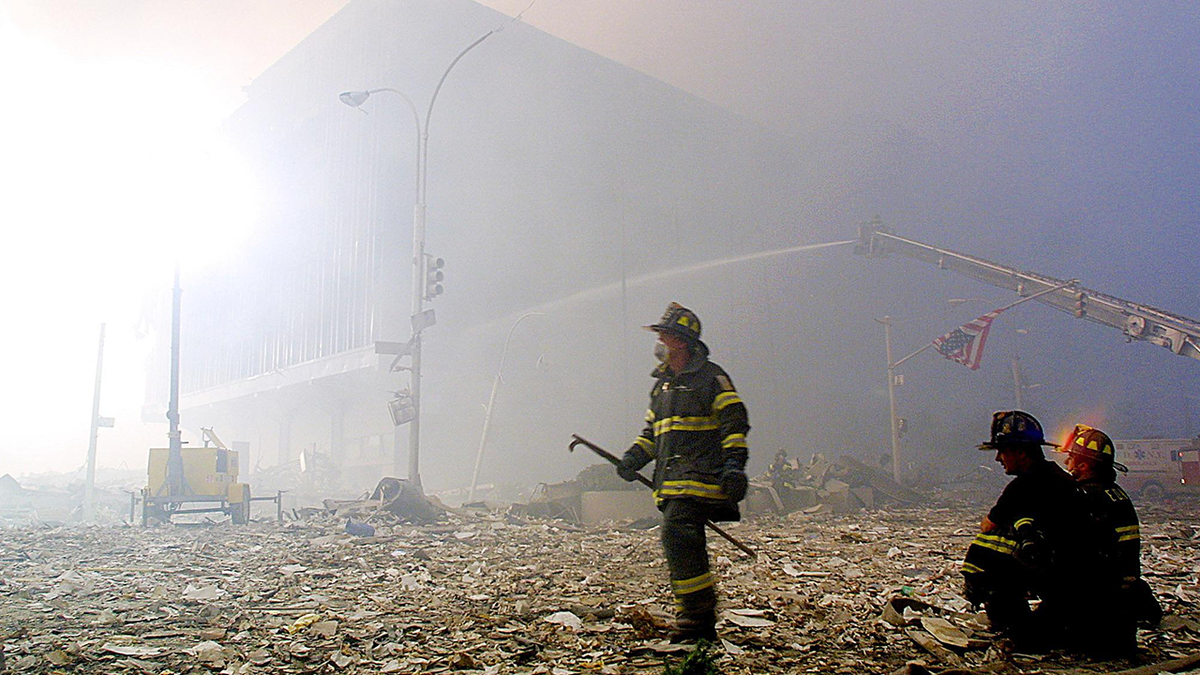
A firefighter walks through the rubble of the twin towers of the World Trade Center as an American flag hangs from a traffic light post on September 11, 2001, in New York. (DOUG KANTER/AFP via Getty Images)
In a recent Fox News opinion piece, Siller put it simply: «Stephen’s life and heroic death serve as a reminder to us all to live life to the fullest and to spend our time here on earth doing good—this is his legacy.»
tunnel to towers steel across america, september 11, new york city, all american heroes, blue lives lost, terrorism, defense, police and law enforcement
INTERNACIONAL
Una astronauta de la Estación Espacial Internacional celebró los 60 años de la serie Star Trek

Este 2026 es muy especial para los fanáticos del espacio y de la ciencia ficción. Es el año en que se cumple el 60 aniversario de Star Trek, la serie de TV que luego fue llevada al cine en numerosas películas y cuyas celebraciones llegaron esta semana hasta la última frontera, el espacio exterior.
Además de los suministros necesarios y materiales científicos para trabajar en la Estación Espacial Internacional (EEI) para la misión en órbita, la astronauta de la Agencia Espacial Europea (ESA), Sophie Adenot, llevó algunos objetos personales, entre los que se encontraba un pequeño recuerdo en honor a uno de los fenómenos de la cultura pop más influyentes que ha instado continuamente a la humanidad a dirigir su mirada hacia las estrellas.
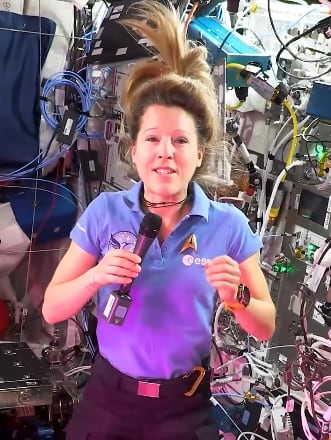
Adenot subió al laboratorio espacial una pequeña insignia de la Flota Estelar de una de las series más recientes de Star Trek, Strange New Worlds, que lució durante un video publicado por la ESA.
“Hola desde la Estación Espacial Internacional. Soy Sophie Adenot, astronauta de la Agencia Espacial Europea. Para mí, la exploración y la ciencia son sinónimo de curiosidad y cooperación: atreverse a ir un poco más allá juntos, aprender de lo que descubrimos y construimos, y transformar ese conocimiento en un futuro mejor para todos”, comenzó a relatar.
Y agregó: “Durante 60 años, Star Trek nos ha ofrecido historias de amistad y exploración. Llevo puesta la insignia del capitán Pike a bordo de la EEI para celebrar la continuidad de la labor científica y de exploración en el mundo real. Feliz 60.º aniversario, Star Trek. Larga vida y prosperidad”.
Adenot viajó a la EEI a bordo de una cápsula Dragon de SpaceX en la misión Crew-12 de la NASA con destino al laboratorio orbital el 13 de febrero último, y actualmente se desempeña como ingeniera de vuelo para la Expedición 75 de la EEI.
Este es su primer viaje al espacio y está previsto que finalice pronto, a la espera del lanzamiento y la llegada de la próxima nave espacial Dragon de SpaceX que transportará a los astronautas de la misión Crew-13 de la NASA, prevista para dentro de pocas semanas.
En el vídeo de Adenot, se la ve luciendo la insignia de la Flota Estelar en su camiseta de la ESA para la ISS, mientras flota en el módulo de laboratorio Columbus de la ESA.
En tanto, la ESA publicó también la foto de la insignia flotando en la Cúpula, la ventana más grande que tiene la EEI con vista a la Tierra.

“Larga vida y prosperidad”, escribió la ESA en la red social Instagram, junto a una manito con el saludo del planeta Vulcano. “¡Celebra el 60.º aniversario de @startrek el 8 de septiembre con el Día de Star Trek! También lo conmemoramos en órbita con un pin conmemorativo de Star Trek a bordo de la @iss, llevado allí por @soph_astro durante su misión Epsilon”, agregó.
Y enseguida describió el pin llevado: “Es un objeto pequeño, pero conlleva algo más grande: sesenta años de una historia que nos enseñó a soñar con explorar juntos. Durante más de 50 años, eso es exactamente lo que hemos estado haciendo. Hemos enviado personas y máquinas más allá de la Tierra, construido naves espaciales con socios de decenas de países y seguido planteando la misma pregunta que Star Trek nunca dejó de formular: ¿qué hay ahí fuera y qué podemos aprender de ello?”.
Para la ESA, “la ciencia ficción imagina el futuro. Nosotros lo construimos. Desde la tripulación de la USS Enterprise hasta las tripulaciones de la Estación Espacial Internacional, la misión no ha cambiado realmente: explorar, descubrir y hacerlo juntos”.

“Así que brindamos por los 60 años de una serie que convirtió el ´¿y si…?´ en un ´¿por qué no?´, y por cada explorador al que inspiró a mirar hacia las estrellas”, concluyó, invitando a la comunidad a que envíe un comentario preguntando ¿cuál es ese momento de Star Trek que despertó tu pasión por el espacio?
Desde su estreno el 8 de septiembre de 1966, la serie de TV y sus 14 películas derivadas, han contado historias que ponen en primer plano los problemas sociales y los conflictos culturales, mostrando así las mejores cualidades de la humanidad.
Según su creador, Gene Roddenberry, representa una versión idílica de la humanidad que, en su opinión, era verdaderamente alcanzable mediante la simple aceptación mutua.

“Todo el programa pretendía transmitir que la humanidad alcanzará la madurez y la sabiduría el día en que empiece no solo a tolerar, sino a deleitarse especialmente con las diferencias de ideas y de formas de vida”, declaró Roddenberry en el álbum de 1976, The Star Trek Philosophy.
Y agregó: “Si no aprendemos a disfrutar de esas pequeñas diferencias —a encontrar un deleite positivo en esas pequeñas diferencias entre los de nuestra propia especie— aquí en este planeta, entonces no merecemos ir al espacio y encontrarnos con la diversidad que casi con toda seguridad existe allí”.
La ESA celebró esa filosofía y el potencial que encierra para la humanidad la comunidad formada entre la ciencia ficción y la exploración espacial pasando la última frontera.
INTERNACIONAL
Republican convention attendees share heartfelt tributes to late Charlie Kirk on assassination anniversary

NEWYou can now listen to Fox News articles!
DALLAS, Texas – A year after the shocking assassination of conservative titan and Turning Point USA founder Charlie Kirk, Republicans gathered at the GOP’s midterm convention shared the profound ways in which the young leader and family man impacted their lives.
«Charlie Kirk is a wonderful man, and he is very much missed,» Marsha Landry of Texas told Fox News Digital during an interview at the American Airlines Center, where the Republican Party is rallying to try to keep control of the House and Senate in November. «He was making a lot of progress in this country, especially among the youth. I know personally some of our children have really started paying attention.»
Jacquez Jones, a young convention attendee, said Kirk’s legacy lives on.
REMEMBERING CHARLIE KIRK: TURNING POINT USA’S ANDREW KOLVET REFLECTS ON CONSERVATIVE GROUP’S CHALLENGING YEAR
Charlie Kirk throws hats to the crowd after arriving at Utah Valley University in Orem, Utah, on Sept. 10, 2025. Kirk, founder of Turning Point USA, was speaking at his «American Comeback Tour» when he was shot in the neck and killed. (Trent Nelson/The Salt Lake Tribune/Getty Images)
«It’s a daily reminder that we have to have courage to go out there and spread the message, not only of just conservatism, but our faith as well,» he said. «And so on this anniversary, I look back at not only what Charlie Kirk was able to accomplish, but the things that even in his passing he’s still able to do.»
On this day last year, Kirk, 31, was speaking at Turning Point’s «American Comeback Tour» event at the Utah Valley University (UVU) in Orem, Utah, just after noon, when he was shot in the neck. He was pronounced dead at a local hospital shortly thereafter.
The suspect in the killing, then-22-year-old Tyler Robinson, is accused of firing one shot from a rooftop overlooking the quad where Kirk was speaking. A shocked crowd scattered as Kirk was rushed away from the scene.
Kirk, who was a father, left behind his wife Erika and two young children.
ERIKA KIRK REFLECTS ON FIRST YEAR OF GRIEF AFTER CHARLIE KIRK’S ASSASSINATION IN NYT ESSAY
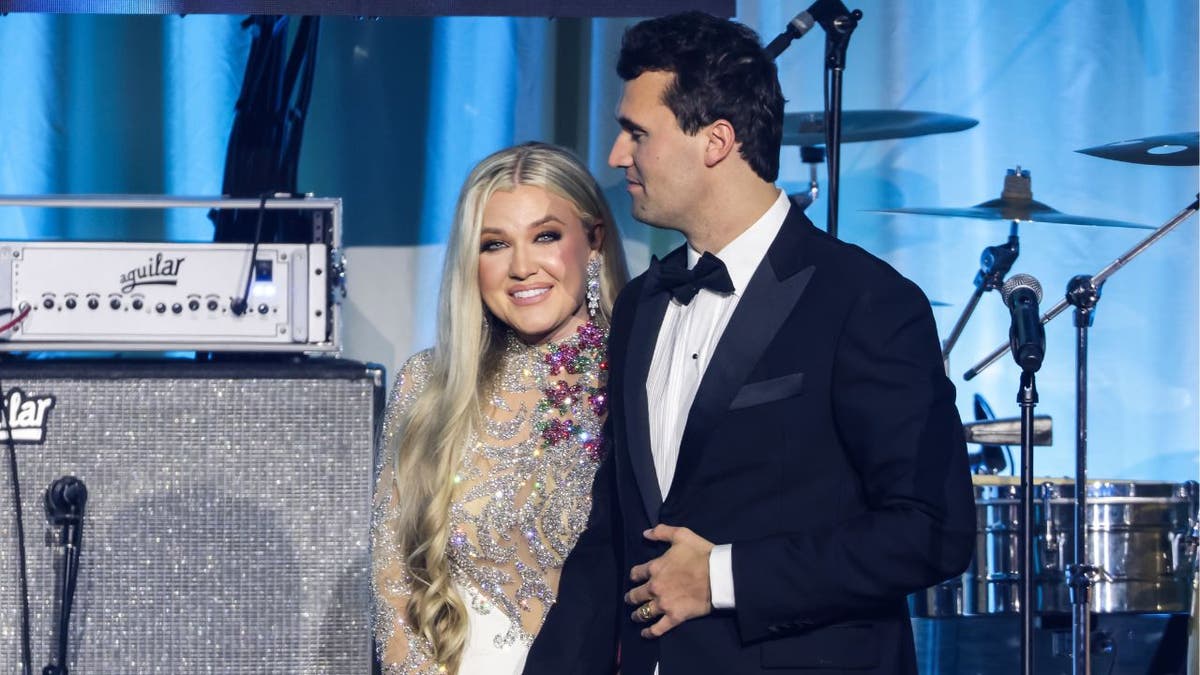
Conservative activist Charlie Kirk is pictured with his wife Erika Kirk on stage at an event earlier this year in Phoenix. (Samuel Corum/Getty Images)
«I think it’s an extremely somber reminder of what we have in this country, that free speech is not free, that somebody died for that right, and Charlie Kirk [was] somebody who was brave enough to go out there on the college campuses and talk about conservatism and prove to the American people and the young generation that the conservative policies still work,» Jones said.
Another Republican convention-goer, Mike Hurst of Mississippi, described what he remembers after first hearing the news that Kirk had been killed.
«It was one of the most gut-wrenching feelings I’ve ever seen, and of course, I went online, I saw the video, and to this day I’m still shocked that that could happen in our country,» Hurst said, adding that we need more people like Kirk who encourage civil dialogue instead of political violence.
ACCUSED CHARLIE KIRK ASSASSIN ALLEGEDLY CONFESSED IN TEXTS, APOLOGIZED AND DESCRIBED MOTIVE, AGENT TESTIFIES
Robinson allegedly fled the rooftop, ditched his rifle in a wooded area across the street from the UVU campus, and fled the scene. A statewide manhunt persisted until the following night at around 10 p.m. when Robinson surrendered to authorities in St. George, Utah, about four hours south of the UVU campus.
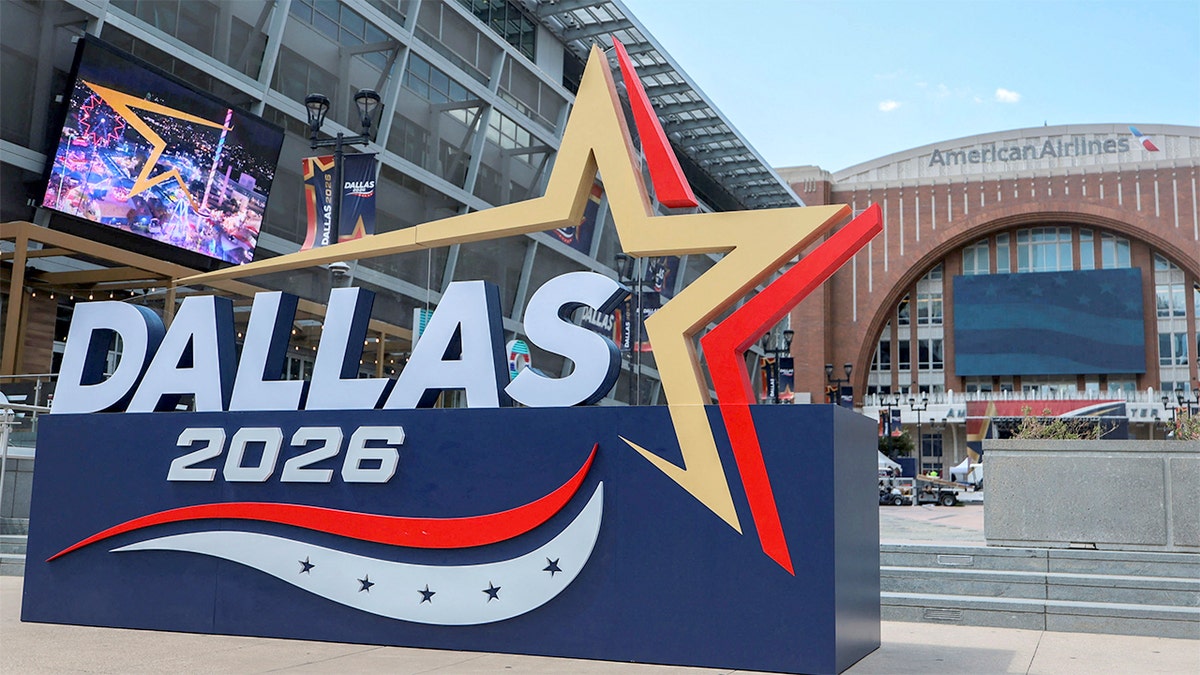
The American Airlines Center, as preparations are underway for the Republican National Midterm Convention in Dallas, Texas, on September 7, 2026. (Jessica Koscielniak, Reuters)
His parents reportedly convinced him to turn himself in.
Pre-trial proceedings in Robinson’s case are ongoing after a protracted battle regarding media access to the courtroom, and motions attempting to remove the death penalty as a possible sentence should Robinson be convicted.
Alex Stone of Missouri said young people are looking for a leader to fill Kirk’s shoes, though his memory remains.
«Since Charlie’s assassination, people have been lost,» he said. «People have been looking for a voice or a leader to lead them in the right direction, and so we need people who are going to stand up and rise up and say, ‘this is what is good, this is what is true, this what is beautiful.’ And ‘this is wrong, and here’s what we should do in the face of it.’»
politics, turning point usa, charlie kirk, republican convention, tyler robinson

La pasión desconocida de Uma, la hija de Amalia Granata y Cristian Fabbiani, a los 18

Cuánto ganan los empleados de comercio en septiembre de 2026

La Justicia federal investigará a Claudio Tapia por presunto enriquecimiento ilícito en su cargo en la CEAMSE

Franco Colapinto planteó cuál es su mayor preocupación de cara al estreno del circuito de Madrid de Fórmula 1: “Son traicioneras”

Pese a las dudas sobre la actividad económica, el FMI respalda los resultados del programa argentino: cuándo será la próxima misión

Es campeona del mundo, criticó a Messi, se le vino el mundo encima, hasta la hermana le soltó la mano y ahora el periodista del momento confesó una intimidad con ella: «En el Santa Bárbara…»

El gobierno de Kicillof retendrá un 2% en los premios de las apuestas online

Femicidio brutal en Merlo: un jubilado de 64 discutió con su esposa y la asesinó a puñaladas

El rotundo cambio de Julián Álvarez en una foto presentación del Atlético de Madrid tras quedarse en el club

Los alimentos aumentan un 0,8% en septiembre y ya anticipan una inflación de 1,8%

 POLITICA2 días ago
Patricia Bullrich cuestionó a la jueza que frenó la ley penal juvenil en la provincia de Buenos Aires: “No le corresponde decidir”
- CHIMENTOS1 día ago
Así se anunció la muerte de Chiche Gelblung: la tradicional placa negra de Crónica y las lágrimas de Mercedes Ninci
- POLITICA12 horas ago
La intendenta de José C. Paz criticó a Kicillof por la inseguridad tras el crimen de un joven de 23 años