INTERNACIONAL
Nicaragua: dictadura, revolución, transición, cuasi-democracia, des-transición, dictadura

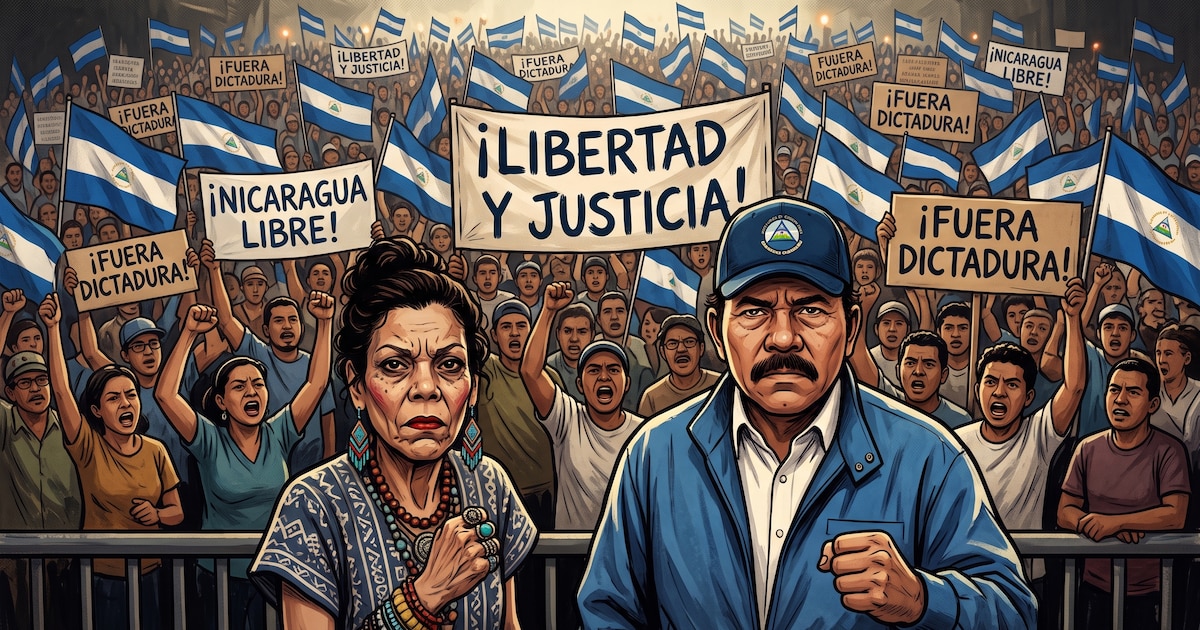
La dictadura de Somoza fue nefasta para Nicaragua. La transición posterior Sandinista dejó en el debe muchos aspectos sociales y políticos que eran necesarios para la libertad del país. Todo ello parecía quedar atrás con la victoria electoral de Violeta Chamorro en 1990. Varios factores contribuyeron a ello, incluido el poderoso movimiento democratizador en Nicaragua y otros países. La inestabilidad positiva que sacudió la región en la década de 1980 y que llevo al fin de las dictaduras regionales dio una dimensión internacional a la democracia, a la justicia y a los derechos humanos. En esa época se afirmaron fenómenos como la pérdida de poder dictatorial ya sea interna o internacionalmente, lo que llevo que a través de elecciones y un creciente interés entre las masas —especialmente los jóvenes— por el cambio político la democracia ganara terreno rápidamente. Así como la década de 1970 estuvo marcada por la represión y la violencia, la década siguiente mostro a Latinoamérica inmersa en una verdadera revolución democratizadora. De todas maneras Nicaragua nunca terminó de democratizarse completamente dado algunas instituciones jamás fueron asimiladas por la democracia, por ejemplo, el ejército siguió siendo el ejército de un partido y no una institución de la democracia.
Los revolucionarios democratizadores de esa época eligieron a liderazgos moderados de políticos con profundas convicciones democráticas y demostraron al mundo que defendiendo las ideas en un marco de pluralidad se era capaz de implementarlas sin tener que jugar al todo o nada. Si bien la revolución democratizadora triunfó por completo durante esa década, los conceptos de responsabilidad y derechos humanos -memoria, verdad, justicia- tuvieron que esperar en las esferas social y política de varios países. La excepción a esto fue el juzgamiento de la junta dictatorial en Argentina. El impacto de esta fuerza democratizadora (me niego a llamarla “ola”) fue absoluta, tambien Ortega entregó el poder en el final de la guerra fría tras perder una elección, la propia guerra fría fue víctima de la fuerza democratizadora cuando la misma llegó a la URSS y a Europa del Este.
Un movimiento revolucionario democratizador como el de los 80s no surge únicamente de las acciones de uno o más líderes; más bien, los liderazgos simplemente dan forma clara a las ideas y aspiraciones de la gente que prevalecen en un momento dado. La generación que luchó contra las dictaduras no necesitó un líder designado que la guiara, ello ocurrió porque presenció y sufrió directamente la persecución, las desigualdades, las injusticias y las destructivas condiciones de vida cotidianas impuestas por los regímenes. Quedó demostrado tambien que, si incluso la democracia era derrotada por una represión militar, el riesgo de su resurgimiento persistía y era cada vez más fuerte, y terminaría imponiéndose en prácticamente cualquier contexto. Salvo que la represión misma y la profundidad de la crisis/fracaso económica y social terminaran aplastando la positividad del contexto como sucedió en Cuba. Es la fórmula que luego aplicaron Ortega y Maduro.
Pero tiempo después empezó la des-transición. En abril 2018 los nicaragüenses salieron a la calle para protestar por una reforma fiscal, pero fundamentalmente a protestar contra el Gobierno, sentían que necesitaban un cambio. En aquel entonces, los acontecimientos en Nicaragua se percibían como el colapso de la transición democrática, una predicción que el gobierno nicaragüense había respaldado con actuaciones de contenido autoritario durante mucho tiempo. Sin embargo, el gobierno no creía que esto conduciría al surgimiento de nuevas estructuras políticas o soluciones de compromiso, pero luego todo el proceso fue encaminándose hacia una lógica de todo o nada que como siempre ocurre terminó en mucha nada para todos. No hay forma de no sentirse decepcionado por el proceso y como el mismo fue patológicamente cayendo en el peor de los abismos, una dimensión tiránica de muy poco interés para la comunidad internacional a pesar de la ardua militancia opositora nicaragüense.
Si hay algo que es fácil es repartir culpas al respecto, porque hay culpabilidad de sobra, pero esto no lleva a ningún lado como quedó demostrado en el mismo 2018, 2019, 2020 hasta que el monologo de la dictadura oscureció completamente a Nicaragua. A mí me toco tambien, como era de izquierda y venia de un grupo político que había tenido mucha hermandad ideológica con el sandinismo, así fue como se creyó que en algún momento podía poner esa hermandad ideológica por encima de los principios de Democracia y Derechos Humanos, a pesar de que mi enfrentamiento con las otras dos dictaduras hemisféricas demostraba exactamente lo contrario. Los resultados que obtuvimos se fueron rápidamente por el drenaje: la instalación de dos mesas de diálogo y la liberación a comienzos de 2020 de 320 presos políticos (trabajo en el terreno de Luis Rosadilla) que no perdieron su nacionalidad, ni se tuvieron que ir del país. La represión y la confrontación se llevaron muy pronto todo eso. Y prácticamente allí terminó toda posibilidad institucional de trabajar por un proceso electoral libre, justo y transparente.
Se debe reconocer algo positivo, no hay nicaragüense opositor al régimen que haya abandonado la lucha. Todos siguieron luchando, aunque algunos más por el poder que por la democracia, quizás sintiendo que una cosa llevaba a la otra, pero esto nunca funciona así.
Aun así, un amplio sector de la clase política también quería pensar que el proceso tenía cierta continuidad electoral a pesar de que a esa altura no había ningún motivo para creer en esa posibilidad ya que los patrones autoritarios iban avanzando aceleradamente hacia la dictadura tiránica que terminó instalándose. Un grupo que compartía la visión de participación electoral viajo a Managua. Todos fueron presos. Y muchos más también.
Daniel Ortega, convencido de que estaba luchando por su vida, entendió que, para mantener su credibilidad interna, la de su base de poder, tenía que hacer purgas hacia adentro y hacia afuera y que estas ideas de represión necesitaban una ejecución exhaustiva. Se conoció entonces hasta donde estaba dispuesto a llegar Daniel como violador de Derechos Humanos en Nicaragua, prácticamente no había límites.
El Sandinismo no perduró, aunque el nombre se mantuvo prácticamente sin logica alguna en el Gobierno. Sus miembros habían o no abandonado la ideología antes o después del período de represión, pero lo que era seguro es que muchos habían abandonado a Ortega o al Gobierno o a ambos. La bandera Sandinista seguía como símbolo, pero, así como en los 70s y 80s era símbolo de lucha contra una dictadura se transformó en el símbolo de una dictadura.
Una dictadura encarnada por Daniel Ortega, un hombre tan versado en represión como en frialdad para ejercerla, y a Rosario Murillo, una líder más extravagante que Ortega, pero más firme aun a la hora de la represión interna y externa. En última instancia, han sido ellos quienes traicionaron de peor manera los ideales y sustituyeron los descensos en popularidad con una mayor violencia a la hora de las violaciones sistemáticas de derechos humanos. Esta influencia de la cadena de mando represiva creció lenta pero constantemente, alcanzando picos demenciales en que prácticamente todo lo que existía socialmente se transformó en una amenaza para el régimen.
En 2026 especialmente luego del 3 de enero cuando Estados Unidos se lleva a Maduro, los nicaragüenses pensaron que lo mismo iba a pasar con Ortega-Murillo en forma inmediata. Posiblemente si esto hubiera ocurrido se hubiera fortalecido el caso de EUA como defensor de la democracia en el hemisferio. No obstante, la flota instalada en el Caribe se marchó para Irán sin ulteriores presiones ni en Cuba ni en Nicaragua.
Pero, así como en los 80s había una fuerza democratizadora expansiva, en la actualidad la democracia sufre por las dictaduras no resueltas y por la erosión que padece en los paises que aún no son dictaduras. En un clima como el actual de declive cívico, así como de erosión de la ética y de los valores observado en diversas democracias, surge un marcado deterioro que está llevando a paises y gobiernos en la dirección contraria; la situación es de opresión destructiva de la democracia y de futilidad sistémica deplorable. Todo ello simplemente refleja la desaprobación pública de políticas ineficaces, y/o refleja cómo las instituciones se transforman en opresoras y manipulan sus propias dinámicas de ineficiencia.
Pero ¿qué significa esto realmente para la democracia en Nicaragua? Simplemente quiere decir que el contexto general no es favorable, ni desde las dinámicas políticas internas ni internacionales ni las sociales. Así como en los 80s había enorme presión regional y subregional para forzar la democracia (Ortega tenia los puertos minados, los aviones pasándole arriba del país, un contexto subregional hostil, un movimiento guerrillero interno-es decir el libro completo de prácticas de la guerra fría-) al presente prácticamente no existe nada de esto.
Nunca podemos admitir que es imposible la democratización del país, aun cuando los análisis políticos a menudo tienen dificultades para ofrecer una perspectiva positiva, debemos siempre tener presente el “síndrome Maduro” y es que, de una u otra manera, toda situación puede cambiar en un momento debido a errores inducidos por el círculo cercano, así como errores propios no forzados, o necesidades de coyuntura nacional o internacional. No ocurre en automático y hay que trabajar mucho cada solución posible, pero a partir de allí se pueden lograr resultados positivos al respecto. Siempre sostuvimos que la justicia era la solución para la Venezuela de Maduro y la justicia tendrá que definitivamente jugar un papel en la solución para la Nicaragua de Ortega.
Luis Almagro/Instituto CASLA
Daniel Ortega,Rosario Murillo,Nicaragua,protestas









INTERNACIONAL
La Caja de Seguro Social de Panamá mantendrá las urgencias abiertas las 24 horas después del terremoto
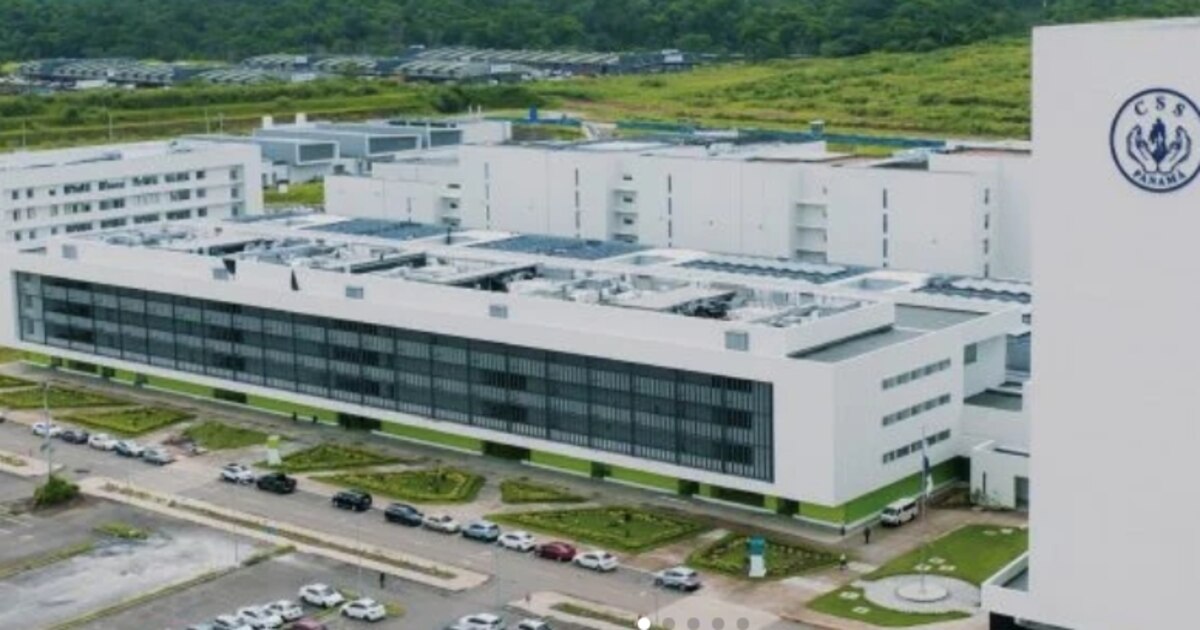
La Caja de Seguro Social (CSS) informó que sus policlínicas y hospitales mantendrán la atención de urgencias durante las 24 horas luego del terremoto que afectó distintas zonas de Panamá, con daños reportados principalmente en Tonosí y otras localidades del interior del país.
El director de la CSS, Dino Mon, explicó en entrevistas con Telemetro que la institución atendió hasta el momento a personas con crisis de ansiedad y a adultos mayores que sufrieron caídas al intentar evacuar durante el sismo. “Nada grave, nada de temas mayores”, aseguró sobre los casos registrados en las instalaciones de la entidad.
Mon indicó que las policlínicas con servicios de urgencias y quirófanos recibieron la instrucción de ampliar su funcionamiento, al igual que los hospitales de la red. La medida incluye laboratorios, estudios especiales y equipos rotativos para responder ante eventuales réplicas o nuevas emergencias.
La principal restricción anunciada por la institución afecta los tratamientos de hemodiálisis y otras terapias de sustitución renal en todo el país. El funcionario explicó que la reducción del suministro de agua en la capital y problemas en sistemas de respaldo de algunos hospitales del interior obligaron a detener esos servicios.
“Todo este tratamiento requiere grandes cantidades de agua y además agua tratada de calidad”, señaló Mon. La CSS espera reiniciar las terapias el domingo, una vez que concluya la revisión de las plantas de agua y se garantice la seguridad operativa de los centros médicos.
También se habilitaron carpas en los hospitales para trasladar de forma preventiva a pacientes hospitalizados si ocurren nuevas réplicas. Mon indicó que estos espacios permitirán evacuar áreas internas y mantener la atención de las personas que requieran cuidados médicos.
Las inspecciones del Sistema Nacional de Protección Civil (Sinaproc) continuaban en varias instalaciones. Entre ellas, el Hospital Rafael Estévez, en Aguadulce; el Hospital de Zona; una policlínica de Penonomé y la sede de la CSS en Tonosí.
De acuerdo con el director, Tonosí concentró las afectaciones más importantes debido a su cercanía con el epicentro. También mencionó daños en la Caja de Atención Primaria de Salud (CAPS) de Los Pozos. “La única entidad importante que registra afectaciones de carácter mayor es Tonosí”, afirmó.
Mon adelantó que realizará un recorrido por las provincias centrales, Veraguas y Tonosí para evaluar las instalaciones y definir las acciones necesarias para restablecer el funcionamiento total de los servicios. La atención de urgencias se mantendrá abierta durante todo el fin de semana para asegurados y personas sin cobertura.
El terremoto fue el más fuerte sentido en Ciudad de Panamá en los últimos 20 años
El terremoto que sacudió varias regiones de Panamá este viernes fue el más fuerte sentido en la ciudad de Panamá durante los últimos 20 años, afirmó el director general del Cuerpo de Bomberos, Víctor Raúl Álvarez Villalobos, en entrevista con Meridiano Blu, de BLU Radio.
El epicentro se ubicó en Tonosí, en la provincia de Los Santos, y el movimiento se percibió con mayor intensidad en la península de Azuero, Veraguas, Coclé, Herrera y Los Santos.
El Cuerpo de Bomberos trabajaba desde 2014 en ejercicios de preparación y evacuación. El mismo viernes había realizado una práctica interna en sus estaciones como parte de los preparativos para un simulacro nacional previsto para el martes siguiente, lo que permitió probar los protocolos de respuesta y evacuar las instalaciones.
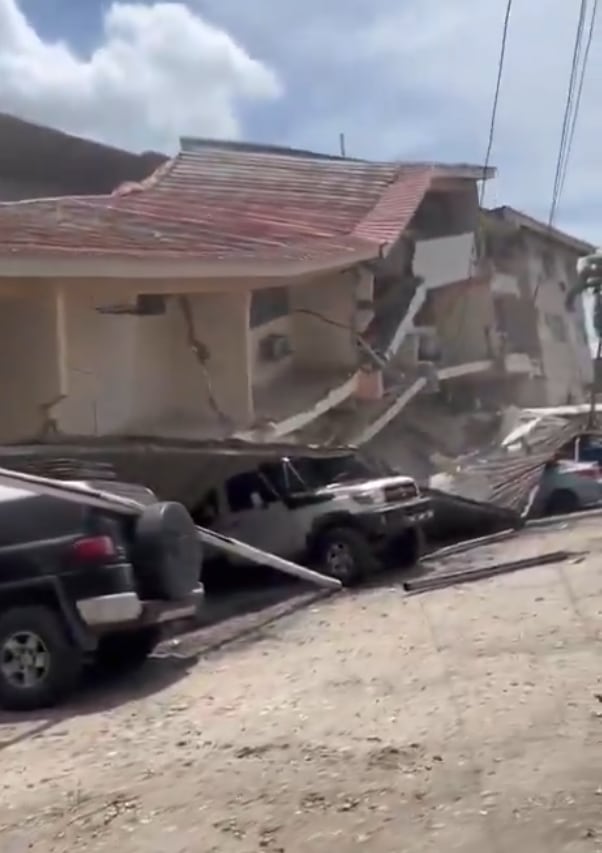
Las autoridades reportaban daños materiales, pero todavía no tenían información confirmada sobre víctimas mortales. En Penonomé, algunos hoteles y supermercados presentaban afectaciones en sus estructuras, mientras los equipos de emergencia recorrían las zonas para evaluar los daños y comprobar la seguridad de las edificaciones.
Álvarez recomendó desalojar las construcciones, permanecer en espacios abiertos, evitar los tendidos eléctricos y permitir el trabajo de los organismos de socorro. Hospitales, centros educativos y otras edificaciones fueron evacuados, mientras los equipos revisaban instalaciones con alta concentración de personas en Ciudad de Panamá, incluidos hospitales, escuelas y edificios gubernamentales.
INTERNACIONAL
Por qué el terremoto en Panamá se sintió durante varios segundos y las hipótesis sobre su origen tectónico
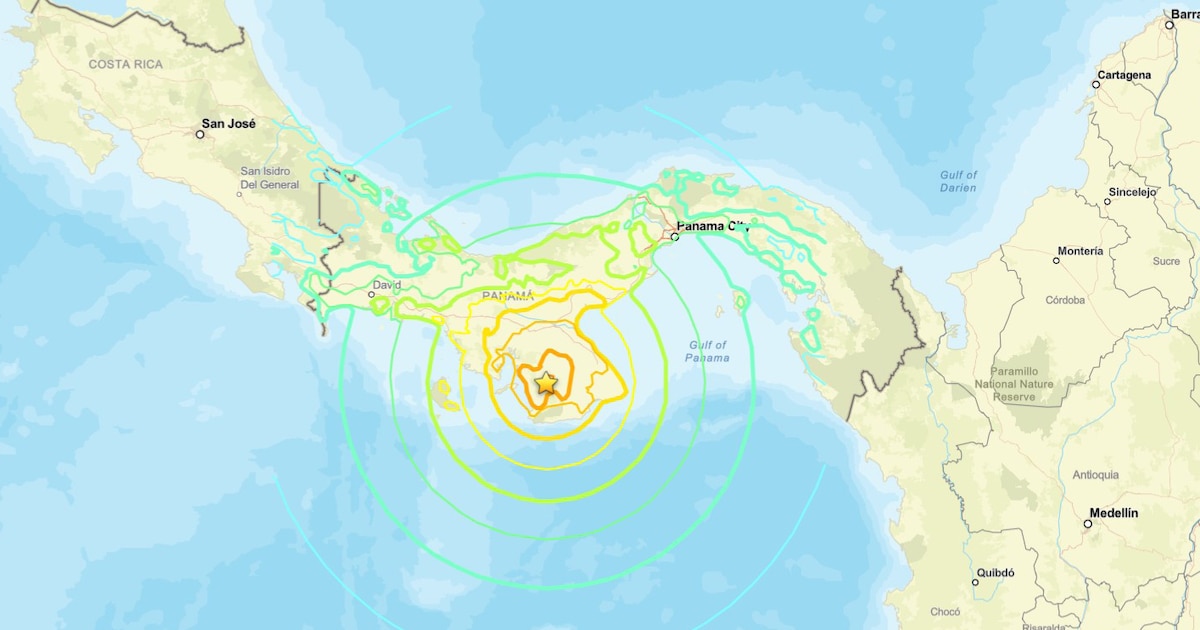
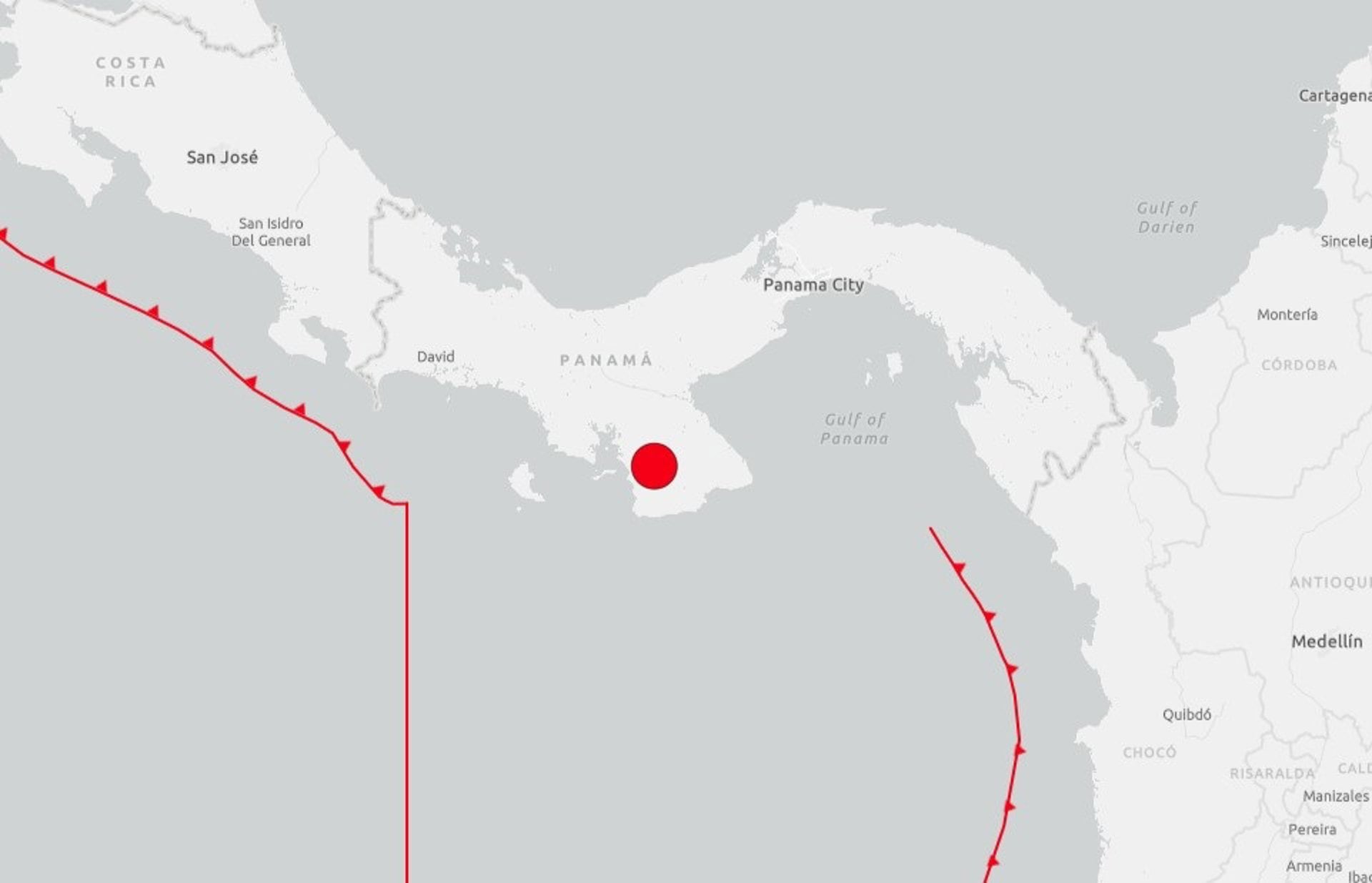
El movimiento pareció no terminar. El terremoto de magnitud preliminar 7,6 que sacudió Panamá y se sintió en Costa Rica se extendió durante varios segundos para quienes estaban lejos de su epicentro, una percepción que respondió a la forma en que viajaron las ondas sísmicas desde la península de Azuero. El evento, ocurrido este viernes 9 de octubre, es considerado el más fuerte registrado en el país en el último siglo y reabrió la atención sobre una zona donde interactúan estructuras tectónicas complejas.
El sismo ocurrió a las 12:56 (hora local, 14:56 de la Argentina) y tuvo su epicentro en la región panameña de Azuero. Las estimaciones iniciales ubicaron la profundidad entre 10 y 33 kilómetros, un rango que lo clasifica como un movimiento superficial. Esa combinación —una magnitud elevada y una fuente cercana a la superficie— ayudó a explicar por qué fue percibido en una amplia zona de Panamá y Costa Rica.
Según la información preliminar, el temblor alcanzó una magnitud de 7,6. El antecedente histórico más fuerte de Panamá se remonta al 7 de septiembre de 1882, cuando un terremoto estimado entre 7,7 y 7,9 afectó el golfo de San Blas, en la actual comarca de Guna Yala. Aquel evento produjo daños en Ciudad de Panamá y Colón, además de un tsunami en el archipiélago de San Blas.
Por qué el terremoto de Panamá se sintió durante tanto tiempo en Costa Rica
Para muchas personas, la duración fue uno de los aspectos más llamativos del movimiento. Leopold Linkimer, sismólogo de la Red Sismológica Nacional (RSN), explicó que la distancia con respecto al foco del sismo cambia la manera en que se percibe el paso de las ondas.
“Entre más distante estamos del epicentro, entonces las ondas sísmicas llegan con diferentes velocidades al lugar donde nos encontramos y por eso la totalidad del movimiento se siente como más extenso”, afirmó Linkimer, de acuerdo con CRHoy.
El terremoto no transmite un único impulso. Libera distintos tipos de ondas, que atraviesan el subsuelo a velocidades diferentes. Algunas llegan primero y otras lo hacen después. En las zonas alejadas del epicentro, esa separación temporal puede ser más perceptible y prolongar la sensación de sacudida.
De esta manera, una persona ubicada cerca de la ruptura puede sentir un movimiento más concentrado e intenso. En cambio, alguien situado a cientos de kilómetros recibe señales sísmicas que se suceden durante más tiempo. La duración percibida no implica que el terremoto haya sido más largo en todos los lugares, sino que las ondas alcanzaron cada región de una manera distinta.
La magnitud también tuvo peso. Un evento de 7,6 libera mucha más energía que los sismos moderados que suelen registrarse en la región. Esa energía se propagó por el terreno y permitió que la sacudida llegara a buena parte del territorio costarricense.
Qué originó el terremoto de Panamá
Una de las primeras hipótesis sitúa el terremoto en una zona de contacto entre la placa de Nazca y la microplaca de Panamá. La placa de Nazca es una gran porción de la corteza terrestre ubicada bajo el océano Pacífico, mientras que la microplaca de Panamá forma parte de un bloque más pequeño que incluye sectores del sur de Centroamérica.
Linkimer advirtió que los análisis todavía eran preliminares. “El terremoto habría ocurrido en la zona en límite entre las placas Nazca y la microplaca de Panamá”, señaló.
Ese contacto puede involucrar dos tipos de movimiento. Uno es la subducción, proceso por el cual una placa se introduce debajo de otra. El otro consiste en un desplazamiento lateral, cuando dos bloques se deslizan de forma horizontal. Ambos mecanismos pueden acumular tensión durante años y liberarla de forma repentina mediante un terremoto.
La profundidad estimada, entre 10 y 33 kilómetros, es otro dato relevante. Un sismo superficial ocurre relativamente cerca de la superficie terrestre. Por eso, aun cuando el epicentro se encuentre en una zona rural o poco poblada, puede sentirse a gran distancia si su magnitud es elevada.
La falla de Azuero, otra de las hipótesis bajo análisis
Los especialistas no descartaron que el evento se haya producido en una falla situada dentro de la placa superior. Entre las estructuras que deberán analizarse figura la falla de Azuero, una formación geológica de gran extensión ubicada en la península panameña del mismo nombre.
Una falla es una fractura de la corteza terrestre cuyos lados pueden desplazarse entre sí. Cuando la presión acumulada supera la resistencia de las rocas, se produce una liberación de energía. Esa liberación viaja en forma de ondas y genera el temblor que perciben las personas.

Por ahora, no hay una conclusión definitiva sobre el mecanismo que originó el terremoto. La RSN indicó que se requieren más estudios de los registros sísmicos para determinar si predominó la interacción entre placas, una falla local o una combinación de ambos procesos.
La revisión posterior de los datos puede ajustar la magnitud, la profundidad y la ubicación precisa de la ruptura. Esa tarea permite reconstruir cómo se movió el terreno y evaluar mejor la secuencia de sismos que siguió al evento principal.
Las réplicas pueden continuar durante días, semanas o meses
Tras el sismo principal, la RSN ya había contabilizado cerca de 10 réplicas considerables. Linkimer alertó que podrían ocurrir más durante las próximas horas, días, semanas e incluso meses, y que algunas podrían sentirse en Costa Rica.
Las réplicas son terremotos posteriores que ocurren en la zona afectada mientras la corteza busca un nuevo equilibrio. Suelen tener una magnitud menor que la del movimiento principal, aunque pueden resultar perceptibles y, en algunos casos, generar alarma entre la población.
La posibilidad de nuevas sacudidas no permite anticipar con precisión la fecha ni la intensidad de cada réplica. Lo que sí señalan los especialistas es que una secuencia de este tipo es esperable después de un terremoto de magnitud 7,6, sobre todo en un sector donde confluyen placas y fallas activas.
earthquake,horizontal
INTERNACIONAL
Massive 7.7 magnitude earthquake strikes Panama as officials investigate potential tsunami threat
NEWYou can now listen to Fox News articles!
A powerful 7.7 magnitude earthquake struck off Panama’s southern coast Friday, shaking the country’s capital as officials investigated a potential tsunami threat.
The U.S. Geological Survey initially measured the earthquake at magnitude 8.0 before lowering its estimate to 7.7. The quake struck at 1:56 p.m. ET, approximately 6 miles beneath the surface, near Pitaloza Arriba, Panama.
A 5.5 magnitude aftershock followed, with its epicenter approximately 50 miles east of the initial earthquake.
MORE THAN 3,000 MISSING AFTER COLOMBIA EARTHQUAKE AS TRUMP ADMINISTRATION PROVIDES $15.5 MILLION IN RELIEF
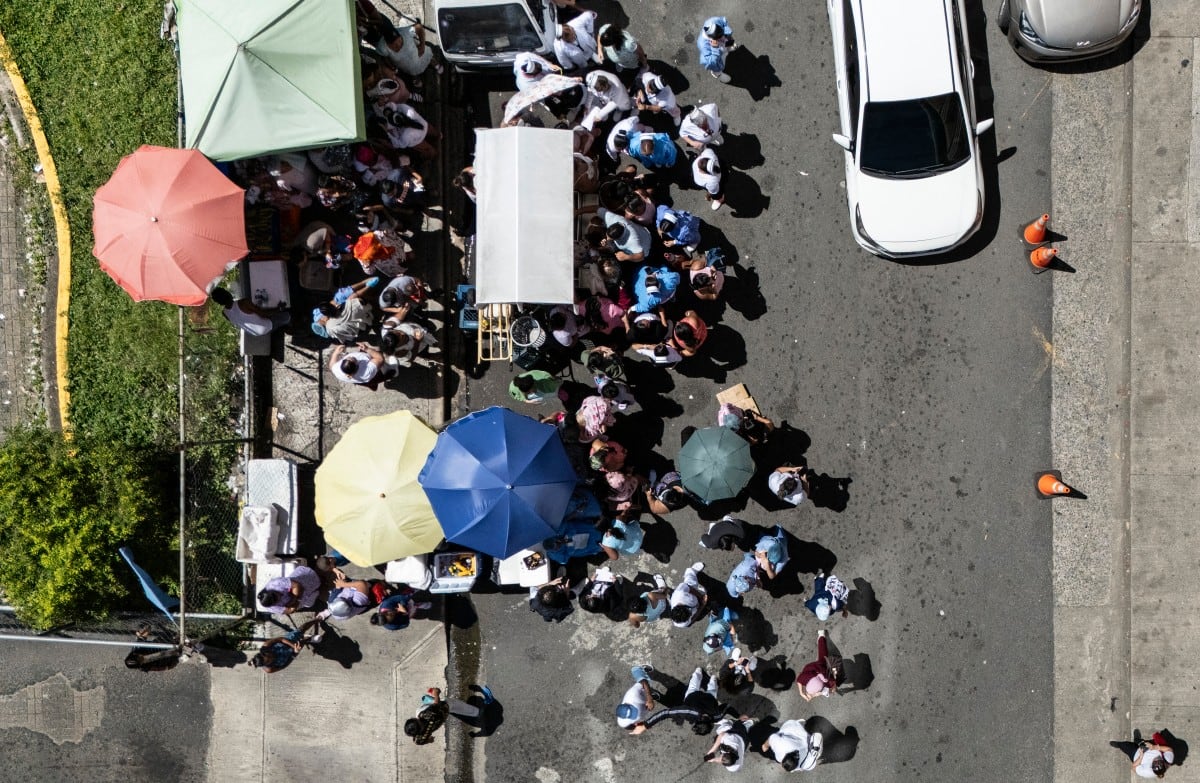
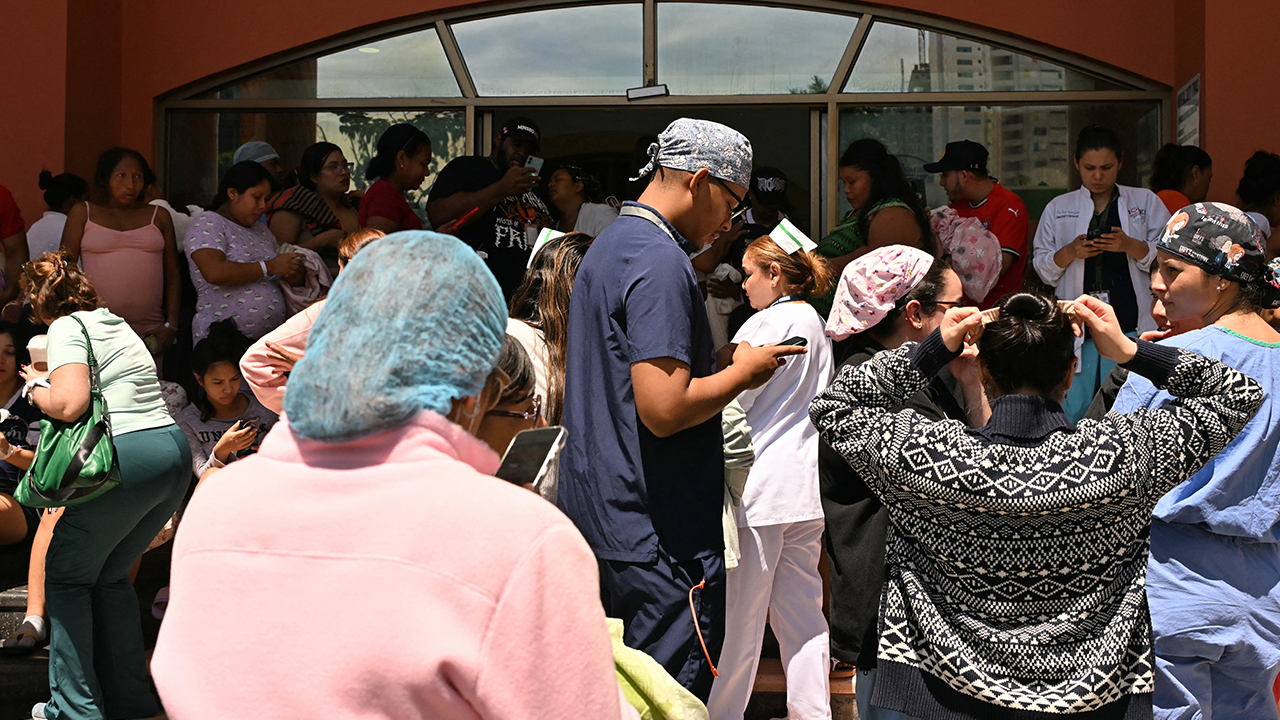
People stand outside the maternity ward of the Santo Tomas hospital after a severe magnitude 7.7 earthquake thet hit the country in Panama City Oct. 9, 2026. (Martin Bernetti/AFP via Getty Images)
The earthquake was felt in Panama City and in San José, the capital of neighboring Costa Rica, according to Reuters.
Tsunami officials warned that waves reaching 3 to 10 feet above tide levels were possible along some coastal areas of Panama, while parts of Ecuador could experience waves of approximately 1 to 3 feet.
Smaller tsunami waves of less than 1 foot above tide levels were forecast for coastal areas of Colombia, Costa Rica, Ecuador, El Salvador, Guatemala, Mexico, Nicaragua and Peru.
COLOMBIA BUILDING COLLAPSES ON CAMERA AS EARTHQUAKE BRINGS DEATH, DESTRUCTION
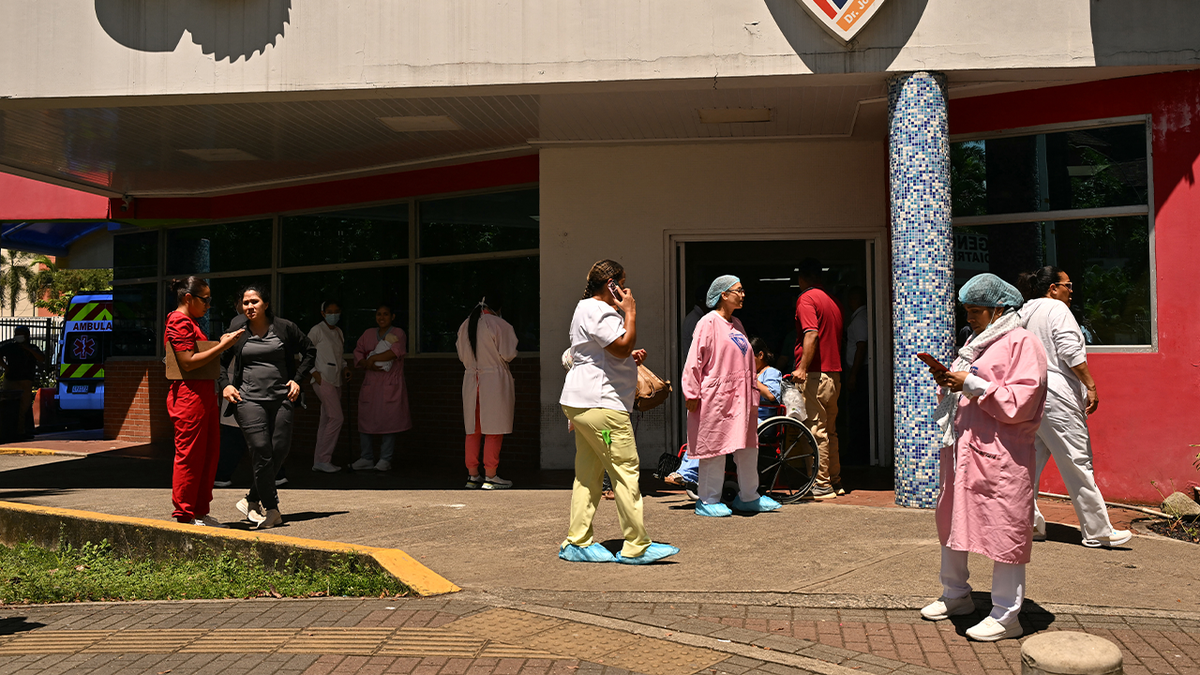
Medical workers and patients gather outside a hospital after a powerful earthquake in Panama Oct. 9, 2026. (Martin Bernetti/AFP via Getty Images)
Despite the potential danger to coastal communities near the earthquake, officials said a Pacific-wide tsunami was not expected.
Earthquakes measuring between 7.0 and 7.9 can cause serious damage, according to Michigan Technological University.
Information about possible damage or casualties from Friday’s earthquake was not immediately available.
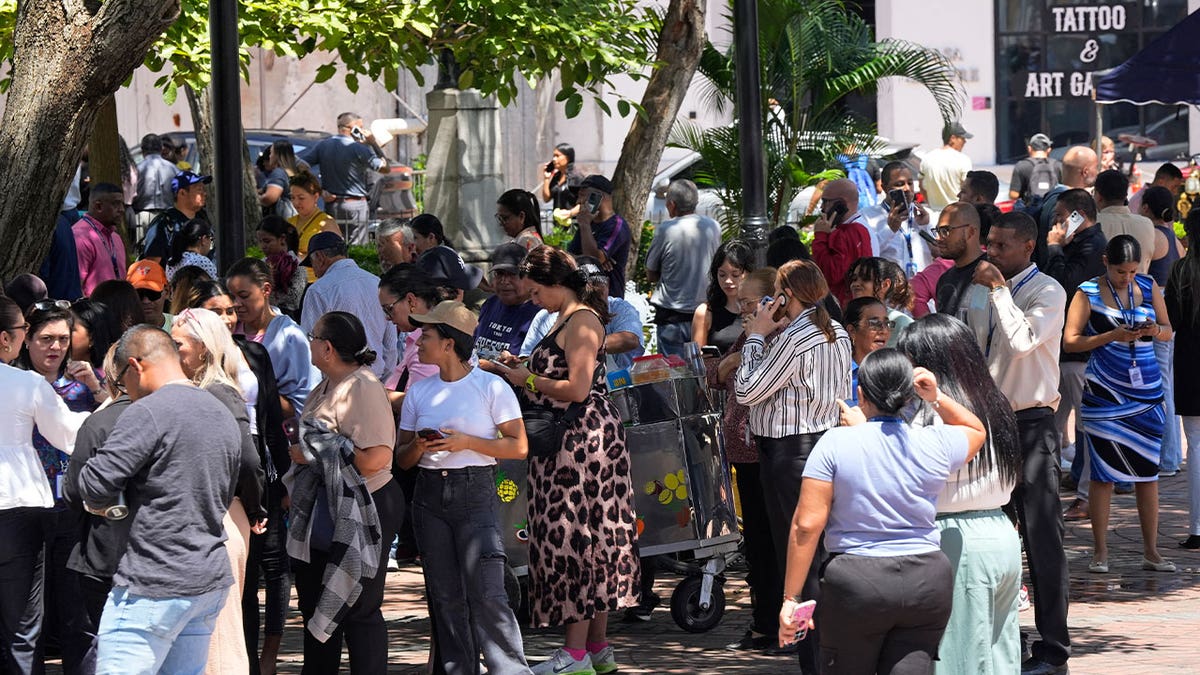
People gather in a Panama City square after evacuating a building after a powerful earthquake. (Arnulfo Franco/AFP via Getty Images)
This is a developing story; check back later for updates.
earthquakes, tsunami, world, natural disasters

La Caja de Seguro Social de Panamá mantendrá las urgencias abiertas las 24 horas después del terremoto

El BCRA aceleró las compras de dólares y acumula casi USD 15.000 millones en 2026

La idea de autorizar listas colectoras vuelve a la mesa de negociación entre el Gobierno y las provincias

Independiente necesita una victoria urgente ante Talleres para no perder terreno en el Torneo Clausura

En medio de la polémica por los fondos para discapacidad, Milei acusó a la oposición: “No defienden derechos, defienden cajas”

El descargo de Matías Martin tras las acusaciones de Chloe Bello: «No hubo ningún levante ni seducción»

Escándalo total en la AFA: reventa millonaria, un homenaje paupérrimo a Messi y el pedido urgente de renuncia a Chiqui Tapia

Después de su prohibición, las plataformas de apuestas deportivas y los casinos en línea ya están fuera de servicio en Brasil

Marcha contra la Corte: sectores del PJ, la izquierda, gremios y piqueteros protestan por el fallo que libera la venta de tierras para extranjeros

El discurso completo de Leo Messi en su despedida con Argentina: ‘Hoy me toca quizás el día más triste de mi carrera’

 DEPORTE2 días ago
Escándalo total en la AFA: reventa millonaria, un homenaje paupérrimo a Messi y el pedido urgente de renuncia a Chiqui Tapia
- DEPORTE3 días ago
El discurso completo de Leo Messi en su despedida con Argentina: ‘Hoy me toca quizás el día más triste de mi carrera’
- SOCIEDAD2 días ago
Tobey Maguire se quedaba ciego con el traje de Spider-Man y casi se desmaya durante una prueba: fabricar su disfraz fue una pesadilla