INTERNACIONAL
Pakistán confirmó gestiones para una nueva ronda de diálogo entre Estados Unidos e Irán, pero sin fecha definida

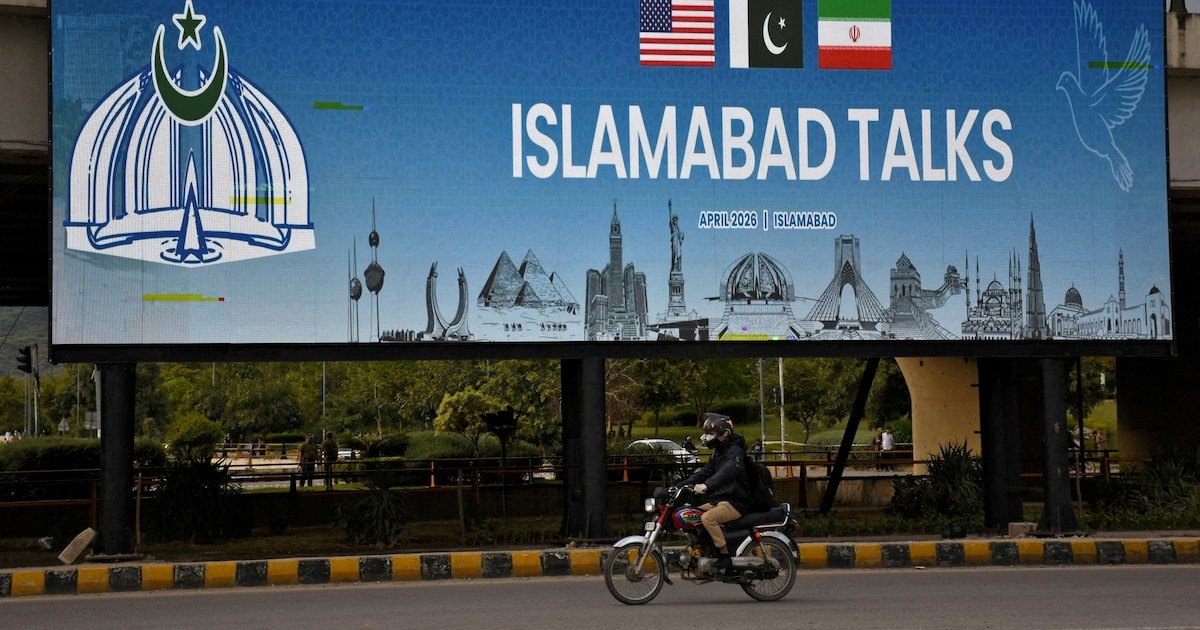
El Ministerio de Relaciones Exteriores de Pakistán confirmó este jueves que se están manteniendo contactos para organizar una nueva reunión entre delegaciones de Estados Unidos e Irán con el objetivo de alcanzar un acuerdo que ponga fin a la guerra, pero aclaró que todavía no hay una fecha definida para ese encuentro.
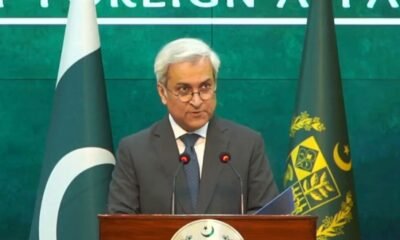
El portavoz Tahir Andrabi señaló que Islamabad sigue ejerciendo su papel de mediador y que los detalles sobre la composición y el tamaño de las delegaciones serán determinados por las partes involucradas.
“Como mediadores, es fundamental que mantengamos la confidencialidad de las conversaciones. Tenemos la información que nos han confiado los negociadores”, afirmó Andrabi en conferencia de prensa.
El funcionario describió el resultado de la primera ronda, celebrada el 12 de abril en Islamabad, como un proceso “sin avances decisivos pero tampoco rupturas”, y confirmó que los temas nucleares continúan siendo el principal obstáculo para lograr un acuerdo.
Andrabi evitó dar detalles sobre los puntos exactos en discusión, pero remarcó que Pakistán mantiene un canal de comunicación activo entre las delegaciones y que la mediación es parte de una estrategia regional más amplia conocida como el “Proceso de Islamabad”.

El anuncio se produjo en paralelo a una intensa agenda diplomática de las autoridades paquistaníes. El primer ministro Shehbaz Sharif se encuentra en una gira que ya lo llevó a Jeddah y Doha, y que prevé una escala en Antalya.
Durante su paso por Qatar, Sharif discutió con el emir Sheikh Tamim bin Hamad Al Thani la situación en el Golfo y la importancia de sostener la estabilidad y el diálogo internacional en Medio Oriente.
El jefe de las Fuerzas Armadas de Pakistán, Asim Munir, viajó a Teherán junto con el ministro del Interior, Mohsin Naqvi, para mantener encuentros con altos funcionarios iraníes, incluido el canciller Abbas Araghchi y el presidente del Parlamento Mohammad Bagher Ghalibaf.
Desde Teherán, el embajador Reza Amiri Moghadam enfatizó que Irán solo aceptará Pakistán como sede de las negociaciones con Estados Unidos.
“Las conversaciones se realizarán en Pakistán y en ningún otro lugar, porque confiamos en Pakistán”, sostuvo Moghadam en un acto en Islamabad.
Analistas paquistaníes señalan que Pakistán está impulsando una doble estrategia, con el primer ministro buscando apoyo en las potencias del Golfo y el jefe militar concentrado en cerrar una nueva ronda de diálogo entre Washington y Teherán, con el foco puesto en extender la frágil tregua y acercar posiciones sobre el programa nuclear iraní.

Por otro lado, funcionarios de Pakistán desmintieron que Munir tuviera prevista una visita a Washington, calificando esas versiones como especulativas. El portavoz Andrabi señaló que no tenía conocimiento de ningún viaje planificado por el jefe militar tras su paso por Irán.
El presidente de Estados Unidos, Donald Trump, anticipó este jueves que la próxima reunión entre negociadores estadounidenses e iraníes podría celebrarse durante el fin de semana.
Trump afirmó que “estamos muy cerca de un acuerdo con Irán” y precisó que Teherán ha ofrecido no buscar armas nucleares durante más de dos décadas, aunque la extensión y alcance de ese compromiso sigue en debate.
Trump insistió en que un acuerdo permitiría reducir los precios del petróleo, controlar la inflación y eliminar el riesgo de proliferación nuclear en la región.
“Si esto sucede, veremos una caída en el precio del petróleo, la inflación bajará y, más importante aún, se evitará una catástrofe nuclear”, dijo el mandatario.

El mandatario republicano sostuvo que su administración mantiene un “muy buen canal” con Irán y que el bloqueo y los bombardeos de las últimas semanas han sido determinantes para que Teherán se muestre dispuesto a negociar.
“Creo que tenemos una oportunidad real. Irán quiere hacer un trato”, señaló. El presidente agregó que, de alcanzarse un acuerdo en Islamabad, podría viajar personalmente a la capital pakistaní para firmarlo.
Trump también anunció que planea invitar al primer ministro israelí Benjamin Netanyahu y al presidente libanés Joseph Aoun a la Casa Blanca para avanzar hacia un acuerdo de paz regional, en línea con el cese de hostilidades entre Israel y Hezbollah, que comenzó este jueves.
(Con información de AFP y Reuters)
Tahir Andrabi


INTERNACIONAL
Top Virginia Dem dinged for on-air correction of state’s voter ID law, as opponent demands answers
NEWYou can now listen to Fox News articles!
Senate Intelligence Committee Vice Chairman Mark Warner’s Republican challengers are seizing on the Virginia Democrat’s on-air exchange over his opposition to the SAVE Act, after the anchor corrected him on his own state’s election laws.
Warner argued the SAVE Act — part of conservatives’ election security push — could disenfranchise married women and others, while pointing to Sen. Lisa Murkowski’s, R-Alaska, opposition as evidence of bipartisan concern.
«It’s astonishing that a man who has spent nearly two decades representing Virginia in the United States Senate doesn’t even know Virginia’s own voter ID laws,» Marine Reserves Lt. Col. David Williams exclusively told Fox News Digital on Tuesday.
«If Senator Mark Warner can’t get a basic fact about our elections right on national television, how can Virginians trust him to protect the integrity of those elections?»
TRUMP INTERVENES AS HOUSE GOP REVOLT PUTS SAVE AMERICA ACT AT CENTER OF SPENDING SHOWDOWN
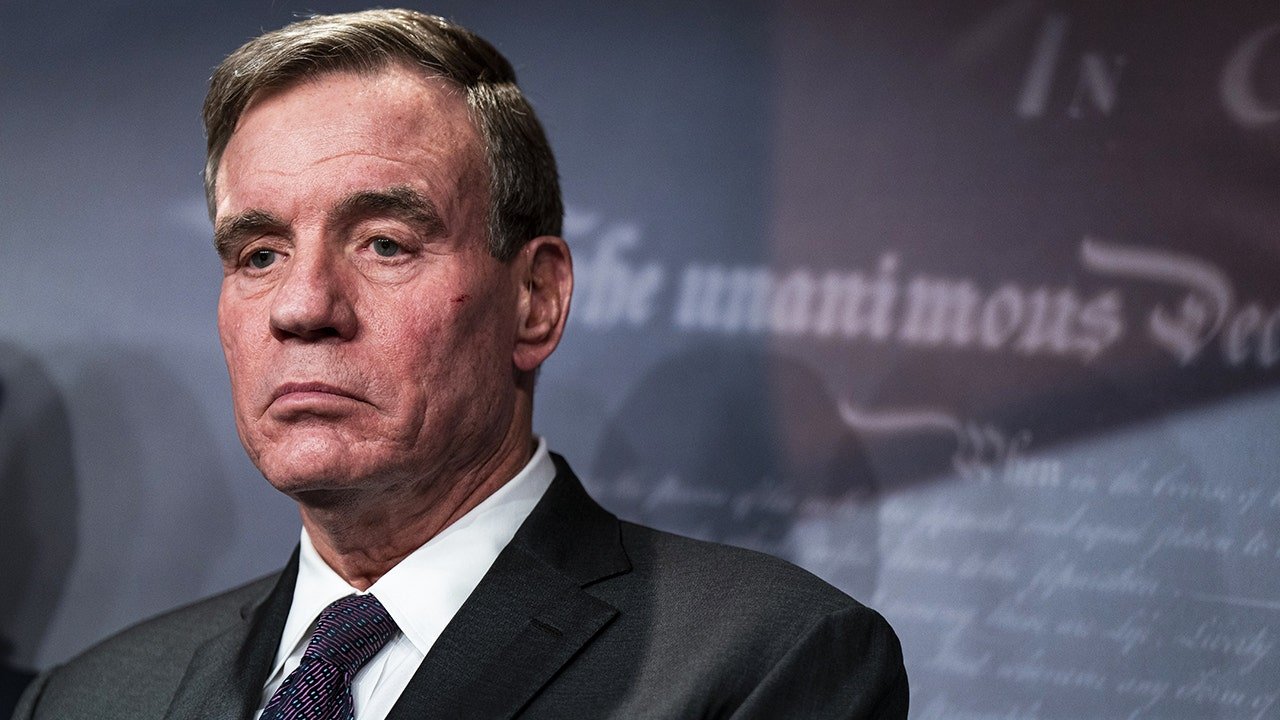
Sen. Mark Warner, D-Va., questions Robert Kennedy Jr., not pictured, at a hearing. (Anna Moneymaker/Getty Images)
Williams, an Iraq War veteran and former diplomat, said the SAVE Act is the «common-sense» move to secure America’s elections without disenfranchising «legal vote[s].»
«If Senator Warner believes only American citizens should vote in American elections, he should join me in demanding an immediate vote on the SAVE America Act. If he won’t, Virginians deserve to know why.»
On Sunday, ABC News anchor Jon Karl told Warner 80% of Americans including 71% of Democrats support nationwide voter ID, to which Warner replied that «in Virginia we have voter ID and photo ID – I have to show my…» trailing off as Karl cut in:
«That’s actually not the case. I’m a Virginia voter,» Karl said. «You don’t need to show voter-ID in Virginia — There are a wide range of things you can show for it.»
MARINE VETERAN DAVID WILLIAMS LAUNCHES SENATE BID
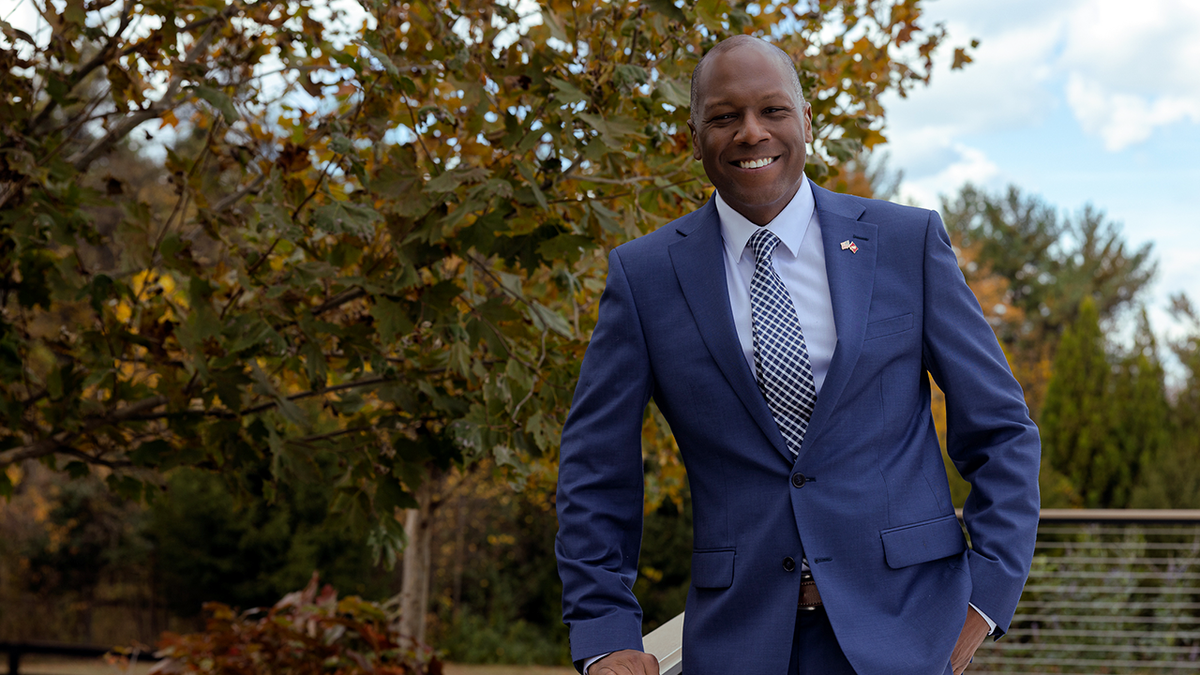
David Williams is running for Senate in Virginia. (David Williams for Senate)
Karl added that voters can still provisionally vote if they sign an affidavit.
Warner replied there are a variety of ways Virginians can legally vote, adding he found irony in some states purportedly accepting «NRA gun licenses» while rejecting student IDs.
The Virginia Department of Elections’ list of acceptable forms of identification includes some that do not require photographs, such as a water bill.
Under Virginia law, election officers must ask in-person voters for identification, but acceptable forms include voter confirmation documents, utility bills, bank statements, government checks and paychecks, which do not need to include a photograph. A voter without acceptable identification can sign an ID Confirmation Statement under felony penalties and cast a regular ballot. Voters who provide neither must cast a provisional ballot.
«[C]ertain states will say we’re going to let you show your NRA gun license but you can’t show your student ID if you’re going have a set of IDs let’s have it across the board as long as it comes from some official point,» Warner said.
SIGN UP TO GET THE POLITICS NEWSLETTER
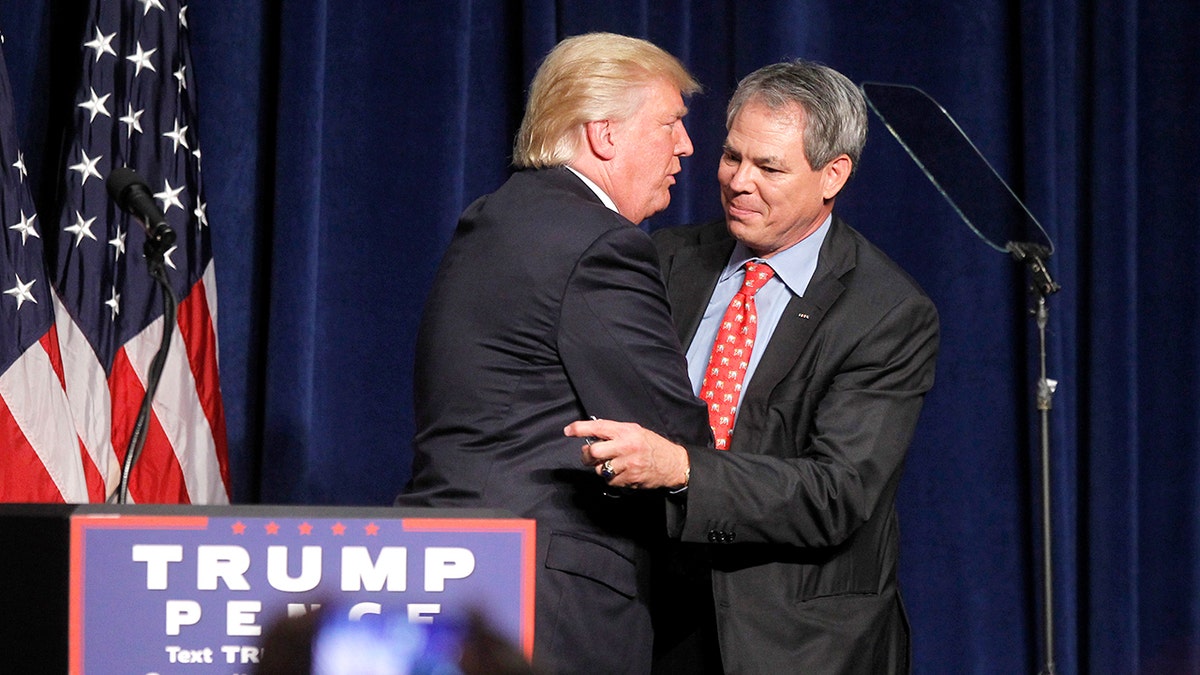
Then-candidate Donald Trump greets Maj. Gen. Bert Mizusawa onstage in Greenville, N.C. in 2016. (Ethan Hyman/Getty Images)
Maj. Gen. Bert Mizusawa [Ret.], who is also seeking the Republican nomination to challenge Warner, echoed Williams’ criticism.
«The biggest takeaway is that Mark Warner opposes the SAVE America Act, which is required to secure America’s defining democratic process: honest elections that reflect the will of legitimate voters,» Mizusawa said in a statement.
«The question is why? He either knows that our current flawed elections are rife with fraud and likes it that way or chooses to stay ignorant, both to the detriment of the American people.»
Fox News Digital reached out to Warner’s campaign for comment.
Mizusawa said that if elected, he also would join fellow Republicans in supporting the SAVE Act and «finally secure our federal elections.»
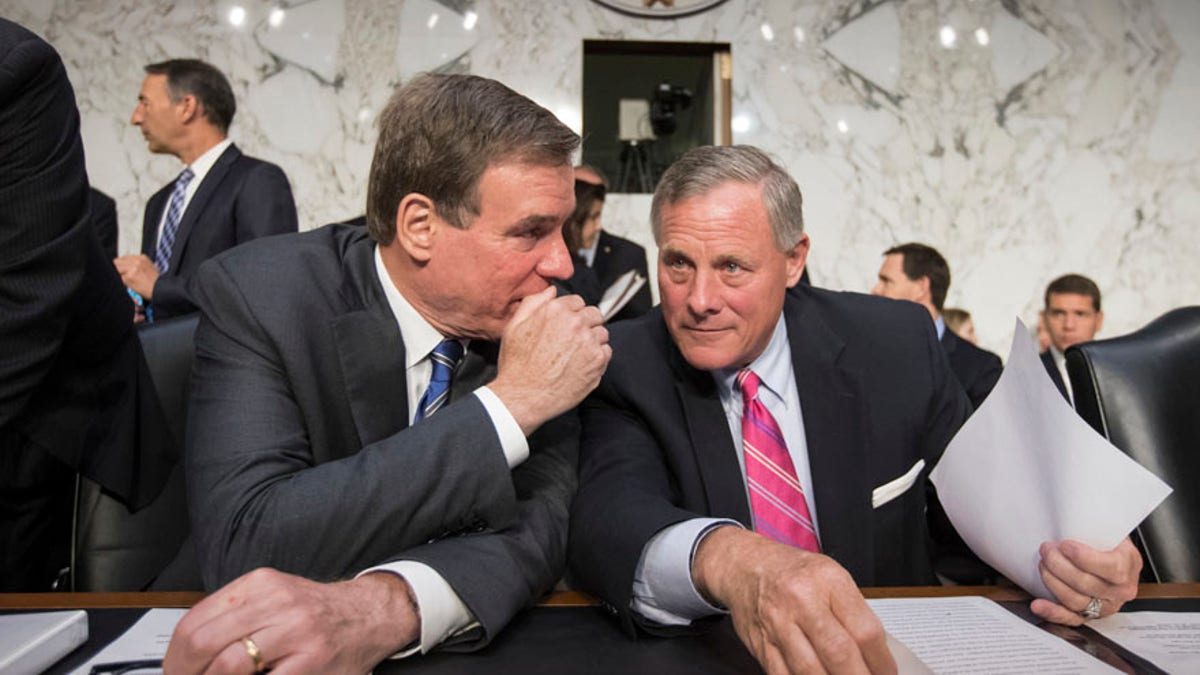
Senate Intelligence Committee Chairman Sen. Richard Burr, R-N.C., right, and committee Vice Chairman Sen, Mark Warner, D-Va. confer on Capitol Hill in Washington, Wednesday, June 28, 2017, as the panel conducts a hearing on Russian intervention in European elections in light of revelations by American intelligence agencies that blame Russia for meddling in the 2016 U.S. election. (AP Photo/J. Scott Applewhite)
CLICK HERE TO DOWNLOAD THE FOX NEWS APP
Tech executive Kim Farington, the other candidate in the race, replied to coverage of Warner’s interview on X.
«You either still don’t know Virginia’s voter ID requirements after serving three terms or you’re not telling Virginians the truth,» Farington said.
The SAVE Act would require documentary proof of U.S. citizenship to register to vote in federal elections, a proposal Republicans say is needed to secure elections and Democrats argue could create new barriers for eligible voters.
Fox News Digital’s Brian Flood contributed to this report.
democrats senate, virginia, voting, midterm elections, politics
INTERNACIONAL
Donald Trump amenazó con atacar un complejo nuclear subterráneo en Irán: “No hemos terminado en absoluto”
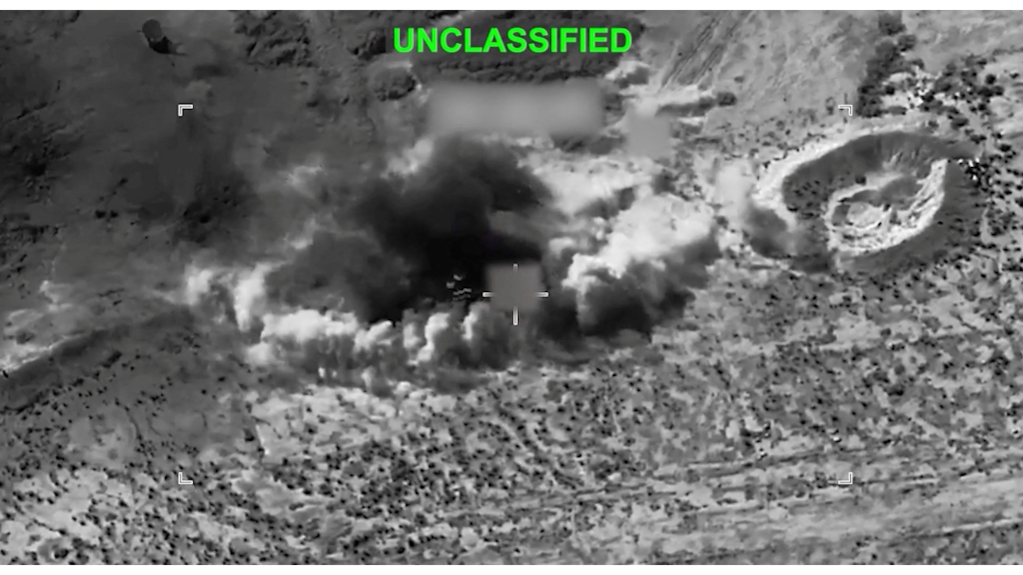
En medio de una intensificación de los ataques en Medio Oriente, el presidente estadounidense, Donald Trump, declaró este martes que “no ha terminado en absoluto” su campaña contra Irán y amenazó con golpear un complejo nuclear subterráneo en el país persa.
“Si nos fuéramos ahora, a Irán le llevaría 20, 25 años reconstruir. Pero no hemos terminado en absoluto”, afirmó durante un intercambio con periodistas en el Despacho Oval de la Casa Blanca.
El madatario estadounidense advirtió que el próximo objetivo militar podría ser un complejo nuclear subterráneo conocido como Montaña Pickaxe.
Se trata de una instalación nuclear enterrada a gran profundidad cerca de Natanz, en el centro de Irán, donde los servicios de inteligencia occidentales sospechan que Irán está construyendo una planta de enriquecimiento no declarada.
“Vamos a golpear esa zona muy pronto, y con mucha fuerza”, dijo Trump. Además, señaló que normalmente no anunciaría blancos militares, pero “no hay nada que (los iraníes) puedan hacer al respecto”.
Trump estimó que a Irán le llevaría más de 20 años reconstruir los daños actuales en declaraciones a periodistas durante una reunión en la Casa Blanca con el presidente libanés Joseph Aoun.
Irán intensifica sus ataques en Medio Oriente
En tanto, dos semanas después de la reanudación de las hostilidades con Estados Unidos, Irán intensificó sus ataques en Oriente Medio en una guerra total, según Teherán, que amenaza con extenderse al mar Rojo.
Si la república islámica ya controla el estratégico estrecho de Ormuz, sus aliados en Yemen, los rebeldes hutíes, afirmaron que quieren bloquear la navegación desde y hacia puertos sauditas en el mar Rojo.
Los rebeldes hutíes son armados por Irán (Foto: EFE)
Durante la guerra en Gaza, los rebeldes hutíes, que controlan amplias zonas de Yemen, ya perturbaron gravemente el tráfico marítimo mundial con lanzamientos de drones y misiles contra buques que pasaban por esa zona.
El lunes, anunciaron un “bloqueo marítimo contra el enemigo saudita criminal”, aliado de Estados Unidos.
Leé también: Quién es el nuevo líder de Hamas: sobrevivió a tres intentos de asesinato y fue clave para negociar el alto el fuego con Israel
No está claro cómo los rebeldes de Yemen pueden implementar este cerco contra uno de los principales productores mundiales de petróleo, que cuenta con sus puertos en el mar Rojo para esquivar el bloqueo iraní de Ormuz.
Trump también amenazó este martes a los hutíes y afirmó que si avanzan en el cerco se encargará de ellos.
“Ya lo saben, lo hemos hecho antes con los hutíes, y hace tiempo que no sabemos nada de ellos desde que tomamos las medidas que tomamos en su momento”, afirmó.
Los expertos también alertan de una posible perturbación de la navegación en el estrecho de Bab el Mandeb, en la costa sur de Yemen, que da acceso al mar Rojo y es vía de paso hacia el canal de Suez y el Mediterráneo.
Tras el anuncio, los precios del petróleo alcanzaron el lunes su nivel más alto desde hacía un mes y, aunque el martes bajaron ligeramente, el barril de Brent sigue sobre 90 dólares.
Irán atacó Jordania, Baréin y Kuwait
En el otro extremo de la península de Arabia, las tensiones en torno al control de Ormuz condujeron a la reanudación el 7 de julio de las hostilidades entre Irán y Estados Unidos.
Los bombardeos alcanzaron niveles sin precedentes desde el primer alto el fuego acordado en abril y reforzado a mediados de junio por un protocolo de acuerdo que debía conducir al final de la guerra.
Como ya hizo al comienzo de los bombardeos israelo-estadounidenses el 28 de febrero, Irán respondió con ataques a aliados de Washington en el Golfo y Oriente Medio como Siria, Jordania o Irak.
En las últimas 24 horas, Jordania, Baréin y Kuwait denunciaron ataques con drones y misiles iraníes.
“El enemigo deberá prepararse para olas de drones y ataques de misiles aún más decisivos y poderosos”, afirmaron el martes la Guardia Revolucionaria Islámica.
Este ejército ideológico de Irán aseguró que sus fuerzas habían destruido sistemas de defensa antiaérea e instalaciones de radares en Baréin y Kuwait.
En este segundo país, las autoridades pidieron a la población que racione el uso de aire acondicionado después de denunciar que Teherán había atacado instalaciones de desalinización y centrales eléctricas.
(Con información de AFP)
Irán, Donald Trump
INTERNACIONAL
Se advierte a los viajeros que un error al hacer la maleta podría costar hasta 10 años de prisión y multas de USD 15.000
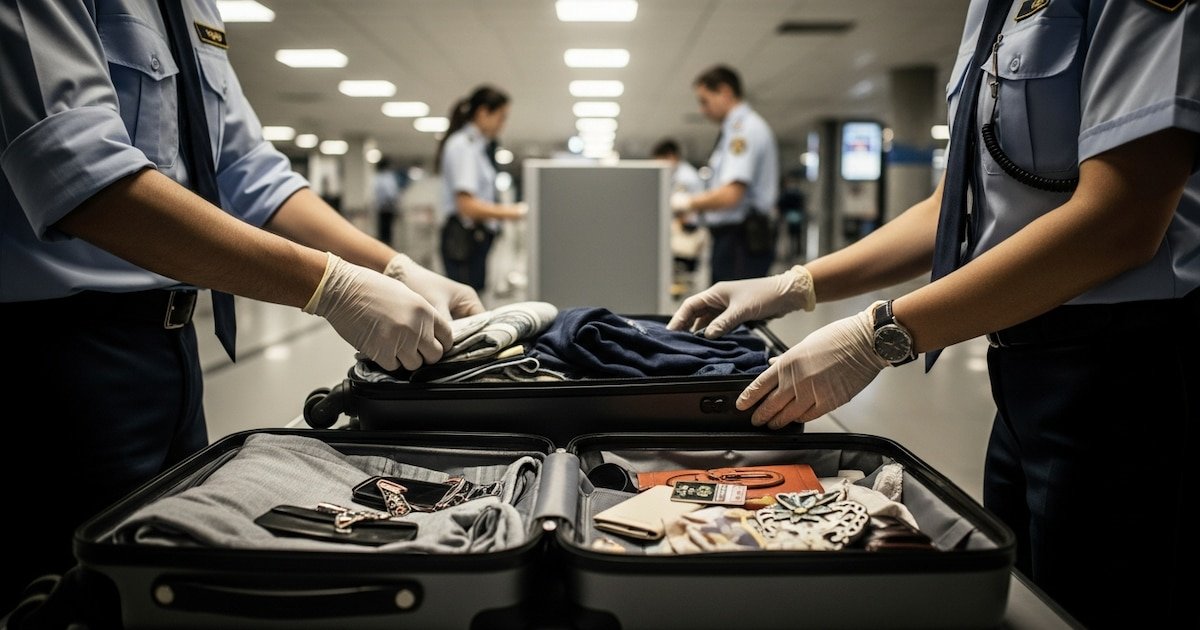
El gobierno de Tailandia implementó nuevas sanciones que contemplan hasta 10 años de prisión y multas de 500.000 baht (unos 15.000 dólares estadounidenses) para quienes intenten ingresar o sacar productos de cannabis a través de los aeropuertos del país sin autorización. Esta norma, vigente desde junio de 2026, afecta a turistas internacionales, residentes y ciudadanos tailandeses, según fuentes oficiales consultadas por Fox News y la Embajada de Estados Unidos en Tailandia. Las embajadas de varios países advierten a sus ciudadanos sobre los riesgos legales y recomiendan revisar la legislación local antes de viajar.
De acuerdo con la Embajada de Estados Unidos en Tailandia, la nueva política responde a un refuerzo de los controles aduaneros tras el aumento de intentos de contrabando y tráfico de cannabis en vuelos internacionales. Las penas incluyen privación de libertad y sanciones económicas significativas, sin excepción por cantidades pequeñas o uso personal. Fox News y medios tailandeses reportan que la normativa prohíbe expresamente el traslado internacional de cannabis sin permisos oficiales, incluso si el producto es legal en el país de origen del viajero.
El endurecimiento de la ley tailandesa se produce tras la despenalización de la posesión de cannabis para consumo interno en 2022. Las autoridades locales justifican la medida por el incremento de incautaciones y el desvío de productos derivados hacia otros mercados, según comunicados del gobierno de Tailandia.
¿Qué consecuencias legales enfrenta un turista que transporta cannabis en Tailandia?
Las consecuencias legales para quienes transportan cannabis en los aeropuertos de Tailandia son claras: hasta 10 años de prisión y multas que pueden llegar a los 500.000 baht, equivalentes a aproximadamente 15.000 dólares estadounidenses. La Embajada de Estados Unidos en Tailandia advierte que la normativa se aplica sin distinción a residentes, extranjeros, turistas y pasajeros en tránsito. El decomiso inmediato del producto y la apertura de un proceso penal son las acciones iniciales ante la detección de cannabis en el equipaje, de acuerdo con el Departamento de Aduanas de Tailandia.
Según declaraciones recogidas por Fox News, “el hecho de portar cannabis, aunque sea en cantidades mínimas o con prescripción médica, no exime de responsabilidad penal en Tailandia”. Los controles en los principales aeropuertos internacionales incluyen inspecciones con rayos X, perros adiestrados y cooperación entre policías migratorias y organismos de aduanas. Las autoridades tailandesas han incrementado la vigilancia en respuesta a recientes incautaciones en otros países de la región, como Hong Kong e Indonesia.

¿Por qué Tailandia endureció las leyes sobre el cannabis en fronteras?
El endurecimiento de la legislación sobre cannabis en las fronteras de Tailandia responde a dos factores principales: el aumento del tráfico internacional y la necesidad de alinearse con las recomendaciones de organismos internacionales en materia de control de estupefacientes. Según información oficial, las incautaciones de cannabis en aeropuertos se multiplicaron tras la despenalización interna de la planta en 2022. El Ministerio de Salud Pública de Tailandia, citado por The Diplomat, destaca que la normativa busca evitar que los productos legales en Tailandia terminen en países donde el cannabis sigue siendo ilegal o está sujeto a controles estrictos.
Las autoridades tailandesas subrayan que, aunque el consumo y la posesión de cannabis para uso personal son legales en el país desde 2022, la exportación y la importación de cualquier derivado siguen prohibidas sin autorización expresa. “El hecho de que la posesión se haya despenalizado no significa que su traslado a través de fronteras esté permitido”, advierte la Embajada de Estados Unidos en Tailandia. El gobierno tailandés ha reforzado los controles y endurecido las penas tras varios incidentes en los que grandes cantidades de cannabis fueron incautadas en vuelos internacionales.
¿Qué diferencias existen entre la ley tailandesa y la de otros países respecto al cannabis?
La principal diferencia entre la ley tailandesa y la de otros países radica en la severidad de las penas y la aplicación estricta en los controles de frontera. Mientras que en países como Estados Unidos o Canadá la posesión de cannabis puede estar permitida en ciertos estados o bajo prescripción médica, en Tailandia cualquier intento de cruzar la frontera con productos derivados, aunque sean legales en el país de origen, constituye un delito penal.
Según Fox News, “cuando se viaja a otra jurisdicción, se está sujeto a sus leyes”. El caso de la deportista estadounidense Brittney Griner en Rusia, quien fue detenida por portar aceite de cannabis, es citado como ejemplo de la aplicación estricta de las normativas antidrogas fuera de Estados Unidos. Las embajadas de países occidentales, como Estados Unidos, Australia y varios de la Unión Europea, han reiterado que la legalidad en el país de residencia no tiene validez en el destino y recomiendan consultar la legislación local antes de viajar.

¿Qué productos de cannabis están prohibidos en Tailandia y cuáles son las excepciones?
En Tailandia, están prohibidos todos los productos de cannabis que se trasladen a través de las fronteras, incluyendo flores, aceites, comestibles, extractos y medicamentos, salvo que se cuente con un permiso oficial específico. Las excepciones son mínimas y solo aplican para importadores o exportadores autorizados por el Ministerio de Salud Pública y la Dirección General de Aduanas del país.
De acuerdo con el comunicado oficial de la Embajada de Estados Unidos en Tailandia, “la falta de dicho permiso puede derivar en una condena de hasta 10 años de prisión y una multa máxima de 500.000 baht”. El transporte de semillas y plantas también está prohibido sin licencia. Las autoridades recomiendan no llevar ningún producto de cannabis, aunque esté recetado para uso medicinal, ya que las leyes tailandesas no reconocen las recetas extranjeras.
Las embajadas de Estados Unidos, Canadá y países de la Unión Europea han intensificado las advertencias a sus ciudadanos sobre los riesgos de portar cannabis al viajar a Tailandia. Las recomendaciones incluyen:
- Revisar a fondo el equipaje antes de viajar para asegurarse de no transportar productos de cannabis, ni siquiera por accidente.
- Consultar la legislación tailandesa en fuentes oficiales, como la página web de la Embajada de Estados Unidos en Tailandia y el Ministerio de Salud Pública.
- No confiar en la validez de recetas médicas emitidas en otros países.
- No portar productos de cannabis, aunque sean para uso personal, terapéutico o recreativo.
La Administración de Seguridad del Transporte (TSA) de Estados Unidos recuerda que, aunque la posesión de cannabis medicinal puede estar permitida en vuelos internos bajo ciertas condiciones, cualquier cruce de fronteras internacionales implica la aplicación de las leyes del país de destino, según reportó Fox News.

¿Qué deben saber los viajeros antes de volar a Tailandia o hacer escala en el país?
Los viajeros que planean visitar Tailandia o hacer escala en sus aeropuertos deben informarse sobre la normativa vigente. Es fundamental vaciar mochilas, bolsos y maletas de cualquier producto de cannabis, incluidos comestibles, aceites, flores, semillas y medicamentos. Las autoridades de Tailandia y la Embajada de Estados Unidos subrayan que la ignorancia de la ley no exime de responsabilidad penal.
En caso de detención por portar cannabis, el proceso penal incluye la detención provisional, el decomiso inmediato del producto y el inicio de una investigación judicial. Las penas se aplican incluso si la cantidad es pequeña o si el viajero no tenía intención de infringir la ley, según medios tailandeses.
¿Qué impacto tiene esta normativa para turistas, residentes extranjeros y tailandeses?
La entrada en vigor de la nueva normativa impacta de manera directa en turistas internacionales, residentes extranjeros y ciudadanos tailandeses que viajan fuera del país. La medida busca desalentar el tráfico y el contrabando, reforzando la imagen de Tailandia como un destino con regulación estricta en materia de drogas. Las autoridades prevén mantener los controles en aeropuertos y aumentar la cooperación internacional con organismos de seguridad y aduanas.
El endurecimiento de la legislación tailandesa sobre el cannabis en aeropuertos se mantendrá vigente y será objeto de revisiones periódicas para adaptarse a la evolución de los flujos turísticos y a las demandas de la comunidad internacional, según comunicados del Ministerio de Salud Pública y de la Embajada de Estados Unidos en el país.
aduanas,equipaje,inspección,aeropuerto,control fronterizo

Mercados: subieron las acciones argentinas, respaldadas por las alzas de Wall Street y el petróleo

El Gobierno trabaja en un nuevo paquete de leyes para desregular la economía y fomentar la competencia

Sin lugar en River, cuál es el club italiano que avanza por Galarza Fonda

Javier Bardem expresó que hubo más aliento a España en la final por el respaldo de Milei a Israel: “Apoya a un criminal de guerra”

Scaloni puso la cara por Argentina y terminó indigando por el escándalo que estalló con sus jugadores: «No puedo creer que…»

“No cumplí nada”: el femicida de Córdoba había admitido a la Justicia que no respetaba las medidas de su condena por violencia de género

Sin la Copa y sin Messi en el avión, vuelve Tapia y deberá enfrentar tres frentes de tormenta tras la pausa del Mundial

Tras meses de tensión, el PRO y La Libertad Avanza volvieron a reunirse para coordinar la estrategia parlamentaria

Flamengo se suma a la puja por Thiago Almada: la impactante oferta que haría para comprar su pase

Estados Unidos cambia una regla histórica del jugo de naranja vigente desde 1963 y afecta a toda la industria

 POLITICA1 día ago
Sin la Copa y sin Messi en el avión, vuelve Tapia y deberá enfrentar tres frentes de tormenta tras la pausa del Mundial
- DEPORTE3 días ago
La tabla de títulos de los campeones de la Copa del Mundo y el listado de las selecciones más ganadoras de la historia
- POLITICA1 día ago
Le ganan a la inflación: los senadores pasarán a cobrar $12 millones brutos a partir de agosto