INTERNACIONAL
Plague mystery revives concerns over not-to-secret Russian bioweapons program

Marshall Billingslea was a Senate Foreign Relations Committee staffer in the 1990s when he sat down with one of the highest-ranking defectors from the Soviet biological weapons program and began learning the extent of what Moscow had secretly built.
And what he found out from Ken Alibek, the former No. 2 official in the Soviet biological weapons apparatus, is raising red flags for Billingslea over the Oct. 2, 2026, death linked to an anti-plague institute in Russia.
«I think one of the most important things that Ken shed light on was the sheer scale of the Soviet program, which then Russia inherited,» Billingslea told Digital. «Just mammoth.»
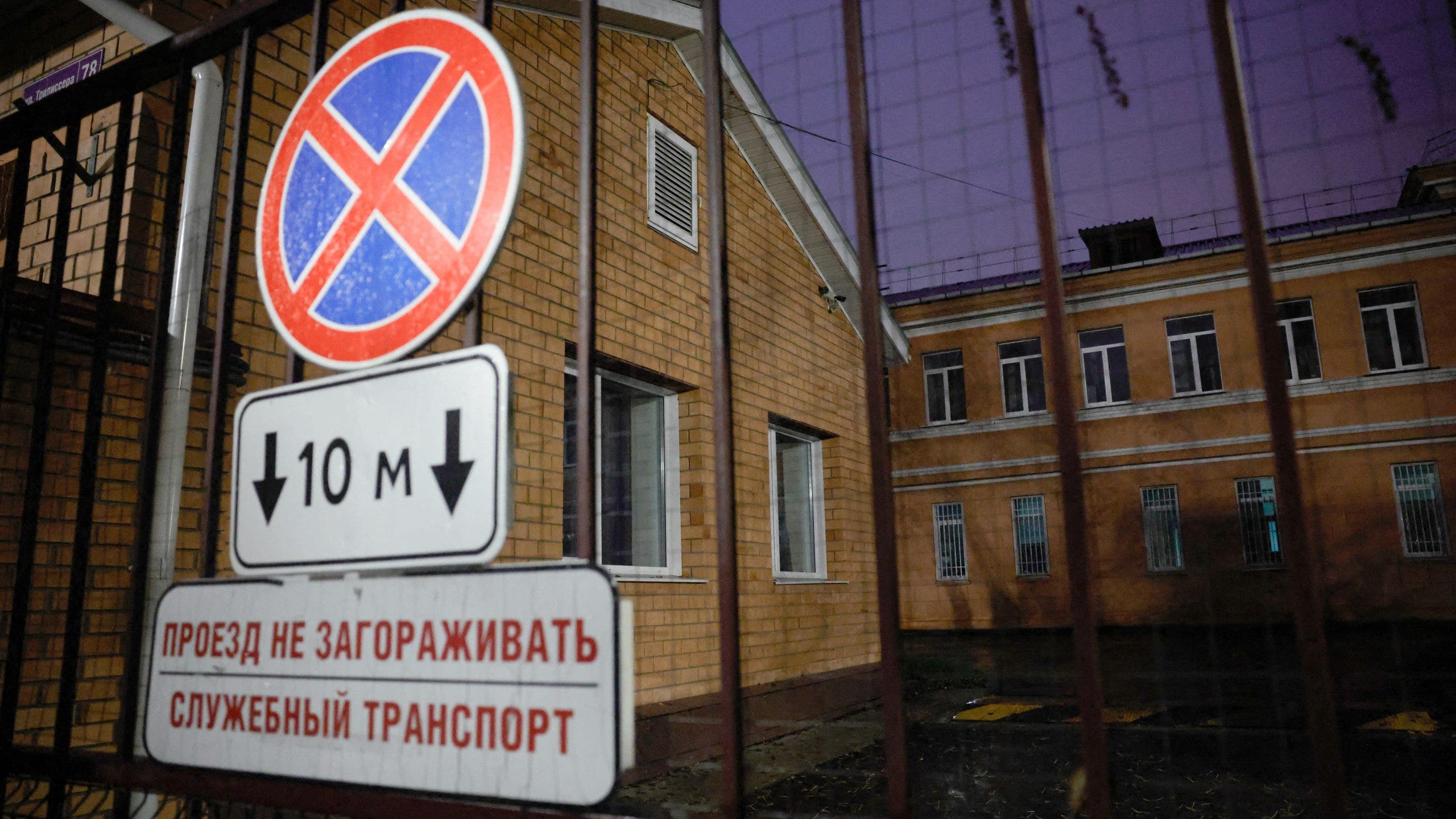
Three decades later, the mysterious death of a researcher at the Irkutsk Research Anti-Plague Institute of Siberia and the Far East has put new attention on what became of that program, and Billingslea argues the world should be demanding answers from Moscow.
MYSTERY DEATH AT RUSSIAN PLAGUE LAB TRIGGERS SWEEPING PRECAUTIONS AS US WATCHES CLOSELY
«It’s not acceptable in this day and age for the Russians to have a biological warfare program,» said Billingslea, who previously served as President Donald Trump’s special presidential envoy for arms control.
«They need to cut it out, and they need to tell us. They need to come clean about what they’re doing at this lab and whether this lab is still involved in their warfare program.»
The U.S. government says Russia’s offensive biological weapons program did not disappear with the Soviet Union.
«Russia maintains an offensive biological weapons program and is in violation of its obligations under the BWC,» a State Department official told Digital this week.
BWC, or Biological Weapons Convention, is an international treaty that prohibits the development, production and stockpiling of biological weapons.
State’s 2025 arms control compliance report assessed that the Soviet-era program was «absorbed, not dismantled» by Russia after the collapse and has «continued and evolved» since then.
There is no evidence linking the Irkutsk researcher’s death to Russia’s biological weapons program, and Billingslea told Digital he has seen no evidence that the institute remains involved in the program today.
But the unexplained death has revived scrutiny of the Soviet program’s work and the network of ostensibly civilian laboratories that Billingslea said Alibek identified as also performing classified work.
Alibek’s disclosures included Soviet efforts to alter pathogens to make them more lethal, transmissible or difficult to treat, Billingslea said, adding that some of the most troubling revelations involved plague.
BIOWEAPON THREAT EXPOSED AS ANTHROPIC SOUNDS ALARM ON FOREIGN ACTORS PLOTTING VIRUS EXPERIMENTS
«The goal was to render the plague bacteria far more resistant to antibiotics,» he said.
Billingslea said Soviet researchers also experimented with combining plague with toxin-producing pathogens, with the aim of making infections even harder to treat.
«They took the plague bacteria, and they merged it with a non-dangerous bacteria,» Billingslea said.
«The goal was to render the plague bacteria far more resistant to antibiotics.»
According to Alibek’s account, researchers also worked on combining plague with toxin-producing pathogens so that treating an infected person with antibiotics could trigger the release of toxins.
Billingslea said U.S. officials were not relying solely on Alibek for their understanding of the program and that there were «multiple other sources of information» that made him «very confident in the basics» regarding the disclosures regarding Soviet-era research.
«So, this doesn’t all derive from Ken Alibek,» he insisted when speaking with Digital.
By the time Billingslea was interviewing Alibek in the mid-1990s, he said, Washington had already confronted Moscow over its biological weapons work. «
We knew about the plague programs, we knew what they were up to and we knew where the sites were,» he said.
Among the sites Alibek identified were at least six Soviet Ministry of Health laboratories that had legitimate civilian public health missions while also performing classified work connected to the biological weapons program, according to Billingslea.
The Irkutsk institute was among the facilities Alibek identified, but Billingslea cautioned he does not recall the Soviet defector saying that antibiotic-resistant plague or plague chimeras were specifically developed there.
That distinction has become particularly important after the unexplained death of a 28-year-old researcher at the Irkutsk Anti-Plague Research Institute.
Russian authorities have said they found no microorganism linked to the woman’s professional activities, while the World Health Organization has sought additional information from Moscow about what caused her fatal pneumonia.
Billingslea said the pressure for answers — and for Russia to end its offensive biological weapons program — should not come from Washington alone.
«It’s very, very important that this is not viewed as a U.S.-versus-Russia discussion,» he said. «This is a topic of grave concern to the entire international community.»
He also said that Russia needs to release the genetic sequence of the pathogen that killed the researcher, along with information about contact testing, the timeline of her illness and the institute’s biosafety procedures.
The genetic sequence could allow outside experts to determine «what it was and whether it was modified,» he said.
Billingslea called on countries outside the traditional U.S. alliance system, including Brazil and Mexico, to press Moscow for greater transparency and pointed to a December meeting of parties to the Biological Weapons Convention as an opportunity for countries to confront Russia over the program.
«At the December meeting, Russia is going to get grilled,» he said. «And they should.»
russia, politics, foreign affairs, state department, national security, foreign policy










Susan Rogers y Ogi Ogas abren su libro con una pregunta que parece sencilla y resulta imposible de responder con exactitud: ¿por qué una canción puede detener el tiempo para una persona y pasar completamente inadvertida para otra? La respuesta que construyen a lo largo de El pensamiento musical es que la conexión con la música no es azarosa ni universal, sino el resultado de un perfil de escucha individual, compuesto por siete dimensiones que combinan la arquitectura neurológica de cada oyente, su historia personal y sus asociaciones emocionales.
El libro aborda preguntas que cualquier oyente se ha hecho sin respuesta: por qué ciertas melodías transportan al pasado en cuestión de segundos, qué ocurre en el cerebro cuando la música emociona, activa o consuela, cómo es posible que una canción provoque piel de gallina. A través de historias de estudio y hallazgos de la neurociencia cognitiva, Rogers propone que todos los oyentes poseen un perfil único y que la capacidad de comprender la música se amplía cuando se aprende a escucharla con mayor atención.
El modelo que proponen, al que denominan Perfil del Oyente, funciona como una cartografía de los “puntos óptimos” musicales de cada persona: los elementos sonoros —un ritmo, una textura, un timbre específico— que generan una respuesta intensa y que varían de manera sustancial entre individuos. Rogers, formada en neurociencia cognitiva, llega a ese planteamiento desde un ángulo poco habitual para un académico: pasó años como ingeniera de sonido de Prince durante la era de Purple Rain y trabajó con artistas como Geggy Tah y Barenaked Ladies. Esa trayectoria le permite anclar las observaciones científicas en experiencias concretas de estudio, y el libro oscila entre ambos registros.

La popularidad musical vive entre lo conocido y lo desconocido
Una de las ideas más productivas del libro es la curva que Rogers traza entre novedad y popularidad. En un extremo del espectro se ubican las obras más simples y familiares; en el otro, las propuestas que desafían las convenciones establecidas. La popularidad alcanza su punto más alto en una zona intermedia, donde conviven elementos reconocibles con otros que el oyente todavía no ha procesado del todo.
Lo que el libro añade a esa intuición es una dimensión histórica: la forma de esa curva se mantiene entre generaciones, pero se desplaza. Lo que hoy suena experimental puede ser recibido como familiar en el futuro, una vez que el público asimila determinadas innovaciones sonoras. Rogers llama a ese mecanismo de detección “cerebro productor discográfico”, y lo presenta como algo que opera de forma automática en cada oyente, por debajo del juicio consciente.
El perfil tampoco es estático. Puede modificarse con la edad, con los vínculos afectivos y con los distintos momentos de la vida. El libro conecta esa maleabilidad con algo más amplio: la elección musical como expresión de identidad. Cambios visibles en los géneros preferidos, sostienen los autores con respaldo en investigaciones empíricas, suelen ser leídos por el entorno como señales de una transformación personal más profunda.

La vergüenza por una canción revela más sobre la identidad que la canción misma
El concepto de “placer culpable” es uno de los ejes más sugerentes del libro. La reacción espontánea ante una canción puede entrar en conflicto con la imagen que alguien quiere proyectar, y esa tensión —entre lo que se siente y lo que se considera aceptable— es, para Rogers y Ogas, un dato revelador sobre el oyente.
El libro conecta esa idea con la distinción del psicoanalista Donald Winnicott entre el verdadero y el falso yo. Bajo esa lectura, la incomodidad por disfrutar cierta música no respondería a la música en sí, sino a la distancia entre una respuesta emocional genuina y una identidad pública moldeada por expectativas sociales o jerarquías de prestigio cultural.
Rogers cuenta que, en los momentos tranquilos del estudio, acostumbraba a preguntarles a los productores por su placer culpable: “Un disco que te daría vergüenza admitir que te gusta”. Esas confesiones, señala, podían revelar aspectos de la identidad musical que las personas preferían mantener ocultos. El propósito del Perfil del Oyente es precisamente ese: identificar por qué un ritmo o una voz resultan atractivos, antes de que intervenga su valoración social.
Una anécdota recogida en la obra condensa esa idea. “Una vez me dijeron que ‘a nadie le gusta tu música’”, recuerda la autora, antes de señalar que esa frase puede ser literalmente cierta desde la lógica del modelo: no existe un oyente promedio ni una combinación idéntica de experiencias, recuerdos y predisposiciones neurológicas. Cada perfil es, en ese sentido, singular e irrepetible.
El libro cierra su argumento en el mismo lugar donde lo abre: en la experiencia de enamorarse de una canción sin saber del todo por qué. La respuesta que Rogers y Ogas ofrecen no disuelve ese misterio, pero sí lo hace más legible.
adolescent adult,bedding,bedroom,bedtime,calm,comfort,concept cool,dreamer earphones,earphones,energy enjoy,face feel,home,home house,indoor kid,leisure,leisure life,lifestyle,melody millennial,pillow,pretty,relax,rest,sing singer,sleepy,smart,song sound,stress student,technology,woman young,young

NEWYou can now listen to Fox News articles!
Ukraine officials said the country’s official air-raid alert app was likely hacked after emergency alerts warned on Sunday that there was a «radiation hazard» and a «chemical attack alert» in Kyiv.
The false warnings urged residents not to go outside.
«There is a radiation hazard alert in Kyiv. Do not go outside!» read one alert.
RUSSIA LAUNCHES BALLISTIC MISSILE ATTACK ON KYIV HOURS AFTER ZELENSKYY WARNS OF MAJOR STRIKE
Cyber actors associated with Russian Intelligence have targeted thousands of commercial messaging apps (CMAs) according to a PSA shared jointly by the FBI and CISA Friday. (Photo by Morteza Nikoubazl/NurPhoto via Getty Images)
«There is a chemical attack alert in Kyiv. Do not go outside!» another one read.
The public air alert online map also displayed Kyiv and other areas as under a nuclear alert. The app also issued false warnings about Russia’s hypersonic Oreshnik missile and alleged street fighting in Kyiv.
Additionally, loudspeakers in the streets blasted a recorded message instructing people to take precautions.
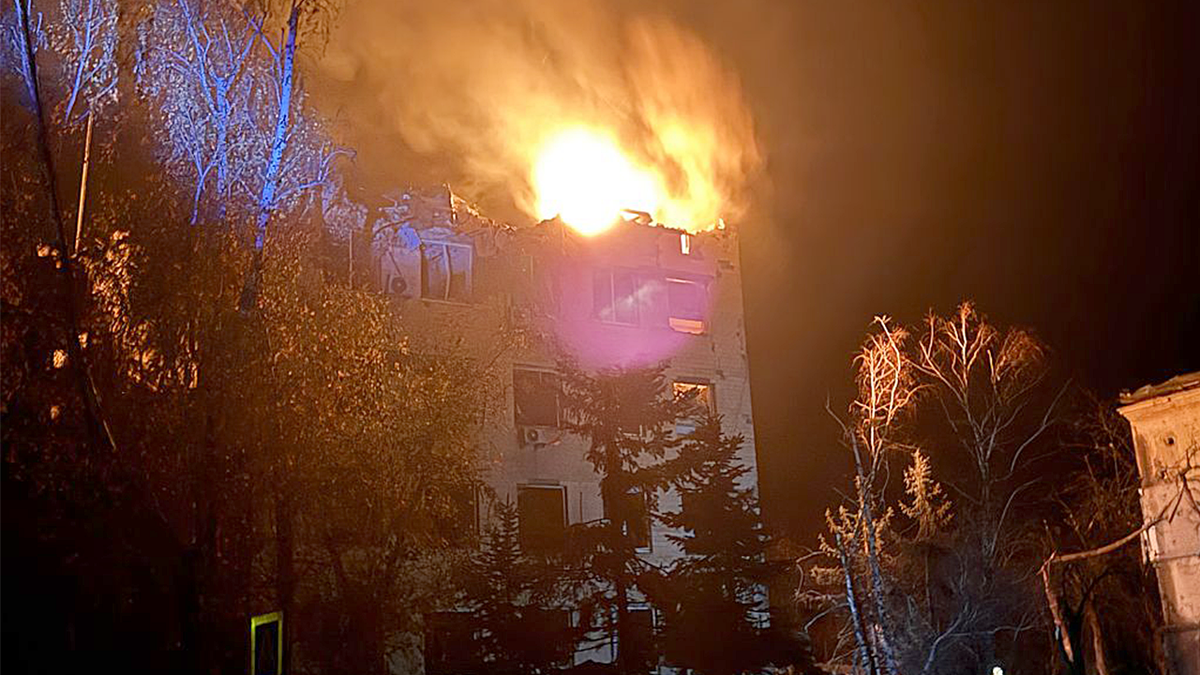
Flame engulfs the city administration building partially destroyed by a Russian airstrike on November 1, 2026, in Kramatorsk, Ukraine. (Alex Nikitenko/Global Images Ukraine via Getty Images)
But Ukraine’s Air Force said its air alert app was hacked and that there was no radiation hazard to be concerned about.
«The air alert app appears to have been subjected to enemy influence. There is no radiation threat! Stay calm and follow our updates on our channel!» the Ukrainian Air Force said in a statement posted to Telegram.
Ukraine’s Center for Strategic Communications blamed Russia for the incident, although no group had publicly claimed responsibility.
CHINA-LINKED HACKERS INFILTRATED US GOVERNMENT NETWORKS BEFORE FBI TAKEDOWN
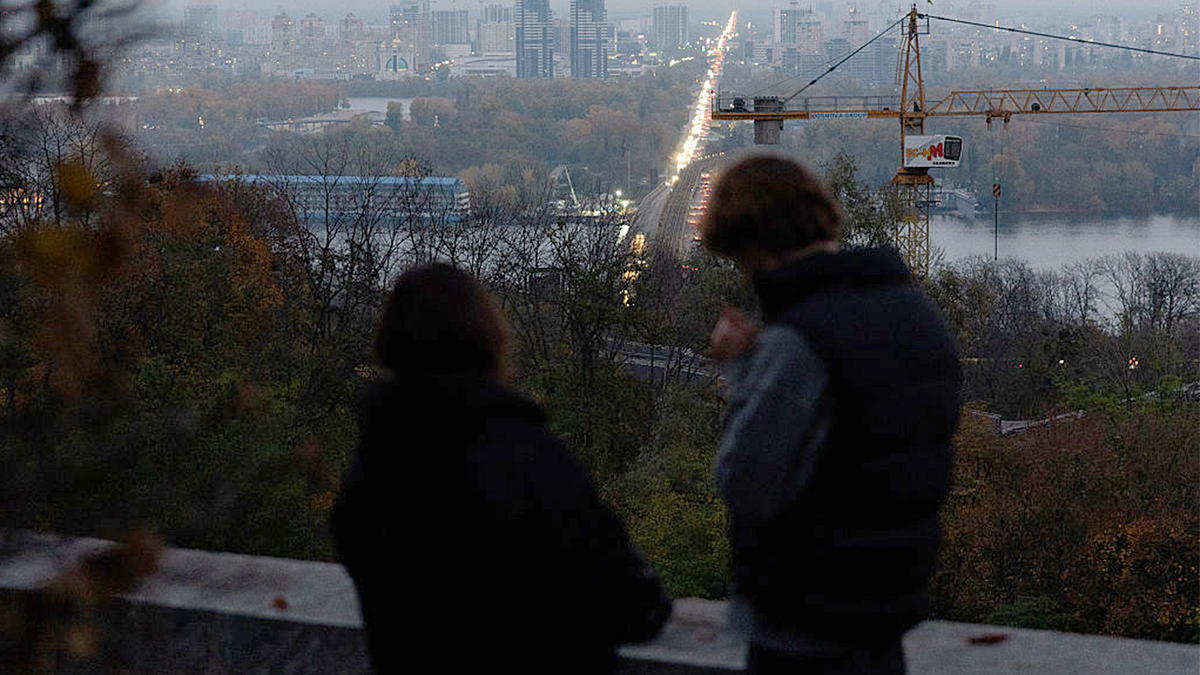
Teenagers are looking at the city view during a partial power outages following Russian attacks in Kyiv on October 31, 2026. (Tetiana DZHAFAROVA / AFP via Getty Images)
Separately, Russia’s Emergencies Ministry said early Monday that its mobile application had been hit by a «massive cyberattack» that allowed attackers to send false information to the public.
«Attention! The mobile application of the Ministry of Emergencies of Russia has been subjected to a massive cyberattack, enabling attackers to send false information to the public,» the ministry said on Telegram.
Fox News’ Simon Owen contributed to this report.
ukraine, world, cybercrime, hackers, warnings disasters, security, russia
NEWYou can now listen to Fox News articles!
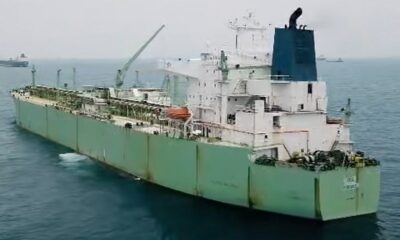
Small Iranian «ghost fleet» tankers are slipping past the U.S. naval blockade and smuggling sanctioned liquefied petroleum gas (LPG) to China through a shadowy maritime hub off Malaysia, according to U.S. investigators who covertly filmed one of the vessels en route in September.
United Against Nuclear Iran (UANI), which conducted the months-long probe, said at least nine similar tankers carrying Iranian oil or LPG have also evaded U.S. restrictions in the Strait of Hormuz since Washington reinstated the Iranian port blockade in July.
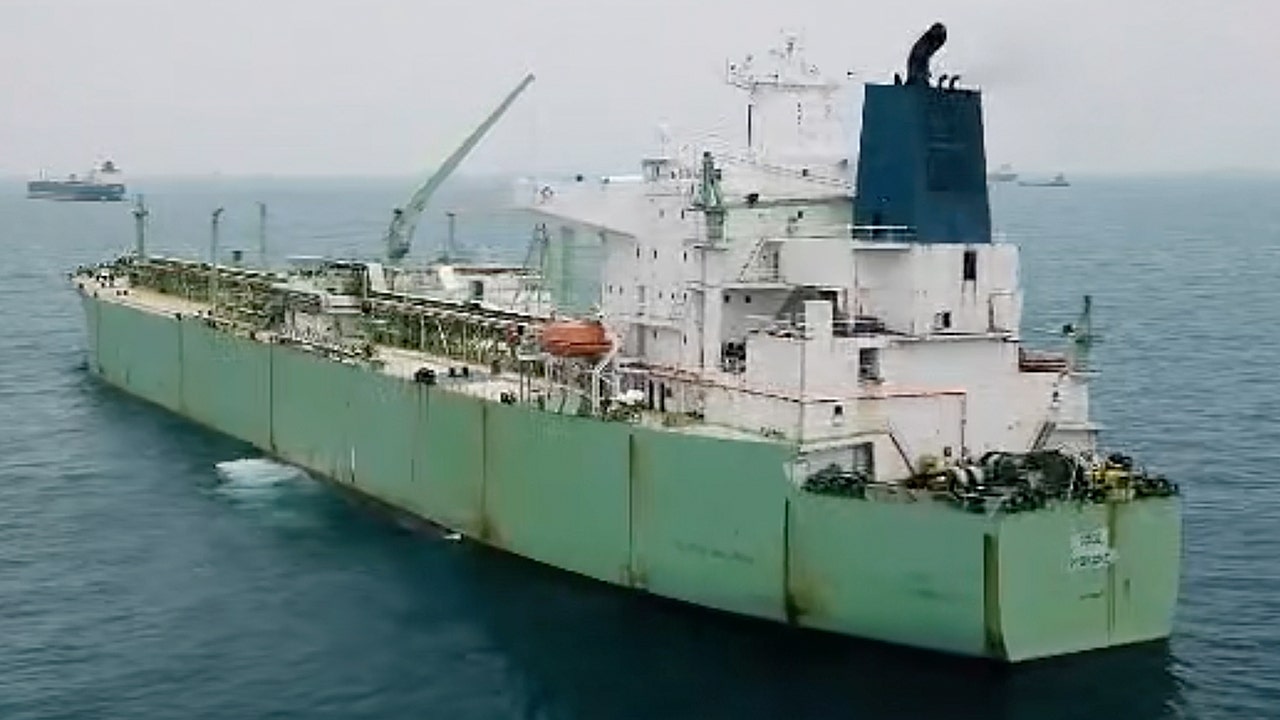
UANI identified one of the sanctioned tankers as the SOGL. It allegedly escaped the blockade on Sept. 1 carrying approximately 500,000 barrels of Iranian LPG after collecting it at an Iranian port in August.
The vessel then traveled thousands of miles to a Malaysian offshore anchorage, where UANI filmed the vessel receiving fuel and other services offshore. The ship then traveled on to China, where the organization said it discharged its Iranian cargo.
IRAN’S $800M OIL SMUGGLING SCHEME USES TANKERS POSING AS IRAQI SHIPS TO DODGE BLOCKADE
U.S. Marines aboard USS New Orleans (LPD 18) stand watch in the Arabian Sea during naval blockade operations against Iran. (U.S. Central Command)
«This tanker had loaded its Iranian LPG from Assaluyeh Port, Iran, in late August. It then breached the U.S. blockade and made its way to a Malaysian anchorage,» Jemima Shelley, a senior analyst at UANI, explained.
«What this shows us is that some vessels are managing to breach the U.S. maritime blockade,» Shelley said of the footage shared exclusively with Fox News Digital.
«Most vessels aren’t, but since the reinstatement in mid-July, we have seen only nine small tankers being successful in their breach of the U.S. blockade and departing the Gulf of Oman laden with oil or LPG.»
At the center of the operation is the Malaysian Eastern Outer Port Limits Anchorage, known as the EOPL, an offshore shipping area approximately 70 kilometers from Malaysia’s coastline.
The anchorage has become a critical staging ground for Iran’s sanctioned energy trade with China, Shelley said.
The area allows vessels to wait offshore, receive supplies and transfer cargo between tankers, providing a logistical lifeline for Iranian energy exports as American naval forces patrol waters closer to Iran.
UANI had been monitoring the SOGL before its arrival in Malaysian waters, Shelley explained.
US TARGETS CHINESE REFINERY IN SWEEPING IRAN OIL CRACKDOWN, SANCTIONS ‘SHADOW FLEET’ TANKERS
«On September 16th, United Against Nuclear Iran chartered a supply vessel and transited 100 nautical miles into the Malaysian Eastern Outer Port Limits Anchorage,» Shelley said.
«Here we witnessed firsthand the illicit activities of ghost fleet tankers, as well as some Iran-flagged cargo ships that were located in this anchorage, one of them being the SOGL.»
She described the SOGL as «a Handymax small tanker that was laden with 500,000 barrels of Iranian LPG.»
The U.S. maritime blockade was first imposed April 13, temporarily lifted in mid-June and reinstated July 14 after diplomatic negotiations collapsed. The operation has largely stopped Iran from exporting crude oil, depriving Tehran of a major source of revenue as the country faces intense economic pressure.
«The U.S. blockade is an overwhelming success at preventing vessels laden with Iranian oil and petrochemicals from leaving the Gulf of Oman,» Shelley said.
She added that since the blockade was reinstated, «no Iranian crude oil has managed to depart and be a successful export for Iran, which is a huge economic pressure for the Iranian regime.»
«It’s just that there are some opportunistic small tankers that are just managing to breach the blockade.»
The United States, she said, is primarily prioritizing Iranian crude and very large tankers, which often carry «two million barrels of Iranian crude.»
MORNING GLORY: PRESIDENT TRUMP AND THE AMERICAN MILITARY HAVE BEATEN IRAN
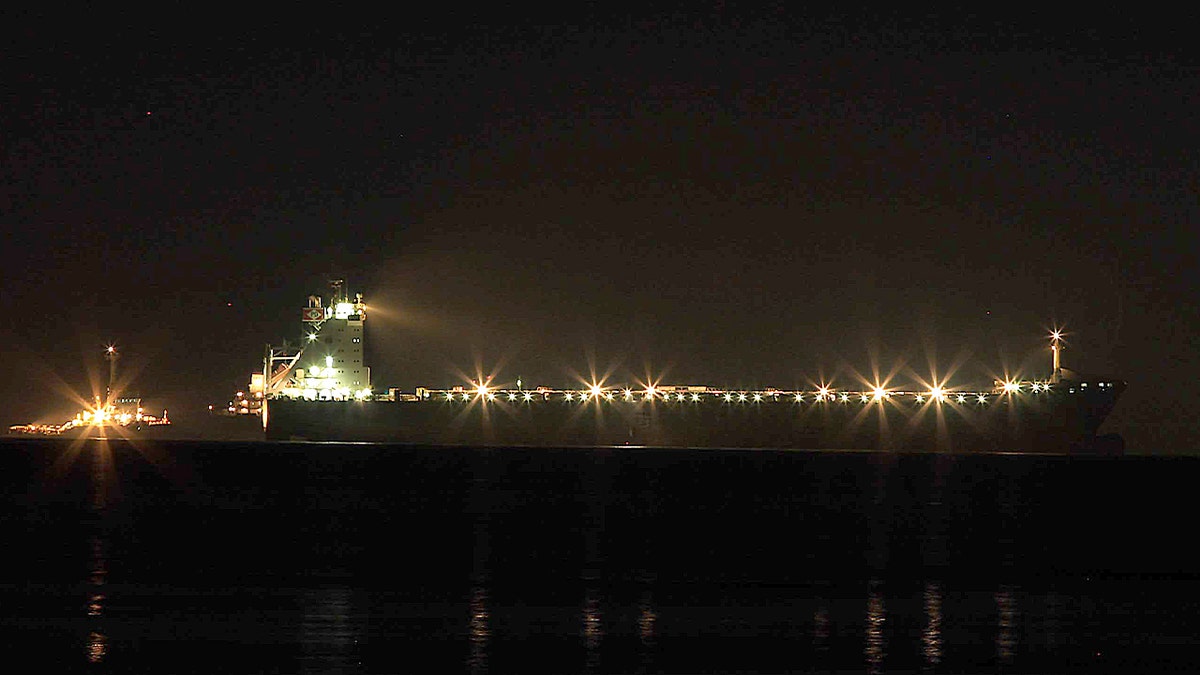
Malaysia is roughly a 10-day-to-two-week journey from Iran. (AFP/AFP via Getty Images)
LPG is a flammable mixture of hydrocarbons, primarily propane and butane, used for heating, cooking, transportation and industrial production.
«LPG carries a lot of risks,» Shelley said. «The U.S. blockade’s first course of action is to try to attempt to turn around these vessels, which is their main technique for enforcing the U.S. blockade.»
«However, sometimes they do have to use military force and this would be incredibly high risk on far more volatile cargo such as LPG.»
According to Shelley, the smaller vessels exploit those challenges while using tactics commonly associated with Iran’s ghost fleet.
«So what they’ll do is they will turn off their AIS. They will often fly a false flag so they’re completely stateless vessels,» she added.
Automatic Identification System, or AIS, transponders broadcast a vessel’s identity, position and movements to other ships and maritime authorities. Switching them off can make a vessel more difficult to track.
«Often they will load, and then they will transit the Persian Gulf, the Strait of Hormuz, and then in the Gulf of Oman, they will conduct a ship-to-ship transfer there,» Shelley said, describing it as a «very high-risk ship-to-ship transfer because it’s LPG, not crude oil.»
«And then the other tanker that’s receiving the LPG will then transit and attempt to breach the blockade.»
The overall scale remains relatively small compared with Iran’s historical energy exports.
US ECONOMIC CHOKEHOLD ON IRAN REACHES PEAK LEVERAGE AS COLLAPSE RISKS EMERGE
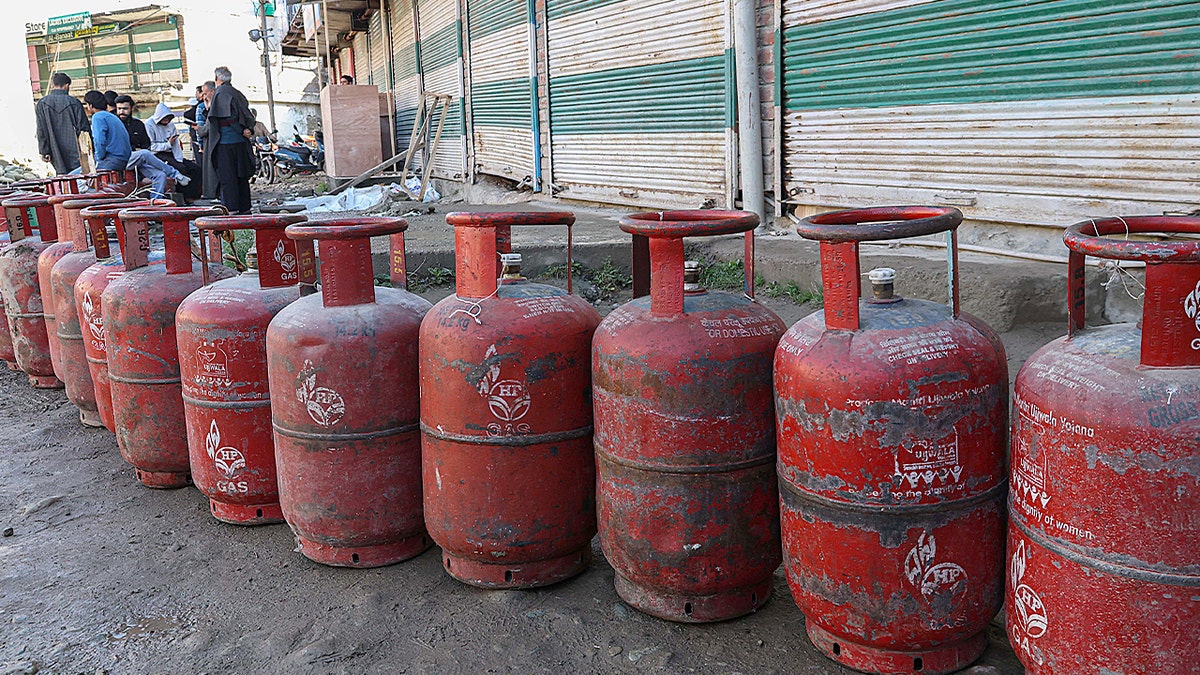
Liquefied petroleum gas, or LPG, is a flammable mixture of hydrocarbons, primarily propane and butane, used for heating, cooking, transportation and industrial production and carries risk when shipped. (Firdous Nazir/NurPhoto via Getty Images)
The SOGL, identified by IMO number 9208227, was added to the U.S. Treasury Department’s Office of Foreign Assets Control sanctions list Oct. 8 over its alleged involvement in transporting Iranian petroleum products since 2025.
The vessel has operated under multiple flags, including the Comoros and Zimbabwe, and has been linked in sanctions records to Gravion Maritime Co.
«Most of these tankers are very emblematic of what ghost fleet tankers do and so are flying false flags, which means they’re completely stateless and will have very complicated front companies running them,» Shelley said.
Meanwhile, the EOPL anchorage in Malaysia — roughly a 10-day-to-two-week journey from Iran — has become an important logistical center for Iranian vessels traveling toward Chinese buyers and a «key node in Iran’s oil trade to China,» Shelley said.
«It is used by ghost fleet tankers, Iran-flagged tankers that will load Iranian crude and then transit eastwards from Iran all the way to this anchorage where they will often conduct ship-to-ship transfers with the final tanker bound for China.»
«Often this anchorage is also used for floating storage, which is how Iran managed to survive for so long with the U.S. blockade being reinstated in July,» Shelley said.
She also clarified that since the blockade has been enforced, Iranian floating storage has fallen to «zero to seven million barrels.»
«So you can see how they have survived from having this offshore anchorage where illicit ghost fleet tankers have been able to wait laden with Iranian products.»
IRAN’S OIL LIFELINE IS DRYING UP. THE BIGGEST PAIN MAY FALL ON ORDINARY CITIZENS
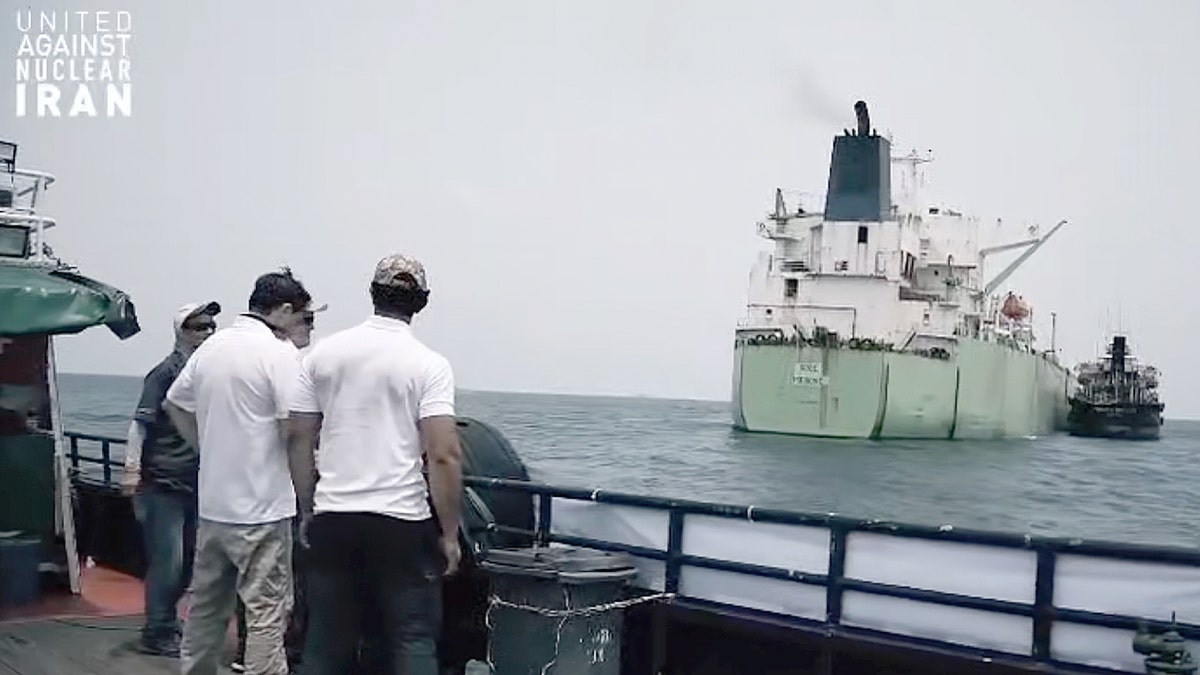
United Against Nuclear Iran (UANI) filmed the sanctioned tanker offshore. (UANI)
UANI’s video also shows the SOGL sitting low in the water and receiving bunkering services from a smaller tanker off Malaysia, where Shelley said authorities appear to be «looking the other way.»
«This is a common thing that you will see in this anchorage, because not only is this anchorage used for ship-to-ship transfers, but also these ghost fleet tankers, as well as some cargo ships in this anchorage, require various services, whether that is food, logistics or bunker fuel.»
China is the dominant destination for Iranian oil and LPG, providing Tehran with a critical economic outlet despite U.S. sanctions and the naval blockade.
«For years, China has made up 80% of Iran’s liquid cargo exports, and we have seen that only grow since the beginning of the Iran War. Now China is importing almost 100% of Iran’s oil and LPG exports.»
«It has created a system and trade that has allowed Iran to avoid sanctions, U.S. and OPEC sanctions, whilst China is able to buy highly discounted Iranian oil and LPG.»
IRAN SEIZES SHIPS IN HORMUZ AS US TALKS FALTER AFTER CEASEFIRE EXTENSION
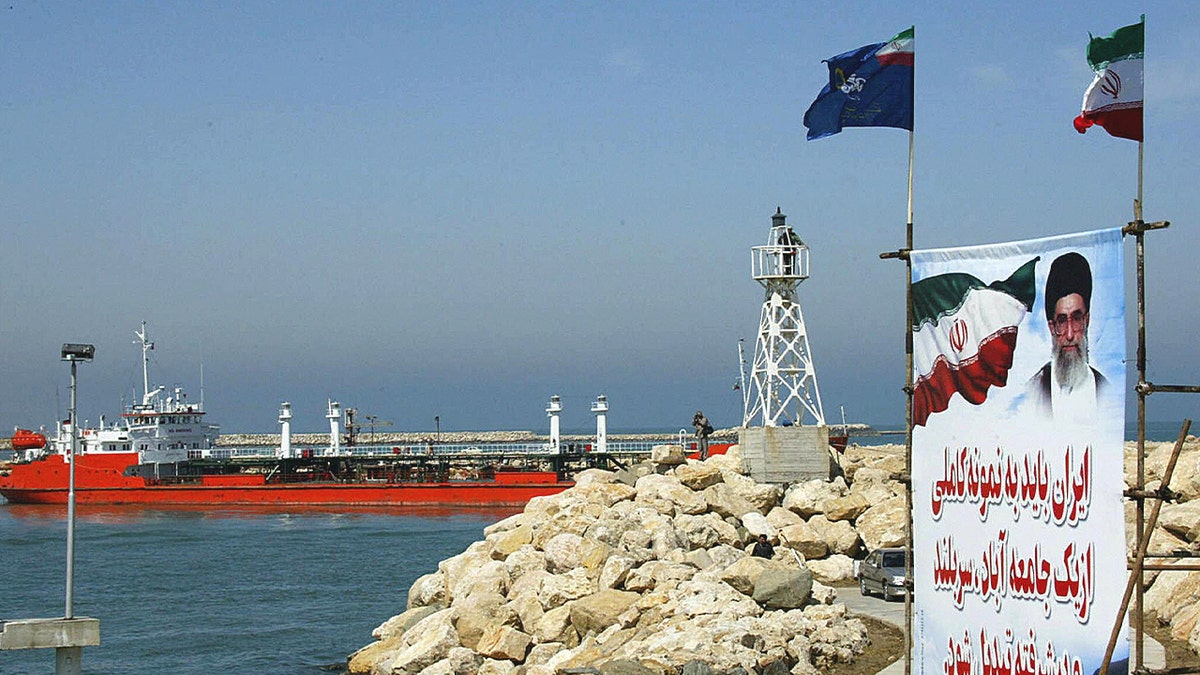
An Iranian oil tanker is seen floating in the Caspian Sea. (HENGHAMEH FAHIMI/AFP via Getty Images)
«After United Against Nuclear Iran’s trip to the EOPL, interestingly, this small LPG tanker SOGL did not conduct a ship-to-ship transfer,» Shelley said.
«Instead, it transited northbound into the South China Sea, where it finally discharged its Iranian LPG at Xinzhou Port in China.»
The G Summer, a U.S.-sanctioned LPG carrier with a capacity of approximately 7,000 cubic meters, was also separately tracked transmitting signals from the Arabian Sea beyond the American blockade line in April, according to Bloomberg.
The vessel broadcast a message indicating it had an «all Chinese crew» aboard, while shipping analytics identified Iran as its last cargo country and Galle, Sri Lanka, as its reported destination.
Fox News Digital has reached out to CENTCOM for comment.
world, iran, us navy, sanctions, national security, middle east

El empleo público provincial bajo la lupa: cuáles son las provincias que tienen más cargos por habitante

Plazo fijo: cuánto pagan los principales bancos por depósitos a 30 días

Messi volvió al gol: cómo está la pelea con Cristiano Ronaldo y a cuánto quedó de los 1.000 goles

El Gobierno ultima detalles para la visita de León XIV: la presencia del Ejecutivo en las misas y la coordinación final

Las primeras fotos del casamiento de Lali Espósito y Pedro Rosemblat: el detalle que volvió locos de amor a todos

“Sólido”: el intercambio vía radio entre Colapinto y su ingeniero tras su actuación en México y cómo se enteró del triunfo de Boca

Europa entre Escila y Caribdis

El “efecto Lula” sigue pegando en Argentina: los bonos sintieron el impacto, pero el tipo de cambio aguantó

La reflexión de Gabriel Rolón sobre la felicidad: “Es ese momento de eternidad donde lo que fuiste, querés ser, te atormenta y temés coexisten”

Goleada en contra y apenas 22 minutos para el Chango Zeballos en Monza

 ECONOMIA1 día ago
El “efecto Lula” sigue pegando en Argentina: los bonos sintieron el impacto, pero el tipo de cambio aguantó
- CHIMENTOS3 días ago
Darío Barassi reveló el nombre que había elegido en caso de tener un hijo varón: «Tiene personalidad»
- POLITICA3 días ago
El secretario de Culto dijo que Milei recibirá al Papa en el aeropuerto y habló de una cadena nacional