INTERNACIONAL
Putin admitió que hay escasez de combustible en Rusia tras los ataques de Ucrania a dos refinerías

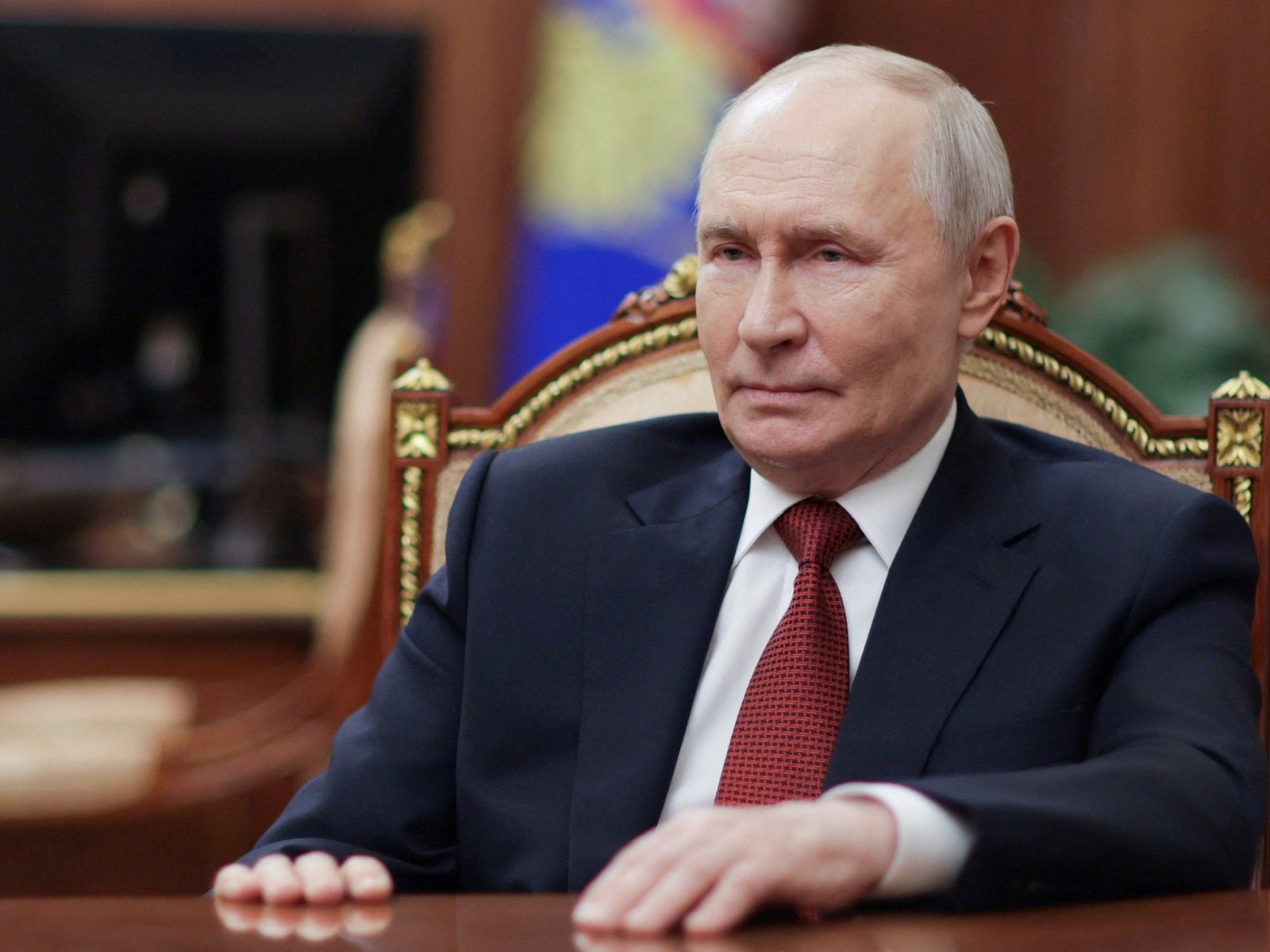
El presidente de Rusia, Vladimir Putin, admitió este domingo que existe la falta de suministro de combustible en su país causada por los repetidos ataques de Ucrania contra refinerías con el objetivo de debilitar la ofensiva militar Moscú en la guerra iniciada en febrero de 2022.
«En general, para estabilizar el mercado de combustible, creo que es necesario adoptar medidas sistémicas acordes con la magnitud de los desafíos actuales», dijo Putin en la reunión que mantuvieron miembros del gobierno ruso y jefes de las principales compañías de hidrocarburos.
En cuanto a las medidas que se adoptarán, Putin indicó que se aumentará «la oferta» de combustibles para mantener así los precios.
El presidente ruso subrayó además que su gobierno creó un gabinete de crisis, que opera las 24 horas, para supervisar la situación con el combustible.
«También se han preparado propuestas adicionales para garantizar el suministro de combustible al mercado interno, en colaboración con las compañías petroleras», añadió Putin.
El mandatario reconoció que el mercado interno comenzó a consumir las reservas de combustible, aunque aseguró que los niveles están prácticamente al mismo nivel que el año pasado.
«Las refinerías más grandes están funcionando a máxima capacidad» y se está sondeando a las pequeñas y medianas empresas. «Se han reducido los períodos de mantenimiento de rutina y se aplazaron los mantenimientos programados. Para julio se estima que la producción de combustibles primarios superará la de junio», apuntó.
Y continuó: «Somos conscientes de los problemas que tienen los productores agrícolas y las granjas durante el verano. Se está haciendo todo lo posible para garantizar que las empresas agrícolas tengan el suministro de combustible previsto porque la cosecha depende de ello».
Every Russian defense facility that serves the war against Ukraine is a just target for our long-range sanctions.
Last night, FP-5 Flamingo missiles successfully struck the Titan-Barrikady facility in Volgograd. It is a major industrial complex where the enemy produces artillery… pic.twitter.com/JB5JmRjTAe
— Volodymyr Zelenskyy / Володимир Зеленський (@ZelenskyyUa) June 27, 2026
Ucrania mantuvo su intenso fuego de drones sobre Rusia en las últimas horas, que provocaron un incendio en la refinería de Slavyansk-na-Kubani, una localidad de la región rusa de Krasnodar, al este de Crimea, según el gobernador Veniamin Kondratyev. La caída de los artefactos mató a una persona en Slavyansk e hirió a otra en una aldea cercana, de acuerdo con las autoridades regionales.
La refinería, gestionada por Slavyansk ECO, tiene una capacidad de unos 100.000 barriles al día y es un proveedor clave de combustible para la Crimea ocupada por Rusia. La instalación ha sido objeto de repetidos ataques desde el inicio de la guerra, según se informa, un ataque perpetrado el 26 de enero causó daños en componentes de una unidad principal de procesamiento de crudo de las instalaciones.
Volodimir Zelensky también sostuvo que una segunda refinería rusa, en la región de Yaroslavl, a unos 700 kilómetros (435 millas) de la frontera ucraniana, fue alcanzada durante los ataques nocturnos.
La refinería Slavneft-Yanos de Yaroslavl es la quinta más grande de Rusia, con una capacidad de unos 15 millones de toneladas al año, lo que equivale a unos 300.000 barriles al día. La planta, propiedad conjunta de unidades de Rosneft Oil Co. y Gazprom PJSC, suministra combustible al centro y noroeste de Rusia y ha sido objeto de al menos cuatro ataques desde diciembre de 2025.
“Cada ataque nuestro de larga distancia reduce los recursos que dan fuerza a la máquina de guerra rusa, y supone otro paso hacia la paz”, expresó el presidente ucraniano al explicar el objetivo de las misiones realizadas en el interior de Rusia.
Y siguió: «Estoy agradecido a cada ingeniero ucraniano y guerrero que asegura nuestra capacidad de largo alcance. ¡Gloria a Ucrania!».
Zelensky denunció también que Rusia intensificó sus ataques contra Ucrania durante la última semana, utilizando cerca de 1.400 drones, casi 1.500 bombas aéreas guiadas y 19 misiles de distintos tipos, incluidos balísticos.

NEWYou can now listen to Fox News articles!
Tehran has spent decades preparing for — and welcoming — a U.S. ground invasion, a senior Iranian official has claimed, as fresh explosions rocked the region on the eighth day of renewed U.S.-Iran strikes.
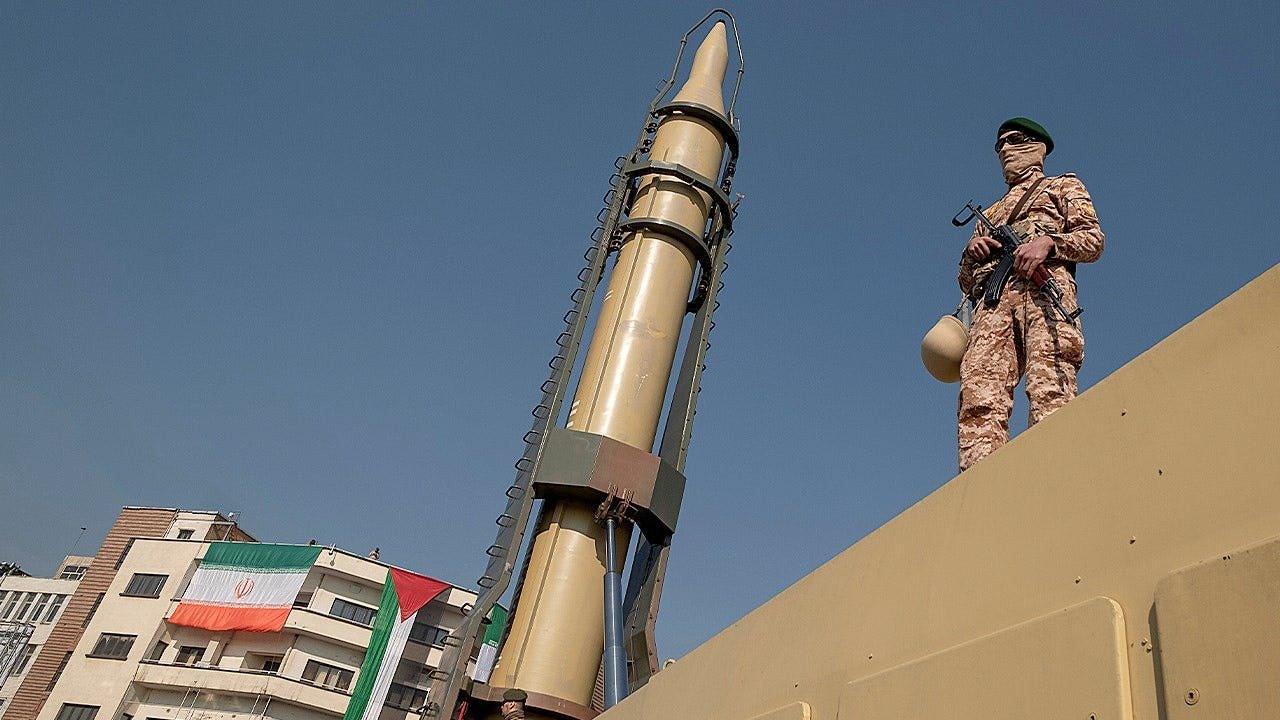
Seyed Mohammad Marandi, an Iranian American academic identified as a regime «mouthpiece,» also boasted that Tehran had just launched a «new missile» while decentralizing and burying its arsenal deep underground to withstand sustained American air campaigns.
«The Americans are planning an invasion. I’m not saying it will necessarily happen. I’m not saying it will necessarily happen in the next few days. But they have plans for an invasion,» Marandi, a former advisor to Iran’s nuclear negotiation team, said in an interview with political analyst Glenn Diesen.
I’VE STUDIED MILITARY STRATEGY. TRUMP NOW FACES IRAN’S OLDEST BATTLEFIELD TRICK
Seyed Mohammad Marandi, an Iranian American academic frequently identified as a regime «mouthpiece,» said Tehran had recently launched a new missile. (Akila Jayawardena/NurPhoto via Getty Images)
«Whether they carry them out or not, we’ll see. But the Iranians, as you pointed out, the focus of Iranian strikes is on Bahrain and Kuwait, and that’s because that’s where most American assets have been placed for a ground invasion,» Diesen said.
Marandi’s comments came as the conflict expanded across western and southern Iran in the run-up to Saturday.
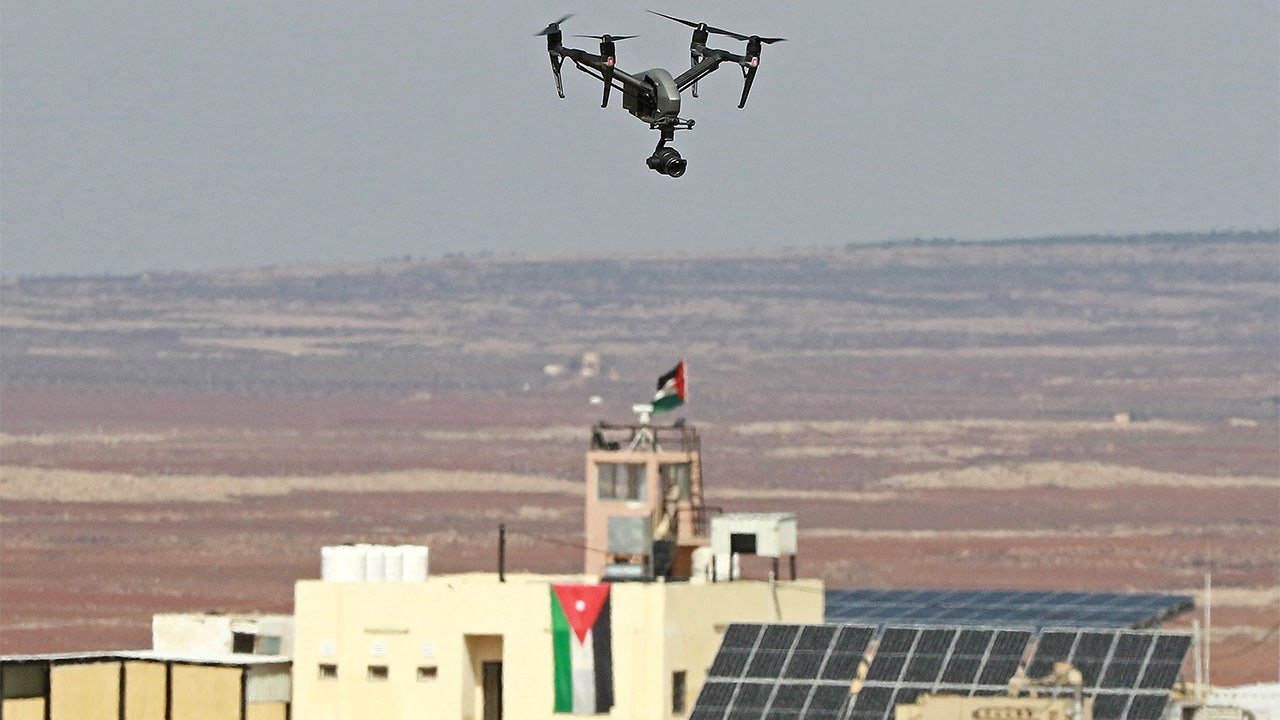
Iran also launched missile and drone salvos targeting U.S.-linked facilities in Jordan, Kuwait and Bahrain.
Jordanian officials confirmed they intercepted 10 missiles early Saturday, while authorities in Kuwait reported casualties and severe damage to a domestic power and desalination plant.
In response, U.S. airstrikes struck bridges, a key road tunnel, surveillance outposts and reinforced underground weapons storage facilities.
Multiple explosions also rocked the city of Khorramabad in Iran’s Lorestan province. Iranian state media claimed the blasts were caused by U.S. missiles launched from regional bases in Kuwait, according to reports.
TRUMP SAYS IRAN’S MISSILES ‘AREN’T THE PROBLEM’ AFTER WHITE HOUSE MADE THEM CENTRAL TO WAR RATIONALE
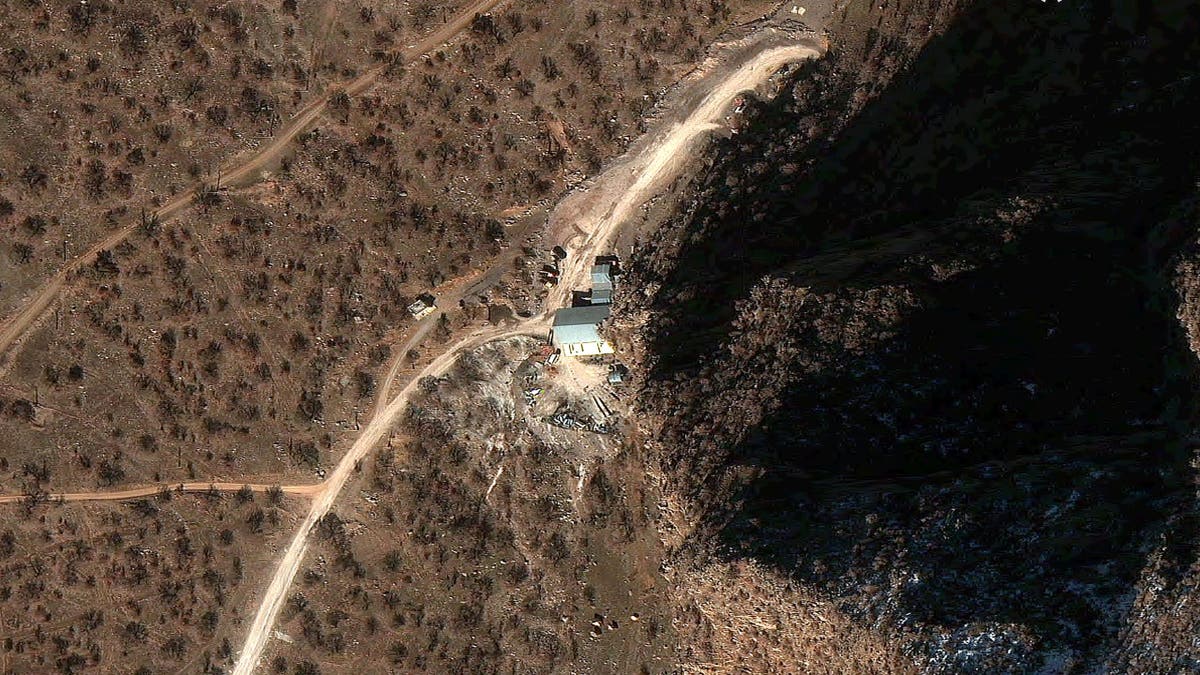
Satellite image shows the second tunnel entrance and support buildings at the Khorramabad missile complex in Lorestan province, Iran, before March airstrikes. (Vantor/Unknown)
Khorramabad houses the Imam Ali Missile Base, one of Tehran’s primary underground silo facilities engineered to store and deploy liquid-fueled Shahab-3 medium-range ballistic missiles, according to Washington’s Nuclear Threat Initiative.
The complex was damaged by Israeli airstrikes during the 2025 campaign targeting Tehran’s military and nuclear infrastructure.
Marandi also detailed what he described as a resilient, subterranean network central to Tehran’s military strategy.
«When Iran wants to fire missiles or drones, they don’t put them inside buildings or in piles somewhere. They take out whatever they need,» Marandi said. «They fire them, and then they go back to their bases, or they take out different missiles and drones, spread them out in different areas, put them apart from one another so that the Americans cannot bomb them in large numbers.»
He added: «Everything has been spread out in Iran and placed underground.»
The latest escalation between the U.S. and Iran ended a recently signed memorandum of understanding (MOU) to establish a 60-day ceasefire and facilitate nuclear talks.
The key issue has centered on control of the Strait of Hormuz, with the strategic waterway turning into the conflict’s main battleground.
TRUMP’S 60-DAY IRAN DEAL REACHES HALFWAY MARK AS CEASEFIRE COLLAPSES INTO ESCALATING WAR
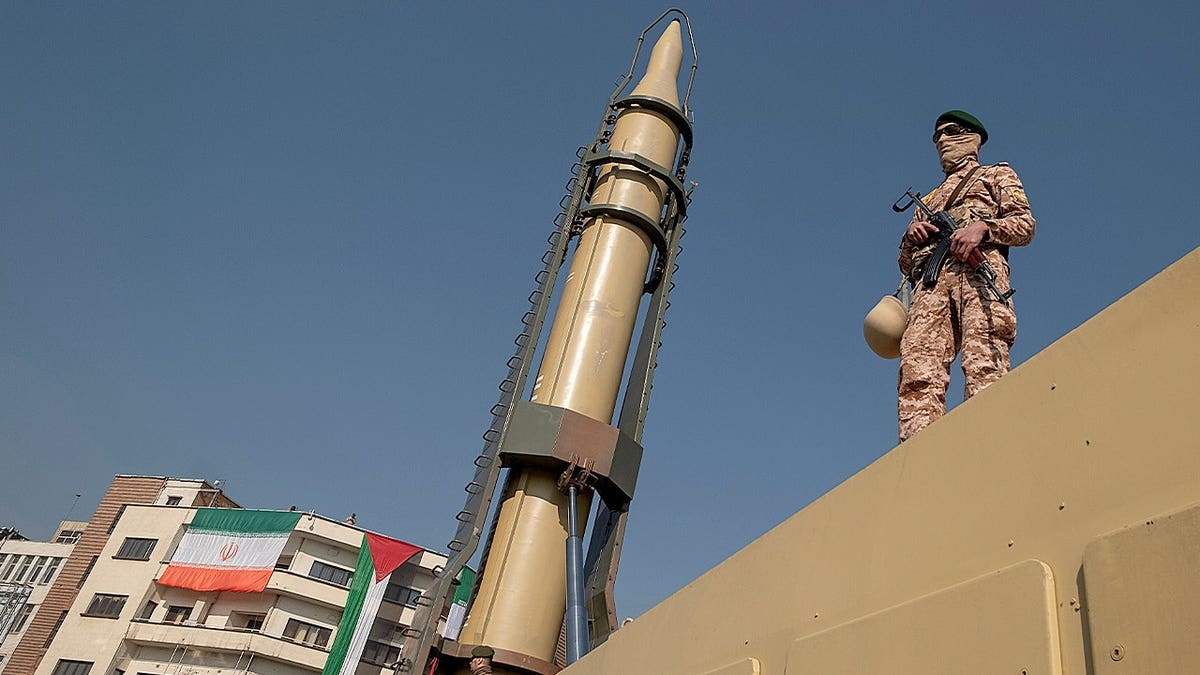
Marandi claimed that the IRCG introduced a new missile to the war. (Morteza Nikoubazl/NurPhoto via Getty Images)
President Donald Trump ordered renewed airstrikes within weeks of the truce, or MOU, being implemented, and on July 14, he floated the possibility of launching a ground campaign.
According to Marandi, Iran’s military command is actively counting on a ground scenario and has since introduced a new weapon to the theater.
«Iran has that advantage, and of course, it has been accumulating missiles and drones for decades now, and it is doing so even now,» Marandi claimed.
«They, I think, last night introduced a new missile to the war,» he said of the Islamic Revolutionary Guard Corps (IRCG).
«The Iranians are hitting very hard, and they are prepared for a land war. They’ve been preparing for decades.»
CLICK HERE TO DOWNLOAD THE FOX NEWS APP
Marandi concluded by claiming that Tehran views a U.S. ground operation as the most direct path to ending the conflict on its own terms.
«The Iranians — we discussed this during the 40-day war before on your show — when I said that the Iranians actually want the Americans to carry out a land invasion, and the same is true now, because they felt that if there was a land invasion, they would win,» he told Diesen.
donald trump, war with iran, iran
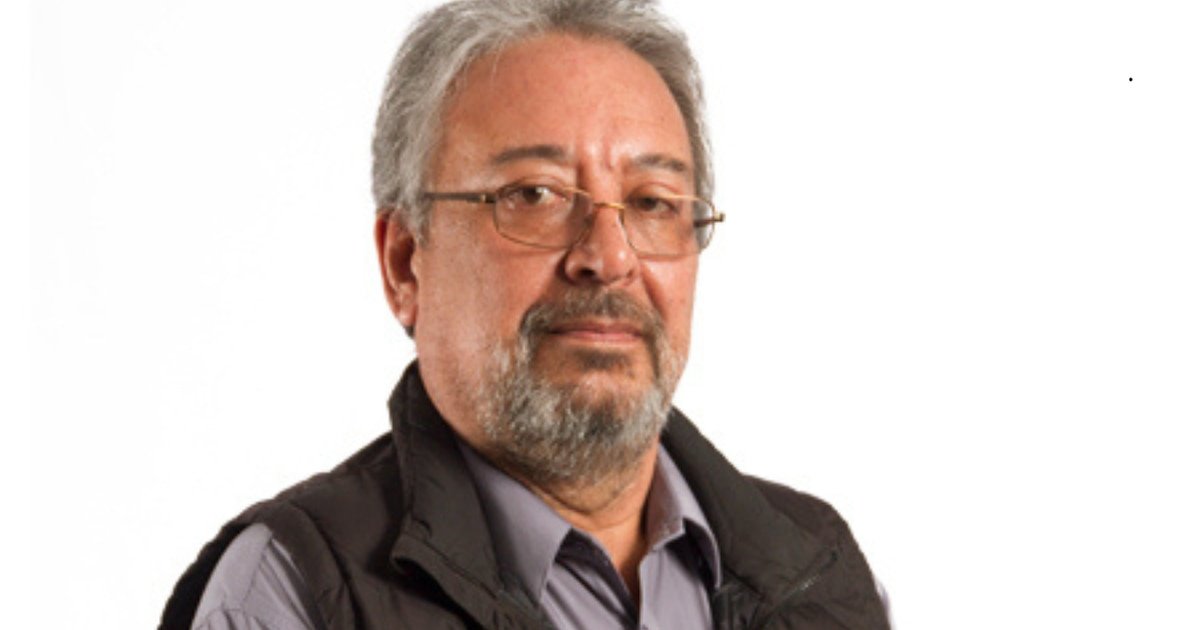
Jorge David Calvo Drago, exviceministro del Ministerio de Energía y Minas de Guatemala, fue hallado muerto en su residencia de la zona 16 de la Ciudad de Guatemala. La Policía Nacional Civil detuvo a Camilo Roberto Calvo Leiva, hijo de la víctima, como principal sospechoso del crimen e investiga un caso de parricidio. (PNC)
La madrugada del sábado 18 de julio de 2026, Guatemala fue escenario de una tragedia que sacudió a los sectores político, académico y social del país. Jorge David Calvo Drago, reconocido académico y exviceministro de Desarrollo Sostenible del Ministerio de Energía y Minas (MEM), fue hallado muerto en el interior de su residencia, ubicada en el Condominio Bosques de Alcala I Kanajuyú ll, de la zona 16, de la Ciudad de Guatemala.
El principal sospechoso y único detenido es su propio hijo, quien permanece bajo custodia policial y confesó el crimen al momento de su detención.
De acuerdo con los primeros reportes de la Policía Nacional Civil (PNC), la noche del viernes y las primeras horas del sábado, Calvo Drago y su hijo, identificado como Camilo Roberto Calvo Leiva, de 26 años, compartieron bebidas alcohólicas en la vivienda familiar.
No obstante, una discusión violenta interrumpió la madrugada al extremo que despertó a los vecinos, quienes, al escuchar gritos de auxilio y ruido extremo se acercaron a la residencia del académico, pero nadie les respondió, por lo que optaron por llamar de inmediato a la policía.
Los agentes llegaron después de varias llamadas de alarma. Encontraron frente a la residencia a un aglomerado de personas. Sin embargo, el, ahora detenido, trataba de eludir a los oficiales asegurando que todo estaba en orden y que su papá, estaba descansando; pero no logró su cometido.
Finalmente los policías ingresaron a la residencia se encontraron con una escena de horror. Las manchas de sangre eran evidentes, motivándolos a una inspección exhaustiva del inmueble.
Al revisar una de las habitaciones que funcionaba como comedor, los oficiales encontraron evidencia de violencia y localizaron el cuerpo sin vida de Calvo Drago. Junto al cadáver se hallaba el cuchillo utilizado en el ataque, mismo que servirá como principal prueba material por el Ministerio Público (MP).
Tras verse acorralado con las evidencias, Calvo Leiva decidió confesar. “Manifestó que en horas de la madrugada se encontraba ingiriendo bebidas alcohólicas con su progenitor en el interior del domicilio pero por el calor de los tragos dio lugar a una discusión, posteriormente se agredieron (fisicamente) y terminó hiriéndolo con arma blanca (cuchillo)“, se lee en el parte policial al que Infobae tuvo acceso.

Calvo Leiva es hijo de la víctima. Hasta el momento se desconoce qué motivo la discusión que terminó en la trágica muerte del exfuncionario guatemalteco.
Las autoridades trasladaron a Camilo Roberto Calvo Leiva bajo estricta vigilancia a la Torre de Tribunales, donde inicia el proceso judicial por parricidio.
Actualmente el caso permanece en investigación por parte del Ministerio Público (MP) para esclarecer la raíz de la discusión y determinar si existían antecedentes de violencia intrafamiliar o factores desencadenantes asociados al entorno familiar.

La muerte de Jorge David Calvo Drago deja un profundo vacío en ámbitos profesionales y académicos de Guatemala. Además de su paso por la administración pública, Calvo Drago era consultor internacional, docente universitario e investigador asociado de la Facultad Latinoamericana de Ciencias Sociales (FLACSO) y fungió como Viceministro durante la administración de transición de Alejandro Maldonado Aguirre en 2015.
Era catedrático de la Facultad de Ciencias Políticas de la Universidad de San Carlos de Guatemala (USAC). Su fallecimiento causó conmoción, por lo que la unidad académica decidió “guardar una semana de duelo”.

Su trayectoria estuvo marcada por una historia de persecución política: en 1984, durante el conflicto armado interno, fue capturado y desaparecido por fuerzas de seguridad clandestinas. Permaneció 49 días en cautiverio junto a su padre, Jorge Roberto Calvo Barajas, quien también fue secuestrado durante la búsqueda de su hijo.
Ambos sobrevivieron al cautiverio inicial y, tras su liberación en abril de 1984, debieron solicitar asilo en la Embajada de Venezuela en Guatemala antes de exiliarse en Honduras. Posteriormente, el Ejército Secreto Anticomunista (ESA) —vinculado a la inteligencia militar— continuó el hostigamiento contra la familia durante su exilio.
La historia de los Calvo Drago representa uno de los episodios más documentados de represión estatal durante la década de 1980. El nombre de Jorge David Calvo Drago aparece en el infame “Diario Militar”, un archivo secreto de inteligencia militar que registró los secuestros, torturas y desapariciones de opositores políticos.

La familia fue obligada al exilio tras sobrevivir a la represión, pero el retorno de la democracia permitió a Calvo Drago reintegrarse al país y desempeñarse en cargos técnicos y viceministeriales.
El caso del “Diario Militar” sigue abierto en la justicia guatemalteca y constituye uno de los principales expedientes sobre delitos contra los deberes de humanidad y desaparición forzada.
Guatemala,Parricidio,Exviceministro de Desarrollo Sostenible,Camilo Roberto Calvo Leiva,Jorge David Calvo Drago
INTERNACIONAL
US service member killed in Iraq as troops recover unidentified remains in Jordan: CENTCOM
US strikes Iran weapons storage, military assets
President Donald Trump monitors events in Iran as U.S. forces conduct a seventh night of strikes on military and logistics infrastructure. Fox News reporter Alex Hogan reports the latest and Fox News contributor Mike Pompeo weighs in.
NEWYou can now listen to Fox News articles!
A U.S. service member was killed Saturday during an operation involving explosive remnants from a downed Iranian drone in northern Iraq, U.S. Central Command (CENTCOM) announced Sunday.
A second U.S. service member was also wounded in the incident, officials said.
The announcement came as CENTCOM confirmed unidentified remains were found Sunday during the search for a U.S. service member reported missing in Jordan following a separate Iranian attack on Friday.
TWO US SERVICE MEMBERS KILLED IN IRANIAN STRIKES ON JORDAN, CENTCOM SAYS
An Arleigh Burke-class guided-missile destroyer USS Thomas Hudner fires a Tomahawk land attack missile in support of Operation Epic Fury March 1, 2026. (U.S. Navy via Getty Images)
According to officials, the incident in Iraq happened after U.S. forces recovered a downed Iranian drone and began handling the explosive material left behind.
«A U.S. service member in northern Iraq was killed in action July 18 during a controlled detonation of unexploded ordnance from a downed Iranian one-way attack drone,» CENTCOM wrote in a post on X.
LEAKED IRAN REPORT FINDS RECORD PUBLIC ANGER AS REGIME FOCUSES ON HOLDING POWER
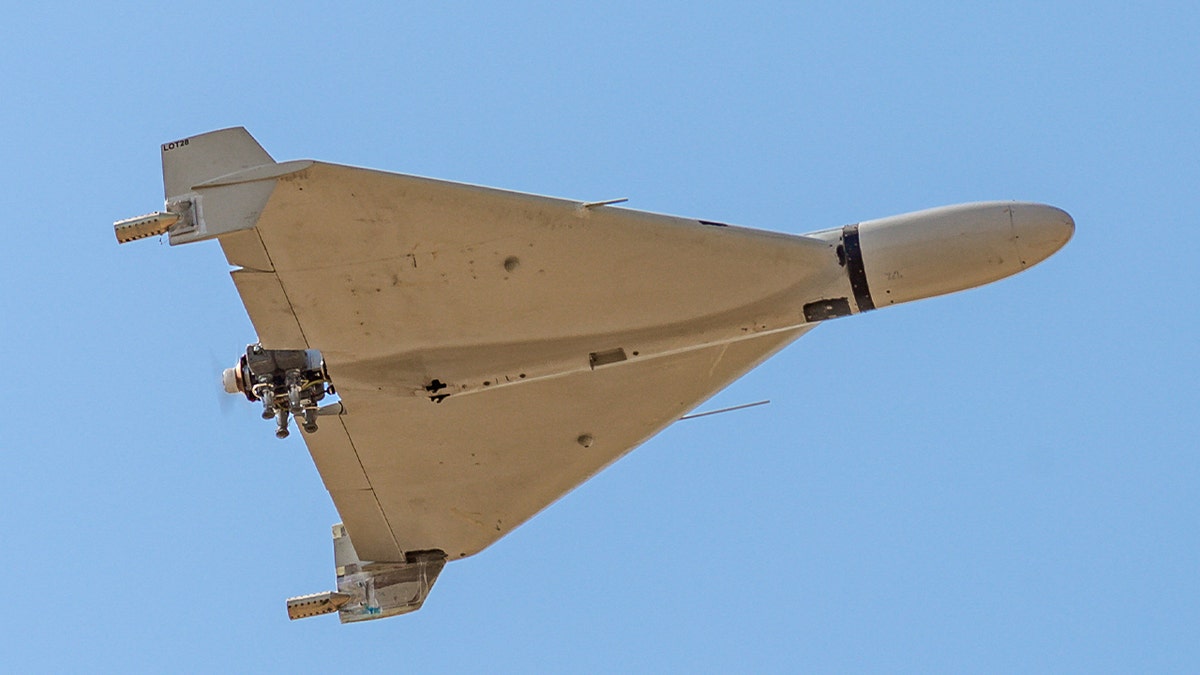
Iran coordinates mass drone warfare campaign across Middle East targeting Western sites. (Getty Images )
The military did not immediately release further details about the incident, but said the other service member injured in the operation is receiving medical treatment.
In Jordan, officials said the unidentified remains recovered Sunday will also undergo an examination to determine their identity.
«After a thorough search, U.S. military personnel found unidentified remains at the location earlier today,» CENTCOM said. «An examination process to verify the remains is ongoing.»

A billboard depicting Iran’s supreme leaders since 1979: (L to R) Ayatollahs Ruhollah Khomeini (until 1989), Ali Khamenei (until 2026), and Mojtaba Khamenei (current) is displayed above a highway in Tehran on March 10, 2026. (AFP/Via Getty Images)
CLICK HERE TO DOWNLOAD THE FOX NEWS APP
Friday’s Iranian attack on a U.S. base in Jordan killed two U.S. service members, CENTCOM previously said.
Four American service members were also medically evacuated to Jordanian hospitals, officials said. They have since been discharged.
«CENTCOM is withholding additional information, including the identities of the missing and fallen warriors, out of respect for the families during the notification process,» the agency said.
This is a developing story. Please check back for updates.
war with iran, iran, middle east, military, wars

‘We want land invasion’: Iran mouthpiece touts new missile, boasts decades of war prep

Las polémicas de la final del Mundial entre Argentina y España: la roja a Enzo Fernández, el gol anulado y el gesto de Cucurella

El inesperado problema que sufrieron Rodrigo de Paul y Leandro Paredes antes de la final entre Argentina y España: el ritual que se vio alterado por el show de la FIFA

Hay 8 tipos de empleados tóxicos que son un problema para las empresas: no son sólo los haraganes y los conflictivos

Morosidad en alza: cuáles son los factores que aumentan las chances de que una familia se atrase en los pagos

Ex viceministro guatemalteco es asesinado en su residencia e investigan un parricidio

El machete del arquero inglés en una botella que sorprendió a Messi tras el triunfo: el dardo de un ayudante de Scaloni a Inglaterra

El fuerte cruce público entre Victoria Villarruel y Patricia Bullrich tras los chats filtrados antes de la sesión del Senado

Adrián Ravier, vocero de Milei: “No coincidimos en el Gobierno con esto de que la gente no llega a fin de mes”

Rubio’s call to combat global funders of far-left terrorism could put Singham in crosshairs

 POLITICA3 días ago
El fuerte cruce público entre Victoria Villarruel y Patricia Bullrich tras los chats filtrados antes de la sesión del Senado
- POLITICA3 días ago
Adrián Ravier, vocero de Milei: “No coincidimos en el Gobierno con esto de que la gente no llega a fin de mes”
- INTERNACIONAL2 días ago
Rubio’s call to combat global funders of far-left terrorism could put Singham in crosshairs