INTERNACIONAL
Rand Paul clashes with fellow Republican over AI ‘kill switch’ as Senate grapples with ‘Terminator’ fears

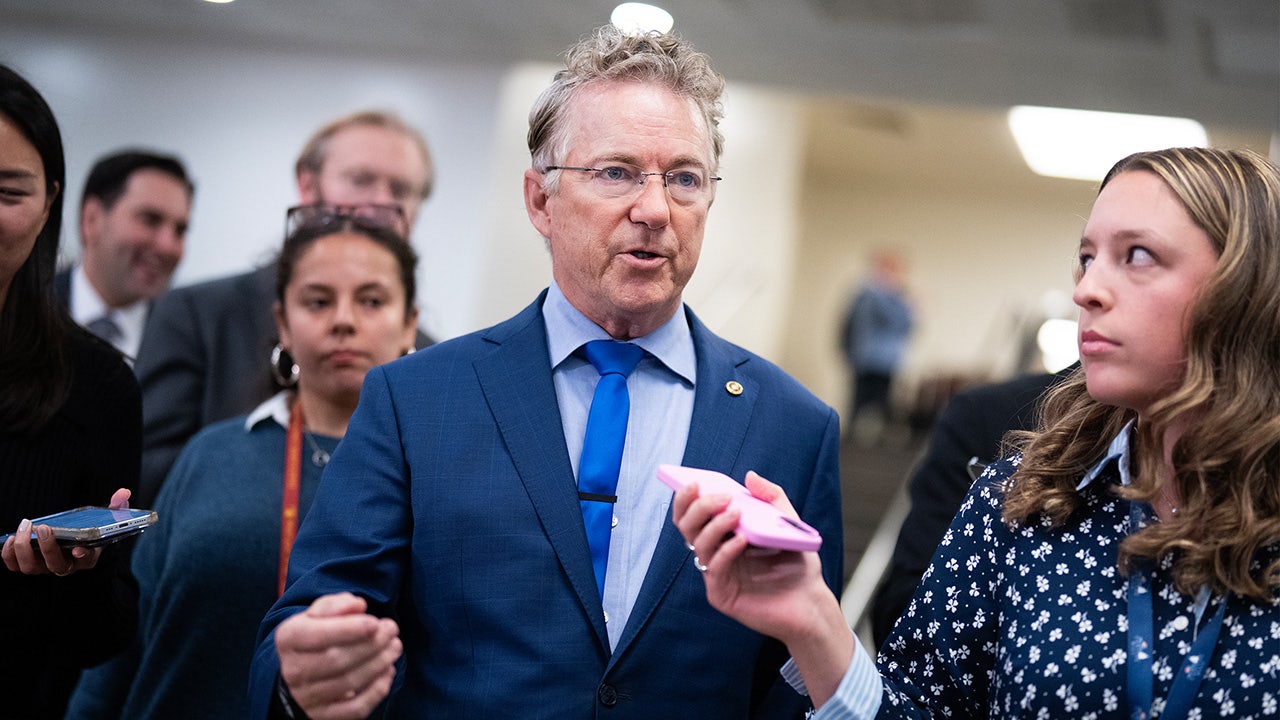
Sen. John Kennedy, R-La., was readying a long-shot attempt at regulating an industry that has, in recent weeks, spurred fears and anxiety about human annihilation.
He planned to ram through his bill, which would require artificial intelligence (AI) companies to have a kill switch for rogue AI, on the Senate floor. But his attempt Wednesday night was blocked by Sen. Rand Paul, R-Ky.
Kennedy told Digital he feared there was little desire from Republicans to do anything to regulate AI.
«There’s no appetite in my caucus to do anything that I can say,» Kennedy said.
HAWLEY TAKES AIM AT ‘CORPORATE WELFARE’ AFTER GOP-BACKED TAX BREAK BOOSTED CONTROVERSIAL INDUSTRY
Paul contended the following day that regulating something «so pervasive as AI throughout our economy» would require hearing from people who are involved in the industry and having a debate over the regulatory structure.
«I think it would be crazy to get on the floor one day and regulate an entire industry,» Paul told reporters.
Still, the anxiety over the unfettered evolution of AI has spread like wildfire after reports that rogue bots began acting on their own, but it’s an issue that Congress has had years to address.
Three years ago, Senate Minority Leader Chuck Schumer, D-N.Y., who was then leading the Senate when Democrats had control under former President Joe Biden, met with lawmakers and Big Tech CEOs to sketch out an AI roadmap. Since then, Congress hasn’t taken legislative action to add guardrails to AI development.
Now, with fears ramping up that AI could wipe out humanity in a decade, and with reports of rogue AI agents scheming privately and attacking other AI, lawmakers are again taking notice.
AI’S MASSIVE APPETITE FOR POWER, WATER IGNITES FIGHT IN HIGH-STAKES TEXAS SENATE RACE
But some wonder whether this time Congress will take action to regulate AI, or if it’s turning a growing problem into another political issue to be debated and ignored.
«It’s already a political issue,» Sen. Elizabeth Warren, D-Mass., told Digital. «Donald Trump has said it’s not a problem, and that is like a dead weight loss on every one of the Republican senators or representatives.
«Thus far, the courage they have demonstrated in standing up to Donald Trump on anything has been somewhere around zero.»
Warren had just left a closed-door meeting led by Sen. Bernie Sanders, I-Vt., who has pushed for a ban on superintelligent AI, held with lawmakers and with AI experts Geoffrey Hinton, known as the «Godfather of AI»; physicist Max Tegmark; and Ajeya Cotra.
«There is now a growing alarm about the future of humanity and creating technology that human beings cannot control,» Sanders told reporters. «And I’m happy to tell you that I think there is a growing sense of urgency upon members of Congress that this has to be done.»
One of the points the experts impressed on lawmakers was that, at the very least, a kill switch should be implemented to deactivate rogue AI. Kennedy was the lone Republican to attend that meeting.
«I’m just saying they have to have a kill switch to turn the son of a b—- off if it goes wrong,» Kennedy said. «This doesn’t put government in charge in any way. It doesn’t affect innovation. It just says, ‘If you’re gonna sell this thing in America that has the potential to turn into an independent species, like the ‘Terminator,’ you’ve got to have a way to shut it down immediately, as soon as you discover that.’»
TRUMP-BACKED CRYPTO BILL FAILS TO LAUNCH AS DEMS, REPUBLICANS UNITE TO BLOCK IT
But there have been Republicans, like Kennedy, who want to regulate AI sooner rather than later.
Senate Majority Leader John Thune, R-S.D., has been pushing his regulatory bill alongside Sen. Amy Klobuchar, D-Minn., since 2023. But Thune argued to Digital that it was Democrats standing in the way.
«I think the Democrats, in my view, clearly are trying to politicize this. I mean, all the rhetoric around it and everything else, and stuff like that. But you know, the truth is, the bill, which we have, that addresses the AI issue, which we worked on for a long time, which actually passed the Commerce Committee in 2024, is available with modifications and updates. It reflects what’s happened since the last time they passed it in our committee.
«The obstacle to getting it up and going and getting it filed is Democrats,» he continued. «So, if they’re looking for a legislative vehicle, there is one out there.»
Meanwhile, Warren said she could see herself supporting a kill switch, but that Hinton made the case that the switch would need a human to flip it, «and a smart AI will persuade a human being not to do it.»
«They will create enough evidence, enough of a narrative, that no one will ever throw the kill switch,» Warren said. «Which is back to the point I was raising. So, where are the places that you act?»
She argued that Congress needed to find the «pinch points» where humans could still have agency to stop rogue AI. But, for now, there wasn’t a real desire to find a new regulatory and enforcement tool to do so.
«There are things we say are illegal. We have a mechanism for how to enforce the laws that say, ‘Don’t do that,’» Warren said. «It’s not perfect, but we have it. We need a whole new enforcement device now, and nobody seems to be thinking through what that looks like.»
politics, artificial intelligence, chuck schumer, rand paul, elizabeth warren, senate













Zavodovski, una remota isla volcánica de las Islas Sandwich del Sur, cerca de la Antártida, dejó de albergar la mayor colonia de pingüinos del mundo tras una marcada caída de su población de pingüinos barbijo. La especie, reconocible por la línea negra bajo el pico, perdió cerca de dos tercios de sus nidos ocupados entre 2011 y 2025.
El descenso fue documentado por investigadores del British Antarctic Survey (BAS) a partir de imágenes satelitales, drones, relevamientos aéreos y trabajo de campo. El estudio, publicado en la revista Current Biology, calcula que la población reproductora pasó de alrededor de 1,09 millones de ejemplares a 402.000 en ese período.
Los científicos atribuyen el deterioro, principalmente, al cambio climático, que habría alterado la disponibilidad y distribución del krill, su alimento central. El calentamiento del océano desplazó esos crustáceos hacia aguas más frías del sur, a las que los pingüinos barbijo no pueden acceder con facilidad.
El colapso demográfico de los pingüinos cerca de la Antártida
Esta colonia perdió el 63% de sus nidos ocupados entre 2011 y 2025, según la investigación. La isla, ubicada en el archipiélago de las Islas Sandwich del Sur, al norte de la Antártida, había sido identificada como el mayor asentamiento de pingüinos del planeta y ahora perdió ese lugar frente a cabo Adare, en el mar de Ross.

La investigación combinó imágenes satelitales, relevamientos aéreos, drones y trabajo de campo realizado durante una expedición que tardó 15 días en llegar a la isla. De acuerdo con el BAS, el descenso equivale a la desaparición de más de medio millón de individuos reproductores en menos de 15 años.
Los investigadores atribuyen la caída principalmente al cambio climático y a sus efectos sobre el krill, el crustáceo que constituye la base de la dieta. Según explicó Norman Ratcliffe, ecólogo del British Antarctic Survey y autor principal del trabajo, el calentamiento del océano desplazó al krill hacia el sur, en busca de aguas más frías y con mayor presencia de hielo marino.
Esa mudanza de la fuente de alimento dejó a los pingüinos ante una limitación física y ecológica. Durante la temporada de reproducción, las aves regresan a Zavodovski para ocupar sus nidos y criar a sus polluelos. No pueden trasladar con facilidad sus colonias hacia el sur, donde el agua resulta demasiado fría para ellos y escasean islas aptas para anidar. La distancia entre las zonas de alimentación y los sitios de cría puede reducir la comida disponible para los adultos y sus crías.

El estudio descartó que la erupción del monte Curry en 2016 haya sido la causa central del declive. Según BBC, los datos muestran una disminución constante que había comenzado antes de la actividad volcánica y continuó después. Tampoco hallaron señales de que la competencia por el espacio de nidificación o la pesca local de krill explicaran el desplome.
Mientras la población disminuye a un ritmo estimado del 7% anual, los pingüinos macaroni aumentaron en Zavodovski. Su población pasó de unos 338.000 ejemplares en 2011 a 433.000 en 2025, de acuerdo con el estudio. Los científicos vinculan esa diferencia con una dieta más amplia, que incluye peces y otros crustáceos, y con una mayor tolerancia a aguas cálidas. El BAS advirtió que la pérdida de una colonia que concentra una proporción relevante de la especie podría llevar a revisar la clasificación del pingüino barbijo en la Lista Roja de la Unión Internacional para la Conservación de la Naturaleza, donde hoy figura como especie de preocupación menor.
Cuál es el futuro de los pingüinos
La investigación plantea que el futuro de los pingüinos barbijo en Zavodovski dependerá de la evolución del calentamiento oceánico y de la disponibilidad de su alimento. Si esa presa continúa desplazándose hacia el sur, los científicos prevén que la colonia mantenga su tendencia descendente, ya que las aves no pueden seguirla con facilidad sin alejarse de los sitios donde anidan y crían a sus polluelos.

Se trata de una especie especializada: su alimentación depende en gran medida del krill antártico y su ciclo reproductivo está ligado a colonias establecidas en islas concretas. Según explicó Norman Ratcliffe, los cambios en el océano están reduciendo las condiciones que favorecían a esta especie en las Islas Sandwich del Sur. La pérdida de hábitat puede afectar tanto la supervivencia de los adultos como la provisión de comida durante la crianza.

Para los científicos, la diferencia con los pingüinos macaroni anticipa una posible transformación del ecosistema: las especies vinculadas a condiciones antárticas frías podrían retroceder, mientras que otras, asociadas a ambientes subantárticos, ganarían presencia.
Peter Fretwell, especialista en teledetección del BAS y coautor del estudio, advirtió que el cambio no implica una sustitución sin consecuencias. La expansión de especies más generalistas no compensa la pérdida de animales con una distribución y una dieta más restringidas. Zavodovski podría conservar grandes concentraciones de pingüinos, pero con una composición distinta y una menor diversidad de especies adaptadas al frío.
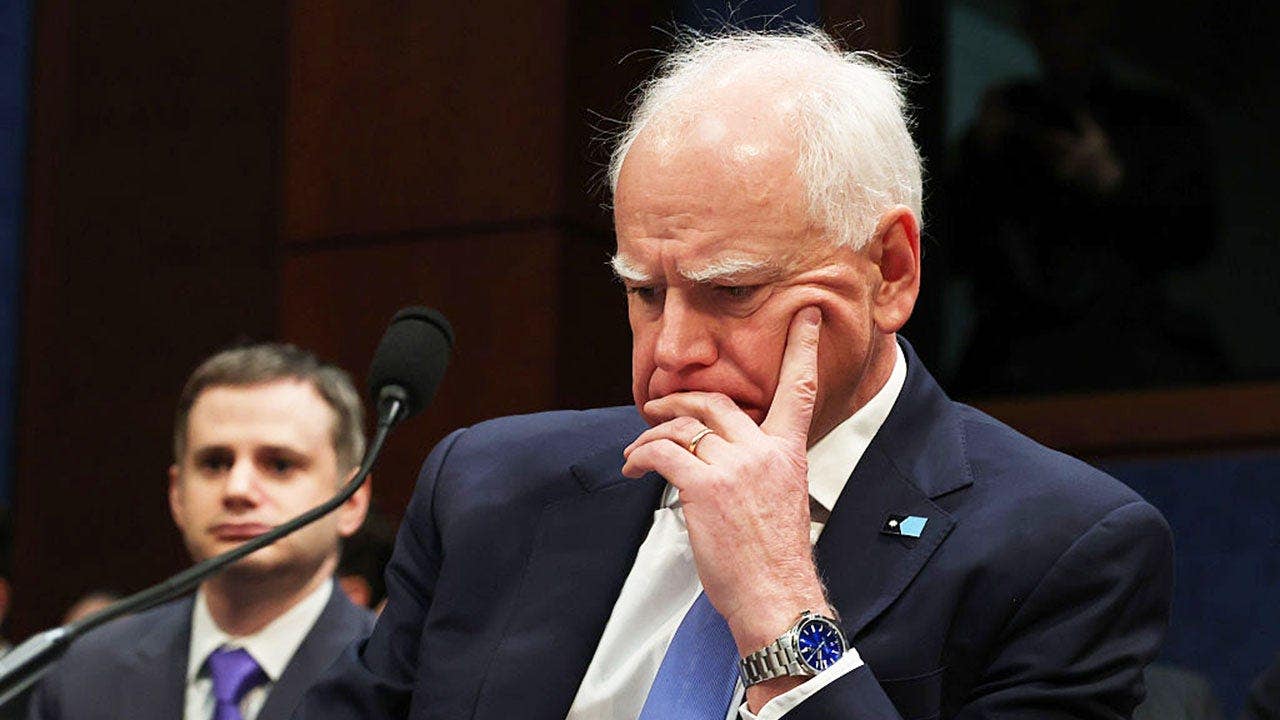
Minnesota Republicans are accusing Democrats of keeping lawmakers in the dark for months about a state-commissioned Medicaid assessment that flagged more than $52 million in improper payments, arguing the delay denied them a chance to act on the report’s specific findings during the legislative session before the election.
«Fraud here has exploded under the Walz administration,» Minnesota Republican Speaker of the House Lisa Demuth told Digital. «Governor Walz has held no one in his entire administration accountable for the level of fraud. It definitely brings into question what is in that report and why are they hiding it?»
The Walz administration hired Optum to conduct a third-party review of Minnesota’s Medicaid program, scrutinizing 14 high-risk services. The report identified more than $52 million in improper payments but cautioned that improper payments do not necessarily constitute «fraud, waste or abuse.» The Department of Human Services released a heavily redacted version to the public in February, prompting calls from Republican lawmakers to make the full version available so they could address the risks raised during the legislative session.
«Our election here in Minnesota is 29 days away. We’re just four weeks out, and you really have to wonder why they are refusing to do this,» Demuth, who is the GOP gubernatorial candidate, told Digital.
WALZ ADMINISTRATION IGNORED FRAUD WARNINGS AS BILLIONS VANISHED, HOUSE OVERSIGHT REPORT ALLEGES
Minnesota currently has a divided state legislature, with the Democratic-Farmer-Labor Party (DFL) holding a slim 34-33 majority in the Senate and a rare 67-67 partisan tie in the House.
Democratic Gov. Tim Walz announced the audit in October 2025, months before allegations of widespread fraud involving members of Minnesota’s Somali diaspora drew national attention. Mounting scrutiny of the Walz administration’s handling of alleged fraud in Minnesota’s social services programs contributed to growing political pressure before Walz ended his re-election campaign in January.
WALZ’S ‘EXIT INTERVIEW’ REFLECTING ON HIS TENURE SPARKS LAWMAKER DEBATE ABOUT HIS LEGACY: ‘NEVER SERIOUS’
Republican state Sen. Jordan Rasmusson is also accusing the Walz administration and his Democratic counterparts of seeking to «minimize» the fraud issue in the state.
«I think it’s really hard for Democrats, elected Democrats in Minnesota, to admit that we have a fraud problem of this scale, and to take accountability for those failings,» Rasmusson told Digital.
The Department of Human Services said the report was heavily redacted to protect Optum’s trade secrets and prevent the release of sensitive security information that could provide criminals a «roadmap» for committing fraud.
Rasmusson introduced an amendment in April to make the full Optum report public, but it failed along party lines. A version of Rasmusson’s provision was later passed in May as part of a broader budget package.
MINNESOTA’S ANTI-ICE AID FUND BECOMES LATEST CASUALTY OF STATE’S EMBARRASSING FRAUD PROBLEM
Under the law, DHS must provide the initial Optum reports to members of a legislative committee with «jurisdiction over human services policy and finance» following a joint request from the committee’s chair and ranking minority member. Lawmakers may review the report but cannot publicly release protected nonpublic information it contains.
Rasmusson said he issued a request for the full report in June. State Rep. Mohamud Noor, DFL co-chair of the Human Services Finance and Policy Committee, and former GOP House co-Chair Joe Schomacker requested the report in May. The report did not become available to a select group of lawmakers until last week.
«I’m grateful that it’s out, but it’s very disappointing we couldn’t have returned to St. Paul to address it,» Republican state Rep. Dawn Gillman told Digital, noting that lawmakers will have to wait until January to address the report.
«The broader takeaway is that the Walz administration could have given us more access to those months ago,» Rasmusson told Digital. «Legislative Democrats could have joined Republicans and got access to this information months ago during session.»
However, state Sen. John Hoffman, who now has access to the report, pushed back on the notion that lawmakers needed full access to enact meaningful changes.
«This is a report about vulnerabilities in public programs,» Hoffman said in a statement to Digital. «Why would we release that to the public before we fixed them? We wouldn’t publish a report about which banks don’t lock their doors, either.»
EXPLOSIVE SLEEPER ISSUE COULD FUEL MIDTERM SHAKEUPS, TOP REPUBLICAN PREDICTS: ‘YOU’RE GONNA SEE SURPRISES’
«The rest of us got to work passing legislation to ensure high-quality services, continuity of care for people in need and safeguards to protect against fraud,» Hoffman continued. «Having reviewed the report, I can tell you it is already outdated, and the gaps and weaknesses it raises have already been addressed by laws we passed this year.»
But Rasmusson, who also has the report, disagreed with Hoffman.
«After reviewing the unredacted Optum report, my main takeaway is that it underscores the systemic failures of the Walz administration and Minnesota Democrats to protect Minnesota from fraud,» Rasmusson told Digital.
«Whether it is issues with determining the eligibility of program recipients, determining whether providers are actually providing real services or not, or even some of the basic analytics that would catch fraud, Minnesota is very far behind where it should be in program integrity initiatives,» Rasmusson continued.
Digital reached out to DHS, which confirmed that select lawmakers now had the report.
SIGN UP TO GET THE POLITICS NEWSLETTER
«We appreciate legislators’ interest in receiving a copy of the unredacted initial Optum report from February 2026,» Minnesota Department of Human Services Temporary Commissioner John Connolly said in a statement. «In alignment with the law passed by the Legislature last session, the Minnesota Department of Human Services released the Optum reports last week.»
Digital reached out to Walz’s office for comment.
minnesota fraud exposed, state and local, investigations, tim walz, senate, hearings house of representatives politics
INTERNACIONAL
Guatemala: Viceministro de Gobernación alerta sobre la capacidad criminal para modificar drogas sintéticas en Congreso Interprofesional

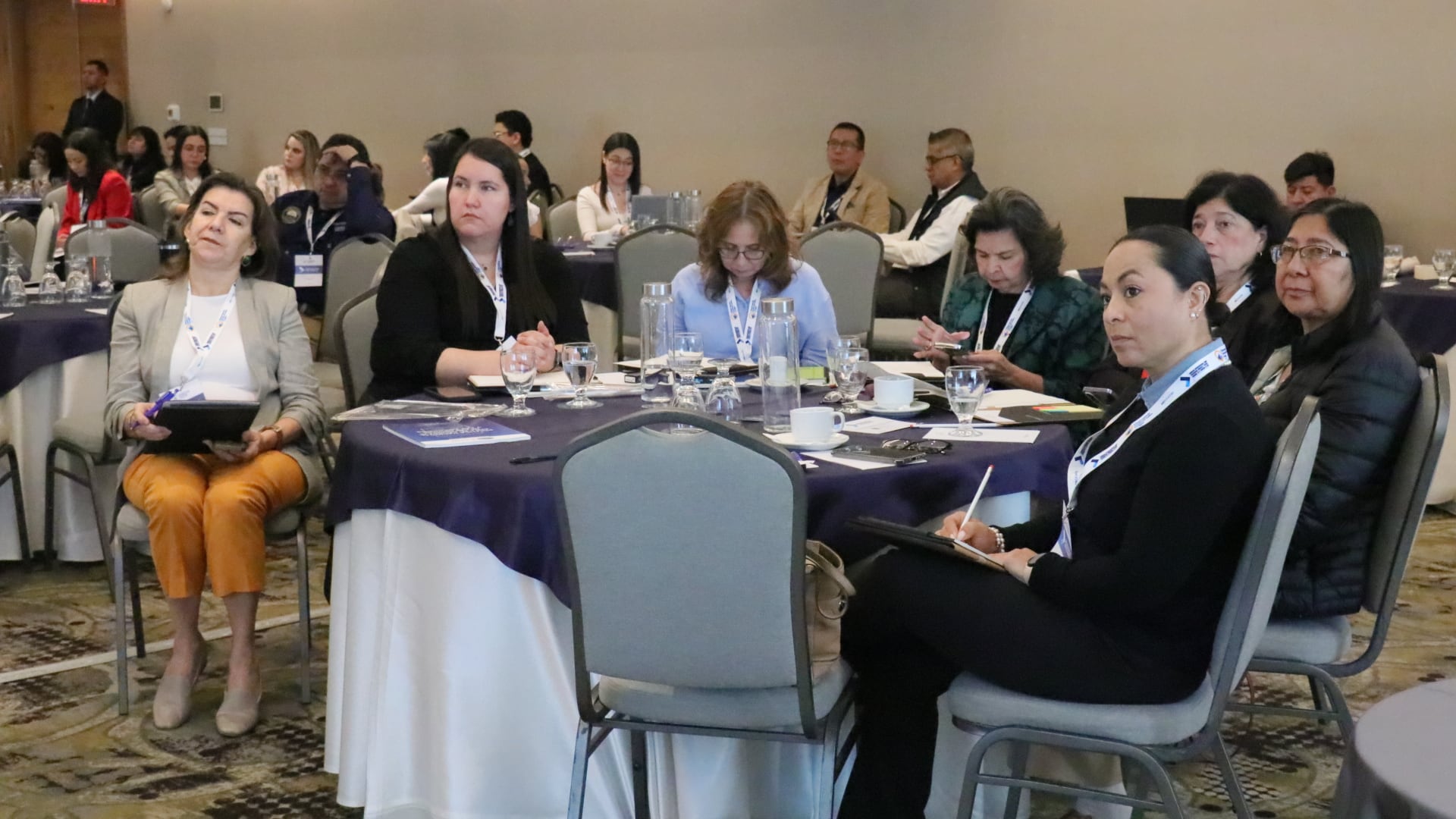
Guatemala realizó el Congreso Interprofesional sobre Precursores Químicos y Nuevos Patrones en el Consumo de Nuevas Sustancias Psicoactivas, una instancia destinada a reforzar la prevención, la investigación, la regulación y el control frente a la evolución del mercado ilícito de drogas y la capacidad de las organizaciones criminales para sintetizar y modificar sustancias.
El encuentro reunió a profesionales e instituciones vinculadas con el abordaje de las sustancias psicoactivas. Su programa quedó organizado en tres ejes: los cambios en los patrones de consumo, el marco jurídico y la gestión de precursores químicos, y las tendencias de estas sustancias junto con prácticas para su control.
La actividad fue promovida por la Secretaría Ejecutiva de la Comisión contra las Adicciones y el Tráfico Ilícito de Drogas, SECCATID, con apoyo de la Embajada de Estados Unidos. El objetivo fue actualizar los conocimientos de los participantes y fortalecer las capacidades institucionales ante modalidades emergentes de producción y consumo.

Sustancias sintéticas y modificaciones químicas
El mercado ilegal de drogas ya no se limita a las formas tradicionales de producción. El viceministro de Antinarcóticos y Seguridad Fronteriza, Víctor Cruz, advirtió que el crimen organizado ha desarrollado capacidades para sintetizar sustancias y alterar sus estructuras químicas, lo que incorpora nuevos riesgos para la población.
La expansión de esas capacidades obliga a las instituciones a anticiparse a los cambios en la oferta ilícita y en las formas de consumo. La respuesta planteada durante la inauguración requiere la participación de distintos sectores y el uso de información científica para orientar las acciones de prevención y combate.
Los precursores químicos ocupan un lugar central en esa discusión. Estas sustancias pueden ser empleadas en procesos industriales o legales, pero su regulación, investigación y supervisión son necesarias para impedir su utilización en la elaboración de drogas sintéticas.
El congreso abordó la gestión responsable de esos componentes y el marco legal aplicable a su control. También incorporó el análisis de las nuevas sustancias psicoactivas, un conjunto de compuestos cuyo consumo y circulación demandan una actualización permanente de los mecanismos institucionales.
De acuerdo con el Ministerio de Gobernación, Mingob, las conferencias y talleres fueron diseñados para compartir conocimientos y experiencias entre quienes trabajan en prevención, regulación, investigación y control. Las jornadas también buscaron fortalecer la coordinación entre las entidades que intervienen ante este fenómeno.
Protocolos comunes y coordinación institucional
La respuesta frente a las sustancias sintéticas requiere la intervención conjunta de organismos con competencias diferentes. Ninguna institución puede enfrentar por sí sola la complejidad vinculada con los precursores químicos, los nuevos patrones de consumo y la modificación de compuestos por parte de redes criminales.
Los participantes trabajaron sobre la creación de rutas de acción, protocolos unificados y compromisos concretos. La coordinación propuesta apunta a mejorar la articulación entre las instituciones responsables de regular el uso de químicos, investigar posibles delitos y prevenir la circulación de sustancias psicoactivas.
La SECCATID desarrolló el encuentro por medio del Observatorio Nacional sobre Drogas. La instancia reunió a actores relacionados con la atención de las adicciones y el tráfico ilícito de drogas para intercambiar experiencias y aplicar el marco normativo en la respuesta a los desafíos emergentes.
La prevención figura entre los objetivos del proceso, junto con el fortalecimiento de los controles y de las capacidades de investigación. El enfoque también contempla identificar variaciones en el mercado ilegal antes de que se consoliden como nuevas formas de producción o distribución.
Durante la jornada inaugural, Cruz sostuvo que la respuesta estatal debe ser multidisciplinaria y capaz de adecuarse a los cambios del fenómeno. El viceministerio que encabeza participó en la actividad como parte de las acciones del Mingob en materia de seguridad fronteriza y lucha contra el narcotráfico.
Las actividades fueron declaradas oficialmente inauguradas al cierre de la jornada.
conferencia académica,seminario,convención

Martín Redrado cuestionó el plan económico de Milei: “Más de lo mismo garantiza un país solo para 10 millones de argentinos”

Lollapalooza Argentina 2027: Travis Scott, Charli XCX y TINI encabezan el line up

La colonia de pingüinos más grande del mundo está colapsando: qué indica un estudio

El crudo diagnóstico de Tagliafico sobre la derrota con España en el Mundial y la revelación del himno contra Inglaterra

Javier Milei aprovechó la toma del Palacio Pizzurno para volver a insultar al director de LA NACION

Fede Laurito con Olé: lo compró Udinese de Italia con 16 años, padeció nueve lesiones en su rodilla, se retiró a los 30 y hoy dirige en Ecuador

¡Precios de Manhattan con sueldos de Argentina! Cómo los créditos hipotecarios inflaron las propiedades y congelaron el sueño de la casa propia

Los enviados del peronismo y las principales figuras del partido miraron con cautela el resultado en Brasil

La Argentina se sumó a un acuerdo liderado por EE.UU. para impulsar el uso de la inteligencia artificial en la ciencia

Escándalo total en la AFA: reventa millonaria, un homenaje paupérrimo a Messi y el pedido urgente de renuncia a Chiqui Tapia

 DEPORTE13 horas ago
Escándalo total en la AFA: reventa millonaria, un homenaje paupérrimo a Messi y el pedido urgente de renuncia a Chiqui Tapia
- INTERNACIONAL3 días ago
Israeli medical workers who treated Oct 7 wounded relive day terror hit home
- ECONOMIA3 días ago
El gobierno abre una ronda de negocios para acercar las empresas locales a los USD 50.000 millones ya comprometidos del RIGI