INTERNACIONAL
‘Unprecedented’: Judges reveal behind-the-scenes coordination on Trump immigration cases


Federal judges in Minnesota tasked with deciding a flood of habeas petitions challenging the detention of immigrants swept up during President Donald Trump’s Operation Metro Surge weren’t working entirely on their own — behind the scenes, they were regularly consulting one another through running email threads and developing tools to quickly handle recurring legal questions.
The behind-the-scenes coordination among Minnesota’s federal bench, revealed in a New York Times report Thursday, included regular meetings, running email threads, an informal spreadsheet created by court clerks showing which judges to turn to with particular legal questions, and templates some judges developed to quickly issue orders when similar detention disputes repeatedly came before the court.
The disclosures are fueling questions over whether the judges were colluding on separate cases involving the same Trump administration immigration policies, or simply sharing expertise to manage an extraordinary caseload.
FEDERAL JUDGE TIES ICE AGENTS’ HANDS WITH RULING ON WARRANTLESS SOUTHERN CALIFORNIA ARRESTS
«The idea of a running email chain involving a variety of cases — it strikes me as very weird and frankly unprecedented,» Robert Luther III, a professor at George Mason University’s Antonin Scalia Law School whose work includes federal courts and judicial ethics, told Digital. Federal judges can and routinely do consult colleagues, Luther said, particularly about procedural or evidentiary questions. But each judge is ultimately responsible for independently deciding the cases assigned to them — a distinction Luther said makes the coordination significant.
The disclosures have also drawn criticism from the Trump administration on two fronts. Department of Homeland Security (DHS) General Counsel James Percival accused the former chief judge who led the district during Metro Surge of «essentially conspiring with his judicial colleagues» to thwart federal immigration enforcement. The Justice Department (DOJ), meanwhile, questioned the decision by sitting judges to give extensive on-the-record interviews about their experience with the administration’s immigration operation.
Seven of the district’s judges spoke to the Times for Thursday’s report, including former Chief Judge Patrick Schiltz, who sat for a 90-minute interview about the court’s experience during Metro Surge. Schiltz declined to discuss ongoing cases, according to the Times, but described what happened in Minnesota’s federal court as having «created a grave threat to the rule of law.»
«It is remarkable that sitting federal judges are giving on-the-record interviews attacking this Administration’s policies rather than ruling from the bench,» a Justice Department spokesperson told Digital. «If judges followed the law in adjudicating cases, there wouldn’t be an ‘overwhelming’ habeas caseload. Judges who have made public comments on pending or related matters should consider whether recusal is warranted going forward.»
OBAMA, BIDEN JUDGES DRAW FRESH FIRE AS TRUMP’S IMMIGRATION COURT CLASHES HEAT UP: ‘ALMOST IMPOSSIBLE’
But Chief Judge Eric Tostrud, who was himself among the Minnesota judges interviewed by the Times, rejected suggestions that the coordination described in the report compromised individual decision-making. He told Digital that every member of the bench independently decided the merits of each petition assigned to them, while pointing to an extraordinary surge in litigation — from 12 alien-detainee habeas petitions during all of 2024 to 1,427 through August of this year — and noting that many involved similar or identical, often novel, legal questions.
«The bottom line is that each of us made an independent decision with respect to the merits of each and every petition we were assigned,» Tostrud told Digital.
Tostrud stressed that the judges did not uniformly reach the same conclusions, saying that while some reached the same result on certain legal questions, they «reached different outcomes regarding other legal questions.» He said the judges’ ability to communicate helped them resolve the cases quickly and thoughtfully, regardless of whether individual petitions were granted.
What exactly the judges were sharing behind the scenes, however, remains unclear. Tostrud declined to disclose the contents of the court’s internal working materials, saying documents created by judges and court staff «are not public.»
TRUMP ADMINISTRATION’S IMMIGRATION PUSH FUELS ICE’S BIGGEST ARREST MONTH IN AGENCY HISTORY
That distinction could be significant, according to Luther, who said administrative templates are commonplace in federal courts, but drew a line between those and templates touching the substance of a case.
«Templates that deal with administrative matters strike me as entirely appropriate and commonplace in federal courts,» Luther said. «Templates for substantive matters — that seems like something altogether different.»
The coordination unfolded amid a broader clash between Minnesota’s federal bench and the Trump administration over Operation Metro Surge. The dispute came as immigration litigation inundated the district. During the first three months of 2026, Minnesota’s federal court received 1,116 habeas petitions, compared with just two during the same period the previous year, according to the Times. Court staff worked 16-hour days, seven days a week to process the incoming cases.
Patrick Schiltz, who served as the district’s chief judge during Metro Surge before taking senior status — a form of semi-retirement — this summer, emerged as a prominent judicial critic of the administration’s handling of the operation. In a Jan. 28 order, Schiltz accused ICE of violating nearly 100 court orders during that month and warned that «ICE is not a law unto itself.»
OBAMA JUDGE’S PECULIAR TRUMP REBUKE IGNITES FURY OVER ‘UNPROFESSIONAL’ LANGUAGE: ‘EMBARRASSMENT’
The cases cited in Schiltz’s January list of alleged violations have largely concluded, according to the Times, which reported that the administration ultimately corrected the issues flagged by the court in many of them.
DOJ said its review of the cases found that in the «large majority» of them, detainees were released on time and no violation occurred, while in most of the remaining cases the department said it ultimately did what the court ordered despite missing an additional deadline.
MASSACHUSETTS’ HIGHEST COURT PUBLICLY REPRIMANDS JUDGE ACCUSED OF ENABLING IMMIGRANT TO ESCAPE ICE
Federal judicial ethics rules generally prohibit judges from publicly commenting on the merits of pending or impending cases, but permit judges to explain court procedures and engage in broader speaking and teaching about the law, legal system and administration of justice.
The DOJ argued that judges who publicly commented on pending or related matters should consider whether recusal is warranted. The Times reported, however, that Schiltz declined to discuss ongoing cases, while Judge Nancy Brasel, a Trump appointee who also participated in the interviews, defended judges’ ability to speak publicly about judicial independence.
«We are allowed to speak out about judicial independence,» Brasel told the Times. «And so we should, in order to keep it.»
Luther, however, took a different view of the judges’ decision to participate in the interviews.
«Judges should be speaking through their judicial orders, not through their surrogates at The New York Times,» he told Digital.
federal courts, federal judges, immigration, immigrant rights, illegal immigrants, politics, justice department, homeland security












INTERNACIONAL
Guatemala: Viceministro de Gobernación alerta sobre la capacidad criminal para modificar drogas sintéticas en Congreso Interprofesional
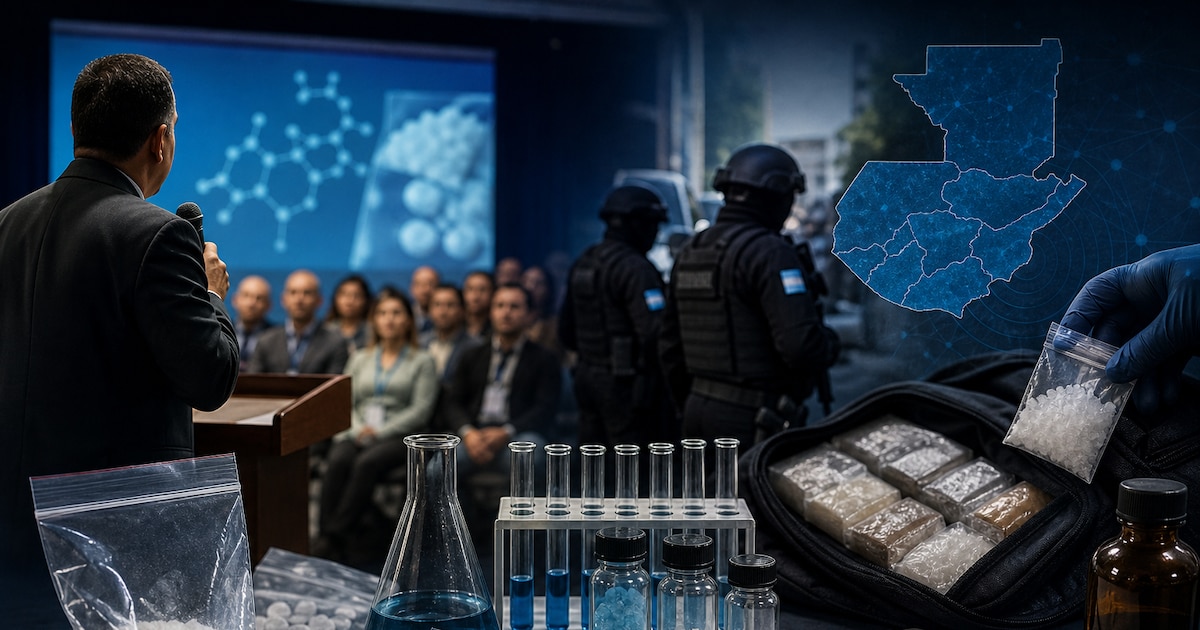
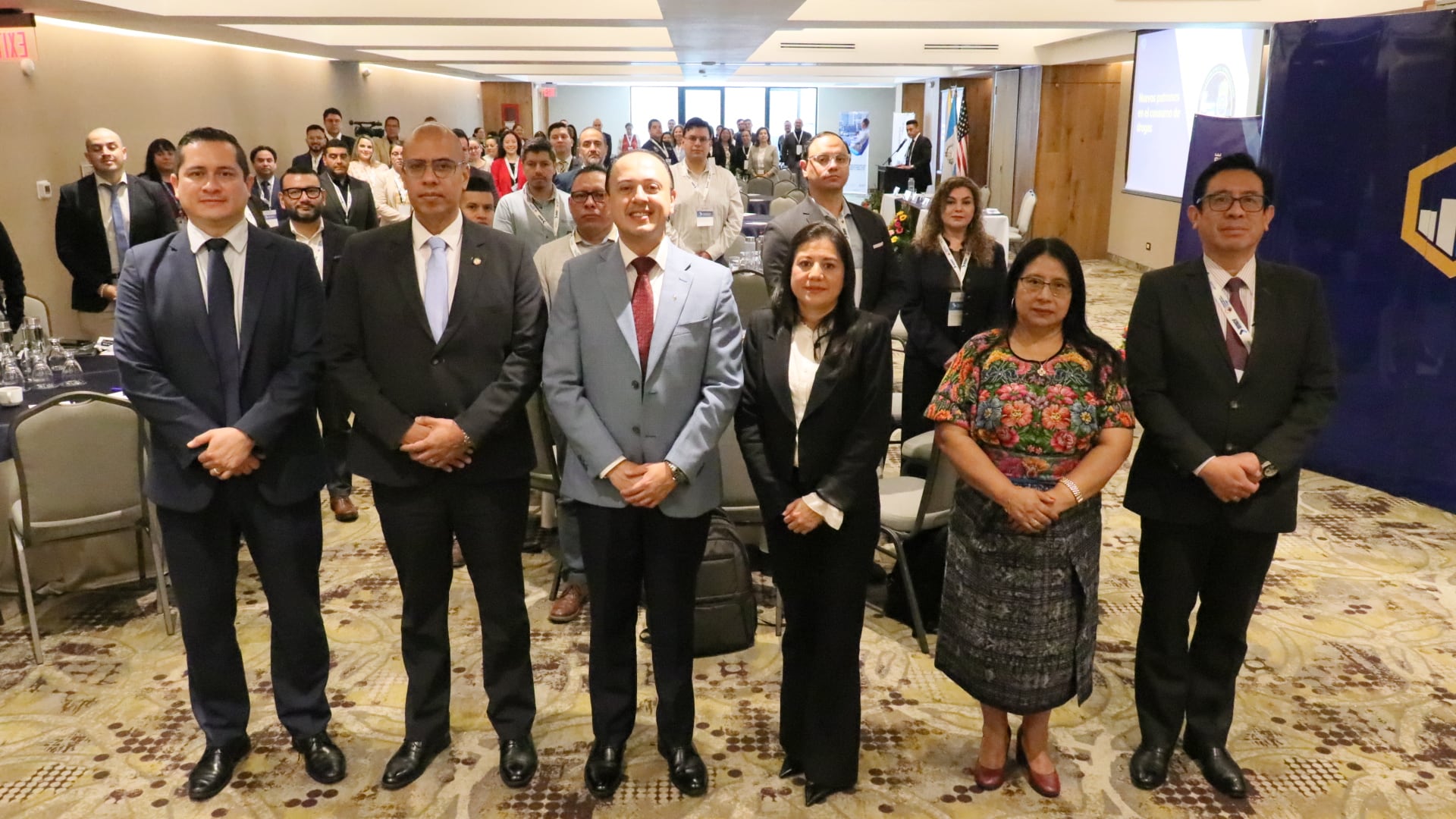
Guatemala realizó el Congreso Interprofesional sobre Precursores Químicos y Nuevos Patrones en el Consumo de Nuevas Sustancias Psicoactivas, una instancia destinada a reforzar la prevención, la investigación, la regulación y el control frente a la evolución del mercado ilícito de drogas y la capacidad de las organizaciones criminales para sintetizar y modificar sustancias.
El encuentro reunió a profesionales e instituciones vinculadas con el abordaje de las sustancias psicoactivas. Su programa quedó organizado en tres ejes: los cambios en los patrones de consumo, el marco jurídico y la gestión de precursores químicos, y las tendencias de estas sustancias junto con prácticas para su control.
La actividad fue promovida por la Secretaría Ejecutiva de la Comisión contra las Adicciones y el Tráfico Ilícito de Drogas, SECCATID, con apoyo de la Embajada de Estados Unidos. El objetivo fue actualizar los conocimientos de los participantes y fortalecer las capacidades institucionales ante modalidades emergentes de producción y consumo.
Sustancias sintéticas y modificaciones químicas
El mercado ilegal de drogas ya no se limita a las formas tradicionales de producción. El viceministro de Antinarcóticos y Seguridad Fronteriza, Víctor Cruz, advirtió que el crimen organizado ha desarrollado capacidades para sintetizar sustancias y alterar sus estructuras químicas, lo que incorpora nuevos riesgos para la población.
La expansión de esas capacidades obliga a las instituciones a anticiparse a los cambios en la oferta ilícita y en las formas de consumo. La respuesta planteada durante la inauguración requiere la participación de distintos sectores y el uso de información científica para orientar las acciones de prevención y combate.
Los precursores químicos ocupan un lugar central en esa discusión. Estas sustancias pueden ser empleadas en procesos industriales o legales, pero su regulación, investigación y supervisión son necesarias para impedir su utilización en la elaboración de drogas sintéticas.
El congreso abordó la gestión responsable de esos componentes y el marco legal aplicable a su control. También incorporó el análisis de las nuevas sustancias psicoactivas, un conjunto de compuestos cuyo consumo y circulación demandan una actualización permanente de los mecanismos institucionales.
De acuerdo con el Ministerio de Gobernación, Mingob, las conferencias y talleres fueron diseñados para compartir conocimientos y experiencias entre quienes trabajan en prevención, regulación, investigación y control. Las jornadas también buscaron fortalecer la coordinación entre las entidades que intervienen ante este fenómeno.
Protocolos comunes y coordinación institucional
La respuesta frente a las sustancias sintéticas requiere la intervención conjunta de organismos con competencias diferentes. Ninguna institución puede enfrentar por sí sola la complejidad vinculada con los precursores químicos, los nuevos patrones de consumo y la modificación de compuestos por parte de redes criminales.
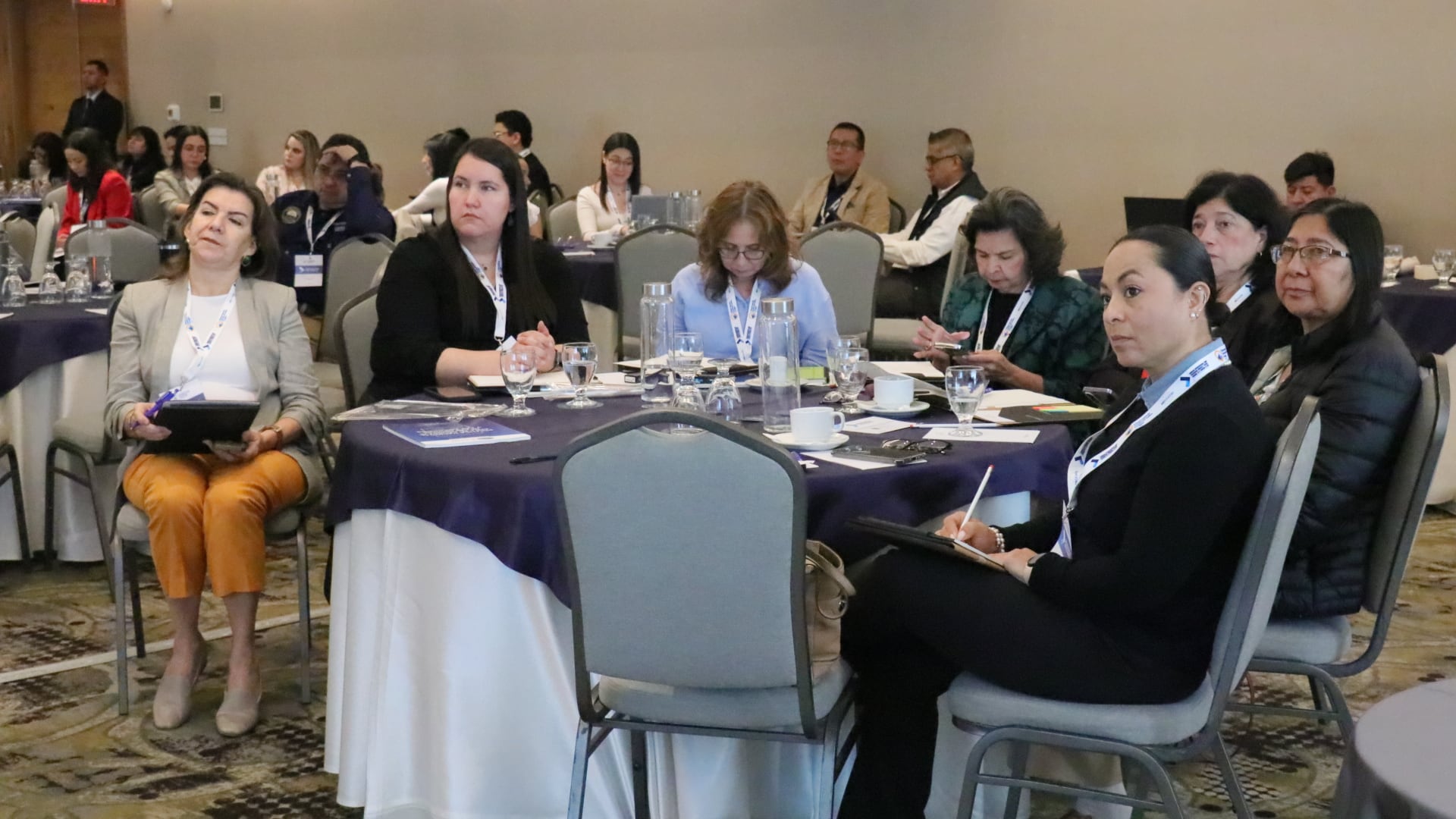
Los participantes trabajaron sobre la creación de rutas de acción, protocolos unificados y compromisos concretos. La coordinación propuesta apunta a mejorar la articulación entre las instituciones responsables de regular el uso de químicos, investigar posibles delitos y prevenir la circulación de sustancias psicoactivas.
La SECCATID desarrolló el encuentro por medio del Observatorio Nacional sobre Drogas. La instancia reunió a actores relacionados con la atención de las adicciones y el tráfico ilícito de drogas para intercambiar experiencias y aplicar el marco normativo en la respuesta a los desafíos emergentes.
La prevención figura entre los objetivos del proceso, junto con el fortalecimiento de los controles y de las capacidades de investigación. El enfoque también contempla identificar variaciones en el mercado ilegal antes de que se consoliden como nuevas formas de producción o distribución.
Durante la jornada inaugural, Cruz sostuvo que la respuesta estatal debe ser multidisciplinaria y capaz de adecuarse a los cambios del fenómeno. El viceministerio que encabeza participó en la actividad como parte de las acciones del Mingob en materia de seguridad fronteriza y lucha contra el narcotráfico.
Las actividades fueron declaradas oficialmente inauguradas al cierre de la jornada.
conferencia académica,seminario,convención
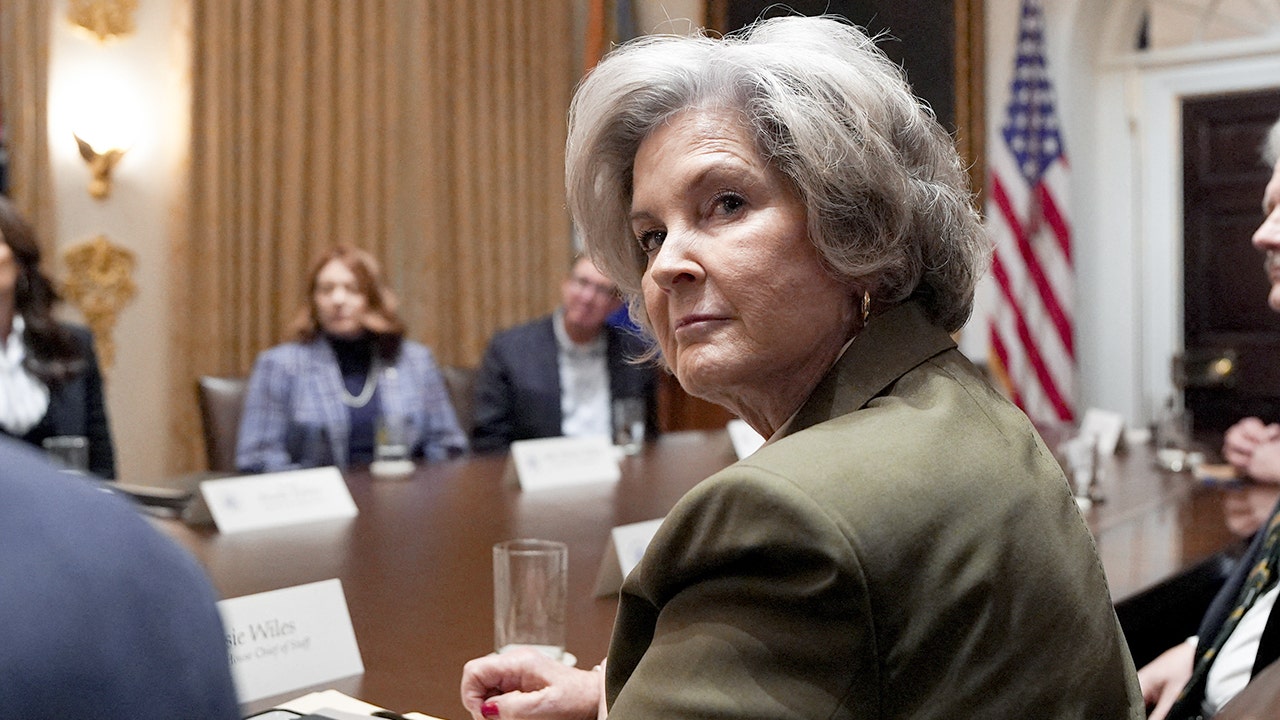
Newly released documents reveal the extent of the FBI’s monitoring of President Donald Trump’s now-chief of staff Susie Wiles, showing investigators tracked phone metadata reflecting her contacts with attorneys, journalists, campaign officials, Trump Organization personnel and Secret Service contacts.
Documents released Monday by the White House detail «Plasmic Echo,» the investigation into Trump’s handling of classified documents and other presidential records that led to the FBI’s 2022 search of Mar-a Lago and later included possible obstruction of the investigation.
The records show the FBI tracked Wiles’ phone activity from at least February through May 2023, cataloging who called her, whom she called, when the calls occurred and how long they lasted.
The documents show Wiles was in contact with at least 21 attorneys, along with campaign personnel, Trump Organization contacts, Secret Service contacts and journalists, offering a fuller account of the reach of the bureau’s monitoring.
TODD BLANCHE EXPOSES HOW AGGRESSIVE BIDEN DOJ TARGETED LOW-LEVEL MAR-A-LAGO EMPLOYEES
Reuters first reported in February that FBI Director Kash Patel said the bureau had subpoenaed phone records belonging to him and Wiles while they were private citizens as part of federal investigations involving Trump.
The newly released documents provide a more detailed picture of the scope and scale of the monitoring, revealing how investigators mapped Wiles’ phone contacts across Trump’s legal, political, business, media and security circles over several months.
Some entries name the contacts swept into the FBI’s monitoring of Wiles, including journalists associated with CNN, The Washington Post and Politico, while dozens of others are identified only by labels such as «Lawyer,» «Campaign» and «USSS.»
Monday’s document dump revealed the FBI’s monitoring also swept in Wiles’ contacts with two separate Secret Service officials, identified only as «USSS 1» and «USSS 2,» extending the bureau’s mapping of her phone activity into Trump’s protective orbit. The records do not reveal what investigators were seeking to establish through those contacts, what was discussed or provide reliable durations for the calls.
A March 24 entry from that year shows investigators logged a 41-second call from «Lawyer 7» to Wiles and then examined earlier calls between the two, illustrating how investigators were not simply capturing isolated contacts but tracing patterns across her network. The documents do not explain what prompted that scrutiny or what investigators believed those contacts could reveal.
In another example, a March 9 log shows investigators cataloging a series of Wiles’ calls with at least six contacts identified as campaign personnel, recording when the communications occurred and how long they lasted, but not the substance of the conversations.
JACK SMITH’S TRUMP PROBE SWEPT UP NEWS, OTHER MEDIA COMMUNICATIONS AS INVESTIGATION WENT BEYOND LAWMAKERS
The probe was launched by the FBI and Justice Department in March 2022, with then-FBI Director Christopher Wray seeking authorization and Attorney General Merrick Garland approving the full investigation. The probe was later placed under special counsel Jack Smith, whom Garland appointed in November 2022 to oversee the ongoing investigation.
Wiles was running Trump’s political operation and serving as a top campaign adviser at the time, and later became his White House chief of staff.
«Jack Smith’s surveillance operation was a disgraceful abuse of government power. Spying on political opponents is weaponization of law enforcement, plain and simple,» White House spokesperson Lauren Bis told Digital. «Those responsible must be held accountable.»
Heritage Foundation foreign policy expert Victoria Coates told Digital the tracking into Wiles is «unprecedented, dangerous and should be illegal.»
«The Biden FBI was following the precedent of the Obama FBI in 2015, when they used their authorities to surveil then-candidate Donald Trump and his campaign at Trump Tower as well as other candidates, notably my then-boss, Senator Ted Cruz. It’s the ultimate political dirty trick,» said Coates.
Coates argued that the breadth of the FBI’s tracking raises concerns about investigative overreach, pointing to what she characterized as a stark contrast with the Justice Department’s handling of President Joe Biden’s classified-documents case.
«No, particularly by the Justice Department’s own very low standards in dealing with President Biden’s classified-document violations from his time as vice president, which were far more egregious than anything retained at Mar-a-Lago,» Coates said.
She also warned that tracking Wiles’ communications with attorneys and journalists carries broader implications for future presidential campaigns.
«In our increasingly digital world, it raises the grim specter of future campaigns where an incumbent can weaponize the private communications of not only a candidate and his family, but also his staff,» Coates said.
The declassified documents also show agents gathering details about the travel of Melania Trump and her son, Barron, as the FBI planned for a potential search of Mar-a-Lago.
Operational planning emails included pre-raid checklists directing agents to «finalize FBI understanding of FPOTUS/FLOTUS/minor son’s travel,» including the type of aircraft and specific travel timeline, as investigators worked to determine when the warrant would be executed.
The FBI executed the search warrant at Trump’s Mar-a-Lago estate in Palm Beach, Florida, on Aug. 8, 2022. Agents entered the property shortly before 9 a.m. and began searching around 10:30 a.m., according to records previously reported by Digital.
Digital’s Stepheny Price and Alec Schemmel contributed to this report.
fbi, donald trump, white house, corruption
INTERNACIONAL
Un estudio estima que los ancestros de tordos y oropéndolas llegaron a Sudamérica hace 6,1 millones de años, antes de la unión terrestre de Panamá
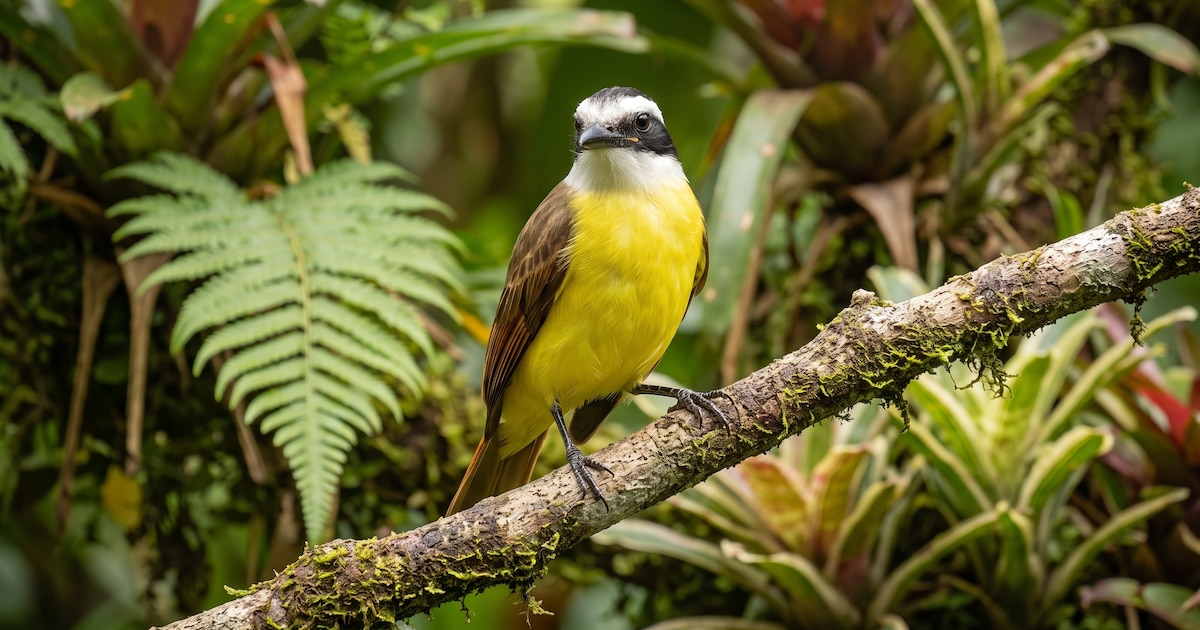
Un modelo biogeográfico estima que los antepasados de los ictéridos, la familia de aves que reúne a oropéndolas, zanates, tordos y pechos amarillos, llegaron a la cuenca amazónica hace unos 6,1 millones de años, antes de que se completara la conexión terrestre entre Panamá y Sudamérica. La estimación surge de un estudio de la Universidad de Wurzburgo, en Alemania, publicado en la revista Frontiers of Biogeography.
De acuerdo con Earth.com, el análisis se basó en la distribución geográfica y las relaciones evolutivas de 104 de las 106 especies reconocidas de la familia Icteridae, desde América del Norte hasta Tierra del Fuego. Los investigadores no utilizaron restos fósiles, por lo que las fechas corresponden a estimaciones de un modelo y presentan un margen de incertidumbre superior a un millón de años.
El modelo ubica el origen de la familia en el Norte

El estudio fue desarrollado por Axel Arango García y Chaitanya Gokhale, de la cátedra de Biología Computacional y Teórica de la universidad alemana.
Para reconstruir la expansión de la familia, el equipo combinó los mapas de reproducción con un árbol evolutivo publicado en 2015 y dividió el continente en 6 zonas: América del Norte; México, América Central y el Caribe; la Amazonía; los Andes; el sur de Sudamérica, y la Patagonia.
Luego compararon tres hipótesis sobre las rutas de desplazamiento entre esas regiones. El modelo que mejor se ajustó a los datos describe una expansión gradual, con una dirección predominante de norte a sur.
El principal punto de paso
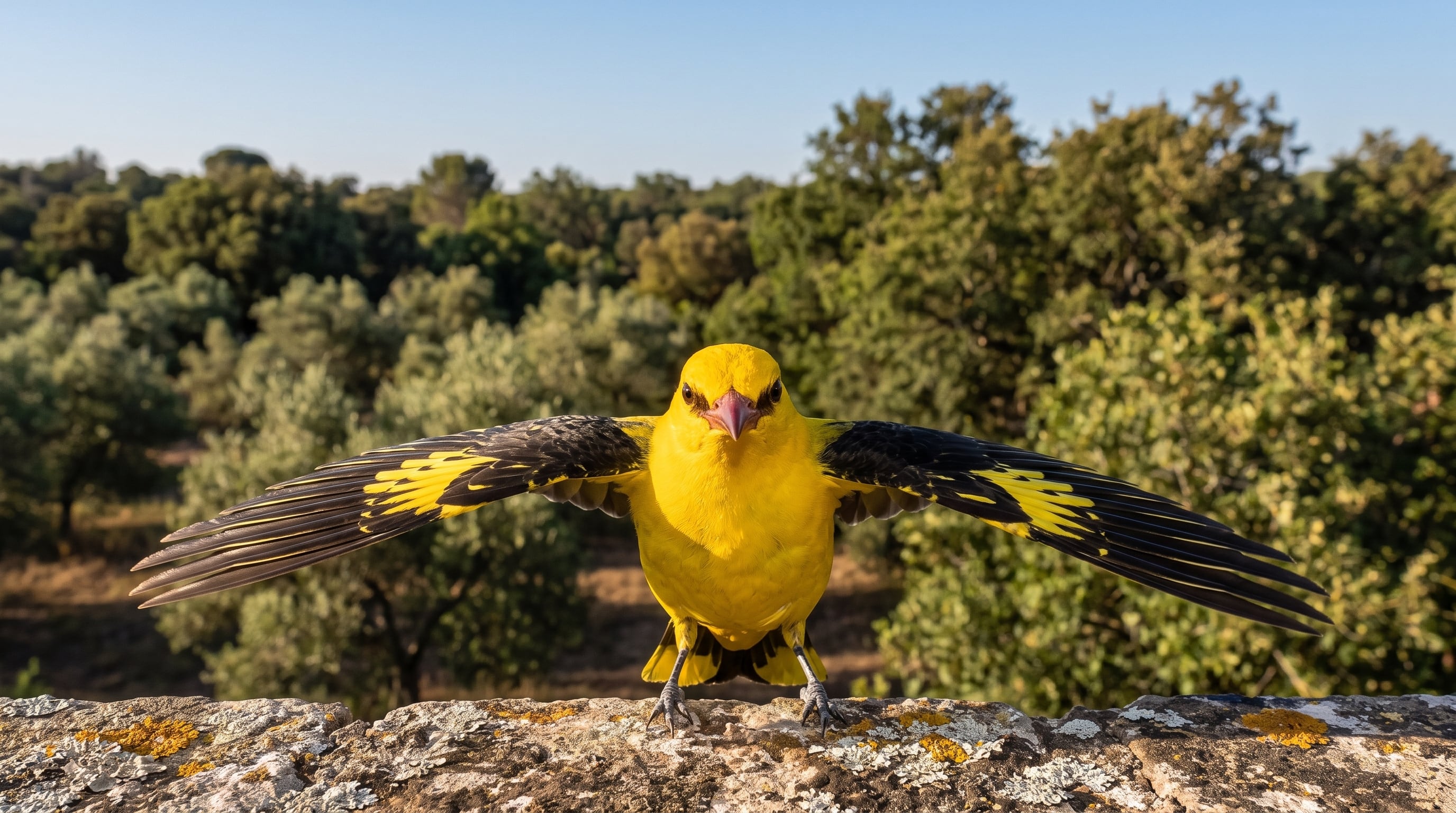
Bajo el modelo seleccionado, los antepasados de estas aves vivieron inicialmente en América del Norte. La primera expansión hacia México, América Central y el Caribe habría ocurrido hace aproximadamente 7,5 millones de años, antes de que los linajes avanzaran hacia territorios sudamericanos.
La llegada a la Amazonía se calcula en torno a 6,1 millones de años atrás, mientras que el ingreso a los Andes habría sucedido poco después. El sur de Sudamérica habría sido ocupado hace cerca de 4,8 millones de años y la Patagonia, última región colonizada, unos 2,7 millones de años atrás.
Las primeras regiones ocupadas funcionaron como los principales corredores de esta dispersión. Desde allí, los grupos se desplazaron tanto hacia la cordillera andina como hacia la cuenca amazónica. En cambio, la Patagonia recibió aves casi exclusivamente desde el sur del continente.
El análisis incluyó 1.000 simulaciones de la historia evolutiva de la familia. Solo en 4 de ellas se formó una especie nueva en la Patagonia, un resultado que indica que el asentamiento en una zona distinta no implicaba necesariamente la aparición inmediata de nuevos linajes.
Las aves pudieron cruzar agua o conexiones terrestres parciales
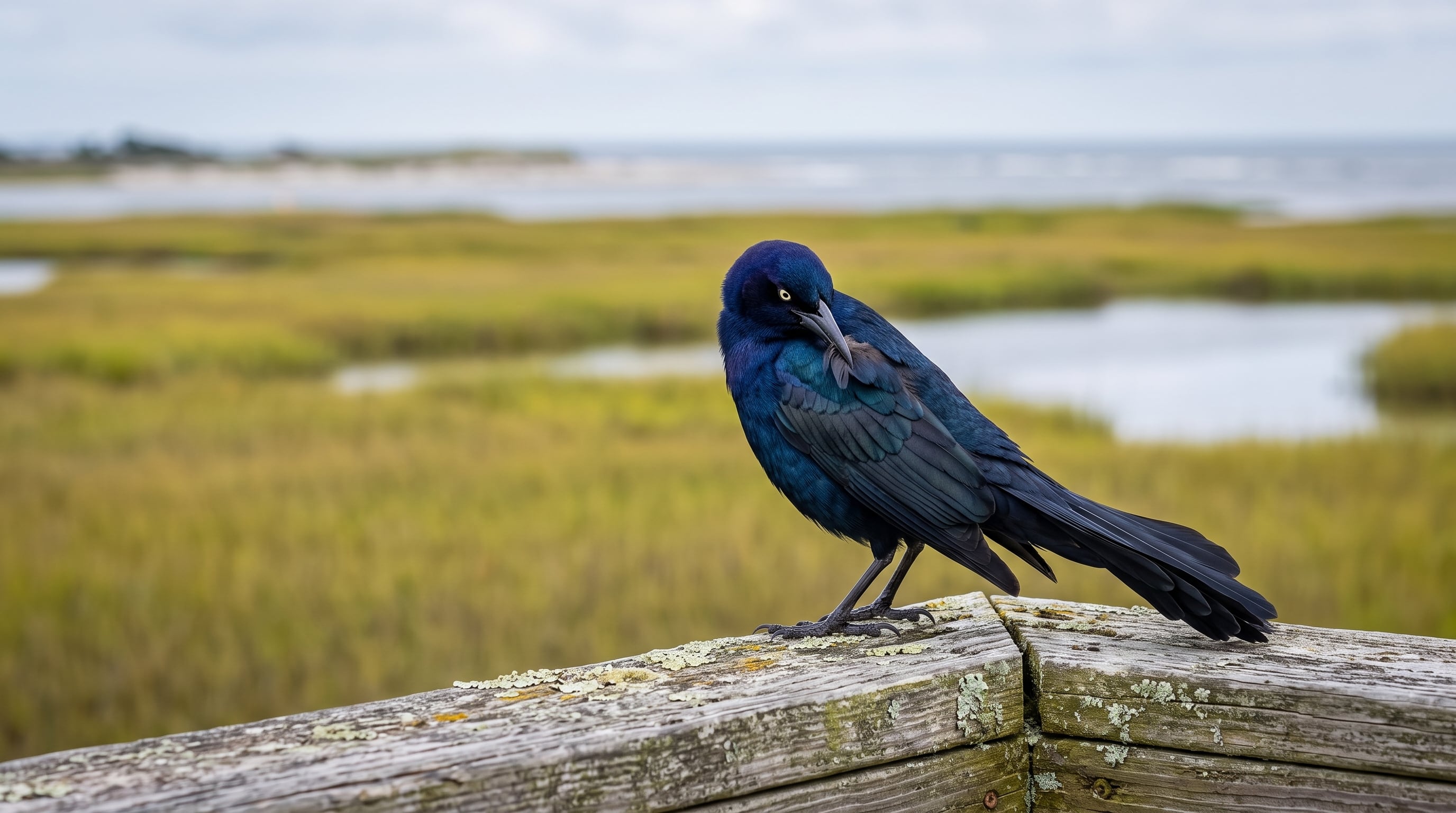
La formación del puente terrestre de Panamá suele ubicarse entre hace 3 millones y 2,7 millones de años. Si los ictéridos llegaron a Sudamérica alrededor de 6 millones de años atrás, debieron utilizar otra vía para atravesar la separación entre ambos continentes.
Los científicos plantearon 2 posibilidades: que los ejemplares cruzaran extensiones de mar abierto o que aprovecharan islas y conexiones terrestres incompletas existentes antes de la unión definitiva. Sin embargo, el estudio no determina cuál de las opciones ocurrió.
La cronología coincide con un cambio ambiental registrado en el norte de Sudamérica: entre hace 9 millones y 6 millones de años, el levantamiento de los Andes favoreció la expansión de paisajes abiertos y cubiertos de pastos. Los pechos amarillos y sus parientes, el primer grupo que se separó dentro de la familia, viven en ese tipo de hábitat.
Los autores aclararon que la coincidencia temporal no demuestra que la expansión de los pastizales haya causado el desplazamiento de las aves. Sin embargo, el trabajo identifica que ambos procesos ocurrieron durante un período similar.
La diversidad de especies requiere otras explicaciones
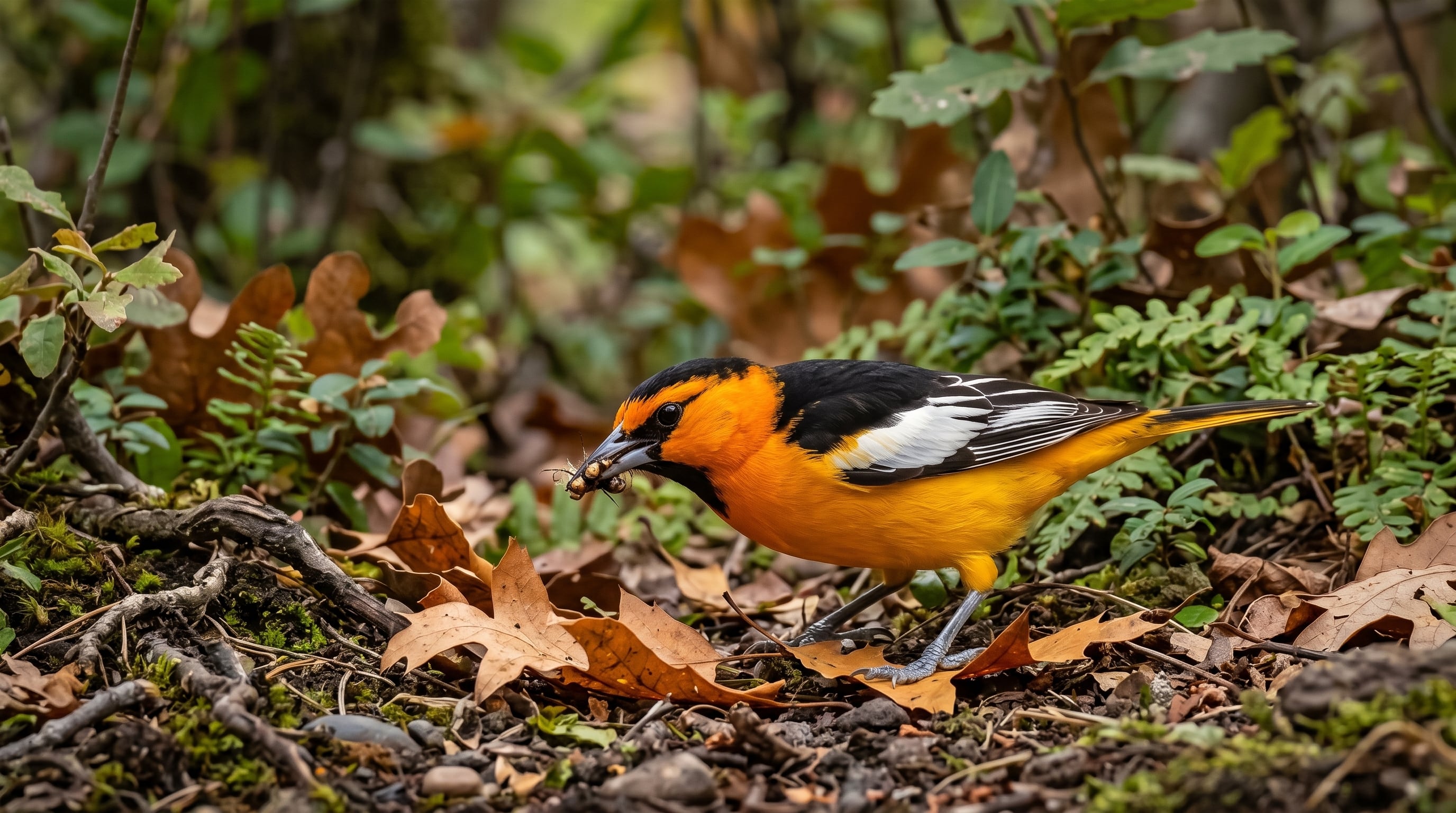
La familia reúne más de un centenar de especies, pero la geografía no explica por sí sola esa variedad. La mayor cantidad de nuevas especies se habría originado en México y América Central, seguidos por la Amazonía y América del Norte, con ritmos de formación semejantes en las 2 grandes masas continentales.
Los autores explicaron que hay rasgos que el modelo nunca midió, entre ellos figuran la especialización en ciertos alimentos o hábitats, la conducta social y la elección de pareja.
Estudios posteriores podrían integrar esos rasgos para establecer por qué algunos grupos de oropéndolas, zanates y tordos originaron más especies que otros.
bienteveo,Pitangus sulphuratus,fauna tropical

Juicio por la muerte de Maradona, en vivo: “Un grupo de improvisados olvidó que trataba a un paciente vulnerable”, apuntó la Fiscalía

Acceso al crédito: el BCRA lanza un plan para que los bancos usen información de ARCA para calificar mejor a sus clientes

Messi cierra el círculo con Argentina: ‘Ya está todo dicho. Y ahora, todo está hecho’

Se conoció la versión oculta de Messi y Antonela Roccuzzo sobre lo que vivieron, con datos que nunca se revelaron: «Distancia que se mantiene»

La CGT vuelve a movilizarse por el microcentro porteño en rechazo a las medidas económicas del Gobierno

Habló el entrenador que intentó llevar a Lionel Messi a la selección de España y reveló cómo fue el fallido plan para convencerlo

¡Precios de Manhattan con sueldos de Argentina! Cómo los créditos hipotecarios inflaron las propiedades y congelaron el sueño de la casa propia

Los enviados del peronismo y las principales figuras del partido miraron con cautela el resultado en Brasil

La Argentina se sumó a un acuerdo liderado por EE.UU. para impulsar el uso de la inteligencia artificial en la ciencia

Escándalo total en la AFA: reventa millonaria, un homenaje paupérrimo a Messi y el pedido urgente de renuncia a Chiqui Tapia

 DEPORTE12 horas ago
Escándalo total en la AFA: reventa millonaria, un homenaje paupérrimo a Messi y el pedido urgente de renuncia a Chiqui Tapia
- INTERNACIONAL3 días ago
Israeli medical workers who treated Oct 7 wounded relive day terror hit home
- ECONOMIA3 días ago
El gobierno abre una ronda de negocios para acercar las empresas locales a los USD 50.000 millones ya comprometidos del RIGI