INTERNACIONAL
Report warns Russia using shadow fleet to probe NATO drone defenses

Russia’s shadow fleet launches drone campaign across Europe
Jennifer Griffin reports on Russia’s shadow fleet launching a drone campaign across Europe to surveil military sites and test NATO’s air defenses. The International Institute for Strategic Studies report reveals 144 suspected drones near sensitive sites in Germany, France, and the UK.
NEWYou can now listen to Fox News articles!
As NATO allies prepare to meet in Turkey, at the top of their agenda will be drone warfare and Russia’s testing of the NATO alliance.
Using its shadow fleet of old sanction-busting ships, Russia appears to have launched drones at European military bases and airports to test the reaction time of NATO allies and their air defenses, according to a new report published by the International Institute of Strategic Studies, or IISS.
Between August 2024 and February 2026, 144 suspected drones were recorded near sensitive military and nuclear sites in Germany, France, Belgium, the Netherlands, the UK, and Denmark, and over American air bases in the UK in November 2024.
UKRAINE’S BATTLEFIELD IS TRANSFORMING THE FUTURE OF NATO
French navy diverts suspected russian shadow fleet tanker to Marseille-Fos port. (Manon Cruz/Reuters)
«There’s no doubt in my mind that the Russians are using the shadow fleet vessels as a platform to get different types of drones in closer to various European countries,» said Ret. Lt. Gen. Ben Hodges, who served as the commanding general of US Army Europe until 2018.
In Germany there were more than 1,000 suspicious drone sightings in 2025, over German defense companies and military bases where Ukrainian soldiers were training in Germany.
«Whoever is doing it is testing the reaction of the authorities, is testing how the public will respond, will they panic, will they blame their politicians and the authorities,» asked Elisabeth Braw of the Atlantic Council. «Also they are testing perhaps to see how we as European countries or how European countries might react in a real crisis there.»
This spate of unmanned aerial vehicles occurred in air space over a dozen NATO states and Ireland, the report states, «forcing repeated closures of major commercial aviation hubs, disrupting military operations and penetrating the perimeters of some of Europe’s most sensitive defence installations.»
In 2025 mystery drones targeted military bases in the Netherlands and Belgium where the US is thought to base its B61-12 nuclear gravity bombs and France’s ballistic-missile submarine base at Île Longue.
«It’s a combination of espionage,» Hodges said. «But also psychologically to create a lot of anxiety in populations to scare them so that they would put pressure on their governments not to support Ukraine.»
RUSSIAN GENERALS’ ASSASSINATIONS EXPOSE GROWING RIFT INSIDE PUTIN’S SECURITY APPARATUS
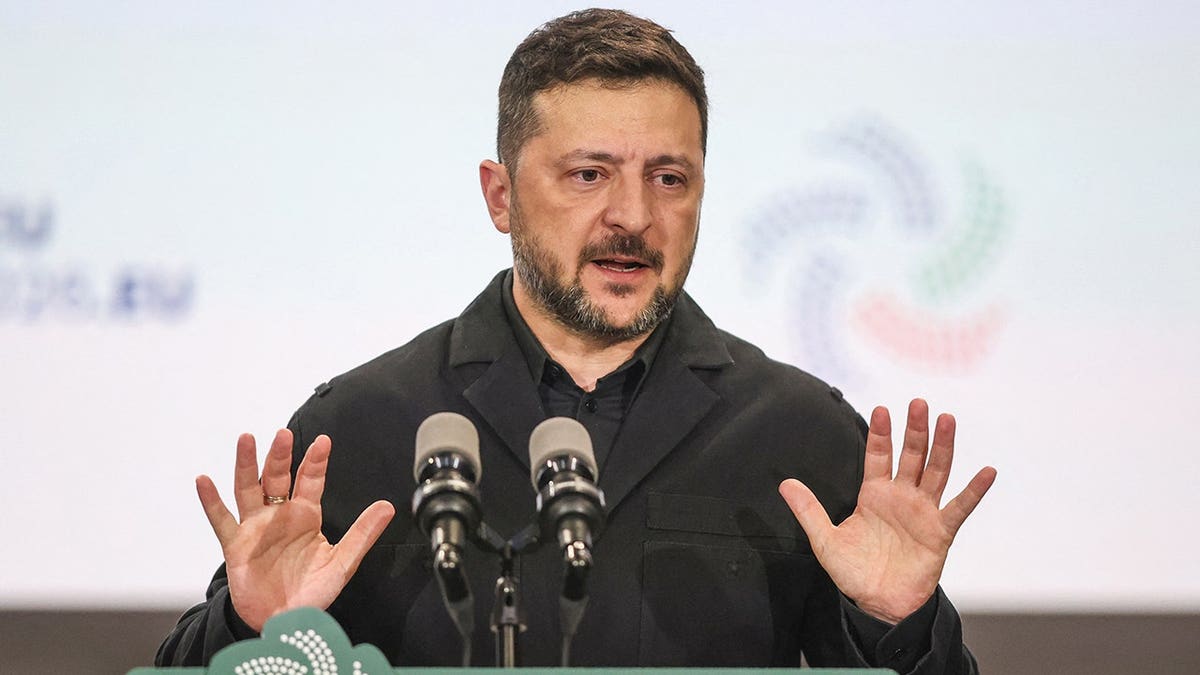
Ukraine’s President Volodymyr Zelensky speaks at a press conference after meetings with the heads of the EU and Ireland, following a formal ceremony to mark the launch of Ireland’s eighth EU presidency, at Dublin Castle in Dublin on July 1, 2026. (Paul Faith / AFP via Getty Images)
The Russian drone campaign appears designed to probe the response times and decision-making thresholds of allied air defense and civil-military command structures.
It also seeks to identify vulnerabilities in critical infrastructure, including dual-use civilian facilities, military logistics hubs supporting Ukraine, and sites associated with the Alliance’s nuclear deterrence.
Additionally, the campaign aims to impose economic and psychological costs on European societies by disrupting civilian aviation, undermining public confidence in airspace security, and fostering distrust and panic. Finally, it appears intended to normalize low-level airspace violations that remain below the threshold likely to trigger a direct Allied military response.
Those sightings peaked in late 2025, and forced the temporary closure of several European airports, including in Germany, Spain and Denmark.
Sweden is the only European country to accuse Moscow directly after a drone launched at sea from a Russian spy ship flew near a French aircraft carrier.
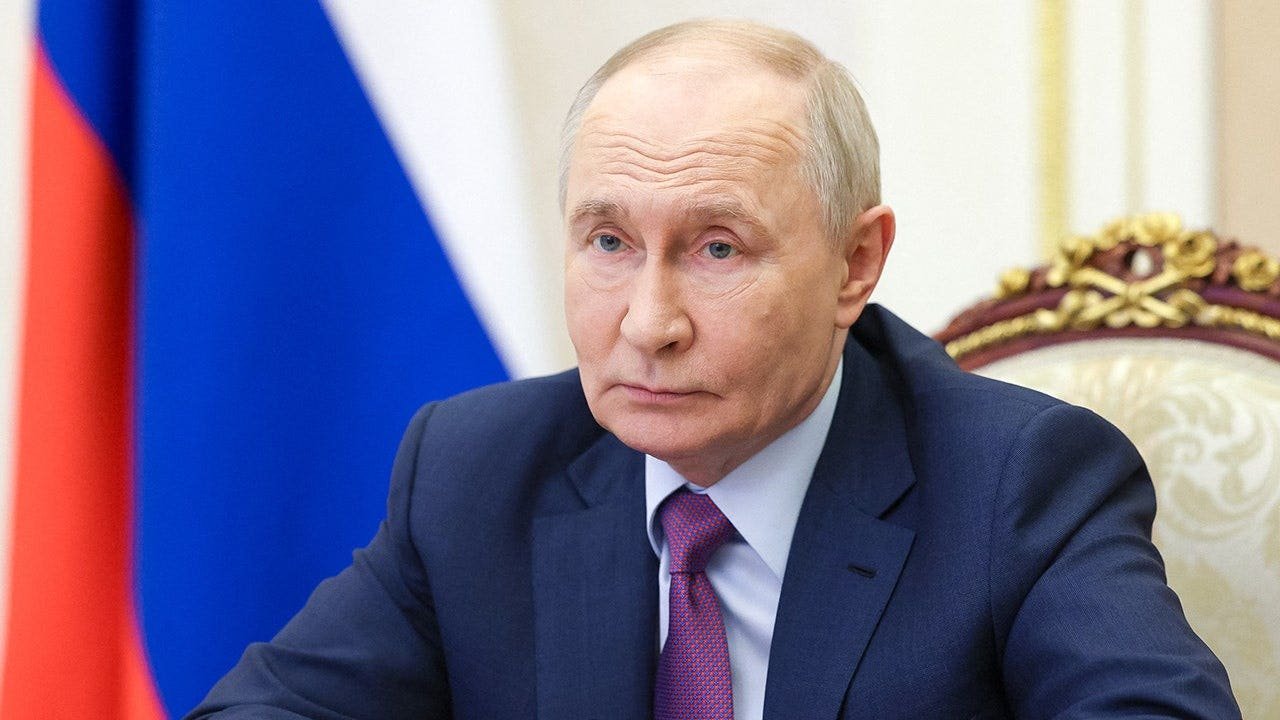
Russian President Vladimir Putin has denied accusations of Russian sabotage and surveillance across Europe.
«What’s the point of all this,» Putin asked of reporters recently. «Name even one proven fact.»
AMERICA’S POWER GRID, FOOD SUPPLY AND MORE ARE UNDER THREAT FROM DRONES
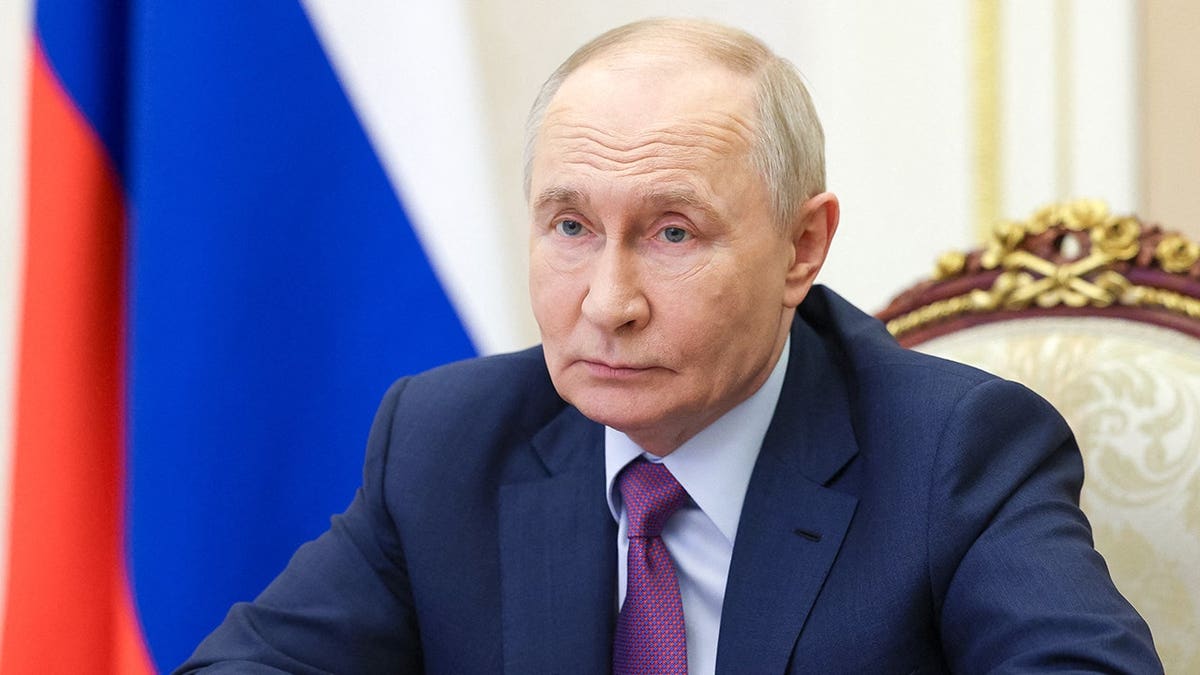
Russian President Vladimir Putin has denied accusations of Russian sabotage and surveillance across Europe. (Vyacheslav PROKOFYEV / POOL / AFP via Getty Images)
But IISS tracked the locations of Russia’s shadow fleet of ships used to evade sanctions and linked them to recent high-profile drone incidents, concluding that Russia could use the ships as a platform to launch the drones while creating deniability. Drones often don’t trigger radar.
On Jan. 3, 2025, a Russian shadow fleet vessel, the Arctica, sailed along the Danish coast, while 20 drones flew over the port of Koege, Denmark, before disappearing at sea.
On Sept. 22, drone sightings led to the closure of Copenhagen Airport. The IISS found several shadow ships were in the area at the time, including the Arctica and the Boracay.
And its not just in Europe. Dozens of unexplained drone sightings also have taken place in the U.S . in the past several years.
In December 2023 at Virginia’s Joint Base Langley-Eustis unauthorized aircraft appeared in the skies above the base for 17 days straight, evading military tracking and forcing the Pentagon to bring in specialized assets — including a NASA WB-57 high-altitude jet — to investigate.
In March drones flew near Barksdale Air Force Base in Louisiana, home of the B- 52 H Stratofortress bomber, where drones came in a pattern to suggest they were attempting to avoid the operator or operators being located. Lights on the drones suggested the operators may be testing security responses at the base.
CLICK HERE TO DOWNLOAD THE FOX NEWS APP
Panicked sightings of drones near critical infrastructure along the East Coast of the United States in late 2024 led to the Trump administration ordering the declassification of these investigations shortly after the inauguration to ease public concern, concluding the drones were mostly those of hobbyists and that there was no evidence of a foreign threat related to the majority of reported sightings.
The IISS says these are no hobbyists threatening NATO allies in Europe, with the most likely culprit launching the drones from shadow vessels at sea.
nato, politics, drones, russia, europe











INTERNACIONAL
Panamá y Perú buscan dar un nuevo impulso a su relación comercial tras la llegada de Keiko Fujimori
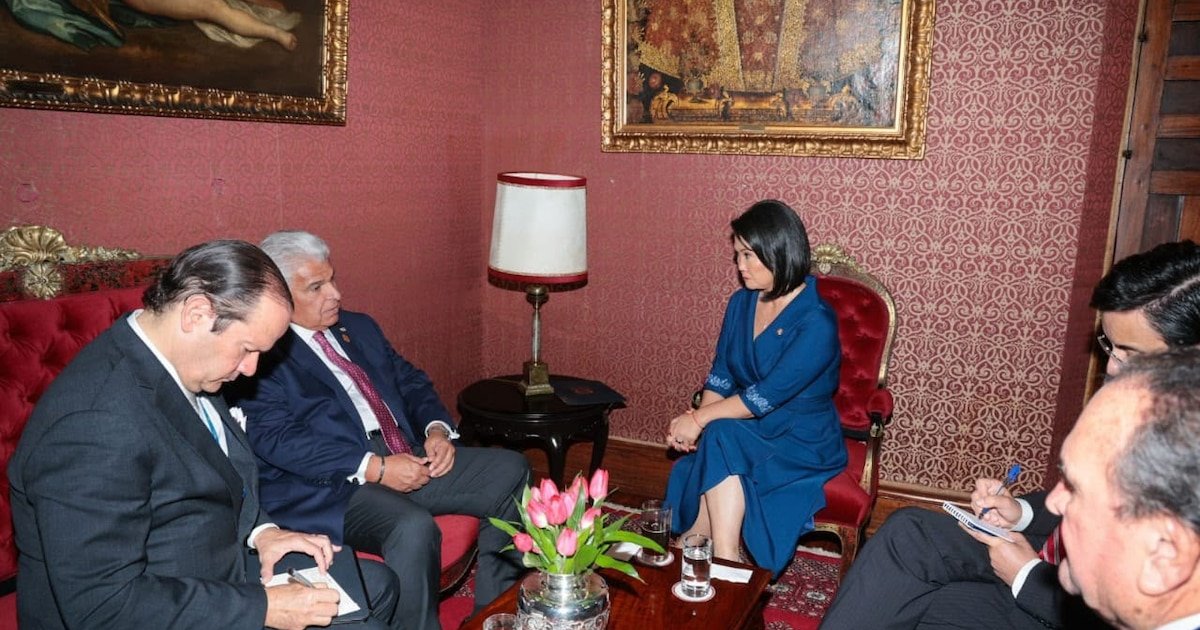
El relanzamiento de la relación comercial entre Panamá y Perú fue el principal resultado de la primera reunión entre el presidente panameño, José Raúl Mulino, y la nueva mandataria peruana, Keiko Fujimori.
Ambos gobiernos acordaron revisar el Tratado de Libre Comercio (TLC), impulsar un acuerdo de cielos abiertos, fortalecer la cooperación portuaria y avanzar en la adhesión de Perú al Tratado de Neutralidad del Canal, con el objetivo de dinamizar el intercambio económico entre dos países que buscan estrechar sus vínculos comerciales y de inversión.
Durante el encuentro, celebrado horas después de la juramentación de Fujimori para el período 2026-2031, ambos mandatarios coincidieron en que Panamá y Perú son economías complementarias y expresaron su interés en dar un nuevo impulso al acuerdo comercial vigente desde 2012.
Mulino también planteó la necesidad de que Panamá salga de la lista fiscal en la que permanece incluido por Perú e invitó oficialmente a la presidenta peruana a participar en el Foro Económico CAF 2027, que se realizará en Panamá.
“Tenemos la disposición de seguir avanzando en nuestra agenda, desempolvar un poco nuestro tratado de libre comercio; yo me voy muy optimista de este nuevo impulso de la relación Perú-Panamá”, afirmó el mandatario panameño.

El acercamiento ocurre en un momento en que el intercambio comercial entre ambos países mantiene un amplio margen para crecer. Las exportaciones panameñas hacia Perú alcanzaron apenas $2,6 millones entre enero y mayo de 2026, de acuerdo con cifras oficiales.
En los últimos años, los envíos mostraron una evolución irregular: pasaron de $500.000 en 2021 a $2,2 millones en 2022, aumentaron a $8,7 millones en 2023 y alcanzaron $10,2 millones en 2024. En 2025, sin embargo, descendieron a $9 millones, reflejando la necesidad de fortalecer el intercambio bilateral.
Las cifras acumuladas entre 2021 y mayo de 2026 muestran que Panamá exportó a Perú $33,2 millones. Los medicamentos lideraron los envíos con $15,1 millones, equivalentes al 45,6% del total.
Les siguieron las preparaciones y conservas de carne con $4,4 millones; la leche y nata concentradas, con $3,6 millones; el ron y otras bebidas espirituosas, con $2,6 millones; el pescado congelado, con $2,1 millones; y las preparaciones de extracto de malta, con $1,4 millones.

También figuran cacao, desperdicios de plástico, estructuras metálicas, tomates preparados y productos de iluminación, lo que refleja una mayor diversificación de la oferta exportable panameña.
Perú, por su parte, mantiene una presencia mucho más sólida en el mercado panameño. Entre los principales productos que exporta al país destacan las uvas frescas, libros e impresos, cítricos, productos de panadería, conservas de pescado, láminas de plástico, alimentos para animales, pastas alimenticias, medicamentos y baldosas cerámicas, según la ficha comercial del Ministerio de Comercio e Industrias.
Solo en 2024, Panamá importó desde Perú mercancías por $118,1 millones, mientras sus exportaciones alcanzaron $10,6 millones, una diferencia que evidencia el desafío de equilibrar el intercambio comercial.
La relación económica entre ambos países también se apoya en la actividad de la Zona Libre de Colón, desde donde las reexportaciones hacia Perú alcanzaron $396,7 millones en 2024.
Los principales productos enviados fueron teléfonos celulares, cables eléctricos, medicamentos, perfumes, equipos de impresión y computadoras, consolidando a Panamá como una plataforma logística para el comercio regional.

Antes de reunirse con Fujimori, Mulino sostuvo encuentros con los presidentes de Chile, José Antonio Kast, y de Bolivia, Rodrigo Paz, con quienes abordó temas relacionados con la geopolítica regional, los efectos del fenómeno de El Niño y la situación política boliviana.
Con Paz conversó sobre la iniciativa panameña de convocar una reunión de la Organización de Estados Americanos (OEA) para respaldar la estabilidad institucional de Bolivia, mientras que con Kast reafirmó el interés de fortalecer la cooperación bilateral.
La visita oficial marca el inicio de una nueva etapa en la relación entre Panamá y Perú. Más allá de los anuncios diplomáticos, el reto será convertir los acuerdos alcanzados en Lima en un mayor flujo de inversiones, una mejor conectividad y un incremento de las exportaciones panameñas hacia uno de los mercados más importantes de Sudamérica.
Panamá,exportación,logística,comercio,productos,Hecho en Panamá,trabajadores,contenedor,carga,envío
NEWYou can now listen to Fox News articles!
Rep. Haley Stevens, R-Mich., repeatedly called Abdul El-Sayed the «celebrity» candidate in the Michigan Senate race during Monday’s Senate Democratic debate, arguing that El-Sayed’s podcast, books and political activism pale in comparison to her time in Congress.
The race between Stevens and El-Sayed has become a microcosm of the battle over the Democratic Party’s future. On Aug. 4, Democratic voters will decide whether to back Stevens, who has the support of the Democratic establishment, or El-Sayed, a socialist-supported challenger who has called for abolishing ICE and is strongly critical of the United States’ support for Israel.
In her opening remarks, Stevens rattled off her qualifications as the Democratic Party’s best chance of winning the Senate race, pointing to flipping her seat in 2018, being named Michigan’s most effective Democratic lawmaker by the Center for Effective Lawmaking in 2025 and being endorsed by Democratic Michigan Democratic Gov. Gretchen Whitmer.
«My only focus is you,» Stevens said. «Abdul is running for celebrity. Republicans are propping up his campaign, and Mike Rogers, just the other day said in a secret phone call that he made it easier for him to win, that he’s the one he wants to run against.»
DEM CIVIL WAR HITS PRIMARY DEBATE STAGE IN FIERY BATTLEGROUND SHOWDOWN: ‘WHAT ARE YOU HIDING?’
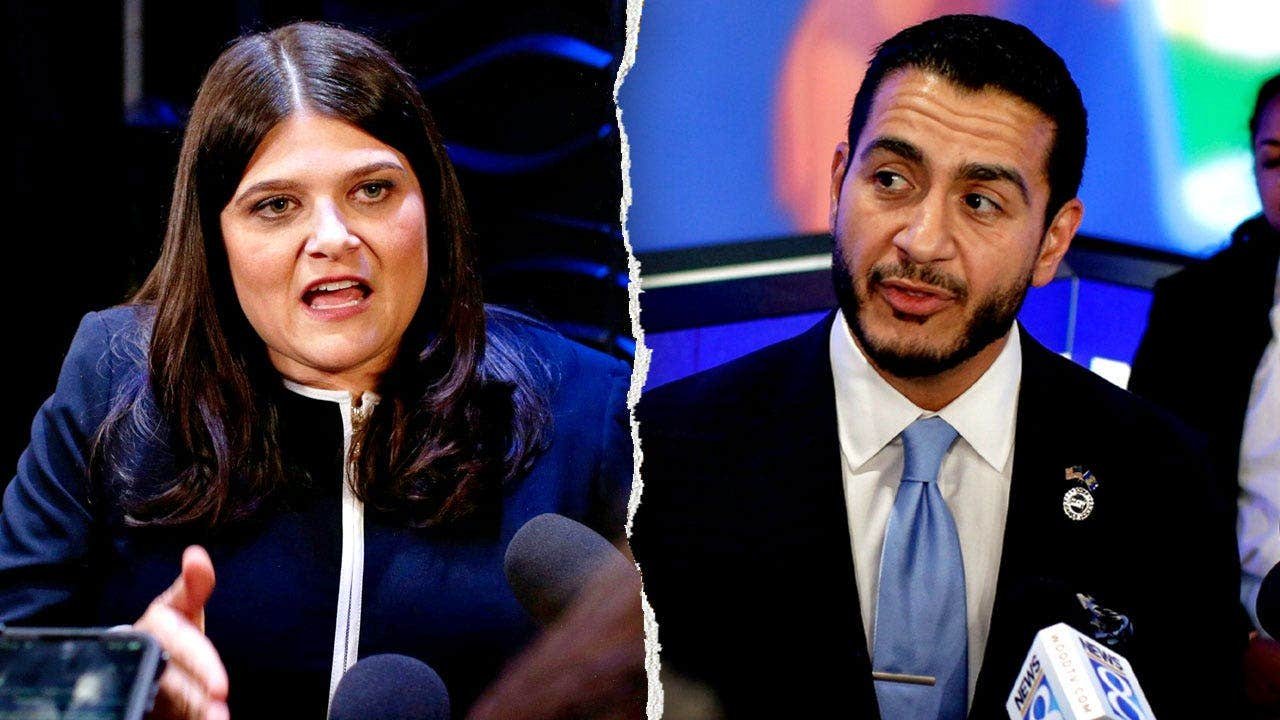
Retiring Sen. Gary Peters, D-Mich., has abandoned his neutrality in Michigan’s high-stakes Democratic Senate primary, backing U.S. Rep. Haley Stevens, pictured left, as party leaders rally to stop progressive rival Abdul El-Sayed, pictured right, from winning the nomination. (AP Photo/Kristen Norman)
Stevens was referring to a phone conversation Republican candidate Mike Rogers had with supporters last month in which he said his campaign would be in «good shape» if El-Sayed were the nominee.
«Look, this isn’t about the D.C. or New York influencer crowd,» Stevens said. «This is about putting Michigan first.»
Later in the debate, Stevens said she is standing up to Trump’s «abuses of powers,» while taking a dig at Abdul by saying she’s doing so without «shouting into a bullhorn, not getting in front of the first camera I see, but doing the hard work.»
SWING-STATE POLL SPELLS TROUBLE FOR FAR LEFT AS SCHUMER-BACKED CANDIDATE DOMINATES WITH CRITICAL VOTING BLOCS
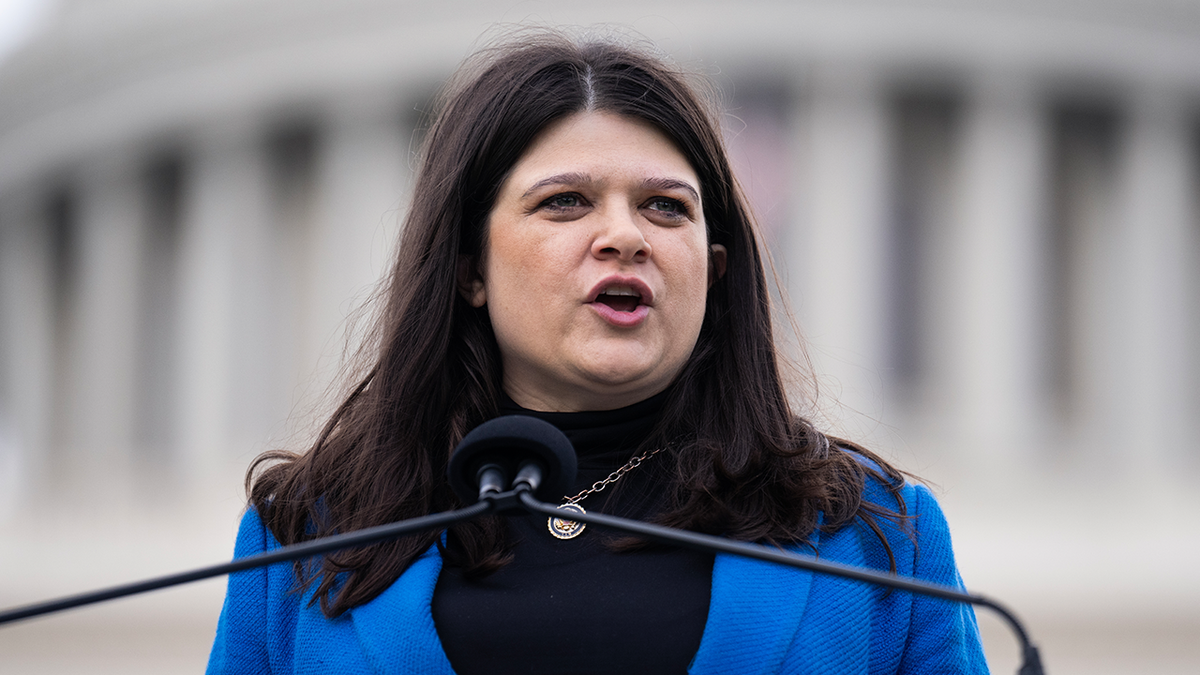
UNITED STATES – MAY 6: Rep. Haley Stevens, D-Mich., speaks during a rally on the West Front of the U.S. Capitol to support research and policies for breast cancer treatment that are at risk by proposed Medicaid cuts, on Tuesday, May 6, 2025. (Tom Williams/CQ-Roll Call, Inc via Getty Images)
«Look, my opponent here, Abdul, he is such a talented guy,» Stevens said, referring to his three books and his podcast America Dissected. «He’s had all this attention, but the deal is, we don’t need a celebrity candidate. We don’t need a celebrity.»
Stevens then pointed to her six years in the House of Representatives, saying she has been committed to «hard, unglamorous work.»
«That’s going to stand up to this junk that is wreaking havoc and causing chaos right before our very eyes,» Stevens said.
Stevens suggested that Abdul’s Senate campaign is just another «rung on the ladder» for him, pointing to his failed 2018 gubernatorial bid.
«It didn’t work out, so he started the podcast, he wrote the books, and now he’s running for Senate, and he’s already bought the website for president,» Stevens said.
In response, El-Sayed accused Stevens of «cowardice» over her past votes to increase ICE funding, saying the agency should be completely abolished.
MICHIGAN SENATE CANDIDATE ABDUL EL-SAYED DODGES QUESTION ON WHETHER HE STILL SUPPORTS DEFUNDING THE POLICE
«So yeah, I’m going to take the bullhorn and I’m going to say that I think we need to abolish ICE because I am not afraid of what they’re going to say about me,» he said.
He also suggested that Stevens’ focus on his public health podcast was a distraction from the issues that matter most to voters, such as affordability.
«Congresswoman, if you enjoy podcasts about public health, I welcome you to take a listen. You seem very concerned about that,» El-Sayed said. «I’m more concerned about the fact that people can’t pay for their gas, they can’t pay for their groceries.»
The open Senate race in Michigan has garnered national attention, with outside groups spending more than $52 million on the race through mid-July, most of it in support of Stevens, according to an OpenSecrets analysis of FEC reports.

U.S. Rep. Alexandria Ocasio-Cortez, D-N.Y., Michigan Democratic U.S. Senate primary candidate Abdul El-Sayed and U.S. Sen. Bernie Sanders, I-Vt, greet the crowd after El-Sayed spoke at The People V. The Powerful rally at the Detroit Opera House on July 18, 2026 in Detroit, Mich. (Sarah Rice/Getty Images)
SIGN UP TO GET THE POLITICS NEWSLETTER
El-Sayed, who is backed by Sen. Bernie Sanders, D-Vt., has painted Stevens as the candidate of large super PACs such as AIPAC, while saying he has not received a single dollar from corporate interests or super PACs. Before running for Congress, El-Sayed served as Wayne County director of Health and Human Services.
CLICK HERE TO DOWNLOAD THE FOX NEWS APP
Meanwhile, the Republican party has deemed Michigan to be one of best pickup opportunities in its effort to maintain control of the Senate.
Fox News Digital reached out to El-Sayed and Stevens’ campaigns for comment.
midterm elections, gretchen whitmer, politics, michigan, elections
INTERNACIONAL
Burma approves death penalty for scammers months after FBI’s $8 billion crypto crackdown
NEWYou can now listen to Fox News articles!
Burma’s government approved the death penalty as punishment for internet scammers just months after the FBI announced a sweeping $8 billion crackdown on scam networks coming from the country, according to the country’s state-backed media.
The Anti-Online Scam Law passed the country’s parliament on Tuesday, green lighting the death penalty for anyone who participates in a scam that in which they «commit violence, torture, unlawfully arrest or detain, or treat any person in a cruel manner,» according to The Global New Light of Myanmar, a media outlet jointly operated by a private company and the country’s Ministry of the Interior.
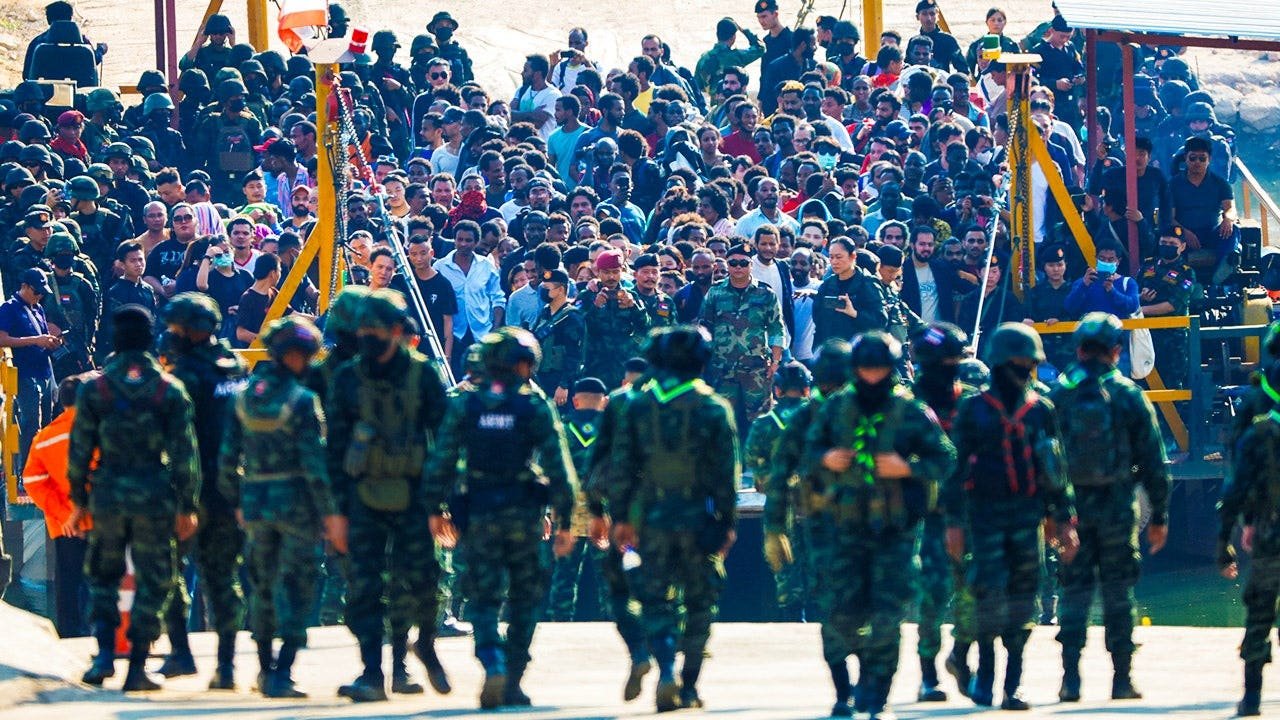
Burma, also known as Myanmar, has become ground zero for digital scams, with criminals often recruiting migrants from other Asian countries with promises of legitimate work only to imprison them and force them to conduct the scams.
In May the FBI announced a massive crackdown on a criminal network in Burma known as the «Democratic Karen Benevolent Army.» The operation resulted in the seizure of 127,000 Bitcoin, worth over $8 billion as of July.
FBI BRINGS ALLEGED CHINA-LINKED HACKER TO US IN RARE EXTRADITION AS PATEL DEFENDS ITALY TRIP
Multinational victims of scam centers, who were tricked or trafficked into working in Myanmar, stand on a vessel floating towards the Thai side of border via Moei River in Phop Phra District, Tak province, Thailand, on Feb. 12, 2025. (REUTERS/Krit Phromsakla Na Sakolnakorn)
The scammers, who allegedly have ties to Chinese organized crime, had been specifically targeting Americans in their operations, extracting over $3 million from one elderly American, the FBI previously told Fox News Digital.
In 2025, Chinese, Thai and Burmese authorities liberated more than 7,000 people from locked compounds in Burma.
NEW GERMANY SEX-CRIME FIGURES REIGNITE MIGRATION FIGHT AS EXPLOITATION PROBE EXPANDS
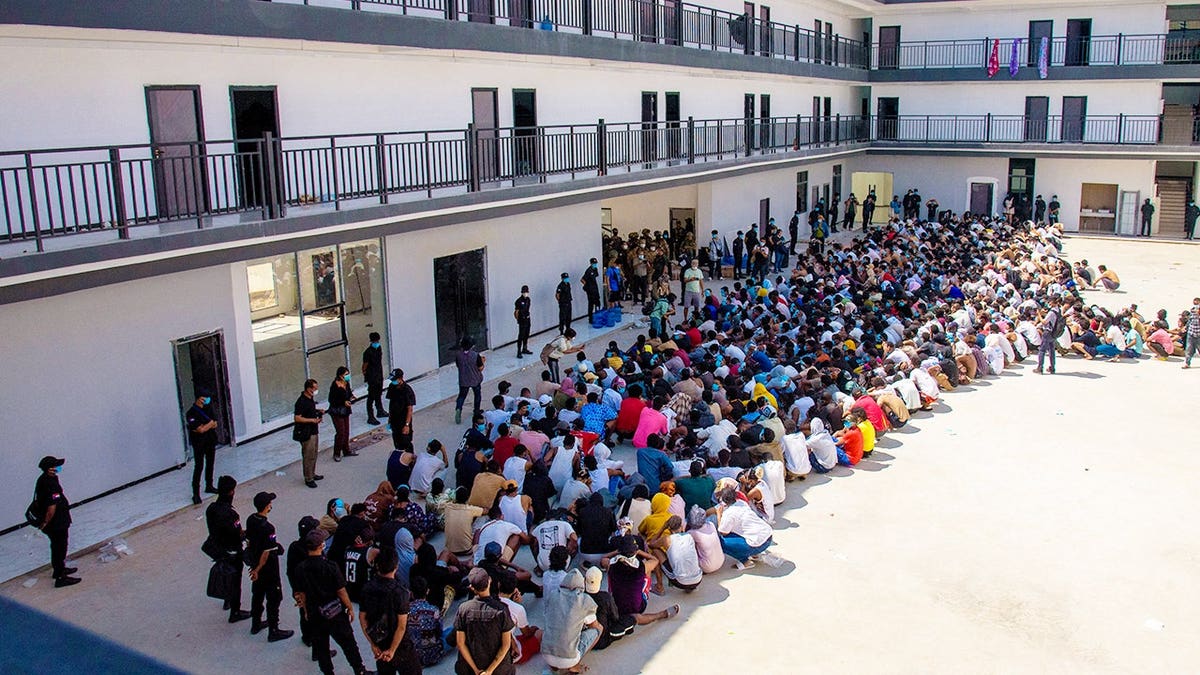
Victims of scam centers who were tricked or trafficked into working in Myanmar, stuck in limbo at a compound inside the KK Park, a fraud factory, and a human trafficking hub on the border with Thailand-Myanmar after a multinational crackdown on the compounds run by criminal gangs, operated by the Karen Border Guard Force (BGF) in Myawaddy, Myanmar, Feb. 26, 2025. (REUTERS/Stringer)
While the new Anti-Online Scam Law only mandates the death penalty for offenses that lead to another person’s death, the law mandates 10-years in prison for any instance of forced labor in relation to cybercrime
The law’s approval also comes two days before the United Nations International Organization for Migration’s World Day Against Trafficking in Persons. This year the international body will commemorate the day on July 30 under the theme «Trapped Behind the Scam.»
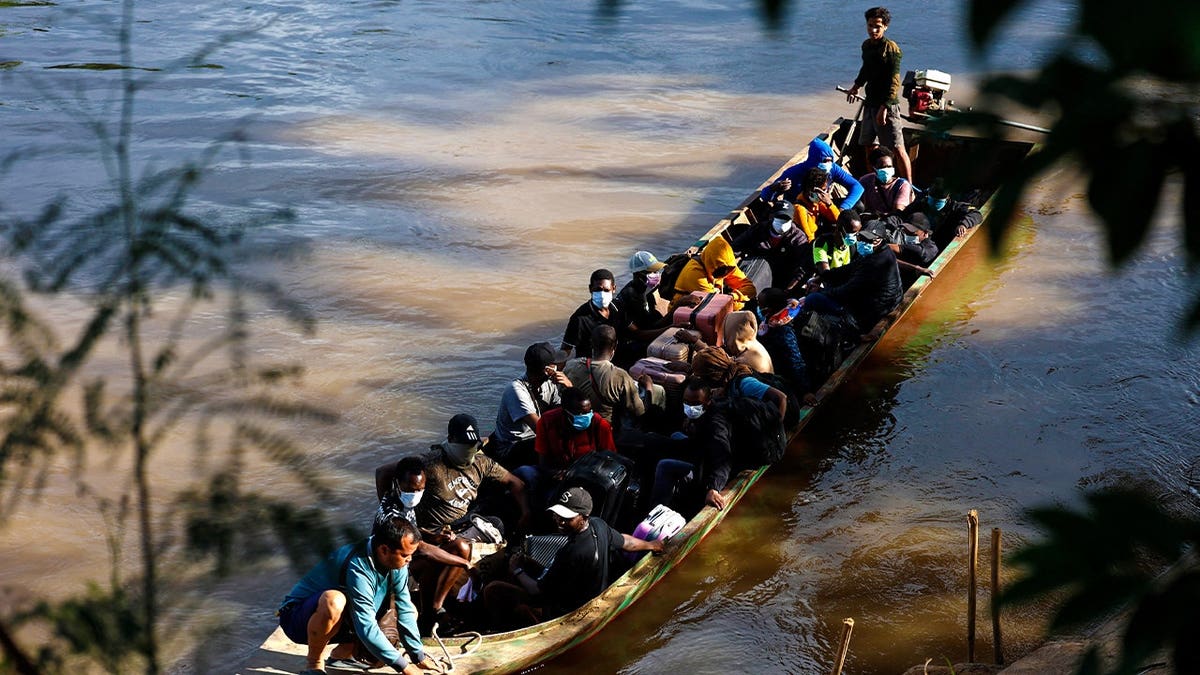
People from various countries, who were working in the KK Park compound in Myanmar, travel in a boat across the Moei river to cross over from Myanmar to Thailand, as seen from Mae Sot District, Tak Province area on October 24, 2025. (SAROT MEKSOPHAWANNAKUL/THAI NEWS PIX/AFP via Getty Images)
CLICK HERE TO DOWNLOAD THE FOX NEWS APP
«People trapped in scam compounds are victims of trafficking, forced to commit crimes through violence, threats and coercion. They deserve protection, not punishment,» IOM Director General Amy Pope said in a statement. «We must work together to support survivors, stop traffickers and close the gaps these criminal networks exploit. No country can tackle this alone.»
The United Nations estimate that South Pacific scams resulted in the loss of over $114 billion in 2025.
organized crime, crime, cybercrime, world, human rights

La caída de la imagen preocupa al Gobierno y busca comenzar a “ganar la discusión sobre la reactivación”

¡Insólito! Un jugador brasileño es suspendido hasta que la víctima de su dura entrada se recupere

Santilli recibió al embajador de Trump, que se interesó por las reformas que el Gobierno impulsa en el Congreso

Revelan la fabulosa cifra que Wanda Nara «obtuvo» de Mauro Icardi por separarse: «De patrimonio mobiliario e inmobiliario son 58 millones de euros, más…»

El dólar mayorista anotó un nuevo récord nominal y quedó al borde de los 1.500 pesos

Panamá y Perú buscan dar un nuevo impulso a su relación comercial tras la llegada de Keiko Fujimori

Convivencia pacífica o tensión administrada: el PRO define cómo pararse frente al gobierno de Milei rumbo a 2027

Crisis entre Milei y Lula: la trama política, personal y geopolítica detrás del mayor choque diplomático entre Argentina y Brasil

Cuentapropismo emocional en lo profundo del conurbano

San Isidro: la ballena que quedó varada en un banco de arena murió pese al operativo de rescate

 POLITICA1 día ago
Crisis entre Milei y Lula: la trama política, personal y geopolítica detrás del mayor choque diplomático entre Argentina y Brasil
- POLITICA3 días ago
Cuentapropismo emocional en lo profundo del conurbano
- SOCIEDAD2 días ago
San Isidro: la ballena que quedó varada en un banco de arena murió pese al operativo de rescate