INTERNACIONAL
Republicans fear they ‘haven’t done a damn thing’ to lower prices ahead of midterm reckoning

The key focus of this election, like many before it, is the economy, but the Senate has spent its waning weeks in Washington focusing on something else: college sports.
And that has proven a sticking point for some Republicans who are eager to maintain power in the upper chamber and worried that they aren’t meeting the moment to address voters’ concerns over the cost-of-living.
«I’m just hoping that this will be the best bill ever passed by the United States Senate considering the ungodly amount of time we’ve spent on it,» Sen. Josh Hawley, R-Mo., told Digital.
«So maybe this will be the most perfect and pristine piece of legislation ever,» he quipped.
POLL: SQUEEZED BY COSTS, FRUSTRATED VOTERS TURN TO THE DEMOCRATS
«There’s a lot of things we could be doing and should be doing,» the senator added. «So I hope we’ll do those before we leave. We’ll see.»
Hawley rattled off those issues that he hoped lawmakers would tackle that all ended in one word, costs — be it for fuel, prescription drugs, health care or the financial burden of the artificial intelligence boom.
The Senate is expected to leave the nation’s capital on Wednesday to hit the campaign trail for the homestretch of the fast-approaching midterm elections. But from the summer of 2025 to now, with several shutdowns and partisan fights in between, the sting on voters’ wallets, to some concerned Republicans, has become an afterthought.
Still, Republicans are quick to tout their accomplishments from last year, notably the «big, beautiful bill,» as their signature achievement to tackle the growing issue of affordability in the country — it was a predominant pitch during the midterm convention in Dallas earlier this month, and can be heard increasingly in the halls of the Senate as Nov. 3 nears.
SENATE MOVES TO REIN IN COLLEGE SPORTS ‘WILD WEST’ WITH SWEEPING NEW RULES FOR PLAYERS, SCHOOLS
The concern over inaction in the recent weeks and months has intensified as the main business in the Senate has been devoted to passing the Protect College Sports Act from Sen. Ted Cruz, R-Texas, which cruised through the upper chamber late Monday night.
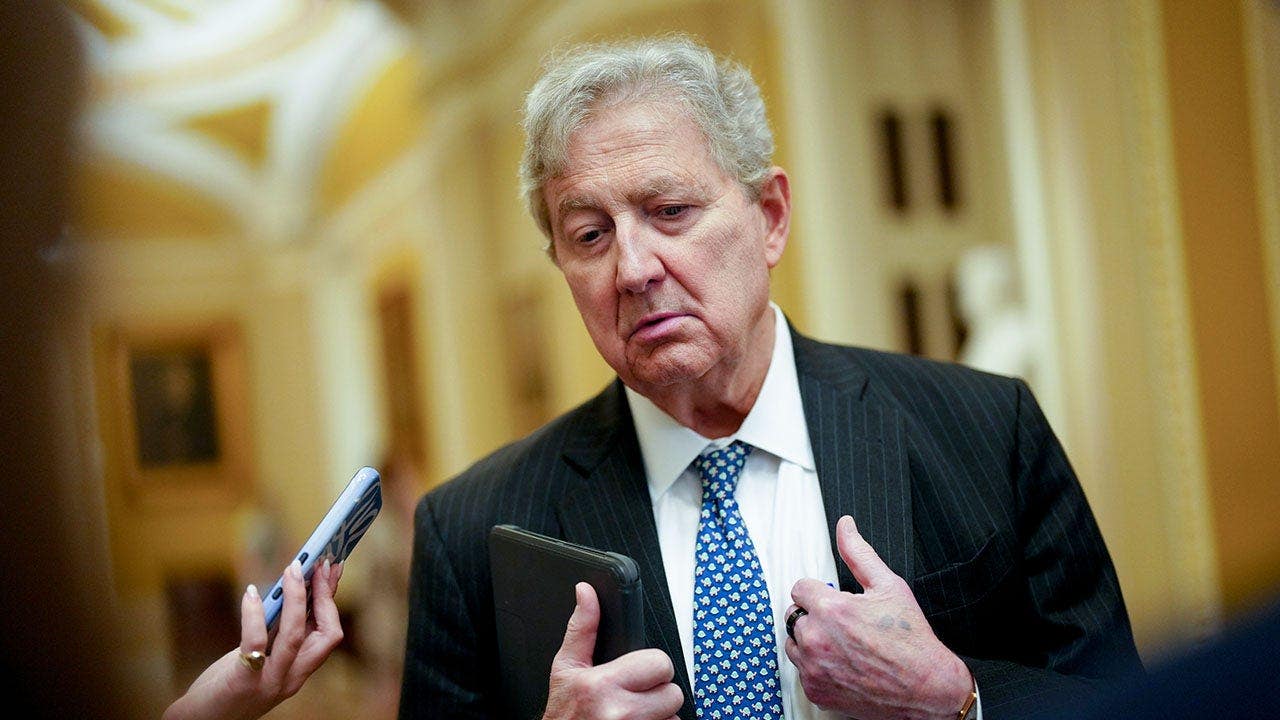
«We’ve been spending all week on trying to make the football coaches happy,» Sen. John Kennedy, R-La., said. «I’m voting for the bill, but I can assure that moms and dads out there across America, when they lie down to sleep at night … they’re not worried about the football coaches.»
Kennedy said that he and others have been pressuring Senate Majority Leader John Thune, R-S.D., to take another shot at reconciliation tailored exclusively toward affordability issues, or at the very least to put a bill that would shield consumers from increasing electricity costs as part of the AI boom.
«Because we haven’t done a damn thing,» Kennedy said. «And it’s biting us in the ass right now.»
ANXIETY GROWS OVER EMERGING ELECTION ISSUE, BUT GOP SAYS WASHINGTON ISN’T THE ANSWER
Thune did tee up what will likely be the Senate’s last attempt at dealing with affordability for a vote this week on a bill that would require AI companies to bear the brunt of rising utility costs from data centers.
That bill, from Sen. Jon Husted, R-Ohio, is expected to be blocked by Democrats, however, who aren’t eager to give Republicans or Trump a victory — especially so close to the midterm elections.
But for some Republicans, it’s too little too late when it comes to actually trying to address voters’ worries.
Sen. Thom Tillis, R-N.C., recalled a story when he won the North Carolina House and became speaker. He ran to fix the economy, and once he won the power to do so, he and Republicans in the state would have to own the issue, regardless of the previous administration’s actions.
«That’s how you actually show some leadership and get it done. You can’t rationalize that we’re here because of a problem caused by the prior administration,» Tillis told Digital. «That’s how we got elected. But you gotta fix it if you promise to. And that’s what we have to work on. I just think rationalizing away, that’s just not good politics.»
Still, Republicans are asking for a second chance this fall, specifically Vice President JD Vance, who earlier this month asked voters to «give us another chance.»
When asked about Vance’s plea, Tillis said, «You know what? If it works, it’ll be a first.»
senate, midterm elections, campaigning, republicans elections, john thune, politics







INTERNACIONAL
Guatemala: La PNC abre pesquisas internas y externas por el asesinato de Juan Francisco Solórzano Foppa y por la captura de los hermanos Choc Toz
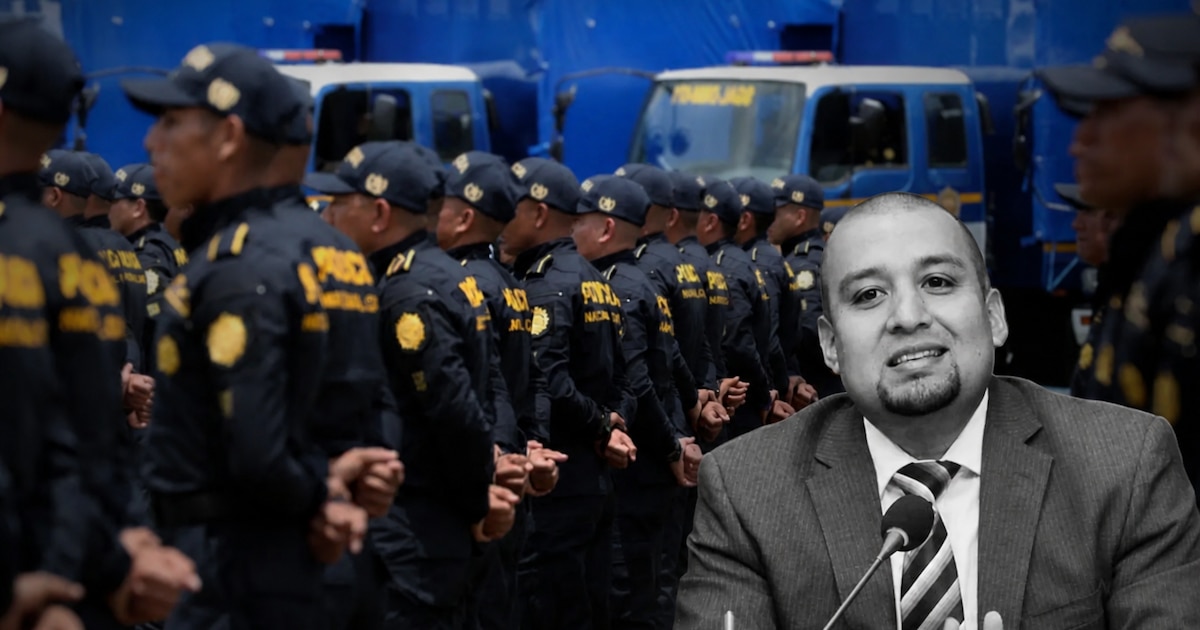
La Policía Nacional Civil (PNC) de Guatemala informó que activó investigaciones internas y externas por el asesinato de Juan Francisco Solórzano Foppa y Gustavo Aguilar, así como por el procedimiento de detención de los hermanos Choc Toz, quienes quedaron libres al dictarse falta de mérito.
La institución también solicitó recursos urgentes para adquirir cámaras corporales y sistemas de videovigilancia destinados a patrullas, para evitar supuestos malos procedimientos por parte de los agentes de la policía en Guatemala.
En el comunicado publicado este lunes 19 de octubre, la Dirección General de la PNC informó que equipos de la Inspectoría General y de la Dirección Especializada en Investigación Criminal (DEIC) trabajan de forma coordinada con el Ministerio Público (MP) para esclarecer el doble crimen ocurrido el 17 de octubre en unas canchas deportivas de la ciudad guatemalteca.
La PNC sostuvo que sus unidades especializadas investigan el caso tanto desde el plano externo como dentro de la institución.
El objetivo, según el texto oficial, es determinar las circunstancias en las que murieron Solórzano Foppa y Aguilar, además de establecer si hubo responsabilidades entre los agentes vinculados al procedimiento contra los hermanos Choc Toz.
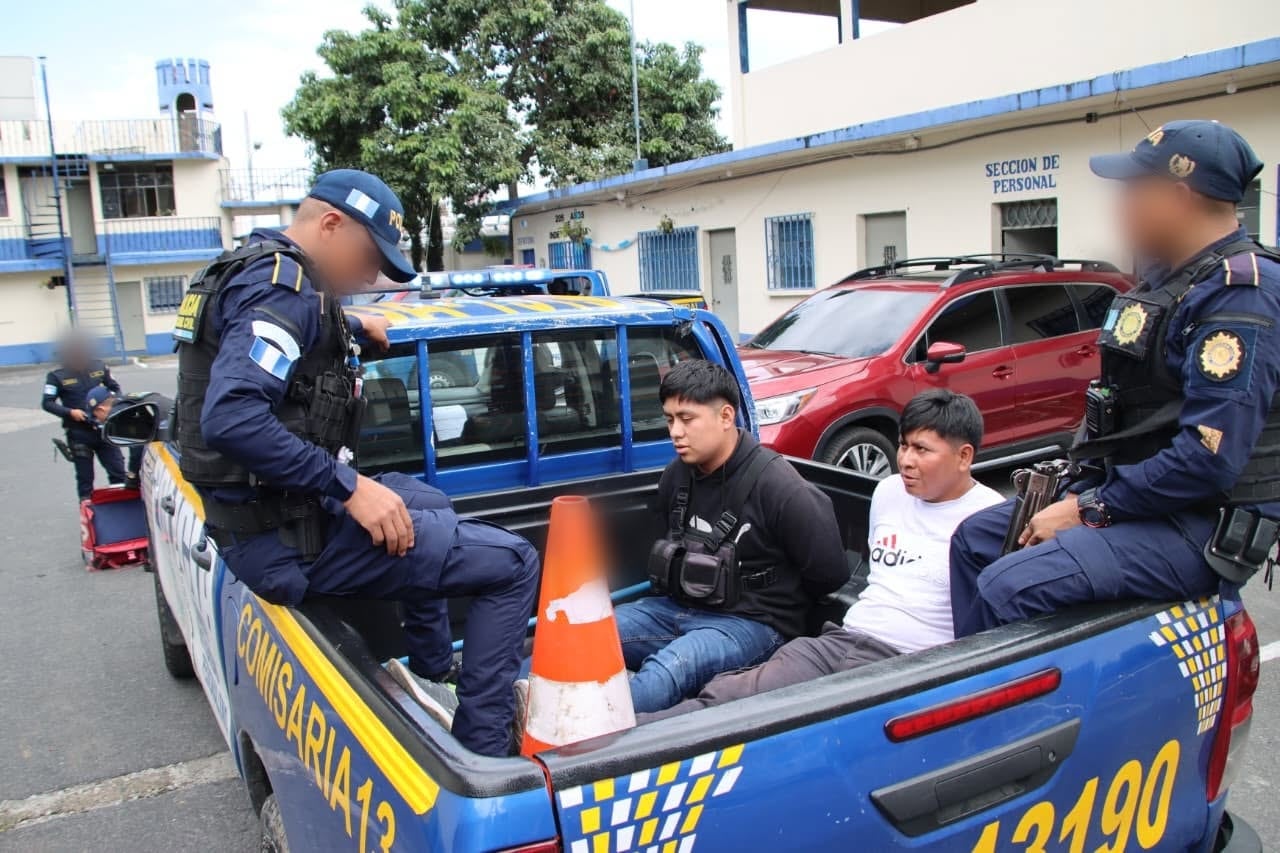
La comunicación institucional no identifica a los policías bajo revisión ni detalla las circunstancias de la captura. Sí afirma que las áreas de investigación y supervisión evalúan “minuciosamente” la actuación de los agentes para verificar que se haya ajustado a la ley y a las garantías fundamentales.
No obstante, fuentes cercanas a la institución indicaron que por lo menos cuatro agentes de la policía están siendo investigados luego de la detención de los hermanos Choc Toz.
“Cuatro equipos de DEIC” siguen el doble asesinato, según David Custodio Boteo
En una entrevista con TN23, el director general de la PNC, David Custodio Boteo, afirmó que la investigación penal se encuentra bajo reserva por decisión del Ministerio Público. Añadió que la Policía Nacional Civil asignó recursos específicos para acompañar las directrices de los fiscales.
“Tenemos cuatro equipos de DEIC, de los mejores equipos de delitos contra la vida, que están dándole seguimiento al caso”, afirmó el jefe policial al referirse al doble asesinato. Según explicó, esos grupos buscan avanzar en las pesquisas por las muertes de Solórzano Foppa y Aguilar.

El funcionario también indicó que la Inspectoría General revisa, en paralelo, el procedimiento realizado por los policías que tuvieron a su cargo la detención de los hermanos Choc Toz. “Son dos equipos especiales que se tienen asignados para apoyar las directrices” emitidas por el Ministerio Público, dijo Boteo durante la entrevista.
Infobae ha tratado de comunicarse con el director de la Policía Nacional Civil para conocer más detalles sobre las pesquisas, el alcance de la revisión a los agentes y las medidas adoptadas tras los hechos. Hasta el cierre de esta nota, el funcionario no había respondido las llamadas.
La PNC pidió fondos para cámaras corporales y videovigilancia en patrullas
La institución anunció que buscará acelerar, por las vías normativas disponibles, la compra e implementación de body cams para los uniformes policiales y de sistemas de grabación para las patrullas. La PNC plantea que el equipamiento aporte registros objetivos de cada intervención y permita verificar la actuación de los agentes.
Boteo aseguró a TN23 que la institución ya prueba cinco cámaras corporales dentro del Plan de Policía Metropolitana. El plan inicial apunta al distrito central y al departamento de Guatemala, donde la PNC prevé comenzar la implementación si logra la asignación presupuestaria.
El director estimó que el proyecto requiere un promedio de Q25 millones, alrededor de USD 3.2 millones, para contratar los equipos y los servicios tecnológicos asociados. La PNC no precisó cuántos dispositivos prevé incorporar durante la primera etapa.
En su comunicado, la institución argumentó que la tecnología busca evitar abusos contra la población, proteger a los agentes ante acusaciones falsas y respaldar las investigaciones sobre procedimientos cuestionados.
Juan Francisco Solórzano Foppa,Policía Nacional Civil,Guatemala,fotomontaje
INTERNACIONAL
Tras el debate en Brasil, Lula se acerca a Flávio Bolsonaro en las encuestas y crece la incertidumbre en la recta final de la campaña
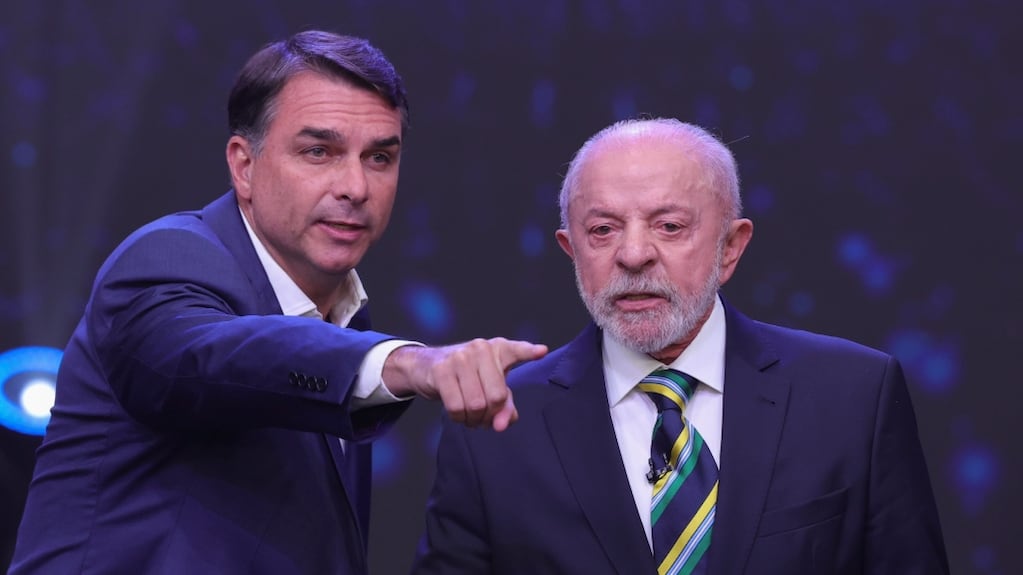
El primer debate presidencial aumentó la incertidumbre en Brasil. A solo seis días del balotaje del domingo próximo, el presidente Lula da Silva acortó aún más la desventaja sobre su rival de derecha Flávio Bolsonaro, según los últimos sondeos divulgados este lunes.
La diferencia a favor del primogénito de Jair Bolsonaro entra en el margen de error en dos de las tres encuestas conocidas hoy.
Un sondeo de BTG/Nexus reveló que el candidato del Partido Liberal (PL) cuenta con el 50,3% de los votos válidos (que excluyen los sufragios en blanco, nulos e indecisos) contra el 49,7% de Lula. La ventaja a favor del actual senador es de tan solo 0,6% frente a los 3,2 puntos del sondeo anterior divulgado el martes pasado.
Otra encuesta de Atlas/Bloomberg muestra a Bolsonaro con el 51,1% contra el 48,9% de Lula (con una diferencia de 2,2 puntos).
Un tercer sondeo de PoderData/Aya dio a Bolsonaro una ventaja de cuatro puntos (52% a 48%), el único que se muestra por fuera del margen de error.
La encuestas fueron realizadas antes del debate transmitido por la TV Band.
“Flávio aún tiene cierta ventaja, porque está numéricamente por delante, pero principalmente porque sabemos que la abstención tiende a perjudicar un poco más la candidatura de Lula. Históricamente, la abstención se concentra más entre los votantes de bajos ingresos y con menor poder adquisitivo, donde Lula recibe significativamente más votos que Flávio”, dijo Marcelo Tokarski, director general de Nexus.
En la primera vuelta, celebrada el 4 de este mes, Bolsonaro venció por dos puntos (47% a 45%) sobre Lula. Ambos candidatos mantendrán un segundo debate este viernes, dos días antes del segundo turno.
Quién ganó el debate
El debate, el primero de la campaña electoral, estuvo plagado de chicanas, denuncias y acusaciones cruzadas de corrupción.
Las propuestas quedaron opacadas ante la profusión de imputaciones y recriminaciones. En el cierre del debate el griterío de la platea, colmada de asesores y simpatizantes, interrumpió las consideraciones finales de ambos candidatos.
En un principio, Bolsonaro se mostró más seguro y logró desestabilizar a Lula, pero el actual presidente se recompuso y logró emparejar el desarrollo.
El analista brasileño Rodrigo Toniol destacó a TN que el debate fue seguido de forma masiva en Brasil. “Hoy por la mañana, en las calles, este es uno de los temas de conversación”, indicó.
Según afirmó, “en términos generales, fue un debate violento, absolutamente carente de propuestas y viciado por contenidos diseñados específicamente para convertirse en fragmentos virales en las redes sociales”.
Silva
INTERNACIONAL
Smithsonian screening dispute puts museum’s commitment to diverse views on trial: ‘Right kind of Black?’
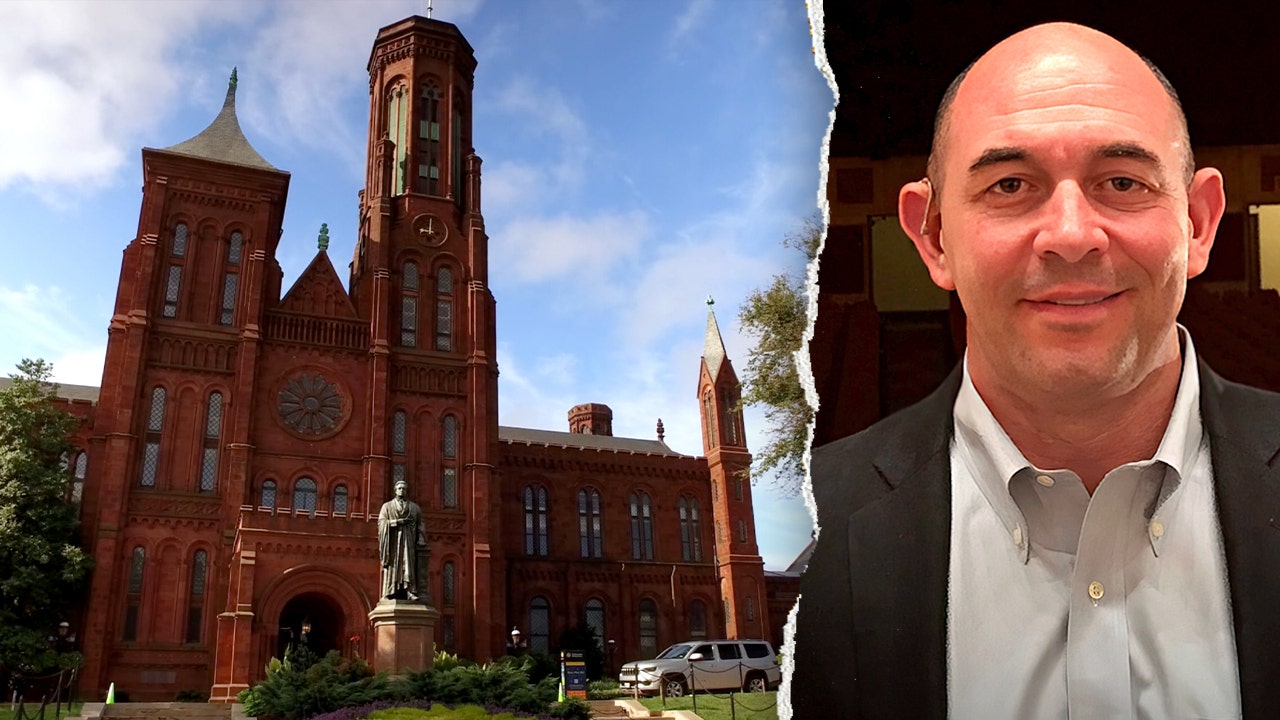
FIRST ON — A Black conservative filmmaker is challenging the Smithsonian to explain why his documentary questioning progressive views on race has yet to secure a public screening at its African American history museum, which has previously showcased films examining systemic racism.
«White Guilt,» directed and co-produced by Eli Steele, is based on a book by his father, noted Black conservative academic Shelby Steele. The younger Steele, who is Black, Jewish and deaf, has drawn on his own experiences to challenge prevailing views on race and identity.
The documentary argues that White guilt over America’s racial history, along with fears of being labeled racist, has pushed institutions to prioritize racial identity over individual merit.
The dispute comes as the Smithsonian faces mounting pressure from President Donald Trump and his administration over allegations of ideological bias in its portrayal of American history. The White House has accused the institution of promoting progressive narratives and threatened to restrict federal support, escalating a broader battle over whose perspectives are represented in the nation’s museums.
SMITHSONIAN AMERICA 250 EXHIBIT FEATURES 3X MORE LIBERAL ITEMS THAN CONSERVATIVE ONES
Steele provided communications to Digital showing that the museum declined his proposed screening dates and offered him a private rental option instead. The filmmaker says the museum has yet to respond to his request for alternative dates for a public screening.
«The film is professionally shot, the quality is there. A comparable film that they’ve shown is ’13th,’ which itself is a very controversial film,» Steele told Digital. «So that’s the big question we have here: Do we have viewpoint diversity or do we not? Do you have to be the right kind of Black to be shown at the Smithsonian?»
«That’s the big question that we have to address in this room. But I hope that it’s not about any of that,» he continued.
The filmmaker has questioned the apparent decision to not screen his film, given that the museum has allowed numerous other films with more progressive messages to have public screenings, though stopped short of accusing the museum of ideological discrimination.
«13th,» the film mentioned by Steele, is featured in educational and public programming at the NMAAHC. It argues that the 13th Amendment’s exception permitting forced labor as punishment for a crime enabled racial control to persist after slavery by allegedly criminalizing Black behavior.
Other films shown by the NMAAHC in public screenings include such titles as «Hidden Figures» in 2016, «I Am Not Your Negro» in 2017 and «Faith in Blackness: An Exploration of AfroLatine Spirituality» in 2023, the latter presented in partnership with the Smithsonian Folklife Festival.
LIBERAL FACULTY STILL HUGELY OUTNUMBER CONSERVATIVES IN HIGHER EDUCATION: REPORT
While Steele was hesitant to speculate as to why his film hadn’t been scheduled for a public screening, other Black conservatives saw the museum’s handling of his request as part of a familiar pattern.
«Academia is not what it was years ago when I went to graduate school, when it touted itself as a marketplace for ideas,» Carol Swain, a retired Black conservative professor and prominent media commentator, told Digital. «There would always be a token conservative included. And I have found over the years that conservatives were tolerated less and less. And if they were black, at some point they were not tolerated at all.»
«When you look at an institution like the Smithsonian, that’s supposed to belong to all of us, to all Americans, you would think that it would be open to divergent views,» Swain, who spent her career at institutions such as Princeton and Vanderbilt, continued. «That is not what we find.»
Wall Street Journal columnist and Manhattan Institute senior fellow Jason Riley shared a similar perspective.
FORMER DEMOCRATIC STAFFERS, DEI LEADERS SHAPE SMITHSONIAN LEADERSHIP AMID POLITICAL FIRESTORM
«I think the type of people who run the Smithsonian Institute are part of the broader liberal intelligentsia in this country that prevails in academia, prevails and the media. And this is not a point of view. That they take kindness to,» Riley told Digital. «In fact, this film takes some rather direct shots at that group of people. So there might be some self-interest here. It might cut a little too close to these folks.»
«I do think that they have a vested interest in putting forward a narrative out there to advance a political agenda. And I think that’s what’s really going on here at places like the Smithsonian,» Riley continued, citing his experience as a Black commentator who has spent his career sparring with White liberals.
TRUMP V. SMITHSONIAN: A TIMELINE OF HOW THE WHITE HOUSE FIGHT OVER ‘WOKE’ HISTORY UNFOLDED
Both Riley and Swain argued that viewing the film could do a service to White progressives by challenging their assumptions about race and forcing them to confront whether their preferred policies are actually helping Black America. Riley stated that the Black Americans who regularly attend the NMAAHC could benefit from Steele’s film as it challenges the popular assumption that they are blocked from social mobility by virtue of their race.
In recent months, the Smithsonian has been the target of criticism from Republican elected officials, including the president, who argue that the institution has allowed political bias to overshadow the neutral presentation of history, an argument some within the organization reject, claiming that they are simply presenting the good and the bad aspects of the American story. As part of its effort to pressure the Smithsonian over what it describes as ideological bias, the Trump administration has threatened to restrict federal support, including discretionary grants and cooperation from federal agencies.
While Riley and Swain raised questions about the Smithsonian’s motives, the museum told Steele that his proposed dates were unavailable but did not explain whether it would consider alternative dates for a public screening, according to correspondence reviewed by Digital.
Steele and his team reached out to the Smithsonian in late August about a public screening of their film, receiving a response within the day directing them to fill out an event application form, according to correspondence reviewed by Digital. In early September, they submitted a completed application form and provided two possible dates for a screening.
About two weeks later, the NMAAHC responded by informing them that neither date was available for a public screening, according to the correspondence. After Steele’s team asked about alternatives, the museum offered them the option of renting space for a private screening at a quoted cost of $35,000, according to correspondence reviewed by Digital, rather than arranging a museum-sponsored public screening.
INSIDE THE BEHEMOTH SMITHSONIAN MUSEUM NETWORK DRAWING FIRE FROM THE TRUMP ADMINISTRATION
When Steele and his team clarified that they wanted a public screening and signaled flexibility on their requested dates, they received no response from the museum, per correspondence reviewed by Digital.
«Answering email does not take that much time,» Steele told Digital.
«I watched the film last night. It’s a well-made and powerful representation of ideas that Shelby Steele has been developing over the last 40 years,» Glenn Loury, an African American professor at Brown University who has described himself as «conservative-leaning,» told Digital. «Those ideas — about how racial identity interacts with the pursuit of ‘black power’ and the quest for ‘white innocence’ in the West — are vividly illuminated through the film’s exploration of a number of exemplary cases.»
«The arguments advanced via Steele’s eloquent narration in the film are not beyond questioning, but they are invariably provocative and insightful,» he continued. «It would certainly be an appropriate use of the platform of the Smithsonian’s National Museum of African American History and Culture to screen this documentary, as a means of provoking critical engagement with its themes from all corners of the political/ideological spectrum.»
IN PICTURES: HISTORIC SMITHSONIAN MUSEUM PACKED WITH WOKE POLITICAL MESSAGING ON RACE AND GENDER
NMAAHC did not respond to a request for comment when reached by Digital.
«My father, Shelby Steele, was born into segregation and has spent decades examining how America has changed, how far we have come, and what still divides us. ‘White Guilt,’ drawing on his 2006 book, brings that work to the screen,» Steele said in a statement provided to Digital. «We approached the Smithsonian’s African American museum because we believe that conversation belongs there. Sharing his life’s work in a museum dedicated to the history he lived would mean a great deal to both of us.»
«Our proposal remains open, and we would appreciate an answer.»
smithsonian, politics, arts, cancel culture, entertainment, history

En Neuquén, Milei destacó el crecimiento de las exportaciones de petróleo y lo adjudicó a las desregulaciones del Gobierno

Milei defendió su modelo económico y celebró las exportaciones récord: “En otro contexto, hubiéramos volado por los aires”

Guatemala: La PNC abre pesquisas internas y externas por el asesinato de Juan Francisco Solórzano Foppa y por la captura de los hermanos Choc Toz

Los dueños de Metal Gear y Silent Hill lo tienen claro: la IA no cambiará sus juegos, porque dependen de un factor que no se programa

La Casación confirmó el cierre de la causa contra Mauricio Macri, Luis Caputo y Federico Sturzenegger por el crédito de US$57.100 millones del FMI

La peculiar situación que obliga a un famoso entrenador a dirigir sentado

El futuro será inteligente, pero inconsciente

Milei-Bullrich, la fórmula que más entusiasma al oficialismo en medio de las turbulencias económicas

La ANMAT prohibió un dispositivo de depilación definitiva por irregularidades sanitarias

Nacho Fernández rompió en llanto al hablar de la cinta de capitán con la imagen de Maradona: “Me acompaña todos los partidos”

 CHIMENTOS3 días ago
Juan Minujín contó como llegó a trabajar con Angelina Jolie y Salma Hayek: «Al principio dije que no»
- INTERNACIONAL3 días ago
Trump’s new press secretary out of the job just days after rocky debut
- POLITICA3 días ago
Los intendentes del PJ que afrontarán un recambio inédito si es que la ley de reelecciones no se revierte