INTERNACIONAL
RNC legal victory clears North Carolina voter roll purge of noncitiznes through jury responses

NEWYou can now listen to Fox News articles!
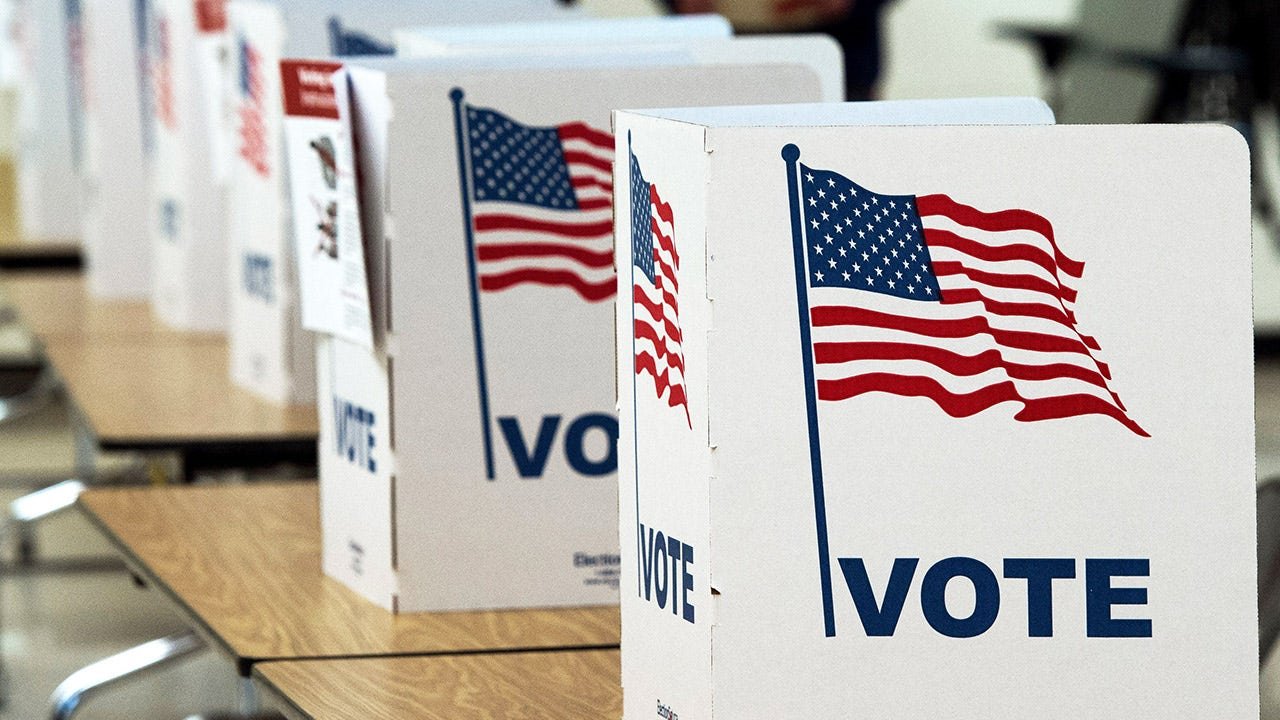
The state of North Carolina now must remove noncitizens excused from jury duty from voter rolls, Fox News Digital has learned Thursday.
The Republican National Committee and North Carolina Republican Party say they secured a consent judgment requiring the North Carolina State Board of Elections to use jury-duty records to identify registered voters who have acknowledged they are not U.S. citizens.
Those noncitizens will have to be removed from voter rolls, a significant legal victory in forcing a state to purge its voter rolls amid strong Democrat opposition.
«This agreement is a major win for election integrity in North Carolina,» RNC Chairman Joe Gruters told Fox News Digital in a statement. «It’s straightforward: if someone admits they’re not a U.S. citizen during jury duty, that information should be used to check the voter rolls and remove anyone who doesn’t belong.»
OBAMA-APPOINTED JUDGE REVERSES COURSE, RULES VOTER ID LAW ISN’T DISCRIMINATORY IN GOP WIN
Republican National Committee Chair Joe Gruters is claiming victory over Democrat efforts to block efforts to kick noncitizens skipping out of North Carolina jury duty from the state’s voter rolls. (Patrick T. Fallon/AFP)
The agreement was accepted by Superior Court Judge Jennifer Bedford after an 19-minute online hearing Wednesday.
«This type of information, I think the General Assembly has made somewhat clear, should not fall on deaf ears,» Bedford said, The Carolina Journal reported, adding that information submitted to the court system should also be recognized by other agencies.
The agreement sets a schedule through 2028 for clerks to send the information to the elections board. Within 30 days of receiving it, the board must review voter-registration and citizenship status, send county elections boards reports on any registered voters identified, and refer cases to the State Bureau of Investigation and district attorneys if a person appears to have voted before becoming a U.S. citizen.
DEMOCRATS CELEBRATE AS 73,000 NORTH CAROLINA VOTERS WITHOUT PROPER ID STAY ON ROLLS
Two groups represented by the Elias Law Group, North Carolina Asian Americans Together and El Pueblo, objected to part of the deal requiring the list of people who claimed noncitizenship for jury-duty purposes to be posted on the state elections board’s FTP website.
Their attorney argued that publishing the information online could raise privacy concerns and have a chilling effect, even if the records are public under state law.
The agreement stems from a lawsuit the GOP groups filed in 2024, accusing the state board of failing to comply with a North Carolina law requiring clerks of court to report people who seek to be excused from jury service by saying they are not citizens.
TRUMP ELECTION INTEGRITY PUSH EXPOSES MASSIVE AMOUNT OF DEAD PEOPLE ON NORTH CAROLINA VOTER ROLLS
Under state law, noncitizens are barred from voting in state elections and from serving on juries, but that has not stopped then-Gov. Roy Cooper from vetoing a bill in 2019 that would remove illegal immigrants from voter rolls.
The consent judgment, if approved by the court, would require the state’s elections board to review information received from county clerks, determine whether those individuals appear on the voter rolls and begin removal procedures for anyone found to be ineligible.
The RNC said it filed a public-records request in 2024 seeking to determine whether the board was complying with the law but did not receive a response.
‘ESSENTIAL TO OUR NATION’S SOVEREIGNTY’: NONCITIZEN VOTER CRACKDOWN LED BY GOP AHEAD OF 2026 MIDTERMS
The RNC and the state GOP later sued, and the board agreed to use the jury-duty information as part of voter-roll maintenance, according to the RNC.
A majority of North Carolina — 83% of Republicans, 59% of Independents and 52% of Democrats – support states removing noncitizens from voter registration rolls, according to Heritage Action polling.
The case is part of a broader Republican legal push focused on voter eligibility and citizenship requirements.
CLICK HERE TO DOWNLOAD THE FOX NEWS APP
The RNC is involved in litigation defending President Donald Trump’s executive order requiring documentary proof of citizenship, and has also asked the Supreme Court to take up a case involving Arizona’s proof-of-citizenship law.
voter fraud concerns, north carolina, republicans elections, illegal immigrants, voting











INTERNACIONAL
Clinton, Obama-era Democratic heavyweights Penn and Emanuel rip NYC’s Mamdani over taxes, Israel, blast DSA
NEWYou can now listen to Fox News articles!
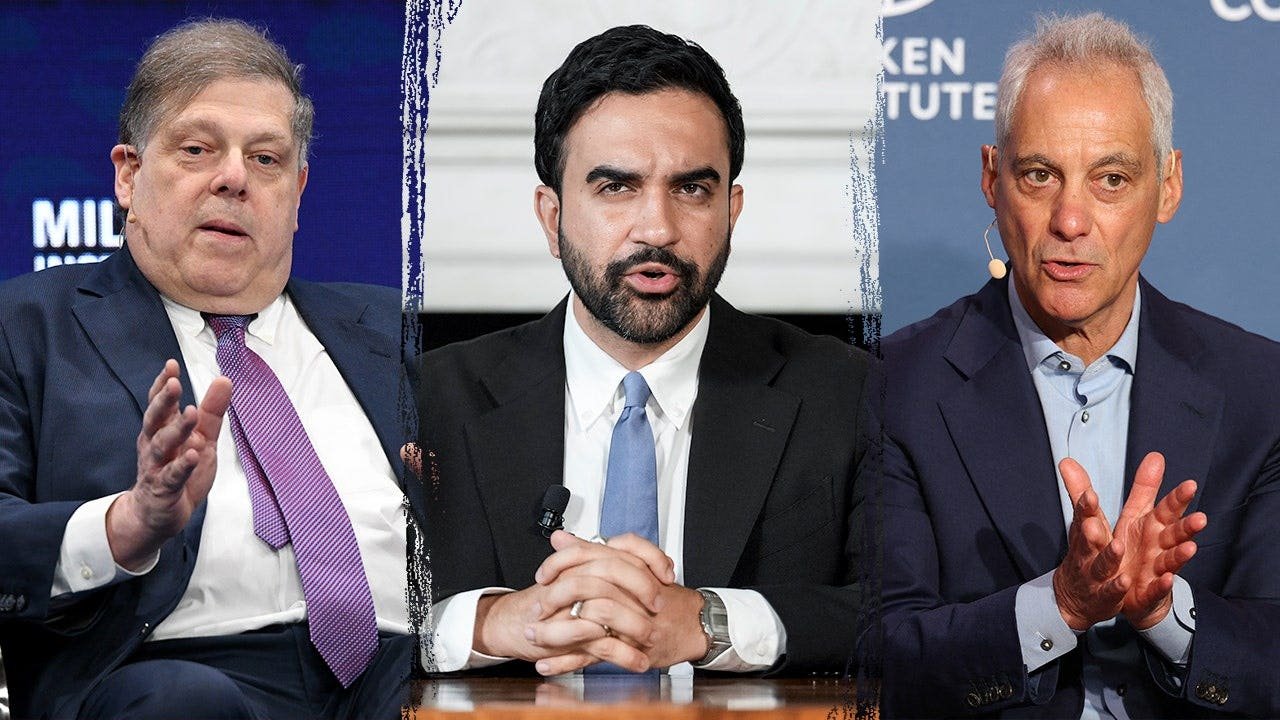
Two prominent Democratic figures with deep ties to the Clinton and Obama administrations publicly criticized New York City Mayor Zohran Mamdani this week, with former Clinton adviser Mark Penn attacking the mayor’s proposed property tax plan while former Obama White House chief of staff Rahm Emanuel recounted what he described as a private conversation in which he challenged Mamdani’s rhetoric on Israel.
The criticism is notable because it comes from longtime Democrat insiders rather than Republican opponents and focuses on two of the issues that have defined Mamdani’s rise political rise: his far-left economic agenda and his positions on Israel.
Fox News Digital reached out to Penn, Emanuel and Mamdani’s office for comment.
NYC MAYOR MAMDANI CALLS THREAT OF RICH PEOPLE LEAVING NYC OVER TAXES ‘IMAGINED’
Mark Penn participates in a panel discussion during the annual Milken Institute Global Conference at The Beverly Hilton Hotel on April 29, 2019, in Beverly Hills, Calif. (Getty Images)
Penn, a longtime Democrat strategist and former pollster and adviser to President Bill Clinton, accused Mamdani of dramatically understating the scope of his proposed pied-à-terre tax after the mayor released a public database identifying property owners who could be subject to it.
In a lengthy post on X, Penn argued the city’s valuation system had swept in nearly one million property owners rather than the roughly 30,000 luxury homeowners Penn said had previously been described as the intended targets.
«The $5 million figure was a fake,» Penn wrote, arguing the city’s valuation system had improperly classified properties and would force homeowners to prove they should not be taxed.
RAHM EMANUEL WARNS NEW GENERATION OF DEM SOCIALISTS DON’T LIKE AMERICA
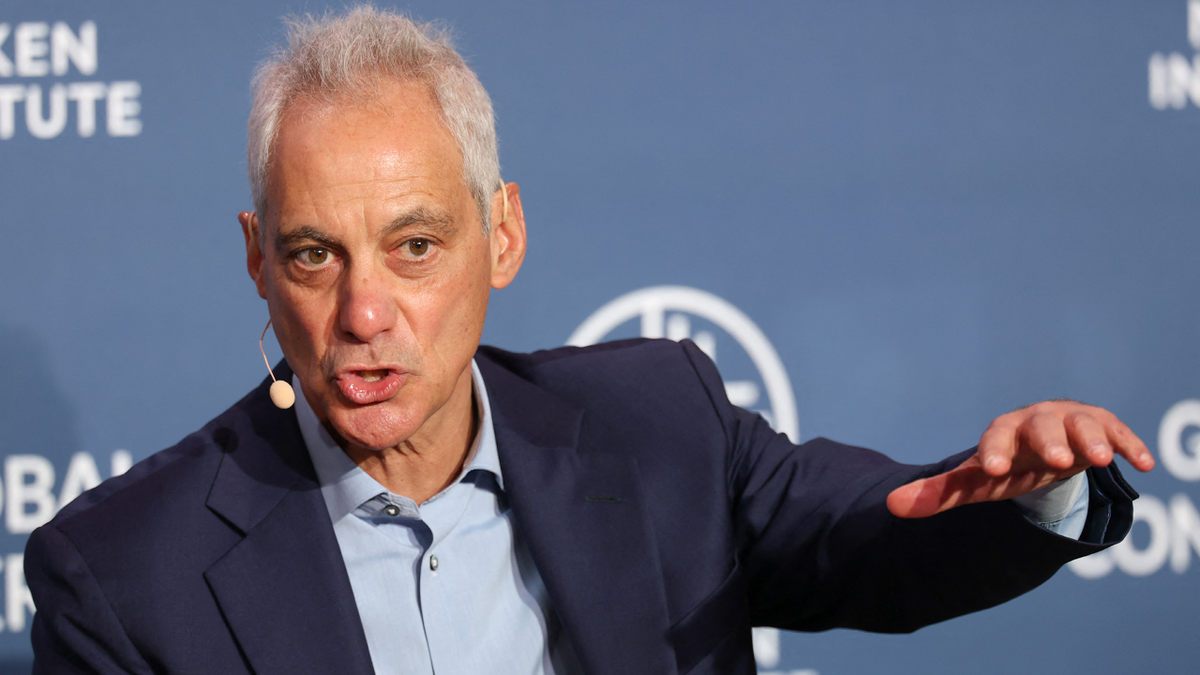
Former Mayor of Chicago and White House Chief of Staff Rahm Emanuel speaks during the 29th annual Milken Institute Global Conference at the Beverly Hilton in Beverly Hills, California on May 5, 2026. ((Photo by Patrick T. Fallon / AFP via Getty Images))
Penn also argued the proposal could depress property values, discourage investment in New York City and potentially raise constitutional questions.
Meanwhile, Emanuel said during an appearance on the Unholy Podcast that he met privately with Mamdani for roughly 90 minutes and challenged the self-described democratic socialist mayor over his views on Israel.
Emanuel said he praised portions of Mamdani’s domestic agenda, including childcare, but criticized Mamdani’s past use of the phrase «from the river to the sea.»
MAMDANI DODGES ON ‘POLITICAL THEATER’ OF EMPTY NETANYAHU ARREST THREAT, CALLS FOR US ACTION AND NYC PROTESTS
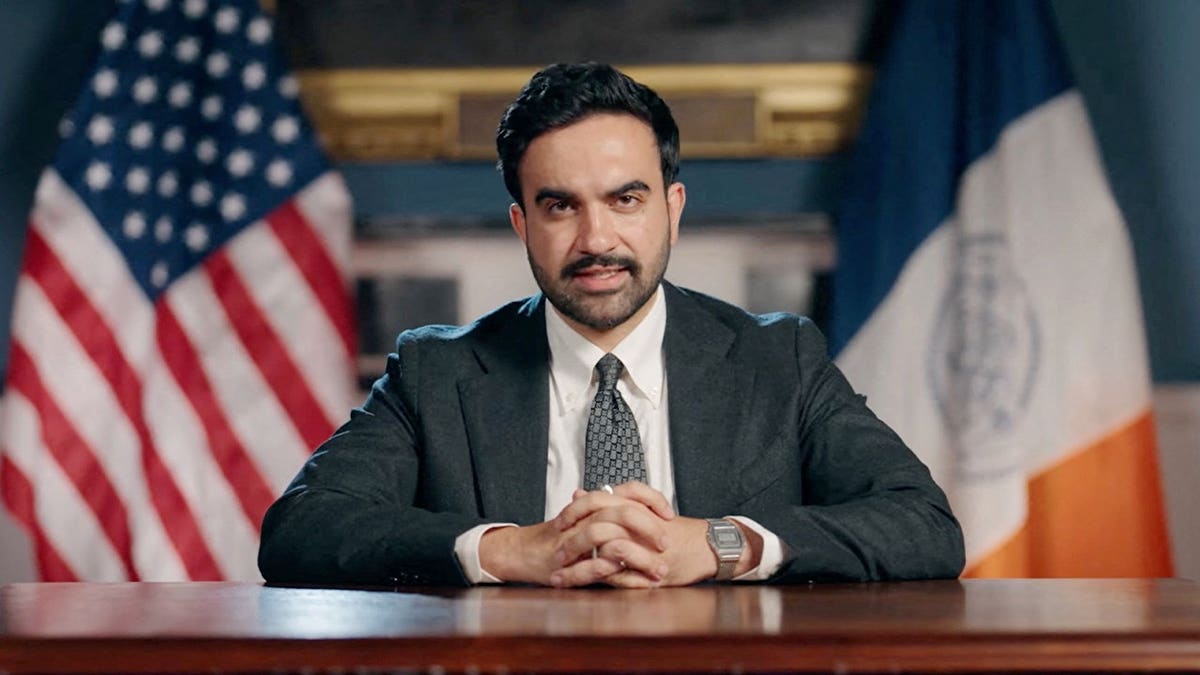
New York City Mayor Zohran Mamdani’s video admitting that he lacks the legal authority to arrest Israeli Prime Minister Benjamin Netanyahu did little to ease Jewish leaders’ concerns. (NYC Mayor’s Office via YouTube/Handout via Reuters)
«I know where there’s a line. You don’t,» Emanuel recalled telling Mamdani.
Emanuel said both calls for a «Greater Israel» and the slogan «from the river to the sea» would lead to «perpetual conflict.»
After clips of Emanuel’s remarks circulated online, Mamdani communications director Anna Bahr publicly disputed the account.
«can confirm this …. did not happen,» Bahr wrote on X in response to a post summarizing Emanuel’s remarks.
It was not immediately clear from Bahr’s post whether she was disputing that the meeting occurred or Emanuel’s characterization of the conversation.
Emanuel has also recently criticized the Democratic Socialists of America (DSA) more broadly. In a post on X this week, he argued Democrats should focus on winning competitive elections rather than what he characterized as ideological distractions.
CLICK HERE TO DOWNLOAD THE FOX NEWS APP
«You can be focused on winning tough races, flipping red seats blue. Or you can be focused on abolishing prisons and… the Senate and Supreme Court? You can’t do both,» Emanuel wrote. «I’m for winning this November and ending Trump’s corruption — and I’m also for putting an end to all the distractions from the DSA.»
Penn, Emanuel and Mamdani’s office did not immediately respond to Fox News Digital’s requests for additional comment before publication.
zohran mamdani, new york, new york city, politics, israel
INTERNACIONAL
Chile revisará el listado de víctimas de la dictadura de Pinochet tras encontrar en Argentina a una mujer que figuraba como desaparecida
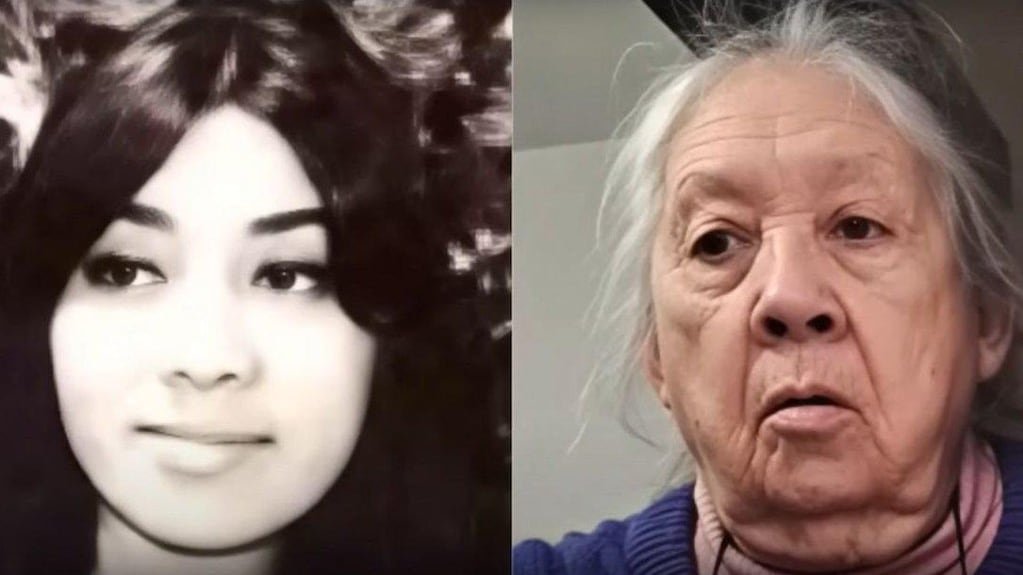
El gobierno del presidente José Antonio Kast en Chile anunció este miércoles que revisará el registro oficial de detenidos desaparecidos de la dictadura de Augusto Pinochet, luego de que un examen de ADN confirmara que Bernarda Vera, incluida durante décadas en ese listado como víctima de desaparición forzada, fue localizada con vida en Miramar, cerca de Mar del Plata.
El ministro de Justicia y Derechos Humanos de Chile, Fernando Rabat, informó que se analizará la nómina oficial de víctimas de la dictadura (1973-1990) para verificar que no existan errores. La medida fue anunciada tras la repercusión que generó el caso de Vera, una militante opositora al régimen que figuraba como desaparecida desde 1973.
“Vamos a determinar oficialmente que no contenga errores”, afirmó Rabat en una entrevista con Radio Infinita, al referirse al Informe de la Comisión Nacional de Verdad y Reconciliación —conocido como Informe Rettig—, elaborado durante el gobierno de Patricio Aylwin (1990-1994), que identificó a 1.469 detenidos desaparecidos durante la dictadura, entre ellos Vera. El presidente chileno José Antonio Kast. (REUTERS/Angela Ponce)
El caso de Bernarda Vera
El caso salió a la luz en septiembre de 2025, cuando medios chilenos informaron que Vera —militante del extinto Movimiento de Izquierda Revolucionaria (MIR), hoy de 80 años— había sido localizada en Miramar, una ciudad ubicada a unos 45 kilómetros de Mar del Plata.
La búsqueda estuvo a cargo de funcionarios del Plan Nacional de Búsqueda, un programa estatal creado para esclarecer las circunstancias de desaparición y determinar el destino de las víctimas que aún permanecen sin paradero conocido.
El 27 de julio, un examen de ADN ordenado por la Justicia chilena confirmó con una probabilidad de identificación superior al 99,9999% que la mujer encontrada en Argentina era Bernarda Vera. La chilena Bernarda Vera fue hallada en Argentina pese a que se consideraba que había sido desaparecida por la dictadura de Pinochet. (Foto: Cortesía/Emol)
Según el Informe Rettig, Vera fue detenida en octubre de 1973, cuando tenía 27 años, luego de participar en el asalto a un retén policial en Neltume, una zona cordillerana ubicada a unos 850 kilómetros de Santiago y cercana a la frontera con Argentina. Allí, el MIR intentó establecer un foco guerrillero para resistir a la dictadura instaurada tras el golpe de Estado contra Salvador Allende.
De acuerdo con versiones no oficiales, Vera —quien utilizaba el alias clandestino “Anita” y tenía una hija de cinco años al momento de su desaparición— permaneció en la zona montañosa hasta diciembre de 1973 y luego logró escapar hacia Argentina. Más tarde viajó a Suecia y regresó a Sudamérica a fines de la década de 1990.
Su familia había perdido contacto con ella en los días previos al golpe del 11 de septiembre de 1973. Tiempo después, fue informada de que Vera había sido condenada a muerte en rebeldía en un proceso judicial vinculado al ataque al retén de Neltume.
La revisión de la pensión familiar
Rabat indicó que el caso será notificado al Consejo de Defensa del Estado para que “adopte las decisiones que corresponden” respecto de la pensión que la familia de Vera recibió durante años en el marco de la ley de reparación. “No quiero calificar la buena o mala fe de quienes recibieron la pensión porque no me corresponde. Lo que estoy señalando es que no debió haberse pagado esa pensión”, afirmó el ministro.
Leer más: El Gobierno relativiza el reclamo de Cristina Kirchner ante la ONU y evalúa su impacto en la estrategia electoral
El nombramiento de Rabat generó polémica en su momento, ya que a principios de los años 2000 integró el equipo jurídico que defendió a Pinochet en el juicio por la Operación Colombo y en el Caso Riggs.
El ministro sostuvo que su cartera “fortalecerá” el Plan Nacional de Búsqueda y sumará funcionarios para revisar el listado de detenidos desaparecidos, pese a los recortes ordenados por el presidente Kast. El programa fue lanzado en 2023 por el gobierno del entonces presidente Gabriel Boric (2022-2026) y es considerado una de las principales políticas de memoria histórica impulsadas desde el fin de la dictadura, al ser la primera vez que el Estado chileno lidera la búsqueda de las más de mil víctimas que aún permanecen desaparecidas.
El régimen de Pinochet se extendió durante diecisiete años y dejó, según cifras oficiales, más de 40.000 víctimas entre ejecutados, detenidos desaparecidos, presos políticos y torturados. Más de 3.200 opositores murieron a manos de agentes del Estado.
Chile, Jose Antonio Kast, Pinochet
INTERNACIONAL
Russia launches ballistic missile attack on Kyiv hours after Zelenskyy warns of major strike
NEWYou can now listen to Fox News articles!
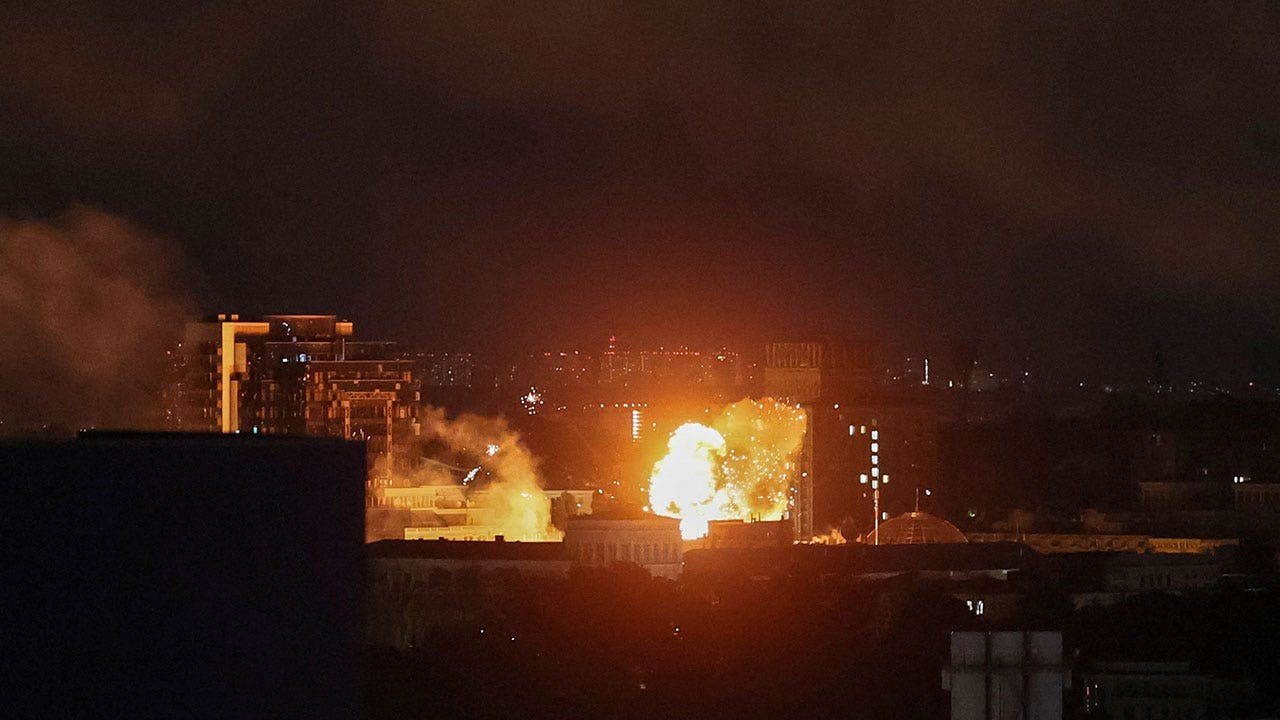
Russia launched a ballistic missile attack on Ukraine’s capital early Thursday, with multiple explosions reported across Kyiv, according to Ukrainian officials.
Kyiv Mayor Vitali Klitschko urged residents to seek shelter as blasts rocked the city. Reuters, citing a witness, reported hearing multiple explosions.
The Ukrainian Air Force also said Russia was targeting the capital with ballistic missiles.
RUSSIA UNLEASHES NEARLY 600 MISSILES AND DRONES ON KYIV IN DEADLIEST STRIKE SINCE MAY
An explosion lights up the sky over the city during a Russian missile and drone strike amid Russia’s attack on Ukraine, in Kyiv, July 2, 2026. (Gleb Garanich/Reuters)
Klitschko later said several non-residential sites caught fire following the strikes. There were no immediate reports of casualties.
The attack came just hours after Ukrainian President Volodymyr Zelenskyy warned that Russia appeared to be preparing a major overnight assault.
«I received a report from Air Force Commander Anatolii Kryvonozhko,» Zelenskyy wrote on X Wednesday, saying Russia had prepared a «massive attack several days ago» and that there was a «high probability» it would be carried out overnight.
ZELENSKYY SAYS PUTIN ‘LOST THE INITIATIVE’ AS UKRAINE’S TECH INDUSTRY RESHAPES THE WAR

People take shelter inside an overcrowded metro station during a Russian missile and drone strike amid Russia’s attack in Kyiv, Ukraine, July 30, 2026. (Alina Smutko/Reuters)
«It is important that our partners fully understand what is happening and that the protection of lives directly depends on their readiness, or lack thereof, to help us with air defense missiles,» Zelenskyy said.
The Ukrainian president made the appeal after returning from the United States, where he met with President Donald Trump.
Trump recently announced at the NATO summit in Turkey that the United States would license Ukraine to manufacture Patriot air defense systems, according to The Associated Press.
«First and foremost, this concerns the United States and those partners that have Patriot missiles and can provide them to support our defense,» Zelenskyy wrote.
CLICK HERE TO DOWNLOAD THE FOX NEWS APP
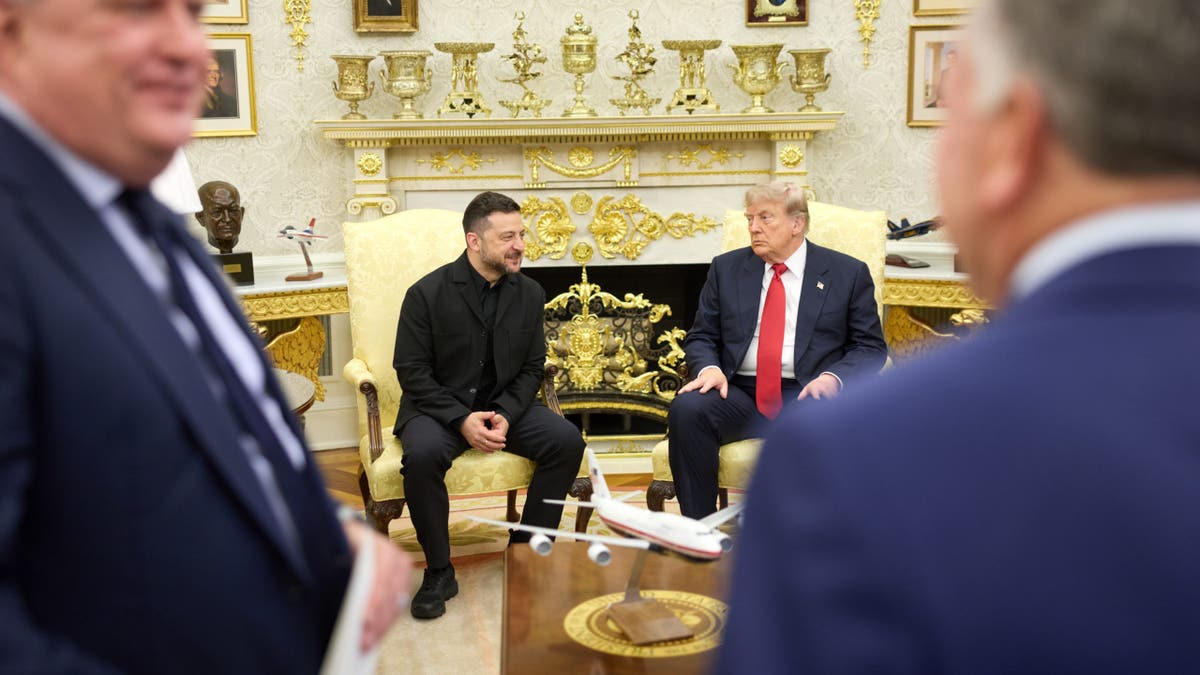
Ukrainian President Volodymyr Zelenskyy met with President Donald Trump at the White House during his visit to Washington, D.C., July 28, 2026.
«Every partner knows what is needed and fully understands the consequences of marking time.»
Fox News Digital’s Emma Bussey and Reuters contributed to this report.
world, ukraine, volodymyr zelenskyy, russia

Patricia Bullrich no descartó competir por la Jefatura de Gobierno porteña: “Me tengo una fe bárbara”

Cayó una mujer que estafaba con comprobantes truchos en Chaco

Central Córdoba vs Atlético Tucumán: formaciones, hora y dónde ver por tv

“Bolsones de desempleo y pobreza”: la advertencia del economista que más escucha Milei sobre una zona clave del país

Clinton, Obama-era Democratic heavyweights Penn and Emanuel rip NYC’s Mamdani over taxes, Israel, blast DSA

Campaña anti Argentina: Milei habilitó por decreto a expulsar a los extranjeros que agravien al país o a sus ciudadanos

Crisis entre Milei y Lula: la trama política, personal y geopolítica detrás del mayor choque diplomático entre Argentina y Brasil

San Isidro: la ballena que quedó varada en un banco de arena murió pese al operativo de rescate

Cómo manejar en el hielo y la nieve: técnicas y precauciones para usar el auto en la montaña en vacaciones de invierno

La pelea con Lula y el verdadero desafío que enfrenta Milei

 POLITICA3 días ago
Crisis entre Milei y Lula: la trama política, personal y geopolítica detrás del mayor choque diplomático entre Argentina y Brasil
- ECONOMIA2 días ago
Cómo manejar en el hielo y la nieve: técnicas y precauciones para usar el auto en la montaña en vacaciones de invierno
- POLITICA2 días ago
La pelea con Lula y el verdadero desafío que enfrenta Milei