INTERNACIONAL
Rubio warns China after Panama ship detentions, calls hemisphere sovereignty ‘non-negotiable’

NEWYou can now listen to Fox News articles!
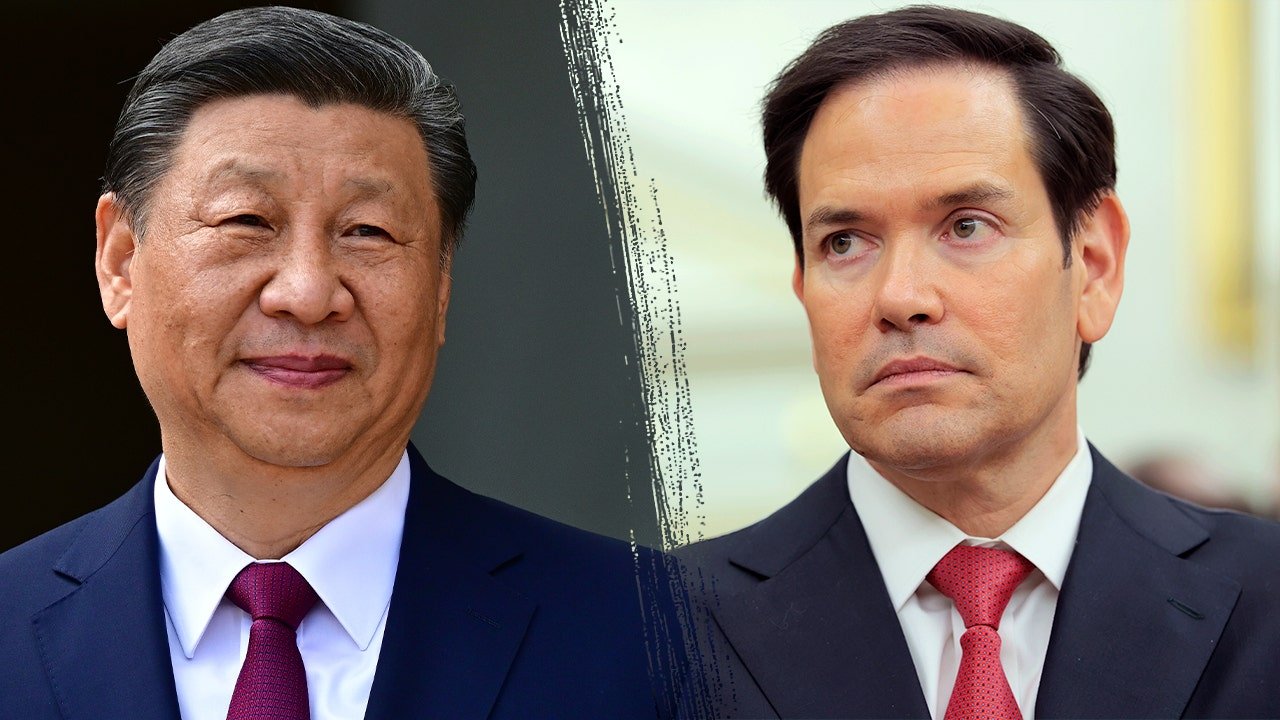
Secretary of State Marco Rubio warned China that «the sovereignty of our hemisphere is non-negotiable» after the U.S. and regional allies accused Beijing of detaining Panama-flagged ships in a dispute tied to canal port control.
In a joint statement with Bolivia, Costa Rica, Guyana, Paraguay and Trinidad and Tobago, the U.S. said China’s actions targeting Panama-flagged vessels were a «blatant attempt to politicize maritime trade» and infringe on regional sovereignty, framing the dispute as a broader strategic test over control of one of the world’s most critical commercial arteries.
While the Panama dispute centers on shipping detentions rather than a physical blockade, critics increasingly view it alongside battles over other strategic choke points, such as the Strait of Hormuz, as part of a widening contest over whether Beijing or Washington will shape the rules governing global trade and energy corridors.
IRAN’S $800M OIL SMUGGLING SCHEME USES TANKERS POSING AS IRAQI SHIPS TO DODGE BLOCKADE
Containers and cranes at the Port of Balboa at the Pacific entrance of the Panama Canal in Panama City, Panama, Feb. 25, 2025.
The confrontation follows Panama’s Supreme Court decision earlier in 2026 to invalidate the legal framework behind Hong Kong-based CK Hutchison’s long-held control of the Balboa and Cristobal terminals flanking the Panama Canal, a choke point that handles roughly 5% of global maritime trade.
U.S. regulators have monitored nearly 70 Panama-flagged vessels detained by Chinese authorities since March 8, according to Reuters — a surge American officials say appears designed to retaliate against Panama and pressure global shipping.
«China has used Iran to destabilize the Middle East. In effect, Iran has been China’s proxy,» China expert Gordon Chang told Fox News Digital, arguing Beijing’s actions in Panama fit a broader global pattern in which China uses economic leverage, trade pressure and regional partners to expand influence while condemning similar tactics from Washington.
Chang said Beijing is now facing growing resistance as the U.S. increasingly moves not only against China directly, but also against governments and geopolitical flashpoints he argues have strengthened Beijing’s hand.
«Trump apparently decided that he would counter this sly tactic by taking China’s proxies — Venezuela, Cuba, and Iran — off the board,» Chang said.
HOUSE REPUBLICANS INTRODUCE BILL TO REPURCHASE PANAMA CANAL AFTER TRUMP RAISES CONCERNS OF CHINESE CONTROL
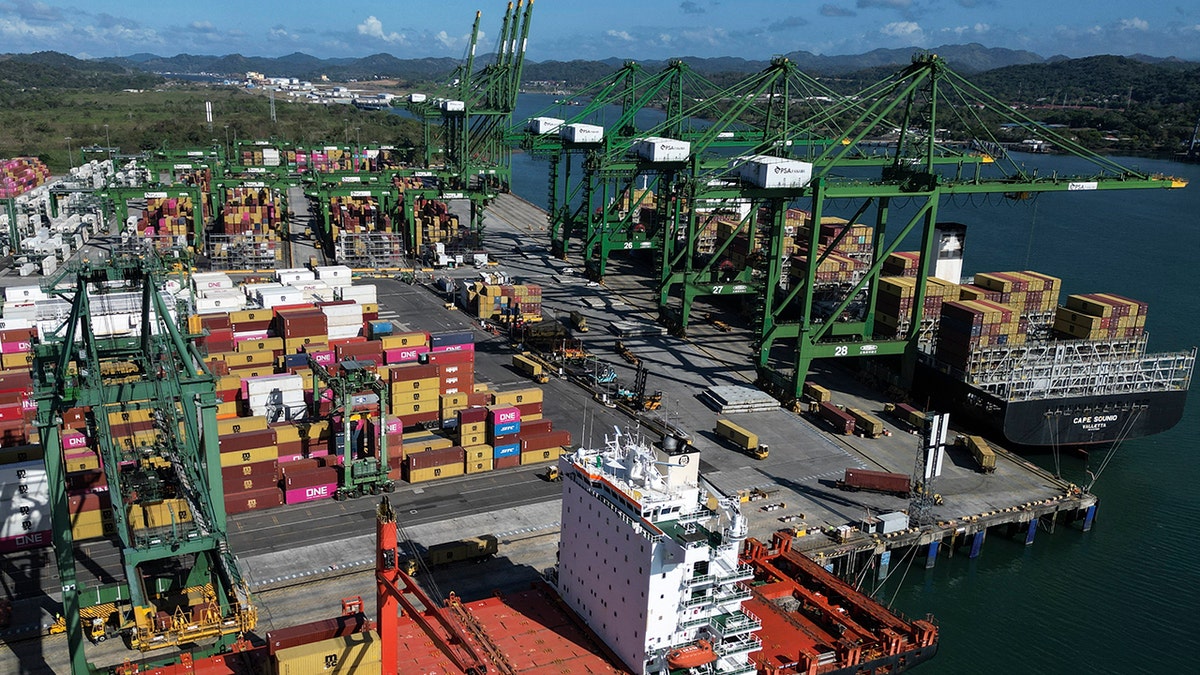
An aerial view shows the port of Rodman in Panama City Jan. 30, 2026. (Martin Bernetti/AFP)
He also framed pressure on Iran and threats to the Strait of Hormuz as part of a larger strategic effort aimed at both Tehran and Beijing.
«Closing the Strait of Hormuz is a two-fer, starving Iran’s regime and shaking China’s already fragile economy,» Chang said. «Trump is using energy to reorder the world.»
Chang also accused Beijing of hypocrisy over trade.
«China’s Communists invented hypocrisy. Nobody does hypocrisy better than the Chinese Communists,» he said, arguing China long benefited from a global trading system it increasingly weaponized for geopolitical purposes.
«The elemental truth is that China started this cycle of action and retaliation,» Chang said. «If China had not threatened America, America would not have leaned on Panama. If America had not leaned on Panama, China would not have detained Panamanian vessels.»
CLICK HERE TO DOWNLOAD THE FOX NEWS APP

Two cargo ships enter the Miraflores Locks of the Panama Canal in Panama City on Jan. 22. (Martin Bernetti/AFP)
China has rejected accusations that it is politicizing trade, with its foreign ministry arguing U.S. criticism reflects Washington’s own strategic ambitions around the canal.
China’s foreign ministry called the statement on Wednesday «entirely baseless and misleading», said it would take steps to safeguard China’s interests in Panama, and accused the United States of politicizing ports, according to Reuters.
«China also urges the relevant countries not to be deceived or exploited by malevolent forces,» added Lin Jian, a foreign ministry spokesperson.
Fox News Digital reached out to the Chinese Embassy in Washington, D.C., for comment but did not receive a response in time for publication.
Reuters contributed to this article.
china, taiwan, trade, marco rubio, secretary of state, geopolitics










INTERNACIONAL
Costa Rica gana terreno en el turismo de bienestar: naturaleza, descanso y salud transforman la forma de viajar
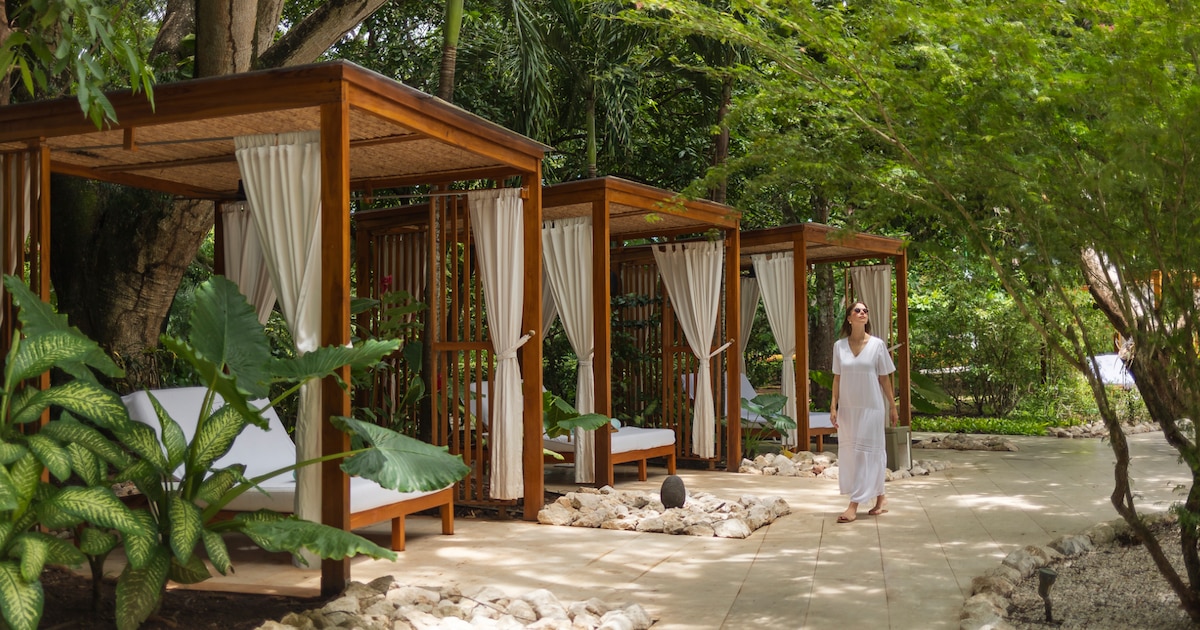
Viajar ya no significa necesariamente dejar atrás las rutinas saludables. Para una parte creciente de los turistas, las vacaciones también se han convertido en una oportunidad para dormir mejor, mantenerse activos, reducir el estrés, mejorar la alimentación y recuperar el contacto con la naturaleza.
Ese cambio está impulsando el denominado turismo de bienestar, un segmento que pasó de ocupar un nicho dentro de la industria turística a convertirse en un mercado valorado en cientos de miles de millones de dólares y que encuentra en Costa Rica un escenario particularmente favorable.
El Global Wellness Institute (GWI) define este tipo de turismo como los viajes asociados con la búsqueda de mantener o mejorar el bienestar personal. El concepto es más amplio que pasar algunas horas en un spa: puede incluir desde actividad física y alimentación saludable hasta yoga, meditación, aguas termales, contacto con la naturaleza y experiencias dirigidas al descanso físico y mental. Tampoco debe confundirse con el turismo médico, cuyo propósito principal es viajar para recibir un procedimiento o tratamiento de salud.
Las cifras reflejan la dimensión que ha alcanzado el fenómeno. El gasto mundial relacionado con turismo de bienestar llegó a USD 893,900 millones en 2024, un 36% por encima del nivel previo a la pandemia, mientras que se contabilizaron aproximadamente 1,239 millones de viajes relacionados con bienestar.
El GWI estima que el mercado continuará creciendo a una tasa promedio anual de 9.1% entre 2024 y 2029, hasta alcanzar aproximadamente USD 1.38 billones al final de ese periodo. Solo América Latina y el Caribe contabilizaron 60 millones de viajes de bienestar durante 2024, con un gasto promedio de USD 683 por viaje.

Costa Rica encuentra un espacio en la tendencia
Costa Rica ya comenzó a desarrollar iniciativas dirigidas específicamente a este mercado. En mayo, la Asociación Wellness Costa Rica, la Cámara de Turismo y Comercio de Arenal y el Instituto Costarricense de Turismo (ICT) impulsaron una alianza para fortalecer experiencias vinculadas con el bienestar y la conexión con la naturaleza.
La iniciativa incluyó formación relacionada con conexión biofílica, un enfoque que busca aprovechar actividades tan sencillas como caminar por un bosque para generar experiencias relacionadas con el bienestar físico y emocional. El proyecto involucró a hoteles, operadores turísticos, guías y otros actores del sector.
El propio ICT incluye dentro de la oferta de bienestar del país prácticas como caminatas, baños de bosque, contacto directo con la tierra o la arena, alimentación saludable, hidroterapia y aguas termales, muchas de ellas asociadas a recursos naturales que Costa Rica ya utiliza como parte de su producto turístico.
La tendencia coincide, además, con una recuperación más amplia de la visitación internacional. Durante el primer semestre de 2026, Costa Rica recibió 1,733,596 visitantes internacionales, un aumento de 7% frente al mismo periodo de 2025, según datos del ICT. El 92% de esas llegadas se produjo por vía aérea.
El reconocimiento internacional del país en este nicho también ha aumentado. En los World’s Best Awards 2026 de Travel + Leisure, Costa Rica colocó dos propiedades entre los cinco mejores retiros internacionales de bienestar: Surf Synergy, en Jacó, ocupó el tercer puesto, mientras que Tabacón Thermal Resort & Spa, en La Fortuna, alcanzó el quinto lugar.
La revista también describió este año a La Fortuna como uno de los destinos costarricenses particularmente asociados con el bienestar, debido a su combinación de aguas termales, naturaleza, yoga y meditación. National Geographic, por su parte, incluyó para 2026 una experiencia ubicada en la Península de Nicoya entre su selección internacional de propuestas de bienestar.
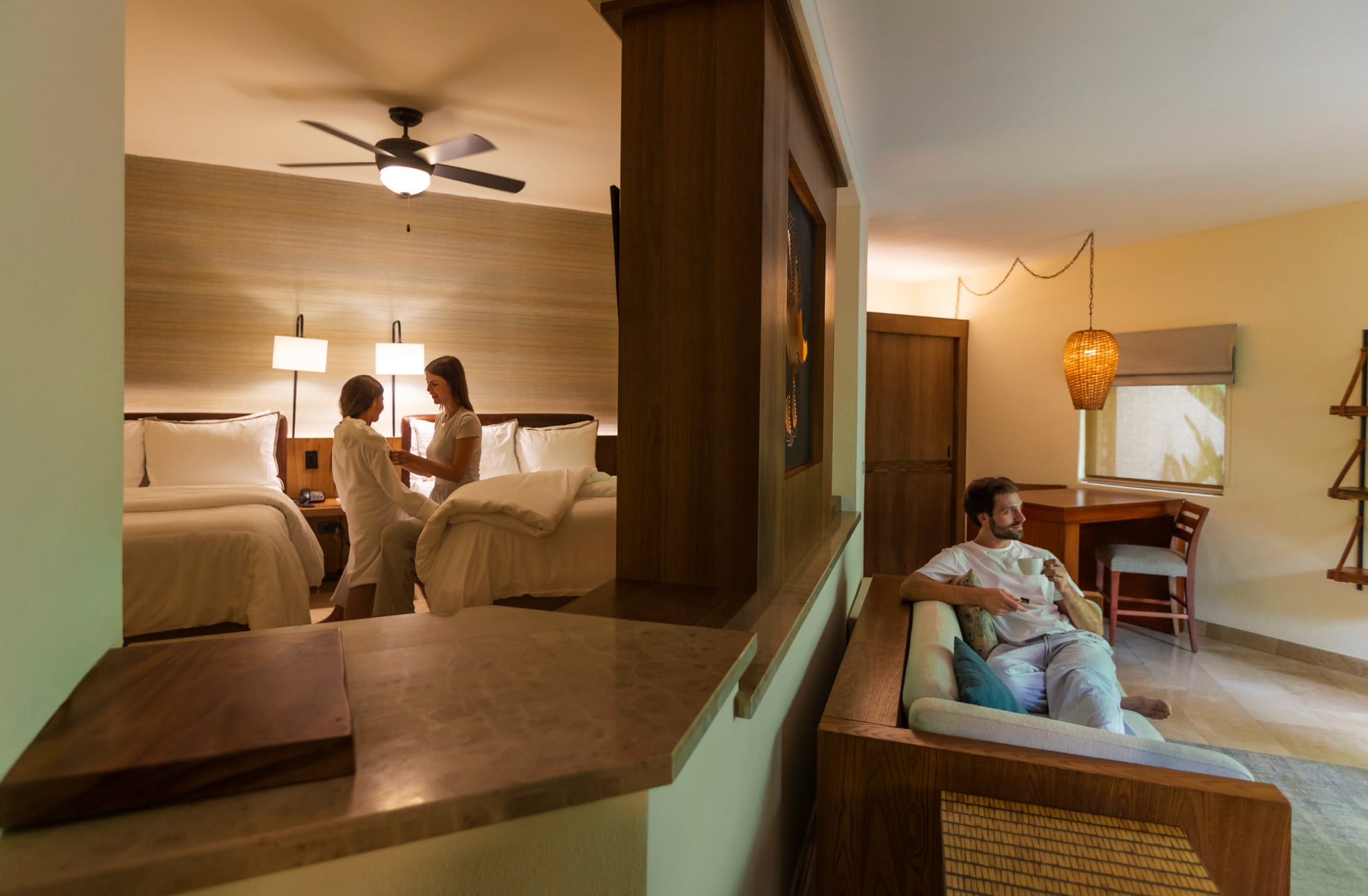
El bienestar comienza a cambiar también la hotelería
El fenómeno no está limitado a establecimientos especializados en retiros, yoga o meditación. Los hoteles convencionales y los grandes complejos turísticos también comenzaron a introducir el bienestar como un elemento transversal de la experiencia.
Un ejemplo de esa transformación se encuentra en The Westin Reserva Conchal, an All-Inclusive Golf Resort & Spa, en Guanacaste. Más que concentrar el concepto exclusivamente en su spa, la propiedad organiza parte de su propuesta alrededor de los principios de la marca Westin de “dormir bien, comer bien y moverse bien”.
En la práctica, esto supone combinar áreas de descanso con oportunidades para mantenerse físicamente activo durante las vacaciones.
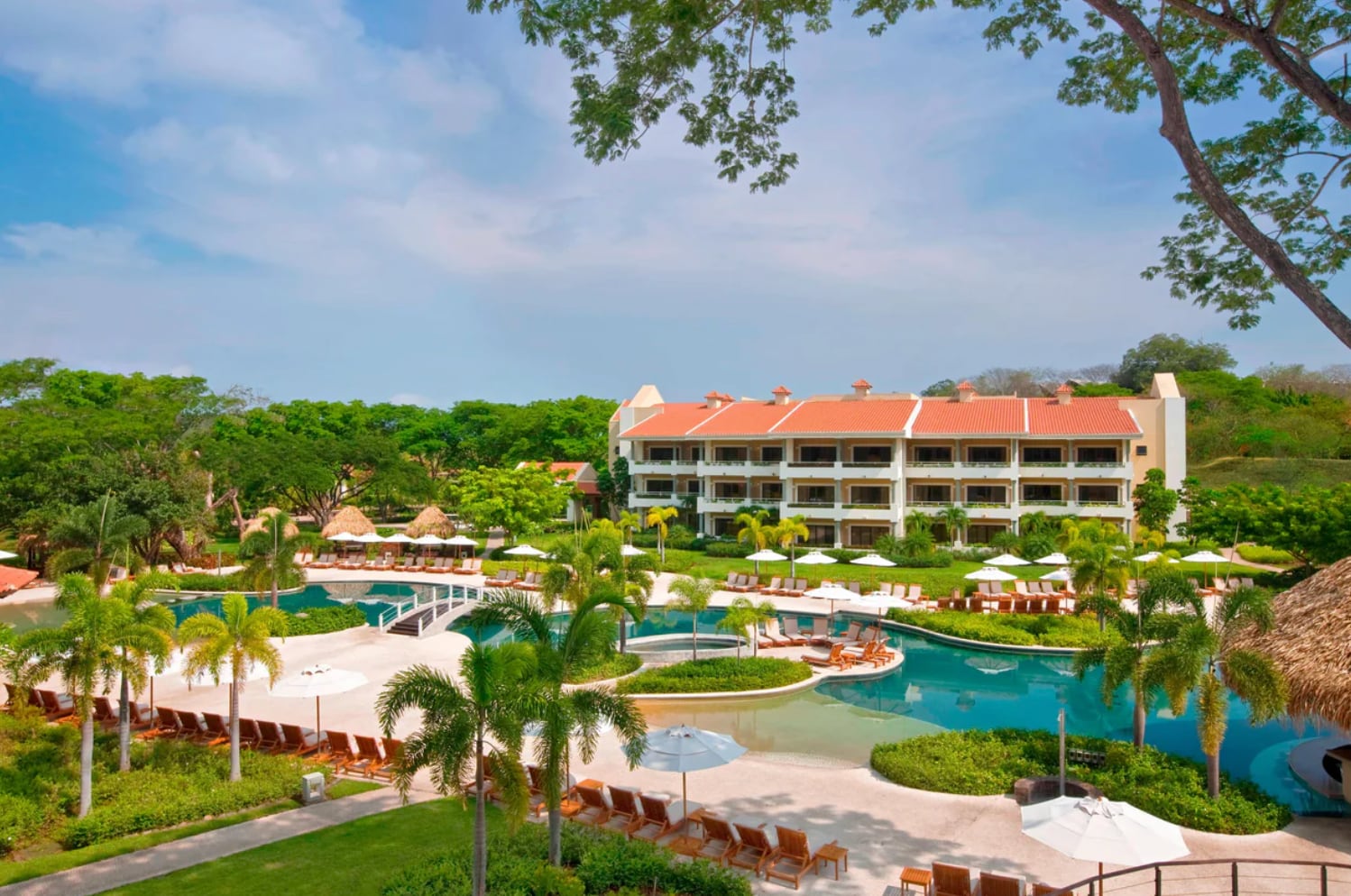
El complejo, ubicado en un terreno de aproximadamente 971 hectáreas frente al Pacífico, dispone de un WestinWORKOUT Fitness Studio, canchas deportivas y un campo de golf de 18 hoyos, par 71, diseñado por Robert Trent Jones II. A ello se suma el Heavenly Spa by Westin y actividades vinculadas con el entorno natural. Marriott también registra para el establecimiento certificaciones ambientales como ISO 14001 y la Certificación para la Sostenibilidad Turística de Costa Rica.
Su operación permite observar también cómo el concepto de bienestar se adapta a distintos perfiles de huéspedes. El complejo cuenta con un sector Westin Club, dirigido exclusivamente a adultos, pero mantiene paralelamente infraestructura para familias, habitaciones adaptadas para grupos con niños y un club infantil.
De esta forma, el bienestar deja de concebirse únicamente como una actividad aislada o exclusiva para adultos y empieza a incorporarse en vacaciones familiares, viajes de pareja e incluso estadías vinculadas con reuniones y eventos.
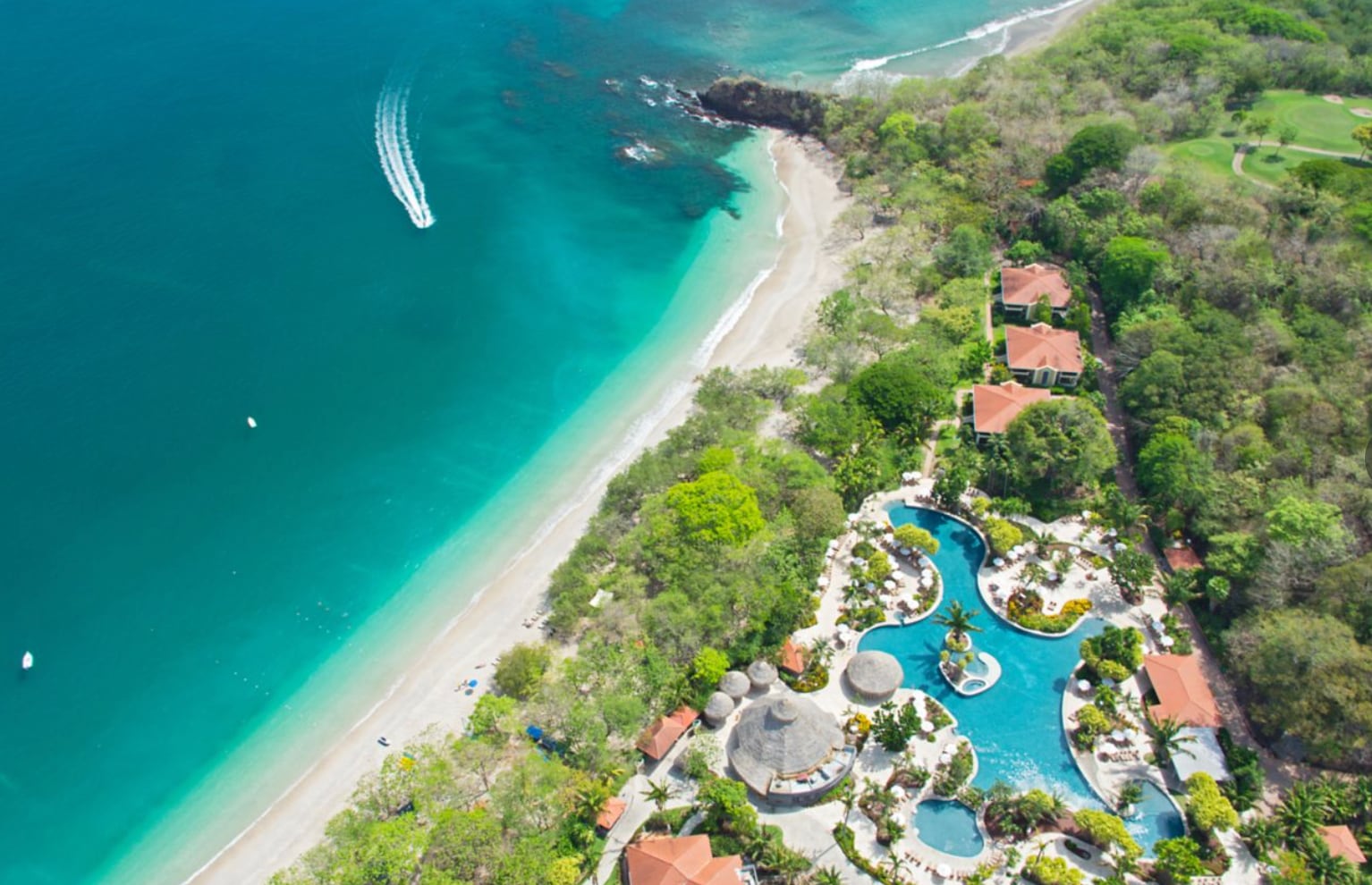
El caso también muestra la creciente relación entre bienestar y sostenibilidad, dos conceptos que la industria turística internacional comienza a presentar de forma cada vez más conjunta. Phocuswright señaló en 2026 que el turismo de bienestar está siendo asociado progresivamente con modelos regenerativos y sostenibles, bajo una idea que incorpora no solo el bienestar del viajero sino también el del destino que visita.
En ese terreno, Reserva Conchal reporta proyectos de tratamiento de aguas residuales, aprovechamiento de energía solar, gestión de residuos y conservación ambiental. La organización responsable del complejo señala además que el Westin ha alcanzado una condición de carbono positivo, al compensar más emisiones de las que genera en su operación.
La propiedad también apareció este año entre los complejos costarricenses incluidos por Travel + Leisure dentro de los mejores resorts de Centroamérica, con una puntuación de 91.45. En total, 13 establecimientos de Costa Rica entraron en la lista regional de 20 hoteles, elaborada a partir de las opiniones de lectores de la publicación.
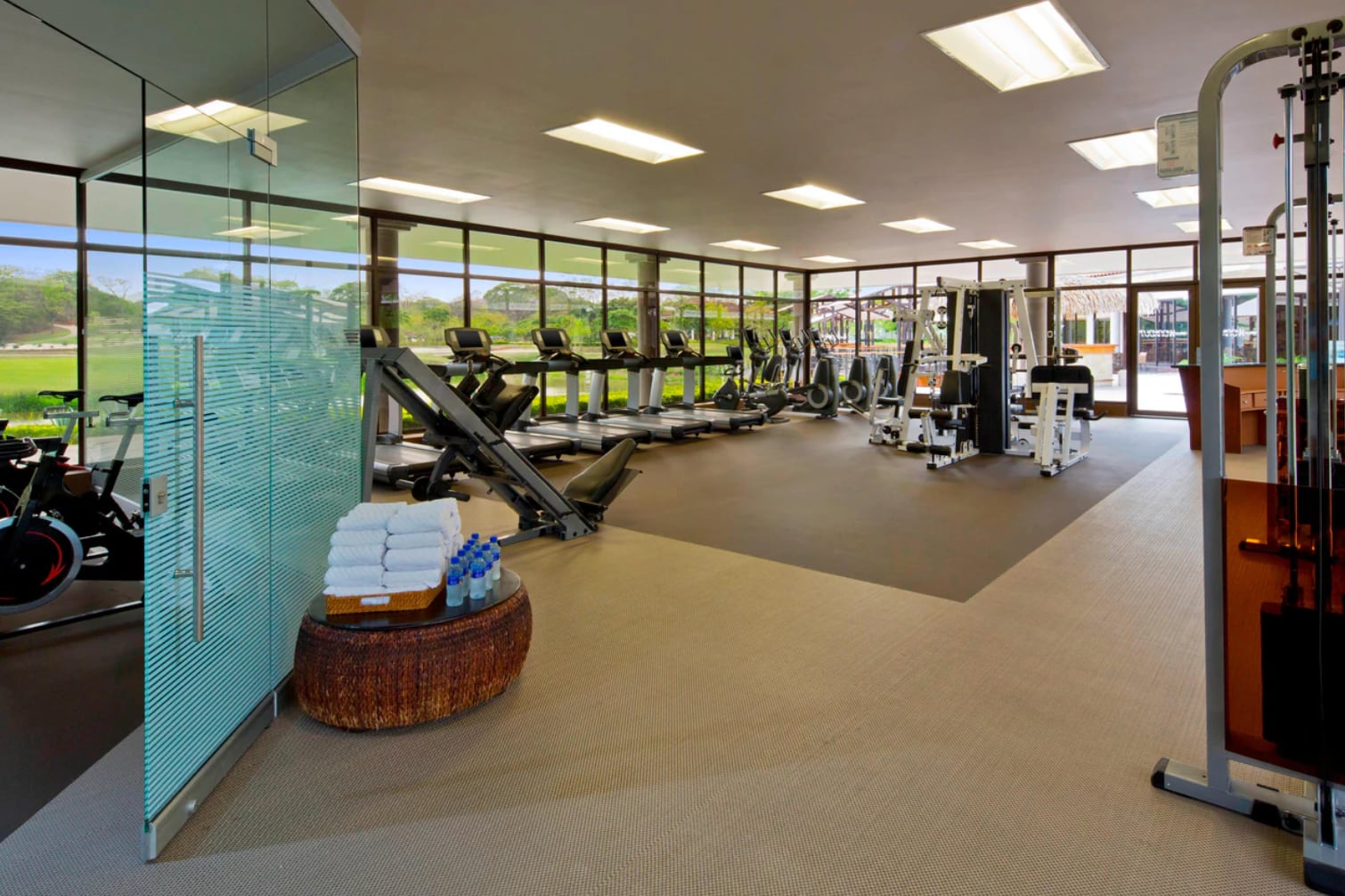
Del spa a una experiencia más amplia
El cambio que atraviesa el sector ayuda a explicar por qué hablar de turismo de bienestar únicamente como sinónimo de masajes y tratamientos de spa resulta cada vez más limitado.
Dormir, alimentación, ejercicio, naturaleza, relajación y salud mental comienzan a integrarse dentro de una misma experiencia, incluso cuando el bienestar no constituye el motivo principal del viaje.
Precisamente, el Global Wellness Institute diferencia entre quienes viajan específicamente buscando una experiencia de bienestar y aquellos turistas cuyo motivo principal puede ser una playa, unas vacaciones familiares o conocer un destino, pero que desean mantener durante el viaje los hábitos saludables que tienen en su vida cotidiana.
Para Costa Rica, esa amplitud abre una oportunidad adicional. El país no parte de cero: sus playas, bosques, volcanes, aguas termales, biodiversidad y oferta de actividades al aire libre ya conforman buena parte del producto que vende internacionalmente.
La diferencia está en cómo esos recursos comienzan a combinarse con un viajero que ya no necesariamente pregunta únicamente qué puede conocer durante sus vacaciones, sino también cómo quiere sentirse cuando regrese de ellas.
corresponsal:Desde San José, Costa Rica
NEWYou can now listen to Fox News articles!
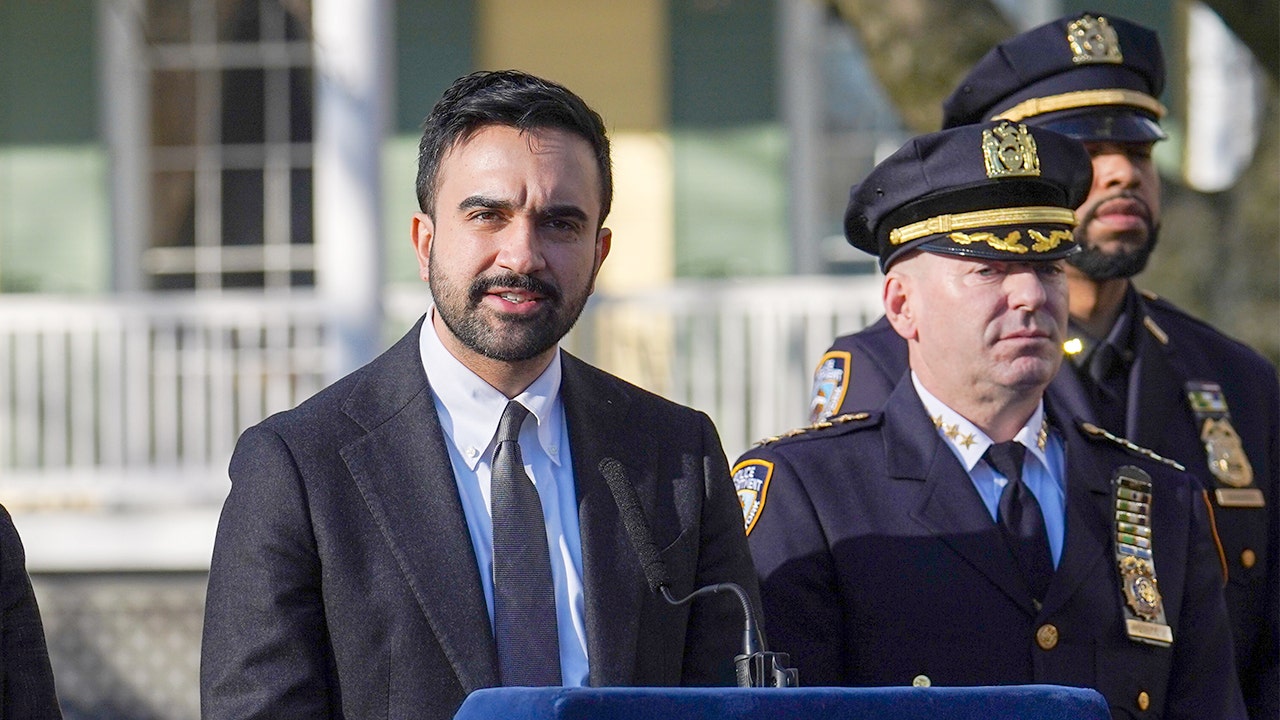
DALLAS – A House Republican representing the New York City suburbs is calling on Mayor Zohran Mamdani to skip the Sept. 11 memorial in downtown Manhattan.
«From my vantage point, I don’t think he should be there, and I think most New Yorkers agree that he should not be there,» Rep. Mike Lawler, R-N.Y., told Fox News and Fox News Digital. «Certainly, the 9/11 families and the first responders believe he should not be there.»
Political rancor is threatening to cast a long shadow over this year’s Sept. 11 remembrance events, marking 25 years since the tragedy that rocked the United States. New York City Mayor Zohran Mamdani’s past rhetoric and links to terror sympathizers are spurring intense backlash ahead of the city’s events memorializing the World Trade Center attacks, with Republicans and people whose lives were changed by the attacks demanding he not show his face.
MAMDANI FACES GROWING 9/11 BACKLASH AS OLD POST RESURFACES AHEAD OF GROUND ZERO CEREMONY: ‘IS THIS REAL?’
Mayor Zohran Mamdani speaks to the media regarding the attempted bombing at a right-wing protest in front of Gracie Mansion on March 8, 2026, in New York City. (Ryan Murphy/Getty Images)
«I think Mayor Mamdani has proven himself to be a vile antisemite. I think he has associated with people who believe America deserved 9/11, and it’s not just Hasan Piker. If you go look at many of the people that support his administration, they agree with that rhetoric. They agree with that philosophy,» Lawler said.
An online petition led by family members of people killed on Sept. 11 — signed by over 100,000 people — has called on Mamdani to skip the memorial.
9/11 FAMILIES PUSH TO BAN MAMDANI FROM 25TH ANNIVERSARY REMEMBRANCE OVER ‘HOSTILE’ RECORD
«Mr. Mamdani has praised Brooklyn Imam Siraj Wahhaj, who has been linked to radical Islam, was named as an alleged co-conspirator in the 1993 World Trade Center bombing, and served as a character witness for the ‘Blind Sheikh,’ who was convicted in 1995 of plotting terror attacks against the United States,» the petition said. «Mr. Mamdani has endorsed candidates such as Aber Kawas, who described 9/11 as an attack ‘a couple of people did in the context of U.S. capitalism, racism, white supremacy, and Islamophobia,’ and who also expressed sympathy for Ahmed Ferhani, who pleaded guilty to plotting to blow up a Manhattan synagogue.»
Mamdani and other socialist candidates’ association with far-left activist Hasan Piker has also seen intense scrutiny over Piker’s past comments that the United States «deserved» the attacks, remarks that he promptly walked back at the time but continue to haunt him and his political circle. Mamdani himself has also condemned the comment.
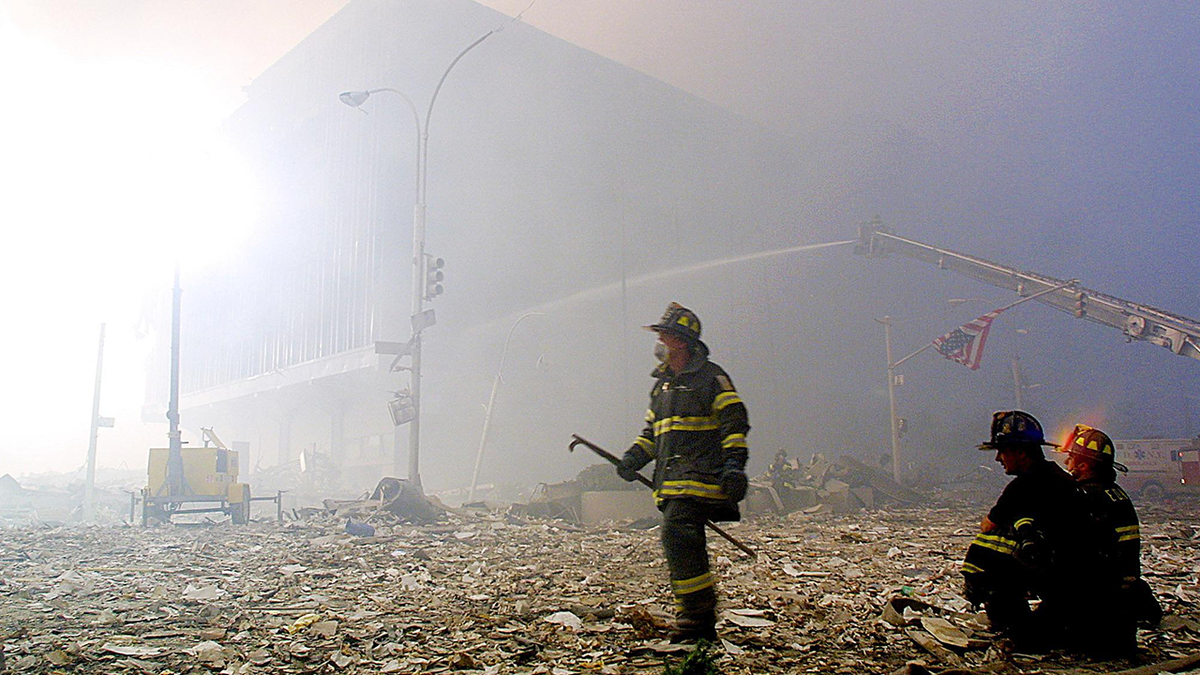
A firefighter walks through the rubble of the World Trade Center as an American flag hangs from a traffic light post on Sept. 11, 2001, in New York. (Doug Kanter/AFP via Getty Images)
Republican Study Committee Chairman August Pfluger, R-Texas, told Fox News Digital that Mamdani should not attend Sept. 11 memorial events «until he can… actually call out terror groups around the world for what they want to do to this country, and that includes Hamas.»
Hamas was not responsible for the Sept. 11 attacks, for which al Qaeda took credit, but Hamas has recently been front-and-center for perpetuating the Oct. 7, 2023, terror attack in Israel.
«These people are really a cancer to the freedoms that we fought for, and they do not represent the American values that our founders set up and that we have had for 250 years,» Pfluger said of Mamdani and his allies.
MAMDANI DROPS MASSIVE 9/11 RECORDS TROVE AS OLD CLAIMS ABOUT GROUND ZERO COME UNDER FIRE
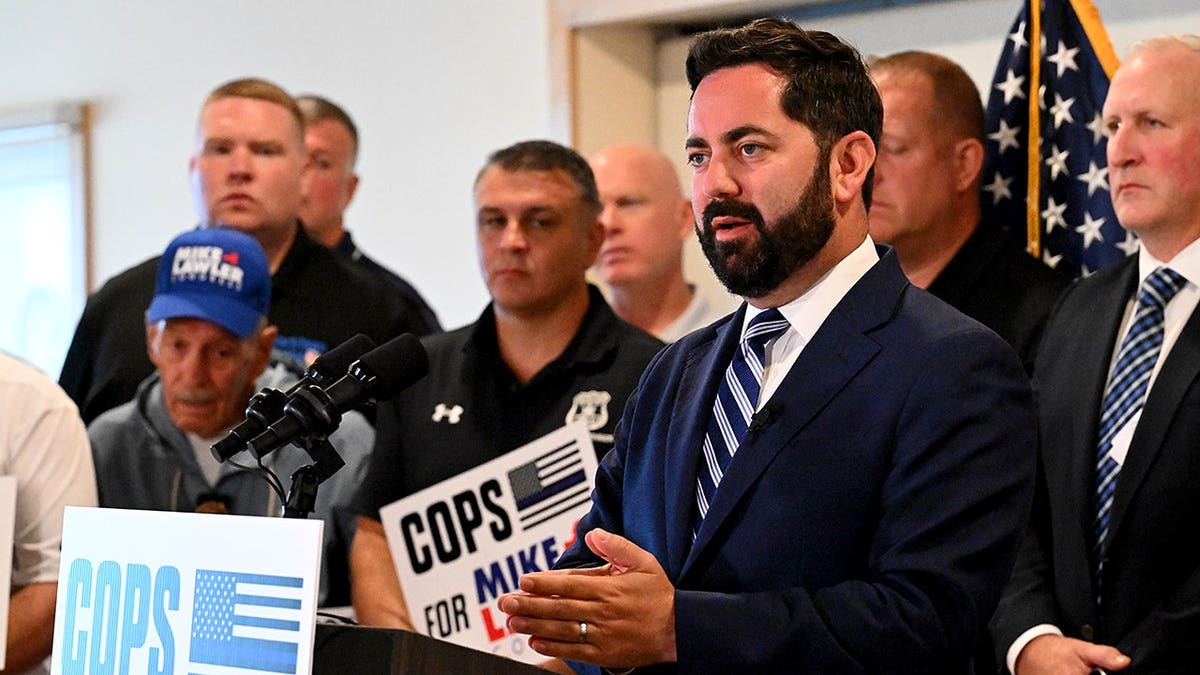
Rep. Mike Lawler, R-N.Y., speaks with local law enforcement about the rise of antisemitism in New York City during a campaign endorsement event at Haverstraw Elks Lodge No. 877 in Haverstraw, New York. (Kyle Mazza/CNP)
Both he and Lawler spoke with Fox News Digital on the sidelines of the 2026 GOP midterm convention in Dallas.
Mamdani’s office recently launched an online portal allowing city residents to access roughly 170,000 pages of local government records on Sept. 11, which appear to show city officials misled the public about air quality following the attacks.
Fox News Digital reached out to the New York City mayor’s office for comment.
september 11, politics, new york city, terrorism, zohran mamdani, house of representatives politics
INTERNACIONAL
Fire aboard cargo ship undergoing repairs at busy Chinese port leaves 25 people dead, five more injured
NEWYou can now listen to Fox News articles!
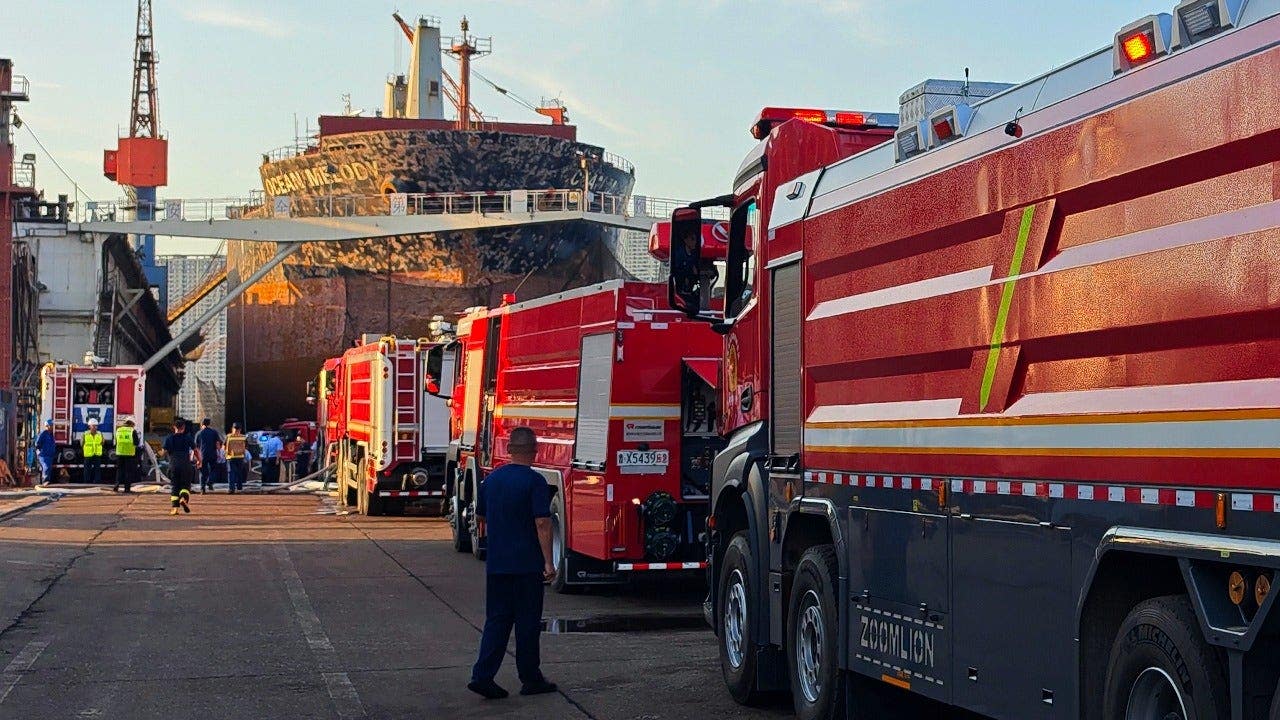
A cargo ship docked for repairs at a port on the northeastern coast of China caught fire Thursday, killing at least 25 people who were on board at the time, according to Chinese state media.
The ship was being fixed by Beihai Shipbuilding Co. in the port of Qingdao — one of the country’s major shipping hubs — when it caught fire at approximately 11:15 a.m. local time, the Xinhua news agency reported.
A total of 42 people were on the vessel at the time of the blaze, and 12 of them were safely rescued, Xinhua reported. Five others were injured and taken to the hospital, where they are in stable condition.
CARGO SHIP ATTACKED BY SMALL CRAFT NEAR STRAIT OF HORMUZ, UK MARITIME AGENCY SAYS
In this photo released by Xinhua News Agency, a cargo ship is seen after it caught fire at a port in Qingdao, east China’s Shandong Province, on Sept. 10, 2026. (Li Aoqiu/Xinhua via AP)
Photos released by Xinhua identified the ship as the Ocean Melody. The ship-tracking website VesselFinder lists it as sailing under the Liberian flag.
The Associated Press reported that the fire was extinguished at around 2:30 p.m., a little over three hours after it started. Videos online showed plumes of white smoke billowing from the ship.
The cause of the fire remains under investigation. Chinese authorities have not said what sparked the blaze while the vessel was undergoing repairs.

In this photo released by Xinhua News Agency, firefighters and crews gather near the cargo ship on fire on Sept. 10, 2026. (Li Aoqiu/Xinhua via AP)
TIM SHEEHY EXPOSES A ‘SCARY’ SHIPBUILDING COLLAPSE THAT LEAVES THE US VULNERABLE TO CHINA
China’s President Xi Jinping called for «intensified efforts» to provide support for those who were affected by the fire, Xinhua reported, adding that Premier Li Qiang said «trapped people» needed to be rescued.
Xi also called for ensuring «preventive measures are thoroughly implemented» and «resolutely prevent major and catastrophic accidents.»
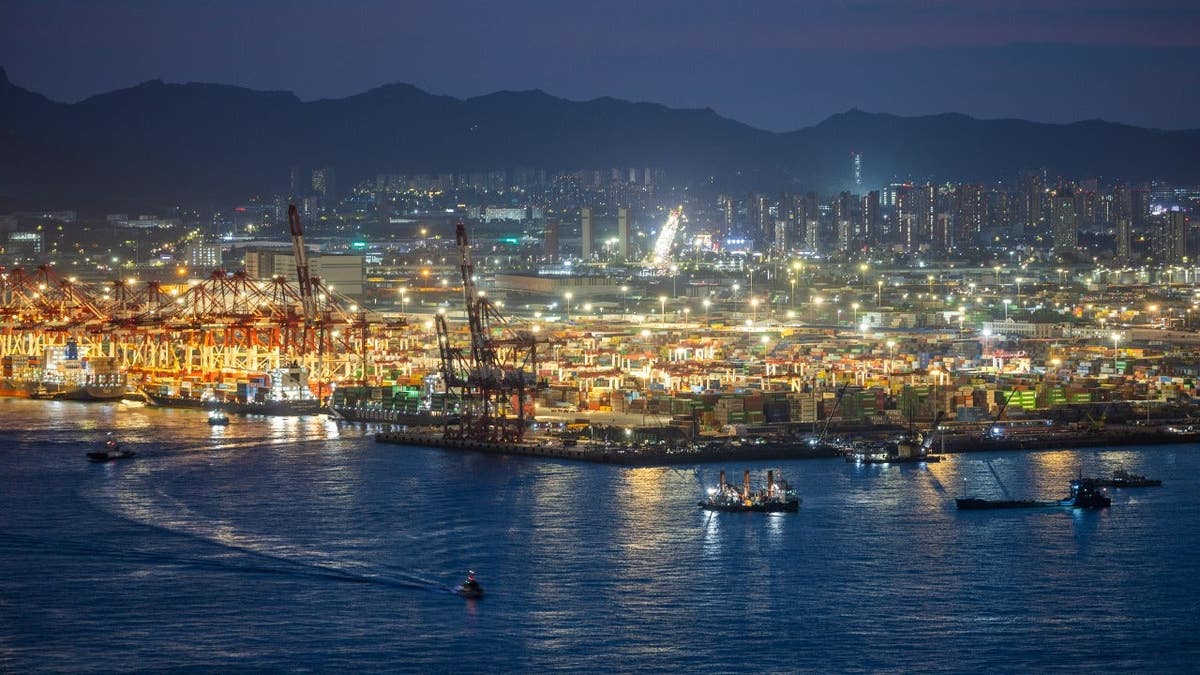
Aerial view of the illuminated Qingdao Qianwan Container Terminal at night on Sept. 6, 2026, in Qingdao, Shandong Province of China. (VCG/VCG via Getty Images)
Beihai Shipbuilding is a subsidiary of the state-owned China State Shipbuilding Corporation, the world’s largest shipbuilder. According to the company’s website, its primary businesses are shipbuilding and ship repair.
Qingdao, in China’s Shandong province, is one of the country’s busiest ports and a major center for shipbuilding, shipping and international trade. The port handles millions of containers each year and is home to several large shipyards.
The Associated Press contributed to this report.
china, world, asia world regions, trending news, news events

Qué ver en Netflix: la miniserie de 8 episodios que no es apta para menores de edad y es un fenómeno mundial

La Libertad Avanza vuelve a recibir al PRO en la Casa Rosada para avanzar en un acuerdo electoral

Costa Rica gana terreno en el turismo de bienestar: naturaleza, descanso y salud transforman la forma de viajar

El presidente de Adimra, Elio del Re, habló de la crisis de la metalurgia y dijo que se perdieron 20.000 empleos en dos años

Zohran Mamdani urged to skip New York City’s 9/11 memorial: ‘Vile antisemite’

Fire aboard cargo ship undergoing repairs at busy Chinese port leaves 25 people dead, five more injured

El gobierno de Kicillof retendrá un 2% en los premios de las apuestas online

Femicidio brutal en Merlo: un jubilado de 64 discutió con su esposa y la asesinó a puñaladas

El rotundo cambio de Julián Álvarez en una foto presentación del Atlético de Madrid tras quedarse en el club

Los alimentos aumentan un 0,8% en septiembre y ya anticipan una inflación de 1,8%

 POLITICA2 días ago
Patricia Bullrich cuestionó a la jueza que frenó la ley penal juvenil en la provincia de Buenos Aires: “No le corresponde decidir”
- CHIMENTOS1 día ago
Así se anunció la muerte de Chiche Gelblung: la tradicional placa negra de Crónica y las lágrimas de Mercedes Ninci
- POLITICA13 horas ago
La intendenta de José C. Paz criticó a Kicillof por la inseguridad tras el crimen de un joven de 23 años