INTERNACIONAL
Russia may be using hidden ‘lunchbox-size’ drone devices to counter Ukraine defenses: expert

NEWYou can now listen to Fox News articles!
Russia may be concealing signal repeaters inside Ukrainian cities to help its long-range drones evade air defenses and strike with greater precision, a weapons expert told Fox News Digital.
The Kyiv Post first reported the possible use of the small ground devices, or repeaters, which Draganfly CEO and co-founder Cameron Chell said form part of an expanding «mesh» network that allows Russian drones to relay encrypted signals across multiple connections, making drones and drone swarms far harder for Ukraine to disrupt and bring down through standard electronic jamming.
Chell’s warning also came amid escalating diplomatic notices for the region, with Moscow urging foreign nationals and embassy staff to leave the capital Kyiv immediately on Oct. 3, highlighting «mortal danger» as Russian forces threatened further «massive retaliatory strikes.»
«Russia has come to the realization that innovation is going to have to win this war, to the point now where they are becoming the innovative leader in this war—not just in terms of tactics, strategy, and technology, but the entire mindset is shifting,» Chell said.
RUSSIA READIES NEW 500-MILE MISSILE AS WEAPON EXPERT WARNS OF ‘TERMINAL END GAME SURPRISES’
Fires burned in Kyiv after Russia launched a major aerial assault on Ukraine on May 25, 2025. (Gleb Garanich/Reuters)
Mesh networks, Chell explained, allow drones and strategically placed ground-based repeaters to relay encrypted signals across multiple connections, making many Russian drone flights harder to disrupt.
«The use of mesh networking is now making it increasingly hard for a defensive position to bring down Russian drones in an effective manner.»
«With real-time precision, Russia can also now take their drone device into a particular window,» Chell warned.
«You can take the device onto a particular portion of a bridge because you can make that real-time, last-minute decision live because you’ve got all these additional network connections that increase not just your bandwidth, but also your resilience in terms of being jammed,» he added.
RUSSIAN STRIKES CONTINUE FOLLOWING VISIT BY WITKOFF AND KUSHNER TO KYIV
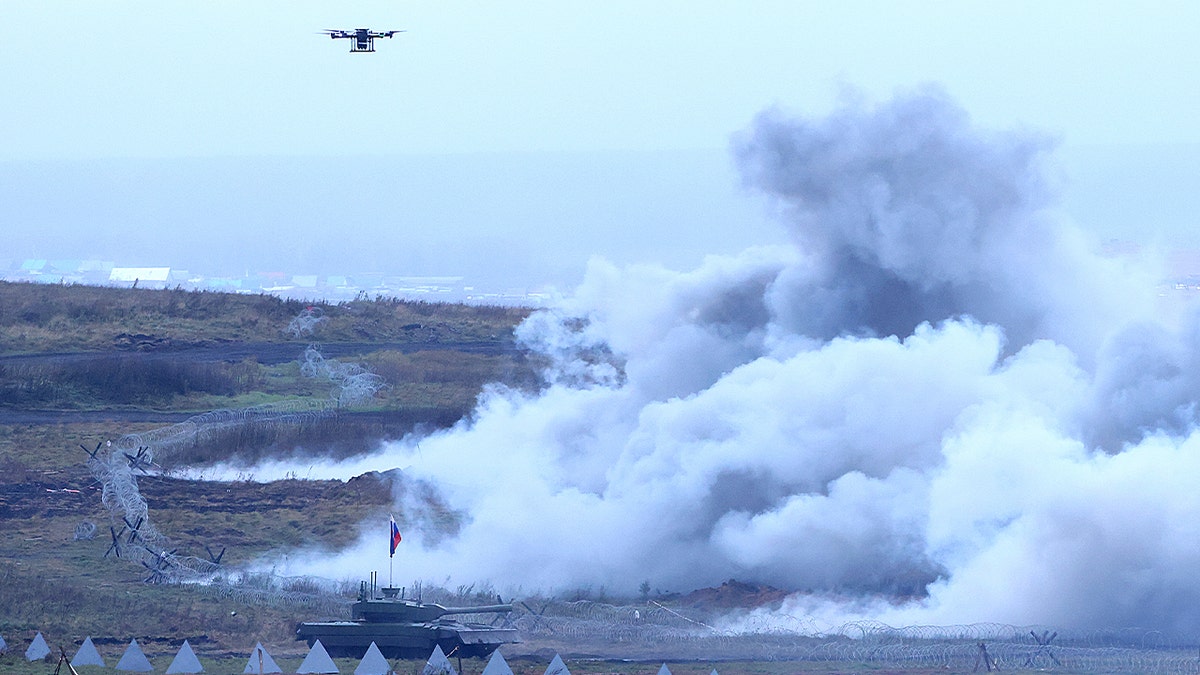
Ukrainian Air Force spokesperson Yurii Ihnat confirmed Sept. 29 that Russian forces are integrating mesh networking into their drone fleet while upgrading onboard optics. (Contributor/Getty Images)
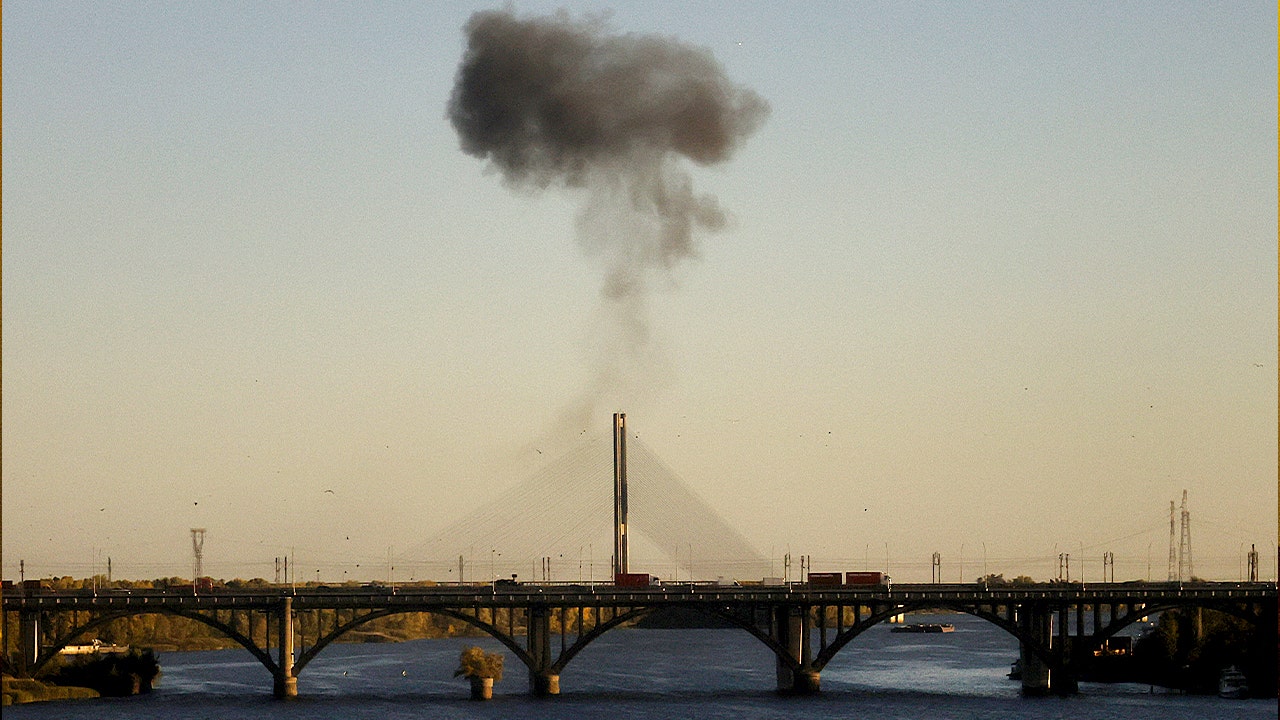
Moscow’s rapid technological evolution on the battlefield comes alongside unusually precise strikes on critical infrastructure in Kyiv, including major river crossings.
Ukrainian Air Force spokesperson Yurii Ihnat confirmed Sept. 29 that Russian forces are integrating mesh networking into their drone fleet while upgrading onboard optics.
«The enemy is using high-quality materials in its UAVs and increasing camera resolution, allowing the enemy to view the situation on the ground in detail and use these UAVs for various targets. And the use of mesh networks is indeed present. Of course, this is quite dangerous,» Ihnat said, according to Ukrainska Pravda.
«They are using the principles of mesh networking to combat the counter-drone measures taken by Ukraine to ensure that drones can’t get through or that those Russian communication links are broken,» Chell said.
FBI WARNS BATTLEFIELD-STYLE DRONE ATTACKS COULD REACH US: ‘ONLY A MATTER OF TIME’

Small ground devices form part of an expanding «mesh» network that allows Russian drones and repeaters to relay encrypted signals across multiple connections, making drones far harder to disrupt, Chell said. (Genya Savilov/ AFP via Getty Images)
«If Russia had multiple nodes that could communicate with a device and could use the device to communicate with other devices swarming the area, Ukraine would be faced with multiple, maybe even hundreds of connections to have to break simultaneously in order to bring that drone down,» he said.
On Oct. 3, Serhii Beskrestnov, a defense technology adviser to the Ukrainian presidency, also warned that Russian forces may have hidden the small signal boosters, or these ground repeaters, inside Kyiv to extend drone control.
«Such repeaters are difficult to find, but we must search for them. As long as they exist, shielding the city with electronic warfare will not be effective,» Beskrestnov warned.
Specifically, the repeaters are small concealed radio relay devices that receive and retransmit signals, extending the range of drone operators while helping maintain control in areas where direct communications or GPS signals may be disrupted.
«The size of these repeaters is really about the size of a large lunchbox. They’re very easy to conceal, and they don’t have to be turned on all the time, so they’re hard to detect electronically,» Chell said.
«Moving one or two or even three of these into a city the size of Kyiv can be hugely effective.»
RUSSIA EXPOSES NATO WEAPONS GAP AS TOP COMMANDER WARNS ‘THE MATH IS NOT IN FAVOR OF THE WEST’
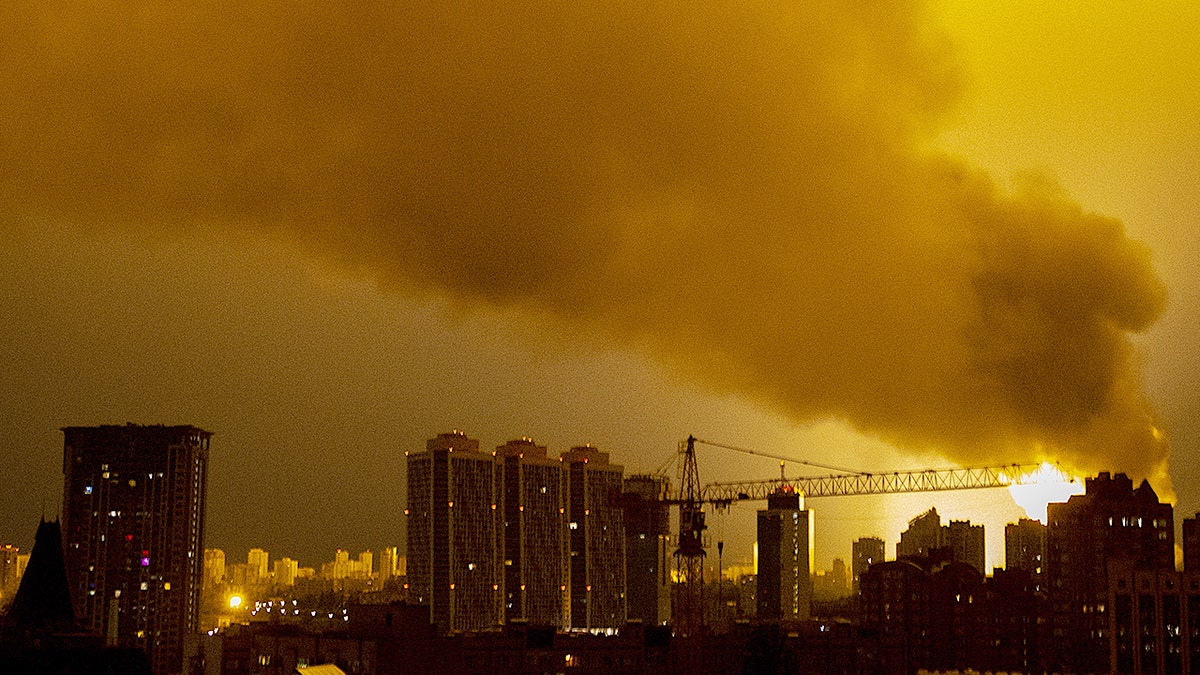
Russia strikes Kyiv in a large-scale drone and missile attack. (Chris McGrath/Getty Images)
Technical analysts also pointed to a Sept. 4 strike on the Security Service of Ukraine (SBU) headquarters on Volodymyrska Street in central Kyiv as early evidence of the tactic.
Tracking data reportedly showed no relay drones airborne during the strike, fueling concerns that hidden ground-based repeaters may have been used to maintain communications with the attacking drone.
«They will be doing everything they can to move as many of these things not just into Kyiv, but at any location in the country, even operational battlefields,» Chell said.
«The reality is every time you put another node on a mesh network, you exponentially increase the efficiency, resiliency, and capability of that network.»
Ukrainian President Volodymyr Zelenskyy said Sept. 28 that while Ukraine intercepts about 70% of conventional Russian drones during mass attacks, interception rates fall to 57% against newer, faster jet-powered UAVs.
UKRAINE’S BATTLEFIELD IS TRANSFORMING THE FUTURE OF NATO

Anti-drone laser system trialed on a Stryker combat military vehicle with a machine gun aimed at the sky in Ukraine during a counteroffensive. (Michelle Ursi/Getty Images)
«It is obvious that the Russians are not preparing to stop the war – at least not at the moment,» Zelenskyy said.
«Next year Russia plans to spend US$12 billion just on producing jet-powered drones and loitering munitions. And that’s only one category of weapons. Of course, this doesn’t only relate to Ukraine,» he added, according to Ukrainska Pravda.
«Russia probably has the intention of, if needed, expanding this war,» Chell warned, arguing that drones themselves are becoming secondary to the communications architecture that guides them.
«The network is now the weapon, and the drone is what executes the desired result,» he said.
«This is an unbelievable moment in the tactics of what’s unfolding here with the future of warfare,» Chell concluded.
ukraine, world, military, technology, drones, national security, security, geopolitics












INTERNACIONAL
El Ministerio de Agricultura de Guatemala mantiene bajo vigilancia a 90 municipios por el frío nocturno y la baja humedad del suelo
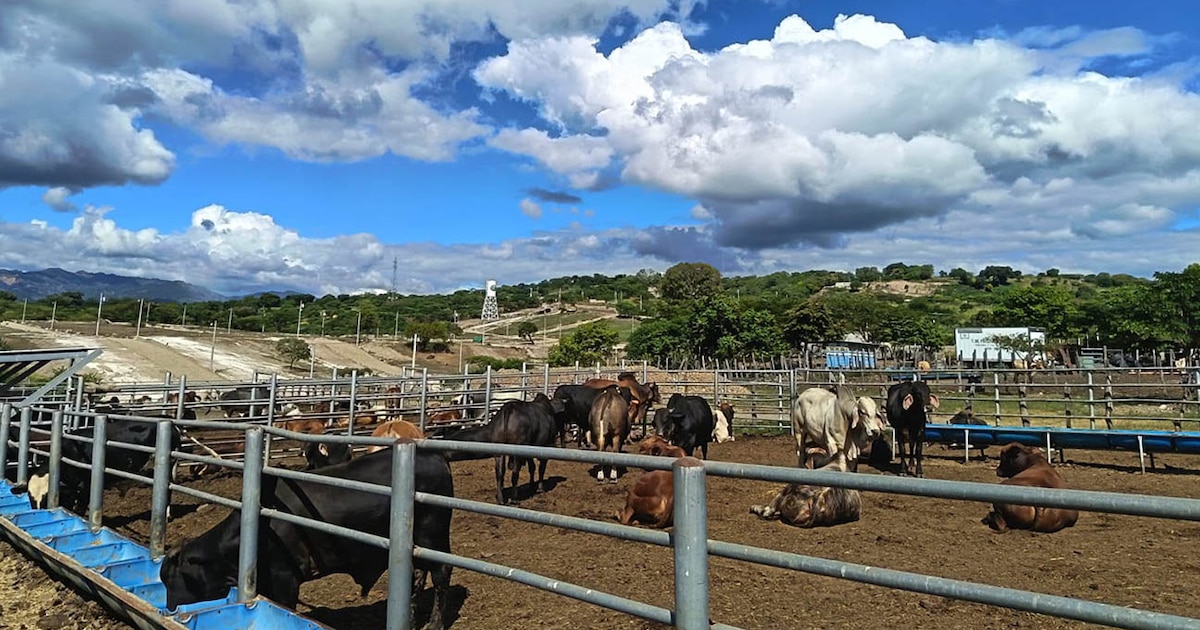
El MAGA mantiene bajo observación 90 municipios de Guatemala ante el frío nocturno y la menor humedad del suelo, una combinación que puede afectar los cultivos de maíz, frijol, hortalizas, café y cardamomo, especialmente en las primeras etapas de crecimiento. El riesgo se concentra durante la noche y la madrugada, cuando los descensos de temperatura, la niebla y la humedad acumulada pueden deteriorar semilleros, siembras recientes y plantaciones ya establecidas.
Las proyecciones contemplan temperaturas de entre 3 y 6 °C en los altiplanos Central y Occidental, donde también podrían registrarse valores inferiores a 5 °C. El boletín agroclimático del Ministerio de Agricultura, Ganadería y Alimentación, elaborado con previsiones del Instituto Nacional de Sismología, Vulcanología, Meteorología e Hidrología, advierte que el frío coincidirá con períodos de mayor nubosidad, lluvias o lloviznas dispersas en las regiones norte y central.
El riesgo alcanza a 90 municipios de nueve departamentos, aunque el monitoreo detallado de cultivos se concentra en Huehuetenango, San Marcos, Quetzaltenango, Totonicapán, Quiché, Sololá y Chimaltenango. San Marcos, Huehuetenango, Quiché y Sololá fueron identificados como los territorios con mayor vulnerabilidad para los semilleros y las siembras jóvenes.
Las bajas temperaturas pueden perjudicar maíz, frijol, hortalizas, pastos, fresas, café y cardamomo. Las plantas recién establecidas enfrentan una exposición mayor, pero las condiciones también pueden afectar parcelas con cultivos que ya avanzaron en su desarrollo.
Semilleros y plantaciones bajo mayor exposición
La humedad disponible en el suelo es otro de los factores observados por las autoridades agrícolas, sobre todo en los terrenos de siembra reciente. Las plantas en sus primeras fases requieren condiciones adecuadas de humedad para sostener su crecimiento frente a las variaciones térmicas.
La presencia de niebla o neblina durante el amanecer y las horas nocturnas añade humedad al ambiente y eleva la posibilidad de daños en las parcelas. El agua acumulada sobre las hojas y en el terreno también puede favorecer la aparición de enfermedades en los cultivos.
El Ministerio de Agricultura recomendó realizar revisiones periódicas de las plantaciones para detectar daños en hojas, tallos y semilleros después de las madrugadas más frías o de períodos de neblina. Esa inspección debe alcanzar tanto las siembras recientes como las parcelas establecidas, debido a que la exposición varía según el estado de desarrollo de cada cultivo.
Las hortalizas pueden protegerse con coberturas temporales de plástico, tela agrícola o paja, que reducen el contacto directo con el frío. Los árboles frutales jóvenes también deben permanecer cubiertos durante los momentos de menor temperatura.
Las medidas incluyen conservar la humedad del suelo en las áreas de siembra reciente para evitar que las plantas enfrenten al mismo tiempo frío y falta de agua. El MAGA también pidió evitar podas y otras labores que dejen a los cultivos más expuestos, además de incorporar abonos orgánicos para mejorar las condiciones del suelo y favorecer el crecimiento de las raíces.
Una evaluación anterior del ministerio ubicó a 52 municipios en situación de vulnerabilidad, principalmente por encontrarse a más de 1.700 metros sobre el nivel del mar. En esas zonas, las heladas pueden comprometer la producción agrícola y los medios de vida de las familias que dependen de la agricultura y la ganadería.
El pronóstico también incluye lluvias dispersas y actividad eléctrica en el territorio nacional. Tras esos días, se espera un aumento gradual del viento del norte y nordeste, un factor que puede intensificar la sensación de frío en las comunidades rurales.
Refugios secos y alimentación para el ganado
Las recomendaciones preventivas alcanzan a la producción pecuaria, con especial atención a los animales recién nacidos, jóvenes o enfermos. El Viceministerio de Sanidad Agropecuaria y Regulaciones pidió protegerlos del frío, el viento y la humedad, ya que presentan una mayor exposición a las condiciones adversas.
Los productores deben evitar que los animales pasen la noche a la intemperie o en espacios expuestos a corrientes de aire frío. Los corrales y áreas de descanso deben conservarse secos, mientras que los refugios necesitan ventilación sin convertirse en ambientes cerrados.
El MAGA recomendó garantizar agua a temperatura ambiente y una alimentación adecuada para el ganado y los animales de granja. También solicitó contar con reservas de forraje, complementar la dieta cuando sea necesario y mantener al día las vacunas y desparasitaciones.
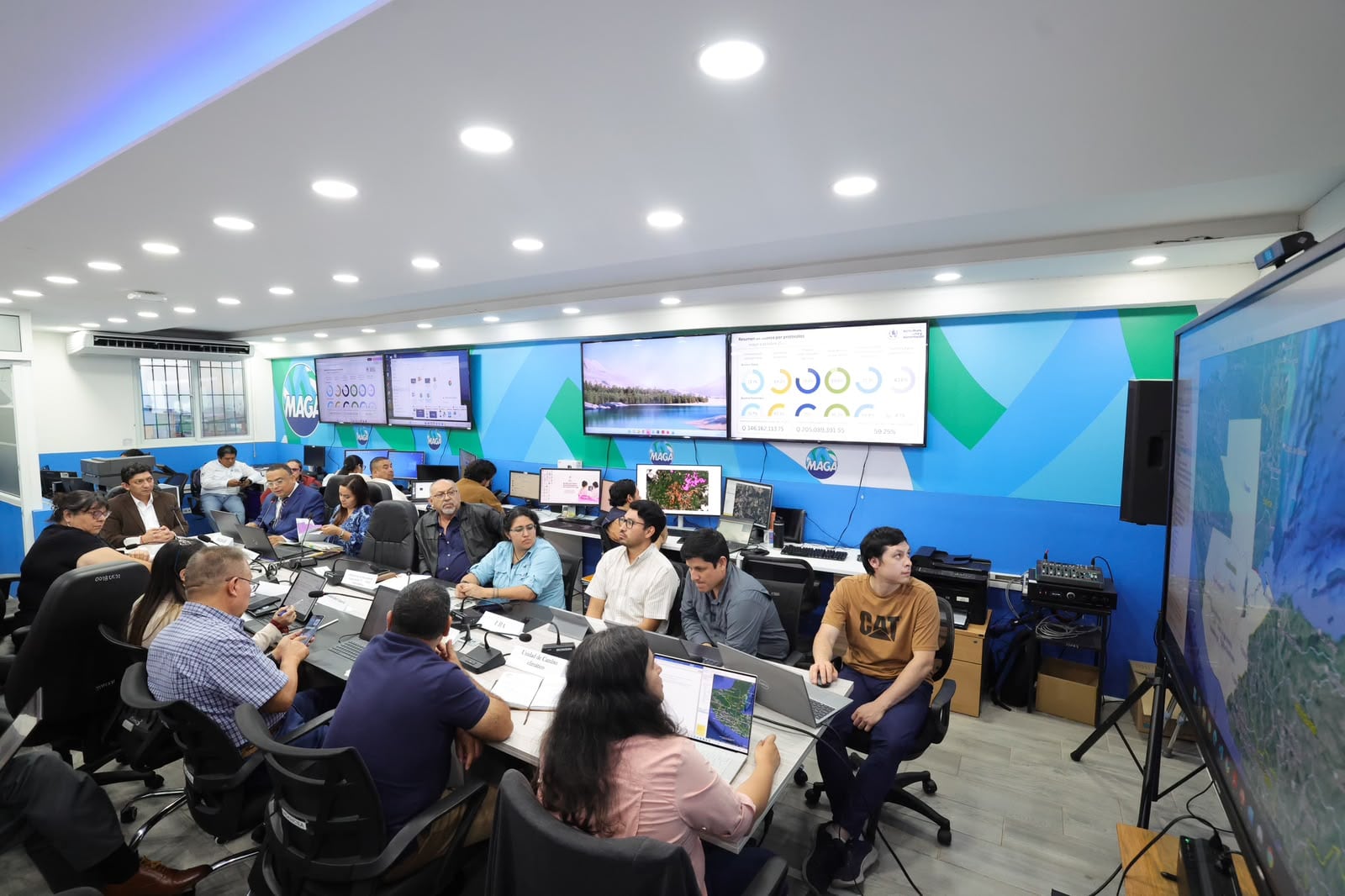
Las medidas fueron tratadas durante el primer Comité de Emergencia encabezado por el ministro de Agricultura, Ganadería y Alimentación, José Antonio López Leonardo. En la reunión participaron la viceministra de Sanidad Agropecuaria y Regulaciones, Mayra Motta; la viceministra de Seguridad Alimentaria y Nutricional, Dinorah Herrera, de manera virtual; el director de Información Geográfica, Estratégica y Gestión de Riesgos, Rafael López, y el director de Coordinación Regional y Extensión Rural, Nery Pérez.
Las autoridades analizaron las condiciones agroclimáticas y coordinaron la recolección de información mediante los reportes de extensionistas que trabajan en distintas regiones del país. Esos datos permitirán identificar las áreas con mayor riesgo, emitir alertas agropecuarias y orientar a las familias productoras sobre la protección de sus cultivos y animales.
El Ministerio de Agricultura mantendrá el monitoreo meteorológico en el país y prevé emitir nuevas indicaciones si las bajas temperaturas se intensifican en los próximos días.
conferencia,reunión de trabajo,seminario,computadoras portátiles,oficina
INTERNACIONAL
Inside Senate GOP’s tense post-election reckoning as Thune clashes with Republican critics
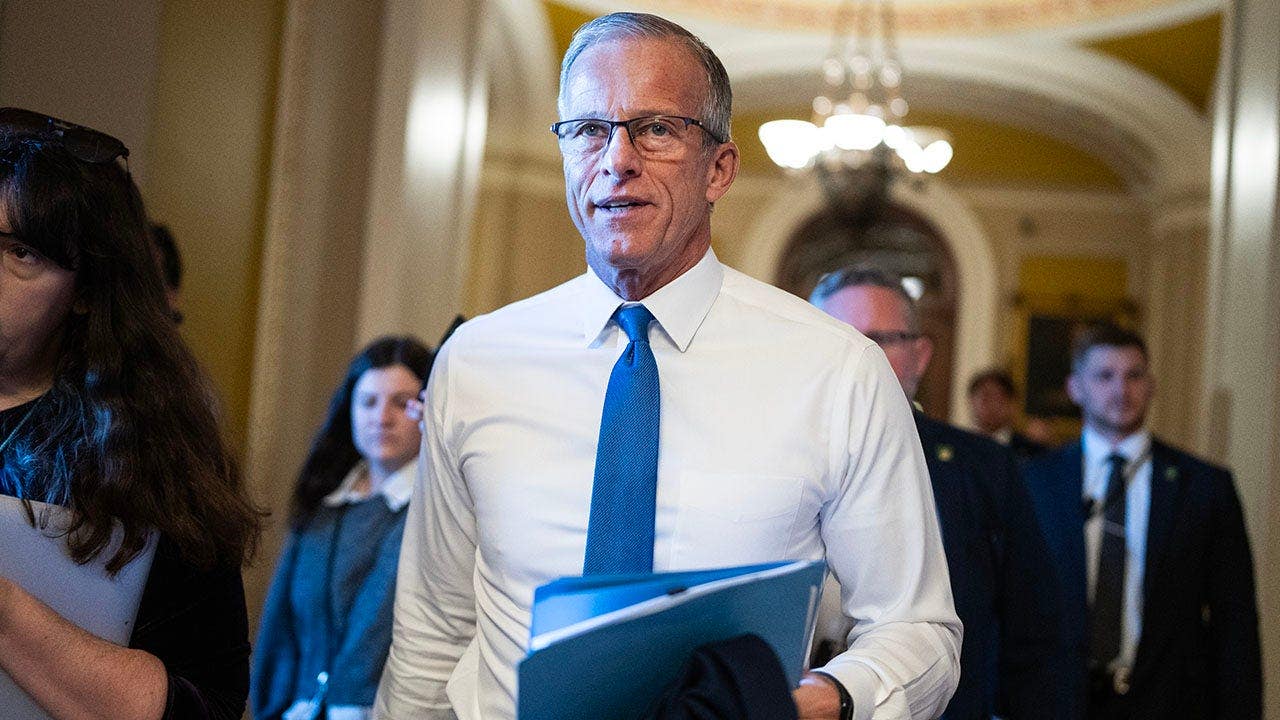
Senate Republicans huddled for hours on end to define their remaining time in power and determine if the leadership they had backed so far was the right choice moving forward into a new era in Washington, D.C.
Some closed-door meetings over the last nearly two years Republicans have controlled the Senate have been animated, with policy pitches devolving into shouting matches — President Donald Trump and Sen. Bill Cassidy, R-La., infamously sparred over the Iran war earlier this year.
This confab, their first since Senate Minority Leader Chuck Schumer, D-N.Y., and Democrats roared back into the majority, was different. In part, it was meant to develop a plan that would carry them through the final weeks of this year — that was agreed upon during the meeting, but not without its own drama after the fact on who could lay claim to the GOP’s 54-day blitz.
SENATE GOP REBELLION FIZZLES AS THUNE KEEPS POWER DESPITE HISTORIC MIDTERM MASSACRE
It was also a test to see if Republicans wanted to keep Senate Majority Leader John Thune, R-S.D., as their leader, or delay until a challenger appeared.
But Republicans pushing for a delay acknowledged part of the problem: Who would want the job?
«I got the job because nobody else wants it,» Thune told Digital after the dust settled in the Old Senate Chamber.
And he did, along with much of the same leadership team that Senate Republicans elected when they won the majority two years ago, by acclamation, meaning no lawmaker objected to their leadership slate.
Some told Digital it was like «Festivus,» the holiday etched into Gen-Xers’ brains from «Seinfeld» known for its airing of grievances. Others described it as a frank, needed debrief as the GOP picks through the debris of Election Night.
GOP SENATOR WITHHOLDS SUPPORT FOR THUNE AS LEADERSHIP SHOWDOWN LOOMS
«It really was, to be honest with you, as profound as the loss was last week. I would have expected more emotions, which I consider to be a good sign,» Sen. Thom Tillis, R-N.C., told Digital. «But I think it’s almost — It’s self-governing because nobody can dispute that it’s a problem.»
«Now it’s not like you’re looking for the silver lining,» he continued. «It doesn’t exist. It is what it is, and you’ve got to react.»
But there were some «testy» moments, particularly between Thune and Sen. Ron Johnson, R-Wis., the driving force behind the push to delay leadership elections.
For Thune, the main question was what anyone else in the Senate GOP would have done differently in his shoes.
«I just think that you come through an election like this and everybody’s looking for scapegoats and there’s a lot of blame casting that goes on, and I just wanted to get up and basically defend what we had done and accomplished,» Thune said.
«And I think the operative question is, tell me what you would do differently? Both on the political side and the legislative side. So we had a good, we had a robust conversation, and it does. It always gets a little bit testy in the back and forth, but I thought that, by and large, the discussion was very candid, and certainly gave everybody an opportunity to be heard.»
CONGRESS RETURNS TO BRUTAL LAME-DUCK STRETCH WITH SHUTDOWN DEADLINE, LEADERSHIP RACES: ‘CLOSET IS FULL OF S—’
Johnson acknowledged that he was «prone to interrupting, I’m rude that way,» and told Digital that he was sure Thune was «not happy that I did that,» but assured that there was no «animus» between the two.
«In politics, everything has to be so black and white, and, unfortunately, for our base, the way to really rev them up is inter-conference fighting, which is not helpful,» Johnson said.
«So, again, I didn’t really like doing this, but it had to be done,» he continued. «I mean, we had to, and in the end, I think, resulted in a very, very good conversation and pretty well revealed we’re just lucky to have anybody who wants those jobs.»
Sen. Steve Daines, R-Mont., told Digital that Thune showed «moments of exceptional leadership» in the heat of the meeting.
He noted that the top Republican’s rebuttal reminded lawmakers of the «ebb and flow of the politics in our country,» dating back to 1986, when former President Ronald Reagan, then entering his final midterm election similar to Trump, lost eight seats in the upper chamber.
«Obama lost nine Senate seats in 2014, it looks like we’re going to lose eight, depending on what happens in Alaska,» Daines said. «So it’s within the kind of the historic norms of going back and forth.»
«And the leader forcefully laid that out and then talked about what he needed to do going forward to unify and eventually reclaim the majority,» he continued.
politics, senate, john thune, republicans elections, congress
INTERNACIONAL
El Camino del Tiempo: una nueva forma de hacer turismo en Guatemala que conectará tres municipios de Quiché con 14 kilómetros de senderos culturales
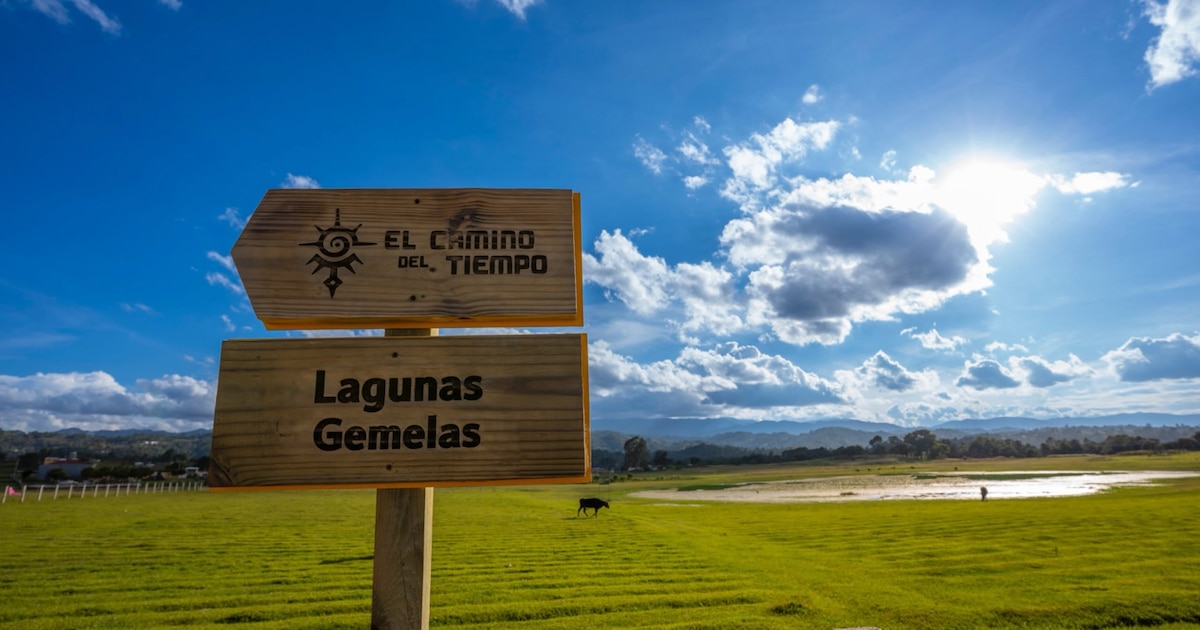
El Camino del Tiempo, una iniciativa comunitaria en las montañas de Quiché, articula a Chichicastenango, Santa Cruz del Quiché y Patzité mediante recorridos culturales y naturales que buscan generar empleo local, preservar el patrimonio maya k’iche’ y convertir a los habitantes en anfitriones de sus propios relatos. El proyecto avanza con el acompañamiento del Instituto Guatemalteco de Turismo (INGUAT) y, en su primera fase, prevé cerca de 14 kilómetros de senderos.
Los tres municipios reúnen cerca de 225.990 habitantes y forman parte de una propuesta que conecta sitios históricos, mercados, talleres artesanales, actividades rurales y espacios ceremoniales. El recorrido se encuentra en construcción y dependerá de acuerdos comunitarios, condiciones técnicas y servicios necesarios para habilitarlo.
Quiché recibió 47.338 visitantes internacionales en 2025 y para 2026 se proyecta la llegada de 49.889. El 93 % de los turistas no residentes pasa al menos una noche en el departamento, con una estadía promedio de 4,48 noches.
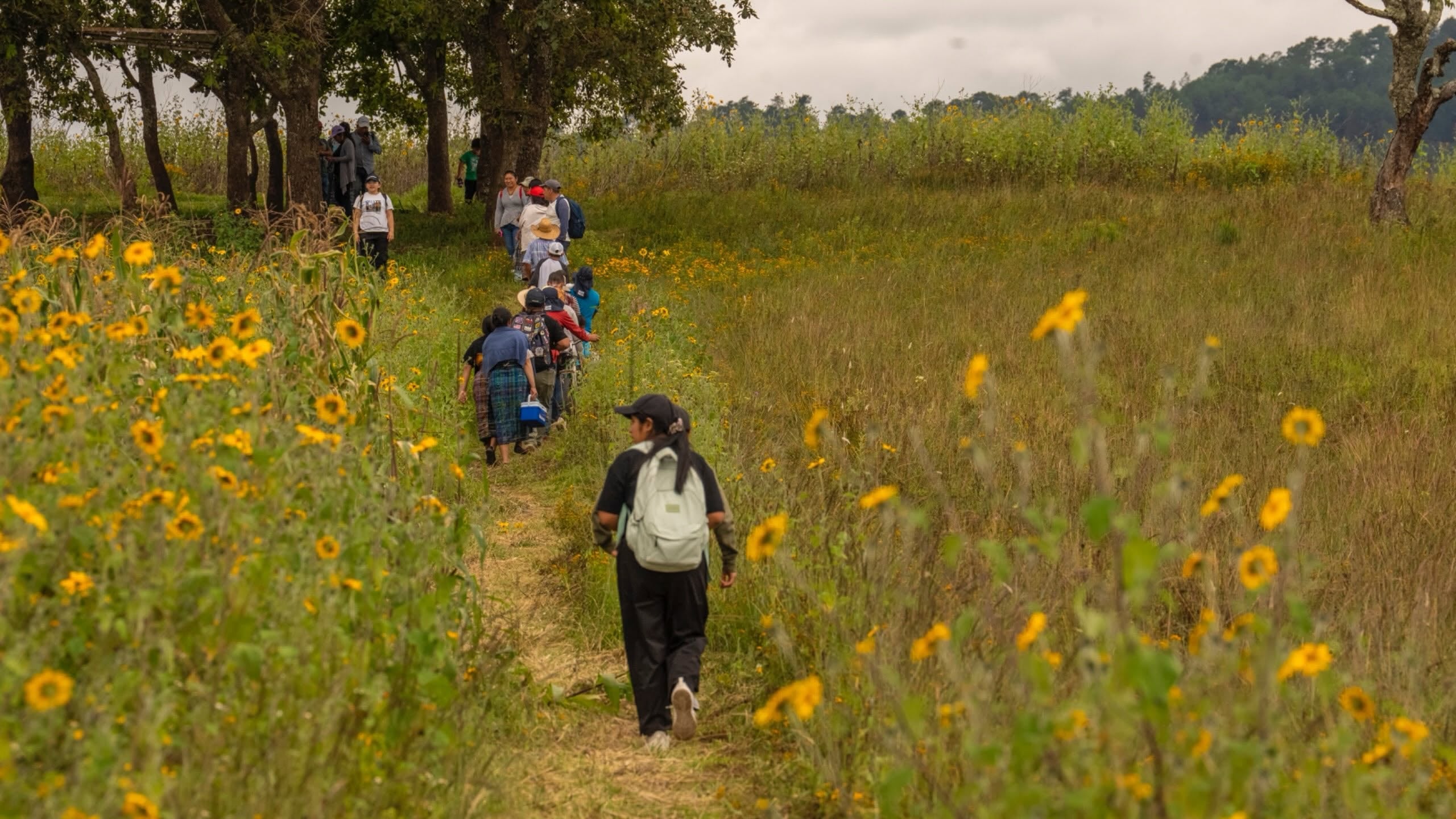
Senderos, artesanías y espacios sagrados del pueblo k’iche’
Las caminatas permitirán conocer la cultura viva del pueblo maya k’iche’ a través de senderos naturales, talleres de tejido, morerías donde se confeccionan máscaras y vestuarios para danzas tradicionales, mercados, producción artesanal y experiencias gastronómicas. El ingreso a centros ceremoniales y lugares sagrados deberá realizarse según las disposiciones de las autoridades y comunidades.
Chichicastenango integra su mercado tradicional, las iglesias de Santo Tomás y El Calvario, el Museo Regional, galerías de arte y talleres artesanales. También incorpora espacios de espiritualidad maya como el cerro Pascual Abaj, además de propuestas vinculadas con la gastronomía tradicional y el temascal, un baño de vapor de profundo significado cultural.
En Santa Cruz del Quiché, el trayecto reúne el sitio arqueológico Tinamit Q’u’ma’rkaj K’iche’, antigua capital del reino k’iche’, la laguna de Lemoa y el patrimonio arquitectónico local. Las comunidades ofrecen saberes sobre tejido tradicional, artesanías de palma, elaboración artesanal de chocolate, gastronomía y vida rural.
Los talleres familiares de tejido en jaspe y telares, el uso de plantas medicinales y las actividades agrícolas y ganaderas forman parte de las experiencias previstas. Entre los atractivos figuran la iglesia de la Virgen de Candelaria y un Centro Interpretativo Turístico en desarrollo, dedicado a la historia, la indumentaria, la vida cotidiana y la cosmovisión maya k’iche’, con contenidos relacionados con el Popol Wuj.
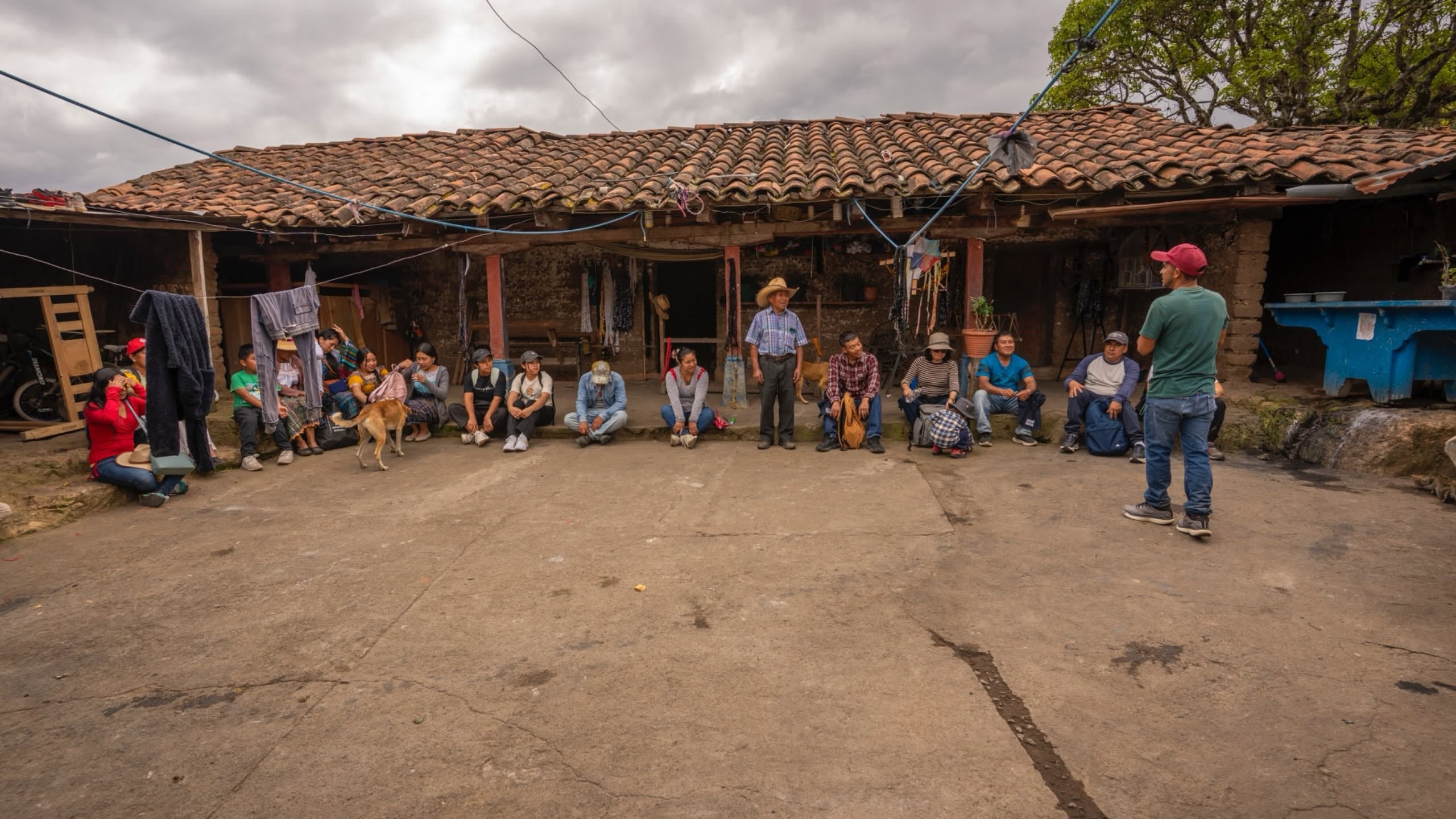
La participación local como condición del desarrollo turístico
El proyecto busca que los ingresos del turismo lleguen directamente a las comunidades mediante empleos, emprendimientos y nuevas fuentes de recursos para las familias. Mujeres que transmiten conocimientos de tejido, agricultores que comercializan productos, familias dedicadas a la gastronomía tradicional y jóvenes que se forman como anfitriones podrían participar en actividades de alimentación, hospedaje, guiado, artesanías y comercio local.
La conexión entre los municipios apunta también a fortalecer los vínculos comerciales entre productores y prestadores de servicios, ampliar las oportunidades para mujeres y jóvenes y distribuir de manera más equilibrada los recursos generados por la actividad turística.
Las autoridades indígenas y ancestrales, las municipalidades y las comunidades coordinan la identificación de senderos, el reconocimiento de espacios históricos y naturales, el diseño de experiencias y las condiciones para el funcionamiento futuro. De acuerdo con el Instituto Guatemalteco de Turismo, ya se realizaron capacitaciones para jóvenes y mujeres sobre atención al visitante, cultura turística, turismo comunitario y manejo de alimentos.
También se instaló señalización turística e interpretativa y áreas de descanso a lo largo del trayecto. El Museo Regional de Chichicastenango fue remozado, mientras continúa la creación del centro interpretativo de Patzité y la elaboración de un catálogo de experiencias con participación de anfitriones locales.
La protección de sitios sagrados, prácticas espirituales, conocimientos ancestrales y entorno natural ocupa un lugar central en el proyecto. La incorporación de estas expresiones dependerá del respeto, el consentimiento y las decisiones de las autoridades y comunidades maya k’iche’.
El plan contempla herramientas tecnológicas para compartir relatos históricos y contenidos en español, k’iche’ e inglés. Con El Camino del Tiempo se busca aumentar la llegada de turistas nacionales e internacionales, extender su permanencia y diversificar las actividades para ampliar la derrama económica entre comunidades, emprendimientos y prestadores locales.
El Camino del Tiempo,Lagunas Gemelas,señalización turística,senderismo,turismo rural

Sacudón papal: el Gobierno quedó en alerta por la hoja de ruta que dejó León XIV

Independiente se ilusiona con la Copa Sudamericana 2027: qué necesita por el Fair Play

El Ministerio de Agricultura de Guatemala mantiene bajo vigilancia a 90 municipios por el frío nocturno y la baja humedad del suelo

Círculo rojo: Milei después del Papa, una interna sin tregua y el futuro en disputa

Controversia en el tenis por un insulto de Aryna Sabalenka durante el partido con Elina Svitolina: “Disculpas a quien ofendí”

Nati Jota reveló cómo hizo para comprarse dos departamentos antes de los 32 años: “Me da vergüenza decirlo”

Fútbol sudamericano: por qué es importante seguir el calendario de partidos

La dolorosa despedida al aire de Horacio Pagani a su amigo Carlos Babington: “Fue una noticia fulminante que la recibí en el auto”

La plataforma Doctor SV triplicó su red médica y acumuló 5.4 millones de consultas en su primer año en El Salvador

Villa La Angostura: la Justicia ordenó completar el desalojo de una comunidad mapuche, pero el operativo sigue sin fecha

 ECONOMIA3 días ago
Banco Santander anunció aumento de precio en sus paquetes y esto valdrá desde enero
- DEPORTE3 días ago
Así está el mano a mano entre Estudiantes de La Plata e Independiente Rivadavia
- POLITICA3 días ago
Karina Milei y Diego Santilli aprovecharon la visita a Corrientes para tratar la eliminación de las PASO con el gobernador